


Greening Schoolyards to Improve Child Health: A Quasi-Experimental Study Protocol in Belgian and Dutch Primary Schools

 ,
,  ,
,
Abstract
1. Introduction
2. Materials and Methods
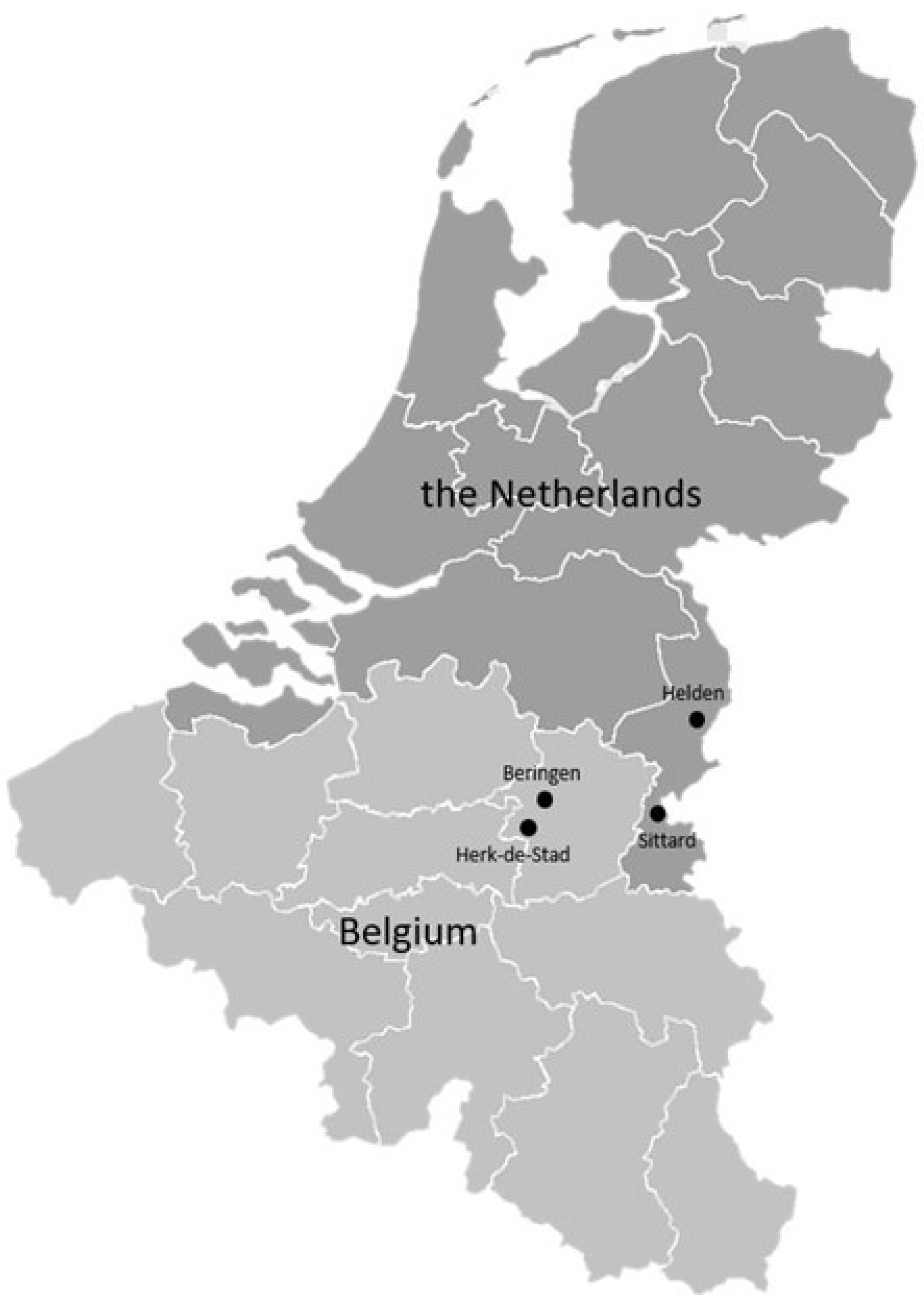
2.1. Study Design and Setting
2.2. Outcome Parameters
2.3. Food Intake
2.4. Knowledge and Affinity to Biodiversity
2.5. Anthropometric Measurements
2.6. Physical Activity Behavior
2.7. Cognitive Performance
2.8. Particulate Matter Determination in Urine
2.9. Number of Participants
2.10. Data Analysis
3. Discussion
4. Conclusions
Author Contributions
Funding
Institutional Review Board Statement
Informed Consent Statement
Data Availability Statement
Acknowledgments
Conflicts of Interest
Abbreviations
| BMI | Body Mass index |
| HPSF | Healthy Primary School of the Future |
| PA | Physical Activity |
| SDQ | Strengths and difficulties questionnaire |
| AOI | Area of Interest |
| PAQ-C | Physical Activity Questionnaire for Children |
| CPT | Continuous Performance Test |
| SDMT | Symbol Digit Modalities Test |
| GEE | Generalizing Estimating Equations |
| ART | Attention Restoration Theory |
| SRT | Stress Reduction Theory |
Appendix A. Biodiversity Questionnaire
Appendix A.1. Perception Section
- Q1a Do you have pets? (Check the appropriate box)Yes = 1No = 0
- Q1b If yes, which animals and how many? (Check the appropriate box and indicate how many)Dog = 1Cat = 2Hamster = 3Rabbit = 4Fish = 5Gerbil = 6Reptile = 7Bird = 8Sheep = 9Horse or pony = 10Chicken = 11
- Q2 Do you have a garden at home? (Check the appropriate box)Yes with grass = 2Yes without grass = 1No, we don’t have a garden = 0(Also analyzed as a two-level factor: yes = 1 no = 2)
- Q3 What do you think about nature? (Check the appropriate box)Scoring on a five-point Likert scale: 5 = “I really love nature” 4 = “I just like nature” 3 = “Nature is OK” 2 = “I don’t like nature” 1 = “I hate nature”.
- Q4 Do you think it is important to feel connected to nature?Scoring on a five-point Likert scale: 5 = “very important” 4 = “important” 3 = “neutral” 2 = “not important” 1 = “not important at all”
- Q5 Do you think it is important to take care of nature? *Scoring on a five-point Likert scale: 5 = “very important” 4 = “important” 3 = “neutral” 2 = “not important” 1 = “not important at all”
- Q6 Do you sometimes see animals in the garden? *Scoring on a five-point Likert scale: 5 = “very often” 4 = “often” 3 = “sometimes” 2 = “rarely” 1 = “never”
- Q7 For each of the following questions, indicate yes or no *
Question Axis Score If Answered ‘yes’ Do you love animals? Affect 1 Are you afraid of animals? Affect −1 Can you earn money with animals? Utility 1 Are wild animals a nuisance? Utility −1 Would you be sad if animals no longer existed? Affect 1 Are animals important to keep nature healthy? Utility 1 Do you hate animals? Affect −1 Would people be better off without animals? Utility −1 - Q8 What do you think of your playground?Scoring on a five-point Likert scale: 5 = “very fun” 4 = “fun” 3 = “average” 2 = “not so fun” 1 = “not fun at all”
- Q9 Where do you prefer to play on the playground? (open answer)
- Q10 Do you think the playground resembles nature with lots of grass, trees, flowers, water, sand, and animals? *Scoring on a five-point Likert scale: 5 = “yes, very much” 4 = “yes, a lot” 3 = “average” 2 = “no, a little” 1 = “no, not at all”
- Q11 Do you think more should be done to protect nature, plants, and animals? * Indicate yes or noYesNo
Appendix A.2. Knowledge Section
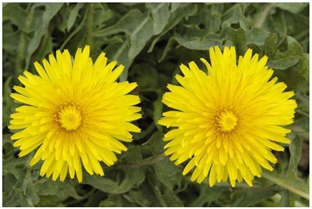
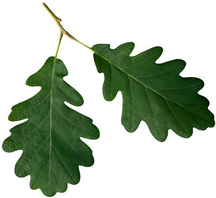
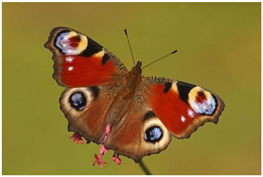
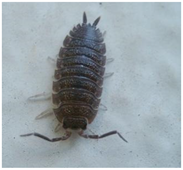
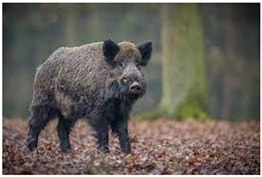
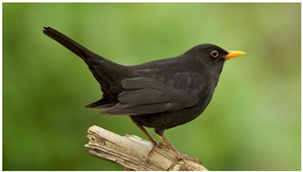
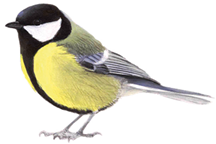
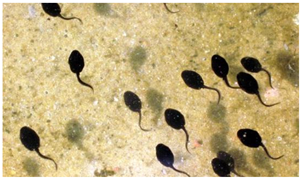
- Q12 Write the name of the animal or plant under the picture *


1. What is the name of this insect? 2. Which animal is this? …………………………….. …………………………….. 

3. What is the name of this bird? 4. What is the name of this insect? ………................................... ………................................... 

5. Which flower is this? 6. Which tree does this leaf come from? ………................................... ………................................... 

7. What is the name of this butterfly? 8. What is the name of this insect? ................................................... ................................................... 

9. Which animal is this? 10. Which bird is this? .................................................. .................................................. 

11. Which bird is this? 12. Which animals are these? …................................... ………..................................
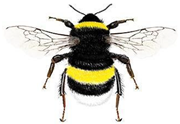
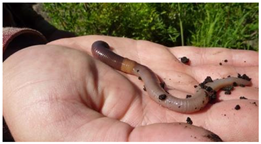
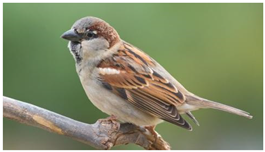
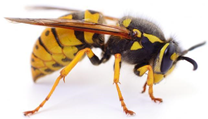
References
- World Health Organization. Report of the Commission on Ending Childhood Obesity; World Health Organization: Geneva, Switzerland, 2016; Volume 105, pp. 1–52. [Google Scholar]
- National Heart Lung and Blood Institute. Overweight and Obesity—What Are Overweight and Obesity? [Internet]; National Heart Lung and Blood Institute: Bethesda, MD, USA, 2020; pp. 1–2. Available online: https://www.nhlbi.nih.gov/health/overweight-and-obesity (accessed on 1 October 2021).
- GBD 2019 Risk Factors Collaborators. Global burden of 87 risk factors in 204 countries and territories, 1990–2019: A systematic analysis for the Global Burden of Disease Study 2019. Lancet 2020, 396, 1223–1249. [Google Scholar] [CrossRef] [Scilit] [PubMed]
- Sahoo, K.; Sahoo, B.; Choudhury, A.; Sofi, N.; Kumar, R.; Bhadoria, A. Childhood obesity: Causes and consequences. J. Fam. Med. Prim. Care 2015, 4, 187. [Google Scholar] [CrossRef] [Scilit] [PubMed]
- Kieling, C.; Buchweitz, C.; Caye, A.; Silvani, J.; Ameis, S.H.; Brunoni, A.R.; Cost, K.T.; Courtney, D.B.; Georgiades, K.; Merikangas, K.R.; et al. Worldwide prevalence and disability from mental disorders across childhood and adolescence: Evidence from the global burden of disease study. JAMA Psychiatry 2024, 81, 347–356. [Google Scholar] [CrossRef] [Scilit] [PubMed]
- World Health Organization. Global Case for Support-UNICEF and WHO Joint Programme on Mental Health and Psychosocial Well-Being and Development of Children and Adolescents; World Health Organization: Geneva, Switzerland, 2022. [Google Scholar]
- Fyfe-Johnson, A.L.; Hazlehurst, M.F.; Perrins, S.P.; Bratman, G.N.; Thomas, R.; Garrett, K.A.; Hafferty, K.R.; Cullaz, T.M.; Marcuse, E.K.; Tandon, P.S. Nature and Children’s Health: A Systematic Review. Pediatrics 2021, 148, e2020049155. [Google Scholar] [CrossRef] [Scilit]
- Islam, M.Z.; Johnston, J.; Sly, P.D. Green space and early childhood development: A systematic review. Rev. Environ. Health 2020, 35, 189–200. [Google Scholar] [CrossRef] [Scilit]
- McCormick, R. Does Access to Green Space Impact the Mental Well-being of Children: A Systematic Review. J. Pediatr. Nurs. 2017, 37, 3–7. [Google Scholar] [CrossRef] [Scilit]
- James, P.; Banay, R.F.; Hart, J.E.; Laden, F. A Review of the Health Benefits of Greenness. Curr. Epidemiol. Rep. 2015, 2, 131–142. [Google Scholar] [CrossRef] [Scilit]
- Ward, J.S.; Duncan, J.S.; Jarden, A.; Stewart, T. The impact of children’s exposure to greenspace on physical activity, cognitive development, emotional wellbeing, and ability to appraise risk. Health Place 2016, 40, 44–50. [Google Scholar] [CrossRef] [Scilit]
- Fernandes, A.; Avraam, D.; Cadman, T.; Dadvand, P.; Guxens, M.; Binter, A.C.; de Moira, A.P.; Nieuwenhuijsen, M.; Duijts, L.; Julvez, J.; et al. Green spaces and respiratory, cardiometabolic, and neurodevelopmental outcomes: An individual-participant data meta-analysis of >35.000 European children. Environ. Int. 2024, 190, 108853. [Google Scholar] [CrossRef] [Scilit]
- Kondo, M.C.; Fluehr, J.M.; McKeon, T.; Branas, C.C. Urban Green Space and Its Impact on Human Health. Int. J. Environ. Res. Public Health 2018, 15, 445. Available online: https://www.mdpi.com/1660-4601/15/3/445 (accessed on 1 October 2021). [CrossRef] [Scilit]
- Craigie, A.M.; Lake, A.A.; Kelly, S.A.; Adamson, A.J.; Mathers, J.C. Tracking of obesity-related behaviours from childhood to adulthood: A systematic review. Maturitas 2011, 70, 266–284. [Google Scholar] [CrossRef] [Scilit]
- Bartelink, N.H.M.; van Assema, P.; Jansen, M.W.J.; Savelberg, H.H.C.M.; Willeboordse, M.; Kremers, S.P.J. The healthy primary school of the future: A contextual action-oriented research approach. Int. J. Environ. Res. Public Health 2018, 15, 2243. [Google Scholar] [CrossRef] [Scilit]
- Lambrinou, C.P.; Androutsos, O.; Karaglani, E.; Cardon, G.; Huys, N.; Wikström, K.; Kivelä, J.; Ko, W.; Karuranga, E.; Manios, Y.; et al. Effective strategies for childhood obesity prevention via school based, family involved interventions: A critical review for the development of the Feel4Diabetes-study school based component. BMC Endocr. Disord. 2020, 20 (Suppl. 2), 52. [Google Scholar] [CrossRef] [Scilit]
- Verrotti, A.; Penta, L.; Zenzeri, L.; Agostinelli, S.; De Feo, P. Childhood obesity: Prevention and strategies of intervention. A systematic review of school-based interventions in primary schools. Mol. Diagnosis Ther. 2014, 37, 1155–1164. [Google Scholar] [CrossRef] [Scilit]
- Willeboordse, M.; Bartelink, N.H.; van Assema, P.; Kremers, S.P.; Savelberg, H.H.; Hahnraths, M.T.; Vonk, L.; Oosterhoff, M.; Van Schayck, C.P.; Winkens, B.; et al. Battling the obesity epidemic with a school-based intervention: Long-term effects of a quasi-experimental study. PLoS ONE 2022, 17, e0272291. [Google Scholar] [CrossRef] [Scilit] [PubMed]
- Bikomeye, J.C.; Balza, J.; Beyer, K.M. The Impact of Schoolyard Greening on Children’s Physical Activity and Socioemotional Health: A Systematic Review of Experimental Studies. Int. J. Environ. Res. Public Health 2021, 18, 535. [Google Scholar] [CrossRef] [Scilit] [PubMed] [PubMed Central]
- Bell, A.C.; Dyment, J.E. Grounds for health: The intersection of green school grounds and health-promoting schools. Environ. Educ. Res. 2008, 14, 77–90. [Google Scholar] [CrossRef] [Scilit]
- Kaplan, S. The restorative benefits of nature: Toward an integrative framework. J. Environ. Psychol. 1995, 15, 169–182. [Google Scholar] [CrossRef] [Scilit]
- Ulrich, R.S.; Simons, R.F.; Losito, B.D.; Fiorito, E.; Miles, M.A.; Zelson, M. Stress Recovery During Exposure to Natural and Urban Environments. J. Environ. Psychol. 1991, 11, 201–230. [Google Scholar] [CrossRef] [Scilit]
- Hartig, T. Restoration in nature: Beyond the conventional narrative. Nat. Psychol. Biol. Cogn. Dev. Soc. Pathw. Well Being 2021, 67, 89–151. [Google Scholar]
- Aerts, R.; Honnay, O.; Van Nieuwenhuyse, A. Biodiversity and human health: Mechanisms and evidence of the positive health effects of diversity in nature and green spaces. Br. Med Bull. 2018, 127, 5–22. [Google Scholar] [CrossRef] [Scilit]
- Marselle, M.R.; Hartig, T.; Cox, D.T.; de Bell, S.; Knapp, S.; Lindley, S.; Triguero-Mas, M.; Böhning-Gaese, K.; Braubach, M.; Cook, P.A.; et al. Pathways linking biodiversity to human health: A conceptual framework. Environ. Int. 2021, 150, 106420. [Google Scholar] [CrossRef] [Scilit]
- Marselle, M.R.; Martens, D.; Dallimer, M.; Irvine, K.N. Review of the Mental Health and Well-being Benefits of Biodiversity. In Biodiversity and Health in the Face of Climate Change; Marselle, M.R., Stadler, J., Korn, H., Irvine, K.N., Bonn, A., Eds.; Springer International Publishing: Cham, Switzerland, 2019; pp. 175–211. [Google Scholar]
- Lovell, R.; Wheeler, B.W.; Higgins, S.L.; Irvine, K.N.; Depledge, M.H. A systematic review of the health and well-being benefits of biodiverse environments. J. Toxicol. Environ. Health Part B 2014, 17, 1–20. [Google Scholar] [CrossRef] [Scilit]
- Rook, G.A. Regulation of the immune system by biodiversity from the natural environment: An ecosystem service essential to health. Proc. Natl. Acad. Sci. USA 2013, 110, 18360–18367. [Google Scholar] [CrossRef] [Scilit] [PubMed]
- Hanski, I.; von Hertzen, L.; Fyhrquist, N.; Koskinen, K.; Torppa, K.; Laatikainen, T.; Karisola, P.; Auvinen, P.; Paulin, L.; Mäkelä, M.J.; et al. Environmental biodiversity, human microbiota, and allergy are interrelated. Proc. Natl. Acad. Sci. USA 2012, 109, 8334–8339. [Google Scholar] [CrossRef] [Scilit]
- Ruokolainen, L. Green living environment protects against allergy, or does it? Eur. Respir. J. 2017, 49, 1700481. [Google Scholar] [CrossRef] [Scilit] [PubMed]
- Ruokolainen, L.; Fyhrquist, N.; Haahtela, T. The rich and the poor: Environmental biodiversity protecting from allergy. Curr. Opin. Allergy Clin. Immunol. 2016, 16, 421–426. [Google Scholar] [CrossRef] [Scilit]
- Flandroy, L.; Poutahidis, T.; Berg, G.; Clarke, G.; Dao, M.C.; Decaestecker, E.; Furman, E.; Haahtela, T.; Massart, S.; Plovier, H.; et al. The impact of human activities and lifestyles on the interlinked microbiota and health of humans and of ecosystems. Sci. Total. Environ. 2018, 627, 1018–1038. [Google Scholar] [CrossRef] [Scilit] [PubMed]
- van Dijk-Wesselius, J.; Maas, J.; Hovinga, D.; van Vugt, M.; Van den Berg, A. The impact of greening schoolyards on the appreciation, and physical, cognitive and social-emotional well-being of schoolchildren: A prospective intervention study. Landsc. Urban Plan. 2018, 180, 15–26. [Google Scholar] [CrossRef] [Scilit]
- Vella-Brodrick, D.A.; Gilowska, K. Effects of nature (greenspace) on cognitive functioning in school children and adolescents: A systematic review. Educ. Psychol. Rev. 2022, 34, 1217–1254. [Google Scholar] [CrossRef] [Scilit]
- Barenie, M.J.; Howie, E.K.; Weber, K.A.; Thomsen, M.R. Evaluation of the Little Rock Green Schoolyard initiative: A quasi-experimental study protocol. BMC Public Health 2023, 23, 1022. [Google Scholar] [CrossRef] [Scilit]
- Vancoppenolle, D.; Colaert, K.; Cloots, H.; Roelants, M. De gewichtsstatus van kinderen en jongeren in Vlaanderen. In Geïntegreerde Rapportage Op Basis van BMI-Gegevens van KIND en Gezin en Zorg en Gezondheid; Kind en Gezin en Zorg en Gezondheid: Brussel, Belgium, 2020. [Google Scholar]
- CBS. Sociaal-Economische Status; Scores per Wijk en Buurt, Regio-Indeling 2021. Available online: https://www.cbs.nl/nl-nl/cijfers/detail/85163NED (accessed on 1 October 2021).
- Goodman, R. The Strengths and Difficulties Questionnaire: A research note. J. Child Psychol. Psychiatry 1997, 38, 581–586. [Google Scholar] [CrossRef] [Scilit]
- Ravens-Sieberer, U.; Herdman, M.; Devine, J.; Otto, C.; Bullinger, M.; Rose, M.; Klasen, F. The European KIDSCREEN approach to measure quality of life and well-being in children: Development, current application, and future advances. Qual. Life Res. 2014, 23, 791–803. [Google Scholar] [CrossRef] [Scilit]
- Ravens-Sieberer, U.; Gosch, A.; Rajmil, L.; Erhart, M.; Bruil, J.; Duer, W.; Auquier, P.; Power, M.; Abel, T.; Czemy, L.; et al. KIDSCREEN-52 quality-of-life measure for children and adolescents. Expert Rev. Pharmacoecon. Outcomes Res. 2005, 5, 353–364. [Google Scholar] [CrossRef] [Scilit]
- Goeleven, E.; De Raedt, R.; Leyman, L.; Verschuere, B. The Karolinska Directed Emotional Faces: A validation study. Cogn. Emot. 2008, 22, 1094–1118. [Google Scholar] [CrossRef] [Scilit]
- van Assema, P.; Brug, J.; Ronda, G.; Steenhuis, I. The relative validity of a short Dutch questionnaire as a means to categorize adults and adolescents to total and saturated fat intake. J. Hum. Nutr. Diet. 2001, 14, 377–390. [Google Scholar] [CrossRef] [Scilit] [PubMed]
- Van Assema, P.; Brug, J.; Ronda, G.; Steenhuis, I.; Oenema, A. A short dutch questionnaire to measure fruit and vegetable intake: Relative validity among adults and adolescents. Nutr. Health 2002, 16, 85–106. [Google Scholar] [CrossRef] [Scilit]
- Schönbeck, Y.; Talma, H.; van Dommelen, P.; Bakker, B.; Buitendijk, S.E.; HiraSing, R.A.; Van Buuren, S. Increase in prevalence of overweight in Dutch children and adolescents: A comparison of nationwide growth studies in 1980, 1997 and 2009. PLoS ONE 2011, 6, e27608. [Google Scholar] [CrossRef] [Scilit] [PubMed]
- World Health Organization. Waist Circumference and Waist-Hip Ratio: Report of a WHO Expert Consultation; World Health Organization: Geneva, Switzerland, 2008. [Google Scholar]
- Kowalski, K.C.; Crocker, P.R.; Donen, R.M. The Physical Activity Questionnaire for Older Children (PAQ-C) and Adolescents (PAQ-A) Manual; College of Kinesiology, University of Saskatchewan: Saskatoon, SK, Canadian, 2004; Volume 87, pp. 1–38. [Google Scholar]
- Brand, N.; Houx, P.J. MINDS: Toward a computerized test battery for use in health psychological and neuropsychological assessment. Behav. Res. Methods Instrum. Comput. 1992, 24, 385–389. [Google Scholar] [CrossRef] [Scilit]
- Bongaerts, E.; Mamia, K.; Rooda, I.; Björvang, R.D.; Papaikonomou, K.; Gidlöf, S.B.; Olofsson, J.I.; Ameloot, M.; Alfaro-Moreno, E.; Nawrot, T.S.; et al. Ambient black carbon particles in human ovarian tissue and follicular fluid. Environ. Int. 2023, 179, 108141. [Google Scholar] [CrossRef] [Scilit]
- Vos, S.; De Waele, E.; Goeminne, P.; Bijnens, E.M.; Bongaerts, E.; Martens, D.S.; Malina, R.; Ameloot, M.; Dams, K.; De Weerdt, A.; et al. Pre-admission ambient air pollution and blood soot particles predict hospitalisation outcomes in COVID-19 patients. Eur. Respir. J. 2023, 62, 2300309. [Google Scholar] [CrossRef] [Scilit]
- Dadvand, P.; Nieuwenhuijsen, M.J.; Esnaola, M.; Forns, J.; Basagaña, X.; Alvarez-Pedrerol, M.; Rivas, I.; López-Vicente, M.; De Castro Pascual, M.; Su, J.; et al. Green spaces and cognitive development in primary schoolchildren. Proc. Natl. Acad. Sci. USA 2015, 112, 7937–7942. [Google Scholar] [CrossRef] [Scilit]
- Engemann, K.; Pedersen, C.B.; Arge, L.; Tsirogiannis, C.; Mortensen, P.B.; Svenning, J.C. Residential green space in childhood is associated with lower risk of psychiatric disorders from adolescence into adulthood. Proc. Natl. Acad. Sci. USA 2019, 116, 5188–5193. [Google Scholar] [CrossRef] [Scilit] [PubMed]
- Wilson, E.O. Biophilia; Harvard University Press: Cambridge, MA, USA, 1984. [Google Scholar]
- Grinde, B.; Patil, G.G. Biophilia: Does visual contact with nature impact on health and well-being? Int. J. Environ. Res. Public Health 2009, 6, 2332–2343. [Google Scholar] [CrossRef] [Scilit] [PubMed]
- Hartig, T.; Mitchell, R.; de Vries, S.; Frumkin, H. Nature and Health. Annu. Rev. Public Health 2014, 35, 207–228. [Google Scholar] [CrossRef] [Scilit]
- Civitello, D.J.; Cohen, J.; Fatima, H.; Halstead, N.T.; Liriano, J.; McMahon, T.A.; Ortega, C.N.; Sauer, E.L.; Sehgal, T.; Young, S.; et al. Biodiversity inhibits parasites: Broad evidence for the dilution effect. Proc. Natl. Acad. Sci. USA 2015, 112, 8667–8671. [Google Scholar] [CrossRef] [Scilit]
- Schmidt, K.A.; Ostfeld, R.S. Biodiversity and the Dilution Effect in Disease Ecology. Ecology 2001, 82, 609–619. [Google Scholar] [CrossRef]
- Johnson, P.T.J.; Ostfeld, R.S.; Keesing, F. Frontiers in research on biodiversity and disease. Ecol. Lett. 2015, 18, 1119–1133. [Google Scholar] [CrossRef] [Scilit]
- Raney, M.A.; Hendry, C.F.; Yee, S.A. Physical activity and social behaviors of urban children in green playgrounds. Am. J. Prev. Med. 2019, 56, 522–529. [Google Scholar] [CrossRef] [Scilit]
- Raney, M.A.; Bowers, A.L.; Rissberger, A.L. Rissberger, Recess Behaviors of Urban Children 16 Months After a Green Schoolyard Renovation. J. Phys. Act. Health 2021, 18, 563–570. [Google Scholar] [CrossRef] [Scilit] [PubMed]
- Bates, C.R.; Bohnert, A.M.; Gerstein, D.E. Gerstein, Green schoolyards in low-income urban neighborhoods: Natural spaces for positive youth development outcomes. Front. Psychol. 2018, 9, 805. [Google Scholar] [CrossRef] [Scilit] [PubMed]
- Jia, P.; Cao, X.; Yang, H.; Dai, S.; He, P.; Huang, G.; Wu, T.; Wang, Y. Green space access in the neighbourhood and childhood obesity. Obes. Rev. 2021, 22 (Suppl. 1). [Google Scholar] [CrossRef] [Scilit] [PubMed]

| Data Collection Activity | Parents | Children | Time Point |
|---|---|---|---|
| General questionnaire | |||
| Personal data (birth data, sex, ethnicity, addresses, parity, SES, education level of the parents) | x | T0 | |
| Sleep 1 | x | T0, T6, T12, T18 | |
| School absenteeism 1 | x | T0, T6, T12, T18 | |
| Household smoking habits | x | T0, T6, T12, T18, T24 | |
| Visits to GP, disease status 3 | x | T0, T6, T12, T18 | |
| Quality of life (parental PedsQL) 1 | x | T0, T6, T12, T18 | |
| PA behavior | x | T0, T6, T12, T18 | |
| Food + water consumption, habits and preferences 1 | x | x | T0, T6, T12, T18 |
| Strengths and difficulties questionnaire (SDQ) | x | T0, T6, T12, T18, T24 | |
| Kidscreen-52 | x | T0, T6, T12, T18, T24 | |
| Physical Activity Questionnaire for Children (PAQ-C) | x | T0, T12, T18 | |
| Bullying behavior | x | T0, T6, T12, T18, T24 | |
| Knowledge, perception and valuation of biodiversity | x | T0, T12, T18, T24 | |
| Height | x | T0, T12, T18, T24 | |
| Weight | x | T0, T12, T18, T24 | |
| Waist/hip circumference | x | T0, T12, T18, T24 | |
| Physical activity using Accelerometer (Actigraph, GT3X+, Actigraph, Pensacola, FL, USA) 2 | x | T0, T12, T18 | |
| Cognitive tasks and eye-tracking | x | T0, T6, T12, T18, T24 | |
| Particulate matter determination in urine 3 | x | T0, T6, T12, T18, T24 |
Disclaimer/Publisher’s Note: The statements, opinions and data contained in all publications are solely those of the individual author(s) and contributor(s) and not of MDPI and/or the editor(s). MDPI and/or the editor(s) disclaim responsibility for any injury to people or property resulting from any ideas, methods, instructions or products referred to in the content. |
© 2025 by the authors. Licensee MDPI, Basel, Switzerland. This article is an open access article distributed under the terms and conditions of the Creative Commons Attribution (CC BY) license (https://creativecommons.org/licenses/by/4.0/).
Share and Cite
van Engelen, B.H.W.; Verheyen, L.; Winkens, B.; Plusquin, M.; Malina, R.; van Schayck, O.C.P. Greening Schoolyards to Improve Child Health: A Quasi-Experimental Study Protocol in Belgian and Dutch Primary Schools. Int. J. Environ. Res. Public Health 2025, 22, 1805. https://doi.org/10.3390/ijerph22121805
van Engelen BHW, Verheyen L, Winkens B, Plusquin M, Malina R, van Schayck OCP. Greening Schoolyards to Improve Child Health: A Quasi-Experimental Study Protocol in Belgian and Dutch Primary Schools. International Journal of Environmental Research and Public Health. 2025; 22(12):1805. https://doi.org/10.3390/ijerph22121805
Chicago/Turabian Stylevan Engelen, Bo H. W., Lore Verheyen, Bjorn Winkens, Michelle Plusquin, Robert Malina, and Onno C. P. van Schayck. 2025. "Greening Schoolyards to Improve Child Health: A Quasi-Experimental Study Protocol in Belgian and Dutch Primary Schools" International Journal of Environmental Research and Public Health 22, no. 12: 1805. https://doi.org/10.3390/ijerph22121805
APA Stylevan Engelen, B. H. W., Verheyen, L., Winkens, B., Plusquin, M., Malina, R., & van Schayck, O. C. P. (2025). Greening Schoolyards to Improve Child Health: A Quasi-Experimental Study Protocol in Belgian and Dutch Primary Schools. International Journal of Environmental Research and Public Health, 22(12), 1805. https://doi.org/10.3390/ijerph22121805

