Study Protocol

Green Innovation in Regional Logistics: Level Evaluation and Spatial Analysis

1
Jiangsu Key Laboratory of Traffic and Transportation Security, Huaiyin Institute of Technology, Huai’an 223003, China
2
School of Traffic Engineering, Huaiyin Institute of Technology, Huai’an 223003, China
3
School of Computer and Software Engineering, Huaiyin Institute of Technology, Huai’an 223003, China
4
School of Transportation Engineering, Nanjing Tech University, Nanjing 211816, China
5
Business School, Jiangsu Vocational College of Electronics and Information, Huai’an 223003, China
*
Author to whom correspondence should be addressed.
Int. J. Environ. Res. Public Health 2023, 20(1), 735; https://doi.org/10.3390/ijerph20010735

Submission received: 2 December 2022 / Revised: 22 December 2022 / Accepted: 27 December 2022 / Published: 30 December 2022

Abstract

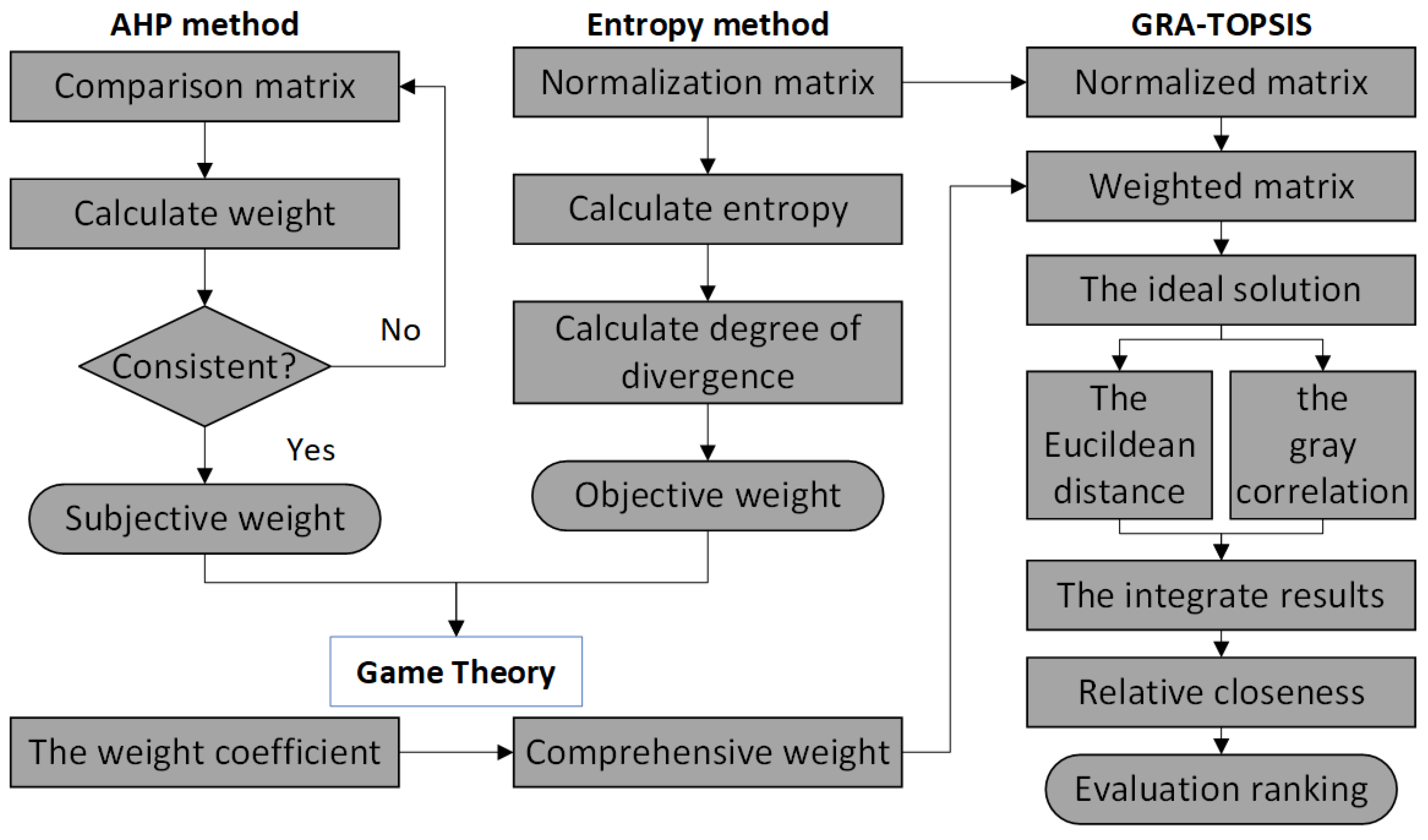
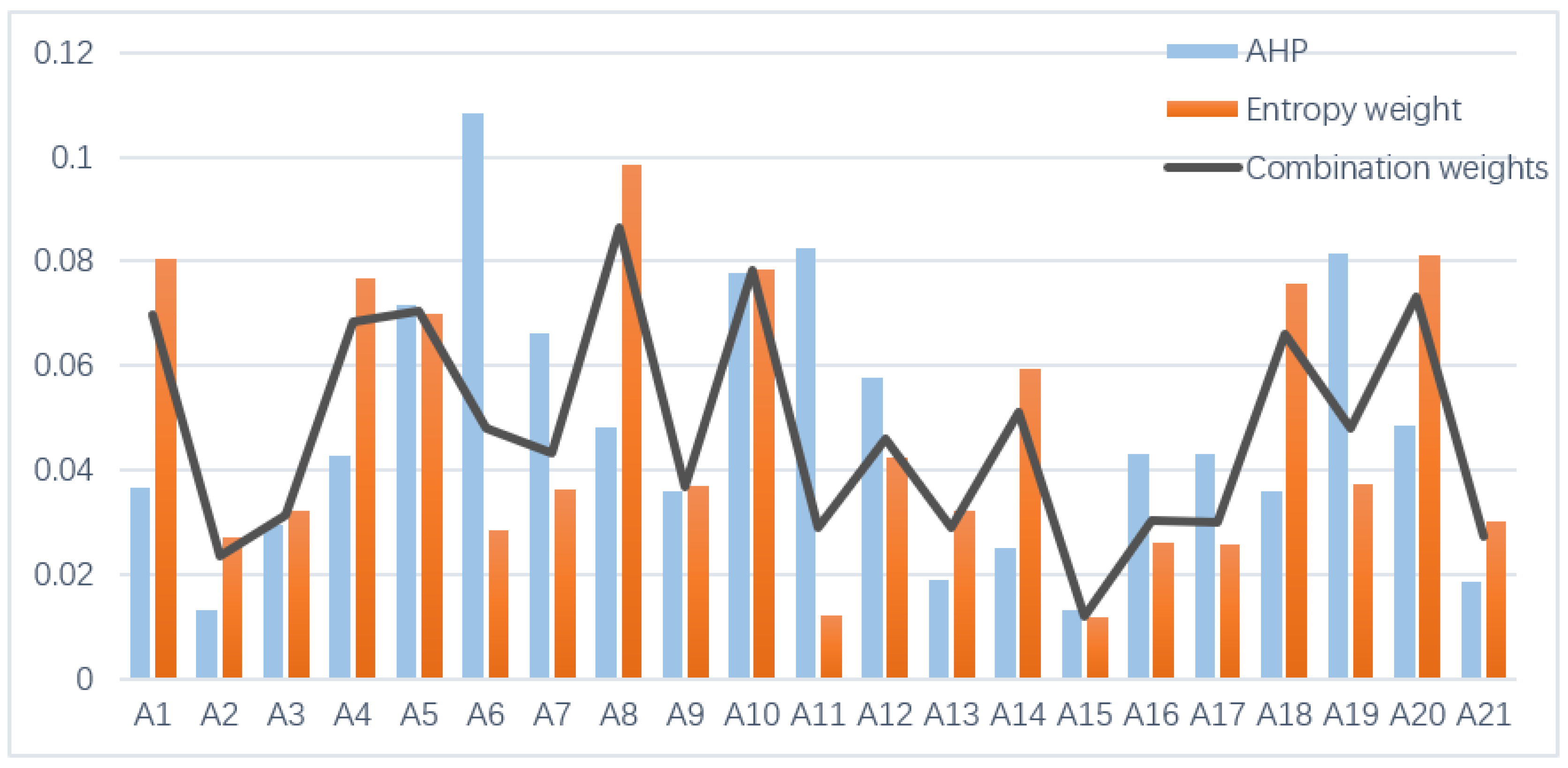
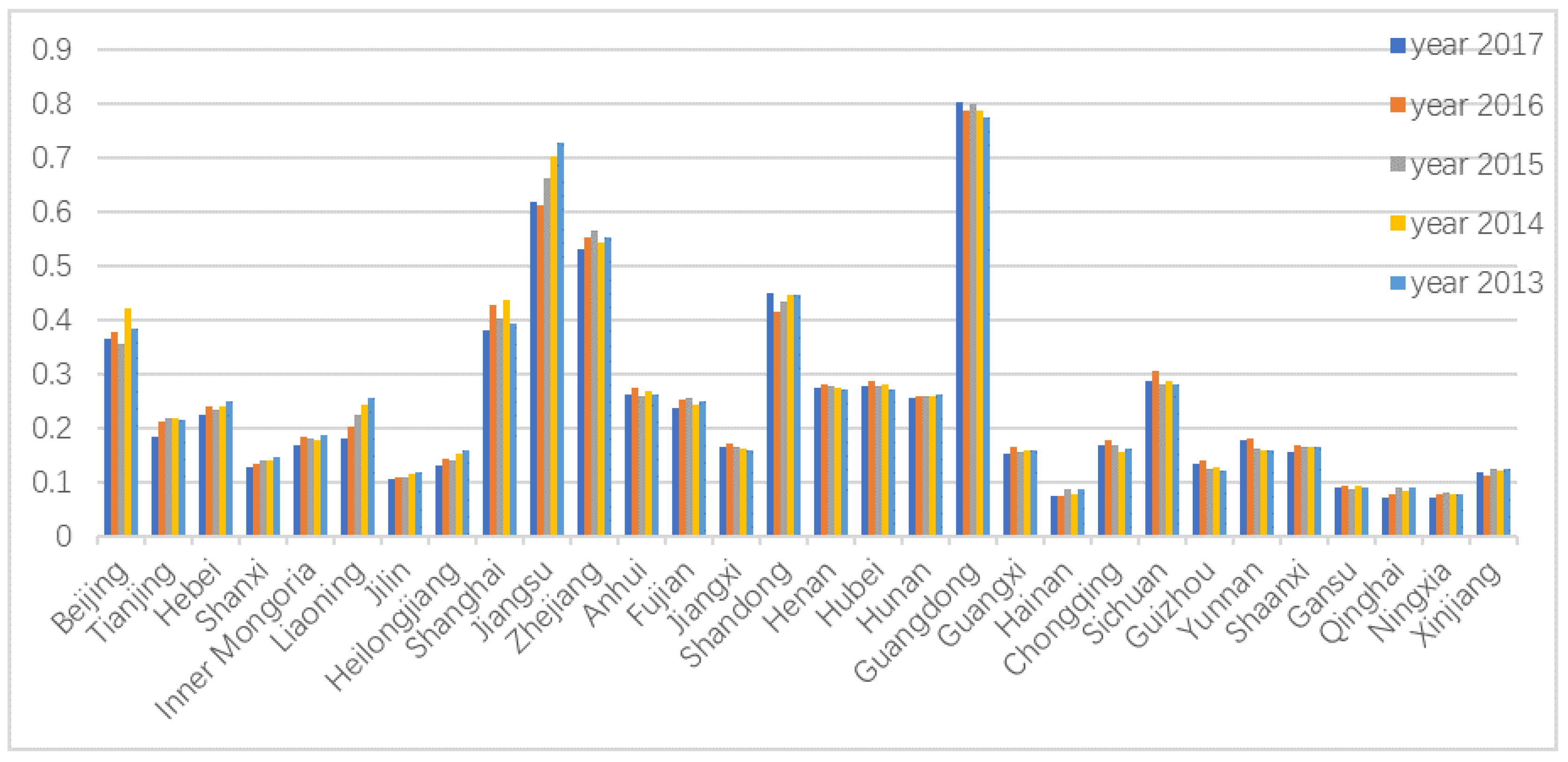
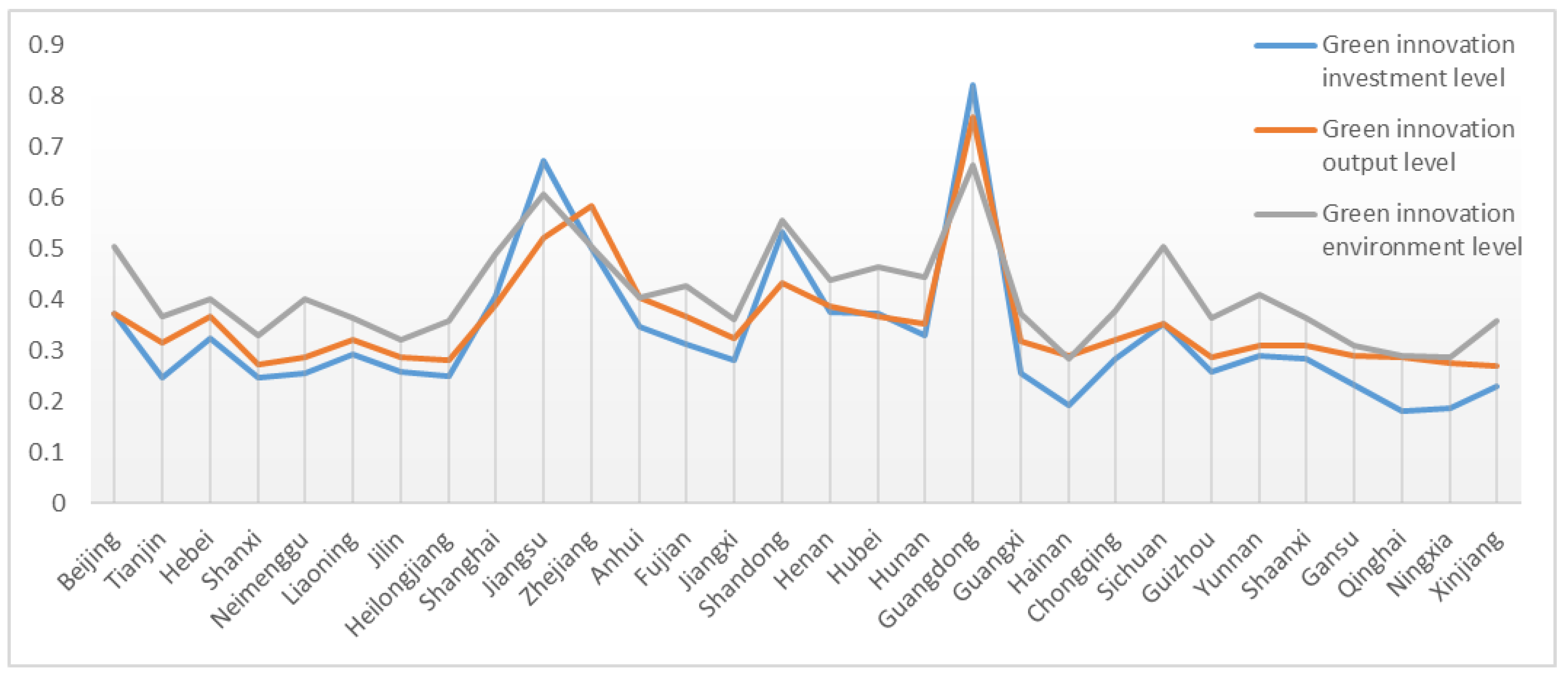
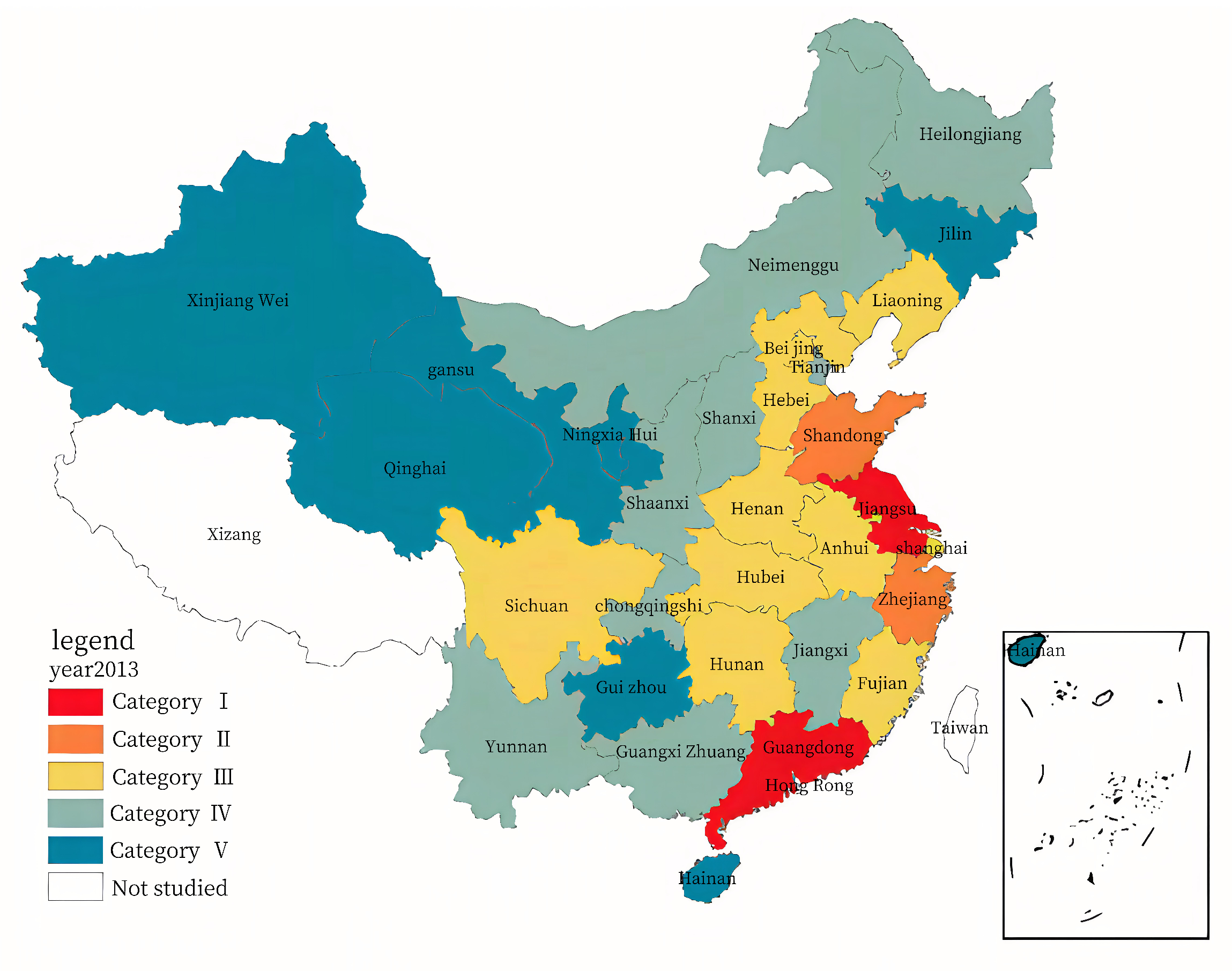
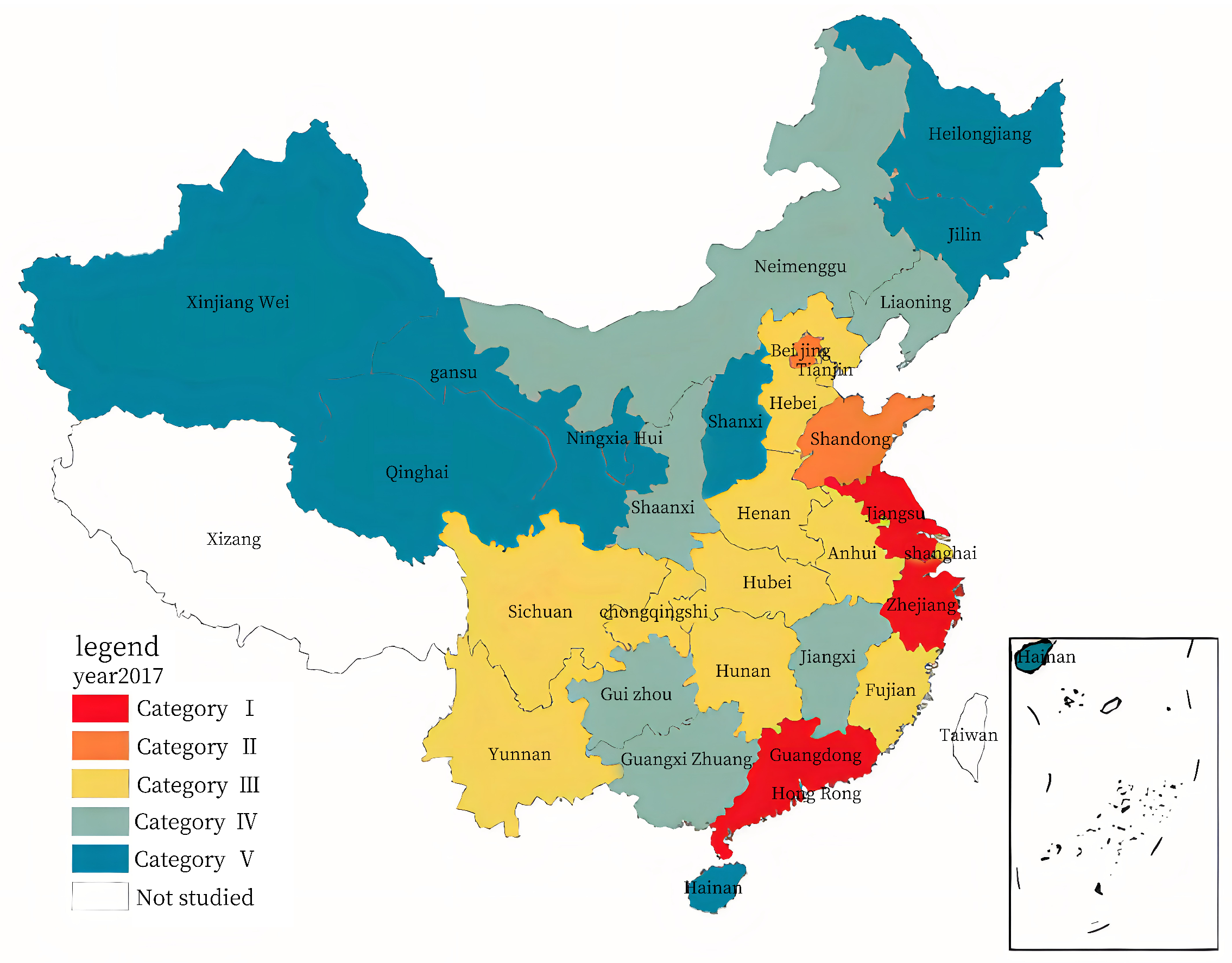
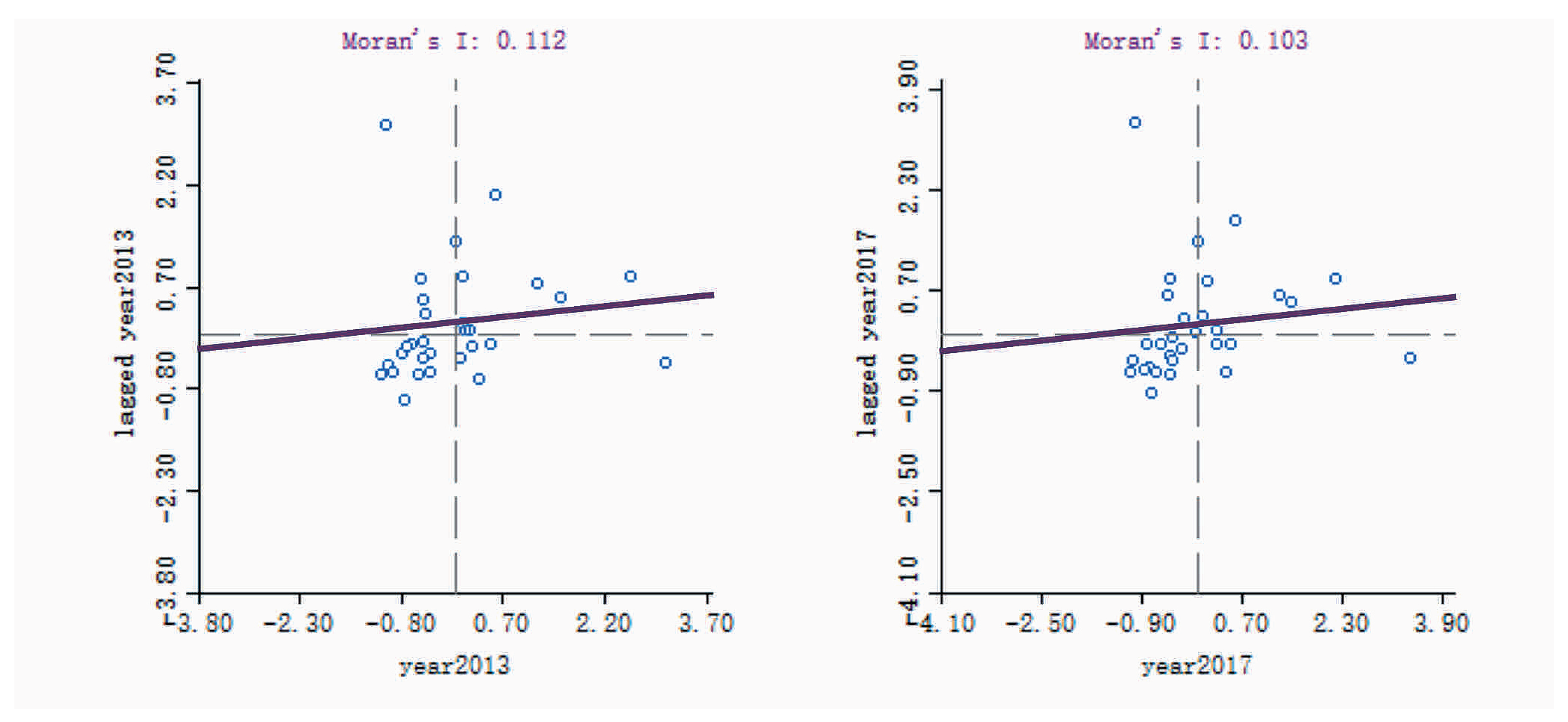
Green innovation is imperative for the high-quality and sustainable development of the modern logistics industry. It is also key for achieving the goals of peak emissions and carbon neutrality. This study provides a way of thinking about the evaluation of the green innovation level of the logistics industry. The variance inflation factor-variance coefficient method was employed to construct an evaluation index system of the regional logistics green innovation level (RLGIL) from three dimensions. Empirical data were collected from statistical yearbooks covering 30 provinces in China from 2013 to 2017. Thereafter, the combination weighting-based GRA-TOPSIS method was applied to evaluate the RLGIL, and the spatial distribution differences and spatiotemporal evolution characteristics of inter-provincial green innovation levels were analyzed. The RLGILs in the 30 provinces were found to be generally unbalanced, and the differences between the eastern and western regions were significant. Guangdong, Jiangsu, and Zhejiang had stronger RLGILs, whereas most other provinces did not reach the average level. The RLGIL of the 30 provinces had a high positive spatial correlation and spatial aggregating effect. From a national perspective, the values for the RLGIL were generally higher in the eastern and southern regions and lower in the western and northern regions. Although significant differences were found in the RLGIL of these provinces, the overall development trend was stable.
Keywords: logistics industry; green innovation level; index system; game theory; GRA-TOPSIS; spatial distribution logistics industry; green innovation level; index system; game theory; GRA-TOPSIS; spatial distribution