Article

Spatial Inequalities and Influencing Factors of Self-Rated Health and Perceived Environmental Hazards in a Metropolis: A Case Study of Zhengzhou City, China
Key Research Institute of Yellow River Civilization and Sustainable Development & Collaborative Innovation, Center on Yellow River Civilization Jointly Built by Henan Province and Ministry of Education, Henan University, Kaifeng 475001, China
*
Author to whom correspondence should be addressed.
Int. J. Environ. Res. Public Health 2022, 19(12), 7551; https://doi.org/10.3390/ijerph19127551

Submission received: 2 June 2022 / Revised: 16 June 2022 / Accepted: 17 June 2022 / Published: 20 June 2022
(This article belongs to the Special Issue Healthy Cities: Bridging Urban Planning and Health)

Abstract

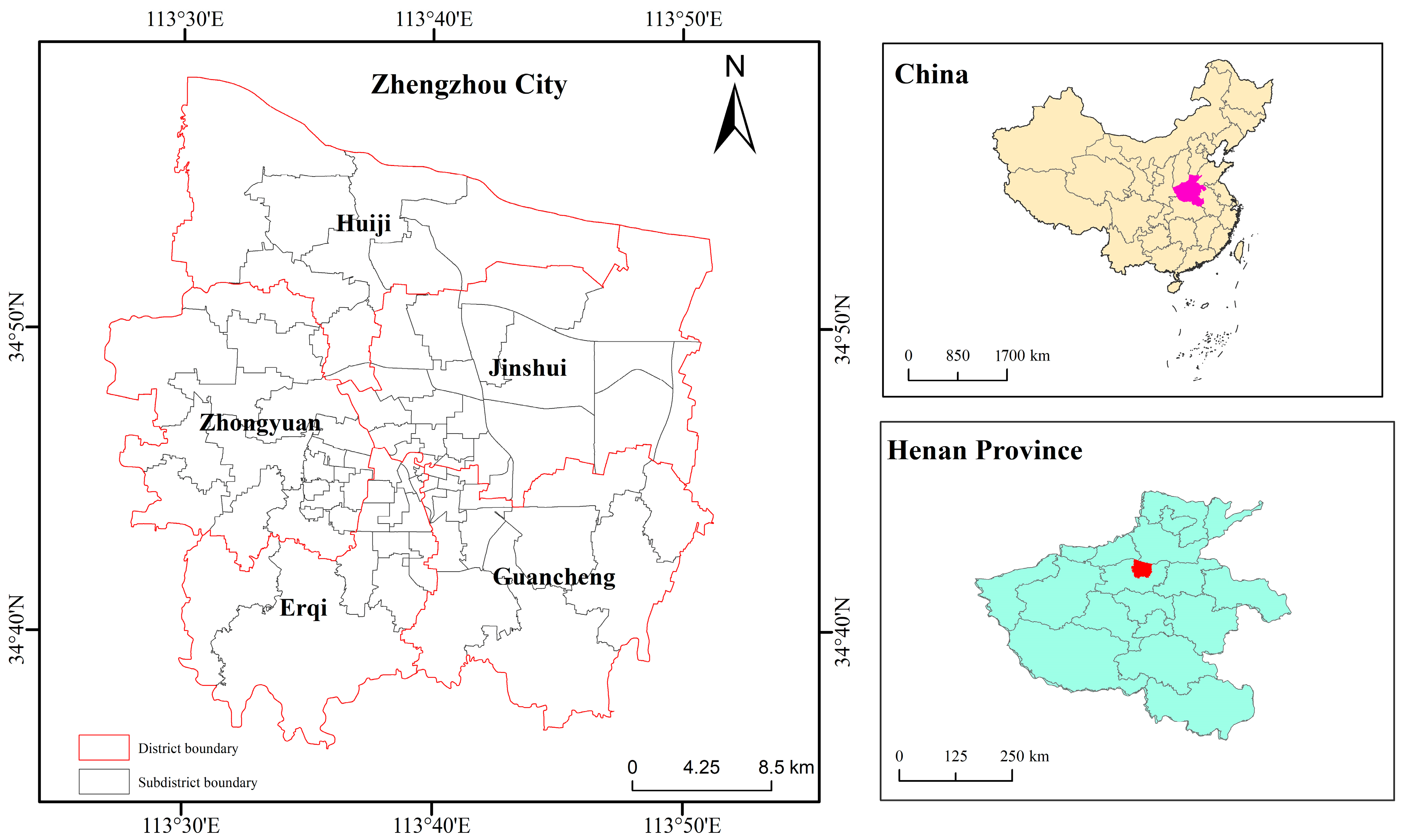
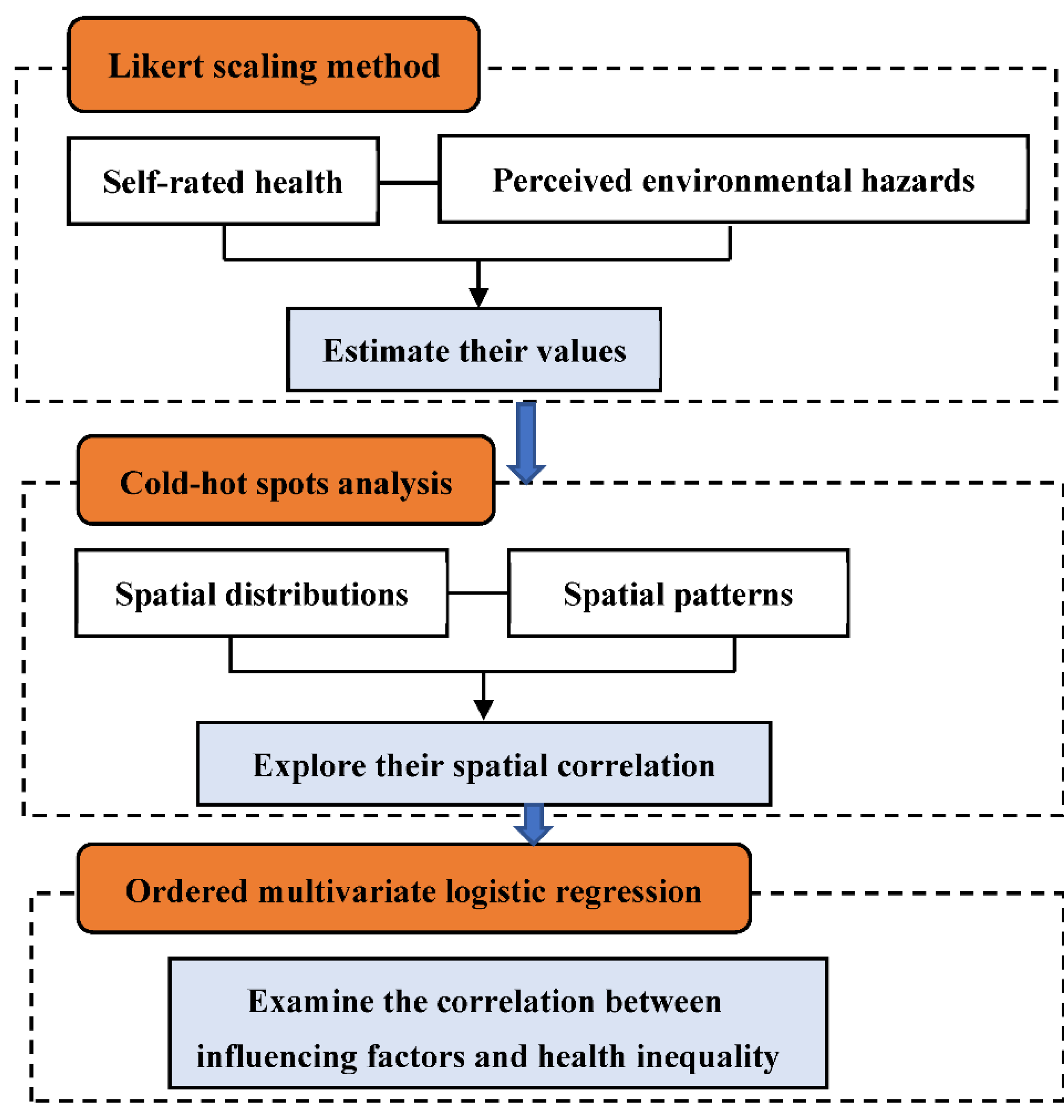
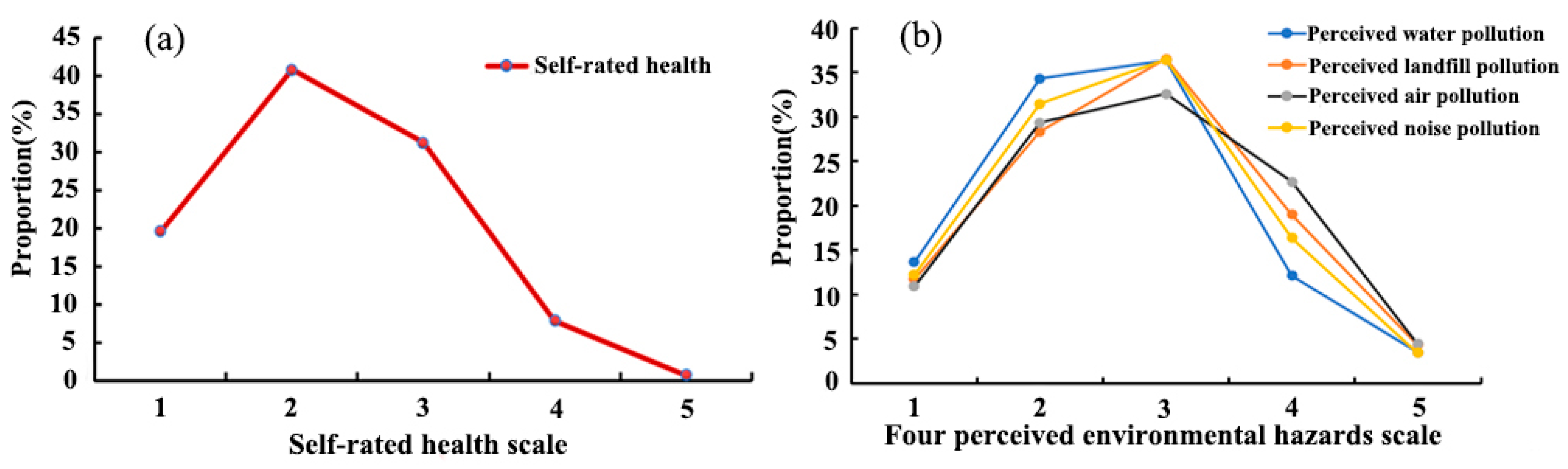
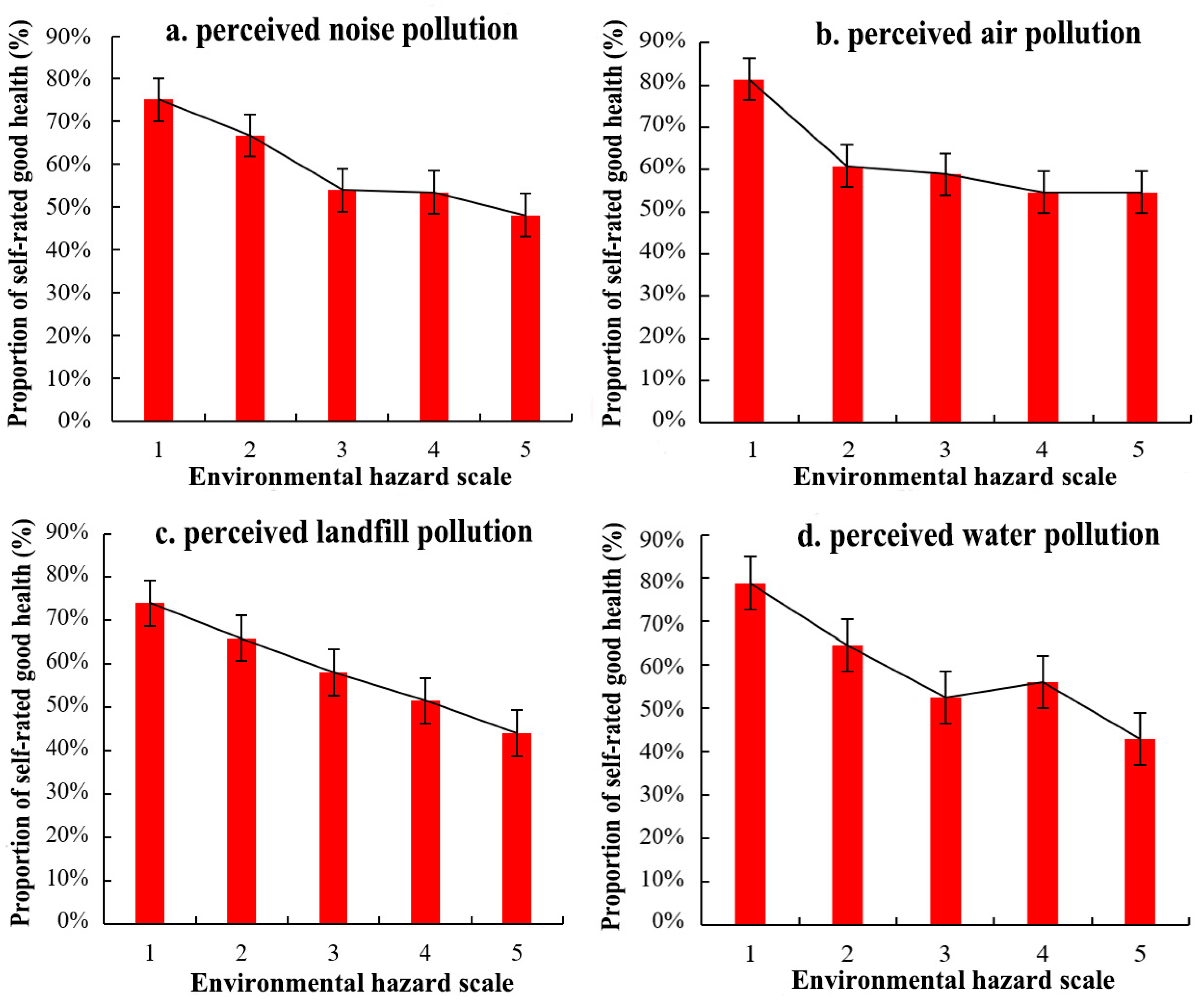
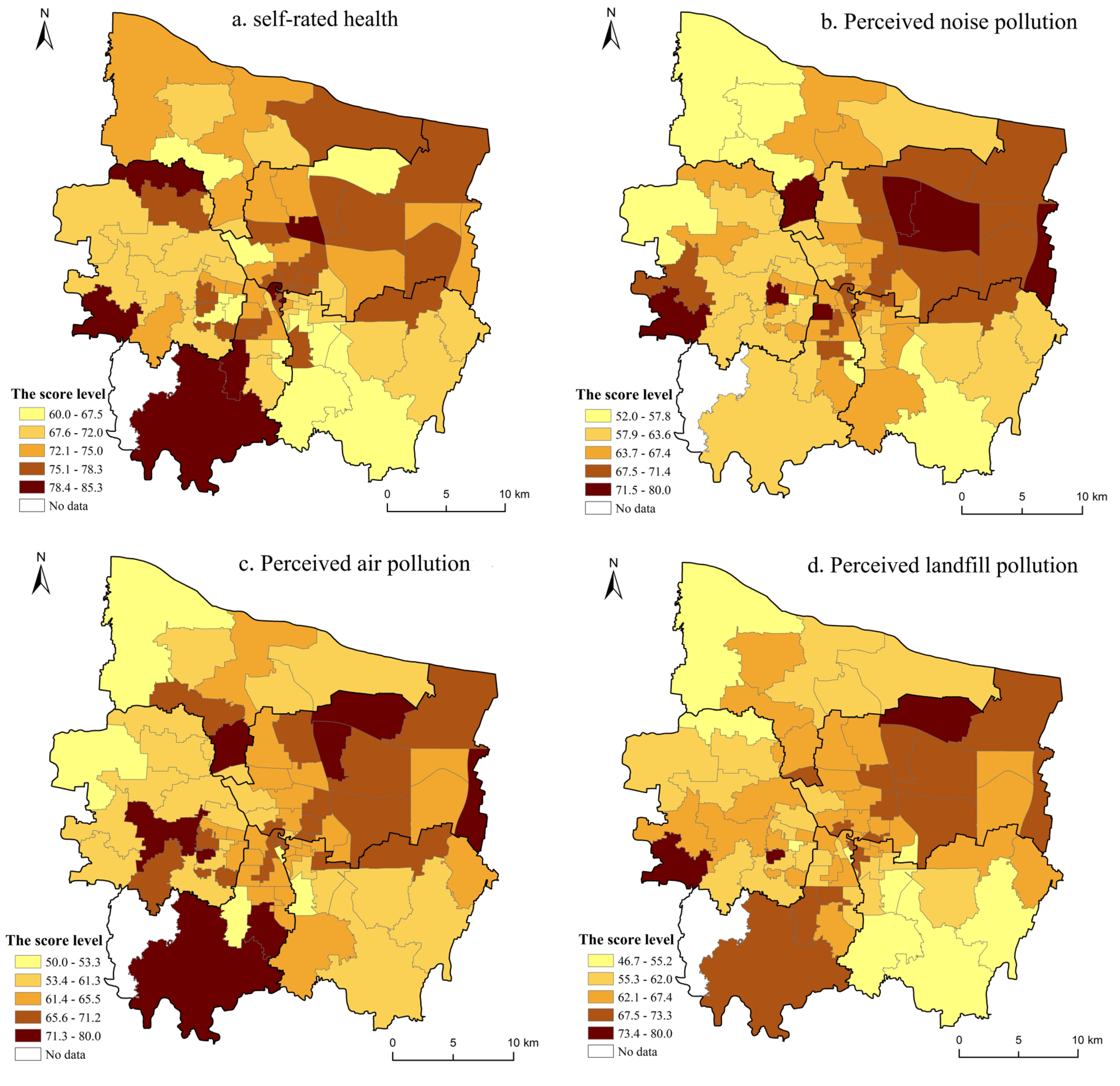
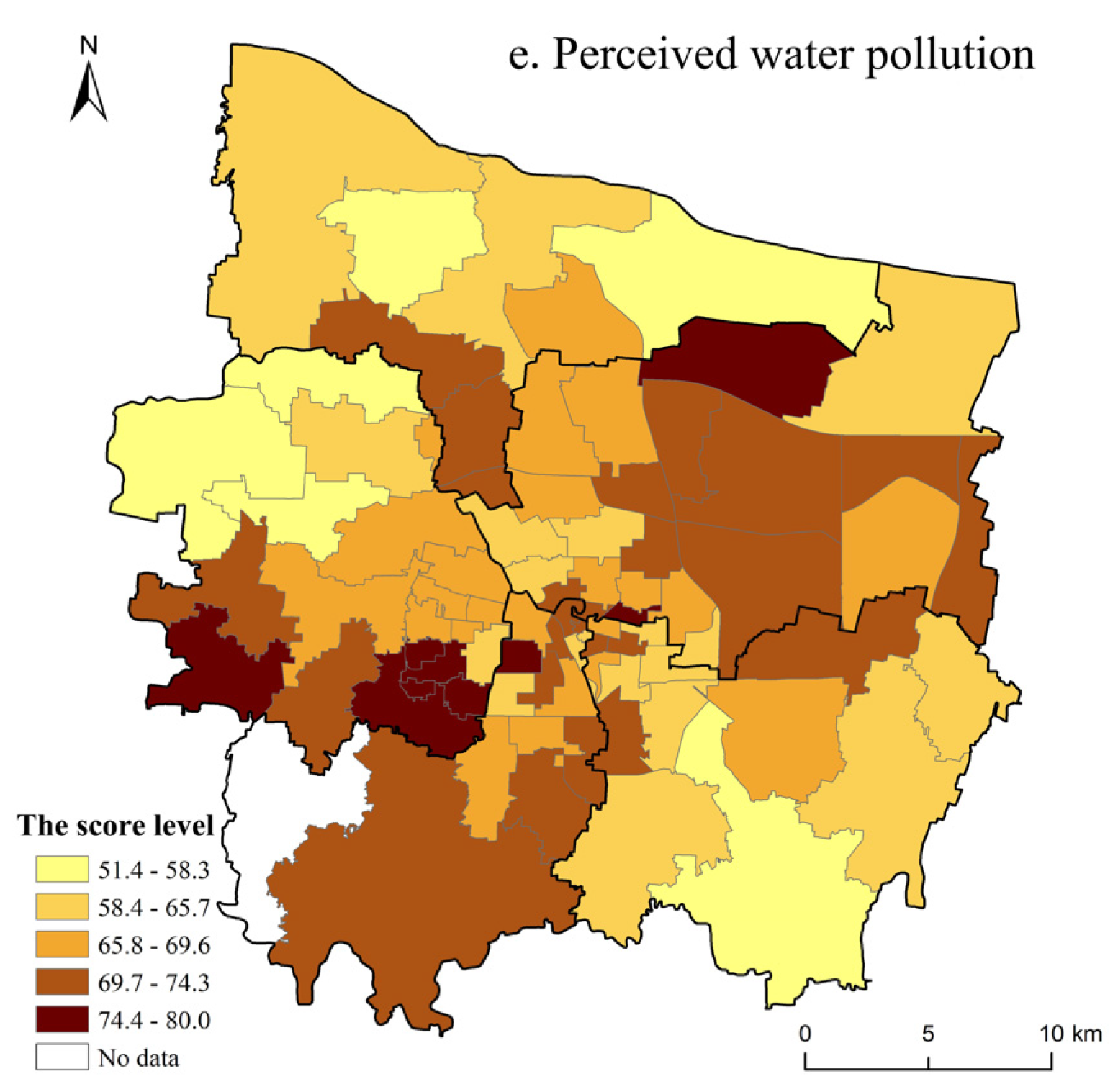
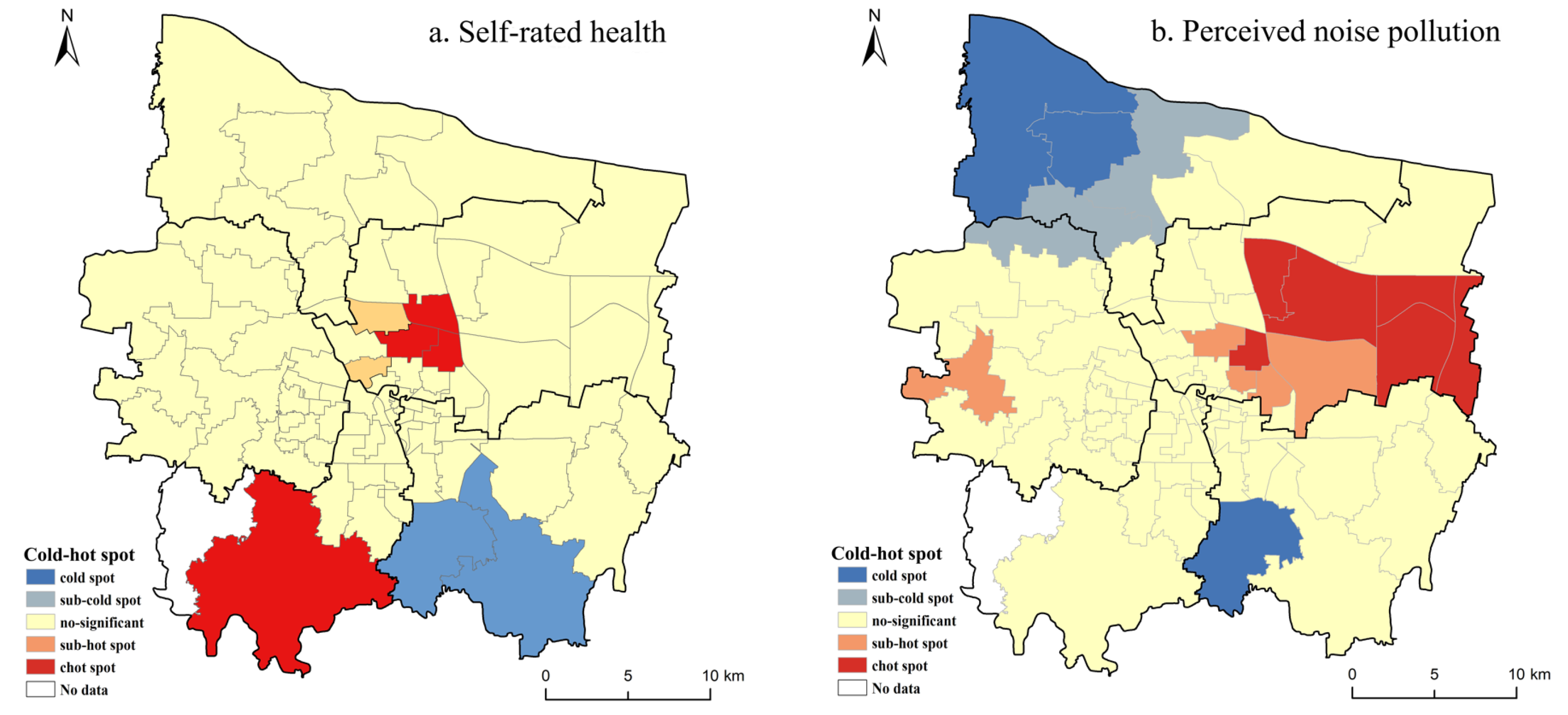
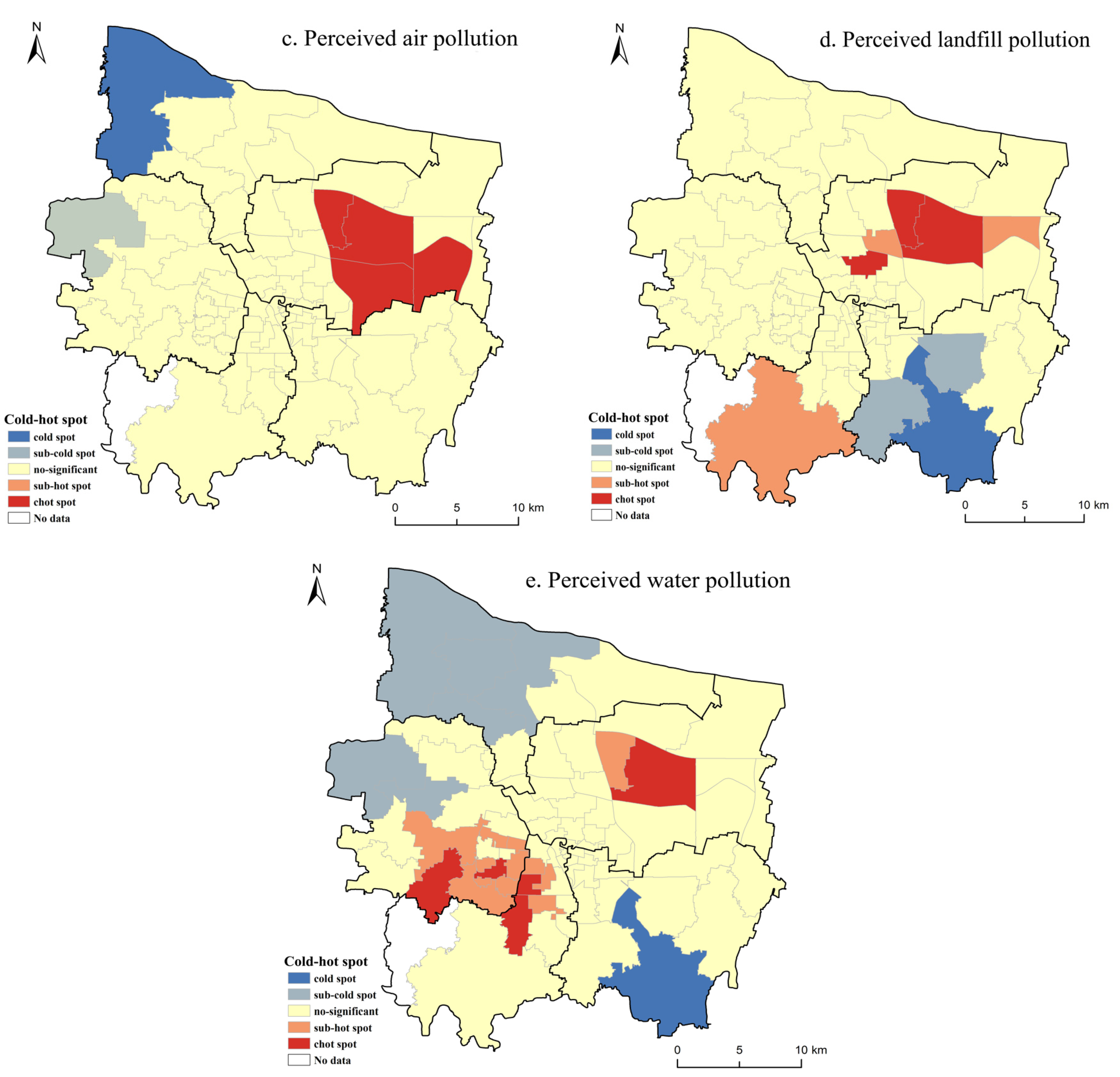
Research on environmental pollution and public health has aroused increasing concern from international scholars; particularly, environmental hazards are among the important issues in China, focusing public attention on significant health risks. However, there are few studies concentrated on how perceived environmental hazards are characterized by spatial variation and on the impact of these risks on residents’ health. Based on a large-scale survey of Zhengzhou City in 2020, we investigated how the self-rated health of residents and the environmental hazards perceived by them were spatially inequal at a fine (subdistrict) scale in Zhengzhou City, China, and examined the relationship among self-rated health, environmental hazards, and geographical context. The Getis–Ord Gi* method was applied to explore the spatially dependent contextual (neighborhood) effect on environmental health inequality, and the ordered multivariate logistic regression method was used to examine the correlative factors with environmental hazards, geographical context, and health inequality. The results reveal that self-rated health and environmental hazards were disproportionately distributed across the whole city and that these distributions showed certain spatial cluster characteristics. The hot spot clusters of self-rated health had favorable environmental quality where the hot spot clusters of environmental hazards were located and vice versa. In addition, health inequality was evident and was related to gender, income level, educational attainment, and housing area of residents, and the inequalities of environmental hazards existed with respect to income and housing area. Meanwhile, environmental risk inequalities associated with the social vulnerability of residents (the poor and those with low educational attainment) were obvious, with those residents experiencing a disproportionately high exposure to environmental hazards and reporting bad health conditions. The role of the geographical context (subdistrict location feature) also helps to explain the spatial distribution of health and environmental inequalities. Residents with better exposure to green coverage generally reported higher levels of self-rated health condition. In addition, the geographical location of the subdistrict also had a significant impact on the difference in residents’ self-rated health status. The purpose of this study is to provide reference for policy makers to optimize the spatial pattern of urban public services and improve public health and environmental quality at a fine scale.
Keywords: spatial inequality; self-rated health; perceived environmental hazard; geographical context; Zhengzhou City spatial inequality; self-rated health; perceived environmental hazard; geographical context; Zhengzhou City