Review

Effective Community-Based Interventions for the Prevention and Management of Heat-Related Illnesses: A Scoping Review

1
Department of Internal Medicine, Dow University of Health Sciences, MBBS, Karachi 74200, Pakistan
2
Center for Community Health, Northwestern University Feinberg School of Medicine, Chicago, IL 60611, USA
3
Department of International Health, Johns Hopkins Bloomberg School of Public Health, Baltimore, MD 21205, USA
4
Department of Emergency Medicine, Johns Hopkins School of Medicine, Baltimore, MD 21205, USA
*
Author to whom correspondence should be addressed.
Int. J. Environ. Res. Public Health 2021, 18(16), 8362; https://doi.org/10.3390/ijerph18168362

Submission received: 21 June 2021 / Revised: 21 July 2021 / Accepted: 4 August 2021 / Published: 7 August 2021
(This article belongs to the Special Issue Working with Communities to Promote Health)

Abstract

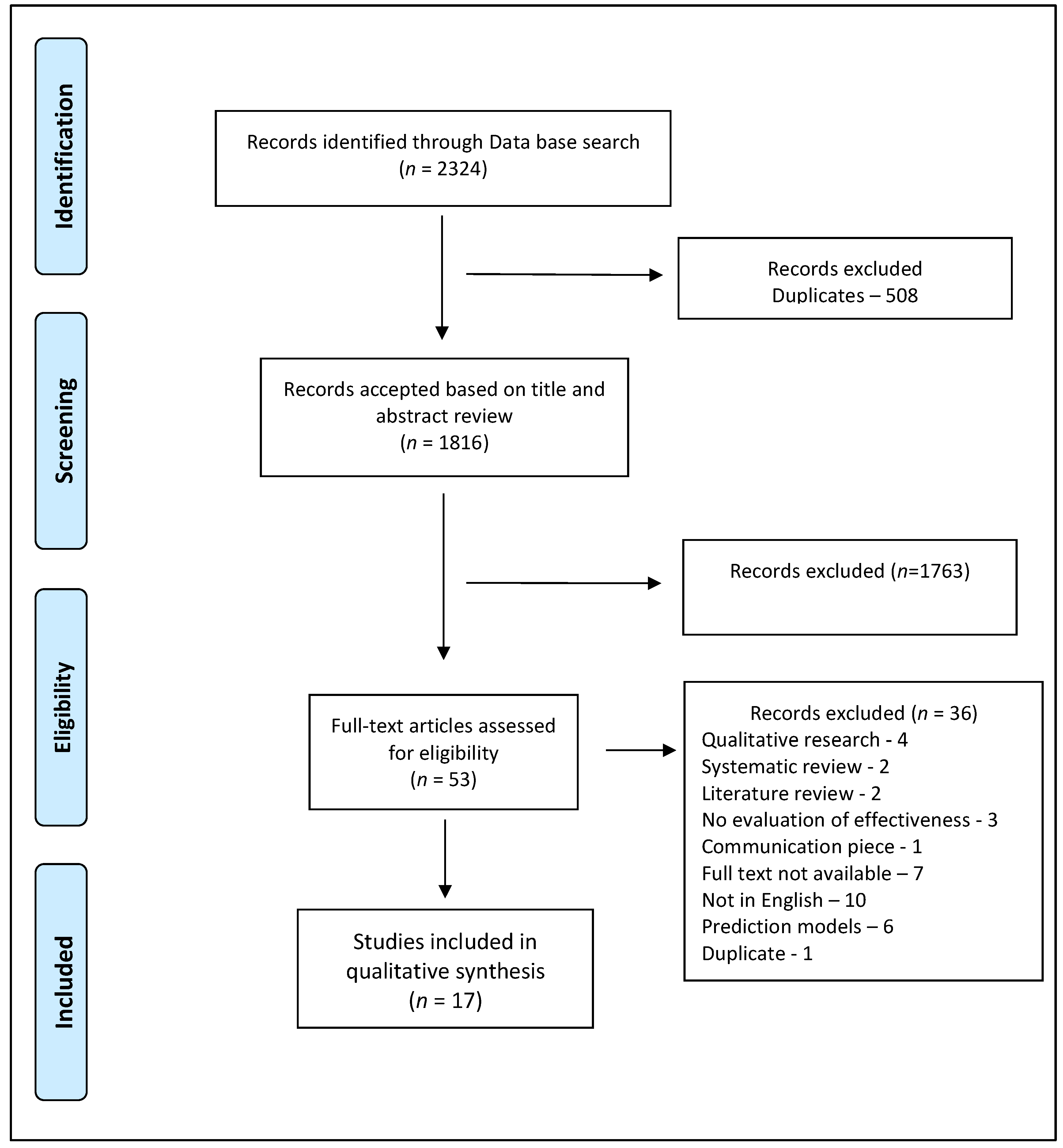
Background: Extreme temperatures have negative consequences on the environment, ecosystem, and human health. With recent increases in global temperatures, there has been a rise in the burden of heat-related illnesses, with a disproportionate impact on low- and middle-income countries. Effective population-level interventions are critical to a successful public health response. Objective: This scoping review aims to summarize the evidence on the effectiveness of population-level heat-related interventions and serve as a potential guide to the implementation of these interventions. Methods: Studies that evaluated the effectiveness of community-based interventions to mitigate or reduce the impact of extreme heat on heat-related mortality and morbidity were sought by searching four electronic databases. Studies published in the English language and those that had quantifiable, measurable mortality, morbidity or knowledge score outcomes were included. Results: The initial electronic search yielded 2324 articles, and 17 studies were included. Fourteen studies were based in high-income countries (HICs) (Europe, US, Canada) and discussed multiple versions of (1) heat action plans, which included but were not limited to establishing a heat monitoring system, informative campaigns, the mobilization of health care professionals, volunteers, social workers and trained caregivers in the surveillance and management of individuals with known vulnerabilities, or stand-alone (2) education and awareness campaigns. Multi-pronged heat action plans were highly effective in reducing heat-related mortality and morbidity, especially among vulnerable populations such as the elderly and those with chronic conditions. Conclusions: The heat action plans covered in these studies have shown promising results in reducing heat-related mortality and morbidity and have included instituting early warning systems, building local capacity to identify, prevent or treat and manage heat-related illnesses, and disseminating information. Nevertheless, they need to be cost-effective, easy to maintain, ideally should not rely on a mass effort from people and should be specifically structured to meet the local needs and resources of the community.
Keywords: heat wave; heat-related illnesses; urban settings; heat warning system heat wave; heat-related illnesses; urban settings; heat warning system