Article

Customized ViNeRS Method for Video Neuro-Advertising of Green Housing


by
Arturas Kaklauskas
1,*,
Edmundas Kazimieras Zavadskas
1,*,
Bjoern Schuller
2,
Natalija Lepkova
1,
Gintautas Dzemyda
3,
Jurate Sliogeriene
1 and
Olga Kurasova
3
1
Department of Construction Management and Real Estate, Faculty of Civil Engineering, Vilnius Gediminas Technical University, Sauletekio av. 11, LT-10223 Vilnius, Lithuania
2
Department of Computing, Faculty of Engineering, Imperial College London, South Kensington Campus, London SW7 2BU, UK
3
Cognitive Computing Group, Institute of Data Science and Digital Technologies, Vilnius University, Universiteto st. 3, LT-01513 Vilnius, Lithuania
*
Authors to whom correspondence should be addressed.
Int. J. Environ. Res. Public Health 2020, 17(7), 2244; https://doi.org/10.3390/ijerph17072244

Submission received: 2 March 2020 / Revised: 23 March 2020 / Accepted: 23 March 2020 / Published: 27 March 2020
(This article belongs to the Special Issue Trends in Sustainable Buildings and Infrastructure)

Abstract

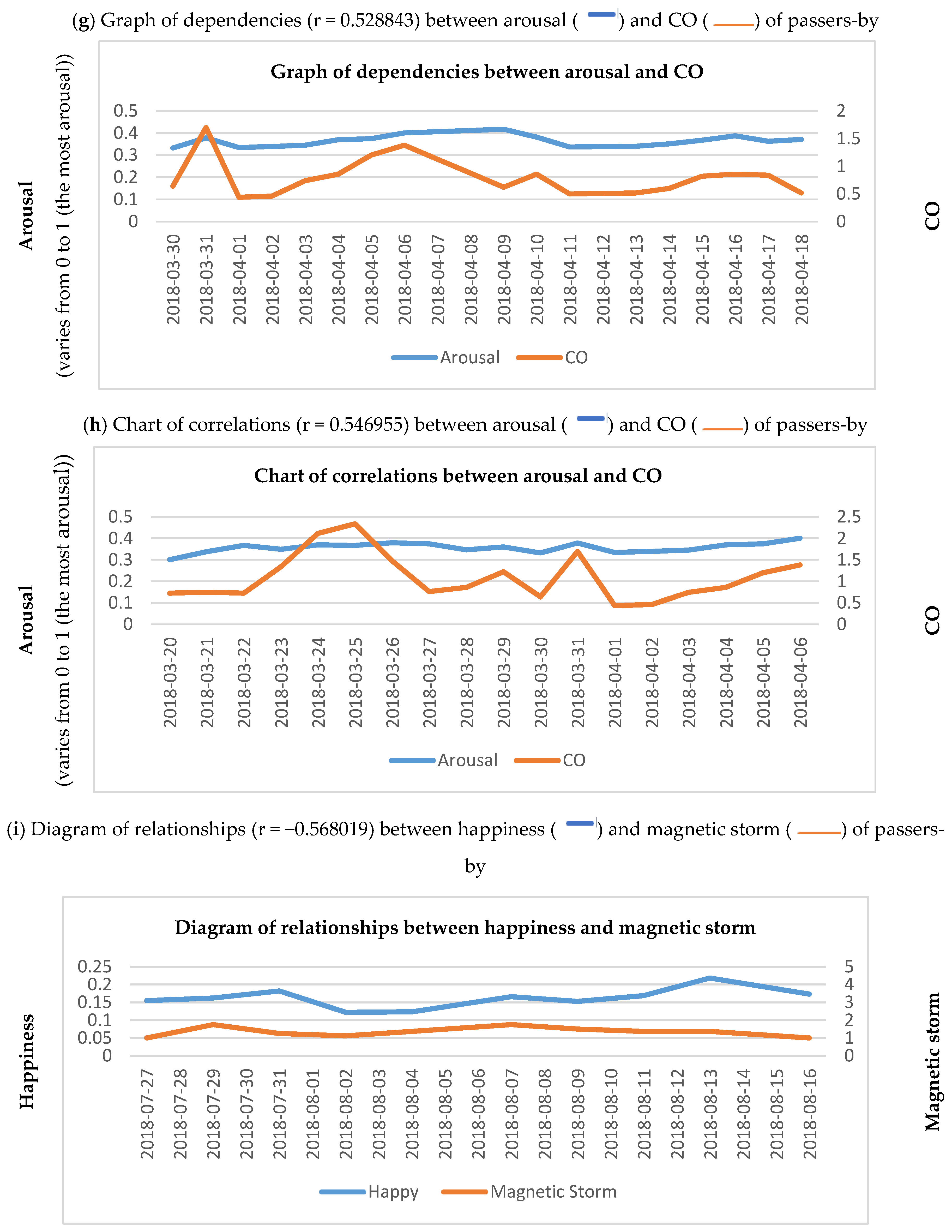
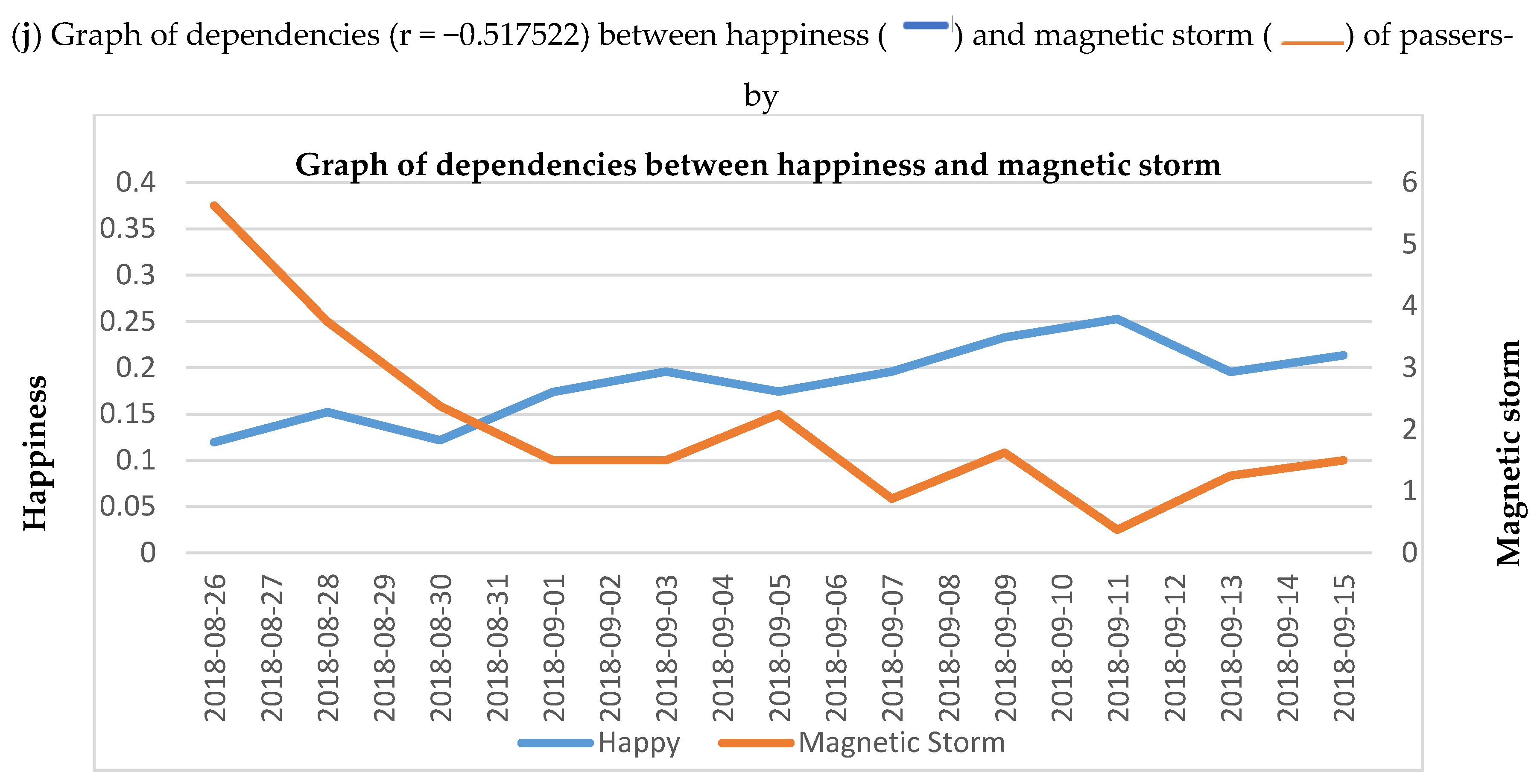
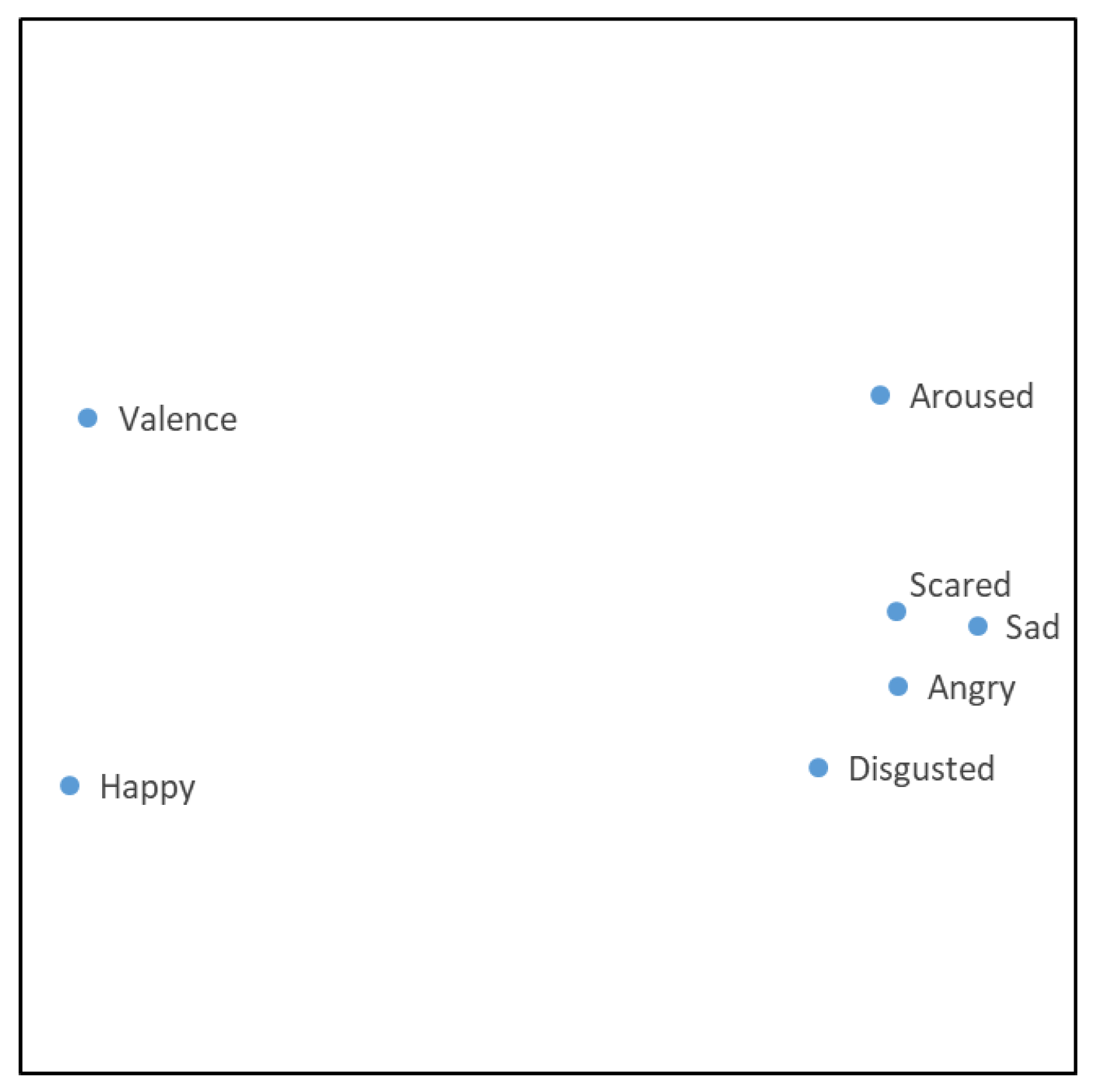
The implementation of advertising for green housing usually involves consideration of individual differences among potential buyers, their desires for residential unit features as well as location impacts on a selected property. Much more rarely, there is consideration of the arousal and valence, affective behavior, emotional, and physiological states of possible buyers of green housing (AVABEPS) while they review the advertising. Yet, no integrated consideration of all these factors has been undertaken to date. The objective of this study was to consider, in an integrated manner, the AVABEPS, individual differences, and location impacts on property and desired residential unit features. During this research, the applications for the above data involved neuromarketing and multicriteria examination of video advertisements for diverse client segments by applying neuro decision tables. All of this can be performed by employing the method for planning and analyzing and by multiple criteria and customized video neuro-advertising green-housing variants (hereafter abbreviated as the ViNeRS Method), which the authors of this article have developed and present herein. The developed ViNeRS Method permits a compilation of as many as millions of alternative advertising variants. During the time of the ViNeRS project, we accumulated more than 350 million depersonalized AVABEPS data. The strong and average correlations determined in this research (over 35,000) and data examination by IBM SPSS tool support demonstrate the need to use AVABEPS in neuromarketing and neuro decision tables. The obtained dependencies constituted the basis for calculating and graphically submitting the ViNeRS circumplex model of affect, which the authors of this article developed. This model is similar to Russell’s well-known earlier circumplex model of affect. Real case studies with their related contextual conditions presented in this manuscript show a practical application of the ViNeRS Method.
Keywords: green housing; neuro decision matrix; neuro correlation matrix; video neuro-advertising; COPRAS and ViNeRS Methods; multivariate design and multiple criteria analysis green housing; neuro decision matrix; neuro correlation matrix; video neuro-advertising; COPRAS and ViNeRS Methods; multivariate design and multiple criteria analysis