

Core Muscle Activity during Physical Fitness Exercises: A Systematic Review


Abstract
1. Introduction
2. Materials and Methods
2.1. Search Strategy
2.2. Study Selection
2.3. Data Abstraction
2.4. Core Physical Fitness Exercises
2.5. Methodological Quality Assessment
3. Results
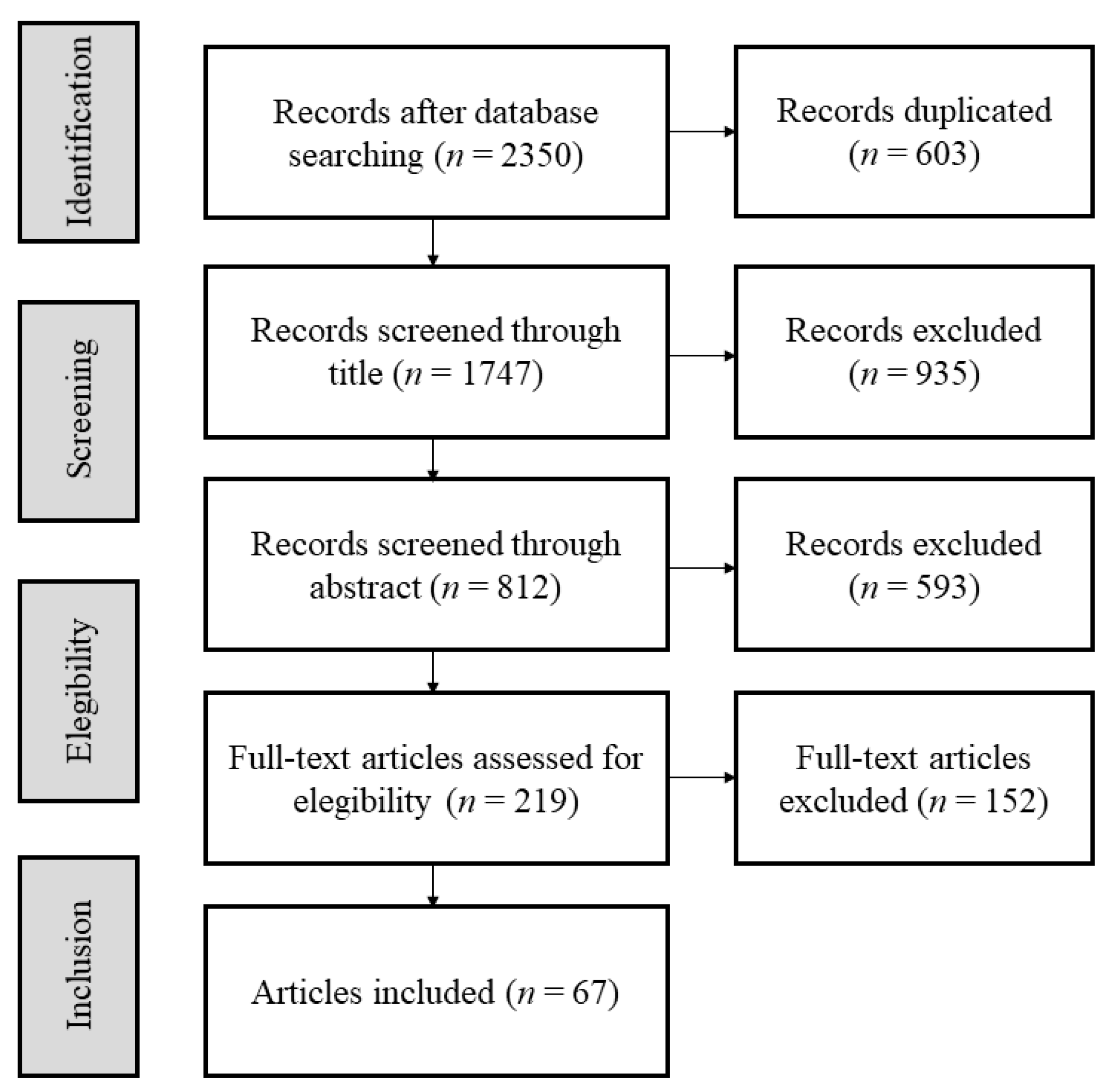
3.1. Study Selection
3.2. Characteristics of the Selected Studies
3.3. Rectus Abdominis
3.4. Internal Oblique
3.5. External Oblique
3.6. Erector Spinae
3.7. Lumbar Multifidus
3.8. Transversus Abdominis
4. Discussion
4.1. Rectus Abdominis
4.2. Internal Oblique
4.3. External Oblique
4.4. Erector Spinae
4.5. Lumbar Multifidus
4.6. Transversus Abdominis
4.7. Limitations of the Study
5. Practical Applications
6. Conclusions
Author Contributions
Funding
Conflicts of Interest
References
- Ortega, F.B.; Ruiz, J.R.; Castillo, M.J.; Sjöström, M. Physical fitness in childhood and adolescence: A powerful marker of health. Int. J. Obes. 2008, 32, 1–11. [Google Scholar] [CrossRef] [PubMed]
- Martuscello, J.M.; Nuzzo, J.L.; Ashley, C.D.; Campbell, B.I.; Orriola, J.J.; Mayer, J.M. Systematic review of core muscle activity during physical fitness exercises. J. Strength Cond. Res. 2013, 27, 1684–1698. [Google Scholar] [CrossRef] [PubMed]
- Trajković, N.; Bogataj, Š. Effects of neuromuscular training on motor competence and physical performance in young female volleyball players. Int. J. Environ. Res. Public Health 2020, 17, 1755. [Google Scholar] [CrossRef] [PubMed]
- Tabacchi, G.; Lopez Sanchez, G.F.; Nese Sahin, F.; Kizilyalli, M.; Genchi, R.; Basile, M.; Kirkar, M.; Silva, C.; Loureiro, N.; Teixeira, E.; et al. Field-based tests for the assessment of physical fitness in children and adolescents practicing sport: A systematic review within the ESA program. Sustainability 2019, 11, 7187. [Google Scholar] [CrossRef]
- Willardson, J.M. Core stability training for healthy athletes: A different paradigm for fitness professionals. Strength Cond. J. 2007, 29, 42–49. [Google Scholar] [CrossRef]
- Willson, J.D.; Dougherty, C.P.; Ireland, M.L.; Davis, I.M. Core stability and its relationship to lower extremity function and injury. J. Am. Acad. Orthop. Surg. 2005, 13, 316–325. [Google Scholar] [CrossRef]
- Leetun, D.T.; Ireland, M.L.; Willson, J.D.; Ballantyne, B.T.; Davis, I.M. Core stability measures as risk factors for lower extremity injury in athletes. Med. Sci. Sport. Exerc. 2004, 36, 926–934. [Google Scholar] [CrossRef]
- Rathore, M.; Trivedi, S.; Abraham, J.; Sinha, M. Anatomical correlation of core muscle activation in different yogic postures. Int. J. Yoga 2017, 10, 59. [Google Scholar] [CrossRef]
- Akuthota, V.; Nadler, S.F. Core strengthening. Arch. Phys. Med. Rehabil. 2004, 85, S86–S92. [Google Scholar] [CrossRef]
- Shinkle, J.; Nesser, T.W.; Demchak, T.J.; McMannus, D.M. Effect of core strength on the measure of power in the extremities. J. Strength Cond. Res. 2012, 26, 373–380. [Google Scholar] [CrossRef]
- Vigotsky, A.D.; Halperin, I.; Lehman, G.J.; Trajano, G.S.; Vieira, T.M. Interpreting signal amplitudes in surface electromyography studies in sport and rehabilitation sciences. Front. Physiol. 2018, 8, 985. [Google Scholar] [CrossRef] [PubMed]
- Schoenfeld, B.J.; Contreras, B.; Tiryaki-Sonmez, G.; Wilson, J.M.; Kolber, M.J.; Peterson, M.D. Regional differences in muscle activation during hamstrings exercise. J. Strength Cond. Res. 2015, 29, 159–164. [Google Scholar] [CrossRef] [PubMed]
- Fuglsang-Frederiksen, A.; Rønager, J. The motor unit firing rate and the power spectrum of EMG in humans. Electroencephalogr. Clin. Neurophysiol. 1988, 70, 68–72. [Google Scholar] [CrossRef]
- Gonzalez, A.M.; Ghigiarelli, J.J.; Sell, K.M.; Shone, E.W.; Kelly, C.F.; Mangine, G.T. Muscle activation during resistance exercise at 70% and 90% 1-repetition maximum in resistance-trained men. Muscle Nerve 2017, 56, 505–509. [Google Scholar] [CrossRef]
- Farina, D.; Merletti, R.; Enoka, R.M. The extraction of neural strategies from the surface EMG. J. Appl. Physiol. 2004, 96, 1486–1495. [Google Scholar] [CrossRef]
- Saeterbakken, A.H.; Andersen, V.; Jansson, J.; Kvellestad, A.C.; Fimland, M.S. Effects of BOSU ball(s) during sit-ups with body weight and added resistance on core muscle activation. J. Strength Cond. Res. 2014, 28, 3515–3522. [Google Scholar] [CrossRef]
- Calatayud, J.; Borreani, S.; Colado, J.C.; Martín, F.F.; Rogers, M.E.; Behm, D.G.; Andersen, L.L. Muscle activation during push-ups with different suspension training systems. J. Sports Sci. Med. 2014, 13, 502–510. [Google Scholar]
- Calatayud, J.; Borreani, S.; Martin, J.; Martin, F.; Flandez, J.; Colado, J.C. Core muscle activity in a series of balance exercises with different stability conditions. Gait Posture 2015, 42, 186–192. [Google Scholar] [CrossRef]
- Cugliari, G.; Boccia, G. Core muscle activation in suspension training exercises. J. Hum. Kinet. 2017, 56, 61–71. [Google Scholar] [CrossRef]
- Moher, D.; Liberati, A.; Tetzlaff, J.; Altman, D.G. Preferred Reporting Items for Systematic Reviews and Meta-Analyses: The PRISMA statement. PLoS Med. 2009, 6, 1–6. [Google Scholar] [CrossRef]
- Escriche-Escuder, A.; Calatayud, J.; Aiguadé, R.; Andersen, L.L.; Ezzatvar, Y.; Casaña, J. Core muscle activity assessed by electromyography during exercises for chronic low back pain. Strength Cond. J. 2019, 41, 55–69. [Google Scholar] [CrossRef]
- Olivo, S.A.; Macedo, L.G.; Gadotti, I.C.; Fuentes, J.; Stanton, T.; Magee, D.J. Scales to assess the quality of randomized controlled trials: A systematic review. Phys. Ther. 2008, 88, 156–175. [Google Scholar] [CrossRef] [PubMed]
- Jackson, N.; Waters, E. Criteria for the systematic review of health promotion and public health interventions. Health Promot. Int. 2005, 20, 367–374. [Google Scholar] [CrossRef]
- Crommert, M.E.; Bjerkefors, A.; Tarassova, O.; Ekblom, M.M. Abdominal muscle activation during common modifications of the trunk curl-up Exercise. J. Strength Cond. Res. 2018, 1. [Google Scholar] [CrossRef] [PubMed]
- Maeo, S.; Takahashi, T.; Takai, Y.; Kanehisa, H. Trunk muscle activities during abdominal bracing: Comparison among muscles and exercises. J. Sports Sci. Med. 2013, 12, 467–474. [Google Scholar]
- Cortell-Tormo, J.M.; García-Jaén, M.; Chulvi-Medrano, I.; Hernández-Sánchez, S.; Lucas-Cuevas, Á.G.; Tortosa-Martínez, J. Influence of scapular position on the core musculature activation in the prone plank exercise. J. Strength Cond. Res. 2017, 31, 2255–2262. [Google Scholar] [CrossRef]
- Ishida, H.; Watanabe, S. Maximum expiration activates the abdominal muscles during side bridge exercise. J. Back Musculoskelet. Rehabil. 2014, 27, 481–484. [Google Scholar] [CrossRef]
- Van Den Tillaar, R.; Saeterbakken, A.H. Comparison of core muscle activation between a prone bridge and 6-RM back squats. J. Hum. Kinet. 2018, 62, 43–53. [Google Scholar] [CrossRef]
- Calatayud, J.; Casaña, J.; Martín, F.; Jakobsen, M.D.; Colado, J.C.; Andersen, L.L. Progression of core stability exercises based on the extent of muscle activity. Am. J. Phys. Med. Rehabil. 2017, 96, 694–699. [Google Scholar] [CrossRef]
- Andersen, V.; Fimland, M.S.; Brennset, Ø.; Haslestad, L.R.; Lundteigen, M.S.; Skalleberg, K.; Saeterbakken, A.H. Muscle activation and strength in squat and bulgarian squat on stable and unstable surface. Int. J. Sports Med. 2014, 35, 1196–1202. [Google Scholar] [CrossRef]
- Wagner, H.; Rehmes, U.; Kohle, D.; Puta, C. Laughing: A demanding exercise for trunk muscles. J. Mot. Behav. 2014, 46, 33–37. [Google Scholar] [CrossRef] [PubMed]
- Youdas, J.W.; Coleman, K.C.; Holstad, E.E.; Long, S.D.; Veldkamp, N.L.; Hollman, J.H. Magnitudes of muscle activation of spine stabilizers in healthy adults during prone on elbow planking exercises with and without a fitness ball. Physiother. Theory Pract. 2018, 34, 212–222. [Google Scholar] [CrossRef] [PubMed]
- McGill, S.M.; Marshall, L.W. Kettlebell swing, snatch, and bottoms-up carry: Back and hip muscle activation, motion, and low back loads. J. Strength Cond. Res. 2012, 26, 16–27. [Google Scholar] [CrossRef]
- Patterson, J.M.; Vigotsky, A.D.; Oppenheimer, N.E.; Feser, E.H. Differences in unilateral chest press muscle activation and kinematics on a stable versus unstable surface while holding one versus two dumbbells. PeerJ 2015, 2015, 1–12. [Google Scholar] [CrossRef]
- Kohiruimaki, R.; Maeo, S.; Kanehisa, H. Suspended push-up training augments size of not only upper limb but also abdominal muscles. Int. J. Sports Med. 2019, 40, 789–795. [Google Scholar] [CrossRef] [PubMed]
- Li, X.; Liu, H.; Lin, K.Y.; Miao, P.; Zhang, B.F.; Lu, S.W.; Li, L.; Wang, C.H. Effects of different sling settings on electromyographic activities of selected trunk muscles: A preliminary research. Biomed. Res. Int. 2020, 2020, 1–10. [Google Scholar] [CrossRef] [PubMed]
- Silva, F.H.O.; Arantes, F.J.; Gregorio, F.C.; Santos, F.R.A.; Fidale, T.M.; Bérzin, F.; Bigaton, D.R.; Lizardo, F.B. Comparison of the electromyographic activity of the trunk and rectus femoris muscles during traditional crunch and exercise using the 5-minute shaper device. J. Strength Cond. Res. 2020, 34, 1–10. [Google Scholar] [CrossRef]
- Saeterbakken, A.H.; Stien, N.; Pedersen, H.; Andersen, V. Core muscle activation in three lower extremity with different stability requirements. J. Strength Cond. Res. 2019, 1–6. [Google Scholar] [CrossRef] [PubMed]
- Kim, Y. Effects of trunk stability exercise on muscle activities of rectus abdominalis, external oblique, and internal oblique while performing exercise in a modified crook-lying posture. Isokinet. Exerc. Sci. 2019, 27, 247–252. [Google Scholar] [CrossRef]
- Andersen, V.; Fimland, M.S.; Mo, D.A.; Iversen, V.M.; Larsen, T.M.; Solheim, F.; Saeterbakken, A.H. Electromyographic comparison of the barbell deadlift using constant versus variable resistance in healthy, trained men. PLoS ONE 2019, 14, 1–12. [Google Scholar] [CrossRef] [PubMed]
- Panhan, A.C.; Gonçalves, M.; Eltz, G.D.; Villalba, M.M.; Cardozo, A.C.; Bérzin, F. Electromyographic evaluation of trunk core muscles during Pilates exercise on different supporting bases. J. Bodyw. Mov. Ther. 2019, 23, 855–859. [Google Scholar] [CrossRef] [PubMed]
- Park, D.-J.; Park, S.-Y. Which trunk exercise most effectively activates abdominal muscles? A comparative study of plank and isometric bilateral leg raise exercises. J. Back Musculoskelet. Rehabil. 2019, 32, 797–802. [Google Scholar] [CrossRef] [PubMed]
- Park, H.; Lim, W.; Oh, D. Effects of upper-extremity movements on electromyographic activities of selected trunk muscles during leaning forward. J. Back Musculoskelet. Rehabil. 2019, 1–7. [Google Scholar] [CrossRef] [PubMed]
- Lane, C.L.; Hardwick, D.; Janus, T.P.; Chen, H.; Lu, Y.; Mayer, J.M. Comparison of the firefighter candidate physical ability test to weight lifting exercises using electromyography. Work 2019, 62, 459–467. [Google Scholar] [CrossRef] [PubMed]
- Biscarini, A.; Contemori, S.; Grolla, G. Activation of scapular and lumbopelvic muscles during core exercises executed on a whole-body wobble board. J. Sport Rehabil. 2019, 28, 623–634. [Google Scholar] [CrossRef]
- Andersen, V.; Fimland, M.S.; Mo, D.A.; Iversen, V.M.; Vederhus, T.; Rockland Hellebø, L.R.; Nordaune, K.I.; Saeterbakken, A.H. Electromyographic comparison of barbell deadlift, hex bar deadlift, and hip thrust exercises: A cross-over study. J. Strength Cond. Res. 2018, 32, 587–593. [Google Scholar] [CrossRef]
- Kim, S.; Park, S. Effect of hip position and breathing pattern on abdominal muscle activation during curl-up variations. J. Exerc. Rehabil. 2018, 14, 445–450. [Google Scholar] [CrossRef]
- Khaiyat, O.A.; Norris, J. Electromyographic activity of selected trunk, core, and thigh muscles in commonly used exercises for ACL rehabilitation. J. Phys. Ther. Sci. 2018, 30, 642–648. [Google Scholar] [CrossRef]
- Lyons, B.C.; Mayo, J.J.; Tucker, W.S.; Wax, B.; Hendrix, R.C. Electromyographical comparison of muscle activation patterns across three commonly performed kettlebell exercises. J. Strength Cond. Res. 2017, 31, 2363–2370. [Google Scholar] [CrossRef]
- Harris, S.; Ruffin, E.; Brewer, W.; Ortiz, A. Muscle activation patterns during suspension training exercises. Int. J. Sports Phys. Ther. 2017, 12, 42–52. [Google Scholar] [CrossRef]
- Schellenberg, F.; Schmid, N.; Häberle, R.; Hörterer, N.; Taylor, W.R.; Lorenzetti, S. Loading conditions in the spine, hip and knee during different executions of back extension exercises. Bmc Sports Sci. Med. Rehabil. 2017, 9, 10. [Google Scholar] [CrossRef] [PubMed]
- Calatayud, J.; Casaña, J.; Martín, F.; Jakobsen, M.D.; Colado, J.C.; Gargallo, P.; Juesas, Á.; Muñoz, V.; Andersen, L.L. Trunk muscle activity during different variations of the supine plank exercise. Musculoskelet. Sci. Pract. 2017, 28, 54–58. [Google Scholar] [CrossRef] [PubMed]
- Da Silva, J.J.; Schoenfeld, B.J.; Marchetti, P.N.; Pecoraro, S.L.; Greve, J.M.D.; Marchetti, P.H. Muscle activation differs between partial and full back squat exercise with external load equated. J. Strength Cond. Res. 2017, 31, 1688–1693. [Google Scholar] [CrossRef] [PubMed]
- Lee, D.; Lee, Y.; Cho, H.-Y.; Lee, K.-B.; Hong, S.; Pyo, S.; Lee, G. Investigation of trunk muscle activity for modified plank exercise: A preliminary study. Isokinet. Exerc. Sci. 2017, 25, 209–213. [Google Scholar] [CrossRef]
- Krommes, K.; Bandholm, T.; Jakobsen, M.D.; Andersen, L.L.; Serner, A.; Hölmich, P.; Thorborg, K. Dynamic hip adduction, abduction and abdominal exercises from the Holmich groin-injury prevention program are intense enough to be considered strengthening exercises—A cross-sectional study. Int. J. Sports Phys. Ther. 2017, 12, 371–380. [Google Scholar]
- Van Oosterwijck, J.; De Ridder, E.; Vleeming, A.; Vanderstraeten, G.; Schouppe, S.; Danneels, L. Applying an active lumbopelvic control strategy during lumbar extension exercises: Effect on muscle recruitment patterns of the lumbopelvic region. Hum. Mov. Sci. 2017, 54, 24–33. [Google Scholar] [CrossRef]
- Kim, S.-Y.; Kang, M.-H.; Kim, E.-R.; Jung, I.-G.; Seo, E.-Y.; Oh, J.-S. Comparison of EMG activity on abdominal muscles during plank exercise with unilateral and bilateral additional isometric hip adduction. J. Electromyogr. Kinesiol. 2016, 30, 9–14. [Google Scholar] [CrossRef]
- Kim, K.; Lee, T. Comparison of muscular activities in the abdomen and lower limbs while performing sit-up and leg-raise. J. Phys. Ther. Sci. 2016, 28, 491–494. [Google Scholar] [CrossRef][Green Version]
- Youdas, J.W.; Keith, J.M.; Nonn, D.E.; Squires, A.C.; Hollman, J.H. Activation of spinal stabilizers and shoulder complex muscles during an inverted row using a portable pull-up device and body weight resistance. J. Strength Cond. Res. 2016, 30, 1933–1941. [Google Scholar] [CrossRef]
- Escamilla, R.F.; Lewis, C.; Pecson, A.; Imamura, R.; Andrews, J.R. Muscle activation among supine, prone, and side position exercises with and without a swiss ball. Sports Health 2016, 8, 372–379. [Google Scholar] [CrossRef]
- Mello, R.G.T.; Carri, I.R.; Da Matta, T.T.; Nadal, J.; Oliveira, L.F. Lumbar multifidus and erector spinae electromyograms during back bridge exercise in time and frequency domains. J. Back Musculoskelet. Rehabil. 2016, 29, 123–133. [Google Scholar] [CrossRef] [PubMed]
- De Blaiser, C.; De Ridder, R.; Willems, T.; Danneels, L.; Vanden Bossche, L.; Palmans, T.; Roosen, P. Evaluating abdominal core muscle fatigue: Assessment of the validity and reliability of the prone bridging test. Scand. J. Med. Sci. Sports 2018, 28, 391–399. [Google Scholar] [CrossRef] [PubMed]
- Andersen, V.; Fimland, M.S.; Gunnarskog, A.; Jungård, G.-A.; Slåttland, R.-A.; Vraalsen, Ø.F.; Saeterbakken, A.H. Core muscle activation in one-armed and two-armed kettlebell swing. J. Strength Cond. Res. 2016, 30, 1196–1204. [Google Scholar] [CrossRef]
- Youdas, J.W.; Hartman, J.P.; Murphy, B.A.; Rundle, A.M.; Ugorowski, J.M.; Hollman, J.H. Magnitudes of muscle activation of spine stabilizers, gluteals, and hamstrings during supine bridge to neutral position. Physiother. Theory Pract. 2015, 31, 418–427. [Google Scholar] [CrossRef] [PubMed]
- Calatayud, J.; Colado, J.C.; Martin, F.; Casaña, J.; Jakobsen, M.D.; Andersen, L.L. Core muscle activity during the clean and jerk lift with barbell versus sandbags and water bags. Int. J. Sports Phys. Ther. 2015, 10, 803–10. [Google Scholar] [PubMed]
- Mok, N.W.; Yeung, E.W.; Cho, J.C.; Hui, S.C.; Liu, K.C.; Pang, C.H. Core muscle activity during suspension exercises. J. Sci. Med. Sport. Sport 2015, 18, 189–194. [Google Scholar] [CrossRef]
- Ha, S.; Oh, J.; Jeon, I.; Kwon, O. The effects of surface condition on abdominal muscle activity during single-legged hold exercise. J. Electromyogr. Kinesiol. 2015, 25, 28–33. [Google Scholar] [CrossRef]
- Park, S.; Yoo, W.; An, D.; Oh, J.; Lee, J.; Choi, B. Comparison of isometric exercises for activating latissimus dorsi against the upper body weight. J. Electromyogr. Kinesiol. 2015, 25, 47–52. [Google Scholar] [CrossRef]
- Yavuz, H.U.; Erdağ, D.; Amca, A.M.; Aritan, S. Kinematic and EMG activities during front and back squat variations in maximum loads. J. Sports Sci. 2015, 33, 1058–1066. [Google Scholar] [CrossRef]
- Borreani, S.; Calatayud, J.; Colado, J.C.; Moya-Nájera, D.; Triplett, N.T.; Martin, F. Muscle activation during push-ups performed under stable and unstable conditions. J. Exerc. Sci. Fit. 2015, 13, 94–98. [Google Scholar] [CrossRef]
- Masaki, M.; Tateuchi, H.; Tsukagoshi, R.; Ibuki, S.; Ichihashi, N. Electromyographic analysis of training to selectively strengthen the lumbar multifidus muscle: Effects of different lifting directions and weight loading of the extremities during quadruped upper and lower extremity lifts. J. Manip. Physiol. Ther. 2015, 38, 138–144. [Google Scholar] [CrossRef] [PubMed]
- Moon, J.-H.; Hong, S.-M.; Kim, C.-W.; Shin, Y.-A. Comparison of deep and superficial abdominal muscle activity between experienced Pilates and resistance exercise instructors and controls during stabilization exercise. J. Exerc. Rehabil. 2015, 11, 161–168. [Google Scholar] [CrossRef] [PubMed]
- Badiuk, B.W.N.; Andersen, J.T.; McGill, S.M. Exercises to activate the deeper abdominal wall muscles. J. Strength Cond. Res. 2014, 28, 856–860. [Google Scholar] [CrossRef] [PubMed]
- Fletcher, I.M.; Bagley, A. Changing the stability conditions in a back squat: The effect on maximum load lifted and erector spinae muscle activity. Sport. Biomech. 2014, 13, 380–390. [Google Scholar] [CrossRef] [PubMed]
- Serner, A.; Jakobsen, M.D.; Andersen, L.L.; Hölmich, P.; Sundstrup, E.; Thorborg, K. EMG evaluation of hip adduction exercises for soccer players: Implications for exercise selection in prevention and treatment of groin injuries. Br. J. Sports Med. 2014, 48, 1108–1114. [Google Scholar] [CrossRef]
- Van Den Tillaar, R.; Saeterbakken, A. Effect of fatigue upon performance and electromyographic activity in 6-RM bench Press. J. Hum. Kinet. 2014, 40, 57–65. [Google Scholar] [CrossRef]
- Saeterbakken, A.H.; Andersen, V.; Kolnes, M.K.; Fimland, M.S. Effects of replacing free weights with elastic band resistance in squats on trunk muscle activation. J. Strength Cond. Res. 2014, 28, 3056–3062. [Google Scholar] [CrossRef]
- Byrne, J.M.; Bishop, N.S.; Caines, A.M.; Crane, K.A.; Feaver, A.M.; Pearcey, G.E. Effect of using a suspension training system on muscle activation during the performance of a front plank exercise. J. Hum. Kinet. 2014, 28, 3049–3055. [Google Scholar] [CrossRef]
- Calatayud, J.; Borreani, S.; Colado, J.C.; Martin, F.; Rogers, M.E. Muscle activity levels in upper-body push exercises with different loads and stability conditions. Phys. Sportsmed. 2014, 42, 106–119. [Google Scholar] [CrossRef]
- Calatayud, J.; Borreani, S.; Colado, J.C.; Martin, F.; Batalha, N.; Silva, A. Muscle activation differences between stable push-ups and push-ups with a unilateral v-shaped suspension system at different heights. Motricidade 2014, 10, 84–93. [Google Scholar]
- Czaprowski, D.; Afeltowicz, A.; Gębicka, A.; Pawłowska, P.; Kędra, A.; Barrios, C.; Hadała, M. Abdominal muscle EMG-activity during bridge exercises on stable and unstable surfaces. Phys. Ther. Sport 2014, 15, 162–168. [Google Scholar] [CrossRef] [PubMed]
- Kim, M.J.; Oh, D.-W.; Park, H.-J. Integrating arm movement into bridge exercise: Effect on EMG activity of selected trunk muscles. J. Electromyogr. Kinesiol. 2013, 23, 1119–1123. [Google Scholar] [CrossRef] [PubMed]
- Saeterbakken, A.H.; Fimland, M.S. Muscle force output and electromyographic activity in squats with various unstable surfaces. J. Strength Cond. Res. 2013, 27, 130–136. [Google Scholar] [CrossRef] [PubMed]
- Saeterbakken, A.H.; Fimland, M.S. Electromyographic activity and 6RM strength in bench press on stable and unstable surfaces. J. Strength Cond. Res. 2013, 27, 1101–1107. [Google Scholar] [CrossRef]
- Pirouzi, S.; Emami, F.; Taghizadeh, S.; Ghanbari, A. Is abdominal muscle activity different from lumbar muscle activity during four-point kneeling? Iran. J. Med. Sci. 2013, 38, 327–333. [Google Scholar]
- Saeterbakken, A.; Fimland, M.S. Muscle activity of the core during bilateral, unilateral, seated and standing resistance exercise. Eur. J. Appl. Physiol. 2012, 112, 1671–1678. [Google Scholar] [CrossRef]
- Tarnanen, S.P.; Siekkinen, K.M.; Häkkinen, A.H.; Mälkiä, E.A.; Kautiainen, H.J.; Ylinen, J.J. Core muscle activation during dynamic upper limb exercises in women. J. Strength Cond. Res. 2012, 26, 3217–3224. [Google Scholar] [CrossRef]
- Gorsuch, J.; Long, J.; Miller, K.; Primeau, K.; Rutledge, S.; Sossong, A.; Durocher, J.J. The effect of squat depth on multiarticular muscle activation in collegiate cross-country runners. J. Strength Cond. Res. 2013, 27, 2619–2625. [Google Scholar] [CrossRef]
- Vleeming, A.; Pool-Goudzwaard, A.L.; Stoeckart, R.; Van Wingerden, J.P.; Snijders, C.J. The posterior layer of the thoracolumbar fascia: Its function in load transfer from spine to legs. Spine 1995, 20, 753–758. [Google Scholar] [CrossRef]
- Arokoski, J.P.; Valta, T.; Airaksinen, O.; Kankaanpää, M. Back and abdominal muscle function during stabilization exercises. Arch. Phys. Med. Rehabil. 2001, 82, 1089–1098. [Google Scholar] [CrossRef]
- Park, K.H.; Kang, M.-H.; Kim, T.-H.; An, D.-H.; Oh, J.-S. Selective recruitment of the thoracic erector spinae during prone trunk-extension exercise. J. Back Musculoskelet. Rehabil. 2015, 28, 789–795. [Google Scholar] [CrossRef] [PubMed]
- Kang, H.; Jung, J.; Yu, J. Comparison of trunk muscle activity during bridging exercises using a sling in patients with low back pain. J. Sports Sci. Med. 2012, 11, 510–515. [Google Scholar]
- Saeterbakken, A.; Andersen, V.; Brudeseth, A.; Lund, H.; Fimland, M.S. The effect of performing bi- and unilateral row exercises on core muscle activation. Int. J. Sports Med. 2015, 36, 900–905. [Google Scholar] [CrossRef] [PubMed]
- Martín-Fuentes, I.; Oliva-Lozano, J.M.; Muyor, J.M. Electromyographic activity in deadlift exercise and its variants. A systematic review. PLoS ONE 2020, 15, 1–18. [Google Scholar] [CrossRef] [PubMed]
- Renshaw, D.; Bice, M.R.; Cassidy, C.; Eldridge, J.A.; Powell, D.W. A comparison of three computer-based methods used to determine emg signal amplitude. Int. J. Exerc. Sci. 2010, 3, 43–48. [Google Scholar] [PubMed]
- Nordander, C.; Willner, J.; Hansson, G.; Larsson, B.; Unge, J.; Granquist, L.; Skerfving, S. Influence of the subcutaneous fat layer, as measured by ultrasound, skinfold calipers and BMI, on the EMG amplitude. Eur. J. Appl. Physiol. 2003, 89, 514–519. [Google Scholar] [CrossRef]

| Reference | n | Gender | Age (Years Old) | Exercise Type | Muscle Tested | Method | Level of Evidence |
|---|---|---|---|---|---|---|---|
| Li et al. (2020) China [36] | 16 | 8 male and 8 female | 20.60 ± 0.20 | Ball/device core exercise | RA, TA, MUL, ES | 3 × 10 s | Moderate |
| Silva et al. (2020) Brazil [37] | 15 | Male | 23.65 ± 4.49 | Traditional core exercise, Ball/device core exercise | RA, EO, ES | 5 reps | Moderate |
| Saeterbakken et al. (2019) Norway [38] | 18 | Female | 24.10 ± 4.50 | Free-weight, Ball/device core exercise | RA, EO, ES | 3RM | Strong |
| Kim (2019) South Korea [39] | 32 | Male and female | 22.70 ± 1.80 | Ball/device core exercise | RA, IO, EO | 3 × 5 s | Moderate |
| Kohiruimaki et al. (2019) Japan [35] | 8 | Male | 22.10 ± 3.80 | Free-weight, Ball/device core exercise | RA, IO, EO | 3 sets until failure | Moderate |
| Andersen et al. (2019) Norway [40] | 15 | Male | 23.20 ± 2.20 | Free-weight, Ball/device core exercise | ES | 2RM | Strong |
| Panhan et al. (2019) Brazil [41] | 16 | Female | 27.60 ± 3.70 | Core stability exercise | RA, IO, EO | 8 reps | Moderate |
| Park & Park (2019) South Korea [42] | 18 | Female | 21.60 ± 2.40 | Core stability exercise, Ball/device core exercise | RA, IO, ES | 2 × 16 s | Moderate |
| Park, Lim & Oh (2019) South Korea [43] | 24 | 18 female and 6 male | 22.33 ± 2.53 | Ball/device core exercise | RA, IO, MUL, ES | 3 × 5 s | Weak |
| Lane et al. (2019) United States [44] | 13 | Male | 31.80 ± 5.70 | Free-weight exercise | EO, MUL | 10 reps | Weak |
| Biscarini et al. (2018) Italy [45] | 16 | 11 male and 7 female | 29 | Core stability exercise, Ball/device core exercise | RA, IO, EO, MUL, ES | 12 × 12 s | Moderate |
| Crommert et al. (2018) Sweden [24] | 10 | Female | 26.00 ± 3.00 | Traditional core exercise | RA, IO, EO, TA | 3 × 3 s | Moderate |
| Andersen et al. (2018) Norway [46] | 13 | Male | 21.90 ± 1.60 | Free-weight exercise | ES | 1RM | Moderate |
| Kim & Park (2018) South Korea [47] | 20 | Male | 22.55 ± 1.85 | Traditional core exercise | RA, IO, EO, | 6 reps | Moderate |
| Khaiyat & Norris (2018) United Kingdom [48] | 20 | Female | 20.10 ± 1.10 | Traditional core exercise, Core stability exercise, Free-weight exercise | RA, ES | 10 reps | Moderate |
| Youdas et al. (2018) United States [32] | 26 | 13 male and 13 female | 25.20 ± 4.70 | Traditional core exercise, Ball/device core exercise | RA, IO, EO, MUL | 10 s | Moderate |
| Van den Tillaar & Saeterbakken (2018) Norway [28] | 12 | Male | 23.50 ± 2.60 | Core stability exercise, Free-weight exercise | RA, EO, ES | Until failure | Moderate |
| Calatayud et al. (2017) Spain [29] | 20 | 13 male and 7 female | 20.00 ± 1.00 | Core stability exercise, Ball/device core exercise | RA, EO, ES | 5 s | Moderate |
| Lyons et al. (2017) United States [49] | 14 | Male | 21.50 ± 2.03 | Free-weight exercise | EO, ES | 10RM | Strong |
| Harris et al. (2017) United States [50] | 25 | 16 male and 9 female | 27.24 ± 4.02 | Core stability, Ball/device core exercise | RA, EO, ES | 5 reps (push-ups and rowing) and 30 s (plank and bridge) | Moderate |
| Cortell-Tormo et al. (2017) Spain [26] | 15 | 10 male and 5 female | 24.35 ± 4.29 | Core stability | RA, IO, EO, ES | 3 × 10 s | Moderate |
| Schellenberg et al. (2017) Switzerland [51] | 16 | 8 male and 8 female | 26.30 ± 4.20 | Traditional core exercise | RA, EO, ES | 8 reps | Moderate |
| Cugliari & Boccia (2017) Italy [19] | 17 | Male | 27.30 ± 2.40 | Ball/device core exercise | RA, IO, EO, ES | 3 × 6 s | Moderate |
| Calatayud et al. (2017) Spain [52] | 20 | 13 male and 7 female | 20.00 ± 1.00 | Traditional core exercise, Ball/device core exercise | RA, EO, ES | 5 s | Moderate |
| Silva et al. (2017) Brazil [53] | 15 | Male | 26.00 ± 5.00 | Free-weight exercise | ES | 10RM | Strong |
| Lee et al. (2017) South Korea [54] | 7 | 6 male and 1 female | 22.6 ± 2.23 | Core stability, Ball/device core exercise | RA, EO, ES | 10 s | Weak |
| Krommes et al. (2017) Denmark [55] | 21 | Male | 21.40 ± 3.30 | Core stability, Ball/device core exercise | RA, EO | 3 × 6 s | Moderate |
| Van Oosterwijck et al. (2017) Belgium [56] | 13 | 9 female and 4 male | 22.60 ± 2.10 | Traditional core exercise | MUL | 10 reps | Weak |
| Kim et al. (2016) South Korea [57] | 20 | Male | 30.44 ± 2.65 | Core stability | RA, IO, EO | 3 × 5 s | Weak |
| Kim & Lee (2016) South Korea [58] | 20 | 12 female and 8 male | 20 | Traditional core exercise | RA, EO | 5 × 3 s | Moderate |
| Youdas et al. (2016) United States [59] | 26 | 13 male and 13 female | 23.95 ± 2.64 | Free-weight exercise | RA, MUL | 3 ×10 s | Moderate |
| Escamilla et al. (2016) United States [60] | 16 | 8 male and 8 female | 27.70 ± 7.70 | Core stability, Ball/device core exercise | RA, IO, EO | 5 × 3 s | Moderate |
| Mello et al. (2016) Brazil [61] | 19 | Male | 22.73 ± 11.28 | Ball/device core exercise | MUL, ES | 1 minute | Weak |
| De Blaiser et al. (2016) Belgium [62] | 30 | 15 female and 14 male | 25.50 ± 2.10 | Core stability | RA, IO, EO, MUL | Until failure | Moderate |
| Andersen et al. (2016) Norway [63] | 16 | Male | 25.00 ± 6.00 | Free-weight exercise | RA, EO, ES | 10 reps | Strong |
| Youdas et al. (2015) United States [64] | 26 | 13 male and 13 female | 23.45 ± 1.25 | Traditional core exercise, Ball/device core exercise | MUL | 3 reps | Moderate |
| Calatayud et al. (2015) Spain [65] | 21 | Male | 25.00 ± 2.66 | Free-weight exercise | EO, ES | 3 reps | Moderate |
| Mok et al. (2015) China [66] | 18 | 10 female and 8 male | 21.90 ± 1.70 | Core stability, Ball/device core exercise | RA, EO, MUL | 5 reps | Weak |
| Ha et al. (2015) South Korea [67] | 13 | Male | 39.00 ± 6.50 | Core stability, Ball/device core exercise | RA, IO, EO | 3 × 5 s | Moderate |
| Park et al. (2015) South Korea [68] | 16 | Male | 23.00 ± 1.92 | Traditional core exercise, Free-weight | ES | 3 × 5 s | Strong |
| Yavuz et al. (2015) Cyprus [69] | 12 | Male | 21.20 ± 1.90 | Free-weight exercise | ES | 1RM | Moderate |
| Borreani et al. (2015) Spain [70] | 30 | Male | 23.00 ± 1.13 | Free-weight exercise, Ball/device core exercise | MUL | 5 reps | Strong |
| Masaki et al. (2015) Japan [71] | 17 | Male | 22.40 ± 1.30 | Core stability | MUL, ES | 3 × 3 s | Moderate |
| Patterson et al. (2015) United States [34] | 22 | 15 males and 7 females | 22 | Free-weight | IO, EO | 5 reps | Moderate |
| Moon et al. (2015) South Korea [72] | 10 | Female | 26.50 ± 4.22 | Core stability | RA, EO | 3 × 5 s | Moderate |
| Calatayud et al. (2014) Spain [17] | 29 | Male | 23.50 ± 3.10 | Free-weight, Ball/device core exercise | RA, ES | 3 reps | Strong |
| Saeterbakken et al. (2014) Norway [16] | 24 | Male | 23.00 ± 2.00 | Traditional core exercise, Ball/device core exercise | RA, EO | 10RM | Strong |
| Badiuk et al. (2014) Canada [73] | 8 | Male | 22.50 ± 2.20 | Core stability | RA, IO, EO | 3 × 2 reps | Strong |
| Fletcher & Bagley (2014) [74] United Kingdom | 14 | Male | 21.70 ± 2.60 | Free-weight exercise | ES | 1RM | Strong |
| Serner et al. (2014) Denmark [75] | 40 | Male | 21.40 ± 3.30 | Core stability | RA, EO | 2 × 6 s | Strong |
| Van den Tillaar & Saeterbakken (2014) Norway [76] | 14 | Male | 22.50 ± 2.00 | Free-weight | RA, EO, ES | 6RM | Moderate |
| Saeterbakken et al. (2014) Norway [77] | 25 | Female | 24.30 ± 4.90 | Free-weight | RA, EO, ES | 6RM | Strong |
| Byrne et al. (2014) Canada [78] | 21 | 11 male and 10 female | 21.90 ± 2.40 | Core stability, Ball/device core exercise | RA, EO | 2 × 3 s | Moderate |
| Calatayud et al. (2014) Spain [79] | 29 | Male | 22.6 ± 2.6 | Free-weight, Ball/device core exercise | RA, EO | 3 reps | Strong |
| Calatayud et al. (2014) Spain [80] | 29 | Male | 23.50 ± 3.10 | Free-weight, Ball/device core exercise | RA, ES | 3 reps | Strong |
| Wagner et al. (2014) Germany [31] | 14 | 7 male and 7 female | 21.50 ± 1.30 | Traditional core exercise, Core stability exercise | RA, IO, EO | 3 × 10 s | Weak |
| Ishida & Watanabe (2014) Japan [27] | 12 | Male | 21.20 ± 2.80 | Core stability | RA, IO, EO | 3 × 5 s | Weak |
| Andersen et al. (2014) Norway [30] | 15 | Male | 24.00 ± 4.00 | Free-weight | RA, EO, ES | 6RM | Strong |
| Czaprowski et al. (2014) Poland [81] | 33 | 18 female and 15 male | 23.20 ± 2.50 | Core stability, Ball/device core exercise | RA, EO | 3 × 5 s | Moderate |
| Kim et al. (2013) South Korea [82] | 20 | Male | 23.35 ± 2.01 | Core stability, Ball/device core exercise | RA, IO, MUL, ES | 3 × 10 s | Moderate |
| Saeterbakken et al. (2013) Norway [83] | 15 | Male | 23.30 ± 2.70 | Free-weight, Ball/device core exercise | RA, EO, ES | 3 s | Strong |
| Saeterbakken et al. (2013) Norway [84] | 16 | Male | 22.50 ± 2.00 | Free-weight, Ball/device core exercise | RA, EO, ES | 6RM | Strong |
| Maeo et al. (2013) Japan [25] | 10 | Male | 21.20 ± 1.50 | Traditional core exercise, Core stability exercise | RA, IO, EO, ES | 10 s/10 reps | Moderate |
| Pirouzi et al. (2013) Iran [85] | 30 | Female | 23.13 ± 2.41 | Core stability | IO, TA, MUL | 3 × 5 s | Moderate |
| Saeterbakken & Steiro (2012) Norway [86] | 15 | Male | 22.00 ± 2.00 | Free-weight | RA, EO, ES | 5 reps | Strong |
| Tarnanen et al. (2012) Finland [87] | 20 | Female | 38.10 ± 7.00 | Traditional core exercise, Ball/device core exercise | RA, EO, MUL | 1RM | Strong |
| McGill & Masrshall (2012) United States [33] | 7 | Male | 25.60 ± 3.40 | Free-weight exercise | RA, IO, EO, ES | 1 rep | Moderate |
| Curl-Up or Crunch | Participant is in a supine position with feet on the floor (hip-width apart) and knee flexion. Upper body is lifted with hands behind the neck and then returned to the starting position. This exercise may vary depending on specific protocols (e.g., arms placed across the chest, 90° hip and knees flexion, curl-up with twist) [24,25,31,37,47,48]. |
| Side Crunch | Participant is in a side-lying position with knees lightly flexed. Upper body is lifted with hands behind the neck and then returned to the starting position. This exercise may vary depending on specific protocols (e.g., arms placed across the chest, side crunch on unstable surfaces) [60,68]. |
| Sit-Up | Participant is in a supine position with feet on the floor (hip-width apart) and knee flexion. Upper body is lifted with hands behind the neck and then returned to the starting position. The exercise is similar to the curl-up or crunch, but the main difference is that the aim of the sit-up is to lift the trunk until the participant is upright in a semi-seated position. This exercise may vary depending on specific protocols (e.g., sit-ups on unstable surfaces) [16,25,58,60]. |
| Roll-Up | Participant is in a supine position with the posterior chain lying down on the floor. The participant is asked to breathe in and tuck the chin in toward the body. Then, the participant is asked to breathe out while rolling up and lifting the upper body [72]. |
| V-Sits | Participant is in a supine position on the floor with the arms the head in addition to hip and knee extension. The participant is instructed to lift the legs through a hip flexion movement (45°) and lift the arms towards the ankles [25]. |
| Bilateral Leg Raise | Participant is in a supine position with palms down on the floor. The participant raises both legs with a hip flexion movement while keeping the knees extended [42,48]. |
| Straight One-Leg Hold | Participant is in a supine position with hands on the abdomen. One foot is lifted with hip flexion movement (straight one-leg hold, 45°). The supporting leg keeps knee flexion and one foot on the floor. This exercise may vary depending on specific protocols (e.g., foam roll or balance cushion as foot support) [39,67,72]. |
| Double Leg Stretch | Participant is in a supine position, with the hip and knees flexed toward the core and the hands touching the patella. The exercise is performed with simultaneous upper and lower limb extension while the head, shoulders, arms, and legs remain off the supporting base [41]. |
| Leaning Forward | Participant is in a kneeling position while hanging from a sling system with the proximal forearm leaning forward, as well as drawing in the lower abdomen after expiration (until 90° shoulder flexion) [43]. |
| Back Extension | Participant is in a prone position, keeping the neutral position of the spine. The participant moves up and down. If the back extension is performed on a bench, the thighs are placed on a pad and the feet are fixed to the bench. This exercise is characterized by the force of gravity. This exercise may vary depending on specific protocols (e.g., one-legged back extension) [25,51,56,68,87]. |
| Prone Leg Extension | Participant is in a prone position with the upper body strapped to the table at the scapula. The leg extension movement is performed by the bilateral flexion and extension of the hip [56]. |
| Bird Dog | Participant is in a prone position with knees under the hips and hands under the shoulders. The participant raises the right arm with a 180° shoulder flexion and the left leg with hip extension. In consequence, if the left arm is raised, the right leg performs the hip extension. This exercise may vary depending on specific protocols (e.g., static or dynamic bird dog, bird dog with hip abduction, bird dog with loads) [45,71,85]. |
| Bridge | Participant laid in a supine position with knees flexed (90°) and feet on the floor. The hip is lifted in a hip extension movement, keeping a straight line between the shoulders and the knees. This exercise may vary depending on specific protocols (e.g., suspended bridge, bridge with hamstring curl on Swiss ball, unilateral bridge or supine plank on suspension systems) [25,45,48,50,52,61,64,66,72,81,82]. |
| Front Plank | Participant in prone position with posterior pelvic tilt and body weight supported by the forearms and feet. The feet are shoulder-width apart and the spine keeps its neutral position. This exercise may vary depending on specific protocols (e.g., front planks with hands and/or legs on suspension systems or unstable surfaces) [25,26,28,29,32,42,45,50,54,57,60,62,66,78,81]. |
| Lateral Plank | Participant in side-lying position with the elbow beneath the shoulder, making a 90° angle (forearm is placed on the floor). The hip is lifted with spine in its neutral position and knees extended in order to keep a straight line from the head to the feet. This exercise may vary depending on specific protocols (e.g., suspended lateral plank, lateral plank on knees, remove the forearm from the floor and keep elbows extended) [25,27,29,45,60,81]. |
| Stable Roll-Out Plank | Participant is in a prone position with feet, knees, and hands on the floor. The participant rolls out with the elbows extended until the hip and knees are aligned. This exercise may vary depending on specific protocols (e.g., suspended roll-out plank) [19,29]. |
| Abdominal Drawing-In Maneuver | Participant is in a supine position with the knees flexed and feet on the floor. This exercises increases the abdominal pressure by pulling the abdominal walls to the inside [72]. |
| Climax Laughter | Participant in standing position with feet on the floor. The participant starts to laugh after a deep intake of breath [31]. |
| Bracing | Participant is in a supine position with knees flexed. The participant is instructed to contract the abdominal muscles followed by two breaths while keeping the contraction [25]. |
| Hollowing | Participant is in a supine position with knees flexed. The participant is instructed to draw in the abdominal muscle towards the spine [25,73]. |
| Lewit | Participant is in a supine position with the hip and knees flexed (90°). The participant is instructed to follow a regular breath pattern. Then, the participant is instructed to purse the lips as if breathing through a straw. Full effort is required to expel the air [73]. |
| Maximum Expiration | The participant, who is in a supine position, is instructed to hold the breath after maximum expiration with an open airway [27]. |
| Stir-The-Pot | Participant is in a prone position with feet on the floor and elbows under the shoulder and the forearm on a Swiss ball. The participant continually moves forearms in a clockwise manner while keeping the spine in its neutral position [32]. |
| Suspended Pike | Participant is in a prone position similar to a front plank on a suspension system (with hands on the floor and feet suspended). The hip is flexed (90°) while keeping the knees fully extended [19]. |
| Suspended Body Saw | Participant is in a prone position similar to a front plank on a suspension system (with hands on the floor and feet suspended). The shoulders are flexed and the elbows are extended in order to push the body forward and backward [19]. |
| Suspended Knee-Tuck | Participant is in a prone position similar to a front plank on a suspension system (with hands on the floor and feet suspended). The elbows are extended, the hips and knees are flexed (90°) in order to move the knees forward and backward [19]. |
| 5-min Shaper Device | Participant in prone position with hands on a handlebar. The knees are placed on a supporting surface of the device in order to perform hip flexion and extension. The angle of the device relative to the ground may be modified based on four levels of intensity (beginner, intermediate, advanced, and extreme) [37]. |
| Supine Lumbar Setting on Sling | Participant is in a supine position with arms on the abdomen, hip flexion (90°), and knee flexion (90°). The legs hang from a sling [36]. |
| Side-Lying Lumbar Setting on Sling | Participant is in a side-lying position with the head, chest, and legs hanging from slings [36]. |
| Prone Lumbar Setting on Sling | Participant is in a prone position with the head, chest, and legs hanging from slings [36]. |
| Copenhagen Adduction | Participant is in a side-lying position with one forearm (e.g., right forearm) as support on the floor. The leg on the forearm side (i.e., right leg) is also on the floor, providing stability to the body through the ankle. The other leg is held by another partner at its hip’s height. The participant is instructed to perform a hip adduction and then return to the starting position [75]. |
| Hip Adduction with an Elastic Band | Participant is in a standing position with an elastic band on the leg, which is placed closer to the band’s fixation point. The aim is to adduct the hip while maintaining balance with the other foot [75]. |
| Hip Adduction on an Adductor Machine | Participant is in a sitting position on a hip adduction machine. The participant has to adduct the hip since the machine adds resistance towards maximal hip abduction [75]. |
| Hip Adduction against a Partner’s Hip Abduction | This exercise requires two participants who are sitting on the floor. Both of them have their hands placed on the floor behind the trunk. The tested participant places the legs with the knees extended and the feet and lower shin on the outside (i.e., distally) of the partner’s feet and lower shin while performing an adduction, which is balanced by the partner’s abduction [55]. |
| Hip Abduction against a Partner’s Hip Adduction | This exercise requires two participants who are sitting on the floor. Both of them have their hands placed on the floor behind the trunk. The tested participant places the legs with the knees extended and the feet and lower shin medially on the partner’s feet and lower shin while performing an abduction, which is balanced by the partner’s adduction [55]. |
| Sliding Hip Abduction/Adduction Exercise | Participant is in a standing position with hands on the hip. One foot is placed on a washcloth in order to slide it laterally by abducting the hip; it is then returned to the starting position [75]. |
| Side-Lying Hip Adduction | Participant is in a side-lying position, with the side-lying leg (e.g., right leg) straight and the left leg with hip and knee flexion (90°). The aim is to lift the right leg by hip adduction [75]. |
| Supine Hip Adduction | Participant is in a supine position with the hip and the knees in 90° flexion. The aim is to perform maximal hip abductions and return to the starting position by hip adduction [75]. |
| Isometric Ankle Adduction against a Ball | Participant is in a supine position with knees extended. The participant has to press against a ball, which is placed between the ankle [55,75]. |
| Isometric Knee Adduction against a Ball | Participant is in a supine position with knees flexed. The participant has to press against a ball, which is placed between the knees [55,75]. |
| Standing One-Leg Cross-Country Skiing | Participant is in a unilateral standing position. It is a coordination exercise in which the knee is continually flexed and extended while swinging the arms [55]. |
| Folding Knife | Participant is in a supine position with a ball between the knees. The repetitions are performed by the participant combining a sit-up with hip and knee flexion [55]. |
| Forward Lunge | Participant is in a standing position with feet shoulder-width apart. One step forward is taken in the sagittal plane. The participant lowers the body (spine in neutral position) with 90° hip and knee flexion [48]. |
| Push-Up | Participant is in a prone position with shoulders abducted and elbows extended. The toes are placed shoulder-width apart. When flexing the elbows, the participant lowers the body and pushes back up by extending the elbows. This exercise may vary depending on specific protocols (e.g., push-ups on suspension systems with hands and/or legs on the suspension system, push-ups with hands and/or legs at different heights) [17,35,50,70,79,80]. |
| Back Squat | Participant is in a standing position with fully extended knees and a natural sway in the lower back. The barbell is placed behind the neck. The participant lowers the load (using a self-paced but controlled tempo) such that the fulcrum of the hip is equal to the fulcrum of the knees (full squat). All parts of the feet are in contact with the floor. This exercise may vary depending on specific protocols (e.g., back squat on unstable surfaces, on Smith machine, different loads, or half-squat) [28,30,38,44,48,53,69,74,77,83]. |
| Bulgarian Squat | Participant is in a standing position with feet on the floor. One step forward is taken with the front leg and the other one in the back is placed on a bench. The distance between the bench and the front leg is ~80% of the leg length. Then, the barbell is placed behind the neck. The aim of the exercise is to lower the load by squatting with the front leg [30]. |
| Front Squat | Participant is in a standing position with fully extended knees and a natural sway in the lower back. The barbell is placed behind the neck. The movement is similar to the back squat but the main difference is that the barbell is placed across the front side of the shoulders [69]. |
| Deadlift | The participant, in a standing position with feet shoulder-width apart, has to lower the body in order to lift the barbell until the hip is fully extended while maintaining a neutral spine position. This exercise may vary depending on specific protocols (e.g., Romanian deadlift, stiff leg, hexagonal bar deadlift) [40,44,46]. |
| Hip Thrust | Participant is in a seated position on the floor with the upper back on a bench and knees flexed at 90°. The barbell is placed above the pelvis and the spine is maintained in a neutral position. The aim is to lift the barbell with a hip extension movement (i.e., hip thrust) [46]. |
| Kettlebell Swing | Participant is in a squatting position with one hand (e.g., right hand) holding a kettlebell. The participant moves the kettlebell in the sagittal plane by rapidly extending the knees and hip until reaching the chest level. This exercise may vary depending on specific protocols (e.g., standing position as starting position, bilateral swings) [33,49,63]. |
| Kettlebell Snatch | Participant in squatting position with one hand (e.g., right hand) holding a kettlebell (similar to the swing technique). The participant swings the kettlebell into a snatch position and the kettlebell is caught overhead. The force is absorbed by flexing the knees and hip as the participant performs the catch. In addition, the participant is told to keep the elbow extended (not locked) and hold the kettlebell overhead for a few seconds (e.g., two seconds) before going back to the starting position. This exercise may vary depending on specific protocols (e.g., standing position as starting and ending position, swings overhead) [33,49]. |
| Kettlebell Clean | Participant in squatting position with the feet slightly wider than the shoulders. The participant reaches down to grasp the kettlebell with one hand (e.g., right hand) and pulls it up close to the body so that the elbow is high with shoulder abduction and elbow flexion. Once the bell is pulled high, the elbow and hand drop while the shoulder is performing external rotation. The kettlebell flips over the hand and it is caught posterior to the vertical forearm. Then, the participant absorbs the force by knee and hip flexion [49]. |
| Clean and Jerk | The participant is in a standing position with feet shoulder-width apart has to lower the body in a squatting position in order to grasp the barbell with both hands. The participant pulls the barbell up (as much as possible) close to the body in addition to tripling lower limb extension (ankle, knee, and hip). Then, the barbell is received in front of the neck (resting on the shoulders) while getting into a squat position. Finally, the bar is lifted upwards while keeping the torso erect, feet flat on the floor, and the bar slightly behind the head [65]. |
| Bent-Over Row | Participant is in a standing position with feet shoulder-width apart. Although the knees are flexed in order to lean the trunk forward from the waist, the spine remains neutral. The hands hold the bar slightly wider than shoulder-width apart with elbows extended. The aim of the exercise is to row the weight up until it touches the upper part of the abdomen [44]. |
| Inverted Row | Participant is in a supine position with heels on the floor. The participant holds a barbell wider than shoulder width and pulls up in order to continually bring the chest to the barbell. This exercise may vary depending on specific protocols (e.g., suspended inverted row, inverted row with pronated grip) [50,59,66,68]. |
| Kneeling Rotational Throw | Participant is in a short lunge position (one knee on the ground). Knees (hip-width apart) and shoulders remain in the same direction (perpendicular to the target: wall or partner). The aim is to perform a rotational throw with a heavy ball [44]. |
| Bench Press | Participant is in a supine position with feet on the floor and spine in its neutral position on a higher surface (i.e., bench). The hands grasp the barbell wider than shoulder width and the participant lowers it to the chest. Once the barbell touches the chest, the barbell is pushed upwards until the elbows are extended. This exercise may vary depending on specific protocols (e.g., bench press on unstable surfaces, unilateral bench press) [34,76,79,84]. |
| Standing Cable Press | Participant is in a standing position in the center of the pulleys with the feet shoulder-width apart. Once the spine is in its neutral position, the scapula is retracted, the elbows are flexed (90°), the shoulders abducted (45°), and the handles are moved forward by extending the elbow [79]. |
| Chest Press on Suspension Device | Participant is in a prone position with heels on the floor, hips and knees extended. The participant holds onto the straps of the suspension system in order to perform a similar movement to push-ups by continually flexing and extending the elbows while maintaining the neutral position of the spine [66]. |
| Dumbbell Press | Participant is in a sitting position with the feet shoulder-width apart and the knees flexed (90°, seated dumbbell press) or extended (standing dumbbell press). The participant holds the dumbbells with the thumb-side towards the ears. The aim of the exercise is to press the dumbbells straight forward while the spine maintains its neutral position. When doing the seated dumbbell press, the bench supports the back of the participant. This exercise may vary depending on specific protocols (e.g., unilateral seated dumbbell press, unilateral standing dumbbell press) [86]. |
| Triceps Dips | Participant is in a sitting position with hands on push-up handles and feet elevated. The aim of the exercise is to lower the body by flexing the elbows and then lifting the body again [68]. |
| Reference | Core Exercise | RA | IO | EO | TA | MUL | ES | Conclusion |
|---|---|---|---|---|---|---|---|---|
| Li et al. (2020) [36] | Supine lumbar setting on a sling | 20.66 ± 3.63 | 20.08 ± 2.77 | 42.52 ± 11.13 | 20.08 ± 2.77 | Sling exercises could be effective exercises to enhance MUL and TA EMG activity. Specifically, supine and prone exercises were recommended in order to stabilize the lumbar region, given its high local/global muscle ratio. | ||
| Prone lumbar setting on a sling | 24.10 ± 3.86 | 55.51 ± 0.66 | 39.55 ± 6.58 | 17.89 ± 2.63 | ||||
| Left side-lying lumbar setting on a sling | 19.00 ± 3.09 | 55.93 ± 6.42 | 36.77 ± 3.31 | 36.68 ± 3.97 | ||||
| Right side-lying lumbar setting on a sling | 19.84 ± 3.42 | 58.64 ± 6.99 | 45.03 ± 5.10 | 33.68 ± 3.55 | ||||
| Silva et al. (2020) [37] | Crunch | Upper: 21.47 ± 3.19 Lower: 14.65 ± 1.86 | 9.01 ± 1.13 | 0.86 ± 0.05 | Greater activation was found in RA for all the exercises. Upper RA activation was greater than lower RA activation. Crunch elicited greater or similar EMG activity than exercises performed with the 5-min Shaper device. This device could be used in order to achieve variation between exercises. However, both exercises generate low abdominal muscle activation (<20% MVIC). Therefore, these exercises could be used for muscle endurance training. | |||
| 5-min Shaper device beginner | Upper: 10.64 ± 2.25 Lower: 8.61 ± 1.01 | 5.42 ± 0.74 | 0.72 ± 0.07 | |||||
| 5-min Shaper device intermediate | Upper: 13.79 ± 2.91 Lower: 11.44 ± 1.48 | 6.98 ± 1.06 | 0.82 ± 0.08 | |||||
| 5-min Shaper device advanced | Upper: 18.35 ± 3.25 Lower: 13.50 ± 1.64 | 8.09 ± 1.24 | 0.89 ± 0.05 | |||||
| 5-min Shaper device extreme | Upper: 21.79 ± 4.38 Lower: 17.24 ± 1.53 | 9.55 ± 1.34 | 0.99 ± 0.06 | |||||
| Saeterbakken et al. (2019) [38] | Back squat | ~17 | ~20 | ~75 | There were no significant differences in EMG activity between both exercises. | |||
| Back squat on Smith machine | ~15 | ~17 | ~75 | |||||
| Kim (2019) [39] | Straight one-leg hold (45°) | 19.10 ± 14.98 | 17.36 ± 9.50 | 22.13 ± 13.64 | Greater EMG activity was observed when adding upper-body and lower-body instability. | |||
| Straight one-leg hold (45°) with the foot on a balance cushion | 20.99 ± 12.62 | 16.35 ± 8.43 | 26.38 ± 17.29 | |||||
| Straight one-leg hold (45°) with the low back on a foam roll | 29.95 ± 12.85 | 23.90 ± 15.47 | 36.56 ± 26.88 | |||||
| Straight one-leg hold (45°) with the foot on a balance cushion and low back on a foam roll | 32.55 ± 17.33 | 23.14 ± 13.84 | 38.41 ± 25.40 | |||||
| Kohiruimaki et al. (2019) [35] | Suspended push-up | ~80 | ~45 | ~45 | Suspended push-up showed greater RA activity than EO and IO. | |||
| Panhan et al. (2019) [41] | Double leg stretch on mat | ~55 | ~57 | The short box significantly increased the EMG activity. | ||||
| Double leg stretch on long box | ~66 | ~71 | ||||||
| Double leg stretch on short box | ~84 | ~92 | ||||||
| Park & Park (2019) [42] | Front plank | 51.83 ± 17.44 | 45.78 ± 16.16 | 23.42 ± 7.22 | Front plank and bilateral leg raise exercises similarly activate trunk musculature. Greater activation of IO and RA than ES was found in all the exercises. | |||
| Front plank with a horizontal level | 58.99 ± 15.19 | 52.89 ± 20.42 | 26.38 ± 9.21 | |||||
| Bilateral leg raise | 63.79 ± 16.95 | 47.21 ± 12.71 | 17.77 ± 8.14 | |||||
| Bilateral leg raise with a horizontal level | 65.82 ± 18.90 | 52.97 ± 14.33 | 21.25 ± 7.95 | |||||
| Park, Lim & Oh (2019) [43] | Leaning forward alone | 24.73 ± 18.58 | 21.40 ± 11.82 | 8.73 ± 9.43 | 5.47 ± 2.26 | The integration of shoulder movements during leaning-forward exercises could be effective in the facilitation of the EMG activity of IO and MF muscles, especially with shoulder flexion. | ||
| Leaning forward with horizontal shoulder abduction | 26.86 ± 15.65 | 30.36 ± 15.68 | 13.81 ± 17.78 | 6.23 ± 3.35 | ||||
| Leaning forward with shoulder flexion | 39.11 ± 22.12 | 40.35 ± 22.85 | 13.47 ± 14.17 | 5.85 ± 1.78 | ||||
| Lane et al. (2019) [44] | 75% BW Back Squat | 10.90 | 54.80 | The greatest activation was found in MUL during 45% BW Bent-over row. However, the greatest EO activation was observed during a kneeling rotational throw. These exercises developed greater EMG activity in MUL than EO. | ||||
| 75% BW Romanian deadlift | 10.10 | 57.90 | ||||||
| 45% BW Bent-over row | 8.2 | 58.20 | ||||||
| 6 kg ball - Kneeling rotational throw | 20.2 | 31.90 | ||||||
| Biscarini et al. (2018) [45] | Front plank | 15.30 ± 7.89 | 16.60 ± 12.56 | 19.20 ± 8.86 | 4.00 ± 2.75 | 2.70 ± 0.72 | Core exercises on whole-body wobble board increased EMG activity, avoiding the addition of external loads. | |
| Side plank | 18.10 ± 9.51 | 16.80 ± 6.39 | 31.80 ± 10.61 | 15.20 ± 9.41 | 23.30 ± 13.25 | |||
| Bridge | 3.60 ± 2.30 | 4.30 ± 2.70 | 1.90 ± 1.10 | 27.20 ± 12.50 | 27.10 ± 9.30 | |||
| Supine position with hip at 90° | 14.20 ± 6.17 | 15.90 ± 8.10 | 22.70 ± 8.66 | |||||
| Bird-dog | 4.90 ± 3.24 | 11.10 ± 7.10 | 16.60 ± 6.09 | 25.80 ± 10.91 | 21.80 ± 8.37 | |||
| Front-plank on whole-body wobble board | 19.90 ± 11.65 | 19.90 ± 9.69 | 29.80 ± 8.90 | 4.90 ± 3.47 | 3.10 ± 1.07 | |||
| Side-plank on whole-body wobble board | 25.40 ± 11.50 | 27.70 ± 11.90 | 41.60 ± 15.70 | 18.10 ± 13.00 | 27.20 ± 19.30 | |||
| Bridge on whole-body wobble board | 6.40 ± 4.60 | 17.2 ± 11.00 | 6.20 ± 3.80 | 26.30 ± 9.10 | 26.60 ± 8.60 | |||
| Supine position with hip at 90° on whole-body wobble board | 15.80 ± 5.09 | 21.70 ± 9.71 | 29.90 ± 12.86 | |||||
| Bird dog on whole-body wobble board | 8.10 ± 4.90 | 10.80 ± 5.10 | 26.60 ± 8.40 | 18.30 ± 8.50 | 16.40 ± 6.60 | |||
| Crommert et al. (2018) [24] | Curl-up with straight arms in front (static) | 60.80 ± 16.20 | 43.50 ± 9.10 | 31.40 ± 17.90 | 21.10 ± 17.10 | The greatest EMG activity was elicited by the curl-up with hands behind the neck. Static positions also show greater values than dynamic positions. | ||
| Curl-up with arms crossed over chest (static) | 67.60 ± 15.70 | 47.10 ± 10.40 | 40.20 ± 21.90 | 21.50 ± 21.00 | ||||
| Curl-up with hands behind the neck (static) | 81.00 ± 10.90 | 61.70 ± 17.00 | 58.80 ± 22.60 | 40.70 ± 26.50 | ||||
| Curl-up with twist (static) | 52.20 ± 13.50 | 57.30 ± 12.40 | 48.90 ± 20.60 | 34.50 ± 24.80 | ||||
| Curl-up with straight arms in front (up phase) | 43.70 ± 16.70 | 28.80 ± 10.00 | 13.00 ± 6.90 | 13.20 ± 8.80 | ||||
| Curl-up with arms crossed over chest (up phase) | 49.00 ± 15.90 | 33.00 ± 11.30 | 17.20 ± 10.50 | 14.70 ± 16.90 | ||||
| Curl-up with hands behind the neck (up phase) | 62.90 ± 13.90 | 49.90 ± 8.80 | 30.70 ± 17.30 | 28.90 ± 19.30 | ||||
| Curl-up with twist (up phase) | 36.90 ± 13.00 | 44.70 ± 14.40 | 22.30 ± 10.90 | 26.30 ± 25.20 | ||||
| Andersen et al. (2018) [46] | Deadlift | ~90 | No differences were found in ES activation between the exercises. | |||||
| Hex bar deadlift | ~80 | |||||||
| Hip thrust | ~85 | |||||||
| Kim & Park (2018) [47] | Curl-up with 45° hip flexion | 49.36 ± 14.51; | 36.92 ± 18.68 | 50.61 ± 14.37 | Curl-up with hip flexion at 90° increased EMG activities of IO and EO. | |||
| Curl-up with 90° hip flexion | 50.77 ± 16.45 | 48.67 ± 12.22 | 65.18 ± 24.83 | |||||
| Khaiyat & Norris (2018) [48] | Double leg raise | 43.30 ± 4.40 | 9.50 ± 2.20 | Great activation was elicited in RA during the double leg raise while the squat showed the greatest activation of ES. | ||||
| Forward lunge | 6.90 ± 0.09 | 11.10 ± 1.60 | ||||||
| Bridge | 4.80 ± 0.80 | 22.80 ± 2.90 | ||||||
| Curl-up | 36.60 ± 4.70 | 16.70 ± 3.70 | ||||||
| Squat | 9.20 ± 5.40 | 40.40 ± 18.30 | ||||||
| Youdas et al. (2017) [32] | Front plank | 41.20 ± 24.60 | 58.30 ± 38.60 | 76.40 ± 63.40 | 24.60 ± 27.10 | RA, IO, EO, and MUL significantly increased during the stir-the-pot and front plank on a Swiss ball with hip extension compared to the rest of the exercises. | ||
| Front plank on a Swiss ball | 54.70 ± 31.60 | 64.90 ± 49.10 | 88.30 ± 56.00 | 22.00 ± 27.50 | ||||
| Stir-the-pot | 71.80 ± 35.70 | 73.50 ± 31.30 | 144.20 ± 108.10 | 27.80 ± 27.00 | ||||
| Front plank on a Swiss ball with hip extension | 55.70 ± 26.20 | 76.50 ± 37.00 | 109.40 ± 65.20 | 62.20 ± 50.20 | ||||
| Calatayud et al. (2017) [29] | Front plank | Upper: 32.00 ± 4.00 Lower: 30.00 ± 4.00 | 37.00 ± 5.00 | 2.00 ± 1.00 | Suspended front and roll-out plank developed greater RA (even greater activation on the upper RA) and EO activity than the rest of the exercises. Lateral plank and suspended lateral plank were the exercises with the highest ES activation. | |||
| Suspended front plank | Upper: 131.00 ± 15.00 Lower: 93.00 ± 10.00 | 88.00 ± 14.00 | 4.00 ± 1.00 | |||||
| Lateral plank | Upper: 26.00 ± 4.00 Lower: 20.00 ± 3.00 | 62.00 ± 12.00 | 13.00 ± 1.00 | |||||
| Suspended lateral plank | Upper: 31.00 ± 5.00 Lower: 30.00 ± 4.00 | 74.00 ± 14.00 | 14.00 ± 2.00 | |||||
| Unilateral front plank | Upper: 30.00 ± 5.00 Lower: 37.00 ± 8.00 | 44.00 ± 9.00 | 2.00 ± 1.00 | |||||
| Unilateral suspended front plank | Upper: 43.00 ± 9.00 Lower: 37.00 ± 8.00 | 58.00 ± 11.00 | 3.00 ± 1.00 | |||||
| Stable roll-out plank | Upper: 100.00 ± 12.00 Lower: 74.00 ± 11.00 | 49.00 ± 7.00 | 2.00 ± 1.00 | |||||
| Suspended roll-out plank | Upper: 145.00 ± 22.00 Lower: 122.00 ± 32.00 | 84.00 ± 12.00 | 4.00 ± 1.00 | |||||
| Lyons et al. (2017) [49] | Kettlebell swing | 15.60 ± 6.00 | 60.90 ± 24.30 | These exercises increased ES activity. Specifically, kettlebell swings elicited the greatest activation of ES. However, kettlebell clean and snatch showed greater EO activation than kettlebell swings. | ||||
| Kettlebell snatch | 20.70 ± 7.70 | 38.40 ± 17.70 | ||||||
| Kettlebell clean | 23.40 ± 10.10 | 51.00 ± 18.40 | ||||||
| Harris et al. (2017) [50] | Front plank | 74.94 ± 30.26 | 54.63 ± 23.25 | 41.28 ± 23.33 | The use of suspension systems increased EMG activity in RA, EO, and ES. The greatest RA activation was found in the suspended front plank, while the suspended push-up elicited the greatest EO activation, and the suspended bridge elicited the greatest ES activation. | |||
| Suspended front plank | 121.09 ± 118.98 | 66.79 ± 24.12 | 40.67 ± 16.45 | |||||
| Push-up | 67.47 ± 25.26 | 52.80 ± 26.74 | 41.10 ± 15.96 | |||||
| Suspended push-up | 93.90 ± 36.70 | 81.04 ± 60.14 | 54.52 ± 21.96 | |||||
| Inverted row | 63.43 ± 18.94 | 37.44 ± 20.39 | ||||||
| Suspended inverted row | 67.41 ± 21.27 | 40.56 ± 24.74 | ||||||
| Bridge | 57.73 ± 15.77 | 33.11 ± 12.09 | 45.50 ± 9.47 | |||||
| Suspended bridge | 60.83 ± 15.60 | 41.44 ± 28.01 | 61.51 ± 13.85 | |||||
| Cortell-Tormo et al. (2017) [26] | Front plank with scapular abduction and anterior pelvic tilt | 38.36 ± 25.69 | 49.76 ± 24.02 | 35.05 ± 29.95 | 4.74 ± 1.48 | Posterior pelvic tilt elicited greater RA, EO, and ES activation, particularly when adding scapular adduction. | ||
| Front plank with scapular abduction and posterior pelvic tilt | 53.29 ± 19.54 | 70.43 ± 35.46 | 73.53 ± 31.11 | 5.48 ± 2.14 | ||||
| Front plank with scapular adduction and anterior pelvic tilt | 33.56 ± 34.31 | 48.27 ± 29.72 | 40.26 ± 29.72 | 5.56 ± 1.73 | ||||
| Front plank with scapular adduction and posterior pelvic tilt | 77.48 ± 43.72 | 119.92 ± 60.28 | 110.78 ± 65.76 | 7.43 ± 2.10 | ||||
| Schellenberg et al. (2017) [51] | One-legged back extension | 2.70 ± 3.90 | 4.60 ± 5.30 | 22.80 ± 8.20 | One-legged back extension elicited greater muscle activation than a two-legged back extension. ES showed greater activation than RA and EO during these exercises. | |||
| Two-legged back extension | 2.10 ± 2.30 | 4.30 ± 4.60 | 18.90 ± 7.60 | |||||
| Cugliari & Boccia (2017) [19] | Suspended pike | Upper: 41 ± 48 Lower: 57 ± 36 | 23 ± 20 | 55 ± 21 | Upper: 9 ± 4 Lower: 12 ± 7 | Suspended roll-out plank elicited the greatest activation in RA, IO, EO, and ES. | ||
| Suspended body saw | Upper: 57 ± 52 Lower: 100 ± 42 | 32 ± 20 | 59 ± 33 | Upper: 8 ± 6 Lower: 4 ± 3 | ||||
| Suspended knee-tuck | Upper: 44 ± 41 Lower: 54 ± 50 | 18 ± 26 | 42 ± 7 | Upper: 6 ± 5 Lower: 8 ± 5 | ||||
| Suspended roll-out plank | Upper: 67 ± 78 Lower: 140 ± 89 | 40 ± 31 | 71 ± 44 | Upper: 11 ± 6 Lower: 9 ± 5 | ||||
| Calatayud et al. (2017) [52] | Suspended supine plank | Upper: 12.00 ± 9.00 Lower: 7.00 ± 10.00 | 11.00 ± 9.00 | 16.00 ± 1.00 | Unilateral suspended plank elicited the greatest EMG activity in RA, EO, and ES. There were no significant differences between conditions for EO or upper or lower RA. | |||
| Supine plank | Upper: 5.00 ± 9.00 Lower: 1.00 ± 11.00 | 5.00 ± 9.00 | 11.00 ± 1.00 | |||||
| Unilateral suspended plank | Upper: 15.00 ± 9.00 Lower: 11.00 ± 11.00 | 15.00 ± 9.00 | 20.00 ± 1.00 | |||||
| Unilateral plank | Upper: 7.00 ± 9.00 Lower: 5.00 ± 10.00 | 14.00 ± 9.00 | 16.00 ± 1.00 | |||||
| Silva et al. (2017) [53] | Partial back squat | ~46 | No differences were found in ES activation between the exercises. | |||||
| Back squat | ~44 | |||||||
| Lee et al. (2017) [54] | Front plank | 34.93 ± 29.44 | 34.80 ± 17.51 | 24.81 ± 7.48 | Modified front plank exercises elicited lower EMG activity than traditional planks. | |||
| Unstable front plank | 49.82 ± 21.79 | 51.16 ± 22.98 | 23.79 ± 5.59 | |||||
| Front plank with knees on the floor | 15.44 ± 7.94 | 20.77 ± 8.90 | 23.54 ± 5.74 | |||||
| Front plank with knees on a balance cushion | 15.10 ± 8.30 | 23.54 ± 5.79 | 23.47 ± 5.35 | |||||
| Krommes et al. (2017) [55] | Isometric ankle adduction against a ball | ~8 | ~19 | These exercises may be considered as core strengthening exercises given the EMG activity reached by each muscle. | ||||
| Isometric knee adduction against a ball | ~4 | ~14 | ||||||
| Folding knife | ~83 | ~100 | ||||||
| Standing one-leg cross-country skiing | ~4 | ~14 | ||||||
| Hip adduction against a partner’s hip abduction | ~12 | ~31 | ||||||
| Hip abduction against a partner’s hip adduction | ~10 | ~25 | ||||||
| Van Oosterwijck et al. (2017) [56] | Prone trunk extension without active lumbopelvic control | 57.20 ± 20.40 | There were no significant differences in EMG activity based on lumbopelvic control. | |||||
| Prone trunk extension with active lumbopelvic control | 63.50 ± 21.00 | |||||||
| Prone leg extension without active lumbopelvic control | 64.20 ± 27.50 | |||||||
| Prone leg extension with active lumbopelvic control | 57.10 ± 18.10 | |||||||
| Kim et al. (2016) [57] | Front plank | 41.16 ± 18.19 | 43.52 ± 13.31 | 34.18 ± 13.17 | Front plank with unilateral hip adduction resisted by elastic bands elicited the greatest EMG activation in RA, IO, and EO. The addition of elastic bands to the front plank on the ground increased EMG activity of all the muscles tested compared to the front plank on the ground. | |||
| Front plank with bilateral hip adduction resisted by elastic bands | 48.77 ± 18.16 | 48.68 ± 15.14 | 40.18 ± 17.80 | |||||
| Front plank with unilateral hip adduction resisted by elastic bands | 55.46 ± 17.51 | 55.50 ± 13.14 | 43.56 ± 17.76 | |||||
| Kim & Lee (2016) [58] | Sit-up | Upper: 28.50 ± 12.00 Lower: 27.90 ± 9.80 | 23.10 ± 9.50 | The greatest RA and EO activation were observed during sit-up exercises. Specifically, eccentric sit-up increased EMG activity of RA (even greater in upper RA) and EO. | ||||
| Eccentric sit-up | Upper: 31.60 ± 13.60 Lower: 34.10 ± 10.40 | 27.60 ± 11.00 | ||||||
| Leg raise | Upper: 20.70 ± 13.40 Lower: 21.70 ± 10.60 | 14.50 ± 9.00 | ||||||
| Eccentric leg raise | Upper: 23.10 ± 15.20 Lower: 24.70 ± 14.70 | 15.70 ± 10.70 | ||||||
| Youdas et al. (2016) [59] | Inverted row with pronated grip both feet weight-bearing | 23.30 ± 24.70 | 46.90 ± 21.50 | MUL activation was greater than RA. Supinated exercises elicited greater activation than pronated ones. | ||||
| Inverted row with supinated grip single-leg weight-bearing | 33.10 ± 21.30 | 41.40 ± 23.30 | ||||||
| Inverted row with pronated grip one leg weight-bearing | 23.60 ± 17.50 | 46.30 ± 25.30 | ||||||
| Inverted row with supinated grip one leg weight-bearing | 32.70 ± 19.20 | 43.20 ± 26.20 | ||||||
| Escamilla et al. (2016) [60] | Front plank | Upper: 34.00 ± 15.00 Lower: 40.00 ± 10.00 | 29.00 ± 12.00 | 40.00 ± 21.00 | The greatest RA EMG activity was observed in the crunch exercise. The addition of the Swiss ball to plank exercises increased EMG activity in all muscles. However, the greatest IO and EO were observed in lateral planks. EMG activity decreased when performing exercises with knees on the ground. | |||
| Front plank on knees | Upper: 27.00 ± 9.00 Lower: 26.00 ± 9.00 | 20.00 ± 8.00 | 22.00 ± 14.00 | |||||
| Front plank on a Swiss ball | Upper: 49.00 ± 26.00 Lower: 48.00 ± 9.00 | 39.00 ± 19.00 | 42.00 ± 23.00 | |||||
| Front plank on Swiss ball with hip extension | Upper: 43.00 ± 21.00 Lower: 44.00 ± 11.00 | 45.00 ± 25.00 | 56.00 ± 32.00 | |||||
| Lateral plank | Upper: 26.00 ± 15.00 Lower: 21.00 ± 9.00 | 28.00 ± 12.00 | 62.00 ± 37.00 | |||||
| Lateral plank on knees | Upper: 17.00 ± 10.00 Lower: 14.00 ± 8.00 | 17.00 ± 7.00 | 37.00 ± 27.00 | |||||
| Crunch | Upper: 53.00 ± 19.00 Lower: 39.00 ± 16.00 | 33.00 ± 13.00 | 28.00 ± 17.00 | |||||
| Side crunch on a Swiss ball | Upper: 21.00 ± 11.00 Lower: 16.00 ± 7.00 | 20.00 ± 1.00 | 50.00 ± 26.00 | |||||
| Sit-up | Upper: 40.00 ± 13.00 Lower: 35.00 ± 14.00 | 31.00 ± 11.00 | 36.00 ± 14.00 | |||||
| Mello et al. (2016) [61] | Supine bridge on a Swiss ball | ~30 | ~30 | EMG activity of MUL and ES is very similar during the supine bridge on a Swiss ball. | ||||
| De Blaiser et al. (2016) [62] | Front plank | ~58 | ~62 | ~64 | ~14 | EO, IO, and RA elicited the greatest muscle activation. | ||
| Andersen et al. (2016) [63] | Contralateral 1-armed 16 kg-kettlebell swing | 18.50 ± 11.40 | 18.90 ± 18.90 | Upper: 41.80 ± 19.50 Lower: 40.90 ± 16.50 | Kettlebell swing with one arm resulted in higher EMG activity for the contralateral side of the ipsilateral side of the RA and upper ES in addition to lower EMG activity of the opposite side of respective muscles. | |||
| Contralateral 2-armed 16 kg-kettlebell swing | 25.90 ± 21.30 | 19.30 ± 20.00 | Upper: 32.20 ± 16.20 Lower: 36.00 ± 18.00 | |||||
| Ipsilateral 1-armed 16 kg-kettlebell swing | 44.10 ± 34.80 | 24.60 ± 28.80 | Upper: 29.70 ± 14.80 Lower: 41.40 ± 19.70 | |||||
| Ipsilateral 2-armed 16 kg-kettlebell swing | 45.30 ± 47.40 | 18.70 ± 15.10 | Upper: 35.60 ± 13.70 Lower: 36.80 ± 14.50 | |||||
| Youdas et al. (2015) [64] | Bridge | 29.20 ± 14.60 | Single-leg bridge on BOSU showed the greatest MUL activation. However, all the exercises similarly activated MUL muscle despite the use of stable and unstable surfaces. | |||||
| Bridge on BOSU | 30.60 ± 15.60 | |||||||
| Single-leg bridge | 32.10 ± 16.00 | |||||||
| Single-leg bridge on a BOSU | 35.90 ± 18.00 | |||||||
| Bridge with hamstring curl | 33.10 ± 17.00 | |||||||
| Bridge with hamstring curl on a Swiss ball | 34.00 ± 18.20 | |||||||
| Calatayud et al. (2015) [65] | Clean and jerk with 20 kg-barbell | 26.00 ± 4.70 | 74.00 ± 4.00 | Clean and jerk with water bag exercise elicited the greatest EO and ES activity, particularly in EO. | ||||
| Clean and jerk with 20 kg-sandbag | 27.00 ± 4.90 | 70.00 ± 4.20 | ||||||
| Clean and jerk with 20 kg water bag | 60.00 ± 7.90 | 85.00 ± 4.90 | ||||||
| Mok et al. (2015) [66] | Front plank with hip abduction on suspension device | ~40 | ~70 | ~38 | Front plank with hip abduction on suspension device elicited the greatest EMG activity or RA and EO muscles. However, the greatest activity of MUL was found in the chest press. These results indicate that lower-limb core exercises may elicit greater EMG activity than upper limb exercises. | |||
| Chest press on suspension device | ~10 | ~15 | ~55 | |||||
| Row at 45° on suspension device | ~8 | ~10 | ~15 | |||||
| Hamstring curl on suspension device | ~35 | ~30 | ~8 | |||||
| Ha et al. (2015) [67] | Straight one-leg hold (45°) | 7.80 ± 3.80 | 19.90 ± 13.10 | 19.90 ± 13.10 | Straight one-leg hold exercises on a foam roll and motorized rotating platform are more effective to increasing EMG activity of RA, IO, and EO compared to the floor condition. | |||
| Straight one-leg hold (45°) on a foam-roll | 13.90 ± 13.10 | 32.80 ± 22.20 | 32.80 ± 22.20 | |||||
| Straight one-leg hold (45°) on a motorized rotating platform | 13.50 ± 9.60 | 39.70 ± 31.10 | 39.70 ± 31.10 | |||||
| Park et al. (2015) [68] | Inverted row | 54.91 ± 15.05 | Back extension elicited the greatest ES activation. | |||||
| Triceps dips | 38.23 ± 15.35 | |||||||
| Two-legged back extension | 63.06 ± 16.16 | |||||||
| Side crunch | 52.85 ± 13.82 | |||||||
| Yavuz et al. (2015) [69] | Back squat | 43.20 ± 15.60 | Front squat elicited greater ES activation than the back squat. | |||||
| Front squat | 46.20 ± 12.10 | |||||||
| Borreani et al. (2015) [70] | Push-up | 3.97 ± 0.43 | Greater activation was found in the suspended push-up than in the ground push-up exercise in MUL. The addition of unstable surfaces increased EMG activity, being the most effective suspension system. | |||||
| Push-up on a wobble board | 5.03 ± 0.59 | |||||||
| Push-up on a stability disc | 4.70 ± 0.52 | |||||||
| Push-up on a fitness dome | 4.40 ± 0.51 | |||||||
| Suspended push-up | 7.35 ± 0.66 | |||||||
| Masaki et al. (2015) [71] | Bird dog | 28.50 ± 10.00 | 22.50 ± 6.60 | Bird dog with the load on hand and leg elicited the greatest MUL and ES activity compared to the rest of the exercises. Hip and shoulder abductions resulted in greater MUL activity. | ||||
| Bird dog with shoulder abduction | 28.20 ± 9.30 | 19.40 ± 6.30 | ||||||
| Bird dog with hip abduction | 34.10 ± 8.40 | 19.40 ± 5.70 | ||||||
| Bird dog with hip and shoulder abduction | 33.10 ± 8.0 | 15.40 ± 4.70 | ||||||
| Bird dog with the load on hand | 32.90 ± 10.20 | 28.60 ± 8.70 | ||||||
| Bird dog with the load on leg | 33.80 ± 13.10 | 26.80 ± 8.50 | ||||||
| Bird dog with the load on hand and leg | 38.60 ± 14.50 | 31.50 ± 9.70 | ||||||
| Moon et al. (2015) [72] | Abdominal drawing-in maneuver | 4.62 ± 3.17 | 14.04 ± 9.90 | Roll-up exercise elicited greater RA and EO muscle activation than the rest of the exercises. | ||||
| Bridge | 24.35 ± 7.68 | 20.87 ± 9.28 | ||||||
| Roll-up | 27.84 ± 16.50 | 28.90 ± 14.87 | ||||||
| One-leg raise | 9.10 ± 4.92 | 16.92 ± 8.29 | ||||||
| Calatayud et al. (2014) [17] | Push-up | 23.85 ± 2.80 | 2.03 ± 0.14 | Push-up exercise on suspension systems increased RA and ES activity. In addition, the greatest EMG activity was achieved on an AirFit Trainer Pro, which is a pulley-based suspension system. | ||||
| Suspended push-up on TRX | 87.98 ± 8.98 | 3.21 ± 0.24 | ||||||
| Suspended push-up on Jungle Gym XT | 87.13 ± 9.27 | 3.26 ± 0.23 | ||||||
| Suspended push-up on Flying | 91.11 ± 10.54 | 3.31 ± 0.24 | ||||||
| Suspended push-up on AirFit Trainer Pro | 105.53 ± 9.84 | 4.32 ± 0.32 | ||||||
| Badiuk et al. (2014) [73] | Hollowing | ~15 | ~33 | ~8 | The Lewit exercise most increased RA, IO, and EO muscle activity compared to hollowing and bracing. | |||
| Bracing | ~22 | ~34 | ~12 | |||||
| Lewit | ~26 | ~55 | ~14 | |||||
| Fletcher & Bagley (2014) [74] | Back squat | 113.50 ± 37.10 | A significant increase in ES activation was found, which is related to a decrease in squat stability. | |||||
| Back squat (Smith machine) | 95.70 ± 39.10 | |||||||
| Back squat with a destabilizing bar | 134.10 ± 55.40 | |||||||
| Serner et al. (2014) [75] | Isometric adduction with a ball between the knees | 8.30 ± 3.00 | 13.00 ± 3.00 | Copenhagen hip adduction and supine hip adduction elicited the greatest RA and EO activation. | ||||
| Copenhagen adduction | 40.00 ± 3.00 | 36.00 ± 3.00 | ||||||
| Hip adduction with an elastic band | 9.00 ± 3.00 | 18.00± 3.00 | ||||||
| Hip adduction on an adductor machine | 11.00 ± 3.00 | 15.00 ± 3.00 | ||||||
| Sliding hip abduction/adduction exercise | 7.00 ± 3.00 | 14.00 ± 3.00 | ||||||
| Isometric adduction with a ball between the ankles | 21.00 ± 3.00 | 18.00 ± 3.00 | ||||||
| Side-lying hip adduction | 13.00 ± 3.00 | 21.00 ± 3.00 | ||||||
| Supine hip adduction | 36.00 ± 3.00 | 35.00 ± 3.00 | ||||||
| Byrne et al. (2014) [78] | Front plank | ~22 | ~15 | RA and EO activity levels increased on suspended front planks. | ||||
| Front plank with suspended feet | ~37 | ~18 | ||||||
| Front plank with suspended arms | ~60 | ~30 | ||||||
| Front plank with suspended feet and arms | ~62 | ~29 | ||||||
| Calatayud et al. (2014) [79] | Push-up | 13.31 ± 1.63 | 25.14 ± 3.80 | Suspended push-ups elicited the greatest activity of RA and EO. | ||||
| Elastic-resisted push-up | 15.48 ± 1.72 | 30.62 ± 4.06 | ||||||
| Suspended push-up with closed eyes | 57.08 ± 8.38 | 56.02 ± 6.55 | ||||||
| Suspended push-up with open eyes | 60.04 ± 10.20 | 55.28 ± 7.43 | ||||||
| Suspended push-up with a pulley system | 65.82 ± 10.12 | 74.61 ± 6.67 | ||||||
| Bench press 50% 1RM | 1.84 ± 0.30 | 4.16 ± 0.73 | ||||||
| Bench press 70% 1RM | 3.33 ± 0.53 | 5.18 ± 0.62 | ||||||
| Bench press 85% 1RM | 4.65 ± 0.62 | 5.80 ± 0.66 | ||||||
| Standing cable press 50% 1RM | 2.00 ± 0.28 | 4.55 ± 1.20 | ||||||
| Standing cable press 70% 1RM | 2.17 ± 0.21 | 5.67 ± 1.22 | ||||||
| Standing cable press 85% 1RM | 3.34 ± 0.44 | 6.05 ± 1.04 | ||||||
| Calatayud et al. (2014) Spain [80] | Push-up with hands at 10 cm from the floor | ~23.84 | ~2.03 | Push-ups at 65 cm from the floor decreased the intensity and muscle activity compared to the 10 cm position. | ||||
| Push-up with hands at 65 cm from the floor | ~9.36 | 1.37 | ||||||
| Suspended push-up with hands at 10 cm from the floor | ~105.53 | ~4.32 | ||||||
| Suspended push-up with hands at 65 cm from the floor | ~87.54 | ~3.23 | ||||||
| Ishida & Watanabe (2014) [27] | Side plank | ~18 | ~18 | ~25 | A significant increase of RA, EO, and IO activation was observed when performing maximum expirations, specifically, during side planks. | |||
| Maximum expiration | ~10 | ~60 | ~45 | |||||
| Side plank with a maximum expiration | ~75 | ~55 | ~75 | |||||
| Andersen et al. (2014) [30] | Back squat | ~210 | ~100 | ~85 | Higher EMG activity in EO was observed when performing Bulgarian squats compared to regular squats. Only the Bulgarian squat reported differences in RA, EO, and ES in relation to the type of surface (stable or unstable). | |||
| Bulgarian squat | ~180 | ~155 | ~80 | |||||
| Unstable back squat | ~160 | ~98 | ~80 | |||||
| Unstable Bulgarian squat | ~210 | ~148 | ~75 | |||||
| Czaprowski et al. (2014) [81] | Front plank | 18.10 ± 9.10 | 42.30 ± 19.50 | The greatest RA and EO activity was found in the front plank on the Swiss ball exercise. Greater EMG activity was observed as instability increased. | ||||
| Front plank on a BOSU | 20.40 ± 9.50 | 44.80 ± 21.30 | ||||||
| Front plank on a Swiss ball | 44.70 ± 19.20 | 54.70 ± 22.90 | ||||||
| Side plank | 16.10 ± 6.70 | 37.60 ± 16.30 | ||||||
| Side plank on a BOSU | 18.60 ± 6.80 | 45.10 ± 20.80 | ||||||
| Supine bridge | 2.16 ± 1.60 | 3.90 ± 2.30 | ||||||
| Supine bridge on a BOSU | 2.06 ± 1.20 | 3.80 ± 2.40 | ||||||
| Supine bridge on a Swiss ball | 3.53 ± 2.60 | 6.60 ± 4.00 | ||||||
| Kim et al. (2013) [82] | Bridge | ~21 | ~20 | ~39 | ~46 | IO and MUL activity increased when adding instability through the Swiss ball. In addition, IO increased with arm movement to the bridge exercises. | ||
| Bridge with arms motion | ~15 | ~21 | ~37 | ~37 | ||||
| Bridge on a Swiss ball | ~20 | ~26 | ~45 | ~46 | ||||
| Bridge on a Swiss ball with arms motion | ~21 | ~40 | ~44 | ~39 | ||||
| Maeo et al. (2013) [25] | Bracing | ~18 | ~60 | ~27 | ~18 | V-sits elicited the greatest RA and EO activity, while hollowing elicited the greatest activation on IO and back extension on ES. Abdominal bracing also showed high IO activity compared to other exercises, including trunk flexion or extension movements. | ||
| Hollowing | ~5 | ~64 | ~20 | ~15 | ||||
| Front plank | ~35 | ~25 | ~25 | ~5 | ||||
| Side plank | ~15 | ~26 | ~35 | ~20 | ||||
| Bridge | ~10 | ~12 | ~10 | ~35 | ||||
| V-sits | ~80 | ~52 | ~66 | ~7 | ||||
| Crunch | ~45 | ~26 | ~35 | ~5 | ||||
| Sit-up | ~43 | ~38 | ~47 | ~8 | ||||
| Back extension on the floor | ~3 | ~3 | ~3 | ~63 | ||||
| Back extension on a bench | ~2 | ~2 | ~2 | ~56 | ||||
| McGill & Masrshall (2012) [33] | 16 kg Kettlebell swing | 6.90 ± 6.50 | 42.40 ± 42.50 | 16.50 ± 12.90 | 55.40 ± 10.90 | Kettlebell swings with Kime and kettlebell swings to the snatch position elicited greater RA, IO, and EO muscle activation than kettlebell swings. Muscle activation in ES and IO was greater than RA or EO during these exercises. | ||
| 16 kg Kettlebell swing with Kime | 10.90 ± 7.70 | 80.80 ± 43.70 | 33.90 ± 31.90 | 67.20 ± 24.90 | ||||
| 16 kg Kettlebell swing to snatch position | 11.40 ± 11.30 | 53.60 ± 41.20 | 33.80 ± 23.40 | 68.40 ± 13.90 |
| Reference | Core Exercise | RA | IO | EO | TA | MUL | ES | Conclusion |
|---|---|---|---|---|---|---|---|---|
| Andersen et al. (2019) [40] | Deadlift | ~0.34 | Deadlift with four elastic bands elicited greater EMG activity compared to deadlift with two elastic bands. | |||||
| Deadlift with 2 elastic bands | ~0.34 | |||||||
| Deadlift with 4 elastic bands | ~0.36 | |||||||
| Van den Tillaar & Saeterbakken (2018) [28] | Front plank with 20% of extra body mass | ~0.25 | ~0.20 | ~0.07 | Greater RA activation was found during the front plank exercise, but the squat elicited greater ES and external EO activation. | |||
| 6RM squat | ~0.17 | ~0.30 | ~0.35 | |||||
| Patterson et al. (2015) [34] | Bench press 70% RM | ~0.02 | ~0.01 | No significant differences were found between these conditions. | ||||
| Unilateral bench press 70% RM | ~0.05 | ~0.02 | ||||||
| Bench press on unstable bench 70% RM | ~0.02 | ~0.01 | ||||||
| Unilateral bench press on unstable bench 70% RM | ~0.05 | ~0.02 | ||||||
| Saeterbakken et al. (2014) [16] | 10RM Sit-up | Upper: 0.27 ± 0.11 Lower: 0.54 ± 0.24 | 0.41 ± 0.17 | The greatest EMG activity was observed when adding whole-body instability with the BOSU on the feet and low back. In addition, EMG was greater in lower RA than upper RA during sit-ups. | ||||
| 10RM Sit-up with the feet on BOSU (lower-body instability) | Upper: 0.26 ± 0.11 Lower: 0.53 ± 0.25 | 0.38 ± 0.16 | ||||||
| 10RM Sit-up with the low back on BOSU (upper-body instability) | Upper: 0.33 ± 0.14 Lower: 0.65 ± 0.33 | 0.42 ± 0.17 | ||||||
| 10RM Sit-up with the feet and low back on BOSU (whole-body instability) | Upper: 0.33 ± 0.13 Lower: 0.59 ± 0.28 | 0.44 ± 0.22 | ||||||
| Van den Tillaar & Saeterbakken (2014) [76] | Bench press | ~0.15 | ~0.10 | ~0.06 | Bench press elicited greater activation of the RA than EO and ES. | |||
| Saeterbakken et al. (2014) [77] | Back squat | 0.06 ± 0.07 | 0.06 ± 0.05 | 0.21 ± 0.09 | No significant differences were found between these conditions. | |||
| Back squat with elastic bands | 0.06 ± 0.08 | 0.06 ± 0.08 | 0.21 ± 0.10 | |||||
| Wagner et al. (2014) [31] | Crunch | ~0.09 | ~0.08 | ~0.08 | Crunch elicited greater RA activity than laughter yoga, but this exercise showed greater IO activation than crunch. | |||
| Climax laughter | ~0.04 | ~0.11 | ~0.07 | |||||
| Saeterbakken et al. (2013) [83] | Back squat | 0.03 ± 0.01 | 0.06 ± 0.02 | 0.31 ± 0.12 | No significant differences were found between the exercises. Back squat shows greater ES activation than RA and EO. | |||
| Back squat on power board | 0.04 ± 0.02 | 0.07 ± 0.03 | 0.29 ± 0.13 | |||||
| Back squat on BOSU | 0.03 ± 0.01 | 0.06 ± 0.03 | 0.25 ± 0.10 | |||||
| Back squat on balance cone | 0.03 ± 0.01 | 0.07 ± 0.02 | 0.28 ± 0.08 | |||||
| Saeterbakken et al. (2013) [84] | Bench press | 0.03 ± 0.03 | 0.06 ± 0.02 | 0.14 ± 0.06 | RA activation was greater when performing the bench press on a Swiss ball than on a stable bench. The balance cushion elicited greater ES activity than the rest of the exercises. | |||
| Bench press on a balance cushion | 0.03 ± 0.02 | 0.06 ± 0.02 | 0.16 ± 0.05 | |||||
| Bench press on a Swiss ball | 0.05 ± 0.04 | 0.06 ± 0.02 | 0.13 ± 0.05 | |||||
| Pirouzi et al. (2013) [85] | Bird dog | 1.63 ± 1.35 | 2.63 ± 3.11 | 0.86 ± 1.01 | Bird dog elicited the greatest activation in transversus abdominis. | |||
| Saeterbakken & Steiro (2012) [86] | Seated dumbbell press (bilateral) 80% RM | 0.03 ± 0.02 | 0.06 ± 0.03 | 0.06 ± 0.04 | Greater EMG activity was found when exercises were performed standing compared to seated and unilaterally compared to bilaterally. | |||
| Seated dumbbell press (unilateral) 80% RM | 0.02 ± 0.01 | 0.30 ± 0.15 | 0.10 ± 0.07 | |||||
| Standing dumbbell press (bilateral) 80% RM | 0.09 ± 0.05 | 0.14 ± 0.08 | 0.08 ± 0.11 | |||||
| Standing dumbbell press (unilateral) 80% RM | 0.08 ± 0.04 | 0.42 ± 0.19 | 0.09 ± 0.12 | |||||
| Tarnanen et al. (2012) [87] | Trunk flexion | ~0.09 | ~0.09 | ~0.01 | Upper limb exercises can effectively activate core muscles. Bilateral and unilateral shoulder extension, as well as unilateral shoulder horizontal adduction and abduction, elicited the greatest EMG activity in core muscles. | |||
| Trunk lateral flexion | ~0.04 | ~0.09 | ~0.03 | |||||
| Trunk extension | ~0.01 | ~0.03 | ~0.08 | |||||
| Bilateral shoulder extension | ~0.08 | ~0.05 | ~0.01 | |||||
| Unilateral shoulder adduction | ~0.05 | ~0.06 | ~0.01 | |||||
| Unilateral shoulder abduction | ~0.01 | ~0.04 | ~0.05 | |||||
| Unilateral shoulder flexion | ~0.01 | ~0.05 | ~0.02 | |||||
| Unilateral shoulder extension | ~0.02 | ~0.04 | ~0.05 |
© 2020 by the authors. Licensee MDPI, Basel, Switzerland. This article is an open access article distributed under the terms and conditions of the Creative Commons Attribution (CC BY) license (http://creativecommons.org/licenses/by/4.0/).
Share and Cite
Oliva-Lozano, J.M.; Muyor, J.M. Core Muscle Activity during Physical Fitness Exercises: A Systematic Review. Int. J. Environ. Res. Public Health 2020, 17, 4306. https://doi.org/10.3390/ijerph17124306
Oliva-Lozano JM, Muyor JM. Core Muscle Activity during Physical Fitness Exercises: A Systematic Review. International Journal of Environmental Research and Public Health. 2020; 17(12):4306. https://doi.org/10.3390/ijerph17124306
Chicago/Turabian StyleOliva-Lozano, José M., and José M. Muyor. 2020. "Core Muscle Activity during Physical Fitness Exercises: A Systematic Review" International Journal of Environmental Research and Public Health 17, no. 12: 4306. https://doi.org/10.3390/ijerph17124306
APA StyleOliva-Lozano, J. M., & Muyor, J. M. (2020). Core Muscle Activity during Physical Fitness Exercises: A Systematic Review. International Journal of Environmental Research and Public Health, 17(12), 4306. https://doi.org/10.3390/ijerph17124306

