Article

The German Food Bank System and Its Users—A Cross-Sectional Study


by
Anja Simmet
1,*,
Peter Tinnemann
2 and
Nanette Stroebele-Benschop
1
1
Institute of Nutritional Medicine, University of Hohenheim, 70593 Stuttgart, Germany
2
Institute for Social Medicine, Epidemiology, and Health Economics at the Charité University Medical Center Berlin, 10117 Berlin, Germany
*
Author to whom correspondence should be addressed.
Int. J. Environ. Res. Public Health 2018, 15(7), 1485; https://doi.org/10.3390/ijerph15071485

Submission received: 12 June 2018 / Revised: 3 July 2018 / Accepted: 12 July 2018 / Published: 13 July 2018
(This article belongs to the Special Issue Addressing Food and Nutrition Security in Developed Countries)

Abstract

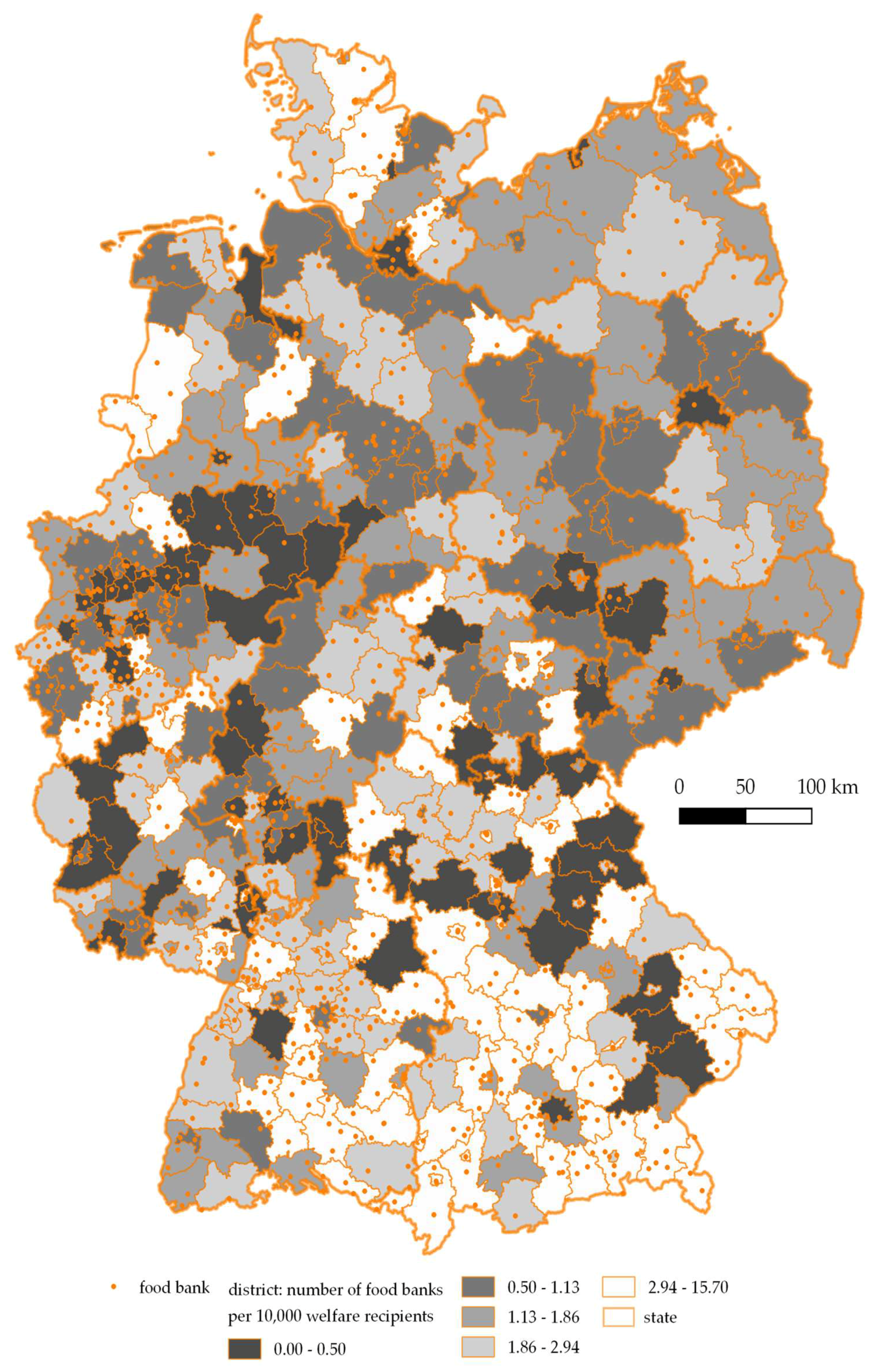
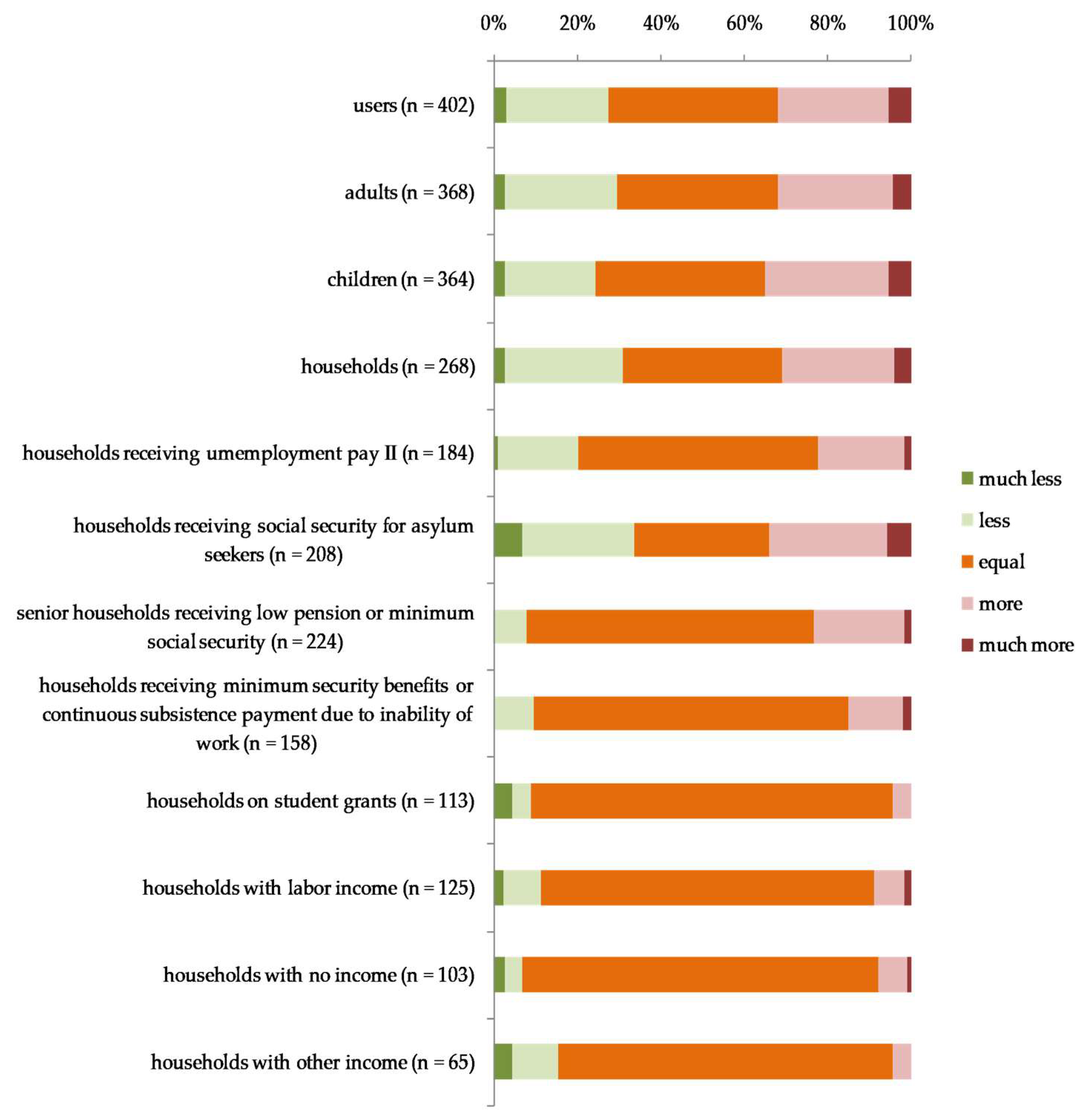
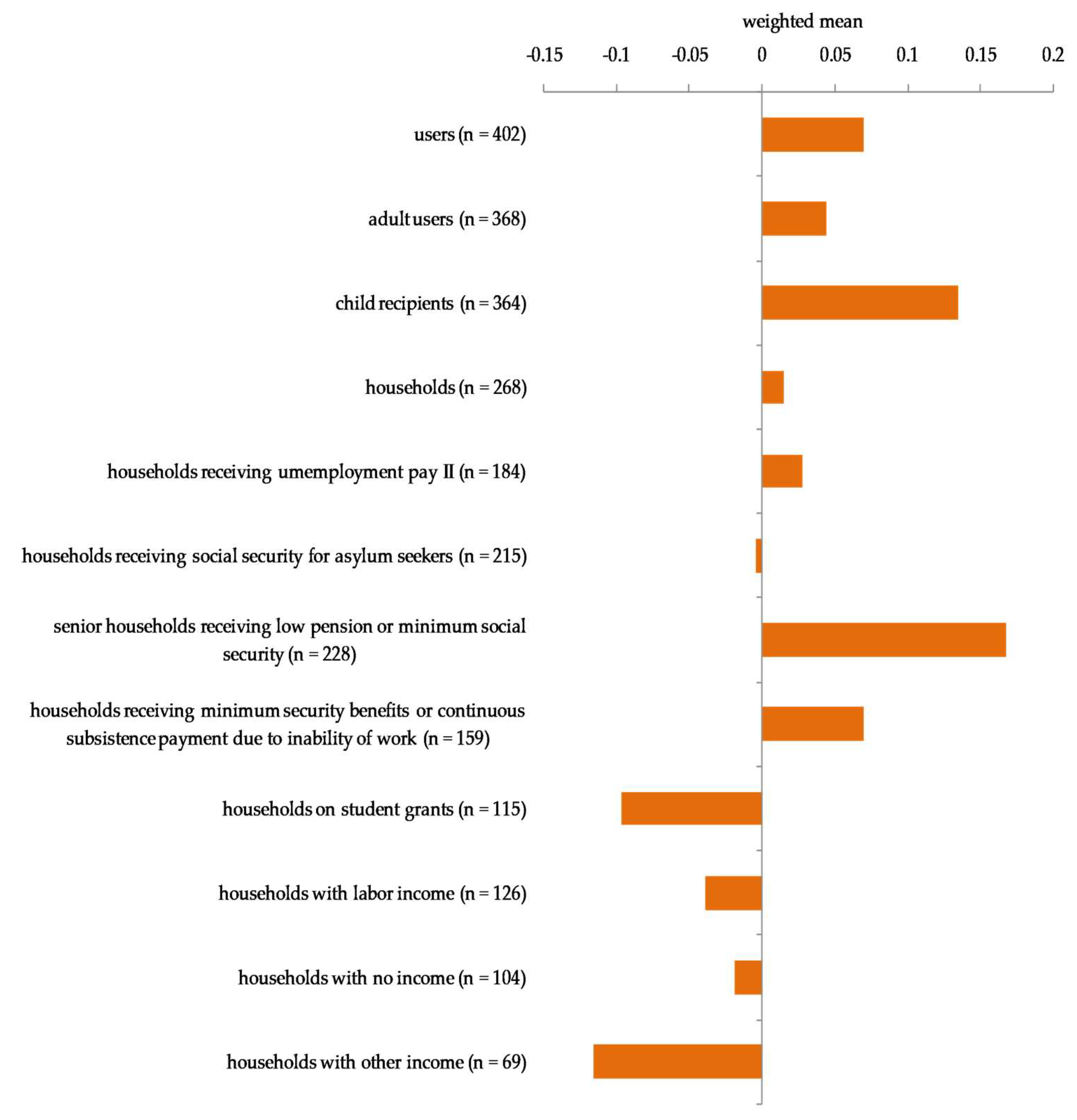
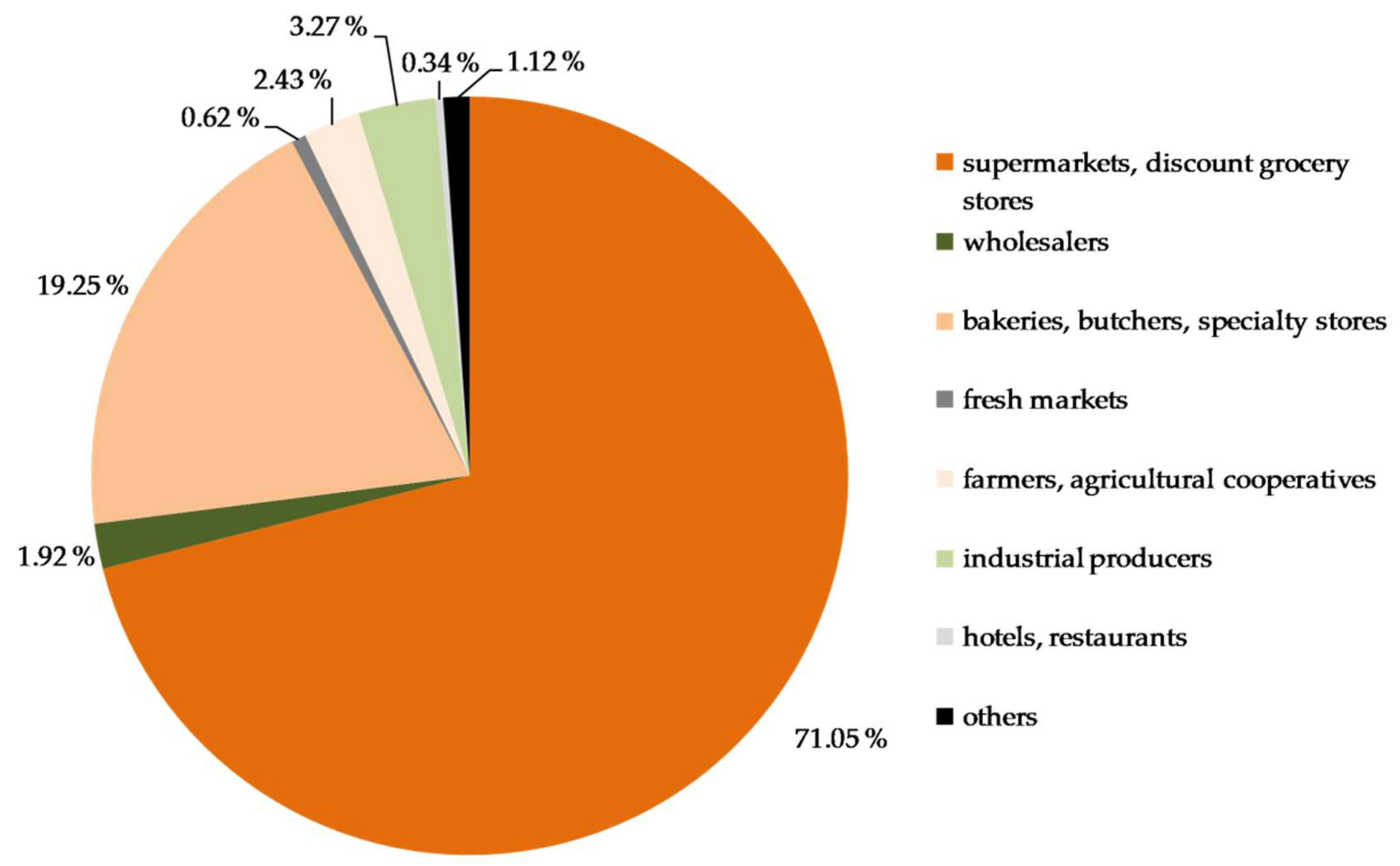
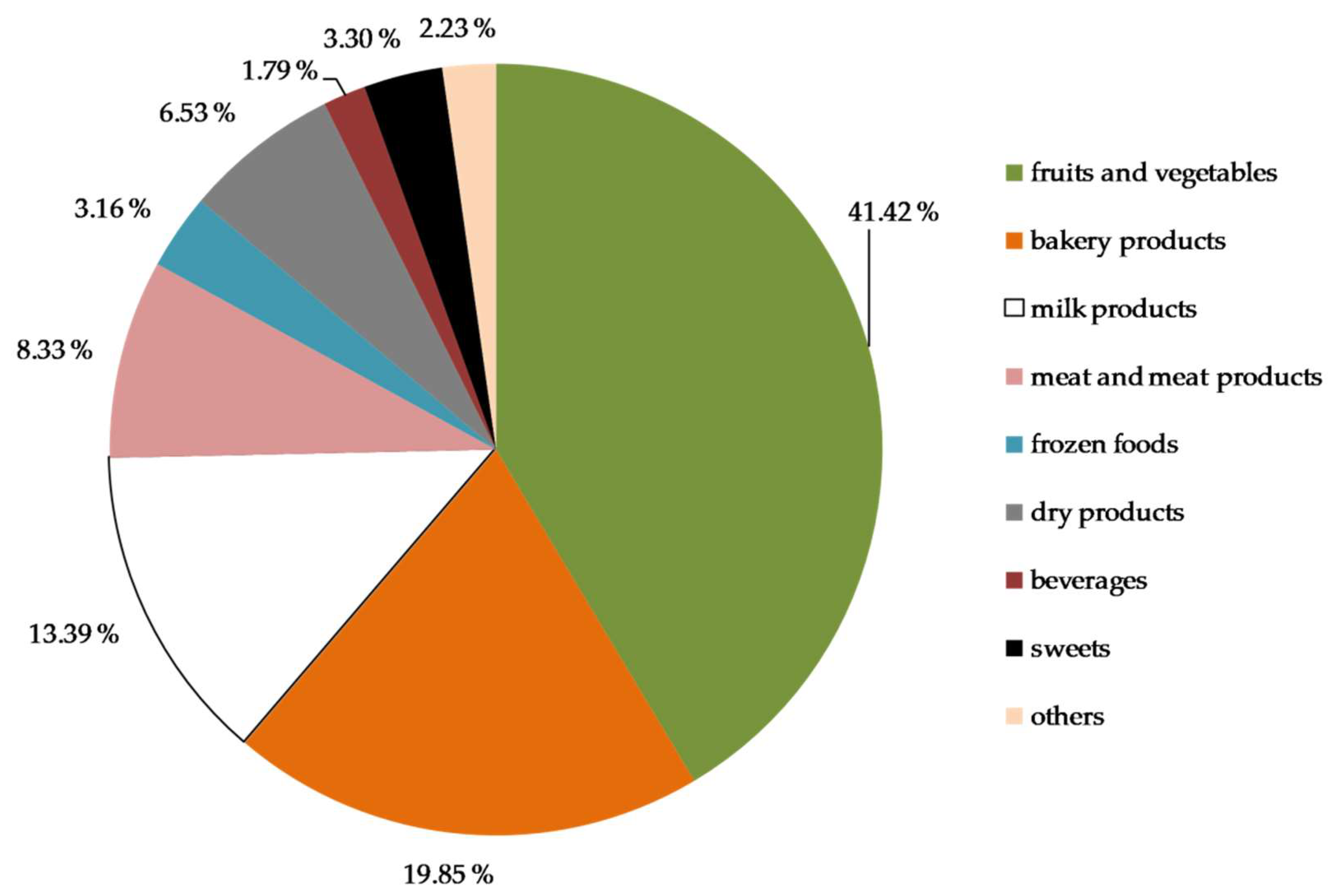
Although food banks are a well-known resource for low-income people struggling to meet their food needs, they have rarely been investigated on a large scale. This study aims to contribute to the actual debate about the potential and limitations of food banks to decrease the prevalence of food insecurity by providing a representative picture of the German food bank system and its users. Publicly accessible data were used to map residents, public welfare recipients, and food banks. In addition, a comprehensive survey was distributed to all 934 “Tafel” food banks. The results show that nearly all residents and welfare recipients have access to at least one food bank located in the districts in which they reside. Differences in the density of food banks exist between eastern and western Germany. Food banks provide mainly healthy fresh food, but they heavily rely on food donations from local retailers and on volunteer labor. Although changes in the number of user households by income seem to mirror trends in the number of welfare recipients, food bank users appear to represent only a fraction of the food-insecure population in Germany. Food banks might have the potential to improve users’ diet and food security, but they are not able to reach all food-insecure residents in Germany.
Keywords: food bank; food insecurity; welfare recipients; poverty; food supply; food aid food bank; food insecurity; welfare recipients; poverty; food supply; food aid