Particulate Matter Exposure of Passengers at Bus Stations: A Review






Abstract
1. Introduction
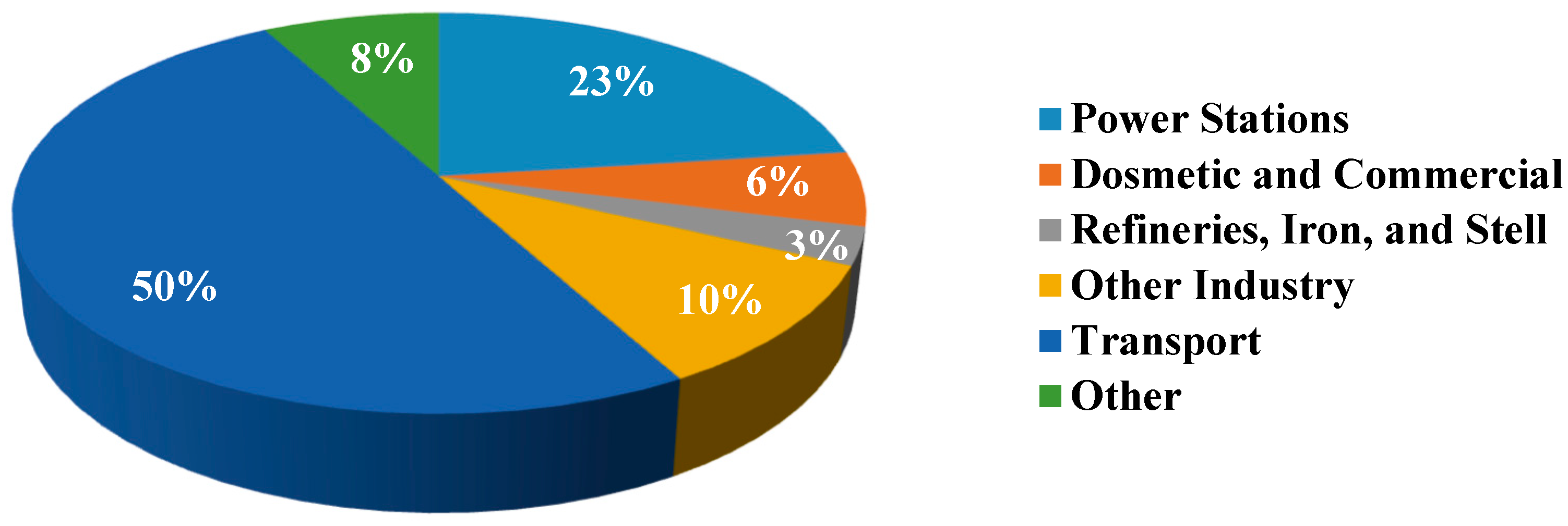
2. Classification and Sources of PM
3. Health Problems Caused by PM Exposure
3.1. Cardiovascular Diseases (CVD)
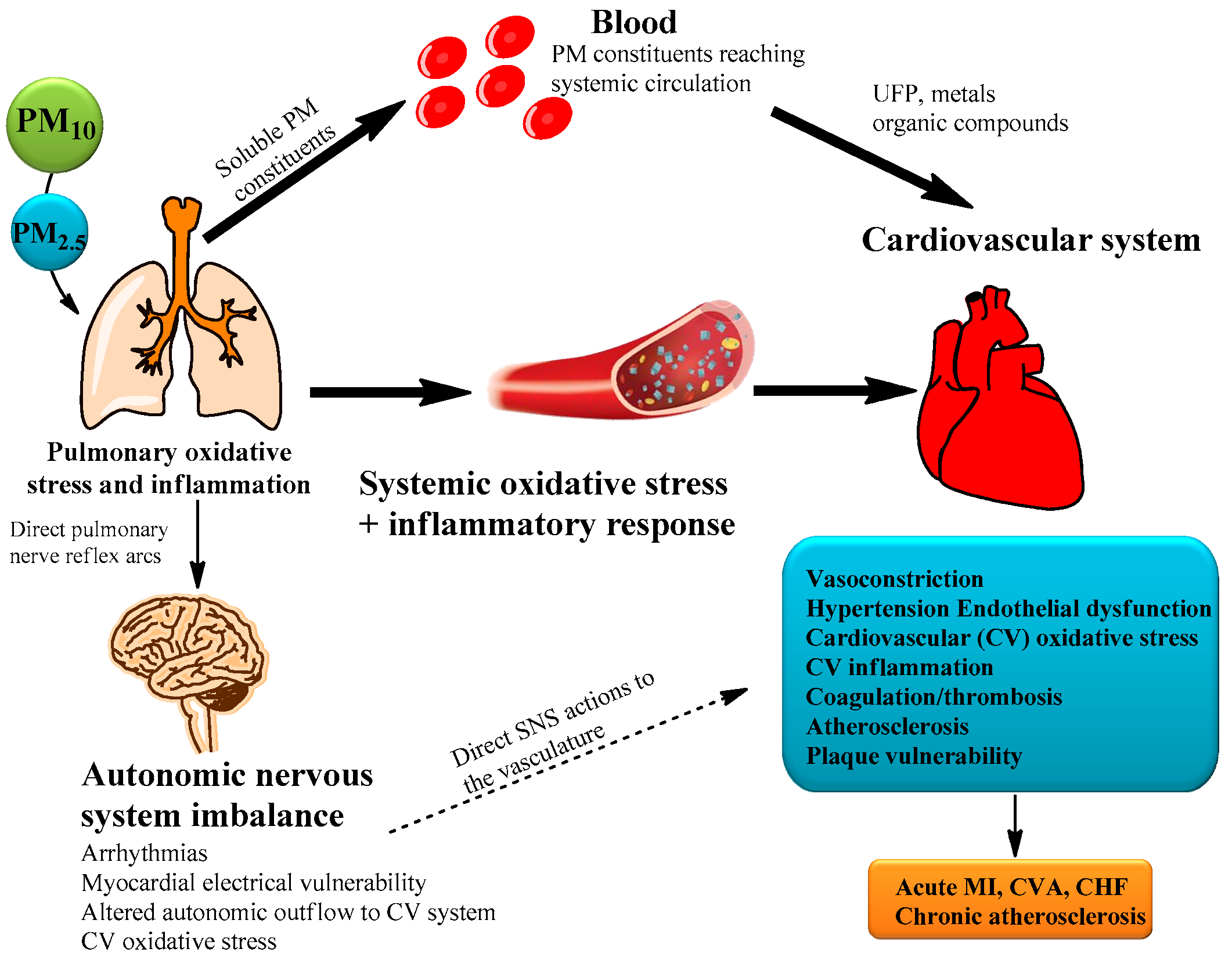
3.1.1. Effects of Short-Term Exposure
3.1.2. Effects of Long-Term Exposure
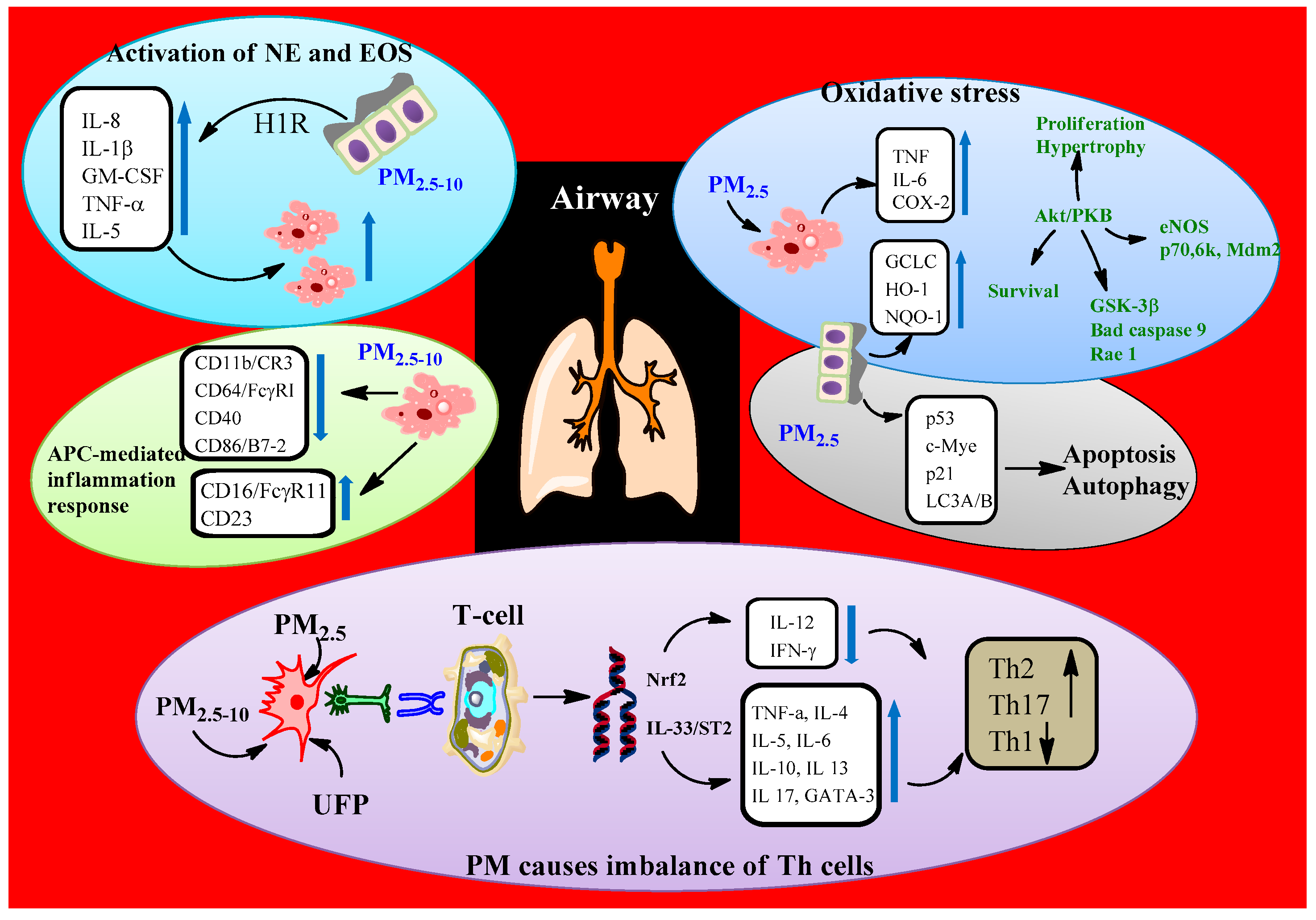
3.2. Respiratory Effects
3.3. Diabetes
4. Factors Affecting PM Pollution at Bus Stations
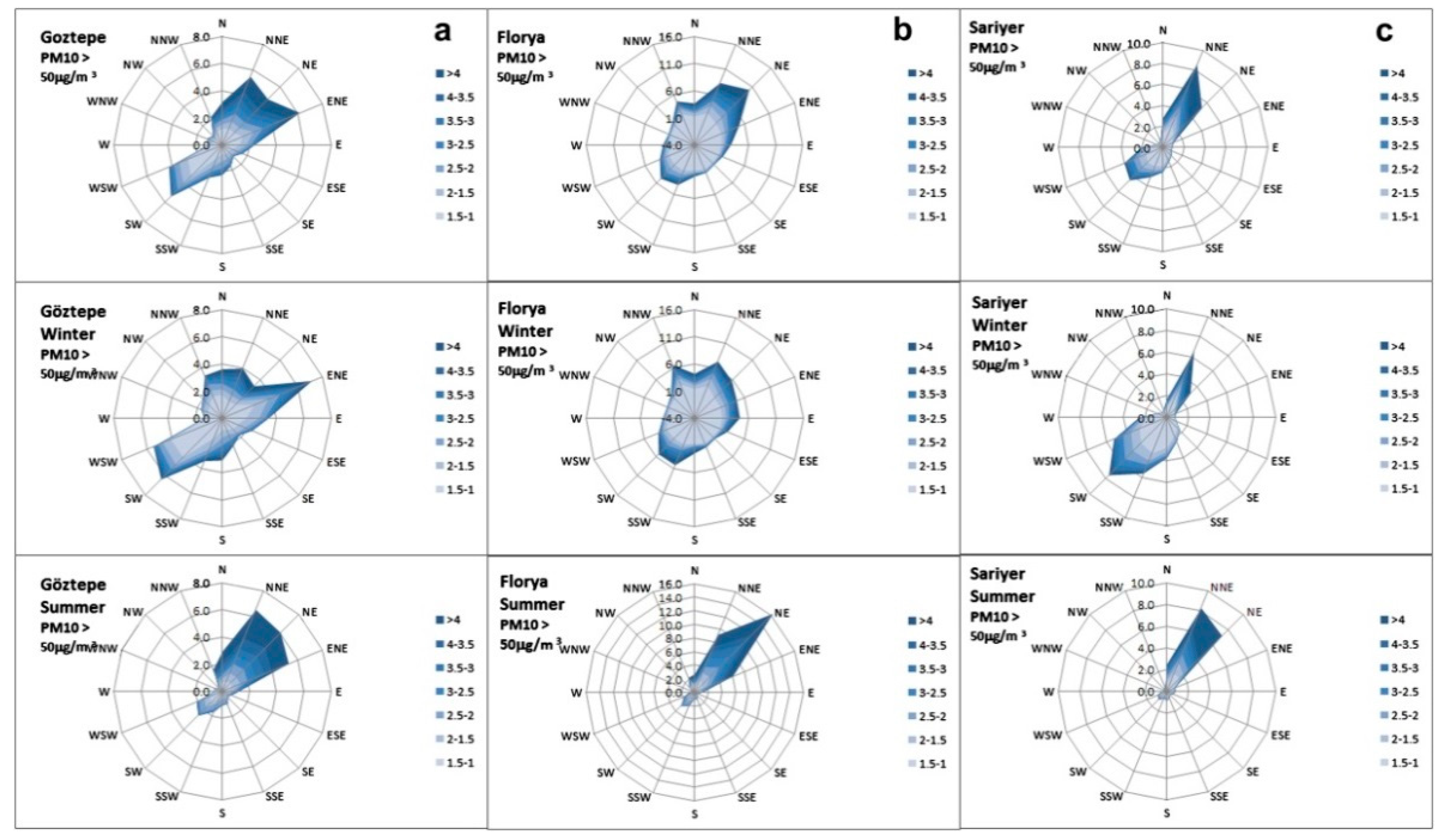
4.1. Meteorological Factors
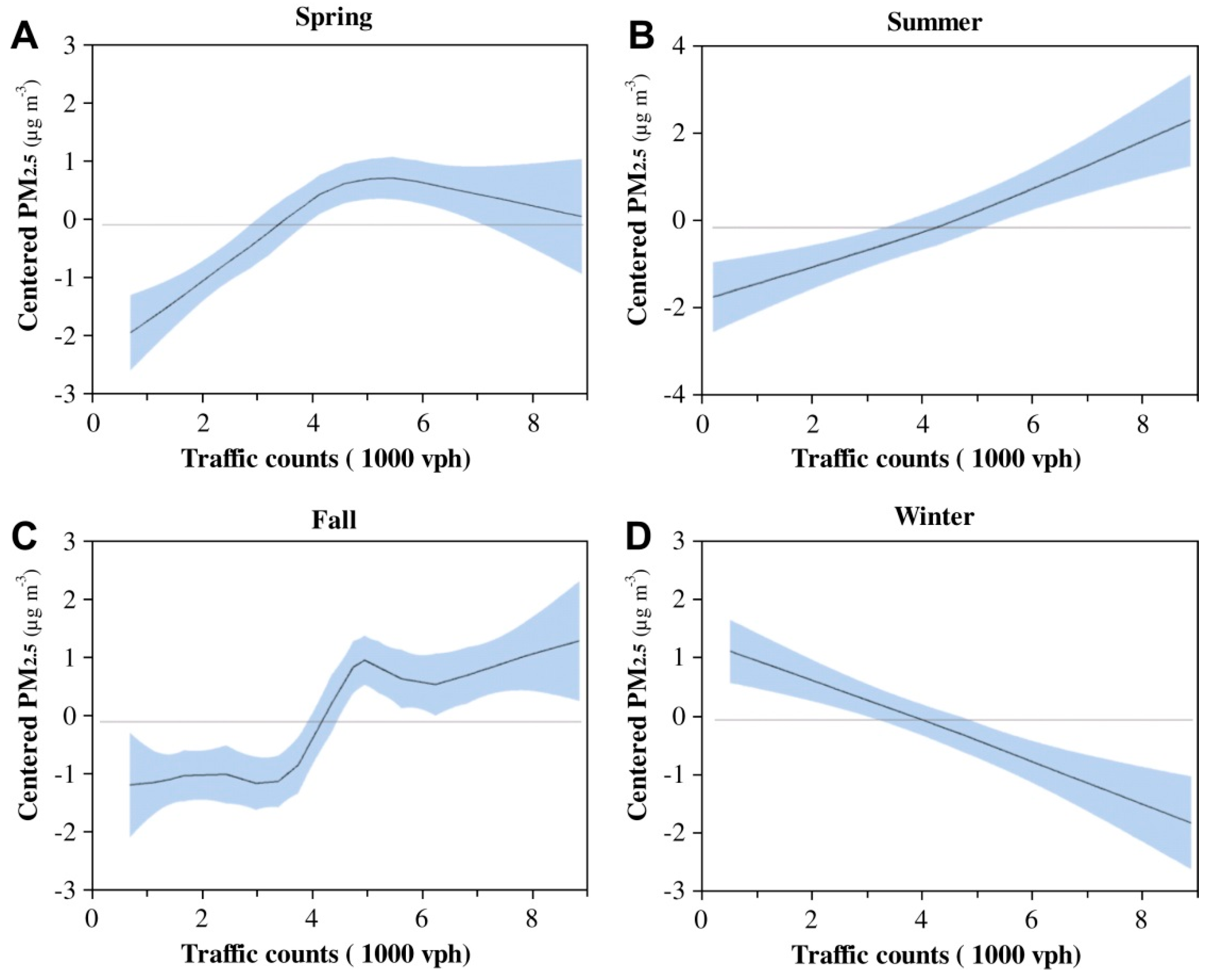
4.2. Traffic Factors
5. Personal Exposure to PM at Bus Stations
5.1. PM Exposure Levels in Europe
5.2. PM Exposure Levels in Americas
5.3. PM Exposure Levels in Asia
6. Future Directions for Reduction in Personal PM Exposure
6.1. Pollution Prevention and Control
6.2. Forecasting of PM Pollution
6.2.1. Artificial Neural Network (ANN) Models
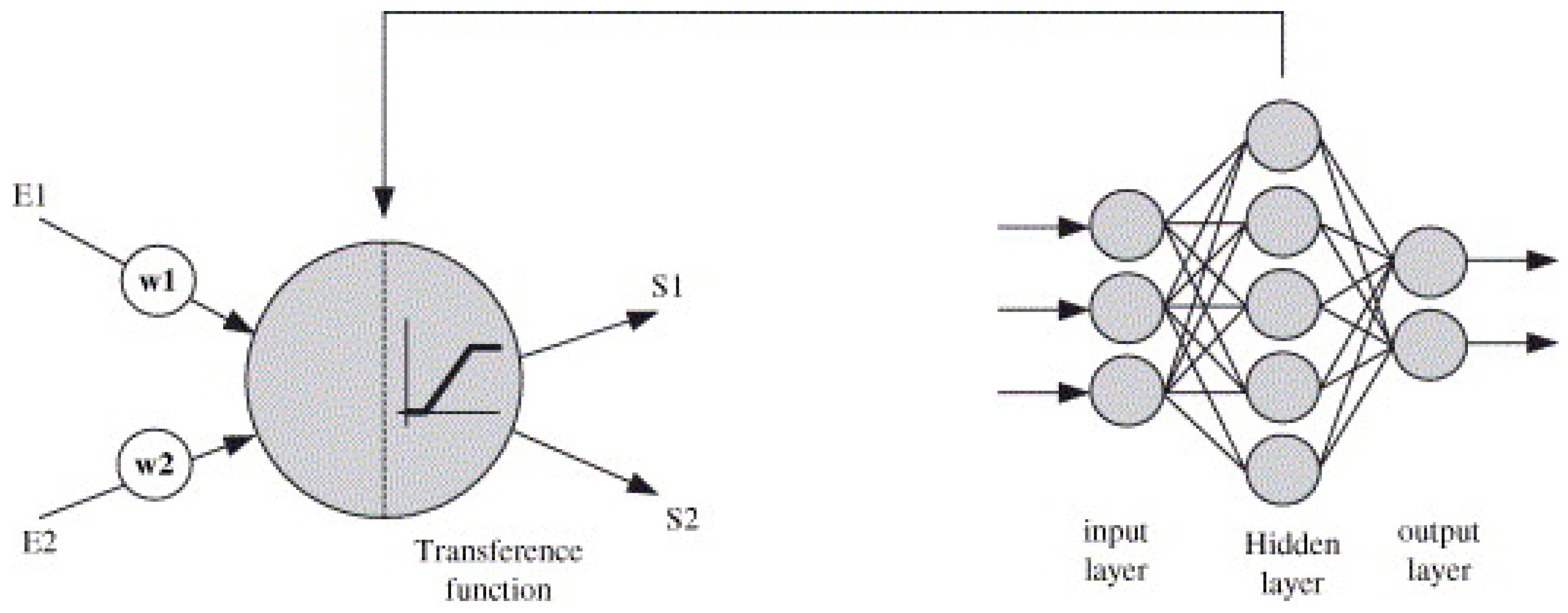
Multilayer Perceptron Neural Network (MLP)
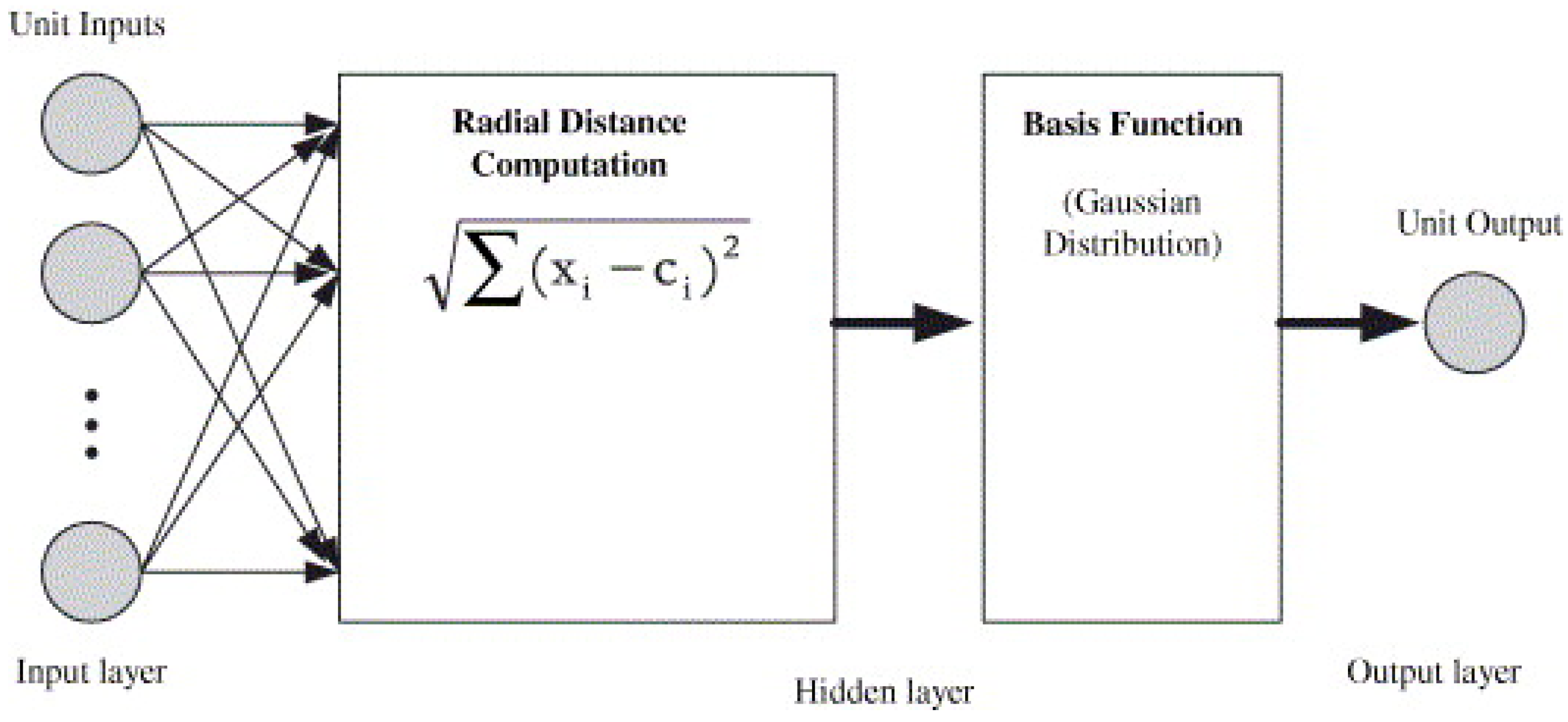
Radial Basis Function (RBF) Neural Network
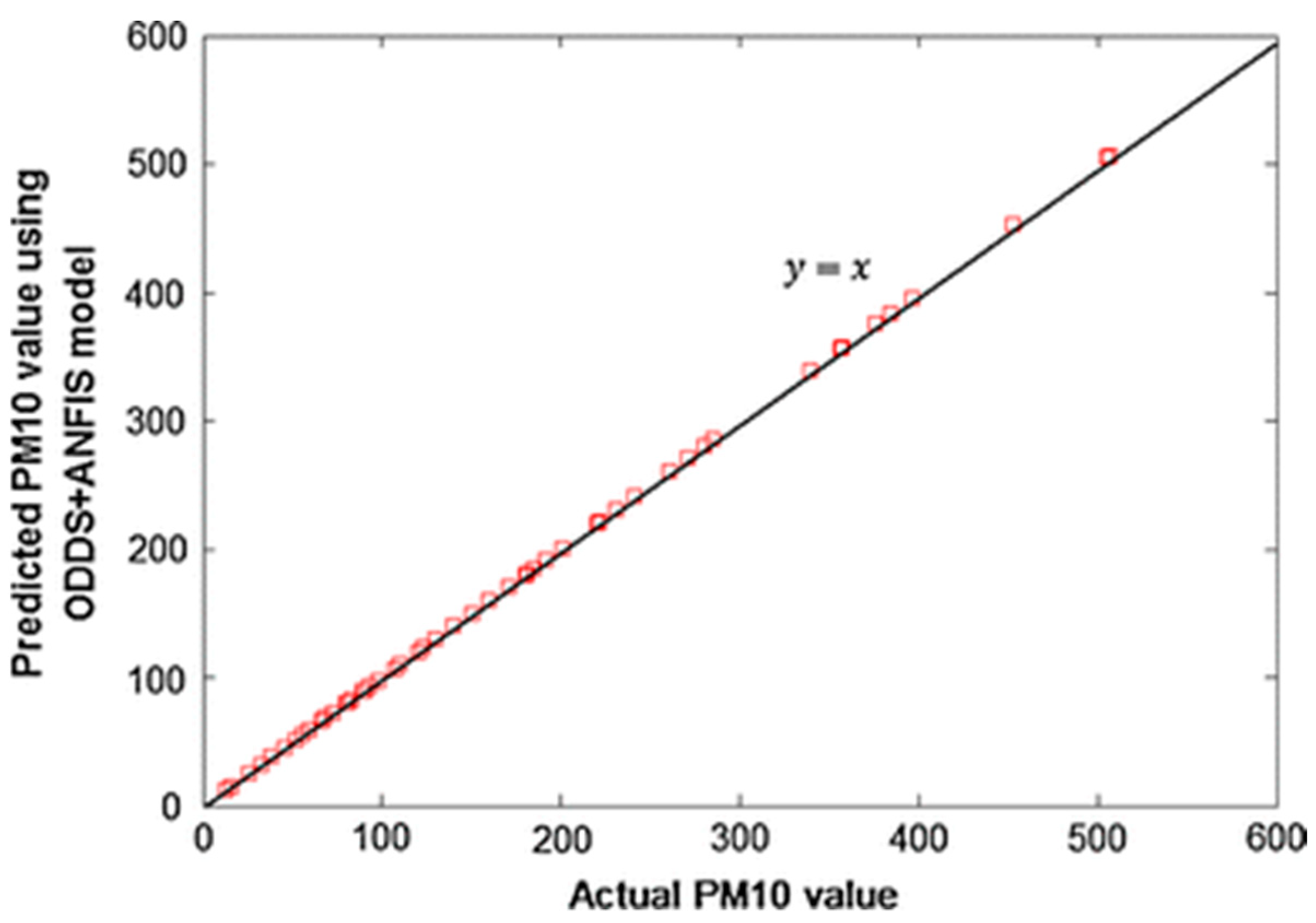
6.2.2. Adaptive Neuro-Fuzzy Inference Systems (ANFIS) Model
7. Limitation of Study
8. Conclusions
Author Contributions
Funding
Acknowledgments
Conflicts of Interest
References
- Knibbs, L.D.; Cole-Hunter, T.; Morawska, L. A review of commuter exposure to ultrafine particles and its health effects. Atmos. Environ. 2011, 45, 2611–2622. [Google Scholar] [CrossRef] [Scilit]
- Brook, R.D.; Rajagopalan, S.; Pope, C.A.; Brook, J.R.; Bhatnagar, A.; Diez-Roux, A.V.; Holguin, F.; Hong, Y.; Luepker, R.V.; Mittleman, M.A.; et al. Particulate matter air pollution and cardiovascular disease: An update to the scientific statement from the American heart association. Circulation 2010, 121, 2331–2378. [Google Scholar] [CrossRef] [Scilit] [PubMed]
- Rajagopalan, S.; Brook, R.D. Air pollution and Type 2 diabetes: Mechanistic insights. Diabetes 2012, 61, 3037–3045. [Google Scholar] [CrossRef] [Scilit] [PubMed]
- Xing, Y.F.; Xu, Y.H.; Shi, M.H.; Lian, Y.X. The impact of PM2.5 on the human respiratory system. J. Thorac. Dis. 2016, 8, E69–E74. [Google Scholar] [CrossRef] [Scilit] [PubMed]
- Ristovski, Z.D.; Miljevic, B.; Surawski, N.C.; Morawska, L.; Fong, K.M.; Goh, F.; Yang, I.A. Respiratory health effects of diesel particulate matter. Respirology 2012, 17, 201–212. [Google Scholar] [CrossRef] [Scilit] [PubMed]
- Xu, J.; Jin, T.; Miao, Y.; Han, B.; Gao, J.; Bai, Z.; Xu, X. Individual and population intake fractions of diesel particulate matter (DPM) in bus stop microenvironments. Environ. Pollut. 2015, 207, 161–167. [Google Scholar] [CrossRef] [Scilit] [PubMed]
- Moore, A.; Figliozzi, M.A.; Monsere, C.M. An empirical study of particulate matter exposure for passengers waiting at bus stop shelters in Portland, Oregon, USA. Civil Environ. Eng. Com. 2012, 1–20. [Google Scholar] [CrossRef] [Scilit]
- Dales, R.; Liu, L.; Szyszkowicz, M.; Dalipaj, M.; Willey, J.; Kulka, R.; Ruddy, T.D. Particulate air pollution and vascular reactivity: The bus stop study. Int. Arch. Occup. Environ. Health 2007, 81, 159–164. [Google Scholar] [CrossRef] [Scilit]
- Velasco, E.; Tan, S.H. Particles exposure while sitting at bus stops of hot and humid Singapore. Atmos. Environ. 2016, 142, 251–263. [Google Scholar] [CrossRef] [Scilit]
- Cevallos, J.B. Spatial Variability of Particulate Matter (PM2.5) in the Ambient Air on the Campus of the University of Manchester; School of Environment, Education and Development: Manchester, UK, 2014; pp. 1–46. [Google Scholar]
- Wikipedia. Particulates. Available online: https://en.wikipedia.org/wiki/Particulates (accessed on 20 September 2018).
- United States Environmental Protection Agency. Particulate Matter (PM) Basics. Available online: https://www.epa.gov/pm-pollution/particulate-matter-pm-basics#PM (accessed on 17 September 2018).
- WHO. Health Aspects of Air Pollution with Particulate Matter, Ozone, and Nitrogen Dioxide; 2003. Available online: http://www.euro.who.int/__data/assets/pdf_file/0005/112199/E79097.pdf (accessed on 7 September 2018).
- Esworthy, R. Air Quaility: EPA’s 2013 Changes to the Particulate Matter (PM) Standard; 2015. Available online: https://fas.org/sgp/crs/misc/R42934.pdf (accessed on 15 September 2018).
- Hasheminassab, S.; Daher, N.; Schauer, J.J.; Sioutas, C. Source apportionment and organic compound characterization of ambient ultrafine particulate matter (PM) in the Los Angeles basin. Atmos. Environ. 2013, 79, 529–539. [Google Scholar] [CrossRef] [Scilit]
- Nielsen, E.; Sidhu, B. Air Quality at Bus Stop Microenvironments in a Metro Vancouver Urban and Suburban Area. Environ. Health J. 2014. Available online: https://circuit.bcit.ca/repository/islandora/object/repository%3A41 (accessed on 17 December 2018).
- Harrison, R.M.; Thornton, C.A.; Lawrence, R.G.; Mark, D.; Kinnersley, R.P.; Ayres, J.G. Personal exposure monitoring of particulate matter, nitrogen dioxise, and carbon monoxide, including sysceptible groups. Occup. Environ. Med. 2002, 59, 671–679. [Google Scholar] [CrossRef] [Scilit] [PubMed]
- Srimuruganandam, B.; Shiva Nagendra, S.M. Source characterization of PM10 and PM2.5 mass using a chemical mass balance model at urban roadside. Sci. Total Environ. 2012, 433, 8–19. [Google Scholar] [CrossRef] [Scilit] [PubMed]
- Kim, K.H.; Kabir, E.; Kabir, S. A review on the human health impact of airborne particulate matter. Environ. Int. 2015, 74, 136–143. [Google Scholar] [CrossRef] [Scilit] [PubMed]
- Onat, B.; Stakeeva, B. Personal exposure of commuters in public transport to PM2.5 and fine particle counts. Atmos. Pollut. Res. 2013, 4, 329–335. [Google Scholar] [CrossRef] [Scilit]
- Zhang, Q.; Zhu, Y. Performance of school bus retrofit systems: Ultrafine particles and other vehicular pollutants. Environ. Sci. Technol. 2011, 45, 6475–6482. [Google Scholar] [CrossRef] [Scilit] [PubMed]
- Air Pollution Emissions in the UK. Available online: http://www.air-quality.org.uk/08.php (accessed on 28 September 2018).
- Cooper, E.; Arioli, M.; Carrigan, A.; Jain, U. Exhaust Emissions of Transit Buses. EMBARQ. 2002. Available online: https://wrirosscities.org/sites/default/files/Exhaust-Emissions-Transit-Buses-EMBARQ.pdf (accessed on 17 September 2018).
- Diesel Engines and Public Health. Available online: https://www.ucsusa.org/clean-vehicles/vehicles-air-pollution-and-human-health/diesel-engines#.W5pcKlx4lph (accessed on 2 October 2018).
- Air Pollution Particulate Matter. Available online: https://www.greenfacts.org/en/particulate-matter-pm/level-2/01-presentation.htm (accessed on 10 October 2018).
- Casati, R.; Scheer, V.; Vogt, R.; Benter, T. Measurement of nucleation and soot mode particle emission from a diesel passenger car in real world and laboratory in situ dilution. Atmos. Environ. 2007, 41, 2125–2135. [Google Scholar] [CrossRef] [Scilit]
- Brown, J.S.; Gordon, T.; Price, O.; Asgharian, B. Thoracic and respirable particle definitions for human health risk assessment. Part. Fibre Toxicol. 2013, 10, 1–12. [Google Scholar] [CrossRef] [Scilit]
- Atkinson, R.W.; Fuller, G.W.; Anderson, H.R.; Harrison, R.M.; Armstrong, B. Urban ambient particle metrics and health: A time-series analysis. Epidemiology 2010, 21, 501–511. [Google Scholar] [CrossRef] [Scilit]
- Londahl, J.; Pagels, J.; Swietlicki, E.; Zhou, J.; Ketzel, M.; Massling, A.; Bohgard, M. A set-up for field studies of respiratory tract deposition of fine and ultrafine particles in humans. J. Aerosol Sci. 2006, 37, 1152–1163. [Google Scholar] [CrossRef] [Scilit]
- Hu, D.; Jiang, J. PM2.5 pollution and risk for lung cancer: A rising issue in China. J. Environ. Prot. 2014, 5, 731–738. [Google Scholar] [CrossRef]
- Valavanidis, A.; Fiotakis, K.; Vlachogianni, T. Airborne particulate matter and human health: Toxicological assessment and importance of size and composition of particles for oxidative damage and carcinogenic mechanisms. J. Environ. Sci. Health C 2008, 26, 339–362. [Google Scholar] [CrossRef] [Scilit] [PubMed]
- Anderson, J.O.; Thundiyil, J.G.; Stolbach, A. Clearing the air: A review of the effects of particulate matter air pollution on human health. J. Med. Toxicol. 2012, 8, 166–175. [Google Scholar] [CrossRef] [Scilit] [PubMed]
- McCarthy, N. Air Pollution Contributed to More than 6 Million Deaths in 2016. Available online: https://www.forbes.com/sites/niallmccarthy/2018/04/18/air-pollution-contributed-to-more-than-6-million-deaths-in-2016-infographic/#256f259a13b4 (accessed on 27 September 2018).
- WHO. Mortality and Burden of Disease from Ambient Air Pollution. Available online: http://www.who.int/gho/phe/outdoor_air_pollution/burden_text/en/ (accessed on 12 October 2018).
- WHO. Health Effects of Particulate Matter. 2013. Available online: http://www.unece.org/environmental-policy/conventions/envlrtapwelcome/publications/others/2013/health-effects-of-particulate-matter.html (accessed on 12 October 2018).
- Sidney, S.; Quesenberry, C.P., Jr.; Jaffe, M.G.; Sorel, M.; Nguyen, H.M.N.; Kushi, L.H.; Go, A.S.; Rana, J.S. Recent trends in cardiovascular mortality in the United States and public health goals. JAMA Cardiol. 2016, 1, 594–599. [Google Scholar] [CrossRef] [Scilit] [PubMed]
- Nordqvist, C. What Is Cardiovascular Disease? Available online: https://www.medicalnewstoday.com/articles/257484.php (accessed on 10 October 2018).
- Du, Y.; Xu, X.; Chu, M.; Guo, Y.; Wang, J. Air particulate matter and cardiovascular disease: The epidemiological, biomedical and clinical evidence. J. Thorac. Dis. 2016, 8, E8–E19. [Google Scholar] [CrossRef] [Scilit] [PubMed]
- Martinelli, N.; Olivieri, O.; Girelli, D. Air particulate matter and cardiovascular disease: A narrative review. Eur. J. Intern. Med. 2013, 24, 295–302. [Google Scholar] [CrossRef] [Scilit]
- Nelin, T.D.; Joseph, A.M.; Gorr, M.W.; Wold, L.E. Direct and indirect effects of particulate matter on the cardiovascular system. Toxicol. Lett. 2012, 208, 293–299. [Google Scholar] [CrossRef] [Scilit]
- Shrey, K.; Suchit, A.; Deepika, D.; Shruti, K.; Vibha, R. Air pollutants: The key stages in the pathway towards the development of cardiovascular disorders. Environ. Toxicol. Pharmacol. 2011, 31, 1–9. [Google Scholar] [CrossRef] [Scilit]
- Simkhovich, B.Z.; Kleinman, M.T.; Kloner, R.A. Air pollution and cardiovascular injury epidemiology, toxicology, and mechanisms. J. Am. Coll. Cardiol. 2008, 52, 719–726. [Google Scholar] [CrossRef] [Scilit]
- Brook, R.D. Cardiovascular effects of air pollution. Clin. Sci. 2008, 115, 175–187. [Google Scholar] [CrossRef] [Scilit]
- Pope, C.A.; Muhlestein, J.B.; May, H.T.; Renlund, D.G.; Anderson, J.L.; Horne, B.D. Ischemic heart disease events triggered by short-term exposure to fine particulate air pollution. Circulation 2006, 114, 2443–2448. [Google Scholar] [CrossRef] [Scilit] [PubMed]
- Samet, J.; Dominici, F.; Curriero, F.; Coursac, I.; Zeger, S. Fine particulate air pollution and mortality in 20 US cities 1987–1994. NEJM 2000, 343, 1742–1749. [Google Scholar] [CrossRef] [Scilit] [PubMed]
- Yin, P.; He, G.; Fan, M.; Chiu, K.Y.; Fan, M.; Liu, C.; Xue, A.; Liu, T.; Pan, Y.; Mu, Q.; et al. Particulate air pollution and mortality in 38 of China’s largest cities. BMJ 2017, 356, 667. [Google Scholar] [CrossRef] [Scilit] [PubMed]
- Miller, K.A.; Siscovick, D.S.; Sheppard, L.; Shepherd, K. Lomg-term exposure to air pollution and incidence of cardiovascular events in women. NEJM 2007, 356, 447–458. [Google Scholar] [CrossRef] [Scilit] [PubMed]
- Dominici, F.; Peng, R.D.; Bell, M.L.; Luu Pham, M.; McDermott, A.; Zeger, S.L.; Samet, J.M. Fine particulate air pollution and hospital admission for cardiovascular and respiratory diseases. JMAM 2006, 295, 1127–1134. [Google Scholar] [CrossRef] [Scilit] [PubMed]
- Neas, L.M. Fine particulate matter and cardiovascular disease. Fuel Sci. Technol. 2000, 65, 57–67. [Google Scholar] [CrossRef] [Scilit]
- Particle Pollution and Respiratory Effects. Available online: https://www.epa.gov/particle-pollution-and-your-patients-health/health-effects-pm-patients-lung-disease (accessed on 16 October 2018).
- Wu, J.Z.; Ge, D.D.; Zhou, L.F.; Hou, L.Y.; Zhou, Y.; Li, Q.Y. Effects of particulate matter on allergic respiratory diseases. Chronic Dis. Transl. Med. 2018, 4, 95–102. [Google Scholar] [CrossRef] [Scilit]
- Xu, X.-C.; Li, Z.-Y.; Chen, H.-P.; Zhou, J.-S.; Wang, Y.; Shen, H.-H.; Chen, Z.-H. Cellular mechanisms of the adverse respiratory health effect induced by ambient particulate matter: A review and perspective. J. Respir. Med. Lung Dis. 2017, 2, 1–5. [Google Scholar]
- Karakatsani, A.; Analitis, A.; Perifanou, D.; Ayres, J.G.; Harrison, R.M.; Kotronarou, A.; Kavouras, I.G.; Pekkanen, J.; Hämeri, K.; Kos, G.P.; et al. Particulate matter air pollution and respiratory symptoms in individuals having either asthma or chronic obstructive pulmonary disease. A European multicenter panel study. Environ. Health 2012, 12, 1–15. [Google Scholar] [CrossRef] [Scilit]
- Guo, C.; Zhang, Z.; Lau, A.K.H.; Lin, C.Q.; Chuang, Y.C.; Chan, J.; Jiang, W.K.; Tam, T.; Yeoh, E.-K.; Chan, T.-C.; et al. Effect of long-term exposure to fine particulate matter on lung function decline and risk of chronic obstructive pulmonary disease in taiwan: A longitudinal, cohort study. Lancet Planet. Health 2018, 2, 114–125. [Google Scholar] [CrossRef] [Scilit]
- Jo, E.J.; Lee, W.S.; Jo, H.Y.; Kim, C.H.; Eom, J.S.; Mok, J.H.; Kim, M.H.; Lee, K.; Kim, K.U.; Lee, M.K.; et al. Effects of particulate matter on respiratory disease and the impact of meteorological factors in Busan, Korea. Respir. Med. 2017, 124, 79–87. [Google Scholar] [CrossRef] [Scilit] [PubMed]
- Hansen, A.B.; Ravnskjaer, L.; Loft, S.; Andersen, K.K.; Brauner, E.V.; Baastrup, R.; Yao, C.; Ketzel, M.; Becker, T.; Brandt, J.; et al. Long-term exposure to fine particulate matter and incidence of diabetes in the danish nurse cohort. Environ. Int. 2016, 91, 243–250. [Google Scholar] [CrossRef] [Scilit] [PubMed]
- Liang, R.; Zhang, B.; Zhao, X.; Ruan, Y.; Lian, H.; Fan, Z. Effect of exposure to PM2.5 on blood pressure: A systematic review and meta-analysis. J. Hypertens. 2014, 32, 2130–2140. [Google Scholar] [CrossRef] [Scilit] [PubMed]
- Pearson, J.F.; Bachireddy, C.; Shyamprasad, S.; Goldfine, A.B.; Brownstein, J.S. Association between fine particulate matter and diabetes prevalence in the US. Diabetes Care 2010, 33, 2196–2201. [Google Scholar] [CrossRef] [Scilit] [PubMed]
- Weinmayr, G.; Hennig, F.; Fuks, K.; Nonnemacher, M.; Jakobs, H.; Mohlenkamp, S.; Erbel, R.; Jockel, K.H.; Hoffmann, B.; Moebus, S.; et al. Long-term exposure to fine particulate matter and incidence of Type 2 diabetes mellitus in a cohort study: Effects of total and traffic-specific air pollution. Environ. Health 2015, 14, 53. [Google Scholar] [CrossRef] [Scilit] [PubMed]
- Wang, B.; Xu, D.; Jing, Z.; Liu, D.; Yan, S.; Wang, Y. Effect of long-term exposure to air pollution on Type 2 diabetes mellitus risk: A systemic review and meta-analysis of cohort studies. Eur. J. Endocrinol. 2014, 171, R173–R182. [Google Scholar] [CrossRef] [Scilit]
- Sun, Q.; Yue, P.; Deiuliis, J.A.; Lumeng, C.N.; Kampfrath, T.; Mikolaj, M.B.; Cai, Y.; Ostrowski, M.C.; Lu, B.; Parthasarathy, S.; et al. Ambient air pollution exaggerates adipose inflammation and insulin resistance in a mouse model of diet-induced obesity. Circulation 2009, 119, 538–546. [Google Scholar] [CrossRef] [Scilit]
- Xu, X.; Liu, C.; Xu, Z.; Tzan, K.; Zhong, M.; Wang, A.; Lippmann, M.; Chen, L.C.; Rajagopalan, S.; Sun, Q. Long-term exposure to ambient fine particulate pollution induces insulin resistance and mitochondrial alteration in adipose tissue. Toxicol. Sci. 2011, 124, 88–98. [Google Scholar] [CrossRef] [Scilit]
- He, D.; Wu, S.; Zhao, H.; Qiu, H.; Fu, Y.; Li, X.; He, Y. Association between particulate matter 2.5 and diabetes mellitus: A meta-analysis of cohort studies. J. Diabetes Investig. 2017, 8, 687–696. [Google Scholar] [CrossRef] [Scilit]
- Tecer, L.H.; Süren, P.; Alagha, O.; Karaca, F.; Tuncel, G. Effect of meteorological parameters on fine and coarse particulate matter mass concentration in a coal-mining area in Zonguldak, Turkey. J. Air Waste Manag. Assoc. 2012, 58, 543–552. [Google Scholar] [CrossRef] [Scilit]
- Akyuz, M.; Cabuk, H. Meteorological variations of PM2.5/PM10 concentrations and particle-associated polycyclic aromatic hydrocarbons in the atmospheric environment of Zonguldak, Turkey. J. Hazard. Mater. 2009, 170, 13–21. [Google Scholar] [CrossRef] [Scilit]
- Hess, D.B.; Ray, P.D.; Stinson, A.E.; Park, J. Determinants of exposure to fine particulate matter (PM2.5) for waiting passengers at bus stops. Atmos. Environ. 2010, 44, 5174–5182. [Google Scholar] [CrossRef] [Scilit]
- Fondelli, M.C.; Chellini, E.; Yli-Tuomi, T.; Cenni, I.; Gasparrini, A.; Nava, S.; Garcia-Orellana, I.; Lupi, A.; Grechi, D.; Mallone, S.; et al. Fine particle concentrations in buses and taxis in Florence, Italy. Atmos. Environ. 2008, 42, 8185–8193. [Google Scholar] [CrossRef] [Scilit]
- Unal, Y.S.; Toros, H.; Deniz, A.; Incecik, S. Influence of meteorological factors and emission sources on spatial and temporal variations of PM10 concentrations in Iistanbul metropolitan area. Atmos. Environ. 2011, 45, 5504–5513. [Google Scholar] [CrossRef] [Scilit]
- Hussein, T.; Karppinen, A.; Kukkonen, J.; Harkonen, J.; Aalto, P.P.; Hameri, K.; Kerminen, V.-M.; Kulmala, M. Meteorological dependence of size-fractionated number concentrations of urban aerosol particles. Atmos. Environ. 2006, 40, 1427–1440. [Google Scholar] [CrossRef] [Scilit]
- Chana, L.Y.; Laua, W.L.; Zoub, S.C.; Cao, Z.X.; Lai, S.C. Exposure level of carbon monoxide and respirable suspended particulate in public transportation modes while commuting in urban area of Guangzhou, China. Atmos. Environ. 2002, 36, 5831–5840. [Google Scholar] [CrossRef] [Scilit]
- A.Q.E. Fine Particulate Matter (PM2.5) in the United Kingdom; Department of the Environment in Northern Ireland: 2012. Available online: https://uk-air.defra.gov.uk/assets/documents/reports/cat11/1212141150_AQEG_Fine_Particulate_Matter_in_the_UK.pdf (accessed on 16 December 2018).
- Zhang, K.; Batterman, S. Near-road air pollutant concentrations of CO and PM2.5: A comparison of MOBILE6.2/CAINE4 and generalized additive models. Atmos. Environ. 2010, 44, 1740–1748. [Google Scholar] [CrossRef] [Scilit]
- Moore, A.; Figliozzi, M.; Monsere, C.M. Empirical analysis of expsure to particulate matter at bus stop shelters. Transp. Res. Rec. 2018, 2270, 76–86. [Google Scholar] [CrossRef] [Scilit]
- Adams, H.S.; Nieuwenhuijsen, M.J.; Colvile, R.N. Determinants of fine particle (PM2.5) personal exposure levels on transport microenvironments, London, UK. Atmos. Environ. 2001, 35, 4557–4566. [Google Scholar] [CrossRef] [Scilit]
- Kaur, S.; Nieuwenhuijsen, M.J. Determinants of personal exposure to PM2.5, ultrafine particle counts, and co in a transport microenvironment. Environ. Sci. Technol. 2009, 43, 4737–4743. [Google Scholar] [CrossRef] [Scilit]
- Cheng, Y.-H.; Chang, H.-P.; Hsieh, C.-J. Short-term exposure to PM10, PM2.5, ultrafine particles and CO2 for passengers at an intercity bus terminal. Atmos. Environ. 2011, 45, 2034–2042. [Google Scholar] [CrossRef] [Scilit]
- Salama, K.F.; Alhajri, R.F.; Al-Anazi, A.A. Assessment of air quality in bus terminal stations in Eastern province, Kingdom of Saudi Arabia. Int. J. Community Med. Public Health 2017, 4, 1413. [Google Scholar] [CrossRef] [Scilit]
- Riffault, V. Particulate Matter Pollution Peakes: Detection and Prevention. Available online: https://blogrecherche.wp.imt.fr/en/2017/04/19/particulate-matter-pollution-peaks/ (accessed on 16 December 2018).
- World Bank Group. Pollution Prevention and Abatement Handbook 1998; World Bank: Washington, DC, USA, 1998; pp. 235–239. [Google Scholar]
- California Environmental Protection Agency. Facts about Reducing Your Exposure to Particle Pollution; California Environmental Protection Agency: Sacramento, CA, USA, 2014.
- Bai, L.; Wang, J.; Ma, X.; Lu, H. Air pollution forecasts: An overview. Int. J. Environ. Res. Public. Health 2018, 15, 780. [Google Scholar] [CrossRef] [Scilit] [PubMed]
- Ordieres, J.B.; Vergara, E.P.; Capuz, R.S.; Salazar, R.E. Neural network prediction model for fine particulate matter (PM2.5) on the US–Mexico border in El Paso (Texas) and Ciudad Juarez (Chihuahua). Environ. Model. Softw. 2005, 20, 547–559. [Google Scholar] [CrossRef] [Scilit]
- Biancofiore, F.; Busilacchio, M.; Verdecchia, M.; Tomassetti, B.; Aruffo, E.; Bianco, S.; Di Tommaso, S.; Colangeli, C.; Rosatelli, G.; Di Carlo, P. Recursive neural network model for analysis and forecast of PM10 and PM2.5. Atmos. Pollut. Res. 2017, 8, 652–659. [Google Scholar] [CrossRef] [Scilit]
- Li, X.; Peng, L.; Yao, X.; Cui, S.; Hu, Y.; You, C.; Chi, T. Long short-term memory neural network for air pollutant concentration predictions: Method development and evaluation. Environ. Pollut. 2017, 231, 997–1004. [Google Scholar] [CrossRef] [Scilit] [PubMed]
- Grivas, G.; Chaloulakou, A. Artificial neural network models for prediction of PM10 hourly concentrations, in the greater area of Athens, Greece. Atmos. Environ. 2006, 40, 1216–1229. [Google Scholar] [CrossRef] [Scilit]
- Perez, P.; Reyes, J. An integrated neural network model for PM10 forecasting. Atmos. Environ. 2006, 40, 2845–2851. [Google Scholar] [CrossRef] [Scilit]
- Wikipedia. Artificial Neural Network. Available online: https://en.wikipedia.org/wiki/Artificial_neural_network (accessed on 17 October 2018).
- Feng, X.; Li, Q.; Zhu, Y.; Hou, J.; Jin, L.; Wang, J. Artificial neural networks forecasting of PM2.5 pollution using air mass trajectory based geographic model and wavelet transformation. Atmos. Environ. 2015, 107, 118–128. [Google Scholar] [CrossRef] [Scilit]
- Sun, G.; Hoff, S.J.; Zelle, B.C.; Nelson, M.A. Forecasting daily source air quality using multivariate statistical analysis and radial basis function networks. J. Air. Waste Manag. Assoc. 2012, 58, 1571–1578. [Google Scholar] [CrossRef] [Scilit]
- Lu, J.; Hu, H.; Bai, Y. Radial basis function neural network based on an improved exponential decreasing inertia weight-particle swarm optimization algorithm for AQI prediction. Abstr. Appl. Anal. 2014, 2014, 1–9. [Google Scholar] [CrossRef] [Scilit]
- Abdullah, S.; Ismail, M.; Ghazali, N.A.; Ahmed, A.N. Forecasting particulate matter (PM10) concentration: A radial basis function neural network approach. Adv. Civ. Eng. Sci. Technol. 2018, 2020, 020–043. [Google Scholar] [CrossRef] [Scilit]
- Jang, J.-S.R. ANFIS: Adaptive network based fuzzy inference system. IEEE Trans. Syst. Man Cybern. 1993, 23, 665–685. [Google Scholar] [CrossRef] [Scilit]
- Mihalache, S.F.; Popescu, M.; Oprea, M. Particulate matter prediction using ANFIS modelling. In Proceedings of the 19th International Conference on System Theory, Control and Computing, Cheile Gradistei, Romania, 14–16 October 2015. [Google Scholar]
- Oprea, M.; Mihalache, S.F.; Popescu, M. A comparative study of computational intelligence techniques applied to PM2.5 air pollution forecasting. In Proceedings of the 16th International Conference on Computers Communications and Control, Oradea, Romania, 10–14 May 2016; pp. 103–108. [Google Scholar]
- Yildirim, Y.; Bayramoglu, M. Adaptive neuro-fuzzy based modelling for prediction of air pollution daily levels in city of zonguldak. Chemosphere 2006, 63, 1575–1582. [Google Scholar] [CrossRef] [Scilit] [PubMed]
- Marija, S.; Ivan, M.; Zivan, Z. An ANFIS-based air quality model for prediction of SO2 concentration in urban area. Serb. J. Manag. 2013, 8, 25–38. [Google Scholar] [CrossRef] [Scilit]
- Domanska, D.; Wojtylak, M. Application of fuzzy time series models for forecasting pollution concentrations. Expert Syst. Appl. 2012, 39, 7673–7679. [Google Scholar] [CrossRef] [Scilit]
- Polat, K.; Durduran, S.S. Usage of output-dependent data scaling in modeling and prediction of air pollution daily concentration values (PM10) in the city of Konya. Neural Comput. Appl. 2011, 21, 2153–2162. [Google Scholar] [CrossRef] [Scilit]




© 2018 by the authors. Licensee MDPI, Basel, Switzerland. This article is an open access article distributed under the terms and conditions of the Creative Commons Attribution (CC BY) license (http://creativecommons.org/licenses/by/4.0/).
Share and Cite
Ngoc, L.T.N.; Kim, M.; Bui, V.K.H.; Park, D.; Lee, Y.-C. Particulate Matter Exposure of Passengers at Bus Stations: A Review. Int. J. Environ. Res. Public Health 2018, 15, 2886. https://doi.org/10.3390/ijerph15122886
Ngoc LTN, Kim M, Bui VKH, Park D, Lee Y-C. Particulate Matter Exposure of Passengers at Bus Stations: A Review. International Journal of Environmental Research and Public Health. 2018; 15(12):2886. https://doi.org/10.3390/ijerph15122886
Chicago/Turabian StyleNgoc, Le Thi Nhu, Minjeong Kim, Vu Khac Hoang Bui, Duckshin Park, and Young-Chul Lee. 2018. "Particulate Matter Exposure of Passengers at Bus Stations: A Review" International Journal of Environmental Research and Public Health 15, no. 12: 2886. https://doi.org/10.3390/ijerph15122886
APA StyleNgoc, L. T. N., Kim, M., Bui, V. K. H., Park, D., & Lee, Y.-C. (2018). Particulate Matter Exposure of Passengers at Bus Stations: A Review. International Journal of Environmental Research and Public Health, 15(12), 2886. https://doi.org/10.3390/ijerph15122886