Article

Evaluation of the Bioavailability and Translocation of Selected Heavy Metals by Brassica juncea and Spinacea oleracea L for a South African Power Utility Coal Fly Ash


by
Aluwani Shiridor Mashau
1,
Mugera Wilson Gitari
1,* and
Segun Ajayi Akinyemi
2
1
Environmental Remediation and Nanoscience Group, Department of Ecology and Resources Management, University of Venda, Private Bag X5050, Thohoyandou 0950, South Africa
2
Environmental Remediation and Geopollution Group, Department of Geology, Faculty of Science, Ekiti State University, Ado Ekiti, Private Mail Bag 5363, Ado Ekiti 360001 Nigeria
*
Author to whom correspondence should be addressed.
Int. J. Environ. Res. Public Health 2018, 15(12), 2841; https://doi.org/10.3390/ijerph15122841

Submission received: 7 November 2018 / Revised: 6 December 2018 / Accepted: 8 December 2018 / Published: 13 December 2018

Abstract

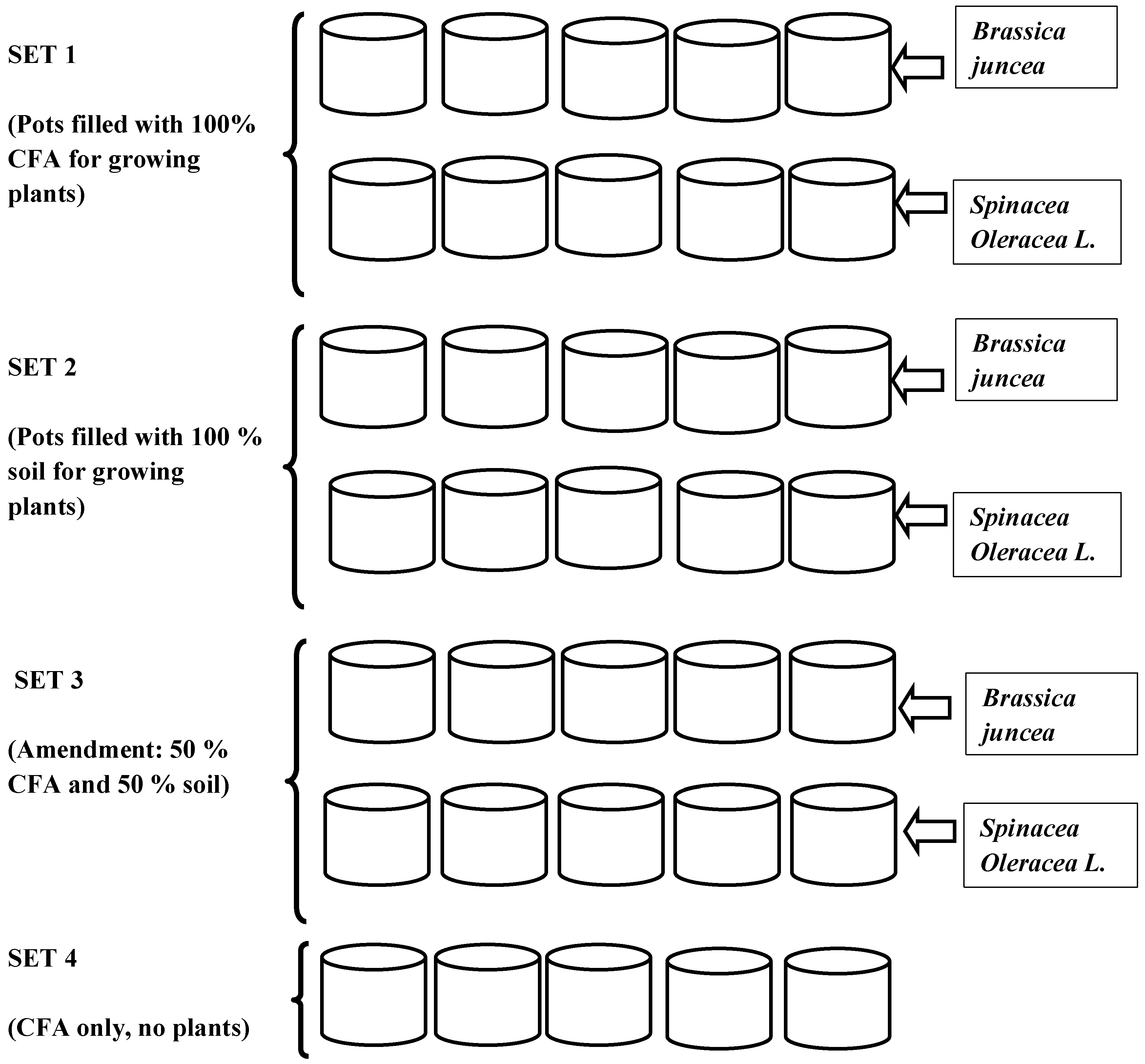
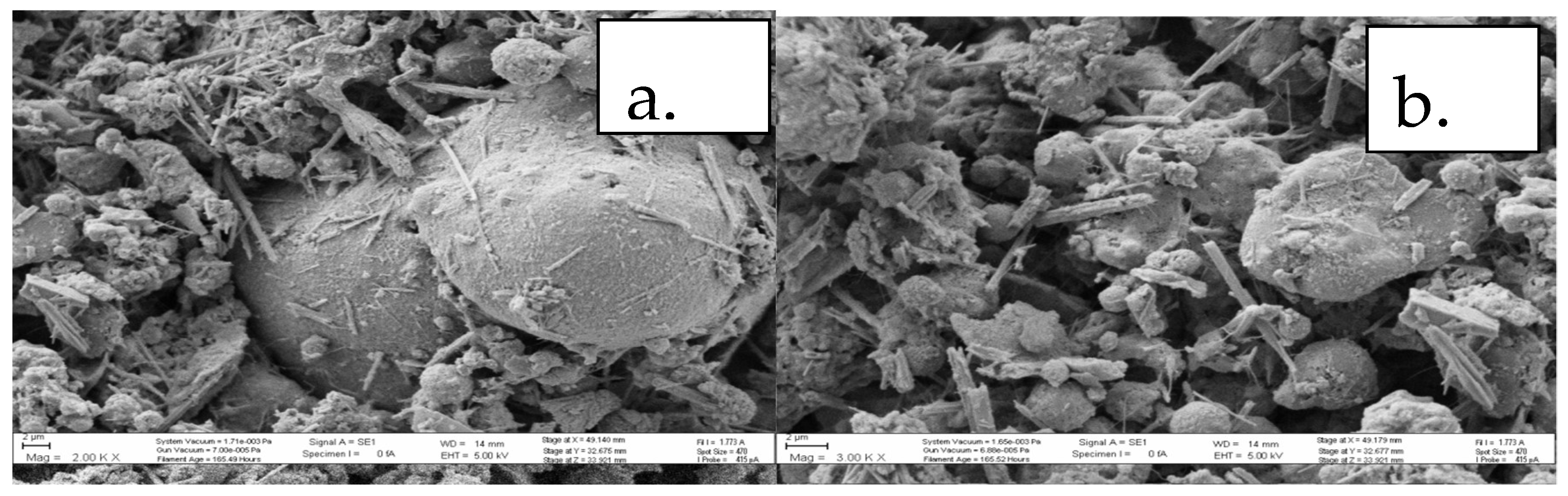
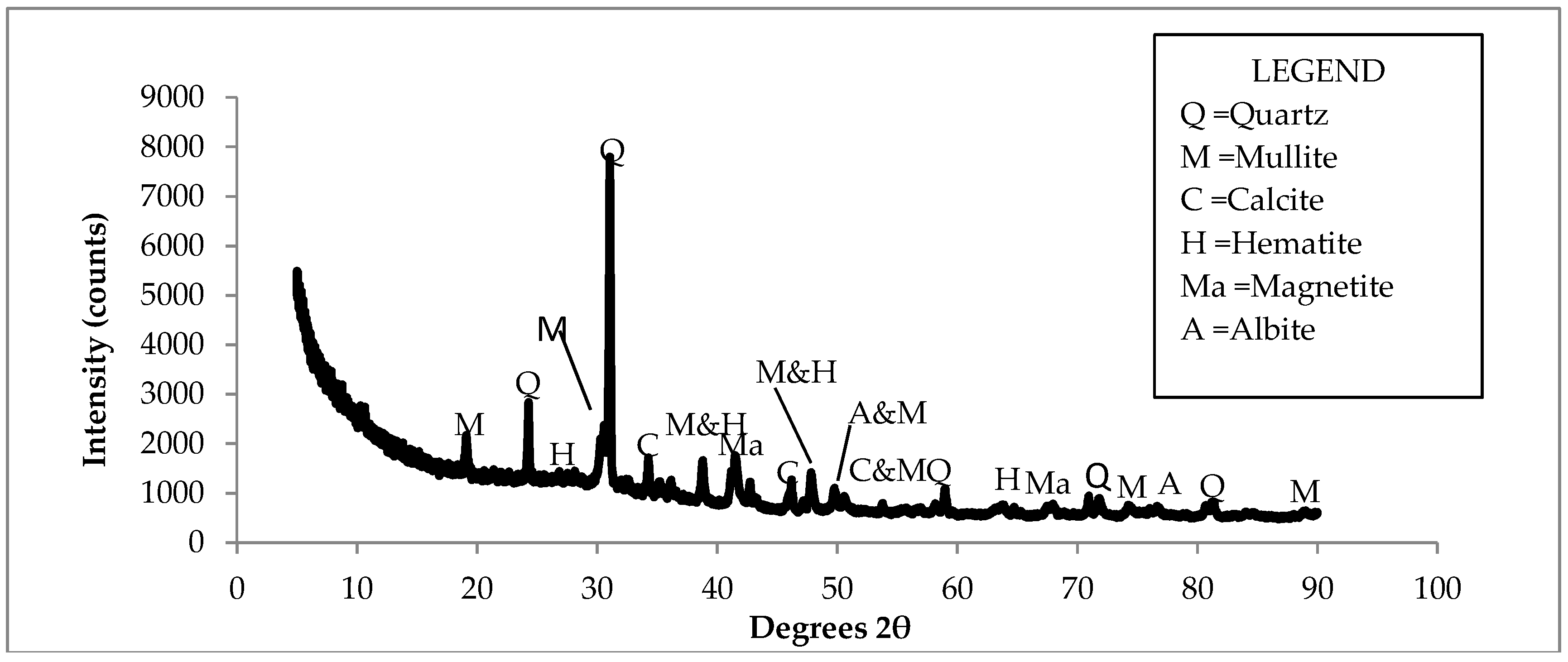
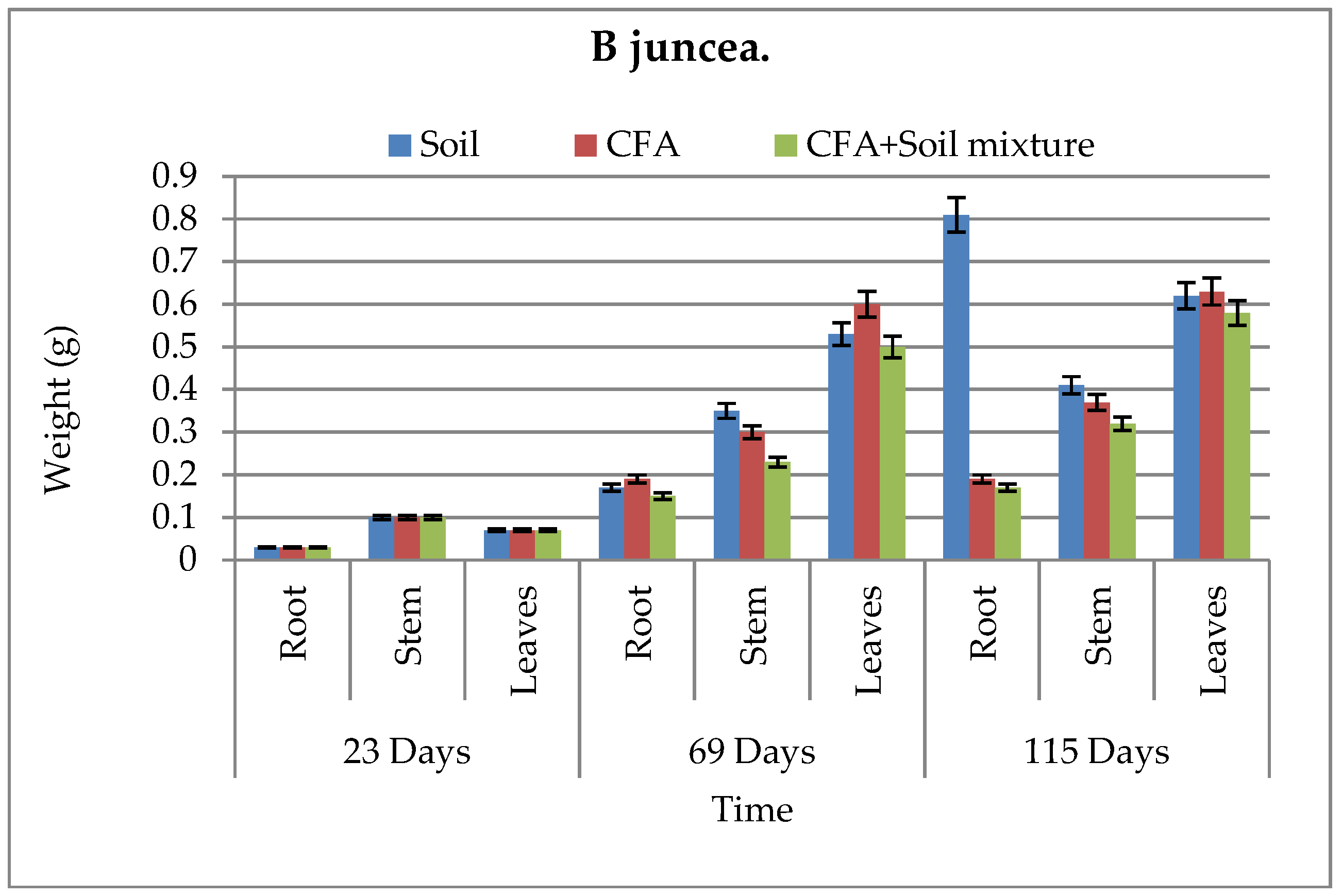
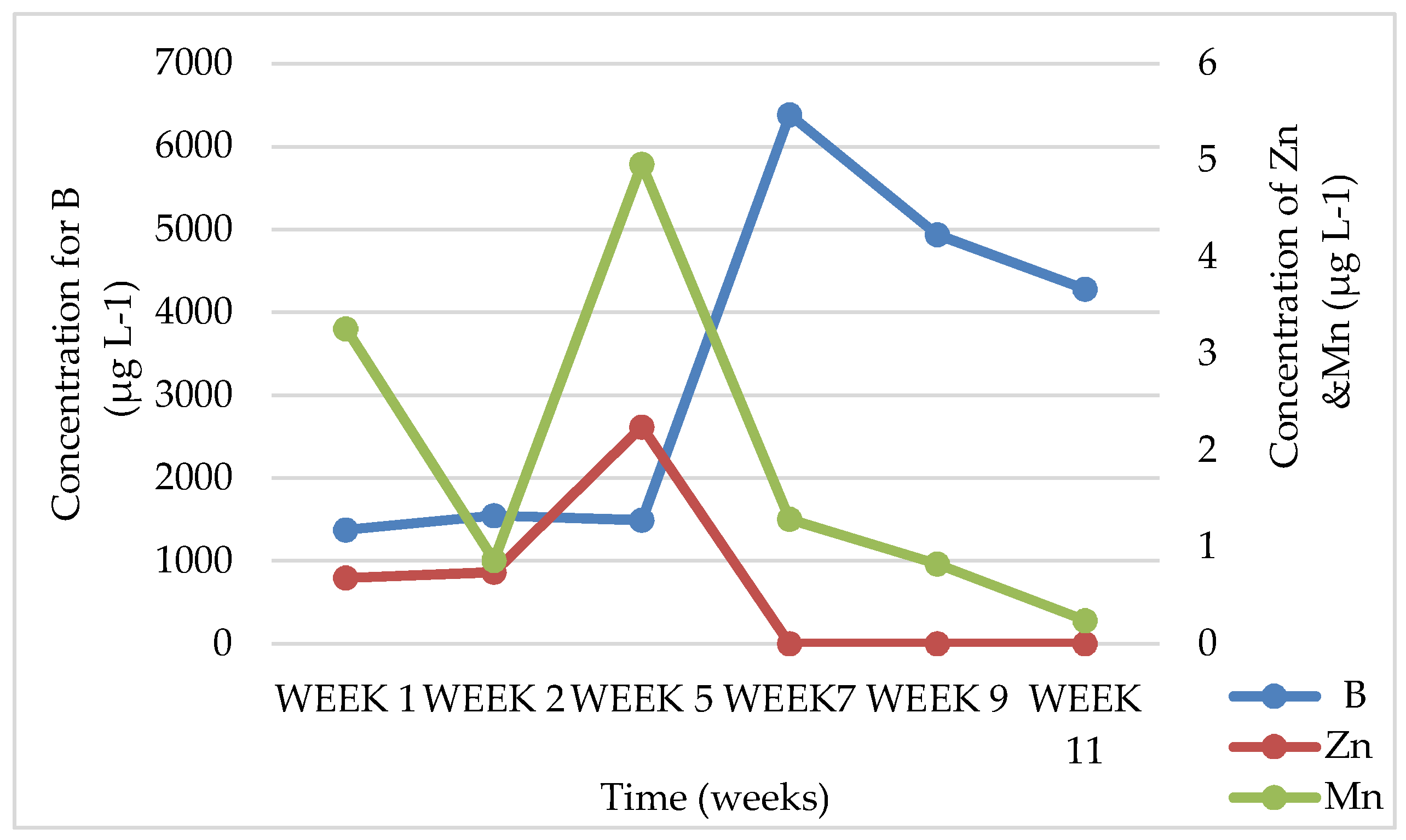
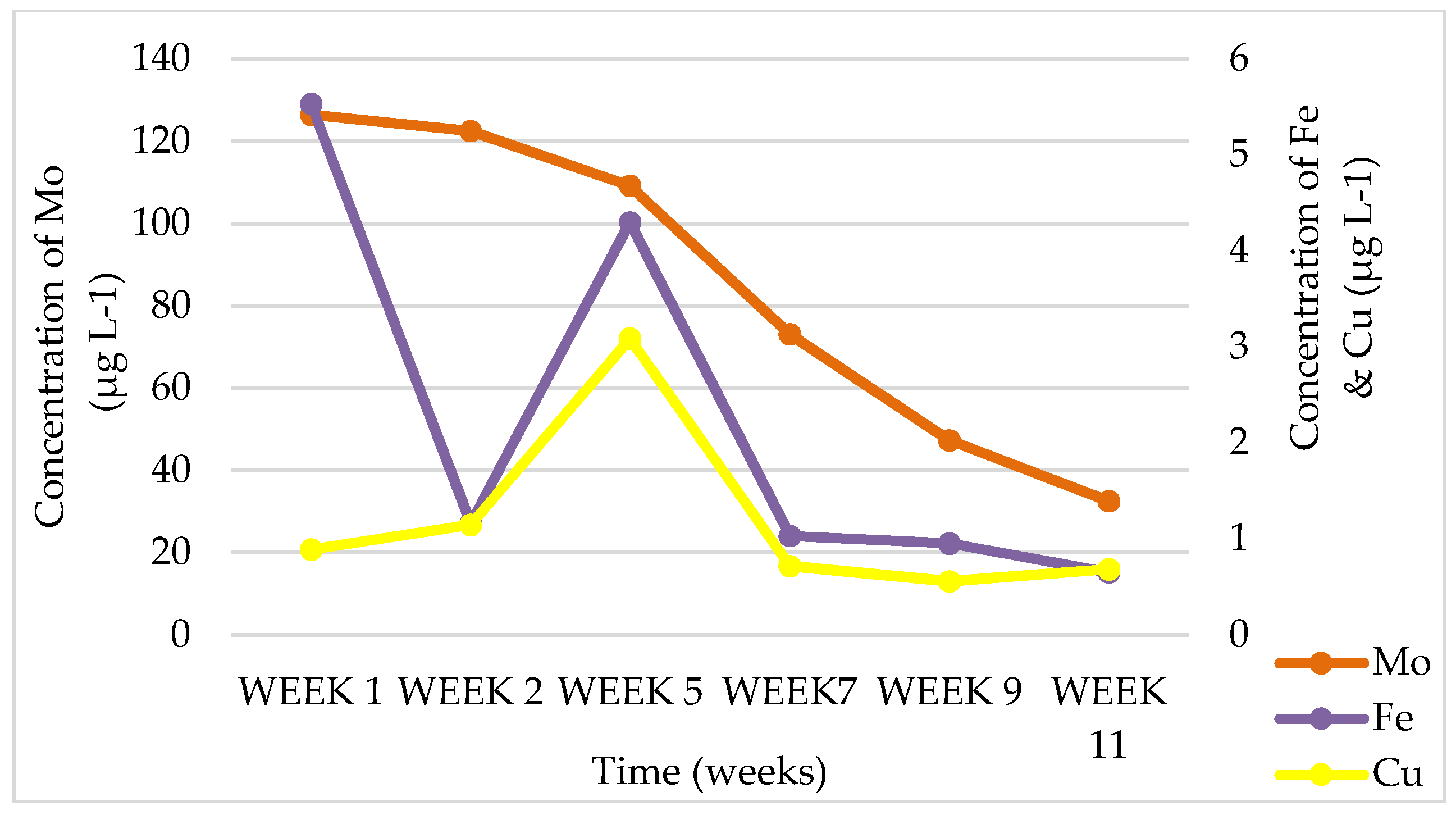
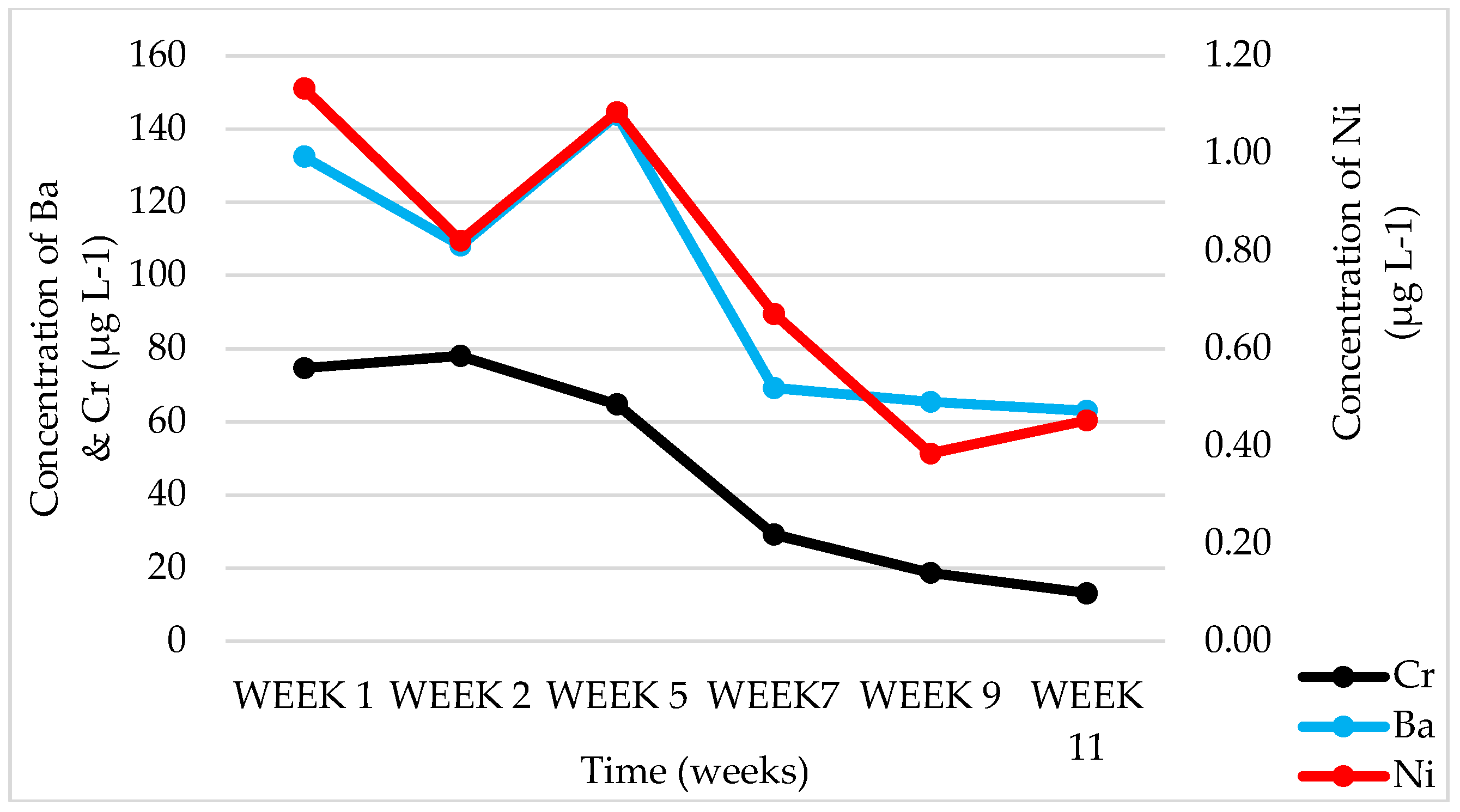
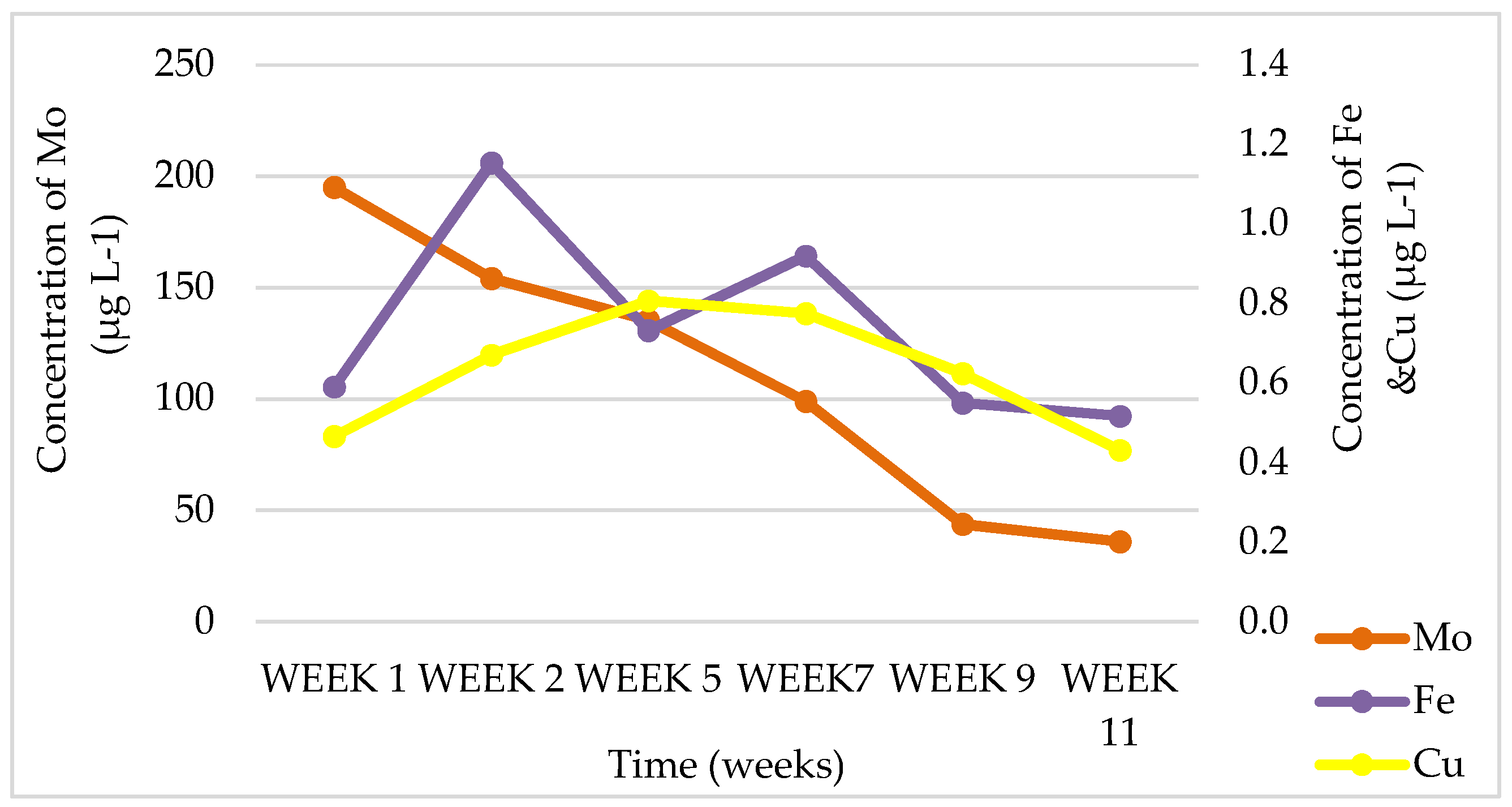
This study evaluated the physicochemical and mineralogical properties, mobile chemical species bioavailability and translocation in Brassica juncea and Spinacea oleracea L. plants of a South African coal-fired power utility. Coal-fly-ash (CFA) disposal is associated with various environmental and health risks, including air, soil, surface, and groundwater pollution due to the leaching of toxic heavy metals; these ends up in food webs affecting human health, while repeated inhalation causes bronchitis, silicosis, hair loss, and lung cancer. The morphology and chemical and mineralogical composition of CFA were determined using Scanning Electron Microscopy (SEM), X-ray fluorescence (XRF), and X-ray diffraction, respectively. In pot-culture experiments, S. oleracea L. and B. juncea plants were grown in three sets of pots containing CFA (Set 1), soil (Set 2), and a mixture of CFA plus soil at a ratio of 1:1 (50% CFA: 50% soil, Set 3), while no plants were grown in Set 4 as a control for the leachate samples. SEM showed that the surface morphology of CFA has a lower degree of sphericity with the irregular agglomerations of many particles. XRF results revealed that CFA contains 43.65%, 22.68%, and 10.89% of SiO2, Al2O3, and Fe2O3, respectively, which indicates that CFA is an aluminosilicate material. X-ray diffraction (XRD) showed that CFA contains mullite as a major phase, followed by quartz mineral phases. Chemical species such as B, Ba, Mo, and Cr were occurring at higher concentrations in the leachates for most weeks in the pot-culture experiments, especially for CFA and soil + CFA growth media. However, there was a common trend for all growth media of chemical-species concentrations declining with time, which might have been caused by plant uptake or wash-off with water during irrigation; even for the growth media as well, where no plants were grown. Chemical species, such as Fe, Mn, B, Ba, and Zn, accumulated highly in most parts of the plant species. However, B. juncea showed higher potential to accumulate chemical species as compared to S. oleracea L. Bioconcentration and translocation factors (BF and TF) showed that B. juncea was the most effective in terms of bioconcentration and translocation of most of the chemical species. This indicates that B. juncea has potential in application for the phytoremediation of CFA dumps, and could contribute to the remediation of CFA dumps and the reduction of potential health and environmental impact associated with CFA.
Keywords: coal fly ash; leachates; chemical species; pot-culture experiments; translocation; bioconcentration coal fly ash; leachates; chemical species; pot-culture experiments; translocation; bioconcentration