Article

Blood Coagulation Activities of Cotton–Alginate–Copper Composites

1
Łukasiewicz Research Network—Lodz Institute of Technology, 19/27 Marii Sklodowskiej-Curie Str., 90-570 Lodz, Poland
2
Department of General Biochemistry, Faculty of Biology and Environmental Protection, University of Lodz, 90-236 Lodz, Poland
*
Author to whom correspondence should be addressed.
Mar. Drugs 2023, 21(12), 625; https://doi.org/10.3390/md21120625
Submission received: 16 October 2023 / Revised: 23 November 2023 / Accepted: 27 November 2023 / Published: 30 November 2023
(This article belongs to the Special Issue Alginate-Based Biomaterials and Drug Delivery 2nd Edition)

Abstract

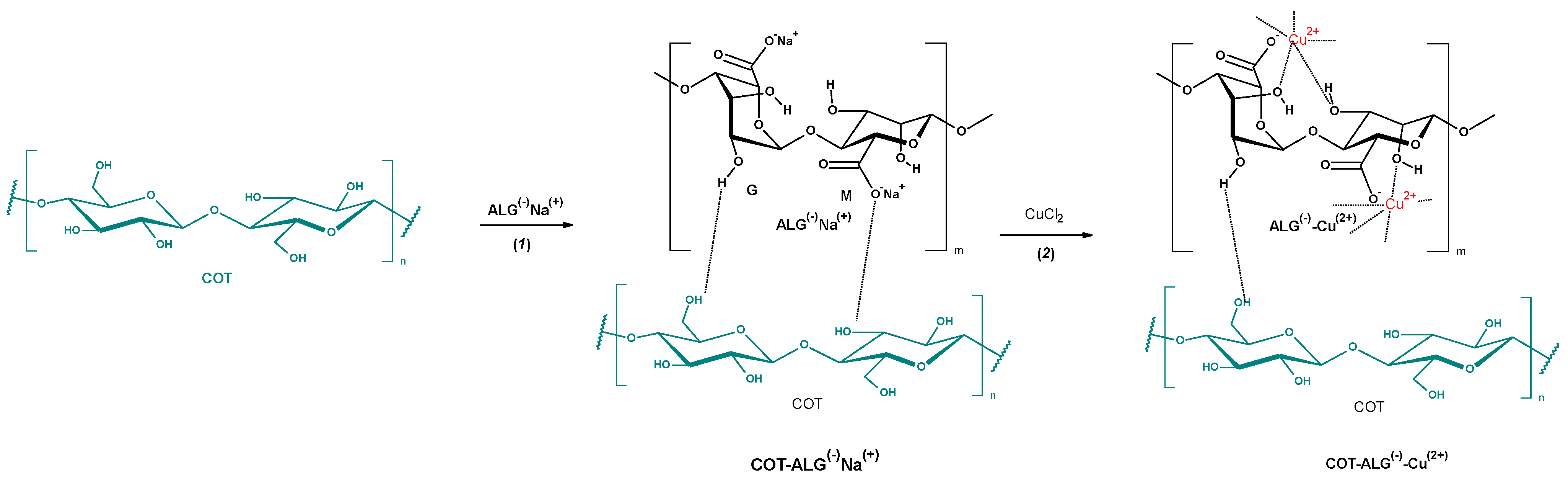
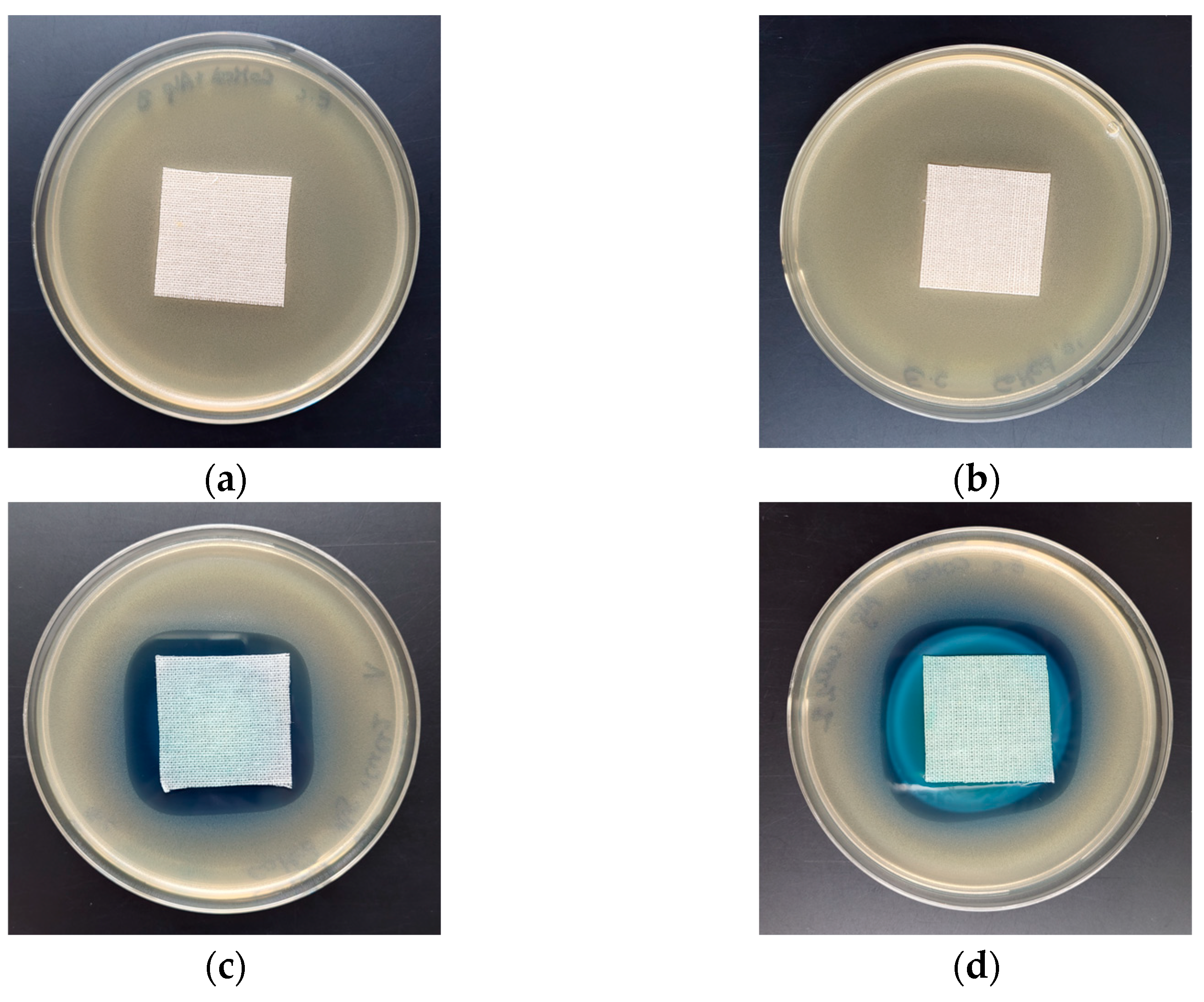
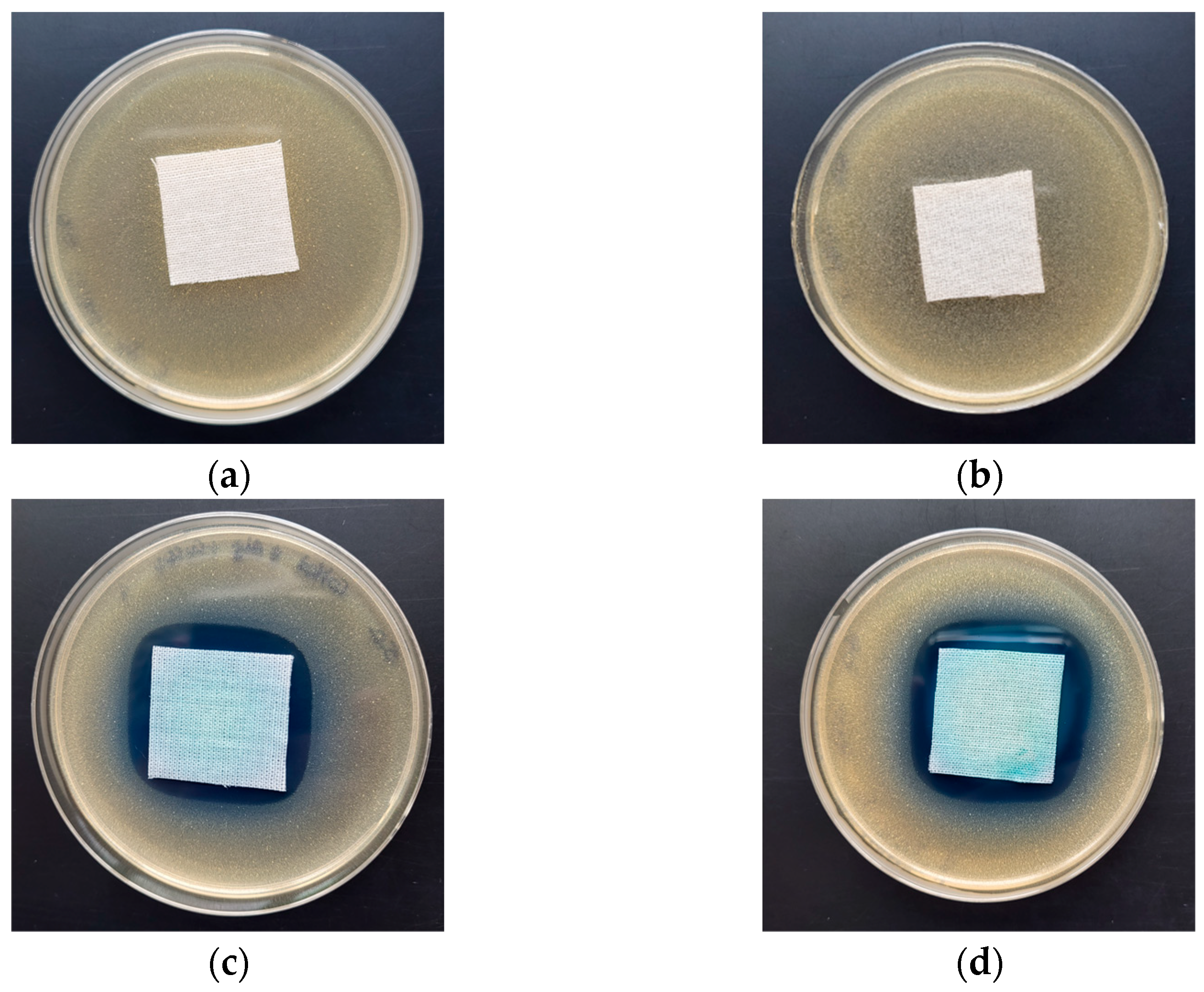
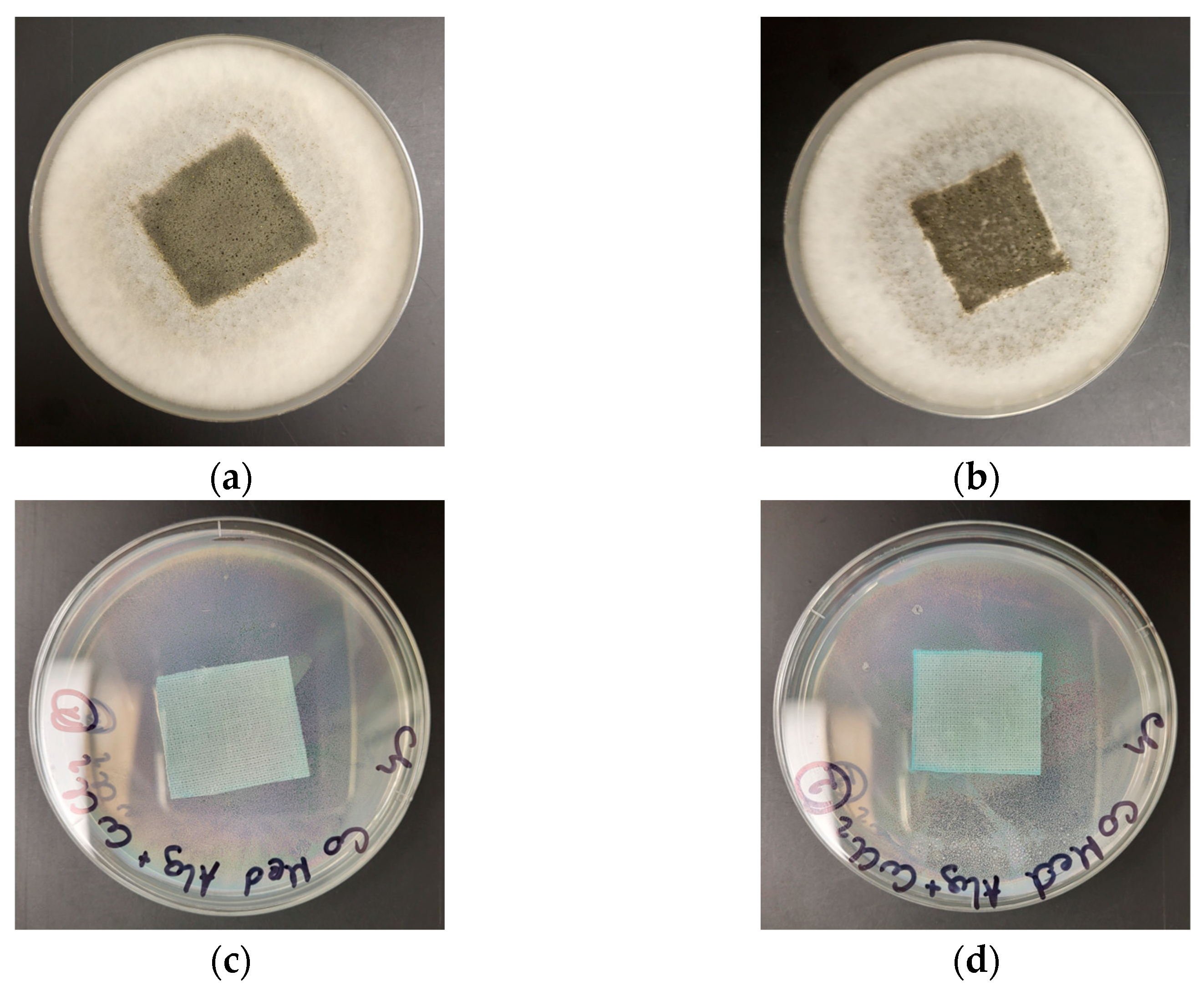
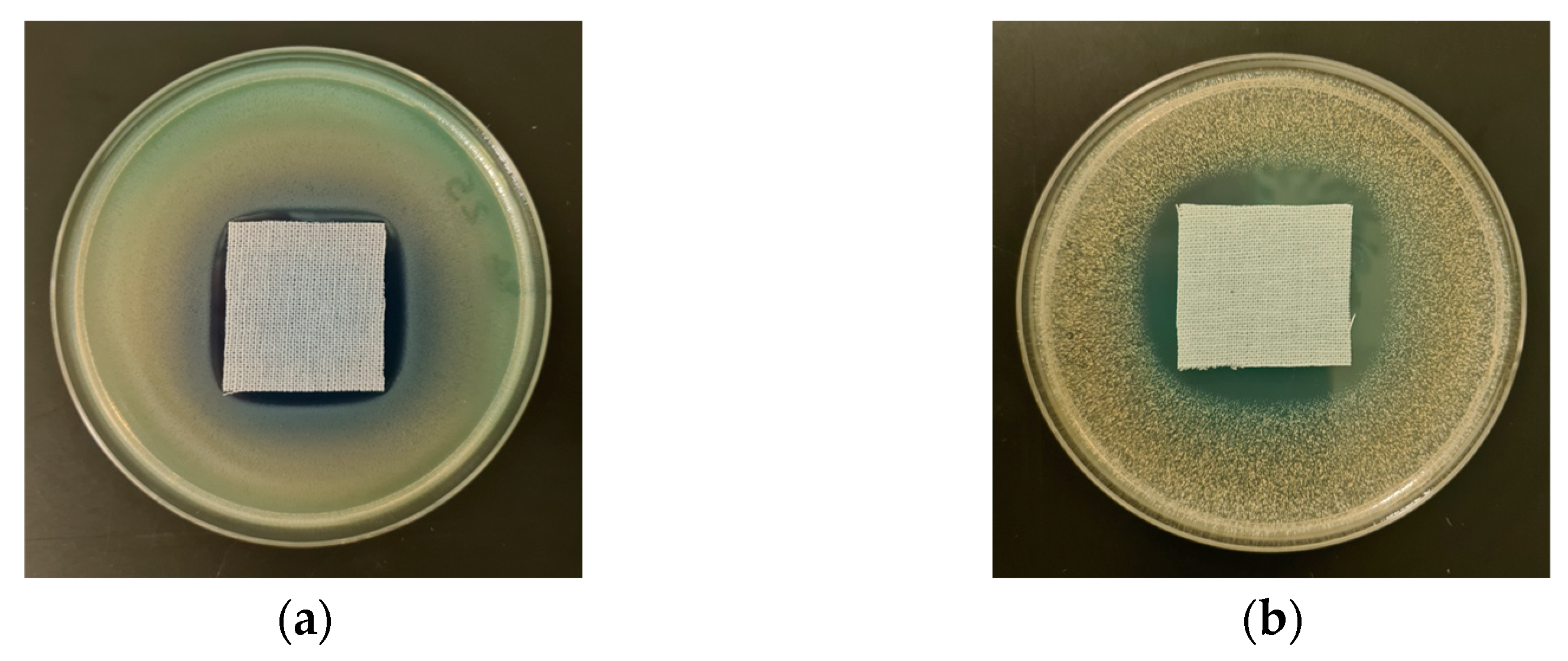
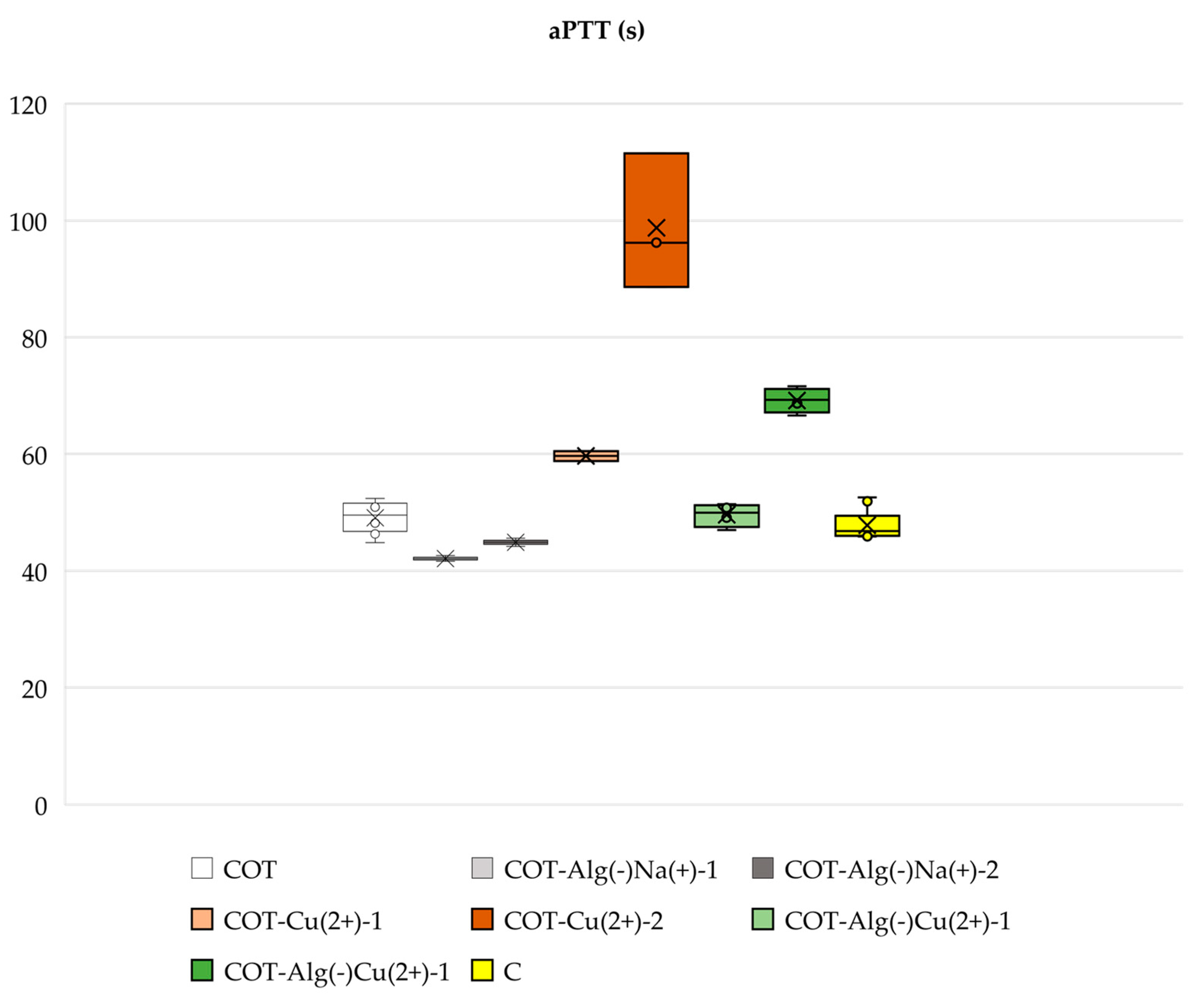
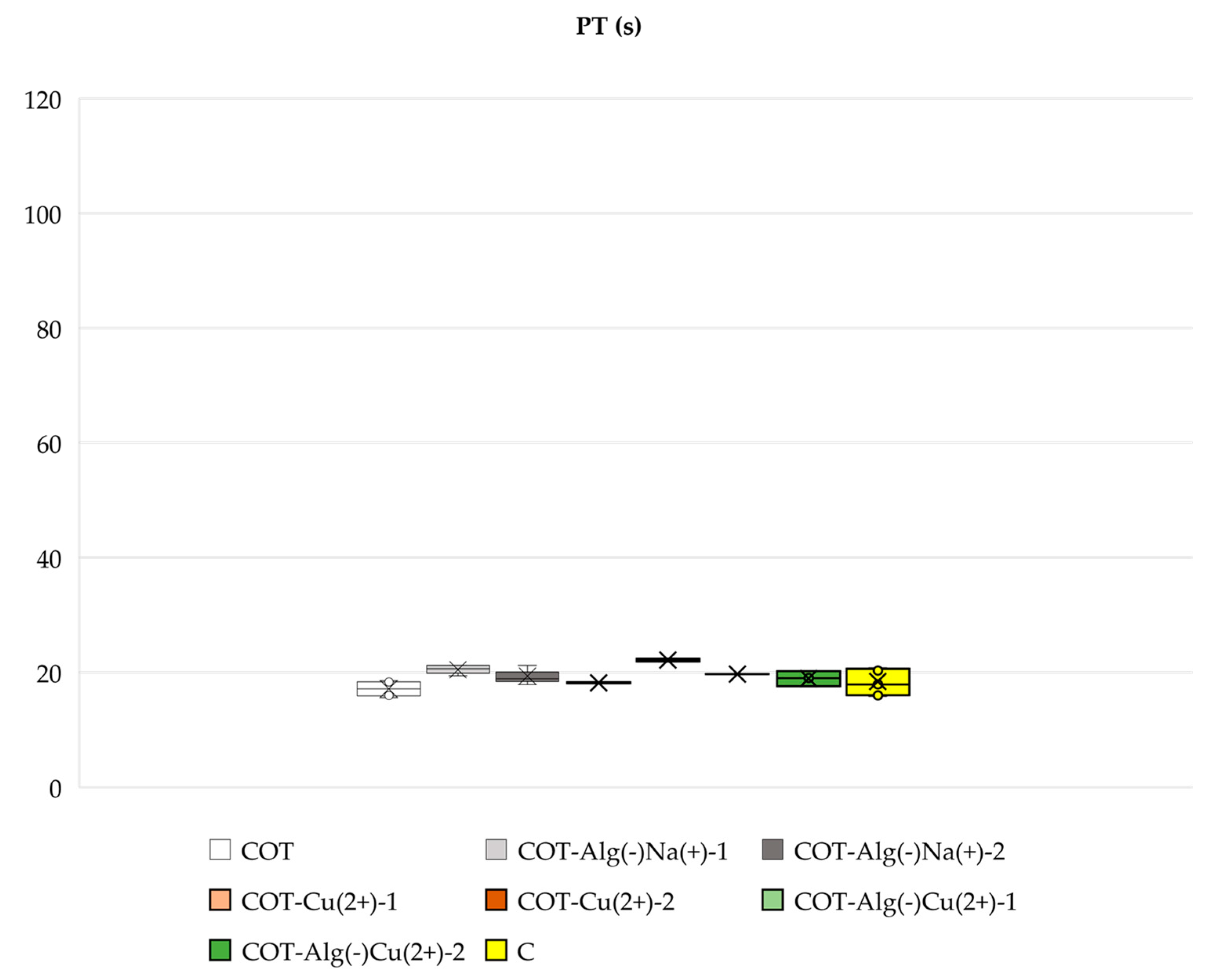
Alginate-based materials have gained significant attention in the medical industry due to their biochemical properties. In this article, we aimed to synthesize Cotton–Alginate–Copper Composite Materials (COT-Alg(−)Cu(2+)). The main purpose of this study was to assess the biochemical properties of new composites in the area of blood plasma coagulation processes, including activated partial thromboplastin time (aPTT), prothrombin time (PT), and thrombin time (TT). This study also involved in vitro antimicrobial activity evaluation of materials against representative colonies of Gram-positive and Gram-negative bacteria and antifungal susceptibility tests. The materials were prepared by immersing cotton fibers in an aqueous solution of sodium alginate, followed by ionic cross-linking of alginate chains within the fibers with Cu(II) ions to yield antimicrobial activity. The results showed that the obtained cotton–alginate–copper composites were promising materials to be used in biomedical applications, e.g., wound dressing.
Keywords: alginic acid; antifungal activity; antimicrobial activity; blood coagulation; composite; copper; cotton-based materials; composite; activated partial thromboplastin time; polymer functionalization; prothrombin time; thrombin time alginic acid; antifungal activity; antimicrobial activity; blood coagulation; composite; copper; cotton-based materials; composite; activated partial thromboplastin time; polymer functionalization; prothrombin time; thrombin time