Percutaneous Transhepatic Endobiliary Microwave Ablation Before Stenting for Malignant Obstructive Jaundice: Evidence Synthesis and Preliminary Technical Experience

 , , ,
, , ,  and
and 
Abstract
1. Introduction
2. Mechanisms of Stent Failure
Endobiliary Ablation in Malignant Biliary Obstruction
3. Endoscopic Versus Percutaneous Approaches to Endobiliary Ablation
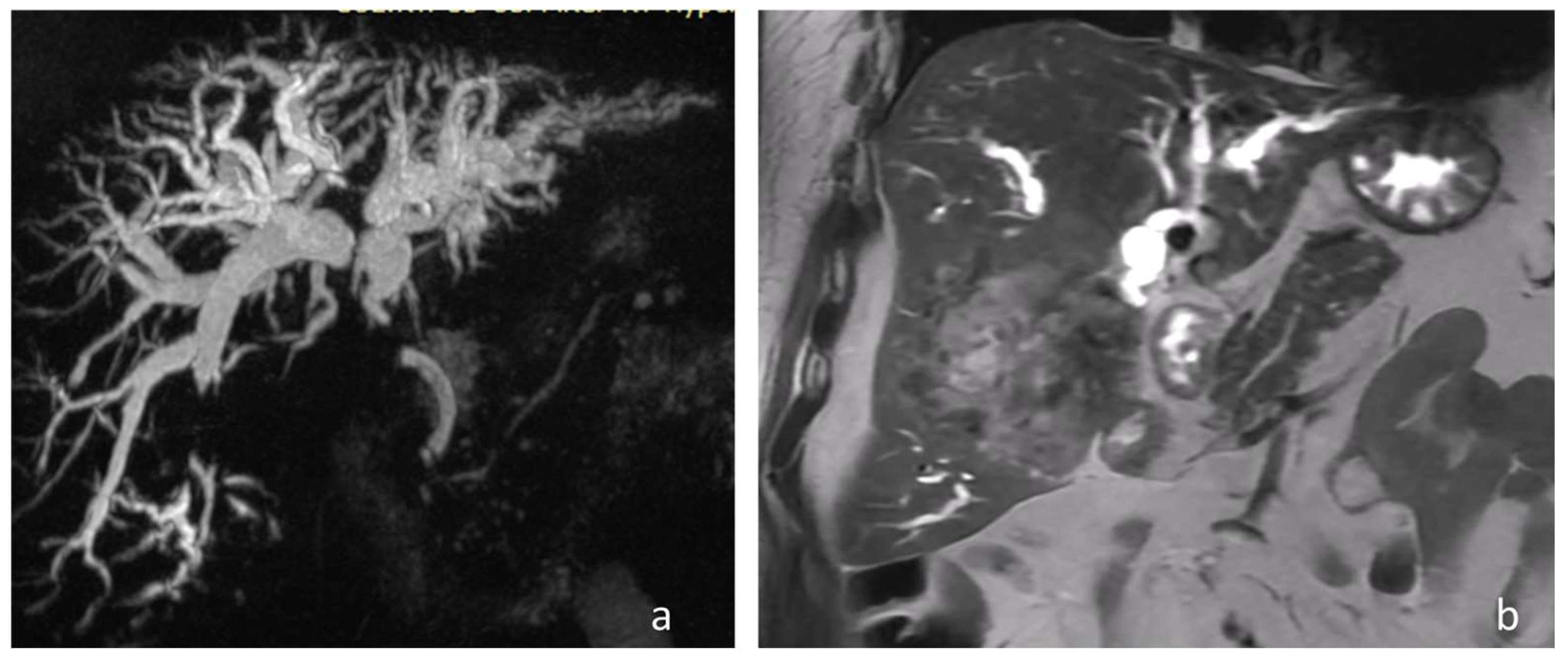
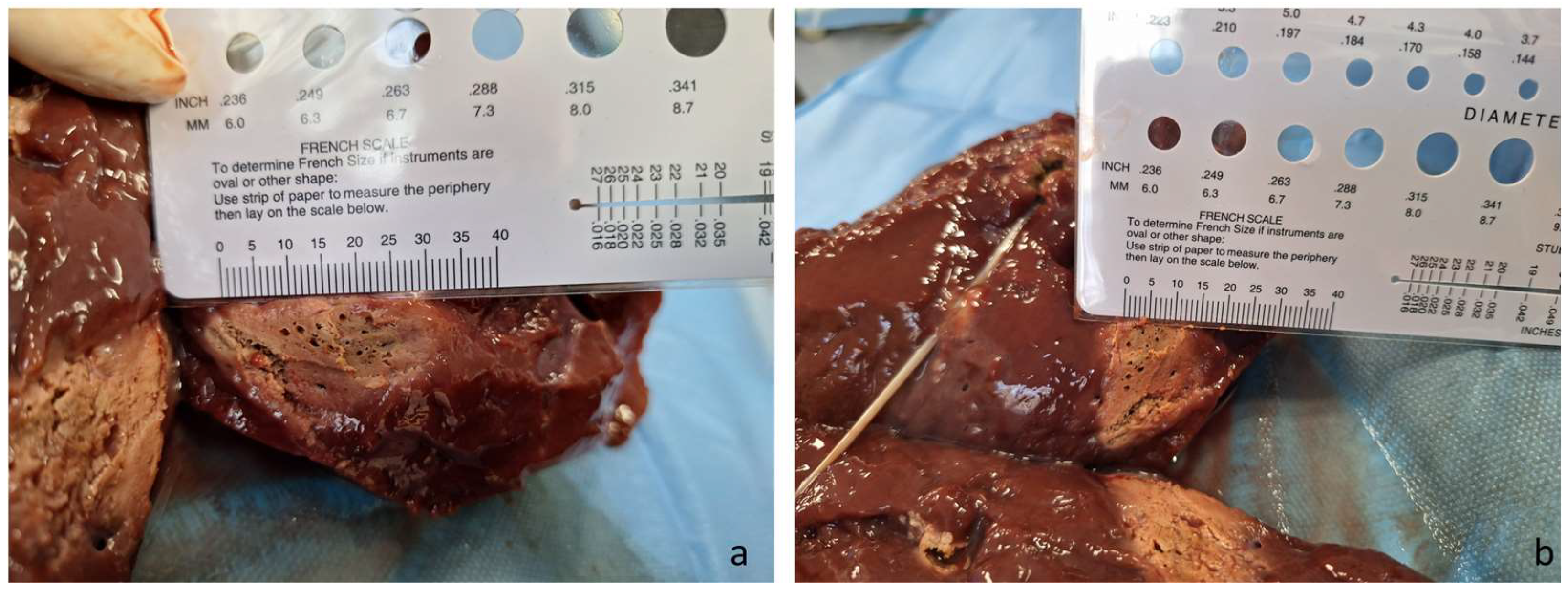
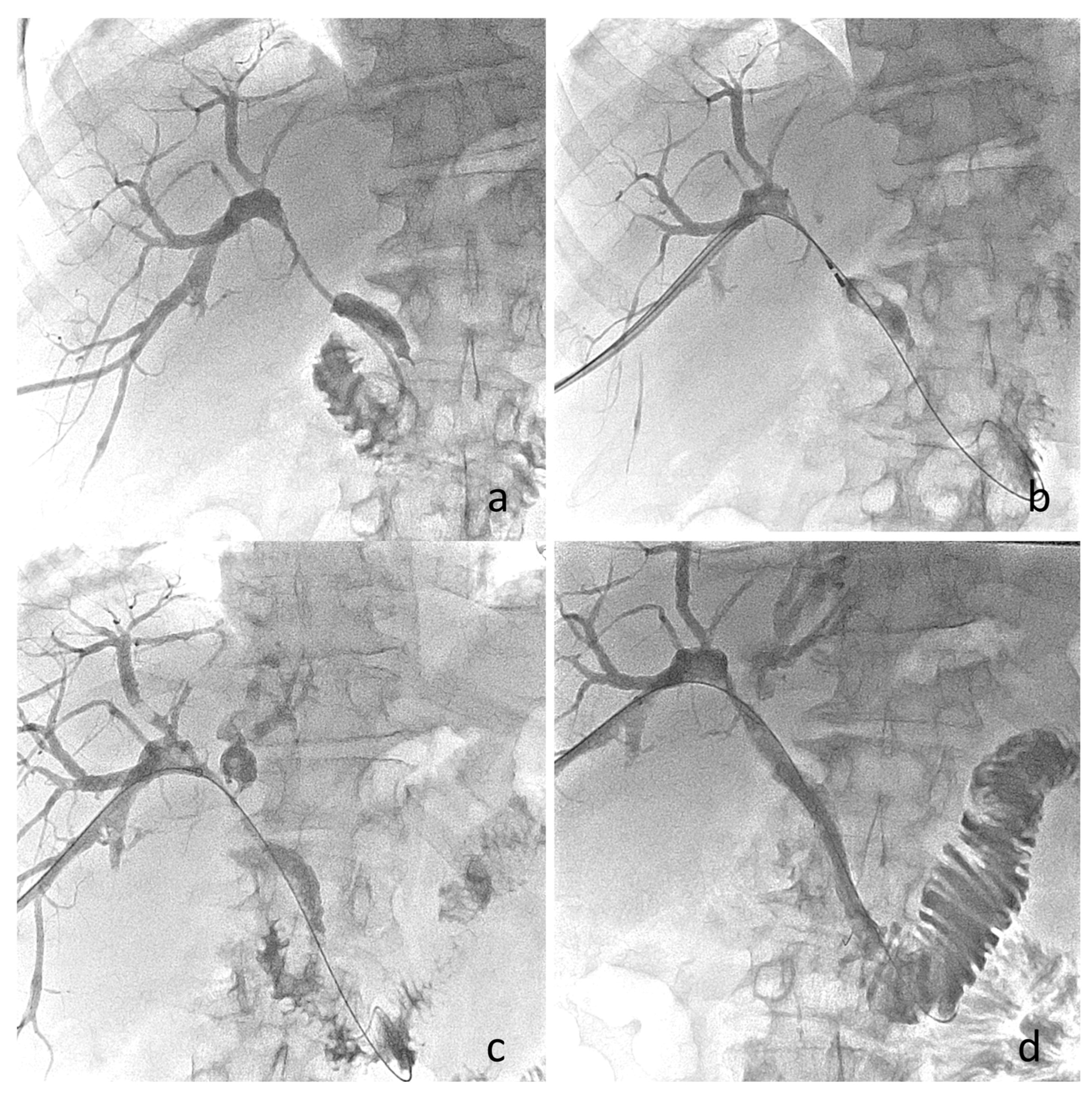
4. Emerging Percutaneous Microwave Ablation Strategies in Complex Biliary Obstructive Disease: Technical Report
5. Conclusions
Funding
Informed Consent Statement
Data Availability Statement
Conflicts of Interest
Abbreviations
| RF | Radiofrequency |
| MW | Microwave |
| CHD | Common Hepatic Duct |
| MBO | Malignant Biliary Obstruction |
| SEMSs | Self-Expanding Metal Stents |
| RFA | Radiofrequency Ablation |
| MWA | Microwave Ablation |
References
- Bergquist, A.; von Seth, E. Epidemiology of cholangiocarcinoma. Best Pract. Res. Clin. Gastroenterol. 2015, 29, 221–232. [Google Scholar] [CrossRef] [PubMed]
- Razumilava, N.; Gores, G.J. Cholangiocarcinoma. Lancet 2014, 383, 2168–2179. [Google Scholar] [CrossRef] [PubMed] [PubMed Central]
- Khan, S.A.; Toledano, M.B.; Taylor-Robinson, S.D. Epidemiology, risk factors, and pathogenesis of cholangiocarcinoma. HPB 2008, 10, 77–82. [Google Scholar] [CrossRef] [PubMed] [PubMed Central]
- Valle, J.W.; Kelley, R.K.; Nervi, B.; Oh, D.Y.; Zhu, A.X. Biliary tract cancer. Lancet 2021, 397, 428–444. [Google Scholar] [CrossRef] [PubMed]
- Izquierdo-Sanchez, L.; Lamarca, A.; La Casta, A.; Buettner, S.; Utpatel, K.; Klümpen, H.J.; Adeva, J.; Vogel, A.; Lleo, A.; Fabris, L.; et al. Cholangiocarcinoma landscape in Europe: Diagnostic, prognostic and therapeutic insights from the ENSCCA Registry. J. Hepatol. 2022, 76, 1109–1121. [Google Scholar] [CrossRef] [PubMed]
- Boulay, B.R.; Parepally, M. Managing malignant biliary obstruction in pancreas cancer: Choosing the appropriate strategy. World J. Gastroenterol. 2014, 20, 9345–9353. [Google Scholar] [CrossRef] [PubMed] [PubMed Central]
- Gasparini, G.; Aleotti, F.; Palucci, M.; Belfiori, G.; Tamburrino, D.; Partelli, S.; Orsi, G.; Macchini, M.; Archibugi, L.; Capurso, G.; et al. The role of biliary events in treatment and survival of patients with advanced pancreatic ductal adenocarcinoma. Dig. Liver Dis. 2023, 55, 1750–1756. [Google Scholar] [CrossRef] [PubMed]
- Chan, A.S. Gastrointestinal cancer—Gastroesophageal, pancreatic, and hepatobiliary. J. Clin. Oncol. 2022, 40, e16266. [Google Scholar] [CrossRef]
- Krokidis, M.; Fanelli, F.; Orgera, G.; Bezzi, M.; Passariello, R.; Hatzidakis, A. Percutaneous treatment of malignant jaundice due to extrahepatic cholangiocarcinoma: Covered Viabil stent versus uncovered Wallstents. Cardiovasc. Intervent. Radiol. 2010, 33, 97–106. [Google Scholar] [CrossRef]
- Mizandari, M.; Pai, M.; Xi, F.; Valek, V.; Tomas, A.; Quaretti, P.; Golfieri, R.; Mosconi, C.; Guokun, A.; Kyriakides, C.; et al. Percutaneous intraductal radiofrequency ablation is a safe treatment for malignant biliary obstruction: Feasibility and early results. Cardiovasc. Intervent. Radiol. 2013, 36, 814–819. [Google Scholar] [CrossRef]
- Uyanık, S.A.; Öğüşlü, U.; Atlı, E.; Yılmaz, B.; Çevik, H.; Gümüş, B. Percutaneous endobiliary ablation of malignant biliary strictures with a novel temperature-controlled radiofrequency ablation device. Diagn. Interv. Radiol. 2021, 27, 101–108. [Google Scholar] [CrossRef]
- Uyanık, S.A.; Öğüşlü, U.; Yılmaz, B.; Çevik, H.; Atlı, E.; Gümüş, B. Percutaneous intraductal microwave ablation of malignant biliary strictures: Initial experience. AJR Am. J. Roentgenol. 2020, 215, 753–759. [Google Scholar] [CrossRef] [PubMed]
- Pekçevίk, R.; Ballı, Ö. Percutaneous intraductal microwave ablation and self-expandable metallic stenting: A new treatment method for malignant extrahepatic biliary obstruction. Cardiovasc. Intervent. Radiol. 2021, 44, 110–117. [Google Scholar] [CrossRef]
- Li, J.; Li, T.; Sun, P.; Yu, Q.; Wang, K.; Chang, W.; Song, Z.; Zheng, Q. Covered versus Uncovered Self-Expandable Metal Stents for Managing Malignant Distal Biliary Obstruction: A Meta-Analysis. PLoS ONE 2016, 11, e0149066. [Google Scholar] [CrossRef] [PubMed] [PubMed Central]
- Expert Panel on Interventional Radiology; Fairchild, A.H.; Hohenwalter, E.J.; Gipson, M.G.; Al-Refaie, W.B.; Braun, A.R.; Cash, B.D.; Kim, C.Y.; Pinchot, J.W.; Scheidt, M.J.; et al. ACR Appropriateness Criteria® Radiologic Management of Biliary Obstruction. J. Am. Coll. Radiol. 2019, 16, S196–S213. [Google Scholar] [CrossRef] [PubMed]
- Tsuyuguchi, T.; Takada, T.; Miyazaki, M.; Miyakawa, S.; Tsukada, K.; Nagino, M.; Kondo, S.; Furuse, J.; Saito, H.; Suyama, M.; et al. Stenting and interventional radiology for obstructive jaundice in patients with unresectable biliary tract carcinomas. J. Hepatobiliary Pancreat. Surg. 2008, 15, 69–73. [Google Scholar] [CrossRef] [PubMed] [PubMed Central]
- Tamura, T.; Yamai, T.; Uza, N.; Yamasaki, T.; Masuda, A.; Tomooka, F.; Maruyama, H.; Shigekawa, M.; Ogura, T.; Kuriyama, K.; et al. Adverse events of self-expandable metal stent placement for malignant distal biliary obstruction: A large multicenter study. Gastrointest. Endosc. 2024, 99, 61–72.e8. [Google Scholar] [CrossRef] [PubMed]
- Suksai, N.; Kamalaporn, P.; Chirnaksorn, S.; Siriyotha, S. Factors associated with patency of self-expandable metal stents in malignant biliary obstruction. BMC Gastroenterol. 2023, 23, 392. [Google Scholar] [CrossRef] [PubMed] [PubMed Central]
- Mukai, T.; Iwata, K.; Iwashita, T.; Doi, S.; Kawakami, H.; Okuno, M.; Maruta, A.; Uemura, S.; Shimizu, M.; Yasuda, I. Comparison of covered self-expandable metallic stents with 12-mm and 10-mm diameters for unresectable malignant distal biliary obstructions: A prospective randomized trial. Gastrointest. Endosc. 2024, 99, 732–738. [Google Scholar] [CrossRef] [PubMed]
- Kim, S.H.; Oh, C.H.; Lee, J.M.; Choi, S.J.; Choi, H.S.; Kim, E.S.; Keum, B.; Jeen, Y.T.; Chun, H.J.; Lee, H.S.; et al. Early malfunction of a biliary self-expandable metal stent with an antireflux valve: A case report. Medicine 2020, 99, e19750. [Google Scholar] [CrossRef] [PubMed] [PubMed Central]
- Baron, T.H. Expandable metal stents for the treatment of cancerous obstruction of the gastrointestinal tract. N. Engl. J. Med. 2001, 344, 1681–1687. [Google Scholar] [CrossRef] [PubMed]
- Conio, M.; Mangiavillano, B.; Caruso, A.; Filiberti, R.A.; Baron, T.H.; De Luca, L.; Signorelli, S.; Crespi, M.; Marini, M.; Ravelli, P.; et al. Covered versus uncovered self-expandable metal stent for palliation of primary malignant extrahepatic biliary strictures: A randomized multicenter study. Gastrointest. Endosc. 2018, 88, 283–291.e3. [Google Scholar] [CrossRef] [PubMed]
- Tringali, A.; Hassan, C.; Rota, M.; Rossi, M.; Mutignani, M.; Aabakken, L. Covered vs. uncovered self-expandable metal stents for malignant distal biliary strictures: A systematic review and meta-analysis. Endoscopy 2018, 50, 631–641, Erratum in Endoscopy 2018, 50, C5. https://doi.org/10.1055/s-0044-102160. [Google Scholar] [CrossRef] [PubMed]
- Wang, J.; Zhao, L.; Zhou, C.; Gao, K.; Huang, Q.; Wei, B.; Gao, J. Percutaneous intraductal radiofrequency ablation combined with biliary stent placement for nonresectable malignant biliary obstruction improves stent patency but not survival. Medicine 2016, 95, e3329. [Google Scholar] [CrossRef]
- Cui, W.; Wang, Y.; Fan, W.; Lu, M.; Zhang, Y.; Yao, W.; Li, J. Comparison of intraluminal radiofrequency ablation and stents vs. stents alone in the management of malignant biliary obstruction. Int. J. Hyperth. 2017, 33, 853–861. [Google Scholar] [CrossRef] [PubMed]
- Kim, M.; Parekh, D.; Kahaleh, M. Ablation Therapy of the Biliary Tree: Status and Comprehensive Review. J. Clin. Gastroenterol. 2024, 58, 317–323. [Google Scholar] [CrossRef] [PubMed]
- Gao, D.J.; Yang, J.F.; Ma, S.R.; Wu, J.; Wang, T.T.; Jin, H.B.; Xia, M.X.; Zhang, Y.C.; Shen, H.Z.; Ye, X.; et al. Endoscopic radiofrequency ablation plus plastic stent placement versus stent placement alone for unresectable extrahepatic biliary cancer: A multicenter randomized controlled trial. Gastrointest. Endosc. 2021, 94, 91–100.e2. [Google Scholar] [CrossRef] [PubMed]
- Yang, J.; Wang, J.; Zhou, H.; Zhou, Y.; Wang, Y.; Jin, H.; Lou, Q.; Zhang, X. Efficacy and safety of endoscopic radiofrequency ablation for unresectable extrahepatic cholangiocarcinoma: A randomized trial. Endoscopy 2018, 50, 751–760. [Google Scholar] [CrossRef] [PubMed]
- Kang, H.; Chung, M.J.; Cho, I.R.; Jo, J.H.; Lee, H.S.; Park, J.Y.; Park, S.W.; Song, S.Y.; Bang, S. Efficacy and safety of palliative endobiliary radiofrequency ablation using a novel temperature-controlled catheter for malignant biliary stricture: A single-center prospective randomized phase II TRIAL. Surg. Endosc. 2021, 35, 63–73. [Google Scholar] [CrossRef] [PubMed]
- Kang, H.; Han, S.Y.; Cho, J.H.; Kim, E.J.; Kim, D.U.; Yang, J.K.; Jeon, S.; Park, G.; Lee, T.H. Efficacy and safety of temperature-controlled intraductal radiofrequency ablation in advanced malignant hilar biliary obstruction: A pilot multicenter randomized comparative trial. J. Hepatobiliary Pancreat. Sci. 2022, 29, 469–478. [Google Scholar] [CrossRef] [PubMed]
- Andrasina, T.; Rohan, T.; Panek, J.; Kovalcikova, P.; Kunovsky, L.; Ostrizkova, L.; Valek, V. The combination of endoluminal radiofrequency ablation and metal stent implantation for the treatment of malignant biliary stenosis—Randomized study. Eur. J. Radiol. 2021, 142, 109830, Erratum in Eur. J. Radiol. 2022, 148, 110180. https://doi.org/10.1016/j.ejrad.2022.110180. [Google Scholar] [CrossRef] [PubMed]
- Albers, D.; Schmidt, A.; Schiemer, M.; Caca, K.; Wannhoff, A.; Sauer, P.; Wiesweg, M.; Schumacher, B.; Dechene, A. Impact of endobiliary radiofrequency ablation on biliary drainage in patients with malignant biliary strictures treated with uncovered self-expandable metal stents: A randomized controlled multicenter trial. Gastrointest. Endosc. 2022, 96, 970–979. [Google Scholar] [CrossRef] [PubMed]
- Ramai, D.; Maida, M.; Smith, E.R.; Wang, Y.; Spadaccini, M.; Previtera, M.; Chandan, S.; Huang, Y.; Tokmak, S.; Bhandari, P.; et al. Endoluminal radiofrequency ablation with stenting versus stenting alone in patients with malignant biliary obstruction: A meta-analysis of randomized trials. Endoscopy 2025, 57, 272–281, Erratum in Endoscopy 2025, 57, C11. https://doi.org/10.1055/a-2664-6391. [Google Scholar] [CrossRef] [PubMed]
- de Oliveira Veras, M.; de Moura, D.T.H.; McCarty, T.R.; de Oliveira, G.H.P.; Gomes, R.S.A.; Landim, D.L.; Nunes, F.G.; Franzini, T.A.P.; Lera Dos Santos, M.E.; Bernardo, W.M.; et al. Intraductal radiofrequency ablation plus biliary stent versus stent alone for malignant biliary obstruction: A systematic review and meta-analysis. Endosc. Int. Open 2024, 12, E23–E33, Erratum in Endosc. Int. Open 2024, 12, 4. https://doi.org/10.1055/a-2282-6123. [Google Scholar] [CrossRef] [PubMed] [PubMed Central]
- Liu, C.; Dong, J.; Liu, Y.; Zhang, S.; Chen, R.; Tang, H. Is endoscopic radiofrequency ablation plus stent placement superior to stent placement alone for the treatment of malignant biliary obstruction? A systematic review and meta-analysis. J. Int. Med. Res. 2023, 51, 3000605231220825. [Google Scholar] [CrossRef] [PubMed] [PubMed Central]
- Song, S.; Gong, S.; Lei, T.; Tian, H.; Lu, T.; Lei, C.; Jin, H.; Yang, W.; Yang, K.; Guo, T. Comparative efficacy and safety of local palliative therapeutics for unresectable malignant biliary obstruction: A Bayesian network meta-analysis. Expert Rev. Gastroenterol. Hepatol. 2022, 16, 555–567. [Google Scholar] [CrossRef] [PubMed]
- Song, S.; Jin, H.; Cheng, Q.; Gong, S.; Lv, K.; Lei, T.; Tian, H.; Li, X.; Lei, C.; Yang, W.; et al. Local palliative therapies for unresectable malignant biliary obstruction: Radiofrequency ablation combined with stent or biliary stent alone? An updated meta-analysis of nineteen trials. Surg. Endosc. 2022, 36, 5559–5570. [Google Scholar] [CrossRef] [PubMed]
- Cha, B.H.; Jang, M.J.; Lee, S.H. Survival Benefit of Intraductal Radiofrequency Ablation for Malignant Biliary Obstruction: A Systematic Review with Meta-Analysis. Clin. Endosc. 2021, 54, 100–106. [Google Scholar] [CrossRef] [PubMed] [PubMed Central]
- Zheng, X.; Bo, Z.Y.; Wan, W.; Wu, Y.C.; Wang, T.T.; Wu, J.; Gao, D.J.; Hu, B. Endoscopic radiofrequency ablation may be preferable in the management of malignant biliary obstruction: A systematic review and meta-analysis. J. Dig. Dis. 2016, 17, 716–724. [Google Scholar] [CrossRef] [PubMed]
- Navaneethan, U.; Moon, J.H.; Itoi, T. Biliary interventions using single-operator cholangioscopy. Dig. Endosc. 2019, 31, 517–526. [Google Scholar] [CrossRef] [PubMed]
- Pereira, S.P.; Goodchild, G.; Webster, G.J.M. The endoscopist and malignant and non-malignant biliary obstruction. Biochim. Biophys. Acta Mol. Basis Dis. 2018, 1864, 1478–1483. [Google Scholar] [CrossRef] [PubMed] [PubMed Central]
- Angsuwatcharakon, P.; Kulpatcharapong, S.; Moon, J.H.; Ramchandani, M.; Lau, J.; Isayama, H.; Seo, D.W.; Maydeo, A.; Wang, H.P.; Nakai, Y.; et al. Consensus guidelines on the role of cholangioscopy to diagnose indeterminate biliary stricture. HPB 2022, 24, 17–29. [Google Scholar] [CrossRef] [PubMed]
- Fujii-Lau, L.L.; Thosani, N.C.; Al-Haddad, M.; Acoba, J.; Wray, C.J.; Zvavanjanja, R.; Amateau, S.K.; Buxbaum, J.L.; Wani, S.; Calderwood, A.H.; et al. American Society for Gastrointestinal Endoscopy guideline on role of endoscopy in the diagnosis of malignancy in biliary strictures of undetermined etiology: Methodology and review of evidence. Gastrointest. Endosc. 2023, 98, 694–712.e8. [Google Scholar] [CrossRef] [PubMed]
- Izzo, F.; Granata, V.; Grassi, R.; Fusco, R.; Palaia, R.; Delrio, P.; Carrafiello, G.; Azoulay, D.; Petrillo, A.; Curley, S.A. Radiofrequency Ablation and Microwave Ablation in Liver Tumors: An Update. Oncologist 2019, 24, e990–e1005. [Google Scholar] [CrossRef] [PubMed] [PubMed Central]
- Tavakkoli, A.; Elmunzer, B.J.; Waljee, A.K.; Murphy, C.C.; Pruitt, S.L.; Zhu, H.; Rong, R.; Kwon, R.S.; Scheiman, J.M.; Rubenstein, J.H.; et al. Survival analysis among unresectable pancreatic adenocarcinoma patients undergoing endoscopic or percutaneous interventions. Gastrointest. Endosc. 2021, 93, 154–162.e5. [Google Scholar] [CrossRef] [PubMed] [PubMed Central]
- Inamdar, S.; Slattery, E.; Bhalla, R.; Sejpal, D.V.; Trindade, A.J. Comparison of Adverse Events for Endoscopic vs Percutaneous Biliary Drainage in the Treatment of Malignant Biliary Tract Obstruction in an Inpatient National Cohort. JAMA Oncol. 2016, 2, 112–117. [Google Scholar] [CrossRef] [PubMed]
- Elmunzer, B.J.; Maranki, J.L.; Gómez, V.; Tavakkoli, A.; Sauer, B.G.; Limketkai, B.N.; Brennan, E.A.; Attridge, E.M.; Brigham, T.J.; Wang, A.Y. ACG Clinical Guideline: Diagnosis and Management of Biliary Strictures. Am. J. Gastroenterol. 2023, 118, 405–426. [Google Scholar] [CrossRef] [PubMed]
- Chaudhary, U.; Shah, S.L. Advances in Endoscopic Diagnosis and Management of Cholangiocarcinoma. J. Clin. Med. 2025, 14, 6028. [Google Scholar] [CrossRef] [PubMed] [PubMed Central]
- Natha, C.; Vemulapalli, V.; Thosani, N. Endoscopic Ablation in Cholangiocarcinoma. Cancers 2025, 17, 2843. [Google Scholar] [CrossRef] [PubMed] [PubMed Central]
- Lubbe, J.; Lindemann, J.; Gondo, W.; Kolev, N.; Aclavio, P.; Hofmeyr, S.; Jonas, E. Endoscopic versus percutaneous intervention for palliation in malignant hilar bile duct obstruction—A comparative cohort study. HPB 2022, 24, 2145–2156. [Google Scholar] [CrossRef] [PubMed]
- Kong, Y.L.; Zhang, H.Y.; Liu, C.L.; He, X.J.; Zhao, G.; Wang, C.; Kong, L.H.; Zhao, J. Improving biliary stent patency for malignant obstructive jaundice using endobiliary radiofrequency ablation: Experience in 150 patients. Surg. Endosc. 2022, 36, 1789–1798. [Google Scholar] [CrossRef] [PubMed]
- Mizandari, M.; Kumar, J.; Pai, M.; Chikovani, T.; Azrumelashvili, T.; Reccia, I.; Habib, N. Interventional radiofrequency ablation: A promising therapeutic modality in the management of malignant biliary and pancreatic duct obstruction. J. Cancer 2018, 9, 629–637. [Google Scholar] [CrossRef] [PubMed] [PubMed Central]
- Leng, J.J.; Zhang, N.; Dong, J.H. Percutaneous transhepatic and endoscopic biliary drainage for malignant biliary tract obstruction: A meta-analysis. World J. Surg. Oncol. 2014, 12, 272. [Google Scholar] [CrossRef] [PubMed] [PubMed Central]
- Zhao, X.Q.; Dong, J.H.; Jiang, K.; Huang, X.Q.; Zhang, W.Z. Comparison of percutaneous transhepatic biliary drainage and endoscopic biliary drainage in the management of malignant biliary tract obstruction: A meta-analysis. Dig. Endosc. 2015, 27, 137–145. [Google Scholar] [CrossRef] [PubMed]
- Moole, H.; Dharmapuri, S.; Duvvuri, A.; Dharmapuri, S.; Boddireddy, R.; Moole, V.; Yedama, P.; Bondalapati, N.; Uppu, A.; Yerasi, C. Endoscopic versus Percutaneous Biliary Drainage in Palliation of Advanced Malignant Hilar Obstruction: A Meta-Analysis and Systematic Review. Can. J. Gastroenterol. Hepatol. 2016, 2016, 4726078. [Google Scholar] [CrossRef] [PubMed] [PubMed Central]
- Duan, F.; Cui, L.; Bai, Y.; Li, X.; Yan, J.; Liu, X. Comparison of efficacy and complications of endoscopic and percutaneous biliary drainage in malignant obstructive jaundice: A systematic review and meta-analysis. Cancer Imaging 2017, 17, 27. [Google Scholar] [CrossRef] [PubMed] [PubMed Central]
- Wang, L.; Lin, N.; Xin, F.; Ke, Q.; Zeng, Y.; Liu, J. A systematic review of the comparison of the incidence of seeding metastasis between endoscopic biliary drainage and percutaneous transhepatic biliary drainage for resectable malignant biliary obstruction. World J. Surg. Oncol. 2019, 17, 116. [Google Scholar] [CrossRef] [PubMed] [PubMed Central]
- Yang, G.; Xiong, Y.; Sun, J.; Tang, T.; Li, W.; Wang, G.; Li, J. Effects of different preoperative biliary drainage methods for resected malignant obstruction jaundice on the incidence rate of implantation metastasis: A meta-analysis. Oncol. Lett. 2020, 20, 2217–2224. [Google Scholar] [CrossRef] [PubMed] [PubMed Central]
- Rizzo, A.; Ricci, A.D.; Frega, G.; Palloni, A.; de Lorenzo, S.; Abbati, F.; Mollica, V.; Tavolari, S.; di Marco, M.; Brandi, G. How to Choose Between Percutaneous Transhepatic and Endoscopic Biliary Drainage in Malignant Obstructive Jaundice: An Updated Systematic Review and Meta-analysis. In Vivo 2020, 34, 1701–1714. [Google Scholar] [CrossRef] [PubMed] [PubMed Central]
- Wang, Y.; Zhao, X.; She, Y.; Kang, Q.; Chen, X. The clinical efficacy and safety of different biliary drainage in malignant obstructive jaundice: A meta-analysis. Front. Oncol. 2024, 14, 1370383. [Google Scholar] [CrossRef] [PubMed] [PubMed Central]
- Hayat, U.; Bakker, C.; Dirweesh, A.; Khan, M.Y.; Adler, D.G.; Okut, H.; Leul, N.; Bilal, M.; Siddiqui, A.A. EUS-guided versus percutaneous transhepatic cholangiography biliary drainage for obstructed distal malignant biliary strictures in patients who have failed endoscopic retrograde cholangiopancreatography: A systematic review and meta-analysis. Endosc. Ultrasound 2022, 11, 4–16. [Google Scholar] [CrossRef] [PubMed] [PubMed Central]
- Wang, Y.; Lyu, Y.; Li, T.; Wang, B.; Cheng, Y. Comparing Outcomes Following Endoscopic Ultrasound-Guided Biliary Drainage Versus Percutaneous Transhepatic Biliary Drainage for Malignant Biliary Obstruction: A Systematic Review and Meta-Analysis. J. Laparoendosc. Adv. Surg. Tech. A 2022, 32, 747–755. [Google Scholar] [CrossRef] [PubMed]
- Qiu, F.; Yang, T.; Han, W. Comparison of Biliary Drainage Techniques for MBO: A Meta-Analysis. Pancreas 2025, 54, e796–805. [Google Scholar] [CrossRef] [PubMed] [PubMed Central]
- Sun, P.; Zhong, Y.; Hu, Y.; Diwas, S.; Wu, J.; Zou, R.; Zhai, A.; Yang, S.; Shi, X.; Jin, Y.; et al. Preoperative biliary drainage for patients with malignant obstructive jaundice: An update on the systematic review and model-based Bayesian network meta-analysis. Int. J. Surg. 2025, 111, 5475–5484. [Google Scholar] [CrossRef] [PubMed]
- Kim, J.; Gwon, D.I.; Kim, J.; Ko, E.; Kim, J.H.; Ko, G.Y.; Yoon, H.K. Percutaneous metallic stent placement for malignant extrahepatic biliary obstruction: Single-center experience in 612 patients. Acta Radiol. 2026, 2841851261420817. [Google Scholar] [CrossRef] [PubMed]
- Tomas, R.; Andrašina, T.; Matkulcik, P.; Bernard, V.; Valek, V. Percutaneous Endoluminal Radiofrequency Ablation of Occluded Biliary Metal Stent in Malignancy Using Monopolar Technique: A Feasibility Study. Cardiovasc. Intervent. Radiol. 2022, 45, 873–878. [Google Scholar]



| Study | Population | N (RFA vs. Control) | Stent Type | Primary Patency | Overall Survival | Major Adverse Events |
|---|---|---|---|---|---|---|
| Gao et al., 2021 [27] | Locally advanced or metastatic cholangiocarcinoma and ampullary carcinoma | 87 vs. 87 | Plastic stents | 4.1 vs. 3.7 months; p = 0.674 | 14.3 vs. 9.2 months; HR ≈ 0.49; p < 0.001 | Higher acute cholecystitis in RFA group (10.3% vs. 0%); otherwise, similar |
| Yang et al., 2018 [28] | Unresectable extrahepatic cholangiocarcinoma (non-Bismuth III–IV) | 32 vs. 33 | SEMS | 6.8 vs. 3.4 months; p = 0.02 | 13.2 vs. 8.3 months; p < 0.001 | 6.3% [2/32] vs. 9.1% [3/33]; p = 0.67 |
| Kang et al., 2021 [29] | Unresectable extrahepatic cholangiocarcinoma | 24 vs. 24 | SEMS | 132 vs. 116 days; p = 0.440 | 244 vs. 180 days; p = 0.281 | 4.2% vs. 12.5%, p = 0.609 |
| Kang et al., 2022 [30] | Malignant hilar obstruction | 15 vs. 15 | SEMS | 178 vs. 122 days; p = 0.154; benefit in long strictures ≥ 11 mm (p = 0.028) | 230 vs. 144 days; p = 0.643 | No excess major complications |
| Andrasina et al., 2021 [31] | Histologically verified malignant stenosis of bile ducts | 36 vs. 40 | SEMS | 5.2 vs. 4.8 months; p = 0.79 | 6.8 vs. 5.2 months; p = 0.495 | No excess major complications |
| Albers et al., 2022 [32] | Unresectable distal malignant biliary obstruction | 44 vs. 42 | SEMS | 3 months: 81.8% vs. 73.1%; p = 1.0 6 months: 52.4% vs. 33.3%; p = 0.6 | HR = 0.72; p = 0.389 for RFA + SEMS | 2.3% vs. 10.5%; p = 0.18 |
| Study | Included Studies/Patients | Key Comparisons | Overall Survival (OS) | Stent Patency | Adverse Events (AEs) |
|---|---|---|---|---|---|
| Ramai et al., 2025 [33] | 9 RCTs; 750 pts (374 RFA+stent vs. 376 stent) | RFA+stent vs. stent | Improved 6-month survival (RR 0.84, 95%CI 0.73–0.96; I2 = 21%; p = 0.01); OS benefit noted in cholangiocarcinoma subgroup | No difference in 3-month patency (RR 1.01, 95%CI 0.92–1.11; I2 = 4%); no effect by plastic vs. uncovered metal subgroup | Higher cholecystitis (5.1% vs. 0.3%); otherwise not highlighted as increased |
| Veras et al., 2024 [34] | 6 studies; 439 pts | RFA+stent vs. stent | Improved OS (pooled MD +85.70 days, 95%CI 34.29–137.10; I2 = 98%; p = 0.001). Survival rate: no difference at 3 mo; better at 6 mo (RD 0.17, 95%CI 0.09–0.25; I2 = 0%; p < 0.001). CCA subgroup OS benefit (MD +83.14 days) | Overall patency time: NS (MD +22.25 days; I2 = 97%). Patency rates: NS at 3 mo (RD 0.04; p = 0.56) and 6 mo (RD 0.03; p = 0.66) overall; CCA subgroup showed longer patency (MD +79.25 days) and improved 6 mo patency rate (RD 0.13; p = 0.02); hilar subgroup improved patency time (MD +83.71 days) and 6 mo patency rate (RD 0.15; p = 0.04) | Total ERCP-related AEs: no difference (RD 0.03; I2 = 26%; p = 0.44) |
| Liu et al., 2023 [35] | 11 studies; 1283 pts (434 RFA+stent vs. 849 stent) | RFA+stent vs. stent | Improved OS (pooled HR 0.65, 95%CI 0.58–0.73; I2 = 40%; p < 0.00001) | Patency duration: no significant difference (pooled HR 1.04, 95%CI 0.84–1.28; I2 = 46%; 6 studies) | Pancreatitis, cholangitis, hemorrhage: no difference; cholecystitis increased (OR 11.34, 95%CI 2.88–44.59; p = 0.0005). All AEs modestly higher (OR 1.41, 95%CI 1.02–1.96) |
| Song et al., 2022 [36] | 33 studies; 2974 pts | PDT+stent vs. RFA+stent vs. stent | Both PDT+stent and RFA+stent improved OS vs. stent alone; ranking: PDT+stent most likely best for OS | RFA+stent improved mean patency vs. stent alone (MD ~2.0; 95%CI 1.1–2.8); ranking: RFA+stent most likely best for patency | Mild bleeding/cholangitis/pancreatitis similar across modalities |
| Song et al., 2022 [37] | 19 studies; 1946 pts (764 RFA+stent vs. 1182 stent); includes 3 RCTs + 16 non-RCTs | RFA+stent vs. stent | Improved OS (HR 0.55, 95%CI 0.48–0.63; I2 = 2%). RCT subgroup OS benefit maintained (HR 0.41) | Mean patency time longer overall; RCT subgroup: no significant difference for mean patency or patency rates at 3/6 mo | No significant differences in abdominal pain, mild bleeding, cholangitis, pancreatitis |
| Cha et al., 2021 [38] | 8 studies; 420 pts (190 RFA+stent vs. 230 stent); includes 3 RCTs + retrospective/percutaneous mix | RFA+stent vs. stent | Improved OS (pooled HR 0.47, 95%CI 0.34–0.64; I2 = 44%) | Patency: NS (pooled HR 0.79, 95%CI 0.57–1.09; I2 = 7%; only 4 studies) | Mild-to-moderate AEs; no significant between-group AE differences reported |
| Zeng et al., 2016 [39] | 9 studies; 263 pts | Feasibility/outcomes after RFA | Pooled mortality (30d ~1.5%, 90d ~20.9%, 2y ~48.1%); pooling OS by HR not feasible due to reporting heterogeneity | Median patency pooled descriptively (~7.6 months) | Pooled AE rate ~17% (95%CI 10–25%); notable rare severe AEs described (e.g., delayed bleeding and liver infarction in advanced hilar cases) |
| Study | Comparison | Included Studies/Patients | Technical/Clinical Success | Complications/Re-Intervention | Mortality | Oncologic Outcomes (Seeding/Implantation) |
|---|---|---|---|---|---|---|
| Leng et al., 2014 [53] | PTBD vs. EBD | 3 studies; 183 pts | Success NS overall (OR 2.34; NS); sensitivity favored PTBD (OR 5.48) | Overall complications NS | 30-day mortality NS (OR 1.29) | — |
| Zhao et al., 2015 [54] | PTBD vs. EBD | 8 studies; 692 pts | Success NS overall (OR 2.18; NS); after excluding outliers, PTBD favored (OR 4.45) | Cholangitis lower with PTBD (OR 0.55); pancreatitis NS; overall complications NS | 30-day mortality NS (OR 1.32) | — |
| Moole et al., 2016 [55] | PTBD vs. EBD | 9 studies; 546 pts | Higher successful drainage with PTBD (OR 2.53); advanced hilar CCA subgroup OR 4.94 | Cholangitis lower with PTBD; post-papillotomy bleeding higher with PTBD | 30-day mortality NS | — |
| Duan et al., 2017 [56] | PTBD vs. EBD | 14 studies; 10,346 pts | Pooled success favored PTBD, but RCT-only: no difference | PTBD lower cholangitis/pancreatitis; higher bleeding/tube dislocation | 30-day mortality NS (overall and RCT-only) | — |
| Wang et al., 2019 [57] | PTBD vs. EBD | 10 studies; 2464 pts | — | — | — | Seeding metastasis lower with EBD (10.5% vs. 22.0%; OR 0.35) |
| Yang et al., 2020 [58] | PTBD vs. EBD | 10 studies; 2464 pts | Surgical success NS (OR 1.52; NS) | — | — | Implantation metastasis lower with EBD (11.2% vs. 21.2%; OR 0.35); both catheter-related and peritoneal lower |
| Rizzo et al., 2020 [59] | PTBD vs. EBD | 17 studies; PTBD 2353 vs. EBD 8178 | Technical success NS (OR 2.15; NS; high heterogeneity) | PTBD lower pancreatitis (OR 0.14) and cholangitis (OR 0.52); bleeding higher (OR 1.78); tube dislocation NS | 30-day mortality NS (OR 1.33) | — |
| Wang et al., 2024 [60] | PTCD vs. ERCP | 21 studies; 1693 pts | Low level: success NS; high level: PTCD higher success (OR 5.27); overall success favored PTCD (OR 2.05) | Overall complications NS (OR 1.64; NS). Jaundice remission: ERCP better in low level, PTCD better in high level; efficacy: ERCP better in low level, PTCD better in high level | NS | — |
| Hayat et al., 2022 [61] | EUS-BD vs. PTC | 10 studies; 1131 pts | Technical success NS; clinical success NS | Fewer acute + total AEs with EUS-BD; lower re-intervention with EUS-BD | Death rate NS (≈1.4% both) | — |
| Wang et al., 2022 [62] | EUS-BD vs. PTCD | 9 studies; 469 pts | Technical success NS; clinical success higher with EUS-BD (overall) | AEs lower with EUS-BD (OR 0.33) | NS | — |
| Qiu et al., 2025 [63] | PTBD vs. EBD | 5 studies; 721 samples | Technical success NS | Differences in post-drainage complications and pancreatitis reported as significant in their analysis; bleeding NS | NS | Implant transfer rate NS |
| Sun et al., 2025 [64] | Multiple PBD strategies (incl. PTBD) | 81 trials; 26,251 pts | — | PBD increased total adverse events overall; cholangitis signal in standard meta-analysis; network suggests ranking differences across drainage modalities | Short-term mortality overall NS | — |
Disclaimer/Publisher’s Note: The statements, opinions and data contained in all publications are solely those of the individual author(s) and contributor(s) and not of MDPI and/or the editor(s). MDPI and/or the editor(s) disclaim responsibility for any injury to people or property resulting from any ideas, methods, instructions or products referred to in the content. |
© 2026 by the authors. Published by MDPI on behalf of the Lithuanian University of Health Sciences. Licensee MDPI, Basel, Switzerland. This article is an open access article distributed under the terms and conditions of the Creative Commons Attribution (CC BY) license.
Share and Cite
Hatzidakis, A.; Matthaiou, N.; Kougias, L.; Papadopoulos, G.; Mekras, A.; Tsavdaris, D.; Karlafti, E.; Paramythiotis, D. Percutaneous Transhepatic Endobiliary Microwave Ablation Before Stenting for Malignant Obstructive Jaundice: Evidence Synthesis and Preliminary Technical Experience. Medicina 2026, 62, 611. https://doi.org/10.3390/medicina62040611
Hatzidakis A, Matthaiou N, Kougias L, Papadopoulos G, Mekras A, Tsavdaris D, Karlafti E, Paramythiotis D. Percutaneous Transhepatic Endobiliary Microwave Ablation Before Stenting for Malignant Obstructive Jaundice: Evidence Synthesis and Preliminary Technical Experience. Medicina. 2026; 62(4):611. https://doi.org/10.3390/medicina62040611
Chicago/Turabian StyleHatzidakis, Adam, Nikolas Matthaiou, Leonidas Kougias, Georgios Papadopoulos, Alexandros Mekras, Dimitrios Tsavdaris, Eleni Karlafti, and Daniel Paramythiotis. 2026. "Percutaneous Transhepatic Endobiliary Microwave Ablation Before Stenting for Malignant Obstructive Jaundice: Evidence Synthesis and Preliminary Technical Experience" Medicina 62, no. 4: 611. https://doi.org/10.3390/medicina62040611
APA StyleHatzidakis, A., Matthaiou, N., Kougias, L., Papadopoulos, G., Mekras, A., Tsavdaris, D., Karlafti, E., & Paramythiotis, D. (2026). Percutaneous Transhepatic Endobiliary Microwave Ablation Before Stenting for Malignant Obstructive Jaundice: Evidence Synthesis and Preliminary Technical Experience. Medicina, 62(4), 611. https://doi.org/10.3390/medicina62040611