Clinical Utility of Circulating Tumour DNA (ctDNA) Analysis for Assessing Completeness of Primary Lesion Resection and Disease Stage in Patients with Melanoma: A Systematic Review


 , , , , ,
Abstract
1. Introduction
1.1. Melanoma
1.2. ctDNA
Significance
Research Highlights
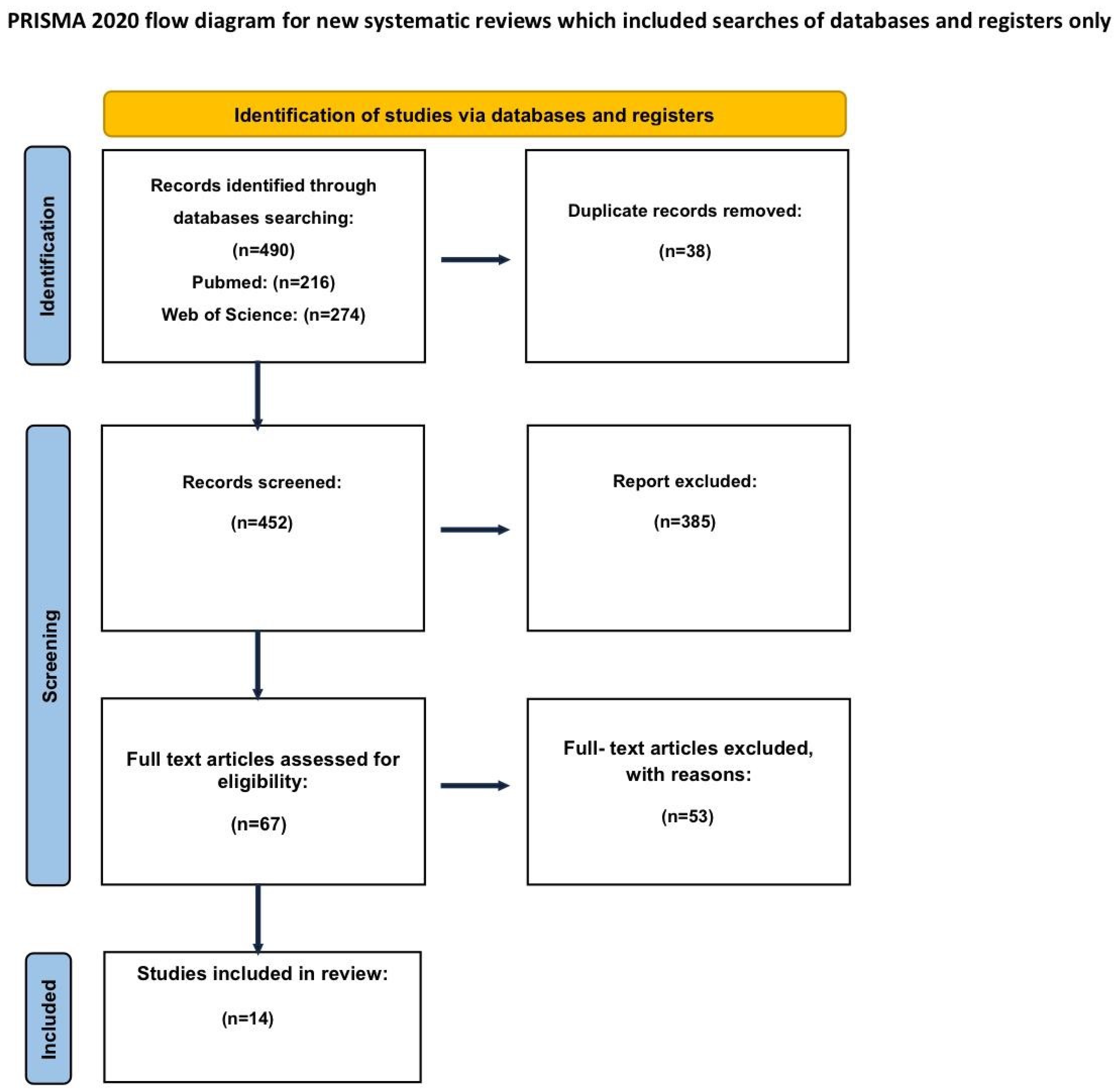
2. Materials and Methods
- General study characteristics (title, authors, year of publication).
- Patient characteristics (sample size, melanoma stage).
- Details on ctDNA assessment (methodology, timing of collection).
- Main findings (prognostic and predictive value of ctDNA in melanoma).
3. Results
- Preoperative prognosis. Preoperative ctDNA positivity aligned with higher stage, greater nodal involvement (including extracapsular extension), and worse survival. Patients with detectable ctDNA pre-surgery had an approximately two-fold higher mortality risk than those without detectable ctDNA [88,95,97,98,99,100,101,102,103,104,105,106,107,108].
- Relapse prediction. Postoperative ctDNA detection was linked to increased relapse risk. In one study, ctDNA anticipated recurrence by a median of 128 days, while another showed ctDNA elevation up to six months prior to diagnosis. In one cohort, 30% had detectable ctDNA during follow-up and all later relapsed; only a single relapsing patient lacked concurrent ctDNA elevation. In most reports, ctDNA cleared within ~4 weeks after radical resection in patients who remained recurrence-free [88,95,97,98,99,100,101,102,103,104,105,106,107,108].
- Brain metastases. Sensitivity for detecting intracranial disease was lower, likely due to the blood–brain barrier limiting ctDNA shedding into the peripheral circulation [97].
4. Discussion
5. Conclusions
Limitations
Supplementary Materials
Author Contributions
Funding
Institutional Review Board Statement
Informed Consent Statement
Data Availability Statement
Conflicts of Interest
References
- Abbosh, C.; Frankell, A.M.; Harrison, T.; Kisistok, J.; Garnett, A.; Johnson, L.; Veeriah, S.; Moreau, M.; Chesh, A.; Chaunzwa, T.L.; et al. Tracking early lung cancer metastatic dissemination in TRACERx using ctDNA. Nature 2023, 616, 553–562. [Google Scholar] [CrossRef]
- Cummins, D.L.; Cummins, J.M.; Pantle, H.; Silverman, M.A.; Leonard, A.L.; Chanmugam, A. Cutaneous Malignant Melanoma. Mayo Clin. Proc. 2006, 81, 500–507. [Google Scholar] [CrossRef]
- Sendín-Martín, M.; Bueno-Molina, R.C.; Hernández-Rodríguez, J.-C.; Cayuela, L.; Cayuela, A.; Pereyra-Rodríguez, J.-J. Trends in cutaneous malignant melanoma mortality in Europe from 1992 to 2021. Clin. Exp. Dermatol. 2025, 50, 1803–1811. [Google Scholar] [CrossRef]
- Caraviello, C.; Nazzaro, G.; Tavoletti, G.; Boggio, F.; Denaro, N.; Murgia, G.; Passoni, E.; Mancin, V.B.; Marzano, A.V. Melanoma Skin Cancer: A Comprehensive Review of Current Knowledge. Cancers 2025, 17, 2920. [Google Scholar] [CrossRef] [PubMed]
- Song, P.; Wu, L.R.; Yan, Y.H.; Zhang, J.X.; Chu, T.; Kwong, L.N.; Patel, A.A.; Zhang, D.Y. Limitations and opportunities of technologies for the analysis of cell-free DNA in cancer diagnostics. Nat. Biomed. Eng. 2022, 6, 232–245. [Google Scholar] [CrossRef] [PubMed]
- Cohen, S.A.; Liu, M.C.; Aleshin, A. Practical recommendations for using ctDNA in clinical decision making. Nature 2023, 619, 259–268. [Google Scholar] [CrossRef] [PubMed]
- Gracie, L.; Pan, Y.; Atenafu, E.G.; Ward, D.G.; Teng, M.; Pallan, L.; Stevens, N.M.; Khoja, L. Circulating tumour DNA (ctDNA) in metastatic melanoma, a systematic review and meta-analysis. Eur. J. Cancer 2021, 158, 191–207. [Google Scholar] [CrossRef]
- Pawelek, J.M.; Lerner, A.B. 5,6-Dihydroxyindole is a melanin precursor showing potent cytotoxicity. Nature 1978, 276, 627–628. [Google Scholar] [CrossRef]
- Slominski, A.; Paus, R.; Mihm, M.C. Inhibition of melanogenesis as an adjuvant strategy in the treatment of melanotic melanomas: Selective review and hypothesis. Anticancer Res. 1998, 18, 3709–3715. [Google Scholar]
- Miranda, M.; Ligas, C.; Amicarelli, F.; D’Alessandro, E.; Brisdelli, F.; Zarivi, O.; Poma, A. Sister chromatid exchange (SCE) rates in human melanoma cells as an index of mutagenesis. Mutagenesis 1997, 12, 233–236. [Google Scholar] [CrossRef]
- Miranda, M.; Botti, D.; Di Cola, M. Possible genotoxicity of melanin synthesis intermediates: Tyrosinase reaction products interact with DNA in vitro. Mol. Gen. Genet. 1984, 193, 395–399. [Google Scholar] [CrossRef]
- Wick, M.M. Levodopa/Dopamine Analogs as Inhibitors of DNA Synthesis in Human Melanoma Cells. J. Investig. Dermatol. 1989, 92, S329–S331. [Google Scholar] [CrossRef]
- Wick, M.M.; Fitzgerald, G. Inhibition of reverse transcriptase by tyrosinase generated quinones related to levodopa and dopamine. Chem.-Biol. Interact. 1981, 38, 99–107. [Google Scholar] [CrossRef]
- Lin, W.-P.; Lai, H.-L.; Liu, Y.-L.; Chiung, Y.-M.; Shiau, C.-Y.; Han, J.-M.; Yang, C.-M.; Liu, Y.-T. Effect of melanin produced by a recombinant Escherichia coli on antibacterial activity of antibiotics. J. Microbiol. Immunol. Infect. 2005, 38, 320–326. [Google Scholar]
- Ito, S.; Wakamatsu, K.; Sarna, T. Photodegradation of Eumelanin and Pheomelanin and Its Pathophysiological Implications. Photochem. Photobiol. 2018, 94, 409–420. [Google Scholar] [CrossRef]
- Napolitano, A.; Panzella, L.; Monfrecola, G.; d’Ischia, M. Pheomelanin-induced oxidative stress: Bright and dark chemistry bridging red hair phenotype and melanoma. Pigment Cell Melanoma Res. 2014, 27, 721–733. [Google Scholar] [CrossRef]
- Brash, D.E. UV-induced Melanin Chemiexcitation. Toxicol. Pathol. 2016, 44, 552–554. [Google Scholar] [CrossRef] [PubMed]
- Premi, S.; Wallisch, S.; Mano, C.M.; Weiner, A.B.; Bacchiocchi, A.; Wakamatsu, K.; Bechara, E.J.H.; Halaban, R.; Douki, T.; Brash, D.E. Chemiexcitation of melanin derivatives induces DNA photoproducts long after UV exposure. Science 2015, 347, 842–847. [Google Scholar] [CrossRef] [PubMed]
- Lembo, S.; Di Caprio, R.; Micillo, R.; Balato, A.; Monfrecola, G.; Panzella, L.; Napolitano, A. Light-independent pro-inflammatory and pro-oxidant effects of purified human hair melanins on keratinocyte cell cultures. Exp. Dermatol. 2017, 26, 592–594. [Google Scholar] [CrossRef] [PubMed]
- Slominski, R.M.; Sarna, T.; Płonka, P.M.; Raman, C.; Brożyna, A.A.; Slominski, A.T. Melanoma, Melanin, and Melanogenesis: The Yin and Yang Relationship. Front. Oncol. 2022, 12, 842496. [Google Scholar] [CrossRef]
- Moding, E.J.; Nabet, B.Y.; Alizadeh, A.A.; Diehn, M. Detecting Liquid Remnants of Solid Tumors: Circulating Tumor DNA Minimal Residual Disease. Cancer Discov. 2021, 11, 2968–2986. [Google Scholar] [CrossRef]
- Keller, L.; Belloum, Y.; Wikman, H.; Pantel, K. Clinical relevance of blood-based ctDNA analysis: Mutation detection and beyond. Br. J. Cancer 2021, 124, 345–358. [Google Scholar] [CrossRef]
- Long, G.V.; Desai, K.; Tang, T.; Weber, J.S.; Dolfi, S.; Ritchings, C.; Huang, S.-P.; Bolisetty, M.; Sausen, M.; Del Vecchio, M.; et al. Association of pre-treatment ctDNA with disease recurrence and clinical and translational factors in patients with stage IIIB-D/IV melanoma treated with adjuvant immunotherapy (CheckMate 915). Ann. Oncol. 2022, 33, S904. [Google Scholar] [CrossRef]
- Falk Delgado, A.; Zommorodi, S.; Falk Delgado, A. Sentinel Lymph Node Biopsy and Complete Lymph Node Dissection for Melanoma. Curr. Oncol. Rep. 2019, 21, 54. [Google Scholar] [CrossRef]
- Long, G.V.; Swetter, S.M.; Menzies, A.M.; Gershenwald, J.E.; Scolyer, R.A. Cutaneous melanoma. Lancet 2023, 402, 485–502. [Google Scholar] [CrossRef]
- Arnold, M.; de Vries, E.; Whiteman, D.C.; Jemal, A.; Bray, F.; Parkin, D.M.; Soerjomataram, I. Global burden of cutaneous melanoma attributable to ultraviolet radiation in 2012. Int. J. Cancer 2018, 143, 1305–1314. [Google Scholar] [CrossRef]
- Langselius, O.; Rumgay, H.; de Vries, E.; Whiteman, D.C.; Jemal, A.; Parkin, D.M.; Soerjomataram, I. Global burden of cutaneous melanoma incidence attributable to ultraviolet radiation in 2022. Int. J. Cancer 2025, 157, 1110–1119. [Google Scholar] [CrossRef]
- Tímár, J.; Ladányi, A. Molecular Pathology of Skin Melanoma: Epidemiology, Differential Diagnostics, Prognosis and Therapy Prediction. Int. J. Mol. Sci. 2022, 23, 5384. [Google Scholar] [CrossRef] [PubMed]
- Czarnecka, A.M.; Bartnik, E.; Fiedorowicz, M.; Rutkowski, P. Targeted Therapy in Melanoma and Mechanisms of Resistance. Int. J. Mol. Sci. 2020, 21, 4576. [Google Scholar] [CrossRef] [PubMed]
- Lee, J.-H.; Choi, J.-W.; Kim, Y.-S. Frequencies of BRAF and NRAS mutations are different in histological types and sites of origin of cutaneous melanoma: A meta-analysis. Br. J. Dermatol. 2011, 164, 776–784. [Google Scholar] [CrossRef]
- Zablocka, T.; Kreismane, M.; Pjanova, D.; Isajevs, S. Effects of BRAF V600E and NRAS mutational status on the progression-free survival and clinicopathological characteristics of patients with melanoma. Oncol. Lett. 2022, 25, 27. [Google Scholar] [CrossRef] [PubMed]
- Hanahan, D.; Weinberg, R.A. Hallmarks of Cancer: The Next Generation. Cell 2011, 144, 646–674. [Google Scholar] [CrossRef]
- Semenza, G.L. Evaluation of HIF-1 inhibitors as anticancer agents. Drug Discov. Today 2007, 12, 853–859. [Google Scholar] [CrossRef]
- Kroemer, G.; Pouyssegur, J. Tumor Cell Metabolism: Cancer’s Achilles’ Heel. Cancer Cell 2008, 13, 472–482. [Google Scholar] [CrossRef]
- Warburg, O. On the Origin of Cancer Cells. Science 1956, 123, 309–314. [Google Scholar] [CrossRef]
- Dang, N.-H.; Singla, A.; Mackay, E.; Jirik, F.; Weljie, A. Targeted Cancer Therapeutics: Biosynthetic and Energetic Pathways Characterized by Metabolomics and the Interplay with Key Cancer Regulatory Factors. Curr. Pharm. Des. 2014, 20, 2637–2647. [Google Scholar] [CrossRef] [PubMed]
- Bailey, K.M.; Wojtkowiak, J.W.; Hashim, A.I.; Gillies, R.J. Targeting the Metabolic Microenvironment of Tumors; Elsevier: Amsterdam, The Netherlands, 2012; pp. 63–107. [Google Scholar] [CrossRef]
- Sarna, T.; Sealy, R.C. Photoinduced oxygen consumption in melanin systems. Action spectra and quantum yields for eumelanin and synthetic melanin. Photochem. Photobiol. 1984, 39, 69–74. [Google Scholar] [CrossRef]
- Sarna, T.; Dulȩba, A.; Korytowski, W.; Swartz, H. Interaction of melanin with oxygen. Arch. Biochem. Biophys. 1980, 200, 140–148. [Google Scholar] [CrossRef] [PubMed]
- Scisłowski, P.W.; Słomiński, A.; Bomirski, A. Biochemical characterization of three hamster melanoma variants—II. Glycolysis and oxygen consumption. Int. J. Biochem. 1984, 16, 327–331. [Google Scholar] [CrossRef]
- Scisłowski, P.W.; Słomiński, A.; Bomirski, A.; Zydowo, M. Metabolic characterization of three hamster melanoma variants. Neoplasma 1985, 32, 593–598. [Google Scholar]
- Slominski, A.; Friedrich, T. L-DOPA Inhibits In Vitro Phosphorylation of Melanoma Glycoproteins. Pigment Cell Res. 1992, 5, 396–399. [Google Scholar] [CrossRef]
- Li, W.; Slominski, R.; Slominski, A.T. High-resolution magic angle spinning nuclear magnetic resonance analysis of metabolic changes in melanoma cells after induction of melanogenesis. Anal. Biochem. 2009, 386, 282–284. [Google Scholar] [CrossRef]
- Slominski, A.; Kim, T.-K.; Brożyna, A.A.; Janjetovic, Z.; Brooks, D.L.P.; Schwab, L.P.; Skobowiat, C.; Jóźwicki, W.; Seagroves, T. The role of melanogenesis in regulation of melanoma behavior: Melanogenesis leads to stimulation of HIF-1α expression and HIF-dependent attendant pathways. Arch. Biochem. Biophys. 2014, 563, 79–93. [Google Scholar] [CrossRef] [PubMed]
- Pawelek, J.; Bolognia, J.; McLane, J.; Murray, M.; Osber, M.; Słominski, A. A possible role for melanin precursors in regulating both pigmentation and proliferation of melanocytes. Prog. Clin. Biol. Res. 1988, 256, 143–154. [Google Scholar]
- Slominski, A.; Moellmann, G.; Kuklinska, E.; Bomirski, A.; Pawelek, J. Positive regulation of melanin pigmentation by two key substrates of the melanogenic pathway, l-tyrosine and l-dopa. J. Cell Sci. 1988, 89, 287–296. [Google Scholar] [CrossRef]
- Slominski, A.; Moellmann, G.; Kuklinska, E. L-Tyrosine, L-DOPA, and Tyrosinase as Positive Regulators of the Subcellular Apparatus of Melanogenesis in Bomirski Ab Amelanotic Melanoma Cells. Pigment Cell Res. 1989, 2, 109–116. [Google Scholar] [CrossRef]
- McLane, J.; Osber, M.; Pawelek, J.M. Phosphorylated isomers of L-dopa stimulate MSH binding capacity and responsiveness to MSH in cultured melanoma cells. Biochem. Biophys. Res. Commun. 1987, 145, 719–725. [Google Scholar] [CrossRef] [PubMed]
- Slominski, A.; Jastreboff, P.; Pawelek, J. L-Tyrosine stimulates induction of tyrosinase activity by MSH and reduces cooperative interactions between MSH receptors in hamster melanoma cells. Biosci. Rep. 1989, 9, 579–586. [Google Scholar] [CrossRef]
- Slominski, A. POMC gene expression in mouse and hamster melanoma cells. FEBS Lett. 1991, 291, 165–168. [Google Scholar] [CrossRef] [PubMed]
- Hedley, S.J.; Murray, A.; Sisley, K.; Ghanem, G.; Morandini, R.; Gawkrodger, D.J.; Mac Neil, S. α-Melanocyte stimulating hormone can reduce T-cell interaction with melanoma cells in vitro. Melanoma Res. 2000, 10, 323–330. [Google Scholar] [CrossRef]
- Slominski, A.; Wortsman, J.; Luger, T.; Paus, R.; Solomon, S. Corticotropin Releasing Hormone and Proopiomelanocortin Involvement in the Cutaneous Response to Stress. Physiol. Rev. 2000, 80, 979–1020. [Google Scholar] [CrossRef]
- Böhm, M.; Luger, T.A.; Tobin, D.J.; García-Borrón, J.C. Melanocortin Receptor Ligands: New Horizons for Skin Biology and Clinical Dermatology. J. Investig. Dermatol. 2006, 126, 1966–1975. [Google Scholar] [CrossRef]
- Nagahama, M.; Funasaka, Y.; Frez, F.; Ohashi, A.; Chakraborty, A.K.; Ueda, M.; Ichihashi, M. Immunoreactivity of alpha-melanocyte-stimulating hormone, adrenocorticotrophic hormone and beta-endorphin in cutaneous malignant melanoma and benign melanocytic naevi. Br. J. Dermatol. 1998, 138, 981–985. [Google Scholar] [CrossRef]
- Ghanem, G.; Liénard, D.; Hanson, P.; Lejeune, F.; Frühling, J. Increased serum alpha-melanocyte stimulating hormone (alpha-MSH) in human malignant melanoma. Eur. J. Cancer Clin. Oncol. 1986, 22, 535–536. [Google Scholar] [CrossRef] [PubMed]
- Loir, B.; Bouchard, B.; Morandini, R.; Marmol, V.D.; Deraemaecker, R.; Garcia-Borron, J.C.; Ghanem, G. Immunoreactive α-Melanotropin as an Autocrine Effector in Human Melanoma Cells. Eur. J. Biochem. 1997, 244, 923–930. [Google Scholar] [CrossRef]
- Funasaka, Y.; Sato, H.; Chakraborty, A.K.; Ohashi, A.; Chrousos, G.P.; Ichihashi, M. Expression of Proopiomelanocortin, Corticotropin-Releasing Hormone (CRH), and CRH Receptor in Melanoma Cells, Nevus Cells, and Normal Human Melanocytes. J. Investig. Dermatol. Symp. Proc. 1999, 4, 105–109. [Google Scholar] [CrossRef] [PubMed]
- Sato, H.; Nagashima, Y.; Chrousos, G.P.; Ichihashi, M.; Funasaka, Y. The Expression of Corticotropin-Releasing Hormone in Melanoma. Pigment Cell Res. 2002, 15, 98–103. [Google Scholar] [CrossRef] [PubMed]
- Sarna, M.; Zadlo, A.; Hermanowicz, P.; Madeja, Z.; Burda, K.; Sarna, T. Cell elasticity is an important indicator of the metastatic phenotype of melanoma cells. Exp. Dermatol. 2014, 23, 813–818. [Google Scholar] [CrossRef]
- Sarna, M.; Krzykawska-Serda, M.; Jakubowska, M.; Zadlo, A.; Urbanska, K. Melanin presence inhibits melanoma cell spread in mice in a unique mechanical fashion. Sci. Rep. 2019, 9, 9280. [Google Scholar] [CrossRef]
- Słomiński, A. Some properties of Bomirski Ab amelanotic melanoma cells, which underwent spontaneous melanization in primary cell culture. J. Cancer Res. Clin. Oncol. 1985, 109, 29–37. [Google Scholar] [CrossRef]
- Śniegocka, M.; Podgórska, E.; Płonka, P.M.; Elas, M.; Romanowska-Dixon, B.; Szczygieł, M.; Żmijewski, M.A.; Cichorek, M.; Markiewicz, A.; Brożyna, A.A.; et al. Transplantable Melanomas in Hamsters and Gerbils as Models for Human Melanoma. Sensitization in Melanoma Radiotherapy—From Animal Models to Clinical Trials. Int. J. Mol. Sci. 2018, 19, 1048. [Google Scholar] [CrossRef] [PubMed]
- Slominski, A.; Ermak, G.; Wortsman, J. Modification of melanogenesis in cultured human melanoma cells. In Vitro Cell. Dev. Biol. Anim. 1999, 35, 564–565. [Google Scholar] [CrossRef]
- Pavri, S.N.; Clune, J.; Ariyan, S.; Narayan, D. Malignant Melanoma: Beyond the Basics. Plast. Reconstr. Surg. 2016, 138, 330e–340e. [Google Scholar] [CrossRef] [PubMed]
- Slominski, R.M.; Kim, T.-K.; Janjetovic, Z.; Brożyna, A.A.; Podgorska, E.; Dixon, K.M.; Mason, R.S.; Tuckey, R.C.; Sharma, R.; Crossman, D.K.; et al. Malignant Melanoma: An Overview, New Perspectives, and Vitamin D Signaling. Cancers 2024, 16, 2262. [Google Scholar] [CrossRef]
- Petrie, T.; Samatham, R.; Witkowski, A.M.; Esteva, A.; Leachman, S.A. Melanoma Early Detection: Big Data, Bigger Picture. J. Investig. Dermatol. 2019, 139, 25–30. [Google Scholar] [CrossRef] [PubMed]
- Carlson, J.A.; Ross, J.S.; Slominski, A.; Linette, G.; Mysliborski, J.; Hill, J.; Mihm, M. Molecular diagnostics in melanoma. J. Am. Acad. Dermatol. 2005, 52, 743–775. [Google Scholar] [CrossRef]
- Miller, A.J.; Mihm, M.C., Jr. Melanoma. N. Engl. J. Med. 2006, 355, 51–65. [Google Scholar] [CrossRef]
- Tardelli, E.; Mazzarri, S.; Rubello, D.; Gennaro, M.; Fantechi, L.; Duce, V.; Romanini, A.; Chondrogiannis, S.; Volterrani, D.; Colletti, P.M.; et al. Sentinel Lymph Node Biopsy in Cutaneous Melanoma. Clin. Nucl. Med. 2016, 41, e498–507. [Google Scholar] [CrossRef]
- Teixido, C.; Castillo, P.; Martinez-Vila, C.; Arance, A.; Alos, L. Molecular Markers and Targets in Melanoma. Cells 2021, 10, 2320. [Google Scholar] [CrossRef]
- Ahmed, B.; Qadir, M.I.; Ghafoor, S. Malignant Melanoma: Skin Cancer-Diagnosis, Prevention, and Treatment. Crit. Rev. Eukaryot. Gene Expr. 2020, 30, 291–297. [Google Scholar] [CrossRef]
- Woof, V.G.; Lee, R.J.; Lorigan, P.; French, D.P. Circulating tumour DNA monitoring and early treatment for relapse: Views from patients with early-stage melanoma. Br. J. Cancer 2022, 126, 1450–1456. [Google Scholar] [CrossRef]
- Tonella, L.; Pala, V.; Ponti, R.; Rubatto, M.; Gallo, G.; Mastorino, L.; Avallone, G.; Merli, M.; Agostini, A.; Fava, P.; et al. Prognostic and Predictive Biomarkers in Stage III Melanoma: Current Insights and Clinical Implications. Int. J. Mol. Sci. 2021, 22, 4561. [Google Scholar] [CrossRef] [PubMed]
- Huynh, K.; Hoon, D.S.B. Liquid Biopsies for Assessing Metastatic Melanoma Progression. Crit. Rev. Oncog. 2016, 21, 141–154. [Google Scholar] [CrossRef]
- Forschner, A. Circulating tumour DNA in patients with melanoma receiving targeted therapy. Lancet Oncol. 2021, 22, 291–293. [Google Scholar] [CrossRef] [PubMed]
- Gaiser, M.R.; von Bubnoff, N.; Gebhardt, C.; Utikal, J.S. Liquid biopsy to monitor melanoma patients. JDDG J. Dtsch. Dermatol. Ges. 2018, 16, 405–414. [Google Scholar] [CrossRef]
- Gandini, S.; Zanna, I.; De Angelis, S.P.; Cocorocchio, E.; Queirolo, P.; Lee, J.H.; Carlino, M.S.; Mazzarella, L.; Duso, B.A.; Palli, D.; et al. Circulating tumour DNA and melanoma survival: A systematic literature review and meta-analysis. Crit. Rev. Oncol./Hematol. 2021, 157, 103187. [Google Scholar] [CrossRef]
- Atout, M.; Elwaheidi, H.; Maarouf, R.; Albabtain, A.A.; Alhayli, S.; Alshaibani, A.; Aljurf, M.; El Fakih, R. Minimal Residual Disease Testing for Diffuse Large B Cell Lymphoma. Clin. Lymphoma Myeloma Leuk. 2025, 25, e750–e755. [Google Scholar] [CrossRef] [PubMed]
- Forthun, R.B.; Hovland, R.; Schuster, C.; Puntervoll, H.; Brodal, H.P.; Namløs, H.M.; Aasheim, L.B.; Meza-Zepeda, L.A.; Gjertsen, B.T.; Knappskog, S.; et al. ctDNA detected by ddPCR reveals changes in tumour load in metastatic malignant melanoma treated with bevacizumab. Sci. Rep. 2019, 9, 17471. [Google Scholar] [CrossRef]
- Kaminska, P.; Buszka, K.; Zabel, M.; Nowicki, M.; Alix-Panabieres, C.; Budna-Tukan, J. Liquid Biopsy in Melanoma: Significance in Diagnostics, Prediction and Treatment Monitoring. Int. J. Mol. Sci. 2021, 22, 9714. [Google Scholar] [CrossRef]
- Ricciardi, E.; Giordani, E.; Ziccheddu, G.; Falcone, I.; Giacomini, P.; Fanciulli, M.; Russillo, M.; Cerro, M.; Ciliberto, G.; Morrone, A.; et al. Metastatic Melanoma: Liquid Biopsy as a New Precision Medicine Approach. Int. J. Mol. Sci. 2023, 24, 4014. [Google Scholar] [CrossRef]
- Ruggiero, C.F.; Fattore, L.; Terrenato, I.; Sperati, F.; Salvati, V.; Madonna, G.; Capone, M.; Valenti, F.; Di Martino, S.; Mandoj, C.; et al. Identification of a miRNA-based non-invasive predictive biomarker of response to target therapy in BRAF-mutant melanoma. Theranostics 2022, 12, 7420–7430. [Google Scholar] [CrossRef] [PubMed]
- Khaddour, K.; Ansstas, M.; Ansstas, G. Clinical outcomes and longitudinal circulating tumor DNA changes after treatment with nivolumab and olaparib in immunotherapy relapsed melanoma with detected homologous recombination deficiency. Mol. Case Stud. 2021, 7, a006129. [Google Scholar] [CrossRef] [PubMed]
- Xi, L.; Pham, T.H.-T.; Payabyab, E.C.; Sherry, R.M.; Rosenberg, S.A.; Raffeld, M. Circulating Tumor DNA as an Early Indicator of Response to T-cell Transfer Immunotherapy in Metastatic Melanoma. Clin. Cancer Res. 2016, 22, 5480–5486. [Google Scholar] [CrossRef] [PubMed]
- Knol, A.C.; Vallée, A.; Herbreteau, G.; Nguyen, J.; Varey, E.; Gaultier, A.; Théoleyre, S.; Saint-Jean, M.; Peuvrel, L.; Brocard, A.; et al. Clinical significance of BRAF mutation status in circulating tumor DNA of metastatic melanoma patients at baseline. Exp. Dermatol. 2016, 25, 783–788. [Google Scholar] [CrossRef] [PubMed]
- Garlan, F.; Blanchet, B.; Kramkimel, N.; Puszkiel, A.; Golmard, J.L.; Noe, G.; Dupin, N.; Laurent-Puig, P.; Vidal, M.; Taly, V.; et al. Circulating Tumor DNA Measurement by Picoliter Droplet-Based Digital PCR and Vemurafenib Plasma Concentrations in Patients with Advanced BRAF-Mutated Melanoma. Target. Oncol. 2017, 12, 365–371. [Google Scholar] [CrossRef]
- Ashida, A.; Sakaizawa, K.; Mikoshiba, A.; Uhara, H.; Okuyama, R. Quantitative analysis of the BRAF V600E mutation in circulating tumor-derived DNA in melanoma patients using competitive allele-specific TaqMan PCR. Int. J. Clin. Oncol. 2016, 21, 981–988. [Google Scholar] [CrossRef]
- Tan, L.; Sandhu, S.; Lee, R.J.; Li, J.; Callahan, J.; Ftouni, S.; Dhomen, N.; Middlehurst, P.; Wallace, A.; Raleigh, J.; et al. Prediction and monitoring of relapse in stage III melanoma using circulating tumor DNA. Ann. Oncol. 2019, 30, 804–814. [Google Scholar] [CrossRef]
- Rowe, S.P.; Luber, B.; Makell, M.; Brothers, P.; Santmyer, J.; Schollenberger, M.D.; Quinn, H.; Edelstein, D.L.; Jones, F.S.; Bleich, K.B.; et al. From validity to clinical utility: The influence of circulating tumor DNA on melanoma patient management in a real-world setting. Mol. Oncol. 2018, 12, 1661–1672. [Google Scholar] [CrossRef]
- Syeda, M.M.; Wiggins, J.M.; Corless, B.C.; Long, G.V.; Flaherty, K.T.; Schadendorf, D.; Nathan, P.D.; Robert, C.; Ribas, A.; Davies, M.A.; et al. Circulating tumour DNA in patients with advanced melanoma treated with dabrafenib or dabrafenib plus trametinib: A clinical validation study. Lancet Oncol. 2021, 22, 370–380. [Google Scholar] [CrossRef]
- Seremet, T.; Jansen, Y.; Planken, S.; Njimi, H.; Delaunoy, M.; El Housni, H.; Awada, G.; Schwarze, J.K.; Keyaerts, M.; Everaert, H.; et al. Undetectable circulating tumor DNA (ctDNA) levels correlate with favorable outcome in metastatic melanoma patients treated with anti-PD1 therapy. J. Transl. Med. 2019, 17, 303. [Google Scholar] [CrossRef]
- Herbreteau, G.; Charpentier, S.; Vallée, A.; Denis, M.G. Use of Circulating Tumoral DNA to Guide Treatment for Metastatic Melanoma. Pharmacogenomics 2019, 20, 1259–1270. [Google Scholar] [CrossRef] [PubMed]
- Diefenbach, R.J.; Lee, J.H.; Rizos, H. Monitoring Melanoma Using Circulating Free DNA. Am. J. Clin. Dermatol. 2019, 20, 1–12. [Google Scholar] [CrossRef] [PubMed]
- Marczynski, G.T.; Laus, A.C.; dos Reis, M.B.; Reis, R.M.; Vazquez, V.d.L. Circulating tumor DNA (ctDNA) detection is associated with shorter progression-free survival in advanced melanoma patients. Sci. Rep. 2020, 10, 18682. [Google Scholar] [CrossRef]
- Brunsgaard, E.K.; Bowles, T.L.; Asare, E.A.; Grossmann, K.; Boucher, K.M.; Grossmann, A.; Jackson, J.A.; Wada, D.A.; Rathore, R.; Budde, G.; et al. Feasibility of personalized circulating tumor DNA detection in stage II and III melanoma. Melanoma Res. 2023, 33, 184–191. [Google Scholar] [CrossRef]
- Francis, J.H.; Canestraro, J.; Brannon, A.R.; Barker, C.A.; Berger, M.; Shoushtari, A.N.; Abramson, D.H. Association of Plasma Circulating Tumor DNA with Diagnosis of Metastatic Uveal Melanoma. JAMA Ophthalmol. 2021, 139, 1244–1245. [Google Scholar] [CrossRef]
- Giunta, E.F.; De Falco, V.; Vitiello, P.P.; Guerrera, L.P.; Suarato, G.; Napolitano, R.; Perrone, A.; Argenziano, G.; Franco, R.; Caraglia, M.; et al. Clinical Utility of Liquid Biopsy to Detect BRAF and NRAS Mutations in Stage III/IV Melanoma Patients by Using Real-Time PCR. Cancers 2022, 14, 3053. [Google Scholar] [CrossRef] [PubMed]
- Marchisio, S.; Ricci, A.A.; Roccuzzo, G.; Bongiovanni, E.; Ortolan, E.; Bertero, L.; Berrino, E.; Pala, V.; Ponti, R.; Fava, P.; et al. Monitoring circulating tumor DNA liquid biopsy in stage III BRAF-mutant melanoma patients undergoing adjuvant treatment. J. Transl. Med. 2024, 22, 1074. [Google Scholar] [CrossRef]
- Lee, R.J.; Gremel, G.; Marshall, A.; Myers, K.A.; Fisher, N.; Dunn, J.A.; Dhomen, N.; Corrie, P.; Middleton, M.; Lorigan, P.; et al. Circulating tumor DNA predicts survival in patients with resected high-risk stage II/III melanoma. Ann. Oncol. 2018, 29, 490–496. [Google Scholar] [CrossRef]
- Shapochka, D.; Shapochka, T.; Seleznyov, O.; Matveeva, A.; Dudin, V. Use of circulating tumor dna for detection of BRAF V600E mutation and treatment monitoring in melanoma patients. Georgian Med. News 2018, 76–81. [Google Scholar]
- Braune, J.; Keller, L.; Schiller, F.; Graf, E.; Rafei-Shamsabadi, D.; Wehrle, J.; Follo, M.; Philipp, U.; Hussung, S.; Pfeifer, D.; et al. Circulating Tumor DNA Allows Early Treatment Monitoring in BRAF- and NRAS-Mutant Malignant Melanoma. JCO Precis. Oncol. 2020, 4, 20–31. [Google Scholar] [CrossRef]
- Genta, S.; Araujo, D.V.; Keshavarzi, S.; Muniz, T.P.; Kamil, Z.S.; Howarth, K.; Terrell, S.; Joad, A.; Ventura, R.; Covelli, A.; et al. Leveraging personalized circulating tumor DNA (ctDNA) for detection and monitoring of molecular residual disease in high-risk melanoma. J. Clin. Oncol. 2022, 40, 9579. [Google Scholar] [CrossRef]
- Lee, J.H.; Saw, R.P.; Thompson, J.F.; Lo, S.; Spillane, A.J.; Shannon, K.F.; Stretch, J.; Howle, J.; Menzies, A.; Carlino, M.; et al. Pre-operative ctDNA predicts survival in high-risk stage III cutaneous melanoma patients. Ann. Oncol. 2019, 30, 815–822. [Google Scholar] [CrossRef]
- Chen, M.; Jian, D.; Sidorov, M.; Woo, R.W.L.; Kim, A.; Stone, D.E.; Nazarian, A.; Nosrati, M.; Ice, R.J.; de Semir, D.; et al. Pitfalls and Rewards of Setting Up a Liquid Biopsy Approach for the Detection of Driver Mutations in Circulating Tumor DNAs: Our Institutional Experience. J. Pers. Med. 2022, 12, 1845. [Google Scholar] [CrossRef]
- Chan, W.Y.; Lee, J.H.; Stewart, A.; Diefenbach, R.J.; Gonzalez, M.; Menzies, A.M.; Blank, C.; Scolyer, R.A.; Long, G.V.; Rizos, H. Circulating tumour DNA dynamics predict recurrence in stage III melanoma patients receiving neoadjuvant immunotherapy. J. Exp. Clin. Cancer Res. 2024, 43, 238. [Google Scholar] [CrossRef]
- Linder, M.W.; Egger, M.E.; Van Meter, T.; Rai, S.N.; Valdes, R.; Hall, M.B.; Wu, X.; Alghamdi, N.; Chesney, J.A. Longitudinal Relationship between Idylla Plasma ctBRAF V600 Mutation Detection and Tumor Burden in Patients with Metastatic Melanoma. Mol. Diagn. Ther. 2021, 25, 361–371. [Google Scholar] [CrossRef] [PubMed]
- Geoffrois, L.; Harle, A.; Sahki, N.; Sikanja, A.; Granel-Brocard, F.; Hervieu, A.; Mortier, L.; Jeudy, G.; Michel, C.; Nardin, C.; et al. Personalized follow-up of circulating DNA in resected stage III/IV melanoma: PERCIMEL multicentric prospective study protocol. BMC Cancer 2023, 23, 554. [Google Scholar] [CrossRef] [PubMed]
- Gouda, M.A.; Polivka, J.; Huang, H.J.; Treskova, I.; Pivovarcikova, K.; Fikrle, T.; Woznica, V.; Dustin, D.; Call, S.; Meric-Bernstam, F.; et al. Ultrasensitive detection of BRAF mutations in circulating tumor DNA of non-metastatic melanoma. ESMO Open 2022, 7, 100357. [Google Scholar] [CrossRef]
- Rieth, J.M.; Swami, U.; Mott, S.L.; Zanaty, M.; Henry, M.D.; Bossler, A.D.; Greenlee, J.D.; Zakharia, Y.; Vanneste, M.; Jennings, B.; et al. Melanoma Brain Metastases in the Era of Targeted Therapy and Checkpoint Inhibitor Therapy. Cancers 2021, 13, 1489. [Google Scholar] [CrossRef]
- Slominski, R.M.; Raman, C.; Chen, J.Y.; Slominski, A.T. How cancer hijacks the body’s homeostasis through the neuroendocrine system. Trends Neurosci. 2023, 46, 263–275. [Google Scholar] [CrossRef] [PubMed]
- Page, M.J.; McKenzie, J.E.; Bossuyt, P.M.; Boutron, I.; Hoffmann, T.C.; Mulrow, C.D.; Shamseer, L.; Tetzlaff, J.M.; Akl, E.A.; Brennan, S.E.; et al. The PRISMA 2020 statement: An updated guideline for reporting systematic reviews. BMJ 2021, 372, n71. [Google Scholar] [CrossRef]


| Study (First Author, Year) | Number of Patients | Preoperative Prognosis | Relapse | Metastasis Prediction | Survival Rate | Detection Method | Timing of ctDNA Sampling |
|---|---|---|---|---|---|---|---|
| Tan, 2019 [88] | 162 | Yes | Yes | Yes | No | ddPCR | Pre-/Postoperative |
| Brunsgaard, 2023 [95] | 28 | Yes | Yes | No | No | NGS | Pre-/Postoperative and during surveillance |
| Giunta, 2022 [97] | 26 (resected subgroup) | No | Yes (low sensitivity) | Yes (brain metastasis = low detection) | No | NGS | Postoperative |
| Marchisio, 2024 [98] | 32 | No | Yes | No | No | ddPCR | Postoperative |
| Lee, 2018 [99] | 161 | No | Yes | Yes | Yes | ddPCR | Postoperative |
| Shapochka, 2018 [100] | 18 | No | Yes | Yes | No | NGS | Postoperative |
| Braune, 2020 [101] | 62 | Yes | Yes | Yes (tumour burden) | No | ddPRC | Pre-/Postoperative |
| Genta, 2024 [102] | 66 | No | Yes | Yes | No | NGS | Postoperative |
| Lee, 2019 (JH) [103] | 174 | Yes | Yes | No | Yes | ddPCR | Preoperative |
| Chen, 2022 [104] | 48 | Yes | Yes | No | No | NGS | Pre-surgery |
| Chan, 2024 [105] | 40 | Yes | Yes | No | No | ddPCR | Pre-treatment/Post-surgery |
| Linder, 2021 [106] | 15 | No | Yes | Yes (tumour burden) | No | ddPCR | Longitudinal |
| Geoffrois, 2023 [107] | 165 | Yes | Yes | Yes | Yes | ddPCR | Pre-surgery/Post-treatment/longitudinal |
| Gouda, 2022 [108] | 80 | No | No | No | Yes | ddPCR | Pre-/Post-surgery, longitudinal |
Disclaimer/Publisher’s Note: The statements, opinions and data contained in all publications are solely those of the individual author(s) and contributor(s) and not of MDPI and/or the editor(s). MDPI and/or the editor(s) disclaim responsibility for any injury to people or property resulting from any ideas, methods, instructions or products referred to in the content. |
© 2026 by the authors. Published by MDPI on behalf of the Lithuanian University of Health Sciences. Licensee MDPI, Basel, Switzerland. This article is an open access article distributed under the terms and conditions of the Creative Commons Attribution (CC BY) license.
Share and Cite
Wojarska, M.; Kokot, K.; Bernecka, P.; Kierczak, A.; Sitkiewicz, N.; Wakszyńska, A.; Wichowski, T.; Skok, W.; Matwiejczuk, M.; Lijewski, W.; et al. Clinical Utility of Circulating Tumour DNA (ctDNA) Analysis for Assessing Completeness of Primary Lesion Resection and Disease Stage in Patients with Melanoma: A Systematic Review. Medicina 2026, 62, 461. https://doi.org/10.3390/medicina62030461
Wojarska M, Kokot K, Bernecka P, Kierczak A, Sitkiewicz N, Wakszyńska A, Wichowski T, Skok W, Matwiejczuk M, Lijewski W, et al. Clinical Utility of Circulating Tumour DNA (ctDNA) Analysis for Assessing Completeness of Primary Lesion Resection and Disease Stage in Patients with Melanoma: A Systematic Review. Medicina. 2026; 62(3):461. https://doi.org/10.3390/medicina62030461
Chicago/Turabian StyleWojarska, Monika, Klaudia Kokot, Paulina Bernecka, Aleksandra Kierczak, Natalia Sitkiewicz, Aleksandra Wakszyńska, Tomasz Wichowski, Weronika Skok, Milena Matwiejczuk, Wiktor Lijewski, and et al. 2026. "Clinical Utility of Circulating Tumour DNA (ctDNA) Analysis for Assessing Completeness of Primary Lesion Resection and Disease Stage in Patients with Melanoma: A Systematic Review" Medicina 62, no. 3: 461. https://doi.org/10.3390/medicina62030461
APA StyleWojarska, M., Kokot, K., Bernecka, P., Kierczak, A., Sitkiewicz, N., Wakszyńska, A., Wichowski, T., Skok, W., Matwiejczuk, M., Lijewski, W., & Jankau, J. (2026). Clinical Utility of Circulating Tumour DNA (ctDNA) Analysis for Assessing Completeness of Primary Lesion Resection and Disease Stage in Patients with Melanoma: A Systematic Review. Medicina, 62(3), 461. https://doi.org/10.3390/medicina62030461