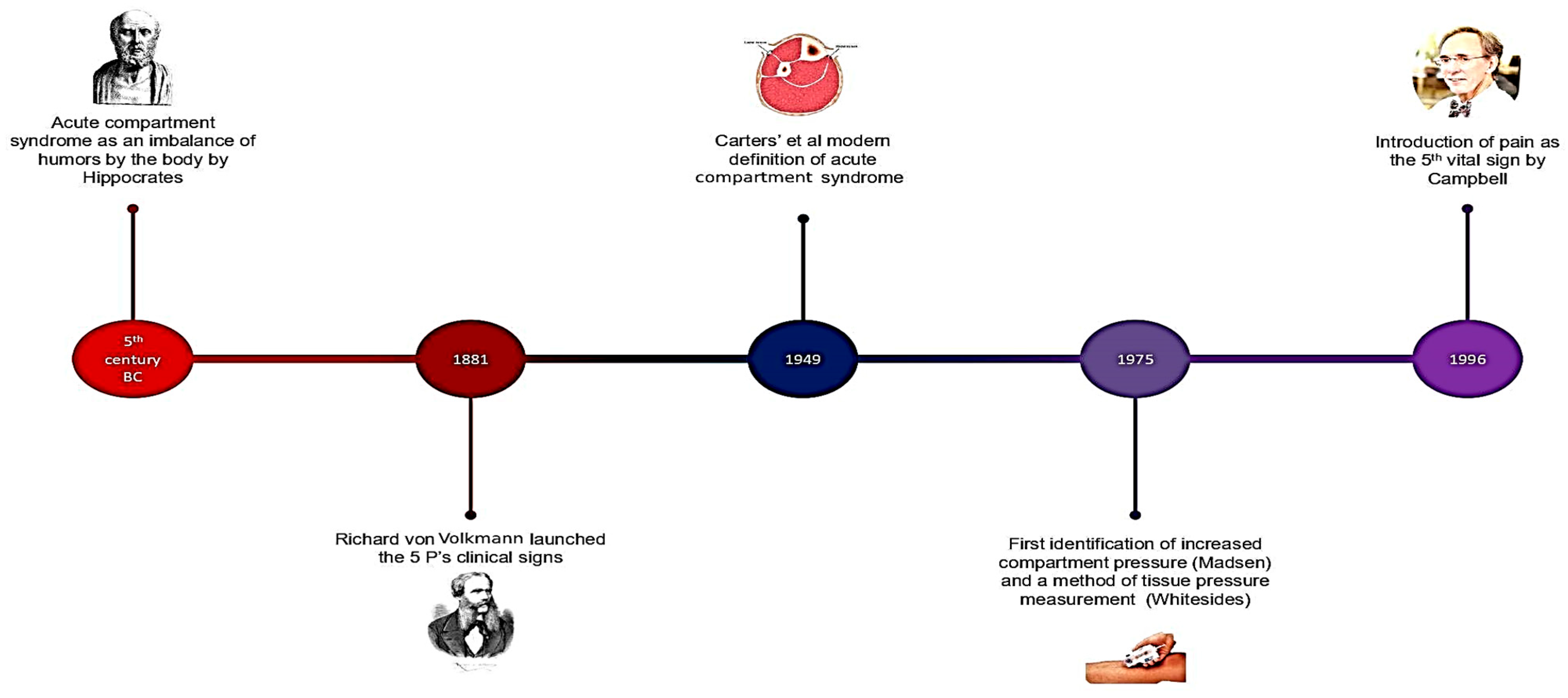
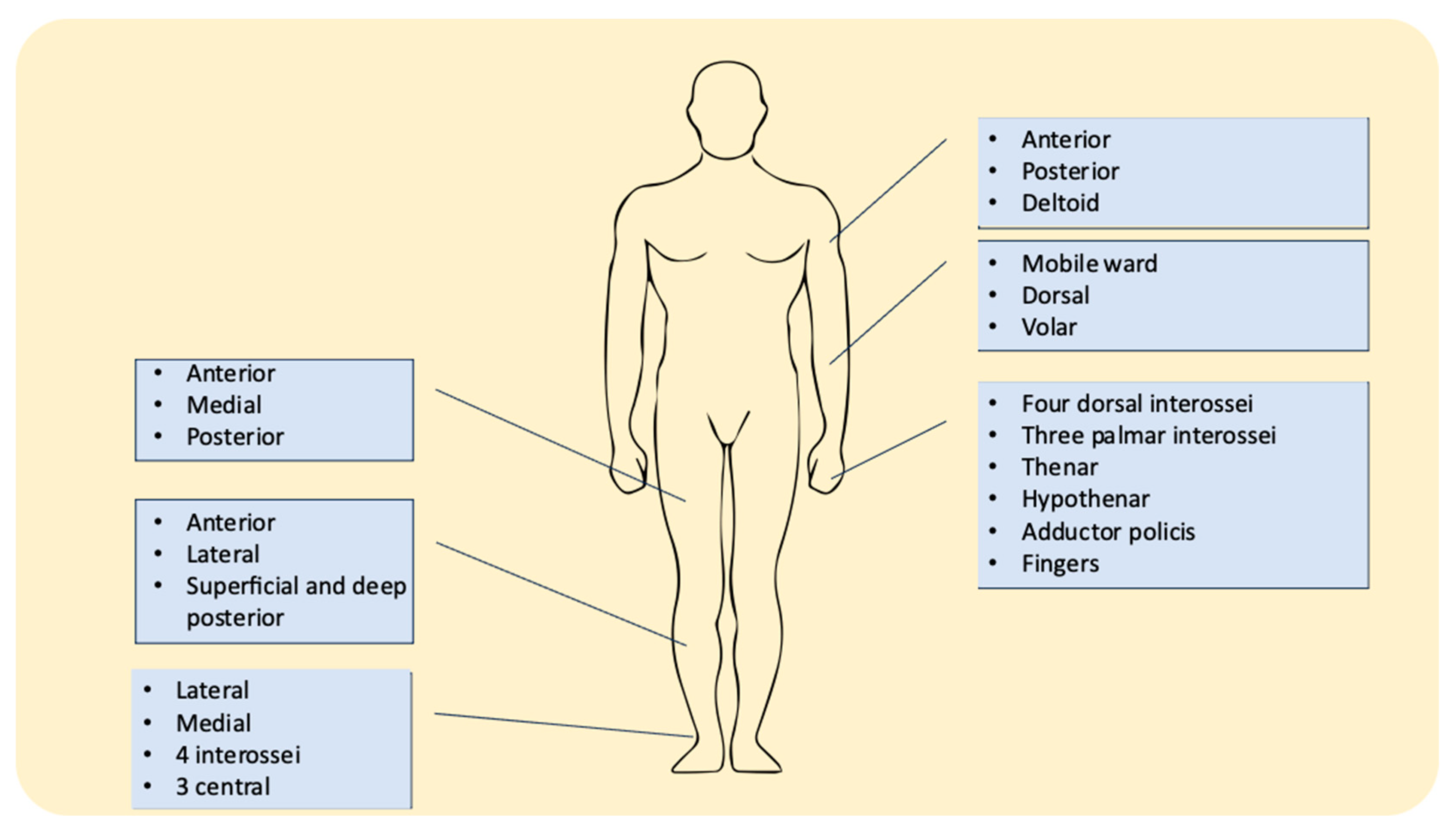
Trauma Patients and Acute Compartment Syndrome: Is There an Ariadne’s Thread That Can Safely Guide the Anesthesiologist/Emergency Physician Out of the Labyrinth?

 ,
, 
Abstract
Share and Cite
Soulioti, E.; Pertsikapa, M.; Fyntanidou, B.; Limnaios, P.; Sidiropoulou, T. Trauma Patients and Acute Compartment Syndrome: Is There an Ariadne’s Thread That Can Safely Guide the Anesthesiologist/Emergency Physician Out of the Labyrinth? Medicina 2024, 60, 1279. https://doi.org/10.3390/medicina60081279
Soulioti E, Pertsikapa M, Fyntanidou B, Limnaios P, Sidiropoulou T. Trauma Patients and Acute Compartment Syndrome: Is There an Ariadne’s Thread That Can Safely Guide the Anesthesiologist/Emergency Physician Out of the Labyrinth? Medicina. 2024; 60(8):1279. https://doi.org/10.3390/medicina60081279
Chicago/Turabian StyleSoulioti, Eleftheria, Marianthi Pertsikapa, Barbara Fyntanidou, Pantelis Limnaios, and Tatiana Sidiropoulou. 2024. "Trauma Patients and Acute Compartment Syndrome: Is There an Ariadne’s Thread That Can Safely Guide the Anesthesiologist/Emergency Physician Out of the Labyrinth?" Medicina 60, no. 8: 1279. https://doi.org/10.3390/medicina60081279
APA StyleSoulioti, E., Pertsikapa, M., Fyntanidou, B., Limnaios, P., & Sidiropoulou, T. (2024). Trauma Patients and Acute Compartment Syndrome: Is There an Ariadne’s Thread That Can Safely Guide the Anesthesiologist/Emergency Physician Out of the Labyrinth? Medicina, 60(8), 1279. https://doi.org/10.3390/medicina60081279