Next Article in Journal
The Characteristics and Laboratory Findings of SARS-CoV-2 Infected Patients during the First Three COVID-19 Waves in Portugal—A Retrospective Single-Center Study
Previous Article in Journal
Unmasking a Silent Threat: Improving Pulmonary Hypertension Screening Methods for Interstitial Lung Disease Patients
 
 
Correction published on 5 March 2026, see Medicina 2026, 62(3), 486.
Case Report

Immunoglobulin G4-Related Disease of the Intestine: A Clinicopathological Entity to Be Considered


1
Department of Life, Health, and Environmental Sciences, Division of Gastroenterology, Hepatology, and Nutrition, University of L’Aquila, Piazza S. Tommasi, 1, Coppito, 67100 L’Aquila, Italy
2
Pathology Unit, San Salvatore Hospital, Via Lorenzo Natali, 1, Coppito, 67100 L’Aquila, Italy
*
Author to whom correspondence should be addressed.
Medicina 2024, 60(1), 57; https://doi.org/10.3390/medicina60010057

Submission received: 9 November 2023 / Revised: 18 December 2023 / Accepted: 26 December 2023 / Published: 28 December 2023 / Corrected: 5 March 2026
(This article belongs to the Section Gastroenterology & Hepatology)

Abstract

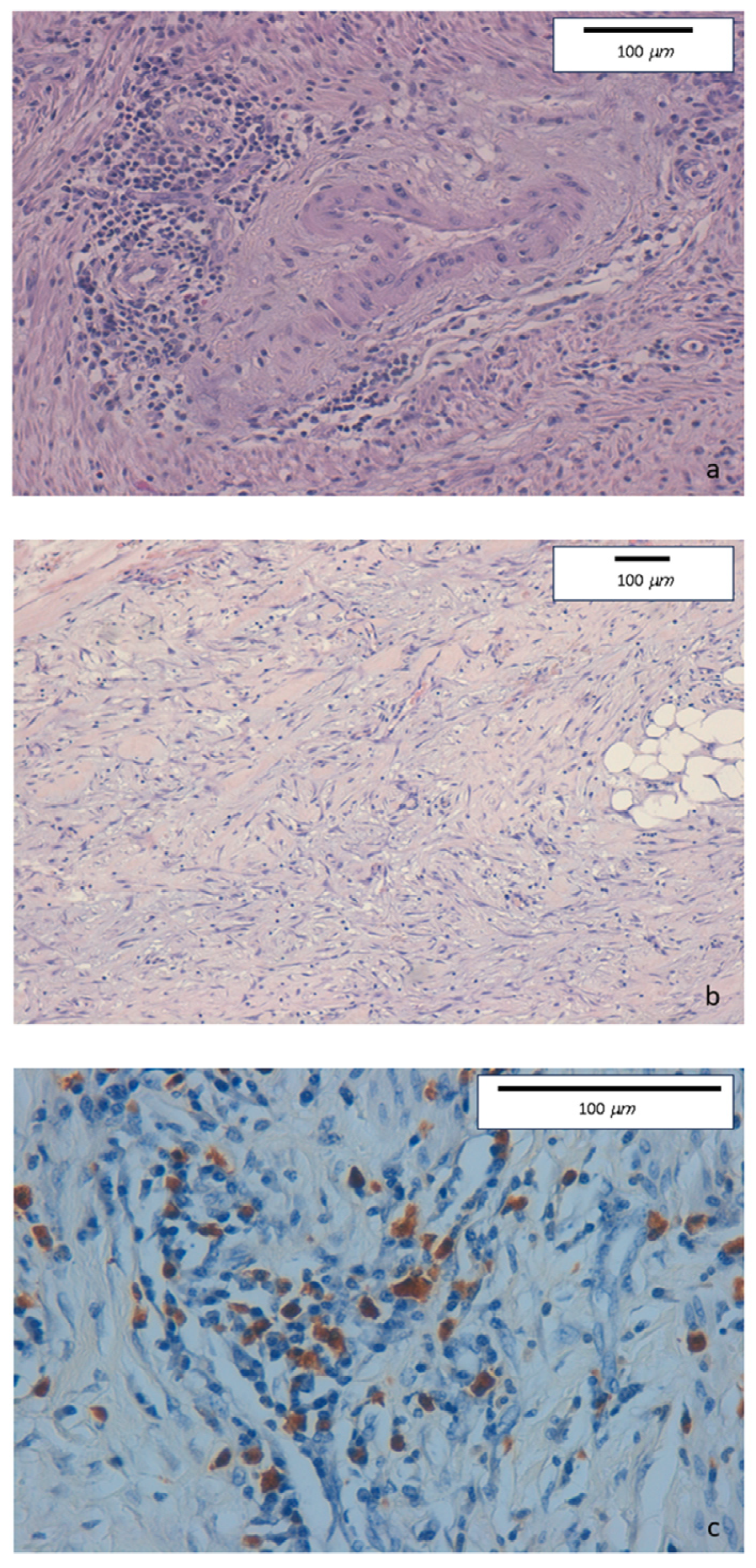
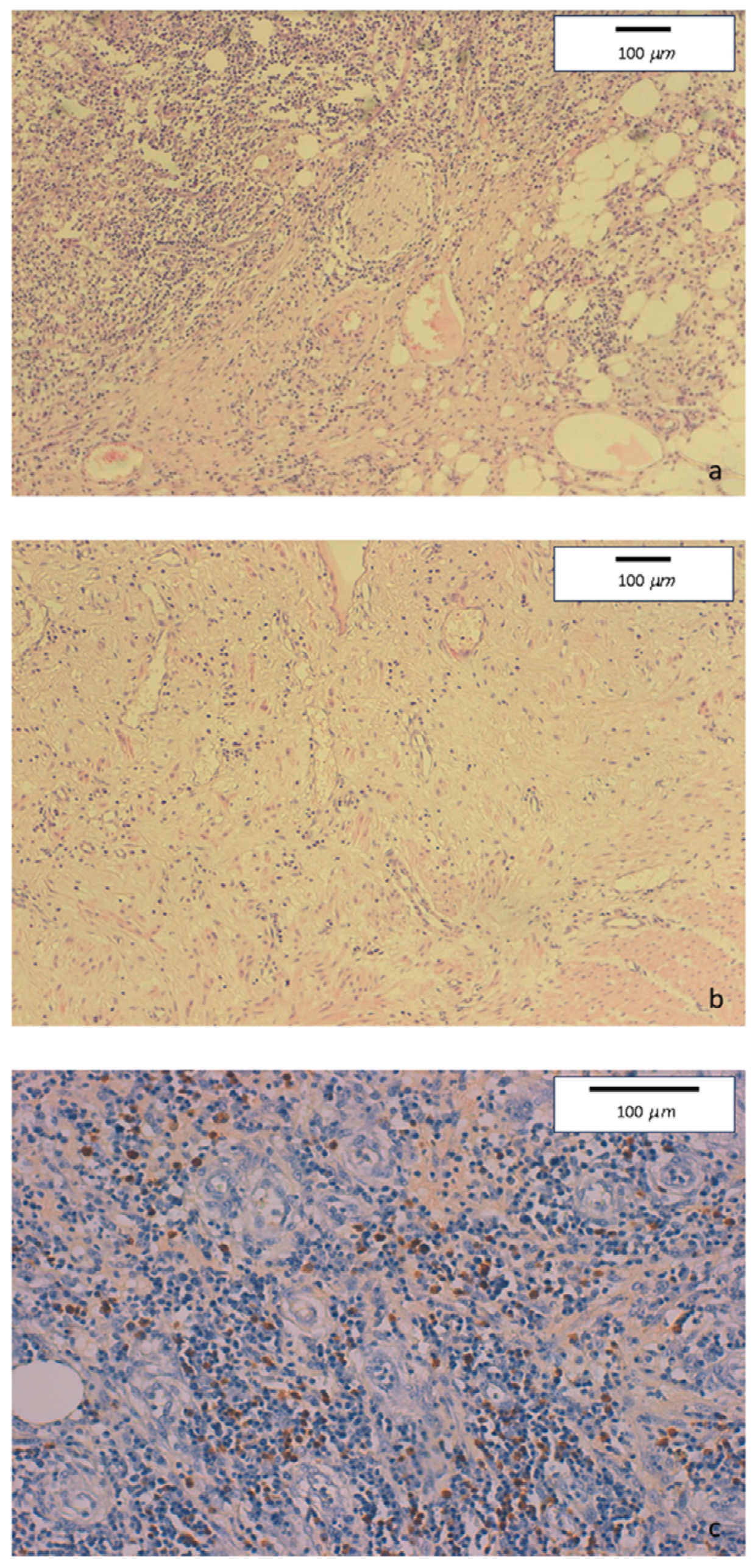
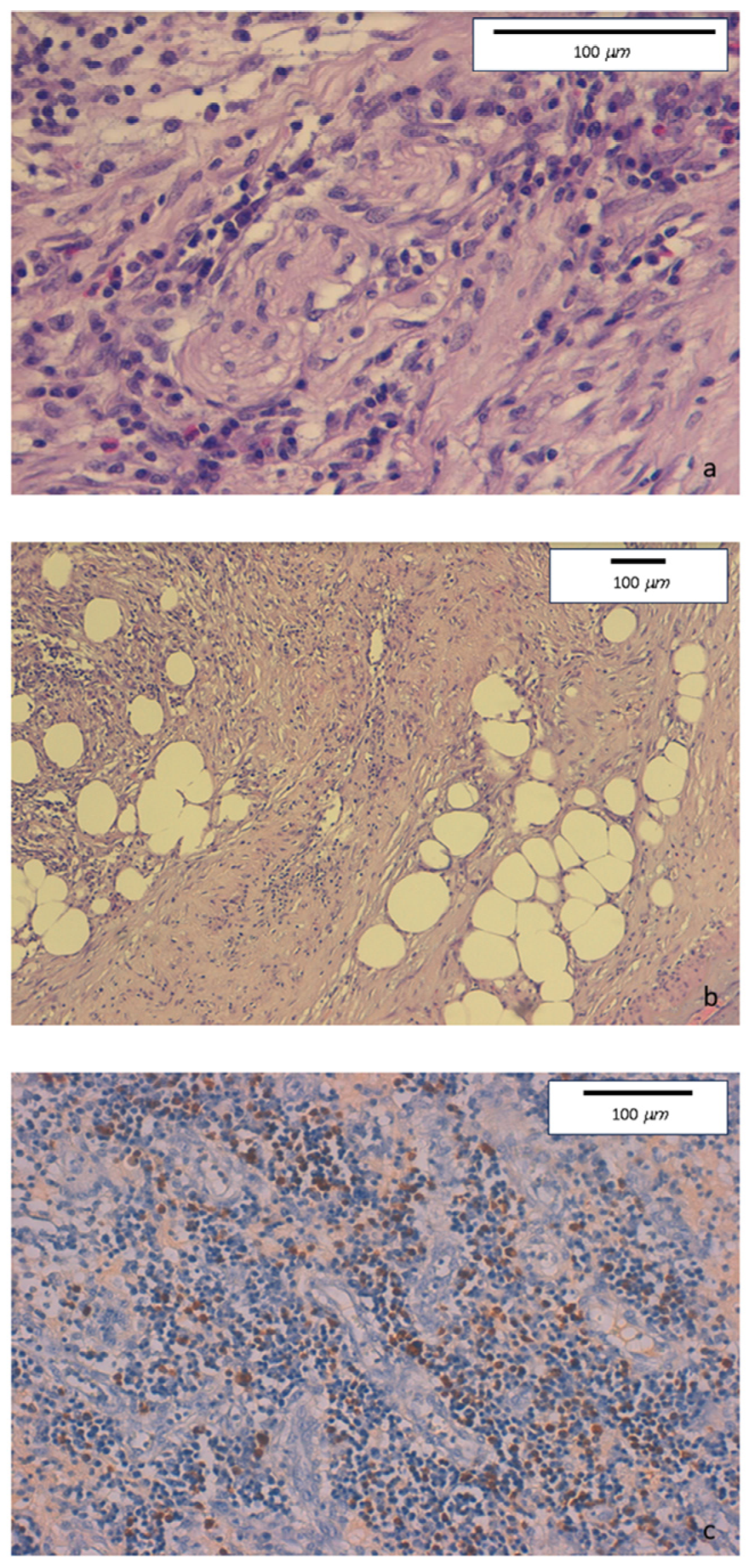
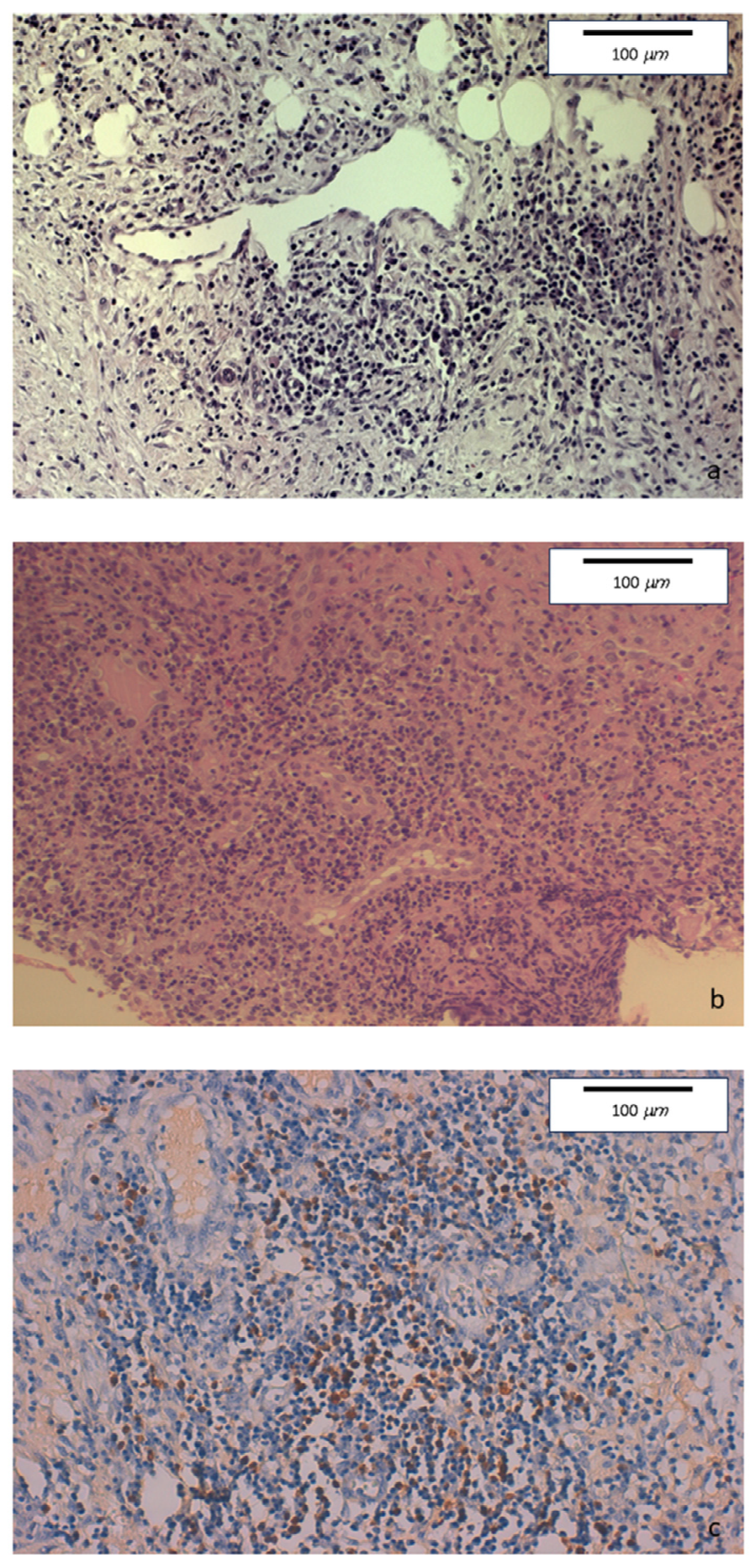
Background and Objectives: Immunoglobulin G4-related disease (IgG4-RD) is a recently recognized immune-mediated, systemic condition of unknown etiology, associated with fibroinflammatory lesions. Diagnosis is set in the presence of IgG4-positive plasma cell infiltration of the involved tissue and elevated serum IgG4 levels. However, approximately 30% of patients have normal serum IgG4 levels. IgG4-RD may affect several organs, including the pancreas, bile ducts, mesentery, retroperitoneum, and salivary glands, but the involvement of the gastrointestinal tract is uncommon. Materials and Methods: The case series of 4 patients with IgG4-RD involving the intestinal tract was observed in the period of 2017–2022. Colorectal and ileal biopsy specimens were stained with hematoxylin and eosin and immunohistochemical techniques using monoclonal antihuman IgG4 primary antibody. Diagnosis of IgG4-RD was based on the presence of >50 cells/ HPF and IgG4/IgG ratio >40 confirmed by two pathologists. Results: IgG4-RD was set in patients previously diagnosed as affected by Crohn’s disease. Conclusions: Systematic IgG4 immunohistochemical staining should be considered in the diagnostic workup of patients with gastrointestinal strictures, mimicking Crohn’s disease. The exact prevalence of the condition is likely more frequent than reported and should be defined by a large series of consecutive patients.
Keywords: immunoglobulin G4-related disease; IgG4-RD; inflammatory bowel diseases; Crohn’s disease; intestinal strictures immunoglobulin G4-related disease; IgG4-RD; inflammatory bowel diseases; Crohn’s disease; intestinal strictures