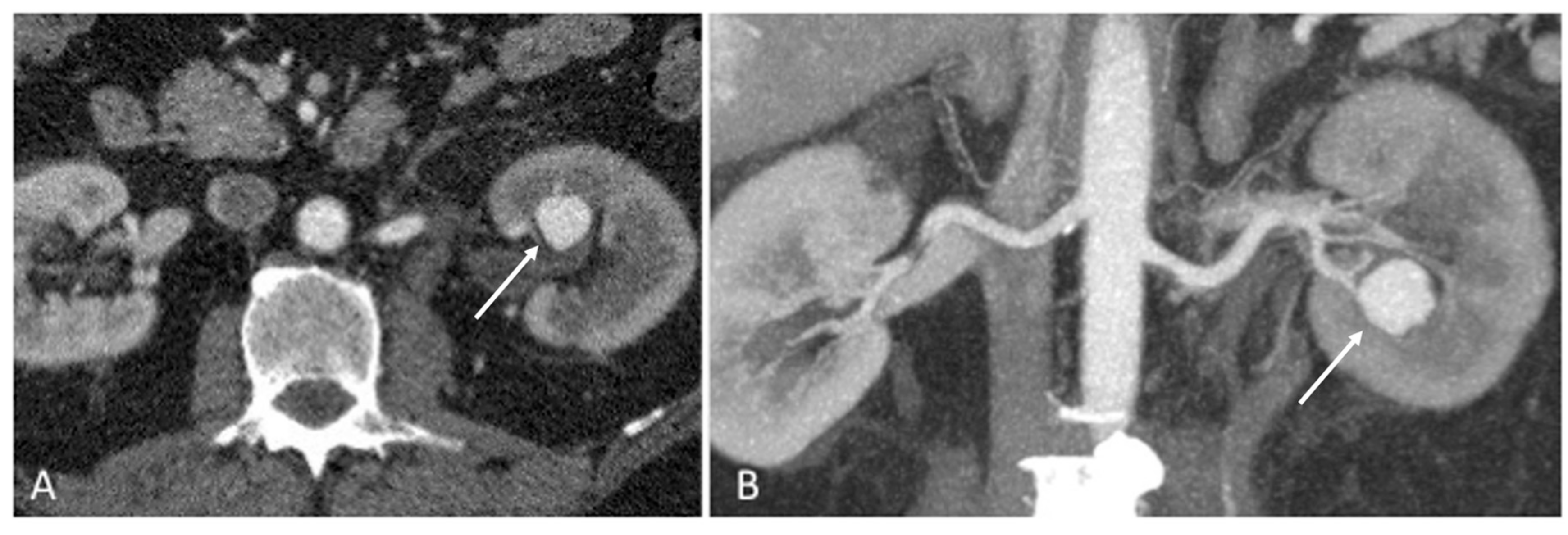
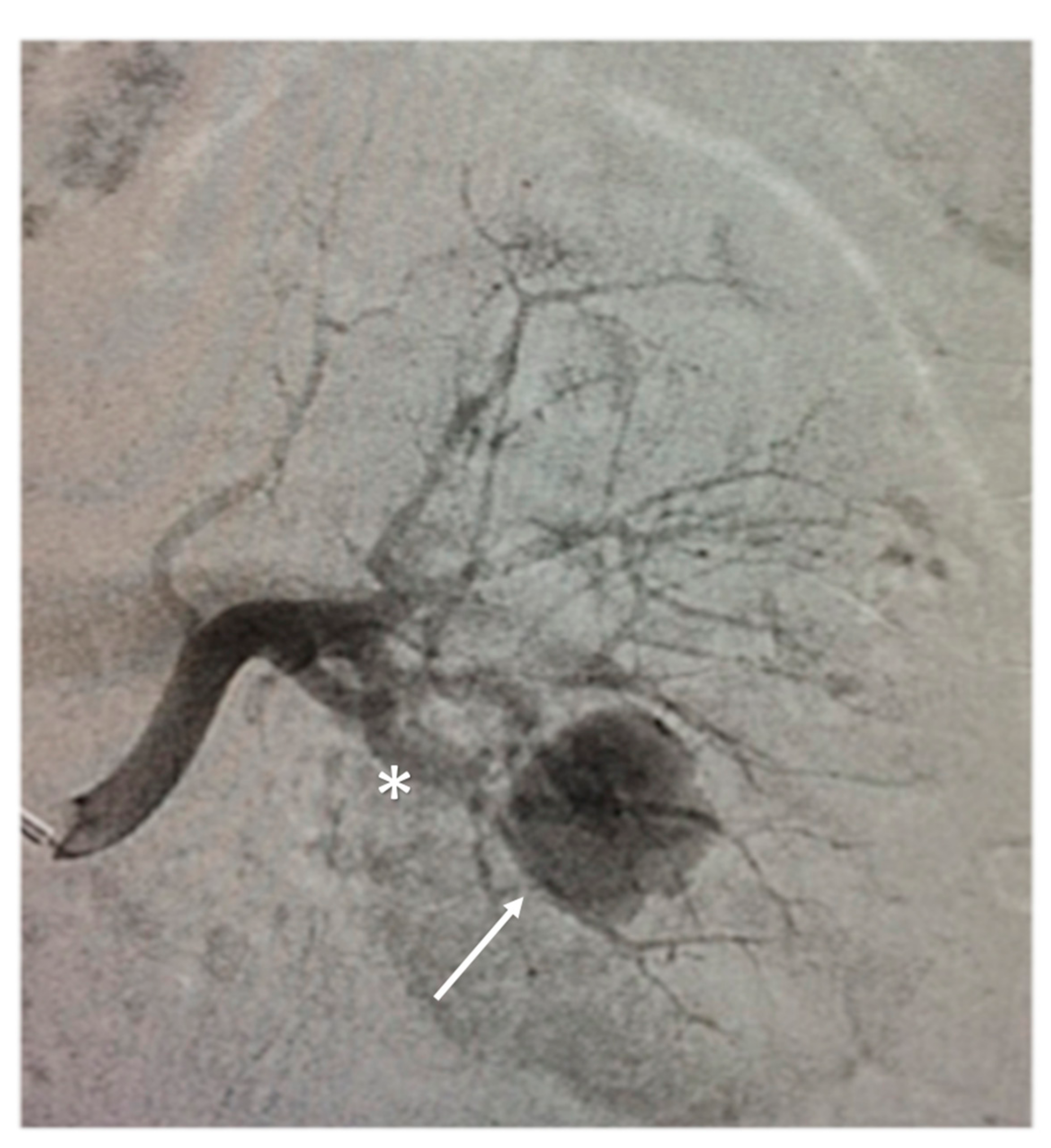
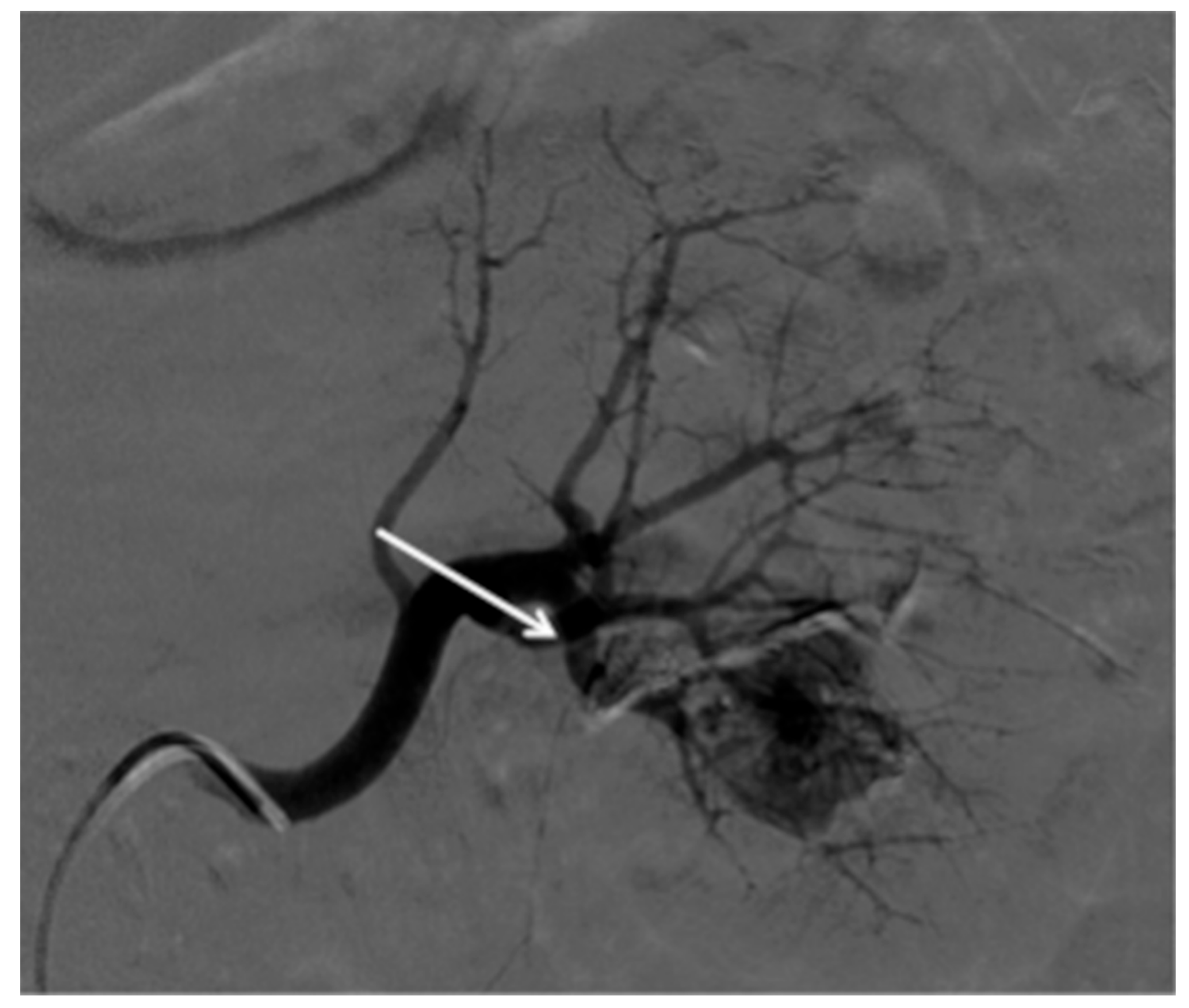
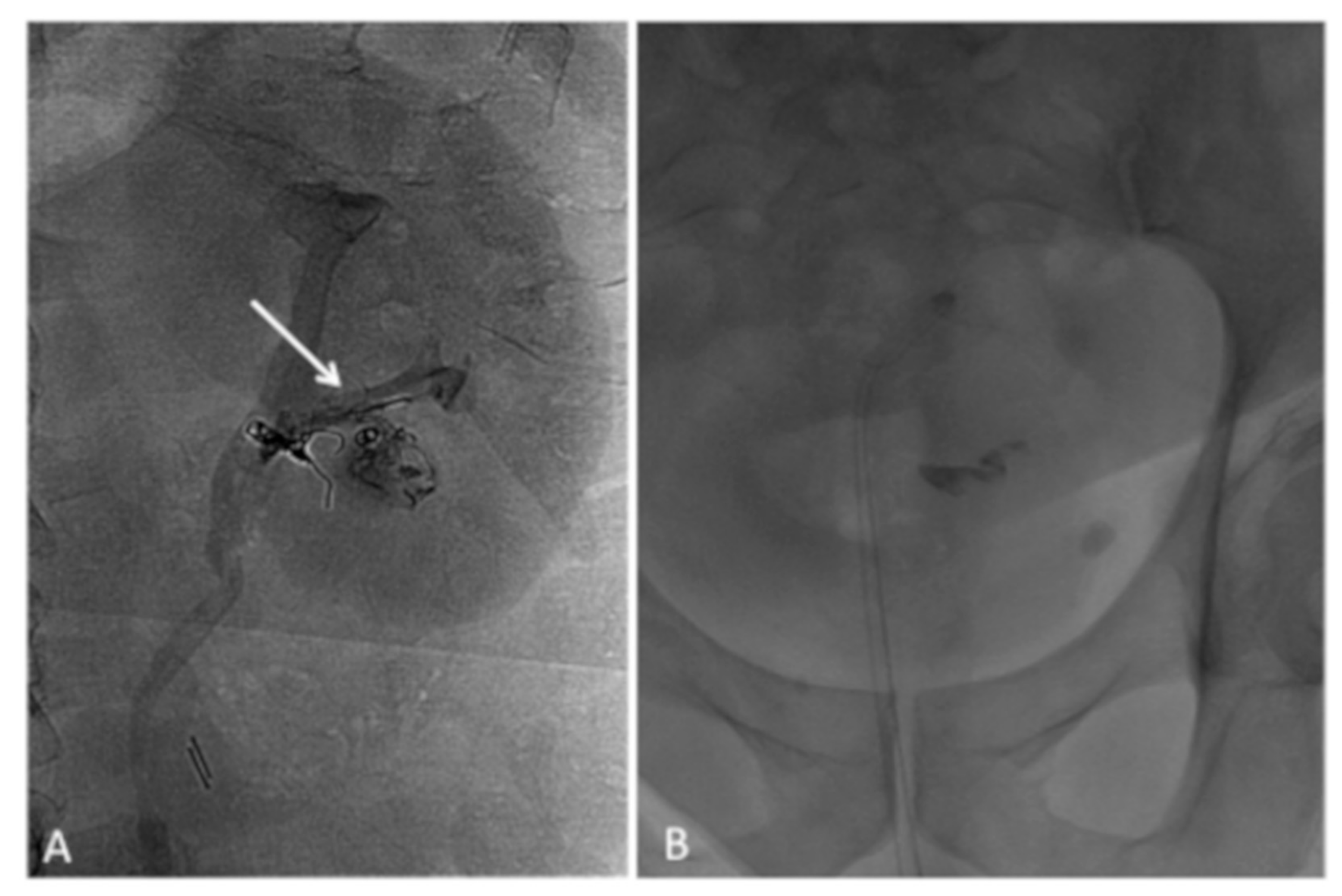
Migration of Ethylene Vinyl Alcohol Co-Polymer in the Urinary Tract Successfully Managed


 ,
, Abstract
Share and Cite
Ierardi, A.M.; Pesapane, F.; Arrichiello, A.; Fontana, F.; Piacentino, F.; Carrafiello, G. Migration of Ethylene Vinyl Alcohol Co-Polymer in the Urinary Tract Successfully Managed. Medicina 2019, 55, 234. https://doi.org/10.3390/medicina55060234
Ierardi AM, Pesapane F, Arrichiello A, Fontana F, Piacentino F, Carrafiello G. Migration of Ethylene Vinyl Alcohol Co-Polymer in the Urinary Tract Successfully Managed. Medicina. 2019; 55(6):234. https://doi.org/10.3390/medicina55060234
Chicago/Turabian StyleIerardi, Anna Maria, Filippo Pesapane, Antonio Arrichiello, Federico Fontana, Filippo Piacentino, and Gianpaolo Carrafiello. 2019. "Migration of Ethylene Vinyl Alcohol Co-Polymer in the Urinary Tract Successfully Managed" Medicina 55, no. 6: 234. https://doi.org/10.3390/medicina55060234
APA StyleIerardi, A. M., Pesapane, F., Arrichiello, A., Fontana, F., Piacentino, F., & Carrafiello, G. (2019). Migration of Ethylene Vinyl Alcohol Co-Polymer in the Urinary Tract Successfully Managed. Medicina, 55(6), 234. https://doi.org/10.3390/medicina55060234