Sustainable Discovery of Natural Anti-Aging Bioactives from Food Resources: Current Status and Machine Learning Perspectives

Abstract
1. Introduction
2. Literature Search Strategy
3. Aging, Current Challenges, and Advantages of Food-Derived Bioactives
4. Selected Food-Derived Compounds with Anti-Aging Activities
4.1. Anthocyanin
4.2. Fisetin
4.3. Curcumin
4.4. Ergothioneine
4.5. Quercetin
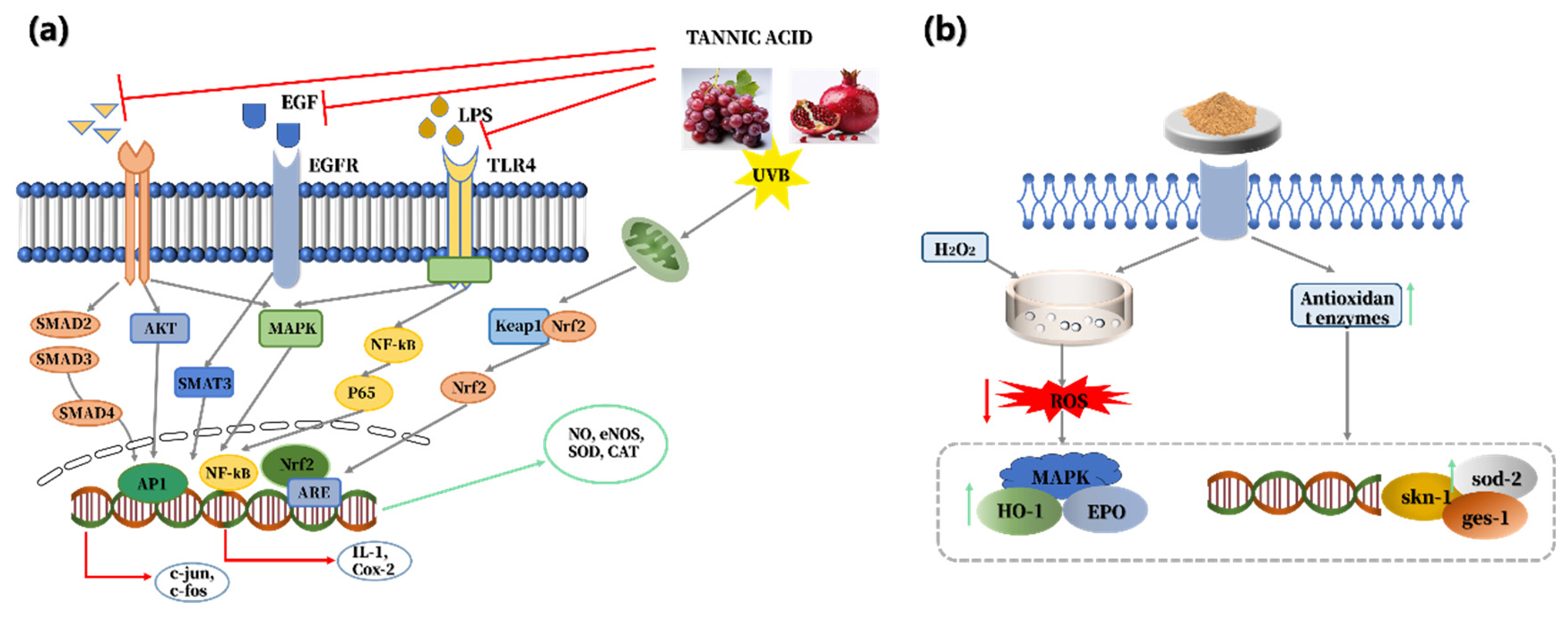
4.6. Tannic Acid
4.7. Chlorogenic Acid
4.8. β-Carotene
4.9. D-Limonene

| Compound | Classification | Anti-Aging Mechanism | Dose | Evidence Level | Ref. |
|---|---|---|---|---|---|
| Anthocyanin | Flavonoid | Inhibits PI3K/Akt/mTOR signaling, reduces senescence markers, and enhances autophagy, mitochondrial function, and antioxidant capacity. | In vitro: 40–160 μg/mL, 72 h; in vivo: 50–200 mg/kg/day, 8 weeks. | In vitro and animal. | [17] |
| Fisetin | Flavone | Reduces senescence markers, fibrosis, Akt signaling, and Bcl-2; promotes senescent cell apoptosis. | Fisetin 500 mg/kg in feed + 20 mg/kg gavage, 3 times/week, 7 weeks. | Animal. | [22] |
| Curcumin | Polyphenols | Exhibits hormetic anti-aging effects by regulating antioxidant, stress-response, inflammatory, mTOR/AMPK, sirtuin, autophagy, and gut microbiota pathways. | Caenorhabditis elegans: 20–200 μM; Drosophila: 50–500 μM. | Animal. | [25] |
| Quercetin | Flavonol | Enhances proteasome activity and protein homeostasis; reduces oxidative damage and senescence markers. | Quercetin 2–5 μg/mL; quercetin–caprylate 0.5–10 μg/mL. | In vitro. | [38] |
| Ergothioneine | Amino acid | Activates Nrf2/HO-1 and SIRT1/SIRT6; scavenges ROS; suppresses apoptosis and inflammation | 0.1–10 mM, 2 h pretreatment + 48 h treatment 0.01–1 mM; 12 h pretreatment + 48 h treatment | In vitro. | [30,31] |
| Tannic acid | Polyphenols | Antioxidant; inhibits collagenase and elastase; suppresses MMP-1 expression; reduces ROS, lipid peroxidation, DNA damage, and mitochondrial depolarization. | 1–5 µM, 1 h pretreatment + UVB (600 mJ/cm2), 24 h incubation. | In vitro. | [56] |
| Chlorogenic acid | Polyphenols | Targets ENO1; inhibits glycolysis; reduces senescence markers (p16/p21), SASP (TNF-α, IL-6, IL-1β), and ROS; alleviates skin photoaging. | In vitro: 10 µM, UVA 10 J/cm2, 24 h; in vivo: 25 and 100 mg/kg/day, oral gavage, 8 weeks. | In vitro and animal. | [57] |
| β-Carotene | Terpenoids | Regulates KAT7–P15 signaling and reduces senescence, inflammation, oxidative stress, and DNA damage. | In vitro: 0.5–5 µM; in vivo: 0.5 mg/mouse/day, oral gavage. | In vitro and animal. | [47] |
| D-limonene | Terpenoids | Reduces inflammatory cytokines (TNF-α, TGF-β1), angiogenesis, and oxidative stress; increases antioxidant enzymes. | 25 and 50 mg/kg; rat model. | Animal. | [58] |
5. Anti-Aging Properties of Selected Edible Plant and Fungal Extracts
5.1. Cortex mori
5.2. Rhodiola rosea
5.3. Cortex moutan
5.4. Pine Needle
5.5. Acmella oleracea
5.6. Cordyceps
5.7. Lycium barbarum Leaves
5.8. Green Tea
5.9. Ginkgo biloba
5.10. Red algae

6. Machine Learning Approaches for Anti-Aging Ingredient Discovery
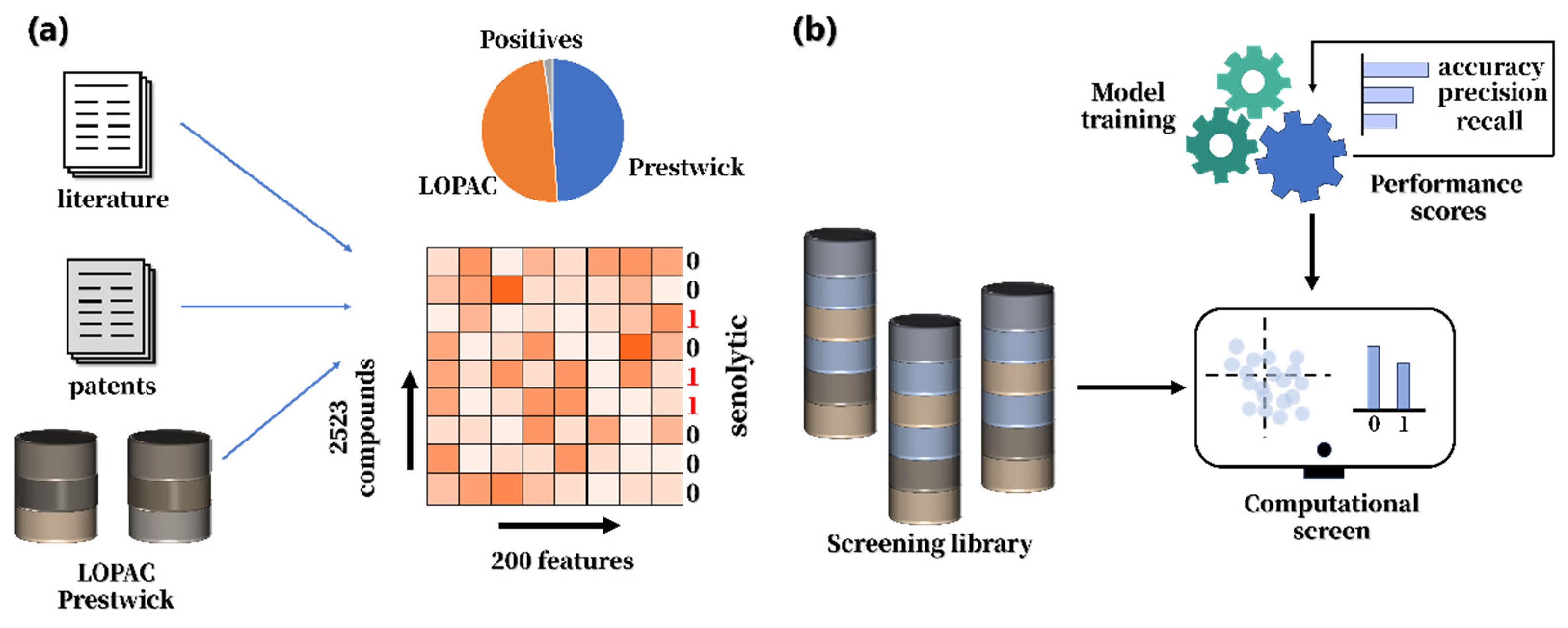
6.1. Representative ML Approaches and Applications
6.2. Current Challenges and Bottlenecks
6.3. Future Perspectives and Strategies
7. Conclusions
Funding
Data Availability Statement
Conflicts of Interest
References
- Huang, X.; Li, Q.; Tao, G.; Gan, X.; Lu, J.; Krasny, S.; Shi, L. Engineering Extracellular Vesicles for Anti-Aging Therapy: Mechanisms, Applications, and Perspectives. Aging Cell 2026, 25, e70607. [Google Scholar] [CrossRef] [Scilit] [PubMed]
- Kirkland, J.L.; Tchkonia, T. Senolytic drugs: From discovery to translation. J. Intern. Med. 2020, 288, 518–536. [Google Scholar] [CrossRef] [Scilit] [PubMed]
- Saliev, T.; Singh, P.B. Targeting Senescence: A Review of Senolytics and Senomorphics in Anti-Aging Interventions. Biomolecules 2025, 15, 860. [Google Scholar] [CrossRef] [Scilit] [PubMed]
- Xu, Q.; Fu, Q.; Li, Z.; Liu, H.; Wang, Y.; Lin, X.; He, R.; Zhang, X.; Ju, Z.; Campisi, J.; et al. The flavonoid procyanidin c1 has senotherapeutic activity and increases lifespan in mice. Nat. Metab. 2021, 3, 1706–1726. [Google Scholar] [CrossRef] [Scilit] [PubMed]
- Ding, A.-J.; Zheng, S.-Q.; Huang, X.-B.; Xing, T.-K.; Wu, G.-S.; Sun, H.-Y.; Qi, S.-H.; Luo, H.-R. Current Perspective in the Discovery of Anti-aging Agents from Natural Products. Nat. Prod. Bioprospect. 2017, 7, 335–404. [Google Scholar] [CrossRef] [Scilit] [PubMed]
- Abedelmaksoud, T.G.; Younis, M.I.; Altemimi, A.B.; Tlay, R.H.; Hassan, N.A. Bioactive Compounds of Plant-Based Food: Extraction, Isolation, Identification, Characteristics, and Emerging Applications. Food Sci. Nutr. 2025, 13, e70351. [Google Scholar] [CrossRef] [Scilit] [PubMed]
- Song, L.; Zhang, S. Anti-Aging Activity and Modes of Action of Compounds from Natural Food Sources. Biomolecules 2023, 13, 1600. [Google Scholar] [CrossRef] [Scilit] [PubMed]
- Mullowney, M.W.; Duncan, K.R.; Elsayed, S.S.; Garg, N.; van der Hooft, J.J.J.; Martin, N.I.; Meijer, D.; Terlouw, B.R.; Biermann, F.; Blin, K.; et al. Artificial intelligence for natural product drug discovery. Nat. Rev. Drug Discov. 2023, 22, 895–916. [Google Scholar] [CrossRef] [Scilit] [PubMed]
- Smer-Barreto, V.; Quintanilla, A.; Elliott, R.J.R.; Dawson, J.C.; Sun, J.; Campa, V.M.; Lorente-Macías, Á.; Unciti-Broceta, A.; Carragher, N.O.; Acosta, J.C.; et al. Discovery of senolytics using machine learning. Nat. Commun. 2023, 14, 3445. [Google Scholar] [CrossRef] [Scilit] [PubMed]
- Guo, J.; Huang, X.; Dou, L.; Yan, M.; Shen, T.; Tang, W.; Li, J. Aging and aging-related diseases: From molecular mechanisms to interventions and treatments. Signal Transduct. Target. Ther. 2022, 7, 391. [Google Scholar] [CrossRef] [Scilit] [PubMed]
- Rosen, R.S.; Yarmush, M.L. Current Trends in Anti-Aging Strategies. Annu. Rev. Biomed. Eng. 2023, 25, 363–385. [Google Scholar] [CrossRef] [Scilit] [PubMed]
- Contreras-Pacheco, Y.V.; Gerardo, V.-E.; Alberto, S.-B.J.; Ghotekar, S.; Fellah, M.; Larios, A.P. Natural sources of bioactive compounds: Recent advances in isolation, functionalization, and health benefits. Food Res. Int. 2026, 223, 117853. [Google Scholar] [CrossRef] [Scilit] [PubMed]
- Zhu, Y.-F.; Wu, A.-G.; Chen, M.-Y.; Zhou, X.-Y.; Huang, F.-H.; Wang, L.; Yu, L.; Wen, Y.-P.; Qin, D.-L.; Wu, J.-M.; et al. Plant-based strategies against aging: Focus on bioactive compounds from medicine-food homology plants. Phytomedicine 2025, 145, 157052. [Google Scholar] [CrossRef] [Scilit] [PubMed]
- Arshad, Z.; Shahid, S.; Hasnain, A.; Yaseen, E.; Rahimi, M. Functional Foods Enriched with Bioactive Compounds: Therapeutic Potential and Technological Innovations. Food Sci. Nutr. 2025, 13, e71024. [Google Scholar] [CrossRef] [Scilit] [PubMed]
- Hernandez, D.F.; Cervantes, E.L.; Luna-Vital, D.A.; Mojica, L. Food-derived bioactive compounds with anti-aging potential for nutricosmetic and cosmeceutical products. Crit. Rev. Food Sci. Nutr. 2021, 61, 3740–3755. [Google Scholar] [PubMed]
- de Arruda Nascimento, E.; de Lima Coutinho, L.; da Silva, C.J.; de Lima, V.L.A.G.; Aguiar, J.d.S. In vitro anticancer properties of anthocyanins: A systematic review. Biochim. Biophys. Acta (BBA) Rev. Cancer 2022, 1877, 188748. [Google Scholar] [CrossRef] [Scilit]
- Hu, X.; Yang, Y.; Tang, S.; Chen, Q.; Zhang, M.; Ma, J.; Qin, J.; Yu, H. Anti-Aging Effects of Anthocyanin Extracts of Sambucus canadensis Caused by Targeting Mitochondrial-Induced Oxidative Stress. Int. J. Mol. Sci. 2023, 24, 1528. [Google Scholar] [CrossRef] [Scilit] [PubMed]
- Dhar, I.; Desai, K. Aging: Drugs to Eliminate Methylglyoxal, a Reactive Glucose Metabolite, and Advanced Glycation Endproducts; IntechOpen: London, UK, 2012. [Google Scholar]
- Zhang, Y.; Wu, W.; Huang, C.; Lin, D. Fisetin Alleviates d-Galactose-Induced Senescence in C2C12 Myoblasts: Metabolic and Gene Regulatory Mechanisms. J. Proteome Res. 2025, 24, 834–849. [Google Scholar] [CrossRef] [Scilit] [PubMed]
- Kim, S.G.; Sung, J.Y.; Kang, Y.J.; Choi, H.C. PPARγ activation by fisetin mitigates vascular smooth muscle cell senescence via the mTORC2-FoxO3a-autophagy signaling pathway. Biochem. Pharmacol. 2023, 218, 115892. [Google Scholar] [CrossRef] [Scilit] [PubMed]
- Park, S.; Kim, B.-K.; Park, S.-K. Effects of Fisetin, a Plant-Derived Flavonoid, on Response to Oxidative Stress, Aging, and Age-Related Diseases in Caenorhabditis elegans. Pharmaceuticals 2022, 15, 1528. [Google Scholar] [CrossRef] [Scilit] [PubMed]
- Zhao, R.; Kou, H.; Jiang, D.; Wang, F. Exploring the anti-aging effects of fisetin in telomerase-deficient progeria mouse model. PeerJ 2023, 11, e16463. [Google Scholar] [CrossRef] [Scilit] [PubMed]
- Krishnakumar, I.M.; Jaja-Chimedza, A.; Joseph, A.; Balakrishnan, A.; Maliakel, B.; Swick, A. Enhanced bioavailability and pharmacokinetics of a novel hybrid-hydrogel formulation of fisetin orally administered in healthy individuals: A randomised double-blinded comparative crossover study. J. Nutr. Sci. 2022, 11, e74. [Google Scholar] [CrossRef] [Scilit] [PubMed]
- Benameur, T.; Soleti, R.; Panaro, M.A.; La Torre, M.E.; Monda, V.; Messina, G.; Porro, C. Curcumin as prospective anti-aging natural compound: Focus on brain. Molecules 2021, 26, 4794. [Google Scholar] [CrossRef] [Scilit] [PubMed]
- Bielak-Zmijewska, A.; Grabowska, W.; Ciolko, A.; Bojko, A.; Mosieniak, G.; Bijoch, Ł.; Sikora, E. The Role of Curcumin in the Modulation of Ageing. Int. J. Mol. Sci. 2019, 20, 1239. [Google Scholar] [CrossRef] [Scilit] [PubMed]
- Brinkmann, V.; Romeo, M.; Larigot, L.; Hemmers, A.; Tschage, L.; Kleinjohann, J.; Schiavi, A.; Steinwachs, S.; Esser, C.; Menzel, R.; et al. Aryl Hydrocarbon Receptor-Dependent and -Independent Pathways Mediate Curcumin Anti-Aging Effects. Antioxidants 2022, 11, 613. [Google Scholar] [CrossRef] [Scilit] [PubMed]
- Hegde, M.; Girisa, S.; BharathwajChetty, B.; Vishwa, R.; Kunnumakkara, A.B. Curcumin Formulations for Better Bioavailability: What We Learned from Clinical Trials Thus Far? ACS Omega 2023, 8, 10713–10746. [Google Scholar] [CrossRef] [Scilit] [PubMed]
- El-Saadony, M.T.T.; Saad, A.M.; Mohammed, D.M.; Alkafaas, S.S.; Ghosh, S.; Negm, S.H.; Salem, H.M.; Fahmy, M.A.; Mosa, W.F.A.; Ibrahim, E.H.; et al. Curcumin, an active component of turmeric: Biological activities, nutritional aspects, immunological, bioavailability, and human health benefits—A comprehensive review. Front. Immunol. 2025, 16, 2025. [Google Scholar] [CrossRef] [Scilit] [PubMed]
- Liang, Y.; Su, W.; Wang, F. Skin Ageing: A Progressive, Multi-Factorial Condition Demanding an Integrated, Multilayer-Targeted Remedy. Clin. Cosmet. Investig. Dermatol. 2023, 16, 1215–1229. [Google Scholar] [CrossRef] [Scilit] [PubMed]
- D’oNofrio, N.; Servillo, L.; Giovane, A.; Casale, R.; Vitiello, M.; Marfella, R.; Paolisso, G.; Balestrieri, M.L. Ergothioneine oxidation in the protection against high-glucose induced endothelial senescence: Involvement of SIRT1 and SIRT6. Free Radic. Biol. Med. 2016, 96, 211–222. [Google Scholar] [CrossRef] [Scilit] [PubMed]
- Ko, H.J.; Kim, J.; Ahn, M.; Kim, J.H.; Lee, G.S.; Shin, T. Ergothioneine alleviates senescence of fibroblasts induced by UVB damage of keratinocytes via activation of the Nrf2/HO-1 pathway and HSP70 in keratinocytes. Exp. Cell Res. 2021, 400, 112516. [Google Scholar] [CrossRef] [Scilit] [PubMed]
- Apparoo, Y.; Phan, C.W.; Kuppusamy, U.R.; Sabaratnam, V. Ergothioneine and its prospects as an anti-ageing compound. Exp. Gerontol. 2022, 170, 111982. [Google Scholar] [CrossRef] [Scilit] [PubMed]
- Liu, H.-M.; Tang, W.; Wang, X.-Y.; Jiang, J.-J.; Zhang, W.; Wang, W. Safe and Effective Antioxidant: The Biological Mechanism and Potential Pathways of Ergothioneine in the Skin. Molecules 2023, 28, 1648. [Google Scholar] [CrossRef] [Scilit] [PubMed]
- Paul, B.D. Ergothioneine: A Stress Vitamin with Antiaging, Vascular, and Neuroprotective Roles? Antioxid. Redox Signal. 2021, 36, 1306–1317. [Google Scholar]
- Lewińska, A.; Przybylski, P.; Adamczyk-Grochala, J.; Błoniarz, D.; Litwinienko, G.; Wnuk, M. Senolysis-Based Elimination of Chemotherapy-Induced Senescent Breast Cancer Cells by Quercetin Derivative with Blocked Hydroxy Groups. Cancers 2022, 14, 605. [Google Scholar] [CrossRef] [Scilit] [PubMed]
- Kumar, A.; Maurya, P.K. Quercetin Mitigates Red Blood Cell Membrane Bound Na+, K+-ATPase Transporter During Human Aging. J. Membr. Biol. 2021, 254, 459–462. [Google Scholar] [CrossRef] [Scilit] [PubMed]
- Kim, S.G.; Sung, J.Y.; Kim, J.-R.; Choi, H.C. Quercetin-induced apoptosis ameliorates vascular smooth muscle cell senescence through AMP-activated protein kinase signaling pathway. Korean J. Physiol. Pharmacol. 2020, 24, 69–79. [Google Scholar] [CrossRef] [Scilit] [PubMed]
- Chondrogianni, N.; Kapeta, S.; Chinou, I.; Vassilatou, K.; Papassideri, I.; Gonos, E.S. Anti-ageing and rejuvenating effects of quercetin. Exp. Gerontol. 2010, 45, 763–771. [Google Scholar] [CrossRef] [Scilit] [PubMed]
- Deepika; Maurya, P.K. Health Benefits of Quercetin in Age-Related Diseases. Molecules 2022, 27, 2498. [Google Scholar] [CrossRef] [Scilit] [PubMed]
- Mirza, M.A.; Mahmood, S.; Hilles, A.R.; Ali, A.; Khan, M.Z.; Zaidi, S.A.A.; Iqbal, Z.; Ge, Y. Quercetin as a Therapeutic Product: Evaluation of Its Pharmacological Action and Clinical Applications—A Review. Pharmaceuticals 2023, 16, 1631. [Google Scholar] [CrossRef] [Scilit] [PubMed]
- Silva-Pinto, P.A.; de Pontes, J.T.C.; Aguilar-Morón, B.; Canales, C.S.C.; Pavan, F.R.; Roque-Borda, C.A. Phytochemical insights into flavonoids in cancer: Mechanisms, therapeutic potential, and the case of quercetin. Heliyon 2025, 11, e42682. [Google Scholar] [CrossRef] [Scilit] [PubMed]
- de Oliveira, G.; Zamataro, I.Z.; de Oliveira, M.S.; Gomes, A.S.; Barros, M.G.A.; Oliveira, A.G.; Zanella, K.; Gonçalves, C.C.S. Development of Cross-Linked Gelatin Hydrogel Films Using Tannic Acid as Anti-Aging Active with Skin Care Potential. J. Braz. Chem. Soc. 2024, 35, e-20240046. [Google Scholar]
- Jing, W.; Xiaolan, C.; Yu, C.; Feng, Q.; Haifeng, Y. Pharmacological effects and mechanisms of tannic acid. Biomed. Pharmacother. 2022, 154, 113561. [Google Scholar] [CrossRef] [Scilit] [PubMed]
- Gülçin, I.; Huyut, Z.; Elmastaş, M.; Aboul-Enein, H.Y. Radical scavenging and antioxidant activity of tannic acid. Arab. J. Chem. 2010, 3, 43–53. [Google Scholar] [CrossRef] [Scilit]
- Cho, Y.-H.; Bahuguna, A.; Kim, H.-H.; Kim, D.-i.; Kim, H.-J.; Yu, J.-M.; Jung, H.-G.; Jang, J.-Y.; Kwak, J.-H.; Park, G.-H.; et al. Potential effect of compounds isolated from Coffea arabica against UV-B induced skin damage by protecting fibroblast cells. J. Photochem. Photobiol. B Biol. 2017, 174, 323–332. [Google Scholar] [CrossRef] [Scilit]
- Xue, N.; Liu, Y.; Jin, J.; Ji, M.; Chen, X. Chlorogenic Acid Prevents UVA-Induced Skin Photoaging through Regulating Collagen Metabolism and Apoptosis in Human Dermal Fibroblasts. Int. J. Mol. Sci. 2022, 23, 6941. [Google Scholar] [CrossRef] [Scilit] [PubMed]
- Zheng, W.V.; Xu, W.; Li, Y.; Qin, J.; Zhou, T.; Li, D.; Xu, Y.; Cheng, X.; Xiong, Y.; Chen, Z. Anti-aging effect of β-carotene through regulating the KAT7-P15 signaling axis, inflammation and oxidative stress process. Cell. Mol. Biol. Lett. 2022, 27, 86. [Google Scholar] [CrossRef] [Scilit] [PubMed]
- Zhu, Z.; Sui, J.; Zhou, Y.; Hu, B.; Gong, D.; Sun, G.; Xia, H. The Preclinical and Clinical Evidence of Carotenoids on Anti-Aging and Its Underlying Mechanisms: A Narrative Review. Food Rev. Int. 2025, 42, 3176–3199. [Google Scholar] [CrossRef] [Scilit]
- Ogrodnik, M. Cellular aging beyond cellular senescence: Markers of senescence prior to cell cycle arrest in vitro and in vivo. Aging Cell 2021, 20, e13338. [Google Scholar] [CrossRef] [Scilit] [PubMed]
- Yazaki, K.; Arimura, G.-I.; Ohnishi, T. ‘Hidden’ terpenoids in plants: Their biosynthesis, localization and ecological roles. Plant Cell Physiol. 2017, 58, 1615–1621. [Google Scholar] [CrossRef] [Scilit] [PubMed]
- AlBairmani, R.J.H.; Shihab, E.M.; Ridha-Salman, H.; Kadhim, H.M.; Mohammed, R.M.; Shahooth, S.S.; Abdalah, M.E.; Hameed, Z.E.; Hajwal, S.K.; Albasri, O.W.; et al. D-limonene attenuates D-galactose-induced skin aging mouse model. J. Mol. Histol. 2025, 56, 364. [Google Scholar] [CrossRef] [Scilit] [PubMed]
- Proshkina, E.; Plyusnin, S.; Babak, T.; Lashmanova, E.; Maganova, F.; Koval, L.; Platonova, E.; Shaposhnikov, M.; Moskalev, A. Terpenoids as Potential Geroprotectors. Antioxidants 2020, 9, 529. [Google Scholar] [CrossRef] [Scilit] [PubMed]
- Kintamani, E.; Batubara, I.; Kusmana, C.; Tiryana, T.; Mirmanto, E.; Asoka, S.F. Essential Oil Compounds of Andaliman (Zanthoxylum acanthopodium DC.) Fruit Varieties and Their Utilization as Skin Anti-Aging Using Molecular Docking. Life 2023, 13, 754. [Google Scholar] [CrossRef] [Scilit] [PubMed]
- Shahidi, F.; Samarasinghe, A. How to assess antioxidant activity? Advances, limitations, and applications of in vitro, in vivo, and ex vivo approaches. Food Prod. Process. Nutr. 2025, 7, 50. [Google Scholar] [CrossRef] [Scilit] [PubMed]
- Stojanovic, B.; Jovanovic, I.; Stojanovic, M.D.; Stojanovic, B.S.; Kovacevic, V.; Radosavljevic, I.; Jovanovic, D.; Kovacevic, M.M.; Zornic, N.; Arsic, A.A.; et al. Oxidative Stress-Driven Cellular Senescence: Mechanistic Crosstalk and Therapeutic Horizons. Antioxidants 2025, 14, 987. [Google Scholar] [CrossRef] [Scilit] [PubMed]
- Daré, R.G.; Nakamura, C.V.; Ximenes, V.F.; Lautenschlager, S.O. Tannic acid, a promising anti-photoaging agent: Evidences of its antioxidant and anti-wrinkle potentials, and its ability to prevent photodamage and MMP-1 expression in L929 fibroblasts exposed to UVB. Free Radic. Biol. Med. 2020, 160, 342–355. [Google Scholar] [CrossRef] [Scilit] [PubMed]
- He, X.; Wang, C.; Zhang, Q.; Yang, T.; Guo, Q.; Wang, Y.; Guo, J.; Wang, P.; Zhang, J.; Tang, H.; et al. Identifying ENO1 as a protein target of chlorogenic acid to inhibit cellular senescence and prevent skin photoaging in mice. Aging Cell 2025, 24, e14433. [Google Scholar] [PubMed]
- Razazi, A.; Kakanezhadi, A.; Raisi, A.; Pedram, B.; Dezfoulian, O.; Davoodi, F. D-limonene inhibits peritoneal adhesion formation in rats via anti-inflammatory, anti-angiogenic, and antioxidative effects. Inflammopharmacology 2024, 32, 1077–1089. [Google Scholar] [CrossRef] [Scilit] [PubMed]
- Li, C.; Peng, Y.; Tang, W.; Li, T.; Gatasheh, M.K.; Rasheed, R.A.; Fu, J.; He, J.; Wang, W.-D.; Shen, Y.; et al. Antioxidant, anti-lipidemic, hypoglycemic and antiproliferative effects of phenolics from Cortex Mori Radicis. Arab. J. Chem. 2022, 15, 103824. [Google Scholar] [CrossRef] [Scilit]
- Zeng, X.-X.; Gao, D.-D.; Zhang, F. Cortex Mori Radicis [Morus Alba L. (Moraceae)] extract alleviates senescence via PI3K/Akt signaling in COPD fibroblasts. Phytomedicine 2024, 135, 156004. [Google Scholar] [CrossRef] [Scilit] [PubMed]
- Zhuang, W.; Yue, L.; Dang, X.; Chen, F.; Gong, Y.; Lin, X.; Luo, Y. Rosenroot (Rhodiola): Potential Applications in Aging-related Diseases. Aging Dis. 2019, 10, 134. [Google Scholar] [CrossRef] [Scilit] [PubMed]
- Jafari, M.; Felgner, J.S.; Bussel, I.I.; Hutchili, T.; Khodayari, B.; Rose, M.R.; Vince-Cruz, C.; Mueller, L.F. Rhodiola: A Promising Anti-Aging Chinese Herb. Rejuvenation Res. 2007, 10, 587–602. [Google Scholar] [CrossRef] [Scilit] [PubMed]
- Li, Y.; Pham, V.; Bui, M.; Song, L.; Wu, C.; Walia, A.; Uchio, E.; Smith-Liu, F.; Zi, X. Rhodiola rosea L.: An Herb with Anti-Stress, Anti-Aging, and Immunostimulating Properties for Cancer Chemoprevention. Curr. Pharmacol. Rep. 2017, 3, 384–395. [Google Scholar] [CrossRef] [Scilit] [PubMed]
- Toh, W.H.; Chen, C.-B.; Clapper, J.; Hsu, C.-C.; Lee, H.-E.; Chung, W.-H. Evaluating the Anti-aging Effects of Chinese Herbal Medicine Rhodiola rosea L. in Cultured Keratinocytes. bioRxiv 2021. [Google Scholar] [CrossRef] [Scilit]
- Yang, S.; Liu, X.; He, J.; Liu, M. Insight into Seasonal Change of Phytochemicals, Antioxidant, and Anti-Aging Activities of Root Bark of Paeonia suffruticosa (Cortex Moutan) Combined with Multivariate Statistical Analysis. Molecules 2021, 26, 6102. [Google Scholar] [CrossRef] [Scilit] [PubMed]
- Ekiert, H.; Klimek-Szczykutowicz, M.; Szopa, A. Paeonia × suffruticosa (Moutan Peony)—A Review of the Chemical Composition, Traditional and Professional Use in Medicine, Position in Cosmetics Industries, and Biotechnological Studies. Plants 2022, 11, 3379. [Google Scholar] [CrossRef] [Scilit] [PubMed]
- Li, H.; Xie, Y.-H.; Yang, Q.; Wang, S.-W.; Zhang, B.-L.; Wang, J.-B.; Cao, W.; Bi, L.-L.; Sun, J.-Y.; Miao, S.; et al. Cardioprotective Effect of Paeonol and Danshensu Combination on Isoproterenol-Induced Myocardial Injury in Rats. PLoS ONE 2012, 7, e48872. [Google Scholar] [CrossRef] [Scilit] [PubMed]
- Liang, Z.; Yan, J.; Zhao, S.; He, L.; Zhao, X.; Cai, L.; You, C.; Wang, F. Efficient Extraction, Chemical Characterization, and Bioactivity of Essential Oil from Pine Needles. Phytochem. Anal. 2025, 36, 1539–1559. [Google Scholar] [CrossRef] [Scilit] [PubMed]
- Liu, T.-W.; Hsiao, S.-W.; Lin, C.-T.; Hsiao, G.; Lee, C.-K. Anti-Aging Constituents from Pinus morrisonicola Leaves. Molecules 2023, 28, 5063. [Google Scholar] [CrossRef] [Scilit] [PubMed]
- Zeng, W.; Zhang, Z.; Gao, H.; Jia, L.; He, Q. Chemical Composition, Antioxidant, and Antimicrobial Activities of Essential Oil from Pine Needle (Cedrus deodara). J. Food Sci. 2012, 77, C824–C829. [Google Scholar] [CrossRef] [Scilit] [PubMed]
- Li, B.; Shen, Y.; He, Y.; Zhang, W. Chemical constituents and biological activities of Pinus species. Chem. Biodivers. 2013, 10, 2133–2160. [Google Scholar] [CrossRef] [Scilit] [PubMed]
- Maxim, C.; Blaga, A.C.; Cimpoeșu, R.; Zinicovscaia, I.; Peshkova, A.; Danu, M.; Barna, A.S.; Suteu, D. Natural Antioxidants from Acmella oleracea Extract as Dermatocosmetic Actives. Sci. Pharm. 2024, 92, 52. [Google Scholar] [CrossRef] [Scilit]
- Feifei, W.; Wenrou, S.; Jinyue, S.; Qiaochu, D.; Jingjing, L.; Jin, L.; Junxiang, L.; Xuhui, L.; Xiao, L.; Congfen, H. Anti-ageing mechanism of topical bioactive ingredient composition on skin based on network pharmacology. Int. J. Cosmet. Sci. 2024, 47, 134–154. [Google Scholar] [CrossRef] [Scilit] [PubMed]
- Chiu, C.-P.; Hwang, T.-L.; Chan, Y.; El-Shazly, M.; Wu, T.-Y.; Lo, I.-W.; Hsu, Y.-M.; Lai, K.-H.; Hou, M.-F.; Yuan, S.-S.; et al. Research and development of Cordyceps in Taiwan. Food Sci. Hum. Wellness 2016, 5, 177–185. [Google Scholar] [CrossRef] [Scilit]
- Kang, J.Y.; Lee, B.; Kim, C.H.; Choi, J.H.; Kim, M.-S. Enhancing the prebiotic and antioxidant effects of exopolysaccharides derived from Cordyceps militaris by enzyme-digestion. LWT 2022, 167, 113830. [Google Scholar] [CrossRef] [Scilit]
- Nguyen, T.Q.; Van Pham, T.; Andriana, Y.; Truong, M.N. Cordyceps militaris-Derived Bioactive Gels: Therapeutic and Anti-Aging Applications in Dermatology. Gels 2025, 11, 33. [Google Scholar] [CrossRef] [Scilit] [PubMed]
- Wang, Y.-W.; Hong, T.-W.; Tai, Y.-L.; Wang, Y.-J.; Tsai, S.-H.; Lien, P.T.K.; Chou, T.-H.; Lai, J.-Y.; Chu, R.; Ding, S.-T.; et al. Evaluation of an Epitypified Ophiocordyceps formosana (Cordyceps s.l.) for Its Pharmacological Potential. Evid.-Based Complement. Altern. Med. 2015, 2015, 189891. [Google Scholar] [CrossRef] [Scilit]
- Bai, X.; Tan, T.-Y.; Li, Y.-X.; Li, Y.; Chen, Y.-F.; Ma, R.; Wang, S.-Y.; Li, Q.; Liu, Z.-Q. The protective effect of Cordyceps sinensis extract on cerebral ischemic injury via modulating the mitochondrial respiratory chain and inhibiting the mitochondrial apoptotic pathway. Biomed. Pharmacother. 2020, 124, 109834. [Google Scholar] [CrossRef] [Scilit] [PubMed]
- Di Lorenzo, R.; Falanga, D.; Ricci, L.; Colantuono, A.; Greco, G.; Angelillo, M.; Nugnes, F.; Di Serio, T.; Costa, D.; Tito, A.; et al. NAD-Driven Sirtuin Activation by Cordyceps sinensis Extract: Exploring the Adaptogenic Potential to Promote Skin Longevity. Int. J. Mol. Sci. 2024, 25, 4282. [Google Scholar] [CrossRef] [Scilit] [PubMed]
- Fan, L.; Luan, X.; Jia, Y.; Ma, L.; Wang, Z.; Yang, Y.; Chen, Q.; Cui, X.; Luo, D. Protective effect and mechanism of Lycium barbarum polysaccharide against UVB-induced skin photoaging. Photochem. Photobiol. Sci. 2024, 23, 1931–1943. [Google Scholar] [CrossRef] [Scilit] [PubMed]
- Niu, Y.; Liao, J.; Zhou, H.; Wang, C.-C.; Wang, L.; Fan, Y. Flavonoids from Lycium barbarum Leaves Exhibit Anti-Aging Effects through the Redox-Modulation. Molecules 2022, 27, 4952. [Google Scholar] [CrossRef] [Scilit] [PubMed]
- Liu, Y.; Weng, W.; Gao, R.; Liu, Y. New Insights for Cellular and Molecular Mechanisms of Aging and Aging-Related Diseases: Herbal Medicine as Potential Therapeutic Approach. Oxidative Med. Cell. Longev. 2019, 2019, 4598167. [Google Scholar] [CrossRef] [Scilit]
- Nhung, T.T.N.; Chau, N.T.B.; Hien, L.T.M.; Linh, V.T.H.; Le Ha, N.; Dong, D.T.A. Characteristics of sponge cake preserved by green tea extract powder. J. Food Process. Preserv. 2022, 46, e16939. [Google Scholar] [CrossRef] [Scilit]
- Prasanth, M.I.; Sivamaruthi, B.S.; Chaiyasut, C.; Tencomnao, T. A Review of the Role of Green Tea (Camellia sinensis) in Antiphotoaging, Stress Resistance, Neuroprotection, and Autophagy. Nutrients 2019, 11, 474. [Google Scholar] [CrossRef] [Scilit] [PubMed]
- Unno, K.; Nakamura, Y. Green Tea Suppresses Brain Aging. Molecules 2021, 26, 4897. [Google Scholar] [CrossRef] [Scilit] [PubMed]
- Chan, P.-C.; Xia, Q.; Fu, P.P. Ginkgo biloba Leave Extract: Biological, Medicinal, and Toxicological Effects. J. Environ. Sci. Health Part C 2007, 25, 211–244. [Google Scholar] [CrossRef] [Scilit]
- Wang, X.; Gong, X.; Zhang, H.; Zhu, W.; Jiang, Z.; Shi, Y.; Li, L. In vitro anti-aging activities of Ginkgo biloba leaf extract and its chemical constituents. Food Sci. Technol. 2020, 40, 476–482. [Google Scholar] [CrossRef] [Scilit]
- Liu, J.; Wang, J.; Chen, X.; Guo, C.; Guo, Y.; Wang, H. Ginkgo biloba Extract EGB761 Protects against Aging-Associated Diastolic Dysfunction in Cardiomyocytes of D-Galactose-Induced Aging Rat. Oxidative Med. Cell. Longev. 2012, 2012, 418748. [Google Scholar] [CrossRef] [Scilit]
- Barbalho, S.M.; Direito, R.; Laurindo, L.F.; Marton, L.T.; Guiguer, E.L.; Goulart, R.d.A.; Tofano, R.J.; Carvalho, A.C.A.; Flato, U.A.P.; Tofano, V.A.C.; et al. Ginkgo biloba in the Aging Process: A Narrative Review. Antioxidants 2022, 11, 525. [Google Scholar] [CrossRef] [Scilit] [PubMed]
- Carpena, M.; Garcia-Perez, P.; Garcia-Oliveira, P.; Chamorro, F.; Otero, P.; Lourenço-Lopes, C.; Cao, H.; Simal-Gandara, J.; Prieto, M.A. Biological properties and potential of compounds extracted from red seaweeds. Phytochem. Rev. 2023, 22, 1509–1540. [Google Scholar]
- Punjamgod, D.; Kurinjery, A.; Annamalai, M.; Rathinam, R.; Kulanthaiyesu, A. Structural diversity, biosynthesis, and extraction of brown algae fucoidan and its bio-stimulant applications in crop improvement. Crit. Rev. Biotechnol. 2026, 46, 225–244. [Google Scholar] [CrossRef] [Scilit] [PubMed]
- Lee, J.H.; Yun, C.W.; Hur, J.; Lee, S.H. Fucoidan Rescues p-Cresol-Induced Cellular Senescence in Mesenchymal Stem Cells via FAK-Akt-TWIST Axis. Mar. Drugs 2018, 16, 121. [Google Scholar] [CrossRef] [Scilit] [PubMed]
- Lee, J.H.; Lee, S.H.; Choi, S.H.; Asahara, T.; Kwon, S.M. The Sulfated Polysaccharide Fucoidan Rescues Senescence of Endothelial Colony-Forming Cells for Ischemic Repair. Stem Cells 2015, 33, 1939–1951. [Google Scholar] [CrossRef] [Scilit] [PubMed]
- Mercurio, D.; Wagemaker, T.; Alves, V.; Benevenuto, C.; Gaspar, L.; Campos, P.M. In vivo photoprotective effects of cosmetic formulations containing UV filters, vitamins, Ginkgo biloba and red algae extracts. J. Photochem. Photobiol. B Biol. 2015, 153, 121–126. [Google Scholar] [CrossRef] [Scilit]
- Alkhalaf, M.I. Chemical composition, antioxidant, anti-inflammatory and cytotoxic effects of Chondrus crispus species of red algae collected from the Red Sea along the shores of Jeddah city. J. King Saud. Univ.-Sci. 2021, 33, 101210. [Google Scholar] [CrossRef] [Scilit]
- Pohl, F.; Kong Thoo Lin, P. The potential use of plant natural products and plant extracts with antioxidant properties for the prevention/treatment of neurodegenerative diseases: In vitro, in vivo and clinical trials. Molecules 2018, 23, 3283. [Google Scholar] [CrossRef] [Scilit] [PubMed]
- Sridhar, A.; Ponnuchamy, M.; Kumar, P.S.; Kapoor, A.; Vo, D.-V.N.; Prabhakar, S. Techniques and modeling of polyphenol extraction from food: A review. Environ. Chem. Lett. 2021, 19, 3409–3443. [Google Scholar] [CrossRef] [Scilit] [PubMed]
- Hndeya, A.G.; Sbhatu, D.B.; Gebreyohannes, G. Advances in Eco-Friendly Extraction of Fruit Bioactive Compounds: Technologies, Challenges and Future Directions. Anal. Sci. Adv. 2026, 7, e70071. [Google Scholar] [CrossRef] [Scilit] [PubMed]
- Wong, F.; Omori, S.; Donghia, N.M.; Zheng, E.J.; Collins, J.J. Discovering small-molecule senolytics with deep neural networks. Nat. Aging 2023, 3, 734–750. [Google Scholar] [CrossRef] [Scilit] [PubMed]
- Pan, Y.; Cai, H.; Ye, F.; Xu, W.; Huang, Z.; Zhu, J.; Gong, Y.; Li, Y.; Ezemaduka, A.N.; Gao, S.; et al. ElixirSeeker: A Machine Learning Framework Utilizing Fusion Molecular Fingerprints for the Discovery of Lifespan-Extending Compounds. Aging Cell 2025, 24, e70116. [Google Scholar] [CrossRef] [Scilit] [PubMed]
- Santiago-de-la-Cruz, J.A.; Rivero-Segura, N.A.; Gomez-Verjan, J.C. Structure-based machine learning screening identifies natural product candidates as potential geroprotectors. J. Cheminform. 2025, 17, 106. [Google Scholar] [CrossRef] [Scilit] [PubMed]
- Zhang, Z.; Chen, Y.; Wang, S.; Chen, G.; Wang, M.; Pan, Y.; Li, E. Prediction and analysis of anti-aging peptides using data augmentation and machine learning algorithms. BMC Biol. 2025, 23, 362. [Google Scholar] [CrossRef] [Scilit] [PubMed]
- Kusumoto, D.; Seki, T.; Sawada, H.; Kunitomi, A.; Katsuki, T.; Kimura, M.; Ito, S.; Komuro, J.; Hashimoto, H.; Fukuda, K.; et al. Anti-senescent drug screening by deep learning-based morphology senescence scoring. Nat. Commun. 2021, 12, 257. [Google Scholar] [CrossRef] [Scilit] [PubMed]
- Duran, I.; Pombo, J.; Sun, B.; Gallage, S.; Kudo, H.; McHugh, D.; Bousset, L.; Avila, J.E.B.; Forlano, R.; Manousou, P.; et al. Detection of senescence using machine learning algorithms based on nuclear features. Nat. Commun. 2024, 15, 1041. [Google Scholar] [CrossRef] [Scilit] [PubMed]
- He, L.; Li, M.; Wang, X.; Wu, X.; Yue, G.; Wang, T.; Zhou, Y.; Lei, B.; Zhou, G. Morphology-based deep learning enables accurate detection of senescence in mesenchymal stem cell cultures. BMC Biol. 2024, 22, 1. [Google Scholar] [CrossRef] [Scilit] [PubMed]
- Wall, A.; Kennedy, K.; Cal, R.; Casey, R.; Holton, T.; Adelfio, A.; Khaldi, N. pep_35E7UW, a natural peptide with cutaneous anti-ageing effects discovered within the Oryza sativa proteome through machine learning. J. Dermatol. Cosmetol. 2020, 4, 109–116. [Google Scholar] [CrossRef] [Scilit]
- Tennant, N.; Pavuluri, A.; Singh, G.; Cortez, K.; O’Connor-Giles, K.; Larschan, E.; Singh, R. An snRNA-seq aging clock for the fruit fly head sheds light on sex-biased aging. Sci. Rep. 2026, 16, 17434. [Google Scholar] [CrossRef] [Scilit] [PubMed]
| Extract | Compounds | Anti-Aging Mechanism | Application Prospects | Reference |
|---|---|---|---|---|
| Cortex mori | Flavonoids | Reduces senescence via PI3K/Akt signaling. | Natural antioxidant with neuroprotective and endocrine-regulatory potential. | [59,60] |
| Rhodiola rosea | Flavonoids | Exerts anti-aging effects by promoting DNA repair and reducing inflammation. | Potential dietary supplement with anti-fatigue and antidepressant effects. | [62,63] |
| Acmella oleracea | Spilanthol/N-alkylamides | Reduces wrinkles by relaxing subcutaneous muscles and may support collagen-related extracellular matrix repair. | Local anesthesia. | [29,72] |
| Pine needle | Terpenoids, Flavonoids | Exerts antioxidant, anti-inflammatory, and immunomodulatory effects, thereby reducing cellular senescence. | Cosmetics for wrinkle reduction and dietary supplements for healthy aging. | [71] |
| Cortex moutan | Phenols | Enhances antioxidant defenses by increasing SOD and GSH-Px activity and reducing MDA levels. | Cell-protective, anti-inflammatory, whitening, and anti-aging applications. | [65,66] |
| Cordyceps | Fungal metabolites | Inhibits NF-κB signaling, activates caspase-dependent apoptosis, and suppresses DNA synthesis in senescent cells. | Anti-inflammatory and anti-aging applications in skincare formulations. | [76] |
| Lycium barbarum leaves | Flavonoids | Reduce H2O2-induced oxidative damage by lowering ROS levels, thereby delaying cell senescence. | Antioxidant skincare ingredient and potential functional food component. | [81] |
| Green tea | Amino acid | Theanine and arginine reduce stress responses and support neuronal health, potentially delaying brain aging. | Dietary supplements or functional foods for stress reduction and healthy brain aging. | [84,85] |
| Ginkgo biloba leaves | Flavone | Reduces ROS accumulation and MMP-1 expression in HDFs, exerting anti-aging effects. | Anti-aging skin care products; health care products to prevent memory decline in the elderly. | [87] |
| Red algae | Flavone | Scavenges DPPH and ABTS radicals and shows strong antioxidant capacity. | Antioxidant cosmetics and potential neuroprotective applications. | [95,96] |
| Machine Learning Method | Dataset Size/Screening Scale | Performance/Key Results | Advantages | Limitations | Ref. |
|---|---|---|---|---|---|
| GNN/message-passing graph neural network for predicting senolytic activity from molecular graphs | Initial dataset: 2352 compounds, including 45 actives and 2307 inactives; virtual screening of 804,959 molecules; 266 candidates experimentally tested | auPRC = 0.24 vs. random baseline ≈ 0.019; best Random Forest baseline ≈ 0.15; identified 3 selective senolytics; experimental hit rate ≈ 11.6% | Learns molecular graph structures directly; suitable for large-scale virtual screening; can identify structurally diverse candidates | Very few positives and highly imbalanced data; modest absolute auPRC; many false positives; senolytic activity does not represent all anti-aging activities | [99] |
| Random Forest feature selection + XGBoost/RF/SVM classification based on RDKit physicochemical descriptors | Training set: 2523 compounds, including 58 senolytics and 2465 negatives; 200 RDKit descriptors reduced to 165 features; screened 4340 compounds | 21 candidates tested; discovered 3 senolytics: ginkgetin, oleandrin, and periplocin; screening cost reduced by hundreds-fold | XGBoost works well with small and imbalanced datasets; RF supports feature selection; multiple traditional ML models were compared | Many negatives were assumed inactive, causing possible mislabeling; few and heterogeneous positives; experimental validation remains essential | [9] |
| XGBoost with fused molecular fingerprints including Morgan, topological, and MACCS fingerprints; PCA/KPCA; Attention-ElixirFP | Extended DrugAge dataset: 1695 small molecules, including 462 positives and 1233 negatives; external databases screened | Attention-ElixirFP 64-bit: Accuracy = 0.849 ± 0.012, ROC AUC = 0.767 ± 0.020; 4 of top 6 candidates extended lifespan in C. elegans | Integrates local, topological, and pharmacophore information; XGBoost feature importance helps weight key structural fragments; directly linked to lifespan-extension phenotypes | Depends on known DrugAge compounds and may favor existing structural classes; phenotype-based screening does not directly reveal mechanisms or targets | [100] |
| Decision Tree, SVM, and KNN using 1D–3D chemical descriptors | Training set: 405 compounds, including 206 reported geroprotectors and 199 compounds without reported geroprotective activity; screened 695,133 natural products from COCONUT | AUC: DT = 0.62, SVM = 0.73, KNN = 0.64; consensus filtering identified 1488 candidate natural-product geroprotectors | Focuses on natural products, highly relevant to anti-aging ingredient discovery; simple and interpretable models; consensus prediction helps reduce false positives; moderate AUC, better suited for candidate ranking; small training set; lacks large-scale wet-lab | Moderate AUC, better suited for candidate ranking; small training set; lacks large-scale wet-lab validation | [101] |
| SVM, RF, Logistic Regression, MLP, XGBoost, KNN; GAN augmentation; CNN with multi-head attention; Antiaging-FL for anti-aging peptide prediction | After CD-HIT: 220 anti-aging peptides and 220 non-anti-aging peptides; independent test set of 40 peptides; AAP400 used for training; GAN expanded data to 800, and conservative amino-acid substitution up to 4000 | Antiaging-FL: AUC = 1.00 on AAP400 and 0.99 on independent test set; ESM-GAN AUC = 0.99/0.95; ESM-CNN AUC = 0.96/0.94; some traditional models reached ACC = 0.975 | Covers multiple ML methods with comprehensive metrics; shows ML’s applicability to anti-aging peptide discovery; data augmentation helps address small-sample limitations | Small dataset; uncertain negative definition; potential overfitting and limited generalization; peptide models should not be directly extrapolated to small molecules | [102] |
| CNN/Deep-SeSMo for phase-contrast image-based senescence recognition and anti-senescent drug screening | Images: 92,242 H2O2-induced senescent, 41,207 H2O2 control, 134,097 CPT-induced senescent, and 64,535 CPT control images; screened 80 kinase inhibitors | CNN: Accuracy = 0.93, F1 = 0.88, AUC = 0.98; identified 4 anti-senescent drugs: terreic acid, PD-98059, daidzein, and Y-27632·2HCl | Does not rely on a single molecular target; enables label-free, high-throughput, quantitative phenotype-based screening from cell morphology | Not a molecular-structure-based activity predictor; performance depends on cell type, senescence induction method, and image quality | [103] |
| Classification Tree-, Random Forest-, and voting-based consensus algorithm using nuclear morphology features | Around 0.1 × 10⁶–0.9 × 10⁶ cells per condition; each training set sampled 10,000 normal and 10,000 treated cells | Evaluated by AUC, ROC, Accuracy, Precision, Recall, and F1; predictions correlated strongly with SA-β-Gal, p21/BrdU, p21/p53 and related markers; useful for identifying senescence-inducing drugs and evaluating senolytics | More lightweight than deep image models; lower computational cost; applicable to cells, tissues, animals, and human samples; supports senotherapy discovery and validation | Mainly detects senescence or supports phenotype-based screening; does not directly predict small-molecule structural activity; lacks a unified QSAR-style metric | [104] |
| Cascade R-CNN with ResNet/FPN/RPN/GN for bright-field morphology-based single-cell detection and senescence classification | 7373 RGB images of 640 × 640 pixels; validation/test sets included tens of thousands of senescent and non-senescent MSC single cells | Replicative senescence detection: mAP = 0.81, AR = 0.93; senescent-cell precision = 0.850, recall = 0.923, F1-score = 0.885; drug-induced senescence: mean precision = 0.896, recall = 0.931, F1-score = 0.924 | Automatically detects single cells of different sizes and shapes; supports non-destructive, real-time, scalable MSC senescence detection; useful as an auxiliary tool for anti-aging drug screening | Mainly designed for senescence detection rather than direct compound discovery; morphology transition states may affect classification; primarily validated in MSC senescence | [105] |
Disclaimer/Publisher’s Note: The statements, opinions and data contained in all publications are solely those of the individual author(s) and contributor(s) and not of MDPI and/or the editor(s). MDPI and/or the editor(s) disclaim responsibility for any injury to people or property resulting from any ideas, methods, instructions or products referred to in the content. |
© 2026 by the authors. Licensee MDPI, Basel, Switzerland. This article is an open access article distributed under the terms and conditions of the Creative Commons Attribution (CC BY) license.
Share and Cite
Zhao, Z.; Jiang, S.; Sun, H. Sustainable Discovery of Natural Anti-Aging Bioactives from Food Resources: Current Status and Machine Learning Perspectives. Curr. Issues Mol. Biol. 2026, 48, 703. https://doi.org/10.3390/cimb48070703
Zhao Z, Jiang S, Sun H. Sustainable Discovery of Natural Anti-Aging Bioactives from Food Resources: Current Status and Machine Learning Perspectives. Current Issues in Molecular Biology. 2026; 48(7):703. https://doi.org/10.3390/cimb48070703
Chicago/Turabian StyleZhao, Zhangziyan, Shanxue Jiang, and Haishu Sun. 2026. "Sustainable Discovery of Natural Anti-Aging Bioactives from Food Resources: Current Status and Machine Learning Perspectives" Current Issues in Molecular Biology 48, no. 7: 703. https://doi.org/10.3390/cimb48070703
APA StyleZhao, Z., Jiang, S., & Sun, H. (2026). Sustainable Discovery of Natural Anti-Aging Bioactives from Food Resources: Current Status and Machine Learning Perspectives. Current Issues in Molecular Biology, 48(7), 703. https://doi.org/10.3390/cimb48070703