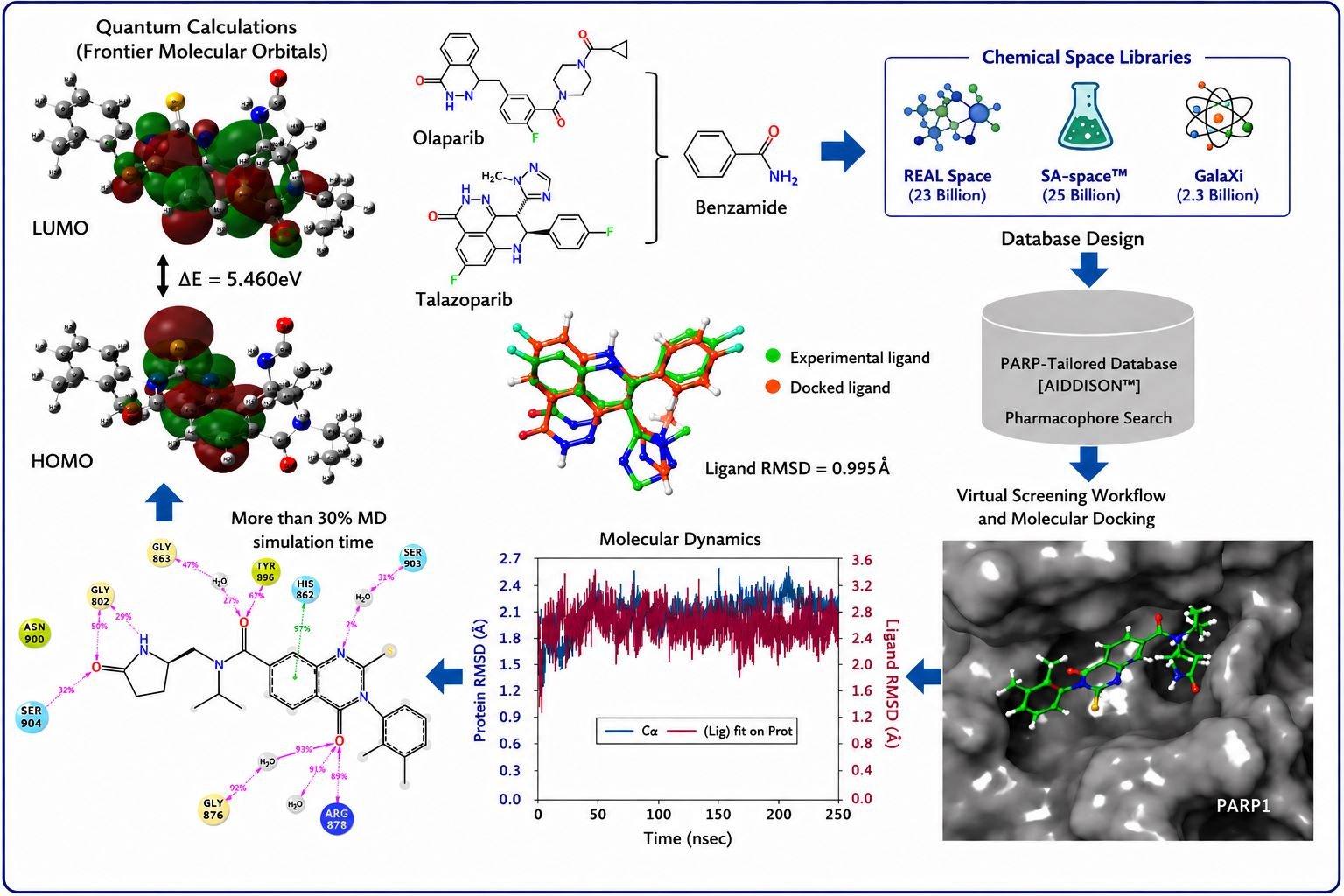
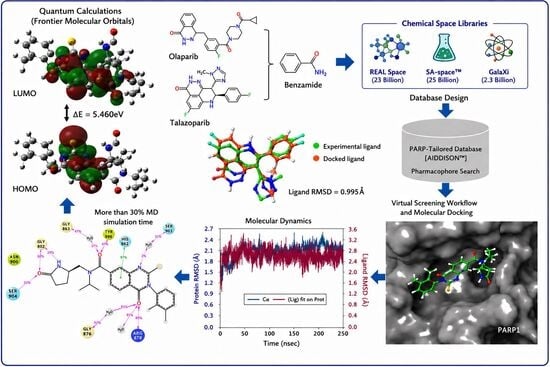
Computational Evaluation of Novel PARP-1 Inhibitors for Breast Cancer: Docking, Molecular Dynamics, MM/GBSA, DFT and ADMET Calculations


Abstract
1. Introduction
1.1. Structural Characterization of Poly (ADP-Ribose) Polymerase (PARP)
1.2. Poly (ADP-Ribose) Polymerase (PARP) as a Drug Target
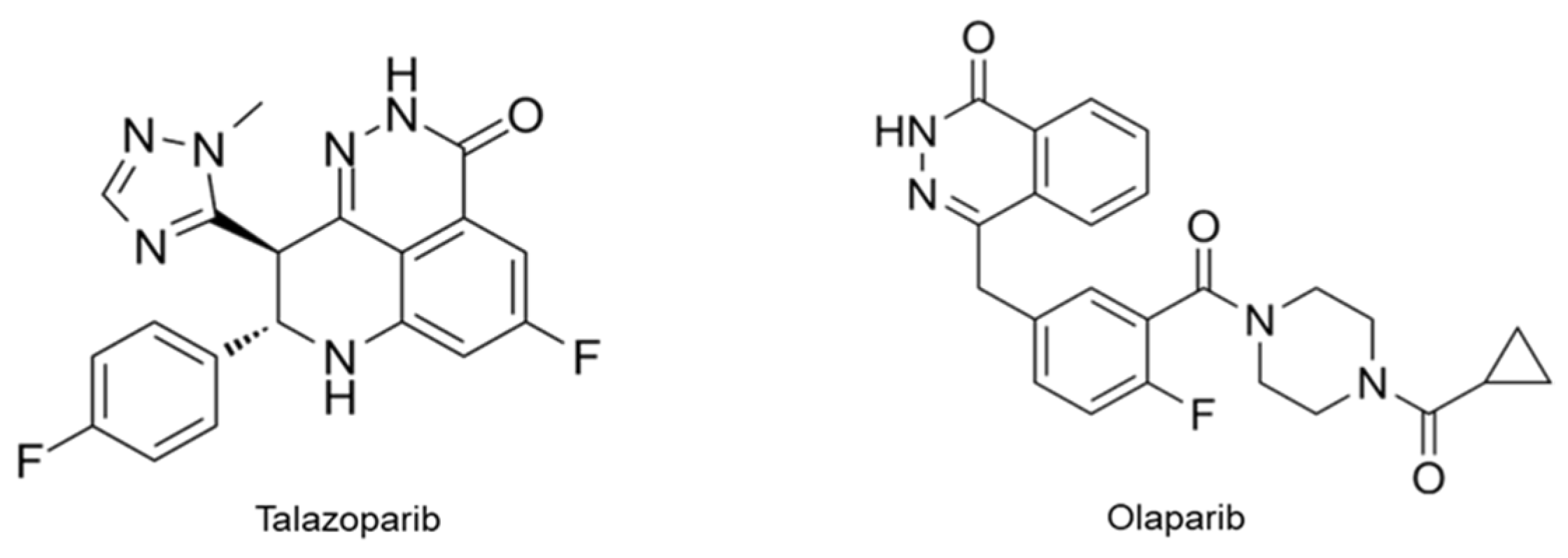
1.3. Cytotoxicity of the Current PARP-1 Inhibitors
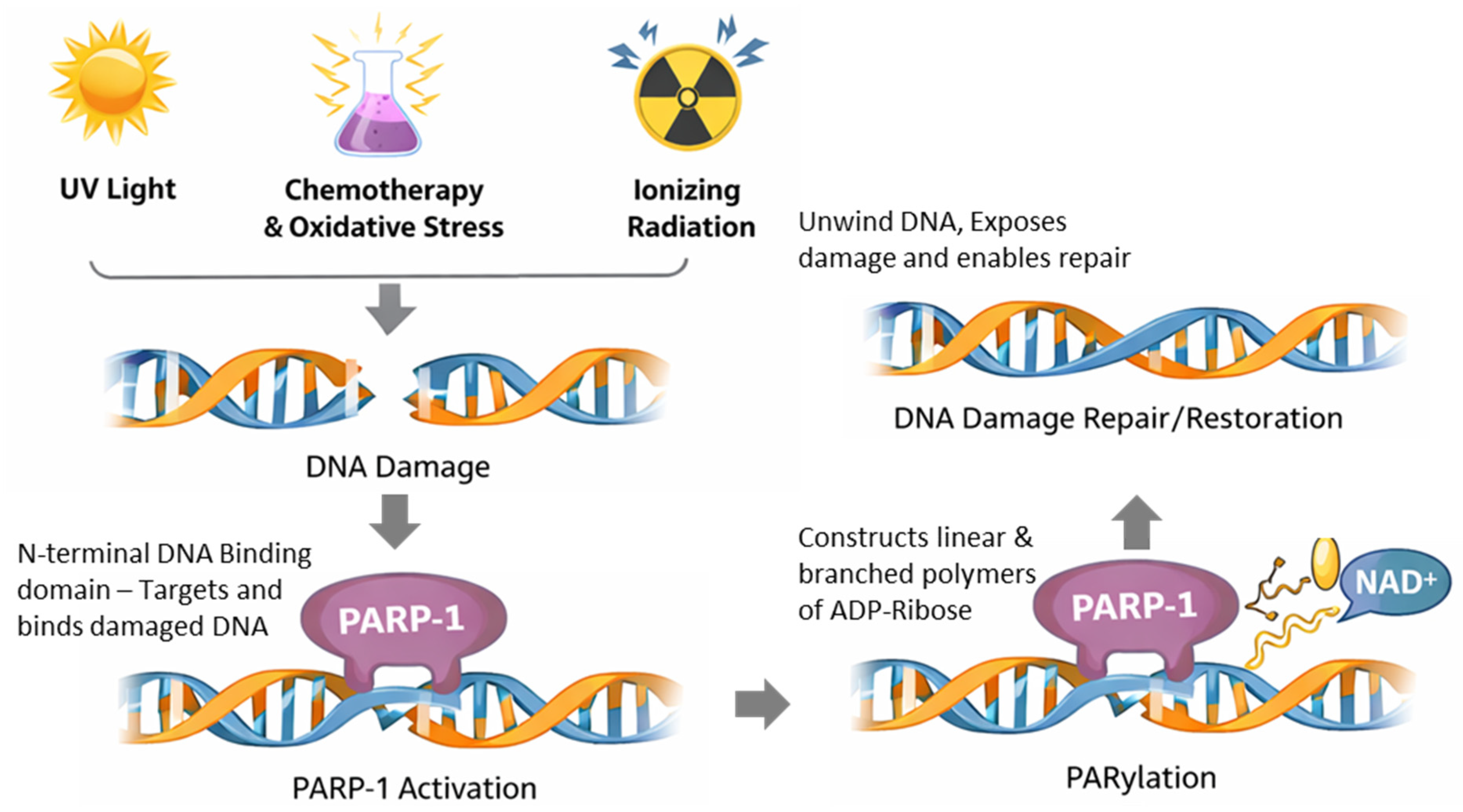
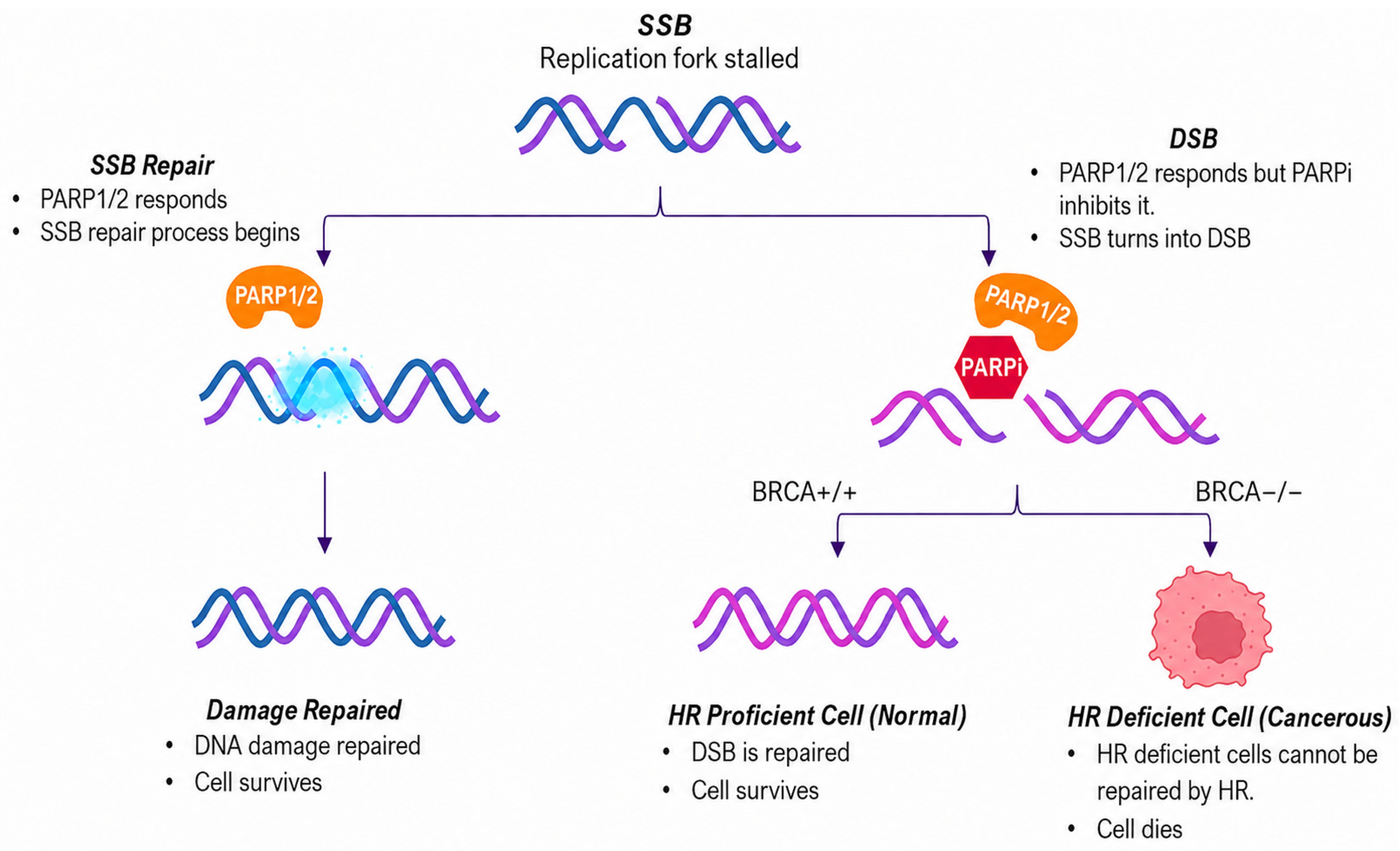
1.4. PARP-1 Mechanism of Action and Inhibition
2. Results and Discussion
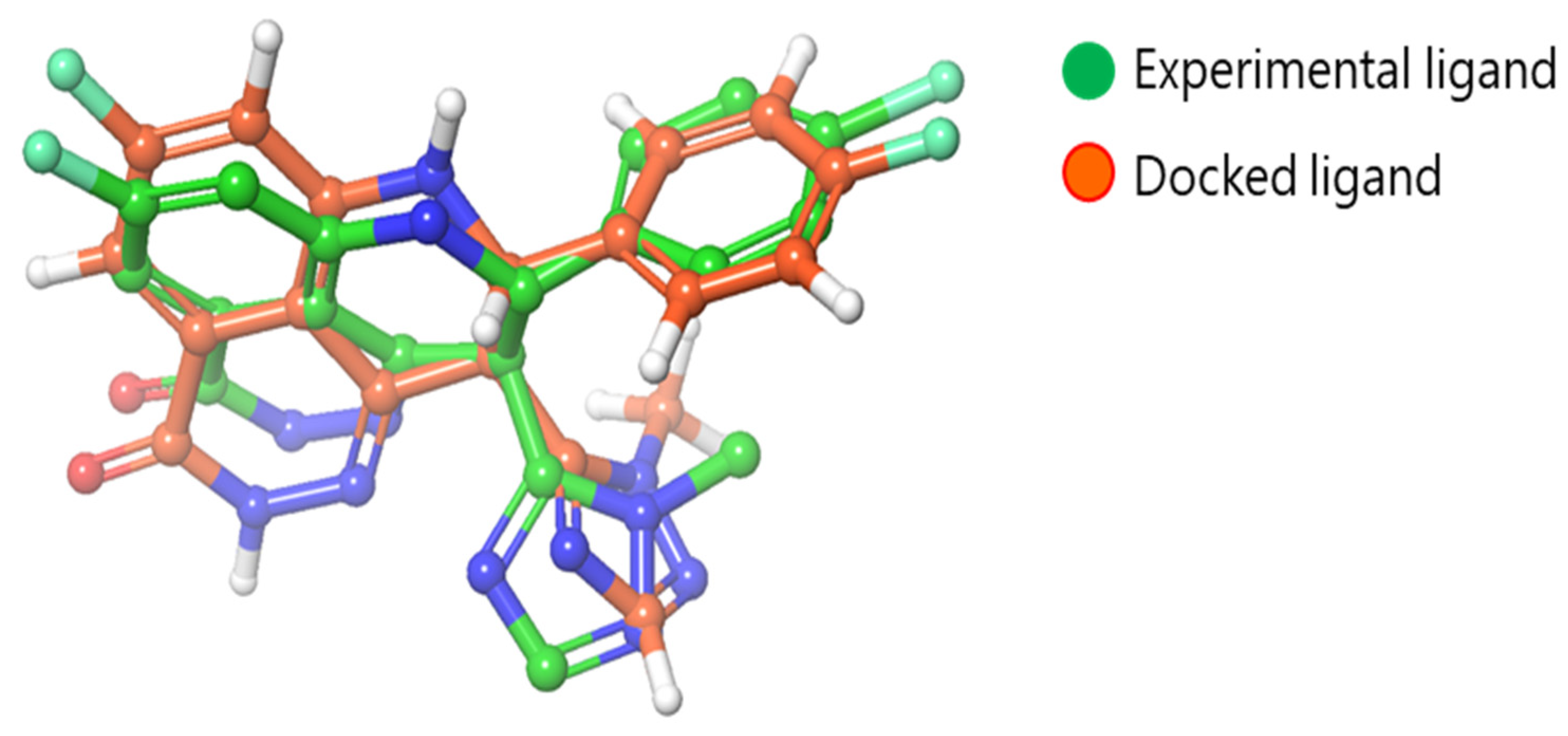
2.1. Molecular Docking Protocol Validation
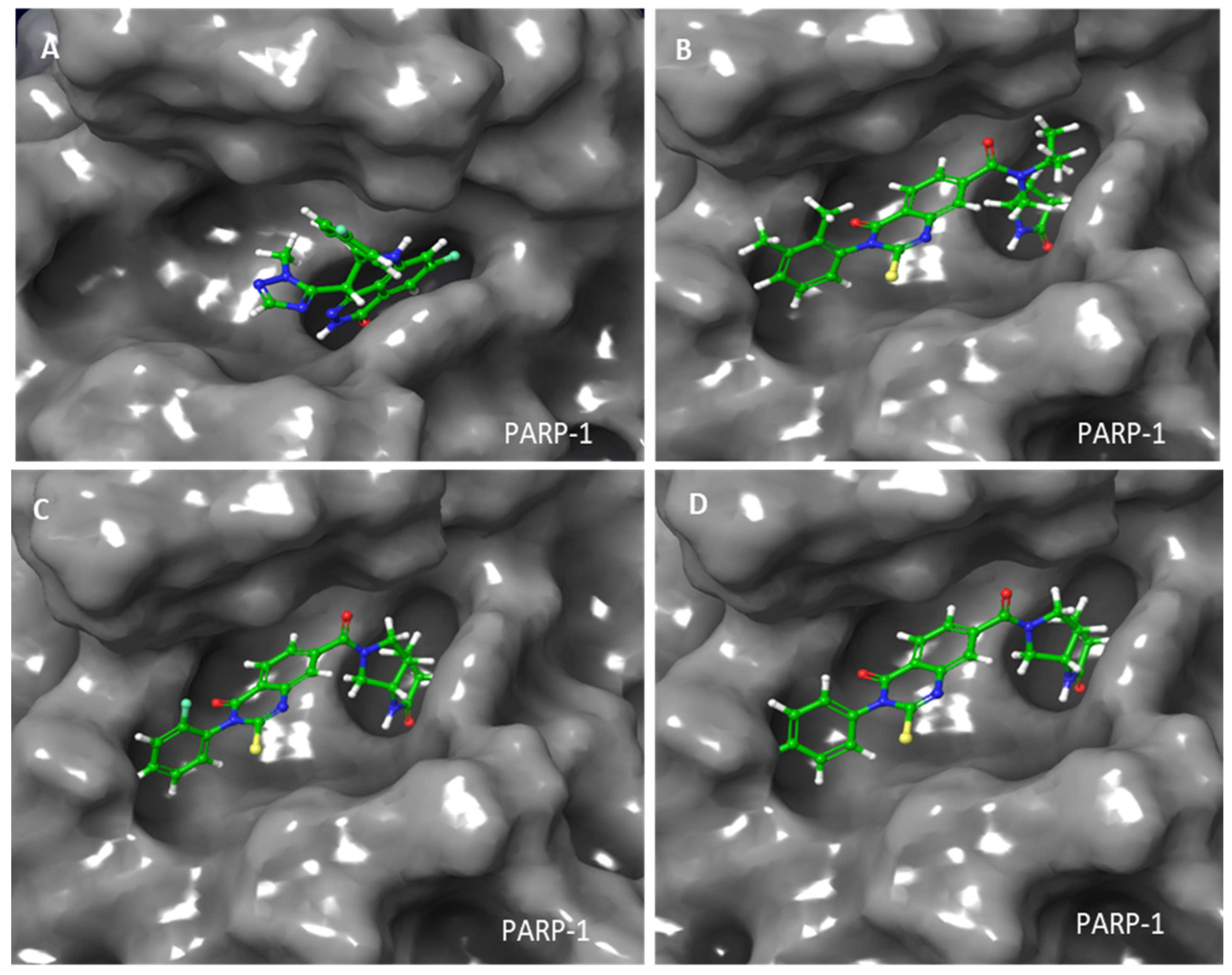
2.2. Structure-Based Virtual Screening and Molecular Docking Analysis
2.3. Molecular Dynamics Analysis
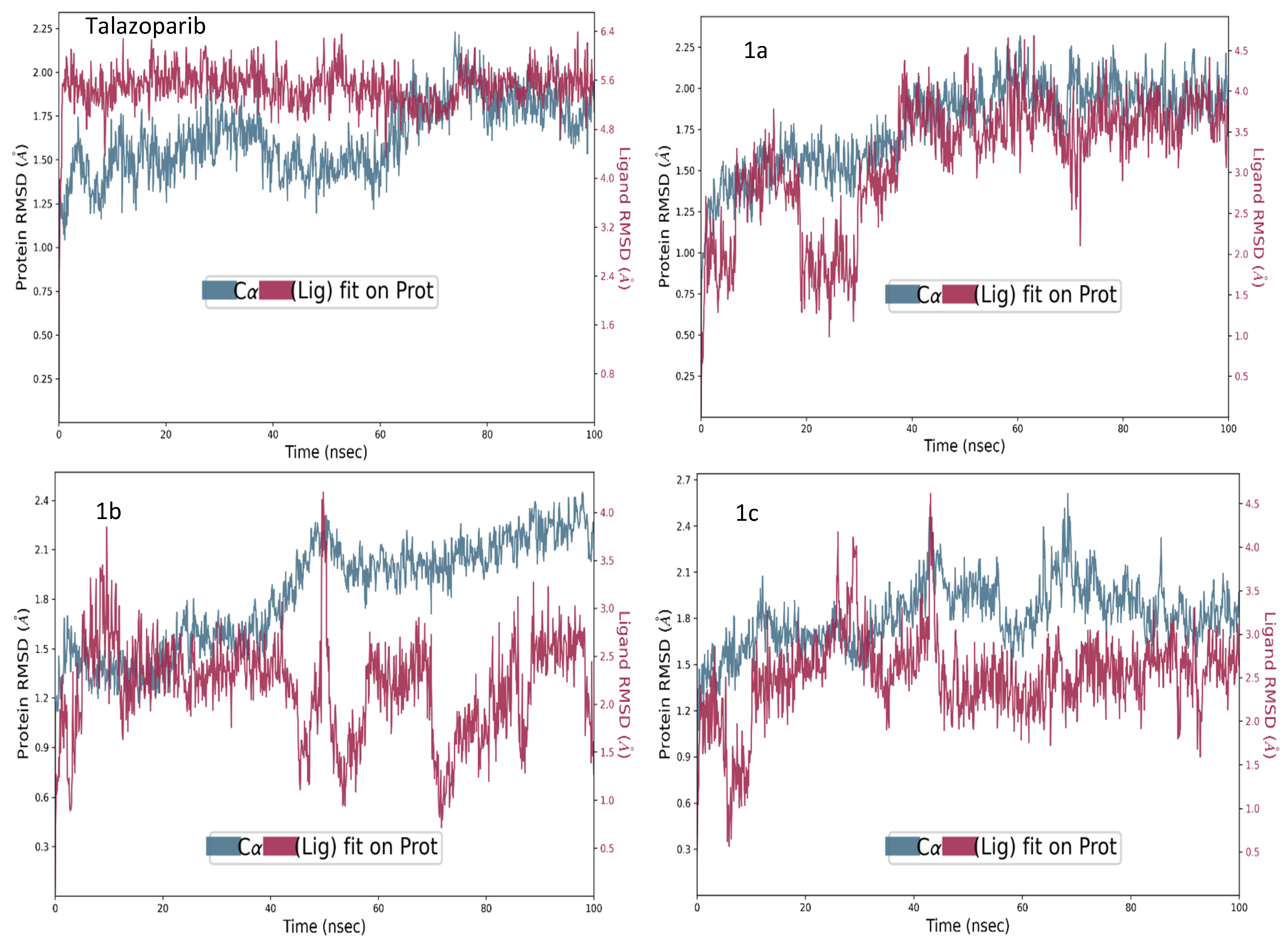
2.3.1. Analysis of the Root Mean Square Deviation (RMSD) Profiles
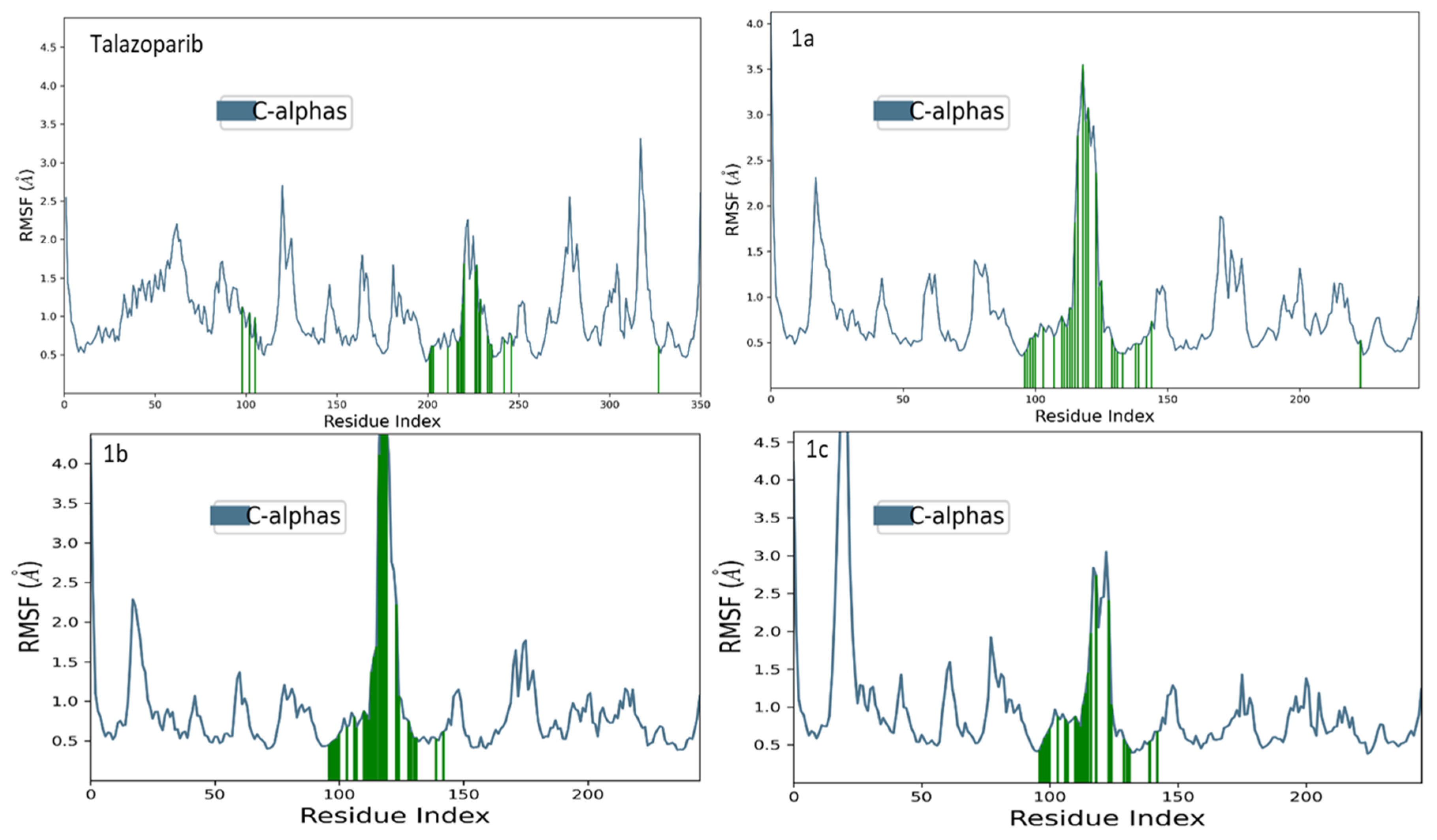
2.3.2. Analysis of the Root Mean Square Fluctuation (RMSF) Profiles
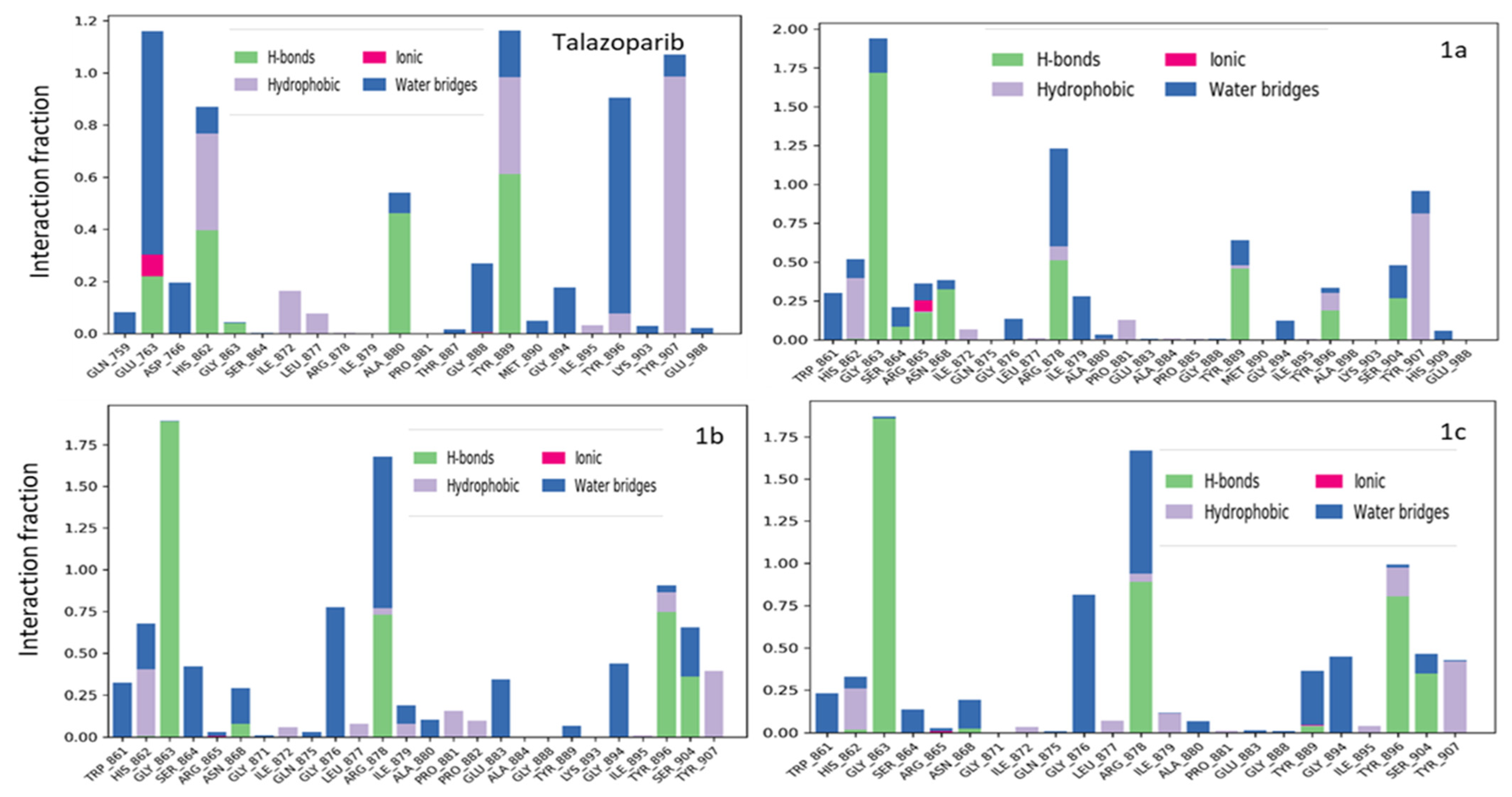
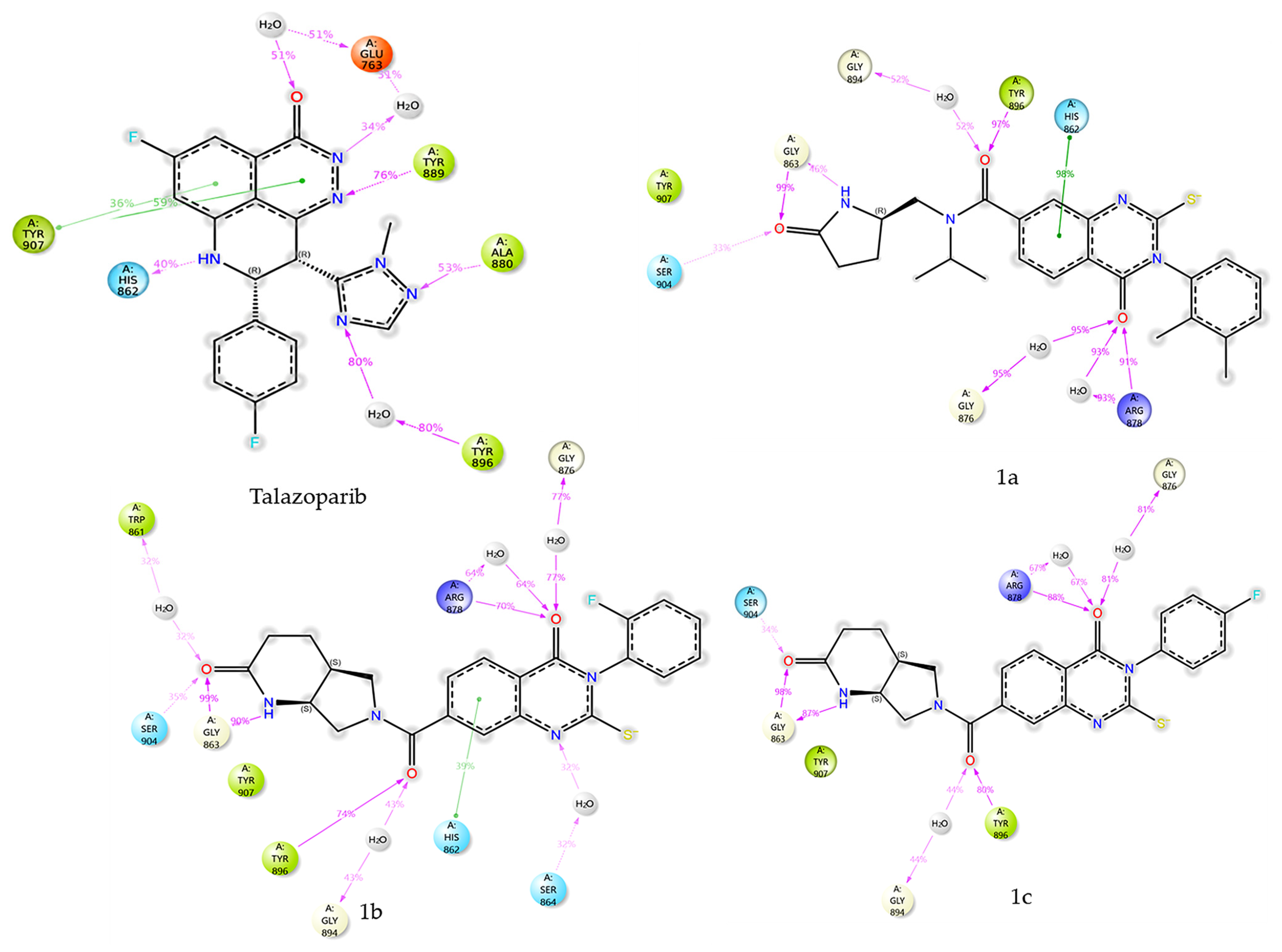
2.3.3. Interaction Fraction Analysis
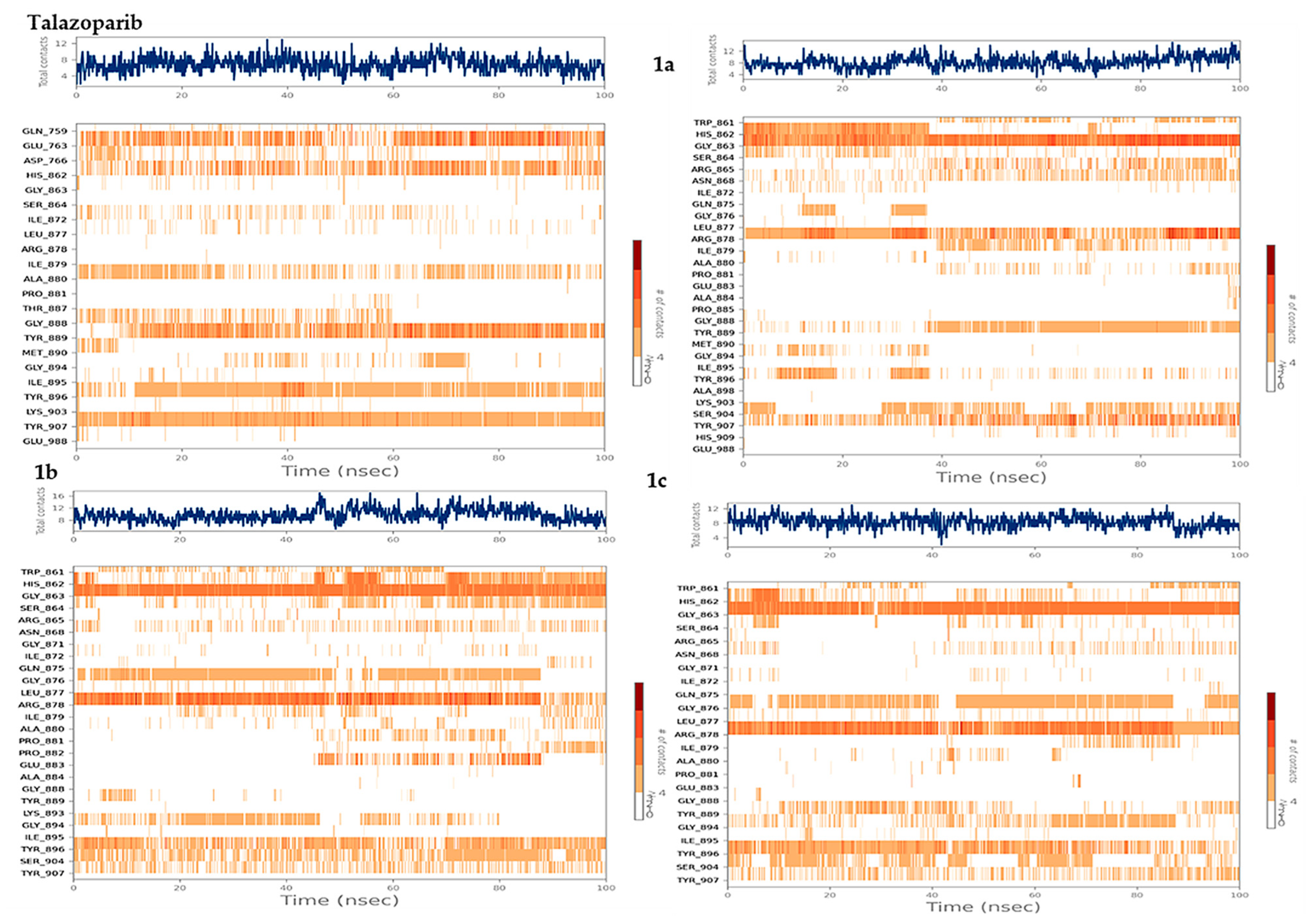
2.3.4. Protein–Ligand Contact Analysis
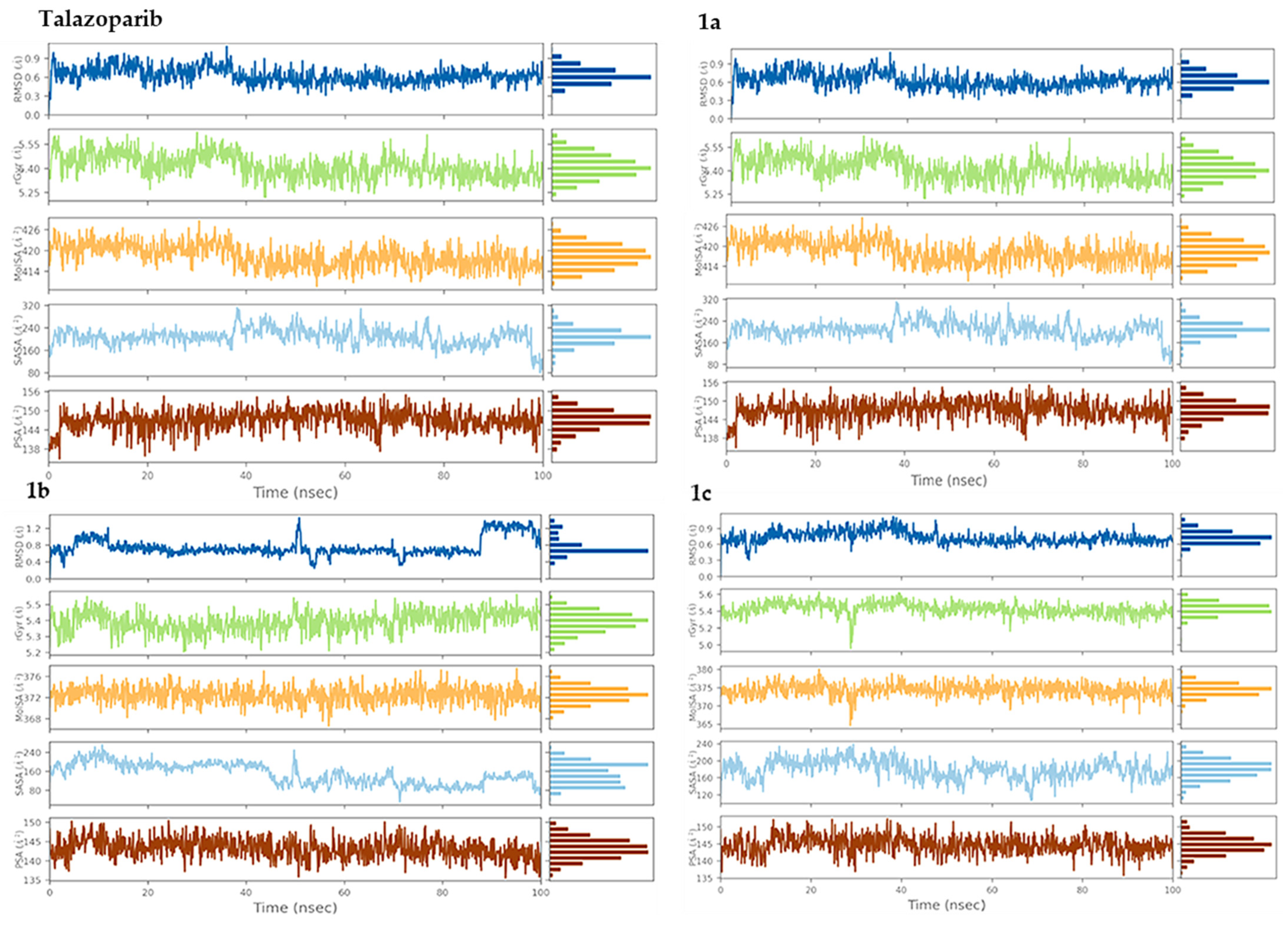
2.3.5. Ligand Property Profile Analysis
2.4. Molecular Mechanics–Generalized Born Surface Area Analysis
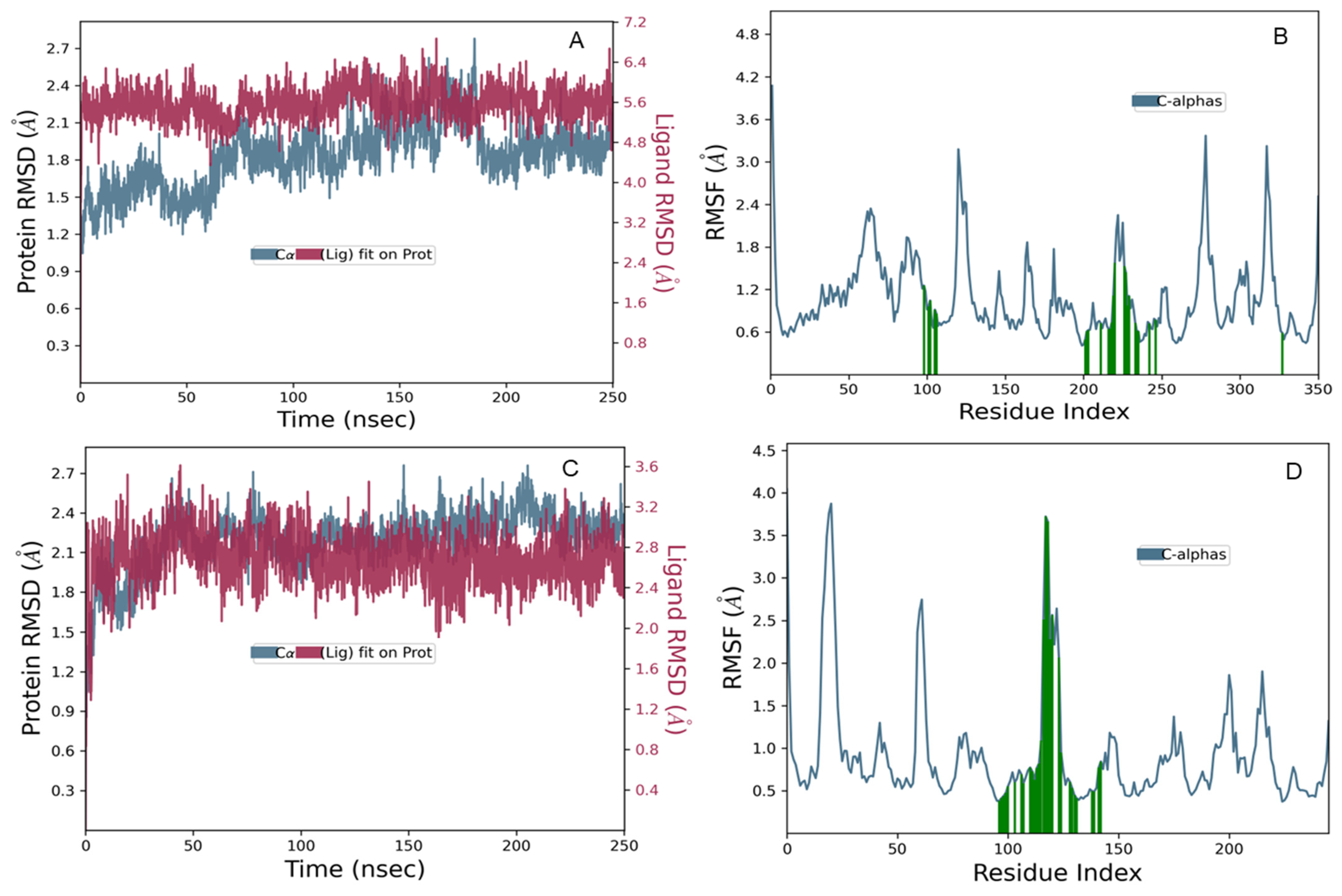
2.5. Extended Molecular Dynamics Stability Analysis of the Top Hit and Talazoparib
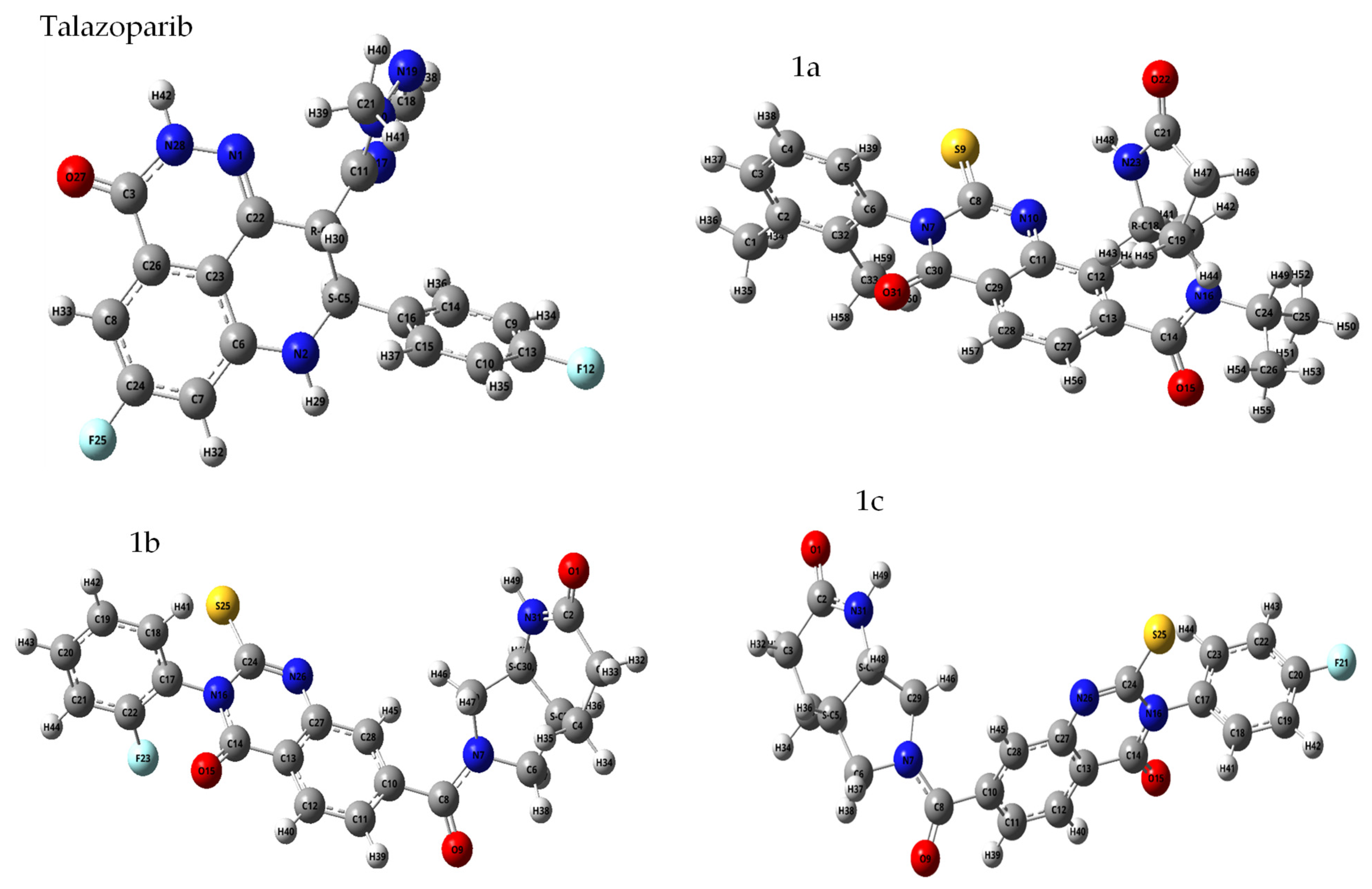
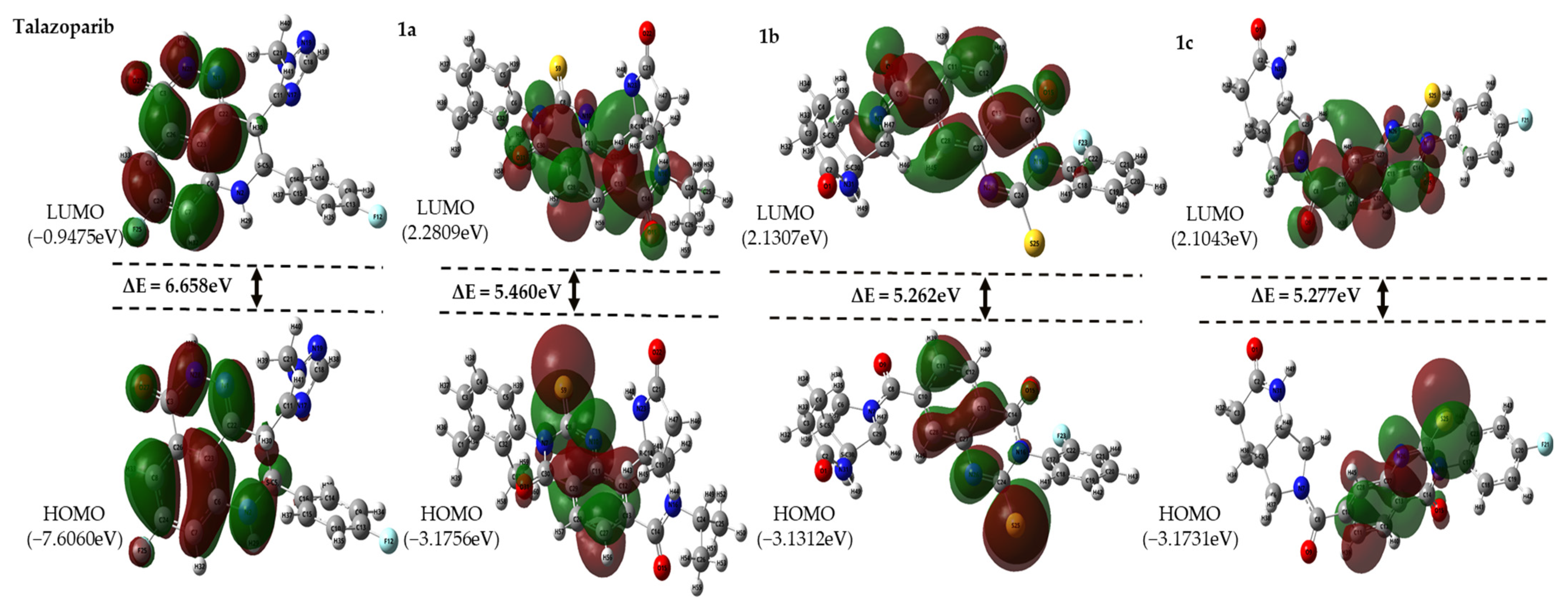
2.6. Stability Assessment via Quantum Optimization and DFT Calculations
2.7. Pharmacokinetic (ADMET) Analysis
2.7.1. Comparative Toxicological Assessment Employing the ProTox-3.0 Server
2.7.2. Comparative Evaluation of hERG-Mediated Cardiotoxicity Using Pred-hERG v5.0
3. Methods and Materials
3.1. Artificial Intelligence-Driven Drug Design (AIDD) Employing AIDDISONTM v2023
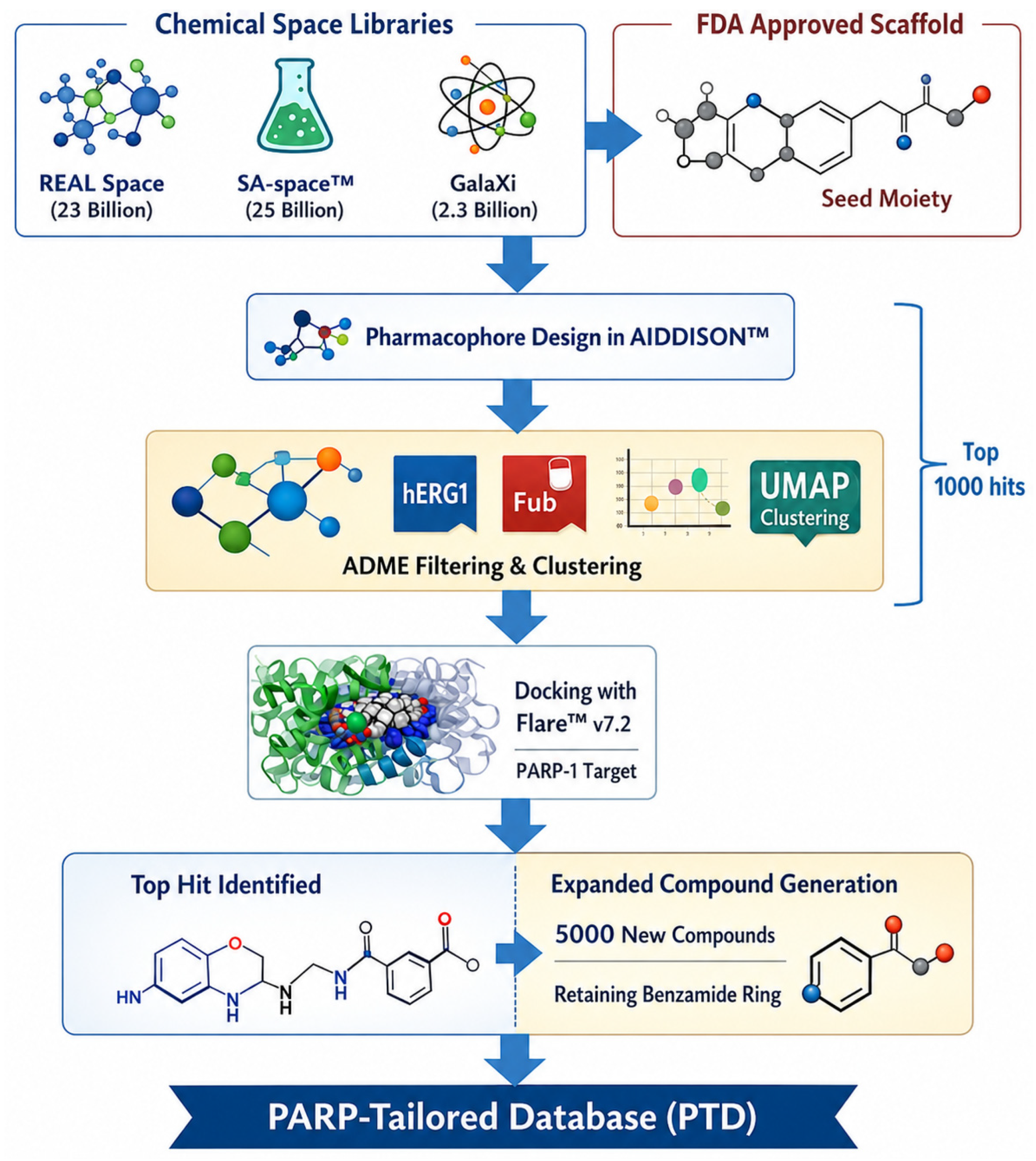
3.2. PARP-Tailored Database Design Through AIDD and Ultra-Large Chemical Space Libraries
3.3. Molecular Docking Studies
3.3.1. Protein Retrieval and Preparation
3.3.2. Ligand Preparation
3.3.3. Grid Generation and Search Space Mapping
3.3.4. Molecular Docking Validation Protocol
3.3.5. Structure-Based Virtual Screening Workflow
3.4. Molecular Dynamics and Molecular Mechanics–Generalized Born Surface Area (MM/GBSA) Calculations
3.4.1. Molecular Dynamics Simulations
3.4.2. Molecular Mechanics–Generalized Born Surface Area (MM/GBSA) Calculations
3.5. Quantum Chemical Calculations
3.6. Pharmacokinetics (ADMET) Calculations
4. Conclusions
Author Contributions
Funding
Institutional Review Board Statement
Informed Consent Statement
Data Availability Statement
Acknowledgments
Conflicts of Interest
Abbreviations
| AIDD | Artificial Intelligence Drug Design |
| ADMET | Administration, Distribution, Metabolism, Elimination and Toxicity |
| BER | Base Excision Repair |
| BRCA | Breast Cancer Gene |
| DFT | Density Functional Theory |
| DNA | Deoxyribonucleic Acid |
| DSB | Double-strand Break |
| FDA | Food and Drug Administration |
| FMO | Frontier Molecular Orbital |
| FUB | Fraction Unbound In plasma |
| HOMO | Highest Occupied Molecular Orbital |
| HRR | Homologous Recombination Repair |
| HTVS | High-Throughput Virtual Screening |
| ICT | Intramolecular Charge Transfer |
| LUMO | Lowest Unoccupied Molecular Orbital |
| MD | Molecular Dynamics |
| MM/GBSA | Molecular Mechanics–Generalized Borne Surface Area |
| PARP-1 | Poly (ADP-ribose) polymerase 1 |
| PK | Pharmacokinetics |
| PTD | PARP-Tailored Database |
| QSAR | Quantitative Structure Activity Relationship |
| RMSD | Root Mean Square Deviation |
| RMSF | Root Mean Square Fluctuation |
| SID | Simulation Interaction Diagram |
| SP | Standard Precision |
| SSB | Single-strand Break |
| UMAP | Uniform Manifold Approximation and Projection |
| XP | Extra Precision |
References
- Schreiber, V.; Dantzer, F.; Ame, J.-C.; De Murcia, G. Poly(ADP-ribose): Novel functions for an old molecule. Nat. Rev. Mol. Cell Biol. 2006, 7, 517–528. [Google Scholar] [CrossRef] [PubMed]
- Yelamos, J.; Farres, J.; Llacuna, L.; Ampurdanes, C.; Martin-Caballero, J. PARP-1 and PARP-2: New players in tumour development. Am. J. Cancer Res. 2011, 1, 328–346. [Google Scholar]
- Yélamos, J.; Schreiber, V.; Dantzer, F. Toward specific functions of poly(ADP-ribose) polymerase-2. Trends Mol. Med. 2008, 14, 169–178. [Google Scholar] [CrossRef]
- Unlu, A.; Dinc, B. Investigation of the three-dimensional structure and interaction mechanism of poly(ADP-ribose) polymerase 4. Biotechnol. Biotechnol. Equip. 2020, 34, 191–202. [Google Scholar] [CrossRef]
- Bürkle, A. Poly (ADP-ribose): The most elaborate metabolite of NAD+. FEBS J. 2005, 272, 4576–4589. [Google Scholar] [CrossRef]
- Gibson, B.A.; Kraus, W.L. New insights into the molecular and cellular functions of poly(ADP-ribose) and PARPs. Nat. Rev. Mol. Cell Biol. 2012, 13, 411–424. [Google Scholar] [CrossRef]
- Krishnakumar, R.; Kraus, W.L. The PARP side of the nucleus: Molecular actions, physiological outcomes, and clinical targets. Mol. Cell 2010, 39, 8–24. [Google Scholar] [CrossRef]
- Langelier, M.-F.; Ruhl, D.D.; Planck, J.L.; Kraus, W.L.; Pascal, J.M. The Zn3 domain of human PARP-1 functions in DNA-dependent synthesis activity and chromatin compaction. J. Biol. Chem. 2010, 285, 18877–18887. [Google Scholar] [CrossRef] [PubMed]
- Langelier, M.-F.; Servent, K.M.; Rogers, E.E.; Pascal, J.M. A third zinc-binding domain of PARP-1 coordinates DNA-dependent enzyme activation. J. Biol. Chem. 2008, 283, 4105–4114. [Google Scholar] [CrossRef] [PubMed]
- Sandhu, S.K.; Yap, T.A.; de Bono, J.S. Poly(ADP-ribose) polymerase inhibitors in cancer treatment: A clinical perspective. Eur. J. Cancer 2010, 46, 9–20. [Google Scholar] [CrossRef]
- Cepeda, V.; Fuertes, M.A.; Castilla, J.; Alonso, C.; Quevedo, C.; Soto, M.; Perez, J.M. PARP-1 inhibitors in cancer chemotherapy. Recent Pat. Anticancer Drug Discov. 2006, 1, 39–53. [Google Scholar] [CrossRef]
- Zong, C.; Zhu, T.; He, J.; Huang, R.; Jia, R.; Shen, J. PARP mediated DNA damage response, genomic stability and immune responses. Int. J. Cancer. 2022, 150, 1745–1759. [Google Scholar] [CrossRef]
- Helleday, T.; Petermann, E.; Lundin, C.; Hodgson, B.; Sharma, R.A. DNA repair pathways as targets for cancer therapy. Nat. Rev. Cancer 2008, 8, 193–204. [Google Scholar] [CrossRef]
- Bryant, H.E.; Schultz, N.; Thomas, H.D.; Parker, K.M.; Flower, D.; Lopez, E.; Kyle, S.; Meuth, M.; Curtin, N.J.; Helleday, T. Specific killing of BRCA2-deficient tumours with inhibitors of poly(ADP-ribose) polymerase. Nature 2005, 434, 913–917. [Google Scholar] [CrossRef] [PubMed]
- Farmer, H.; McCabe, N.; Lord, C.J.; Tutt, A.N.; Johnson, D.A.; Richardson, T.B.; Santarosa, M.; Dillon, K.J.; Hickson, I.; Knights, C.; et al. Targeting the DNA repair defect in BRCA mutant cells as a therapeutic strategy. Nature 2005, 434, 917–921. [Google Scholar] [CrossRef] [PubMed]
- Exman, P.; Barroso-Sousa, R.; Tolaney, S.M. Evidence to date: Talazoparib in the treatment of breast cancer. OncoTargets Ther. 2019, 12, 5177–5187. [Google Scholar] [CrossRef]
- McCrea, C.; Hettle, R.; Gulati, P.; Taneja, A.; Rajora, P. Indirect treatment comparison of olaparib and talazoparib in germline BRCA-mutated HER2-negative metastatic breast cancer. J. Comp. Eff. Res. 2021, 10, 1021–1030. [Google Scholar] [CrossRef] [PubMed]
- Salmas, R.E.; Unlu, A.; Yurtsever, M.; Noskov, S.Y.; Durdagi, S. In silico investigation of PARP-1 catalytic domains in holo and apo states for the design of high-affinity PARP-1 inhibitors. J. Enzym. Inhib. Med. Chem. 2016, 31, 112–120. [Google Scholar] [CrossRef]
- Turner, N.C.; Telli, M.L.; Rugo, H.S.; Mailliez, A.; Ettl, J.; Grischke, E.-M.; Mina, L.A.; Balmaña, J.; Fasching, P.A.; Hurvitz, S.A.; et al. A phase II study of talazoparib after platinum or cytotoxic nonplatinum regimens in patients with advanced breast cancer and germline BRCA1/2 mutations (ABRAZO). Clin. Cancer Res. 2019, 25, 2717–2724. [Google Scholar] [CrossRef]
- Langelier, M.-F.; Eisemann, T.; Riccio, A.A.; Pascal, J.M. PARP family enzymes: Regulation and catalysis of the poly(ADP-ribose) posttranslational modification. Curr. Opin. Struct. Biol. 2018, 53, 187–198. [Google Scholar] [CrossRef]
- Mateo, J.; Lord, C.J.; Serra, V.; Tutt, A.; Balmaña, J.; Castroviejo-Bermejo, M.; Cruz, C.; Oaknin, A.; Kaye, S.; de Bono, J.S. A decade of clinical development of PARP inhibitors in perspective. Ann. Oncol. 2019, 30, 1437–1447. [Google Scholar] [CrossRef]
- Hopkins, T.A.; Shi, Y.; Rodriguez, L.E.; Solomon, L.R.; Donawho, C.K.; DiGiammarino, E.L.; Panchal, S.C.; Wilsbacher, J.L.; Gao, W.; Olson, A.M.; et al. Mechanistic dissection of PARP1 trapping and the impact on in vivo tolerability and efficacy of PARP inhibitors. Mol. Cancer Res. 2015, 13, 1465–1477. [Google Scholar] [CrossRef]
- Twala, C.; Govender, P.; Govender, K. Computational chemistry advances in the development of PARP1 inhibitors for breast cancer therapy. Pharmaceuticals 2025, 18, 1679. [Google Scholar] [CrossRef]
- Mateev, E.; Angelov, B.; Kondeva-Burdina, M.; Valkova, I.; Georgieva, M.; Zlatkov, A. Design, synthesis, biological evaluation and molecular docking of pyrrole-based compounds as antioxidant and MAO-B inhibitory agents. Farmacia 2022, 70, 344–352. [Google Scholar] [CrossRef]
- Ryan, K.; Bolaños, B.; Smith, M.; Palde, P.B.; Cuenca, P.D.; VanArsdale, T.L.; Niessen, S.; Zhang, L.; Behenna, D.; Ornelas, M.A.; et al. Dissecting the molecular determinants of clinical PARP1 inhibitor selectivity for tankyrase1. J. Biol. Chem. 2021, 296, 100251. [Google Scholar] [CrossRef]
- Mgoboza, C.; Okunlola, F.O.; Akawa, O.B.; Aljoundi, A.; Soliman, M.E. Talazoparib dual-targeting on poly(ADP-ribose) polymerase-1 and -16 enzymes as a therapeutic strategy in small cell lung cancer: Insight from biophysical computations. Cell Biochem. Biophys. 2022, 80, 495–504. [Google Scholar] [CrossRef]
- Schrödinger, LLC. Schrödinger Release 2023-2: QikProp; Schrödinger, LLC.: New York, NY, USA, 2023. [Google Scholar]
- Kalirajan, R.; Sankar, S.; Jubie, S.; Gowramma, B. Molecular docking studies and in-silico ADMET screening of some novel oxazine substituted 9-anilinoacridines as topoisomerase II inhibitors. Indian J. Pharm. Educ. Res. 2017, 51, 110–115. [Google Scholar] [CrossRef]
- Rusinko, A.; Rezaei, M.; Friedrich, L.; Buchstaller, H.P.; Kuhn, D.; Ghogare, A. AIDDISON: Empowering drug discovery with AI/ML and CADD tools in a secure, web-based SaaS platform. J. Chem. Inf. Model. 2023, 64, 3–8. [Google Scholar] [CrossRef]
- Thorsell, A.G.; Ekblad, T.; Karlberg, T.; Low, M.; Pinto, A.F.; Trésaugues, L.; Moche, M.; Cohen, M.S.; Schuler, H. Structural basis for potency and promiscuity in poly(ADP-ribose) polymerase (PARP) and tankyrase inhibitors. J. Med. Chem. 2017, 60, 1262–1271. [Google Scholar] [CrossRef]
- Madhavi Sastry, G.; Adzhigirey, M.; Day, T.; Annabhimoju, R.; Sherman, W. Protein and ligand preparation: Parameters, protocols, and influence on virtual screening enrichments. J. Comput. Aided Mol. Des. 2013, 27, 221–234. [Google Scholar] [CrossRef] [PubMed]
- Mateev, E.; Kondeva-Burdina, M.; Georgieva, M.; Mateeva, A.; Valkova, I.; Tzankova, V.; Zlatkov, A. Synthesis, biological evaluation, molecular docking and ADME studies of novel pyrrole-based Schiff bases as dual acting MAO/AChE inhibitors. Sci. Pharm. 2024, 92, 18. [Google Scholar] [CrossRef]
- Twala, C.; Malindisa, S.; Munnik, C.; Sooklal, S.; Ntwasa, M. Ezetimibe anticancer activity via the p53/Mdm2 pathway. Biomedicines 2025, 13, 195. [Google Scholar] [CrossRef]
- Jorgensen, W.L.; Chandrasekhar, J.; Madura, J.D.; Impey, R.W.; Klein, M.L. Comparison of simple potential functions for simulating liquid water. J. Chem. Phys. 1983, 79, 926–935. [Google Scholar] [CrossRef]
- Hoover, W.G. Canonical dynamics: Equilibrium phase-space distributions. Phys. Rev. A 1985, 31, 1695–1697. [Google Scholar] [CrossRef] [PubMed]
- Janek, J.; Kolafa, J. Novel barostat implementation for molecular dynamics. J. Chem. Phys. 2024, 160, 184101. [Google Scholar] [CrossRef] [PubMed]
- Essmann, U.; Perera, L.; Berkowitz, M.L.; Darden, T.; Lee, H.; Pedersen, L.G. A smooth particle mesh Ewald method. J. Chem. Phys. 1995, 103, 8577–8593. [Google Scholar] [CrossRef]
- Lyne, P.D.; Lamb, M.L.; Saeh, J.C. Accurate prediction of the relative potencies of members of a series of kinase inhibitors using molecular docking and MM-GBSA scoring. J. Med. Chem. 2006, 49, 4805–4808. [Google Scholar] [CrossRef]
- Frisch, M.J.; Trucks, G.W.; Schlegel, H.B.; Scuseria, G.E.; Robb, M.A.; Cheeseman, J.R.; Scalmani, G.; Barone, V.; Mennucci, B.; Petersson, G.A.; et al. Gaussian 09, Revision D.01; Gaussian, Inc.: Wallingford, CT, USA, 2009. [Google Scholar]
- Mohammadi, H.; Azami, S.; Rafii-Tabar, H. Density functional theory computation of intermolecular interactions of Al2C24 and Al2Mg12O12 quantum dots with glycine tripeptide. RSC Adv. 2023, 13, 9824–9837. [Google Scholar] [CrossRef] [PubMed]
- Cramer, C.J. Essentials of Computational Chemistry: Theories and Models, 2nd ed.; Wiley: Hoboken, NJ, USA, 2013. [Google Scholar]
- Neupane, B.; Basnet, K.; Rai, R.K. Structural, electronic, and thermodynamic characterization with spectroscopic, topological, reactivity, and molecular docking studies of diallyl sulfide. J. Mol. Graph. Model. 2025, 129, 109159. [Google Scholar] [CrossRef]
- Shafieyoon, P.; Khalili, S.; Mehdipour, E.; Khorasani, S.N. Computational analysis and biological investigation of cellulose acetate: PED, HOMO–LUMO, MEP and molecular docking. Results Chem. 2024, 10, 101709. [Google Scholar] [CrossRef]
- Fukui, K. Role of frontier orbitals in chemical reactions. Science 1982, 218, 747–754. [Google Scholar] [CrossRef]
- Mahmood, N.; Rasool, N.; Ikram, H.M.; Hashmi, M.A.; Mahmood, T.; Zubair, M.; Ahmad, G.; Rizwan, K.; Rashid, T.; Rashid, U. Synthesis of 3,4-biaryl-2,5-dichlorothiophene and theoretical exploration as nonlinear optical materials. Symmetry 2018, 10, 766. [Google Scholar] [CrossRef]
- Ratra, S.; Naseer, A.; Kumar, U. Design, docking, ADMET and PASS prediction studies of novel chromen-4-one derivatives as prospective anticancer agents. J. Pharm. Res. Int. 2021, 33, 10–22. [Google Scholar] [CrossRef]
- Golding Sheeba, G.; Usha, D.; Amalanathan, M.; Sony Michael Mary, M.; MarshanRobert, H. Molecular structure, vibrational spectroscopic and frontier molecular orbital analysis of anticancer drug derivatives. Spectrosc. Lett. 2021, 54, 419–436. [Google Scholar] [CrossRef]
- Oyebamiji, A.K.; Tolufashe, G.F.; Oyawoye, O.M.; Oyedepo, T.A.; Semire, B. Biological activity of selected compounds from Annona muricata seed as antibreast cancer agents: A theoretical study. J. Chem. 2020, 2020, 6735232. [Google Scholar] [CrossRef]
- Dorlus, T.A. In Silico Analysis of Donor–Acceptor Based π-Conjugated Compounds for Organic Solar Materials: A DFT/TD-DFT Study; Jackson State University: Jackson, MS, USA, 2025. [Google Scholar]
- Tsuneda, T.; Song, J.-W.; Suzuki, S.; Hirao, K. On Koopmans’ theorem in density functional theory. J. Chem. Phys. 2010, 133, 174101. [Google Scholar] [CrossRef] [PubMed]
- Arivazhagan, M.; Senthil Kumar, J. Molecular structure, vibrational spectral assignments, HOMO–LUMO and thermodynamic properties of substituted cyclohexanol derivatives. Spectrochim. Acta A Mol. Biomol. Spectrosc. 2015, 137, 490–502. [Google Scholar] [CrossRef] [PubMed]
- Prabavathi, N.; Nayaki, N.S. The spectroscopic (FT-IR, FT-Raman and NMR), first order hyperpolarizability and HOMO–LUMO analysis of 2-mercapto-4 (3H)-quinazolinone. Spectrochim. Acta A Mol. Biomol. Spectrosc. 2014, 129, 572–583. [Google Scholar] [CrossRef]
- Pearson, R.G. Chemical hardness and density functional theory. J. Chem. Sci. 2005, 117, 369–377. [Google Scholar] [CrossRef]
- Morales-Bayuelo, A.; Pérez-Quiñones, V.; Zinhumwe, Z.; Mallri, P. Evaluating the efficacy of different SARS-CoV-2 drug targets using the topo-geometrical superposition algorithm, molecular docking and chemical reactivity frameworks. J. Biomed. Res. Environ. Sci. 2025, 6, 417–432. [Google Scholar] [CrossRef]
- Bibi, R.; Fatima, S.; Sadiq, J.; Tariq, M.; Hussain, A.; Rasool, F.; Iqbal, S.; Shah, K.H.; Hussain, S.; Sirajuddin, M.; et al. Synthesis, computational screening, antidiabetic, antibacterial, DNA, pharmacokinetics/ADMET analysis and molecular docking studies of pentamethylcyclopentadienyl ruthenium(III) carboxylate complex. J. Organomet. Chem. 2025, 1038, 123775. [Google Scholar] [CrossRef]
- Guo, X.; Yang, Z.; Wang, Y.; Qu, Z.; Lu, Y.; Lou, Y.; Chen, M.; Ren, X. Lasso regression with molecular descriptors predicts natural product adsorption onto graphene oxide-derived adsorbents. Mater. Chem. Phys. 2025, 347, 131419. [Google Scholar] [CrossRef]
- Ram, A.; Pandey, A.; Shukla, P.N.; Rawat, P.; Singh, R. Eco-friendly synthesis, spectroscopic, in vitro anticancer and antimicrobial activity of benzimidazole derivatives with in silico ADME and molecular modeling study. J. Mol. Struct. 2025, 1350, 143672. [Google Scholar] [CrossRef]
- Dalgic, S.S.; Kandemirli, F. Comparison of the electron donor–acceptor and sensing capacity of selected CNTs in drug delivery applications. In Proceedings of the Technical University of Sofia, Plovdiv, Bulgaria, 15–17 May 2025. [Google Scholar] [CrossRef]
- Noureen, S.; Ahmad, Z.; Sirajuddin, M.; Ahmed, A.; Haider, A.; Mahmood, S.; Ayub, K.; Yousuf, S.; Haq, I.U.; Nisar, S.; et al. Synthesis, physicochemical characterization, exploration of biological potential and DFT study of di- and tri-organotin(IV) carboxylate derivatives. J. Organomet. Chem. 2025, 1039, 123802. [Google Scholar] [CrossRef]
- Haritha, M.; Suresh, C.H. Unveiling drug discovery insights through molecular electrostatic potential analysis. Wiley Interdiscip. Rev. Comput. Mol. Sci. 2024, 14, e1735. [Google Scholar] [CrossRef]
- Mbayo, V.; Obakachi, V.A.; Govender, P.P.; Govender, K.K. Chemoinformatics profiling of Annona muricata-derived compounds targeting COX-2 in breast cancer. Discov. Chem. 2026, 3, 15. [Google Scholar] [CrossRef]
- Banerjee, P.; Kemmler, E.; Dunkel, M.; Preissner, R. ProTox 3.0: A webserver for the prediction of toxicity of chemicals. Nucleic Acids Res. 2024, 52, W513–W520. [Google Scholar] [CrossRef]
- Sanches, I.H.; Braga, R.C.; Alves, V.M.; Andrade, C.H. Enhancing hERG risk assessment with interpretable classificatory and regression models. Chem. Res. Toxicol. 2024, 37, 910–922. [Google Scholar] [CrossRef]





| Reference + Potential Drugs | Docking Score (XP) (Kcal/mol) | XP GScore (Kcal/mol) | Glide emodels (Kcal/mol) | Coordinating Residues (H-Bond + π-π Stacking) |
|---|---|---|---|---|
| Talazoparib | −6.778 | −6.778 | −57.728 | Gly863, Tyr907 |
| 1a | −9.488 | −9.715 | −70.279 | His862, Gly863, Ser904 |
| 1b | −9.349 | −9.500 | −71.371 | His862, Gly863, Ser904, Arg878 |
| 1c | −9.255 | −9.437 | −62.141 | His862, Gly863, Ser904, Arg878 |
| Ligand | ΔGbind | ΔGCoulomb | ΔGCovalent | ΔGHbond | ΔGLipo | ΔGpack | ΔGSolv | ΔGVdW |
|---|---|---|---|---|---|---|---|---|
| Talazoparib | −63.734 | −15.999 | 1.439 | −1.279 | −20.548 | −7.591 | 30.284 | −50.041 |
| 1a | −67.820 | −17.976 | 2.807 | −2.541 | −27.652 | −4.211 | 26.034 | −66.146 |
| 1b | −61.573 | −59.375 | 2.973 | −2.069 | −13.927 | −2.186 | 63.643 | −50.632 |
| 1c | −61.329 | −66.054 | 3.003 | −2.129 | −13.860 | −2.315 | 67.968 | −47.942 |
| Parameters | Talazoparib | Compound | ||
|---|---|---|---|---|
| 1a | 1b | 1c | ||
| EHOMO, eV | −0.948 | 2.281 | 2.131 | 2.104 |
| ELUMO, eV | −7.606 | −3.176 | −3.131 | −3.173 |
| Energy gap (∆G), eV | 6.659 | 5.456 | 5.262 | 5.277 |
| Electron affinity (EA) | 0.948 | −2.281 | −2.131 | −2.104 |
| Ionization potential (IP), eV | 7.606 | 3.176 | 3.131 | 3.173 |
| Chemical hardness (ƞ), eV | 3.330 | 2.728 | 2.631 | 2.639 |
| Chemical softness (δ), eV | 0.300 | 0.367 | 0.381 | 0.379 |
| Electronegativity (χ), eV | 4.277 | 0.447 | 0.500 | 0.534 |
| Chemical potential (µ), eV | −4.277 | −0.447 | −0.500 | −0.534 |
| Electrophilicity index (ω), eV | 2.747 | 0.037 | 0.048 | 0.054 |
| Reference + Hits | Dipole | QPlogBB | QPlogHERG | QPlogPo/w | No. of Metabolite | QPlogKhsa | Rule of Five | % Human Oral Absorption |
|---|---|---|---|---|---|---|---|---|
| Talazoparib | 0.00 | −1.278 | −5.143 | 3.168 | 3 | 0.439 | 0 | 91.382 |
| 1a | 1.270 | −1.083 | −4.543 | 2.949 | 4 | 0.074 | 0 | 82.384 |
| 1b | 3.221 | −1.081 | −4.625 | 2.049 | 2 | −0.214 | 0 | 75.220 |
| 1c | 1.709 | −0.585 | −4.605 | 2.097 | 2 | −0.205 | 0 | 75.168 |
| Recommended Values [27,28] | 1–12.5 | −3–1.2 | >−5 desirable <−5 poor | −2–6.5 | 1–8 | −1.5–1.5 | Max 4 | >80% is high <25% is poor |
| Parameter | Compound 1a | Compound 1b | Compound 1c | Talazoparib |
|---|---|---|---|---|
| Predicted LD50 (mg/kg) | 1200 | 883 | 435 | 500 |
| Toxicity Class | 3 | 4 | 4 | 4 |
| Cardiotoxicity | Inactive (0.88) | Inactive (0.88) | Inactive (0.88) | Inactive (0.80) |
| Hepatotoxicity | Inactive (0.57) | Inactive (0.57) | Inactive (0.57) | Active (0.63) |
| Neurotoxicity | Active (0.72) | Active (0.78) | Active (0.78) | Active (0.92) |
| Nephrotoxicity | Inactive (0.59) | Inactive (0.59) | Inactive (0.59) | Inactive (0.58) |
| Carcinogenicity | Inactive (0.55) | Inactive (0.56) | Inactive (0.56) | Inactive (0.54) |
| Immunotoxicity | Inactive (0.78) | Inactive (0.90) | Inactive (0.80) | Inactive (0.73) |
| Mutagenicity | Inactive (0.59) | Inactive (0.58) | Inactive (0.58) | Inactive (0.57) |
| Cytotoxicity | Inactive (0.64) | Inactive (0.64) | Inactive (0.64) | Inactive (0.81) |
| Clinical Toxicity | Inactive (0.59) | Active (0.55) | Active (0.55) | Active (0.67) |
| Parameter | Compound 1a | Talazoparib |
|---|---|---|
| Consensus Prediction | Non-blocker | Non-blocker |
| Binary Model Prediction | Non-blocker | Non-blocker |
| Binary Confidence (%) | 69.4 | 82.7 |
| Multiclass Prediction | Weak blocker | Moderate blocker |
| Multiclass Confidence (%) | 41.5 | 51.2 |
| Regression Model (pIC50) | 5.267 | 5.374 |
| Applicability Domain Similarity (%) | 36.4 | 30.6 |
| Dominant Fragment Contributions | Predominantly non-blocker aromatic scaffold with localized blocker-associated polar regions | Mixed non-blocker aromatic contributions with stronger blocker-associated heterocyclic and carbonyl regions |
| Predicted hERG Liability | Low | Moderate |
| Overall Predicted Cardiotoxicity Profile | Slightly improved | Reference compound |
Disclaimer/Publisher’s Note: The statements, opinions and data contained in all publications are solely those of the individual author(s) and contributor(s) and not of MDPI and/or the editor(s). MDPI and/or the editor(s) disclaim responsibility for any injury to people or property resulting from any ideas, methods, instructions or products referred to in the content. |
© 2026 by the authors. Licensee MDPI, Basel, Switzerland. This article is an open access article distributed under the terms and conditions of the Creative Commons Attribution (CC BY) license.
Share and Cite
Twala, C.; Govender, P.; Marondedze, E.; Govender, K. Computational Evaluation of Novel PARP-1 Inhibitors for Breast Cancer: Docking, Molecular Dynamics, MM/GBSA, DFT and ADMET Calculations. Pharmaceuticals 2026, 19, 914. https://doi.org/10.3390/ph19060914
Twala C, Govender P, Marondedze E, Govender K. Computational Evaluation of Novel PARP-1 Inhibitors for Breast Cancer: Docking, Molecular Dynamics, MM/GBSA, DFT and ADMET Calculations. Pharmaceuticals. 2026; 19(6):914. https://doi.org/10.3390/ph19060914
Chicago/Turabian StyleTwala, Charmy, Penny Govender, Ephraim Marondedze, and Krishna Govender. 2026. "Computational Evaluation of Novel PARP-1 Inhibitors for Breast Cancer: Docking, Molecular Dynamics, MM/GBSA, DFT and ADMET Calculations" Pharmaceuticals 19, no. 6: 914. https://doi.org/10.3390/ph19060914
APA StyleTwala, C., Govender, P., Marondedze, E., & Govender, K. (2026). Computational Evaluation of Novel PARP-1 Inhibitors for Breast Cancer: Docking, Molecular Dynamics, MM/GBSA, DFT and ADMET Calculations. Pharmaceuticals, 19(6), 914. https://doi.org/10.3390/ph19060914