Lipidomics-Based Investigation of the Effects of Ginsenoside FI on Free Fatty Acid-Induced Metabolism in HepG2 Cells

Abstract
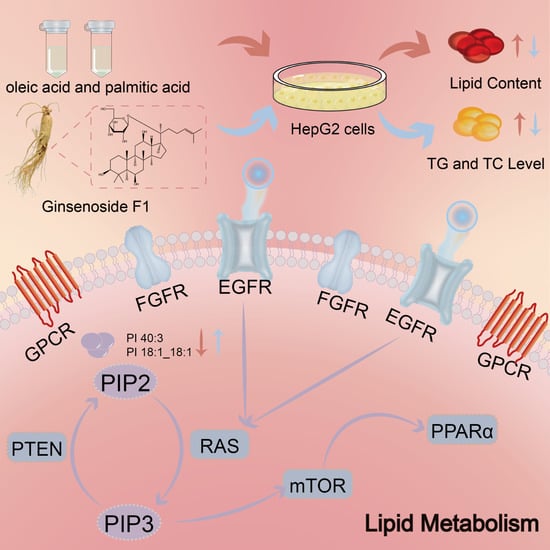
1. Introduction
2. Results
2.1. Effect of Ginsenoside F1 on HepG2 Cell Proliferation/Toxicity
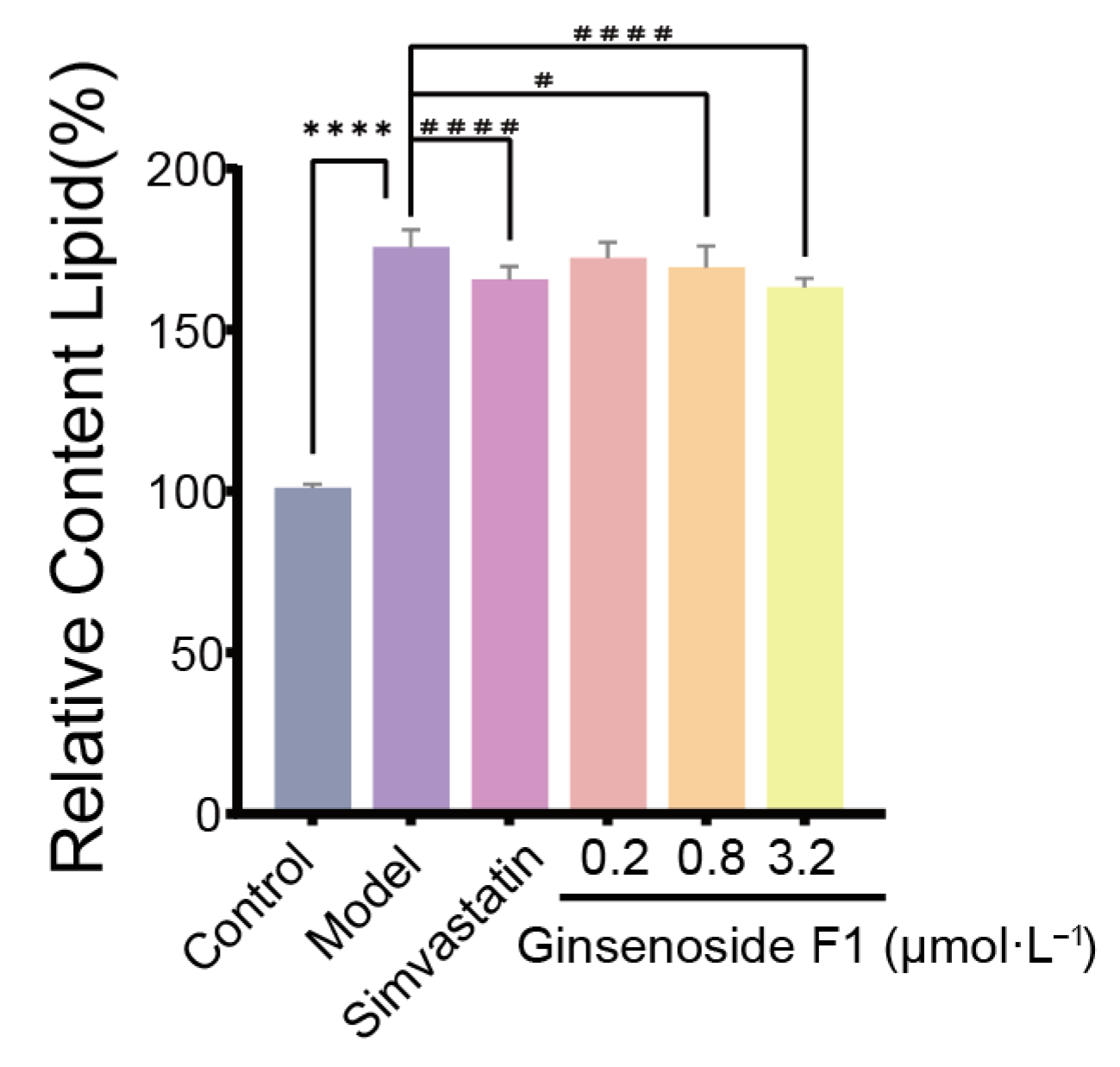
2.2. Detection of the Effect of Ginsenoside F1 on Lipid Content in HepG2 Cells Induced by Oleic Acid and Palmitic Acid
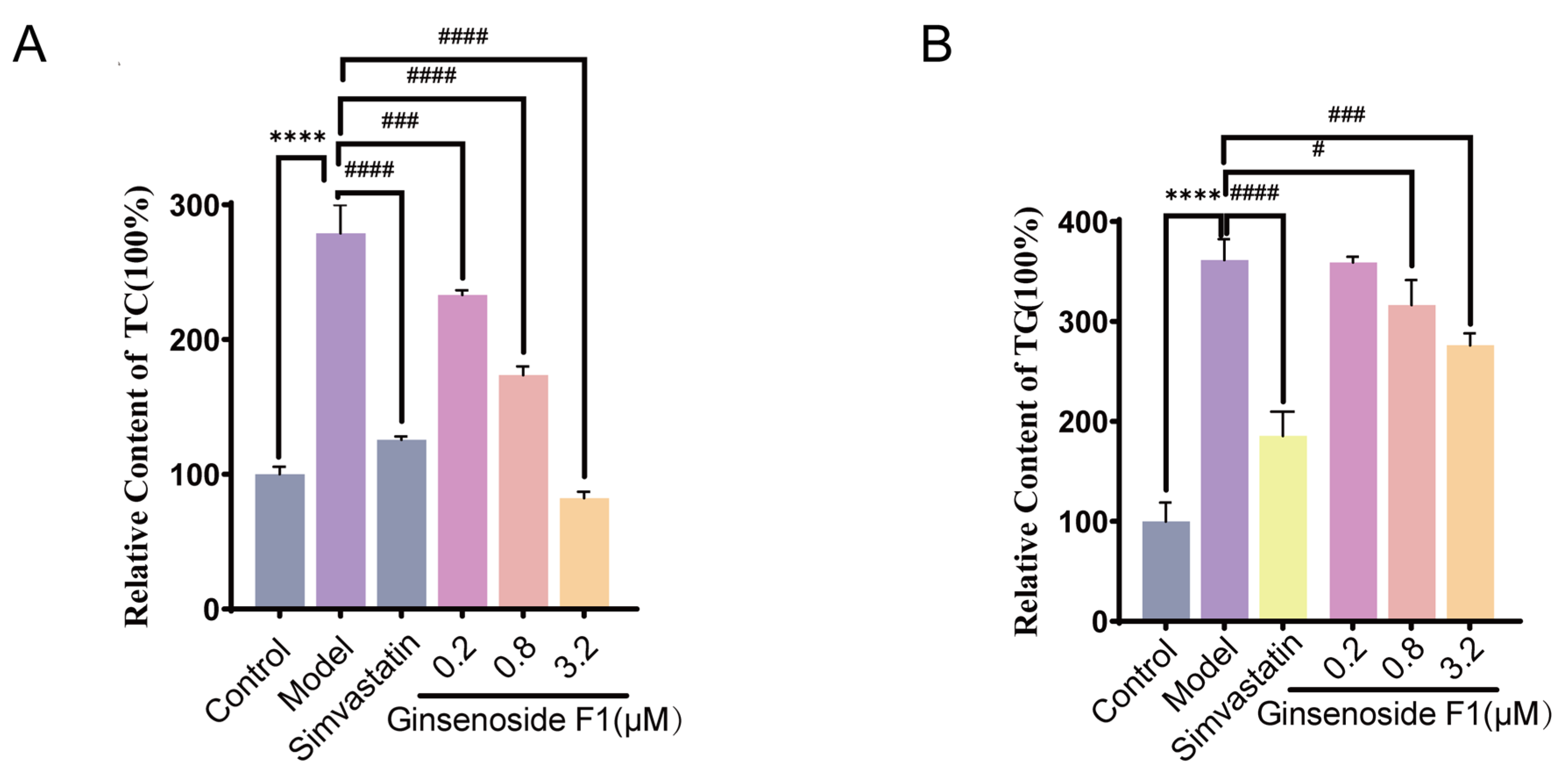
2.3. Effect of Ginsenoside F1 on TG and TC Content in HepG2 Cells Induced by Oleic Acid and Palmitic Acid
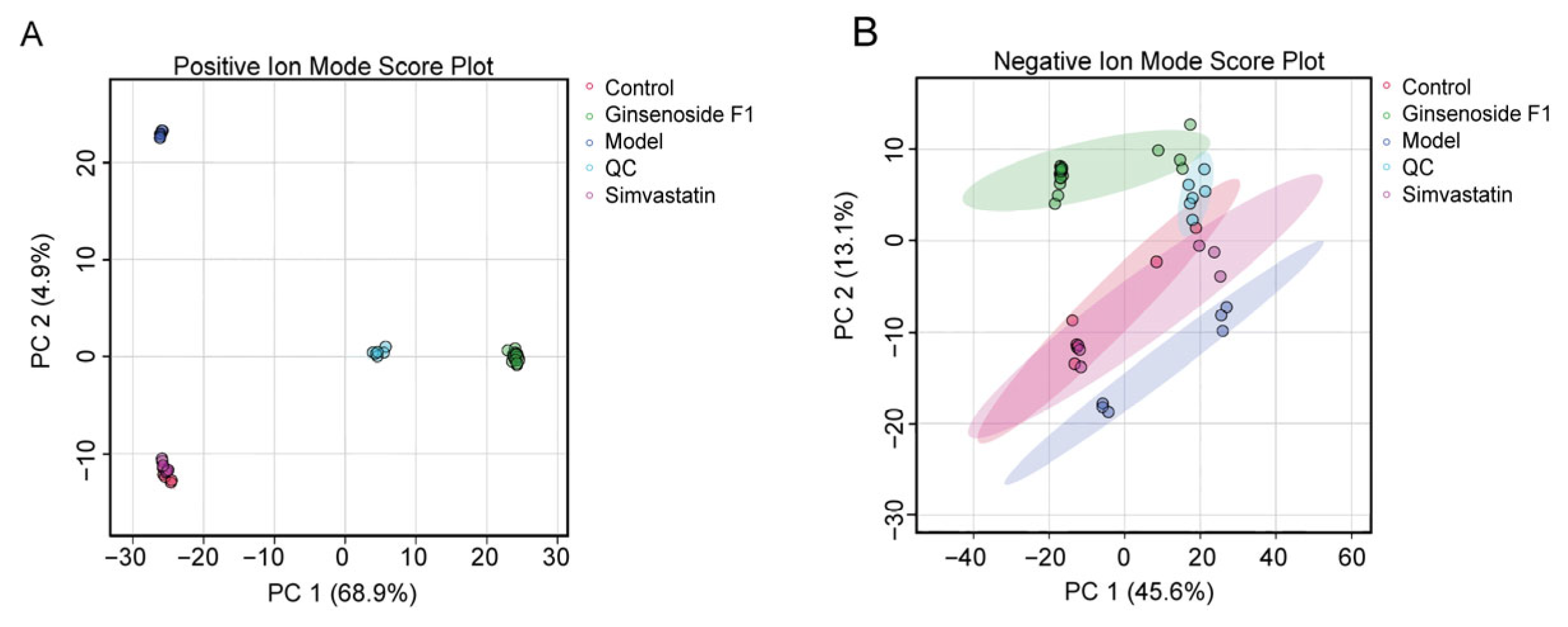
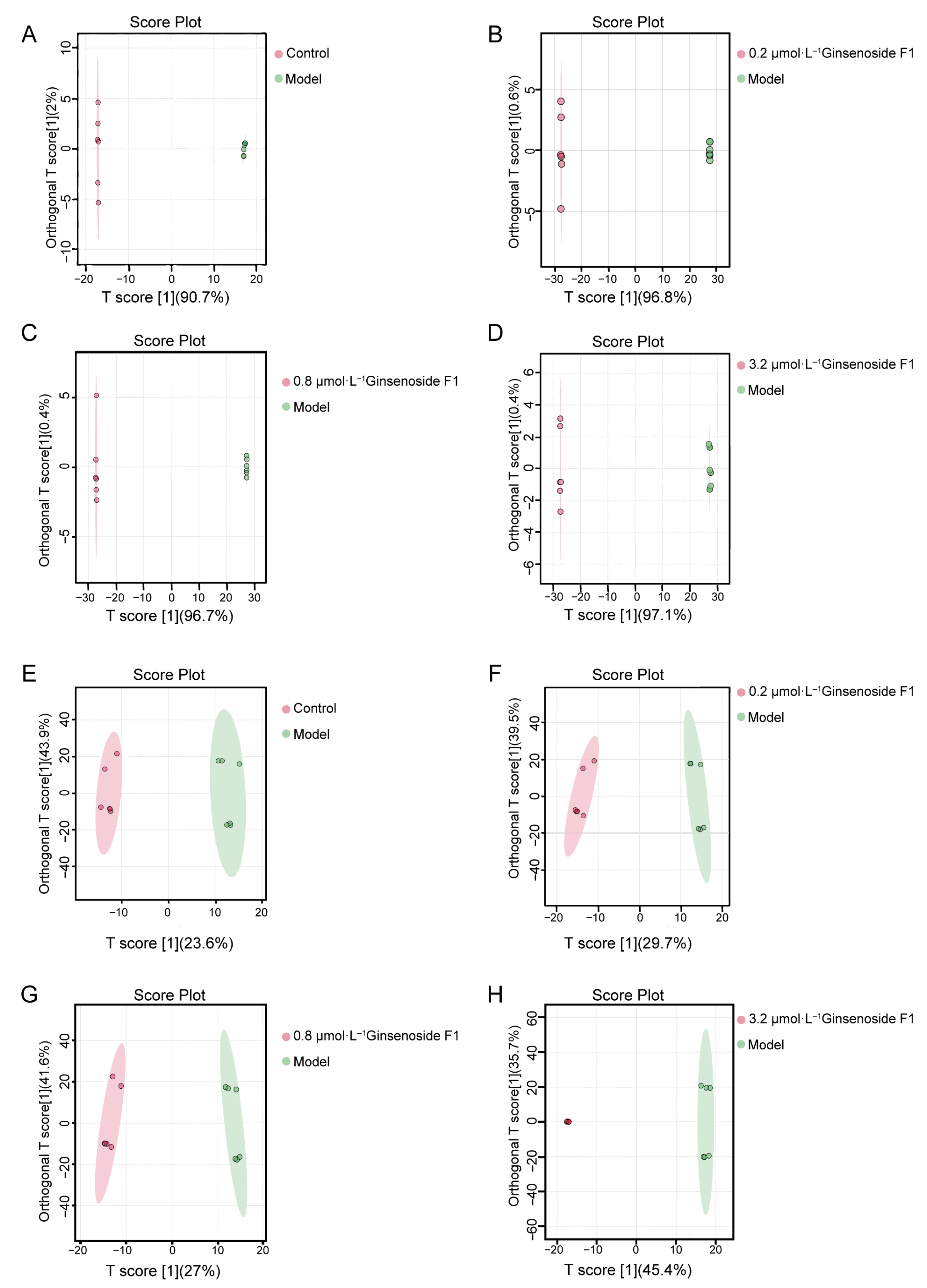
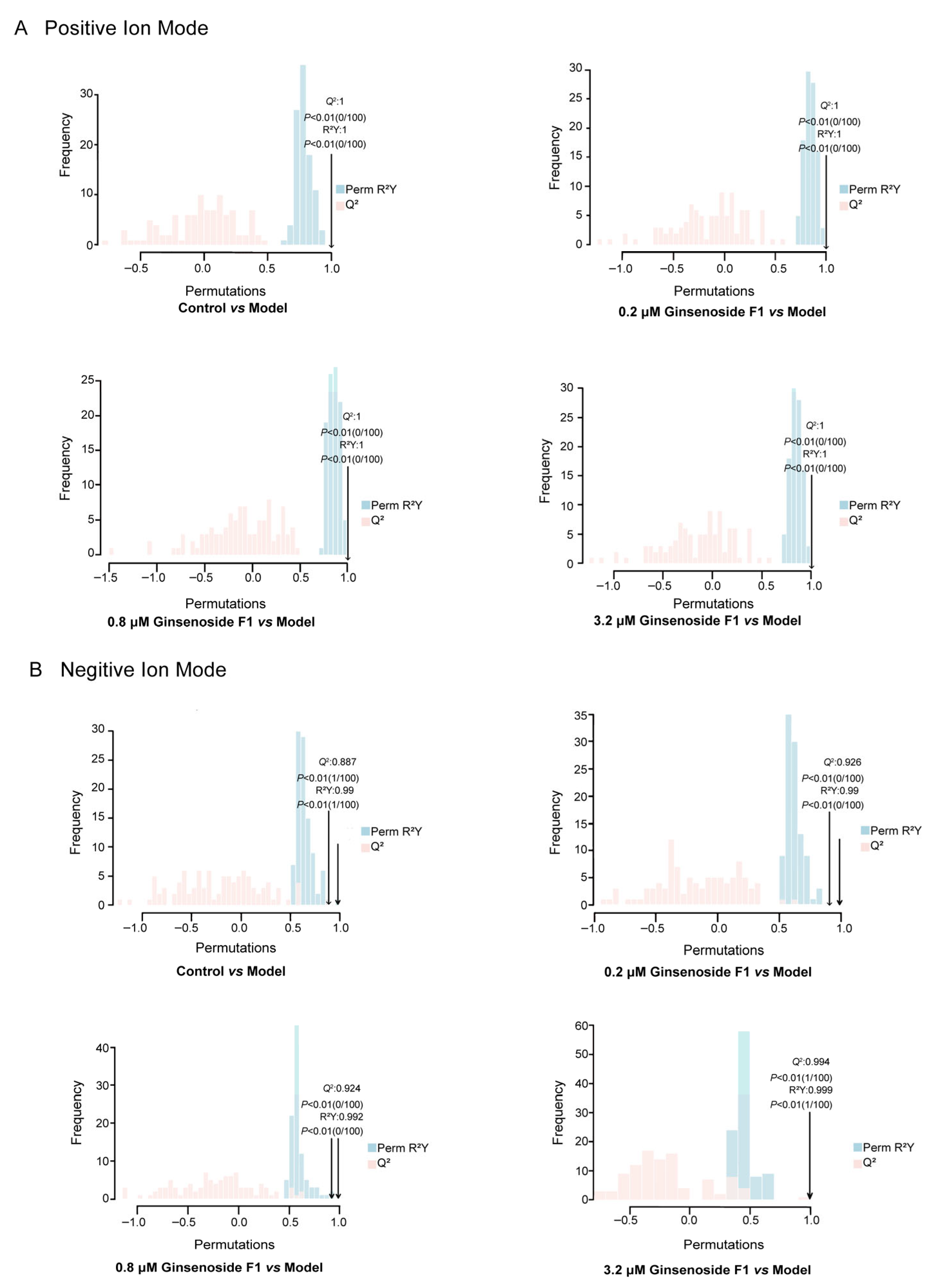
2.4. Multivariate Statistical Analysis of the Lipidome of HepG2 Cells Induced by Oleic Acid and Palmitic Acid After Ginsenoside F1 Intervention
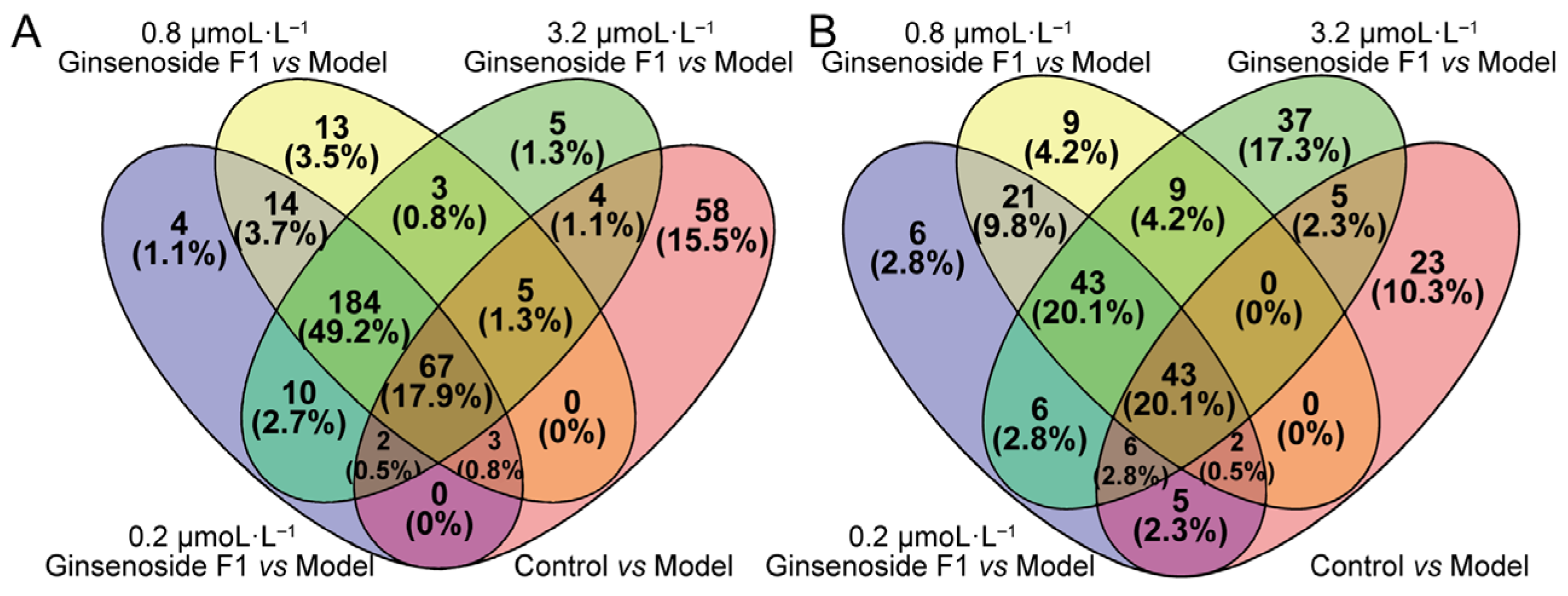
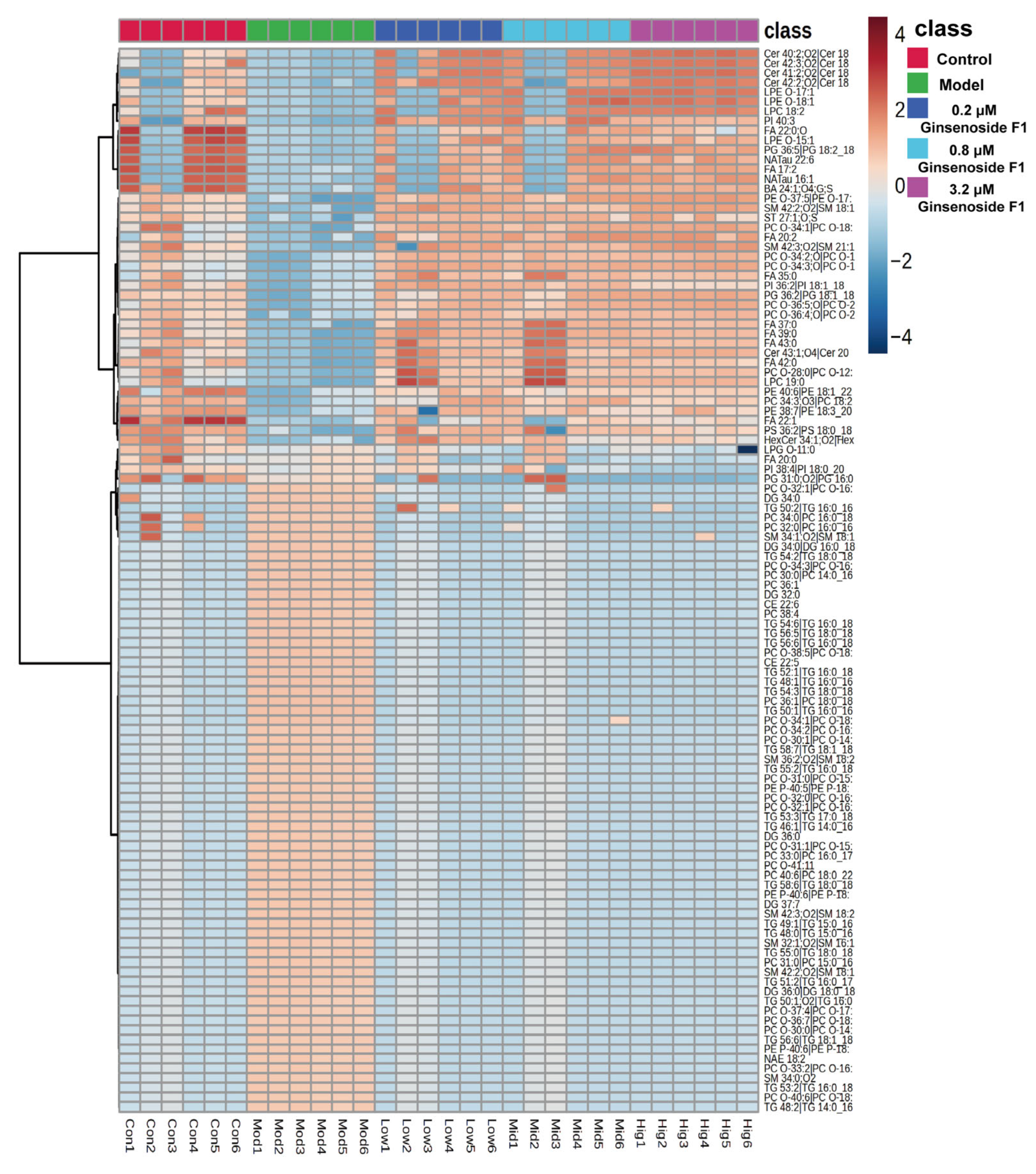
2.5. Screening and Analysis of Differential Lipid Metabolites in HepG2 Cells Induced by Oleic Acid and Palmitic Acid After Ginsenoside F1 Intervention
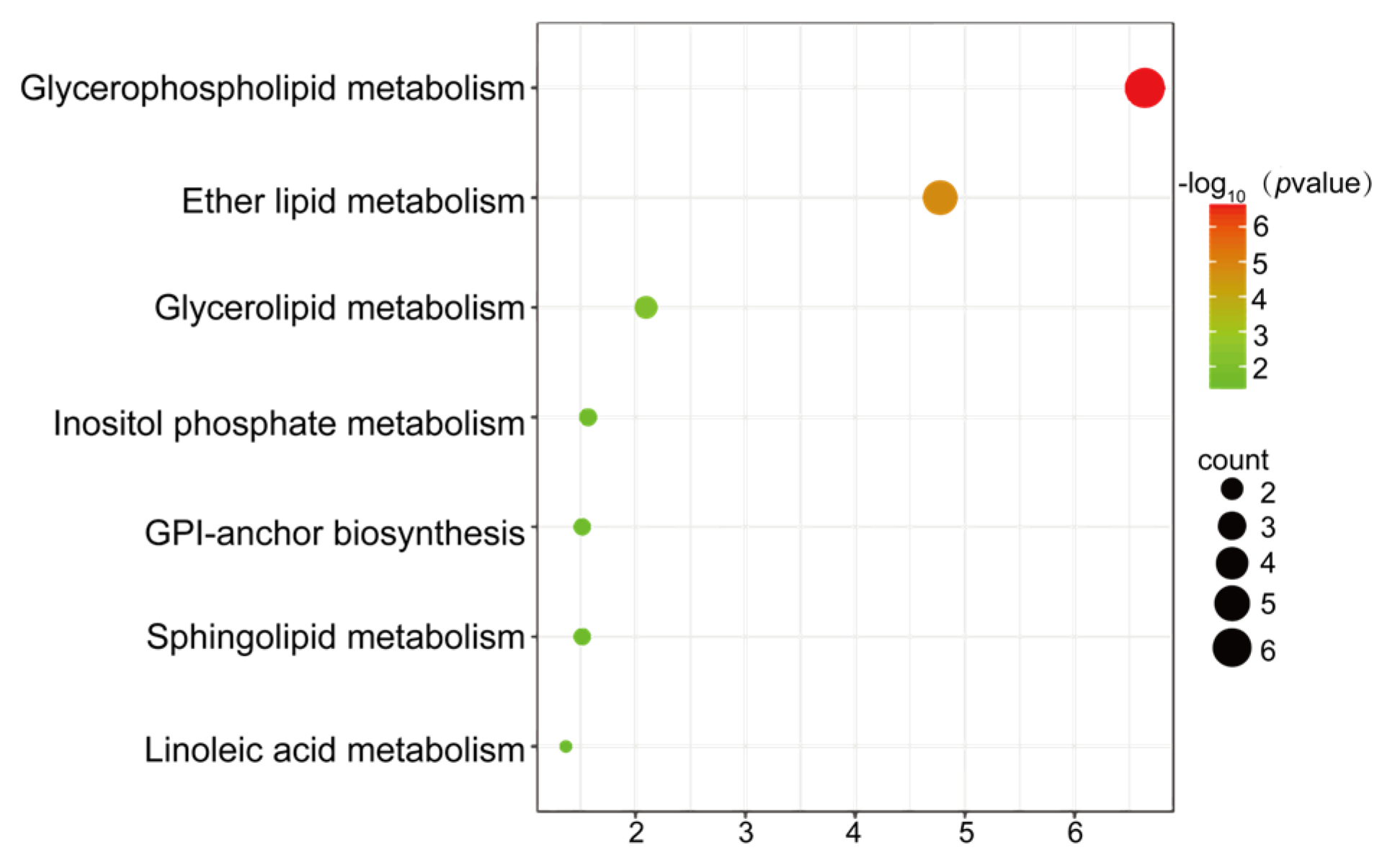
2.6. Lipid Metabolic Pathway Analysis of HepG2 Cells Induced by Oleic Acid and Palmitic Acid After Ginsenoside F1 Intervention
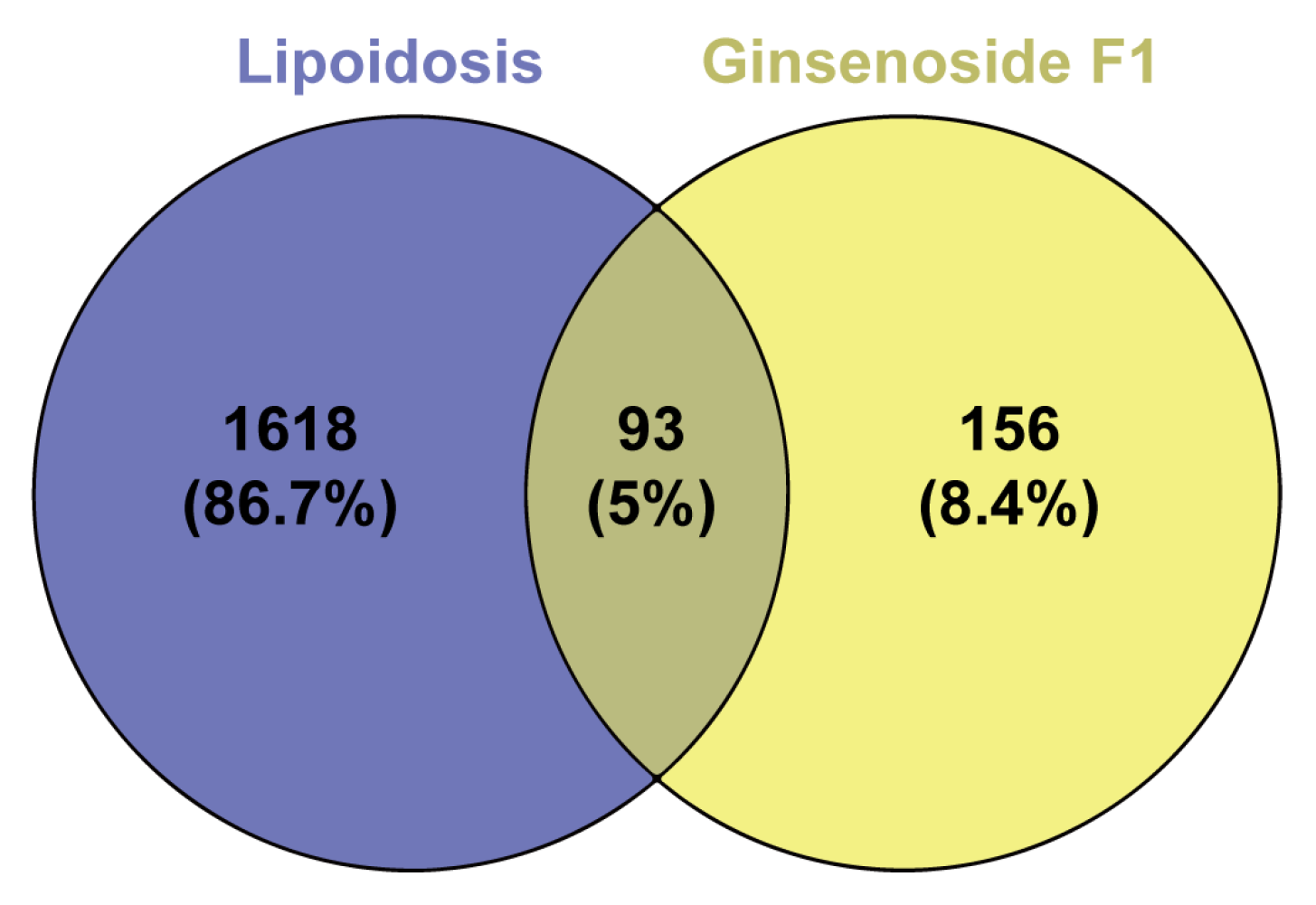
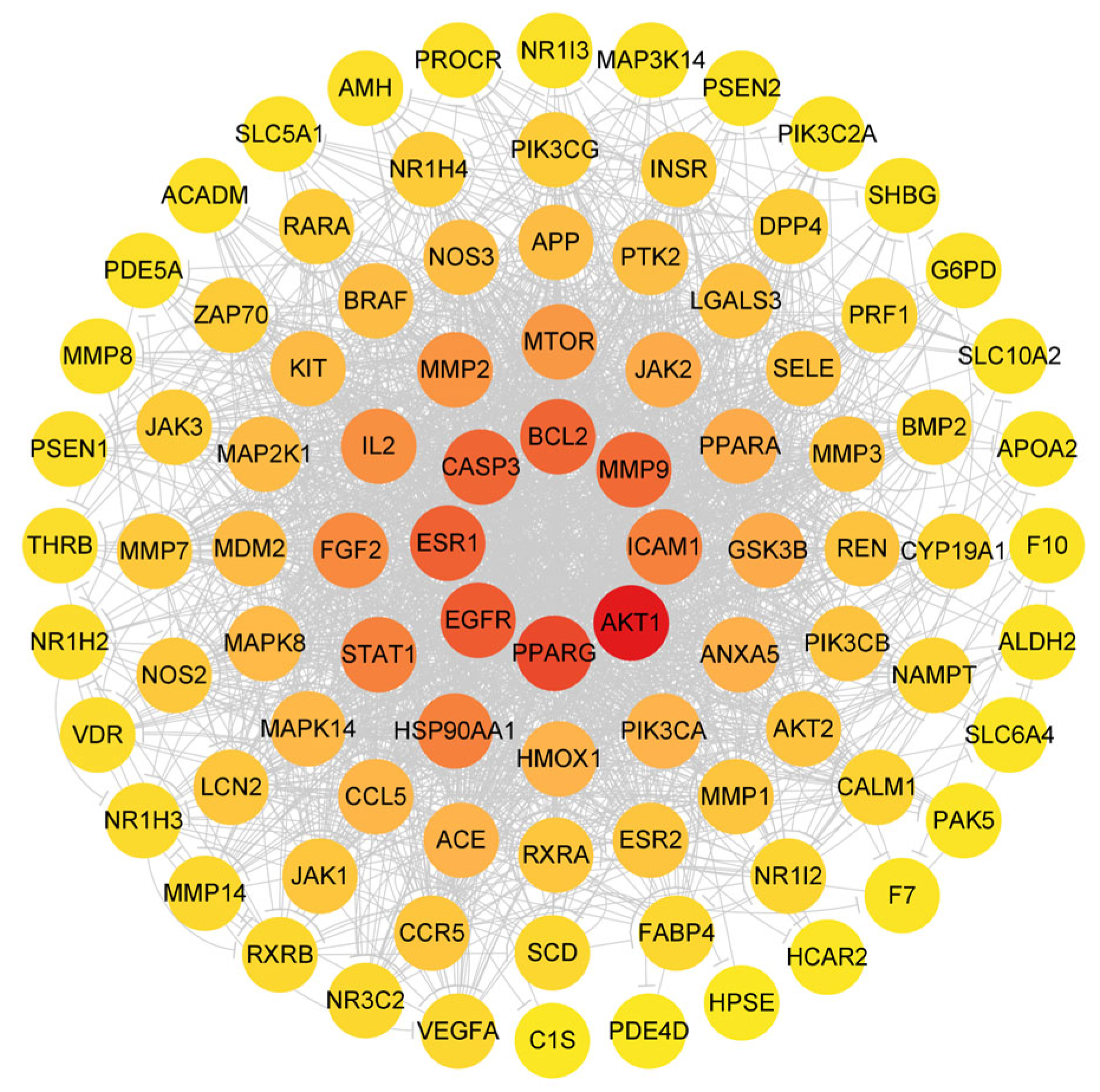
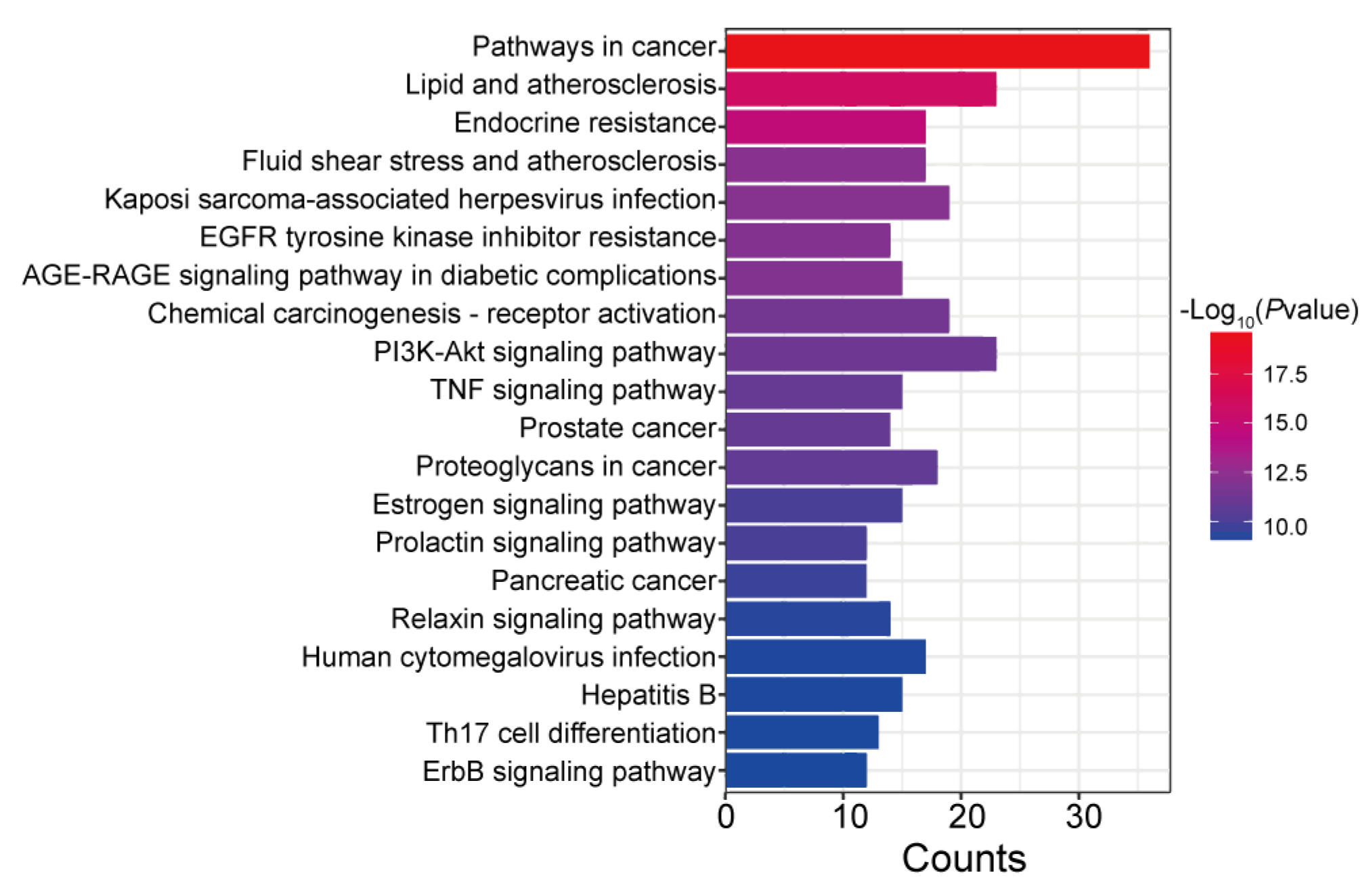
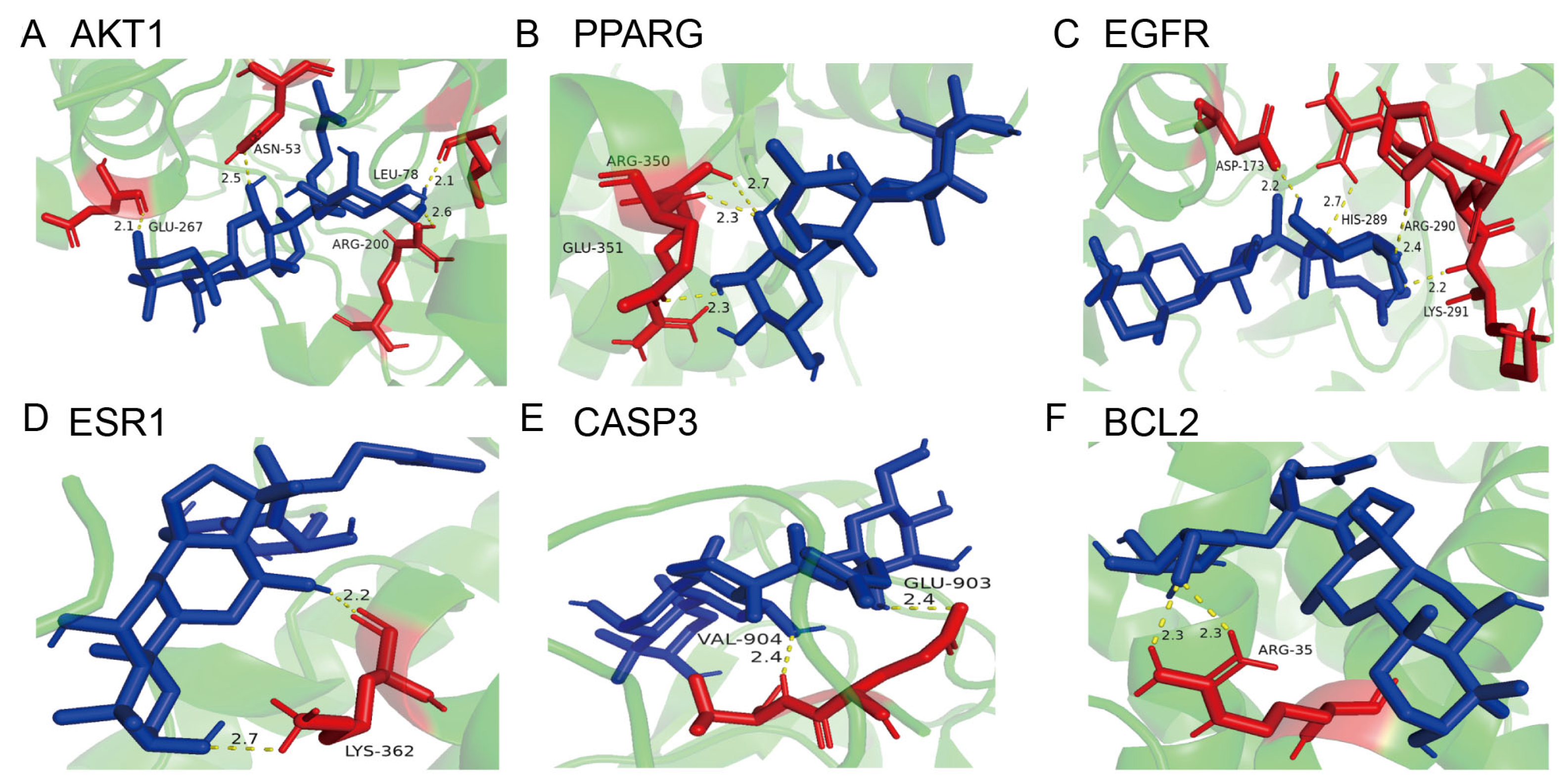
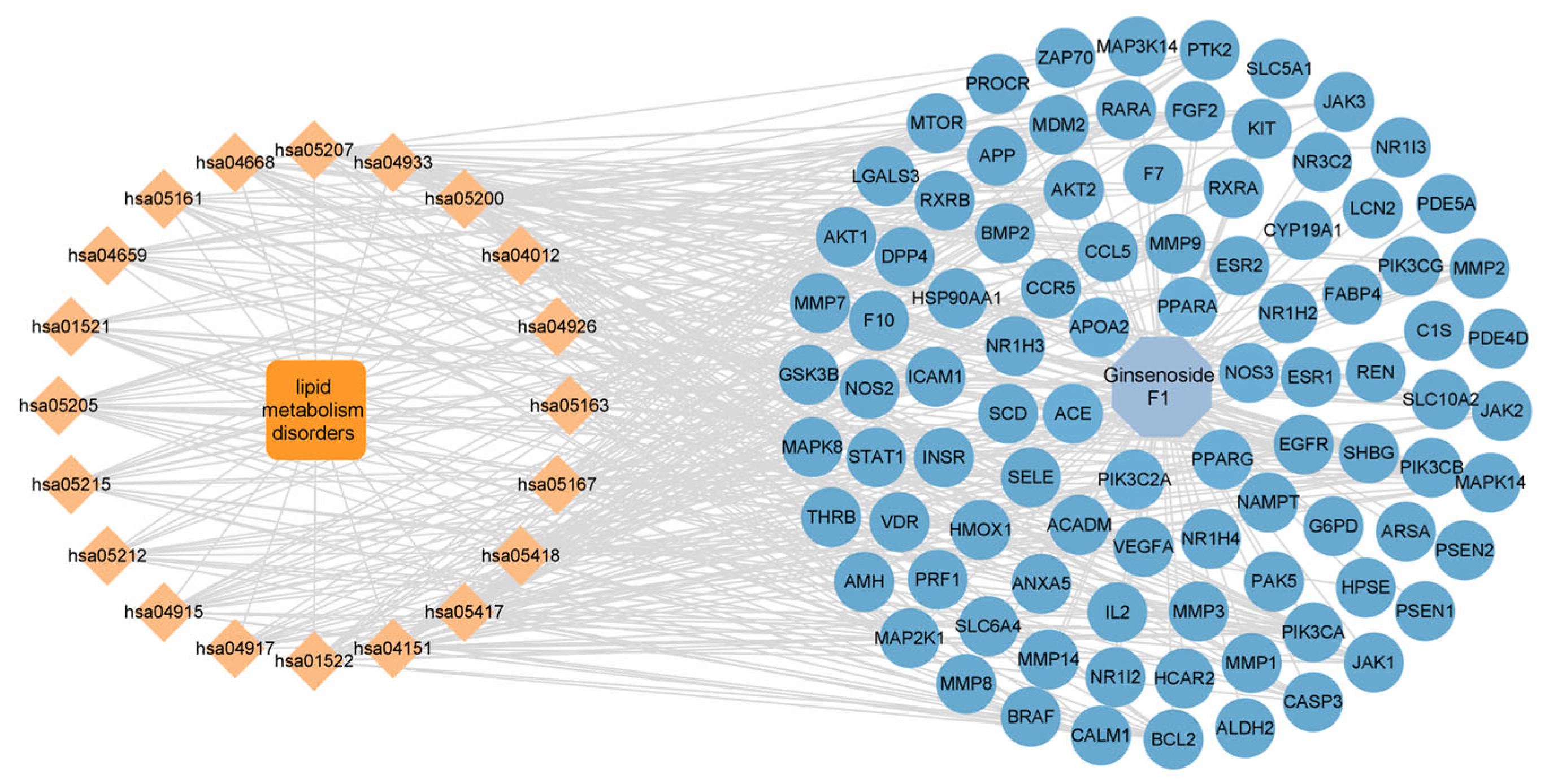
2.7. Network Pharmacological Analysis of Ginsenoside F1 in HepG2 Cells Induced by Oleic Acid and Palmitic Acid
3. Discussion
4. Materials and Methods
4.1. Materials
4.1.1. Cell Line
4.1.2. Drugs and Reagents
4.1.3. Instruments
4.2. Methods
4.2.1. Determination of the Effect of Ginsenoside F1 on HepG2 Cell Proliferation/Toxicity Using CCK-8 Assay
4.2.2. Determination of the Effect of Ginsenoside F1 on Lipid Level Influenced by HepG2 Cells Induced by Oleic Acid and Palmitic Acid
4.2.3. Determination of the Effect of Ginsenoside F1 on TC and TG Content in HepG2 Cells Treated with Oleic Acid and Palmitic Acid
4.2.4. Untargeted Lipidomic Study
4.2.5. Network Pharmacology Analysis and Molecular Docking
4.2.6. Data Processing
4.2.7. Statistical Analysis
5. Conclusions
Author Contributions
Funding
Data Availability Statement
Acknowledgments
Conflicts of Interest
References
- Lega, I.C.; Lipscombe, L.L. Review: Diabetes, Obesity, and Cancer-Pathophysiology and Clinical Implications. Endocr. Rev. 2020, 41, bnz014. [Google Scholar] [CrossRef]
- Zhang, J.H.; Lyu, Q.J.; Shan, K.N. Comparative Analysis of Long-term Efficacy of Rosuvastatin and Atorvastatin in Elderly Patients with Cerebral Infarction and Hyperlipidemia. Clin. Res. 2025, 33, 101–104. [Google Scholar]
- Cao, Y.H.; Xiao, Y.P.; Xu, Y.P.; Wang, Y.L.; Huang, L.; Xu, C.B. Association of statins with thyroid adverse events: A pharmacovigilance studycombining real-world and US FAERS/Canadian CVARD databases. Drug Eval. Res. 2025, 48, 2253–2262. [Google Scholar]
- Li, J.Y. Identifaction of the Hypolipidemic Substances and Mechanism of Nelumbinis Folium. Ph.D. Thesis, Nanjing University of Chinese Medicine, Nanjing, China, 2025. Available online: https://link.cnki.net/doi/10.27253/d.cnki.gnjzu.2025.000230 (accessed on 16 August 2025).
- Tramacere, I.; Boncoraglio, G.B.; Banzi, R.; Del Giovane, C.; Kwag, K.H.; Squizzato, A.; Moja, L. Comparison of Statins for Secondary Prevention in Patients with Ischemic Stroke or Transient Ischemic Attack: A Systematic Review and Network Meta-Analysis. BMC Med. 2019, 17, 67. [Google Scholar] [CrossRef] [PubMed]
- Mao, Y.M.; Ma, S.W.; Liu, C.H.; Liu, X.; Su, M.; Li, D.; Li, Y.; Chen, G.; Chen, J.; Chen, J.; et al. Chinese Guideline for the Diagnosis and Treatment of Drug-Induced Liver Injury: An Update. Hepatol. Int. 2024, 18, 384–419. [Google Scholar] [CrossRef] [PubMed]
- Ko, M.J.; Jo, A.J.; Kim, Y.J.; Kang, S.H.; Cho, S.; Jo, S.-H.; Park, C.-Y.; Yun, S.-C.; Lee, W.J.; Park, D.-W. Time- and Dose-Dependent Association of Statin Use with Risk of Clinically Relevant New-Onset Diabetes Mellitus in Primary Prevention: A Nationwide Observational Cohort Study. J. Am. Heart Assoc. 2019, 8, e011320. [Google Scholar] [CrossRef]
- Lu, Q.Y.; Shen, Q.R.; Tang, A.C. Research Progress on Clinical Application and Adverse Reactions of Rosuvastatin. Mod. Med. Health 2022, 38, 1719–1723. [Google Scholar] [CrossRef]
- Ye, M.; Ma, J.W.; Zhong, H.-Y.; Xu, Y.-L. Lipid-lowering activity of Panax notoginseng flowers and rhizomes onhyperlipidemia rats based on chemical composition similarity. China J. Chin. Mater. Medica 2025, 50, 776–786. [Google Scholar] [CrossRef]
- Shi, Q.-H.; Yu, Q.-Q.; Zhang, Z.-H.; Lan, B.; Li, R.; Wu, F.; Wen, Y.; Zeng, P.; Li, F. Effects of Yiyi Ren aqueous Preparation on blood Lipid regulation and Spleen-strengthening and dampness-eliminating effects in hyperlipidemia rats with syndrome of spleen deficency and excessive dampness. J. Clin. Med. Pract. 2025, 29, 82–86,91. [Google Scholar]
- Wang, K.-X.; Xu, W.-J.; Zhang, F.-L.; Ding, M.; Tan, X.; Xia, T. Exploring the Mechanism of Simiao Pill in Improving Lipid Deposition in FFA-induced HepG2 Hyperlipidemia Cell Model Based on PIK3CA/AKT1/PPARG/CYP7A1 Signaling Pathway. Drug Eval. Res. 2025, 48, 1425–1437. [Google Scholar]
- Peng, C.; Hu, X.-F.; Chen, Z.-T.; Dou, C.; Yang, P.; Bi, J.; Ding, L.; Wu, L.; Qin, L.; Liu, T. Research Progress on Hypoglycemic Effects and Mechanisms of Saponins from Traditional Chinese Medicine. Chin. J. Exp. Tradit. Med. Formulae 2023, 29, 266–275. [Google Scholar]
- Yao, M.-J.; Lyu, J.-P.; Zhang, Q.; Zhang, H.; Sun, J. Research on Chemical Constituents and Pharmacological Effects of Panax Ginseng. Jilin J. Tradit. Chin. Med. 2017, 37, 1261–1263. [Google Scholar]
- Chi, W.C.; Jiang, Q.H.; Jiang, J.K.; Lin, X.Y.; Xu, Y.Y.; Wu, L.; Liu, T.; Hu, Y. Research Progress on Panax Ginseng as a Medicinal and Edible Homologous Substance. Mod. J. Integr. Chin. West. Med. 2025, 34, 850–853. [Google Scholar]
- Liu, D.; Zhang, Z.; Peng, T.; Yu, Z.; Sun, J.; Kong, F.; Feng, X. Ginsenoside F1 inhibits cholesterol overload in oxidative-damaged cells through SREBP2/HMGCR pathway. J. Hyg. Res. 2024, 53, 60–65. [Google Scholar] [CrossRef]
- Meng, Y.H. Studies on the Hypolipidemic Effects of Ginsenoside F1 Based on Uncoupling Protein 1 (UCP1). Master’s Thesis, Northeast Normal University, Changchun, China, 2020. [Google Scholar]
- Chen, S.-J.; Zhang, H.-S.; Huang, X.-P.; Li, W.-H.; Liu, Y.; Fan, C.; Liu, F.-Y.; Zhao, H.-Y.; Zheng, Y.-Q. Metabolomic Characterization of Congenital Microtia: A Possible Analysis for Early Diagnosis. Ann. Transl. Med. 2022, 10, 1330. [Google Scholar] [CrossRef]
- Xie, Y.; Li, G.-P.; Duan, Y.-Y.; Li, L.; Lv, Y.; Wen, J.; Cao, L.; Li, X.; Yang, H.; Xiao, W.; et al. Alisma Extract Improves Lipid Metabolism and Oxidative Stress Abnormalities in a Free Fatty Acid-induced HepG2 Steatosis Cell Model. Chin. Tradit. Herb. Drugs 2024, 55, 2002–2012. [Google Scholar]
- Zhang, C.H.; Cheng, Z.W.; Xue, Y.N.; Wei, Y.; Sheng, J.; Song, Z.; Wu, A.; Yu, L.; Luo, X. Effects of Gegen Qinlian Decoction Medicated Serum on FXR Pathway-related Signaling Factors in a Free Fatty Acid-induced HepG2 Cell Fat Accumulation Model. J. Li-Shizhen Tradit. Chin. Med. 2022, 33, 2077–2080. [Google Scholar]
- Fu, J.Q. Study on the Protective Effect and Mechanism of Panaxatriol Saponins against Ionizing Radistion Damage Based on Mtabolomic. Master’s Thesis, Heilongjiang University of Chinese Medicine, Harbin, China, 2021. [Google Scholar] [CrossRef]
- Cheng, X. Investigating Biological Effects and Mechanisms of Resolving Phlegm, Activating Blood and Penetrating Lines Formula on Potential Lipid Biomarkers of Atherosclerosis Based on LC-MS Lipidomics. Master’s Thesis, Hubei University of Chinese Medicine, Wuhan, China, 2024. [Google Scholar] [CrossRef]
- Zhang, Q.; Sui, G.-Y.; Song, N.; Jia, L. Based on the regulation of cholesterol reverse transport by Apoa-I, to explore the effect of phosphatidylcholine on hyperlipidemic mice. Acta Lab. Anim. Sci. Sin. 2025, 33, 23–33. [Google Scholar]
- Chen, R.N. Metabolomics study on the lipid metabolic effects of bisphenol AF on HepG2 cells. Master’s Thesis, China Medical University, Shenyang, China, 2024. [Google Scholar]
- Burgess, J.W.; Neville, T.A.; Rouillard, P.; Harder, Z.; Beanlands, D.S.; Sparks, D.L. Phosphatidylinositol Increases HDL-C Levels in Humans. J. Lipid Res. 2005, 46, 350–355. [Google Scholar] [CrossRef]
- Erika, R.; Jonathan, G.M.; Neil, Q.M.; Mulet, X.; Ho, K.K.; Lossi, N.; Schmid, A.C.; Mirabelli, M.; Pomeranz, K.M.; Erneux, C.; et al. A Small-molecule Inhibitorfor Phosphatase and Tensin Homologue Deleted on Chromosome 10 (PTEN). Acs Chem. Biol. 2006, 1, 780–790. [Google Scholar]
- Xu, R.; Zhong, P.F.; Zhou, C.Y.; Hu, X.; Yuan, X.; Hu, Z.; Zhang, Q.; Yang, B. Investigation of the Improving Effect of Total Saponins from Panax japonicus on Lipid Metabolism in HepG2 Cells Based on UPLC-Q/TOF MS Technology. J. Instrum. Anal. 2023, 42, 1434–1441. [Google Scholar]
- Jing, B.T. Integrated Multi-omics Analysis of the Mechanism of Mulberry Fruit Polysaccharide MFP-1 Against Alcoholic Liver Injury. Master’s Thesis, Guizhou Normal University, Guizhou, China, 2025. [Google Scholar]
- Su, D.-F.; Zhang, H.-Y.; Zhou, J.; Lin, Y.; Guo, L.; Zeng, X.; Chen, Q.; Zhang, W. Investigation of the Effect of Alisol G on Lipid Metabolism during the Differentiation of 3T3-L1 Preadipocytes Based on UPLC-Q TOF-MS/MS. Chin. J. Pharm. Anal. 2025, 45, 1347–1359. [Google Scholar]
- Hao, X.T. Study on the Lipid-lowering Mechanism of Sangju Yinzha Tea Based on Network Pharmacology-Metabolomics-Gut Microbiota. Master’s Thesis, Henan University, Zhengzhou, China, 2024. [Google Scholar]
- Song, J.-Y.; Qi, X.-L.; Guo, H.-Z.; Hu, L. Lipidomic Analysis of Glycine-Induced Bacterial Outer Membrane Vesicle Secretion. Chin. J. Chromatogr. 2025, 43, 547–555. [Google Scholar] [CrossRef] [PubMed]
- Yurekten, O.; Payne, T.; Tejera, N.; Amaladoss, F.X.; Martin, C.; Williams, M.; O’Donovan, C. MetaboLights: Open data repository for metabolomics. Nucleic Acids Res. 2024, 52, D640–D646. [Google Scholar] [CrossRef] [PubMed]





| Model Number | Pattern | Sample Group | R2X | R2Y | Q2 |
|---|---|---|---|---|---|
| A | Positive ion | Control group vs. model group | 0.907 | 1 | 0.999 |
| B | Positive ion | 0.2 μM F1 group vs. model group | 0.968 | 1 | 1 |
| C | Positive ion | 0.8 μM F1 group vs. model group | 0.967 | 1 | 1 |
| D | Positive ion | 3.2 μM F1 group vs. model group | 0.971 | 1 | 1 |
| E | Negative ion | Control group vs. model group | 0.236 | 0.671 | 0.518 |
| F | Negative ion | 0.2 μM F1 group vs. model group | 0.297 | 0.85 | 0.727 |
| G | Negative ion | 0.8 μM F1 group vs. model group | 0.27 | 0.855 | 0.694 |
| H | Negative ion | 3.2 μM F1 group vs. model group | 0.454 | 0.886 | 0.846 |
| KEGG ID | Class | Metabolite Name | Model vs. Control | F1 vs. Model |
|---|---|---|---|---|
| C00157 | Phosphatidylcholine | PC 16:0_16:0 | ↑ | ↓ |
| PC 18:0_18:1 | ↑ | ↓ | ||
| PC 16:0_18:0 | ↑ | ↓ | ||
| Phosphatidylcholine | PC 36:1 | ↑ | ↓ | |
| PC 14:0_16:0 | ↑ | ↓ | ||
| PC 38:4 | ↑ | ↓ | ||
| PC 15:0_16:0 | ↑ | ↓ | ||
| PC 16:0_17:0 | ↑ | ↓ | ||
| PC 18:0_22:6 | ↑ | ↓ | ||
| C00641 | Diglyceride | DG 34:0 | ↑ | ↓ |
| DG 32:0 | ↑ | ↓ | ||
| DG 16:0_18:0 | ↑ | ↓ | ||
| DG 37:7 | ↑ | ↓ | ||
| DG 36:0 | ↑ | ↓ | ||
| DG 18:0_18:0 | ↑ | ↓ |
| Mobile Phase Conditions | ||
|---|---|---|
| Instrument | Nexera UPLC-40DXR system (SHIMADZU, Japan) | |
| Column | ACQUITY UPLC BEH C18 column (2.1 mm × 100 mm, 1.7 μm, Waters) | |
| Column temperature | 37 °C | |
| Mobile phase A | Acetonitrile-ultrapure water mixture (6:4, v/v) | |
| Mobile phase B | Isopropanol-acetonitrile mixture (9:1, v/v) | |
| Gradient program | 0–2 min | Mobile phase B, 10–40% |
| 2–5 min | Mobile phase B, 40–46% | |
| 5–15 min | Mobile phase B, 46–48% | |
| 15–16.5 min | Mobile phase B, 48–100% | |
| 36.8–38.5 min | Mobile phase B, 10% | |
| Flow rate | 0.26 mL·min−1 | |
| Injection volume | 2 μL | |
| Positive Ion Mode | Negative Ion Mode | |
|---|---|---|
| Spray voltage (V) | 5500 | −4500 |
| Nebulizer gas pressure (psi) | 50 | 50 |
| Auxiliary/dry gas pressure (psi) | 50 | 50 |
| Curtain gas pressure (psi) | 30 | 30 |
| Ion source dry gas temperature (°C) | 500 | 500 |
| Collision gas pressure (psi) | 7 | 7 |
| TOF start mass (Da) | 50 | 50 |
| TOF end mass (Da) | 1200 | 1200 |
| Declustering potential (V) | 60 | 60 |
| Accumulation time (s) | 0.15 | 0.15 |
Disclaimer/Publisher’s Note: The statements, opinions and data contained in all publications are solely those of the individual author(s) and contributor(s) and not of MDPI and/or the editor(s). MDPI and/or the editor(s) disclaim responsibility for any injury to people or property resulting from any ideas, methods, instructions or products referred to in the content. |
© 2026 by the authors. Licensee MDPI, Basel, Switzerland. This article is an open access article distributed under the terms and conditions of the Creative Commons Attribution (CC BY) license.
Share and Cite
Zhou, J.; Su, D.-F.; Chi, Y.-X.; Chen, Q.-C.; Huang, Y.-X.; Chen, S.-X.; Liu, S.; Liu, J.-H.; Zhang, W.-Y. Lipidomics-Based Investigation of the Effects of Ginsenoside FI on Free Fatty Acid-Induced Metabolism in HepG2 Cells. Pharmaceuticals 2026, 19, 772. https://doi.org/10.3390/ph19050772
Zhou J, Su D-F, Chi Y-X, Chen Q-C, Huang Y-X, Chen S-X, Liu S, Liu J-H, Zhang W-Y. Lipidomics-Based Investigation of the Effects of Ginsenoside FI on Free Fatty Acid-Induced Metabolism in HepG2 Cells. Pharmaceuticals. 2026; 19(5):772. https://doi.org/10.3390/ph19050772
Chicago/Turabian StyleZhou, Jie, Dai-Feng Su, Yu-Xin Chi, Quan-Cheng Chen, Yu-Xin Huang, Shu-Xian Chen, Shuang Liu, Jin-Hao Liu, and Wei-Yun Zhang. 2026. "Lipidomics-Based Investigation of the Effects of Ginsenoside FI on Free Fatty Acid-Induced Metabolism in HepG2 Cells" Pharmaceuticals 19, no. 5: 772. https://doi.org/10.3390/ph19050772
APA StyleZhou, J., Su, D.-F., Chi, Y.-X., Chen, Q.-C., Huang, Y.-X., Chen, S.-X., Liu, S., Liu, J.-H., & Zhang, W.-Y. (2026). Lipidomics-Based Investigation of the Effects of Ginsenoside FI on Free Fatty Acid-Induced Metabolism in HepG2 Cells. Pharmaceuticals, 19(5), 772. https://doi.org/10.3390/ph19050772