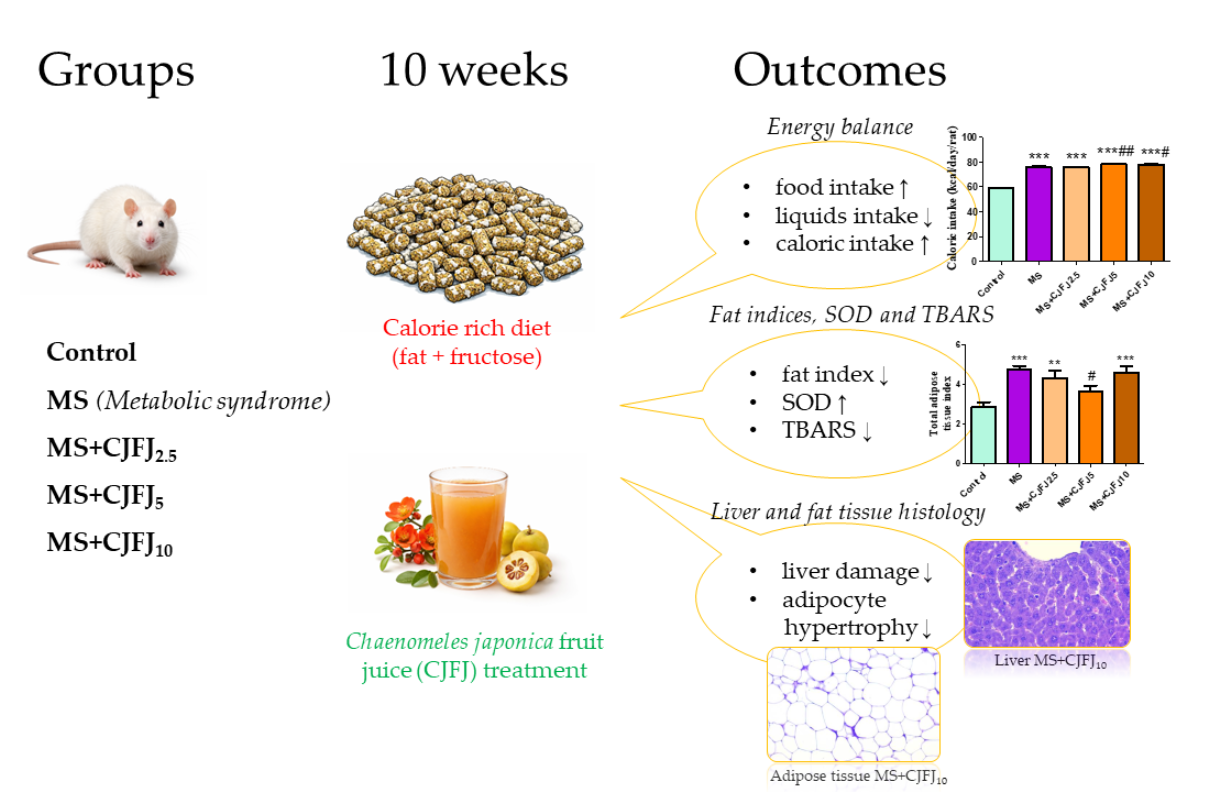
Effects of Chaenomeles japonica Fruit Juice on Energy Balance and Biochemical and Histological Parameters in a Model of Diet-Induced Metabolic Syndrome in Rats
 , , , , ,
Abstract
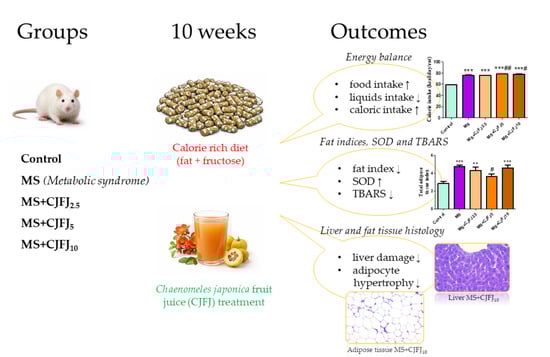
1. Introduction
2. Results
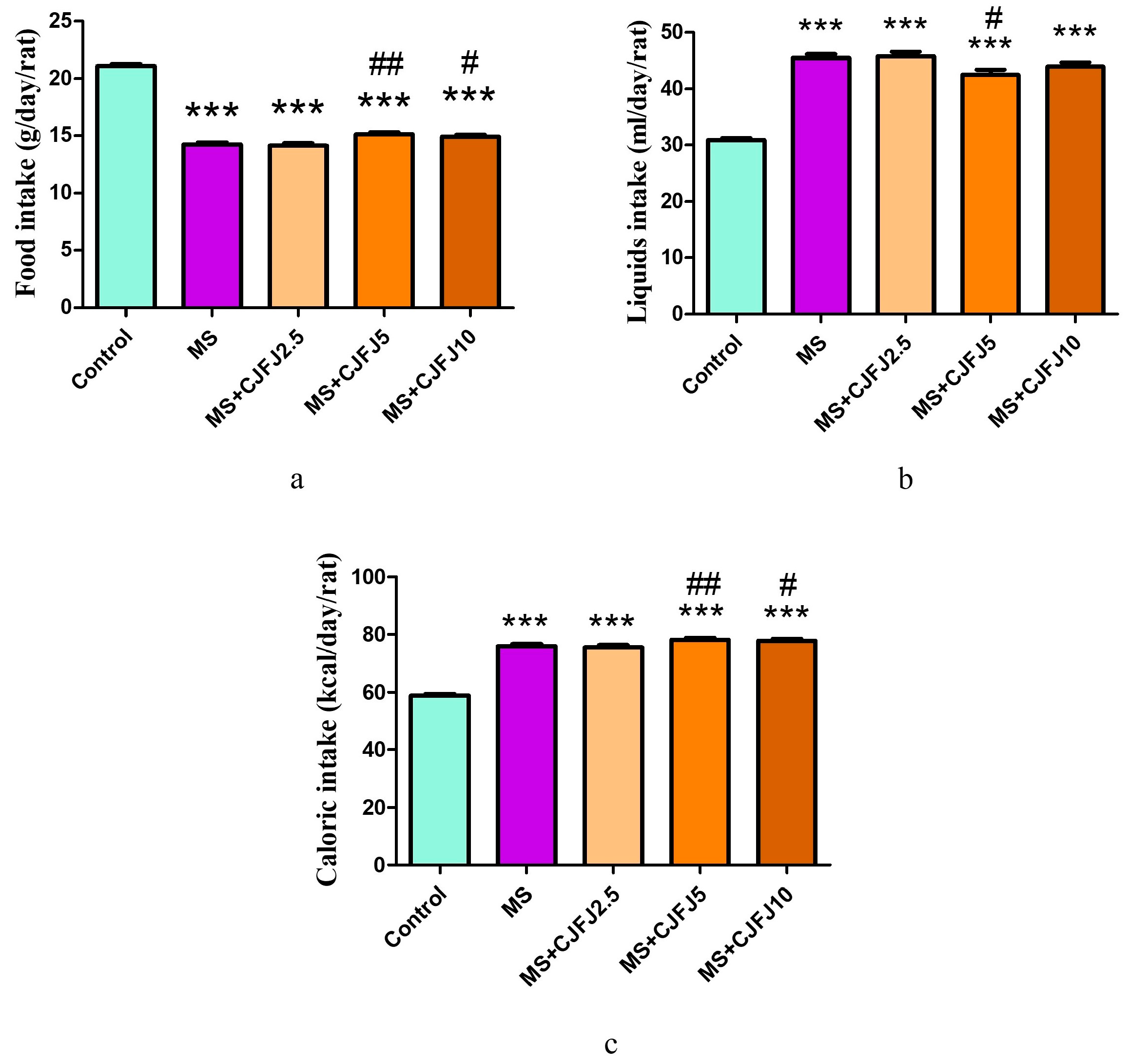
2.1. Effects of Chaenomeles japonica Fruit Juice on Energy Balance
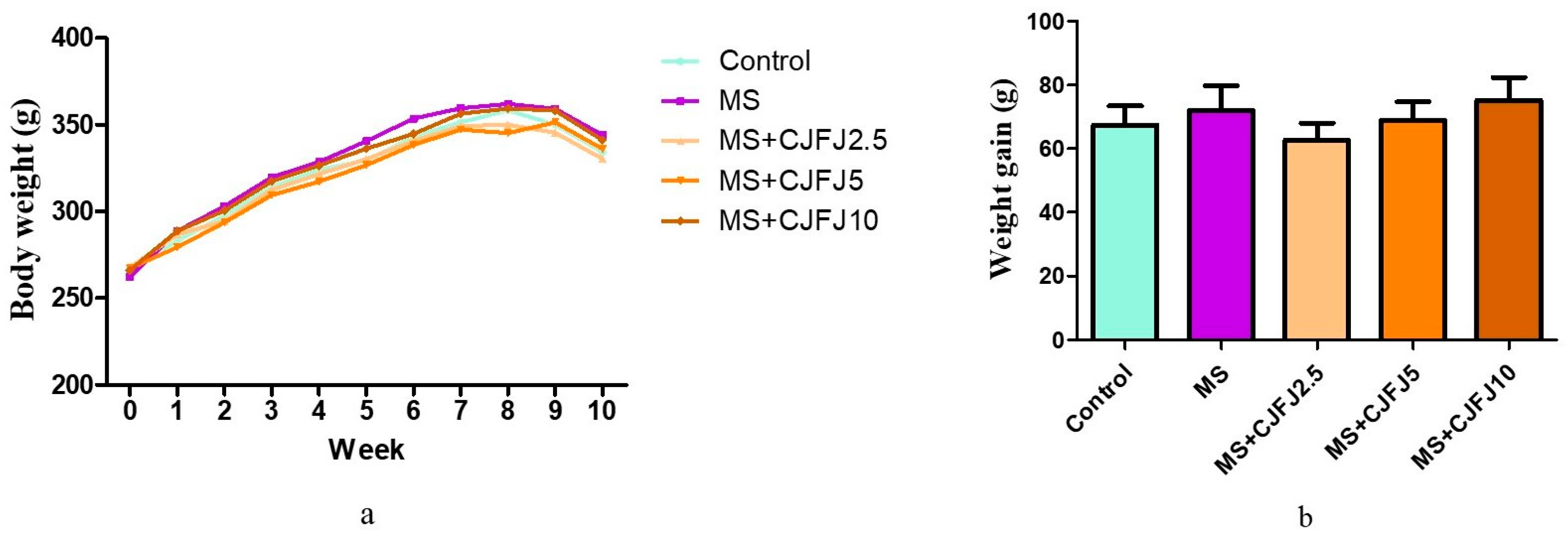
2.2. Effects of Chaenomeles japonica Fruit Juice on Total Body Weight
2.3. Effects of Chaenomeles japonica Fruit Juice on Glucose Tolerance Test (GTT)
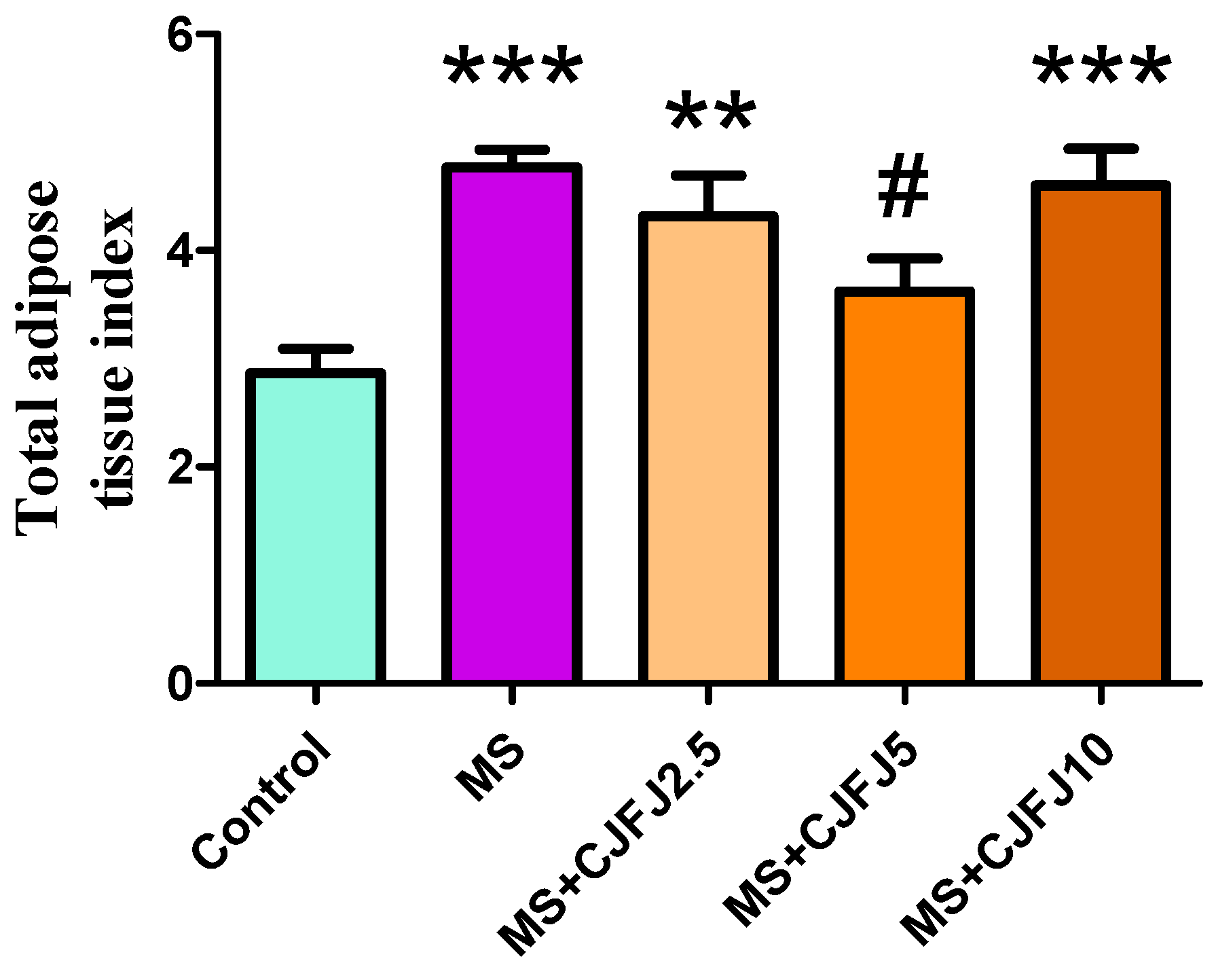
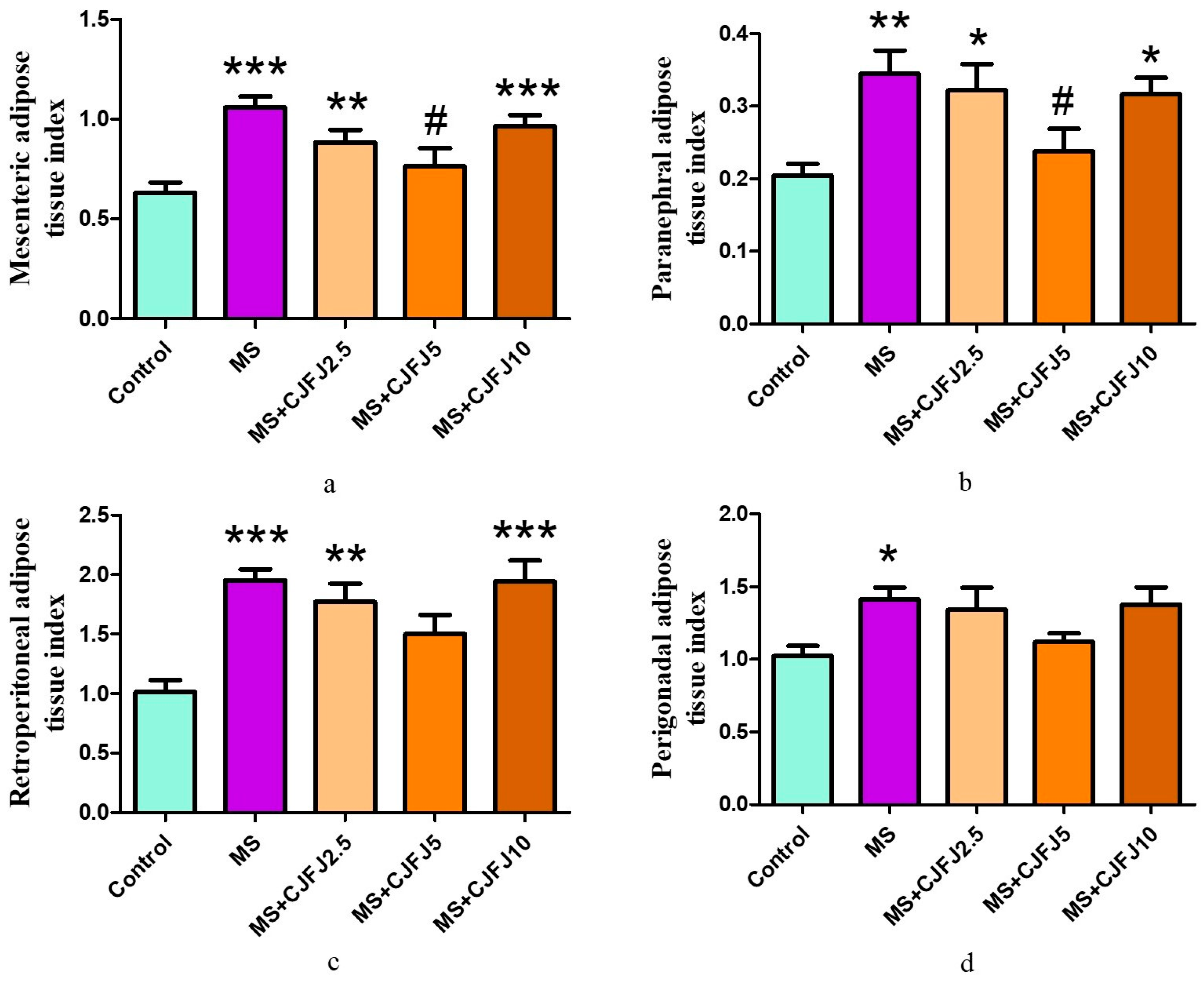
2.4. Effects of Chaenomeles japonica Fruit Juice on Fat Indices
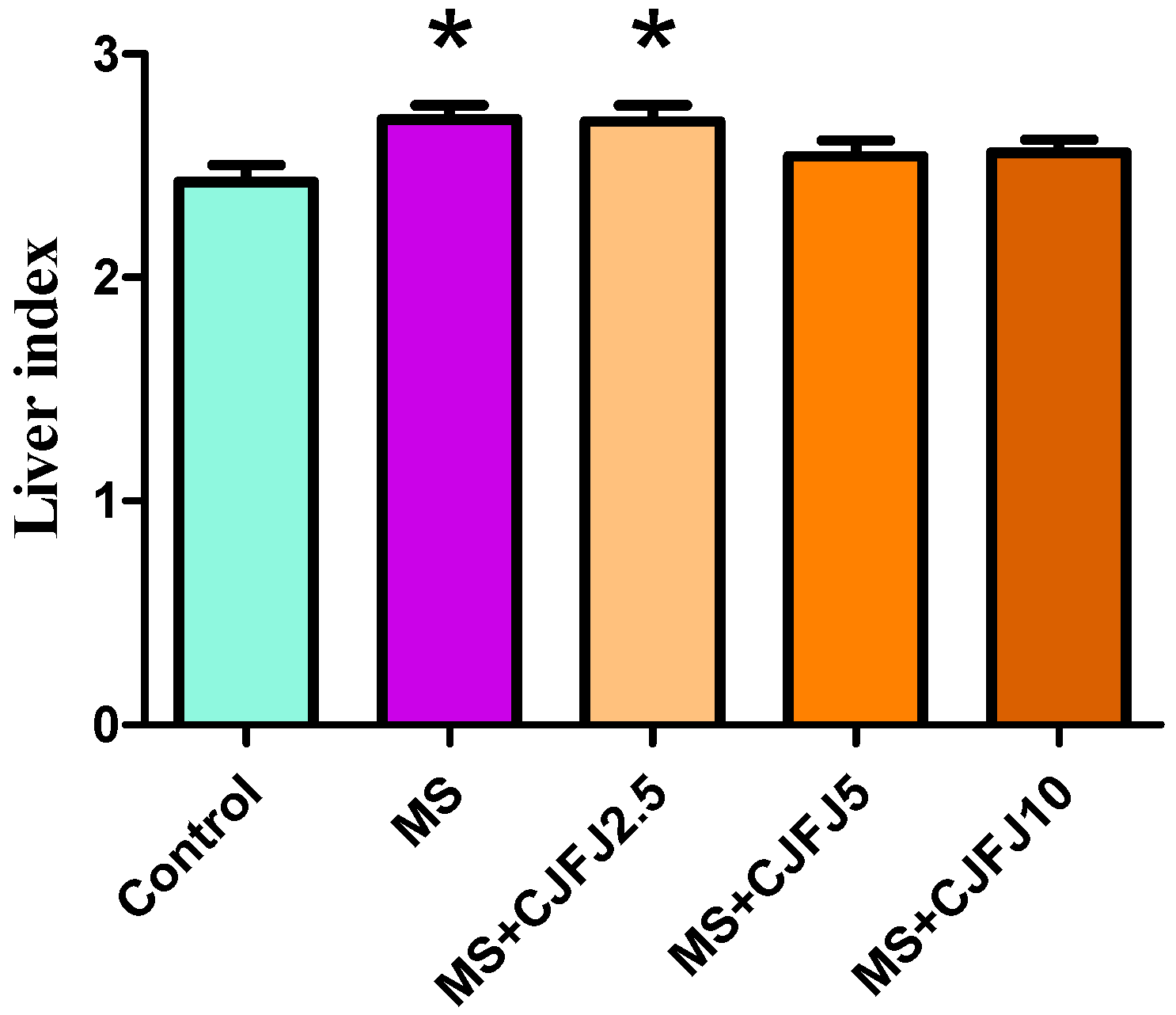
2.5. Effects of Chaenomeles japonica Fruit Juice on Liver Index
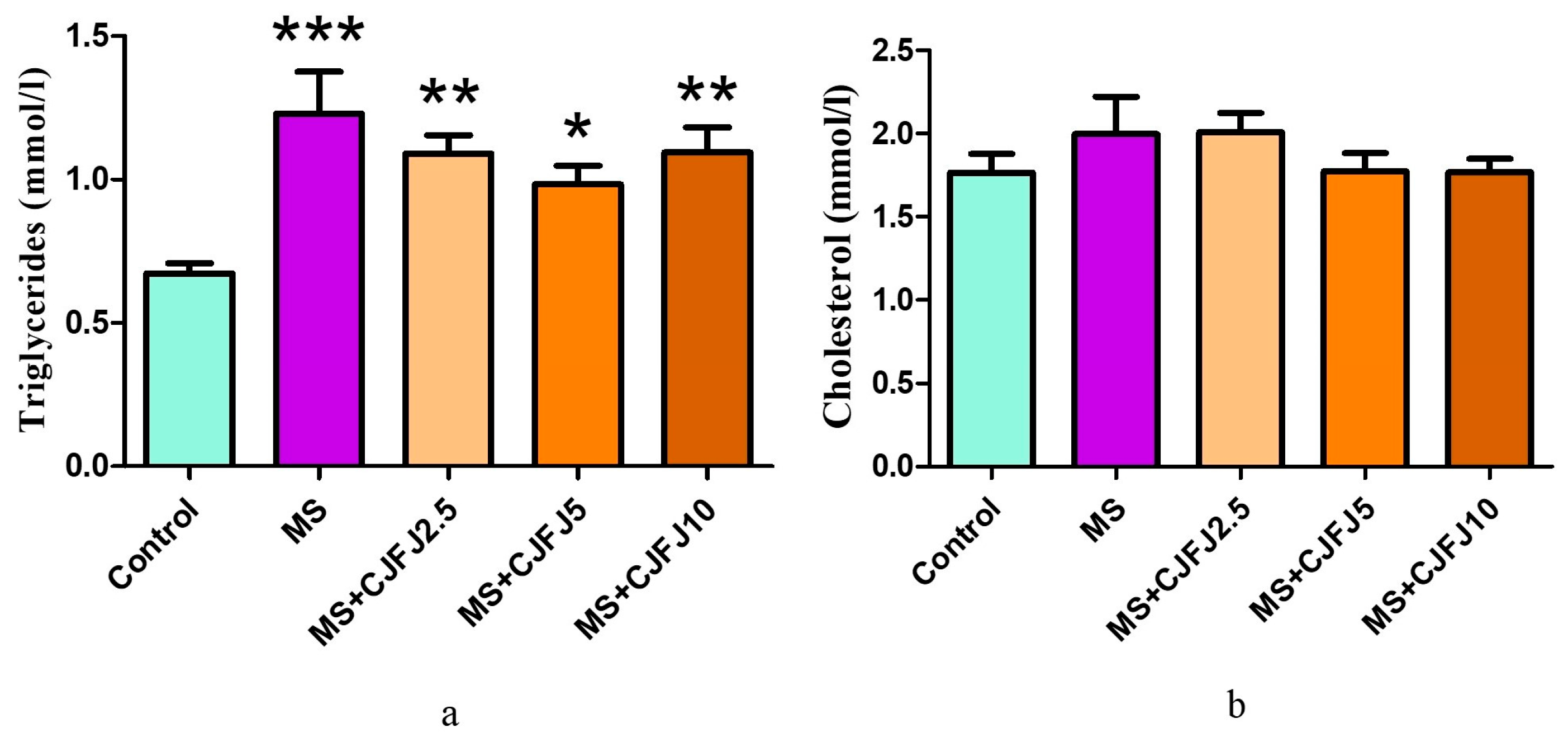
2.6. Effects of Chaenomeles japonica Fruit Juice on the Lipid Profile
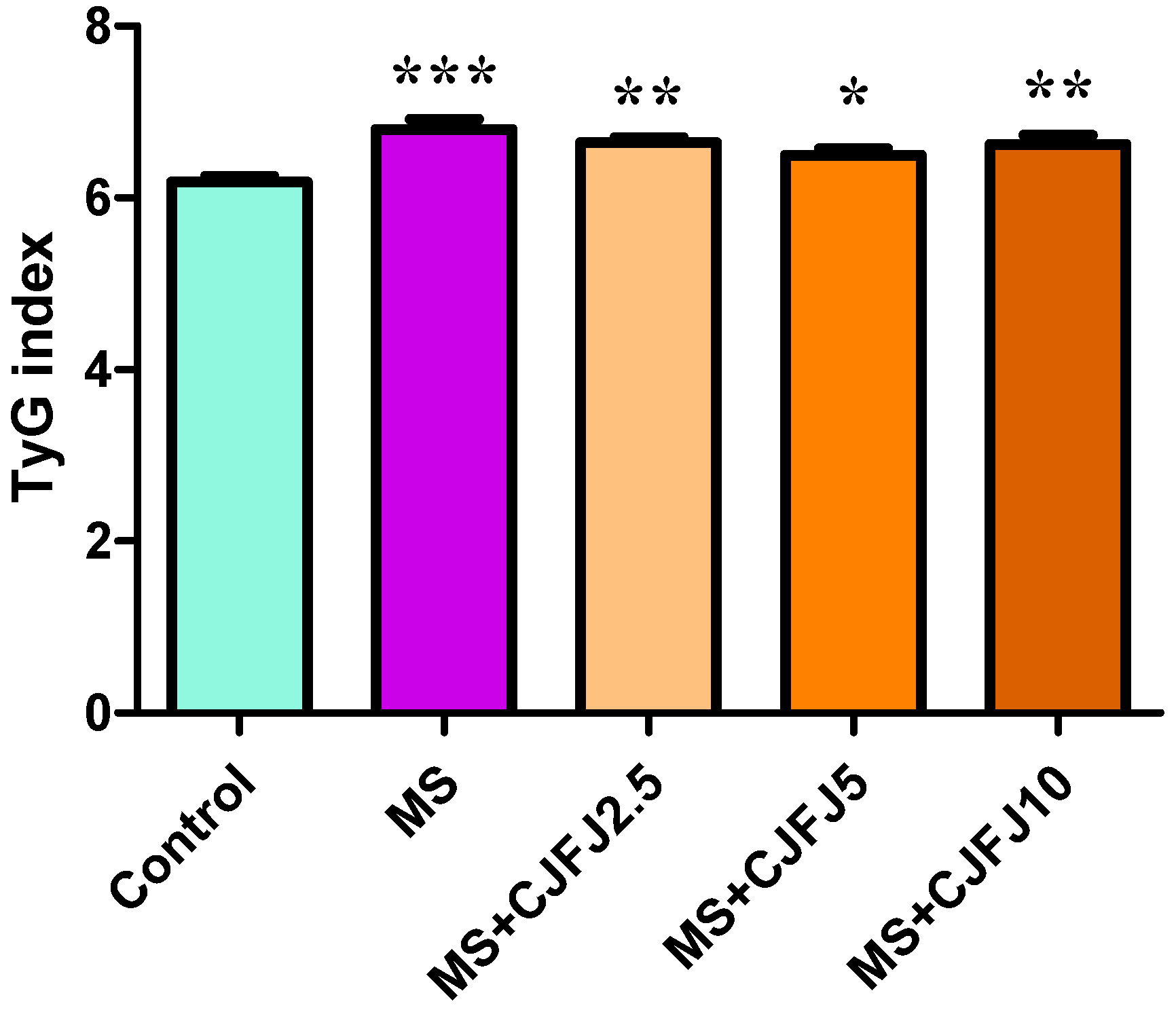
2.7. Effects of Chaenomeles japonica Fruit Juice on Triglyceride/Glucose (TyG) Index
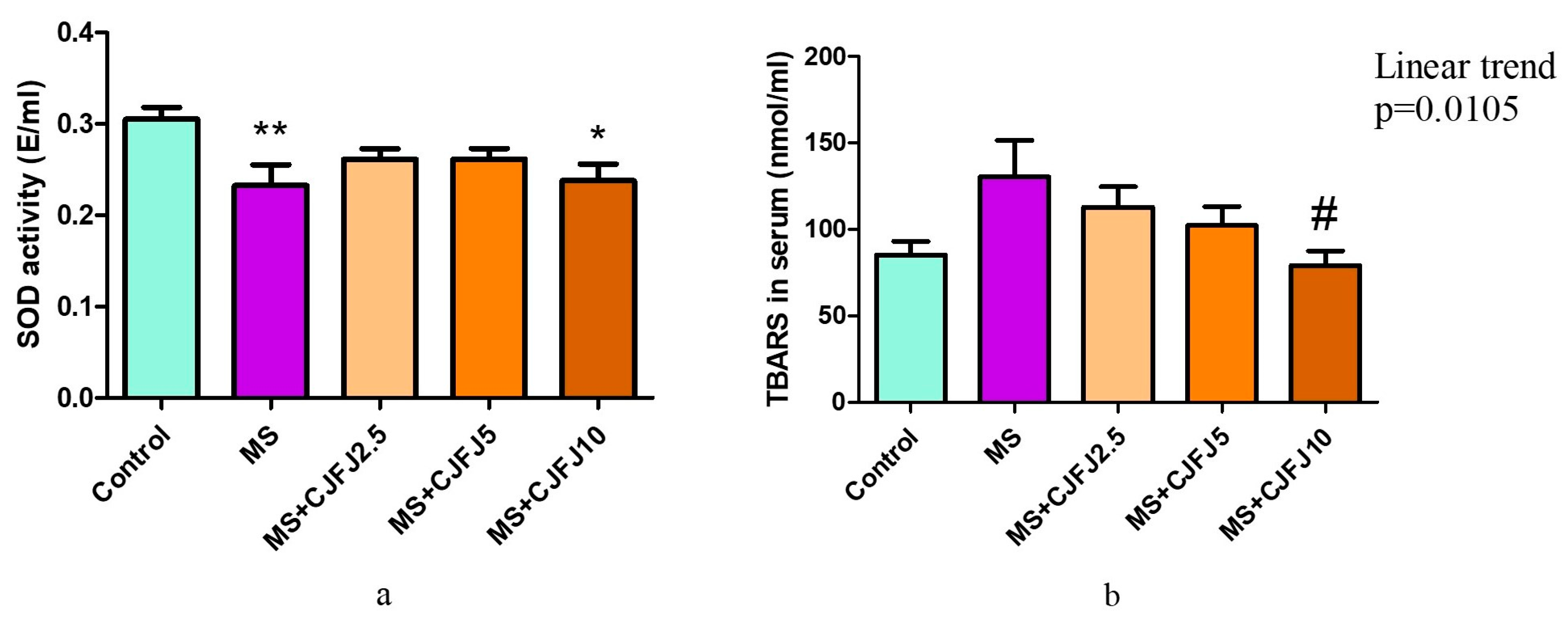
2.8. Effects of Chaenomeles japonica Fruit Juice on Biochemical Markers of Antioxidant Defence and Oxidative Stress
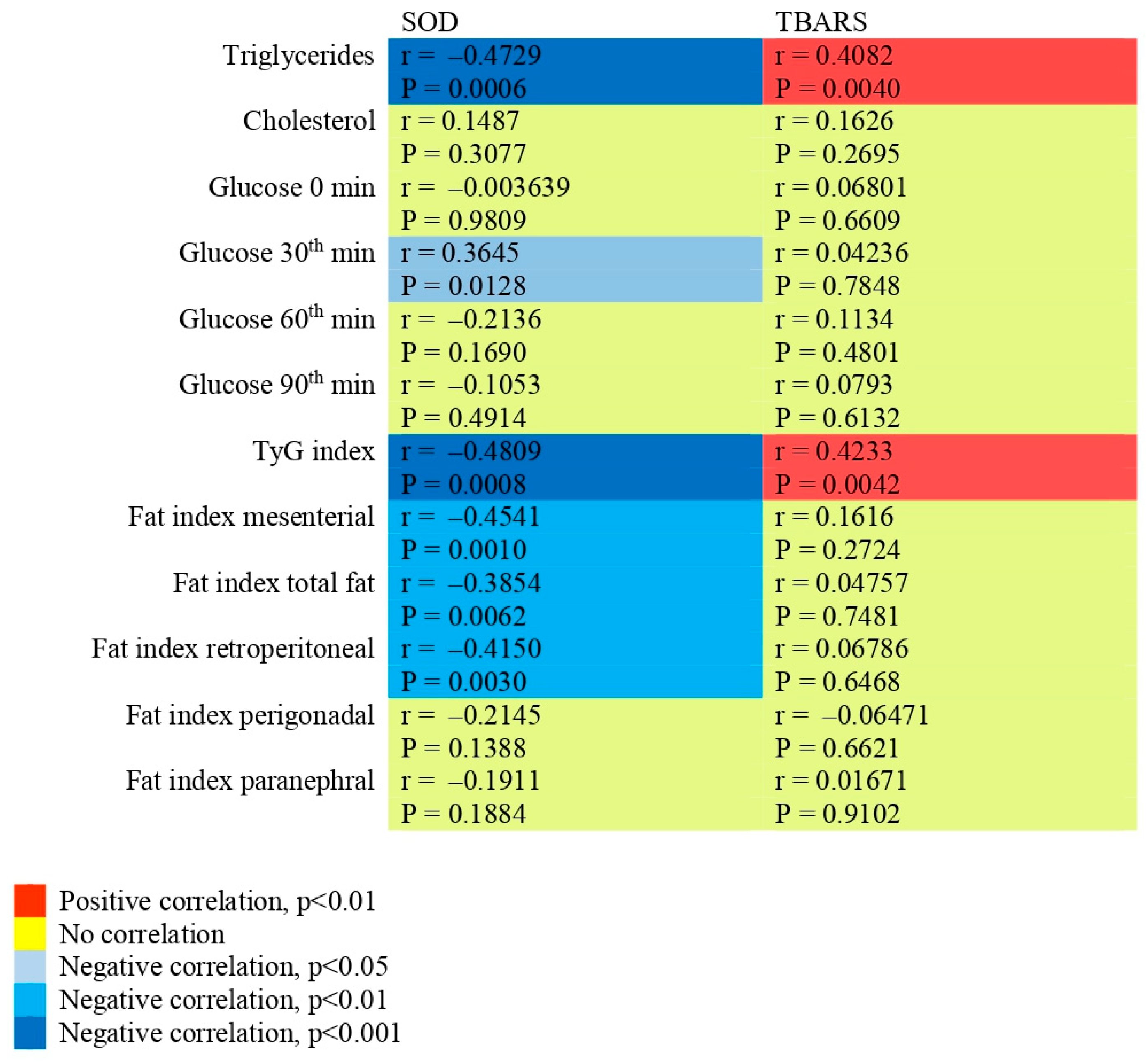
2.9. Correlations of SOD and TBARSs with Other Biochemical Parameters and with Fat Indices
2.10. Effects of Chaenomeles japonica Fruit Juice on Liver and Adipose Tissue Histology
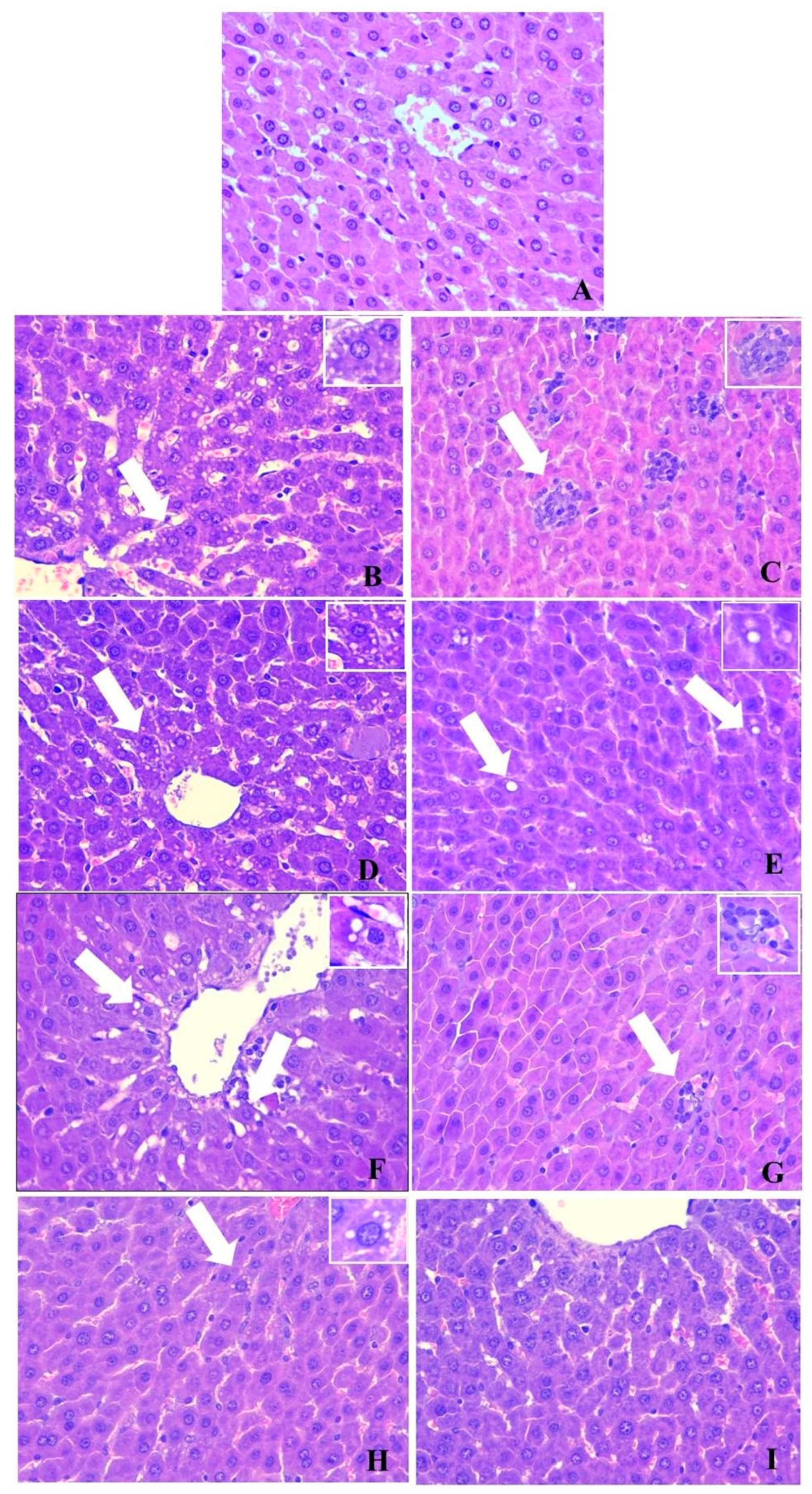
2.10.1. Effects of Chaenomeles japonica Fruit Juice on Liver Histology
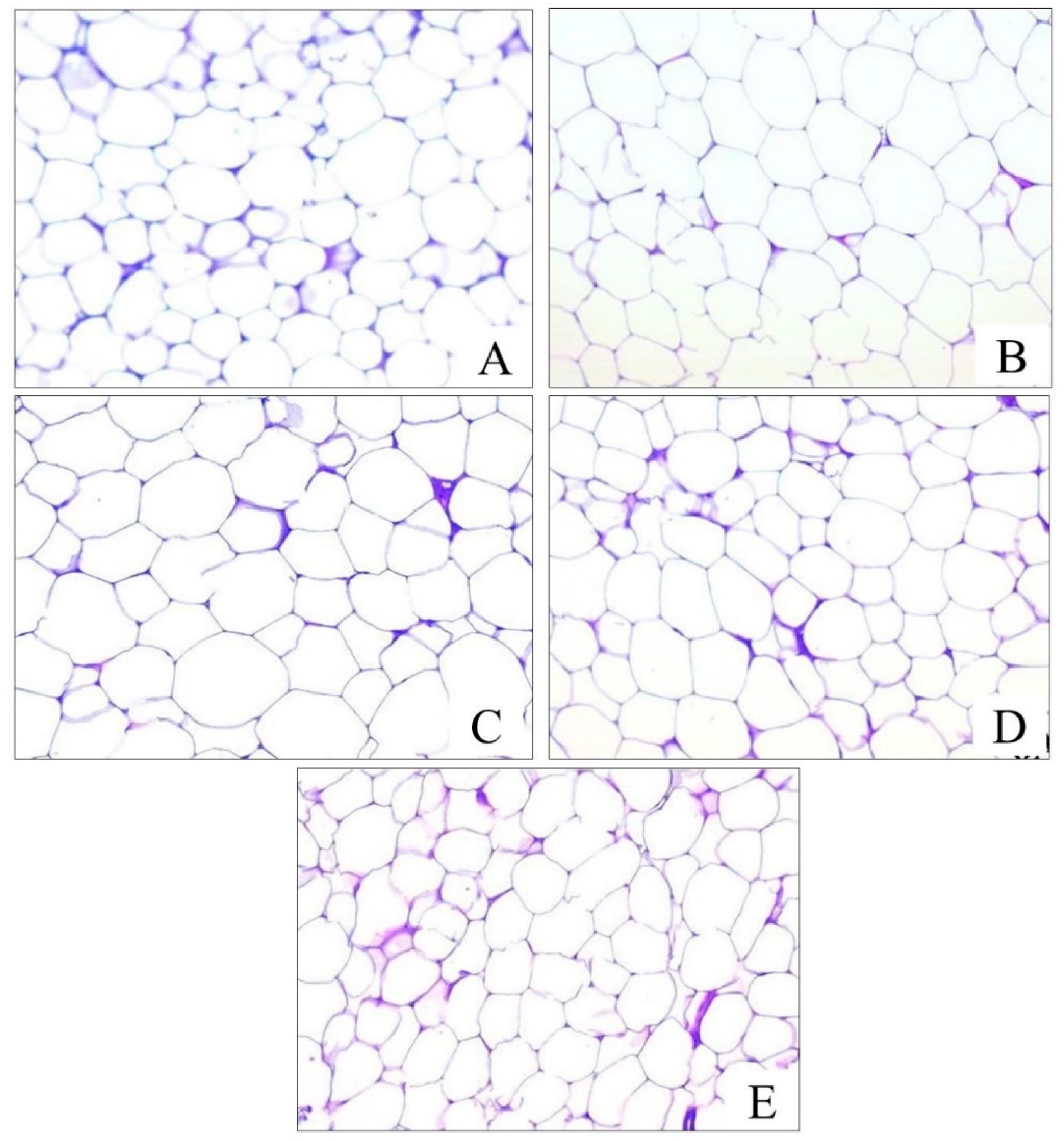
2.10.2. Effects of Chaenomeles japonica Fruit Juice on Adipose Tissue Histology
3. Discussion
4. Materials and Methods
4.1. Preparation and Storage of Chaenomeles japonica Fruit Juice
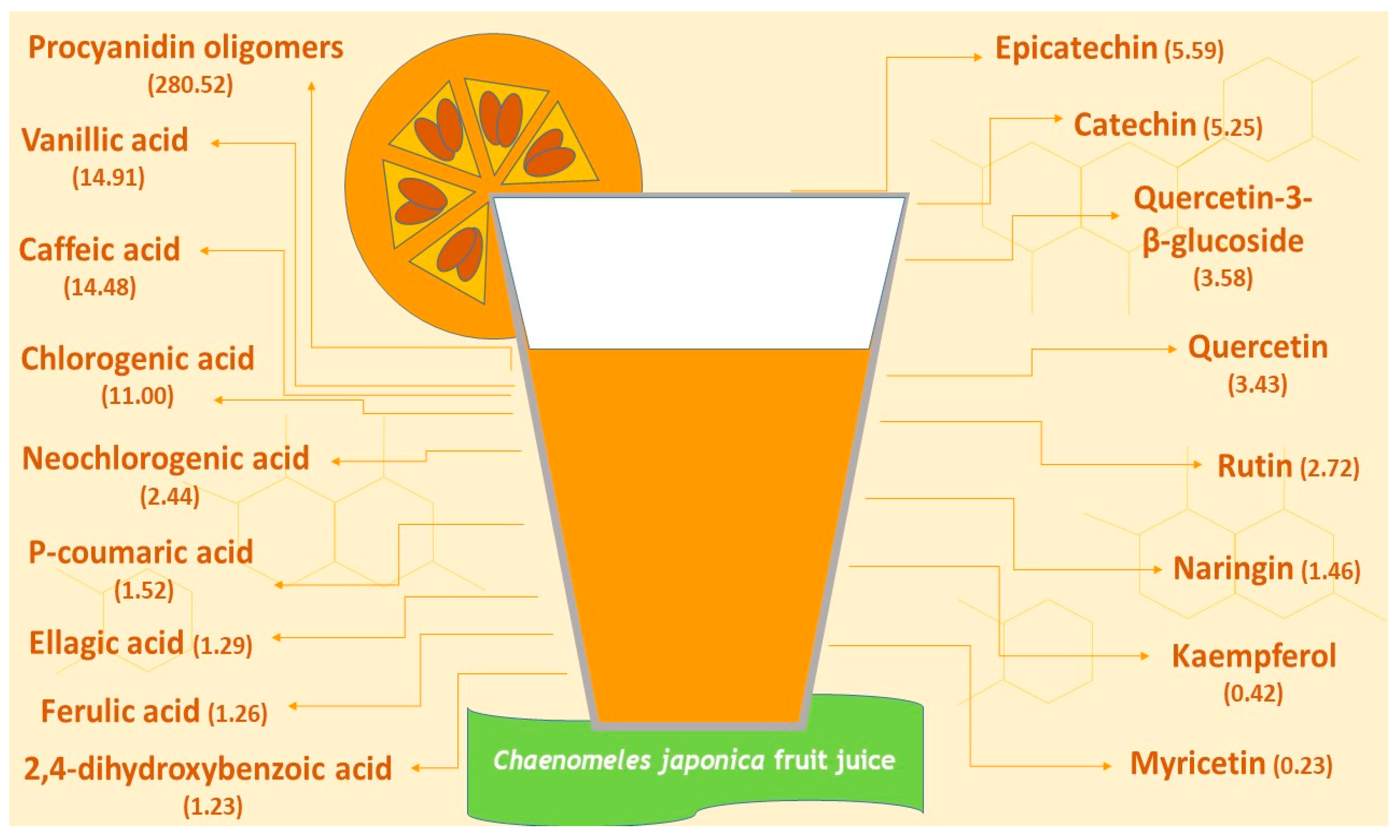
4.2. Chemical Composition and Antioxidant Activity of Chaenomeles japonica Fruit Juice
4.3. Experimental Animals, Induction of MS and Treatment Protocol
4.4. Glucose Tolerance Test (GTT)
4.5. Calculation of Tissue Indices
4.5.1. Calculation of Fat Indices
4.5.2. Calculation of Liver Index
4.6. Biochemical Measurements
4.6.1. Estimation of Serum Triglycerides and Calculation of Triglyceride Glucose (TyG) Index
4.6.2. Estimation of Serum Total Cholesterol
4.6.3. Superoxide Dismutase (SOD) Level Determination
4.6.4. Thiobarbituric Acid-Reactive Substance (TBARS) Level Determination
4.7. Histological Examination of Liver Tissue and Adipose Tissue
4.8. Statistical Analysis
5. Conclusions
Author Contributions
Funding
Institutional Review Board Statement
Informed Consent Statement
Data Availability Statement
Conflicts of Interest
Abbreviations
| MS | Metabolic syndrome |
| CJFJ | Chaenomeles japonica fruit juice |
| HFHF | High-fat high-fructose |
| FJ | Fruit juice |
| SOD | Superoxide dismutase |
| TBARSs | Thiobarbituric acid reactive substances |
| TyG | Triglyceride/glucose index |
| MAFLD | Metabolic dysfunction-associated fatty liver disease |
References
- León-Pedroza, J.I.; González-Tapia, L.A.; del Olmo-Gil, E.; Castellanos-Rodríguez, D.; Escobedo, G.; González-Chávez, A. Low-grade systemic inflammation and the development of metabolic diseases: From the molecular evidence to the clinical practice. Cir. Cir. 2015, 83, 543–551. [Google Scholar] [CrossRef]
- Chen, V.; Khan, T.A.; Chiavaroli, L.; Ahmed, A.; Lee, D.; Kendall, C.; Sievenpiper, J. Relation of fruit juice with adiposity and diabetes depends on how fruit juice is defined: A re-analysis of the EFSA draft scientific opinion on the tolerable upper intake level for dietary sugars. Eur. J. Clin. Nutr. 2023, 77, 699–704. [Google Scholar] [CrossRef]
- D’Elia, L.; Dinu, M.; Sofi, F.; Volpe, M.; Strazzullo, P.; SINU Working Group, Endorsed by SIPREC. 100% Fruit juice intake and cardiovascular risk: A systematic review and meta-analysis of prospective and randomised controlled studies. Eur. J. Nutr. 2021, 60, 2449–2467. [Google Scholar] [CrossRef] [PubMed]
- Scheffers, F.R.; Boer, J.M.A.; Verschuren, W.M.M.; Verheus, M.; van der Schouw, Y.T.; Sluijs, I.; Smit, H.A.; Wijga, A.H. Pure fruit juice and fruit consumption and the risk of CVD: The European Prospective Investigation into Cancer and Nutrition-Netherlands (EPIC-NL) study. Br. J. Nutr. 2019, 121, 351–359. [Google Scholar] [CrossRef] [PubMed]
- Agarwal, S.; Fulgoni, V.L., III; Jacques, P.F. Association of 100% fruit juice consumption with cognitive measures, anxiety, and depression in US adults. Nutrients 2022, 14, 4827. [Google Scholar] [CrossRef]
- Semnani-Azad, Z.; Khan, T.A.; Blanco Mejia, S.; de Souza, R.J.; Leiter, L.A.; Kendall, C.W.C.; Hanley, A.J.; Sievenpiper, J.L. Association of major food sources of fructose-containing sugars with incident metabolic syndrome: A systematic review and meta-analysis. JAMA Netw. Open 2020, 3, e209993. [Google Scholar] [CrossRef]
- Naomi, N.D.; Brouwer-Brolsma, E.M.; Buso, M.E.C.; Soedamah-Muthu, S.S.; Mavrogianni, C.; Harrold, J.A.; Halford, J.C.G.; Raben, A.; Geleijnse, J.M.; Manios, Y.; et al. Sugar-sweetened beverages, low/no-calorie beverages, fruit juices intake and risks of metabolic syndrome in adults: The SWEET project. Nutr. Metab. Cardiovasc. Dis. 2025, 35, 103744. [Google Scholar] [CrossRef]
- Ruxton, C.H.S.; Myers, M. Fruit juices: Are they helpful or harmful? An evidence review. Nutrients 2021, 13, 1815. [Google Scholar] [CrossRef] [PubMed]
- Beckett, E.L.; Fayet-Moore, F.; Cassettari, T.; Starck, C.; Wright, J.; Blumfield, M. Health effects of drinking 100% juice: An umbrella review of systematic reviews with meta-analyses. Nutr. Rev. 2025, 83, e722–e735. [Google Scholar] [CrossRef]
- Yu, B.; Sun, Y.; Wang, Y.; Wang, B.; Tan, X.; Lu, Y.; Zhang, K.; Wang, N. Associations of artificially sweetened beverages, sugar-sweetened beverages, and pure fruit/vegetable juice with visceral adipose tissue mass. Diabetes Metabol. Syndr. 2023, 17, 102871. [Google Scholar] [CrossRef]
- Tian, H.; Li, X.; An, L.; Wang, S.; Xie, Z.; Zhan, Z.; Zhang, X.; Chang, G.; Gao, W.; Guo, L. Genetic variation, functional composition, biological activity, and diverse applications of Chaenomeles: A review of current knowledge. Food Chem. 2025, 485, 144404. [Google Scholar] [CrossRef] [PubMed]
- Moneva, K.; Gancheva, S.; Valcheva-Kuzmanova, S. Chemical composition and biologic activities of different preparations of Japanese quince (Chaenomeles japonica). Acta Sci. Nat. 2023, 10, 39–54. [Google Scholar] [CrossRef]
- Sancheti, S.; Sancheti, S.; Bafna, M.; Seo, S. Antihyperglycemic, antihyperlipidemic, and antioxidant effects of Chaenomeles sinensis fruit extract in streptozotocin-induced diabetic rats. Eur. Food Res. Technol. 2010, 231, 415–421. [Google Scholar] [CrossRef]
- Tang, Y.; Yu, X.; Mi, M.; Zhao, J.; Wang, J.; Zhang, T. Antioxidative property and antiatherosclerotic effects of the powder processed from Chaenomeles speciosa in apoe mice. J. Food Biochem. 2010, 34, 535–548. [Google Scholar] [CrossRef]
- Zhang, R.; Zhan, S.; Li, S.; Zhu, Z.; He, J.; Lorenzo, J.M.; Barba, F.J. Anti-hyperuricemic and nephroprotective effects of extracts from Chaenomeles sinensis (Thouin) Koehne in hyperuricemic mice. Food Funct. 2018, 9, 5778–5790. [Google Scholar] [CrossRef]
- Lim, D.W.; Yoo, G.; Kim, Y.T.; Lee, C. Antidepressant-like effects of chinese quince (Chaenomeles sinensis) fruit based on in vivo and molecular docking studies. Int. J. Mol. Sci. 2024, 25, 5838. [Google Scholar] [CrossRef]
- Baena, M.; Sangüesa, G.; Dávalos, A.; Latasa, M.J.; Sala-Vila, A.; Sánchez, R.M.; Roglans, N.; Laguna, J.C.; Alegret, M. Fructose, but not glucose, impairs insulin signaling in the three major insulin-sensitive tissues. Sci. Rep. 2016, 6, 26149. [Google Scholar] [CrossRef]
- Johnson, R.J.; Lanaspa, M.A.; Sanchez-Lozada, L.G.; Tolan, D.; Nakagawa, T.; Ishimoto, T.; Andres-Hernando, A.; Rodriguez-Iturbe, B.; Stenvinkel, P. The fructose survival hypothesis for obesity. Philos. Trans. R. Soc. Lon. B Biol. Sci. 2023, 378, 20220230. [Google Scholar] [CrossRef]
- Watychowicz, K.; Janda, K.; Jakubczyk, K.; Wolska, J. Chaenomeles—Health promoting benefits. Rocz. Państw. Zakł. Hig. 2017, 68, 217–227. [Google Scholar] [PubMed]
- Kil, Y.S.; Pham, S.T.; Seo, E.K.; Jafari, M. Angelica keiskei, an emerging medicinal herb with various bioactive constituents and biological activities. Arch. Pharm. Res. 2017, 40, 655–675. [Google Scholar] [CrossRef]
- Birulina, J.G.; Ivanov, V.V.; Buyko, E.E.; Bykov, V.V.; Smagliy, I.V.; Nosarev, A.V.; Petrova, I.V.; Gusakova, S.V.; Popov, O.S.; Vasilev, V.N. High-fat, high-carbohydrate diet-induced experimental model of metabolic syndrome in rats. Bull. Sib. Med. 2020, 19, 14–20. [Google Scholar] [CrossRef]
- Nakayama, T.; Kosugi, T.; Gersch, M.; Connor, T.; Sanchez-Lozada, L.G.; Lanaspa, M.A.; Roncal, C.; Perez-Pozo, S.E.; Johnson, R.J.; Nakagawa, T. Dietary fructose causes tubulointerstitial injury in the normal rat kidney. Am. J. Physiol. Ren. Physiol. 2010, 298, F712–F720. [Google Scholar] [CrossRef]
- Ambroselli, D.; Masciulli, F.; Romano, E.; Catanzaro, G.; Besharat, Z.M.; Massari, M.C.; Ferretti, E.; Migliaccio, S.; Izzo, L.; Ritieni, A.; et al. New advances in metabolic syndrome, from prevention to treatment: The role of diet and food. Nutrients 2023, 15, 640. [Google Scholar] [CrossRef]
- Bremer, A.A.; Mietus-Snyder, M.; Lustig, R.H. Toward a unifying hypothesis of metabolic syndrome. Pediatrics 2012, 129, 557–570. [Google Scholar] [CrossRef] [PubMed]
- Castro-Barquero, S.; Casas, R.; Rimm, E.B.; Tresserra-Rimbau, A.; Romaguera, D.; Martínez, J.A.; Salas-Salvadó, J.; Martínez-González, M.A.; Vidal, J.; Ruiz-Canela, M.; et al. Loss of visceral fat is associated with a reduction in inflammatory status in patients with metabolic syndrome. Mol. Nutr. Food Res. 2023, 67, e2200264. [Google Scholar] [CrossRef]
- Park, H.S.; Lee, K. Greater beneficial effects of visceral fat reduction compared with subcutaneous fat reduction on parameters of the metabolic syndrome: A study of weight reduction programmes in subjects with visceral and subcutaneous obesity. Diabet. Med. 2005, 22, 266–272. [Google Scholar] [CrossRef] [PubMed]
- Campos, R.M.D.S.; Masquio, D.C.L.; Corgosinho, F.C.; Caranti, D.A.; Ganen, A.P.; Tock, L.; Oyama, L.M.; Dâmaso, A.R. Effects of magnitude of visceral adipose tissue reduction: Impact on insulin resistance, hyperleptinemia and cardiometabolic risk in adolescents with obesity after long-term weight-loss therapy. Diab. Vasc. Dis. Res. 2019, 16, 196–206. [Google Scholar] [CrossRef]
- Liu, K.H.; Chan, Y.L.; Chan, W.B.; Chan, J.C.; Chu, C.W. Mesenteric fat thickness is an independent determinant of metabolic syndrome and identifies subjects with increased carotid intima-media thickness. Diabetes Care 2006, 29, 379–384. [Google Scholar] [CrossRef] [PubMed]
- Perelas, A.; Safarika, V.; Vlachos, I.S.; Tzanetakou, I.; Korou, L.M.; Konstantopoulos, P.; Doulamis, I.; Ioannidis, I.; Kornezos, I.; Gargas, D.; et al. Correlation between mesenteric fat thickness and serum apolipoproteins in patients with peripheral arterial occlusive disease. Lipids Health Dis. 2012, 11, 125. [Google Scholar] [CrossRef]
- Wood Dos Santos, T.; Cristina Pereira, Q.; Teixeira, L.; Gambero, A.; Villena, J.A.; Lima Ribeiro, M. Effects of polyphenols on thermogenesis and mitochondrial biogenesis. Int. J. Mol. Sci. 2018, 19, 2757. [Google Scholar] [CrossRef]
- Wang, C.; Wang, X.; Hu, W. Molecular and cellular regulation of thermogenic fat. Front. Endocrinol. 2023, 14, 1215772. [Google Scholar] [CrossRef] [PubMed]
- Zhu, X.; Dai, X.; Zhao, L.; Li, J.; Zhu, Y.; He, W.; Guan, X.; Wu, T.; Liu, L.; Song, H.; et al. Quercetin activates energy expenditure to combat metabolic syndrome through modulating gut microbiota-bile acids crosstalk in mice. Gut Microbes 2024, 16, 2390136. [Google Scholar] [CrossRef]
- Han, X.; Guo, J.; You, Y.; Yin, M.; Liang, J.; Ren, C.; Zhan, J.; Huang, W. Vanillic acid activates thermogenesis in brown and white adipose tissue. Food Funct. 2018, 9, 4366–4375. [Google Scholar] [CrossRef]
- Han, X.; Guo, J.; You, Y.; Zhan, J.; Huang, W. p-Coumaric acid prevents obesity via activating thermogenesis in brown adipose tissue mediated by mTORC1-RPS6. FASEB J. 2020, 34, 7810–7824. [Google Scholar] [CrossRef]
- Yoon, D.S.; Cho, S.Y.; Yoon, H.J.; Kim, S.R.; Jung, U.J. Protective effects of p-coumaric acid against high-fat diet-induced metabolic dysregulation in mice. Biomed. Pharmacother. 2021, 142, 111969. [Google Scholar] [CrossRef]
- Siegień, J.; Buchholz, T.; Popowski, D.; Granica, S.; Osińska, E.; Melzig, M.F.; Czerwińska, M.E. Pancreatic lipase and α-amylase inhibitory activity of extracts from selected plant materials after gastrointestinal digestion in vitro. Food Chem. 2021, 355, 129414. [Google Scholar] [CrossRef]
- Sangro, P.; de la Torre Aláez, M.; Sangro, B.; D’Avola, D. Metabolic dysfunction-associated fatty liver disease (MAFLD): An update of the recent advances in pharmacological treatment. J. Physiol. Biochem. 2023, 79, 869–879. [Google Scholar] [CrossRef]
- Zhang, X.Q.; Xu, C.F.; Yu, C.H.; Chen, W.X.; Li, Y.M. Role of endoplasmic reticulum stress in the pathogenesis of nonalcoholic fatty liver disease. World J. Gastroenterol. 2014, 20, 1768–1776. [Google Scholar] [CrossRef] [PubMed]
- Domínguez-Avila, J.A.; González-Aguilar, G.A.; Alvarez-Parrilla, E.; de la Rosa, L.A. Modulation of PPAR expression and activity in response to polyphenolic compounds in high fat diets. Int. J. Mol. Sci. 2016, 17, 1002. [Google Scholar] [CrossRef] [PubMed]
- Todisco, S.; Santarsiero, A.; Convertini, P.; De Stefano, G.; Gilio, M.; Iacobazzi, V.; Infantino, V. PPAR alpha as a metabolic modulator of the liver: Role in the pathogenesis of nonalcoholic steatohepatitis (NASH). Biology 2022, 11, 792. [Google Scholar] [CrossRef]
- Lin, Y.; Wang, Y.; Li, P.F. PPARα: An emerging target of metabolic syndrome, neurodegenerative and cardiovascular diseases. Front. Endocrinol. 2022, 13, 1074911. [Google Scholar] [CrossRef]
- Turkiewicz, I.P.; Wojdyło, A.; Tkacz, K.; Nowicka, P. Carotenoids, chlorophylls, vitamin E and amino acid profile in fruits of nineteen Chaenomeles cultivars. J. Food Compos. Anal. 2020, 93, 103608. [Google Scholar] [CrossRef]
- Yilmaz, B.; Sahin, K.; Bilen, H.; Bahcecioglu, I.H.; Bilir, B.; Ashraf, S.; Halazun, K.J.; Kucuk, O. Carotenoids and non-alcoholic fatty liver disease. Hepatobiliary Surg. Nutr. 2015, 4, 161–171. [Google Scholar] [CrossRef]
- Zakłos-Szyda, M.; Pawlik, N. Japanese quince (Chaenomeles japonica L.) fruit polyphenolic extract modulates carbohydrate metabolism in HepG2 cells via AMP-activated protein kinase. Acta Biochim. Pol. 2018, 65, 67–78. [Google Scholar] [CrossRef]
- Rygiel, K. Hypertriglyceridemia—Common causes, prevention and treatment strategies. Curr. Cardiol. Rev. 2018, 14, 67–76. [Google Scholar] [CrossRef]
- Huang, P.L. A comprehensive definition for metabolic syndrome. Dis. Model. Mech. 2009, 2, 231–237. [Google Scholar] [CrossRef] [PubMed]
- Khongrum, J.; Yingthongchai, P.; Boonyapranai, K.; Wongtanasarasin, W.; Donrung, N.; Sukketsiri, W.; Prachansuwan, A.; Chonpathompikunlert, P. Antidyslipidemic, antioxidant, and anti-inflammatory effects of jelly drink containing polyphenol-rich roselle calyces extract and passion fruit juice with pulp in adults with dyslipidemia: A randomized, double-blind, placebo-controlled trial. Oxid. Med. Cell. Longev. 2022, 2022, 4631983. [Google Scholar] [CrossRef]
- Galderisi, A.; Giannini, C.; Van Name, M.; Caprio, S. fructose consumption contributes to hyperinsulinemia in adolescents with obesity through a GLP-1-mediated mechanism. J. Clin. Endocrinol. Metab. 2019, 104, 3481–3490. [Google Scholar] [CrossRef]
- Basciano, H.; Federico, L.; Adeli, K. Fructose, insulin resistance, and metabolic dyslipidemia. Nutr. Metab. 2005, 2, 5. [Google Scholar] [CrossRef] [PubMed]
- Faeh, D.; Minehira, K.; Schwarz, J.M.; Periasamy, R.; Park, S.; Tappy, L. Effect of fructose overfeeding and fish oil administration on hepatic de novo lipogenesis and insulin sensitivity in healthy men. Diabetes 2005, 54, 1907–1913. [Google Scholar] [CrossRef] [PubMed]
- Cheung, B.; Sikand, G.; Dineen, E.H.; Malik, S.; Barseghian El-Farra, A. Lipid-lowering nutraceuticals for an integrative approach to dyslipidemia. J. Clin. Med. 2023, 12, 3414. [Google Scholar] [CrossRef]
- Xie, F.; Yang, W.; Xing, M.; Zhang, H.; Ai, L. Natural polyphenols-gut microbiota interactions and effects on glycolipid metabolism via polyphenols-gut-brain axis: A state-of-the-art review. Trends Food Sci. Technol. 2023, 140, 104171. [Google Scholar] [CrossRef]
- Lopez-Jaramillo, P.; Gomez-Arbelaez, D.; Martinez-Bello, D.; Abat, M.E.M.; Alhabib, K.F.; Avezum, Á.; Barbarash, O.; Chifamba, J.; Diaz, M.L.; Gulec, S.; et al. Association of the triglyceride glucose index as a measure of insulin resistance with mortality and cardiovascular disease in populations from five continents (PURE study): A prospective cohort study. Lancet Healthy Longev. 2023, 4, e23–e33. [Google Scholar] [CrossRef]
- Isogawa, A.; Yamakado, M.; Yano, M.; Shiba, T. Serum superoxide dismutase activity correlates with the components of metabolic syndrome or carotid artery intima-media thickness. Diabetes Res. Clin. Pract. 2009, 86, 213–218. [Google Scholar] [CrossRef]
- Liu, Y.; Ma, C.; Lv, L.; Li, P.; Ma, C.; He, S.; Zeng, J.; Ping, F.; Zhang, H.; Li, W.; et al. Relationship between decreased serum superoxide dismutase activity and metabolic syndrome: Synergistic mediating role of insulin resistance and β-cell dysfunction. Oxid. Med. Cell. Longev. 2020, 2020, 5384909. [Google Scholar] [CrossRef]
- Chen, K.; You, J.; Tang, Y.; Zhou, Y.; Liu, P.; Zou, D.; Zhou, Q.; Zhang, T.; Zhu, J.; Mi, M. Supplementation of superfine powder prepared from Chaenomeles speciosa fruit increases endurance capacity in rats via antioxidant and Nrf2/ARE signaling pathway. eCAM 2014, 2014, 976438. [Google Scholar] [CrossRef]
- Catalán, V.; Frühbeck, G.; Gómez-Ambrosi, J. Chapter 8—Inflammatory and Oxidative Stress Markers in Skeletal Muscle of Obese Subjects. In Obesity; del Moral, A.M., Aguilera García, C.M., Eds.; Obesity Academic Press: Granada, Spain, 2018; pp. 163–189. [Google Scholar] [CrossRef]
- Tanaka, S.; Miki, T.; Sha, S.; Hirata, K.; Ishikawa, Y.; Yokoyama, M. Serum levels of thiobarbituric acid-reactive substances are associated with risk of coronary heart disease. J. Atheroscler. Thromb. 2011, 18, 584–591. [Google Scholar] [CrossRef] [PubMed]
- Walter, M.F.; Jacob, R.F.; Jeffers, B.; Ghadanfar, M.M.; Preston, G.M.; Buch, J.; Mason, R.P.; PREVENT study. Serum levels of thiobarbituric acid reactive substances predict cardiovascular events in patients with stable coronary artery disease: A longitudinal analysis of the PREVENT study. J. Am. Coll. Cardiol. 2004, 44, 1996–2002. [Google Scholar] [CrossRef]
- Valcheva-Kuzmanova, S.; Denev, P.; Ognyanov, M. Chemical composition and antioxidant activity of Chaenomeles maulei fruit juice. J. Biomed. Clin. Res. 2018, 11, 41–48. [Google Scholar] [CrossRef]
- Diehl, K.H.; Hull, R.; Morton, D.; Pfister, R.; Rabemampianina, Y.; Smith, D.; Vidal, J.M.; van de Vorstenbosch, C. European Federation of Pharmaceutical Industries Association and European Centre for the Validation of Alternative Methods. A good practice guide to the administration of substances and removal of blood, including routes and volumes. J. Appl. Toxicol. 2001, 21, 15–23. [Google Scholar] [CrossRef] [PubMed]
- Borisova-Nenova, V.; Eftimov, M.; Valcheva-Kuzmanova, S. Behavioral effects of Chaenomeles maulei fruit juice in rats with impaired circadian rhythm. Folia Med. 2023, 65, 155–160. [Google Scholar] [CrossRef] [PubMed]
- Novelli, E.L.; Diniz, Y.S.; Galhardi, C.M.; Ebaid, G.M.; Rodrigues, H.G.; Mani, F.; Fernandes, A.A.; Cicogna, A.C.; Novelli Filho, J.L. Anthropometrical parameters and markers of obesity in rats. Lab. Anim. 2007, 41, 111–119. [Google Scholar] [CrossRef] [PubMed]
- Zhou, H.; Shi, T.; Yan, J.; Chen, X.; Liao, L.; Zhao, S.; Fang, H.; Zhuang, R. Effects of activated carbon N-acetylcysteine sustained-release microcapsule on dipeptidyl peptidase IV expression in young rats with non-alcoholic fatty liver disease. Exp. Ther. Med. 2017, 14, 4737–4744. [Google Scholar] [CrossRef] [PubMed][Green Version]
- Ohkawa, H.; Ohishi, N.; Yagi, K. Assay for lipid peroxides in animal tissues by thiobarbituric acid reaction. Anal. Biochem. 1979, 95, 351–358. [Google Scholar] [CrossRef] [PubMed]





| Control | MS | MS + CJFJ2.5 | MS + CJFJ5 | MS + CJFJ10 | |
|---|---|---|---|---|---|
| Initial body weight (g) | 266.8 ± 8.08 | 262.3 ± 5.56 | 267.8 ± 5.56 | 267.2 ± 5.88 | 266.0 ± 5.43 |
| Final body weight (g) | 334.2 ± 8.21 | 344.0 ± 7.38 | 330.4 ± 9.00 | 336.0 ± 8.41 | 341.2 ± 10.61 |
| Control | MS | MS + CJFJ2.5 | MS + CJFJ5 | MS + CJFJ10 | |
|---|---|---|---|---|---|
| 0 min | 4.46 ± 0.09 | 4.48 ± 0.14 | 4.44 ± 0.09 | 4.38 ± 0.15 | 4.34 ± 0.15 |
| 30th min | 11.97 ± 0.78 | 15.92 ± 1.14 ** | 17.27 ± 0.72 *** | 16.64 ± 1.26 ** | 15.58 ± 0.51 * |
| 60th min | 8.13 ± 0.26 | 9.93 ± 0.53 | 10.82 ± 0.74 | 9.83 ± 0.63 | 10.05 ± 0.56 |
| 90th min | 7.41 ± 0.25 | 8.73 ± 0.28 | 8.95 ± 0.35 | 8.69 ± 1.07 | 8.34 ± 0.28 |
Disclaimer/Publisher’s Note: The statements, opinions and data contained in all publications are solely those of the individual author(s) and contributor(s) and not of MDPI and/or the editor(s). MDPI and/or the editor(s) disclaim responsibility for any injury to people or property resulting from any ideas, methods, instructions or products referred to in the content. |
© 2026 by the authors. Licensee MDPI, Basel, Switzerland. This article is an open access article distributed under the terms and conditions of the Creative Commons Attribution (CC BY) license.
Share and Cite
Moneva-Marinova, K.; Gancheva, S.; Eftimov, M.; Tzaneva, M.; Todorova, M.; Reyzov, M.; Rafailova, E.; Zhelyazkova-Savova, M.; Valcheva-Kuzmanova, S. Effects of Chaenomeles japonica Fruit Juice on Energy Balance and Biochemical and Histological Parameters in a Model of Diet-Induced Metabolic Syndrome in Rats. Pharmaceuticals 2026, 19, 609. https://doi.org/10.3390/ph19040609
Moneva-Marinova K, Gancheva S, Eftimov M, Tzaneva M, Todorova M, Reyzov M, Rafailova E, Zhelyazkova-Savova M, Valcheva-Kuzmanova S. Effects of Chaenomeles japonica Fruit Juice on Energy Balance and Biochemical and Histological Parameters in a Model of Diet-Induced Metabolic Syndrome in Rats. Pharmaceuticals. 2026; 19(4):609. https://doi.org/10.3390/ph19040609
Chicago/Turabian StyleMoneva-Marinova, Klementina, Silvia Gancheva, Miroslav Eftimov, Maria Tzaneva, Milena Todorova, Mehmed Reyzov, Elis Rafailova, Maria Zhelyazkova-Savova, and Stefka Valcheva-Kuzmanova. 2026. "Effects of Chaenomeles japonica Fruit Juice on Energy Balance and Biochemical and Histological Parameters in a Model of Diet-Induced Metabolic Syndrome in Rats" Pharmaceuticals 19, no. 4: 609. https://doi.org/10.3390/ph19040609
APA StyleMoneva-Marinova, K., Gancheva, S., Eftimov, M., Tzaneva, M., Todorova, M., Reyzov, M., Rafailova, E., Zhelyazkova-Savova, M., & Valcheva-Kuzmanova, S. (2026). Effects of Chaenomeles japonica Fruit Juice on Energy Balance and Biochemical and Histological Parameters in a Model of Diet-Induced Metabolic Syndrome in Rats. Pharmaceuticals, 19(4), 609. https://doi.org/10.3390/ph19040609