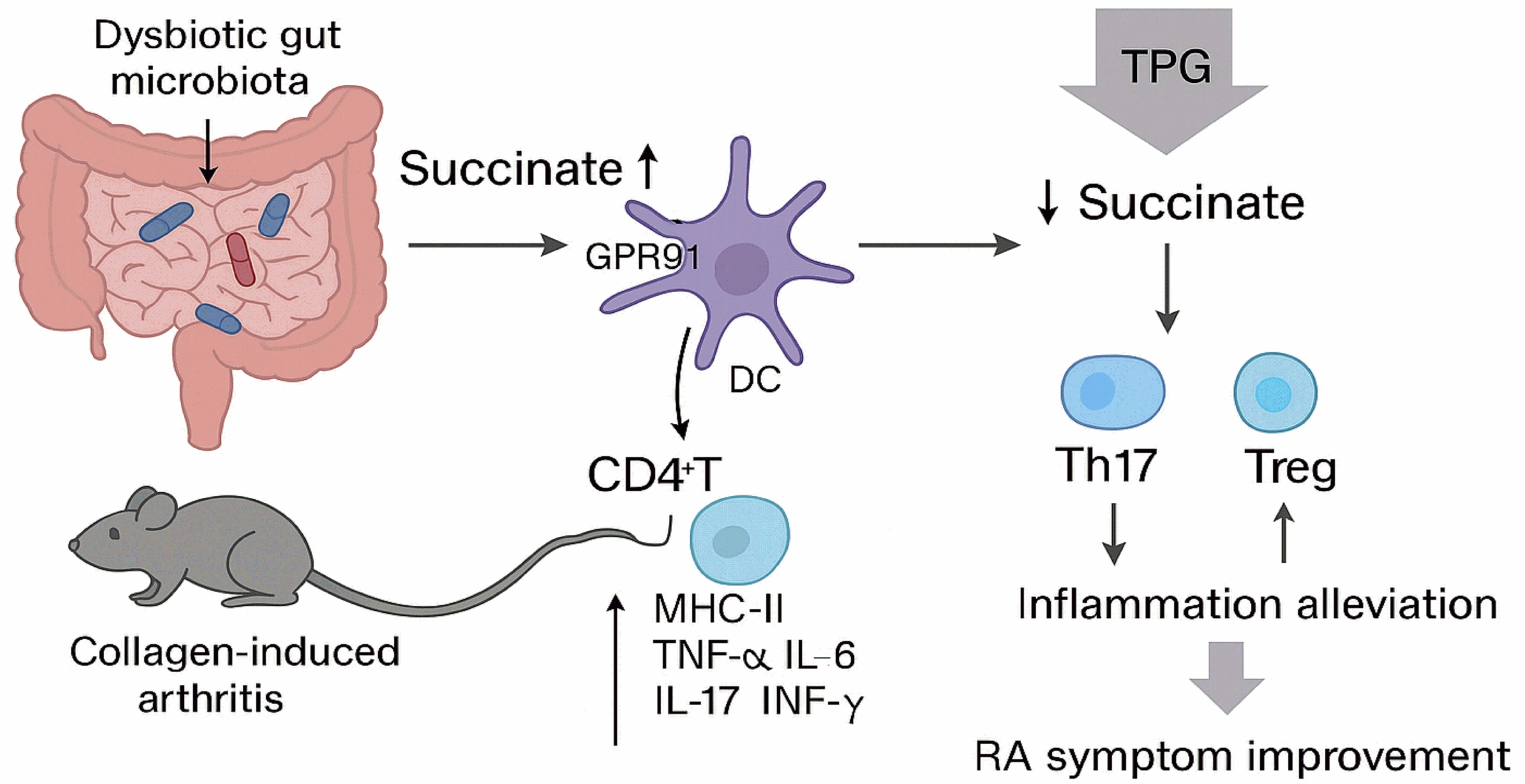
Polysaccharides and Glycosides from Aralia echinocaulis Modulate Succinate Levels in the Gut to Target Intestinal Dendritic Cells via the Receptor GPR91 in the Treatment of Rheumatoid Arthritis

Abstract
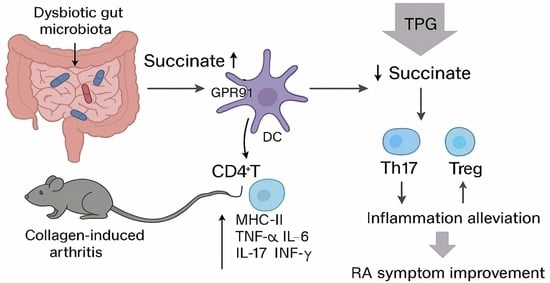
1. Introduction
2. Results
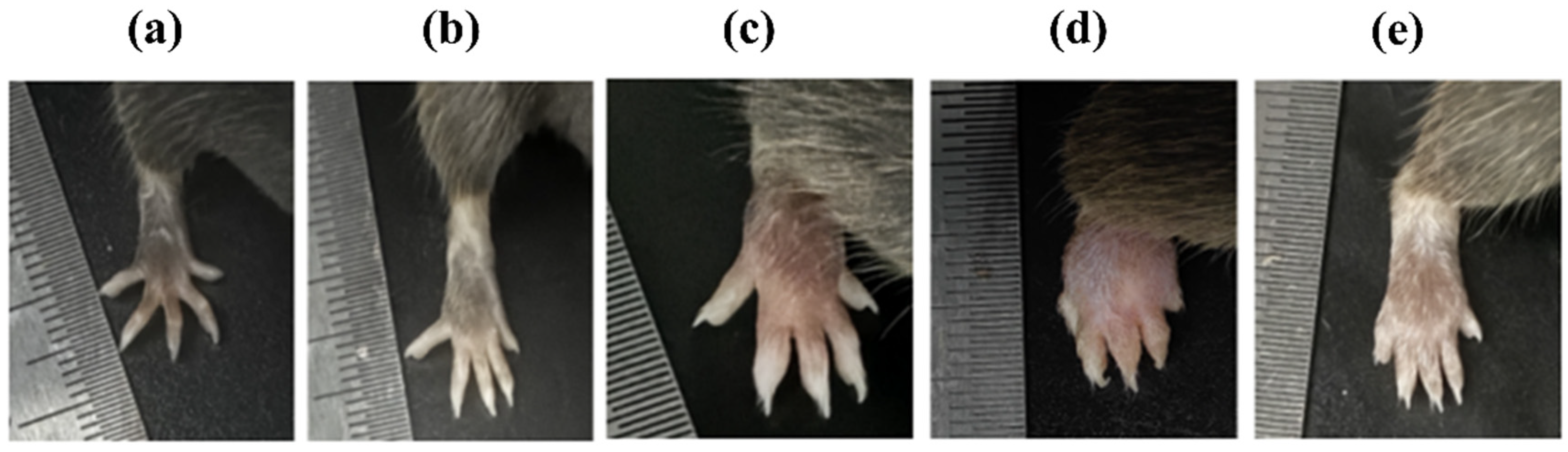
2.1. Effects of TPGs and Succinate on Paw Edema
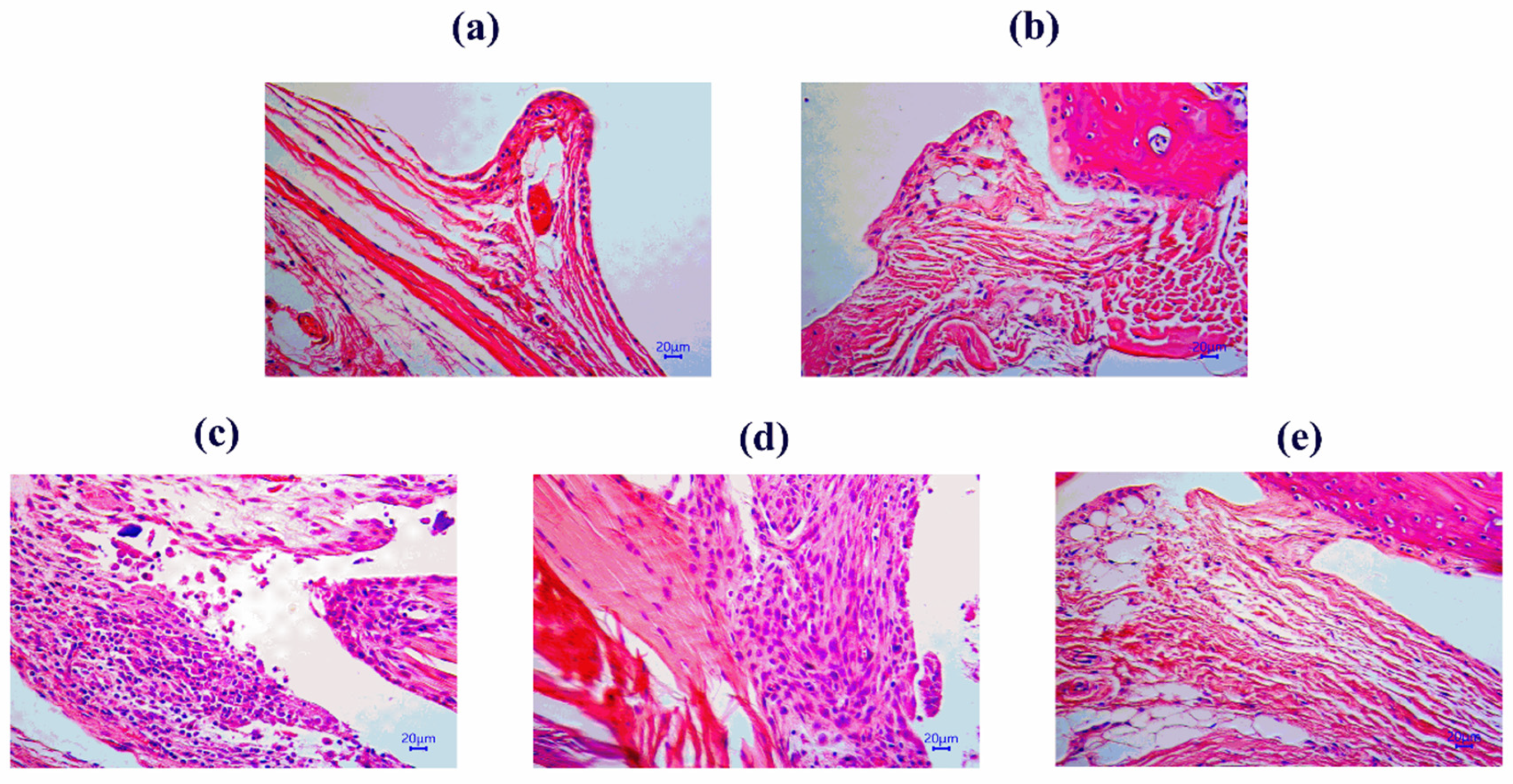
2.2. Effects of Succinate and TPGs on the Pathomorphology of the Joint Synovium in Model Mice
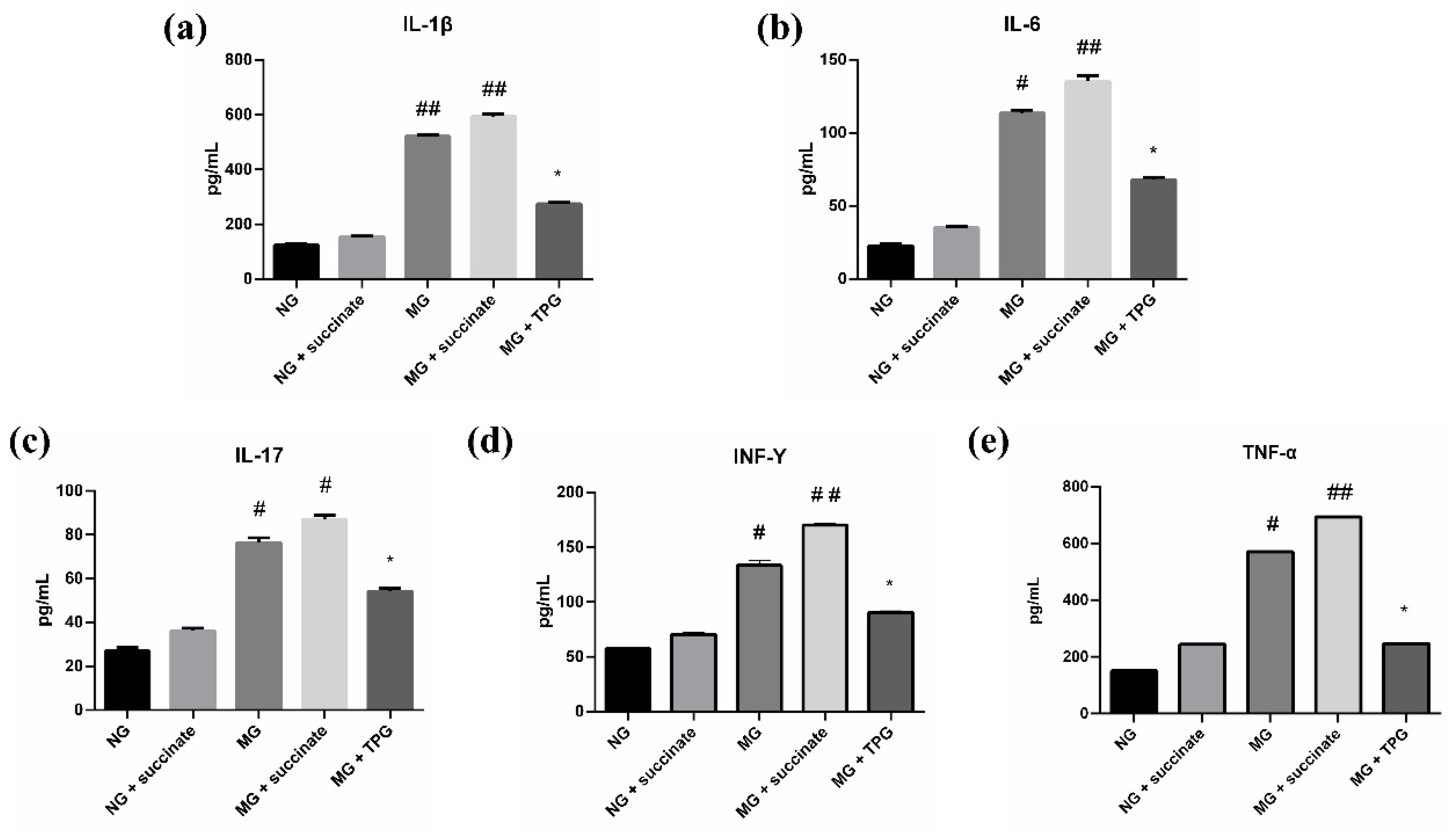
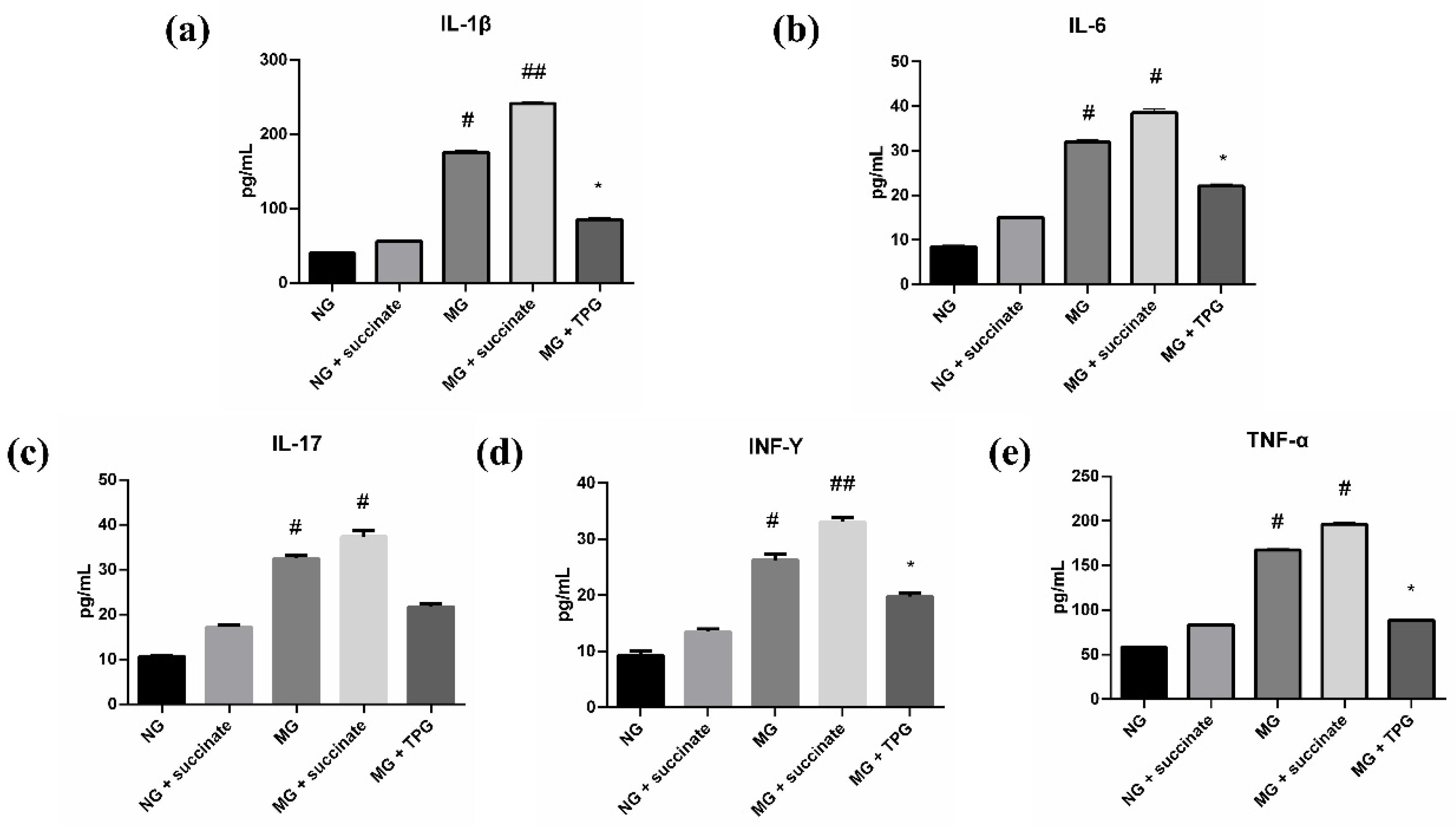
2.3. Effects of Succinate and TPGs on Inflammatory Cytokine Levels in Serum and Intestinal Tissues Across Experimental Groups
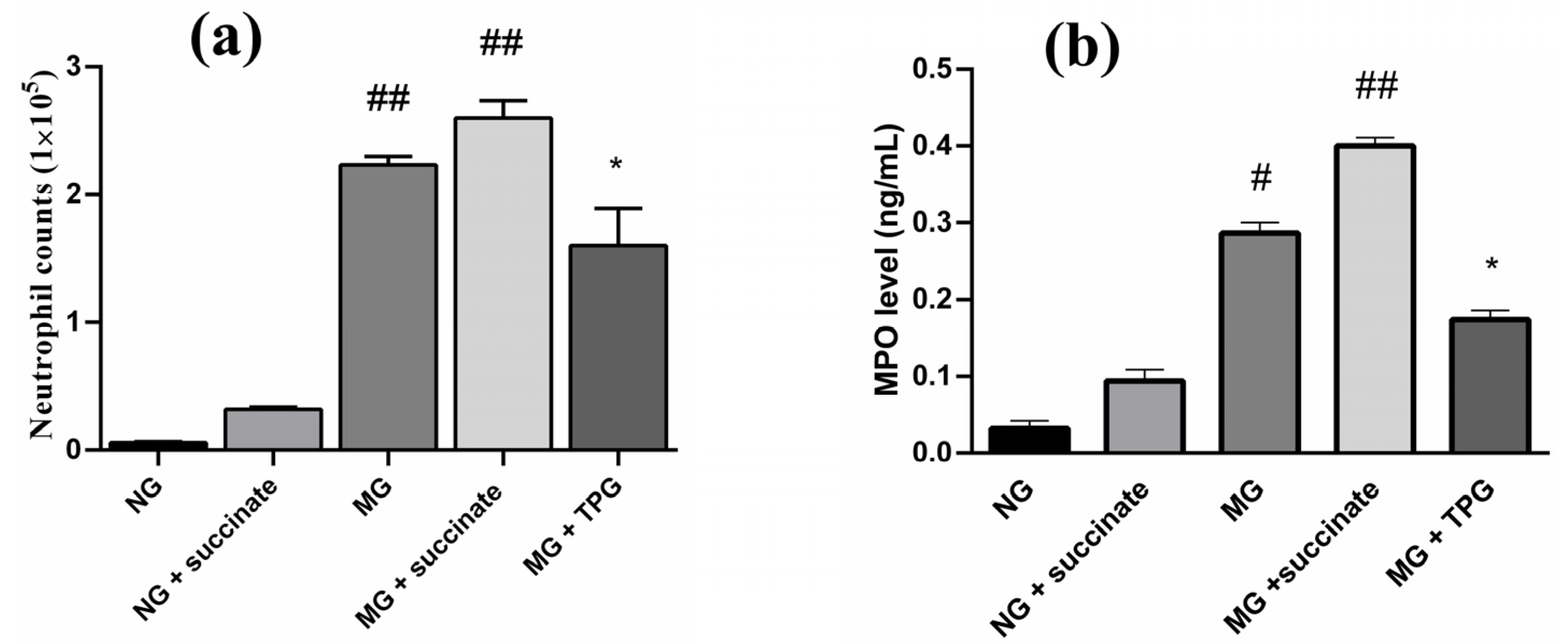
2.4. Effects of Succinate and TPGs on the Number of Neutrophils and MPO Activity in the Synovial Fluid of the Animals in Each Group
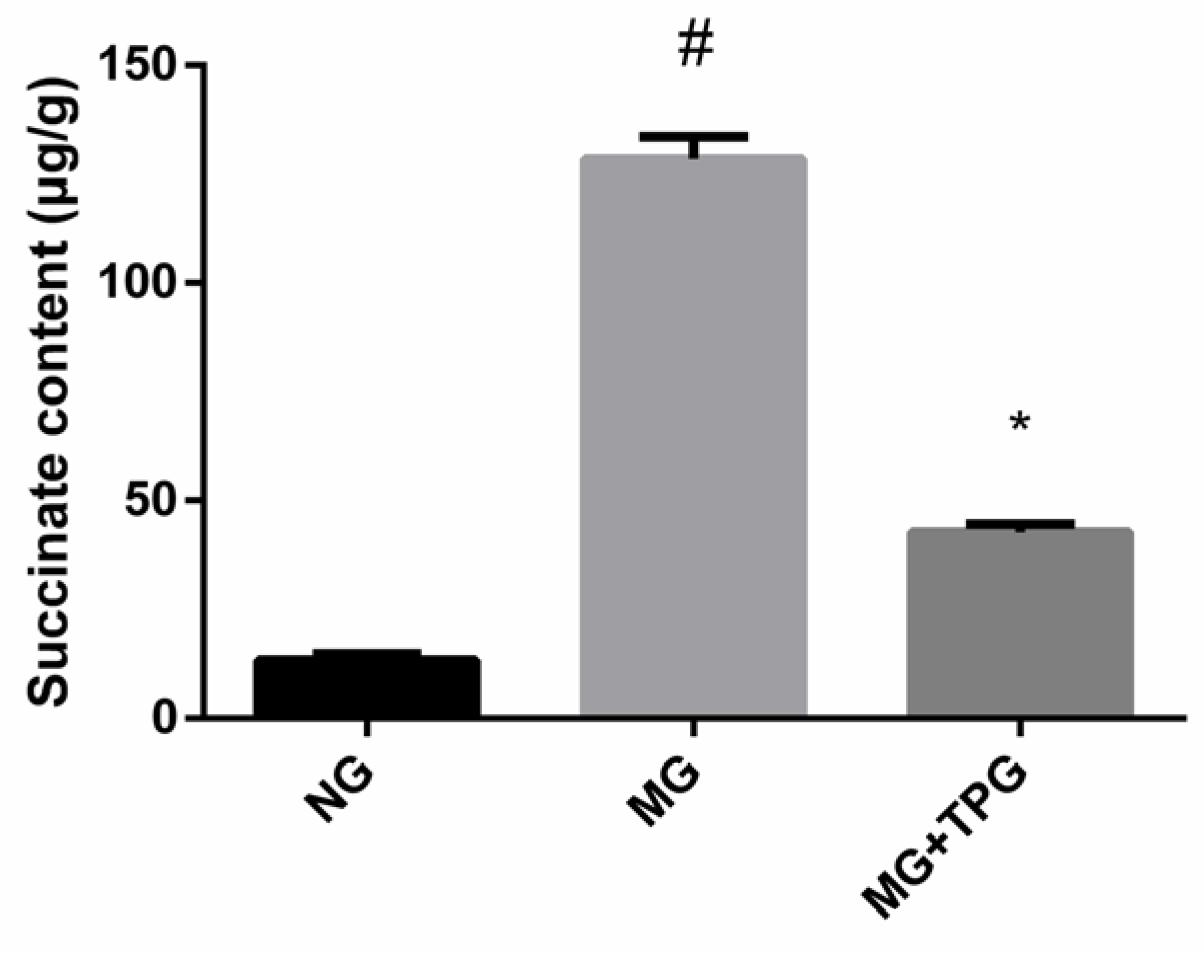
2.5. Succinate Levels in Intestinal Tissues
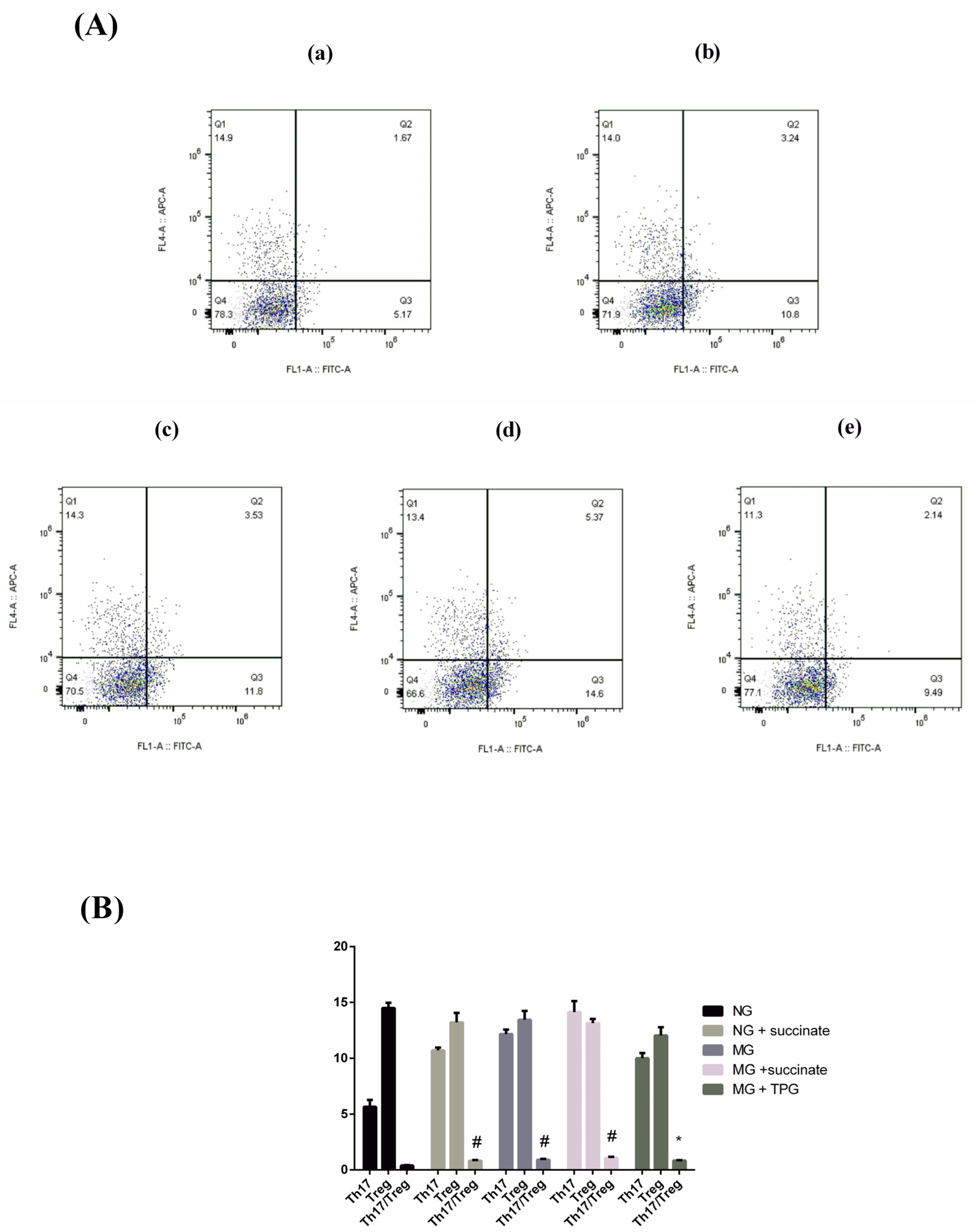
2.6. Percentages of Th17 and Treg Cells and the Th17/Treg Balance in Intestinal Tissues
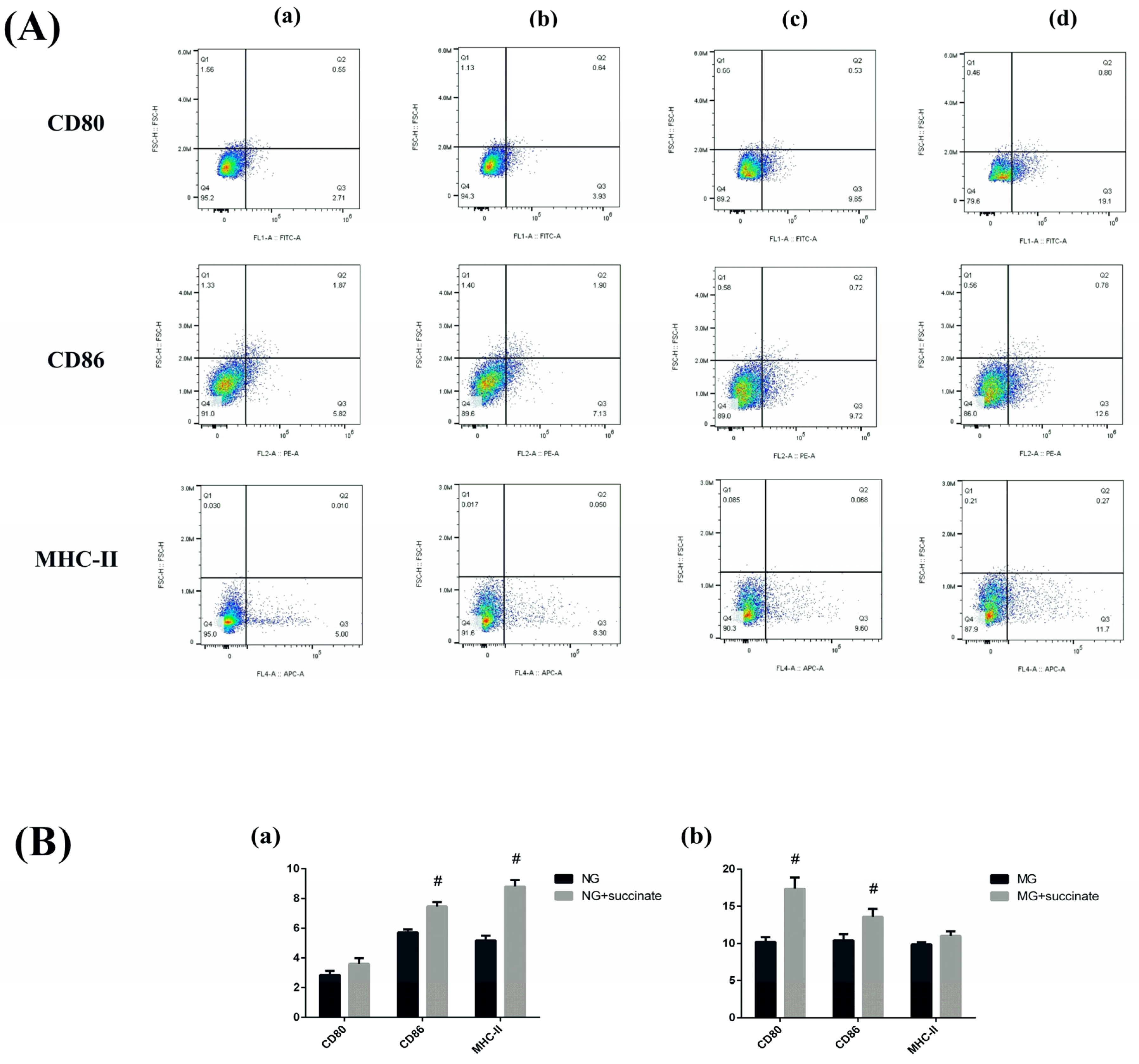
2.7. Immunophenotype of Intestinal DCs
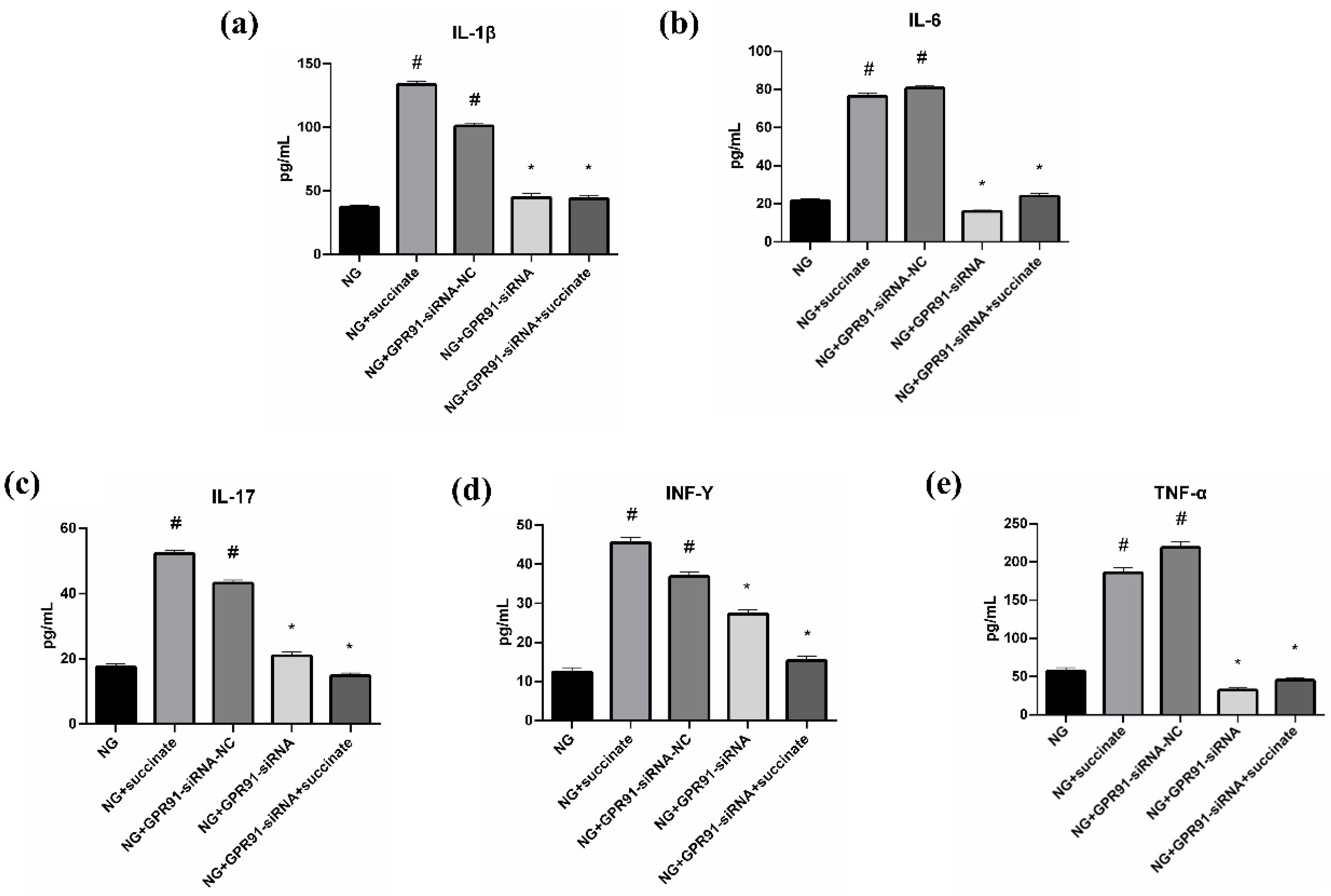
2.8. Succinate Exerts Its Effects Through GPR91
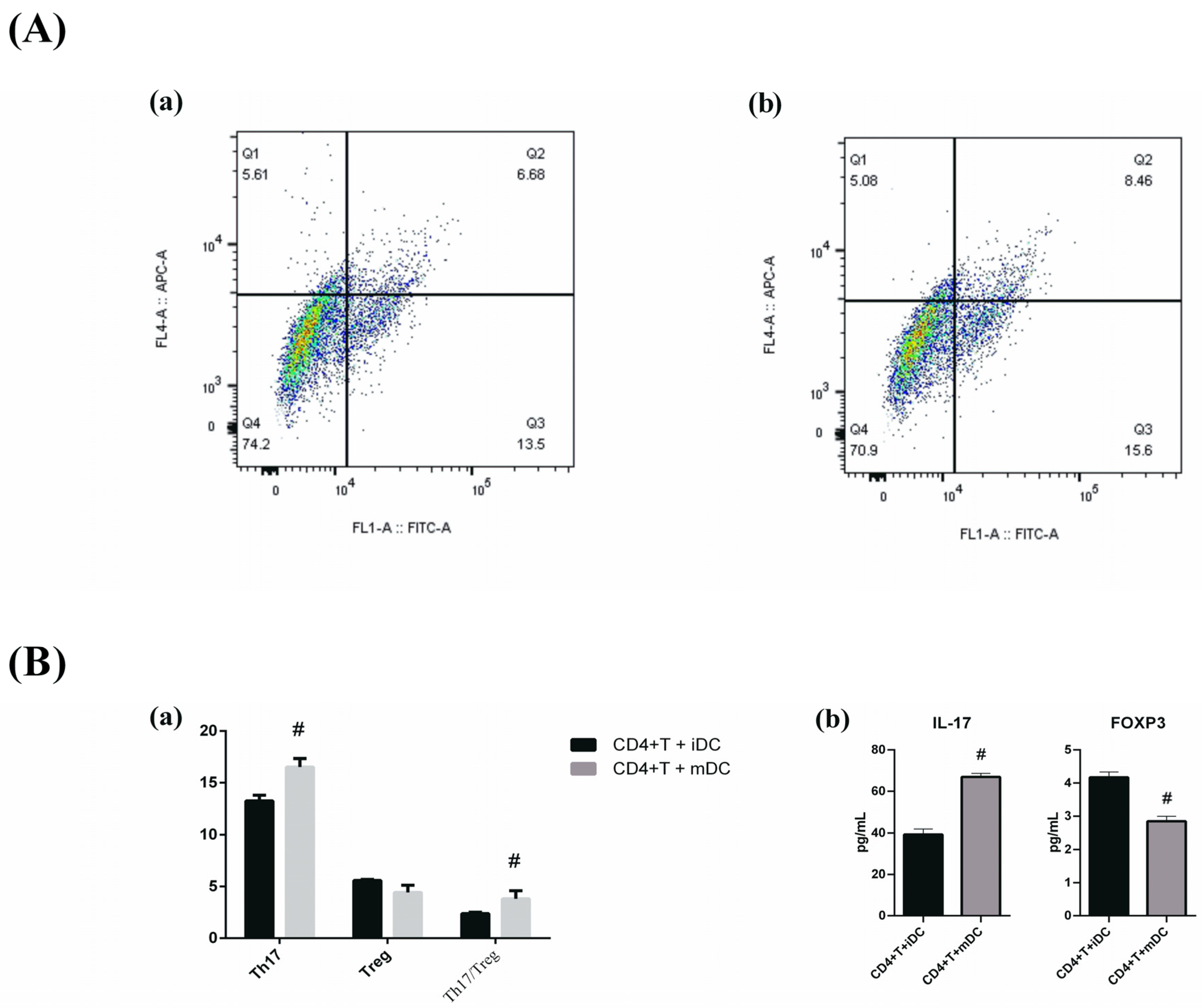
2.9. Coculture of Naïve T Cells with iDCs and mDCs In Vitro
3. Discussion
4. Materials and Methods
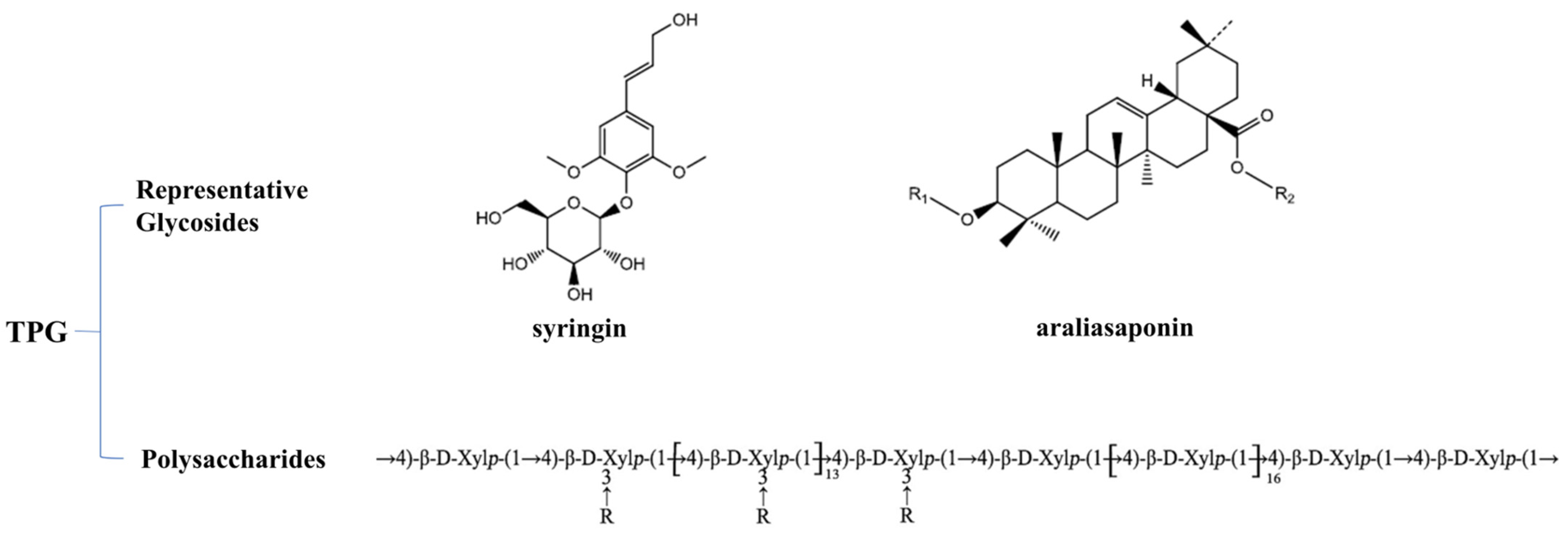
4.1. Preparation of TPGs
4.2. Establishment of the CIA Model and Experimental Groups
- (1)
- Body weight: Body weight was measured at baseline (day 0) and on treatment days 6, 12, 18, and 24.
- (2)
- Plantar thickness: Right hind paw thickness was measured using digital calipers before modeling and at 6-day intervals after treatment. The swelling percentage was calculated as follows:Plantar swelling (%) = (postimmunization thickness − baseline
thickness)/baseline thickness × 100. - (3)
- Paw edema: The volume of the ankle joint (including distal structures) was quantified via the water displacement method before modeling and at specified intervals during treatment. The percentage of edema was calculated as follows:Paw edema (%) = (postimmunization volume − baseline volume)/baseline
volume × 100.
4.3. Isolation of Intestinal DCs and Naïve CD4+ T Cells
4.3.1. Isolation of Intestinal DCs
4.3.2. Isolation of Naïve CD4+ T Cells from the Intestinal Tissue of Mice in the NG
- (1)
- DC immunophenotype: The surface expression of major histocompatibility complex class II (MHC-II), cluster of differentiation 80 (CD80), and cluster of differentiation 86 (CD86) was assessed via flow cytometry.
- (2)
- Th17 and Treg cell proportions: The percentages of Th17 and Treg cells in intestinal tissues were determined via flow cytometry.
4.3.3. Grouping and Treatment of Intestinal DCs from the NG
- (1)
- DC immunophenotype: MHC-II, CD80, and CD86 expression levels were measured via flow cytometry.
- (2)
- Inflammatory cytokine levels: The concentrations of IL-1β, TNF-α, IL-6, IL-17, and IFN-γ in the cell culture supernatants were quantified using sandwich ELISA.
4.4. Coculture of Naïve CD4+ T Cells with DCs
- (1)
- Flow cytometric analysis: The percentages of Th17 (CD4+IL-17A+) and regulatory T (Treg, CD4+CD25+Foxp3+) cells were quantified using fluorescently labeled antibodies against specific surface and intracellular markers.
- (2)
- Cytokine profiling: Cell culture supernatants were collected and subjected to ELISA to measure forkhead box P3 (Foxp3) and interleukin-17 (IL-17A) expression levels according to the manufacturer’s instructions.
4.5. Statistical Analysis
5. Conclusions
Supplementary Materials
Author Contributions
Funding
Institutional Review Board Statement
Informed Consent Statement
Data Availability Statement
Conflicts of Interest
Abbreviations
References
- Smolen, J.S. Rheumatoid arthritis Primer—Behind the scenes. Nat. Rev. Dis. Primers 2020, 6, 32. [Google Scholar] [CrossRef]
- He, W.; Miao, F.J.; Lin, D.C.; Schwandner, R.T.; Wang, Z.; Gao, J.; Chen, J.L.; Tian, H.; Ling, L. Citric acid cycle intermediates as ligands for orphan G-protein-coupled receptors. Nature 2004, 429, 188–193. [Google Scholar] [CrossRef]
- Serena, C.; Ceperuelo-Mallafré, V.; Keiran, N.; Queipo-Ortuño, M.I.; Bernal, R.; Gomez-Huelgas, R.; Urpi-Sarda, M.; Sabater, M.; Pérez-Brocal, V.; Andrés-Lacueva, C.; et al. Elevated circulating levels of succinate in human obesity are linked to specific gut microbiota. ISME J. 2018, 12, 1642–1657. [Google Scholar] [CrossRef]
- Haffke, M.; Fehlmann, D.; Rummel, G.; Boivineau, J.; Duckely, M.; Gommermann, N.; Cotesta, S.; Sirockin, F.; Freuler, F.; Littlewood-Evans, A.; et al. Structural basis of species-selective antagonist binding to the succinate receptor. Nature 2019, 574, 581–585. [Google Scholar] [CrossRef]
- Li, X.; Xie, L.; Qu, X.; Zhao, B.; Fu, W.; Wu, B.; Wu, J. GPR91, a critical signaling mechanism in modulating pathophysiologic processes in chronic illnesses. FASEB J. 2020, 34, 13091–13105. [Google Scholar] [CrossRef]
- Jiang, L.; Shang, M.; Yu, S.; Liu, Y.; Zhang, H.; Zhou, Y.; Wang, M.; Wang, T.; Li, H.; Liu, Z.; et al. A high-fiber diet synergizes with Prevotella copri and exacerbates rheumatoid arthritis. Cell. Mol. Immunol. 2022, 19, 1414–1424. [Google Scholar] [CrossRef] [PubMed]
- Kishikawa, T.; Maeda, Y.; Nii, T.; Motooka, D.; Matsumoto, Y.; Matsushita, M.; Matsuoka, H.; Yoshimura, M.; Kawada, S.; Teshigawara, S.; et al. Metagenome-wide association study of gut microbiome revealed novel aetiology of rheumatoid arthritis in the Japanese population. Ann. Rheum. Dis. 2020, 79, 103–111. [Google Scholar] [CrossRef] [PubMed]
- Zhou, X.; Liu, Y.; Xiong, X.; Chen, J.; Tang, W.; He, L.; Zhang, Z.; Yin, Y.; Li, F. Intestinal accumulation of microbiota-produced succinate caused by loss of microRNAs leads to diarrhea in weanling piglets. Gut Microbes 2022, 14, 2091369. [Google Scholar] [CrossRef] [PubMed]
- Jin, P.; Xiang, Y.; Zeng, W.; Ren, Q.; He, W.; Yuan, L. Research progress on the anti-rheumatic effects of Aralia echinocaulis. Arthritis Rheum. 2015, 4, 53–56. [Google Scholar]
- Li, Y.; Dai, M.; Wang, L.; Wang, G. Polysaccharides and glycosides from Aralia echinocaulis protect rats from arthritis by modulating the gut microbiota composition. J. Ethnopharmacol. 2021, 269, 113749. [Google Scholar] [CrossRef]
- World Health Organization. Rheumatoid arthritis: Fact Sheet. 2023. Available online: https://www.who.int/news-room/fact-sheets/detail/rheumatoid-arthritis (accessed on 8 March 2026).
- Croia, C.; Bursi, R.; Sutera, D.; Petrelli, F.; Alunno, A.; Puxeddu, I. One year in review 2019: Pathogenesis of rheumatoid arthritis. Clin. Exp. Rheumatol. 2019, 37, 347–357. [Google Scholar] [PubMed]
- Weyand, C.M.; Goronzy, J.J. Immunometabolism in the development of rheumatoid arthritis. Immunol. Rev. 2020, 294, 177–187. [Google Scholar] [CrossRef] [PubMed]
- Wang, Y. Fecal Supernatant Metabolomics and Genomics Explore the Biological Characteristics of Spleen Deficiency Syndrome in Rheumatoid Arthritis. Master’s Thesis, Zhejiang University of Chinese Medicine, Hangzhou, China, 2013. [Google Scholar]
- Kim, S.; Hwang, J.; Xuan, J.; Jung, Y.H.; Cha, H.S.; Kim, K.H. Global metabolite profiling of synovial fluid for the specific diagnosis of rheumatoid arthritis from other inflammatory arthritis. PLoS ONE 2014, 9, e97501. [Google Scholar] [CrossRef]
- Murphy, M.P.; O’Neill, L.A.J. Krebs cycle reimagined: The emerging roles of succinate and itaconate as signal transducers. Cell 2018, 174, 780–784. [Google Scholar] [CrossRef]
- Macias-Ceja, D.C.; Ortiz-Masiá, D.; Salvador, P.; Gisbert-Ferrándiz, L.; Hernández, C.; Hausmann, M.; Rogler, G.; Esplugues, J.V.; Hinojosa, J.; Alós, R.; et al. Succinate receptor mediates intestinal inflammation and fibrosis. Mucosal Immunol. 2019, 12, 178–187. [Google Scholar] [CrossRef] [PubMed]
- Diehl, J.; Gries, B.; Pfeil, U.; Goldenberg, A.; Mermer, P.; Kummer, W.; Paddenberg, R. Expression and localization of GPR91 and GPR99 in murine organs. Cell Tissue Res. 2016, 364, 245–262. [Google Scholar] [CrossRef]
- Gilissen, J.; Jouret, F.; Pirotte, B.; Hanson, J. Insight into SUCNR1 (GPR91) structure and function. Pharmacol. Ther. 2016, 159, 56–65. [Google Scholar] [CrossRef]
- Lim, R.; Lappas, M. Inhibition of GPR91 reduces inflammatory mediators involved in active labor in myometrium. Mediat. Inflamm. 2020, 2020, 6454282. [Google Scholar] [CrossRef]
- Demoruelle, M.K.; Deane, K.D.; Holers, V.M. When and where does inflammation begin in rheumatoid arthritis? Curr. Opin. Rheumatol. 2014, 26, 64–71. [Google Scholar] [CrossRef]
- Aliberti, J. Immunity and tolerance induced by intestinal mucosal dendritic cells. Mediat. Inflamm. 2016, 2016, 3104727. [Google Scholar] [CrossRef]
- Saraiva, A.L.; Veras, F.P.; Peres, R.S.; Talbot, J.; de Lima, K.A.; Luiz, J.P.; Carballido, J.M.; Cunha, T.M.; Cunha, F.Q.; Ryffel, B.; et al. Succinate receptor deficiency attenuates arthritis by reducing dendritic cell traffic and expansion of Th17 cells in the lymph nodes. FASEB J. 2018, 32, 6550–6561. [Google Scholar] [CrossRef] [PubMed]
- De Vadder, F.; Kovatcheva-Datchary, P.; Zitoun, C.; Duchampt, A.; Bäckhed, F.; Mithieux, G. Microbiota-produced succinate improves glucose homeostasis via intestinal gluconeogenesis. Cell Metab. 2016, 24, 151–157. [Google Scholar] [CrossRef] [PubMed]
- Maeda, Y.; Kurakawa, T.; Umemoto, E.; Motooka, D.; Ito, Y.; Gotoh, K.; Hirota, K.; Matsushita, M.; Furuta, Y.; Narazaki, M.; et al. Dysbiosis contributes to arthritis development via activation of autoreactive T cells in the intestine. Arthritis Rheumatol. 2016, 68, 2646–2661. [Google Scholar] [CrossRef]
- Wang, W.; Shao, S.; Jiao, Z.; Guo, M.; Xu, H.; Wang, S. The Th17/Treg imbalance and cytokine environment in peripheral blood of patients with rheumatoid arthritis. Rheumatol. Int. 2012, 32, 887–893. [Google Scholar] [CrossRef]
- Niu, Q.; Cai, B.; Huang, Z.C.; Shi, Y.Y.; Wang, L.L. Disturbed Th17/Treg balance in patients with rheumatoid arthritis. Rheumatol. Int. 2012, 32, 2731–2736. [Google Scholar] [CrossRef]
- Wang, T.; Rui, J.; Shan, W.; Xue, F.; Feng, D.; Dong, L.; Mao, J.; Shu, Y.; Mao, C.; Wang, X. Imbalance of Th17, Treg, and helper innate lymphoid cell in the peripheral blood of patients with rheumatoid arthritis. Clin. Rheumatol. 2022, 41, 3837–3849. [Google Scholar] [CrossRef]
- Lee, S.H.; Park, J.S.; Byun, J.K.; Jhun, J.; Jung, K.; Seo, H.B.; Moon, Y.M.; Kim, H.Y.; Park, S.H.; Cho, M.L. PTEN ameliorates autoimmune arthritis through down-regulating STAT3 activation with reciprocal balance of Th17 and Tregs. Sci. Rep. 2016, 6, 34617. [Google Scholar] [CrossRef] [PubMed]
- Samarpita, S.; Rasool, M. Cyanidin restores Th17/Treg balance and inhibits T follicular helper cell differentiation via modulation of ROCK2 signaling in an experimental model of rheumatoid arthritis. Int. Immunopharmacol. 2021, 101, 108359. [Google Scholar] [CrossRef]
- Dong, L.; Wang, X.; Tan, J.; Li, H.; Qian, W.; Chen, J.; Chen, Q.; Wang, J.; Xu, W.; Tao, C.; et al. Decreased expression of microRNA-21 correlates with the imbalance of Th17 and Treg cells in patients with rheumatoid arthritis. J. Cell. Mol. Med. 2014, 18, 2213–2224. [Google Scholar] [CrossRef] [PubMed]
- Nzeusseu Toukap, A.; Delporte, C.; Noyon, C.; Franck, T.; Rousseau, A.; Serteyn, D.; Raes, M.; Vanhaeverbeek, M.; Moguilevsky, N.; Nève, J.; et al. Myeloperoxidase and its products in synovial fluid of patients with treated or untreated rheumatoid arthritis. Free Radic. Res. 2014, 48, 461–465. [Google Scholar] [CrossRef]
- Manchanda, K.; Kolarova, H.; Kerkenpaß, C.; Mollenhauer, M.; Vitecek, J.; Rudolph, V.; Kubala, L.; Baldus, S.; Adam, M.; Klinke, A. MPO (Myeloperoxidase) reduces endothelial glycocalyx thickness dependent on its cationic charge. Arterioscler. Thromb. Vasc. Biol. 2018, 38, 1859–1867. [Google Scholar] [CrossRef]
- Odobasic, D.; Yang, Y.; Muljadi, R.C.; O’Sullivan, K.M.; Kao, W.; Smith, M.; Morand, E.F.; Holdsworth, S.R. Endogenous myeloperoxidase is a mediator of joint inflammation and damage in experimental arthritis. Arthritis Rheumatol. 2014, 66, 907–917. [Google Scholar] [CrossRef]
- Harris, K.M. Monocytes differentiated with GM-CSF and IL-15 initiate Th17 and Th1 responses that are contact-dependent and mediated by IL-15. J. Leukoc. Biol. 2011, 90, 727–734. [Google Scholar] [CrossRef] [PubMed]
- Pariente, B.; Mocan, I.; Camus, M.; Dutertre, C.A.; Ettersperger, J.; Cattan, P.; Gornet, J.M.; Dulphy, N.; Charron, D.; Lémann, M.; et al. Activation of the receptor NKG2D leads to production of Th17 cytokines in CD4+ T cells of patients with Crohn’s disease. Gastroenterology 2011, 141, 217–226. [Google Scholar] [CrossRef] [PubMed]
- Mázló, A.; Kovács, R.; Miltner, N.; Tóth, M.; Veréb, Z.; Szabó, K.; Bacskai, I.; Pázmándi, K.; Apáti, Á.; Bíró, T.; et al. MSC-like cells increase ability of monocyte-derived dendritic cells to polarize IL-17-/IL-10-producing T cells via CTLA-4. iScience 2021, 24, 102312. [Google Scholar] [CrossRef] [PubMed]
- Ryder, L.R.; Bartels, E.M.; Woetmann, A.; Madsen, H.O.; Odum, N.; Bliddal, H.; Danneskiold-Samsøe, B.; Ribel-Madsen, S.; Ryder, L.P. FoxP3 mRNA splice forms in synovial CD4+ T cells in rheumatoid arthritis and psoriatic arthritis. APMIS 2012, 120, 387–396. [Google Scholar] [CrossRef] [PubMed]
- Zafari, P.; Yari, K.; Mostafaei, S.; Iranshahi, N.; Assar, S.; Fekri, A.; Taghadosi, M. Analysis of Helios gene expression and Foxp3 TSDR methylation in the newly diagnosed rheumatoid arthritis patients. Immunol. Investig. 2018, 47, 632–642. [Google Scholar] [CrossRef]
- Soufivand, P.; Hosseini Torshizi, G.; Roghani, S.A.; Dastbaz, M.; Lotfi, R.; Soleymani, B.; Heydarpour, F.; Abdan, Z.; Allahyari, H. Conventional DMARDs therapy decreases disease activity and inflammation in newly diagnosed patients with rheumatoid arthritis by increasing FoxP3, Sema-3A, and Nrp-1 gene expression. Inflammopharmacology 2024, 32, 3687–3695. [Google Scholar] [CrossRef]
- Cribbs, A.P.; Kennedy, A.; Penn, H.; Amjadi, P.; Green, P.; Read, J.E.; Brennan, F.; Gregory, B.; Williams, R.O. Methotrexate restores regulatory T cell function through demethylation of the FoxP3 upstream enhancer in patients with rheumatoid arthritis. Arthritis Rheumatol. 2015, 67, 1182–1192. [Google Scholar] [CrossRef]
- Littlewood-Evans, A.; Sarret, S.; Apfel, V.; Loesle, P.; Dawson, J.; Zhang, J.; Muller, A.; Tigani, B.; Kneuer, R.; Patel, S.; et al. GPR91 senses extracellular succinate released from inflammatory macrophages and exacerbates rheumatoid arthritis. J. Exp. Med. 2016, 213, 1655–1662. [Google Scholar] [CrossRef]
- Li, Y.; Yue, R.; Liu, R.; Zhang, L.; Wang, M. Secondary Metabolites from the Root of Aralia echinocaulis Hand.-Mazz. Rec. Nat. Prod. 2016, 10, 639–644. [Google Scholar]
- Li, Y.; Cheng, H.; Yue, R.; Duan, M.; Liu, M. New neolignan glycoside from the root of Aralia echinocaulis Hand.-Mazz. Nat. Prod. Res. 2017, 31, 1047–1051. [Google Scholar] [CrossRef]
- Wang, X.; Zhu, Q.; Li, Y. Purification, characterization and bioactivities of a 4-O-methylglucuronoxylan from Aralia echinocaulis. Int. J. Biol. Macromol. 2023, 244, 125402. [Google Scholar] [CrossRef] [PubMed]
- Huang, G.; Zhang, R.; Ye, Y.; Li, X.; Zhu, W.; Yu, K. Effects of succinic acid on intestinal inflammation of mice infected with enterotoxigenic Escherichia coli K88 and its mechanism. Chin. J. Anim. Nutr. 2022, 34, 5384–5392. [Google Scholar]






| Group | 6 d | 12 d | 18 d | 24 d |
|---|---|---|---|---|
| NG | 13.43 ± 1.90 | 13.54 ± 3.00 | 14.14 ± 2.95 | 14.94 ± 3.02 |
| NG + succinate | 14.00 ± 0.99 | 14.63 ± 2.01 | 14.73 ± 2.15 | 15.23 ± 2.44 |
| MG | 94.07 ± 17.73 ## | 101.74 ± 7.48 ## | 102.90 ± 5.25 ## | 94.28 ± 9.44 ## |
| MG + succinate | 111.40 ± 3.91 * | 117.45 ± 5.52 ** | 112.26 ± 4.74 ** | 106.69 ± 5.30 ** |
| MG + TPGs | 85.82 ± 9.79 | 81.86 ± 8.47 ** | 78.43 ± 6.67 ** | 70.13 ± 4.27 ** |
| Group | 6 d | 12 d | 18 d | 24 d |
|---|---|---|---|---|
| NG | 16.85 ± 4.01 | 15.58 ± 2.90 | 16.59 ± 2.38 | 17.86 ± 3.29 |
| NG + succinate | 16.37 ± 3.77 | 13.98 ± 0.75 | 15.10 ± 2.29 | 17.34 ± 2.69 |
| MG | 86.74 ± 19.71 ## | 84.39 ± 15.1 ## | 97.10 ± 13.68 ## | 81.57 ± 16.45 ## |
| MG + succinate | 94.36 ± 10.80 | 87.82 ± 8.56 | 101.54 ± 8.26 | 86.37 ± 3.40 * |
| MG + TPGs | 63.49 ± 4.82 ** | 82.31 ± 9.63 | 79.94 ± 4.00 ** | 58.91 ± 6.33 ** |
| Group | Treatment | Concentration |
|---|---|---|
| NG + Succinate | Succinate | 600 μM |
| NG + GPR91 siRNA NC | GPR91 siRNA negative control | 100 nM |
| NG + GPR91 siRNA | GPR91 siRNA | 100 nM |
| NG + GPR91 siRNA + Succinate | GPR91 siRNA + Succinate | 100 nM + 600 μM |
Disclaimer/Publisher’s Note: The statements, opinions and data contained in all publications are solely those of the individual author(s) and contributor(s) and not of MDPI and/or the editor(s). MDPI and/or the editor(s) disclaim responsibility for any injury to people or property resulting from any ideas, methods, instructions or products referred to in the content. |
© 2026 by the authors. Licensee MDPI, Basel, Switzerland. This article is an open access article distributed under the terms and conditions of the Creative Commons Attribution (CC BY) license.
Share and Cite
Gao, M.; Ma, S.; Li, Y. Polysaccharides and Glycosides from Aralia echinocaulis Modulate Succinate Levels in the Gut to Target Intestinal Dendritic Cells via the Receptor GPR91 in the Treatment of Rheumatoid Arthritis. Pharmaceuticals 2026, 19, 606. https://doi.org/10.3390/ph19040606
Gao M, Ma S, Li Y. Polysaccharides and Glycosides from Aralia echinocaulis Modulate Succinate Levels in the Gut to Target Intestinal Dendritic Cells via the Receptor GPR91 in the Treatment of Rheumatoid Arthritis. Pharmaceuticals. 2026; 19(4):606. https://doi.org/10.3390/ph19040606
Chicago/Turabian StyleGao, Mengqiang, Shanshan Ma, and Yunzhi Li. 2026. "Polysaccharides and Glycosides from Aralia echinocaulis Modulate Succinate Levels in the Gut to Target Intestinal Dendritic Cells via the Receptor GPR91 in the Treatment of Rheumatoid Arthritis" Pharmaceuticals 19, no. 4: 606. https://doi.org/10.3390/ph19040606
APA StyleGao, M., Ma, S., & Li, Y. (2026). Polysaccharides and Glycosides from Aralia echinocaulis Modulate Succinate Levels in the Gut to Target Intestinal Dendritic Cells via the Receptor GPR91 in the Treatment of Rheumatoid Arthritis. Pharmaceuticals, 19(4), 606. https://doi.org/10.3390/ph19040606