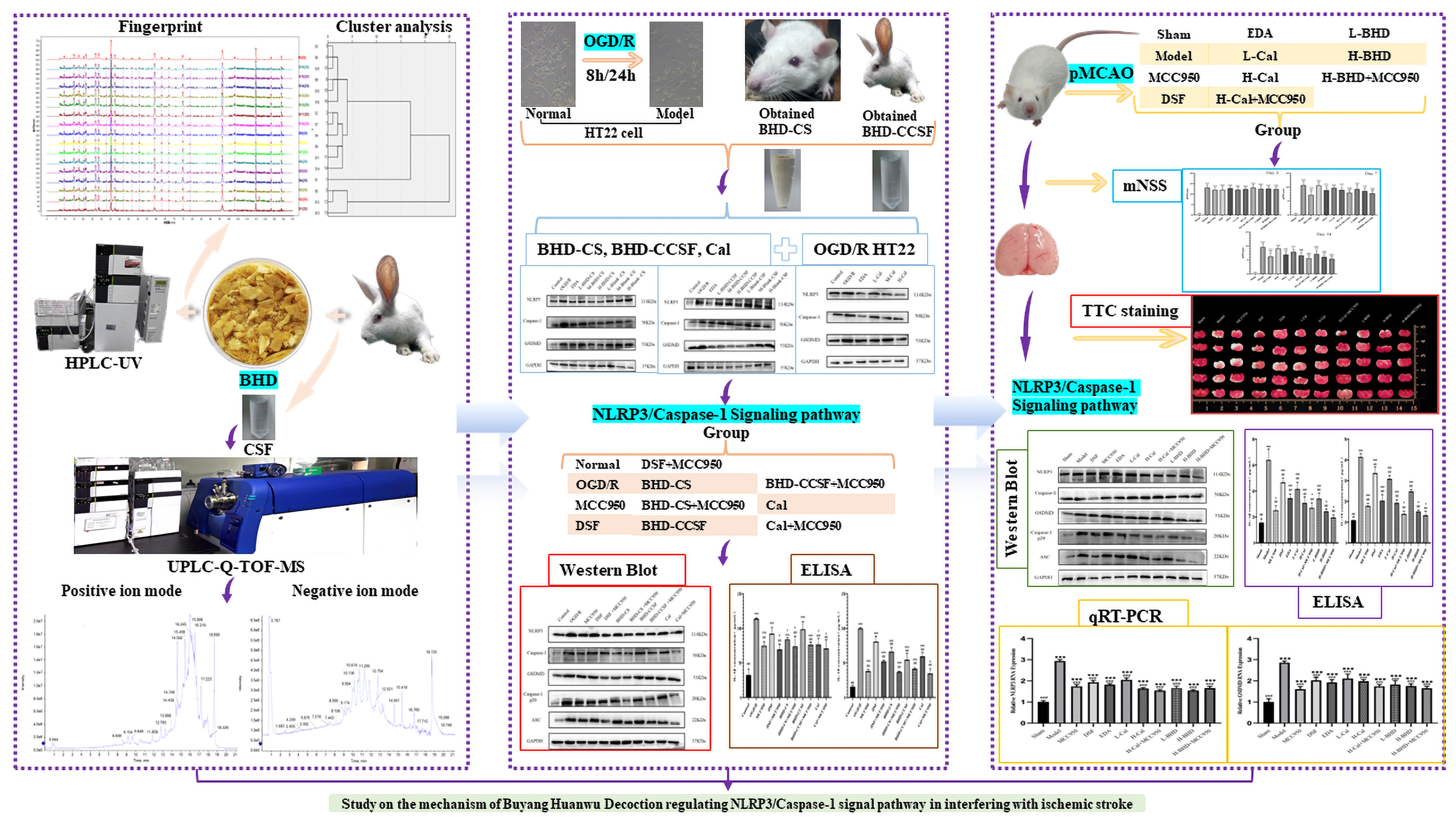
Study on the Mechanism of Buyang Huanwu Decoction in Treating Ischemic Stroke by Regulating the NLRP3/Caspase-1 Signaling Pathway


Abstract
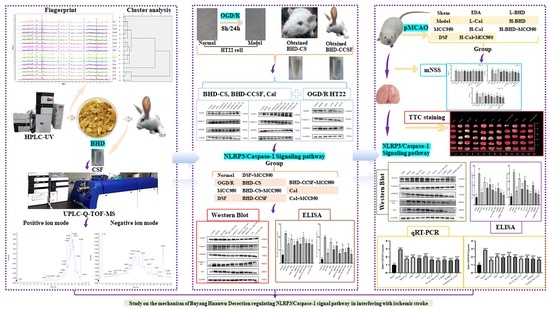
1. Introduction
2. Results
2.1. Fingerprint Analysis of Lyophilized Product of BHD
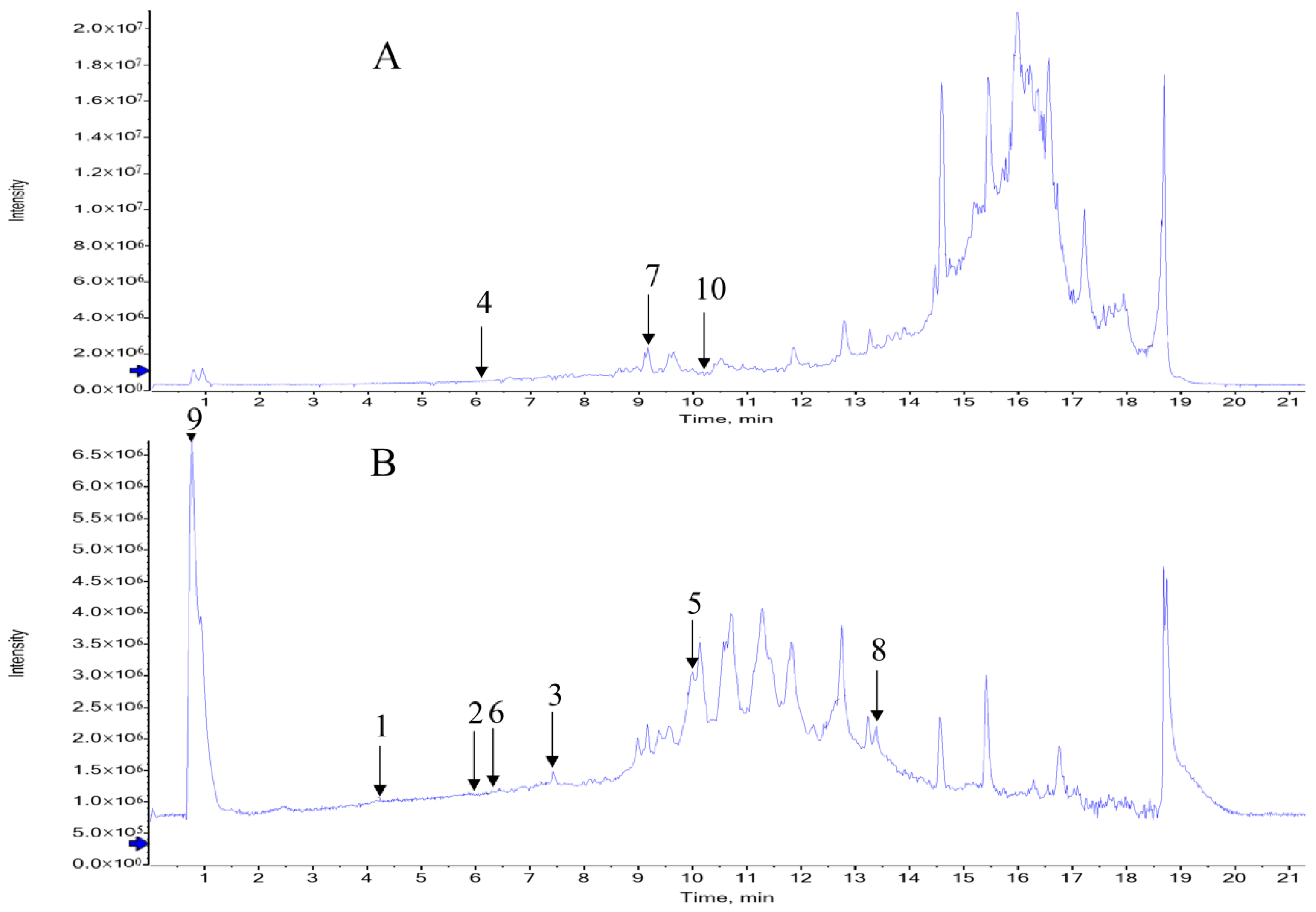
2.2. Analysis of BHD Lyophilized Product CSF-Migration Components
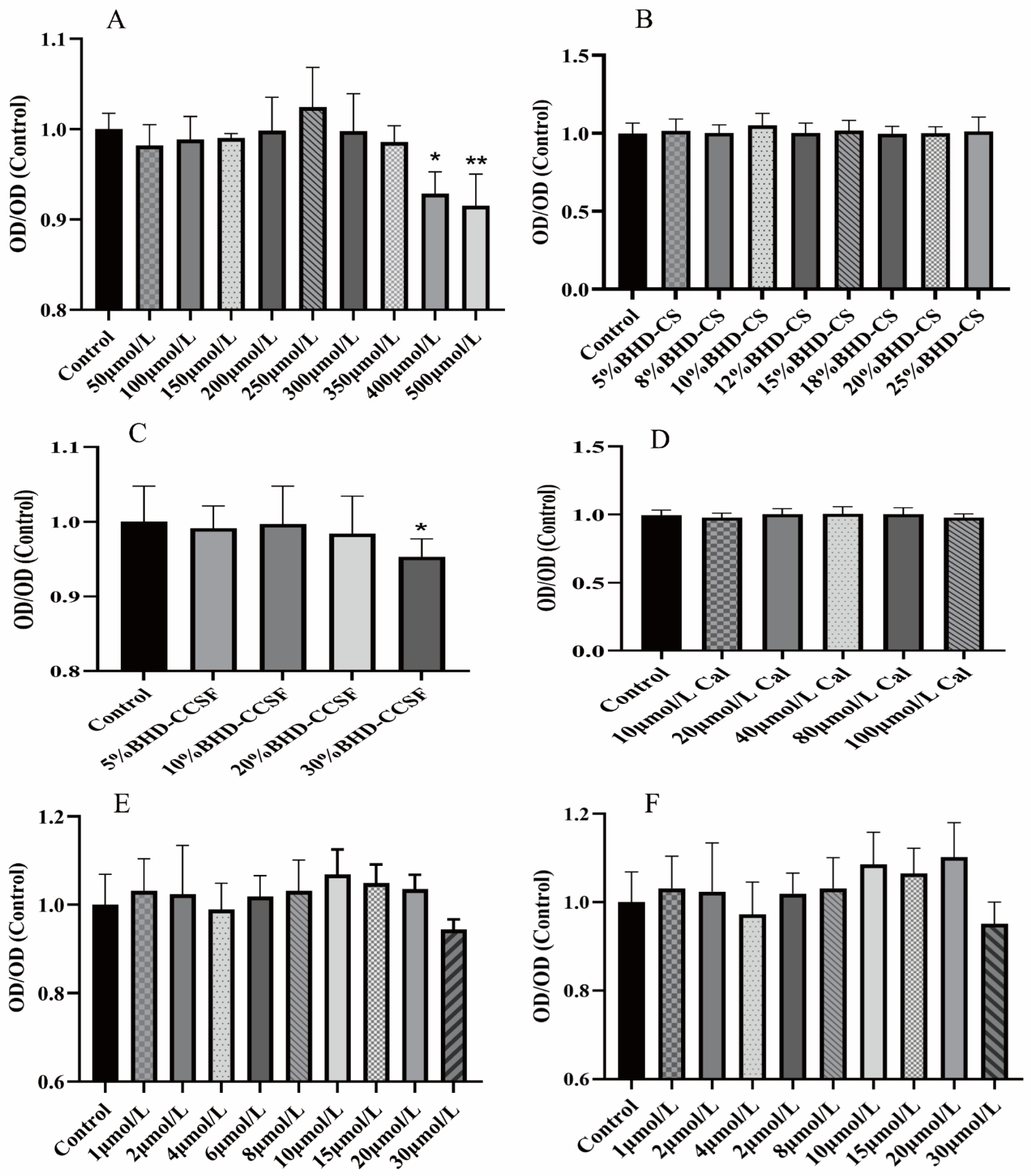
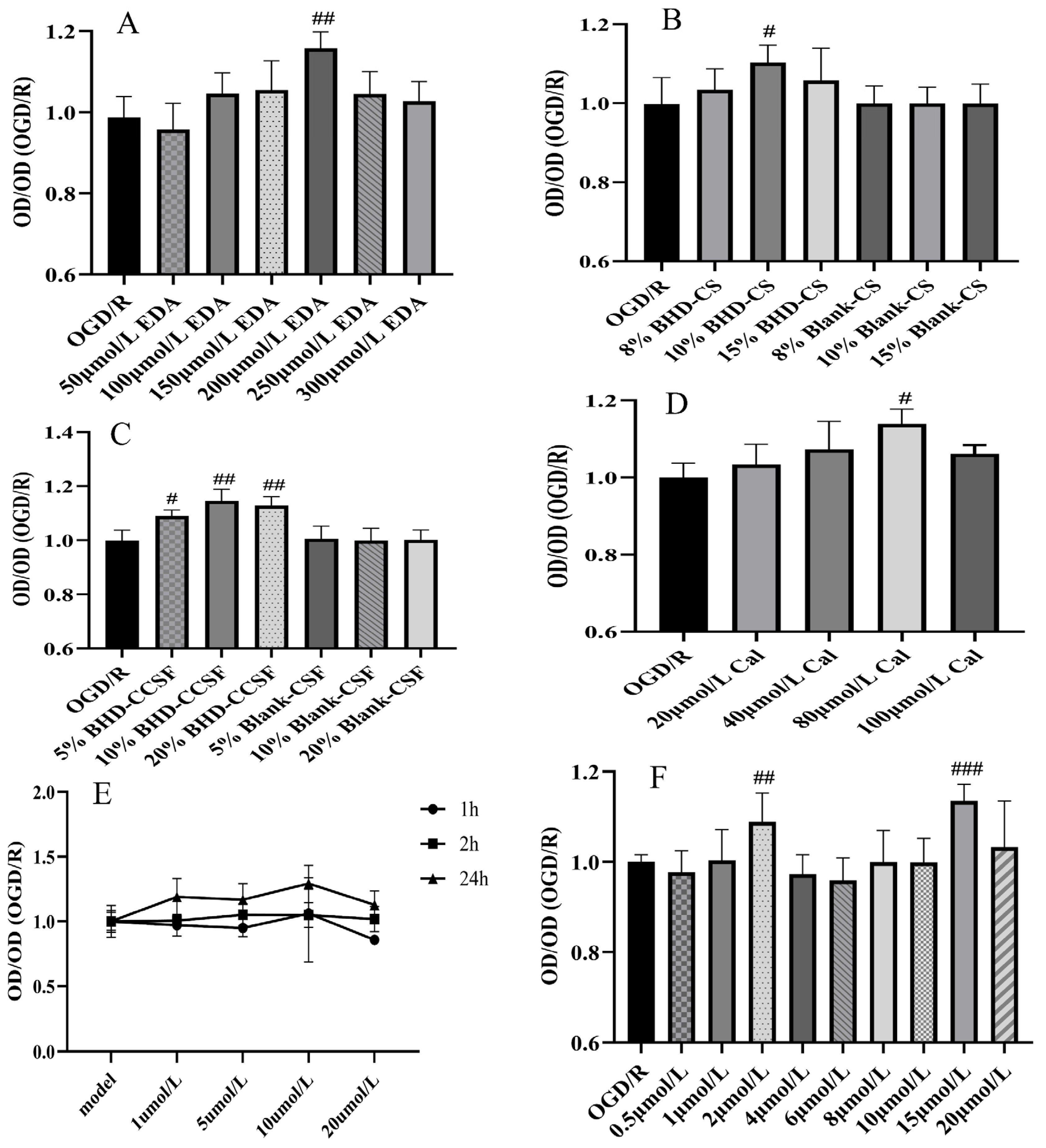
2.3. BHD Protected OGD/R HT22 Cell Injury
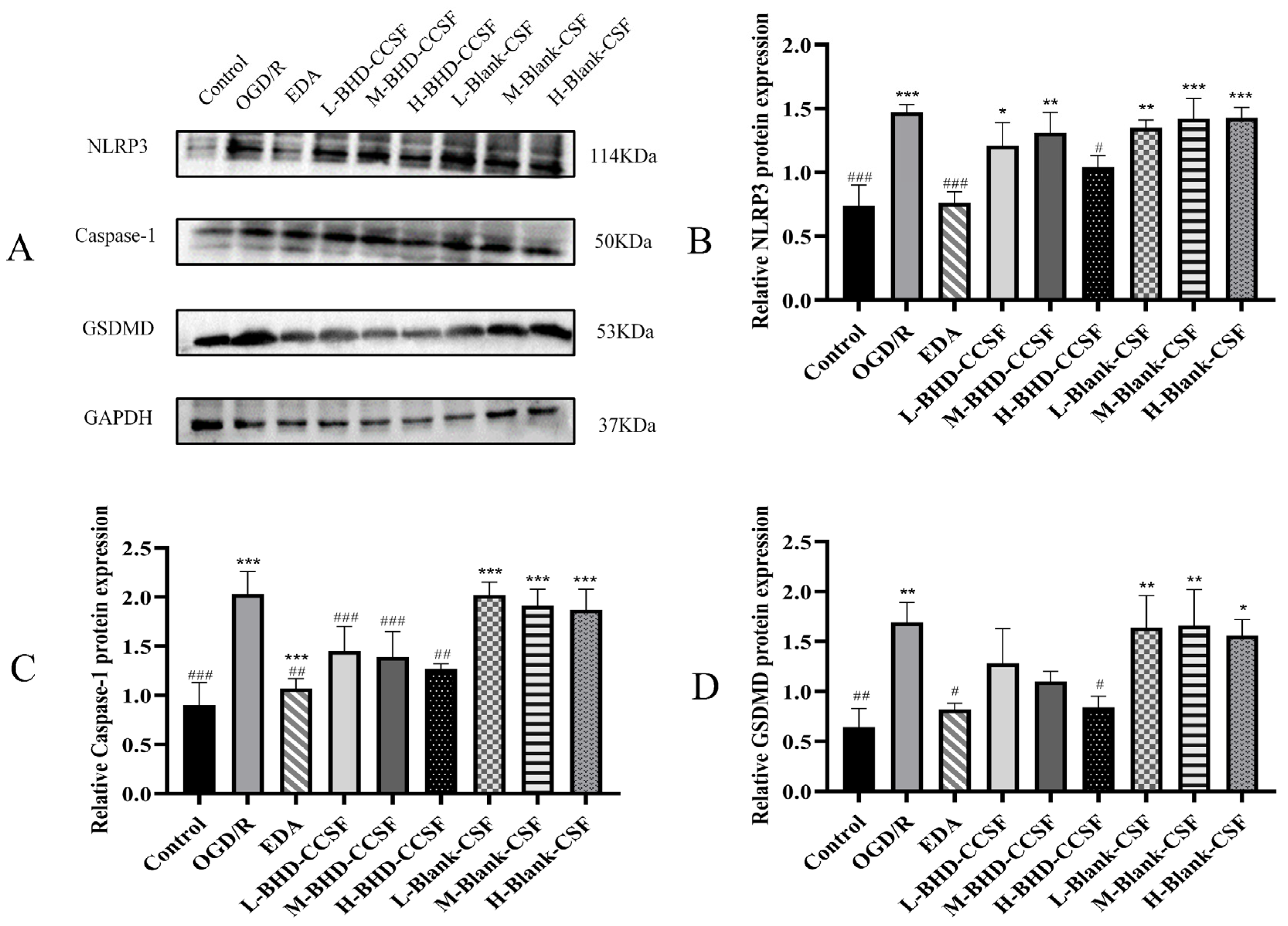
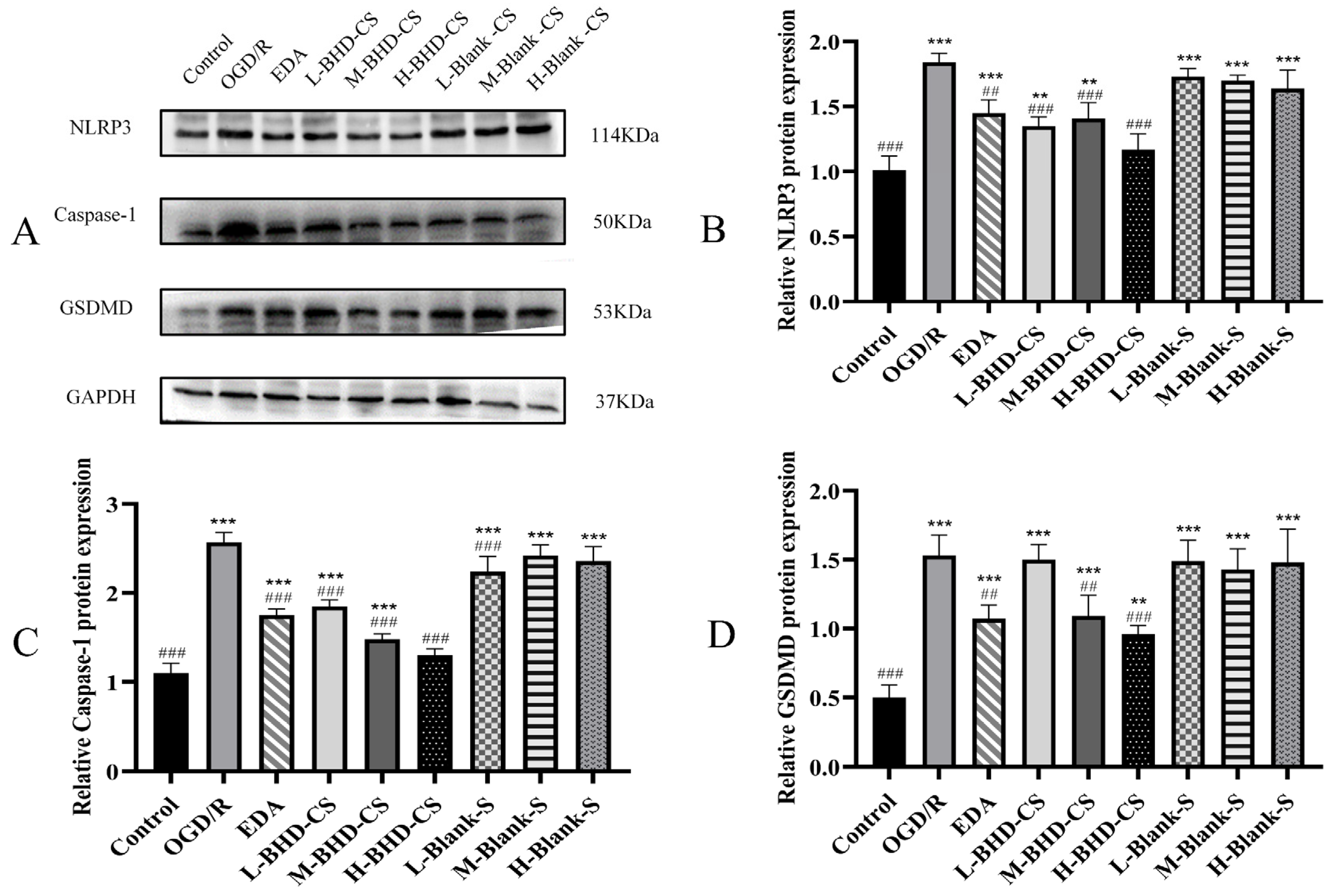
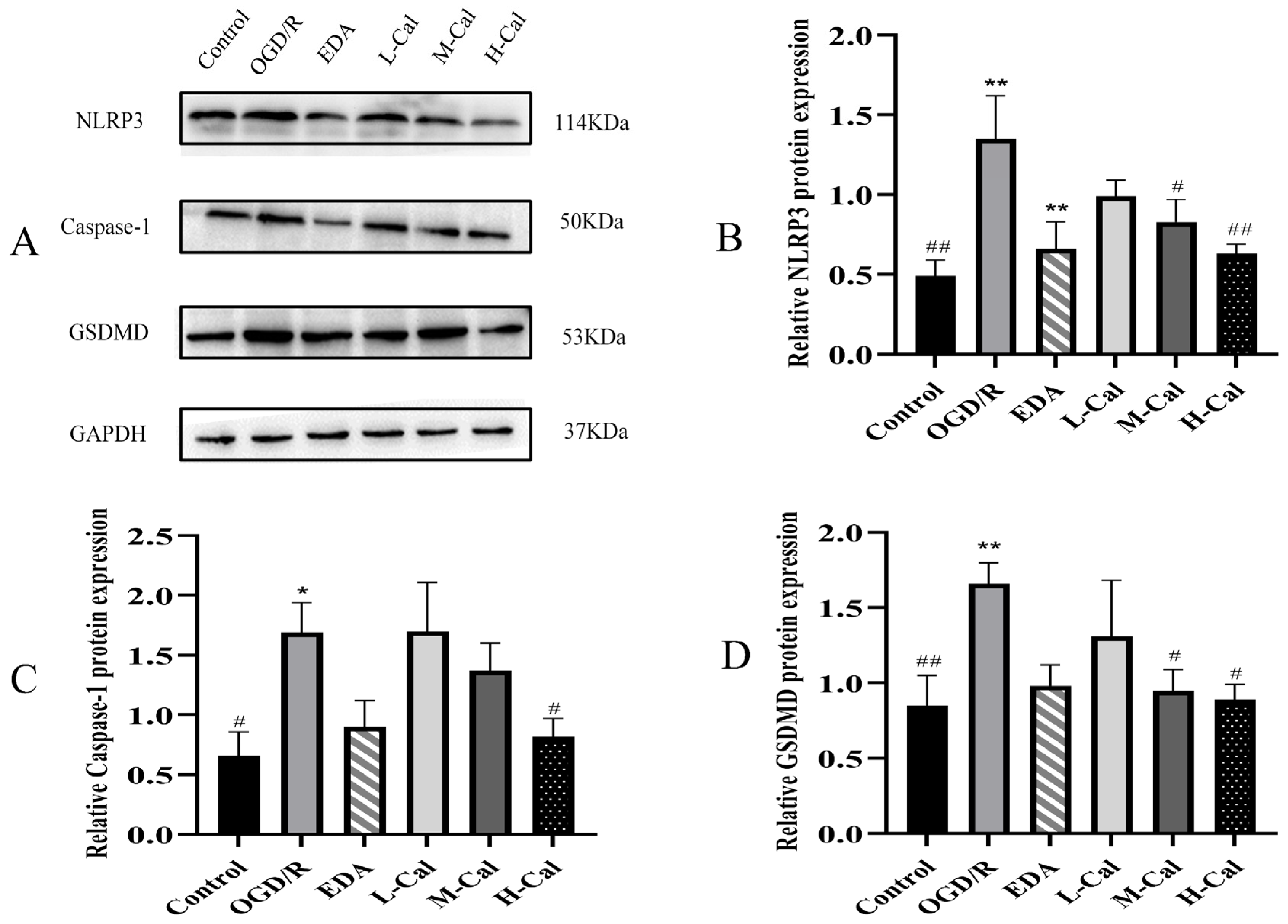
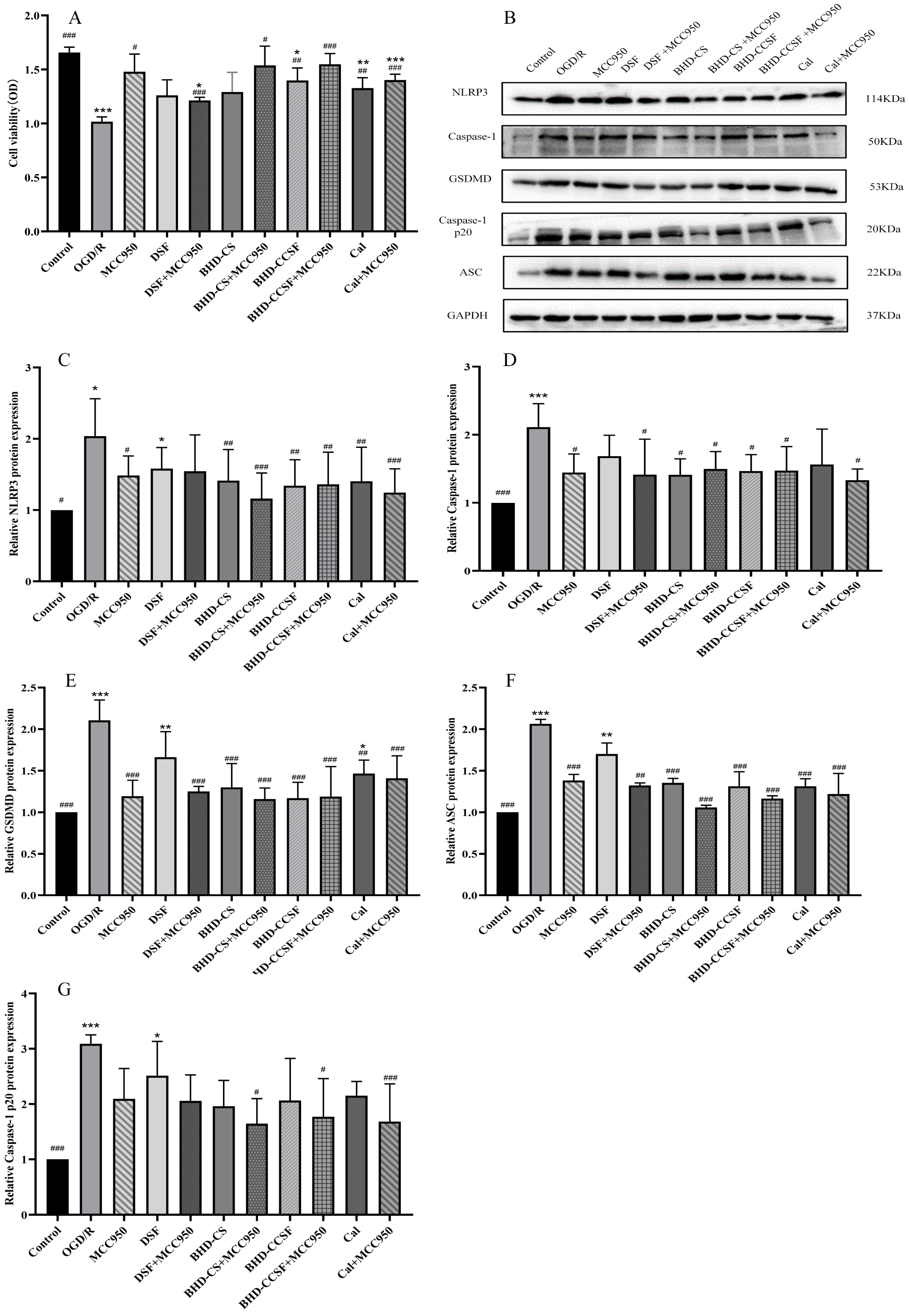
2.4. Effect of BHD-CS and BHD-CCSF on NLRP3, Caspase-1, GSDMD, Caspase-1 p20 and ASC Expression Levels in OGD/R HT22 Cell
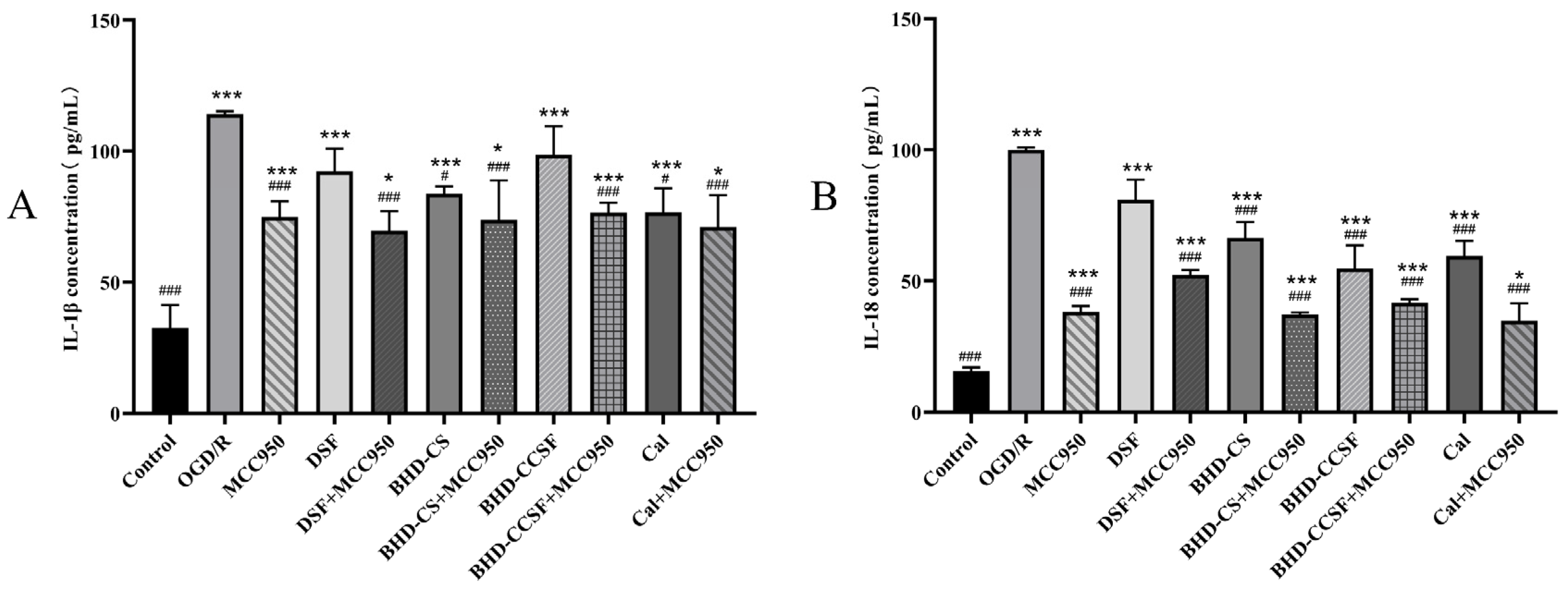
2.5. Effect of BHD on the Level of IL-1β and IL-18 in the OGD/R HT22 Cell
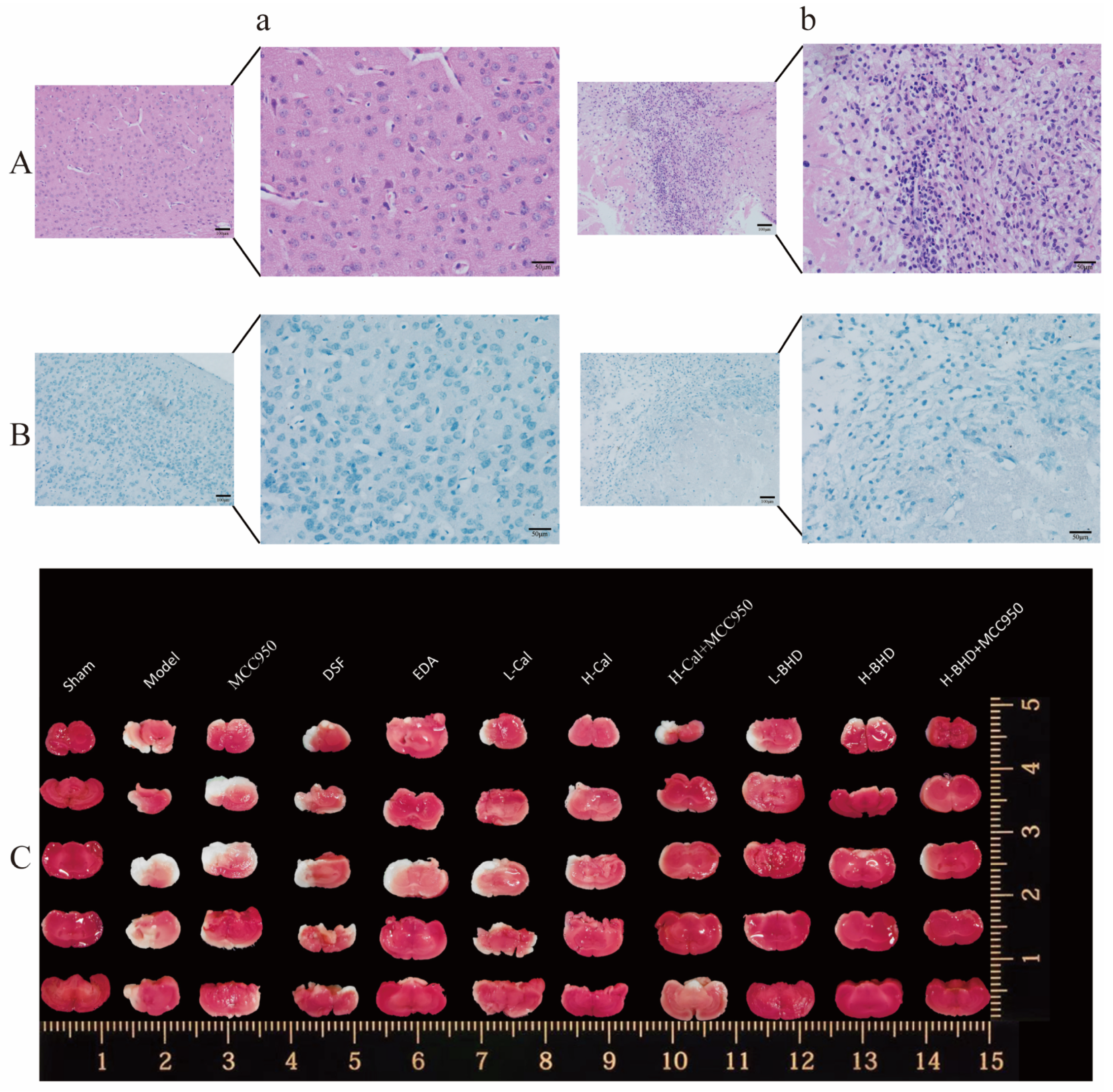
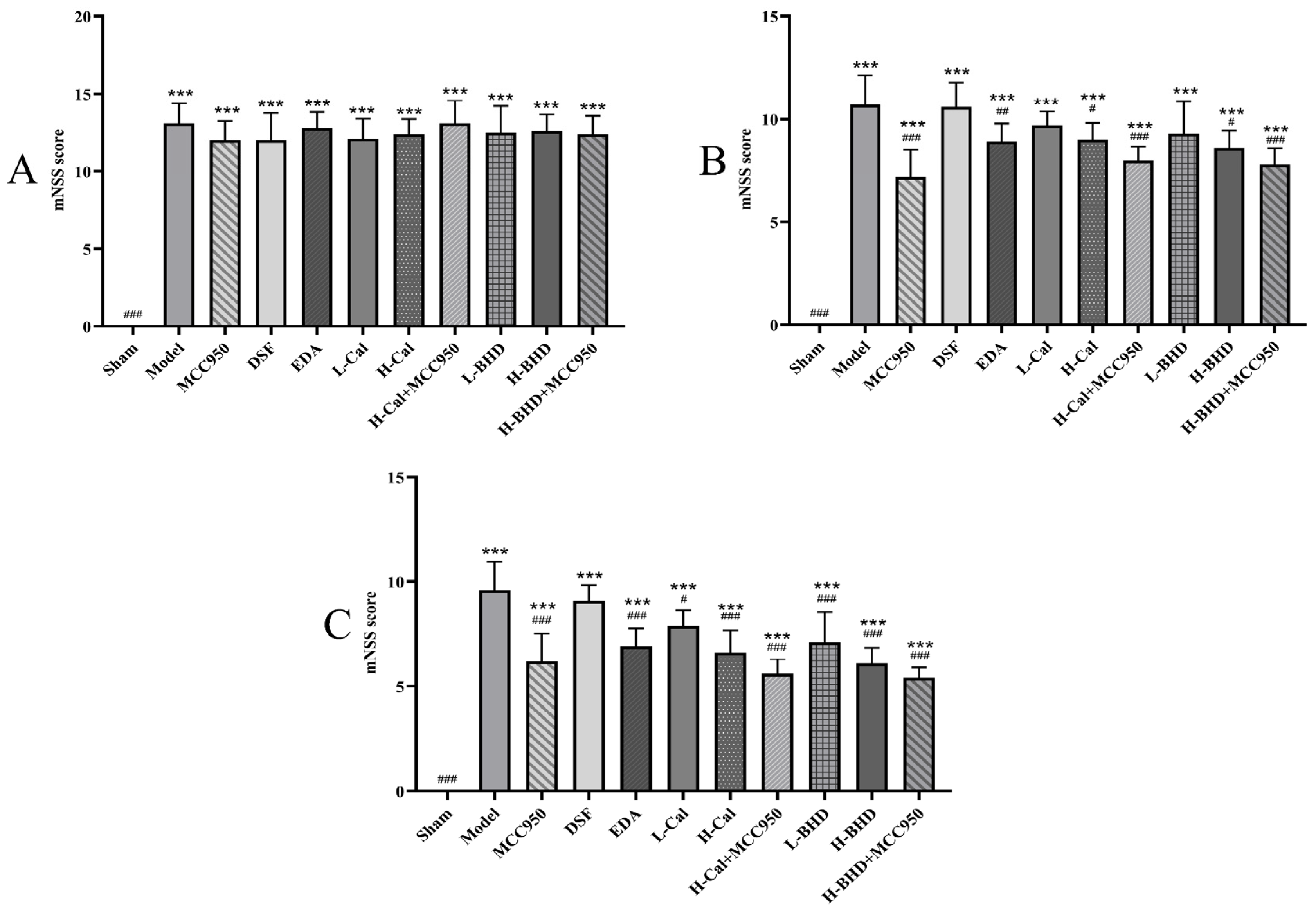
2.6. Neuroprotective Effect of BHD on the pMCAO Mice
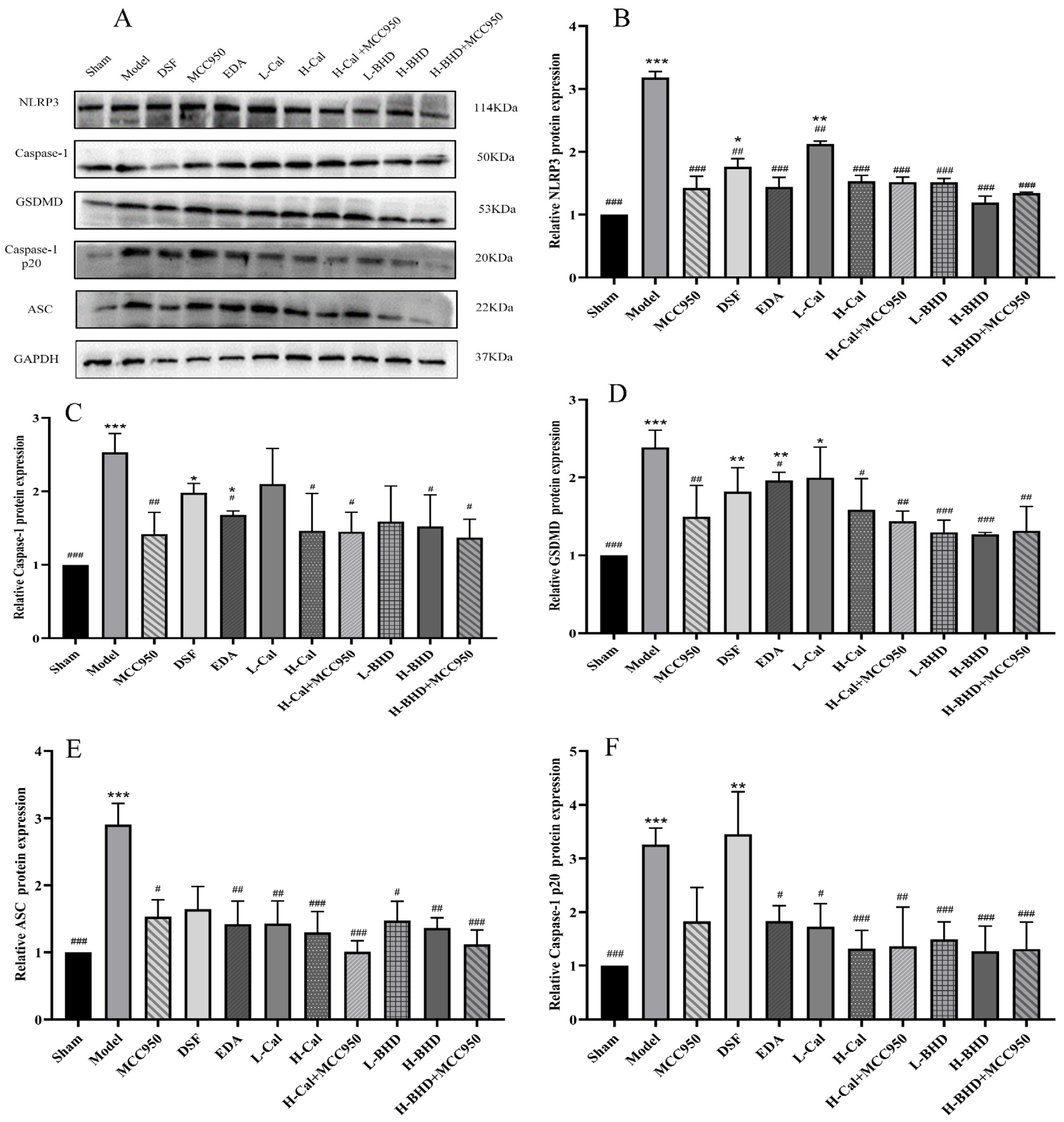
2.7. Effects of BHD on the Expressions of NLRP3, Caspase-1, GSDMD, Caspase-1 p20, and ASC in pMCAO Mice
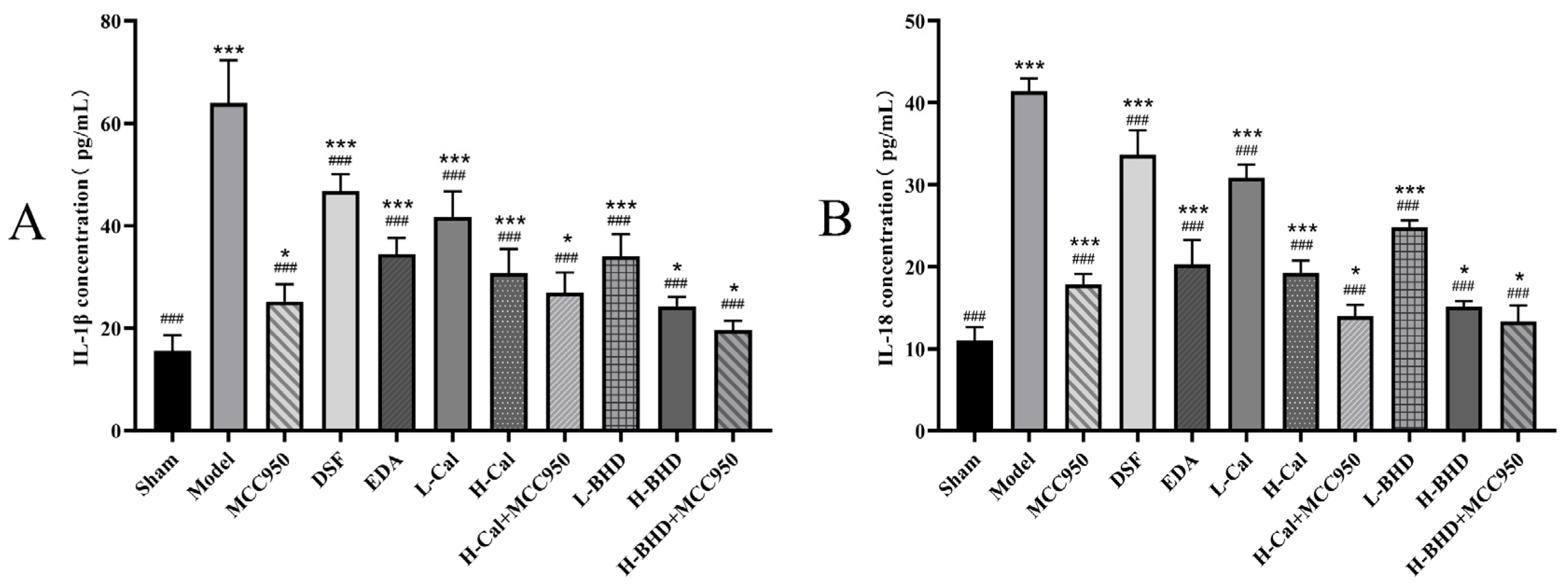
2.8. Effect of BHD on the Level of IL-18 and IL-1β in the Ischemic Penumbra of pMCAO Mice
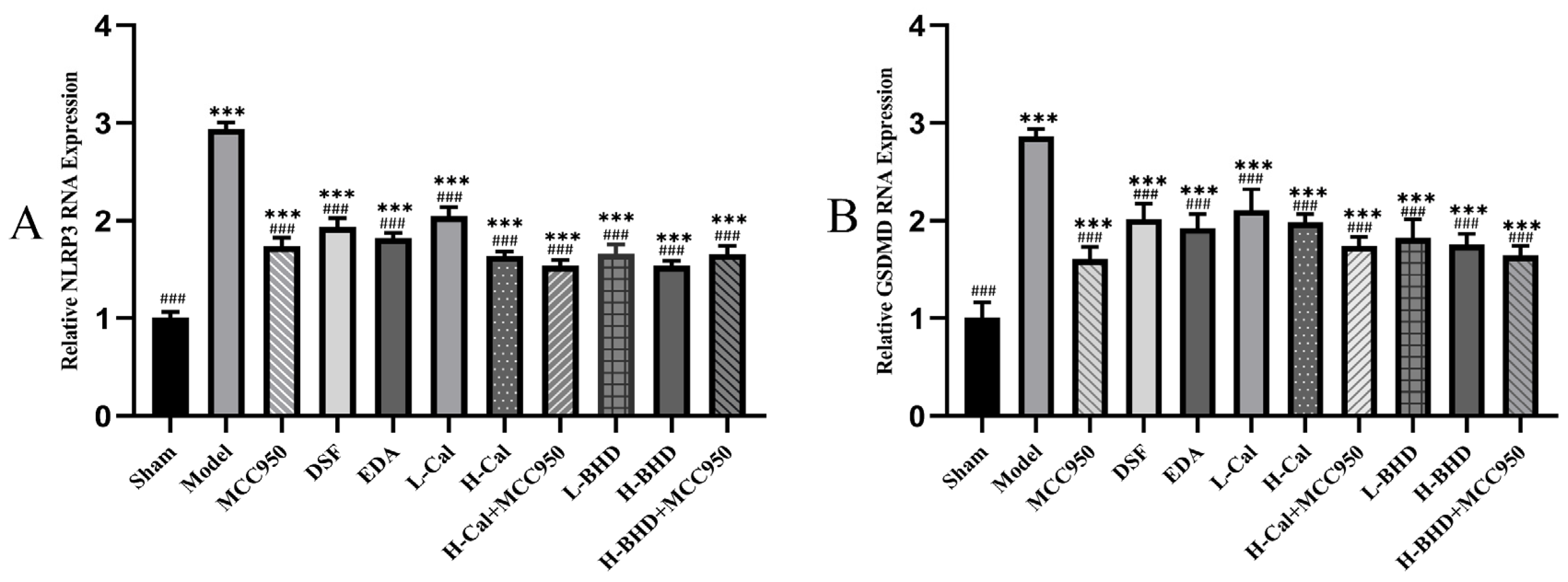
2.9. Effect of BHD on NLRP3 and GSDMD mRNA Expression
3. Discussion
4. Materials and Methods
4.1. Quality Control of BHD Lyophilized Product
4.1.1. Preparation of BHD Lyophilized Product
4.1.2. The Fingerprint Study of BHD Lyophilized Product Based on HPLC-UV
4.2. Rabbit BHD-CCSF and Rat BHD-CS Sampling and Migratory Component Identification
4.2.1. Sampling of Rabbit BHD-CCSF and Rat BHD-CS
4.2.2. Identification of Rabbit BHD-CCSF Migration Components with UPLC-Q-TOF/MS
4.3. Study on the Action Mechanism of BHD-CS and BHD-CCSF in OGD/R HT22 Cell
4.3.1. Construction of the OGD/R HT22 Cell Model
4.3.2. CCK-8 Assay of Cell Viability
4.3.3. Screening of Effective Concentration of BHD-CCSF, BHD-CS, Edaravone (EDA), Cal, MCC950 and DSF in OGD/R Cells
4.3.4. Effect of BHD-CS, BHD-CCSF, and Cal on OGD/R HT22 Cells
4.4. Study on the Action Mechanism of BHD-CS, BHD-CCSF, and Cal in OGD/R HT22 Cells Based on the NLRP3/Caspase-1 Signaling Pathway
4.4.1. Determination of Protein Expression Levels Determination of NLRP3, GSDMD, Caspase-1, Caspase-1 p20 and ASC in OGD/R HT22 Cells by WB
4.4.2. Determination of IL-18 and IL-1β Levels in HT22 Cells
4.5. Regulation Mechanism of BHD in pMCAO Mice Involved the NLRP3/Caspase-1 Signaling Pathway
4.5.1. Mouse Modeling and Grouping
4.5.2. Model Verification
4.5.3. TTC Staining
4.5.4. Determination of Expression Levels of NLRP3, Caspase-1, GSDMD, Caspase-1 p20, and ASC in Mice by WB
4.5.5. Determination of IL-18 and IL-1β Levels in the Ischemic Penumbra of pMCAO Mice
4.5.6. RT-PCR Analysis
4.6. Statistical Analysis
5. Conclusions
Supplementary Materials
Author Contributions
Funding
Institutional Review Board Statement
Informed Consent Statement
Data Availability Statement
Conflicts of Interest
Abbreviations
| BHD | Buyang Huanwu Decoction |
| BHD-CS | BHD-containing serum |
| Cal | Calycosin |
| CCA | Common carotid artery |
| DMSO | Dimethyl sulfoxide |
| DSF | Disulfiram |
| ELISA | Enzyme linked immunosorbent assay |
| EDA | Edaravone |
| BBB | blood–brain barrier |
| TCM | Traditional Chinese Medicine |
| UPLC-Q-TOF-MS | Ultra-performance liquid chromatography-quadrupole-time of flight-mass spectrometry |
| GSDMD | Gasdermin D |
| I/R | Ischemia–reperfusion |
| mNSS | Modified neurological severity score |
| OGD/R | oxygen and glucose deprivation/reperfusion |
| pMCAO | Permanent middle cerebral artery occlusion |
| BHD-CCSF | BHD-containing cerebrospinal fluid |
| TTC | 2,3,5-triphenyltetrazolium chloride |
| CSF | cerebrospinal fluid |
| IS | ischemic stroke |
References
- Zhao, Y.; Zhang, X.; Chen, X.; Wei, Y. Neuronal Injuries in Cerebral Infarction and Ischemic Stroke: From Mechanisms to Treatment (Review). Int. J. Mol. Med. 2022, 49, 15. [Google Scholar] [CrossRef]
- Virani, S.S.; Alonso, A.; Benjamin, E.J.; Bittencourt, M.S.; Callaway, C.W.; Carson, A.P.; Chamberlain, A.M.; Chang, A.R.; Cheng, S.; Delling, F.N.; et al. Heart Disease and Stroke Statistics—2020 Update: A Report From the American Heart Association. Circulation 2020, 141, e139–e596. [Google Scholar] [CrossRef] [PubMed]
- Jadhav, A.P.; Mokin, M.; Ortega-Gutierrez, S.; Diogo, H.; Liebeskind, D.; Nogueira, R.; Jovin, T.; Linfante, I. An Appraisal of the 2018 Guidelines for the Early Management of Patients with Acute Ischemic Stroke. Interv. Neurol. 2020, 8, 55–59. [Google Scholar] [CrossRef] [PubMed]
- Kwon, H.S.; Koh, S.-H. Neuroinflammation in Neurodegenerative Disorders: The Roles of Microglia and Astrocytes. Transl. Neurodegener. 2020, 9, 42. [Google Scholar] [CrossRef] [PubMed]
- Rajesh, Y.; Kanneganti, T.-D. Innate Immune Cell Death in Neuroinflammation and Alzheimer’s Disease. Cells 2022, 11, 1885. [Google Scholar] [CrossRef]
- Alsbrook, D.L.; Di Napoli, M.; Bhatia, K.; Biller, J.; Andalib, S.; Hinduja, A.; Rodrigues, R.; Rodriguez, M.; Sabbagh, S.Y.; Selim, M.; et al. Neuroinflammation in Acute Ischemic and Hemorrhagic Stroke. Curr. Neurol. Neurosci. Rep. 2023, 23, 407–431. [Google Scholar] [CrossRef]
- Zhao, B.; Yin, Q.; Li, Y. Research Progress of Mechanisms and Drug Therapy for Inflammation in Ischemic Stroke. Prog. Pharm. Sci. 2021, 45, 145–152. [Google Scholar]
- Shen, J.; Zhu, Y.; Huang, K.; Jiang, H.; Shi, C.; Xiong, X.; Zhan, R.; Pan, J. Buyang Huanwu Decoction Attenuates H2O2-Induced Apoptosis by Inhibiting Reactive Oxygen Species-Mediated Mitochondrial Dysfunction Pathway in Human Umbilical Vein Endothelial Cells. BMC Complement. Altern. Med. 2016, 16, 154. [Google Scholar] [CrossRef]
- Shi, J.; Gao, W.; Shao, F. Pyroptosis: Gasdermin-Mediated Programmed Necrotic Cell Death. Trends Biochem. Sci. 2017, 42, 245–254. [Google Scholar] [CrossRef]
- Han, Y.-H.; Liu, X.-D.; Jin, M.-H.; Sun, H.-N.; Kwon, T. Role of NLRP3 Inflammasome-Mediated Neuronal Pyroptosis and Neuroinflammation in Neurodegenerative Diseases. Inflamm. Res. 2023, 72, 1839–1859. [Google Scholar] [CrossRef] [PubMed]
- Lü, Y. The NLRP-3/Caspase-1/GSDMD Signalling Axis Mediates Pyroptosis in Microglia. Master’s Thesis, Soochow University, Suzhou, China, 2020. [Google Scholar]
- An, P.; Xie, J.; Qiu, S.; Liu, Y.; Wang, J.; Xiu, X.; Li, L.; Tang, M. Hispidulin Exhibits Neuroprotective Activities against Cerebral Ischemia Reperfusion Injury through Suppressing NLRP3-Mediated Pyroptosis. Life Sci. 2019, 232, 116599. [Google Scholar] [CrossRef]
- Jin, Y.L.; Dong, L.Y.; Wu, C.Q.; Qin, J.; Li, S.; Wang, C.Y.; Shao, X.; Huang, D.K. Buyang Huanwu Decoction Fraction Protects against Cerebral Ischemia/Reperfusion Injury by Attenuating the Inflammatory Response and Cellular Apoptosis. Neural Regen. Res. 2013, 8, 197–207. [Google Scholar] [CrossRef] [PubMed]
- Zhao, Y.; Ma, X.; Yu, W.; Zhang, Z.; Wang, W.; Zhou, X.; Gao, W. Protective Effect of Buyang Huanwu Decoction on Cerebral Ischemia Reperfusion Injury by Alleviating Autophagy in the Ischemic Penumbra. Evid.-Based Complement. Altern. Med. 2021, 2021, 9937264. [Google Scholar] [CrossRef]
- Yin, M.; Liu, Z.; Wang, J.; Gao, W. Buyang Huanwu Decoction Alleviates Oxidative Injury of Cerebral Ischemia-Reperfusion through PKCε/Nrf2 Signaling Pathway. J. Ethnopharmacol. 2023, 303, 115953. [Google Scholar] [CrossRef]
- Wang, Y.; Ren, Q.; Zhang, X.; Lu, H.; Chen, J. Neuroprotective Mechanisms of Calycosin Against Focal Cerebral Ischemia and Reperfusion Injury in Rats. Cell. Physiol. Biochem. 2018, 45, 537–546. [Google Scholar] [CrossRef]
- Liu, H.; Zhao, Z.; Yan, M.; Zhang, Q.; Jiang, T.; Xue, J. Calycosin Decreases Cerebral Ischemia/Reperfusion Injury by Suppressing ACSL4-Dependent Ferroptosis. Arch. Biochem. Biophys. 2023, 734, 109488. [Google Scholar] [CrossRef]
- Fu, S.; Tang, W.; Luo, S.; Wang, W.; Huang, Y.; Li, H.; Wang, G. Identification of Diagnostic Biomarkers for Ischemic Stroke and Drug Targets of Buyang Huanwu Decoction: A Bioinformatics and Network Pharmacology Study. Medicine 2026, 105, e46966. [Google Scholar] [CrossRef]
- Qin, Y.; Hu, S.; Mawen, S.; Pan, S.; Huai, Y.; Liang, G.; Chen, T.; Zhao, F.; Dong, H.; Yao, X.; et al. Neuroprotective Mechanisms of Buyang Huanwu Decoction in Ischemic Stroke. Front. Pharmacol. 2025, 16, 1620533. [Google Scholar] [CrossRef] [PubMed]
- Song, C.; Fang, X.; Fang, N.; Hu, F. Buyang Huanwu Decoction Suppresses Ischemic Stroke by Suppressing Glycolysis and Cell Apoptosis in Rat Brain Microvascular Endothelial Cells. Brain Res. Bull. 2024, 215, 111032. [Google Scholar] [CrossRef] [PubMed]
- Zhao, M.; Xiao, L.; Chen, Q.; Shen, L.; Zhao, G.; Linghu, K.; Ma, Q.; Dar, P.; Yu, H. Bioactive Equivalent Combinatorial Compounds Contributing to the Holistic Effect of Traditional Chinese Medicine Bupleuri Chinense DC. J. Ethnopharmacol. 2025, 350, 120003. [Google Scholar] [CrossRef]
- Liao, W.; Wang, P.; He, Y.; Liu, Z.; Wang, L. Investigation of the Underlying Mechanism of Buyang Huanwu Decoction in Ischemic Stroke by Integrating Systems Pharmacology-Proteomics and in Vivo Experiments. Fitoterapia 2024, 175, 105935. [Google Scholar] [CrossRef]
- Zeng, K.; Zhou, X.; Nie, C.; Zhang, Y. A Serum Pharmacochemical Study on the Pharmacodynamic Substances Basis of the Anti-Ischemic Injury of Buyang Huanwu Decoction. New Tradit. Chin. Med. Clin. Pharmacol. 2023, 34, 1227–1235. (In Chinese) [Google Scholar] [CrossRef]
- Tang, M.; Gao, X.; Geng, T.; Chen, X.; Wang, J.; Shen, C.; Gao, H.; Qian, M.; Wang, Z.; Cao, L.; et al. Metabolomics Analysis of the Therapeutic Effects of Qiwei Tongbi Oral Liquid on Rheumatoid Arthritis in Rats. J. Pharm. Biomed. Anal. 2021, 202, 114166. [Google Scholar] [CrossRef]
- Pan, Y.; Nie, L.; Chen, W.; Guan, D.; Li, Y.; Yang, C.; Duan, L.; Wan, T.; Zhuang, L.; Lai, J.; et al. Buyang Huanwu Decoction Prevents Hemorrhagic Transformation after Delayed T-PA Infusion via Inhibiting NLRP3 Inflammasome/Pyroptosis Associated with Microglial PGC-1α. J. Ethnopharmacol. 2025, 340, 119275. [Google Scholar] [CrossRef] [PubMed]
- Xu, S.; Huang, P.; Yang, J.; Du, H.; Wan, H.; He, Y. Calycosin Alleviates Cerebral Ischemia/Reperfusion Injury by Repressing Autophagy via STAT3/FOXO3a Signaling Pathway. Phytomedicine 2023, 115, 154845. [Google Scholar] [CrossRef]
- Hsu, C.-C.; Kuo, T.-W.; Liu, W.-P.; Chang, C.-P.; Lin, H.-J. Calycosin Preserves BDNF/TrkB Signaling and Reduces Post-Stroke Neurological Injury after Cerebral Ischemia by Reducing Accumulation of Hypertrophic and TNF-α-Containing Microglia in Rats. J. Neuroimmune Pharmacol. 2020, 15, 326–339. [Google Scholar] [CrossRef]
- Zhou, Y.; Song, W.; Wang, Y.; Li, S.; Shan, C.; Dong, J.; Xu, Z.; Zou, H.; Pan, Y.; Chen, X.; et al. Calycosin Regulates Gut Microbiota-Bile Acid-FXR Axis to Protect Rats from Cerebral Ischemia-Reperfusion Injury. Eur. J. Pharmacol. 2025, 1000, 177707. [Google Scholar] [CrossRef]
- Yang, X.; Pan, Y.; Cai, L.; Wang, W.; Zhai, X.; Zhang, Y.; Wu, Q.; Chen, J.; Zhang, C.; Wang, Y. Calycosin Ameliorates Neuroinflammation via TLR4-Mediated Signal Following Cerebral Ischemia/Reperfusion Injury in Vivo and in Vitro. J. Inflamm. Res. 2024, 17, 10711–10727. [Google Scholar] [CrossRef] [PubMed]
- Orešković, D.; Radoš, M.; Klarica, M. Role of Choroid Plexus in Cerebrospinal Fluid Hydrodynamics. Neuroscience 2017, 354, 69–87. [Google Scholar] [CrossRef] [PubMed]
- Yuan, M.; Zhang, Y.; Wang, G.; Wu, Q.; Wang, Y.; Wang, N. Protective Effect of Tongqiao Huoxue Decoction Containing Cerebrospinal Fluid On OGD/R-Damaged HT22 Cells via Regulation of ASK1/MKK4/JNK Signaling Pathway. China J. Chin. Mater. Medica 2022, 47, 5274–5283. (In Chinese) [Google Scholar] [CrossRef]
- Gao, Z.; Li, D.; Wang, N.; Hou, J.; Zhai, Y. Protective Effect of Drug-Containing Cerebrospinal Fluid of Dandengtongnao Capsule on Cerebral Microvascular Endothelial Cells in Rats Injured by OGD/R. Chin. Tradit. Pat. Med. 2018, 40, 1174–1178. (In Chinese) [Google Scholar] [CrossRef]
- Pan, R.; Cai, J.; Zhan, L.; Guo, Y.; Huang, R.Y.; Li, X.; Zhou, M.; Xu, D.; Zhan, J.; Chen, H. Buyang Huanwu Decoction Facilitates Neurorehabilitation through an Improvement of Synaptic Plasticity in Cerebral Ischemic Rats. BMC Complement. Altern. Med. 2017, 17, 173. [Google Scholar] [CrossRef]
- Chen, X.; Chen, H.; He, Y.; Fu, S.; Liu, H.; Wang, Q.; Shen, J. Proteomics-Guided Study on Buyang Huanwu Decoction for Its Neuroprotective and Neurogenic Mechanisms for Transient Ischemic Stroke: Involvements of EGFR/PI3K/Akt/Bad/14-3-3 and Jak2/Stat3/Cyclin D1 Signaling Cascades. Mol. Neurobiol. 2020, 57, 4305–4321. [Google Scholar] [CrossRef]
- He, Y.; Hara, H.; Núñez, G. Mechanism and Regulation of NLRP3 Inflammasome Activation. Trends Biochem. Sci. 2016, 41, 1012–1021. [Google Scholar] [CrossRef]
- Mortezaee, K.; Khanlarkhani, N.; Beyer, C.; Zendedel, A. Inflammasome: Its Role in Traumatic Brain and Spinal Cord Injury. J. Cell. Physiol. 2018, 233, 5160–5169. [Google Scholar] [CrossRef] [PubMed]
- Ye, A.; Li, W.; Zhou, L.; Ao, L.; Fang, W.; Li, Y. Targeting Pyroptosis to Regulate Ischemic Stroke Injury: Molecular Mechanisms and Preclinical Evidences. Brain Res. Bull. 2020, 165, 146–160. [Google Scholar] [CrossRef] [PubMed]
- Wu, X.; Wang, B.; Li, J.; Yang, Z.; Zhou, Y.; Ma, X.; Kou, Z.; Jiang, L.; Song, J. Inhibition of PRMT5 Attenuates Cerebral Ischemia/Reperfusion–Induced Inflammation and Pyroptosis through Suppression of NF–ΚB/NLRP3 Axis. Neurosci. Lett. 2022, 776, 136576. [Google Scholar] [CrossRef] [PubMed]
- Jiang, X.; Ma, C.; Gao, Y.; Cui, H.; Zheng, Y.; Li, J.X.; Zong, W.; Zhang, Q. Tongxinluo Attenuates Atherosclerosis by Inhibiting ROS/NLRP3/Caspase-1-Mediated Endothelial Cell Pyroptosis. J. Ethnopharmacol. 2023, 304, 116011. [Google Scholar] [CrossRef] [PubMed]
- Yang, K.L.; Li, W.H.; Liu, Y.J.; Wei, Y.J.; Ren, Y.K.; Mai, C.D.; Zhang, S.Y.; Zuo, Y.; Sun, Z.Z.; Li, D.L.; et al. Hydrogen Sulfide Attenuates Neuroinflammation by Inhibiting the NLRP3/Caspase-1/GSDMD Pathway in Retina or Brain Neuron Following Rat Ischemia/Reperfusion. Brain Sci. 2022, 12, 1245. [Google Scholar] [CrossRef]
- She, Y.; Shao, L.; Zhang, Y.; Hao, Y.; Cai, Y.; Cheng, Z.; Deng, C.; Liu, X. Neuroprotective Effect of Glycosides in Buyang Huanwu Decoction on Pyroptosis Following Cerebral Ischemia-Reperfusion Injury in Rats. J. Ethnopharmacol. 2019, 242, 112051. [Google Scholar] [CrossRef]
- Hu, J.J.; Liu, X.; Xia, S.; Zhang, Z.; Zhang, Y.; Zhao, J.; Ruan, J.; Luo, X.; Lou, X.; Bai, Y.; et al. FDA-Approved Disulfiram Inhibits Pyroptosis by Blocking Gasdermin D Pore Formation. Nat. Immunol. 2020, 21, 736–745. [Google Scholar] [CrossRef]
- Wang, P.-C.; Wang, S.-X.; Yan, X.-L.; He, Y.-Y.; Wang, M.-C.; Zheng, H.-Z.; Shi, X.-G.; Tan, Y.-H.; Wang, L.-S. Combination of Paeoniflorin and Calycosin-7-Glucoside Alleviates Ischaemic Stroke Injury via the PI3K/AKT Signalling Pathway. Pharm. Biol. 2022, 60, 1469–1477. [Google Scholar] [CrossRef]
- Xiao, L.; Dai, Z.; Tang, W.; Liu, C.; Tang, B. Astragaloside IV Alleviates Cerebral Ischemia-Reperfusion Injury through NLRP3 Inflammasome-Mediated Pyroptosis Inhibition via Activating Nrf2. Oxid. Med. Cell. Longev. 2021, 2021, 9925561. [Google Scholar] [CrossRef]
- Zhang, S.; Jin, X.; Zhang, Y.; Zhou, X.; Gao, W. Protective Effects of Different Doses of Calycosin from Astragalus on Neuronal Cells of Rats with Cerebral Ischemia-Reperfusion Injury. J. Hebei Tradit. Chin. Med. 2022, 37, 43–47. (In Chinese) [Google Scholar] [CrossRef]
- Yuan, H.; Han, Q.; Yu, H.; Yu, Y.; Liu, X.; Xue, Y.; Li, Y. Calycosin Treats Acute Myocardial Infarction via NLRP3 Inflammasome: Bioinformatics, Network Pharmacology and Experimental Validation. Eur. J. Pharmacol. 2025, 997, 177621. [Google Scholar] [CrossRef] [PubMed]
- Liu, W.; Zhang, Y.; Chen, J.; Zeng, K.; Zhou, X. Simultaneous Content Determination of 10 Components in Lyophilized Product of Buyang Huanwu Decoction on UPLC. Tradit. Chin. Drug Res. Clin. Pharmacol. 2022, 33, 830–835. (In Chinese) [Google Scholar] [CrossRef]
- Longa, E.Z.; Weinstein, P.R.; Carlson, S.; Cummins, R. Reversible Middle Cerebral Artery Occlusion without Craniectomy in Rats. Stroke 1989, 20, 84–91. [Google Scholar] [CrossRef] [PubMed]







| No. | tR/ min | Formula | MW | MS/ (m/z) | Additional Ion | Error (ppm) | Secondary Fragment | Name | Source |
|---|---|---|---|---|---|---|---|---|---|
| 1 | 4.68 | C10H10O4 | 194.0574 | 193.0508 | [M-H]− | 0.6 | 81/193 | Ferulic Acid | a/b/e/f |
| 2 | 6.00 | C10H18O4 | 202.1200 | 201.1132 | [M-H]− | −0.2 | 139/201 | Sebacic acid | b |
| 3 | 7.36 | C11H14O | 162.1040 | 161.0974 | [M-H]− | 1.5 | 83/105/161 | Valerophenone | e |
| 4 | 6.13 | C12H12O2 | 188.0832 | 189.0907 | [M+H]+ | −1.7 | 128/189 | N-Butylidenephthalide | e/b |
| 5 | 9.75 | C12H24O2 | 200.1771 | 199.1677 | [M-H]− | 3.9 | 67/162/199 | Lauric acid | c/f |
| 6 | 6.36 | C16H12O5 | 284.0679 | 283.0604 | [M-H]− | −2.7 | 211/239/268/283 | Calycosin | a |
| 7 | 9.05 | C16H22O4 | 278.1513 | 279.1583 | [M+H]+ | −2.8 | 149/230/279 | Senkyunolide Q | e |
| 8 | 13.37 | C18H36O2 | 284.2710 | 283.2634 | [M-H]− | −3.2 | 265/283 | Stearic acid | f/e |
| 9 | 0.98 | C9H10O3 | 166.0625 | 165.0558 | [M-H]− | 0.3 | 122/135/150/165 | Paeonol | c |
| 10 | 10.15 | C29H50O | 414.3856 | 437.3738 | [M+Na]+ | −3.6 | 81/108/397/437 | Beta-Sitosterol | f/b/e/d |
| Materials | Chinese Name | Latin Name | Medicinal Parts | Percentage of Total Weight |
|---|---|---|---|---|
| Astragali Radix | Huangqi | Astragalus membranaceus (Fisch.) Bge. | Roots | 83.9 |
| Angelicae Sinensis Radix | Danggui | Angelica sinensis (Oliv.) Diels | Roots | 4.2 |
| Paeoniae Radix Rubra | Chishao | Paeonia lactiflora Pall. | Roots | 3.5 |
| Chuanxiong Rhizoma | Chuanxiong | Ligusticum chuanxiong Hort. | Rhizomas | 2.1 |
| Persicae Semen | Taoren | Prunus persica (L.) Batsch | Seeds | 2.1 |
| Carthami Flos | Honghua | Carthamus tinctorius L. | Flowers | 2.1 |
| Pheretima | Dilong | Pheretima aspergillum (E. Perrier) | Bodies | 2.1 |
| Group | Normal Saline | MCC950 | EDA | DSF | BHD | Cal |
|---|---|---|---|---|---|---|
| Sham | 0.9% | - | - | - | - | - |
| Model | 0.9% | - | - | - | - | - |
| MCC950 | - | 0.05 | - | - | - | - |
| EDA | - | - | 0.01 | - | - | - |
| DSF | - | - | - | 0.015 | - | - |
| L-BHD | - | - | - | - | 14.3 | - |
| H-BHD | - | - | - | - | 57.2 | - |
| H-BHD+MCC950 | - | 0.05 | - | - | 57.2 | - |
| L-Cal | - | - | - | - | - | 0.00176 |
| H-Cal | - | - | - | - | - | 0.00704 |
| H-Cal+MCC950 | - | 0.05 | - | - | - | 0.00704 |
| Gene | Species | Primer Sequence | GC Ratio (%) | Fragment Size (bp) |
|---|---|---|---|---|
| NLRP3 | mouse | Forward: 5′-GGCTGCTATCTGGAGGAACTT-3′ | 52.38% | 119 |
| Reverse: 5′-CATCTTCAGCAGCAGCCCTT-3′ | 55.00% | |||
| GSDMD | mouse | Forward: 5′-TTCCAGTGCCTCCATGAATGT-3′ | 47.62% | 193 |
| Reverse: 5′-GCTGTGGACCTCAGTGATCT-3′ | 55.00% | |||
| GAPDH | mouse | Forward: 5′-GGTTGTCTCCTGCGACTTCA-3′ | 55.00% | 183 |
| Reverse: 5′-TGGTCCAGGGTTTCTTACTCC-3′ | 52.38% |
Disclaimer/Publisher’s Note: The statements, opinions and data contained in all publications are solely those of the individual author(s) and contributor(s) and not of MDPI and/or the editor(s). MDPI and/or the editor(s) disclaim responsibility for any injury to people or property resulting from any ideas, methods, instructions or products referred to in the content. |
© 2026 by the authors. Licensee MDPI, Basel, Switzerland. This article is an open access article distributed under the terms and conditions of the Creative Commons Attribution (CC BY) license.
Share and Cite
Zeng, K.; Nie, C.; Zhou, X.; Pei, D.; Huang, J.; Zhang, Y. Study on the Mechanism of Buyang Huanwu Decoction in Treating Ischemic Stroke by Regulating the NLRP3/Caspase-1 Signaling Pathway. Pharmaceuticals 2026, 19, 567. https://doi.org/10.3390/ph19040567
Zeng K, Nie C, Zhou X, Pei D, Huang J, Zhang Y. Study on the Mechanism of Buyang Huanwu Decoction in Treating Ischemic Stroke by Regulating the NLRP3/Caspase-1 Signaling Pathway. Pharmaceuticals. 2026; 19(4):567. https://doi.org/10.3390/ph19040567
Chicago/Turabian StyleZeng, Keqi, Cong Nie, Xin Zhou, Die Pei, Jieyi Huang, and Yingfeng Zhang. 2026. "Study on the Mechanism of Buyang Huanwu Decoction in Treating Ischemic Stroke by Regulating the NLRP3/Caspase-1 Signaling Pathway" Pharmaceuticals 19, no. 4: 567. https://doi.org/10.3390/ph19040567
APA StyleZeng, K., Nie, C., Zhou, X., Pei, D., Huang, J., & Zhang, Y. (2026). Study on the Mechanism of Buyang Huanwu Decoction in Treating Ischemic Stroke by Regulating the NLRP3/Caspase-1 Signaling Pathway. Pharmaceuticals, 19(4), 567. https://doi.org/10.3390/ph19040567