CIGB-258, a Potential Novel Approach to Treat Sepsis-like Hyperinflammation, Reduces Gastrointestinal Hemorrhage in Zebrafish Exposed to Carboxymethyllysine and Ethanol

 ,
,
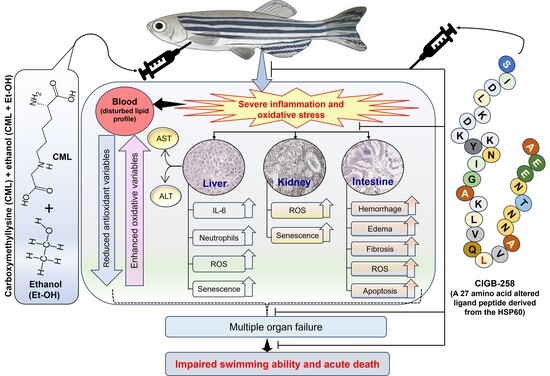
Abstract
1. Introduction
2. Results
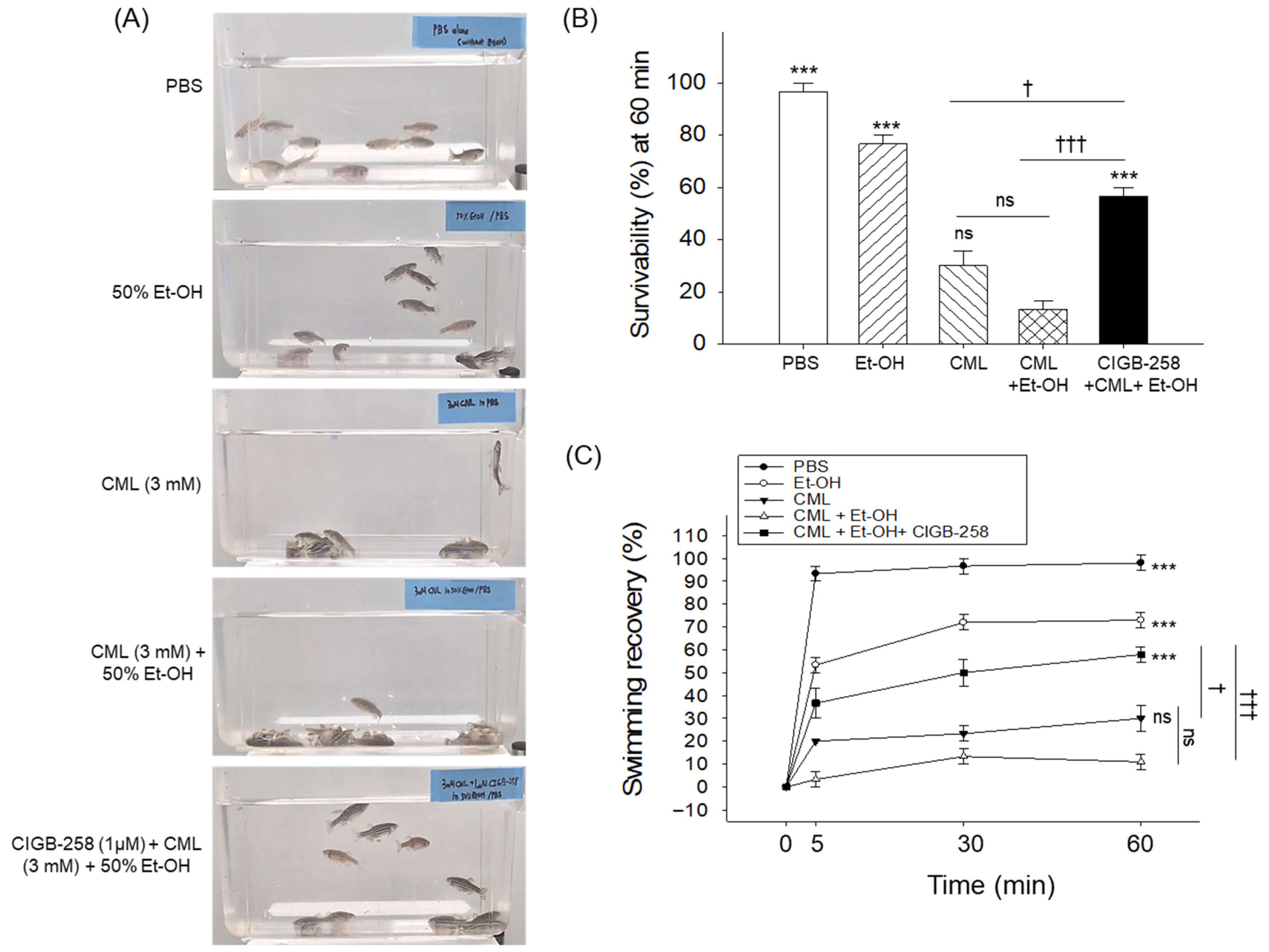
2.1. Treatment with CIGB-258 Prevents Acute Inflammatory Death
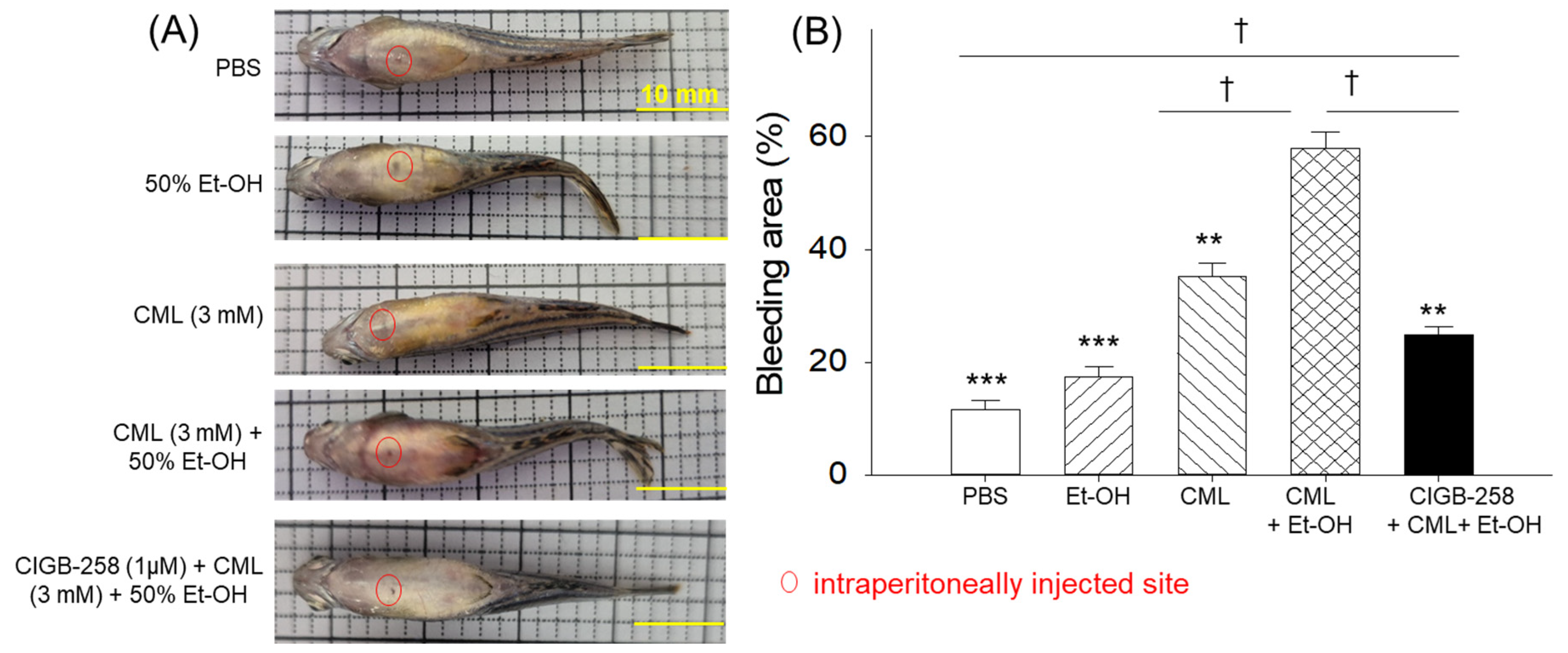
2.2. Treatment with CIGB-258 Reduced Abdominal Bleeding
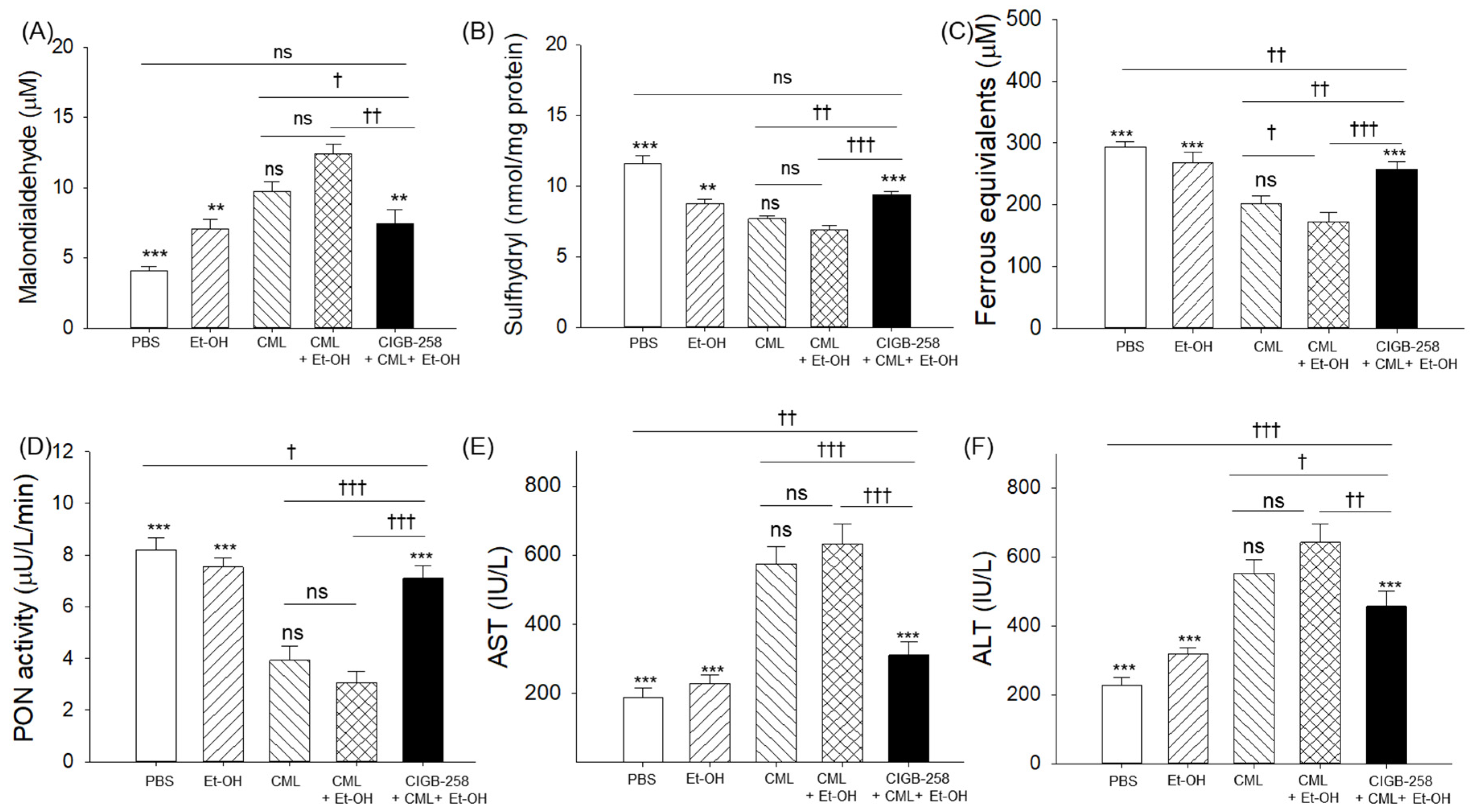
2.3. Comparison of Oxidization Extent and Antioxidant Activities in Zebrafish Plasma
2.4. Hepatic Enzyme Levels in Plasma
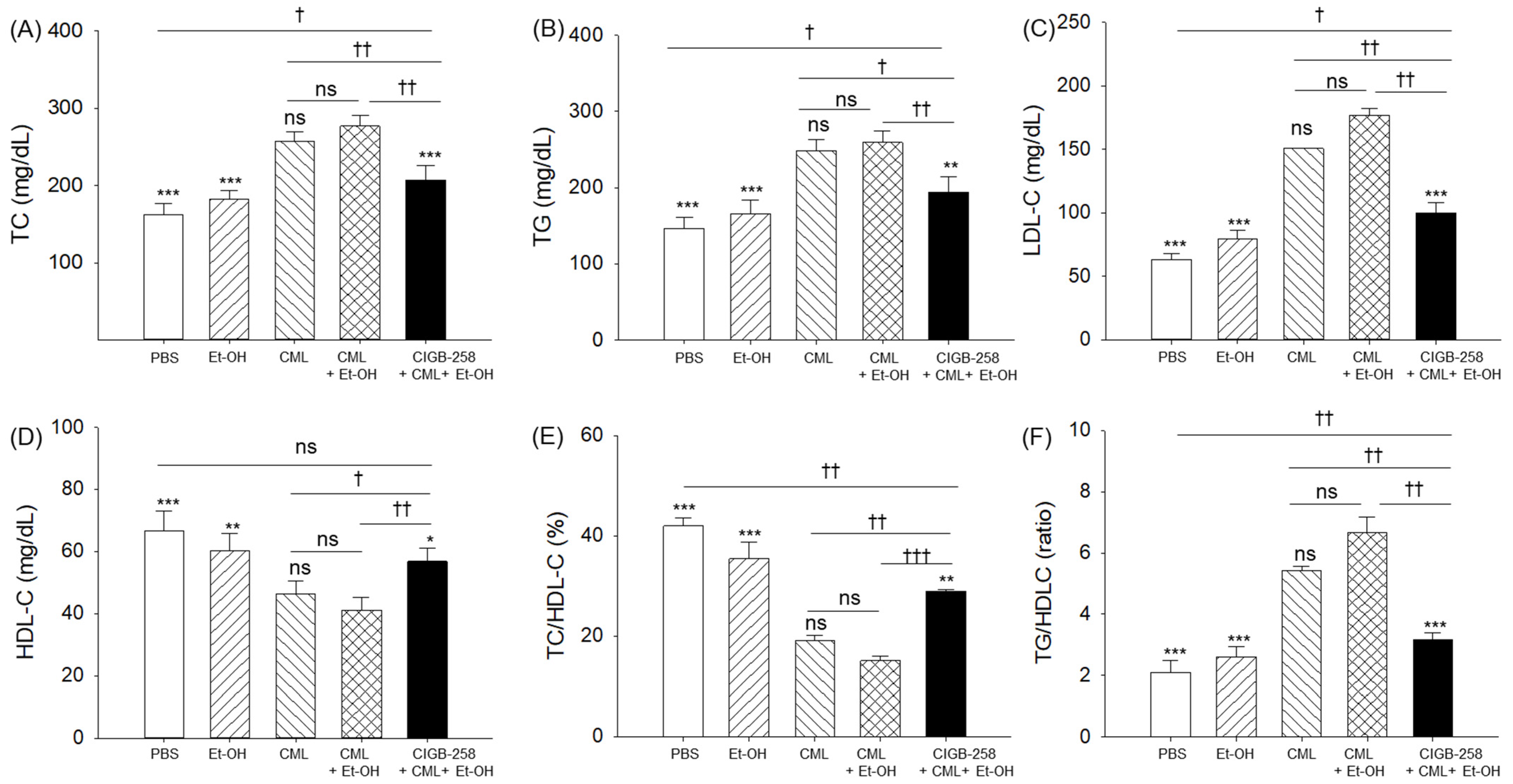
2.5. Change in Lipid Profiles in Plasma
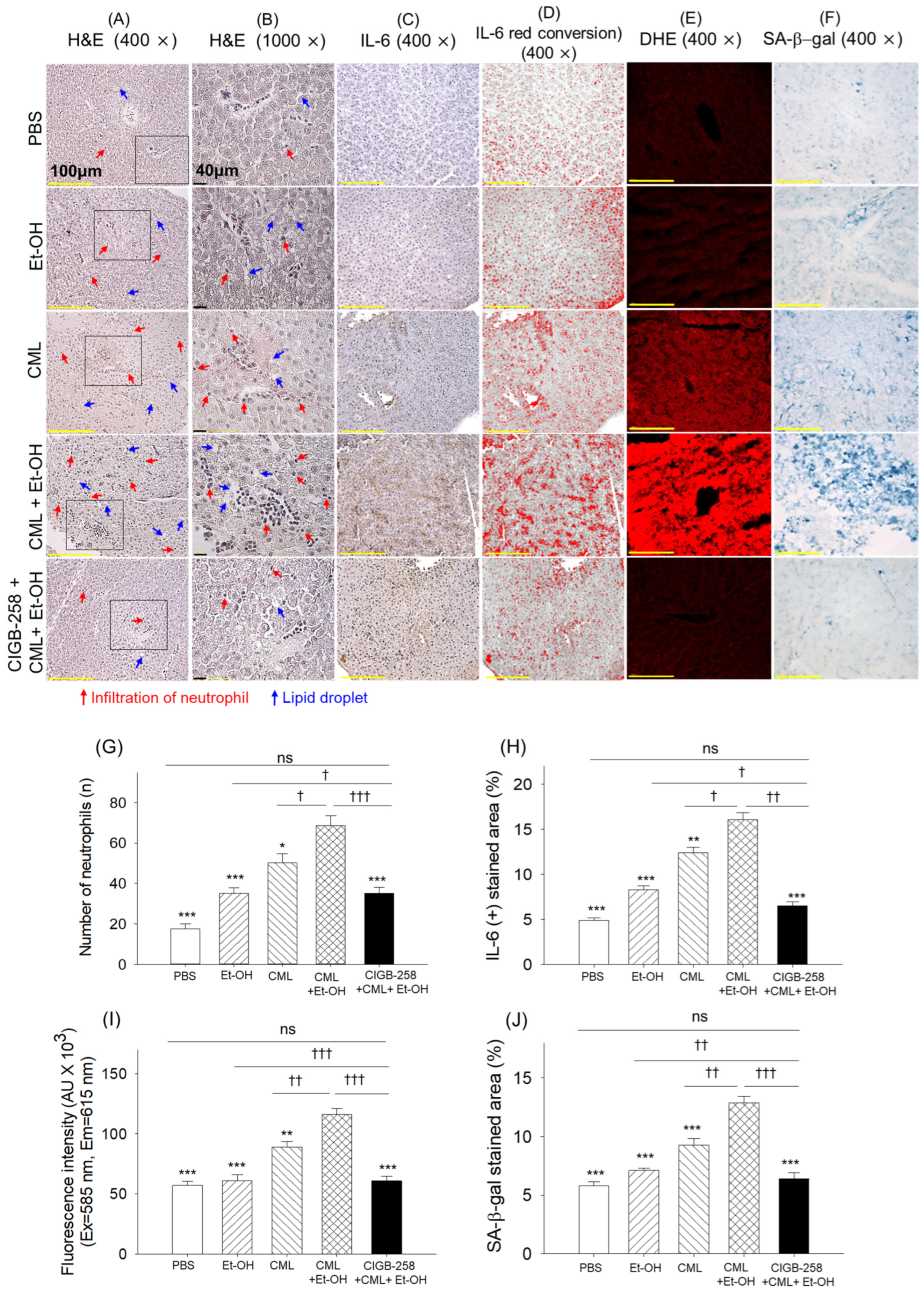
2.6. Histological Analysis of Hepatic Sections
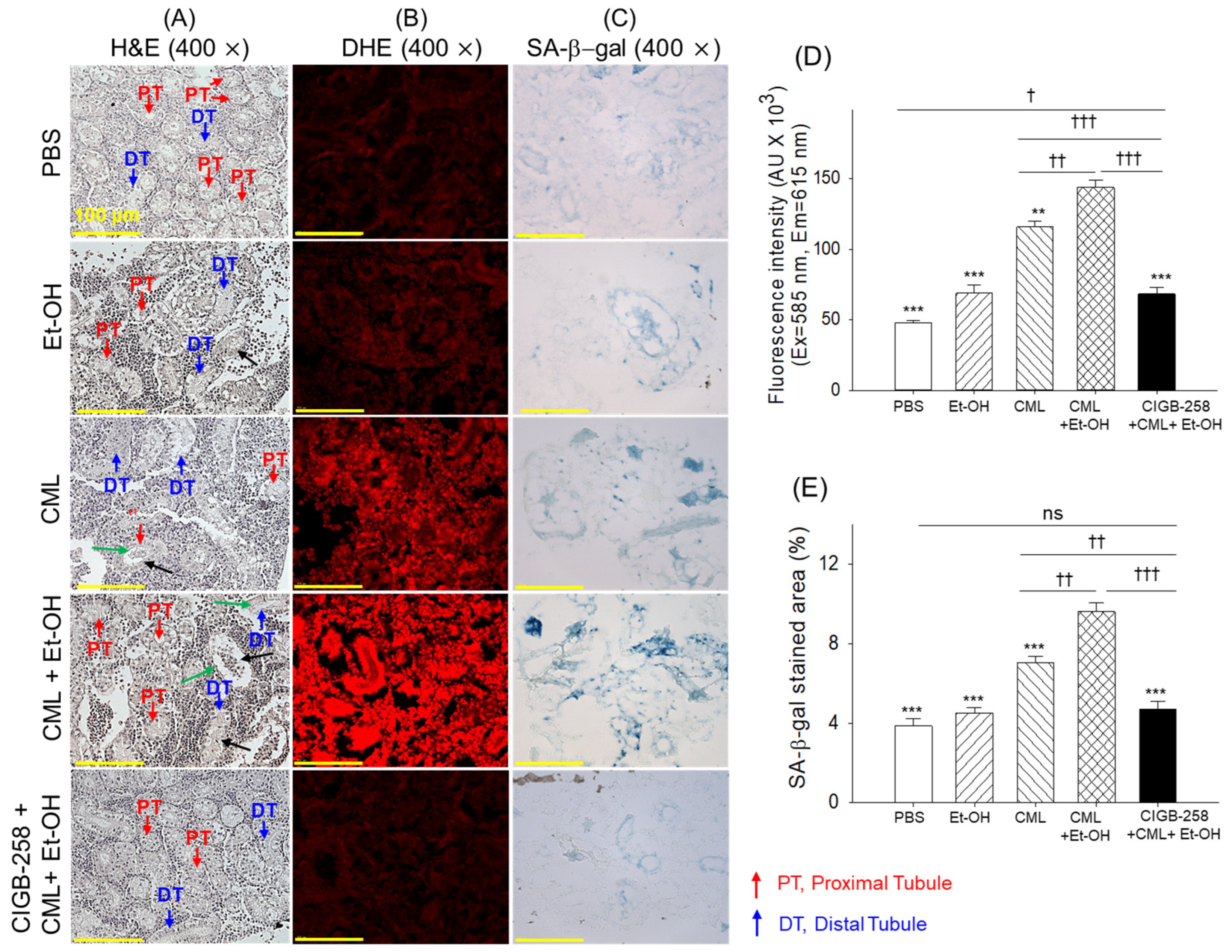
2.7. Histological Analysis of Kidneys
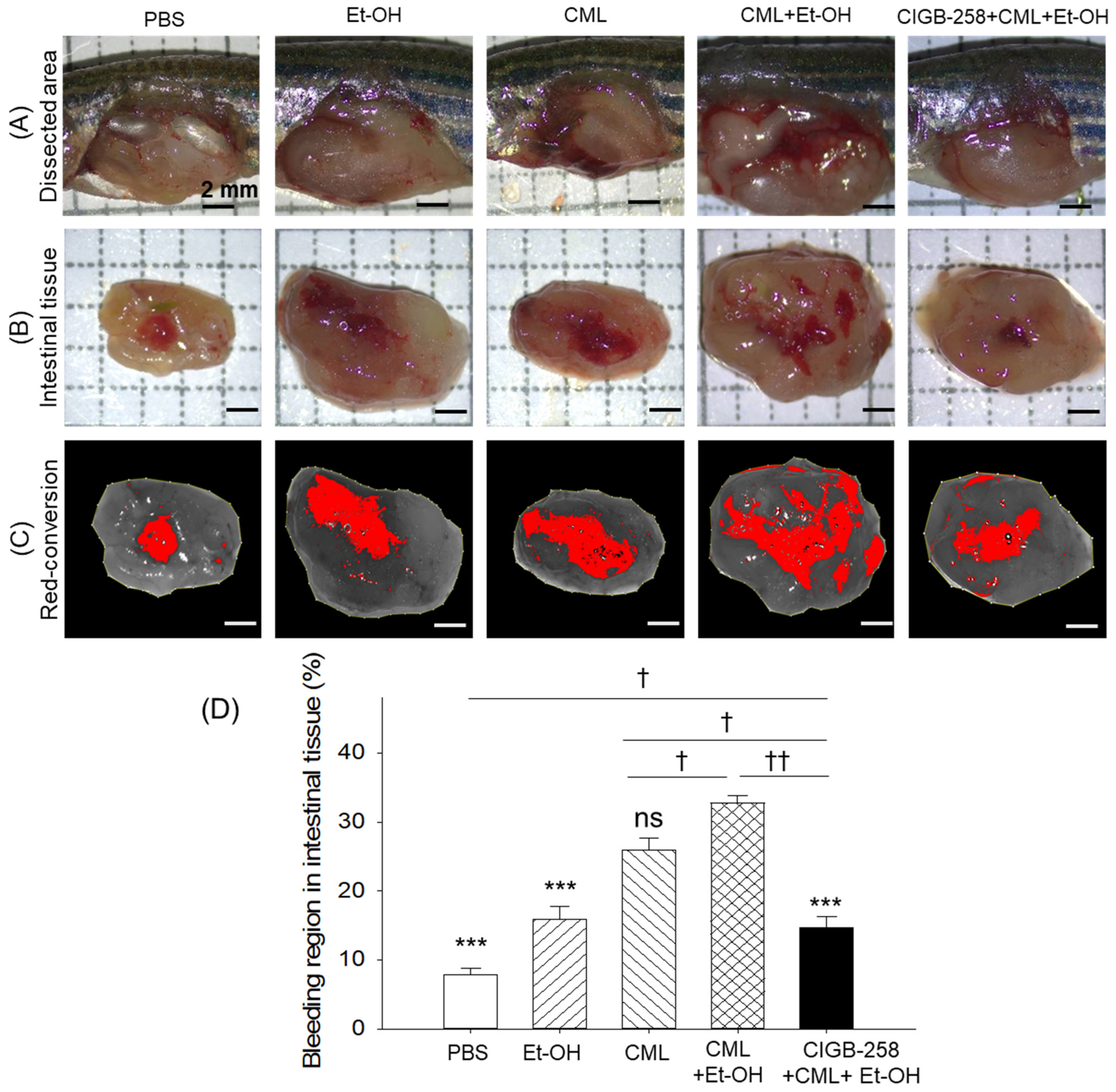
2.8. Intestinal Bleeding and Congestion
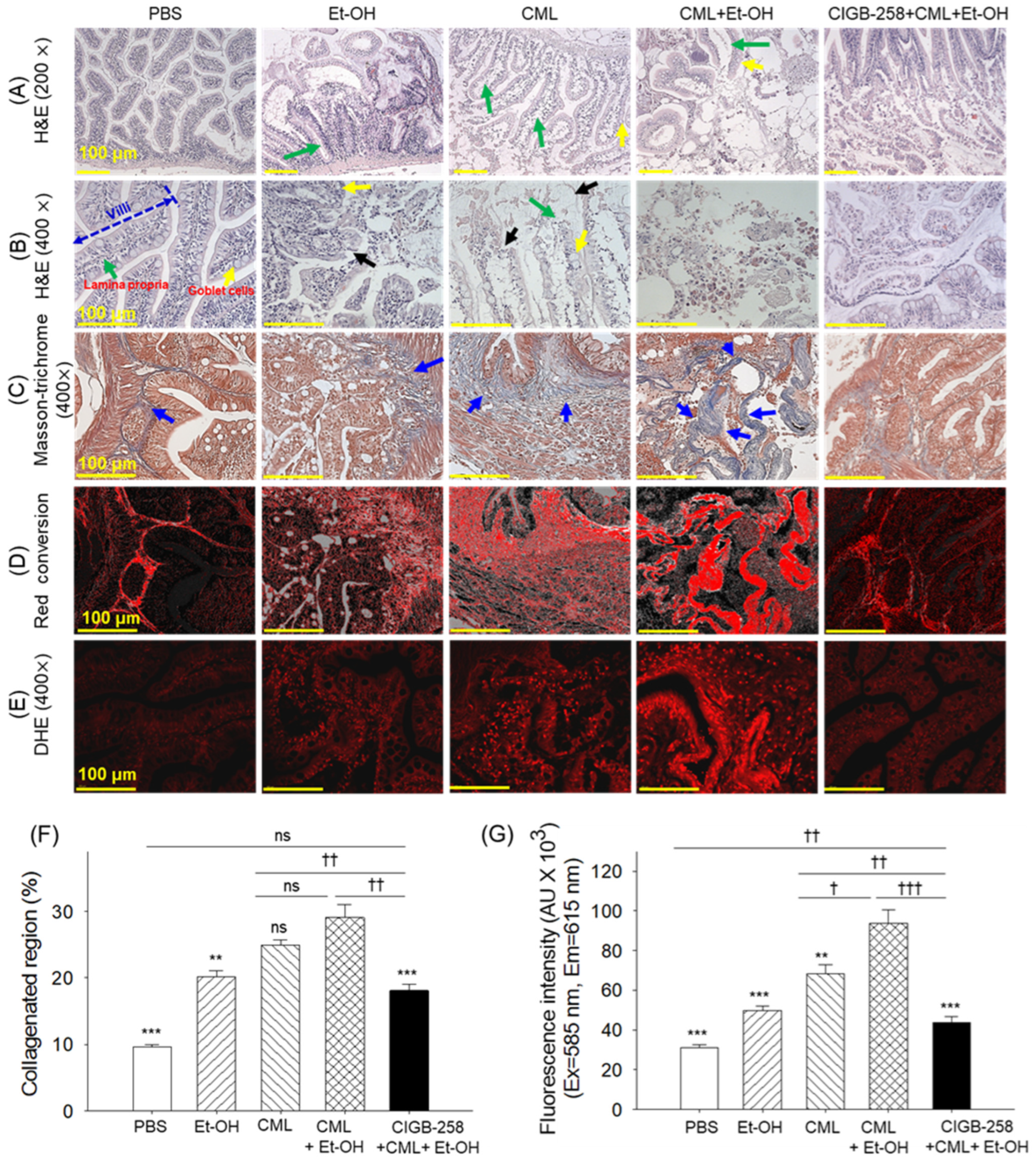
2.9. Intestinal Histology
3. Discussion
4. Materials and Methods
4.1. Materials
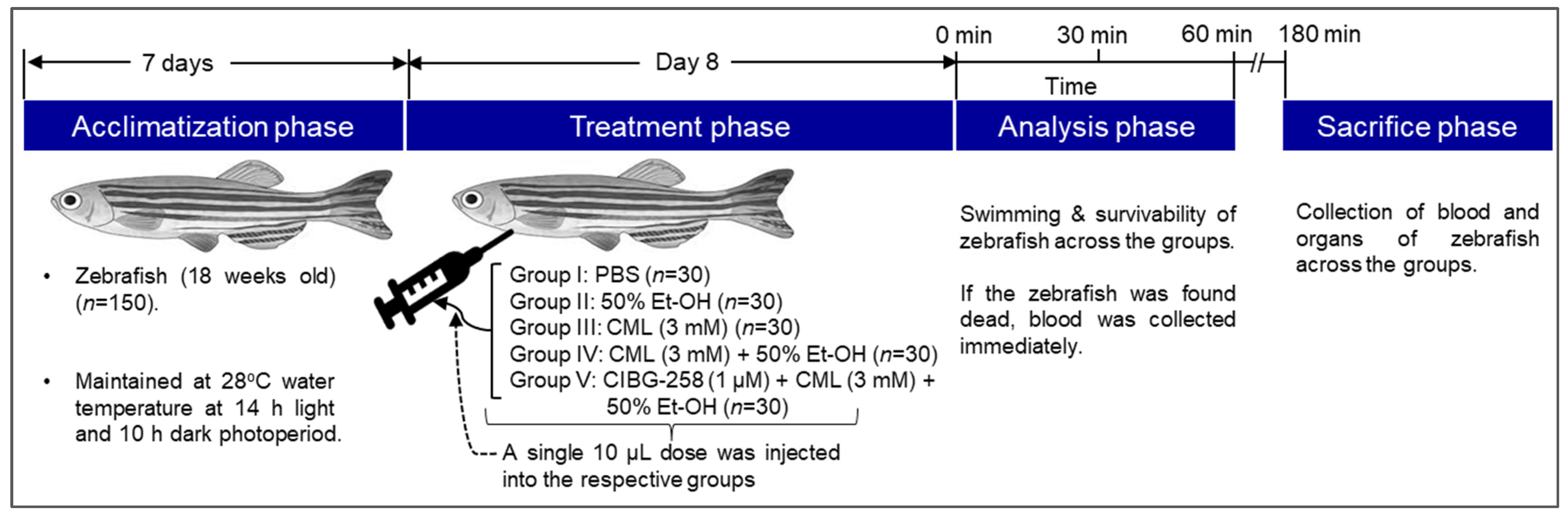
4.2. Zebrafish Rearing
4.3. Induction of Acute Inflammation and Body Weight Anlysis
4.4. Survivability and Swimming Analysis
4.5. Quantification of Abdominal Bleeding and Collection of Blood and Organs
4.6. Oxidative and Antioxidant Parameters, Hepatic Function Biomarkers, and Lipoprotein Profile of Plasma
4.7. Histological and Immunohistochemical (IHC) Staining
4.8. Dihydroethidium (DHE), Cellular Senescence and Masson’s Trichome Staining
4.9. Statistical Analysis
5. Conclusions
Supplementary Materials
Author Contributions
Funding
Institutional Review Board Statement
Informed Consent Statement
Data Availability Statement
Conflicts of Interest
References
- Shin, K.S. Current and emerging biomarkers for sepsis: Diagnostic and prognostic tools. Biomed. Sci. Lett. 2025, 31, 225–235. [Google Scholar] [CrossRef]
- Srdić, T.; Đurašević, S.; Lakić, I.; Ružičić, A.; Vujović, P.; Jevđović, T.; Dakić, T.; Đorđević, J.; Tosti, T.; Glumac, S.; et al. From molecular mechanisms to clinical therapy: Understanding sepsis-induced multiple organ dysfunction. Int. J. Mol. Sci. 2024, 25, 7770. [Google Scholar] [CrossRef]
- Caraballo, C.; Jaimes, F. Focus: Death: Organ dysfunction in sepsis: An ominous trajectory from infection to death. Yale J. Biol. Med. 2019, 92, 629. [Google Scholar]
- Wiersinga, W.J.; Leopold, S.J.; Cranendonk, D.R.; van der Poll, T. Host innate immune responses to sepsis. Virulence 2014, 5, 36–44. [Google Scholar] [CrossRef] [PubMed]
- Schulte, W.; Bernhagen, J.; Bucala, R. Cytokines in sepsis: Potent immunoregulators and potential therapeutic targets-An updated view. Mediat. Inflamm. 2013, 2013, 165974. [Google Scholar] [CrossRef]
- Dasu, M.R.; Devaraj, S.; Park, S.; Jialal, I. Increased toll-like receptor (TLR) activation and TLR ligands in recently diagnosed type 2 diabetic subjects. Diabetes Care 2010, 33, 861–868. [Google Scholar] [CrossRef] [PubMed]
- Buetler, T.M.; Leclerc, E.; Baumeyer, A.; Latado, H.; Newell, J.; Adolfsson, O.; Parisod, V.; Richoz, J.; Maurer, S.; Foata, F.; et al. Nε-carboxymethyllysine-modified proteins are unable to bind to rage and activate an inflammatory response. Mol. Nutr. Food Res. 2008, 52, 370–378. [Google Scholar] [CrossRef]
- He, J.; Xu, P.; Chen, R.; Chen, M.; Wang, B.; Xie, Y.; Yang, Q.; Sun, D.; Ji, M. Exploiting the zebrafish model for sepsis research: Insights into pathophysiology and therapeutic potentials. Drug Des. Dev. Ther. 2024, 18, 5333–5349. [Google Scholar] [CrossRef]
- Tanaka, T.; Narazaki, M.; Kishimoto, T. IL-6 in inflammation, immunity, and disease. Cold Spring Harb. Perspect. Biol. 2014, 6, a016295. [Google Scholar] [CrossRef] [PubMed]
- Rudd, K.E.; Johnson, S.C.; Agesa, K.M.; Shackelford, K.A.; Tsoi, D.; Kievlan, D.R.; Colombara, D.V.; Ikuta, K.S.; Kissoon, N.; Finfer, S.; et al. Global, regional, and national sepsis incidence and mortality, 1990–2017: Analysis for the global burden of disease study. Lancet 2020, 395, 200–211. [Google Scholar] [CrossRef]
- Cho, K.-H.; Lee, Y.; Lee, S.H.; Kim, J.-E.; Bahuguna, A.; Dominguez-Horta, M.d.C.; Martinez-Donato, G. Enhancing wound healing and anti-Inflammatory effects by combination of CIGB-258 and apolipoprotein A-I against carboxymethyllysine toxicity in zebrafish: Insights into structural stabilization and antioxidant properties. Antioxidants 2024, 13, 1049. [Google Scholar] [CrossRef] [PubMed]
- Cho, K.-H.; Kim, J.-E.; Lee, M.-S.; Bahuguna, A. Oral supplementation of ozonated sunflower oil augments plasma antioxidant and anti-inflammatory abilities with enhancement of high-density lipoproteins functionality in rats. Antioxidants 2024, 13, 529. [Google Scholar] [CrossRef] [PubMed]
- Fink, M.P. Animal models of sepsis. Virulence 2013, 5, 143–153. [Google Scholar] [CrossRef]
- Seemann, S.; Zohles, F.; Lupp, A. Comprehensive comparison of three different animal models for systemic inflammation. J. Biomed. Sci. 2017, 24, 60. [Google Scholar] [CrossRef]
- Domínguez-Horta, M.d.C.; Serrano-Díaz, A.; Hernández-Cedeño, M.; Martínez-Donato, G.; Guillén-Nieto, G. A peptide derived from hsp60 reduces proinflammatory cytokines and soluble mediators: A therapeutic approach to inflammation. Front. Immunol. 2023, 14, 1162739. [Google Scholar] [CrossRef]
- Hernández-Cedeño, M.; Venegas-Rodriguez, R.; Peña-Ruiz, R.; Bequet-Romero, M.; Santana-Sanchez, R.; Penton-Arias, E.; Martinez-Donato, G.; Guillén-Nieto, G.; Dominguez-Horta, M.d.C. CIGB-258, a peptide derived from human heat-shock protein 60, decreases hyperinflammation in COVID-19 patients. Cell Stress Chaperones 2021, 26, 515–525. [Google Scholar] [CrossRef]
- Cho, K.-H.; Kim, J.-E.; Kang, D.-J.; Dominguez-Horta, M.d.C.; Martinez-Donato, G. Synergistic anti-inflammatory activity of apolipoprotein A-I and CIGB-258 in reconstituted high-density lipoproteins (rHDL) against acute toxicity of carboxymethyllysine in zebrafish and Its embryo. Pharmaceuticals 2024, 17, 165. [Google Scholar] [CrossRef]
- Venegas-Rodríguez, R.; Serrano-Díaz, A.; Peña-Ruiz, R.; Santana-Sánchez, R.; Hernández-Cedeño, M.; Rittoles Navarro, A.; Grecesqui-Cruz, I.; Pérez-Aguilera, L.; Segura-Fernández, A.; Rosario-Cruz, L.; et al. Jusvinza, an anti-inflammatory drug derived from the human heat-shock protein 60, for critically ill COVID-19 patients: An observational study. PLoS ONE 2023, 18, e0281111. [Google Scholar] [CrossRef]
- Cho, K.-H.; Bahuguna, A.; Lee, Y.; Lee, S.H.; Dominguez-Horta, M.d.C.; Martinez-Donato, G. Synergistic anti-inflammatory activity of lipid-free apolipoprotein (apo) A-I and CIGB-258 in acute-phase zebrafish via stabilization of the apoA-I structure to enhance anti-glycation and antioxidant activities. Int. J. Mol. Sci. 2024, 25, 5560. [Google Scholar] [CrossRef] [PubMed]
- Cho, K.-H.; Nam, H.-S.; Kim, J.-E.; Na, H.-J.; del Carmen Dominguez-Horta, M.; Martinez-Donato, G. CIGB-258 exerts potent anti-inflammatory activity against carboxymethyllysine-induced acute inflammation in hyperlipidemic zebrafish via the protection of apolipoprotein AI. Int. J. Mol. Sci. 2023, 24, 7044. [Google Scholar] [CrossRef]
- Das Neves, M.F.; Batuca, J.R.; Alves, J.D. The role of high-density lipoprotein in the regulation of the immune response: Implications for atherosclerosis and autoimmunity. Immunology 2021, 164, 231–241. [Google Scholar] [CrossRef]
- Zanandrea, R.; Bonan, C.D.; Campos, M.M. Zebrafish as a model for inflammation and drug discovery. Drug Discov. Today 2020, 25, 2201–2211. [Google Scholar] [CrossRef]
- Mastrogiovanni, M.; Martínez-Navarro, F.J.; Bowman, T.V.; Cayuela, M.L. Inflammation in development and aging: Insights from the zebrafish model. Int. J. Mol. Sci. 2024, 25, 2145. [Google Scholar] [CrossRef]
- Liu, C.; Li, J.; Wang, D.; Liu, J.; Liu, K.; Li, P.; Zhang, Y. Recent advances of the zebrafish model in the discovery of marine bioactive molecules. Mar. Drugs 2024, 22, 540. [Google Scholar] [CrossRef]
- Widder, M.; Carbaugh, C.; van der Schalie, W.; Miller, R., Jr.; Brennan, L.; Moore, A.; Campbell, R.; Akers, K.; Ressner, R.; Martin, M.; et al. Identification of potential sepsis therapeutic drugs using a zebrafish rapid screening approach. Life 2024, 14, 1689. [Google Scholar] [CrossRef]
- Antar, S.A.; Mahmoud, A.M.; Abdo, W.; Gad, C.; Al-Karmalawy, A.A. A comprehensive overview of organ inflammatory responses: Genesis, possible mechanisms, and mediators of inflammation. Pharm. Sci. 2023, 29, 397–416. [Google Scholar] [CrossRef]
- Wiersinga, W.J.; van der Poll, T. Immunopathophysiology of human sepsis. eBioMedicine 2022, 86, 104363. [Google Scholar] [CrossRef] [PubMed]
- Baumann, M. Advanced glycation endproducts in sepsis and mechanical ventilation: Extra or leading man? Crit. Care 2009, 13, 164. [Google Scholar] [CrossRef] [PubMed]
- Boesten, D.M.; Elie, A.G.; Drittij-Reijnders, M.J.; den Hartog, G.J.; Bast, A. Effect of Nε-carboxymethyllysine on oxidative stress and the glutathione system in beta cells. Toxicol. Rep. 2014, 1, 973–980. [Google Scholar] [CrossRef] [PubMed]
- Tsekovska, R.; Gatev, E.; Mironova, R.; Kerezieva, S.; Ilieva, S.; Ilieva, T.; Vasileva, B.; Niwa, T.; Popova, D.; Vasilev, V. Serum Levels of Nε-(Carboxymethyl)-lysine in chronic kidney disease and type 2 diabetes mellitus. Biomedicines 2025, 13, 1672. [Google Scholar] [CrossRef]
- Ruan, D.; Yang, J.; Luo, Q.; Shi, Y.; Ding, L.; Wang, Z.; Wang, R.; Yang, L. The protective effects of goitrin on LPS-induced septic shock in C57BL/6J mice via caspase-11 non-canonical inflammasome inhibition. Molecules 2023, 28, 2883. [Google Scholar] [CrossRef]
- Roychowdhury, S.; Pant, B.; Cross, E.; Scheraga, R.; Vachharajani, V. Effect of ethanol exposure on innate immune response in sepsis. J. Leukoc. Biol. 2024, 115, 1029–1041. [Google Scholar] [CrossRef]
- O’brien, J.M.; Lu, B.; Ali, N.A.; Martin, G.S.; Aberegg, S.K.; Marsh, C.B.; Lemeshow, S.; Douglas, I.S. Alcohol dependence is independently associated with sepsis, septic shock, and hospital mortality among adult intensive care unit patients. Crit. Care Med. 2007, 35, 345–350. [Google Scholar] [CrossRef]
- Del Rio, D.; Stewart, A.J.; Pellegrini, N. A review of recent studies on malondialdehyde as toxic molecule and biological marker of oxidative stress. Nutr. Metab. Cardiovasc. Dis. 2005, 15, 316–328. [Google Scholar] [CrossRef] [PubMed]
- Hsieh, C.; Rajashekaraiah, V. Ferric reducing ability of Plasma: A potential oxidative stress marker in stored plasma. Acta Haematol. Pol. 2021, 52, 61–67. [Google Scholar] [CrossRef]
- Inayama, T.; Kumagai, Y.; Sakane, M.; Saito, M.; Matsuda, M. Plasma protein-bound sulfhydryl group oxidation in humans following a full marathon race. Life Sci. 1996, 59, 573–578. [Google Scholar] [CrossRef] [PubMed]
- Başkol, M.; Dolbun Seçkin, K.; Başkol, G. Advanced oxidation protein products, total thiol levels and total oxidant/antioxidant status in patients with nash. Turk. J. Gastroenterol. 2014, 25, 32–37. [Google Scholar] [CrossRef]
- Hu, M.-L. Measurement of protein thiol groups and glutathione in plasma. Methods Enzym. 1994, 233, 380–385. [Google Scholar]
- Bourgonje, A.R.; Abdulle, A.E.; Bourgonje, M.F.; Binnenmars, S.H.; Gordijn, S.J.; Bulthuis, M.L.C.; la Bastide-van Gemert, S.; Kieneker, L.M.; Gansevoort, R.T.; Bakker, S.J.L.; et al. Serum free sulfhydryl status associates with new-onset chronic kidney disease in the general population. Redox Biol. 2021, 48, 102211. [Google Scholar] [CrossRef]
- Bionaz, M.; Trevisi, E.; Calamari, L.; Librandi, F.; Ferrari, A.; Bertoni, G. Plasma paraoxonase, health, inflammatory conditions, and liver function in transition dairy cows. J. Dairy Sci. 2007, 90, 1740–1750. [Google Scholar] [CrossRef]
- Mackness, B.; Durrington, P.N.; Mackness, M.I. Human serum paraoxonase. Gen. Pharmacol. 1998, 31, 329–336. [Google Scholar] [CrossRef]
- Ferre’, N.; Camps, J.; Prats, E.; Vilella, E.; Paul, A.; Figuera, L.; Joven, J. Serum paraoxonase activity: A new additional test for the improved evaluation of chronic liver damage. Clin. Chem. 2002, 48, 261–268. [Google Scholar] [CrossRef]
- Cho, K.-H.; Kim, J.-E.; Nam, H.-S.; Kang, D.-J.; Na, H.-J. Anti-inflammatory activity of CIGB-258 against acute toxicity of carboxymethyllysine in paralyzed zebrafish via enhancement of high-density lipoproteins stability and functionality. Int. J. Mol. Sci. 2022, 23, 10130. [Google Scholar] [CrossRef]
- Abtin, S.; Ziveh, T.; Rezaee-Tavirani, M. The complicated relationship between inflammation and metabolic dysfunction. J. Diabetes Metab. Disord. 2025, 24, 237. [Google Scholar] [CrossRef]
- Esteve, E.; Ricart, W.; Fernández-Real, J.M. Dyslipidemia and inflammation: An evolutionary conserved mechanism. Clin. Nutr. 2005, 24, 16–31. [Google Scholar] [CrossRef]
- Qiao, Q.; Bouwman, F.G.; van Baak, M.A.; Roumans, N.J.T.; Vink, R.G.; Mariman, E.C.M. Plasma levels of triglycerides and IL-6 are associated with weight regain and fat mass expansion. J. Clin. Endocrinol. Metab. 2022, 107, 1920–1929. [Google Scholar] [CrossRef] [PubMed]
- Nonogaki, K.; Fuller, G.M.; Fuentes, N.L.; Moser, A.H.; Staprans, I.; Grunfeld, C.; Feingold, K.R. Interleukin-6 stimulates hepatic triglyceride secretion in rats. Endocrinology 1995, 136, 2143–2149. [Google Scholar] [CrossRef] [PubMed]
- Mizia-Stec, K.; Zahorska-Markiewicz, B.; Mandecki, T.; Janowska, J.; Szulc, A.; Jastrzębska-Maj, E.; Gąsior, Z. Hyperlipidaemias and serum cytokines in patients with coronary artery disease. Acta Cardiol. 2003, 58, 9–15. [Google Scholar] [CrossRef] [PubMed]
- Skoog, T.; Dichtl, W.; Boquist, S.; Skoglund-Andersson, C.; Karpe, F.; Tang, R.; Bond, M.G.; de Faire, U.; Nilsson, J.; Eriksson, P.; et al. Plasma tumor necrosis factor-α and early carotid atherosclerosis in healthy middle-aged men. Eur. Heart J. 2002, 23, 376–383. [Google Scholar] [CrossRef]
- Parolini, C. Sepsis and high-density lipoproteins: Pathophysiology and potential new therapeutic targets. Biochim. Biophys. Acta Mol. Basis Dis. 2025, 1871, 167761. [Google Scholar] [CrossRef]
- Gordon, B.R.; Parker, T.S.; Levine, D.M.; Saal, S.D.; Wang, J.C.; Sloan, B.J.; Barie, P.S.; Rubin, A.L. Low lipid concentrations in critical illness: Implications for preventing and treating endotoxemia. Crit. Care Med. 1996, 24, 584–589. [Google Scholar] [CrossRef]
- Van Leeuwen, H.J.; Heezius, E.C.; Dallinga, G.M.; Van Strijp, J.A.; Verhoef, J.; Van Kessel, K.P. Lipoprotein metabolism in patients with severe sepsis. Crit. Care Med. 2003, 31, 1359–1366. [Google Scholar] [CrossRef] [PubMed]
- Tanaka, S.; Diallo, D.; Delbosc, S.; Genève, C.; Zappella, N.; Yong-Sang, J.; Patche, J.; Harrois, A.; Hamada, S.; Denamur, E.; et al. High-density lipoprotein (HDL) particle size and concentration changes in septic shock patients. Ann. Intensive Care 2019, 9, 68. [Google Scholar] [CrossRef] [PubMed]
- Guo, L.; Ai, J.; Zheng, Z.; Howatt, D.A.; Daugherty, A.; Huang, B.; Li, X.A. High density lipoprotein protects against polymicrobe-induced sepsis in mice. J. Biol. Chem. 2013, 288, 17947–17953. [Google Scholar] [CrossRef]
- Gaens, K.H.J.; Niessen, P.M.G.; Rensen, S.S.; Buurman, W.A.; Greve, J.W.M.; Driessen, A.; Wolfs, M.G.M.; Hofker, M.H.; Bloemen, J.G.; Dejong, C.H.; et al. Endogenous formation of Nε-(carboxymethyl) lysine is increased in fatty livers and induces inflammatory markers in an in vitro model of hepatic steatosis. J. Hepatol. 2012, 56, 647–655. [Google Scholar] [CrossRef]
- Chinnappan, R.; Mir, T.A.; Alsalameh, S.; Makhzoum, T.; Adeeb, S.; Al-Kattan, K.; Yaqinuddin, A. Aptasensors are conjectured as promising ALT and AST diagnostic tools for the early diagnosis of acute liver injury. Life 2023, 13, 1273. [Google Scholar] [CrossRef]
- Trakaki, A.; Marsche, G. Current understanding of the immunomodulatory activities of high-density lipoproteins. Biomedicines 2021, 9, 587. [Google Scholar] [CrossRef]
- Li, M.; Barros-Pinkelnig, M.; Arbous, S.M.; Christoffersen, C.; Rensen, P.; Kooijman, S. High-density lipoprotein: A biomarker and therapeutic target in sepsis. Crit. Care 2025, 29, 453. [Google Scholar] [CrossRef]
- Stojanovic, B.; Jovanovic, I.; Dimitrijevic Stojanovic, M.; Stojanovic, B.S.; Kovacevic, V.; Radosavljevic, I.; Jovanovic, D.; Miletic Kovacevic, M.; Zornic, N.; Arsic, A.A.; et al. Oxidative stress-driven cellular senescence: Mechanistic crosstalk and therapeutic horizons. Antioxidants 2025, 14, 987. [Google Scholar] [CrossRef]
- Nousis, L.; Kanavaros, P.; Barbouti, A. Oxidative stress-induced cellular senescence: Is labile iron the connecting kink? Antioxidants 2023, 12, 1250. [Google Scholar] [CrossRef]
- Lee, B.H.; Hsu, W.H.; Hsu, Y.W.; Pan, T.M. Suppression of dimerumic acid on hepatic fibrosis caused from carboxymethyl-lysine (CML) by attenuating oxidative stress depends on Nrf2 activation in hepatic stellate cells (HSCs). Food Chem. Toxicol. 2013, 62, 413–419. [Google Scholar] [CrossRef]
- Mack, M. Inflammation and Fibrosis. Matrix Biol. 2018, 68–69, 106–121. [Google Scholar] [CrossRef] [PubMed]
- Morry, J.; Ngamcherdtrakul, W.; Yantasee, W. Oxidative stress in cancer and fibrosis: Opportunity for therapeutic intervention with antioxidant compounds, enzymes, and nanoparticles. Redox Biol. 2017, 11, 240–253. [Google Scholar] [CrossRef] [PubMed]
- (NRC) National Research Council of the National Academy of Sciences. Guide for the Care and Use of Laboratory Animals; National Academy Press: Washington, DC, USA, 2010.
- Burris, B.; Jensen, N.; Mokalled, M.H. Assessment of swim endurance and swim behavior in adult zebrafish. J. Vis. Exp. 2021, 177, e63240. [Google Scholar] [PubMed]
- OECD. Test No. 203: Fish, Acute Toxicity Testing. In OECD Guidelines for the Testing of Chemicals; Section 2; OECD Publishing: Paris, France, 2019. [Google Scholar]
- Cho, K.-H.; Kim, J.-E.; Bahuguna, A.; Kang, D.-J. Long-term supplementation of ozonated sunflower oil improves dyslipidemia and hepatic inflammation in hyperlipidemic zebrafish: Suppression of oxidative stress and inflammation against carboxymethyllysine toxicity. Antioxidants 2023, 12, 1240. [Google Scholar] [CrossRef]
- Fischer, A.H.; Jacobson, K.A.; Rose, J.; Zeller, R. Hematoxylin and eosin staining of tissue and cell sections. In Basic Methods in Microscopy; Cold Spring Harbor Laboratory Press: New York, NY, USA, 2006; Chapter 4. [Google Scholar]
- Foot, N.C. The Masson Trichrome Staining Methods in Routine Laboratory Use. Stain. Technol. 1933, 8, 101–110. [Google Scholar] [CrossRef]





Disclaimer/Publisher’s Note: The statements, opinions and data contained in all publications are solely those of the individual author(s) and contributor(s) and not of MDPI and/or the editor(s). MDPI and/or the editor(s) disclaim responsibility for any injury to people or property resulting from any ideas, methods, instructions or products referred to in the content. |
© 2026 by the authors. Licensee MDPI, Basel, Switzerland. This article is an open access article distributed under the terms and conditions of the Creative Commons Attribution (CC BY) license.
Share and Cite
Cho, K.-H.; Lee, Y.; Lee, S.H.; Bahuguna, A.; Domínguez-Horta, M.d.C.; Martínez-Donato, G. CIGB-258, a Potential Novel Approach to Treat Sepsis-like Hyperinflammation, Reduces Gastrointestinal Hemorrhage in Zebrafish Exposed to Carboxymethyllysine and Ethanol. Pharmaceuticals 2026, 19, 510. https://doi.org/10.3390/ph19030510
Cho K-H, Lee Y, Lee SH, Bahuguna A, Domínguez-Horta MdC, Martínez-Donato G. CIGB-258, a Potential Novel Approach to Treat Sepsis-like Hyperinflammation, Reduces Gastrointestinal Hemorrhage in Zebrafish Exposed to Carboxymethyllysine and Ethanol. Pharmaceuticals. 2026; 19(3):510. https://doi.org/10.3390/ph19030510
Chicago/Turabian StyleCho, Kyung-Hyun, Yunki Lee, Sang Hyuk Lee, Ashutosh Bahuguna, María del Carmen Domínguez-Horta, and Gillian Martínez-Donato. 2026. "CIGB-258, a Potential Novel Approach to Treat Sepsis-like Hyperinflammation, Reduces Gastrointestinal Hemorrhage in Zebrafish Exposed to Carboxymethyllysine and Ethanol" Pharmaceuticals 19, no. 3: 510. https://doi.org/10.3390/ph19030510
APA StyleCho, K.-H., Lee, Y., Lee, S. H., Bahuguna, A., Domínguez-Horta, M. d. C., & Martínez-Donato, G. (2026). CIGB-258, a Potential Novel Approach to Treat Sepsis-like Hyperinflammation, Reduces Gastrointestinal Hemorrhage in Zebrafish Exposed to Carboxymethyllysine and Ethanol. Pharmaceuticals, 19(3), 510. https://doi.org/10.3390/ph19030510