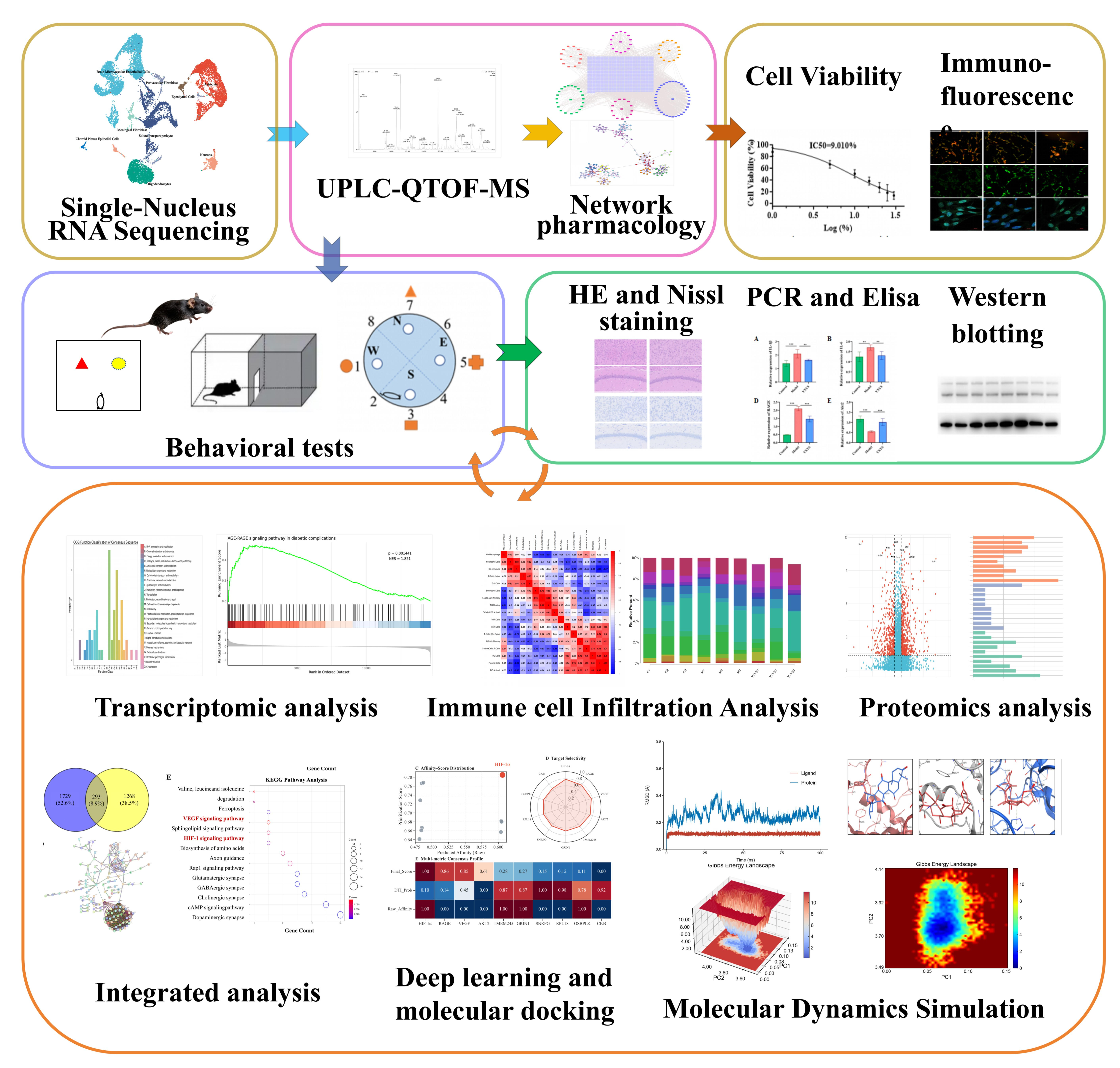
Yixin Yangshen Granules Target HIF−1 Signaling to Modulate the Neuroimmune Microenvironment in Alzheimer’s Disease: Insights from Integrative Multi-Omics and Deep Learning
 , , , ,
Abstract
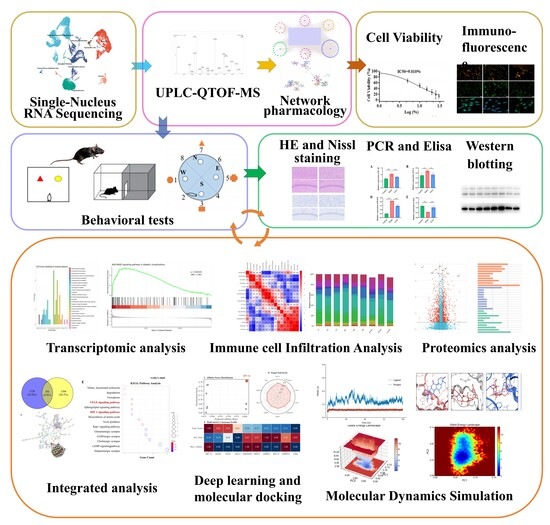
1. Introduction
2. Results
2.1. Single-Nucleus RNA Sequencing and Functional Analysis in AD
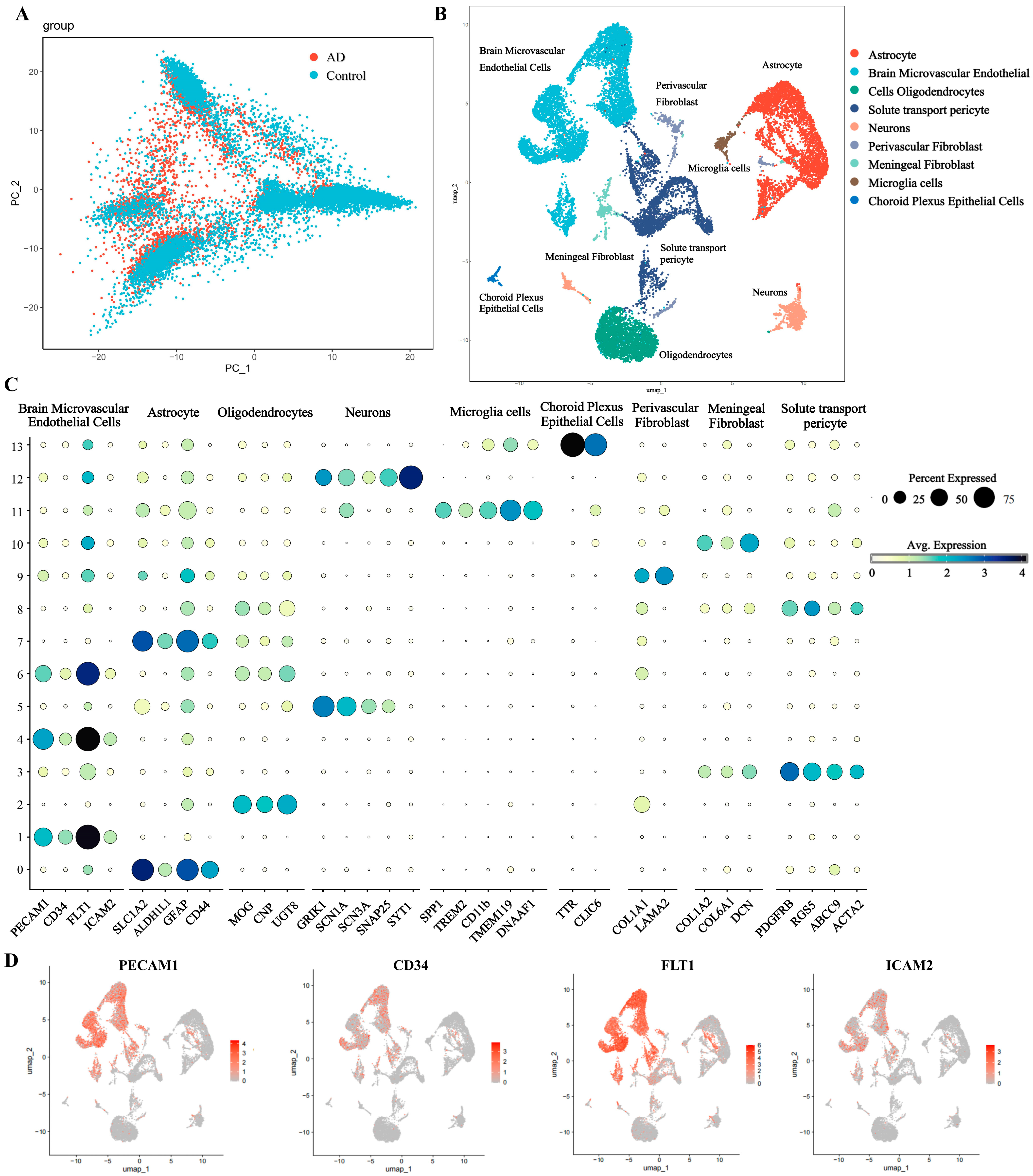
2.1.1. Single-Nucleus RNA Sequencing Analysis
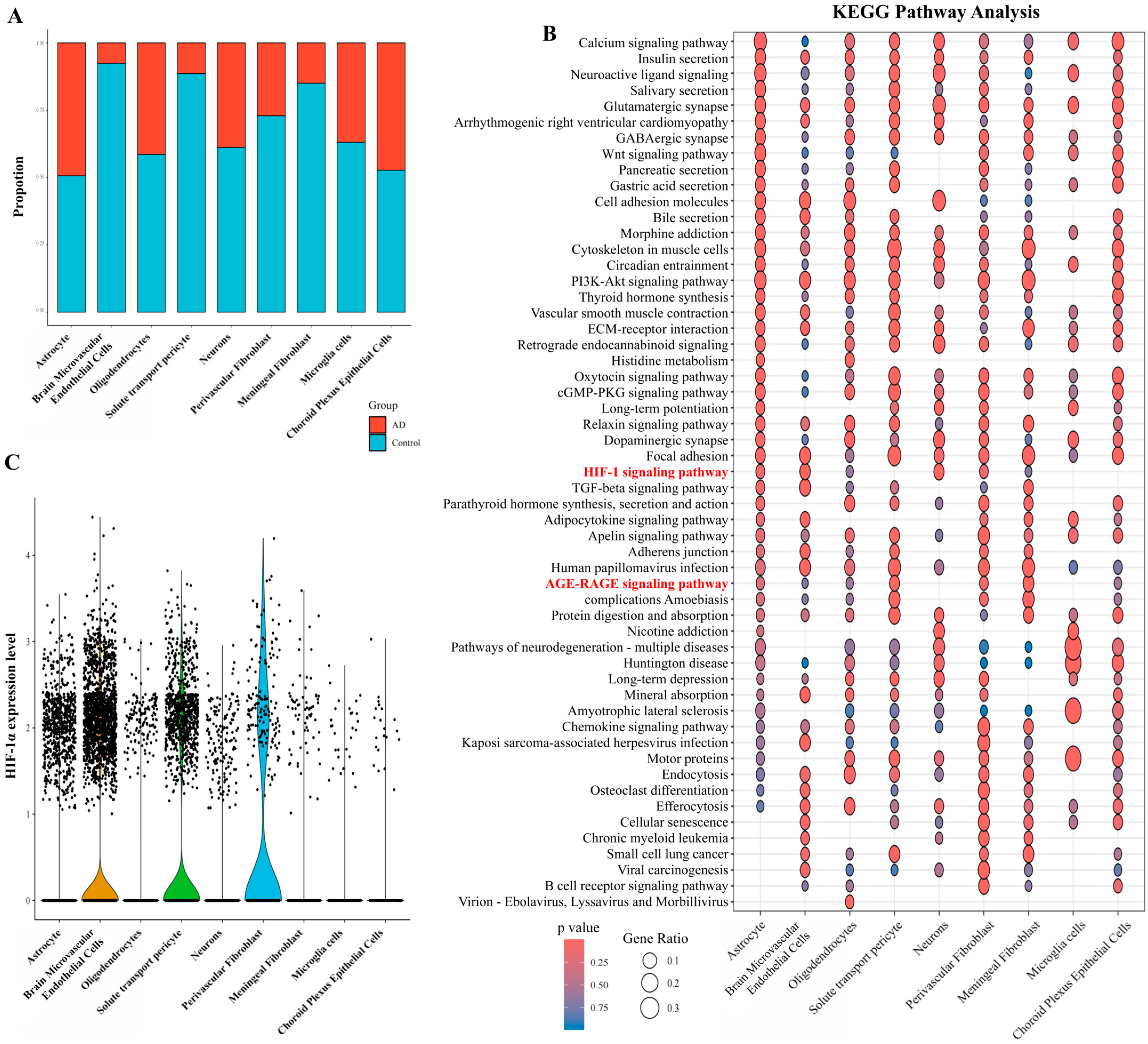
2.1.2. Functional Enrichment Analysis
2.1.3. Cell Type Specific Expression Patterns of HIF−1α and VEGF-A
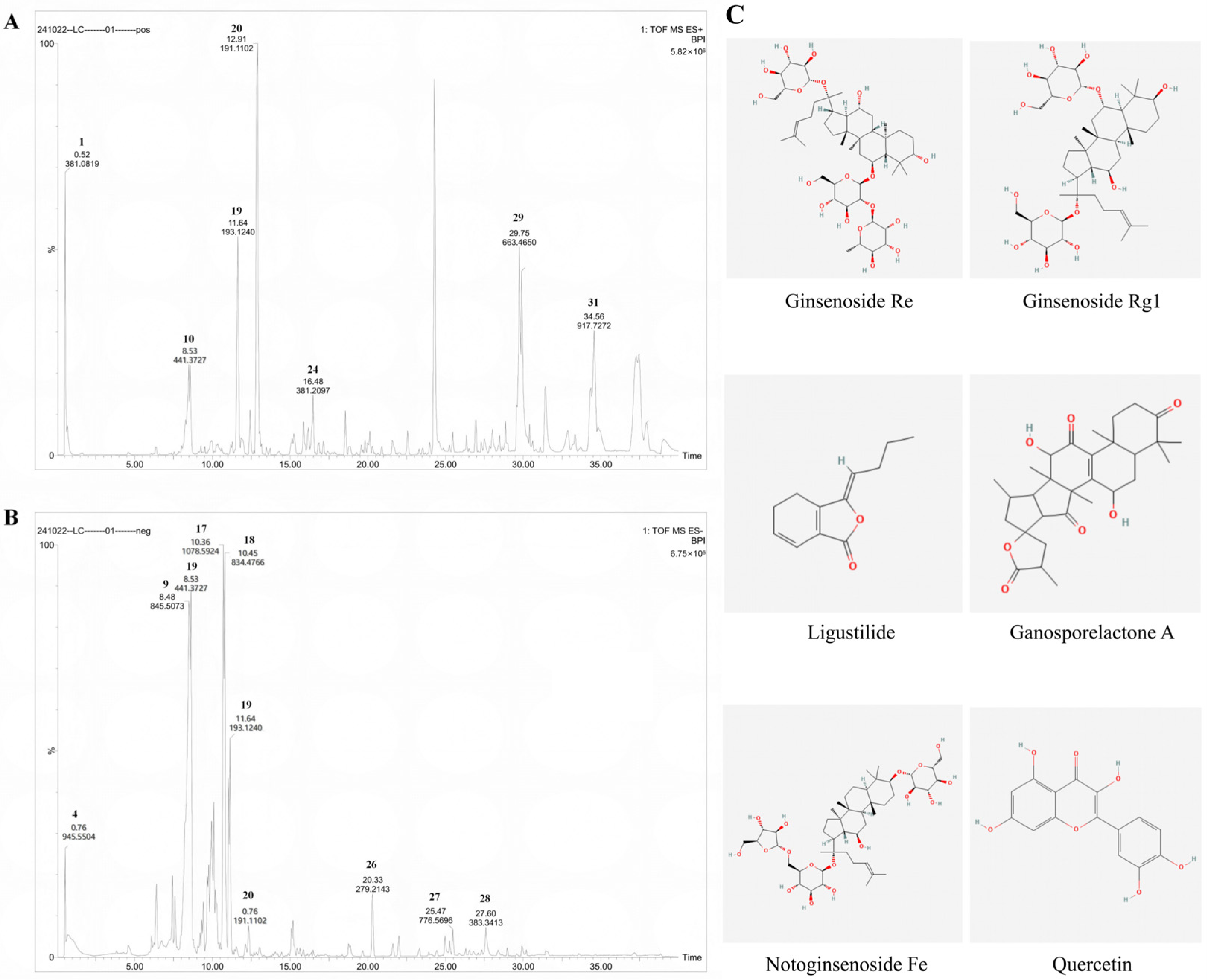
2.2. Chemical Components and Quality Control of the YXYS Formula
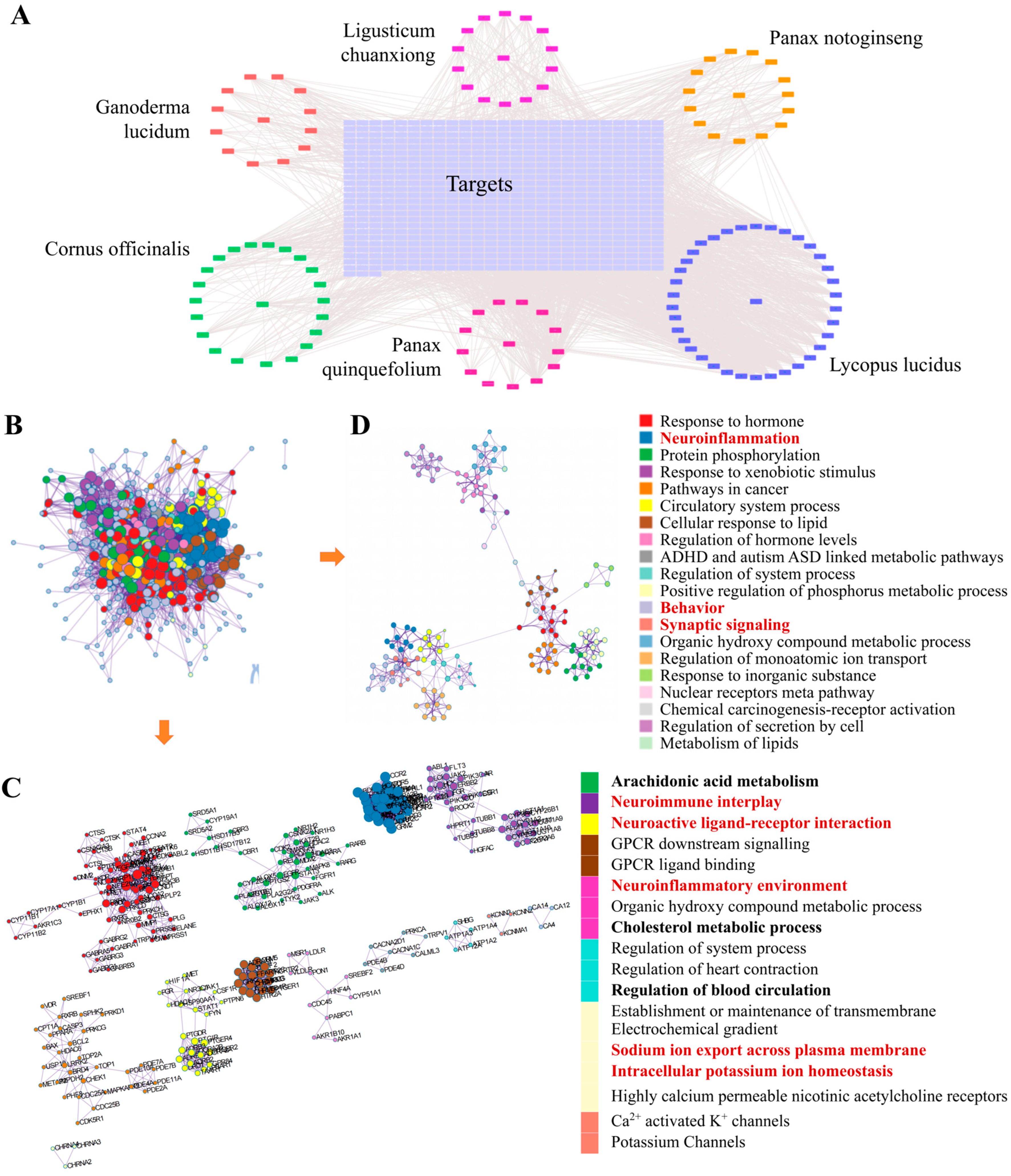
2.3. Potential Treatment Mechanism of AD by YXYS Revealed by Network Pharmacology
2.3.1. Active Compounds and Targets Screened and Herb–Compound–Target Network Construction
2.3.2. Functional Analysis of Common Targets
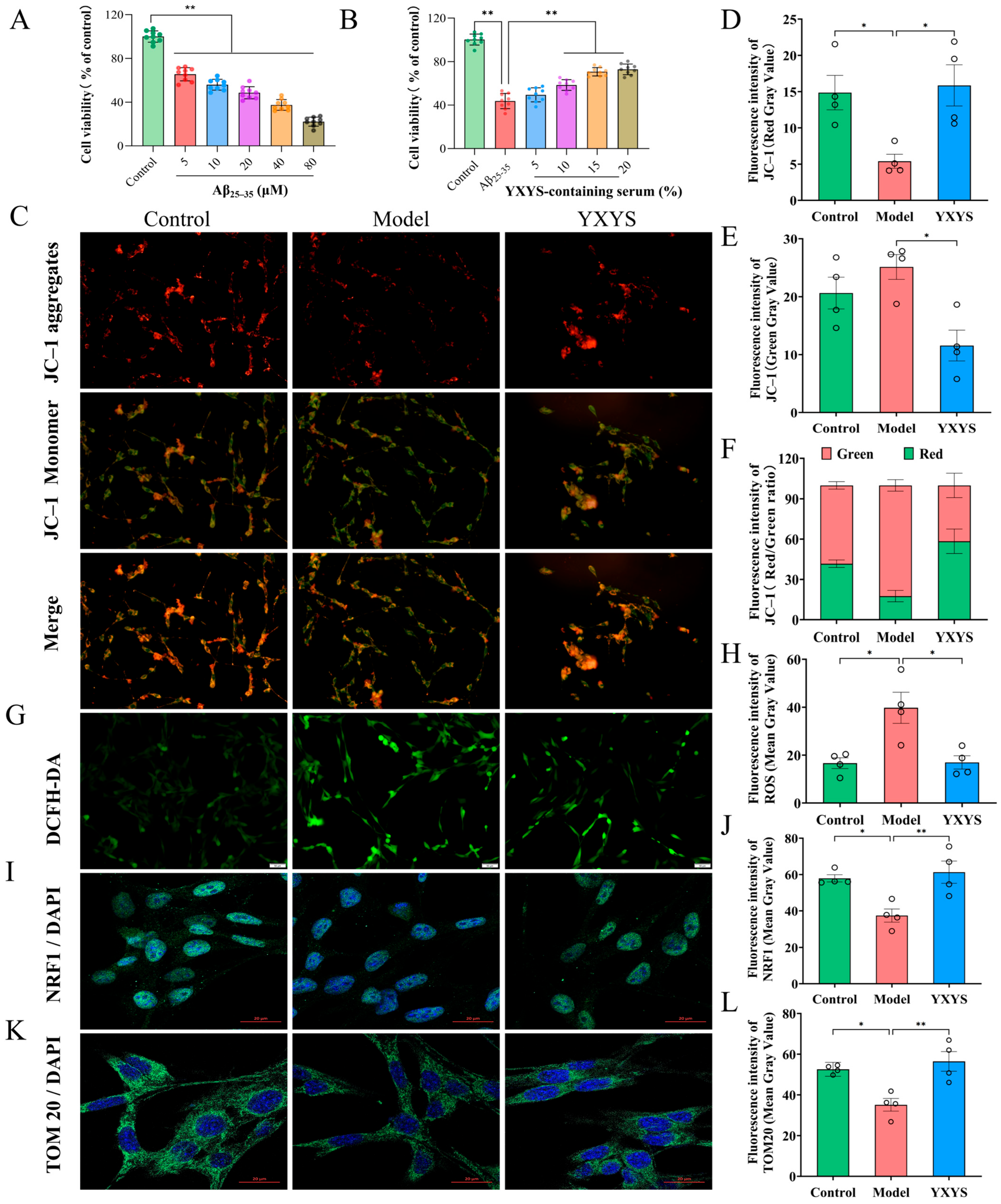
2.4. Cell Viability Assessment and Serum Concentration Selection
2.5. YXYS Protects HT22 Cells from Aβ25–35-Induced Mitochondrial Dysfunction and Oxidative Stress
2.5.1. YXYS Alleviates Aβ25–35-Induced Mitochondrial Dysfunction in HT22 CELLS
2.5.2. YXYS Reduces Intracellular ROS Levels in HT22 Cells
2.5.3. YXYS Enhances NRF1 Expression in Aβ25–35-Treated HT22 Cells
2.5.4. YXYS Restores Mitochondrial Biogenesis Marker TOM20 in HT22 Cells
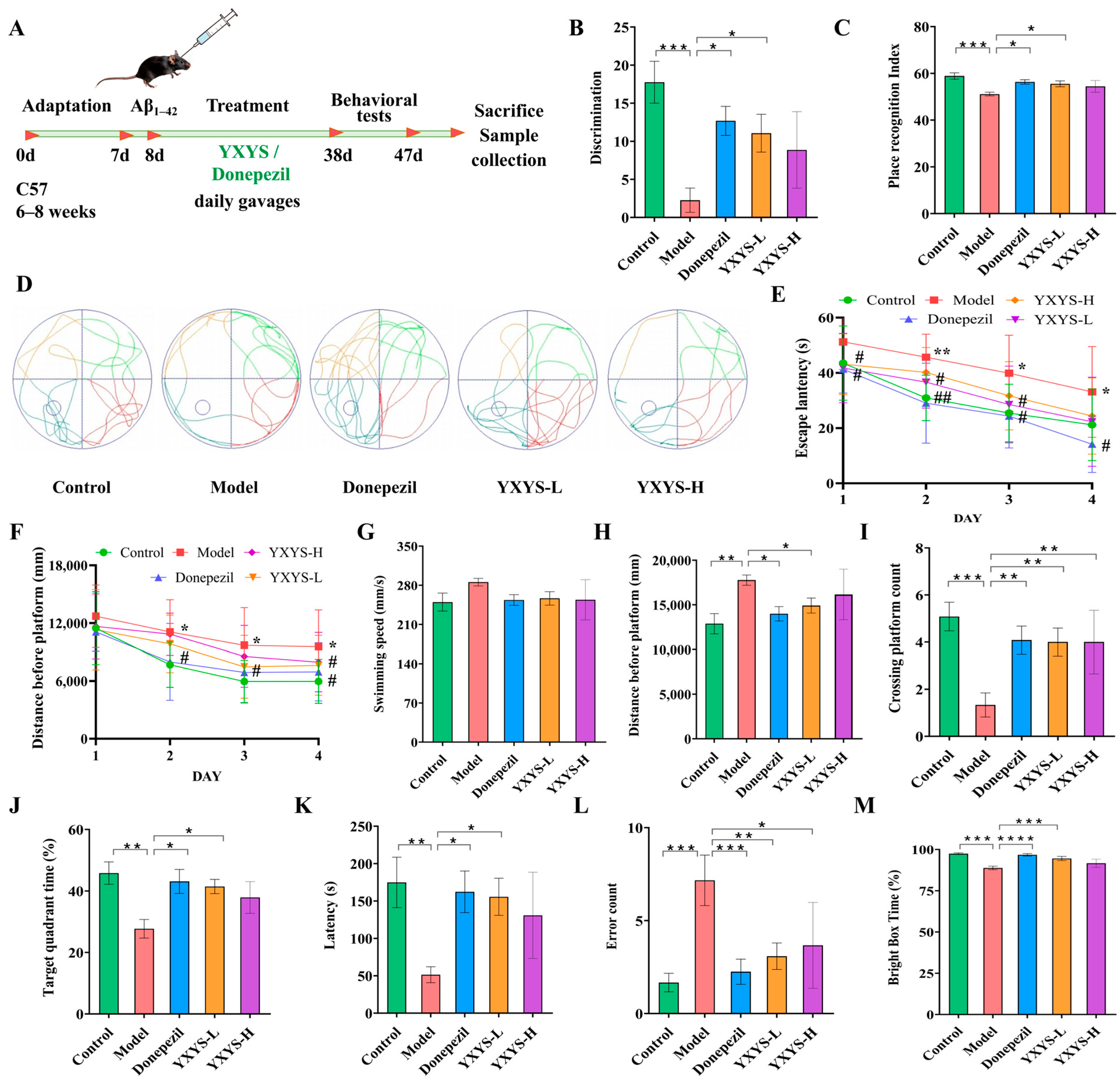
2.6. Improved Cognitive Ability in Aβ Mice Following Treatment with YXYS
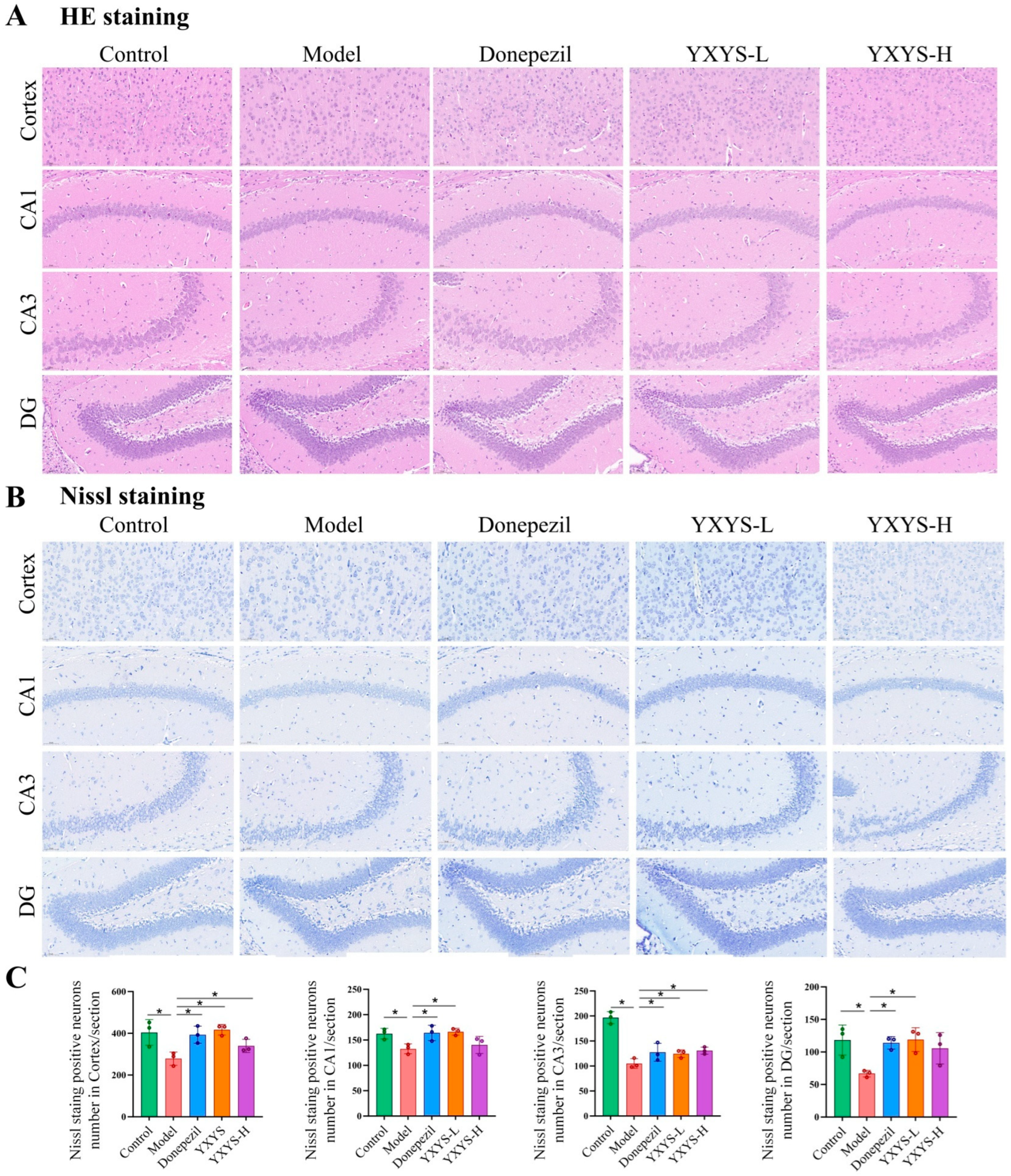
2.7. HE and Nissl Staining in Aβ Mice Following Treatment with YXYS
2.8. Transcriptomics Analysis
2.8.1. Quantitative Analysis and Differential Gene Analysis
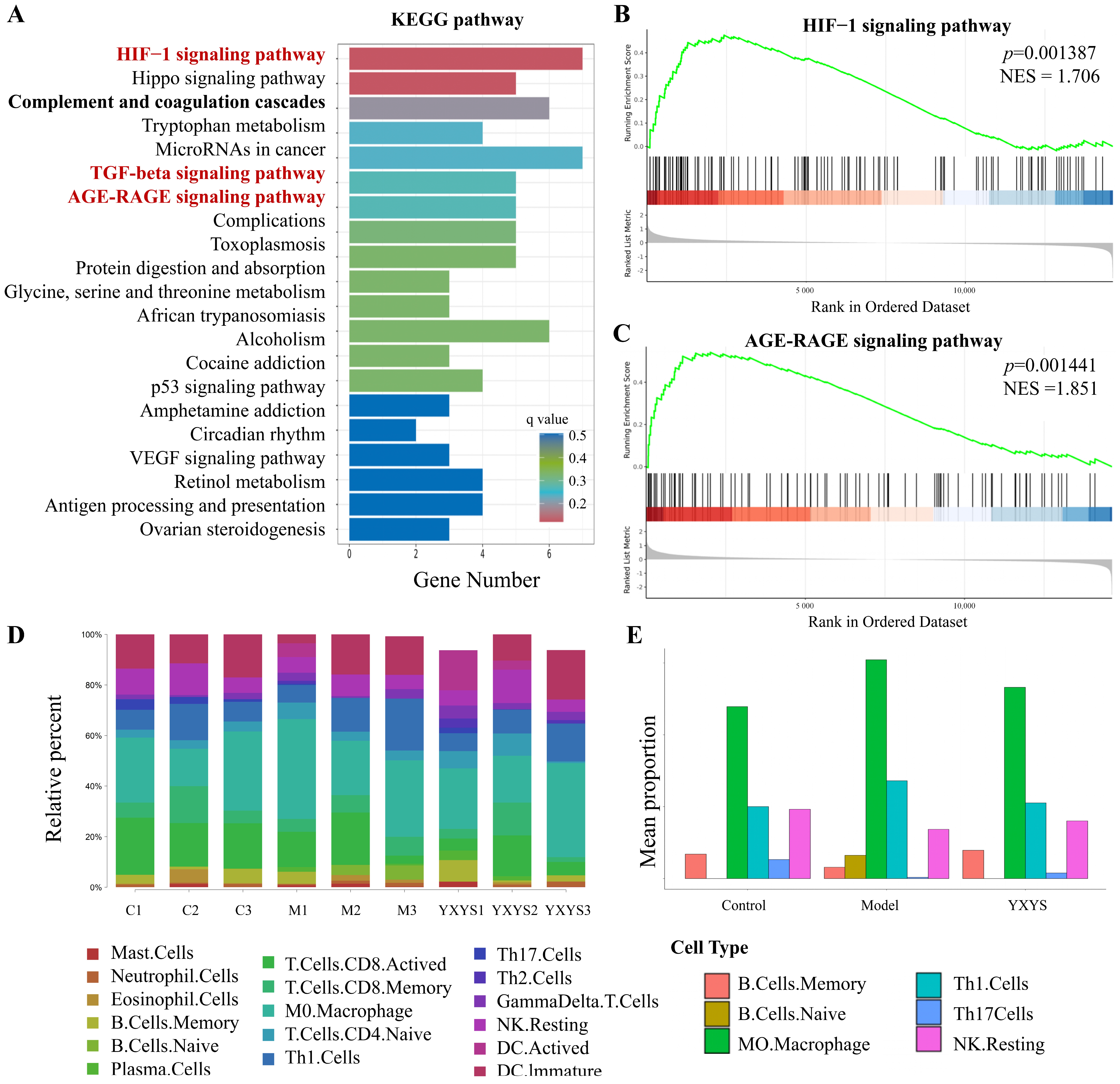
2.8.2. GO and KEGG Pathway Analysis of DEGs
2.8.3. GSEA Enrichment Analysis Results
2.9. Characteristics of Immune Cell Infiltration
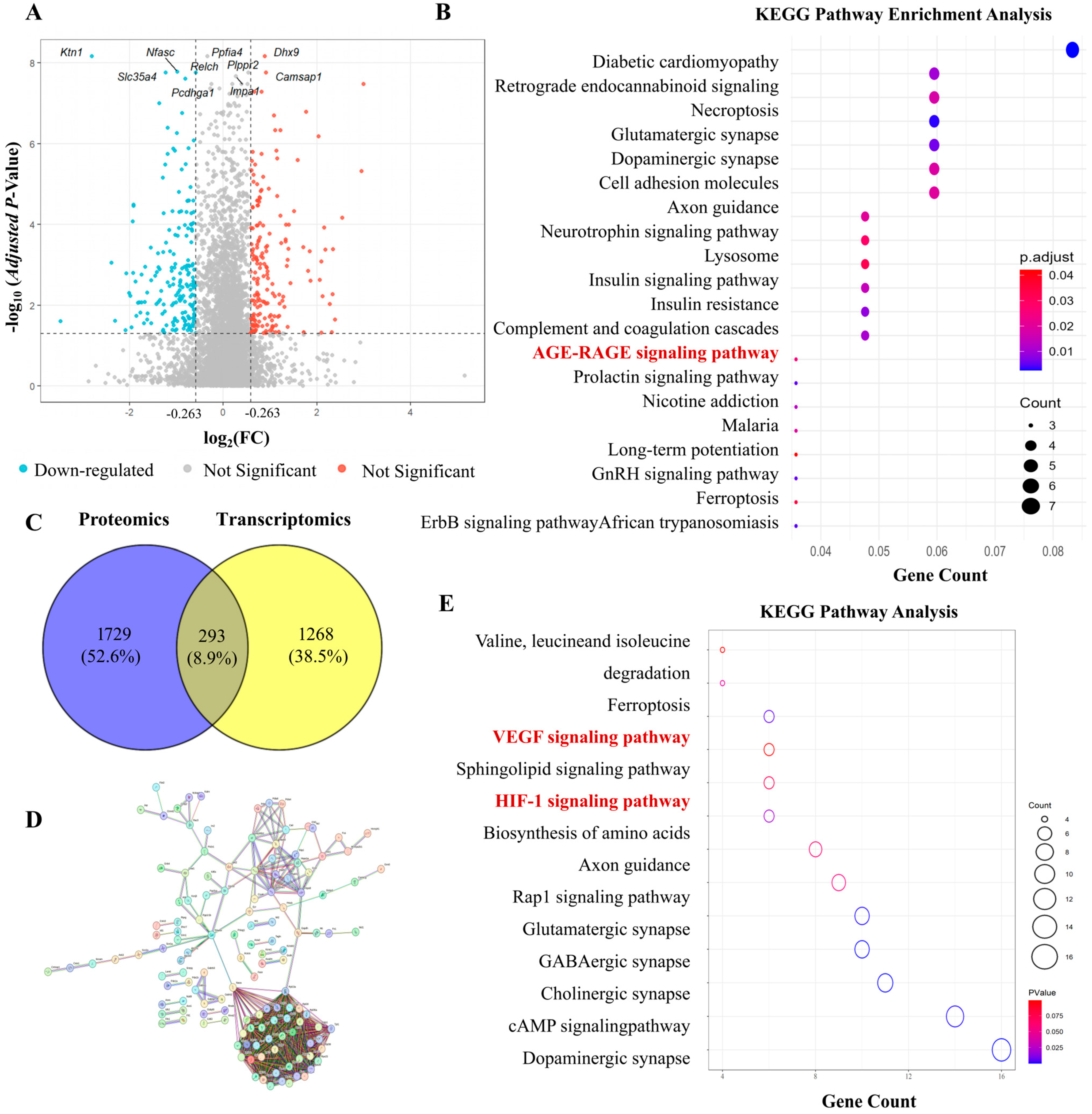
2.10. Proteomic Analysis Reveals Potential Therapeutic Targets of YXYS in AD Treatment
2.11. Integrated Multi-Omics Analysis Results
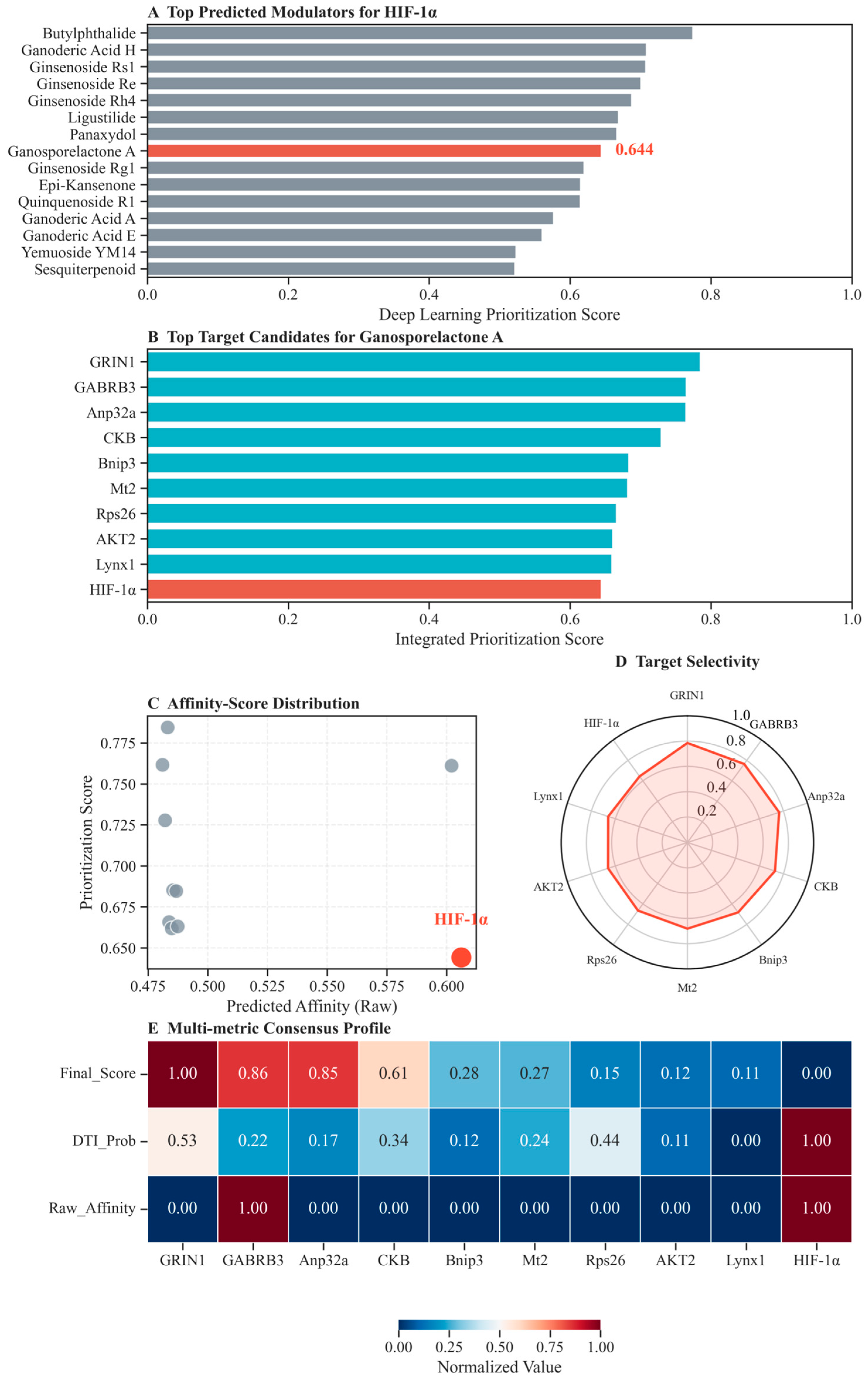
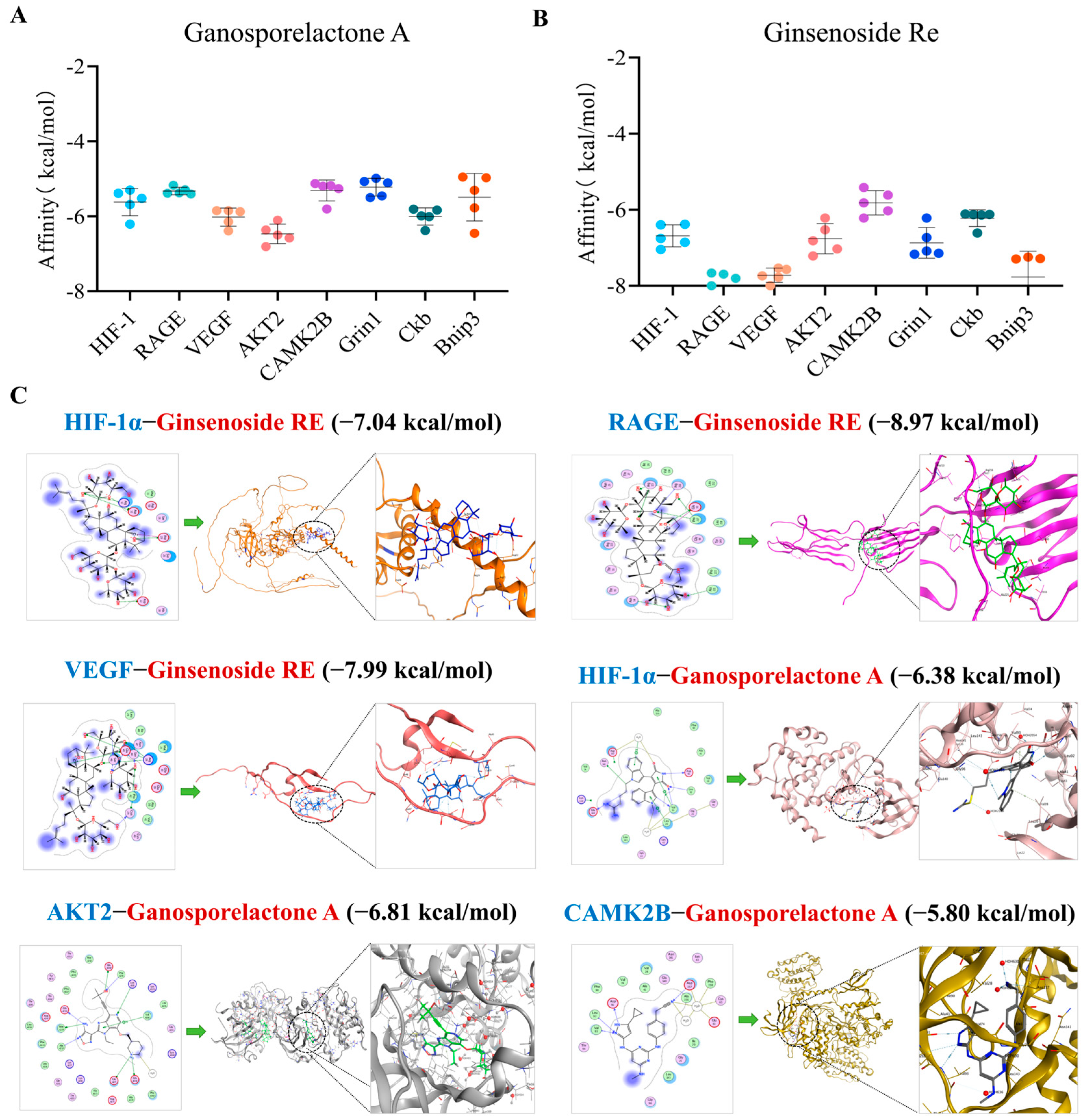
2.12. Deep Learning-Guided Prioritization Identifies Ganosporelactone A as a Dual Modulator of HIF−1α and RAGE Signaling
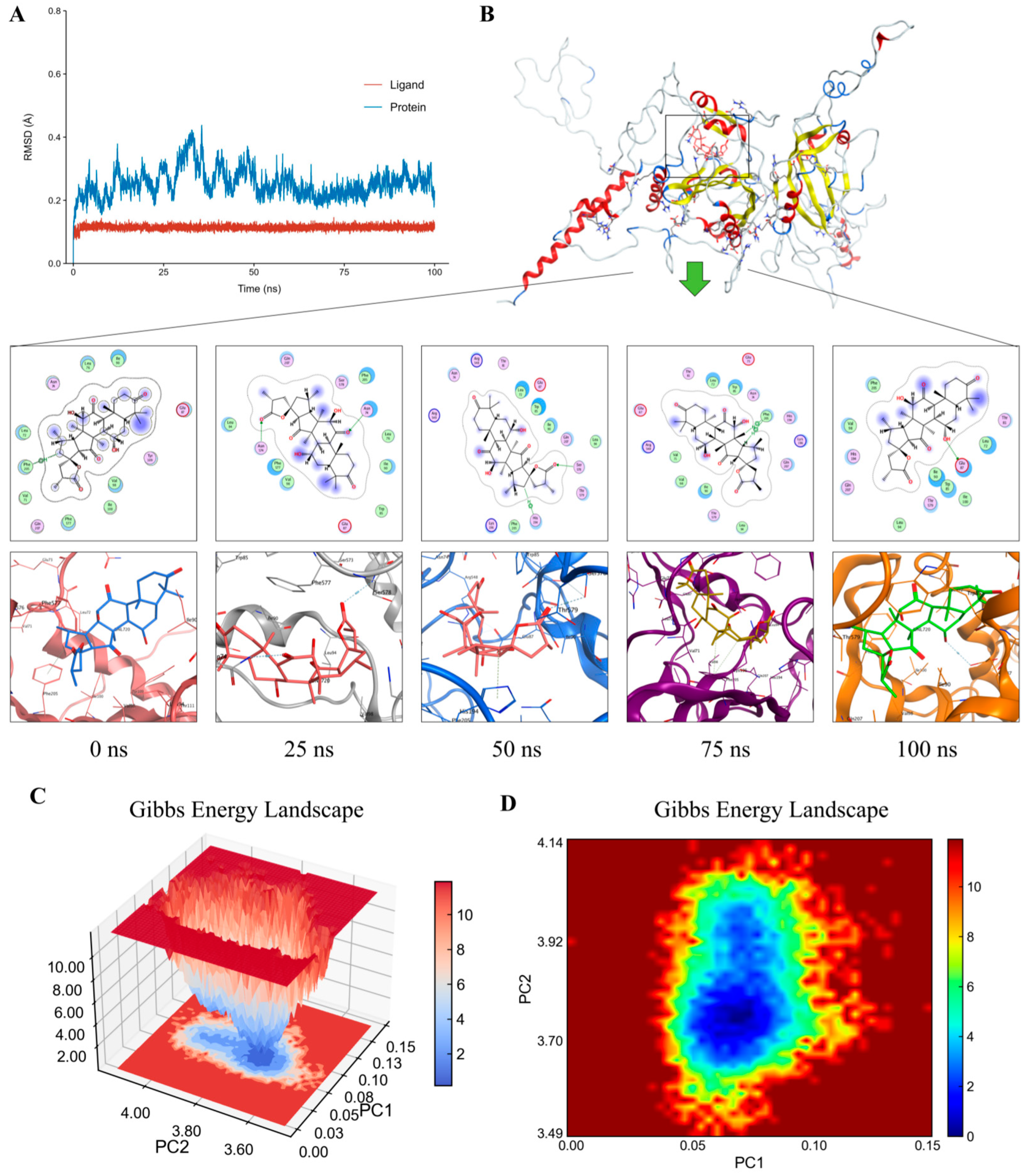
2.13. MD Simulation Results
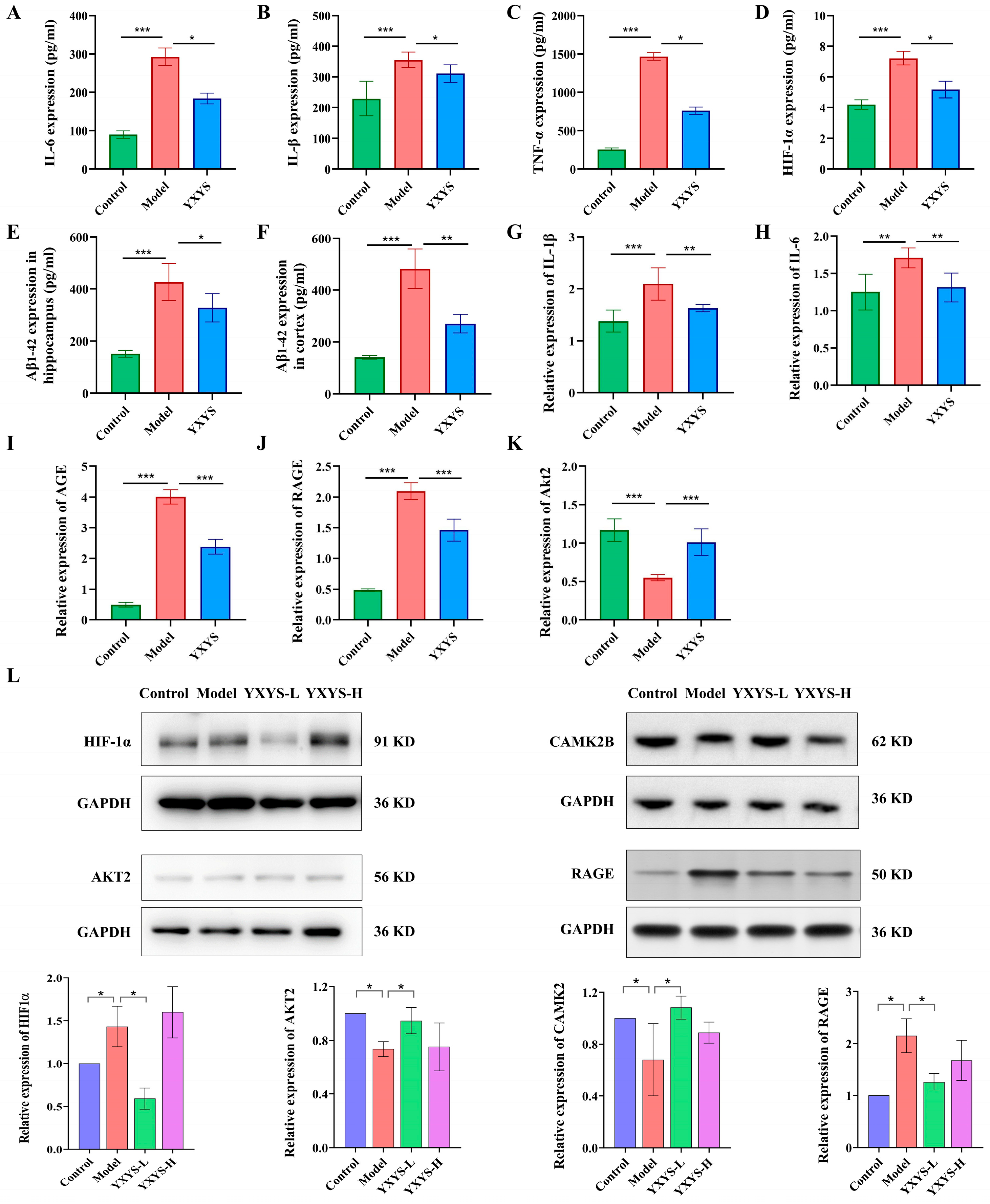
2.14. Serum Inflammatory Markers and Aβ1–42 Levels
2.15. Gene Expression and Protein Levels in AGE-RAGE Pathway
2.16. WB Analysis Reveals YXYS-Mediated Modulation of HIF−1 and AGE-RAGE Signaling Pathway Core Proteins
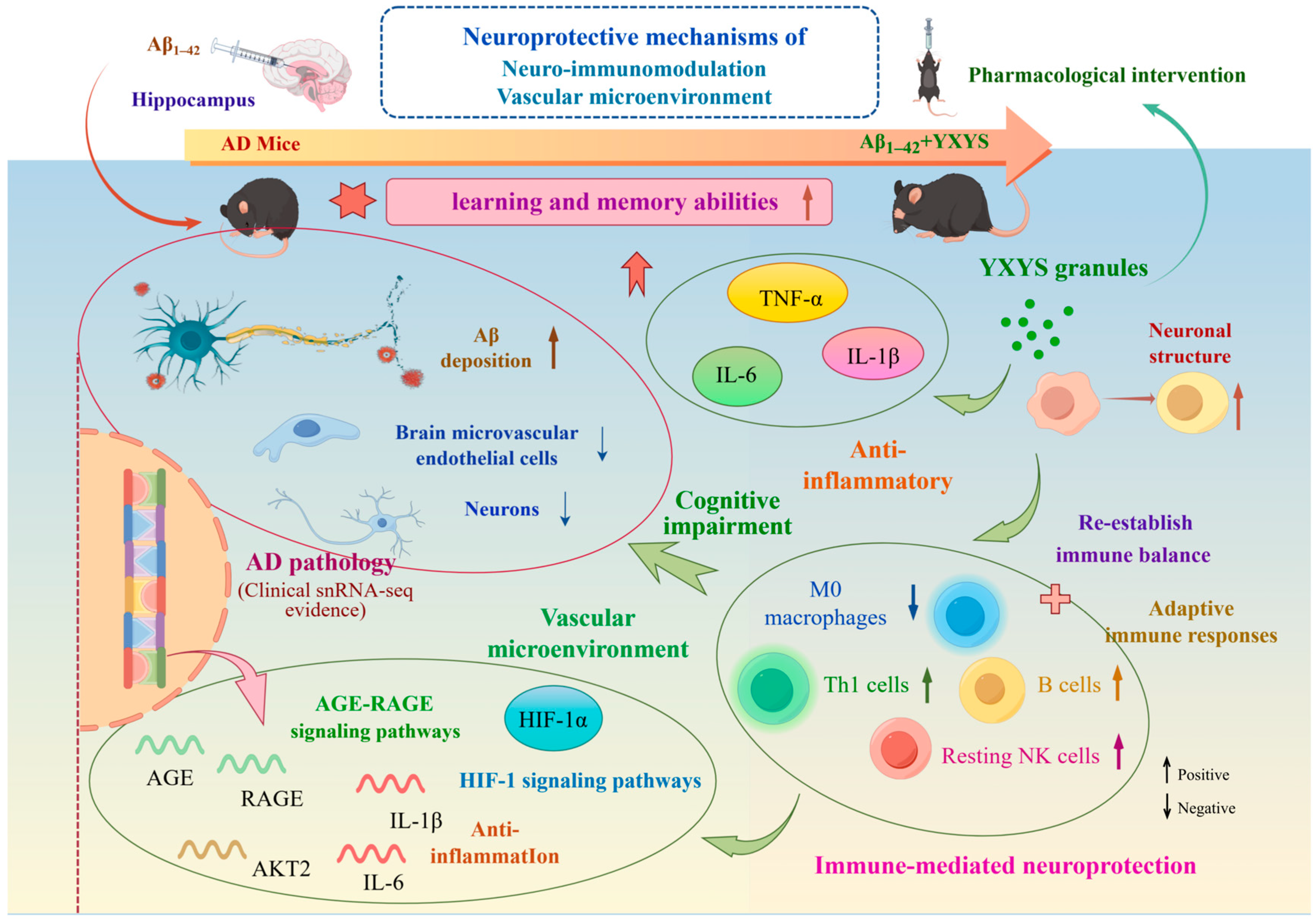
3. Discussion
4. Materials and Methods
4.1. Single-Nucleus RNA Sequencing Analysis of Human AD Hippocampus
4.1.1. Data Acquisition
4.1.2. Data Pre-Processing, Quality Control, and Integration
4.1.3. Dimensionality Reduction, Clustering, and Cell Type Annotation
4.1.4. Differential Expression and Functional Enrichment Analysis
4.1.5. Cell Proportion Analysis
4.2. UPLC-QTOF-MS Analysis of Bioactive Compounds
4.2.1. Drug and Sample Preparation
4.2.2. UPLC-QTOF-MS Analysis
4.2.3. Data Processing
4.3. Network Pharmacological Analysis
4.3.1. Potential Targets Identification
4.3.2. Network Construction
4.4. Cell Experiments
4.4.1. Preparation of YXYS-Containing Serum
4.4.2. Cell Viability Assay
4.4.3. Mitochondrial Membrane Potential (MMP) Assay
4.4.4. Intracellular Reactive Oxygen Species (ROS) Detection
4.4.5. Immunofluorescence Staining of NRF1 and TOM20
4.5. Experimental Animals and AD Model Induction
4.5.1. Novel Object Recognition (NOR) Test
4.5.2. Passive Avoidance Test
4.5.3. Morris Water Maze (MWM)
4.6. Tissue Collection
4.7. HE and Nissl Staining
4.8. Transcriptomic Analysis
4.8.1. Quality Control of Sequencing Data
4.8.2. Analysis of Differential Gene Expression
4.8.3. Gene Set Enrichment Analysis (GSEA)
4.8.4. Evaluation of Immune Cell Infiltration
4.8.5. Proteomics Analysis
4.9. Multi-Omics Integrative Analysis of Transcriptomic and Proteomic Data
4.9.1. Transcriptomic and Proteomic Data Acquisition
4.9.2. Data Integration and Alignment
4.9.3. Differential Expression Profiling Analysis
4.10. ELISA Analysis of Serum and Brain Tissues
4.11. Quantitative Reverse Transcription Polymerase Chain Reaction (qRT-PCR)
4.12. Western Blotting (WB) Analysis
4.13. Deep Learning-Based Drug–Target Interaction (DTIAM) Prediction
4.14. Molecular Docking
4.15. Molecular Dynamics Simulation
4.16. Statistical Analysis
5. Conclusions
Supplementary Materials
Author Contributions
Funding
Institutional Review Board Statement
Data Availability Statement
Conflicts of Interest
Abbreviations
| Aβ | Amyloid beta |
| AD | Alzheimer’s disease |
| AKT2 | AKT serine/threonine kinase 2 |
| CAMK2B | Calcium/calmodulin-dependent protein kinase type II subunit beta |
| HIF−1α | Hypoxia-inducible factor 1-alpha |
| MD | Molecular dynamics |
| MMP | Mitochondrial membrane potential |
| MWM | Morris water maze |
| ROS | Reactive oxygen species |
| snRNA-seq | Single-nucleus RNA sequencing |
| VEGF | Vascular endothelial growth factor |
| WB | Western blot |
| YXYS | Yixin Yangshen Granules |
References
- Scheltens, P.; De Strooper, B.; Kivipelto, M.; Holstege, H.; Chetelat, G.; Teunissen, C.E.; Cummings, J.; van der Flier, W.M. Alzheimer’s disease. Lancet 2021, 397, 1577–1590. [Google Scholar] [CrossRef] [PubMed]
- Vaz, M.; Silvestre, S. Alzheimer’s disease: Recent treatment strategies. Eur. J. Pharmacol. 2020, 887, 173554. [Google Scholar] [CrossRef]
- Weinstock, M. Role of Oxidative Stress and Neuroinflammation in the Etiology of Alzheimer’s Disease: Therapeutic Options. Antioxidants 2025, 14, 769. [Google Scholar] [CrossRef] [PubMed]
- Ferrari, C.; Sorbi, S. The complexity of Alzheimer’s disease: An evolving puzzle. Physiol. Rev. 2021, 101, 1047–1081. [Google Scholar] [CrossRef] [PubMed]
- Jarrell, J.T.; Gao, L.; Cohen, D.S.; Huang, X. Network Medicine for Alzheimer’s Disease and Traditional Chinese Medicine. Molecules 2018, 23, 1143. [Google Scholar] [CrossRef]
- Ding, M.R.; Qu, Y.J.; Hu, B.; An, H.M. Signal pathways in the treatment of Alzheimer’s disease with traditional Chinese medicine. Biomed. Pharmacother. 2022, 152, 113208. [Google Scholar] [CrossRef]
- Chiu, Y.J.; Lin, C.H.; Lee, M.C.; Hsieh-Li, H.M.; Chen, C.M.; Wu, Y.R.; Chang, K.H.; Lee-Chen, G.J. Formulated Chinese medicine Shaoyao Gancao Tang reduces NLRP1 and NLRP3 in Alzheimer’s disease cell and mouse models for neuroprotection and cognitive improvement. Aging 2021, 13, 15620–15637. [Google Scholar] [CrossRef]
- Firdous, S.M.; Khan, S.A.; Maity, A. Oxidative stress-mediated neuroinflammation in Alzheimer’s disease. Naunyn Schmiedebergs Arch. Pharmacol. 2024, 397, 8189–8209. [Google Scholar] [CrossRef]
- Zhao, J.; Yang, J.; Ding, L.; Wang, F.; Lin, L. A Review of the Pathogenesis and Chinese Medicine Intervention of Alzheimer’s Disease. J. Integr. Neurosci. 2022, 22, 2. [Google Scholar] [CrossRef]
- Yan, H.; Feng, L.; Li, M. The Role of Traditional Chinese Medicine Natural Products in β-Amyloid Deposition and Tau Protein Hyperphosphorylation in Alzheimer’s Disease. Drug Des. Dev. Ther. 2023, 17, 3295–3323. [Google Scholar] [CrossRef]
- Shin, K.; Guo, H.; Cha, Y.; Ban, Y.H.; Seo, D.W.; Choi, Y.; Kim, T.S.; Lee, S.P.; Kim, J.C.; Choi, E.K.; et al. Cereboost, an American ginseng extract, improves cognitive function via up-regulation of choline acetyltransferase expression and neuroprotection. Regul. Toxicol. Pharmacol. 2016, 78, 53–58. [Google Scholar] [CrossRef]
- Yang, Y.; Chen, W.; Lin, Z.; Wu, Y.; Li, Y.; Xia, X. Panax notoginseng saponins prevent dementia and oxidative stress in brains of SAMP8 mice by enhancing mitophagy. BMC Complement. Med. Ther. 2024, 24, 144. [Google Scholar] [CrossRef]
- Lu, S.Y.; Peng, X.R.; Dong, J.R.; Yan, H.; Kong, Q.H.; Shi, Q.Q.; Li, D.S.; Zhou, L.; Li, Z.R.; Qiu, M.H. Aromatic constituents from Ganoderma lucidum and their neuroprotective and anti-inflammatory activities. Fitoterapia 2019, 134, 58–64. [Google Scholar] [CrossRef]
- Chen, X.J.; Deng, Z.; Zhang, L.L.; Pan, Y.; Fu, J.; Zou, L.; Bai, Z.; Xiao, X.; Sheng, F. Therapeutic potential of the medicinal mushroom Ganoderma lucidum against Alzheimer’s disease. Biomed. Pharmacother. 2024, 172, 116222. [Google Scholar] [CrossRef]
- Qin, C.; Wu, S.; Chen, B.; Wu, X.; Qu, K.; Liu, J.; Zhang, G.; Xu, Y.; Shu, S.; Sun, L.; et al. Effect of Ganoderma Lucidum Preparation on the Behavior, Biochemistry, and Autoimmune Parameters of Mouse Models of APP/PS1 Double Transgenic Alzheimer’s Disease. Zhongguo Yi Xue Ke Xue Yuan Xue Bao 2017, 39, 330–335. [Google Scholar] [CrossRef] [PubMed]
- Chen, Z.; Wang, X.; Du, S.; Liu, Q.; Xu, Z.; Guo, Y.; Lin, X. A review on traditional Chinese medicine natural products and acupuncture intervention for Alzheimer’s disease based on the neuroinflammatory. Chinese Medicine 2024, 19, 35. [Google Scholar] [CrossRef] [PubMed]
- Zhu, T.; Wang, L.; Wang, L.-p.; Wan, Q. Therapeutic targets of neuroprotection and neurorestoration in ischemic stroke: Applications for natural compounds from medicinal herbs. Biomed. Pharmacother. 2022, 148, 112719. [Google Scholar] [CrossRef] [PubMed]
- Ye, Y.; Li, Q.; Pan, C.-S.; Yan, L.; Sun, K.; Wang, X.-Y.; Yao, S.-Q.; Fan, J.-Y.; Han, J.-Y. QiShenYiQi inhibits tissue plasminogen activator–induced brain edema and hemorrhage after ischemic stroke in mice. Front. Pharmacol. 2022, 12, 759027. [Google Scholar] [CrossRef]
- Tran, M.N.; Kim, S.; Nguyen, Q.H.N.; Lee, S. Molecular mechanisms underlying qi-invigorating effects in traditional medicine: Network pharmacology-based study on the unique functions of qi-invigorating herb group. Plants 2022, 11, 2470. [Google Scholar] [CrossRef]
- Chinese Pharmacopoeia Commission. Pharmacopoeia of the People’s Republic of China; China Medical Science Press: Beijing, China, 2020; Volume 11, pp. 35–37. [Google Scholar]
- Ren, C.; Liu, D.; Li, Y.; Gao, Y.; Lei, S.; Han, X. Experience of Han Xuejie in Treating Qi Deficiency and Blood Stasis Syndrome during the Recovery Period of Cerebral Infarction with Yiqi Yangxin Powder. West. Tradit. Chin. Med. 2022, 5, 35–37. [Google Scholar]
- Jiang, B.; Wu, R.M.; Li, H.D.; Li, K.; Li, H.; Dang, W.Z.; Feng, G.Z.; Bao, W.L.; Ye, G.; Shen, X.Y. Yixin Ningshen Tablet Alleviates Comorbidity of Myocardial Infarction and Depression by Enhancing Myocardial Energy Metabolism and Increasing Availability of Monoamine Neurotransmitter. Chin. J. Integr. Med. 2022, 28, 586–593. [Google Scholar] [CrossRef]
- Li, J.; Wang, M.; Yao, L.; Lu, B.; Gui, M.; Zhou, X.; Fu, D. Yixin Granules Reduce Myocardial Inflammation and Fibrosis in Rats with Heart Failure by Inhibiting the Expression of ADAMTS8. Int. Heart J. 2023, 64, 741–749. [Google Scholar] [CrossRef]
- Semenza, G.L. Hypoxia-inducible factors in physiology and medicine. Cell 2012, 148, 399–408. [Google Scholar] [CrossRef] [PubMed]
- Ogunshola, O.; Antoniou, X. Contribution of hypoxia to Alzheimer’s disease: Is HIF-1α a mediator of neurodegeneration? Cell. Mol. Life Sci. 2009, 66, 3555–3563. [Google Scholar] [CrossRef] [PubMed]
- Zhang, X.; Zhou, K.; Wang, R.; Cui, J.; Lipton, S.A.; Liao, F.-F.; Xu, H.; Zhang, Y.w. Hypoxia-inducible factor 1α (HIF-1α)-mediated hypoxia increases BACE1 expression and β-amyloid generation. J. Biol. Chem. 2007, 282, 10873–10880. [Google Scholar] [CrossRef] [PubMed]
- Syukri, A.; Budu; Hatta, M.; Amir, M.; Rohman, M.S.; Mappangara, I.; Kaelan, C.; Wahyuni, S.; Bukhari, A.; Junita, A.R.; et al. Doxorubicin induced immune abnormalities and inflammatory responses via HMGB1, HIF1-α and VEGF pathway in progressive of cardiovascular damage. Ann. Med. Surg. 2022, 76, 103501. [Google Scholar] [CrossRef]
- Shi, J.; Wang, J.; Jia, N.; Sun, Q. A network pharmacology study on mechanism of resveratrol in treating preeclampsia via regulation of AGE-RAGE and HIF-1 signalling pathways. Front. Endocrinol. 2022, 13, 1044775. [Google Scholar] [CrossRef]
- Voirin, A.C.; Chatard, M.; Briancon-Marjollet, A.; Pepin, J.L.; Perek, N.; Roche, F. Loss of Blood-Brain Barrier Integrity in an In Vitro Model Subjected to Intermittent Hypoxia: Is Reversion Possible with a HIF-1α Pathway Inhibitor? Int. J. Mol. Sci. 2023, 24, 5062. [Google Scholar] [CrossRef]
- Shen, C.Y.; Lu, C.H.; Wu, C.H.; Li, K.J.; Kuo, Y.M.; Hsieh, S.C.; Yu, C.L. The Development of Maillard Reaction, and Advanced Glycation End Product (AGE)-Receptor for AGE (RAGE) Signaling Inhibitors as Novel Therapeutic Strategies for Patients with AGE-Related Diseases. Molecules 2020, 25, 5591. [Google Scholar] [CrossRef]
- Bhattacharya, R.; Alam, M.R.; Kamal, M.A.; Seo, K.J.; Singh, L.R. AGE-RAGE axis culminates into multiple pathogenic processes: A central road to neurodegeneration. Front. Mol. Neurosci. 2023, 16, 1155175. [Google Scholar] [CrossRef]
- Tobon-Velasco, J.C.; Cuevas, E.; Torres-Ramos, M.A. Receptor for AGEs (RAGE) as mediator of NF-kB pathway activation in neuroinflammation and oxidative stress. CNS Neurol. Disord. Drug Targets 2014, 13, 1615–1626. [Google Scholar] [CrossRef]
- Song, Z.; Song, K.; Zhao, H.; He, Y.; Hu, J. Network analysis and experimental approach to investigate the potential therapeutic mechanism of zishen yutai pills on premature ovarian insufficiency. Heliyon 2023, 9, e20025. [Google Scholar] [CrossRef]
- Zhuang, S.; Zhou, X.; Yang, X.; Chang, D.; Chen, T.; Sun, Y.; Wang, C.; Zhang, C.; Jiang, J.; Chen, Y.; et al. Dendrobium mixture ameliorates hepatic injury induced by insulin resistance in vitro and in vivo through the downregulation of AGE/RAGE/Akt signaling pathway. Heliyon 2023, 9, e22007. [Google Scholar] [CrossRef]
- Gao, J.; Feng, W.; Lv, W.; Liu, W.; Fu, C. HIF-1/AKT Signaling-Activated PFKFB2 Alleviates Cardiac Dysfunction and Cardiomyocyte Apoptosis in Response to Hypoxia. Int. Heart J. 2021, 62, 350–358. [Google Scholar] [CrossRef] [PubMed]
- Long, H.Z.; Cheng, Y.; Zhou, Z.W.; Luo, H.Y.; Wen, D.D.; Gao, L.C. PI3K/AKT Signal Pathway: A Target of Natural Products in the Prevention and Treatment of Alzheimer’s Disease and Parkinson’s Disease. Front. Pharmacol. 2021, 12, 648636. [Google Scholar] [CrossRef]
- Wang, Y.Y.; Zhou, Y.N.; Jiang, L.; Wang, S.; Zhu, L.; Zhang, S.S.; Yang, H.; He, Q.; Liu, L.; Xie, Y.H.; et al. Long-term voluntary exercise inhibited AGE/RAGE and microglial activation and reduced the loss of dendritic spines in the hippocampi of APP/PS1 transgenic mice. Exp. Neurol. 2023, 363, 114371. [Google Scholar] [CrossRef] [PubMed]
- Yang, A.C.; Vest, R.T.; Kern, F.; Lee, D.P.; Agam, M.; Maat, C.A.; Losada, P.M.; Chen, M.B.; Schaum, N.; Khoury, N.; et al. A human brain vascular atlas reveals diverse mediators of Alzheimer’s risk. Nature 2022, 603, 885–892. [Google Scholar] [CrossRef] [PubMed]
- Tian, L.; Chen, J.; Yang, M.; Chen, L.; Qiu, J.; Jiang, Y.; Tan, X.; Qian, Q.; Liang, X.; Dou, X. Xiezhuo Tiaozhi formula inhibits macrophage pyroptosis in the non-alcoholic fatty liver disease by targeting the SIRT1 pathway. Phytomedicine 2024, 131, 155776. [Google Scholar] [CrossRef]
- Bailey, R.J.; Bradley, J.W.; Poyner, D.R.; Rathbone, D.L.; Hay, D.L. Functional characterization of two human receptor activity-modifying protein 3 variants. Peptides 2010, 31, 579–584. [Google Scholar] [CrossRef]
- Millucci, L.; Ghezzi, L.; Bernardini, G.; Santucci, A. Conformations and biological activities of amyloid β peptide 25-35. Curr. Protein Pept. Sci. 2010, 11, 54–67. [Google Scholar] [CrossRef]
- Sanchez-Rodriguez, I.; Gruart, A.; Delgado-Garcia, J.M.; Jimenez-Diaz, L.; Navarro-Lopez, J.D. Role of GirK Channels in Long-Term Potentiation of Synaptic Inhibition in an In Vivo Mouse Model of Early Amyloid-β Pathology. Int. J. Mol. Sci. 2019, 20, 1168. [Google Scholar] [CrossRef]
- Huang, K.; Fu, T.; Glass, L.M.; Zitnik, M.; Xiao, C.; Sun, J. DeepPurpose: A deep learning library for drug-target interaction prediction. Bioinformatics 2021, 36, 5545–5547. [Google Scholar] [CrossRef]







| No. | Ion Mode | RT (min) | Identification | Formula | Neutral Mass (Da) | Observed m/z | Mass Error (ppm) | Adducts | Measured | Compound CID | Chemical Class |
|---|---|---|---|---|---|---|---|---|---|---|---|
| 1 | ESI (+) | 0.52 | 3, 4-dihydroxycinnamic acid | C9H8O4 | 180.0400 | 181.0623 | 3.7 | [M−H]+ | 6342 | 689043 | Phenolic acid |
| 2 | ESI (−) | 0.55 | Picroside I | C24H28O11 | 492.1631 | 537.1654 | 3.4 | [M+HCOO]− | 29,506 | 6440892 | Glycoside |
| 3 | ESI (+) | 0.61 | Ginsenoside Rh4 | C36H60O8 | 620.4288 | 621.4362 | 0.1 | [M−H]+ | 177,799 | 21599928 | Saponin |
| 4 | ESI (−) | 0.76 | Ginsenoside Re | C48H82O18 | 946.5501 | 945.5504 | 4.0 | [M−H]− | 110,829 | 441921 | Saponin |
| 5 | ESI (−) | 3.63 | Sanggenon A | C25H24O7 | 436.1522 | 435.1422 | −5.2 | [M−H]− | 145,557 | 156707 | Flavonoid |
| 6 | ESI (−) | 6.32 | Morroniside | C17H26O11 | 406.1475 | 405.1397 | 0.4 | [M−H]− | 456,229 | 11284529 | Glycoside |
| 7 | ESI (+) | 6.78 | Umbelliferone | C9H6O3 | 162.0317 | 163.0395 | 3.2 | [M−H]+ | 5048 | 5281426 | Coumarin |
| 8 | ESI (+) | 7.04 | Ganosporelactone A | C30H40O7 | 512.2774 | 513.2845 | −0.3 | [M−H]+ | 50,317 | 78384957 | Terpenoid |
| 9 | ESI (−) | 8.48 | Ginsenoside Rg1 | C42H72O14 | 800.4922 | 845.5073 | −3.2 | [M+HCOO]− | 26,772 | 441923 | Saponin |
| 10 | ESI (+) | 8.53 | Epi-Kansenone | C30H48O2 | 440.3654 | 441.3727 | 0.1 | [M−H]+ | 318,636 | 21629616 | Terpenoid |
| 11 | ESI (+) | 9.85 | Marsdenoside B | C45H68O14 | 832.4609 | 833.4532 | −0.2 | [M−H]+ | 59,602 | 101743838 | Saponin |
| 12 | ESI (+) | 9.93 | Ganoderol A | C30H46O2 | 438.3498 | 475.3777 | −1.0 | [M−H]+ | 29,980 | 13934284 | Terpenoid |
| 13 | ESI (+) | 10.04 | Quinquenoside R1 | C56H94O24 | 1150.6135 | 1151.6135 | −0.5 | [M−H]+ | 155,412 | 101679657 | Saponin |
| 14 | ESI (−) | 10.21 | Anemoside B | C53H86O22 | 1074.5611 | 1073.5561 | −5.1 | [M−H]− | 103,762 | 11636713 | Saponin |
| 15 | ESI (−) | 10.23 | Yemuoside YM14 | C52H82O21 | 1042.5349 | 1087.5433 | 3.4 | [M+HCOO]− | 63,642 | 71338577 | Saponin |
| 16 | ESI (+) | 10.32 | Yesanchinoside E | C54H92O23 | 1108.6029 | 1109.6089 | −1.2 | [M−H]+ | 164,905 | 11136943 | Saponin |
| 17 | ESI (−) | 10.36 | Ginsenoside Rc | C53H90O22 | 1078.5924 | 1077.5883 | 3.0 | [M−H]− | 9278 | 12855889 | Saponin |
| 18 | ESI (+) | 10.45 | Marsdenoside A | C45H70O14 | 834.4766 | 835.4834 | −0.6 | [M−H]+ | 58,336 | 11228220 | Saponin |
| 19 | ESI (+) | 11.64 | Butylphthalide | C12H14O2 | 190.5994 | 193.1240 | 5.1 | [M−H]+ | 591,019 | 61361 | Phthalide |
| 20 | ESI (+) | 12.91 | Ligustilide | C12H14O2 | 190.5994 | 191.1102 | 1.4 | [M−H]+ | 68,245 | 5319022 | Phthalide |
| 21 | ESI (−) | 15.24 | Platycodigenin | C30H48O7 | 520.3400 | 519.3391 | −0.7 | [M−H]− | 66,048 | 12314399 | Terpenoid |
| 22 | ESI (+) | 15.88 | Panaxydol | C17H24O2 | 260.1776 | 261.1849 | 0.1 | [M−H]+ | 7584 | 126312 | Polyacetylene |
| 23 | ESI (−) | 16.05 | Ganoderic Acid H | C32H44O9 | 572.2985 | 571.2902 | −1.8 | [M−H]− | 22,050 | 73657194 | Terpenoid |
| 24 | ESI (+) | 16.48 | Quercetin | C15H10O7 | 302.0427 | 303.0531 | 2.5 | [M−H]+ | 12,356 | 5280343 | Flavonoid |
| 25 | ESI (+) | 20.01 | Ginsenoside Rs1 | C55H92O23 | 1120.6029 | 1121.5999 | −4.2 | [M−H]+ | 6373 | 85044013 | Saponin |
| 26 | ESI (−) | 20.33 | Sesquiterpenoid | C15H24O2 | 236.1776 | 279.2143 | 3.1 | [M+HCOO]− | 5518 | 139087999 | Terpenoid |
| 27 | ESI (−) | 25.47 | Ganoderic Acid E | C30H44O8 | 532.3036 | 531.2958 | −1.0 | [M−H]− | 6401 | 14109508 | Terpenoid |
| 28 | ESI (−) | 27.60 | Artemitin | C20H20O8 | 384.1158 | 383.3413 | −4.2 | [M−H]− | 21,930 | 5320351 | Flavonoid |
| 29 | ESI (+) | 29.75 | Ganoderic Acid A | C30H44O7 | 516.3087 | 517.3160 | −0.5 | [M−H]+ | 13,458 | 471002 | Terpenoid |
| 30 | ESI (−) | 30.48 | Tellimagrandin II | C41H30O26 | 938.1025 | 983.0928 | −8.1 | [M+HCOO]− | 5884 | 151590 | Tannin |
| 31 | ESI (+) | 34.56 | Notoginsenoside Fe | C47H80O17 | 916.5396 | 917.7272 | 3.3 | [M−H]+ | 50,327 | 90657714 | Saponin |
| Forward Primer | Reverse Primer | |
|---|---|---|
| IL-1β | TCGCAGCAGCACATCAACAAGAG | AGGTCCACGGGAAAGACACAGG |
| TNF-α | ATGTCTCAGCCTCTTCTCATTC | GCTTGTCACTCGAATTTTGAGA |
| IFN-γ | CTCCTCCTCCTCCTCCTC | CCTCATCCTCGTCTTCTACC |
| IL-10 | CAGAGAAGCATGGCCCAGAA | GCTCCACTGCCTTGCTCTTA |
Disclaimer/Publisher’s Note: The statements, opinions and data contained in all publications are solely those of the individual author(s) and contributor(s) and not of MDPI and/or the editor(s). MDPI and/or the editor(s) disclaim responsibility for any injury to people or property resulting from any ideas, methods, instructions or products referred to in the content. |
© 2026 by the authors. Licensee MDPI, Basel, Switzerland. This article is an open access article distributed under the terms and conditions of the Creative Commons Attribution (CC BY) license.
Share and Cite
Wang, Z.; Wang, L.; Zhang, Y.; Yang, S.; Shi, B.; Liu, D.; Zhang, H.; Xiao, W.; Zhang, J.; Han, X.; et al. Yixin Yangshen Granules Target HIF−1 Signaling to Modulate the Neuroimmune Microenvironment in Alzheimer’s Disease: Insights from Integrative Multi-Omics and Deep Learning. Pharmaceuticals 2026, 19, 502. https://doi.org/10.3390/ph19030502
Wang Z, Wang L, Zhang Y, Yang S, Shi B, Liu D, Zhang H, Xiao W, Zhang J, Han X, et al. Yixin Yangshen Granules Target HIF−1 Signaling to Modulate the Neuroimmune Microenvironment in Alzheimer’s Disease: Insights from Integrative Multi-Omics and Deep Learning. Pharmaceuticals. 2026; 19(3):502. https://doi.org/10.3390/ph19030502
Chicago/Turabian StyleWang, Zhihao, Linshuang Wang, Yusheng Zhang, Sixia Yang, Bo Shi, Dasheng Liu, Han Zhang, Wan Xiao, Junying Zhang, Xuejie Han, and et al. 2026. "Yixin Yangshen Granules Target HIF−1 Signaling to Modulate the Neuroimmune Microenvironment in Alzheimer’s Disease: Insights from Integrative Multi-Omics and Deep Learning" Pharmaceuticals 19, no. 3: 502. https://doi.org/10.3390/ph19030502
APA StyleWang, Z., Wang, L., Zhang, Y., Yang, S., Shi, B., Liu, D., Zhang, H., Xiao, W., Zhang, J., Han, X., & Wei, D. (2026). Yixin Yangshen Granules Target HIF−1 Signaling to Modulate the Neuroimmune Microenvironment in Alzheimer’s Disease: Insights from Integrative Multi-Omics and Deep Learning. Pharmaceuticals, 19(3), 502. https://doi.org/10.3390/ph19030502