The MDM2-p53 Axis in Osteosarcoma: Current Understanding of Regulatory Mechanisms and Targeted Therapeutic Strategies

Abstract
1. Introduction
2. Molecular Mechanisms of the MDM2-p53 Pathway
3. The MDM2-p53 Pathway in Osteosarcoma
3.1. TP53 Gene Mutations
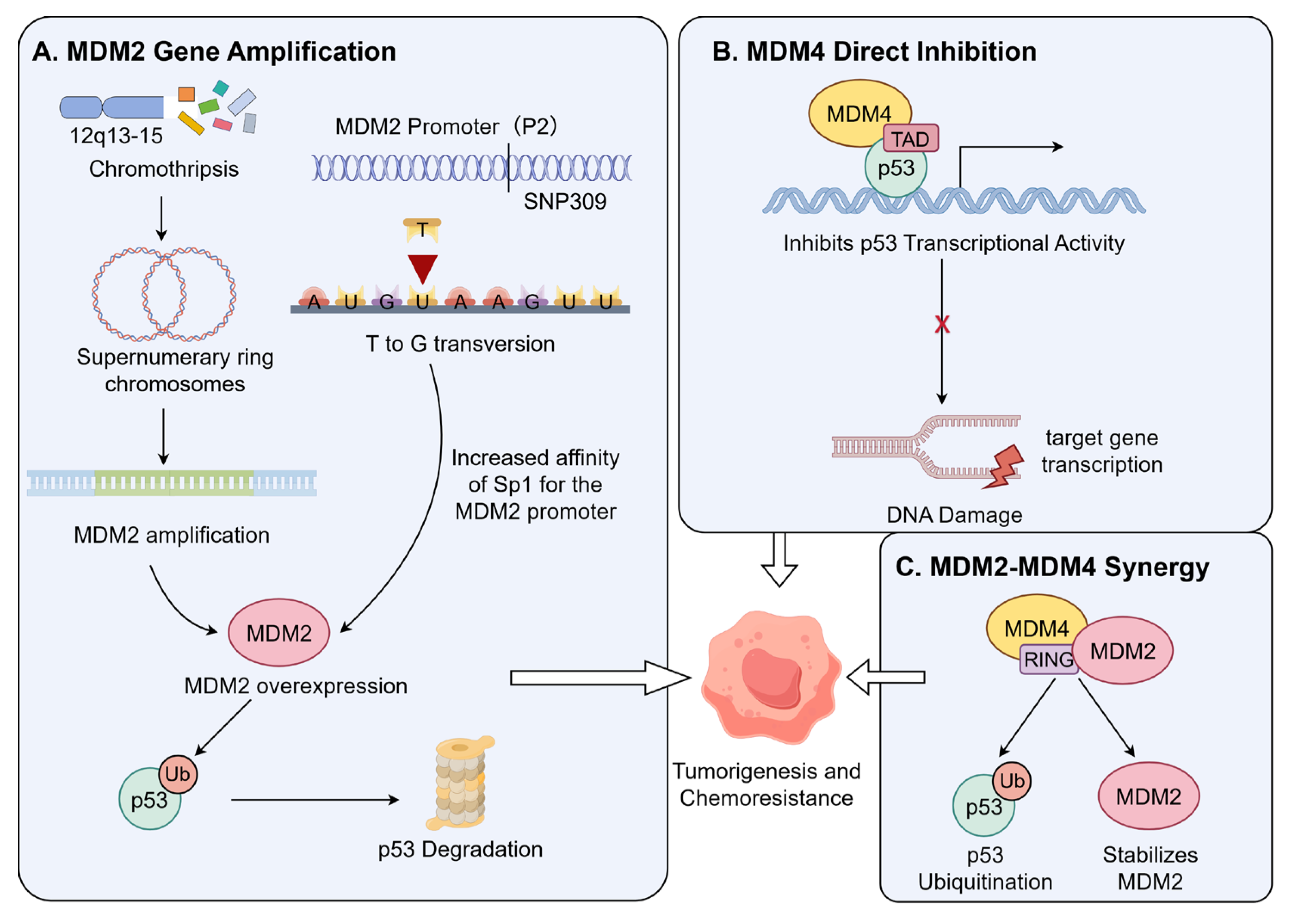
3.2. Aberrant Expression and Regulation of MDM2/MDM4
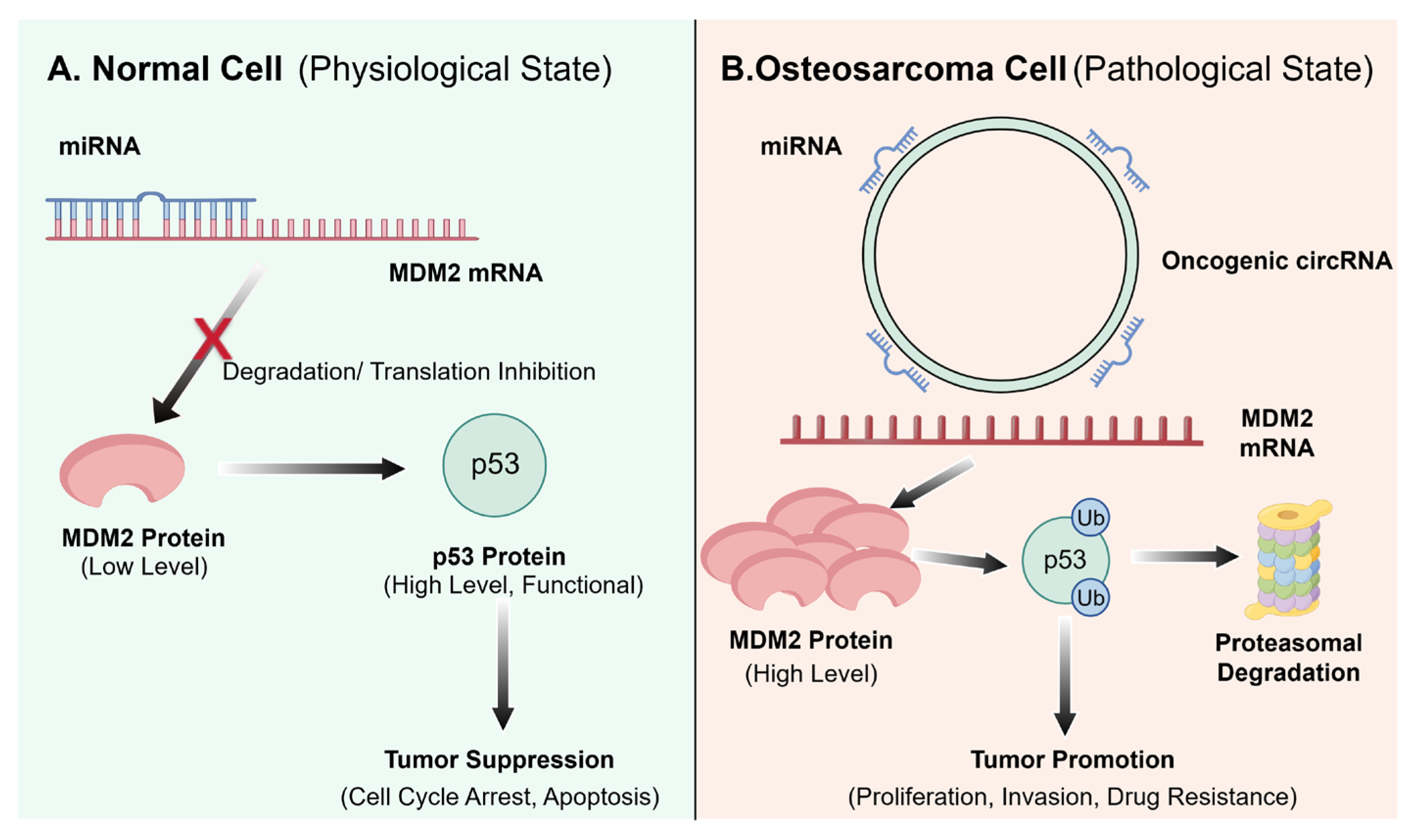
3.3. Non-Coding RNA Regulatory Networks
4. Therapeutic Strategies Targeting the MDM2-p53 Pathway
4.1. Monotherapy Strategies
4.1.1. Small-Molecule MDM2 Inhibitors
4.1.2. Functional Reactivation of Mutant p53
4.2. Combination Therapy Strategies
4.3. Innovative Therapies
4.3.1. Gene Therapy
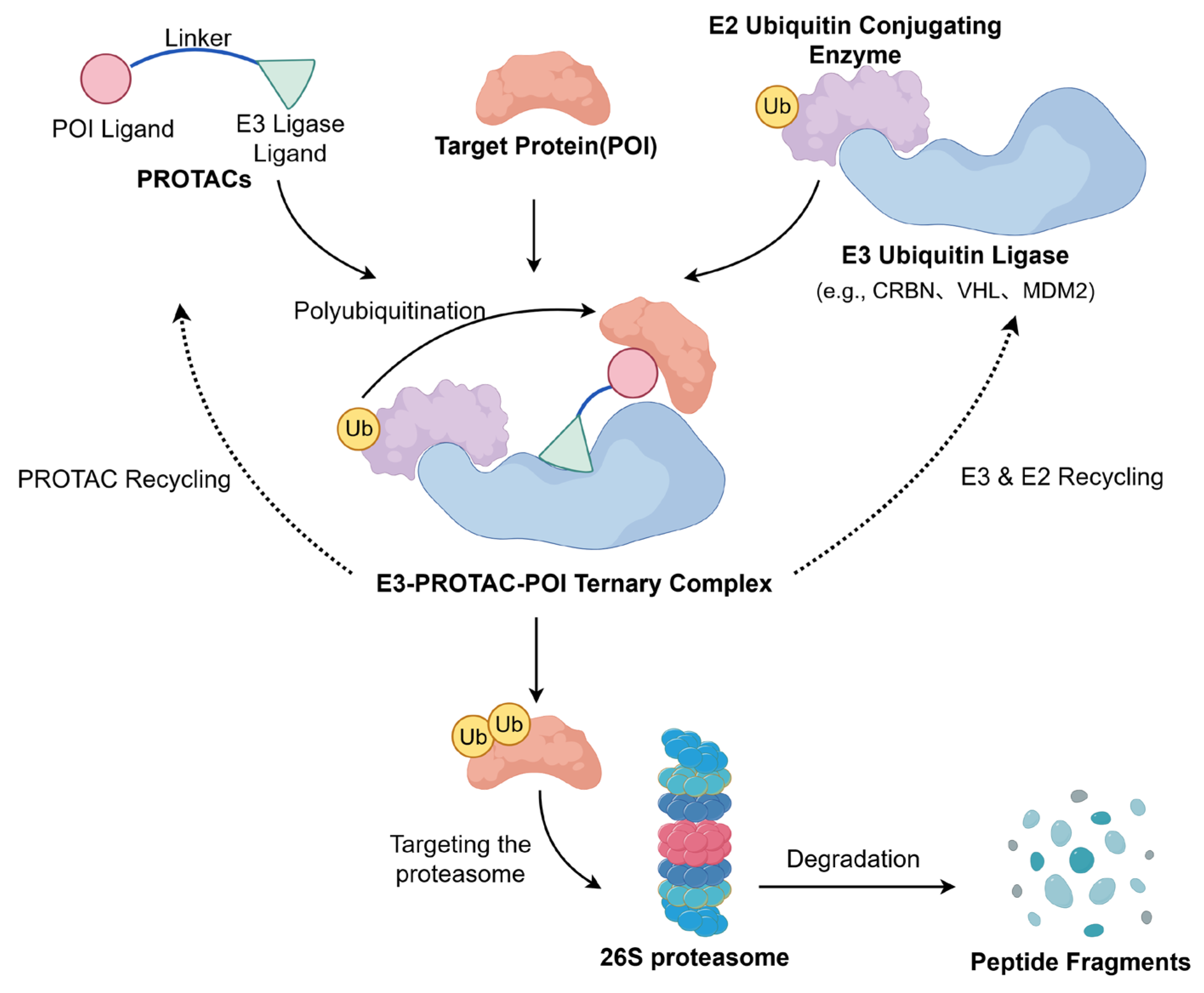
4.3.2. PROTACs
4.3.3. Nanomedicine
5. Translational Challenges and Future Directions of Targeting the MDM2-p53 Pathway in Osteosarcoma
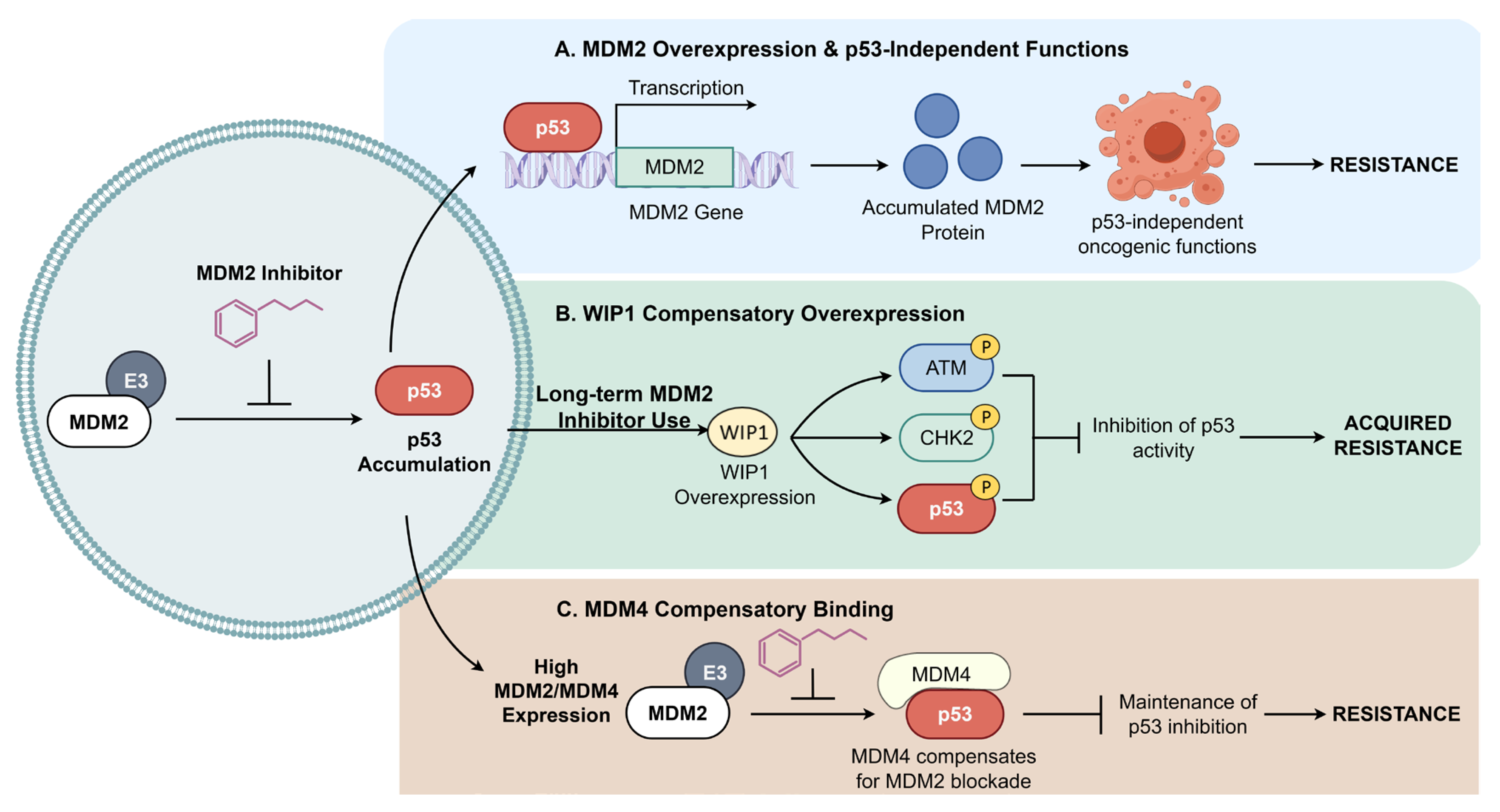
5.1. Resistance Mechanisms and Challenges
5.2. Targeted Therapy-Related Toxicity
5.3. Biomarker-Based Precision Medicine
5.4. Novel Combination Therapy Strategies and Emerging Technologies
6. Conclusions
Author Contributions
Funding
Institutional Review Board Statement
Informed Consent Statement
Data Availability Statement
Acknowledgments
Conflicts of Interest
Abbreviations
| AI | Artificial Intelligence |
| AML | Acute Myeloid Leukemia |
| ATO | Arsenic Trioxide |
| CDK | Cyclin-Dependent Kinase |
| ctDNA | Circulating Tumor DNA |
| CTD | C-terminal Regulatory Domain |
| DBD | DNA-Binding Domain |
| EMT | Epithelial–Mesenchymal Transition |
| GOF | Gain-of-Function |
| HNSCC | Head and Neck Squamous Cell Carcinoma |
| IC50 | Half-maximal Inhibitory Concentration |
| ICD | Immunogenic Cell Death |
| LFS | Li-Fraumeni Syndrome |
| LNP | Lipid Nanoparticles |
| lncRNA | Long Non-coding RNA |
| MARs | Matrix Attachment Regions |
| MDM2 | Murine Double Minute 2 |
| MDM4 | Murine Double Minute 4 |
| MDS | Myelodysplastic Syndromes |
| miRNA | MicroRNA |
| MRD | Minimal Residual Disease |
| mutp53 | Mutant p53 |
| ncRNA | Non-coding RNA |
| NES | Nuclear Export Signal |
| NLS | Nuclear Localization Signal |
| OD | Oligomerization Domain |
| OS | Osteosarcoma |
| p53 | Tumor Protein p53 |
| PRD | Proline-Rich Domain |
| PROTACs | Proteolysis Targeting Chimeras |
| ROS | Reactive Oxygen Species |
| scRNA-seq | Single-cell RNA Sequencing |
| SNP | Single Nucleotide Polymorphism |
| TAD | Transactivation Domain |
| tFNAs | Tetrahedral Framework Nucleic Acids |
| TME | Tumor Microenvironment |
| TP53 | Tumor Protein p53 Gene |
| WIP1 | Wild-type p53-Induced Phosphatase 1 |
References
- Meltzer, P.S.; Helman, L.J. New Horizons in the Treatment of Osteosarcoma. N. Engl. J. Med. 2021, 385, 2066–2076. [Google Scholar] [CrossRef] [Scilit] [PubMed]
- Panez-Toro, I.; Muñoz-García, J.; Vargas-Franco, J.W.; Renodon-Cornière, A.; Heymann, M.-F.; Lézot, F.; Heymann, D. Advances in Osteosarcoma. Curr. Osteoporos. Rep. 2023, 21, 330–343. [Google Scholar] [CrossRef] [Scilit]
- Han, Z.; Chen, G.; Wang, D. Emerging Immunotherapies in Osteosarcoma: From Checkpoint Blockade to Cellular Therapies. Front. Immunol. 2025, 16, 1579822. [Google Scholar] [CrossRef] [Scilit]
- Garcia-Ortega, D.Y.; Cabrera-Nieto, S.A.; Caro-Sánchez, H.S.; Cruz-Ramos, M. An Overview of Resistance to Chemotherapy in Osteosarcoma and Future Perspectives. Cancer Drug Resist. 2022, 5, 762–793. [Google Scholar] [CrossRef] [Scilit]
- Zhang, Z.; Tan, X.; Jiang, Z.; Wang, H.; Yuan, H. Immune Checkpoint Inhibitors in Osteosarcoma: A Hopeful and Challenging Future. Front. Pharmacol. 2022, 13, 1031527. [Google Scholar] [CrossRef] [Scilit] [PubMed]
- Linzer, D.I.H.; Levine, A.J. Characterization of a 54K Dalton Cellular SV40 Tumor Antigen Present in SV40-Transformed Cells and Uninfected Embryonal Carcinoma Cells. Cell 1979, 17, 43–52. [Google Scholar] [CrossRef] [Scilit] [PubMed]
- Lane, D.P. P53, Guardian of the Genome. Nature 1992, 358, 15–16. [Google Scholar] [CrossRef] [Scilit]
- Temaj, G.; Chichiarelli, S.; Telkoparan-Akillilar, P.; Saha, S.; Nuhii, N.; Hadziselimovic, R.; Saso, L. P53: A Key Player in Diverse Cellular Processes Including Nuclear Stress and Ribosome Biogenesis, Highlighting Potential Therapeutic Compounds. Biochem. Pharmacol. 2024, 226, 116332. [Google Scholar] [CrossRef] [Scilit] [PubMed]
- Yao, Y.; Zhang, Q.; Li, Z.; Zhang, H. MDM2: Current Research Status and Prospects of Tumor Treatment. Cancer Cell Int. 2024, 24, 170. [Google Scholar] [CrossRef] [Scilit] [PubMed]
- Joerger, A.C.; Fersht, A.R. The P53 Pathway: Origins, Inactivation in Cancer, and Emerging Therapeutic Approaches. Annu. Rev. Biochem. 2016, 85, 375–404. [Google Scholar] [CrossRef] [Scilit]
- Kandoth, C.; McLellan, M.D.; Vandin, F.; Ye, K.; Niu, B.; Lu, C.; Xie, M.; Zhang, Q.; McMichael, J.F.; Wyczalkowski, M.A.; et al. Mutational Landscape and Significance across 12 Major Cancer Types. Nature 2013, 502, 333–339. [Google Scholar] [CrossRef] [Scilit] [PubMed]
- Muller, P.A.J.; Vousden, K.H. Mutant P53 in Cancer: New Functions and Therapeutic Opportunities. Cancer Cell 2014, 25, 304–317. [Google Scholar] [CrossRef] [Scilit]
- Oren, M.; Rotter, V. Mutant P53 Gain-of-Function in Cancer. Cold Spring Harb. Perspect. Biol. 2010, 2, a001107. [Google Scholar] [CrossRef] [Scilit]
- Muller, P.A.J.; Vousden, K.H. P53 Mutations in Cancer. Nat. Cell Biol. 2013, 15, 2–8. [Google Scholar] [CrossRef] [Scilit] [PubMed]
- Lengner, C.J.; Steinman, H.A.; Gagnon, J.; Smith, T.W.; Henderson, J.E.; Kream, B.E.; Stein, G.S.; Lian, J.B.; Jones, S.N. Osteoblast Differentiation and Skeletal Development Are Regulated by Mdm2–P53 Signaling. J. Cell Biol. 2006, 172, 909–921. [Google Scholar] [CrossRef] [Scilit]
- Shen, Y.; Huang, S.; Chen, G.; Wang, G.; Sui, L. Involvement of TP53 in Osteosarcoma—Challenges and Prospects. Front. Oncol. 2025, 15, 1605080. [Google Scholar] [CrossRef] [Scilit]
- Vassilev, L.T.; Vu, B.T.; Graves, B.; Carvajal, D.; Podlaski, F.; Filipovic, Z.; Kong, N.; Kammlott, U.; Lukacs, C.; Klein, C.; et al. In Vivo Activation of the P53 Pathway by Small-Molecule Antagonists of MDM2. Science 2004, 303, 844–848. [Google Scholar] [CrossRef] [Scilit] [PubMed]
- Bykov, V.J.N.; Issaeva, N.; Shilov, A.; Hultcrantz, M.; Pugacheva, E.; Chumakov, P.; Bergman, J.; Wiman, K.G.; Selivanova, G. Restoration of the Tumor Suppressor Function to Mutant P53 by a Low-Molecular-Weight Compound. Nat. Med. 2002, 8, 282–288. [Google Scholar] [CrossRef] [Scilit]
- Han, X.; Wei, W.; Sun, Y. PROTAC Degraders with Ligands Recruiting MDM2 E3 Ubiquitin Ligase: An Updated Perspective. Acta Mater. Medica 2022, 1, 244–259. [Google Scholar] [CrossRef] [Scilit]
- Vieler, M.; Sanyal, S. P53 Isoforms and Their Implications in Cancer. Cancers 2018, 10, 288. [Google Scholar] [CrossRef] [Scilit]
- Kim, S.; An, S.S.A. Role of P53 Isoforms and Aggregations in Cancer. Medicine 2016, 95, e3993. [Google Scholar] [CrossRef] [Scilit]
- Wells, M.; Tidow, H.; Rutherford, T.J.; Markwick, P.; Jensen, M.R.; Mylonas, E.; Svergun, D.I.; Blackledge, M.; Fersht, A.R. Structure of Tumor Suppressor P53 and Its Intrinsically Disordered N-Terminal Transactivation Domain. Proc. Natl. Acad. Sci. USA 2008, 105, 5762–5767. [Google Scholar] [CrossRef] [Scilit]
- Walker, K.K.; Levine, A.J. Identification of a Novel P53 Functional Domain That Is Necessary for Efficient Growth Suppression. Proc. Natl. Acad. Sci. USA 1996, 93, 15335–15340. [Google Scholar] [CrossRef] [Scilit]
- D’Abramo, M.; Bešker, N.; Desideri, A.; Levine, A.J.; Melino, G.; Chillemi, G. The P53 Tetramer Shows an Induced-Fit Interaction of the C-Terminal Domain with the DNA-Binding Domain. Oncogene 2016, 35, 3272–3281. [Google Scholar] [CrossRef] [Scilit] [PubMed]
- Joerger, A.C.; Fersht, A.R. Structural Biology of the Tumor Suppressor P53. Annu. Rev. Biochem. 2008, 77, 557–582. [Google Scholar] [CrossRef] [Scilit] [PubMed]
- Danovi, D.; Meulmeester, E.; Pasini, D.; Migliorini, D.; Capra, M.; Frenk, R.; De Graaf, P.; Francoz, S.; Gasparini, P.; Gobbi, A.; et al. Amplification of Mdmx (or Mdm4) Directly Contributes to Tumor Formation by Inhibiting P53 Tumor Suppressor Activity. Mol. Cell. Biol. 2004, 24, 5835–5843. [Google Scholar] [CrossRef] [Scilit] [PubMed]
- Zhan, C.; Varney, K.; Yuan, W.; Zhao, L.; Lu, W. Interrogation of MDM2 Phosphorylation in P53 Activation Using Native Chemical Ligation: The Functional Role of Ser17 Phosphorylation in MDM2 Reexamined. J. Am. Chem. Soc. 2012, 134, 6855–6864. [Google Scholar] [CrossRef] [Scilit] [PubMed]
- Huun, J.; Gansmo, L.B.; Mannsåker, B.; Iversen, G.T.; Øvrebø, J.I.; Lønning, P.E.; Knappskog, S. Impact of the MDM2 Splice-Variants MDM2-A, MDM2-B and MDM2-C on Cytotoxic Stress Response in Breast Cancer Cells. BMC Cell Biol. 2017, 18, 17. [Google Scholar] [CrossRef] [Scilit]
- Kawai, H.; Wiederschain, D.; Yuan, Z.-M. Critical Contribution of the MDM2 Acidic Domain to P53 Ubiquitination. Mol. Cell. Biol. 2003, 23, 4939–4947. [Google Scholar] [CrossRef] [Scilit]
- Zhang, Q.; Xiao, H.; Chai, S.C.; Hoang, Q.Q.; Lu, H. Hydrophilic Residues Are Crucial for Ribosomal Protein L11 (RPL11) Interaction with Zinc Finger Domain of MDM2 and P53 Protein Activation. J. Biol. Chem. 2011, 286, 38264–38274. [Google Scholar] [CrossRef] [Scilit]
- Linke, K.; Mace, P.D.; Smith, C.A.; Vaux, D.L.; Silke, J.; Day, C.L. Structure of the MDM2/MDMX RING Domain Heterodimer Reveals Dimerization Is Required for Their Ubiquitylation in Trans. Cell Death Differ. 2008, 15, 841–848. [Google Scholar] [CrossRef] [Scilit]
- Moll, U.M.; Petrenko, O. The MDM2-P53 Interaction. Mol. Cancer Res. 2003, 1, 1001–1008. [Google Scholar] [PubMed]
- Koo, N.; Sharma, A.K.; Narayan, S. Therapeutics Targeting P53-MDM2 Interaction to Induce Cancer Cell Death. IJMS 2022, 23, 5005. [Google Scholar] [CrossRef] [Scilit]
- Brooks, C.L.; Li, M.; Gu, W. Mechanistic Studies of MDM2-Mediated Ubiquitination in P53 Regulation. J. Biol. Chem. 2007, 282, 22804–22815. [Google Scholar] [CrossRef] [Scilit]
- Do Patrocinio, A.B.; Rodrigues, V.; Guidi Magalhães, L. P53: Stability from the Ubiquitin–Proteasome System and Specific 26S Proteasome Inhibitors. ACS Omega 2022, 7, 3836–3843. [Google Scholar] [CrossRef] [Scilit]
- Marechal, A.; Zou, L. DNA Damage Sensing by the ATM and ATR Kinases. Cold Spring Harb. Perspect. Biol. 2013, 5, a012716. [Google Scholar] [CrossRef] [Scilit]
- Candeias, M.M.; Malbert-Colas, L.; Powell, D.J.; Daskalogianni, C.; Maslon, M.M.; Naski, N.; Bourougaa, K.; Calvo, F.; Fåhraeus, R. P53 mRNA Controls P53 Activity by Managing Mdm2 Functions. Nat. Cell Biol. 2008, 10, 1098–1105. [Google Scholar] [CrossRef] [Scilit]
- Artigas, N.; Gámez, B.; Cubillos-Rojas, M.; Sánchez-de Diego, C.; Valer, J.A.; Pons, G.; Rosa, J.L.; Ventura, F. P53 Inhibits SP7/Osterix Activity in the Transcriptional Program of Osteoblast Differentiation. Cell Death Differ. 2017, 24, 2022–2031. [Google Scholar] [CrossRef] [Scilit] [PubMed]
- AlMaazmi, F.I.; Bou Malhab, L.J.; ElDohaji, L.; Saber-Ayad, M. Deciphering the Controversial Role of TP53 Inducible Glycolysis and Apoptosis Regulator (TIGAR) in Cancer Metabolism as a Potential Therapeutic Strategy. Cells 2025, 14, 598. [Google Scholar] [CrossRef] [Scilit] [PubMed]
- Qiu, H.; Liu, J.; Shao, N.; Zhao, J.; Chen, C.; Jiang, Y.; Zhao, X.; Xu, L. SLC7A11 as a Bridge between Ferroptosis and Disulfidptosis: A Promising Target for Tumor Treatment. Cell Commun. Signal. 2025, 23, 460. [Google Scholar] [CrossRef] [Scilit]
- Wang, H.; Chen, Q.; Liu, Q.; Luo, C. Master Regulator: P53’s Pivotal Role in Steering NK-Cell Tumor Patrol. Front. Immunol. 2024, 15, 1428653. [Google Scholar] [CrossRef] [Scilit]
- Ghosh, M.; Saha, S.; Li, J.; Montrose, D.C.; Martinez, L.A. P53 Engages the cGAS/STING Cytosolic DNA Sensing Pathway for Tumor Suppression. Mol. Cell 2023, 83, 266–280.e6. [Google Scholar] [CrossRef] [Scilit] [PubMed]
- Yue, X.; Zhao, Y.; Xu, Y.; Zheng, M.; Feng, Z.; Hu, W. Mutant P53 in Cancer: Accumulation, Gain-of-Function, and Therapy. J. Mol. Biol. 2017, 429, 1595–1606. [Google Scholar] [CrossRef] [Scilit]
- Correa, H. Li–Fraumeni Syndrome. J. Pediatr. Genet. 2016, 05, 084–088. [Google Scholar] [CrossRef] [Scilit]
- Chen, X.; Bahrami, A.; Pappo, A.; Easton, J.; Dalton, J.; Hedlund, E.; Ellison, D.; Shurtleff, S.; Wu, G.; Wei, L.; et al. Recurrent Somatic Structural Variations Contribute to Tumorigenesis in Pediatric Osteosarcoma. Cell Rep. 2014, 7, 104–112. [Google Scholar] [CrossRef] [Scilit] [PubMed]
- Zhang, C.; Liu, J.; Xu, D.; Zhang, T.; Hu, W.; Feng, Z. Gain-of-Function Mutant P53 in Cancer Progression and Therapy. J. Mol. Cell Biol. 2020, 12, 674–687. [Google Scholar] [CrossRef] [Scilit]
- Stein, Y.; Aloni-Grinstein, R.; Rotter, V. Mutant P53 Oncogenicity: Dominant-Negative or Gain-of-Function? Carcinogenesis 2020, 41, 1635–1647. [Google Scholar] [CrossRef] [Scilit]
- Roszkowska, K.A.; Gizinski, S.; Sady, M.; Gajewski, Z.; Olszewski, M.B. Gain-of-Function Mutations in P53 in Cancer Invasiveness and Metastasis. IJMS 2020, 21, 1334. [Google Scholar] [CrossRef] [Scilit] [PubMed]
- Duffy, M.J.; Synnott, N.C.; Crown, J. Mutant P53 as a Target for Cancer Treatment. Eur. J. Cancer 2017, 83, 258–265. [Google Scholar] [CrossRef] [Scilit]
- Huang, X.; Shi, D.; Zou, X.; Wu, X.; Huang, S.; Kong, L.; Yang, M.; Xiao, Y.; Chen, B.; Chen, X.; et al. BAG2 Drives Chemoresistance of Breast Cancer by Exacerbating Mutant P53 Aggregate. Theranostics 2023, 13, 339–354. [Google Scholar] [CrossRef] [Scilit]
- Bullock, A.N.; Henckel, J.; DeDecker, B.S.; Johnson, C.M.; Nikolova, P.V.; Proctor, M.R.; Lane, D.P.; Fersht, A.R. Thermodynamic Stability of Wild-Type and Mutant P53 Core Domain. Proc. Natl. Acad. Sci. USA 1997, 94, 14338–14342. [Google Scholar] [CrossRef] [Scilit] [PubMed]
- Pfister, N.T.; Prives, C. Transcriptional Regulation by Wild-Type and Cancer-Related Mutant Forms of P53. Cold Spring Harb. Perspect. Med. 2017, 7, a026054. [Google Scholar] [CrossRef] [Scilit]
- Di Agostino, S.; Strano, S.; Emiliozzi, V.; Zerbini, V.; Mottolese, M.; Sacchi, A.; Blandino, G.; Piaggio, G. Gain of Function of Mutant P53: The Mutant P53/NF-Y Protein Complex Reveals an Aberrant Transcriptional Mechanism of Cell Cycle Regulation. Cancer Cell 2006, 10, 191–202. [Google Scholar] [CrossRef] [Scilit]
- Sampath, J.; Sun, D.; Kidd, V.J.; Grenet, J.; Gandhi, A.; Shapiro, L.H.; Wang, Q.; Zambetti, G.P.; Schuetz, J.D. Mutant P53 Cooperates with ETS and Selectively Up-Regulates Human MDR1 Not MRP1. J. Biol. Chem. 2001, 276, 39359–39367. [Google Scholar] [CrossRef] [Scilit]
- Stambolsky, P.; Tabach, Y.; Fontemaggi, G.; Weisz, L.; Maor-Aloni, R.; Sigfried, Z.; Shiff, I.; Kogan, I.; Shay, M.; Kalo, E.; et al. Modulation of the Vitamin D3 Response by Cancer-Associated Mutant P53. Cancer Cell 2010, 17, 273–285. [Google Scholar] [CrossRef] [Scilit] [PubMed]
- Muller, P.A.J.; Trinidad, A.G.; Caswell, P.T.; Norman, J.C.; Vousden, K.H. Mutant P53 Regulates Dicer through P63-Dependent and -Independent Mechanisms to Promote an Invasive Phenotype. J. Biol. Chem. 2014, 289, 122–132. [Google Scholar] [CrossRef] [Scilit]
- Pfister, N.T.; Fomin, V.; Regunath, K.; Zhou, J.Y.; Zhou, W.; Silwal-Pandit, L.; Freed-Pastor, W.A.; Laptenko, O.; Neo, S.P.; Bargonetti, J.; et al. Mutant P53 Cooperates with the SWI/SNF Chromatin Remodeling Complex to Regulate VEGFR2 in Breast Cancer Cells. Genes Dev. 2015, 29, 1298–1315. [Google Scholar] [CrossRef] [Scilit] [PubMed]
- Will, K.; Warnecke, G.; Wiesmüller, L.; Deppert, W. Specific Interaction of Mutant P53 with Regions of Matrix Attachment Region DNA Elements (MARs) with a High Potential for Base-Unpairing. Proc. Natl. Acad. Sci. USA 1998, 95, 13681–13686. [Google Scholar] [CrossRef] [Scilit] [PubMed]
- Wade, M.; Li, Y.-C.; Wahl, G.M. MDM2, MDMX and P53 in Oncogenesis and Cancer Therapy. Nat. Rev. Cancer 2013, 13, 83–96. [Google Scholar] [CrossRef] [Scilit]
- Lokka, S.; Scheel, A.H.; Dango, S.; Schmitz, K.; Hesterberg, R.; Rüschoff, J.; Schildhaus, H.-U. Challenging Dedifferentiated Liposarcoma Identified by MDM2-Amplification, a Report of Two Cases. BMC Clin. Pathol. 2014, 14, 36. [Google Scholar] [CrossRef] [Scilit]
- Garsed, D.W.; Marshall, O.J.; Corbin, V.D.A.; Hsu, A.; Di Stefano, L.; Schröder, J.; Li, J.; Feng, Z.-P.; Kim, B.W.; Kowarsky, M.; et al. The Architecture and Evolution of Cancer Neochromosomes. Cancer Cell 2014, 26, 653–667. [Google Scholar] [CrossRef] [Scilit] [PubMed]
- Oliner, J.D.; Saiki, A.Y.; Caenepeel, S. The Role of MDM2 Amplification and Overexpression in Tumorigenesis. Cold Spring Harb. Perspect. Med. 2016, 6, a026336. [Google Scholar] [CrossRef] [Scilit]
- Bond, G.L.; Hu, W.; Bond, E.E.; Robins, H.; Lutzker, S.G.; Arva, N.C.; Bargonetti, J.; Bartel, F.; Taubert, H.; Wuerl, P.; et al. A Single Nucleotide Polymorphism in the MDM2 Promoter Attenuates the P53 Tumor Suppressor Pathway and Accelerates Tumor Formation in Humans. Cell 2004, 119, 591–602. [Google Scholar] [CrossRef] [Scilit]
- Knappskog, S.; Bjørnslett, M.; Myklebust, L.M.; Huijts, P.E.A.; Vreeswijk, M.P.; Edvardsen, H.; Guo, Y.; Zhang, X.; Yang, M.; Ylisaukko-oja, S.K.; et al. The MDM2 Promoter SNP285C/309G Haplotype Diminishes Sp1 Transcription Factor Binding and Reduces Risk for Breast and Ovarian Cancer in Caucasians. Cancer Cell 2011, 19, 273–282. [Google Scholar] [CrossRef] [Scilit]
- Wan, Y.; Wu, W.; Yin, Z.; Guan, P.; Zhou, B. MDM2 SNP309, Gene-Gene Interaction, and Tumor Susceptibility: An Updated Meta-Analysis. BMC Cancer 2011, 11, 208. [Google Scholar] [CrossRef] [Scilit]
- Francoz, S.; Froment, P.; Bogaerts, S.; De Clercq, S.; Maetens, M.; Doumont, G.; Bellefroid, E.; Marine, J.-C. Mdm4 and Mdm2 Cooperate to Inhibit P53 Activity in Proliferating and Quiescent Cells in Vivo. Proc. Natl. Acad. Sci. USA 2006, 103, 3232–3237. [Google Scholar] [CrossRef] [Scilit]
- Pant, V.; Xiong, S.; Iwakuma, T.; Quintás-Cardama, A.; Lozano, G. Heterodimerization of Mdm2 and Mdm4 Is Critical for Regulating P53 Activity during Embryogenesis but Dispensable for P53 and Mdm2 Stability. Proc. Natl. Acad. Sci. USA 2011, 108, 11995–12000. [Google Scholar] [CrossRef] [Scilit] [PubMed]
- Huang, L.; Yan, Z.; Liao, X.; Li, Y.; Yang, J.; Wang, Z.-G.; Zuo, Y.; Kawai, H.; Shadfan, M.; Ganapathy, S.; et al. The P53 Inhibitors MDM2/MDMX Complex Is Required for Control of P53 Activity In Vivo. Proc. Natl. Acad. Sci. USA 2011, 108, 12001–12006. [Google Scholar] [CrossRef] [Scilit]
- Ito, M.; Barys, L.; O’Reilly, T.; Young, S.; Gorbatcheva, B.; Monahan, J.; Zumstein-Mecker, S.; Choong, P.F.; Dickinson, I.; Crowe, P.; et al. Comprehensive Mapping of P53 Pathway Alterations Reveals an Apparent Role for Both SNP309 and MDM2 Amplification in Sarcomagenesis. Clin. Cancer Res. 2011, 17, 416–426. [Google Scholar] [CrossRef] [Scilit]
- Yang, G.; Wu, Y.; Wan, R.; Sang, H.; Liu, H.; Huang, W. The Role of Non-coding RNAs in the Regulation, Diagnosis, Prognosis and Treatment of Osteosarcoma (Review). Int. J. Oncol. 2021, 59, 69. [Google Scholar] [CrossRef] [Scilit] [PubMed]
- Chatterjee, S.; Adhikary, P.; Pal, P.C. Emerging Roles and Therapeutic Potential of Non-Coding RNA in Osteosarcoma: A Review. Med. Oncol. 2025, 42, 490. [Google Scholar] [CrossRef] [Scilit] [PubMed]
- Zhang, J.; Miao, X.; Wu, T.; Jia, J.; Cheng, X. Development and Validation of Ten-RNA Binding Protein Signature Predicts Overall Survival in Osteosarcoma. Front. Mol. Biosci. 2021, 8, 751842. [Google Scholar] [CrossRef] [Scilit] [PubMed]
- Memczak, S.; Jens, M.; Elefsinioti, A.; Torti, F.; Krueger, J.; Rybak, A.; Maier, L.; Mackowiak, S.D.; Gregersen, L.H.; Munschauer, M.; et al. Circular RNAs Are a Large Class of Animal RNAs with Regulatory Potency. Nature 2013, 495, 333–338. [Google Scholar] [CrossRef] [Scilit]
- Zhang, C.; Liu, J.; Wang, X.; Feng, Z. The Regulation of the P53/MDM2 Feedback Loop by microRNAs. RNA Dis. 2015, 2, e502. [Google Scholar] [CrossRef] [Scilit]
- Han, B.; Chao, J.; Yao, H. Circular RNA and Its Mechanisms in Disease: From the Bench to the Clinic. Pharmacol. Ther. 2018, 187, 31–44. [Google Scholar] [CrossRef] [Scilit]
- Chaudhary, R.; Muys, B.R.; Grammatikakis, I.; De, S.; Abdelmohsen, K.; Li, X.L.; Zhu, Y.; Daulatabad, S.V.; Tsitsipatis, D.; Meltzer, P.S.; et al. A Circular RNA from the MDM2 Locus Controls Cell Cycle Progression by Suppressing P53 Levels. Mol. Cell. Biol. 2020, 40, e00473-19. [Google Scholar] [CrossRef] [Scilit] [PubMed]
- Jin, Y.; Li, L.; Zhu, T.; Liu, G. Circular RNA Circ_0102049 Promotes Cell Progression as ceRNA to Target MDM2 via Sponging miR-1304-5p in Osteosarcoma. Pathol.-Res. Pract. 2019, 215, 152688. [Google Scholar] [CrossRef] [Scilit] [PubMed]
- Wang, W.; Albadari, N.; Du, Y.; Fowler, J.F.; Sang, H.T.; Xian, W.; McKeon, F.; Li, W.; Zhou, J.; Zhang, R. MDM2 Inhibitors for Cancer Therapy: The Past, Present, and Future. Pharmacol. Rev. 2024, 76, 414–453. [Google Scholar] [CrossRef] [Scilit]
- Moran, D.M.; Maki, C.G. Nutlin-3a Induces Cytoskeletal Rearrangement and Inhibits the Migration and Invasion Capacity of P53 Wild-Type Cancer Cells. Mol. Cancer Ther. 2010, 9, 895–905. [Google Scholar] [CrossRef] [Scilit]
- Shen, H.; Maki, C.G. Pharmacologic Activation of P53 by Small-Molecule MDM2 Antagonists. Curr. Pharm. Des. 2011, 17, 560–568. [Google Scholar] [CrossRef] [Scilit]
- Andreeff, M.; Kelly, K.R.; Yee, K.; Assouline, S.; Strair, R.; Popplewell, L.; Bowen, D.; Martinelli, G.; Drummond, M.W.; Vyas, P.; et al. Results of the Phase I Trial of RG7112, a Small-Molecule MDM2 Antagonist in Leukemia. Clin. Cancer Res. 2016, 22, 868–876. [Google Scholar] [CrossRef] [Scilit]
- Tovar, C.; Graves, B.; Packman, K.; Filipovic, Z.; Xia, B.H.M.; Tardell, C.; Garrido, R.; Lee, E.; Kolinsky, K.; To, K.-H.; et al. MDM2 Small-Molecule Antagonist RG7112 Activates P53 Signaling and Regresses Human Tumors in Preclinical Cancer Models. Cancer Res. 2013, 73, 2587–2597. [Google Scholar] [CrossRef] [Scilit]
- Ding, Q.; Zhang, Z.; Liu, J.-J.; Jiang, N.; Zhang, J.; Ross, T.M.; Chu, X.-J.; Bartkovitz, D.; Podlaski, F.; Janson, C.; et al. Discovery of RG7388, a Potent and Selective P53–MDM2 Inhibitor in Clinical Development. J. Med. Chem. 2013, 56, 5979–5983. [Google Scholar] [CrossRef] [Scilit]
- Rubio-San-Simón, A.; Marshall, L.V.; Doz, F.; Mora, J.; Bielamowicz, K.; Corradini, N.; Langevin, A.-M.; Narendran, A.; Smith, A.A.; Zwaan, C.M.; et al. Idasanutlin in Combination with Chemotherapy or Venetoclax in Pediatric and Young Adult Patients with Relapsed/Refractory Solid Tumors (iMATRIX Idasa): Results of a Phase I/II, Multicenter, Multi-Arm Study. Targ. Oncol. 2025, 21, 87–102. [Google Scholar] [CrossRef] [Scilit]
- Sun, D.; Li, Z.; Rew, Y.; Gribble, M.; Bartberger, M.D.; Beck, H.P.; Canon, J.; Chen, A.; Chen, X.; Chow, D.; et al. Discovery of AMG 232, a Potent, Selective, and Orally Bioavailable MDM2–P53 Inhibitor in Clinical Development. J. Med. Chem. 2014, 57, 1454–1472. [Google Scholar] [CrossRef] [Scilit]
- Gluck, W.L.; Gounder, M.M.; Frank, R.; Eskens, F.; Blay, J.Y.; Cassier, P.A.; Soria, J.-C.; Chawla, S.; De Weger, V.; Wagner, A.J.; et al. Phase 1 Study of the MDM2 Inhibitor AMG 232 in Patients with Advanced P53 Wild-Type Solid Tumors or Multiple Myeloma. Investig. New Drugs 2020, 38, 831–843. [Google Scholar] [CrossRef] [Scilit] [PubMed]
- Gollner, A.; Rudolph, D.; Arnhof, H.; Bauer, M.; Blake, S.M.; Boehmelt, G.; Cockroft, X.-L.; Dahmann, G.; Ettmayer, P.; Gerstberger, T.; et al. Discovery of Novel Spiro [3 H-Indole-3,2′-Pyrrolidin]-2(1 H)-One Compounds as Chemically Stable and Orally Active Inhibitors of the MDM2–P53 Interaction. J. Med. Chem. 2016, 59, 10147–10162. [Google Scholar] [CrossRef] [Scilit] [PubMed]
- Ishizawa, J.; Nakamaru, K.; Seki, T.; Tazaki, K.; Kojima, K.; Chachad, D.; Zhao, R.; Heese, L.; Ma, W.; Ma, M.C.J.; et al. Predictive Gene Signatures Determine Tumor Sensitivity to MDM2 Inhibition. Cancer Res. 2018, 78, 2721–2731. [Google Scholar] [CrossRef] [Scilit] [PubMed]
- Dumbrava, E.E.; Stinchcombe, T.E.; Gounder, M.; Cote, G.M.; Hanna, G.J.; Sumrall, B.; Wise-Draper, T.M.; Kanaan, M.; Duffy, S.; Sumey, C.; et al. Milademetan in Advanced Solid Tumors with MDM2 Amplification and Wild-Type TP53: Preclinical and Phase II Clinical Trial Results. Clin. Cancer Res. 2025, 31, 4255–4264. [Google Scholar] [CrossRef] [Scilit]
- Arnhold, V.; Schmelz, K.; Proba, J.; Winkler, A.; Wünschel, J.; Toedling, J.; Deubzer, H.E.; Künkele, A.; Eggert, A.; Schulte, J.H.; et al. Reactivating TP53 Signaling by the Novel MDM2 Inhibitor DS-3032b as a Therapeutic Option for High-Risk Neuroblastoma. Oncotarget 2018, 9, 2304–2319. [Google Scholar] [CrossRef] [Scilit]
- Aguilar, A.; Lu, J.; Liu, L.; Du, D.; Bernard, D.; McEachern, D.; Przybranowski, S.; Li, X.; Luo, R.; Wen, B.; et al. Discovery of 4-((3′ R, 4′ S, 5′ R)-6″-Chloro-4′-(3-Chloro-2-Fluorophenyl)-1′-Ethyl-2″-Oxodispiro[Cyclohexane-1,2′-Pyrrolidine-3′,3″-Indoline]-5′-Carboxamido)Bicyclo[2.2.2]Octane-1-Carboxylic Acid (AA-115/APG-115): A Potent and Orally Active Murine Double Minute 2 (MDM2) Inhibitor in Clinical Development. J. Med. Chem. 2017, 60, 2819–2839. [Google Scholar] [CrossRef] [Scilit] [PubMed]
- Zhang, X.; Wen, X.; Peng, R.; Pan, Q.; Weng, D.; Ma, Y.; Zhang, Y.; Yang, J.; Men, L.; Wang, H.; et al. A First-in-Human Phase I Study of a Novel MDM2/P53 Inhibitor Alrizomadlin in Advanced Solid Tumors. ESMO Open 2024, 9, 103636. [Google Scholar] [CrossRef] [Scilit] [PubMed]
- Wang, S.; Sun, W.; Zhao, Y.; McEachern, D.; Meaux, I.; Barrière, C.; Stuckey, J.A.; Meagher, J.L.; Bai, L.; Liu, L.; et al. SAR405838: An Optimized Inhibitor of MDM2–P53 Interaction That Induces Complete and Durable Tumor Regression. Cancer Res. 2014, 74, 5855–5865. [Google Scholar] [CrossRef] [Scilit] [PubMed]
- De Jonge, M.; De Weger, V.A.; Dickson, M.A.; Langenberg, M.; Le Cesne, A.; Wagner, A.J.; Hsu, K.; Zheng, W.; Macé, S.; Tuffal, G.; et al. A Phase I Study of SAR405838, a Novel Human Double Minute 2 (HDM2) Antagonist, in Patients with Solid Tumours. Eur. J. Cancer 2017, 76, 144–151. [Google Scholar] [CrossRef] [Scilit]
- Bill, K.L.J.; Garnett, J.; Meaux, I.; Ma, X.; Creighton, C.J.; Bolshakov, S.; Barriere, C.; Debussche, L.; Lazar, A.J.; Prudner, B.C.; et al. SAR405838: A Novel and Potent Inhibitor of the MDM2:P53 Axis for the Treatment of Dedifferentiated Liposarcoma. Clin. Cancer Res. 2016, 22, 1150–1160. [Google Scholar] [CrossRef] [Scilit]
- Furet, P.; Masuya, K.; Kallen, J.; Stachyra-Valat, T.; Ruetz, S.; Guagnano, V.; Holzer, P.; Mah, R.; Stutz, S.; Vaupel, A.; et al. Discovery of a Novel Class of Highly Potent Inhibitors of the P53–MDM2 Interaction by Structure-Based Design Starting from a Conformational Argument. Bioorg. Med. Chem. Lett. 2016, 26, 4837–4841. [Google Scholar] [CrossRef] [Scilit]
- Ross, D.M.; Heidel, F.H.; Perkins, A.C.; Reiter, A.; Crodel, C.; Riley, C.; Gómez-Casares, M.T.; Takacs, I.; Becker, H.; Lehmann, T.; et al. ADORE: An Open Platform Study of Ruxolitinib in Combination with Other Novel Therapies in Patients with Myelofibrosis. Blood Adv. 2025, 9, 4195–4205. [Google Scholar] [CrossRef] [Scilit]
- Guerlavais, V.; Sawyer, T.K.; Carvajal, L.; Chang, Y.S.; Graves, B.; Ren, J.-G.; Sutton, D.; Olson, K.A.; Packman, K.; Darlak, K.; et al. Discovery of Sulanemadlin (ALRN-6924), the First Cell-Permeating, Stabilized α-Helical Peptide in Clinical Development. J. Med. Chem. 2023, 66, 9401–9417. [Google Scholar] [CrossRef] [Scilit]
- Tisato, V.; Voltan, R.; Gonelli, A.; Secchiero, P.; Zauli, G. MDM2/X Inhibitors under Clinical Evaluation: Perspectives for the Management of Hematological Malignancies and Pediatric Cancer. J. Hematol. Oncol. 2017, 10, 133. [Google Scholar] [CrossRef] [Scilit]
- Wang, B.; Fang, L.; Zhao, H.; Xiang, T.; Wang, D. MDM2 Inhibitor Nutlin-3a Suppresses Proliferation and Promotes Apoptosis in Osteosarcoma Cells. ABBS 2012, 44, 685–691. [Google Scholar] [CrossRef] [Scilit]
- Valentine, J.M.; Kumar, S.; Moumen, A. A P53-Independent Role for the MDM2 Antagonist Nutlin-3 in DNA Damage Response Initiation. BMC Cancer 2011, 11, 79. [Google Scholar] [CrossRef] [Scilit] [PubMed]
- Ray-Coquard, I.; Blay, J.-Y.; Italiano, A.; Le Cesne, A.; Penel, N.; Zhi, J.; Heil, F.; Rueger, R.; Graves, B.; Ding, M.; et al. Effect of the MDM2 Antagonist RG7112 on the P53 Pathway in Patients with MDM2-Amplified, Well-Differentiated or Dedifferentiated Liposarcoma: An Exploratory Proof-of-Mechanism Study. Lancet Oncol. 2012, 13, 1133–1140. [Google Scholar] [CrossRef] [Scilit]
- Canon, J.; Osgood, T.; Olson, S.H.; Saiki, A.Y.; Robertson, R.; Yu, D.; Eksterowicz, J.; Ye, Q.; Jin, L.; Chen, A.; et al. The MDM2 Inhibitor AMG 232 Demonstrates Robust Antitumor Efficacy and Potentiates the Activity of P53-Inducing Cytotoxic Agents. Mol. Cancer Ther. 2015, 14, 649–658. [Google Scholar] [CrossRef] [Scilit]
- Cazzalini, O.; Scovassi, A.I.; Savio, M.; Stivala, L.A.; Prosperi, E. Multiple Roles of the Cell Cycle Inhibitor p21CDKN1A in the DNA Damage Response. Mutat. Res. /Rev. Mutat. Res. 2010, 704, 12–20. [Google Scholar] [CrossRef] [Scilit]
- Lanz, M.C.; Dibitetto, D.; Smolka, M.B. DNA Damage Kinase Signaling: Checkpoint and Repair at 30 Years. EMBO J. 2019, 38, e101801. [Google Scholar] [CrossRef] [Scilit] [PubMed]
- Kachnic, L.A.; Wu, B.; Wunsch, H.; Mekeel, K.L.; DeFrank, J.S.; Tang, W.; Powell, S.N. The Ability of P53 to Activate Downstream Genes P21 and MDM2, and Cell Cycle Arrest Following DNA Damage Is Delayed and Attenuated in Scid Cells Deficient in the DNA-Dependent Protein Kinase. J. Biol. Chem. 1999, 274, 13111–13117. [Google Scholar] [CrossRef] [Scilit] [PubMed]
- Verstovsek, S.; Al-Ali, H.K.; Mascarenhas, J.; Perkins, A.; Vannucchi, A.M.; Mohan, S.R.; Scott, B.L.; Woszczyk, D.; Koschmieder, S.; García-Delgado, R.; et al. BOREAS: A Global, Phase III Study of the MDM2 Inhibitor Navtemadlin (KRT-232) in Relapsed/Refractory Myelofibrosis. Future Oncol. 2022, 18, 4059–4069. [Google Scholar] [CrossRef] [Scilit]
- Zhou, J.; Kryczek, I.; Li, S.; Li, X.; Aguilar, A.; Wei, S.; Grove, S.; Vatan, L.; Yu, J.; Yan, Y.; et al. The Ubiquitin Ligase MDM2 Sustains STAT5 Stability to Control T Cell-Mediated Antitumor Immunity. Nat. Immunol. 2021, 22, 460–470. [Google Scholar] [CrossRef] [Scilit]
- Fang, D.D.; Tang, Q.; Kong, Y.; Wang, Q.; Gu, J.; Fang, X.; Zou, P.; Rong, T.; Wang, J.; Yang, D.; et al. MDM2 Inhibitor APG-115 Synergizes with PD-1 Blockade through Enhancing Antitumor Immunity in the Tumor Microenvironment. J. Immunother. Cancer 2019, 7, 327. [Google Scholar] [CrossRef] [Scilit] [PubMed]
- Saleh, M.N.; Patel, M.R.; Bauer, T.M.; Goel, S.; Falchook, G.S.; Shapiro, G.I.; Chung, K.Y.; Infante, J.R.; Conry, R.M.; Rabinowits, G.; et al. Phase 1 Trial of ALRN-6924, a Dual Inhibitor of MDMX and MDM2, in Patients with Solid Tumors and Lymphomas Bearing Wild-Type TP53. Clin. Cancer Res. 2021, 27, 5236–5247. [Google Scholar] [CrossRef] [Scilit]
- Joerger, A.C.; Fersht, A.R. Structural Biology of the Tumor Suppressor P53 and Cancer-Associated Mutants. In Advances in Cancer Research; Elsevier: Amsterdam, The Netherlands, 2007; Volume 97, pp. 1–23. [Google Scholar]
- Hu, J.; Cao, J.; Topatana, W.; Juengpanich, S.; Li, S.; Zhang, B.; Shen, J.; Cai, L.; Cai, X.; Chen, M. Targeting Mutant P53 for Cancer Therapy: Direct and Indirect Strategies. J. Hematol. Oncol. 2021, 14, 157. [Google Scholar] [CrossRef] [Scilit]
- Lambert, J.M.R.; Gorzov, P.; Veprintsev, D.B.; Söderqvist, M.; Segerbäck, D.; Bergman, J.; Fersht, A.R.; Hainaut, P.; Wiman, K.G.; Bykov, V.J.N. PRIMA-1 Reactivates Mutant P53 by Covalent Binding to the Core Domain. Cancer Cell 2009, 15, 376–388. [Google Scholar] [CrossRef] [Scilit] [PubMed]
- Sallman, D.A.; Komrokji, R.S.; Dezern, A.E.; Sebert, M.; Garcia-Manero, G.; Rahmé, R.; Winer, E.S.; Lehmann-Che, J.; Roboz, G.J.; Madelaine, I.; et al. Long-term Follow-up and Combined Phase 2 Results of Eprenetapopt and Azacitidine in Patients with TP53 Mutant MDS/AML. HemaSphere 2025, 9, e70164. [Google Scholar] [CrossRef] [Scilit]
- Wang, Z.; Hu, H.; Heitink, L.; Rogers, K.; You, Y.; Tan, T.; Suen, C.L.W.; Garnham, A.; Chen, H.; Lieschke, E.; et al. The Anti-Cancer Agent APR-246 Can Activate Several Programmed Cell Death Processes to Kill Malignant Cells. Cell Death Differ. 2023, 30, 1033–1046. [Google Scholar] [CrossRef] [Scilit] [PubMed]
- Rajaram, S.; Synnott, N.C.; Crown, J.; Madden, S.F.; Duffy, M.J. Targeting Mutant P53 with Arsenic Trioxide: A Preclinical Study Focusing on Triple Negative Breast Cancer. Transl. Oncol. 2024, 46, 102025. [Google Scholar] [CrossRef] [Scilit]
- Chen, S.; Wu, J.-L.; Liang, Y.; Tang, Y.-G.; Song, H.-X.; Wu, L.-L.; Xing, Y.-F.; Yan, N.; Li, Y.-T.; Wang, Z.-Y.; et al. Arsenic Trioxide Rescues Structural P53 Mutations through a Cryptic Allosteric Site. Cancer Cell 2021, 39, 225–239.e8. [Google Scholar] [CrossRef] [Scilit]
- Yu, X.; Vazquez, A.; Levine, A.J.; Carpizo, D.R. Allele-Specific P53 Mutant Reactivation. Cancer Cell 2012, 21, 614–625. [Google Scholar] [CrossRef] [Scilit]
- Kogan, S.; Carpizo, D.R. Zinc Metallochaperones as Mutant P53 Reactivators: A New Paradigm in Cancer Therapeutics. Cancers 2018, 10, 166. [Google Scholar] [CrossRef] [Scilit]
- Zaman, S.; Yu, X.; Bencivenga, A.F.; Blanden, A.R.; Liu, Y.; Withers, T.; Na, B.; Blayney, A.J.; Gilleran, J.; Boothman, D.A.; et al. Combinatorial Therapy of Zinc Metallochaperones with Mutant P53 Reactivation and Diminished Copper Binding. Mol. Cancer Ther. 2019, 18, 1355–1365. [Google Scholar] [CrossRef] [Scilit] [PubMed]
- Lindemann, A.; Patel, A.A.; Silver, N.L.; Tang, L.; Liu, Z.; Wang, L.; Tanaka, N.; Rao, X.; Takahashi, H.; Maduka, N.K.; et al. COTI-2, A Novel Thiosemicarbazone Derivative, Exhibits Antitumor Activity in HNSCC through P53-Dependent and -Independent Mechanisms. Clin. Cancer Res. 2019, 25, 5650–5662. [Google Scholar] [CrossRef] [Scilit]
- Synnott, N.C.; O’Connell, D.; Crown, J.; Duffy, M.J. COTI-2 Reactivates Mutant P53 and Inhibits Growth of Triple-Negative Breast Cancer Cells. Breast Cancer Res. Treat. 2020, 179, 47–56. [Google Scholar] [CrossRef] [Scilit]
- Synnott, N.C.; Bauer, M.R.; Madden, S.; Murray, A.; Klinger, R.; O’Donovan, N.; O’Connor, D.; Gallagher, W.M.; Crown, J.; Fersht, A.R.; et al. Mutant P53 as a Therapeutic Target for the Treatment of Triple-Negative Breast Cancer: Preclinical Investigation with the Anti-P53 Drug, PK11007. Cancer Lett. 2018, 414, 99–106. [Google Scholar] [CrossRef] [Scilit]
- Stetson, S.; Caballero Mancía, F.; Thayer, K.M. Restoration of the Y220C P53 Full-Length Mutant by PK11000: A Molecular Dynamics Study of an Intrinsically Disordered Protein. ACS Omega 2026, 11, 490–508. [Google Scholar] [CrossRef] [Scilit] [PubMed]
- Zhou, H.; Sun, S.; Liu, H.; Li, T.; Xu, Y.; Yang, R.; Liu, H.; He, L.; Xu, W.; Guan, S.; et al. PK11007 Covalently Inhibits Thioredoxin Reductase 1 to Induce Oxidative Stress and Autophagy Impairment in NSCLC Cells. Antioxidants 2025, 14, 1222. [Google Scholar] [CrossRef] [Scilit] [PubMed]
- Zhang, N.; Jing, Z.; Song, J.; Liang, Q.; Xu, Y.; Xu, Z.; Wen, L.; Wei, P. Discovery of Drugs Targeting Mutant P53 and Progress in Nano-Enabled Therapeutic Strategy for P53-Mutated Cancers. Biomolecules 2025, 15, 763. [Google Scholar] [CrossRef] [Scilit]
- Zhang, W.; Liu, Y.; Luo, Y.; Xu, J.; Zhang, B.; Feng, P.; Guo, C.; Wang, Y.; Huang, Z.; Kong, Q.; et al. Reactivating P53 to Treat Osteosarcoma: A Tetrahedral Framework Nucleic Acids-Based Approach. Int. J. Biol. Macromol. 2025, 304, 140765. [Google Scholar] [CrossRef] [Scilit]
- Li, Y.; Qu, X.; Qu, J.; Zhang, Y.; Liu, J.; Teng, Y.; Hu, X.; Hou, K.; Liu, Y. Arsenic Trioxide Induces Apoptosis and G2/M Phase Arrest by Inducing Cbl to Inhibit PI3K/Akt Signaling and Thereby Regulate P53 Activation. Cancer Lett. 2009, 284, 208–215. [Google Scholar] [CrossRef] [Scilit] [PubMed]
- Wang, H.; Guo, M.; Wei, H.; Chen, Y. Targeting P53 Pathways: Mechanisms, Structures and Advances in Therapy. Signal Transduct. Target. Ther. 2023, 8, 92. [Google Scholar] [CrossRef] [Scilit]
- Li, F.; Chen, D.; Sun, Q.; Wu, J.; Gan, Y.; Leong, K.W.; Liang, X. MDM2-Targeting Reassembly Peptide (TRAP) Nanoparticles for p53-Based Cancer Therapy. Adv. Mater. 2023, 35, 2305164. [Google Scholar] [CrossRef] [Scilit] [PubMed]
- Yu, X.; Blanden, A.R.; Narayanan, S.; Jayakumar, L.; Lubin, D.; Augeri, D.; David Kimball, S.; Loh, S.N.; Carpizo, D.R. Small Molecule Restoration of Wildtype Structure and Function of Mutant P53 Using a Novel Zinc-Metallochaperone Based Mechanism. Oncotarget 2014, 5, 8879–8892. [Google Scholar] [CrossRef] [Scilit]
- Blanden, A.R.; Yu, X.; Wolfe, A.J.; Gilleran, J.A.; Augeri, D.J.; O’Dell, R.S.; Olson, E.C.; Kimball, S.D.; Emge, T.J.; Movileanu, L.; et al. Synthetic Metallochaperone ZMC1 Rescues Mutant P53 Conformation by Transporting Zinc into Cells as an Ionophore. Mol. Pharmacol. 2015, 87, 825–831. [Google Scholar] [CrossRef] [Scilit] [PubMed]
- Tovar, C.; Rosinski, J.; Filipovic, Z.; Higgins, B.; Kolinsky, K.; Hilton, H.; Zhao, X.; Vu, B.T.; Qing, W.; Packman, K.; et al. Small-Molecule MDM2 Antagonists Reveal Aberrant P53 Signaling in Cancer: Implications for Therapy. Proc. Natl. Acad. Sci. USA 2006, 103, 1888–1893. [Google Scholar] [CrossRef] [Scilit] [PubMed]
- Synoradzki, K.J.; Bartnik, E.; Czarnecka, A.M.; Fiedorowicz, M.; Firlej, W.; Brodziak, A.; Stasinska, A.; Rutkowski, P.; Grieb, P. TP53 in Biology and Treatment of Osteosarcoma. Cancers 2021, 13, 4284. [Google Scholar] [CrossRef] [Scilit]
- Casanova, J.M.; Almeida, J.-S.; Reith, J.D.; Sousa, L.M.; Fonseca, R.; Freitas-Tavares, P.; Santos-Rosa, M.; Rodrigues-Santos, P. Tumor-Infiltrating Lymphocytes and Cancer Markers in Osteosarcoma: Influence on Patient Survival. Cancers 2021, 13, 6075. [Google Scholar] [CrossRef] [Scilit]
- Narasimha, A.M.; Kaulich, M.; Shapiro, G.S.; Choi, Y.J.; Sicinski, P.; Dowdy, S.F. Cyclin D Activates the Rb Tumor Suppressor by Mono-Phosphorylation. eLife 2014, 3, e02872. [Google Scholar] [CrossRef] [Scilit]
- Konopleva, M.; Martinelli, G.; Daver, N.; Papayannidis, C.; Wei, A.; Higgins, B.; Ott, M.; Mascarenhas, J.; Andreeff, M. MDM2 Inhibition: An Important Step Forward in Cancer Therapy. Leukemia 2020, 34, 2858–2874. [Google Scholar] [CrossRef] [Scilit]
- Zhang, W.-W.; Li, L.; Li, D.; Liu, J.; Li, X.; Li, W.; Xu, X.; Zhang, M.J.; Chandler, L.A.; Lin, H.; et al. The First Approved Gene Therapy Product for Cancer Ad- P53 (Gendicine): 12 Years in the Clinic. Hum. Gene Ther. 2018, 29, 160–179. [Google Scholar] [CrossRef] [Scilit]
- Qi, L.; Li, G.; Li, P.; Wang, H.; Fang, X.; He, T.; Li, J. Twenty Years of Gendicine® rAd-P53 Cancer Gene Therapy: The First-in-Class Human Cancer Gene Therapy in the Era of Personalized Oncology. Genes. Dis. 2024, 11, 101155. [Google Scholar] [CrossRef] [Scilit]
- Kanbar, K.; El Darzi, R.; Jaalouk, D.E. Precision Oncology Revolution: CRISPR-Cas9 and PROTAC Technologies Unleashed. Front. Genet. 2024, 15, 1434002. [Google Scholar] [CrossRef] [Scilit] [PubMed]
- Hines, J.; Lartigue, S.; Dong, H.; Qian, Y.; Crews, C.M. MDM2-Recruiting PROTAC Offers Superior, Synergistic Antiproliferative Activity via Simultaneous Degradation of BRD4 and Stabilization of P53. Cancer Res. 2019, 79, 251–262. [Google Scholar] [CrossRef] [Scilit] [PubMed]
- De Jong, W.H.; Borm, P.J. Drug Delivery and Nanoparticles: Applications and Hazards. Int. J. Nanomed. 2008, 3, 133–149. [Google Scholar] [CrossRef] [Scilit] [PubMed]
- Sanborn, M.; Rogers, A.; Mitchell, G.; Kennington, R.; Sharp, M.; Schiffman, J.D.; Abegglen, L.M. Abstract 3166: Lipid Nanoparticles as an Efficient Transfection Method for the Delivery of Elephant TP53 and Retrogene9 into Osteosarcoma Cells. Cancer Res. 2024, 84, 3166. [Google Scholar] [CrossRef] [Scilit]
- Zou, Y.; Zong, G.; Ling, Y.-H.; Hao, M.M.; Lozano, G.; Hong, W.K.; Perez-Soler, R. Effective Treatment of Early Endobronchial Cancer with Regional Administration of Liposome-P53 Complexes. JNCI J. Natl. Cancer Inst. 1998, 90, 1130–1137. [Google Scholar] [CrossRef] [Scilit] [PubMed]
- Burgess, A.; Chia, K.M.; Haupt, S.; Thomas, D.; Haupt, Y.; Lim, E. Clinical Overview of MDM2/X-Targeted Therapies. Front. Oncol. 2016, 6, 7. [Google Scholar] [CrossRef] [Scilit]
- Munisamy, M.; Mukherjee, N.; Thomas, L.; Pham, A.T.; Shakeri, A.; Zhao, Y.; Kolesar, J.; Rao, P.P.N.; Rangnekar, V.M.; Rao, M. Therapeutic Opportunities in Cancer Therapy: Targeting the P53-MDM2/MDMX Interactions. Am. J. Cancer Res. 2021, 11, 5762–5781. [Google Scholar]
- Pecháčková, S.; Burdová, K.; Macurek, L. WIP1 Phosphatase as Pharmacological Target in Cancer Therapy. J. Mol. Med. 2017, 95, 589–599. [Google Scholar] [CrossRef] [Scilit]
- Haronikova, L.; Bonczek, O.; Zatloukalova, P.; Kokas-Zavadil, F.; Kucerikova, M.; Coates, P.J.; Fahraeus, R.; Vojtesek, B. Resistance Mechanisms to Inhibitors of P53-MDM2 Interactions in Cancer Therapy: Can We Overcome Them? Cell Mol. Biol. Lett. 2021, 26, 53. [Google Scholar] [CrossRef] [Scilit]
- Iancu-Rubin, C.; Mosoyan, G.; Glenn, K.; Gordon, R.E.; Nichols, G.L.; Hoffman, R. Activation of P53 by the MDM2 Inhibitor RG7112 Impairs Thrombopoiesis. Exp. Hematol. 2014, 42, 137–145.e5. [Google Scholar] [CrossRef] [Scilit]
- Bauer, S.; Demetri, G.D.; Halilovic, E.; Dummer, R.; Meille, C.; Tan, D.S.W.; Guerreiro, N.; Jullion, A.; Ferretti, S.; Jeay, S.; et al. Pharmacokinetic–Pharmacodynamic Guided Optimisation of Dose and Schedule of CGM097, an HDM2 Inhibitor, in Preclinical and Clinical Studies. Br. J. Cancer 2021, 125, 687–698. [Google Scholar] [CrossRef] [Scilit] [PubMed]
- Bamodu, O.A.; Chung, C.-C.; Pisanic, T.R. Harnessing Liquid Biopsies: Exosomes and ctDNA as Minimally Invasive Biomarkers for Precision Cancer Medicine. J. Liq. Biopsy 2023, 2, 100126. [Google Scholar] [CrossRef] [Scilit] [PubMed]
- Agnoletto, C.; Pignochino, Y.; Caruso, C.; Garofalo, C. Exosome-Based Liquid Biopsy Approaches in Bone and Soft Tissue Sarcomas: Review of the Literature, Prospectives, and Hopes for Clinical Application. IJMS 2023, 24, 5159. [Google Scholar] [CrossRef] [Scilit] [PubMed]
- Shi, T.; Kang, J.; Wang, Q.; Song, J.; He, X. Advancements in Research Regarding the Influence of the Tumor Microenvironment on the Proliferation and Metastasis of Osteosarcoma (Review). Oncol. Lett. 2025, 31, 20. [Google Scholar] [CrossRef] [Scilit] [PubMed]
- Hsu, C.-Y.; Askar, S.; Alshkarchy, S.S.; Nayak, P.P.; Attabi, K.A.L.; Khan, M.A.; Mayan, J.A.; Sharma, M.K.; Islomov, S.; Soleimani Samarkhazan, H. AI-Driven Multi-Omics Integration in Precision Oncology: Bridging the Data Deluge to Clinical Decisions. Clin. Exp. Med. 2025, 26, 29. [Google Scholar] [CrossRef] [Scilit]
- Chen, X.; Tian, B.; Wang, Y.; Zheng, J.; Kang, X. Harnessing Multi-omics to Revolutionize Understanding and Management of Osteosarcoma: A Pathway to Precision Medicine (Review). Int. J. Mol. Med. 2025, 55, 92. [Google Scholar] [CrossRef] [Scilit]
- Jiang, Z.; Zhang, H.; Gao, Y.; Sun, Y. Multi-Omics Strategies for Biomarker Discovery and Application in Personalized Oncology. Mol. Biomed. 2025, 6, 115. [Google Scholar] [CrossRef] [Scilit] [PubMed]
- Ammons, D.T.; Hopkins, L.S.; Cronise, K.E.; Kurihara, J.; Regan, D.P.; Dow, S. Single-Cell RNA Sequencing Reveals the Cellular and Molecular Heterogeneity of Treatment-Naïve Primary Osteosarcoma in Dogs. Commun. Biol. 2024, 7, 496. [Google Scholar] [CrossRef] [Scilit]
- Mancarella, C.; Morrione, A.; Scotlandi, K. PROTAC-Based Protein Degradation as a Promising Strategy for Targeted Therapy in Sarcomas. IJMS 2023, 24, 16346. [Google Scholar] [CrossRef] [Scilit] [PubMed]
- Kosugi, T.; Ohue, M. Design of Cyclic Peptides Targeting Protein–Protein Interactions Using AlphaFold. IJMS 2023, 24, 13257. [Google Scholar] [CrossRef] [Scilit] [PubMed]
- Ren, F.; Ding, X.; Zheng, M.; Korzinkin, M.; Cai, X.; Zhu, W.; Mantsyzov, A.; Aliper, A.; Aladinskiy, V.; Cao, Z.; et al. AlphaFold Accelerates Artificial Intelligence Powered Drug Discovery: Efficient Discovery of a Novel CDK20 Small Molecule Inhibitor. Chem. Sci. 2023, 14, 1443–1452. [Google Scholar] [CrossRef] [Scilit]




| Drug Name | Chemical Structure | IC50 | Mechanism & Physiological Effects | Clinical Stage | Clinical Research Progress | References |
|---|---|---|---|---|---|---|
| Nutlin-3a |  | 0.09 µM | Binds to MDM2 and blocks its interaction with p53, leading to p53 stabilization, p21 upregulation, and induction of G1/S and G2/M cell cycle arrest and apoptosis. | Preclinical | Serves primarily as a preclinical tool compound to validate the MDM2-p53 interaction mechanism; has not advanced to large-scale human clinical trials. | [17,79,80] |
| RG7112 |  | 0.018 µM | Activates the p53 pathway, inducing G1/S phase cell cycle arrest and apoptosis. | Phase I (Terminated) | No osteosarcoma-specific clinical trials were conducted. In a study involving 116 patients with hematologic malignancies, RG7112 demonstrated limited efficacy and was associated with severe thrombocytopenia and neutropenia. Development shifted toward next-generation agents with improved toxicity profiles. | [81,82] |
| Idasanutlin (RG7388) |  | 6 nM | Induces robust p53 activation, resulting in G1 and G2/M cell cycle arrest alongside apoptosis. | Phase I/II (Terminated) | In trials for pediatric/adolescent solid tumors (including osteosarcoma), monotherapy failed to elicit objective responses and caused significant myelosuppression and gastrointestinal toxicity. Global development was terminated in 2024. | [83,84] |
| AMG-232 (Navtemadlin) |  | 9.1 nM | Activates p53 and significantly upregulates p21, inducing dual G1 and G2/M cell cycle arrest and robust apoptosis. | Phase I (Advanced Solid Tumors) | In a Phase I clinical trial, AMG-232 demonstrated good tolerability in various advanced TP53 wild-type solid tumors and multiple myeloma. Current efforts have shifted toward studies in wild-type p53 endometrial cancer and combinations with JAK inhibitors. | [85,86] |
| Milademetan (DS-3032b) |  | 5.57 nM | Stabilizes wild-type p53 and induces strong expression of downstream target genes, triggering G1 phase cell cycle arrest, apoptosis, and cellular senescence. | Phase II | In trials for MDM2-amplified advanced solid tumors, despite demonstrating modest activity, the duration of remission was short. Current research is exploring intermittent dosing strategies to mitigate myelosuppression. | [87,88,89,90] |
| APG-115 (Aliezuhuma) |  | 3.8 ± 1.1 nM | Upregulates p53 and p21, primarily inducing G0/G1 cell cycle arrest and apoptosis. Also activates CD4+ T cells to enhance anti-tumor immunity. | Phase II | Demonstrated a favorable safety profile and anti-tumor activity in advanced solid tumors, particularly those that are TP53 wild-type and MDM2-amplified. Combination strategies with immunotherapy and targeted therapy are actively advancing, promising to provide new treatment options for patients currently lacking effective choices. | [91,92] |
| SAR405838 (MI-77301) |  | 92 nM | Stabilizes and activates the p53 pathway, inducing apoptosis, G1/S or G2/M cell cycle arrest, and inhibition of cell proliferation. | Phase I | In studies targeting dedifferentiated liposarcoma, SAR405838 showed preliminary safety in patients with specific molecular subtypes, but monotherapy efficacy remains to be improved. | [93,94,95] |
| HDM201 (Siremadlin) |  | 0.13 nM | Activates the p53 signaling axis, inducing potent p53-dependent cell cycle arrest and apoptosis. | Phase II | In the ADORE trial, siremadlin combined with ruxolitinib for myelofibrosis demonstrated a reduction in spleen volume but was associated with adverse events such as anemia and thrombocytopenia. It is currently being investigated as a maintenance therapy following hematopoietic stem cell transplantation. | [96,97] |
| Sulanemadlin (ALRN-6924) |  | 0.2–3.3 µM | Dual MDM2/MDM4 inhibitor that restores p53-mediated apoptosis and induces reversible cell cycle arrest, designed to minimize myelosuppressive toxicity. | Phase I | In a clinical trial (https://clinicaltrials.gov/study/NCT05622058, accessed on 26 February 2026) designed to evaluate ALRN-6924 for protecting patients with TP53-mutant breast cancer from chemotherapy-induced toxicity, the combination of this agent with adjuvant chemotherapy resulted in severe hematological adverse events. Consequently, its clinical development as a chemoprotectant has been terminated. | [98] |
| Drug Name | Chemical Structure | IC50 | Mechanism & Physiological Effects | Clinical Stage | Clinical Research Progress | References |
|---|---|---|---|---|---|---|
| APR-246 |  | 8.8 ± 0.1 μM | Induces conformational refolding of mutant p53, triggering profound apoptosis and cell cycle arrest, while simultaneously depleting intracellular glutathione (GSH) to cause massive reactive oxygen species (ROS) accumulation and induce ferroptosis. | Phase II | In studies treating high-risk MDS/AML patients with TP53 mutations, APR-246 combined with azacitidine demonstrated a high complete remission rate and safety. | [113,114,115] |
| Arsenic Trioxide (ATO) | As2O3 | 0.05–2.4 µM | Binds to a cryptic allosteric site of mutant p53 and restores its transcriptional activity, inducing p53-dependent apoptosis and dual G1/G2 phase cell cycle arrest. | Phase I/II | No sarcoma-related clinical trials have been conducted yet. In tumors with high-frequency TP53 mutations, such as Triple-Negative Breast Cancer (TNBC), ATO demonstrates potent p53 reactivation capability and favorable anti-tumor potential. | [116,117] |
| ZMC1 (NSC319726) |  | 8 nM | Specifically restores zinc-deficient p53 mutants to rapidly trigger profound apoptosis; additionally, chelates redox-active metal ions to elevate intracellular reactive oxygen species (ROS) levels. | Preclinical | Remains in the preclinical stage. Studies have elucidated the optimal concentration for ZMC1 to restore p53 conformation; current research focuses on screening patient populations suitable for entry into first-in-human trials. | [118,119,120] |
| COTi-2 |  | 1.4–13.2 nM | Metallodrug restoring mutant p53 conformation to trigger apoptosis and cell cycle arrest. | Phase I/II | Currently in Phase I/II clinical trial (https://clinicaltrials.gov/study/NCT02433626, accessed on 26 February 2026), aiming to evaluate its safety and preliminary efficacy in advanced solid tumors. | [121,122] |
| PK11007 | 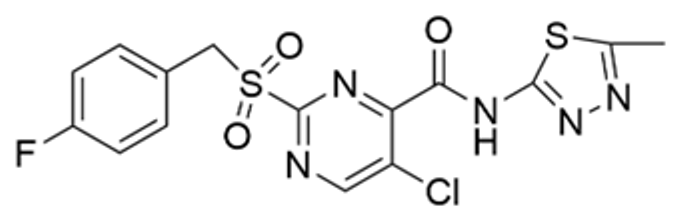 | 2.3 μM | Specifically alkylates cysteine residues on mutant p53 to stabilize its conformation, leading to robust transcription of p53 target genes and subsequently triggering cell cycle arrest and potent apoptosis. | Preclinical | Currently under in-depth preclinical investigation. PK11007 possesses good anti-tumor potential due to its ability to correct the conformation of mutation hotspots such as Y220C and induce cellular oxidative stress. | [123,124,125] |
Disclaimer/Publisher’s Note: The statements, opinions and data contained in all publications are solely those of the individual author(s) and contributor(s) and not of MDPI and/or the editor(s). MDPI and/or the editor(s) disclaim responsibility for any injury to people or property resulting from any ideas, methods, instructions or products referred to in the content. |
© 2026 by the authors. Licensee MDPI, Basel, Switzerland. This article is an open access article distributed under the terms and conditions of the Creative Commons Attribution (CC BY) license.
Share and Cite
Deng, W.; Gao, S.; Yan, L.; Su, Q.; Chen, S. The MDM2-p53 Axis in Osteosarcoma: Current Understanding of Regulatory Mechanisms and Targeted Therapeutic Strategies. Pharmaceuticals 2026, 19, 476. https://doi.org/10.3390/ph19030476
Deng W, Gao S, Yan L, Su Q, Chen S. The MDM2-p53 Axis in Osteosarcoma: Current Understanding of Regulatory Mechanisms and Targeted Therapeutic Strategies. Pharmaceuticals. 2026; 19(3):476. https://doi.org/10.3390/ph19030476
Chicago/Turabian StyleDeng, Wenxia, Songyan Gao, Lige Yan, Qiuju Su, and Si Chen. 2026. "The MDM2-p53 Axis in Osteosarcoma: Current Understanding of Regulatory Mechanisms and Targeted Therapeutic Strategies" Pharmaceuticals 19, no. 3: 476. https://doi.org/10.3390/ph19030476
APA StyleDeng, W., Gao, S., Yan, L., Su, Q., & Chen, S. (2026). The MDM2-p53 Axis in Osteosarcoma: Current Understanding of Regulatory Mechanisms and Targeted Therapeutic Strategies. Pharmaceuticals, 19(3), 476. https://doi.org/10.3390/ph19030476