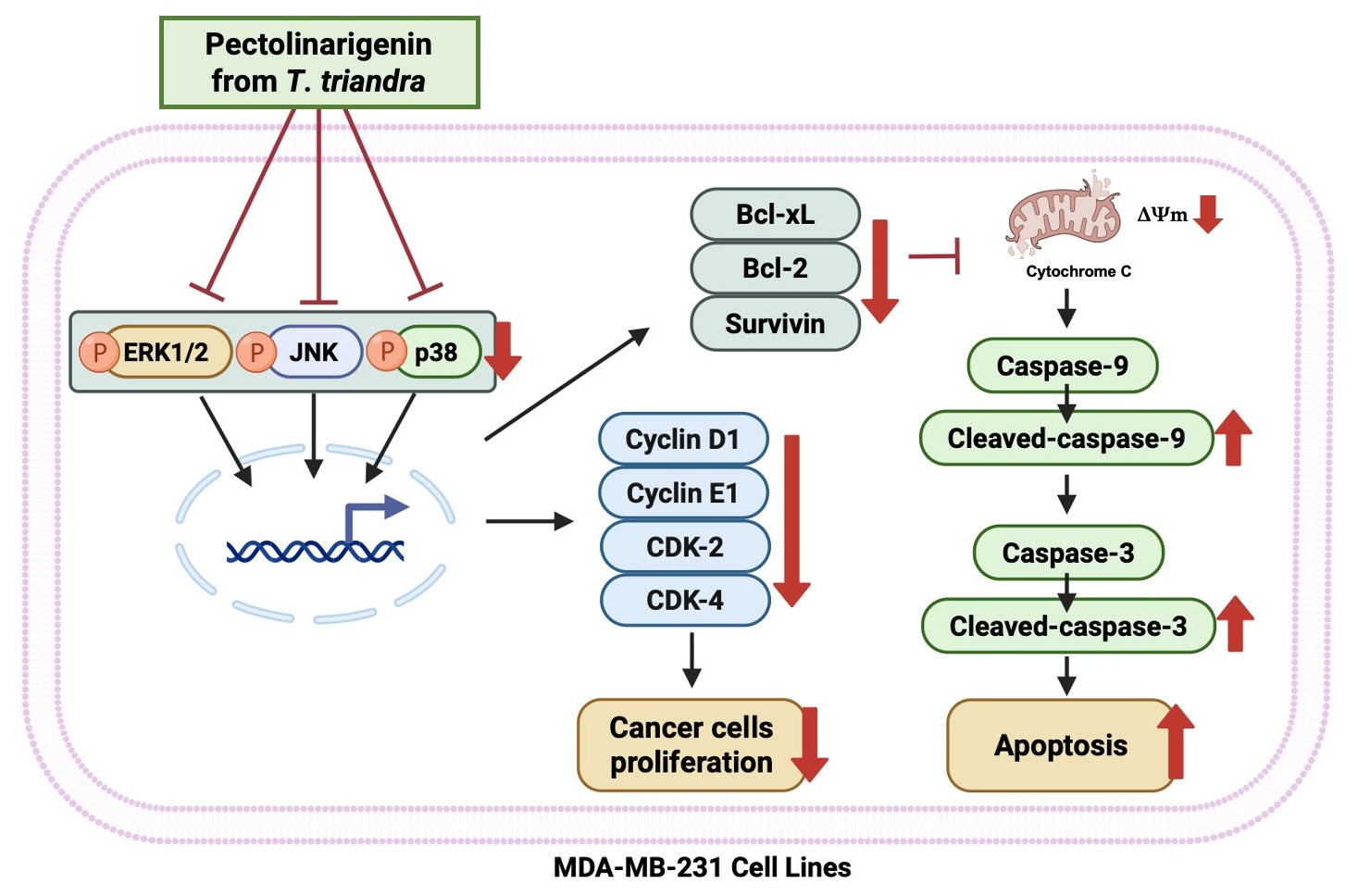
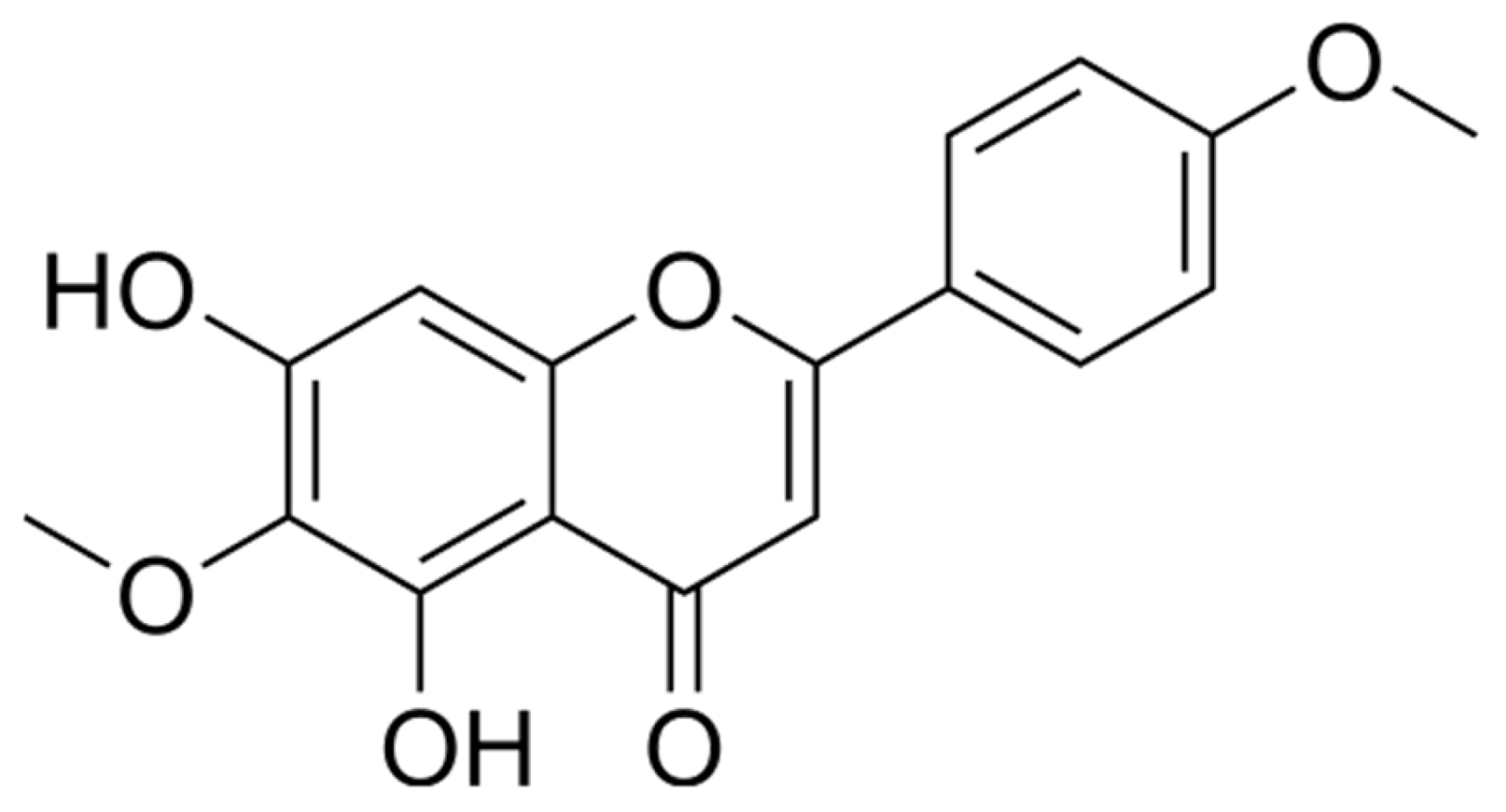
Pectolinarigenin from Tiliacora triandra Exhibits Potent Anticancer Activity in Triple-Negative Breast Cancer Cells Through Cell Cycle Arrest, Apoptosis, and MAPK Signaling Inhibition
 ,
,  , , and
Abstract
1. Introduction
2. Results
2.1. Phytochemical Characterization of T. triandra Extracts
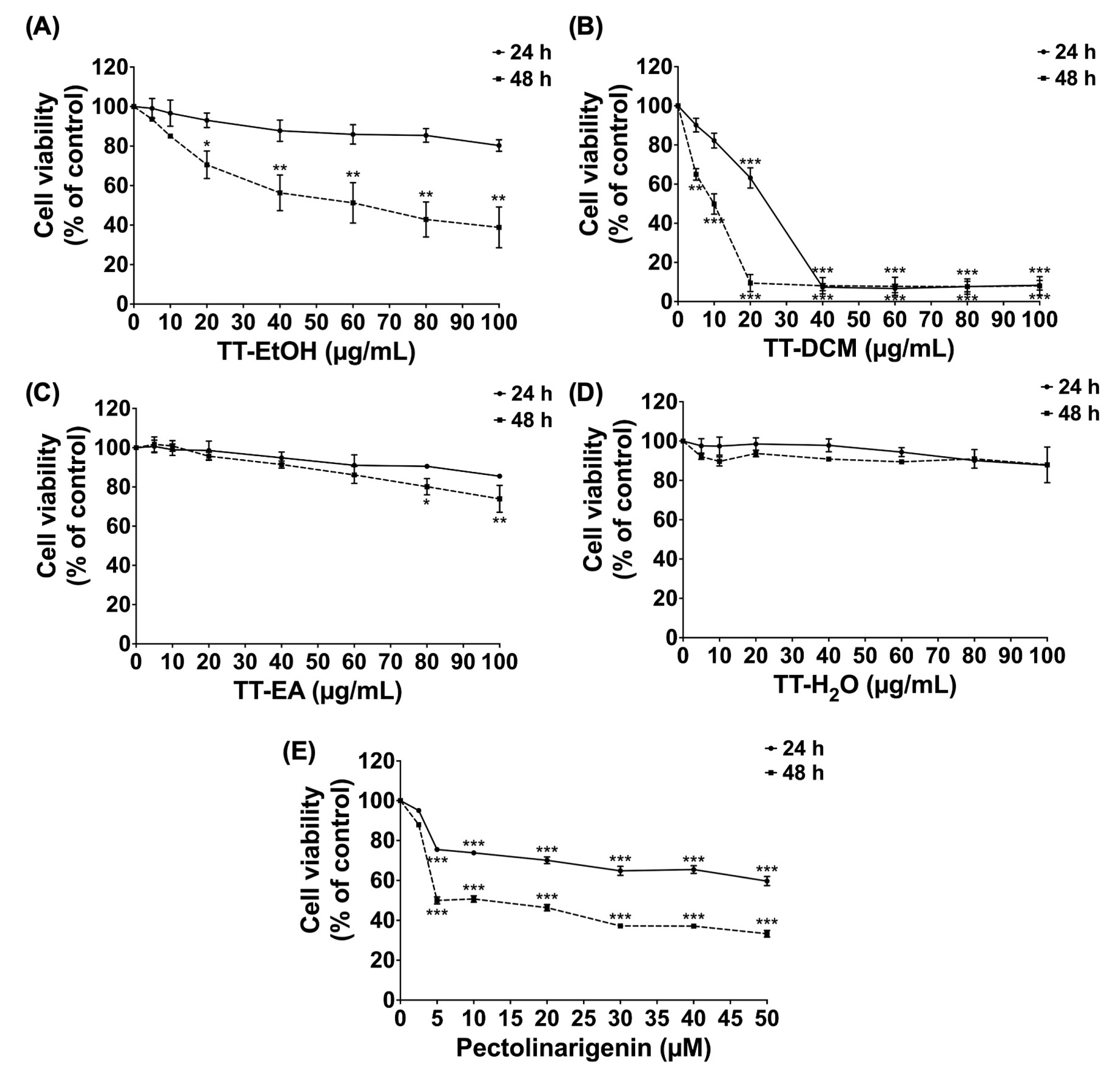
2.2. Effects of T. triandra Extracts and Pectolinarigenin on MDA-MB-231 Cell Viability
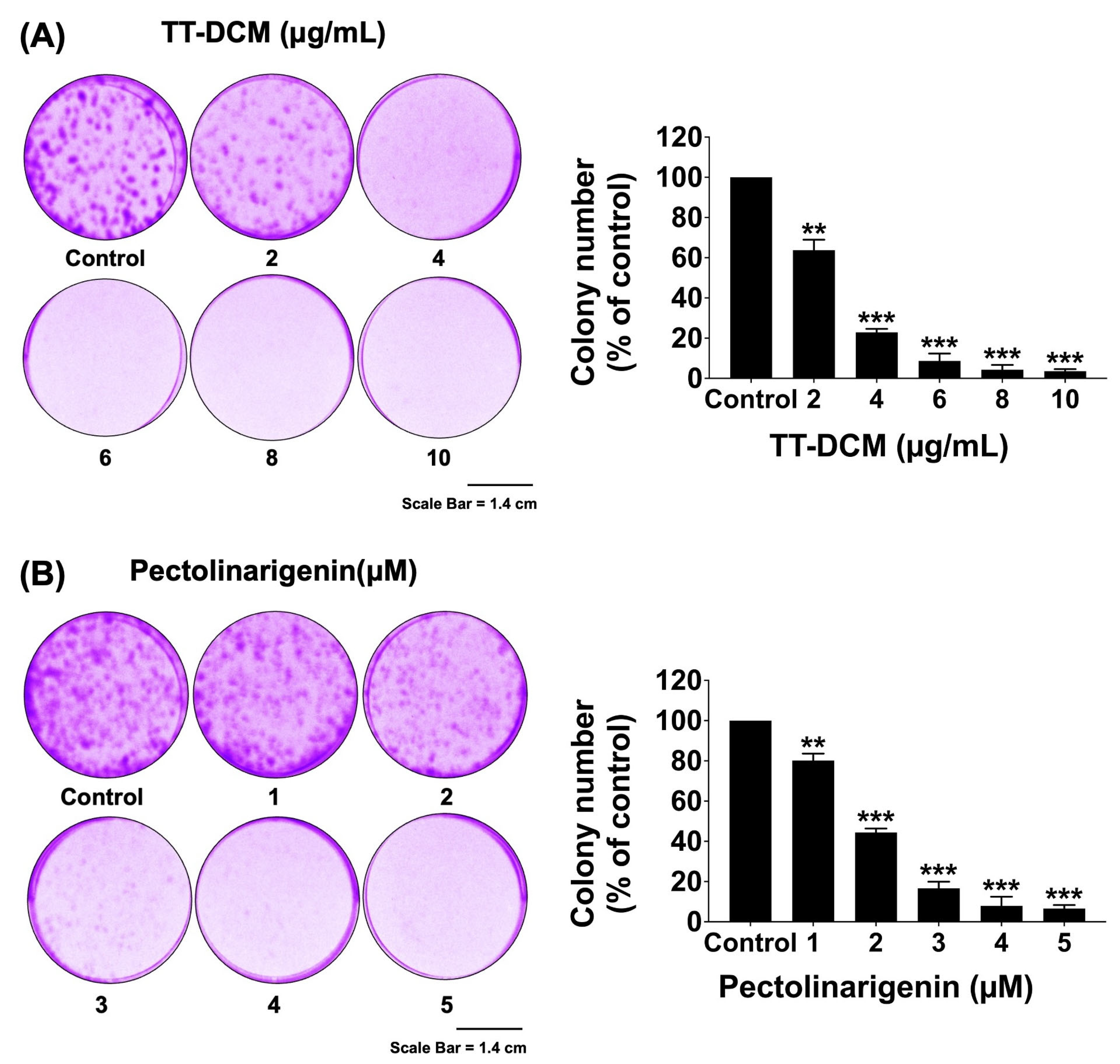
2.3. TT-DCM and Pectolinarigenin Reduce Clonogenic Growth of MDA-MB-231 Cells
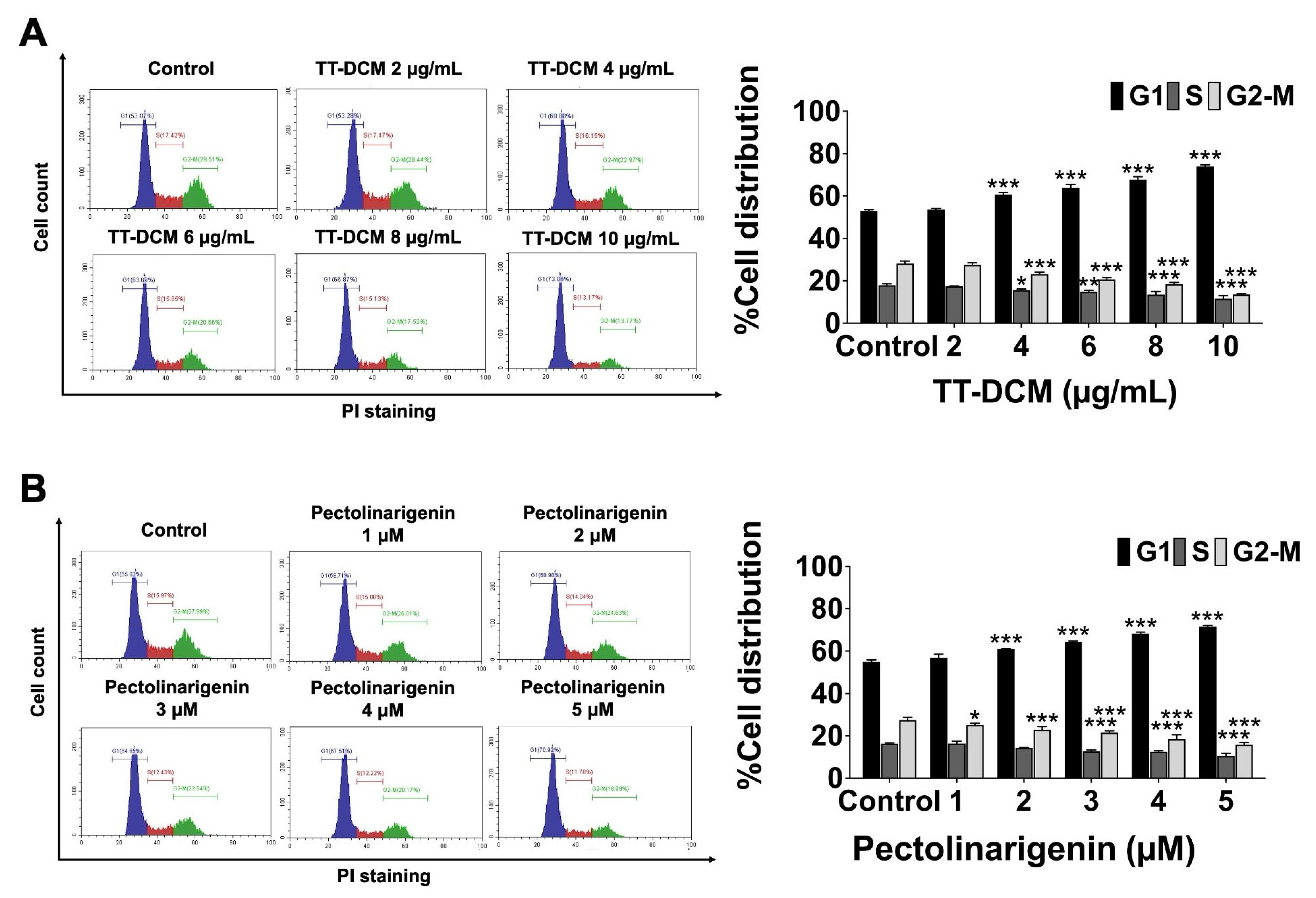
2.4. TT-DCM and Pectolinarigenin Induce G0/G1 Accumulation in MDA-MB-231 Cells
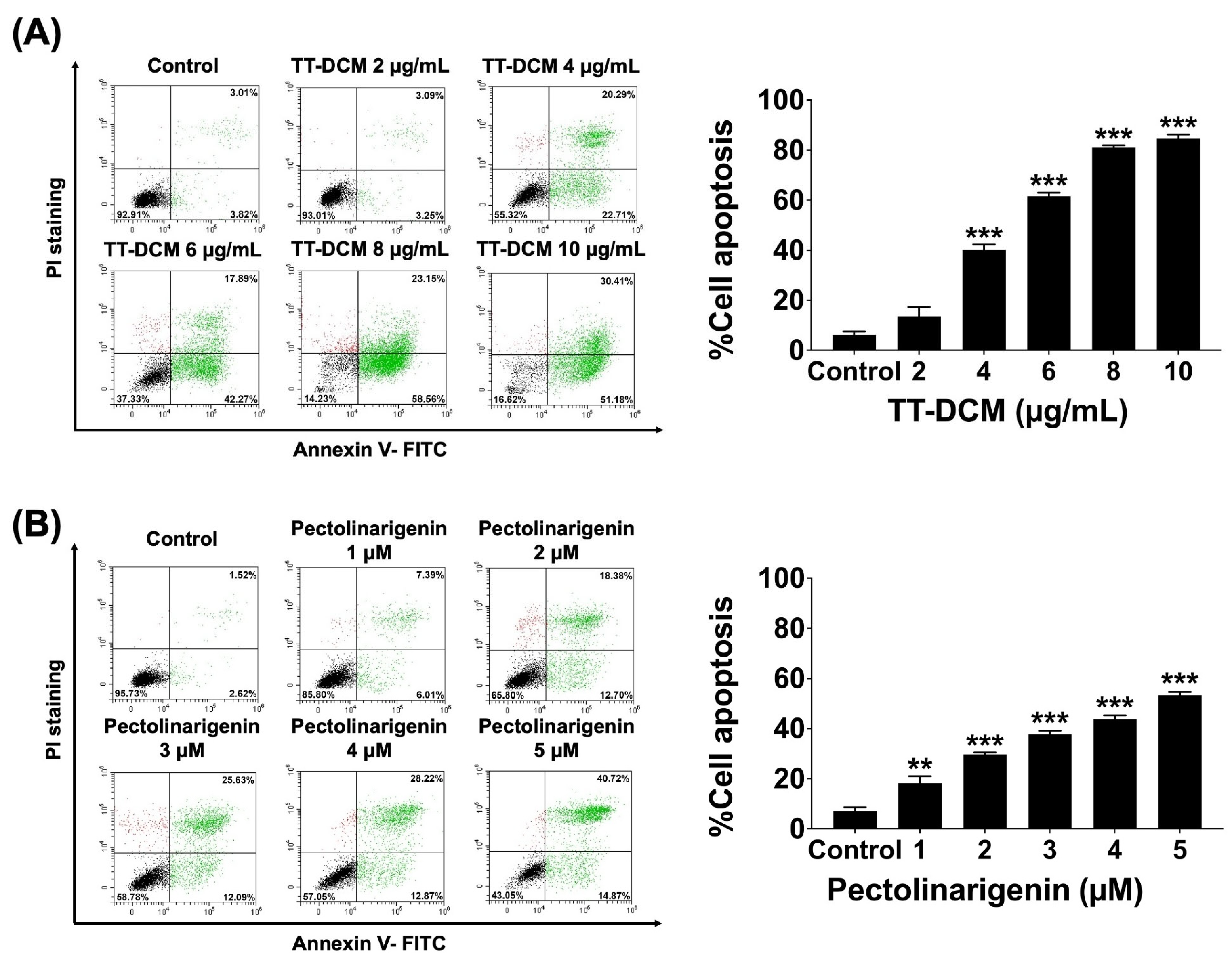
2.5. TT-DCM and Pectolinarigenin Promote Apoptosis in MDA-MB-231 Cells
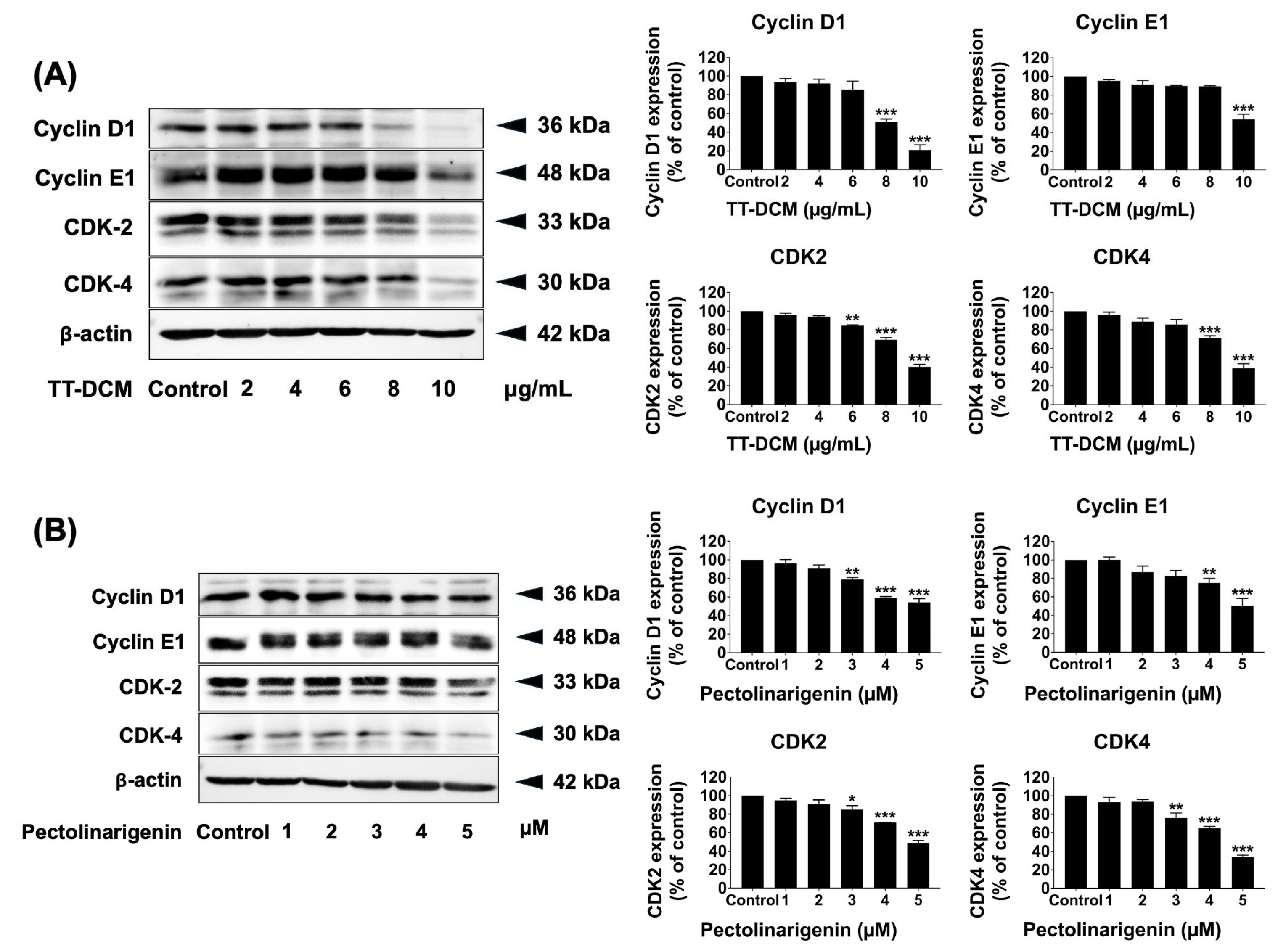
2.6. TT-DCM and Pectolinarigenin Downregulate G1/S Regulatory Proteins
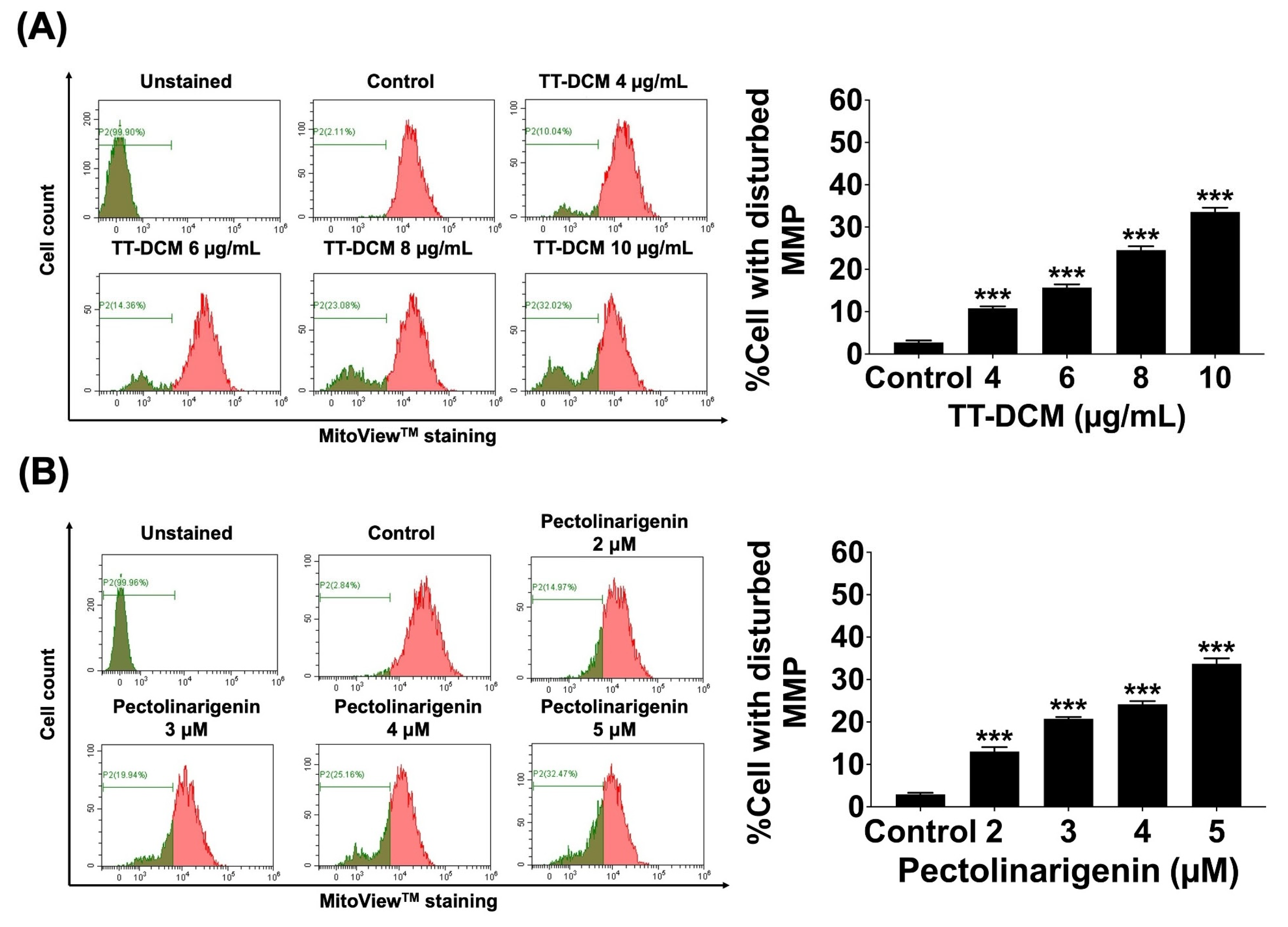
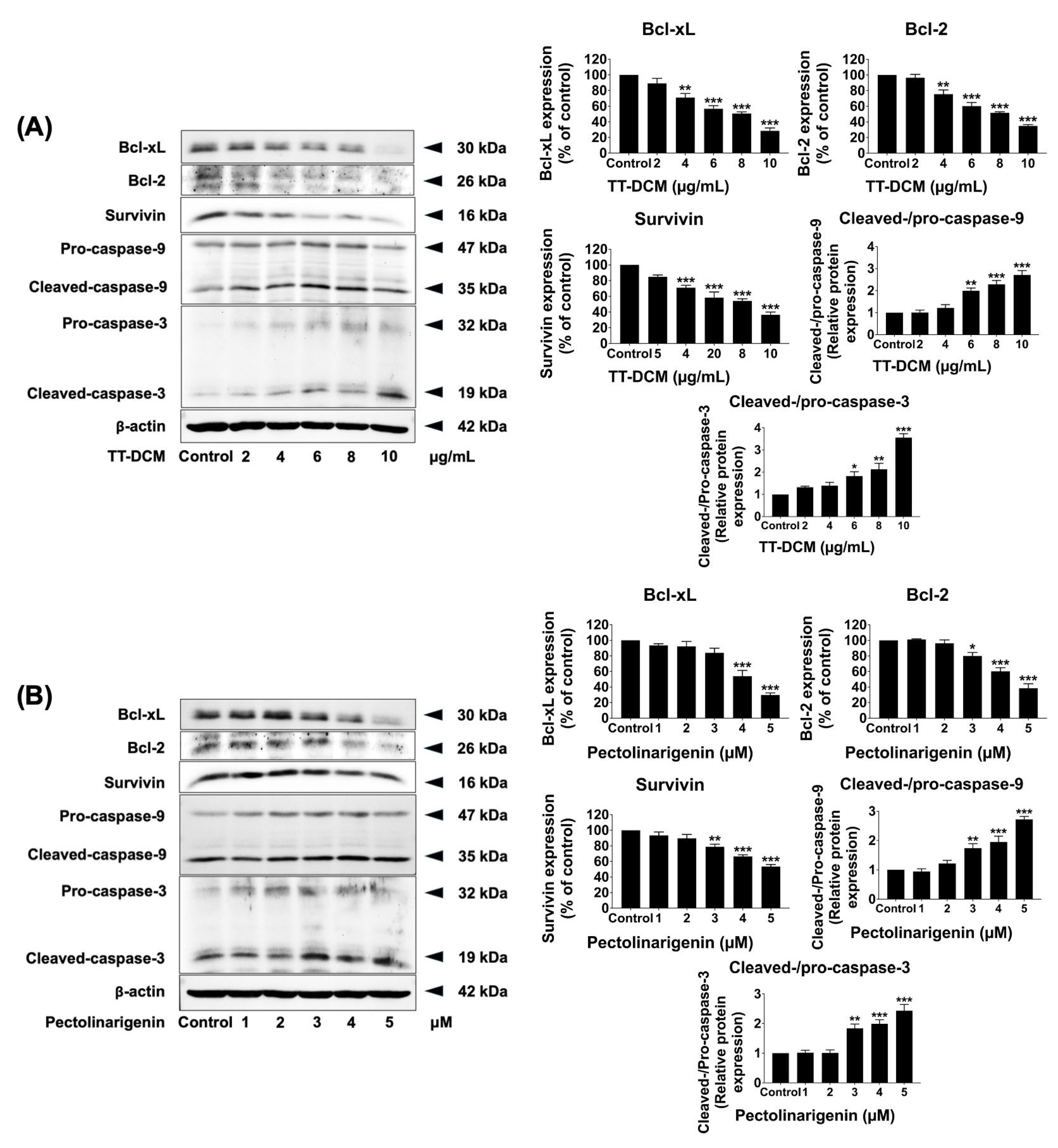
2.7. TT-DCM and Pectolinarigenin Impair Mitochondrial Membrane Potential and Modulate Apoptosis-Related Proteins
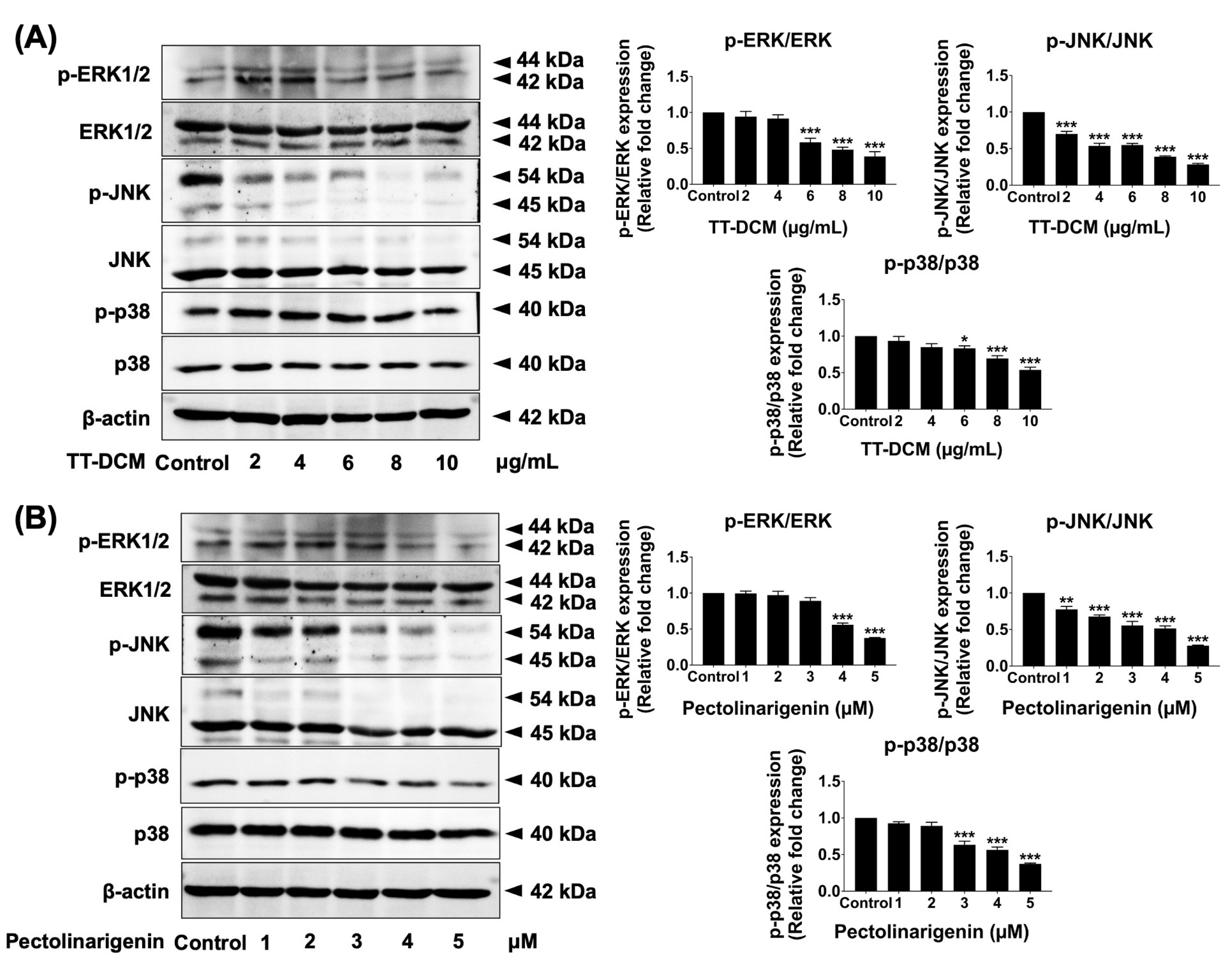
2.8. TT-DCM and Pectolinarigenin Attenuate MAPK Pathway Activation in MDA-MB-231 Cells
3. Discussion
4. Materials and Methods
4.1. Chemicals and Reagents
4.2. Preparation of T. triandra Extracts
4.3. Total Phenolic Content by Folin–Ciocalteu Method
4.4. Total Flavonoid Content by Aluminum Chloride Colorimetric Assay
4.5. HPLC Analysis and Quantification of Pectolinarigenin
4.6. Cell Culture
4.7. Cell Viability Test by SRB Assay
4.8. Colony Formation Assay
4.9. Cell Cycle Assay
4.10. Apoptosis Assay
4.11. Mitochondrial Membrane Potential Assay
4.12. Western Blot Analysis
4.13. Statistical Analysis
5. Conclusions
Supplementary Materials
Author Contributions
Funding
Institutional Review Board Statement
Informed Consent Statement
Data Availability Statement
Acknowledgments
Conflicts of Interest
References
- Zhang, Y.; Ji, Y.; Liu, S.; Li, J.; Wu, J.; Jin, Q.; Liu, X.; Duan, H.; Feng, Z.; Liu, Y.; et al. Global burden of female breast cancer: New estimates in 2022, temporal trend and future projections up to 2050 based on the latest release from GLOBOCAN. J. Natl. Cancer Cent. 2025, 5, 287–296. [Google Scholar] [CrossRef] [PubMed]
- Lakha, F.; Suriyawongpaisul, P.; Sangrajrang, S.; Leerapan, B.; Coker, R. Breast cancer in Thailand: Policy and health system challenges to universal healthcare. Health Policy Plan. 2020, 35, 1159–1167. [Google Scholar] [CrossRef] [PubMed]
- Zagami, P.; Carey, L.A. Triple negative breast cancer: Pitfalls and progress. npj Breast Cancer 2022, 8, 95. [Google Scholar] [CrossRef] [PubMed]
- Xiong, N.; Wu, H.; Yu, Z. Advancements and challenges in triple-negative breast cancer: A comprehensive review of therapeutic and diagnostic strategies. Front. Oncol. 2024, 14, 1405491. [Google Scholar] [CrossRef]
- Diana, A.; Carlino, F.; Franzese, E.; Oikonomidou, O.; Criscitiello, C.; De Vita, F.; Ciardiello, F.; Orditura, M. Early Triple Negative Breast Cancer: Conventional Treatment and Emerging Therapeutic Landscapes. Cancers 2020, 12, 819. [Google Scholar] [CrossRef]
- Marra, A.; Trapani, D.; Viale, G.; Criscitiello, C.; Curigliano, G. Practical classification of triple-negative breast cancer: Intratumoral heterogeneity, mechanisms of drug resistance, and novel therapies. npj Breast Cancer 2020, 6, 54. [Google Scholar] [CrossRef]
- Cragg, G.M.; Grothaus, P.G.; Newman, D.J. Impact of natural products on developing new anti-cancer agents. Chem. Rev. 2009, 109, 3012–3043. [Google Scholar] [CrossRef]
- Martino, E.; Casamassima, G.; Castiglione, S.; Cellupica, E.; Pantalone, S.; Papagni, F.; Rui, M.; Siciliano, A.M.; Collina, S. Vinca alkaloids and analogues as anti-cancer agents: Looking back, peering ahead. Bioorg. Med. Chem. Lett. 2018, 28, 2816–2826. [Google Scholar] [CrossRef]
- Chunarkar-Patil, P.; Kaleem, M.; Mishra, R.; Ray, S.; Ahmad, A.; Verma, D.; Bhayye, S.; Dubey, R.; Singh, H.N.; Kumar, S. Anticancer Drug Discovery Based on Natural Products: From Computational Approaches to Clinical Studies. Biomedicines 2024, 12, 201. [Google Scholar] [CrossRef]
- Shukla, S.; Shukla, A.K.; Upadhyay, A.M.; Ray, N.; Fahad, F.I.; Nagappan, A.; Dutta, S.D.; Mongre, R.K. Molecular insight and antioxidative therapeutic potentials of plant-derived compounds in breast cancer treatment. Onco 2025, 5, 27. [Google Scholar] [CrossRef]
- Dewi, C.; Fristiohady, A.; Amalia, R.; Khairul Ikram, N.K.; Ibrahim, S.; Muchtaridi, M. Signaling Pathways and Natural Compounds in Triple-Negative Breast Cancer Cell Line. Molecules 2022, 27, 3661. [Google Scholar] [CrossRef]
- Nutmakul, T. Phytochemical and pharmacological activity of Tiliacora triandra (Colebr.) Diels. Songklanakarin J. Sci. Technol. 2021, 43, 1264–1274. [Google Scholar]
- Phunchago, N.; Wattanathorn, J.; Chaisiwamongkol, K. Tiliacora triandra, an Anti-Intoxication Plant, Improves Memory Impairment, Neurodegeneration, Cholinergic Function, and Oxidative Stress in Hippocampus of Ethanol Dependence Rats. Oxidative Med. Cell. Longev. 2015, 2015, 918426. [Google Scholar] [CrossRef] [PubMed]
- Juckmeta, T.; Pipatrattanaseree, W.; Jaidee, W.; Dechayont, B.; Chunthorng-Orn, J.; Andersen, R.J.; Itharat, A. Cytotoxicity to five cancer cell lines of the respiratory tract system and anti-inflammatory activity of Thai traditional remedy. Nat. Prod. Commun. 2019, 14, 1934578X19845815. [Google Scholar] [CrossRef]
- Das, G.; Gouda, S.; Kerry, R.G.; Cortes, H.; Prado-Audelo, M.L.D.; Leyva-Gomez, G.; Tsouh Fokou, P.V.; Gutiérrez-Grijalva, E.P.; Heredia, J.B.; Shin, H.-S. Study of traditional uses, extraction procedures, phytochemical constituents, and pharmacological properties of Tiliacora triandra. J. Chem. 2022, 2022, 8754528. [Google Scholar] [CrossRef]
- Deng, Z.; Shen, D.; Yu, M.; Zhou, F.; Shan, D.; Fang, Y.; Jin, W.; Qian, K.; Li, S.; Wang, G.; et al. Pectolinarigenin inhibits bladder urothelial carcinoma cell proliferation by regulating DNA damage/autophagy pathways. Cell Death Discov. 2023, 9, 214. [Google Scholar] [CrossRef]
- Zhang, T.; Li, S.; Li, J.; Yin, F.; Hua, Y.; Wang, Z.; Wang, H.; Zuo, D.; Xu, J.; Cai, Z. Pectolinarigenin acts as a potential anti-osteosarcoma agent via mediating SHP-1/JAK2/STAT3 signaling. Biomed. Pharmacother. 2022, 153, 113323. [Google Scholar] [CrossRef]
- Mir, M.A.; Qayoom, H.; Mehraj, U.; Nisar, S.; Bhat, B.; Wani, N.A. Targeting Different Pathways Using Novel Combination Therapy in Triple Negative Breast Cancer. Curr. Cancer Drug Targets 2020, 20, 586–602. [Google Scholar] [CrossRef]
- Xu, H.; Ren, S.; Wang, Y.; Zhang, T.; Lu, J. Abnormal activation of the Ras/MAPK signaling pathway in oncogenesis and progression. Cancer Adv. 2025, 8, e25002. [Google Scholar] [CrossRef]
- Medina, M.A.; Oza, G.; Sharma, A.; Arriaga, L.G.; Hernández Hernández, J.M.; Rotello, V.M.; Ramirez, J.T. Triple-Negative Breast Cancer: A Review of Conventional and Advanced Therapeutic Strategies. Int. J. Environ. Res. Public Health 2020, 17, 2078. [Google Scholar] [CrossRef]
- Jiang, W.; Wang, X.; Zhang, C.; Xue, L.; Yang, L. Expression and clinical significance of MAPK and EGFR in triple-negative breast cancer. Oncol. Lett. 2020, 19, 1842–1848. [Google Scholar] [CrossRef]
- Li, Q.; Ye, Z.; Wang, G.; Chen, Y.; Deng, J.; Wang, D.; Wang, Y. Natural Products as Novel Therapeutic Agents for Triple-Negative Breast Cancer: Current Evidence, Mechanisms, Challenges, and Opportunities. Molecules 2025, 30, 1201. [Google Scholar] [CrossRef] [PubMed]
- Kwuansawat, T.; Sriplee, S.; Meelek, P.; Sujayanont, P. Comprehensive Antioxidant Evaluation of Tiliacora triandra Extracts: Assays of Leaf, Stem, and Root. Pharmacogn. J. 2025, 17, 95–98. [Google Scholar] [CrossRef]
- Samankul, A.; Senawong, G.; Utaiwat, S.; Prompipak, J.; Woranam, K.; Phaosiri, C.; Sripa, B.; Senawong, T. Tiliacora triandra Leaf Powder Ethanolic Extract in Combination with Cisplatin or Gemcitabine Synergistically Inhibits the Growth of Cholangiocarcinoma Cells In Vitro and in Nude Mouse Xenograft Models. Medicina 2023, 59, 1269. [Google Scholar] [CrossRef] [PubMed]
- Li, Y.; Gan, C.; Zhang, Y.; Yu, Y.; Fan, C.; Deng, Y.; Zhang, Q.; Yu, X.; Zhang, Y.; Wang, L.; et al. Inhibition of Stat3 Signaling Pathway by Natural Product Pectolinarigenin Attenuates Breast Cancer Metastasis. Front. Pharmacol. 2019, 10, 1195. [Google Scholar] [CrossRef]
- Vichai, V.; Kirtikara, K. Sulforhodamine B colorimetric assay for cytotoxicity screening. Nat. Protoc. 2006, 1, 1112–1116. [Google Scholar] [CrossRef]
- Orellana, E.A.; Kasinski, A.L. Sulforhodamine B (SRB) Assay in Cell Culture to Investigate Cell Proliferation. Bio Protoc. 2016, 6, e1984. [Google Scholar] [CrossRef]
- Lee, H.J.; Venkatarame Gowda Saralamma, V.; Kim, S.M.; Ha, S.E.; Raha, S.; Lee, W.S.; Kim, E.H.; Lee, S.J.; Heo, J.D.; Kim, G.S. Pectolinarigenin Induced Cell Cycle Arrest, Autophagy, and Apoptosis in Gastric Cancer Cell via PI3K/AKT/mTOR Signaling Pathway. Nutrients 2018, 10, 1043. [Google Scholar] [CrossRef]
- Deng, Y.; Zhang, Q.; Li, Y.; Wang, L.; Yang, S.; Chen, X.; Gan, C.; He, F.; Ye, T.; Yin, W. Pectolinarigenin inhibits cell viability, migration and invasion and induces apoptosis via a ROS-mitochondrial apoptotic pathway in melanoma cells. Oncol. Lett. 2020, 20, 116. [Google Scholar] [CrossRef]
- Patel, K.; Patel, D.K. Health beneficial potential of pectolinarigenin on human diseases: An updated review of medicinal importance and pharmacological activity. Nat. Prod. J. 2021, 11, 3–12. [Google Scholar] [CrossRef]
- Ding, B.; Wang, X.; Zhang, Z.; Wang, Y.; Bo, W.; Zhang, M.; Tian, Z.; Wang, Y.; Xue, X.; Zhang, M. Interactions between LncRNAs and MAPK signaling pathways in the pathogenesis of breast cancer. Cancer Cell Int. 2025, 25, 339. [Google Scholar] [CrossRef] [PubMed]
- Mustafa, M.; Abbas, K.; Alam, M.; Ahmad, W.; Moinuddin; Usmani, N.; Siddiqui, S.A.; Habib, S. Molecular pathways and therapeutic targets linked to triple-negative breast cancer (TNBC). Mol. Cell. Biochem. 2024, 479, 895–913. [Google Scholar] [CrossRef] [PubMed]
- Guvenir Celik, E.; Eroglu, O. Combined treatment with ruxolitinib and MK-2206 inhibits the JAK2/STAT5 and PI3K/AKT pathways via apoptosis in MDA-MB-231 breast cancer cell line. Mol. Biol. Rep. 2023, 50, 319–329. [Google Scholar] [CrossRef] [PubMed]
- Hosford, S.R.; Miller, T.W. Clinical potential of novel therapeutic targets in breast cancer: CDK4/6, Src, JAK/STAT, PARP, HDAC, and PI3K/AKT/mTOR pathways. Pharmacogenom. Pers. Med. 2014, 7, 203–215. [Google Scholar] [CrossRef][Green Version]
- Park, E.J.; Min, H.Y.; Chung, H.J.; Hong, J.Y.; Kang, Y.J.; Hung, T.M.; Youn, U.J.; Kim, Y.S.; Bae, K.; Kang, S.S.; et al. Down-regulation of c-Src/EGFR-mediated signaling activation is involved in the honokiol-induced cell cycle arrest and apoptosis in MDA-MB-231 human breast cancer cells. Cancer Lett. 2009, 277, 133–140. [Google Scholar] [CrossRef]
- Chun, J.; Kim, Y.S. Platycodin D inhibits migration, invasion, and growth of MDA-MB-231 human breast cancer cells via suppression of EGFR-mediated Akt and MAPK pathways. Chem.-Biol. Interact. 2013, 205, 212–221. [Google Scholar] [CrossRef]
- Mingo-Sion, A.M.; Marietta, P.M.; Koller, E.; Wolf, D.M.; Van Den Berg, C.L. Inhibition of JNK reduces G2/M transit independent of p53, leading to endoreduplication, decreased proliferation, and apoptosis in breast cancer cells. Oncogene 2004, 23, 596–604. [Google Scholar] [CrossRef]
- Lamuela-Raventós, R.M. Folin–Ciocalteu method for the measurement of total phenolic content and antioxidant capacity. In Measurement of Antioxidant Activity & Capacity: Recent Trends and Applications; John Wiley & Sons Ltd.: New York, NY, USA, 2018; pp. 107–115. [Google Scholar]
- Kosalec, I.; Pepeljnjak, S.; Bakmaz, M.; Vladimir-Knezević, S. Flavonoid analysis and antimicrobial activity of commercially available propolis products. Acta Pharm. 2005, 55, 423–430. [Google Scholar]
- Chunthorng-Orn, J.; Pipatrattanaseree, W.; Juckmeta, T.; Dechayont, B.; Phuaklee, P.; Itharat, A. Quality evaluation and pectolinarigenin contents analysis of Harak remedy in Thailand. J. Health Sci. Altern. Med. 2019, 1, 25–33. [Google Scholar]



| T. triandra Extracts (ext.) | Total Phenolic Content (mg GAE/g ext.) | Total Flavonoid Content (mg CE/g ext.) | Pectolinarigenin Content (mg/g ext.) |
|---|---|---|---|
| TT-EtOH | 142.516 ± 3.26 | 53.124 ± 2.88 | 2.48 ± 0.64 |
| TT-DCM | 183.23 ± 26.82 | 101.14 ± 5.91 a | 14.24 ± 2.32 *** |
| TT-EA | 231.40 ± 28.86 *** | 110.95 ± 5.34 a | ND |
| TT-H2O | 124.45 ± 22.23 | 50.11 ± 6.27 | ND |
Disclaimer/Publisher’s Note: The statements, opinions and data contained in all publications are solely those of the individual author(s) and contributor(s) and not of MDPI and/or the editor(s). MDPI and/or the editor(s) disclaim responsibility for any injury to people or property resulting from any ideas, methods, instructions or products referred to in the content. |
© 2026 by the authors. Licensee MDPI, Basel, Switzerland. This article is an open access article distributed under the terms and conditions of the Creative Commons Attribution (CC BY) license.
Share and Cite
Arjsri, P.; Semmarath, W.; Srisawad, K.; Intanil, I.; Thippraphan, P.; Dejkriengkraikul, P. Pectolinarigenin from Tiliacora triandra Exhibits Potent Anticancer Activity in Triple-Negative Breast Cancer Cells Through Cell Cycle Arrest, Apoptosis, and MAPK Signaling Inhibition. Pharmaceuticals 2026, 19, 384. https://doi.org/10.3390/ph19030384
Arjsri P, Semmarath W, Srisawad K, Intanil I, Thippraphan P, Dejkriengkraikul P. Pectolinarigenin from Tiliacora triandra Exhibits Potent Anticancer Activity in Triple-Negative Breast Cancer Cells Through Cell Cycle Arrest, Apoptosis, and MAPK Signaling Inhibition. Pharmaceuticals. 2026; 19(3):384. https://doi.org/10.3390/ph19030384
Chicago/Turabian StyleArjsri, Punnida, Warathit Semmarath, Kamonwan Srisawad, Intranee Intanil, Pilaiporn Thippraphan, and Pornngarm Dejkriengkraikul. 2026. "Pectolinarigenin from Tiliacora triandra Exhibits Potent Anticancer Activity in Triple-Negative Breast Cancer Cells Through Cell Cycle Arrest, Apoptosis, and MAPK Signaling Inhibition" Pharmaceuticals 19, no. 3: 384. https://doi.org/10.3390/ph19030384
APA StyleArjsri, P., Semmarath, W., Srisawad, K., Intanil, I., Thippraphan, P., & Dejkriengkraikul, P. (2026). Pectolinarigenin from Tiliacora triandra Exhibits Potent Anticancer Activity in Triple-Negative Breast Cancer Cells Through Cell Cycle Arrest, Apoptosis, and MAPK Signaling Inhibition. Pharmaceuticals, 19(3), 384. https://doi.org/10.3390/ph19030384