

Emerging Breakthroughs in Nano-Ginseng Innovations and Their Therapeutic Implications in Type 2 Diabetes

Abstract
1. Introduction
1.1. Current Overview of Type 2 Diabetes Prevalence
1.2. Herbal Medicines, Plant Secondary Metabolites, and Diabetes Management: Molecular Mechanisms and Nanotechnological Advances
1.3. Objectives and Highlights of the Review
- To investigate the current nano-innovations in ginseng and the antidiabetic mechanisms of bioactive ginsenosides.
- To evaluate the emerging strategies and research gaps in the field.
- To provide feasible solutions to address the limitations associated with ginseng-based therapeutics for drug development.
2. Materials and Methods
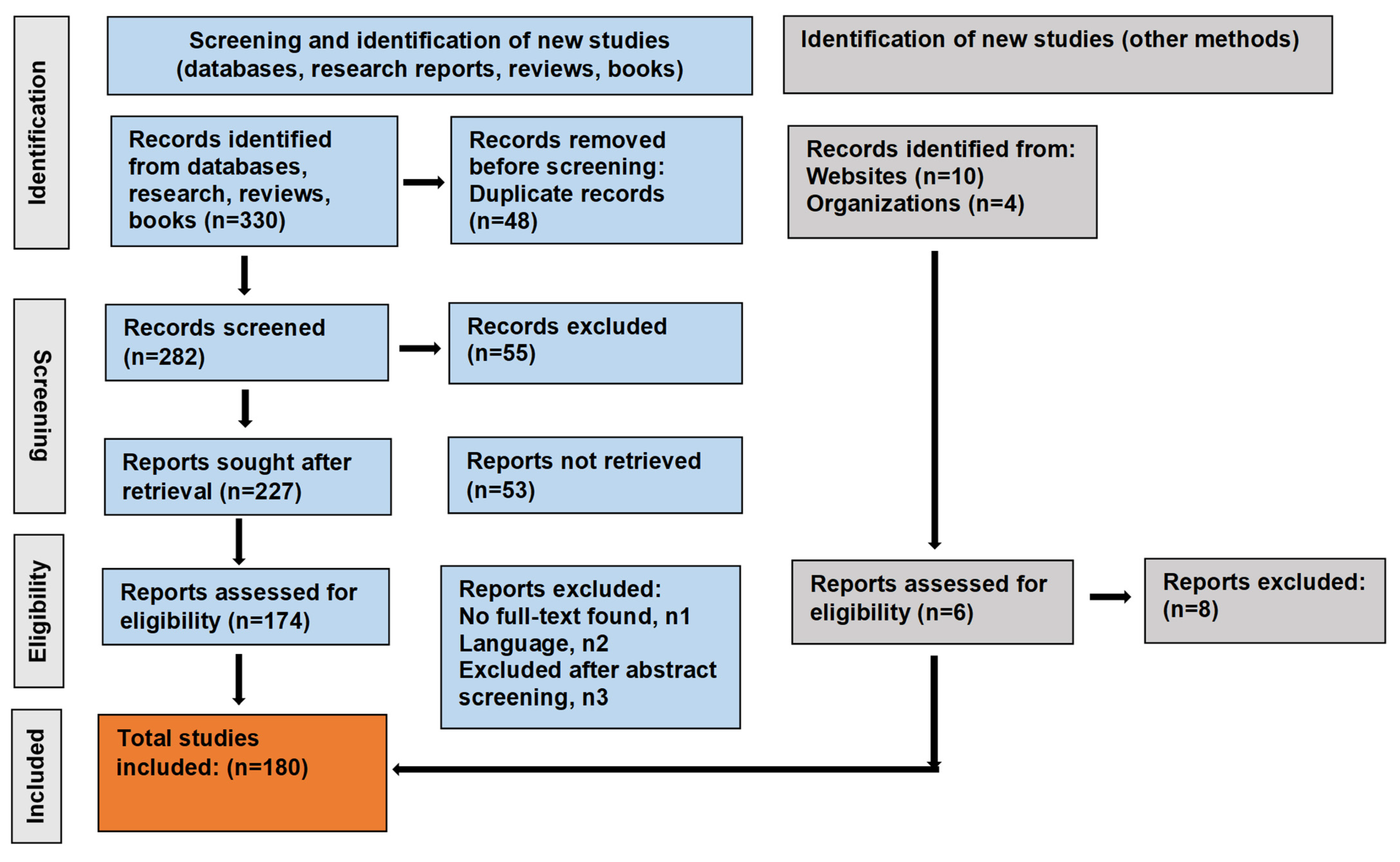
2.1. Review Design and Methodology
2.2. Inclusion and Exclusion Criteria
3. Results
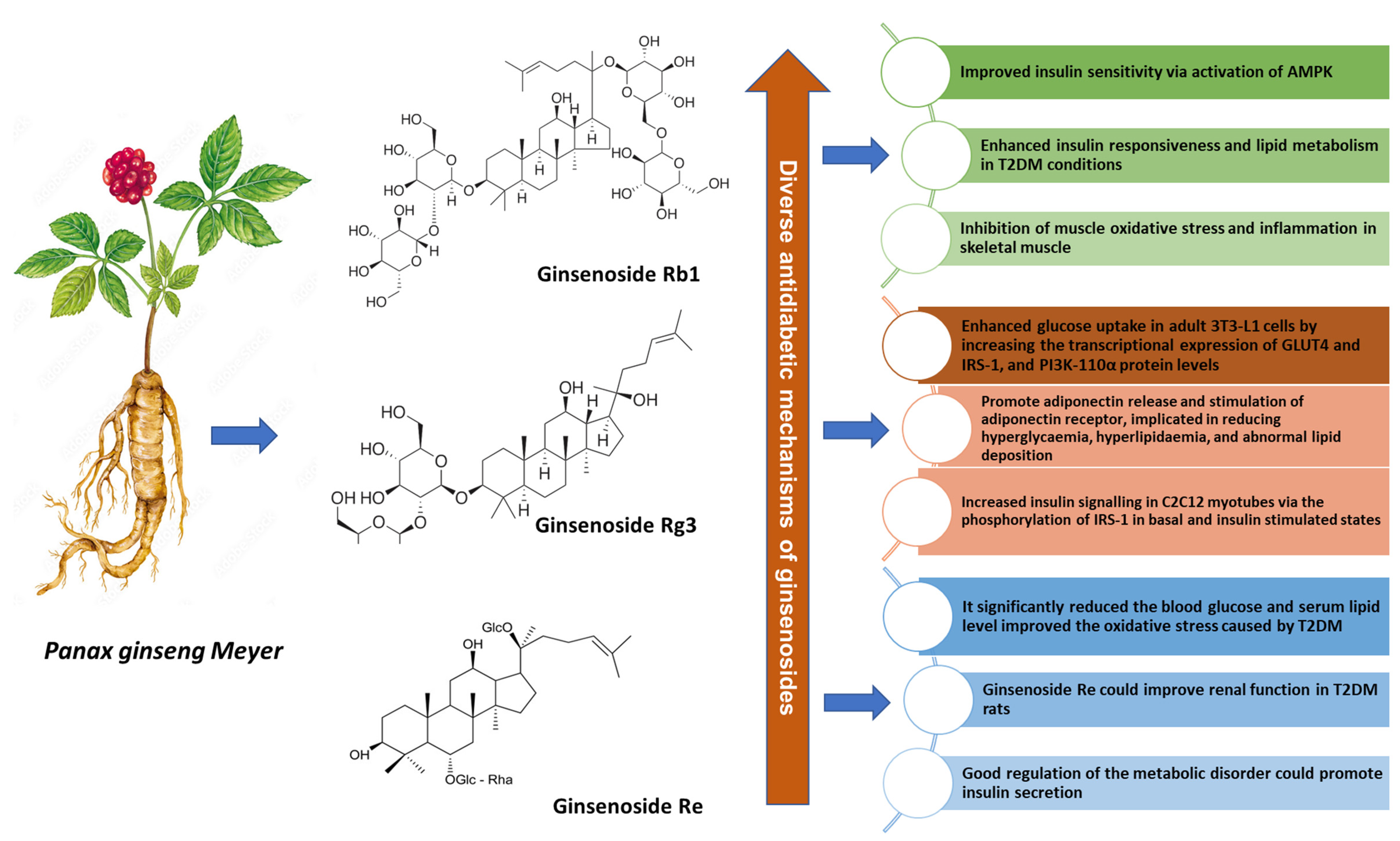
3.1. Antidiabetic Mechanisms of Ginsenosides and Clinical Efficacies
3.1.1. Ginsenoside Rg1 and Antidiabetic Mechanisms
3.1.2. Ginsenoside Rd and Mechanisms in Type 2 Diabetes
3.1.3. Ginsenoside Rg3 and Antidiabetic Mechanisms
3.1.4. Ginsenoside Rb1 and Mechanisms in Type 2 Diabetes
3.2. Progress in the Evaluation of Ginsenoside-Based Antidiabetic Therapeutics in Clinical Trials
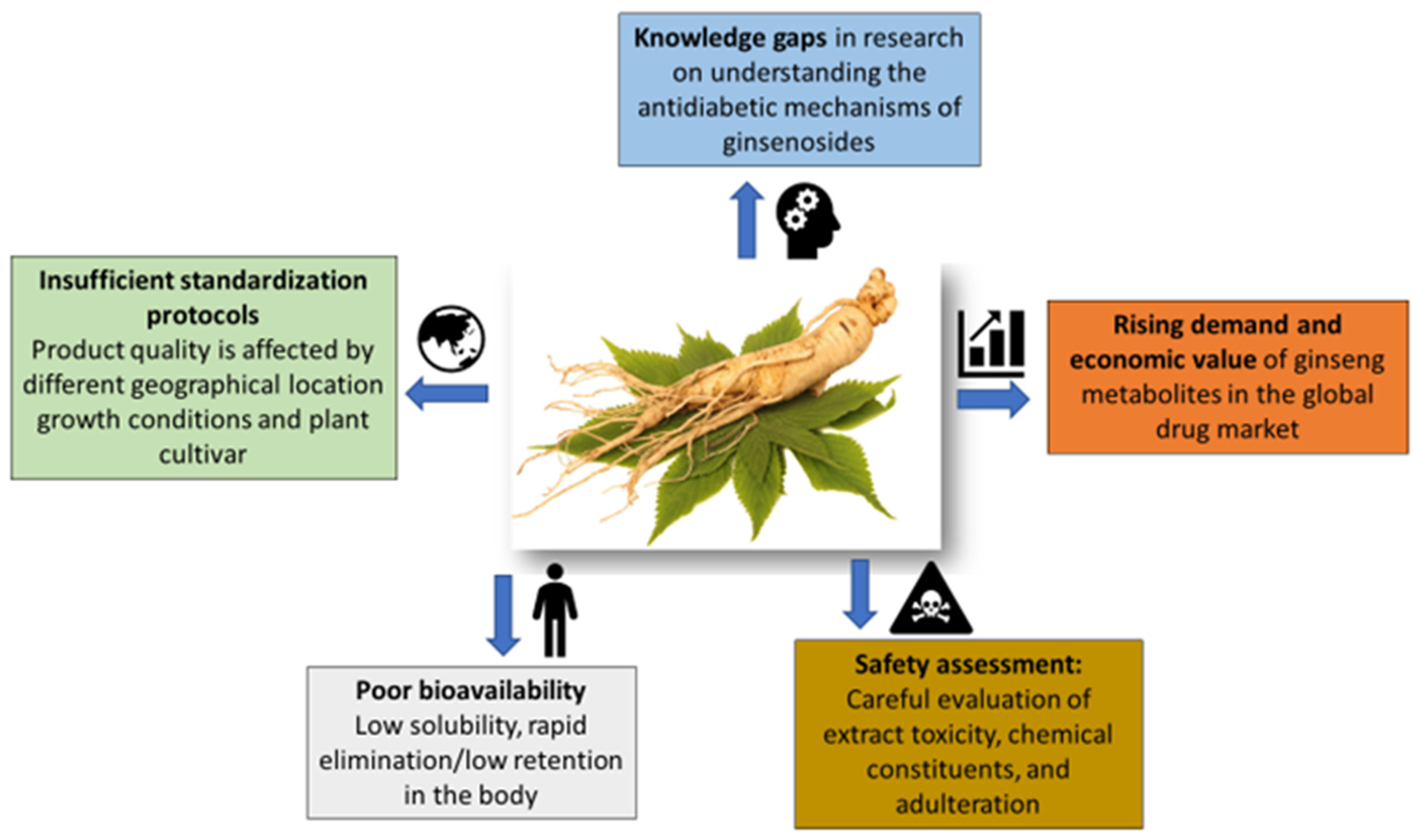
4. Discussion
Considerations of Safety, Toxicity, and Regulatory Issues of Nanomaterials in Healthcare Applications
5. Conclusions
Author Contributions
Funding
Institutional Review Board Statement
Informed Consent Statement
Data Availability Statement
Acknowledgments
Conflicts of Interest
Abbreviations
| DM | Diabetes mellitus |
| WHO | World Health Organization |
| GLP | glucagon-like peptide-1 |
| IGT | impaired glucose tolerance |
| KRG | Korean red ginseng |
| NHDs | nanotized herbal drugs |
| GLP-1 RA | glucagon-like peptide-1 receptor agonist |
| SGLT2 | sodium-glucose cotransporter 2 |
| ROS | reactive oxygen species |
| PTP1B | protein tyrosine phosphatase 1B |
| PPARγ | peroxisome proliferator-activated receptor γ |
| TC | total cholesterol |
| VLDL | very-low-density lipoprotein |
| HDL | high-density lipoprotein |
| LDL | low-density lipoprotein |
| ML | machine learning |
| NPs | nanoparticles |
| NLCs | nanostructured lipid carriers |
| HMSNs | hollow mesoporous silica nanoparticles |
| CeO2 | cerium oxide |
| CS-ZnO-RS | chitosan-zinc oxide-resveratrol |
| GRP78 | glucose-regulated protein 78 |
| p-IRE1α | phospho-inositol-requiring enzyme 1 alpha |
| p-eIF2α | phospho eukaryotic initiation factor-2α |
| p-PERK | phospho protein kinase R (PKR)-like endoplasmic reticulum kinase |
| IL-6 | interleukin 6 |
| MCP-1 | monocyte chemoattractant protein-1 |
| RME | Ramulus mori extract |
| AuNPs | gold nanoparticles |
| siRNA | small interfering RNA |
| PHD-2 | prolyl-hydroxylase domain 2 |
| CCMBs | chitosan–carrageenan microbeads |
| α-SMA | α-smooth muscle actin |
| curcumin-loaded rhamnosomes | platelet endothelial cell adhesion molecule 1 |
| CD31 | Cur-R |
| CCN1 | cellular communication network factor 1 |
| DPP-4 | dipeptidyl peptidase-4 |
| Cas9-RNP | CRISPR-associated protein 9-ribonucleic protein |
| DNA | deoxyribonucleic acid |
| GL | glycyrrhizin |
| TQ | thymoquinone |
| SLNs | solid lipid nanoparticles |
| GOx | glucose oxidase |
| PLGA | poly(lactic-co-glycolic) acid |
| HbA1c | hemoglobin A1c |
| HPLC | high-performance liquid chromatography |
| MS | mass spectrometry |
| USD | US dollar |
| PRISMA | preferred reporting items for systematic reviews and meta-analyses |
| PPT | protopanaxatriol |
| PPD | protopanaxadiol |
| AMPK | AMP-activated protein kinase |
| GLUT4 | glucose transporter type 4 |
| C2C12 | mouse myoblast cell line |
| ERK | hepatocellular carcinoma extracellular signal-regulated kinase |
| p38 MAPK | p38 mitogen-activated protein kinase |
| HepG2 | hepatocellular carcinoma cell line |
| AKT1 | serine-threonine protein kinase |
| JNK | c-Jun N-terminal kinase |
| IRS-1 | insulin receptor substrate 1 |
| PI3K | phosphatidylinositol 3-kinase |
| HFD | high-fat diet |
| HOMA-IR | homeostasis model assessment of insulin resistance |
| IFG | impaired fasting glucose |
| BMI | body mass index |
| AG | American ginseng |
| KGB | konjac-glucomannan-based fiber blend |
| BBB | blood–brain barrier |
| PEG | polyethylene glycol |
References
- Ong, K.L.; Stafford, L.K.; McLaughlin, S.A.; Boyko, E.J.; Vollset, S.E.; Smith, A.E.; Dalton, B.E.; Duprey, J.; Cruz, J.A.; Hagins, H.; et al. Global, regional, and national burden of diabetes from 1990 to 2021, with projections of prevalence to 2050: A systematic analysis for the global burden of disease study 2021. Lancet 2021, 402, 203–234. [Google Scholar] [CrossRef]
- International Diabetes Federation. IDF Diabetes Atlas, 9th ed.; International Diabetes Federation: Brussels, Belgium, 2019. [Google Scholar]
- American Diabetes Association. Classification and diagnosis of Diabetes: Standards of medical care in Diabetes. Diabetes Care 2020, 43, S14–S31. [Google Scholar] [CrossRef] [PubMed]
- Tiwari, P. Recent trends in therapeutic approaches for Diabetes management: A comprehensive update. J. Diabetes Res. 2015, 2015, 340838. [Google Scholar] [CrossRef] [PubMed]
- LeRoith, D. β-cell dysfunction and insulin resistance in Type 2 diabetes: Role of metabolic and genetic abnormalities. Am. J. Med. Sci. 2002, 113, 3–11. [Google Scholar] [CrossRef] [PubMed]
- Asmat, U.; Abad, K.; Ismail, K. Diabetes mellitus and oxidative stress—A concise review. Saudi Pharm. J. 2016, 24, 547–553. [Google Scholar] [CrossRef]
- Gallagher, E.J.; LeRoith, D. Obesity and diabetes: The increased risk of cancer and cancer-related mortality. Physiol. Rev. 2015, 95, 727–748. [Google Scholar] [CrossRef]
- Giri, B.; Dey, S.; Das, T.; Sarkar, M.; Banerjee, J.; Dash, S.K. Chronic hyperglycemia mediated physiological alteration and metabolic distortion leads to organ dysfunction, infection, cancer progression, and other pathophysiological consequences: An update on glucose toxicity, 2018. Biomed. Pharmacother. 2018, 107, 306–328. [Google Scholar] [CrossRef]
- Wu, T.; Ding, L.; Andoh, V.; Zhang, J.; Chen, L. The mechanism of hyperglycemia-induced renal cell injury in Diabetic nephropathy disease: An update. Life 2023, 13, 539. [Google Scholar] [CrossRef]
- American Diabetes Association. Standards of medical care in diabetes—Abridged for primary care providers. Clin. Diabetes 2020, 38, 10–13. [Google Scholar] [CrossRef]
- Prabhakar, P.K.; Batiha, G.E. Potential therapeutic targets for the management of Diabetes mellitus type 2. Curr. Med. Chem. 2024, 31, 3167–3181. [Google Scholar] [CrossRef]
- Ueno, H.; Tsuchimochi, W.; Wang, H.W.; Yamashita, E.; Tsubouchi, C.; Nagamine, K.; Sakoda, H.; Nakazato, M. Effects of Miglitol, Acarbose, and Sitagliptin on plasma insulin and gut peptides in Type 2 Diabetes mellitus: A crossover study. Diabetes Ther. 2015, 6, 187–196. [Google Scholar] [CrossRef] [PubMed]
- Scheen, A.J. Sulphonylureas in the management of Type 2 diabetes: To be or not to be? Diabetes Epidemiol. Manag. 2021, 1, 100002. [Google Scholar] [CrossRef]
- Che, J.Y.; Lu, D. Rethink of Diabetes treatment and drug development. Cell Dev. Biol. 2014, 3, e125. [Google Scholar]
- Acosta, G.A.J.; Chitneni, E.; Manzanares Vidals, C.J.; Modumudi, S.; Hammad, S.; Verma, A.; Rajesh, R.Y.; Khaliq, A.; Adeyemi, O.; Majeed, F.; et al. A comprehensive review of emerging therapies for Type 2 diabetes and their cardiovascular effects. Cureus 2024, 16, e65707. [Google Scholar] [CrossRef]
- Zheng, Z.; Zong, Y.; Ma, Y.; Tian, Y.; Pang, Y.; Zhang, C.; Gao, J. Glucagon-like peptide-1 receptor: Mechanisms and advances in therapy. Signal Transduct. Target. Ther. 2024, 9, 234. [Google Scholar] [CrossRef]
- Kim, S.; Shin, B.C.; Lee, M.S.; Lee, H.; Ernst, E. Red ginseng for Type 2 diabetes mellitus: A systematic review of randomized controlled trials. Chin. J. Integr. Med. 2011, 17, 937–944. [Google Scholar] [CrossRef]
- Magkos, F.; Hjorth, M.F.; Astrup, A. Diet and exercise in the prevention and treatment of Type 2 diabetes mellitus. Nat. Rev. Endocrinol. 2020, 16, 545–555. [Google Scholar] [CrossRef]
- Bornstein, S.R.; Wright, J.F.; Steenblock, C. The promising potential of gene therapy for diabetes mellitus. Nat. Rev. Endocrinol. 2024, 20, 627–628. [Google Scholar] [CrossRef]
- Bagley, J.; Paez-Cortez, J.; Tian, C.; Iacomini, J. Gene therapy in Type 1 diabetes. Crit. Rev. Immunol. 2008, 28, 301–324. [Google Scholar] [CrossRef]
- Khartabil, N.; Avoundjian, A. Gene therapy and diabetes: A narrative review of recent advances and the role of multidisciplinary healthcare teams. Genes 2025, 16, 107. [Google Scholar] [CrossRef]
- Pang, G.M.; Li, F.X.; Yan, Y.; Zhang, Y.; Kong, L.L.; Zhu, P.; Wang, K.F.; Zhang, F.; Liu, B.; Lu, C. Herbal medicine in the treatment of patients with Type 2 diabetes mellitus. Chin. Med. J. 2019, 132, 78–85. [Google Scholar] [CrossRef] [PubMed]
- Kumar, S.; Mittal, A.; Babu, D.; Mittal, A. Herbal medicines for diabetes management and its secondary complications. Curr. Diabetes Rev. 2021, 17, 437–456. [Google Scholar] [CrossRef] [PubMed]
- Adeniyi, A.; Asase, A.; Ekpe, P.K.; Asitoakor, B.K.; Adu-Gyamfi, A.; Avekor, P.Y. Ethnobotanical study of medicinal plants from Ghana; confirmation of ethnobotanical uses, and review of biological and toxicological studies on medicinal plants used in Apra Hills Sacred Grove. J. Herb. Med. 2018, 14, 76–87. [Google Scholar] [CrossRef]
- Khursheed, R.; Singh, S.K.; Wadhwa, S.; Kapoor, B.; Gulati, M.; Kumar, R.; Ramanunny, A.K.; Awasthi, A.; Dua, K. Treatment strategies against diabetes: Success so far and challenges ahead. Eur. J. Pharmacol. 2019, 862, 172625. [Google Scholar] [CrossRef]
- Fareed, M.; Chaudhary, A.A. Herbal medicines for diabetes: Insights and recent advancement. In Herbal Medicines; Sarwat, M., Siddique, H., Eds.; Academic Press: Cambridge, MA, USA, 2022; pp. 207–222. [Google Scholar] [CrossRef]
- Rochette, L.; Zeller, M.; Cottin, Y.; Vergely, C. Diabetes, oxidative stress and therapeutic strategies. Biochim. Biophys. Acta 2014, 1840, 2709–2729. [Google Scholar] [CrossRef]
- Ríos, J.L.; Francini, F.; Schinella, G.R. Natural products for the treatment of Type 2 diabetes mellitus. Planta Med. 2015, 81, 975–994. [Google Scholar] [CrossRef]
- Tiwari, P.; Sharma, P.; Khan, F.; Sangwan, N.S.; Mishra, B.N.; Sangwan, R.S. Structure-activity relationship studies of Gymnemic acid analogs for antidiabetic activity targeting PPARγ. Curr. Comput.-Aided Drug Des. 2015, 11, 57–71. [Google Scholar] [CrossRef]
- Tiwari, P.; Ahmed, K.; Baig, H. Gymnema sylvestre for diabetes: From traditional herb to future therapeutic. Curr. Pharm. Des. 2016, 23, 1667–1676. [Google Scholar] [CrossRef]
- Mutha, R.E.; Tatiya, A.U.; Surana, S.J. Flavonoids as natural phenolic compounds and their role in therapeutics: An overview. Futur. J. Pharm. Sci. 2021, 7, 25. [Google Scholar] [CrossRef]
- Yusuf, B.O.; Abdulsalam, R.A.; Sabiu, S. Diabetes treatment and prevention using herbal medicine. In Herbal Medicine Phytochemistry; Izah, S.C., Ogwu, M.C., Akram, M., Eds.; Reference Series in Phytochemistry; Springer: Cham, Switzerland, 2023. [Google Scholar] [CrossRef]
- Holekamp, N.M. Overview of diabetic macular edema. Am. J. Manag. Care 2016, 22, 284–291. [Google Scholar]
- Chen, W.; Balan, P.; Popovich, D.G. Review of Ginseng anti-diabetic studies. Molecules 2019, 24, 4501. [Google Scholar] [CrossRef] [PubMed]
- Yoon, J.W.; Kang, S.M.; Vassy, J.L.; Shin, H.; Lee, Y.H.; Ahn, H.Y.; Choi, S.H.; Park, K.S.; Jang, H.C.; Lim, S. Efficacy and safety of ginsam, a vinegar extract from Panax ginseng, in type 2 diabetic patients: Results of a double-blind, placebo-controlled study. J. Diabetes Investig. 2012, 3, 309–317. [Google Scholar] [CrossRef] [PubMed]
- Mitchell, M.J.; Billingsley, M.M.; Haley, R.M.; Wechsler, M.E.; Peppas, N.A.; Langer, R. Engineering precision nanoparticles for drug delivery. Nat. Rev. Drug Discov. 2021, 20, 101–124. [Google Scholar] [CrossRef] [PubMed]
- Rahiman, S.; Tantry, B.A. Nanomedicine: Current trends in diabetes management. J. Nanomed. Nanotechol. 2012, 3, 1000137. [Google Scholar] [CrossRef]
- Jalili, A.; Bagherifar, R.; Nokhodchi, A.; Conway, B.; Javadzadeh, Y. Current advances in nanotechnology-mediated delivery of herbal and plant-derived medicines. Adv. Pharm. Bull. 2023, 13, 712–722. [Google Scholar] [CrossRef]
- Tiwari, P.; Park, K.-I. Ginseng-based nanotherapeutics in cancer treatment: State-of-the-art progress, tackling gaps, and translational achievements. Curr. Issues Mol. Biol. 2025, 47, 250. [Google Scholar] [CrossRef]
- Xiao, L.; Xu, X.; Liu, H.; Tian, N.; Wang, P.; Shi, X.; Gao, M.; Liu, X.; Ma, Z.; Zhao, Y.; et al. Ginsenoside Rb1 carbon nanodots: A green and promising nanomedicine for effective gastric cancer treatment. Colloids Surf. B Biointerfaces 2025, 256, 115087. [Google Scholar] [CrossRef]
- Farokhzad, O.C.; Langer, R. Impact of nanotechnology on drug delivery. ACS Nano 2009, 3, 16–20. [Google Scholar] [CrossRef]
- Nouri, Z.; Hajialyani, M.; Izadi, Z.; Bahramsoltani, R.; Farzaei, M.H.; Abdollahi, M. Nanophytomedicines for the prevention of metabolic syndrome: A pharmacological and biopharmaceutical review. Front. Bioeng. Biotechnol. 2020, 8, 425. [Google Scholar] [CrossRef]
- Taghipour, Y.D.; Hajialyani, M.; Naseri, R.; Hesari, M.; Mohammadi, P.; Stefanucci, A.; Mollica, A.; Farzaei, M.H.; Abdollahi, M. Nanoformulations of natural products for the management of metabolic syndrome. Int. J. Nanomed. 2019, 14, 5303. [Google Scholar] [CrossRef]
- Adwani, G.; Bharti, S.; Kumar, A. Engineered nanoparticles in non-invasive insulin delivery for precision therapeutics of diabetes. Int. J. Biol. Macromol. 2024, 275, 133437. [Google Scholar] [CrossRef] [PubMed]
- Wilczewska, A.Z.; Niemirowicz, K.; Markiewicz, K.H.; Car, H. Nanoparticles as drug delivery systems. Pharmacol. Rep. 2012, 64, 1020–1037. [Google Scholar] [CrossRef] [PubMed]
- Fangueiro, J.F.; Calpena, A.C.; Clares, B.; Andreani, T.; Egea, M.A.; Veiga, F.J.; Garcia, M.L.; Silva, A.M.; Souto, E.B. Biopharmaceutical evaluation of epigallocatechin gallate-loaded cationic lipid nanoparticles (EGCG-LNs): In vivo, in vitro and ex vivo studies. Int. J. Pharm. 2016, 502, 161–169. [Google Scholar] [CrossRef] [PubMed]
- Bajgiran, N.K.; Ahmadi, Y.; Majidi, S. Smart nanoparticles for responsive drug delivery in Diabetes: Advances, challenges, and future perspectives. Int. J. Pharm. 2025, 681, 125817. [Google Scholar] [CrossRef]
- Jeffery, C.J. Engineering periplasmic ligand binding proteins as glucose nanosensors. Nano Rev. 2011, 2, 5743. [Google Scholar] [CrossRef]
- Wang, J.; Wang, Z.; Yu, J.; Kahkoska, A.R.; Buse, J.B.; Gu, Z. Glucose-responsive insulin and delivery systems: Innovation and translation. Adv. Mater. 2020, 32, e1902004. [Google Scholar] [CrossRef]
- Barani, M.; Sargazi, S.; Mohammadzadeh, V.; Rahdar, A.; Pandey, S.; Jha, N.K.; Gupta, P.K.; Thakur, V.K. Theranostic advances of bionanomaterials against gestational Diabetes mellitus: A preliminary review. J. Funct. Biomater. 2021, 12, 54. [Google Scholar] [CrossRef]
- Vafaeipour, Z.; Shokrzadeh, M.; Jahani, M.; Shaki, F. Protective effect of nanoceria against streptozotocin-induced mitochondrial dysfunction in embryo of diabetic mice. J. Maz. Univ. Med. Sci. 2015, 25, 109–120. [Google Scholar]
- Du, S.; Lv, Y.; Li, N.; Huang, X.; Liu, X.; Li, H.; Wang, C.; Jia, Y.-F. Biological investigations on therapeutic effect of chitosan encapsulated nano resveratrol against gestational diabetes mellitus rats induced by streptozotocin. Drug Deliv. 2020, 27, 953–963. [Google Scholar] [CrossRef]
- Cheng, X.; Xu, Y.; Jia, Q.; Guo, N.; Wang, Z.; Wang, Y. Novel greener approached synthesis of polyacrylic nanoparticles for therapy and care of gestational diabetes. Drug Deliv. 2020, 27, 1263–1270. [Google Scholar] [CrossRef]
- Shaabani, E.; Sharifiaghdam, M.; Lammens, J.; De Keersmaecker, H.; Vervaet, C.; De Beer, T.; Motevaseli, E.; Ghahremani, M.H.; Mansouri, P.; De Smedt, S.; et al. Increasing angiogenesis factors in hypoxic diabetic wound conditions by siRNA delivery: Additive effect of LbL-gold nanocarriers and desloratadine-induced lysosomal escape. Int. J. Mol. Sci. 2021, 22, 9216. [Google Scholar] [CrossRef] [PubMed]
- Monirul Islam, M.; Hemmanahalli Ramesh, V.; Durga Bhavani, P.; Goudanavar, P.S.; Naveen, N.R.; Ramesh, B.; Fattepur, S.; Narayanappa Shiroorkar, P.; Habeebuddin, M.; Meravanige, G.; et al. Optimization of process parameters for fabrication of electrospun nanofibers containing neomycin sulfate and Malva sylvestris extract for a better diabetic wound healing. Drug Deliv. 2022, 29, 3370–3383. [Google Scholar] [CrossRef]
- Ali, S.M.A.; Khan, J.; Shahid, R.; Shabbir, S.; Ayoob, M.F.; Imran, M. Chitosan-carrageenan microbeads containing nano-encapsulated curcumin: Nano-in-micro hydrogels as alternative therapeutics for resistant pathogens associated with chronic wounds. Int. J. Biol. Macromol. 2024, 278, 134841. [Google Scholar] [CrossRef] [PubMed]
- Yang, L.; Zhang, L.; Hu, J.; Wang, W.; Liu, X. Promote anti-inflammatory and angiogenesis using a hyaluronic acid-based hydrogel with miRNA-laden nanoparticles for chronic diabetic wound treatment. Int. J. Biol. Macromol. 2021, 166, 166–178. [Google Scholar] [CrossRef] [PubMed]
- Jiang, J.S.; Zang, J.; Ru, Y.; Luo, Y.; Song, J.K.; Luo, Y.; Fei, X.Y.; Zhang, Z.; Zhang, Y.; Yang, D.; et al. Patient-driven discovery of CCN1 to rescue cutaneous wound healing in diabetes via the intracellular EIF3A/CCN1/ATG7 signaling by nanoparticle-enabled delivery. Biomaterials 2022, 288, 121698. [Google Scholar] [CrossRef]
- Thangavel, P.; Ramachandran, B.; Chakraborty, S.; Kannan, R.; Lonchin, S.; Muthuvijayan, V. Accelerated healing of diabetic wounds treated with l-glutamic acid-loaded hydrogels through enhanced collagen deposition and angiogenesis: An in vivo study. Sci. Rep. 2017, 7, 10701. [Google Scholar] [CrossRef]
- Wang, X.; Sun, H.; Mu, T. Materials and structure of polysaccharide-based delivery carriers for oral insulin: A review. Carbohydr. Polym. 2024, 323, 121364. [Google Scholar] [CrossRef]
- Xu, M.; Huang, J.; Jiang, S.; He, J.; Wang, Z.; Qin, H.; Guan, Y.-Q. Glucose-sensitive konjac glucomannan/concanavalin A nanoparticles as oral insulin delivery system. Int. J. Biol. Macromol. 2022, 202, 296–308. [Google Scholar] [CrossRef]
- Xu, M.; Qin, H.; Zheng, Y.; Chen, J.; Liang, X.; Huang, J.; Luo, W.; Yang, R.; Guan, Y.-Q. Construction of a double-responsive modified guar gum nanoparticle and its application in oral insulin administration. Colloids Surf. B Biointerfaces 2022, 220, 112858. [Google Scholar] [CrossRef]
- Faghmous, N.; Bouzid, D.; Boumaza, M.; Touati, A.; Boyron, O. Optimization of chitosan-coated W/O/W multiple emulsion stabilized with Span 80 and Tween 80 using Box-Behnken design. J. Dispers. Sci. Technol. 2021, 42, 1566–1578. [Google Scholar] [CrossRef]
- De Marchi, J.G.B.; Cé, R.; Onzi, G.; Alves, A.C.S.; Santarém, N.; Cordeiro da Silva, A.; Pohlmann, A.R.; Guterres, S.S.; Ribeiro, A.J. IgG functionalized polymeric nanoparticles for oral insulin administration. Int. J. Pharm. 2022, 622, 121829. [Google Scholar] [CrossRef] [PubMed]
- Wu, H.; Nan, J.; Yang, L.; Park, H.J.; Li, J. Insulin-loaded liposomes packaged in alginate hydrogels promote the oral bioavailability of insulin. J. Control. Release 2023, 353, 51–62. [Google Scholar] [CrossRef]
- Neumann, U.H.; Ho, J.S.S.; Chen, S.; Tam, Y.Y.C.; Cullis, P.R.; Kieffer, T.J. Lipid nanoparticle delivery of glucagon receptor siRNA improves glucose homeostasis in mouse models of diabetes. Mol. Metab. 2017, 6, 1161–1172. [Google Scholar] [CrossRef] [PubMed]
- Chellappan, D.K.; Yap, W.S.; Suhaimi, N.A.B.A.; Gupta, G.; Dua, K. Current therapies and targets for Type 2 diabetes mellitus. Panminerva Medica 2018, 60, 117–131. [Google Scholar] [CrossRef] [PubMed]
- Cho, E.Y.; Ryu, J.Y.; Lee, H.A.R.; Hong, S.H.; Park, H.S.; Hong, K.S.; Park, S.G.; Kim, H.P.; Yoon, T.J. Lecithin nano-liposomal particle as a CRISPR/Cas9 complex delivery system for treating Type 2 diabetes. J. Nanobiotechnol. 2019, 17, 19. [Google Scholar] [CrossRef]
- Czech, M.P.; Aouadi, M.; Tesz, G.J. RNAi-based therapeutic strategies for metabolic disease. Nat. Rev. Endocrinol. 2011, 7, 473–484. [Google Scholar] [CrossRef]
- Ko, K.S.; Lee, M.; Koh, J.J.; Kim, S.W. Combined administration of plasmids encoding IL-4 and IL-10 prevents the development of autoimmune Diabetes in nonobese diabetic mice. Mol. Ther. 2001, 4, 313–316. [Google Scholar] [CrossRef]
- Sharma, P.K.; Saxena, P.; Jaswanth, A.; Balasubramaniam, A.J. Anti-diabetic activity of lycopene niosomes: Experimental observation. Pharm. Drug Dev. 2017, 4, 103. [Google Scholar]
- Rani, R.; Dahiya, S.; Dhingra, D.; Dilbaghi, N.; Kaushik, A.; Kim, K.-H.; Kumar, S. Antidiabetic activity enhancement in streptozotocin- nicotinamide–induced diabetic rats through combinational polymeric nanoformulation. Int. J. Nanomed. 2019, 14, 4383–4395. [Google Scholar] [CrossRef]
- Shi, F.; Wei, Z.; Zhao, Y.; Xu, X. Nanostructured lipid carriers loaded with baicalin: An efficient carrier for enhanced antidiabetic effects. Pharmacogn. Mag. 2016, 12, 198–202. [Google Scholar] [CrossRef]
- Ahangarpour, A.; Oroojan, A.A.; Khorsandi, L.; Kouchak, M.; Badavi, M. Solid lipid nanoparticles of myricitrin have antioxidant and antidiabetic effects on streptozotocin-nicotinamide-induced diabetic model and myotube cell of male mouse. Oxid. Med. Cell. Longev. 2018, 2018, 7496936. [Google Scholar] [CrossRef] [PubMed]
- Safarkhani, M.; Aldhaher, A.; Heidari, G.; Zare, E.N.; Warkiani, M.E.; Akhavan, O.; Huh, Y.; Rabiee, N. Nanomaterial-assisted wearable glucose biosensors for noninvasive real-time monitoring: Pioneering point-of-care and beyond. Nano Mater. Sci. 2024, 6, 263–283. [Google Scholar] [CrossRef]
- Heller, A.; Feldman, B. Electrochemical glucose sensors and their applications in Diabetes management. Chem. Rev. 2008, 108, 2482–2505. [Google Scholar] [CrossRef] [PubMed]
- Kim, J.; Campbell, A.S.; Wang, J. Wearable non-invasive epidermal glucose sensors: A review. Talanta 2018, 177, 163–170. [Google Scholar] [CrossRef]
- Joseph, J.I. Review of the long-term implantable senseonics continuous glucose monitoring system and other continuous glucose monitoring systems. J. Diabetes Sci. Technol. 2021, 15, 167–173. [Google Scholar] [CrossRef]
- Page, M.J.; McKenzie, J.E.; Bossuyt, P.M.; Boutron, I.; Hoffmann, T.C.; Mulrow, C.D.; Shamseer, L.; Tetzlaff, J.M.; Akl, E.A.; Brennan, S.E.; et al. The PRISMA 2020 statement: An updated guideline for reporting systematic reviews. BMJ 2021, 372, n71. [Google Scholar] [CrossRef]
- PubMed. Available online: https://pubmed.ncbi.nlm.nih.gov (accessed on 15 August 2025).
- Scopus. Available online: https://www.scopus.com/home.uri?origin=sbrowse (accessed on 15 August 2025).
- Google Scholar. Available online: https://scholar.google.com (accessed on 15 August 2025).
- Bai, L.; Gao, J.; Wei, F.; Zhao, J.; Wang, D.; Wei, J. Therapeutic potential of ginsenosides as an adjuvant treatment for Diabetes. Front. Pharmacol. 2018, 9, 423. [Google Scholar] [CrossRef]
- Liu, H.; Lu, X.; Hu, Y.; Fan, X. Chemical constituents of Panax ginseng and Panax notoginseng explain why they differ in therapeutic efficacy. Pharmacol. Res. 2020, 161, 105263. [Google Scholar] [CrossRef]
- Zhao, L.; Zhang, T.; Zhang, K. Pharmacological effects of ginseng and ginsenosides on intestinal inflammation and the immune system. Front. Immunol. 2024, 15, 1353614. [Google Scholar] [CrossRef]
- Ratan, Z.A.; Haidere, M.F.; Hong, Y.H.; Park, S.H.; Lee, J.O.; Lee, J.; Cho, J.Y. Pharmacological potential of ginseng and its major component ginsenosides. J. Ginseng Res. 2021, 45, 199–210. [Google Scholar] [CrossRef]
- Valdés-González, J.A.; Sánchez, M.; Moratilla-Rivera, I.; Iglesias, I.; Gómez-Serranillos, M.P. Immunomodulatory, anti-inflammatory, and anti-cancer properties of ginseng: A pharmacological update. Molecules 2023, 28, 3863. [Google Scholar] [CrossRef] [PubMed]
- Shao, J.-W.; Jiang, J.-L.; Zou, J.-J.; Yang, M.-Y.; Chen, F.-M.; Zhang, Y.-J.; Jia, L. Therapeutic potential of ginsenosides on diabetes: From hypoglycemic mechanism to clinical trials. J. Funct. Foods 2020, 64, 103630. [Google Scholar] [CrossRef]
- Kim, D.Y.; Park, J.S.; Yuan, H.D.; Chung, S.H. Fermented Ginseng attenuates hepatic lipid accumulation and hyperglycemia through AMPK activation. Food Sci. Biotechnol. 2009, 18, 172–178. [Google Scholar]
- Yuan, H.D.; Quan, H.Y.; Jung, M.-S.; Kim, S.-J.; Huang, B.; Kim, D.-Y.; Chung, S.-H. Anti-diabetic effect of pectinase-processed Ginseng Radix (GINST) in high-fat diet-fed ICR mice. J. Ginseng Res. 2011, 35, 308–314. [Google Scholar] [CrossRef]
- Yu, H.; Zhen, J.; Yang, Y.; Gu, J.; Wu, S.; Liu, Q. Ginsenoside Rg1 ameliorates diabetic cardiomyopathy by inhibiting endoplasmic reticulum stress-induced apoptosis in a streptozotocin-induced diabetes rat model. J. Cell. Mol. Med. 2016, 20, 623–631. [Google Scholar] [CrossRef]
- Kim, T.H. Ginsenosides for the treatment of insulin resistance and diabetes: Therapeutic perspectives and mechanistic insights. J. Ginseng Res. 2024, 48, 276–285. [Google Scholar] [CrossRef]
- Yuan, H.D.; Kim, J.T.; Chung, S.H. Pectinase-processed Ginseng Radix (GINST) ameliorates hyperglycemia and hyperlipidemia in high-fat diet-fed ICR mice. Biomol. Ther. 2012, 20, 220–225. [Google Scholar] [CrossRef][Green Version]
- Li, K.; Wang, Y.-j.; Chen, C.; Wang, X.-j.; Li, W. Targeting pyroptosis: A novel strategy of ginseng for the treatment of diabetes and its chronic complications. Phytomedicine 2025, 138, 156430. [Google Scholar] [CrossRef]
- Dai, S.; Hong, Y.; Xu, J.; Lin, Y.; Si, Q.; Gu, X. Ginsenoside Rb2 promotes glucose metabolism and attenuates fat accumulation via AKT-dependent mechanisms. Biomed. Pharmacother. 2018, 100, 93–100. [Google Scholar] [CrossRef]
- Lee, K.; Jung, T.W.; Lee, H.; Kim, S.; Shin, Y.; Whang, W. The antidiabetic effect of ginsenoside Rb2 via activation of AMPK. Arch. Pharmcal Res. 2011, 34, 1201–1208. [Google Scholar] [CrossRef]
- Lee, H.; Lee, O.; Kim, K.; Lee, B. Ginsenoside Rg1 promotes glucose uptake through activated AMPK pathway in insulin-resistant muscle cells. Phytother. Res. 2012, 26, 1017–1022. [Google Scholar] [CrossRef] [PubMed]
- Fan, Y.; Wang, N.; Rocchi, A.; Zhang, W.; Vassar, R.; Zhou, Y.; He, C. Identification of natural products with neuronal and metabolic benefits through autophagy induction. Autophagy 2017, 13, 41–56. [Google Scholar] [CrossRef] [PubMed]
- Kim, K.; Jung Yang, H.; Lee, I.; Kim, K.; Park, J.; Jeong, H.; Kim, Y.; Seok Ahn, K.; Na, Y.; Jang, H. The aglycone of ginsenoside Rg3 enables glucagon-like peptide-1 secretion in enteroendocrine cells and alleviates hyperglycemia in Type 2 diabetic mice. Sci. Rep. 2015, 5, 18325. [Google Scholar] [CrossRef] [PubMed]
- Yu, X.; Ye, L.; Zhang, H.; Zhao, J.; Wang, G.; Guo, C.; Shang, W. Ginsenoside Rb1 ameliorates liver fat accumulation by upregulating perilipin expression in adipose tissue of db/db obese mice. J. Ginseng Res. 2015, 39, 199–205. [Google Scholar] [CrossRef]
- Xiao, N.; Lou, M.D.; Lu, Y.T.; Yang, L.L.; Liu, Q.; Liu, B.; Qi, L.-W.; Li, P. Ginsenoside Rg5 attenuates hepatic glucagon response via suppression of succinate-associated HIF-1α induction in HFD-fed mice. Diabetologia 2017, 60, 1084–1093. [Google Scholar] [CrossRef]
- Yuan, H.D.; Kim, D.Y.; Quan, H.Y.; Kim, S.J.; Jung, M.S.; Chung, S.H. Ginsenoside Rg2 induces orphan nuclear receptor SHP gene expression and inactivates GSK3β via AMP-activated protein kinase to inhibit hepatic glucose production in HepG2 cells. Chem. Biol. Interact. 2012, 195, 35–42. [Google Scholar] [CrossRef]
- Wang, C.W.; Su, S.C.; Huang, S.F.; Huang, Y.C.; Chan, F.N.; Kuo, Y.H.; Hung, M.-W.; Lin, H.-C.; Chang, W.-L.; Chang, T.-C. An essential role of cAMP response element binding protein in ginsenoside Rg1-mediated inhibition of Na+/glucose cotransporter 1 gene expression. Mol. Pharmacol. 2015, 88, 1072–1083. [Google Scholar] [CrossRef]
- Koh, E.J.; Kim, K.J.; Choi, J.; Jeon, H.J.; Seo, M.J.; Lee, B.Y. Ginsenoside Rg1 suppresses early stage of adipocyte development via activation of C/EBP homologous protein-10 in 3T3-L1 and attenuates fat accumulation in high-fat diet-induced obese zebrafish. J. Ginseng Res. 2017, 41, 23–30. [Google Scholar] [CrossRef]
- Lee, J.B.; Yoon, S.J.; Lee, S.H.; Lee, M.S.; Jung, H.; Kim, T.D.; Yoon, S.R.; Choi, I.; Kim, I.-S.; Chung, S.W.; et al. Ginsenoside Rg3 ameliorated HFD-induced hepatic steatosis through downregulation of STAT5-PPARγ. J. Endocrinol. 2017, 235, 223–235. [Google Scholar] [CrossRef]
- Gao, Y.; Li, J.; Wang, J.; Li, X.; Li, J.; Chu, S.; Li, L.; Chen, N.; Zhang, L. Ginsenoside Rg1 prevent and treat inflammatory diseases: A review. Int. Immunopharmacol. 2020, 87, 106805. [Google Scholar] [CrossRef]
- Alolga, R.N.; Nuer-Allornuvor, G.F.; Kuugbee, E.D.; Yin, X.; Ma, G. Ginsenoside Rg1 and the control of inflammation implications for the therapy of Type 2 diabetes: A review of scientific findings and call for further research. Pharmacol. Res. 2020, 152, 104630. [Google Scholar] [CrossRef]
- Liu, Q.; Zhang, F.; Zhang, W.; Pan, A.; Yang, Y.; Liu, J.; Li, P.; Liu, B.; Qi, L. Ginsenoside Rg1 inhibits glucagon-induced hepatic gluconeogenesis through Akt-FoxO1 interaction. Theranostics 2017, 7, 4001–4012. [Google Scholar] [CrossRef]
- Mo, J.; Zhou, Y.; Yang, R.; Zhang, P.; He, B.; Yang, J.; Li, S.; Shen, Z.; Chen, P. Ginsenoside Rg1 ameliorates palmitic acid-induced insulin resistance in HepG2 cells in association with modulating Akt and JNK activity. Pharmacol. Rep. 2019, 71, 1160–1167. [Google Scholar] [CrossRef] [PubMed]
- Fan, X.; Zhang, C.; Niu, S.; Fan, B.; Gu, D.; Jiang, K.; Li, R.; Li, S. Ginsenoside Rg1 attenuates hepatic insulin resistance induced by high-fat and high-sugar by inhibiting inflammation. Eur. J. Pharmacol. 2019, 854, 247–255. [Google Scholar] [CrossRef] [PubMed]
- Xie, Q.; Zhang, X.; Zhou, Q.; Xu, Y.; Sun, L.; Wen, Q.; Wang, W.; Chen, Q. Antioxidant and anti-inflammatory properties of ginsenoside Rg1 for hyperglycemia in type 2 diabetes mellitus: Systematic reviews and meta-analyses of animal studies. Front. Pharmacol. 2023, 14, 1179705. [Google Scholar] [CrossRef] [PubMed]
- Dong, X.; Kong, L.; Huang, L.; Su, Y.; Li, X.; Yang, L.; Ji, P.; Li, W.; Li, W. Ginsenoside Rg1 treatment protects against cognitive dysfunction via inhibiting PLC-CN-NFAT1 signaling in T2DM mice. J. Ginseng Res. 2023, 47, 458–468. [Google Scholar] [CrossRef]
- Hou, M.; Wang, R.; Zhao, S.; Wang, Z. Ginsenosides in Panax genus and their biosynthesis. Acta Pharm. Sin. B 2021, 11, 1813–1834. [Google Scholar] [CrossRef]
- Jeong, S.; Kim, W.; Kim, H.; Kim, Y.; Chung, H.; Boo, Y.; Giorgi, M.; Ko, W.; Kim, W. Pharmacokinetic variability of 20(S)-protopanaxadiol-type ginsenosides Rb1, Rd, and compound K from Korean red ginseng in experimental rodents. Sci. Rep. 2025, 15, 28072. [Google Scholar] [CrossRef]
- Wang, W.; Guan, F.; Sagratini, G.; Yan, J.; Xie, J.; Jin, Z.; Liu, M.; Liu, H.; Liu, J. Ginsenoside Rd attenuated hyperglycemia via Akt pathway and modulated gut microbiota in streptozotocin-induced diabetic rats. Curr. Res. Food Sci. 2023, 6, 100491. [Google Scholar] [CrossRef]
- Yao, L.; Han, Z.; Zhao, G.; Xiao, Y.; Zhou, X.; Dai, R.; Han, M.; Wang, Z.; Xin, R.; Wang, S. Ginsenoside Rd ameliorates high-fat diet-induced obesity by enhancing adaptive thermogenesis in a cAMP-dependent manner. Obesity 2020, 28, 783–792. [Google Scholar] [CrossRef]
- Chu, J.M.T.; Lee, D.K.M.; Wong, D.P.K.; Wong, R.N.S.; Yung, K.K.L.; Cheng, C.H.K.; Yue, K.K.M. Ginsenosides attenuate methylglyoxal-induced impairment of insulin signaling and subsequent apoptosis in primary astrocytes. Neuropharmacology 2014, 85, 215–223. [Google Scholar] [CrossRef]
- Kaviani, M.; Keshtkar, S.; Azarpira, N.; Hossein Aghdaei, M.; Geramizadeh, B.; Karimi, M.H.; Yaghobi, R.; Esfandiari, E.; Shamsaeefar, A.; Nikeghbalian, S.; et al. Cytoprotective effects of ginsenoside Rd on apoptosis-associated cell death in the isolated human pancreatic islets. Excli J. 2019, 18, 666–676. [Google Scholar] [CrossRef] [PubMed]
- He, W.; Tang, P.; Lv, H. Targeting oxidative stress in diabetic retinopathy: Mechanisms, pathology, and novel treatment approaches. Front. Immunol. 2025, 16, 1571576. [Google Scholar] [CrossRef] [PubMed]
- Yu, P.; Xu, W.; Li, Y.; Xie, Z.; Shao, S.; Liu, J.; Wang, Y.; Wang, L.; Yang, H. Ginsenosides 20R-Rg3 and Rg5-enriched black ginseng inhibits colorectal cancer tumor growth by activating the Akt/Bax/caspase-3 pathway and modulating gut microbiota in mice. Curr. Res. Food Sci. 2024, 10, 100978. [Google Scholar] [CrossRef] [PubMed]
- Xu, W.; Lyu, W.; Duan, C.; Ma, F.; Li, X.; Li, D. Preparation and bioactivity of the rare ginsenosides Rg3 and Rh2: An updated review. Fitoterapia 2023, 167, 105514. [Google Scholar] [CrossRef]
- Lee, H.; Kong, G.; Tran, Q.; Kim, C.; Park, J.; Park, J. Relationship between ginsenoside Rg3 and metabolic syndrome. Front. Pharmacol. 2020, 11, 130. [Google Scholar] [CrossRef]
- Lee, O.; Lee, H.; Kim, J.; Lee, B. Effect of ginsenosides Rg3 and Re on glucose transport in mature 3T3-L1 adipocytes. Phytother. Res. 2011, 25, 768–773. [Google Scholar] [CrossRef]
- Zhang, C.; Yu, H.; Ye, J.; Tong, H.; Wang, M.; Sun, G. Ginsenoside Rg3 protects against diabetic cardiomyopathy and promotes adiponectin signaling via activation of PPAR-γ. Int. J. Mol. Sci. 2023, 24, 16736. [Google Scholar] [CrossRef]
- Kim, M.J.; Koo, Y.D.; Kim, M.; Lim, S.; Park, Y.J.; Chung, S.S.; Jang, H.C.; Park, K.S. Rg3 improves mitochondrial function and the expression of key genes involved in mitochondrial biogenesis in C2C12 myotubes. Diabetes Metab. J. 2016, 40, 406–413. [Google Scholar] [CrossRef]
- Kim, Y.J.; Park, S.M.; Jung, H.S.; Lee, E.J.; Kim, T.K.; Kim, T.; Kwon, M.J.; Lee, S.H.; Rhee, B.D.; Kim, M.; et al. Ginsenoside Rg3 prevents INS-1 cell death from intermittent high glucose stress. Islets 2016, 8, 57–64. [Google Scholar] [CrossRef]
- Kang, K.S.; Yamabe, N.; Kim, H.Y.; Park, J.H.; Yokozawa, T. Therapeutic potential of 20 (S)-ginsenoside Rg(3) against streptozotocin-induced diabetic renal damage in rats. Eur. J. Pharmacol. 2008, 591, 266–272. [Google Scholar] [CrossRef] [PubMed]
- Yang, Y.; Ju, Z.; Yang, Y.; Zhang, Y.; Yang, L.; Wang, Z. Phytochemical analysis of Panax species: A review. J. Ginseng Res. 2020, 45, 1–21. [Google Scholar] [CrossRef] [PubMed]
- Zhou, P.; Xie, W.; He, S.; Sun, Y.; Meng, X.; Sun, G.; Sun, X. Ginsenoside Rb1 as an anti-diabetic agent and its underlying mechanism analysis. Cells 2019, 8, 204. [Google Scholar] [CrossRef] [PubMed]
- Shen, L.; Haas, M.; Wang, D.Q.; May, A.; Lo, C.C.; Obici, S.; Tso, P.; Woods, S.C.; Liu, M. Ginsenoside Rb1 increases insulin sensitivity by activating AMP-activated protein kinase in male rats. Physiol. Rep. 2015, 3, e12543. [Google Scholar] [CrossRef]
- Shang, W.; Yang, Y.; Zhou, L.; Jiang, B.; Jin, H.; Chen, M. Ginsenoside Rb1 stimulates glucose uptake through insulin-like signaling pathway in 3T3-L1 adipocytes. J. Endocrinol. 2008, 198, 561–569. [Google Scholar] [CrossRef]
- Chen, W.; Wang, J.; Luo, Y.; Wang, T.; Li, X.; Li, A.; Li, J.; Liu, K.; Liu, B. Ginsenoside Rb1 and compound K improve insulin signaling and inhibit ER stress-associated NLRP3 inflammasome activation in adipose tissue. J. Ginseng Res. 2016, 40, 351–358. [Google Scholar] [CrossRef]
- Ahmad, S.S.; Chun, H.J.; Ahmad, K.; Choi, I. Therapeutic applications of ginseng for skeletal muscle-related disorder management. J. Ginseng Res. 2024, 48, 12–19. [Google Scholar] [CrossRef]
- Zha, W.; Sun, Y.; Gong, W.; Li, L.; Kim, W.; Li, H. Ginseng and ginsenosides: Therapeutic potential for sarcopenia. Biomed. Pharmacother. 2022, 156, 113876. [Google Scholar] [CrossRef]
- Chen, F.; Chen, Y.; Kang, X.; Zhou, Z.; Zhang, Z.; Liu, D. Anti-apoptotic function and mechanism of ginseng saponins in Rattus pancreatic β-cells. Biol. Pharm. Bull. 2012, 35, 1568–1573. [Google Scholar] [CrossRef]
- Fan, W.; Huang, Y.; Zheng, H.; Li, S.; Li, Z.; Yuan, L.; Cheng, X.; He, C.; Sun, J. Ginsenosides for the treatment of metabolic syndrome and cardiovascular diseases: Pharmacology and mechanisms. Biomed. Pharmacother. 2020, 132, 110915. [Google Scholar] [CrossRef]
- Yoon, S.J.; Kim, S.K.; Lee, N.Y.; Choi, Y.R.; Kim, H.S.; Gupta, H.; Youn, G.S.; Sung, H.; Shin, M.J.; Suk, K.T. Effect of Korean red ginseng on metabolic syndrome. J. Ginseng Res. 2021, 45, 380–389. [Google Scholar] [CrossRef]
- Shishtar, E.; Sievenpiper, J.L.; Djedovic, V.; Cozma, A.I.; Ha, V.; Jayalath, V.H.; Jenkins, D.J.; Meija, S.B.; de Souza, R.J.; Jovanovski, E.; et al. The effect of ginseng (the genus Panax) on glycemic control: A systematic review and meta-analysis of randomized controlled clinical trials. PLoS ONE 2014, 9, e107391. [Google Scholar] [CrossRef] [PubMed]
- Park, S.H.; Oh, M.R.; Choi, E.K.; Kim, M.G.; Ha, K.C.; Lee, S.K.; Kim, Y.G.; Park, B.H.; Kim, D.S.; Chae, S.W. An 8-week, randomized, double-blind, placebo-controlled clinical trial for the antidiabetic effects of hydrolyzed ginseng extract. J. Ginseng Res. 2014, 38, 239–243. [Google Scholar] [CrossRef] [PubMed]
- Lee, J.; Shin, S.; Oh, M.; Bae, E.; Ye, J.; Lee, H.; Kim, W.; Baik, Y. Changes in ginsenoside composition, antioxidant activity, and anti-inflammatory activity of ginseng berry by puffing. Foods 2024, 13, 4151. [Google Scholar] [CrossRef] [PubMed]
- Kim, Y.K.; Yoo, D.S.; Xu, H.; Park, N.I.; Kim, H.H.; Choi, J.E.; Park, S.U. Ginsenoside content of berries and roots of three typical Korean ginseng (Panax ginseng) cultivars. Nat. Prod. Commun. 2009, 4, 903–906. [Google Scholar] [CrossRef]
- Dey, L.; Xie, J.T.; Wang, A.; Wu, J.; Maleckar, S.A.; Yuan, C.S. Anti-hyperglycemic effects of ginseng: Comparison between root and berry. Phytomedicine 2003, 10, 600–605. [Google Scholar] [CrossRef]
- Choi, H.S.; Kim, S.; Kim, M.J.; Kim, M.S.; Kim, J.; Park, C.W.; Seo, D.; Shin, S.S.; Oh, S.W. Efficacy and safety of Panax ginseng berry extract on glycemic control: A 12-week randomized, double-blind, and placebo-controlled clinical trial. J. Ginseng Res. 2018, 42, 90–97. [Google Scholar] [CrossRef]
- Bang, H.; Kwak, J.H.; Ahn, H.Y.; Shin, D.Y.; Lee, J.H. Korean red ginseng improves glucose control in subjects with impaired fasting glucose, impaired glucose tolerance, or newly diagnosed type 2 diabetes mellitus. J. Med. Food 2014, 17, 128–134. [Google Scholar] [CrossRef]
- Cho, Y.H.; Ahn, S.C.; Lee, S.Y.; Jeong, D.W.; Choi, E.J.; Kim, Y.J.; Lee, J.G.; Lee, Y.H.; Shin, B.C. Effect of Korean red ginseng on insulin sensitivity in non-diabetic healthy overweight and obese adults. Asia Pac. J. Clin. Nutr. 2013, 22, 365–371. [Google Scholar] [CrossRef]
- Song, S.W.; Kim, H.N.; Shim, J.Y.; Yoo, B.Y.; Kim, D.H.; Lee, S.H.; Park, J.S.; Kim, M.J.; Yoo, J.H.; Cho, B.; et al. Safety and tolerability of Korean Red Ginseng in healthy adults: A multicenter, double-blind, randomized, placebo-controlled trial. J. Ginseng Res. 2018, 42, 571–576. [Google Scholar] [CrossRef]
- Jenkins, A.L.; Morgan, L.M.; Bishop, J.; Jovanovski, E.; Jenkins, D.J.A.; Vuksan, V. Co-administration of a konjac-based fibre blend and American ginseng (Panax quinquefolius L.) on glycaemic control and serum lipids in Type 2 diabetes: A randomized controlled, cross-over clinical trial. Eur. J. Nutr. 2018, 57, 2217–2225. [Google Scholar] [CrossRef]
- Vuksan, V.; Xu, Z.Z.; Jovanovski, E.; Jenkins, A.L.; Beljan-Zdravkovic, U.; Sievenpiper, J.L.; Mark Stavro, P.; Zurbau, A.; Duvnjak, L.; Li, M.Z.C. Efficacy and safety of American ginseng (Panax quinquefolius L.) extract on glycemic control and cardiovascular risk factors in individuals with Type 2 diabetes: A double-blind, randomized, cross-over clinical trial. Eur. J. Nutr. 2019, 58, 1237–1245. [Google Scholar] [CrossRef] [PubMed]
- Dewanjee, S.; Chakraborty, P.; Mukherjee, B.; Feo, V.D. Plant-based antidiabetic nanoformulations: The emerging paradigm for effective therapy. Int. J. Mol. Sci. 2020, 21, 2217. [Google Scholar] [CrossRef] [PubMed]
- Li, E.; Maunder, A.; Liu, J.; Pandey, C.; Cave, A.; O’fee, A.; Ee, C. The efficacy and safety of herbal medicines for glycaemic control and insulin resistance in individuals with Type 2 diabetes: An umbrella review. BMC Complement. Med. Ther. 2025, 25, 341. [Google Scholar] [CrossRef] [PubMed]
- Firdous, S.M.; Irfan, Z.; Giri, S.; Asaba, N.S. Unravelling the role of natural herbs for the management of Diabetes mellitus. Diabetol. Metab. Syndr. 2025, 17, 398. [Google Scholar] [CrossRef]
- Sriraman, S.; Sreejith, D.; Andrew, E.; Okello, I.; Willcox, M. Use of herbal medicines for the management of Type 2 diabetes: A systematic review of qualitative studies. Complement. Ther. Clin. Pract. 2023, 53, 101808. [Google Scholar] [CrossRef]
- Anand, K.; Tiloke, C.; Naidoo, P.; Chuturgoon, A.A. Phytonanotherapy for management of diabetes using green synthesis nanoparticles. J. Photochem. Photobiol. B 2017, 173, 626–639. [Google Scholar] [CrossRef]
- Hong, Y.J.; Kim, N.; Lee, K.; Hee Sonn, C.; Eun Lee, J.; Tae Kim, S.; Ho Baeg, I.; Lee, K.M. Korean red ginseng (Panax ginseng) ameliorates Type 1 diabetes and restores immune cell compartments. J. Ethnopharmacol. 2012, 144, 225–233. [Google Scholar] [CrossRef]
- Kim, E.O.; Cha, K.H.; Lee, E.H.; Kim, S.M.; Choi, S.W.; Pan, C.-H.; Um, B.-H. Bioavailability of ginsenosides from white and red ginsengs in the simulated digestion model. J. Agric. Food Chem. 2014, 62, 10055–10063. [Google Scholar] [CrossRef]
- Lee, H.J.; Jung, E.Y.; Lee, H.S.; Kim, B.G.; Kim, J.H.; Yoon, T.J.; Oh, S.-H.; Suh, H.J. Bioavailability of fermented Korean red ginseng. J. Food Sci. Nutr. 2009, 14, 201–207. [Google Scholar] [CrossRef]
- Dai, L.; Liu, K.; Si, C.; Wang, L.; Liu, J.; He, J.; Lei, J. Ginsenoside nanoparticle: A new green drug delivery system. J. Mater. Chem. B 2016, 4, 529–538. [Google Scholar] [CrossRef]
- Zhang, B.; Zhu, X.M.; Hu, J.N.; Ye, H.; Luo, T.; Liu, X.-R.; Li, H.-Y.; Li, W.; Zheng, Y.-N.; Deng, Z.-Y. Absorption mechanism of ginsenoside compound K and its butyl and octyl ester prodrugs in Caco-2 cells. J. Agric. Food Chem. 2012, 60, 10278–10284. [Google Scholar] [CrossRef] [PubMed]
- Aalinkeel, R.; Kutscher, H.L.; Singh, A.; Cwiklinski, K.; Khechen, N.; Schwartz, S.A.; Prasad, P.N.; Mahajan, S.D. Neuroprotective effects of a biodegradable poly(lactic-co-glycolic acid)-ginsenoside Rg3 nanoformulation: A potential nanotherapy for Alzheimer’s disease? J. Drug Target. 2018, 26, 182–193. [Google Scholar] [CrossRef] [PubMed]
- Yang, Z.; Gao, S.; Wang, J.; Yin, T.; Teng, Y.; Wu, B.; You, M.; Jiang, Z.; Hu, M. Enhancement of oral bioavailability of 20(S)-ginsenoside Rh2 through improved understanding of its absorption and efflux mechanisms. Drug Metab. Dispos. 2011, 39, 1866–1872. [Google Scholar] [CrossRef] [PubMed]
- Gu, Y.; Wang, G.J.; Wu, X.L.; Zheng, Y.-T.; Zhang, J.-W.; Ai, H.; Sun, J.-G.; Jia, Y.-W. Intestinal absorption mechanisms of ginsenoside Rh2: Stereoselectivity and involvement of ABC transporters. Xenobiotica 2010, 40, 602–612. [Google Scholar] [CrossRef]
- Liu, Q.; Chen, Z.; Guiseppi-Elie, A.; Meng, F.; Luo, L. Recent progress on nanotechnologies for enhancing blood-brain barrier permeability. Smart Mol. 2025, 3, e20240052. [Google Scholar] [CrossRef]
- Hong, C.; Wang, D.; Liang, J.; Guo, Y.; Zhu, Y.; Xia, J.; Qin, J.; Zhan, H.; Wang, J. Novel ginsenoside-based multifunctional liposomal delivery system for combination therapy of gastric cancer. Theranostics 2019, 9, 4437–4449. [Google Scholar] [CrossRef]
- Beach, M.A.; Nayanathara, U.; Gao, Y.; Zhang, C.; Xiong, Y.; Wang, Y.; Such, G.K. Polymeric nanoparticles for drug delivery. Chem. Rev. 2024, 124, 5505–5616. [Google Scholar] [CrossRef]
- Yang, J.; Zeng, H.; Luo, Y.; Chen, Y.; Wang, M.; Wu, C.; Hu, P. Recent applications of PLGA in drug delivery systems. Polymers 2024, 16, 2606. [Google Scholar] [CrossRef]
- Perrigue, P.M.; Murray, R.A.; Mielcarek, A.; Henschke, A.; Moya, S.E. Degradation of drug delivery nanocarriers and payload release: A review of physical methods for tracing nanocarrier biological fate. Pharmaceutics 2021, 13, 770. [Google Scholar] [CrossRef]
- DelaFuente, J.M.; Grazu, V. (Eds.) Nanobiotechnology: Inorganic Nanoparticles vs Organic Nanoparticles; Elsevier: Amsterdam, The Netherlands; Boston, MA, USA, 2012; Volume 4. [Google Scholar]
- Ganesan, P.; Ko, H.-M.; Kim, I.-S.; Choi, D.-K. Recent trends of nano bioactive compounds from ginseng for its possible preventive role in chronic disease models. RSC Adv. 2015, 5, 98634–98642. [Google Scholar] [CrossRef]
- Patil, A.; Chamoli, M.; Khandelwal, S.; Rajput, R.T.; Sil, D.C.; Yakin, J.; Bhojak, N.; Garg, A.; Rao, N.G.R. Herbal nanotechnology: A novel approach in designing polyherbal formulations for Diabetes therapy. Int. J. Environ. Sci. 2025, 11, 1126–1143. [Google Scholar] [CrossRef]
- Ma, X.; Tian, Y.; Yang, R.; Wang, H.; Allahou, L.W.; Chang, J.; Williams, G.; Knowles, J.C.; Poma, A. Nanotechnology in healthcare, and its safety and environmental risks. J. Nanobiotechnol. 2024, 22, 715. [Google Scholar] [CrossRef] [PubMed]
- Romeo, D.; Hischier, R.; Nowack, B.; Jolliet, O.; Fantke, P.; Wick, P. In vitro-based human toxicity effect factors: Challenges and opportunities for nanomaterial impact assessment. Environ. Sci. Nano 2022, 9, 1913–1925. [Google Scholar] [CrossRef]
- Liu, Y.; Zhu, S.; Gu, Z.; Chen, C.; Zhao, Y. Toxicity of manufactured nanomaterials. Particuology 2022, 69, 31–48. [Google Scholar] [CrossRef]
- Tian, X.; Wang, L.; Zhang, L.; Chen, X.; Wang, W.; Zhang, K.; Ge, X.; Luo, Z.; Zhai, X.; Shao, H. New discoveries in therapeutic targets and drug development pathways for Type 2 diabetes mellitus under the guidance of precision medicine. Eur. J. Med. Res. 2025, 30, 450. [Google Scholar] [CrossRef]
- Zhang, X.; Qi, J.; Lu, Y.; Hu, X.; He, W.; Wu, W. Enhanced hypoglycemic effect of biotin-modified liposomes loading insulin: Effect of formulation variables, intracellular trafficking, and cytotoxicity. Nanoscale Res. Lett. 2014, 9, 185. [Google Scholar] [CrossRef]
- Sheng, J.; He, H.; Han, L.; Qin, J.; Chen, S.; Ru, G.; Li, R.; Yang, P.; Wang, J.; Yang, V.C. Enhancing insulin oral absorption by using mucoadhesive nanoparticles loaded with LMWP-linked insulin conjugates. J. Control. Release 2016, 233, 181–190. [Google Scholar] [CrossRef]
- Sarmento, B.; Martins, S.; Ferreira, D.; Souto, E.B. Oral insulin delivery by means of solid lipid nanoparticles. Int. J. Nanomed. 2007, 2, 743–749. [Google Scholar]
- Sharma, R.; Borah, S.J.; Bhawna; Kumar, S.; Gupta, A.; Kumari, V.; Kumar, R.; Dubey, K.K.; Kumar, V. Emerging trends in nano-based antidiabetic therapeutics: A path to effective diabetes management. Mater. Adv. 2023, 4, 3091–3113. [Google Scholar] [CrossRef]
- Bhardwaj, A.; Verma, S.; Agnihotri, A.; Chitme, H.R. Emerging nanotechnology-based therapies in the treatment of diabetes: Recent developments and future opinion. Drug Dev. Ind. Pharm. 2025, 51, 1462–1477. [Google Scholar] [CrossRef]
- Rao, L.; Yuan, Y.; Shen, X.; Yu, G.; Chen, X. Designing nanotheranostics with machine learning. Nat. Nanotechnol. 2024, 19, 1769–1781. [Google Scholar] [CrossRef]
- Manzanilla, V.; Kool, A.; Nguyen Nhat, L.; Nong Van, H.; Le Thi Thu, H.; de Boer, H.J. Phylogenomics and barcoding of Panax: Toward the identification of ginseng species. BMC Evol. Biol. 2018, 18, 44. [Google Scholar] [CrossRef] [PubMed]



| Smart Nanotechnologies | Innovative Approaches in Diabetes Healthcare | Mechanisms in Type 2 Diabetes and Associated Complications | Translational Success/Bottlenecks | References |
|---|---|---|---|---|
| Diabetes diagnostics and treatment (theranostics) | ||||
| Nanosensor application for diagnosing diabetes and management | Periplasmic ligand-binding proteins as glucose nanosensors | The developed glucose nanosensors were more robust, used new reporters, and were responsive within the physiological range of blood glucose levels | The developed glucose nanosensors were more robust and efficient for measuring glucose levels | [48] |
| For subcutaneous delivery of glucose, HMSNs with dual-responsive copolymer coatings were developed | The glucose-mediated MN device showed glucose adjustment and drug release | A rapid drug release at high blood sugar levels, while drug release was delayed at the normoglycemic level, showing a controlled drug release in diabetes management | [49] | |
| CeO2 NPs for gestational diabetes treatment | Nanoceria (60 mg/kg) prevented mitochondrial toxicity and damage | Prevents mitochondrial damage due to gestational diabetes | [50,51] | |
| The resveratrol–zinc oxide complex is encapsulated for gestational diabetes | Chitosan-encapsulated nano resveratrol minimized the side effects in resveratrol delivery and increased bioavailability | The levels of endoplasmic reticulum stress (GRP78, p-IRE1α, p-eIF2α, and p-PERK) and inflammation factors (IL-6 and MCP-1) were decreased, and blood glucose levels were substantially reduced | [52] | |
| RME loaded on polyacrylic gold nanoparticles | In diabetic mother rats, liver tissues showed remarkable improvement. Au-PAA-NPs extract regulates serum glucose levels | In the new method, AuNPs were effectively used for controlled and precise drug delivery | [53] | |
| Nano drug-delivery systems for diabetic wound healing | ||||
| Nanocarrier-based solutions for wound healing in diabetes | AuNPs-mediated delivery of siRNA (PHD-2 downregulation) | PHD-2 silencing, pro-angiogenic pathways upregulation | Improved diabetic wound healing with siRNA therapy | [54] |
| Nanofibers composed of Malva sylvestris-neomycin sulfate | M. sylvestris-loaded nanofibers showed better antibacterial activity, potent efficacy, and reduction in acute and chronic inflammation | Improved wound healing through the use of plant-based nanofibers | [55] | |
| Nano-in-micro hydrogels (microbeads), CCMBs containing Cur-R, were developed | Cur-R-CCMBs showed good antibacterial activity against MDR wound pathogens, higher anti-inflammatory and antioxidant activity | Nano-in-micro hydrogels improve the efficacy of hydrophobic antimicrobials against resistant pathogens associated with wound infections | [56] | |
| HA-PEI nanoparticle-based delivery of siRNA-29a gene | Production of angiogenesis factors (α-SMA and CD31) and pro-inflammatory factor inhibition | In diabetic wound treatment, hyaluronic acid-based hydrogel with miRNA-laden nanoparticles improves anti-inflammatory response and angiogenesis | [57] | |
| Nanoformulation-mediated delivery of CCN1 | Reduce inflammation, promote CCN1 expression | The topical application of CCN1-NP promoted wound healing in both in vitro and in vivo conditions | [58] | |
| Chitosan hydrogels were used for L-glutamic acid delivery | Promote macrophage activity and vascularization | Fast healing of diabetic wounds through improved angiogenesis and deposition of collagen | [59] | |
| Nanotechnology in oral administration of insulin | ||||
| Nano-innovations in oral insulin formulations | Polysaccharide-mediated insulin delivery | Good biocompatibility and protein affinity | Safe and efficient insulin delivery | [60] |
| Nanogels composed of concanavalin A crosslinked to glucomannan | Regulation of blood glucose levels | Effective and controlled drug release protects drugs from enzymatic degradation | [61,62] | |
| A polyelectrolyte coating of W/O/W nano-lotion containing Insulin was developed | Improves oral relative bioavailability and changes drug release characteristics | Prolonged release of oral insulin dosage forms | [63] | |
| Polymer nanospheres/capsules (chitosan, alginic acid, hyaluronic acid) | Enhanced oral insulin delivery | Considerable reduction in blood glucose levels | [64] | |
| Liposome-mediated oral insulin delivery (L-arginine, sodium alginate) | Protects against enzyme degradation, cell-specific targeting, and improves the drug solubility | Precise and controlled insulin release, improved oral bioavailability | [65] | |
| Nano-innovations in Gene Therapy for Type 2 diabetes | ||||
| Gene therapy progress | Delivery of glucagon receptor siRNA using lipid NP technology | Decrease in blood glucose levels, plasma glucagon increases | Glucose homeostasis improves in mouse models of diabetes | [66] |
| Lecithin-based nano-liposomal carrier to target diabetes associated genes | DPP-4 gene expression blocked, normalized blood glucose levels, and reduced kidney and liver damage | The therapeutic Cas9-RNP-based nano-liposomal carrier system benefits genome editing therapies | [67,68] | |
| siRNAs encapsulated within glucan microspheres | Silences genes in inflammatory phagocytic cells | Modifies lipid synthesis in hepatic cells in patients with metabolic syndrome | [69] | |
| Plasmid DNA (encoding IL-4 and IL-10), loaded in poly[gamma- (4-aminobutyl)-L-glycolic acid] NPs | Suppression of insulitis, immune regulation by delivery of a therapeutic gene | Prevention of diabetes | [70] | |
| Plant-based nanoformulations for Type 2 diabetes treatment | ||||
| Plant-based nanoformulations | Lycopene-loaded Niosomes | A significant reduction in blood glucose level, a reduction in total cholesterol levels | Increased hypoglycaemic activity, antihyperlipidemic activity | [71] |
| Polymeric nanoformulation of GL and TQ | Significant improvements in body weight and lipid profile, reduction in HbA1c and blood glucose levels | Increased antidiabetic activity, low cytotoxic effects | [72] | |
| Baicalin-loaded NLCs | Sustained and controlled release of Baicalin from NLCs | Higher antidiabetic activity of the nanoformulation | [73] | |
| Myricitrin-based SLNs | Myricitrin SLNs showed antioxidant, antidiabetic and anti-apoptotic effects | Improved hyperglycemia complications and diabetes | [74] | |
| Nanosensors and glucose monitoring in diabetes | ||||
| Wearable and implantable nanosensors | Wearable glucose sensors | Detection, measurement, and monitoring of biofluid biomarkers | Glucose monitoring and regulation in body fluids for managing diabetes | [75] |
| Glucose oxidase enzyme-based biosensors | Withstands a wide range of pH and temperature, selective for the glucose target | Glucose management, affordable and convenient to use | [76] | |
| Skin-worn glucose biosensors | Non-invasive glucose monitoring | Improved glycemic control | [77] | |
| Implantable nanosensors (The Eversense CGM System) | An implantable needle-style sensor, transmitter, and display monitor | Long-term glucose monitoring | [78] | |
Disclaimer/Publisher’s Note: The statements, opinions and data contained in all publications are solely those of the individual author(s) and contributor(s) and not of MDPI and/or the editor(s). MDPI and/or the editor(s) disclaim responsibility for any injury to people or property resulting from any ideas, methods, instructions or products referred to in the content. |
© 2026 by the authors. Licensee MDPI, Basel, Switzerland. This article is an open access article distributed under the terms and conditions of the Creative Commons Attribution (CC BY) license.
Share and Cite
Tiwari, P.; Park, K.-I.; Mandal, S. Emerging Breakthroughs in Nano-Ginseng Innovations and Their Therapeutic Implications in Type 2 Diabetes. Pharmaceuticals 2026, 19, 186. https://doi.org/10.3390/ph19010186
Tiwari P, Park K-I, Mandal S. Emerging Breakthroughs in Nano-Ginseng Innovations and Their Therapeutic Implications in Type 2 Diabetes. Pharmaceuticals. 2026; 19(1):186. https://doi.org/10.3390/ph19010186
Chicago/Turabian StyleTiwari, Pragya, Kyeung-Il Park, and Sayanti Mandal. 2026. "Emerging Breakthroughs in Nano-Ginseng Innovations and Their Therapeutic Implications in Type 2 Diabetes" Pharmaceuticals 19, no. 1: 186. https://doi.org/10.3390/ph19010186
APA StyleTiwari, P., Park, K.-I., & Mandal, S. (2026). Emerging Breakthroughs in Nano-Ginseng Innovations and Their Therapeutic Implications in Type 2 Diabetes. Pharmaceuticals, 19(1), 186. https://doi.org/10.3390/ph19010186