Azelastine–Fluticasone Combination Therapy in Allergic Rhinitis: Current Evidence and Clinical Implications in Children and Adults

 ,
,  , , , , ,
Abstract
1. Introduction
2. Materials and Methods
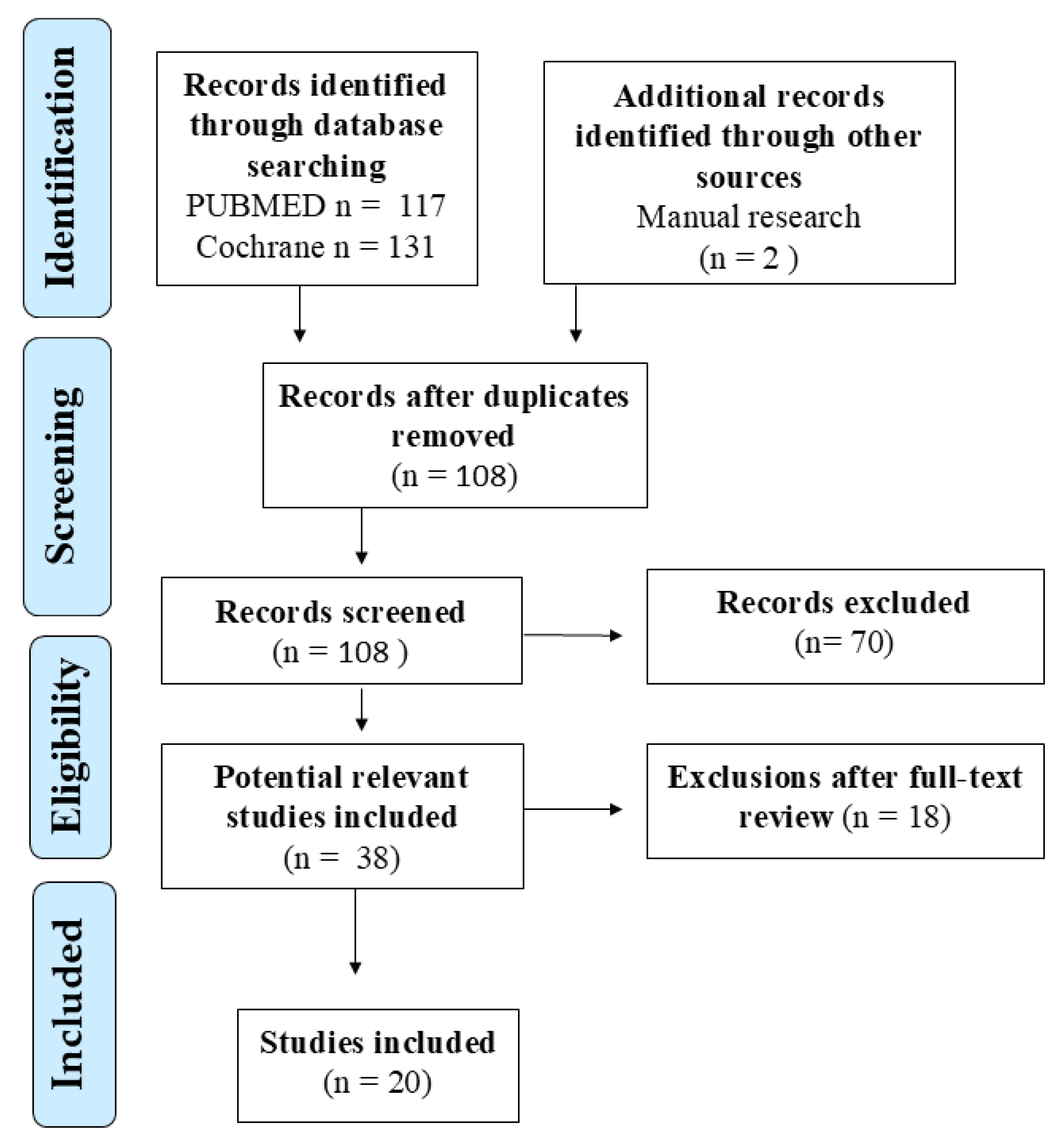
- Population (P): children (≥6 years), adolescents, and adults diagnosed with seasonal or perennial AR;
- Intervention (I): intranasal administration of the fixed-dose combination of AZE and FLU (Aze-Flu);
- Comparator (C): placebo, intranasal corticosteroid monotherapy, or intranasal antihistamine monotherapy;
- Outcomes (O): change in clinical symptom scores (total nasal symptom score (TNSS), total ocular symptom score (TOSS), visual analogue scale (VAS), QoL indices, including Pediatric Rhinitis Quality of Life Questionnaire (PRQLQ), and safety outcomes (treatment-emergent (TEAEs) and treatment-related adverse events (TRAEs));
- Study design (S): RCTs, non-interventional prospective or retrospective studies, and systematic reviews or meta-analyses.
3. Results
3.1. Evidence on Symptom in Adults
3.2. Evidence of Clinical Benefits in Children
3.3. Evidence on Quality of Life
4. Discussion
4.1. Therapeutic Management of Allergic Rhinitis in Children
4.2. Evidence and Clinical Role of Azelastine–Fluticasone Combination
4.3. Future Directions, Safety, and Regulatory Considerations
5. Conclusions
Author Contributions
Funding
Institutional Review Board Statement
Informed Consent Statement
Data Availability Statement
Conflicts of Interest
References
- Brożek, J.L.; Bousquet, J.; Agache, I.; Agarwal, A.; Bachert, C.; Bosnic-Anticevich, S.; Brignardello-Petersen, R.; Canonica, G.W.; Casale, T.; Chavannes, N.H.; et al. Allergic Rhinitis and Its Impact on Asthma (ARIA) Guidelines-2016 Revision. J. Allergy Clin. Immunol. 2017, 140, 950–958. [Google Scholar] [CrossRef] [Scilit] [PubMed]
- Bernstein, J.A.; Bernstein, J.S.; Makol, R.; Ward, S. Allergic Rhinitis: A Review. JAMA 2024, 331, 866–877. [Google Scholar] [CrossRef] [Scilit] [PubMed]
- Hill, D.A.; Spergel, J.M. The Atopic March: Critical Evidence and Clinical Relevance. Ann. Allergy Asthma Immunol. 2018, 120, 131–137. [Google Scholar] [CrossRef] [Scilit] [PubMed]
- Parisi, G.F.; Diaferio, L.; Brindisi, G.; Indolfi, C.; Umano, G.R.; Klain, A.; Marchese, G.; Ghiglioni, D.G.; Zicari, A.M.; Marseglia, G.L.; et al. Cross-Sectional Survey on Long Term Sequelae of Pediatric COVID-19 among Italian Pediatricians. Children 2021, 8, 769. [Google Scholar] [CrossRef] [Scilit]
- Ciprandi, G.; Tosca, M.A. Turbinate Hypertrophy, Allergic Rhinitis, and Otitis Media. Curr. Allergy Asthma Rep. 2021, 21, 40. [Google Scholar] [CrossRef] [Scilit]
- Zhou, B.; Cheng, L.; Pan, J.; Wang, H.; Jin, Y.; Zhao, C.; Lin, P.; Tan, G.; Fang, H.; Zhang, H.; et al. A Clinical Study to Assess the Efficacy and Safety of MP-AzeFlu Nasal Spray in Comparison to Commercially Available Azelastine Hydrochloride and Fluticasone Propionate Nasal Sprays in Chinese Volunteers with Allergic Rhinitis. Pulm. Ther. 2023, 9, 411–427. [Google Scholar] [CrossRef] [Scilit]
- Klimek, L.; Poletti, S.C.; Sperl, A.; Spielhaupter, M.; Bardenhewer, C.; Mullol, J.; Hörmann, K.; Hummel, T. Olfaction in Patients with Allergic Rhinitis: An Indicator of Successful MP-AzeFlu Therapy. Int. Forum Allergy Rhinol. 2017, 7, 287–292. [Google Scholar] [CrossRef] [Scilit]
- Stjärne, P.; Strand, V.; Theman, K.; Ehnhage, A. Control of Allergic Rhinitis with MP-AzeFlu: A Noninterventional Study of a Swedish Cohort. Rhinology 2019, 57, 279–286. [Google Scholar] [CrossRef] [Scilit]
- Scadding, G.; Price, D.; El-Shanawany, T.; Ahmed, S.; Ray, J.; Sargur, R.; Kumar, N. Multicentre, Non-Interventional Study to Assess the Profile of Patients with Uncontrolled Rhinitis Prescribed a Novel Formulation of Azelastine Hydrochloride and Fluticasone Propionate in a Single Spray in Routine Clinical Practice in the UK. BMJ Open 2017, 7, e014777. [Google Scholar] [CrossRef] [Scilit]
- Marth, K.; Renner, A.; Langmayr, G.; Pohl, W.; Nguyen, D.T.; Kuhl, H.C. An Observational Study to Determine the Real-Life Effectiveness of MP-AzeFlu® in Austrian Patients with Persistent Allergic Rhinitis. Drugs Real World Outcomes 2024, 11, 231–240. [Google Scholar] [CrossRef] [Scilit]
- Agache, I.; Doros, I.C.; Leru, P.M.; Bucur, I.; Poenaru, M.; Sarafoleanu, C. MP-AzeFlu Provides Rapid and Effective Allergic Rhinitis Control: Results of a Non-Interventional Study in Romania. Rhinology 2018, 56, 33–41. [Google Scholar] [CrossRef] [Scilit] [PubMed]
- Kaulsay, R.; Nguyen, D.T.; Kuhl, H.C. Real-Life Effectiveness of MP-AzeFlu in Irish Patients with Persistent Allergic Rhinitis, Assessed by Visual Analogue Scale and Endoscopy. Immun. Inflamm. Dis. 2018, 6, 456–464. [Google Scholar] [CrossRef] [Scilit] [PubMed]
- Berger, W.; Bousquet, J.; Fox, A.T.; Just, J.; Muraro, A.; Nieto, A.; Valovirta, E.; Wickman, M.; Wahn, U. MP-AzeFlu Is More Effective than Fluticasone Propionate for the Treatment of Allergic Rhinitis in Children. Allergy 2016, 71, 1219–1222. [Google Scholar] [CrossRef] [Scilit] [PubMed]
- Berger, W.; Sher, E.; Gawchik, S.; Fineman, S. Safety of a Novel Intranasal Formulation of Azelastine Hydrochloride and Fluticasone Propionate in Children: A Randomized Clinical Trial. Allergy Asthma Proc. 2018, 39, 110–116. [Google Scholar] [CrossRef] [Scilit]
- Berger, W.; Meltzer, E.O.; Amar, N.; Fox, A.T.; Just, J.; Muraro, A.; Nieto, A.; Valovirta, E.; Wickman, M.; Bousquet, J. Efficacy of MP-AzeFlu in Children with Seasonal Allergic Rhinitis: Importance of Paediatric Symptom Assessment. Pediatr. Allergy Immunol. 2016, 27, 126–133. [Google Scholar] [CrossRef] [Scilit]
- Krishnakumar, D.; Faizal, B.; Nair, A.S. Comparison of the Effects of Azelastine and Fluticasone Nasal Sprays in the Treatment of Allergic Rhinitis. Indian J. Otolaryngol. Head Neck Surg. 2022, 74 (Suppl. S2), 1632–1637. [Google Scholar] [CrossRef] [Scilit]
- Berger, W.E.; Meltzer, E.O. Intranasal Spray Medications for Maintenance Therapy of Allergic Rhinitis. Am. J. Rhinol. Allergy 2015, 29, 273–282. [Google Scholar] [CrossRef] [Scilit]
- Sousa-Pinto, B.; Vieira, R.J.; Brozek, J.; Cardoso-Fernandes, A.; Lourenço-Silva, N.; Ferreira-da-Silva, R.; Ferreira, A.; Gil-Mata, S.; Bedbrook, A.; Klimek, L.; et al. Intranasal Antihistamines and Corticosteroids in Allergic Rhinitis: A Systematic Review and Meta-Analysis. J. Allergy Clin. Immunol. 2024, 154, 340–354. [Google Scholar] [CrossRef] [Scilit]
- Passali, D.; Passali, G.C.; Damiani, V.; Ciprandi, G. Azelastine/Fluticasone and Allergic Rhinitis in Clinical Practice. Eur. Arch. Otorhinolaryngol. 2023, 280, 4713–4714. [Google Scholar] [CrossRef] [Scilit]
- Tantilipikorn, P.; Kirtsreesakul, V.; Bunnag, C.; Vangveeravong, M.; Thanaviratananich, S.; Chusakul, S. The Use of Azelastine Hydrochloride/Fluticasone Propionate in the Management of Allergic Rhinitis in Asia: A Review. J. Asthma Allergy 2024, 17, 667–679. [Google Scholar] [CrossRef] [Scilit]
- FDA Highlights of Prescribing Information Reference ID: 5497208. Available online: https://www.accessdata.fda.gov/drugsatfda_docs/label/2024/202236s021lbl.pdf (accessed on 11 October 2025).
- Demoly, P.; Bousquet, P.J.; Mesbah, K.; Bousquet, J.; Devillier, P. Visual Analogue Scale in Patients Treated for Allergic Rhinitis: An Observational Prospective Study in Primary Care: Asthma and Rhinitis. Clin. Exp. Allergy 2013, 43, 881–888. [Google Scholar] [CrossRef] [Scilit] [PubMed]
- Bilgili, A.M.; Durmaz, H.Ö.; Dilber, M. Efficacy of Topical Azelastine and Fluticasone Dipropionate Combination in Children With Adenoid Hypertrophy. Ear. Nose. Throat J. 2023, 102, 28–34. [Google Scholar] [CrossRef] [Scilit] [PubMed]
- Bilgili, A.M.; Durmaz, H.Ö.; Dilber, M. Eustachian Tube Dysfunction in Children with Adenoid Hypertrophy: The Effect of Intranasal Azelastine-Fluticasone Spray Treatment on Middle Ear Ventilation and Adenoid Tissue. Ear. Nose. Throat J. 2023, 102, 198–203. [Google Scholar] [CrossRef] [Scilit] [PubMed]
- Merkus, P.; Ebbens, F.A.; Muller, B.; Fokkens, W.J. Influence of Anatomy and Head Position on Intranasal Drug Deposition. Eur. Arch. Otorhinolaryngol. 2006, 263, 827–832. [Google Scholar] [CrossRef] [Scilit]
- Rollema, C.; van Roon, E.N.; van Boven, J.F.M.; Hagedoorn, P.; Klemmeier, T.; Kocks, J.H.; Metting, E.I.; Oude Elberink, H.N.G.; Peters, T.T.A.; San Giorgi, M.R.M.; et al. Pharmacology, Particle Deposition and Drug Administration Techniques of Intranasal Corticosteroids for Treating Allergic Rhinitis. Clin. Exp. Allergy 2022, 52, 1247–1263. [Google Scholar] [CrossRef] [Scilit]
- Donaldson, A.M.; Choby, G.; Kim, D.H.; Marks, L.A.; Lal, D. Intranasal Corticosteroid Therapy: Systematic Review and Meta-Analysis of Reported Safety and Adverse Effects in Children. Otolaryngol. Head. Neck Surg. 2020, 163, 1087–1096. [Google Scholar] [CrossRef] [Scilit]
- Dykewicz, M.S.; Wallace, D.V.; Amrol, D.J.; Baroody, F.M.; Bernstein, J.A.; Craig, T.J.; Dinakar, C.; Ellis, A.K.; Finegold, I.; Golden, D.B.K.; et al. Rhinitis 2020: A Practice Parameter Update. J. Allergy Clin. Immunol. 2020, 146, 721–767. [Google Scholar] [CrossRef] [Scilit]
- Greiwe, J.C.; Bernstein, J.A. Allergic and Mixed Rhinitis: Diagnosis and Natural Evolution. J. Clin. Med. 2019, 8, 2019. [Google Scholar] [CrossRef] [Scilit]
- Meltzer, E.O.; Blaiss, M.S.; Derebery, M.J.; Mahr, T.A.; Gordon, B.R.; Sheth, K.K.; Simmons, A.L.; Wingertzahn, M.A.; Boyle, J.M. Burden of Allergic Rhinitis: Results from the Pediatric Allergies in America Survey. J. Allergy Clin. Immunol. 2009, 124 (Suppl. S1), S43–S70. [Google Scholar] [CrossRef] [Scilit]
- Meltzer, E.O.; Nathan, R.; Derebery, J.; Stang, P.E.; Campbell, U.B.; Yeh, W.S.; Corrao, M.; Stanford, R. Sleep, Quality of Life, and Productivity Impact of Nasal Symptoms in the United States: Findings from the Burden of Rhinitis in America Survey. Allergy Asthma Proc. 2009, 30, 244–254. [Google Scholar] [CrossRef] [Scilit]
- Meltzer, E.O. Allergic Rhinitis. Burden of Illness, Quality of Life, Comorbidities, and Control. Immunol. Allergy Clin. N. Am. 2016, 36, 235–248. [Google Scholar] [CrossRef] [Scilit]
- Lipworth, B.; Newton, J.; Ram, B.; Small, I.; Schwarze, J. An Algorithm Recommendation for the Pharmacological Management of Allergic Rhinitis in the UK: A Consensus Statement from an Expert Panel. NPJ Prim. care Respir. Med. 2017, 27, 3. [Google Scholar] [CrossRef] [Scilit]
- Klimek, L.; Berger, W.E.; Bousquet, J.; Keith, P.K.; Smith, P.; Sole, D.; Scadding, G.; Kuhl, H.C.; Nguyen, D.T.; Kopietz, F.; et al. MP-AzeFlu in Moderate-to-Severe Allergic Rhinitis: A Literature Review. Int. Arch. Allergy Immunol. 2021, 182, 1026–1035. [Google Scholar] [CrossRef] [Scilit]
- Licari, A.; Magri, P.; De Silvestri, A.; Giannetti, A.; Indolfi, C.; Mori, F.; Marseglia, G.L.; Peroni, D. Epidemiology of Allergic Rhinitis in Children: A Systematic Review and Meta-Analysis. J. Allergy Clin. Immunol. Pract. 2023, 11, 2547–2556. [Google Scholar] [CrossRef] [Scilit]
- Miraglia del Giudice, M.; Indolfi, C.; Marseglia, G.L.; Tosca, M.; Zicari, A.M.; Ciprandi, G. Allergic Rhinitis Management: A Survey on Italian Primary Care Pediatricians. Eur. Ann. Allergy Clin. Immunol. 2024. [Google Scholar] [CrossRef] [Scilit]
- Miraglia del Giudice, M.; Marseglia, G.L.; Peroni, D.G.; Zicari, A.M.; Dinardo, G.; Ciprandi, G. Allergic Rhinitis Management: A Delphi Consensus Promoted by the Italian Society of Pediatric Allergy and Immunology (SIAIP). Ital. J. Pediatr. 2024, 50, 254. [Google Scholar] [CrossRef] [Scilit] [PubMed]
- Klain, A.; Dinardo, G.; Indolfi, C.; Contieri, M.; Salvatori, A.; Vitale, S.; Decimo, F.; Ciprandi, G.; Miraglia del Giudice, M. Efficacy and Safety of Oral Probiotics in Children with Allergic Rhinitis: A Review. Allergies 2023, 3, 72–89. [Google Scholar] [CrossRef] [Scilit]
- Indolfi, C.; Dinardo, G.; Umano, G.R.; Klain, A.; Contieri, M.; Decimo, A.; Decimo, F.; Ciprandi, G.; Giudice, M.M.D. Mometasone Furoate Nasal Spray in Italian Children with Seasonal Allergic Rhinitis: A Comprehensive Assessment. Allergol. Immunopathol. 2022, 50, 61–67. [Google Scholar] [CrossRef] [Scilit] [PubMed]
- Bousquet, J.; Anto, J.M.; Bachert, C.; Baiardini, I.; Bosnic-Anticevich, S.; Walter Canonica, G.; Melén, E.; Palomares, O.; Scadding, G.K.; Togias, A.; et al. Allergic Rhinitis. Nat. Rev. Dis. Prim. 2020, 6, 95. [Google Scholar] [CrossRef] [Scilit]
- Schwab, A.D.; Poole, J.A. Mechanistic and Therapeutic Approaches to Occupational Exposure-Associated Allergic and Non-Allergic Asthmatic Disease. Curr. Allergy Asthma Rep. 2023, 23, 313–324. [Google Scholar] [CrossRef] [Scilit]
- Nurmatov, U.; Van Schayck, C.P.; Hurwitz, B.; Sheikh, A. House Dust Mite Avoidance Measures for Perennial Allergic Rhinitis: An Updated Cochrane Systematic Review. Allergy 2012, 67, 158–165. [Google Scholar] [CrossRef] [Scilit] [PubMed]
- Bousquet, J.; Schünemann, H.J.; Togias, A.; Bachert, C.; Erhola, M.; Hellings, P.W.; Klimek, L.; Pfaar, O.; Wallace, D.; Ansotegui, I.; et al. Next-Generation Allergic Rhinitis and Its Impact on Asthma (ARIA) Guidelines for Allergic Rhinitis Based on Grading of Recommendations Assessment, Development and Evaluation (GRADE) and Real-World Evidence. J. Allergy Clin. Immunol. 2020, 145, 70–80.e3. [Google Scholar] [CrossRef] [Scilit] [PubMed]
- Bachert, C.; Bousquet, J.; Hellings, P. Rapid Onset of Action and Reduced Nasal Hyperreactivity: New Targets in Allergic Rhinitis Management. Clin. Transl. Allergy 2018, 8, 25. [Google Scholar] [CrossRef] [Scilit] [PubMed]
- Greiwe, J.C.; Bernstein, J.A. Combination Therapy in Allergic Rhinitis: What Works and What Does Not Work. Am. J. Rhinol. Allergy 2016, 30, 391–396. [Google Scholar] [CrossRef] [Scilit]
- Cheng, M.; Dai, Q.; Liu, Z.; Wang, Y.; Zhou, C. New Progress in Pediatric Allergic Rhinitis. Front. Immunol. 2024, 15, 1452410. [Google Scholar] [CrossRef] [Scilit]
- Sousa-Pinto, B.; Vieira, R.J.; Bognanni, A.; Gil-Mata, S.; Ferreira-da-Silva, R.; Ferreira, A.; Cardoso-Fernandes, A.; Ferreira-Cardoso, H.; Marques-Cruz, M.; Duarte, V.H.; et al. Efficacy and Safety of Intranasal Medications for Allergic Rhinitis: Network Meta-Analysis. Allergy 2025, 80, 94–105. [Google Scholar] [CrossRef] [Scilit]
- Sousa-Pinto, B.; Costa, E.M.; Vieira, R.J.; Klimek, L.; Czarlewski, W.; Pfaar, O.; Bedbrook, A.; Amaral, R.; Brussino, L.; Kvedariene, V.; et al. Adherence to Treatment in Allergic Rhinitis During the Pollen Season in Europe: A MASK-Air Study. Clin. Exp. Allergy 2025, 55, 226–238. [Google Scholar] [CrossRef] [Scilit]
- Penagos, M.; Compalati, E.; Tarantini, F.; Baena-Cagnani, C.E.; Passalacqua, G.; Canonica, G.W. Efficacy of Mometasone Furoate Nasal Spray in the Treatment of Allergic Rhinitis. Meta-Analysis of Randomized, Double-Blind, Placebo-Controlled, Clinical Trials. Allergy 2008, 63, 1280–1291. [Google Scholar] [CrossRef] [Scilit]
- Hampel, F.C.; Ratner, P.H.; Van Bavel, J.; Amar, N.J.; Daftary, P.; Wheeler, W.; Sacks, H. Double-Blind, Placebo-Controlled Study of Azelastine and Fluticasone in a Single Nasal Spray Delivery Device. Ann. Allergy Asthma Immunol. 2010, 105, 168–173. [Google Scholar] [CrossRef] [Scilit]
- D’Elia, C.; Gozal, D.; Bruni, O.; Goudouris, E.; Meira e Cruz, M. Allergic Rhinitis and Sleep Disorders in Children—Coexistence and Reciprocal Interactions. J. Pediatr. (Rio. J). 2022, 98, 444–454. [Google Scholar] [CrossRef] [Scilit]
- Gambadauro, A.; Foti Randazzese, S.; Currò, A.; Galletta, F.; Crisafulli, G.; Caminiti, L.; Germanò, E.; Di Rosa, G.; Nicotera, A.G.; Manti, S. Impact of the Allergic Therapeutic Adherence in Children with Allergic Rhinitis and ADHD: A Pilot Study. J. Pers. Med. 2023, 13, 1346. [Google Scholar] [CrossRef] [Scilit]
- Malaya, E.; Piątkowska, A.; Panek, M.; Kuna, P.; Kupczyk, M.; Kardas, G. Medication Adherence in Allergic Diseases and Asthma: A Literature Review. Front. Pharmacol. 2024, 15, 1488665. [Google Scholar] [CrossRef] [Scilit]
- Ocak, E.; Kocaoz, D.; Acar, B. How Can We Improve Medical Adherence to Intranasal Corticosteroids in Children? Int. J. Pediatr. Otorhinolaryngol. 2017, 100, 194–197. [Google Scholar] [CrossRef] [Scilit]
- Alvaro-Lozano, M.; Akdis, C.A.; Akdis, M.; Alviani, C.; Angier, E.; Arasi, S.; Arzt-Gradwohl, L.; Barber, D.; Bazire, R.; Cavkaytar, O.; et al. EAACI Allergen Immunotherapy User’s Guide. Pediatr. Allergy Immunol. 2020, 31 (Suppl. 25), 1–101. [Google Scholar] [CrossRef] [Scilit]
- Study Details | NCT01915823 | Safety and Efficacy Trial of Dymista Nasal Spray in Children Ages 4 to 11 with Seasonal Allergic Rhinitis (SAR) | ClinicalTrials.gov. Available online: https://clinicaltrials.gov/study/NCT01915823 (accessed on 18 September 2025).
- Jung, C.G.; Buchheit, K.M.; Bochenek, G.; Dzoba, E.; Cho, S.H. Upper Airway Comorbidities of Asthma. J. Allergy Clin. Immunol. 2024, 154, 1343–1354. [Google Scholar] [CrossRef] [Scilit]
- Klain, A.; Indolfi, C.; Dinardo, G.; Licari, A.; Cardinale, F.; Caffarelli, C.; Manti, S.; Ricci, G.; Pingitore, G.; Tosca, M.; et al. United Airway Disease. Acta Biomed. 2021, 92 (Suppl. 7), e2021526. [Google Scholar] [CrossRef] [Scilit]



| AR Type | Symptom Frequency | Symptom Severity | Recommended Therapy | Notes |
|---|---|---|---|---|
| Intermittent | <4 days/week or <4 weeks | Mild: no sleep disturbance, no impairment of daily activities, work/school, sport/socialization | Second-generation oral antihistamines or intranasal corticosteroids (INCS) | Effective in mild or intermittent cases |
| Persistent | ≥ 4 days/week or ≥ 4 weeks | Moderate-severe: sleep disturbance, impairment of daily activities, work/school, sport/socialization | INCS (first-line), or INCS + intranasal antihistamine, or short-term decongestants | First-line treatment highly effective for persistent or moderate-severe symptoms; combination therapies if monotherapy insufficient; rapid relief but decongestants not for chronic use |
| Severe/Refractory | Any frequency/severity | Severe, refractory symptoms | Additional combination therapies; consider intranasal cromolyn | For patients not responding to first- or second-line therapy |
| Study (Year, Ref.) | Study Design | Study Population and Design Features | Demographics | Baseline Characteristics | Main Findings | |
|---|---|---|---|---|---|---|
| Adults | Zhou 2023 [6] | Multicenter, randomized, double-blind, active controlled prospective clinical study | 898 male and female patients ≥ 12 years of age with moderate-to-severe rhinitis or rhino conjunctivitis with a minimum 2-year PAR history. Participants were randomly assigned to receive either Aze-Flu nasal spray or AZE nasal spray or FLU nasal spray for 14 days | The mean (SD) age of the patients was 35.8 (11.83) years. | The mean (SD) baseline combined rTNSS was 17.18 (3.35) and the mean (SD) baseline combined rTOSS was 7.90 (4.94). | Aze-Flu treatment demonstrated a significant superiority when compared with the AZE or the FLU group in reduction in rTNSS or rTOSS scores. |
| Klimek 2017 [7] | Prospective, multicenter, observational study | 47 patients (≥18 years) with mild, moderate or severe PER Patients had to apply Aze-Flu (1 spray per nostril bid) over a period of 3 months | Average age 31 years (SD, 7.8 years) | VAS: 84.3 (±10.9) mm. Severe PER patients (n = 14) had an average TDI score of 20.0 points. Moderate PER patients (n = 27) had an average TDI score of 24.4 points | Aze-Flu significantly improved olfaction (Severe PER; TDI: 20.0 → 34.7 at 1 mo → 37.1 at 3 mo; p < 0.001; moderate PER, TDI 24.4 → 34.0 at 1 mo → 36.8 at 3 mo; p < 0.001) and symptom severity (VAS: 84.3 → 32.4 (±7.6) at 1 mo → 26.2 (±7.2) at 3 mo; p < 0.001). | |
| Stjärne 2019 [8] | Multicenter, prospective non interventional study | 431 patients aged ≥12 years with ARIA-defined moderate to severe SAR or PAR for whom monotherapy with either an intranasal antihistamine or glucocorticoid was not considered sufficient. Participants were instructed to receive Aze-Flu, one spray in each nostril twice daily, for 14 days. | Most participants were adults aged 18 to 65 years (87.5%); mean age was 42.0 (15.6) years | About three-quarters of the patients had SAR (either SAR alone or SAR + PAR), with only 13.9% diagnosed with PAR only. Patients assessed symptom severity using a VAS from 0 to 100 mm. 367 patients (85.2%) had a baseline VAS score ≥ 50 mm. Nasal congestion was patients’ most frequent predominant symptom (63.1%). | Aze-Flu led to rapid AR symptom relief from the first day of treatment, which was maintained for the duration of the study, assessed using a VAS, the MACVIA-ARIA–endorsed language of AR control. Aze-Flu was shown to reduce mean (SD) VAS score from 67.9 (16.1) mm at baseline (n = 391) to 32.1 (22.8) mm on the last day (n = 372), a reduction of 36.1 (24.0) mm (n = 370). | |
| Scadding 2017 [9] | Multicenter, non-interventional study | 193 patients (≥12 years) with ARIA-defined moderate-to-severe SAR or PAR and acute symptoms, for whom monotherapy with either intranasal antihistamine or glucocorticoid were not considered sufficient | The mean (SD) age of the study population was 37.6 (16.9) years | Most patients had SAR either alone (10.4%) or in combination with PAR (35.2%), but many had AR of unknown origin (35.8%). Patients reported troublesome symptoms (78.2%) and sleep disturbance (64.8%), with nasal congestion considered the most bothersome (54.4%) and ocular symptoms reported by 68.4% of patients. | Aze-Flu was mainly prescribed due to insufficient prior therapy, highlighting the burden of uncontrolled AR. It has been shown to effectively improve symptoms, outperforming intranasal corticosteroids or antihistamine monotherapy and enhancing disease control | |
| Marth 2024 [10] | Multicenter, prospective, non-interventional, observational study Study | 214 participants (≥12 years) with moderate-to-severe PER, who were prescribed Aze-Flu. | Mean age 39.5 ± 16.8 years (range 12–82 years); mean duration of history of AR was 9.8 ± 10.1 years. | Baseline mean VAS symptom score: 53.5 ± 26.3 mm; ≥2 AR medications were used by 55.1% of patients in the past; 25.7% had current or prior immunotherapy. The percentage of patients with very good/good sleep quality on day 0 was 27.5% (58/211) | Aze-Flu provided rapid and significant symptom relief (baseline VAS 53.5 ± 26.3 mm → 47.7 ± 25.6 mm on day 1 → 25.3 ± 21.0 mm on day 28 → 19.6 ± 17.4 mm on day 42; all p < 0.0001), effective across ages, sexes, severities, and phenotypes. The percentage of patients with very good/good sleep quality increased to 87.2% (95/109) on day 42 | |
| Agache 2018 [11] | Prospective, multicenter, non-interventional study | 253 patients (≥12 years) with moderate-to-severe SAR or PAR were prescribed MP-AzeFlu and instructed to use it for 14 days. | 90.9% of patients were adults aged 18–65 years (n = 230) | 249 patients (98.4%) had a baseline VAS score > 50 mm. Mean (SD) VAS score: 78.4 (15.1) mm. Mean (SD) duration of AR: 21.6 (11.5) years. Predominant AR symptom was nasal congestion (n = 151; 59.7%). | Aze-Flu induced rapid VAS score reduction [VAS: 78.4 mm (SD 15.1) at day 0 → 14.7 mm (SD 15.1, p < 0.0001) at last day of treatment. Perception of ‘well-controlled’ symptoms corresponded to a VAS score ≤ 38 mm. Patients who achieved this cutoff: 10.9% at Day 1 → 36.8% at Day 3 → 70.9% at Day 7 → 83.4% at study end. | |
| Kaulsay 2018 [12] | Prospective, non-interventional study. | 53 patients (≥12 years) with moderate-to-severe PER who were prescribed Aze-Flu. | Mean age 31.2 ± 15.2 years (median, 31 years; range, 12–69 years). | VAS symptom score: 73.4 mm (SD 20.3). Total endoscopy score: 7.5 mm (SD 3.1). Percentage of patients with very good or good sleep quality: 25.0% (13 of 52 patients) | Aze-Flu induced rapid VAS score reduction [VAS: 73.4 mm (SD 20.3) at day 0 → 31.5 mm (SD 25.0, p < 0.0001) at day 28 → 28.1 mm (SD 24.1, p < 0.0001) at day 42], a 45.3 mm reduction. Endoscopy score improved from baseline (7.5) to 3.5 mm (SD, 2.5) at day 28. Improved sleep quality was also observed. | |
| Children | Berger 2016 [13] | Prospective, randomized, active-controlled, parallel-group, open-label safety and efficacy study. | 405 children aged ≥4 to <12 years with AR; randomized in 3:1 ratio to either Aze-Flu nasal spray (n = 304) or FP nasal spray (n = 101). | 48.5% of patients were aged ≥6 to <9 years and 51.5% were aged ≥9 to <12 years in the Aze-Flu group. | Similar baseline characteristics were observed in the MP-Aze-Flu and FP groups. The proportion of children with concomitant asthma was 4.86% and 4.90% in the Aze-Flu and FP groups, respectively. | Aze-Flu provided significantly greater symptom relief than FP, with a mean TSS reduction in −0.68 points compared to −0.54 with FP (difference −0.14; 95% CI: −0.28 to −0.01; p = 0.0410). Around 80% of Aze-Flu–treated children achieved symptom-free or mild-symptom status within 1 month-approximately 16 days faster than FP. |
| Berger 2018 [14] | Multicenter, randomized, open-label, active-controlled safety trial | 405 children, aged 4–11 years, with AR. Patients were randomized in a 3:1 ratio to Aze-Flu (n = 304) or FP (n = 101), and to one of three age groups: ≥4 to <6 years (12.6%), ≥6 to <9 years (42.7%), and ≥9 to <12 years (44.7%). | Patients with history of AR (SAR or PAR), who could benefit from treatment with Aze-Flu | Aze-Flu group: mean TSS score ± SD (1.72 ± 0.76); mean PRQLQ score ± SD (1.84 ± 1.05) FP group: mean TSS score ± SD (1.77 ± 0.73); mean PRQLQ score ± SD (1.88 ± 1.15) | The percentage of subjects with ≥ 1 TEAE and ≥ 1 TRAE over 3 months was similar in the Aze-Flu (41% and 16%) and FP groups (37% and 12%). Aze-Flu was safe and well tolerated after 3 months’ continuous use in children with AR | |
| Berger 2016 [15] | Randomized, double-blind, multicenter placebo-controlled, parallel-group,14-day trial | 348 children (4–11 years) with moderate/severe SAR. After a 3–7 day single-blind placebo lead-in, children stratified by age were randomized to receive either Aze-Flu nasal spray or placebo for 14 days. | A history of SAR and positive skin prick test showing hypersensitivity to prevailing pollen, with a rTNSS ≥ 6 and reflective congestion score ≥ 2 on the first day of placebo lead-in. | Aze-Flu showed statistically significant and clinically relevant improvement in PRQLQ scores vs. placebo (–0.29; 95% CI –0.55 to –0.03; p < 0.027). When children self-assessed symptoms > 90% of the time, significant improvements in rTNSS (p < 0.002) and rTOSS (p < 0.009) were observed compared to placebo. | ||
| Krishnakumar 2022 [16] | Prospective comparative non-randomized study | 240 patients (≥4 years) with moderate to severe allergic rhinitis. Participants divided into group A (120 patients) receiving fluticasone nasal spray, and group B (120 patients) receiving azelastine nasal spray, both for a period of three months along with an oral antihistamine for one week | Median age of patients in group A was 32.5 (23) and that in group B was 31.5 (20.75) | Baseline TNSS medians: Group A 10 (IQR 4); group B 9 (IQR 4) Baseline median (IQR) nasal congestion score of group A and B was 3 (1) | Both medications significantly reduced TNSS (to median 1) after 3 months (p < 0.001), with no significant difference between groups (p = 0.56–0.06); and significantly reduced nasal congestion score (to median 0, p < 0.001), with no significant difference between groups (p = 0.31–0.14) |
| Aspect | Key Points for Clinical Practice |
|---|---|
| When to use | Consider Aze-Flu in children with moderate-to-severe allergic rhinitis who remain symptomatic despite adequate intranasal corticosteroid (INCS) monotherapy, especially in cases with persistent nasal congestion or ocular symptoms. |
| Assessment | Use simple, validated child-reported tools (e.g., Visual Analogue Scale, Pediatric Rhinoconjunctivitis Quality of Life Questionnaire) to monitor symptom control and quality-of-life improvement. |
| Adherence | One-device therapy improves convenience and compliance. Demonstrate proper spray technique and encourage consistent daily use. |
| Safety | Monitor for local adverse effects (epistaxis, nasal irritation) and track growth during prolonged treatment. |
| Regulatory note | Approved for use from 6 years of age in the US and from 12 years in Europe; follow local labeling and regulatory guidance before prescribing. |
Disclaimer/Publisher’s Note: The statements, opinions and data contained in all publications are solely those of the individual author(s) and contributor(s) and not of MDPI and/or the editor(s). MDPI and/or the editor(s) disclaim responsibility for any injury to people or property resulting from any ideas, methods, instructions or products referred to in the content. |
© 2025 by the authors. Licensee MDPI, Basel, Switzerland. This article is an open access article distributed under the terms and conditions of the Creative Commons Attribution (CC BY) license (https://creativecommons.org/licenses/by/4.0/).
Share and Cite
Indolfi, C.; Klain, A.; Dinardo, G.; Grella, C.; Di Filippo, P.; Fatica, I.; Napolano, V.; Decimo, F.; Miraglia del Giudice, M. Azelastine–Fluticasone Combination Therapy in Allergic Rhinitis: Current Evidence and Clinical Implications in Children and Adults. Pharmaceuticals 2025, 18, 1624. https://doi.org/10.3390/ph18111624
Indolfi C, Klain A, Dinardo G, Grella C, Di Filippo P, Fatica I, Napolano V, Decimo F, Miraglia del Giudice M. Azelastine–Fluticasone Combination Therapy in Allergic Rhinitis: Current Evidence and Clinical Implications in Children and Adults. Pharmaceuticals. 2025; 18(11):1624. https://doi.org/10.3390/ph18111624
Chicago/Turabian StyleIndolfi, Cristiana, Angela Klain, Giulio Dinardo, Carolina Grella, Pierluigi Di Filippo, Ilaria Fatica, Vincenzo Napolano, Fabio Decimo, and Michele Miraglia del Giudice. 2025. "Azelastine–Fluticasone Combination Therapy in Allergic Rhinitis: Current Evidence and Clinical Implications in Children and Adults" Pharmaceuticals 18, no. 11: 1624. https://doi.org/10.3390/ph18111624
APA StyleIndolfi, C., Klain, A., Dinardo, G., Grella, C., Di Filippo, P., Fatica, I., Napolano, V., Decimo, F., & Miraglia del Giudice, M. (2025). Azelastine–Fluticasone Combination Therapy in Allergic Rhinitis: Current Evidence and Clinical Implications in Children and Adults. Pharmaceuticals, 18(11), 1624. https://doi.org/10.3390/ph18111624