Article

Isolation of Alpha-Glucosidase Inhibitors from the Panamanian Mangrove Plant Mora oleifera (Triana ex Hemsl.) Ducke

1
Departamento de Química Orgánica, Facultad de Ciencias Naturales, Exactas y Tecnología, Universidad de Panamá, Ciudad de Panamá P.O. Box 3366, Panama
2
Centro de Biodiversidad y Descubrimiento de Drogas, Instituto de Investigaciones Científicas y Servicios de Alta Tecnología (INDICASAT AIP), Edificio 208, Ciudad del Saber, Apartado 0843-01103, Panama
*
Author to whom correspondence should be addressed.
Pharmaceuticals 2024, 17(7), 890; https://doi.org/10.3390/ph17070890
Submission received: 13 May 2024 / Revised: 24 June 2024 / Accepted: 2 July 2024 / Published: 4 July 2024

Abstract

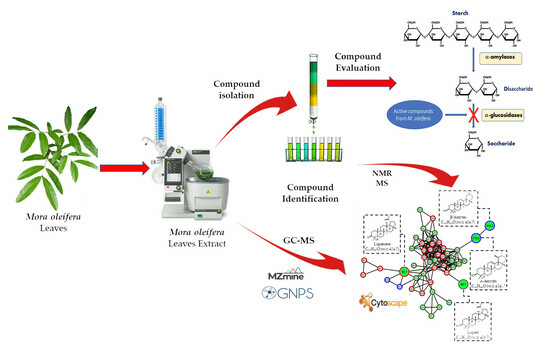
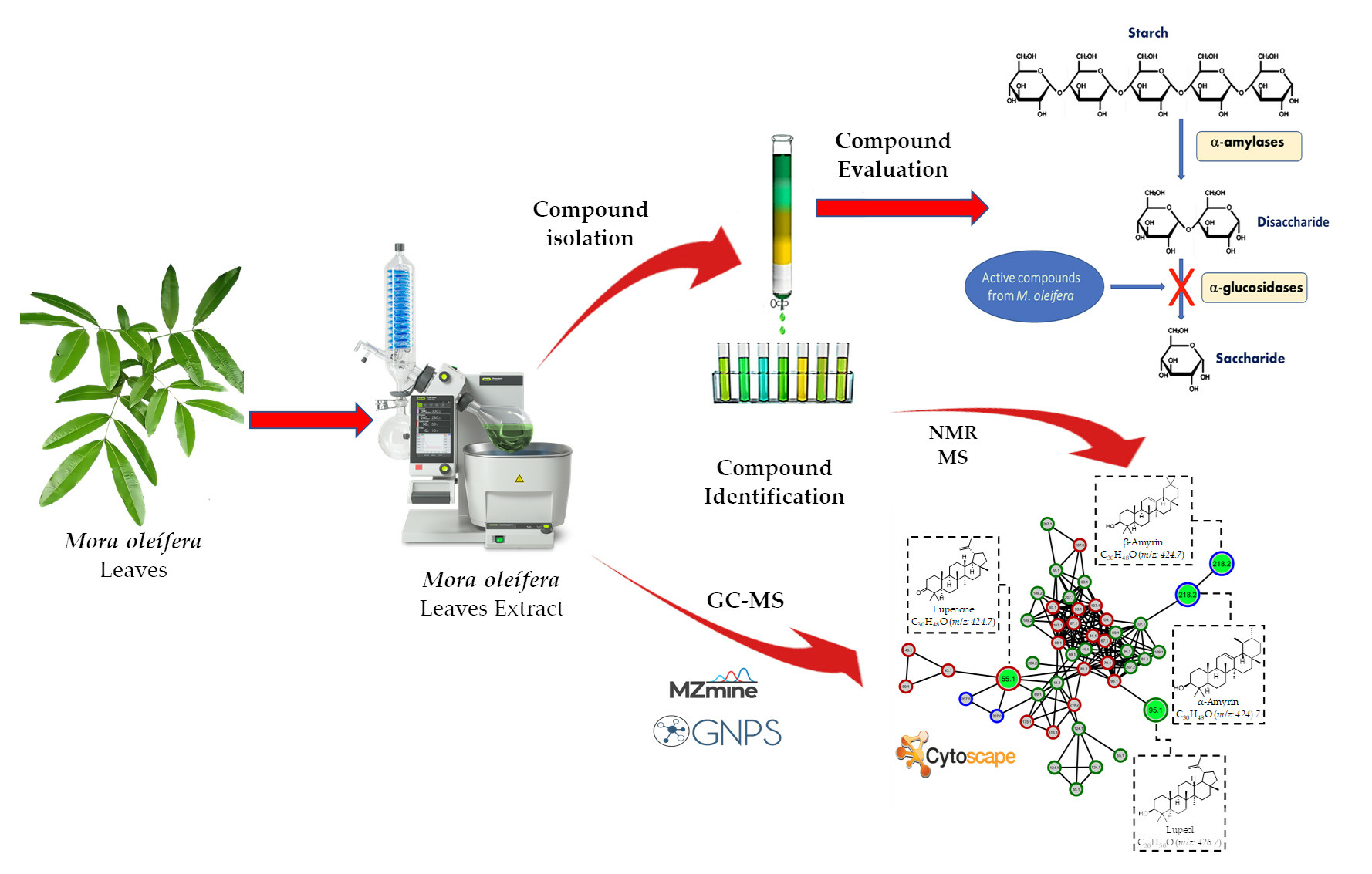
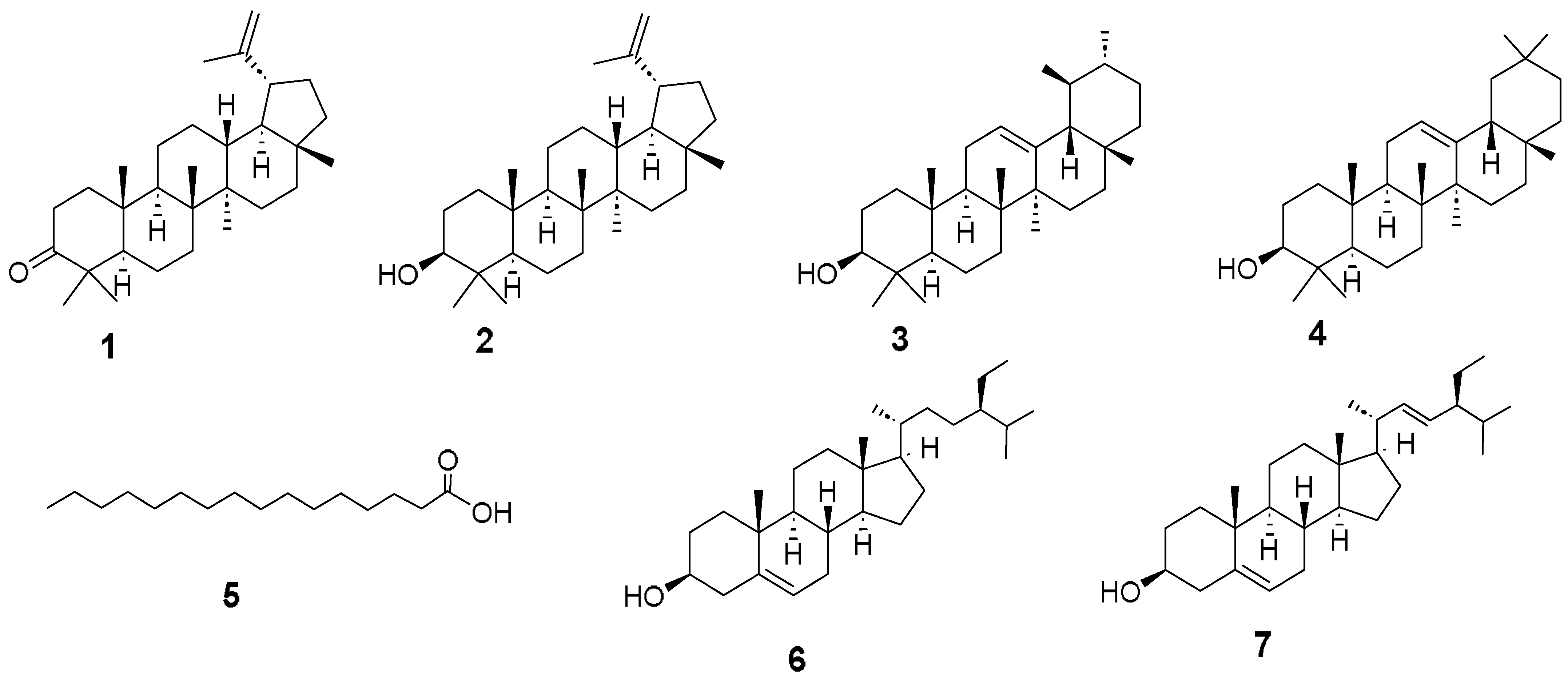
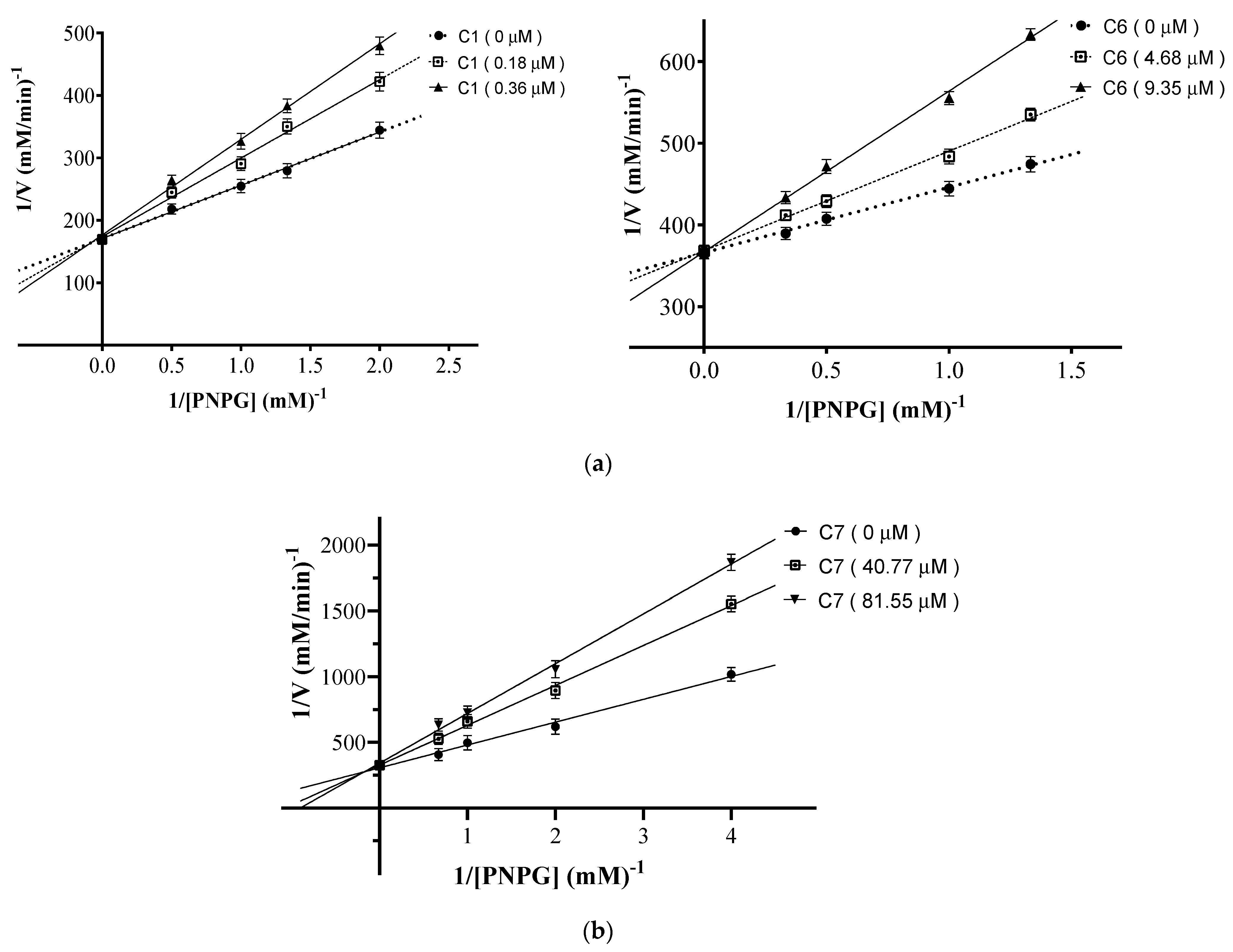
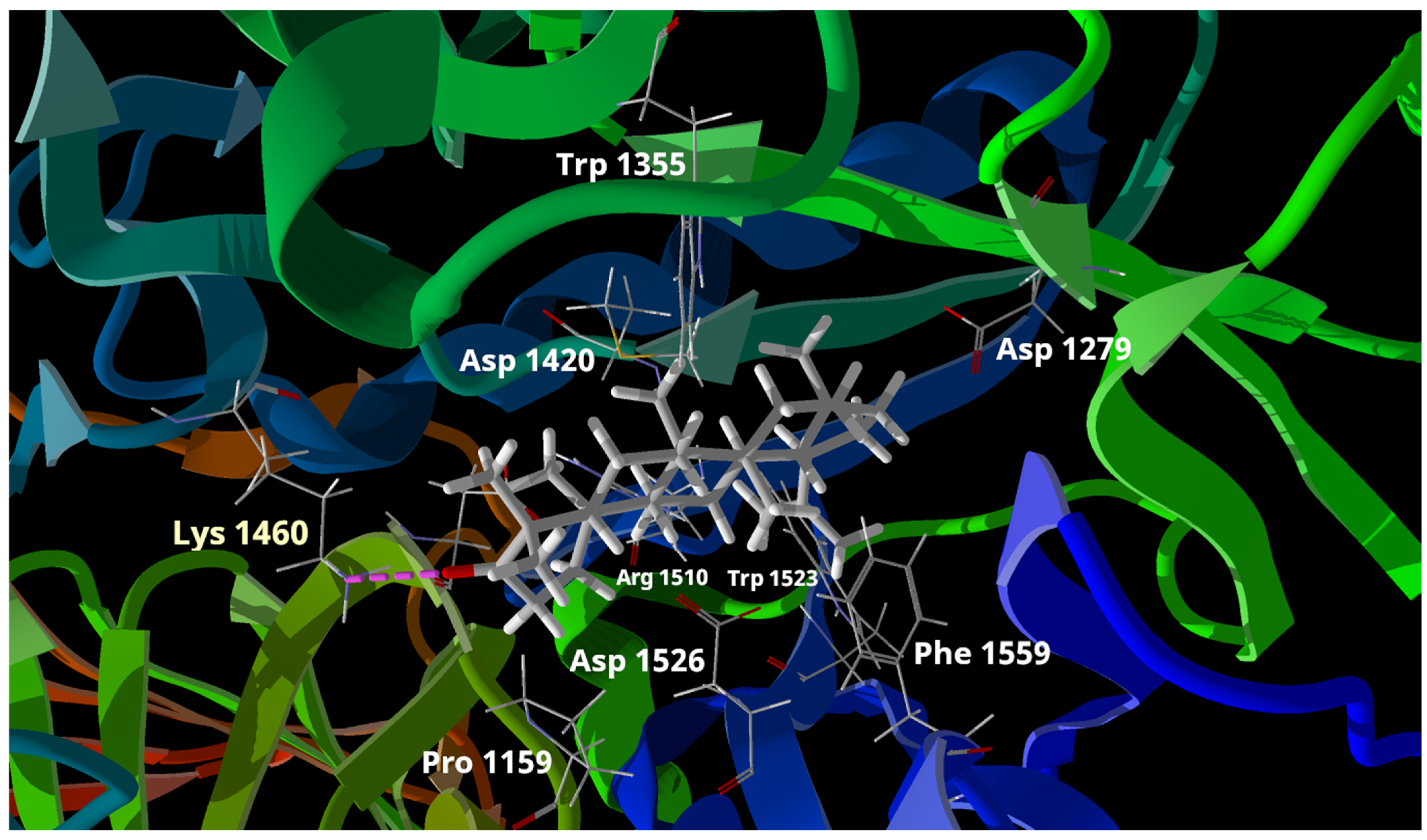
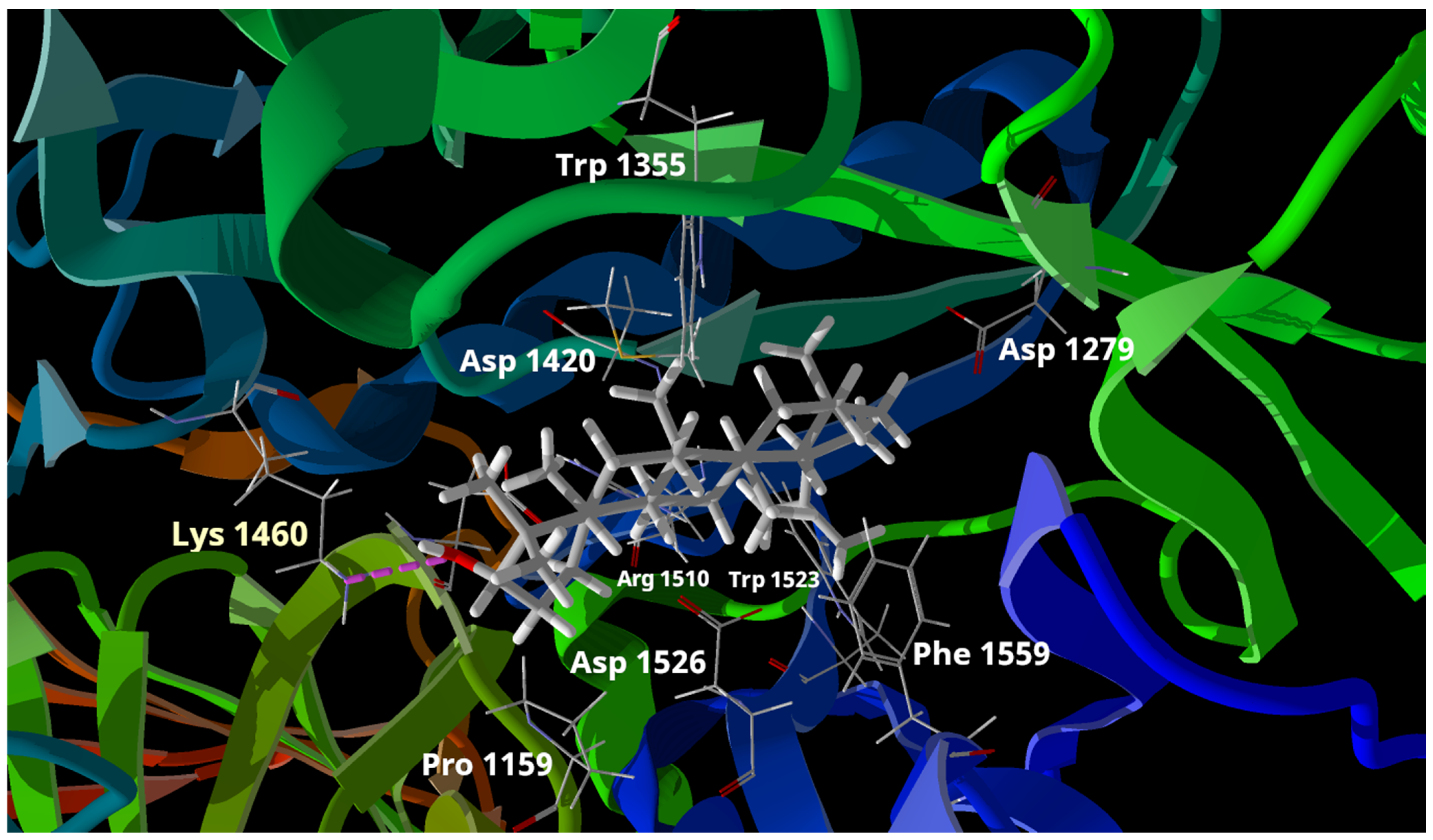
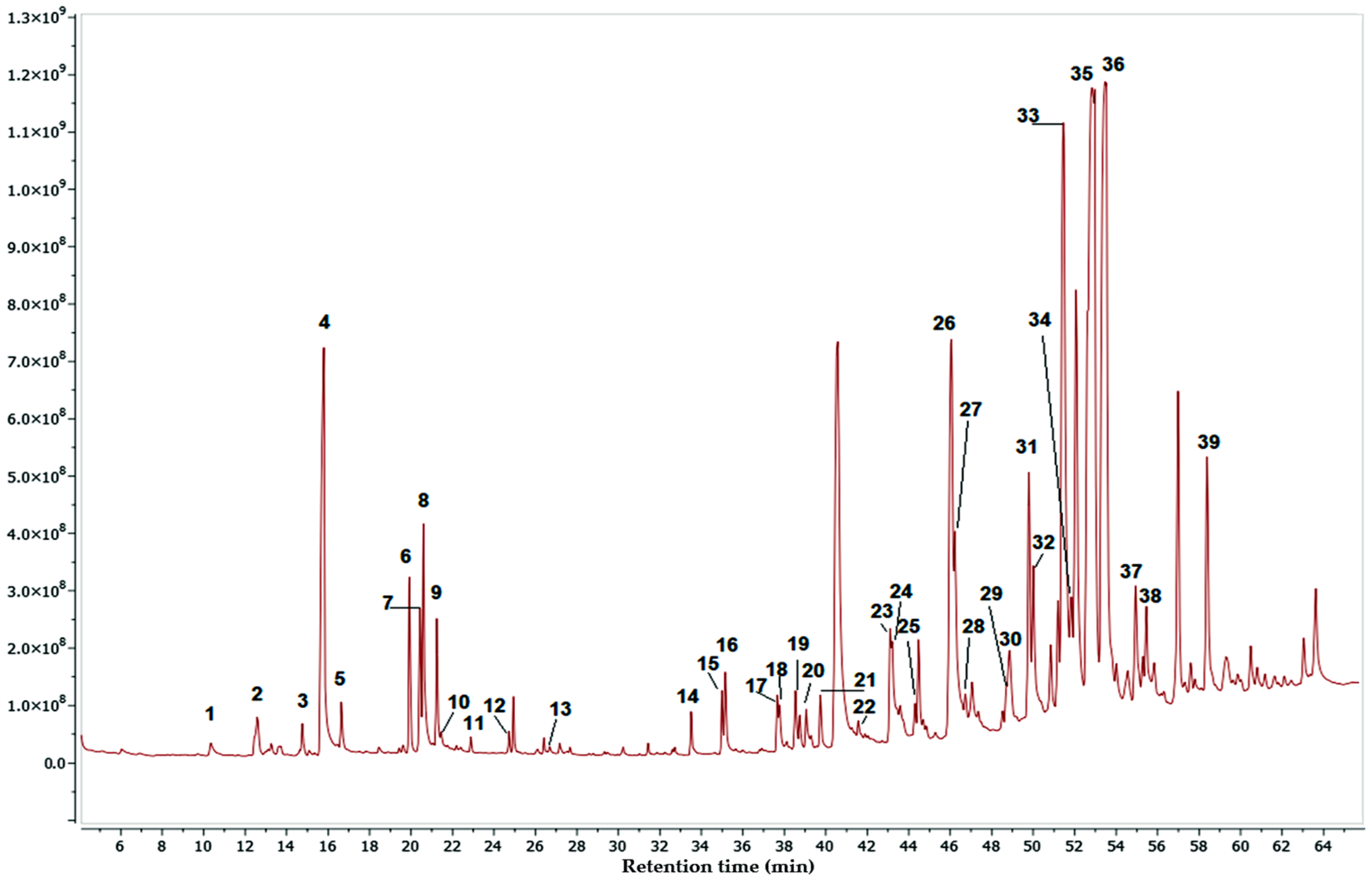
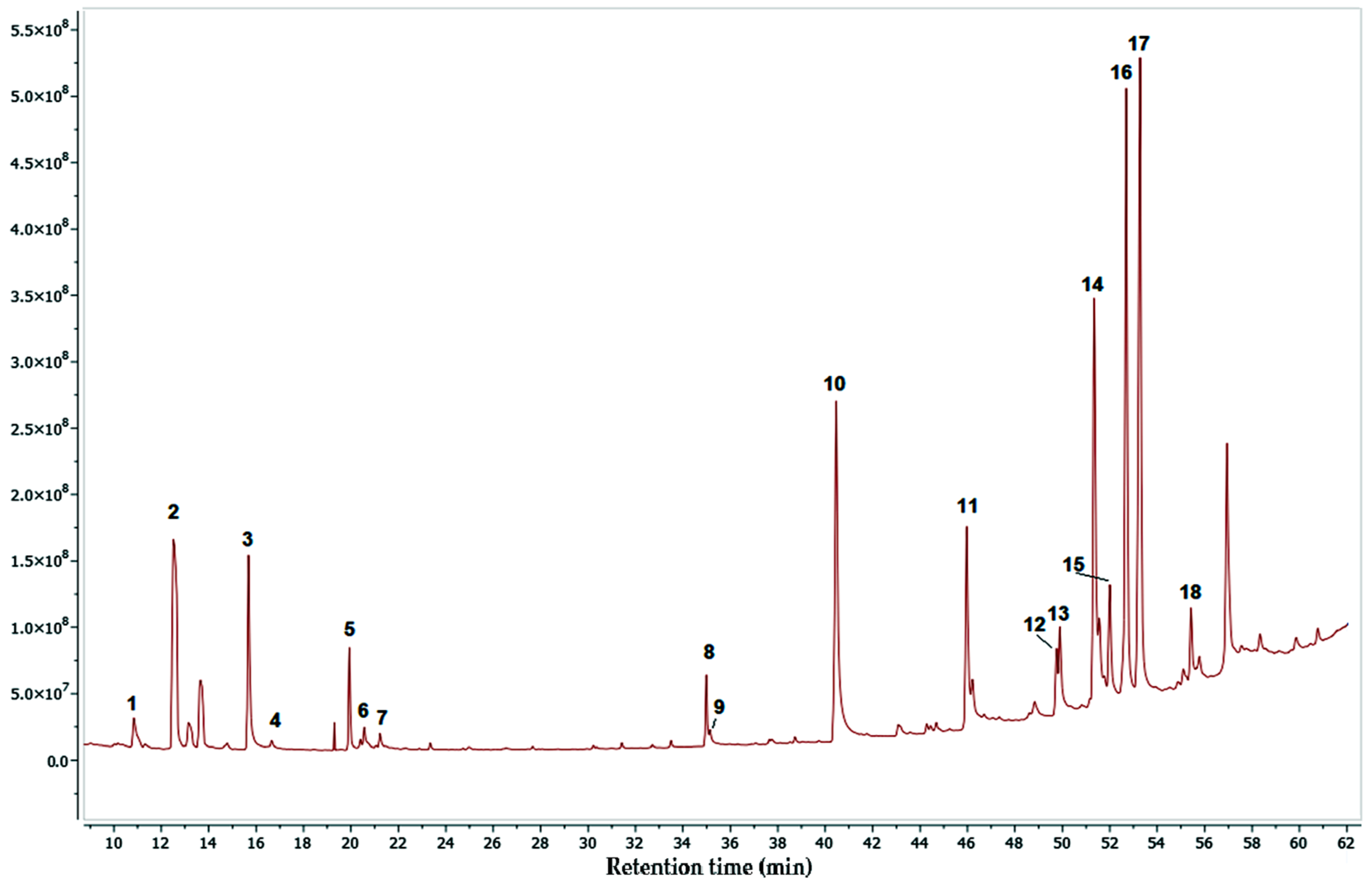
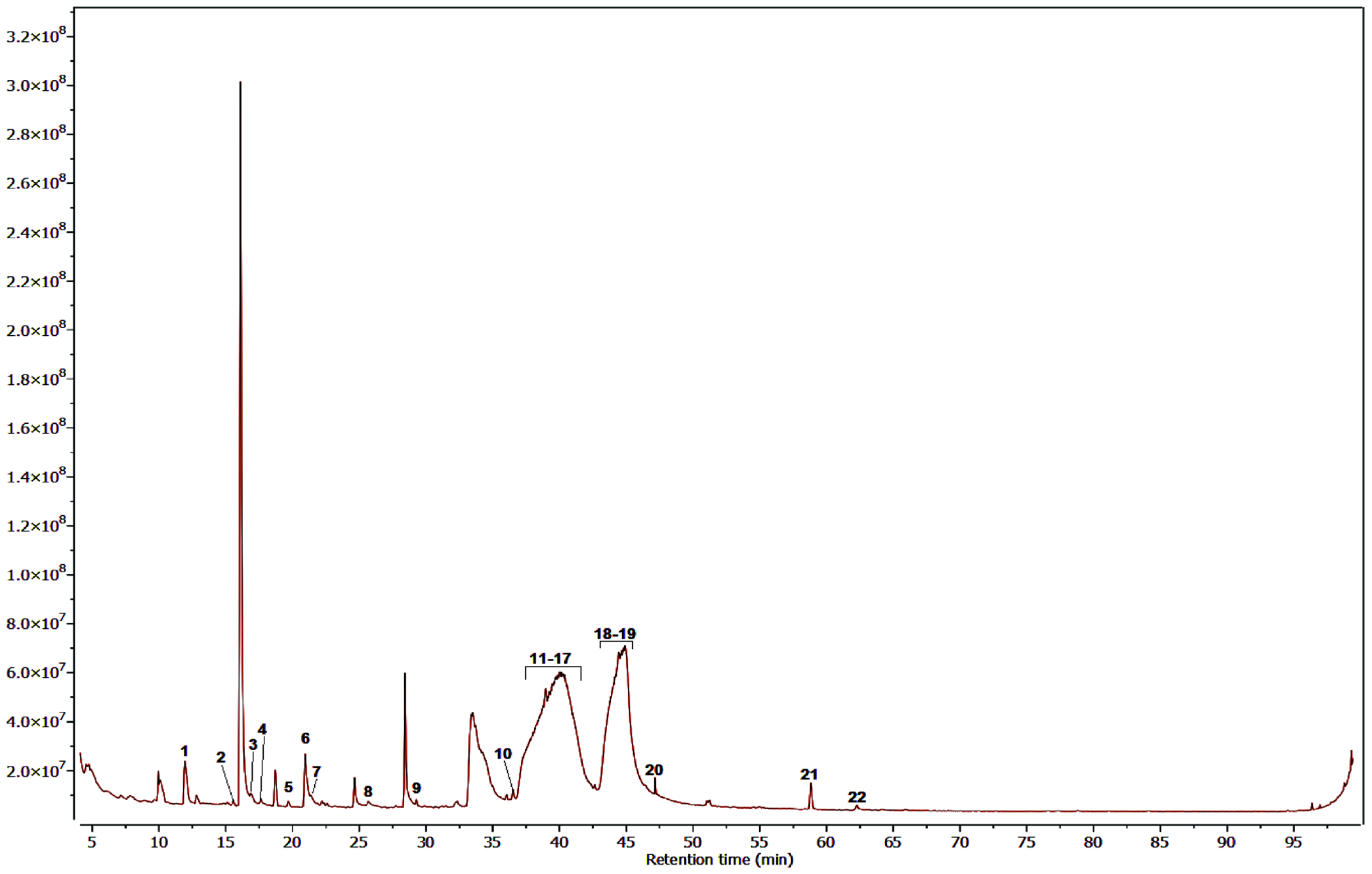
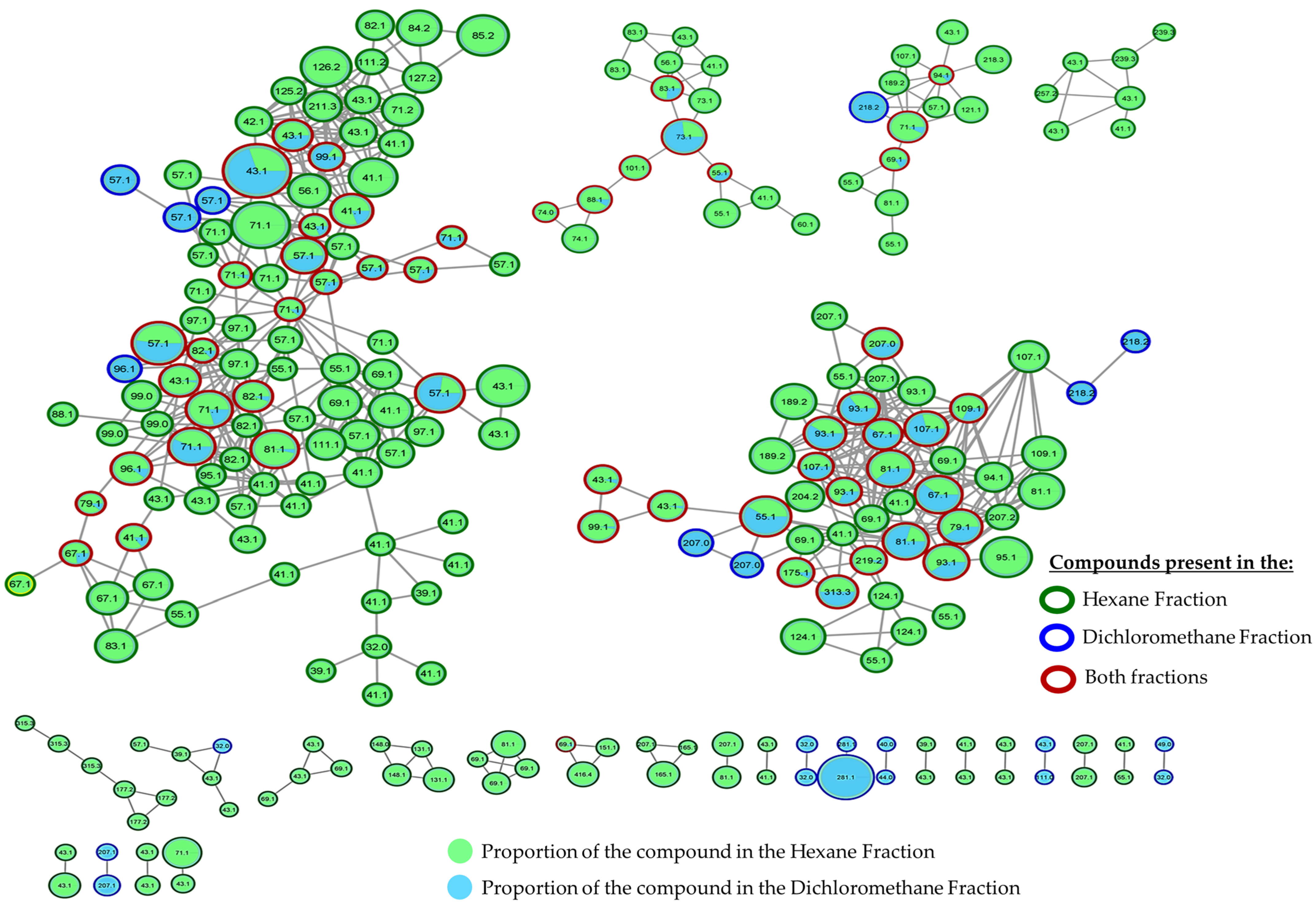
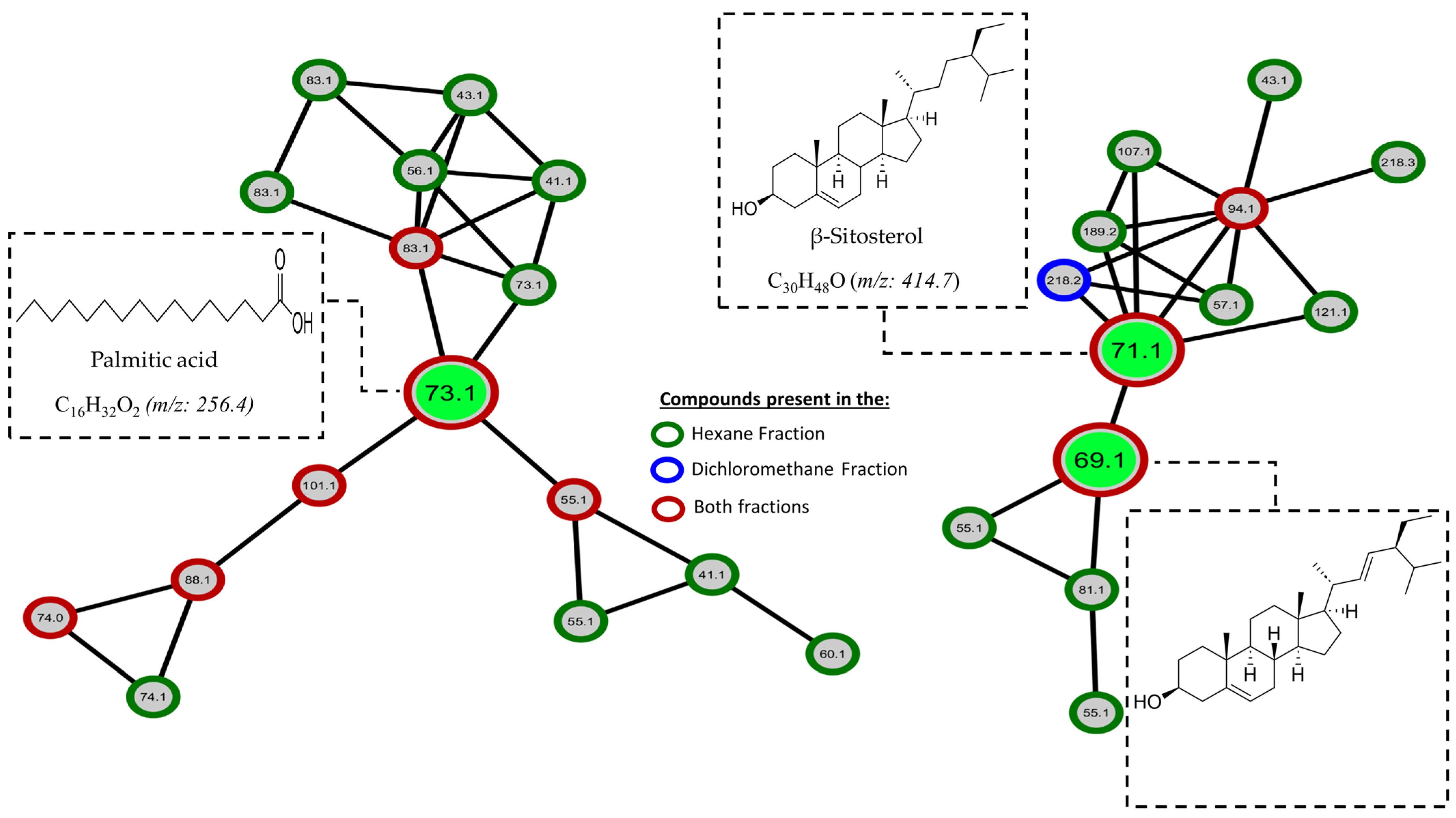
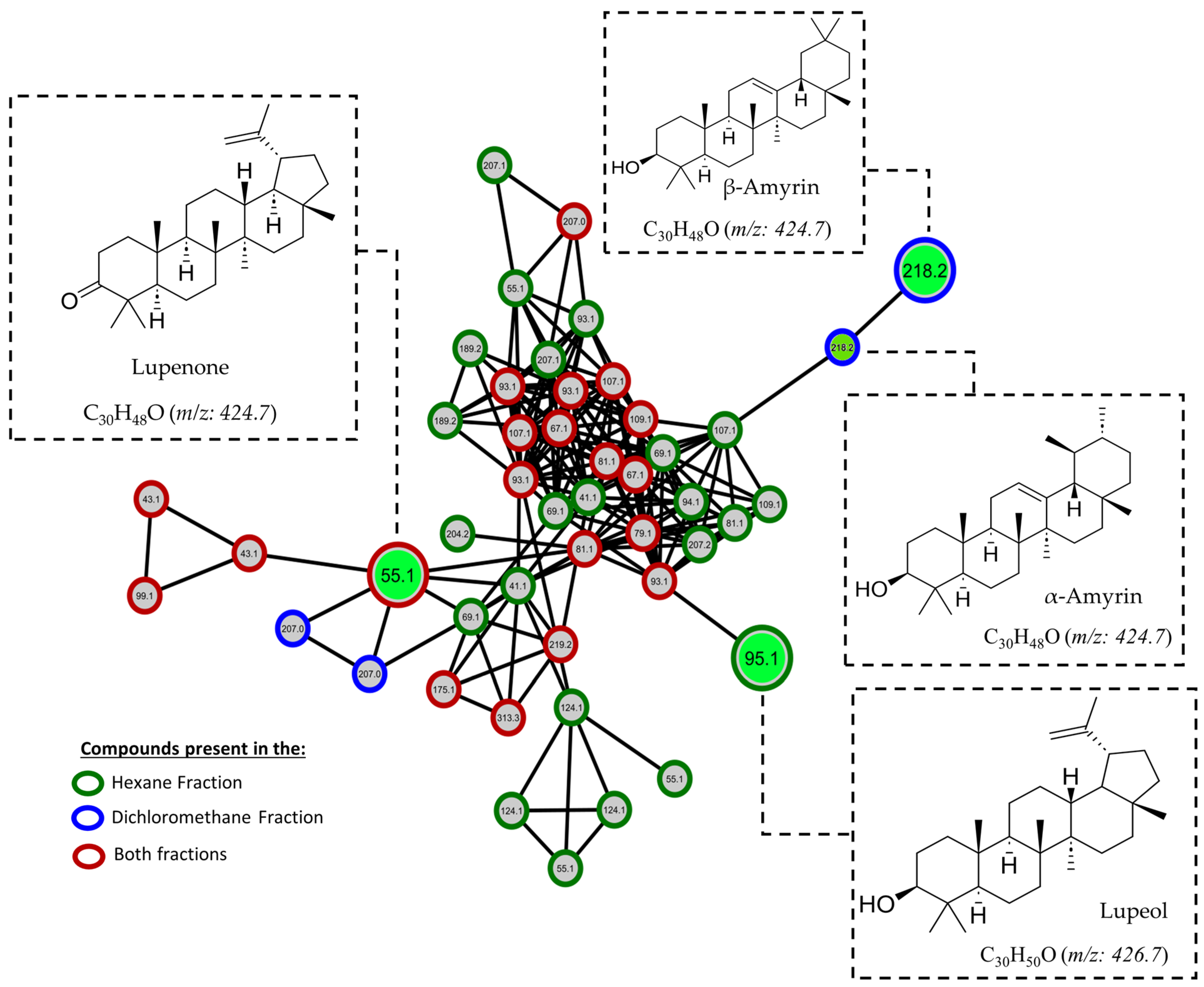
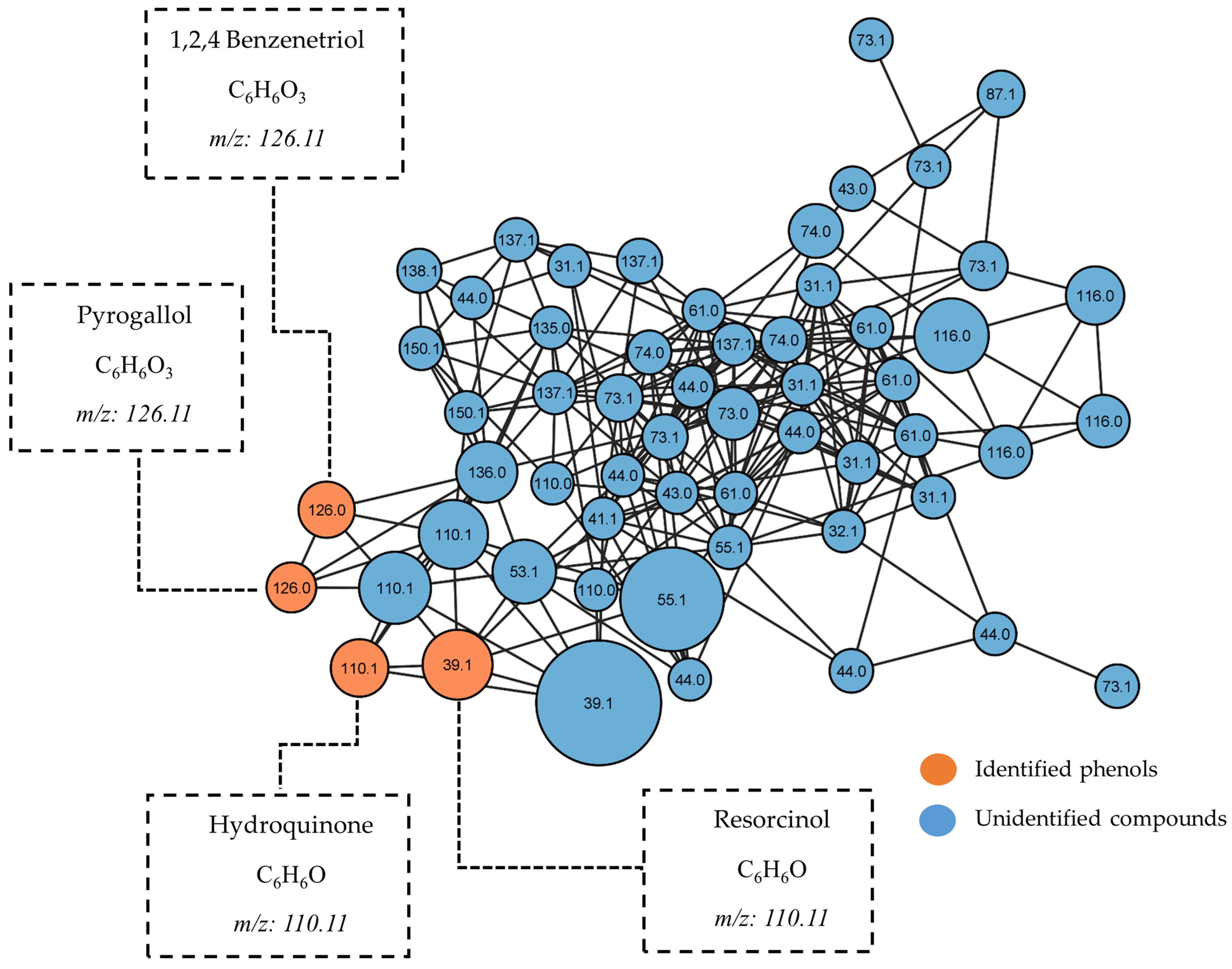
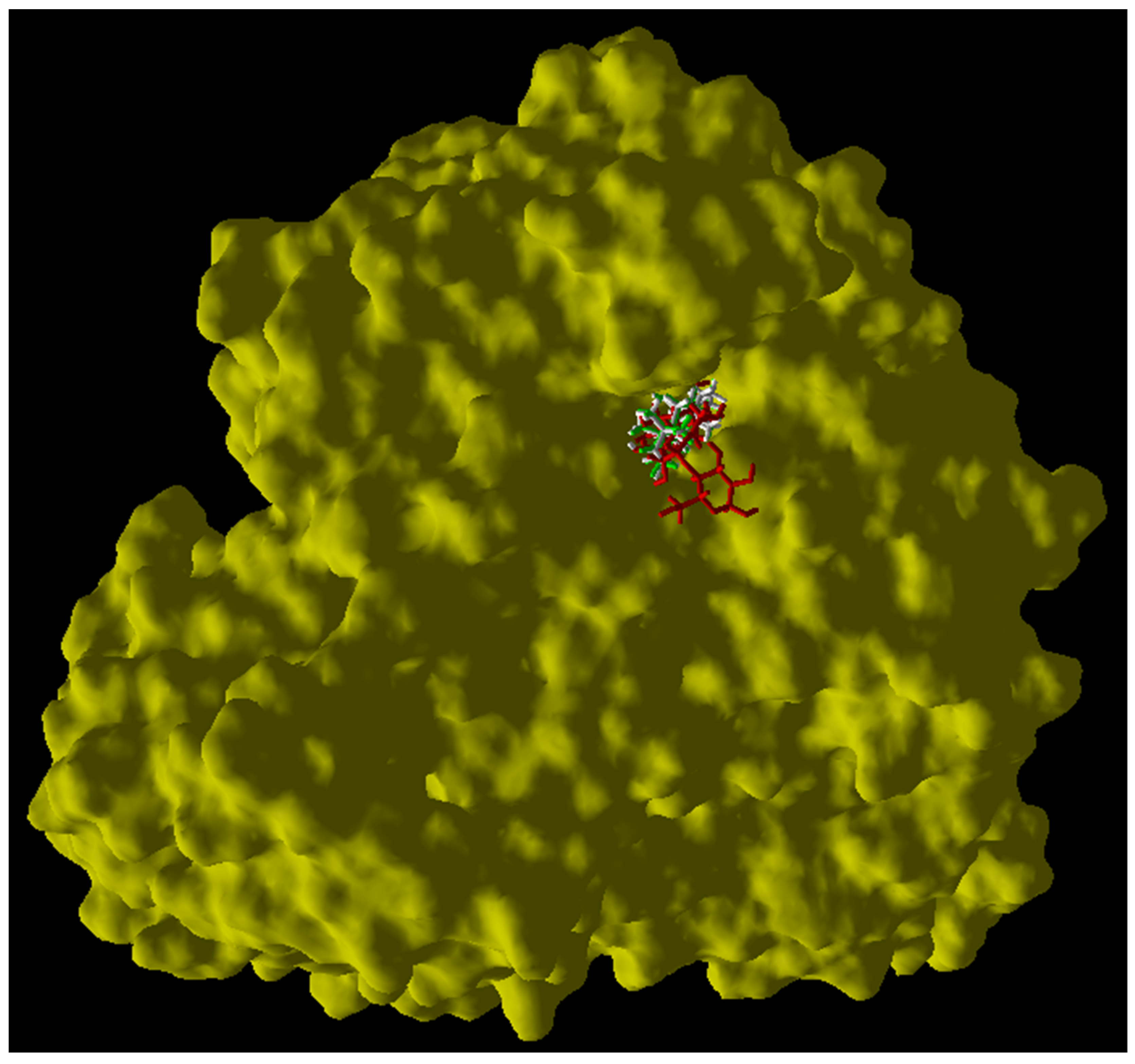
Panama boasts an expansive mangrove area and stands as one of the most biodiverse countries in America. While mangrove plants have long been utilized in traditional medicine, there are still unstudied species whose potential medicinal applications remain unknown. This study aimed to extract bioactive compounds from Mora oleifera (Triana ex Hemsl.) Ducke, an understudied mangrove species. Through bioassay-guided fractionation of the crude extract, we isolated seven active compounds identified as lupenone (1), lupeol (2), α-amyrin (3), β-amyrin (4), palmitic acid (5), sitosterol (6), and stigmasterol (7). Compound structures were determined using spectroscopic analyses, including APCI-HR-MS and NMR. Compounds 1–7 displayed concentration-dependent inhibition of the alpha-glucosidase enzyme, with IC50 values of 0.72, 1.05, 2.13, 1.22, 240.20, 18.70, and 163.10 µM, respectively. Their inhibitory activity surpassed acarbose, the positive control (IC50 241.6 µM). Kinetic analysis revealed that all compounds acted as competitive inhibitors. Docking analysis predicted that all triterpenes bonded to the same site as acarbose in human intestinal alpha-glucosidase (PDB: 3TOP). A complementary metabolomic analysis of M. oleifera active fractions revealed the presence of 64 compounds, shedding new light on the plant’s chemical composition. These findings suggest that M. oleifera holds promise as a valuable botanical source for developing compounds for managing blood sugar levels in individuals with diabetes.
Keywords: M. oleifera; α-glucosidase inhibition; pentacyclic triterpenes; GC-MS; GNPS M. oleifera; α-glucosidase inhibition; pentacyclic triterpenes; GC-MS; GNPS
Graphical Abstract