Review

Fluoroquinolones and Biofilm: A Narrative Review

1
Unit of Infectious Diseases, Department of Clinical Medicine, Ospedale “dell’Angelo”, 30174 Venice, Italy
2
Unit of Infectious Diseases, Department of Clinical Medicine, Ospedale Civile “S.S. Giovanni e Paolo”, 30122 Venice, Italy
3
Department of Molecular Medicine, University of Padua, 35121 Padua, Italy
4
Unit of Infectious Diseases, Department of Medicine, Surgery and Pharmacy, University of Sassari, 07100 Sassari, Italy
5
Faculty of Medicine, Iuliu Hatieganu University of Medicine and Pharmacy, 400012 Cluj-Napoca, Romania
6
Department of Infectious-Tropical Diseases and Microbiology, IRCCS Sacro Cuore Don Calabria Hospital, Negrar, 37024 Verona, Italy
7
Department of Microbiology, Iuliu Hatieganu University of Medicine and Pharmacy, 400012 Cluj-Napoca, Romania
8
Infectious Diseases Unit, Trieste University Hospital (ASUGI), 34125 Trieste, Italy
9
Clinical Microbiology and Virology Unit, Great Metropolitan Hospital “Bianchi-Melacrino-Morelli”, 89128 Reggio di Calabria, Italy
10
Clinical Department of Medical, Surgical and Health Sciences, Trieste University, 34129 Trieste, Italy
*
Author to whom correspondence should be addressed.
Pharmaceuticals 2024, 17(12), 1673; https://doi.org/10.3390/ph17121673
Submission received: 10 November 2024 / Revised: 4 December 2024 / Accepted: 5 December 2024 / Published: 11 December 2024
(This article belongs to the Special Issue Fluoroquinolones)

Abstract

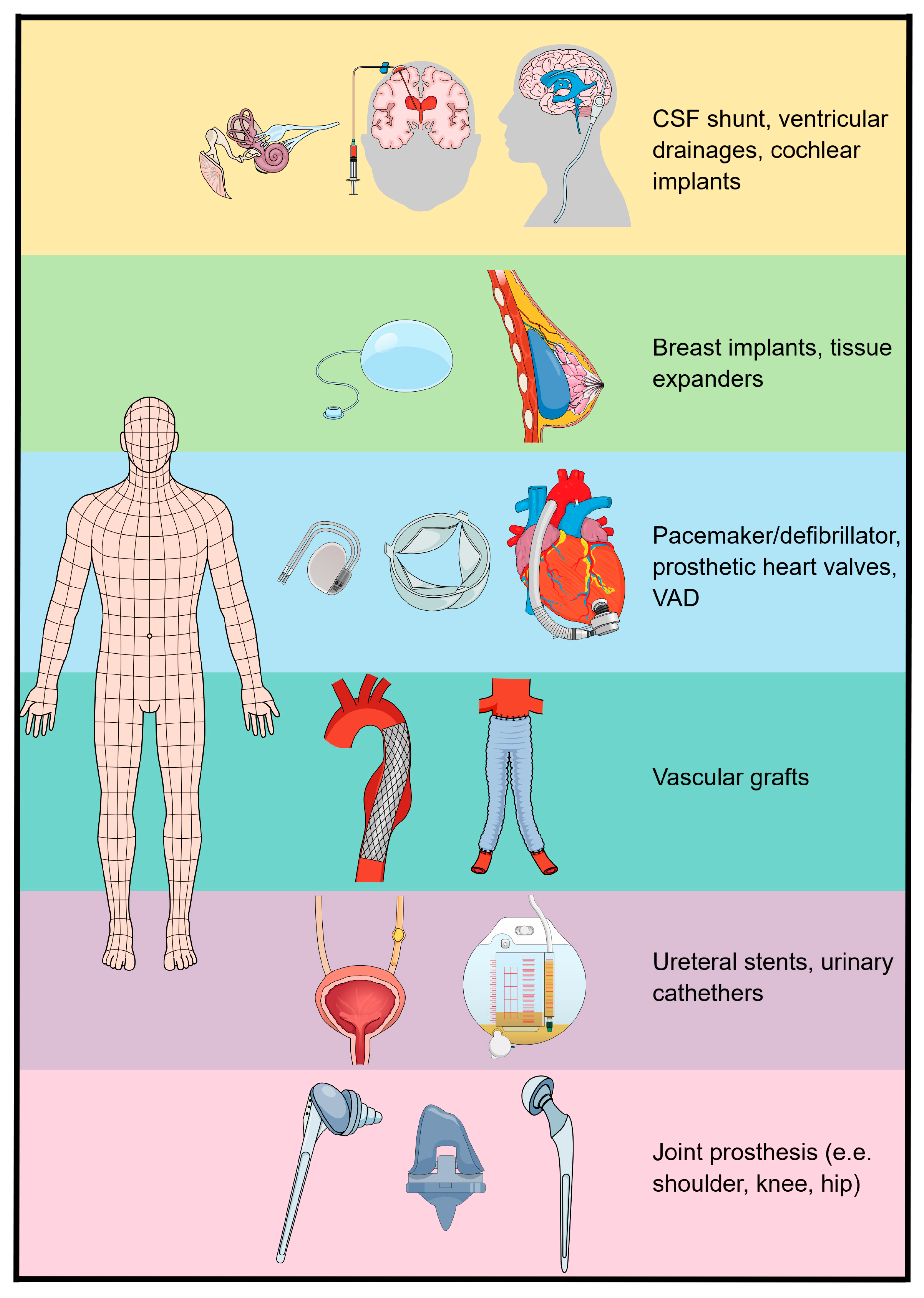
Background: Biofilm-associated infections frequently span multiple body sites and represent a significant clinical challenge, often requiring a multidisciplinary approach involving surgery and antimicrobial therapy. These infections are commonly healthcare-associated and frequently related to internal or external medical devices. The formation of biofilms complicates treatment, as they create environments that are difficult for most antimicrobial agents to penetrate. Fluoroquinolones play a critical role in the eradication of biofilm-related infections. Numerous studies have investigated the synergistic potential of combining fluoroquinolones with other chemical agents to augment their efficacy while minimizing potential toxicity. Comparative research suggests that the antibiofilm activity of fluoroquinolones is superior to that of beta-lactams and glycopeptides. However, their activity remains less effective than that of minocycline and fosfomycin. Noteworthy combinations include fluoroquinolones with fosfomycin and aminoglycosides for enhanced activity against Gram-negative organisms and fluoroquinolones with minocycline and rifampin for more effective treatment of Gram-positive infections. Despite the limitations of fluoroquinolones due to the intrinsic characteristics of this antibiotic, they remain fundamental in this setting thanks to their bioavailability and synergisms with other drugs. Methods: A comprehensive literature search was conducted using online databases (PubMed/MEDLINE/Google Scholar) and books written by experts in microbiology and infectious diseases to identify relevant studies on fluoroquinolones and biofilm. Results: This review critically assesses the role of fluoroquinolones in managing biofilm-associated infections in various clinical settings while also exploring the potential benefits of combination therapy with these antibiotics. Conclusions: The literature predominantly consists of in vitro studies, with limited in vivo investigations. Although real world data are scarce, they are in accordance with fluoroquinolones’ effectiveness in managing early biofilm-associated infections. Also, future perspectives of newer treatment options to be placed alongside fluoroquinolones are discussed. This review underscores the role of fluoroquinolones in the setting of biofilm-associated infections, providing a comprehensive guide for physicians regarding the best use of this class of antibiotics while highlighting the existing critical issues.
Keywords: fluoroquinolone; biofilm; biofilm-forming infections; fluoroquinolone and biofilm; antibiotic therapy fluoroquinolone; biofilm; biofilm-forming infections; fluoroquinolone and biofilm; antibiotic therapy