Article

Development of Dibenzothiazepine Derivatives as Multifunctional Compounds for Neuropathic Pain
1
School of Life Sciences, Gwangju Institute of Science and Technology (GIST), Gwangju 61005, Korea
2
Department of Anesthesiology and Pain Medicine, Chonnam National University Medical School, Gwangju 61469, Korea
3
Center for Creative Biomedical Scientists, Chonnam National University Medical School, Gwangju 61469, Korea
4
Department of Chemistry, Gwangju Institute of Science and Technology (GIST), Gwangju 61005, Korea
5
Convergence Research Center for Brain Science, Korea Institute of Science and Technology (KIST), Seoul 02792, Korea
6
Division of Bio-Medical Science & Technology, KIST School, Korea University of Science and Technology, Seoul 02792, Korea
7
Department of Biomedical Science and Engineering, Gwangju Institute of Science and Technology (GIST), Gwangju 61005, Korea
*
Authors to whom correspondence should be addressed.
These authors contributed equally to this work.
Pharmaceuticals 2022, 15(4), 407; https://doi.org/10.3390/ph15040407
Submission received: 22 February 2022 / Revised: 18 March 2022 / Accepted: 23 March 2022 / Published: 27 March 2022
(This article belongs to the Special Issue Multitarget Drug Discovery and Pharmacology)

Abstract

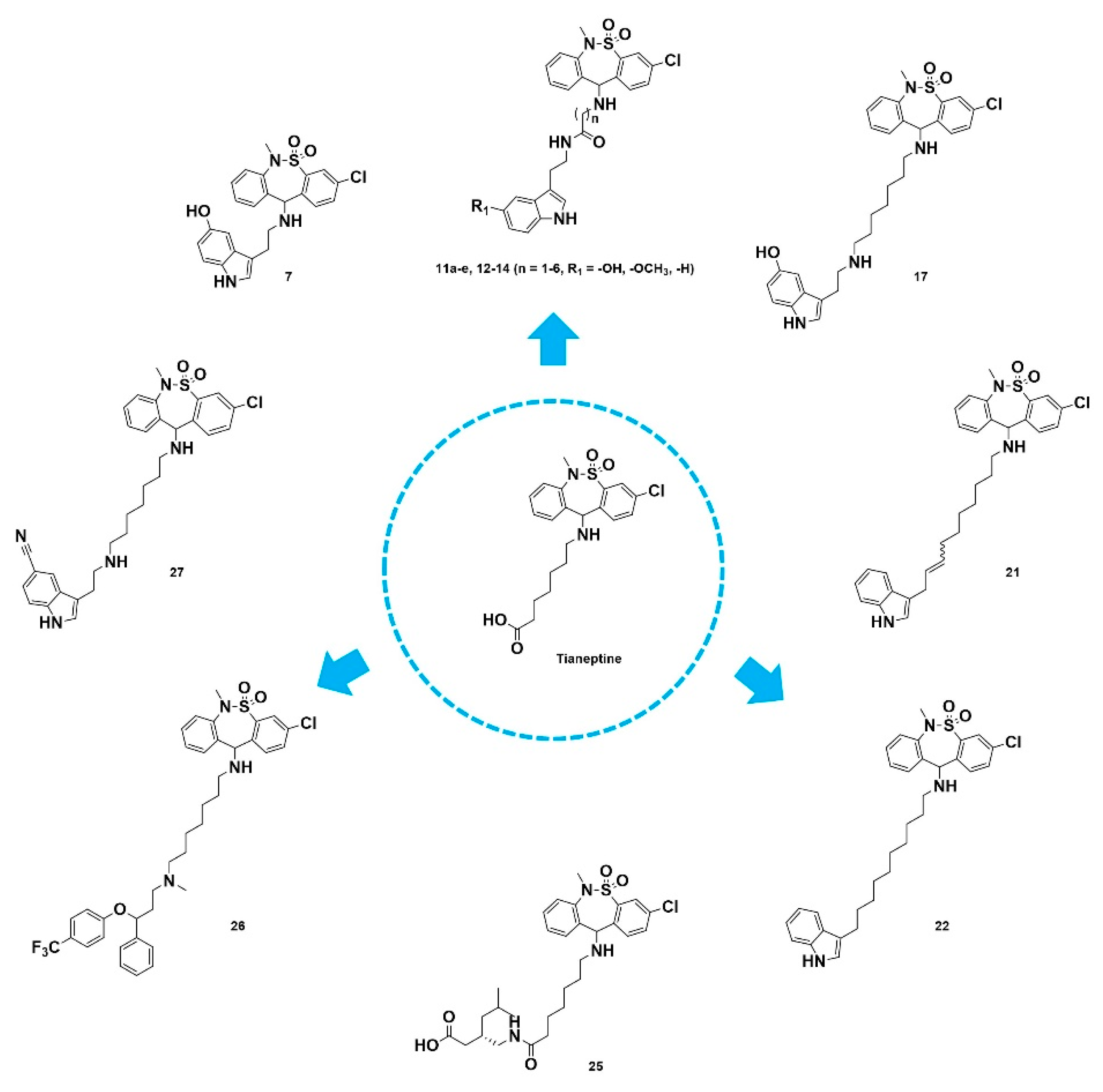
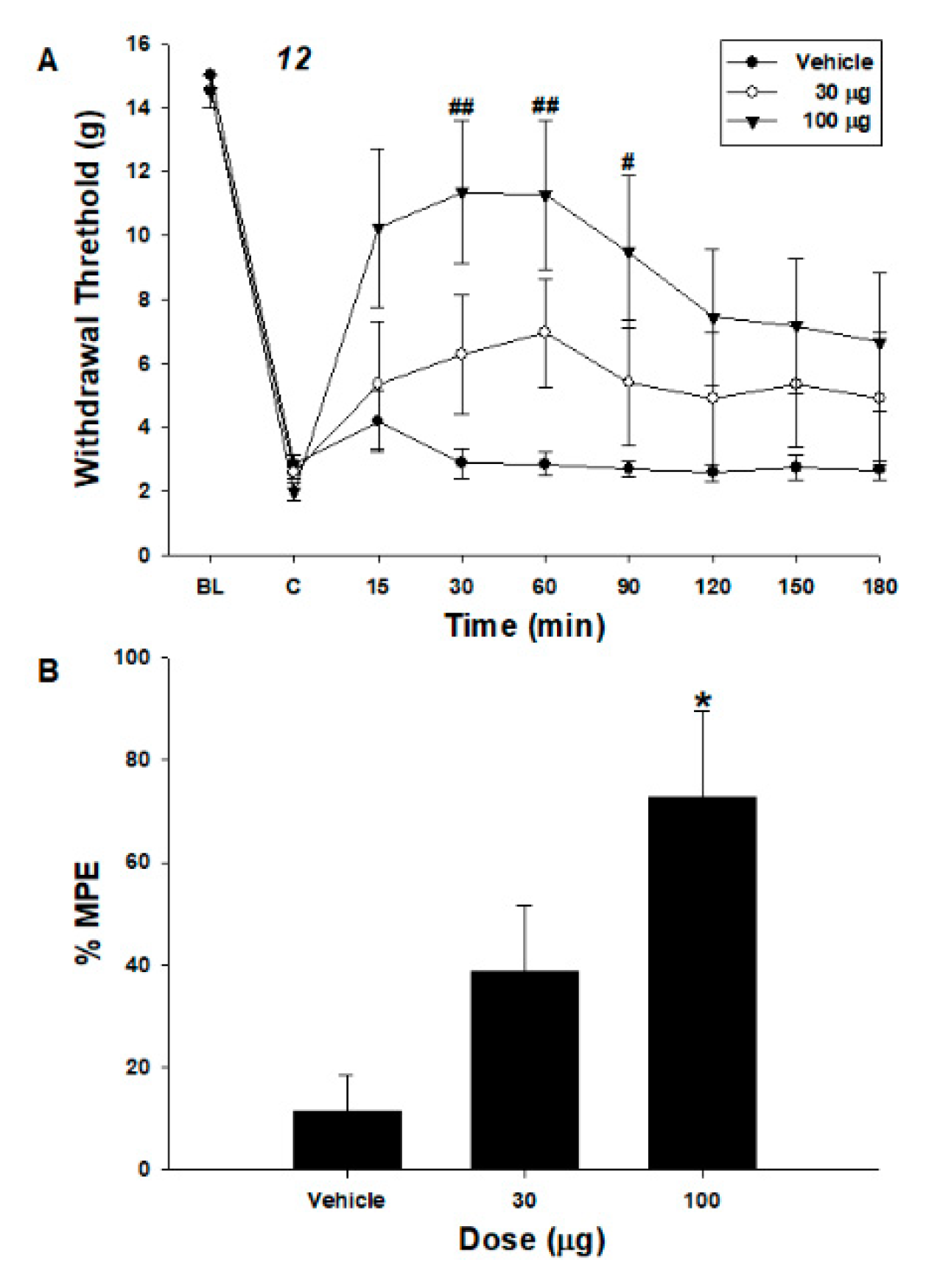
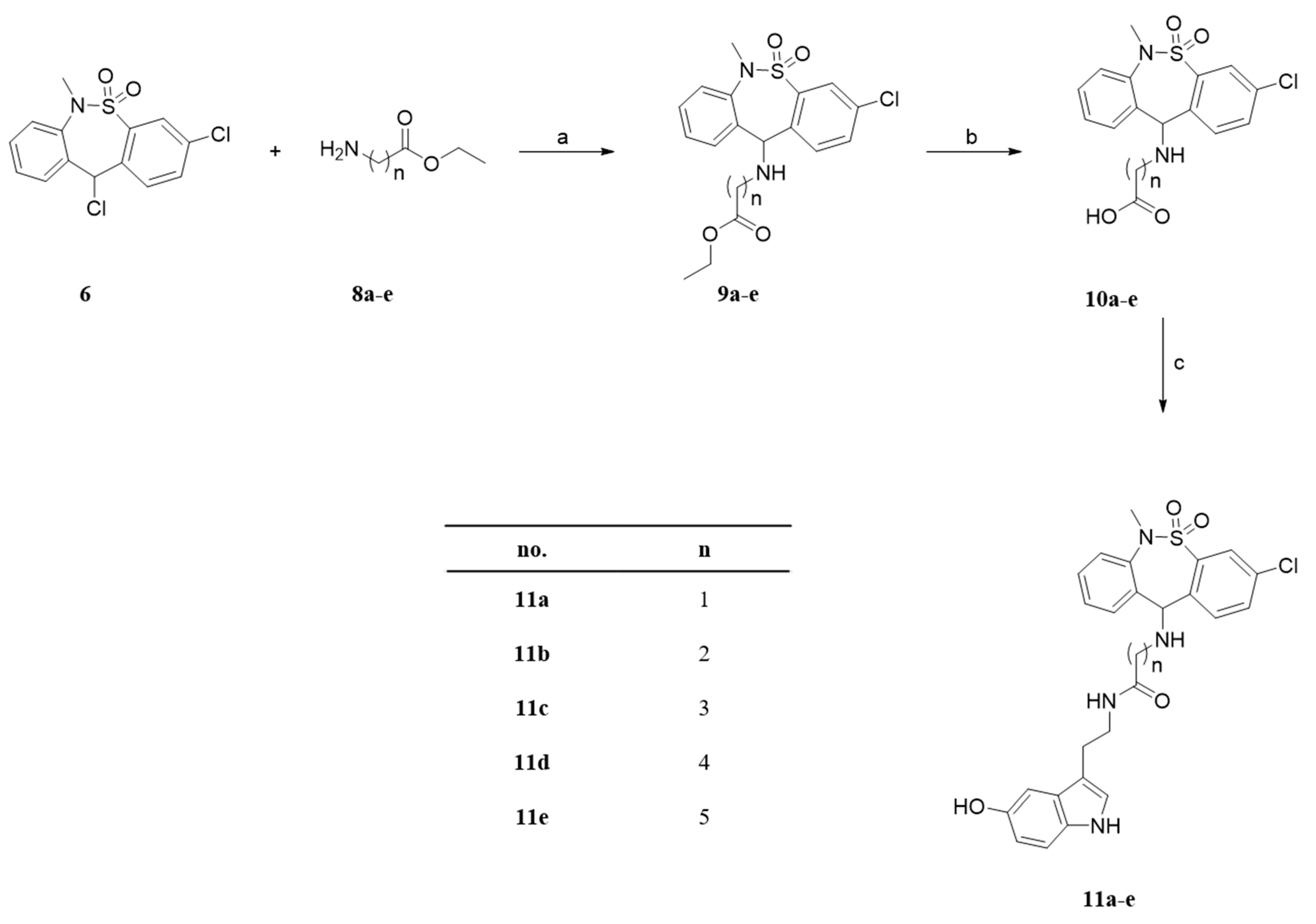
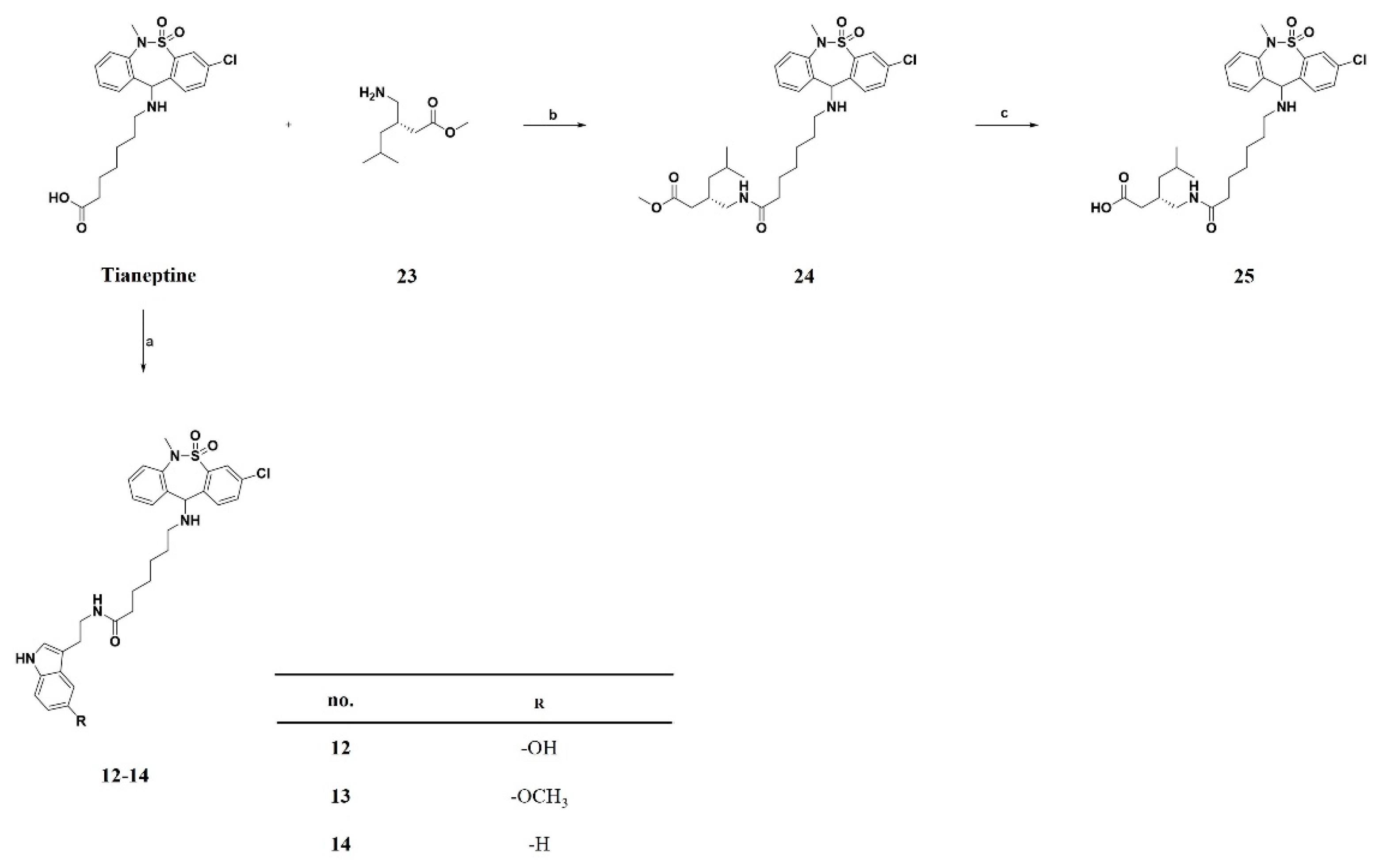
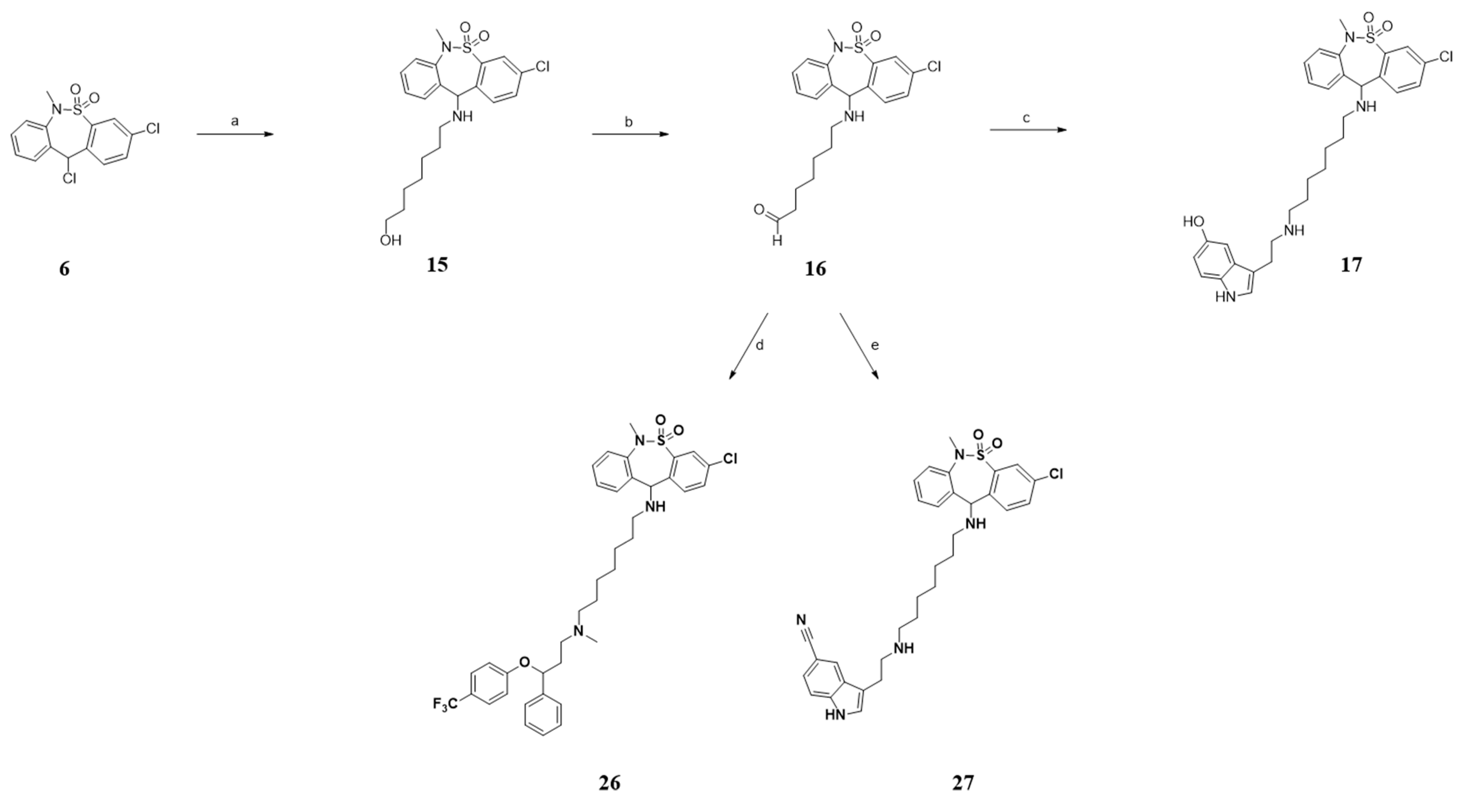
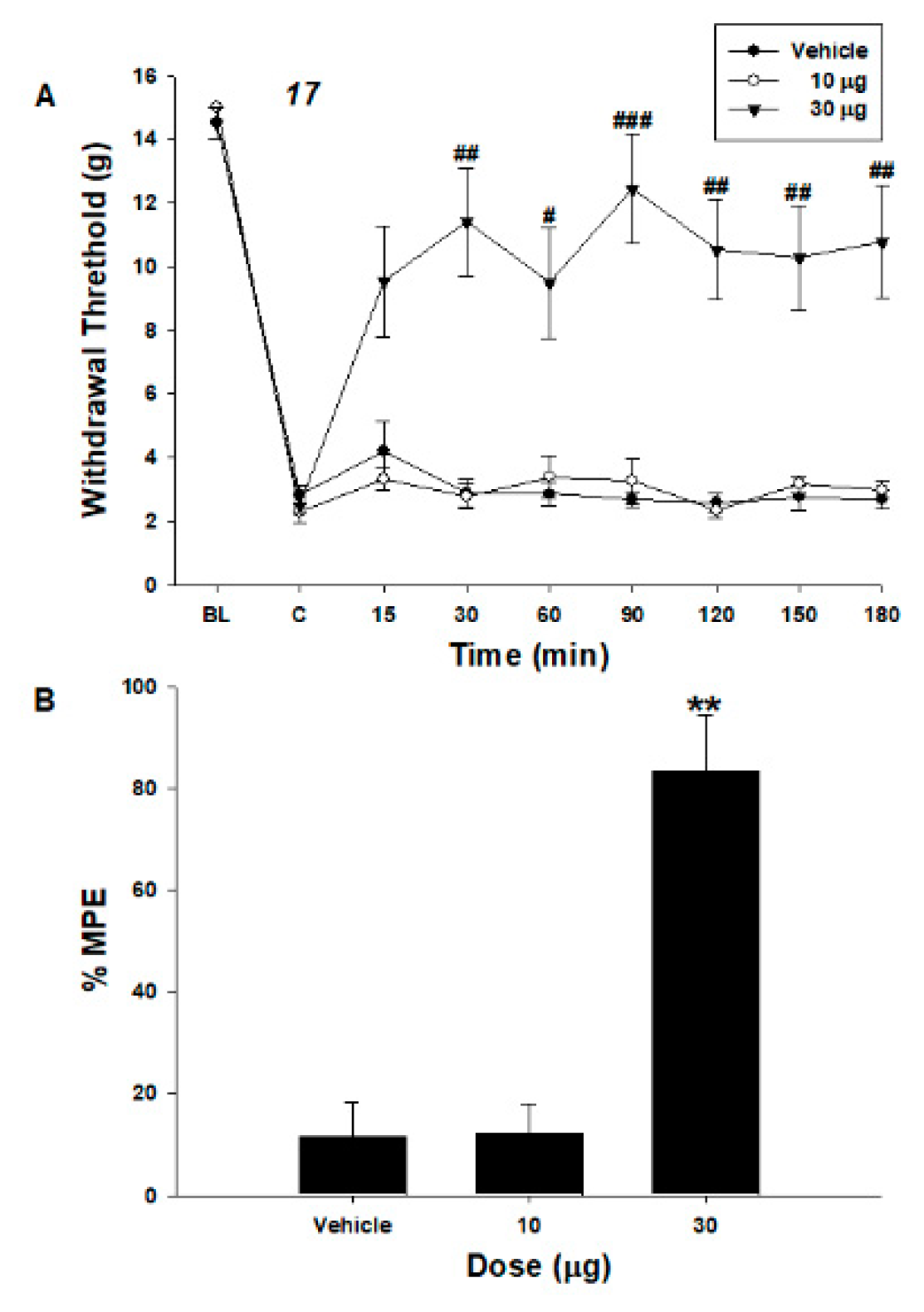
Neuropathic pain is a chronic and sometimes intractable condition caused by lesions or diseases of the somatosensory nervous system. Many drugs are available but unfortunately do not provide satisfactory effects in patients, producing limited analgesia and undesirable side effects. Thus, there is an urgent need to develop new pharmaceutical agents to treat neuropathic pain. To date, highly specific agents that modulate a single target, such as receptors or ion channels, never progress to the clinic, which may reflect the diverse etiologies of neuropathic pain seen in the human patient population. Therefore, the development of multifunctional compounds exhibiting two or more pharmacological activities is an attractive strategy for addressing unmet medical needs for the treatment of neuropathic pain. To develop novel multifunctional compounds, key pharmacophores of currently used clinical pain drugs, including pregabalin, fluoxetine and serotonin analogs, were hybridized to the side chain of tianeptine, which has been used as an antidepressant. The biological activities of the hybrid analogs were evaluated at the human transporters of neurotransmitters, including serotonin (hSERT), norepinephrine (hNET) and dopamine (hDAT), as well as mu (μ) and kappa (κ) opioid receptors. The most advanced hybrid of these multifunctional compounds, 17, exhibited multiple transporter inhibitory activities for the uptake of neurotransmitters with IC50 values of 70 nM, 154 nM and 2.01 μM at hSERT, hNET and hDAT, respectively. Additionally, compound 17 showed partial agonism (EC50 = 384 nM) at the μ-opioid receptor with no influence at the κ-opioid receptor. In in vivo pain animal experiments, the multifunctional compound 17 showed significantly reduced allodynia in a spinal nerve ligation (SNL) model by intrathecal administration, indicating that multitargeted strategies in single therapy could considerably benefit patients with multifactorial diseases, such as pain.
Keywords: neuropathic pain; multifunctional compound; multiple mechanisms of action; tianeptine; opioid receptor; neurotransmitter transporter neuropathic pain; multifunctional compound; multiple mechanisms of action; tianeptine; opioid receptor; neurotransmitter transporter