Article

Small-Dose Sunitinib Modulates p53, Bcl-2, STAT3, and ERK1/2 Pathways and Protects against Adenine-Induced Nephrotoxicity


by
Mohamed A. Saleh
1,2,*,
Ahmed M. Awad
2,
Tarek M. Ibrahim
2 and
Nashwa M. Abu-Elsaad
2
1
Department of Clinical Sciences, College of Medicine, University of Sharjah, Sharjah 27272, UAE
2
Department of Pharmacology and Toxicology, Faculty of Pharmacy, Mansoura University, Mansoura 33516, Egypt
*
Author to whom correspondence should be addressed.
Pharmaceuticals 2020, 13(11), 397; https://doi.org/10.3390/ph13110397
Submission received: 11 October 2020 / Revised: 13 November 2020 / Accepted: 13 November 2020 / Published: 17 November 2020
(This article belongs to the Section Pharmacology)

Abstract

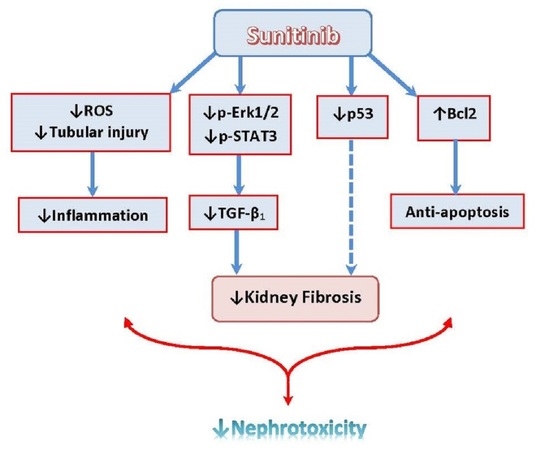
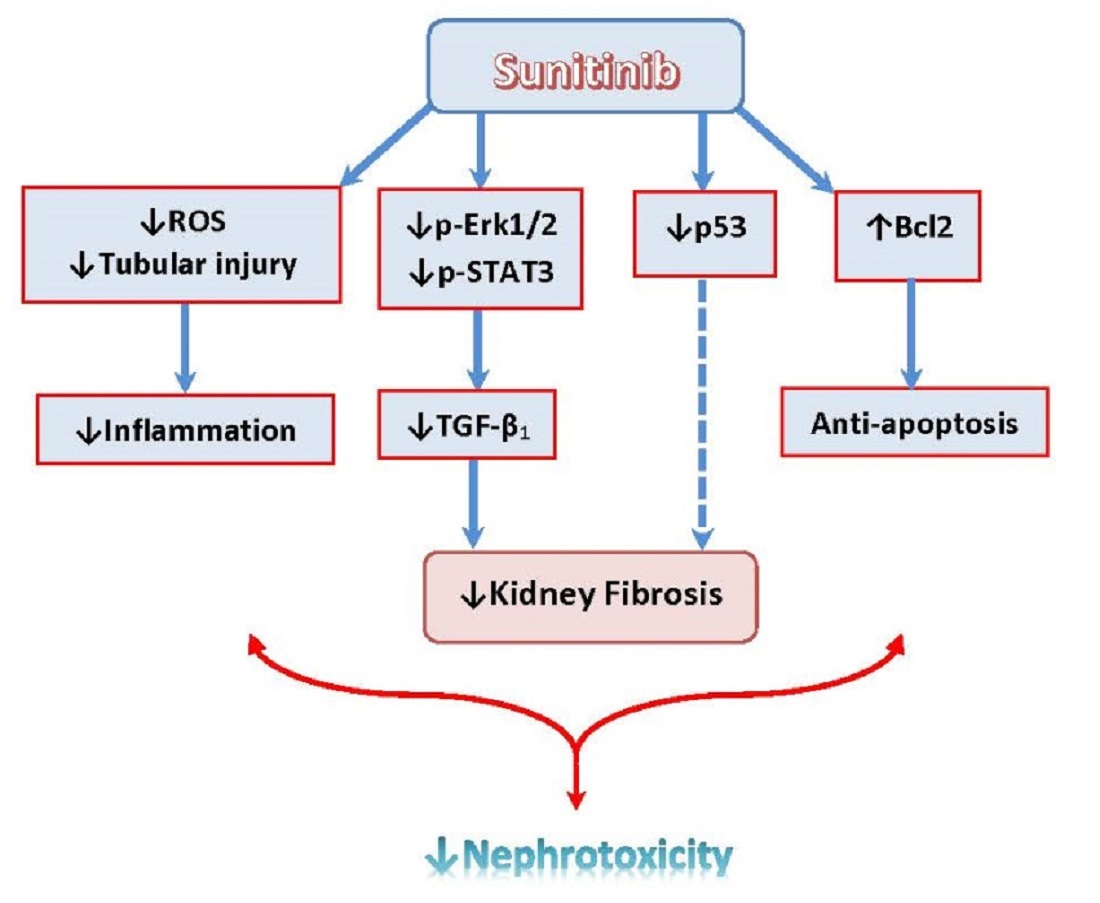
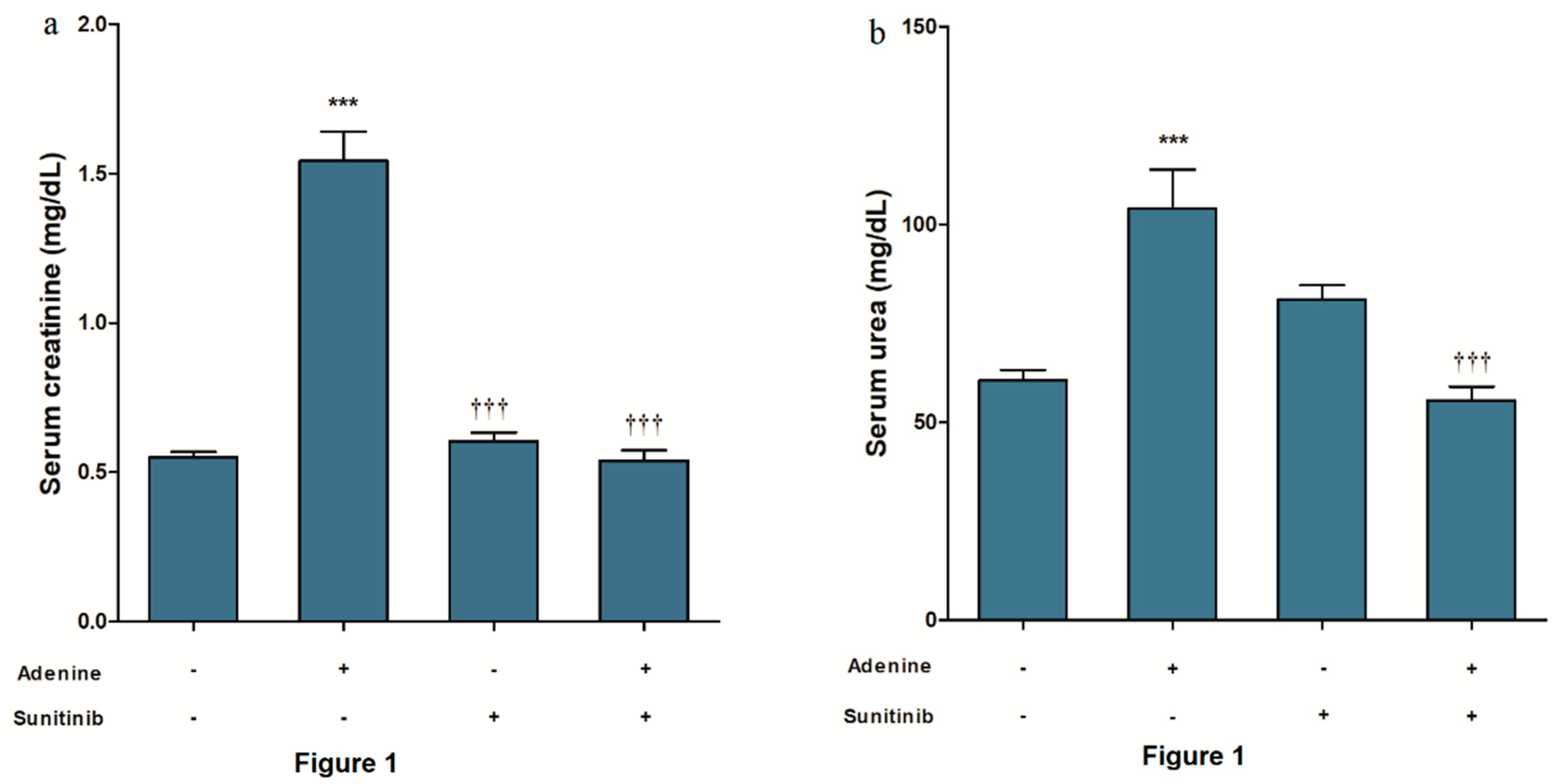
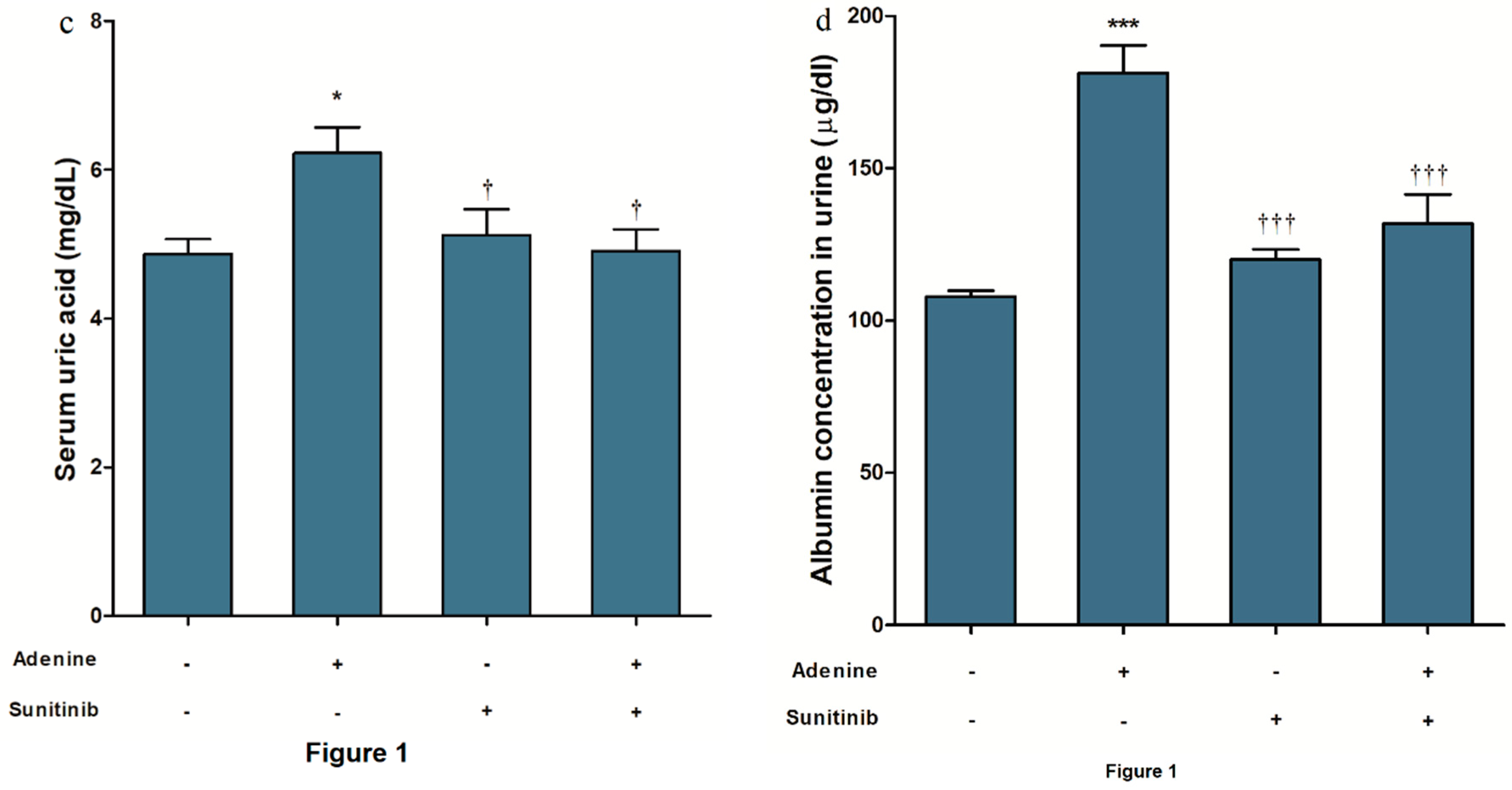
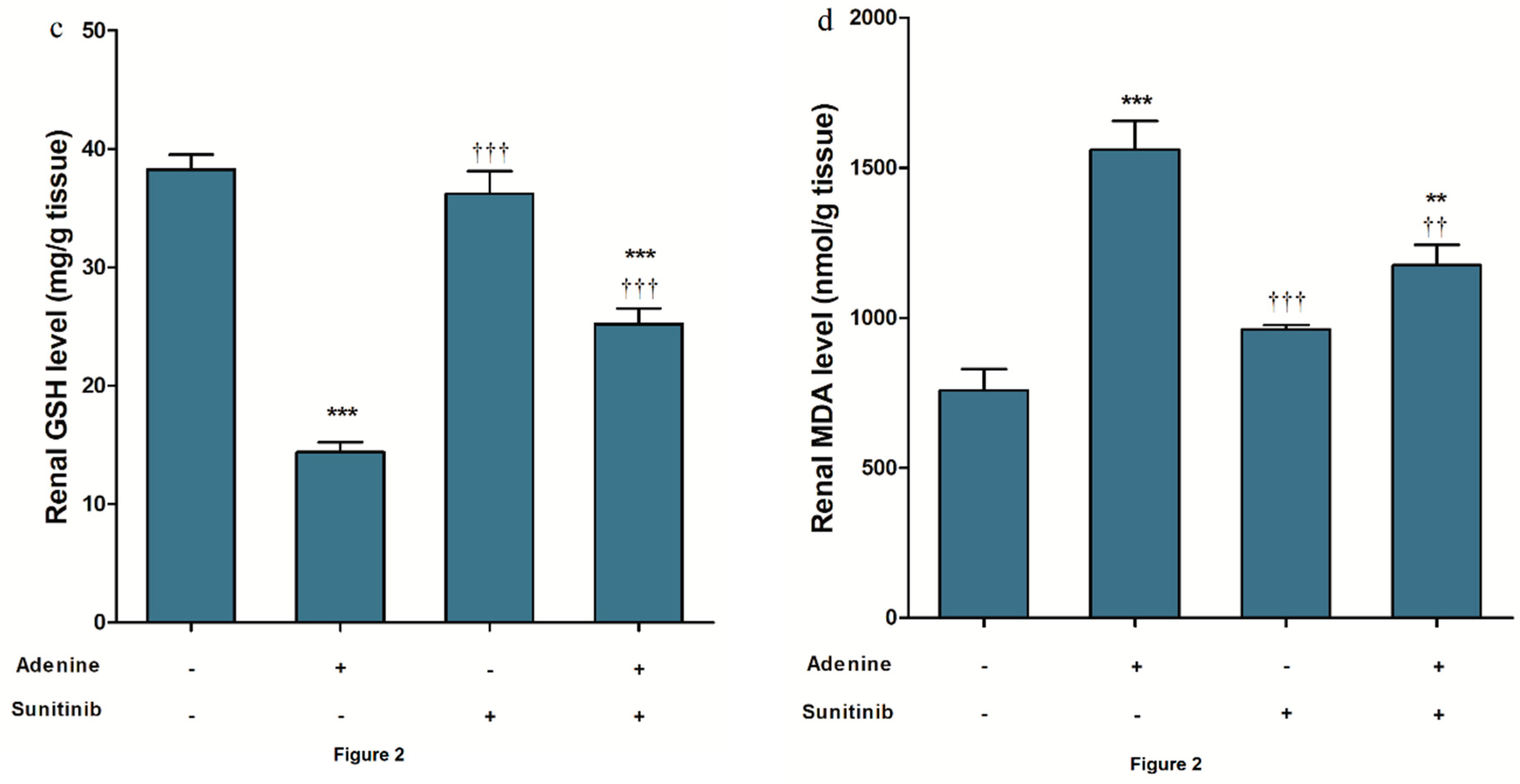
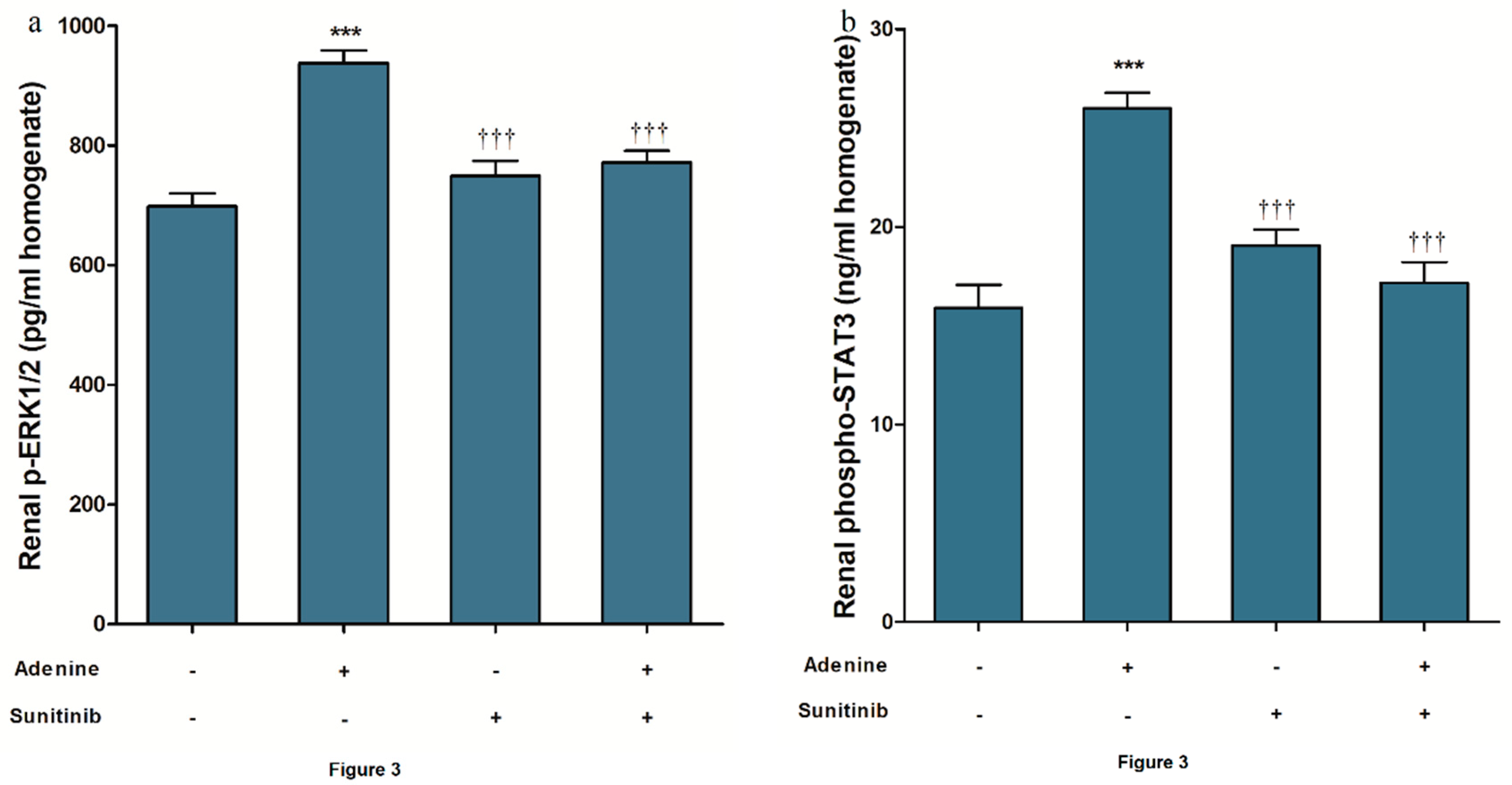
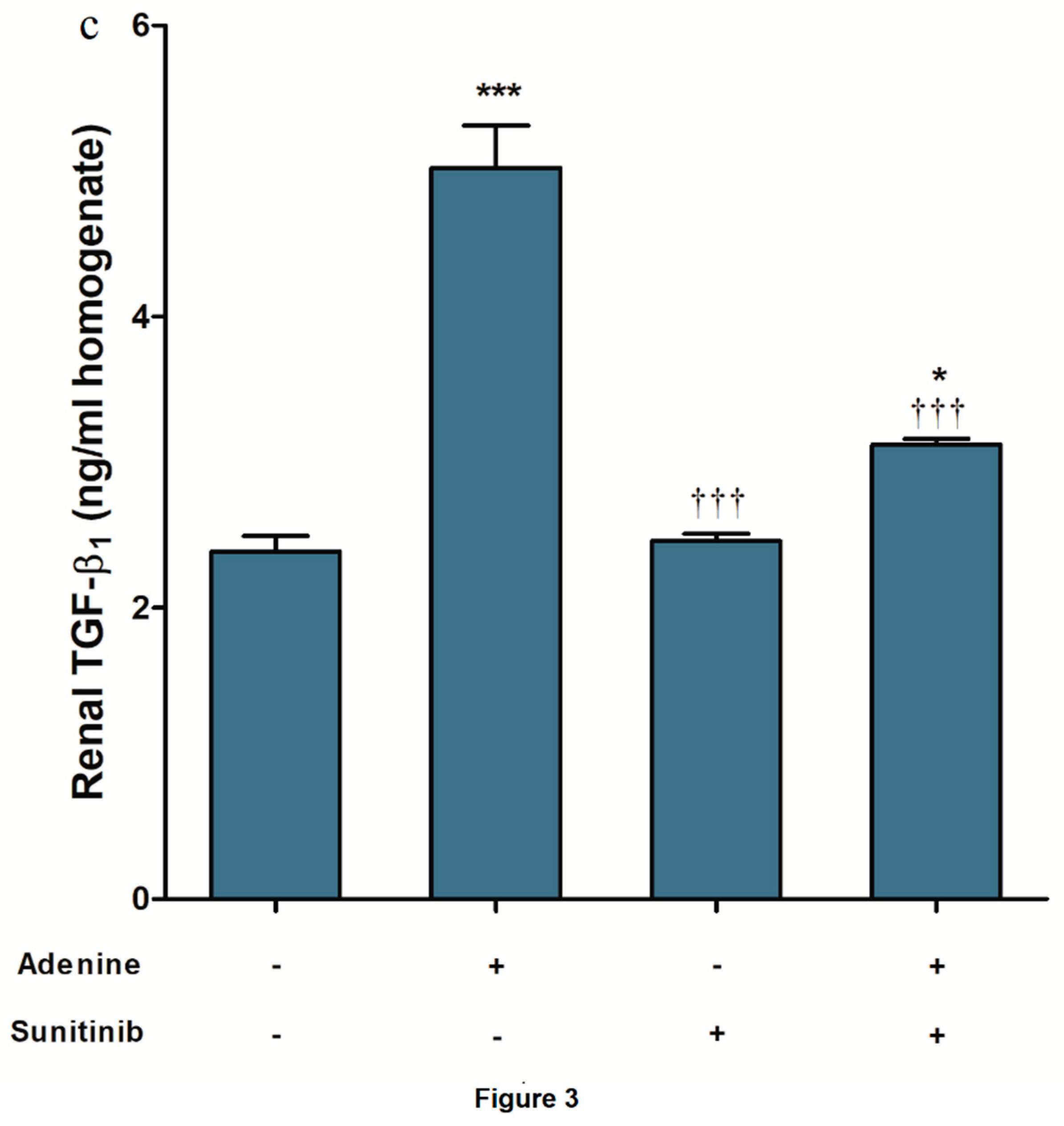
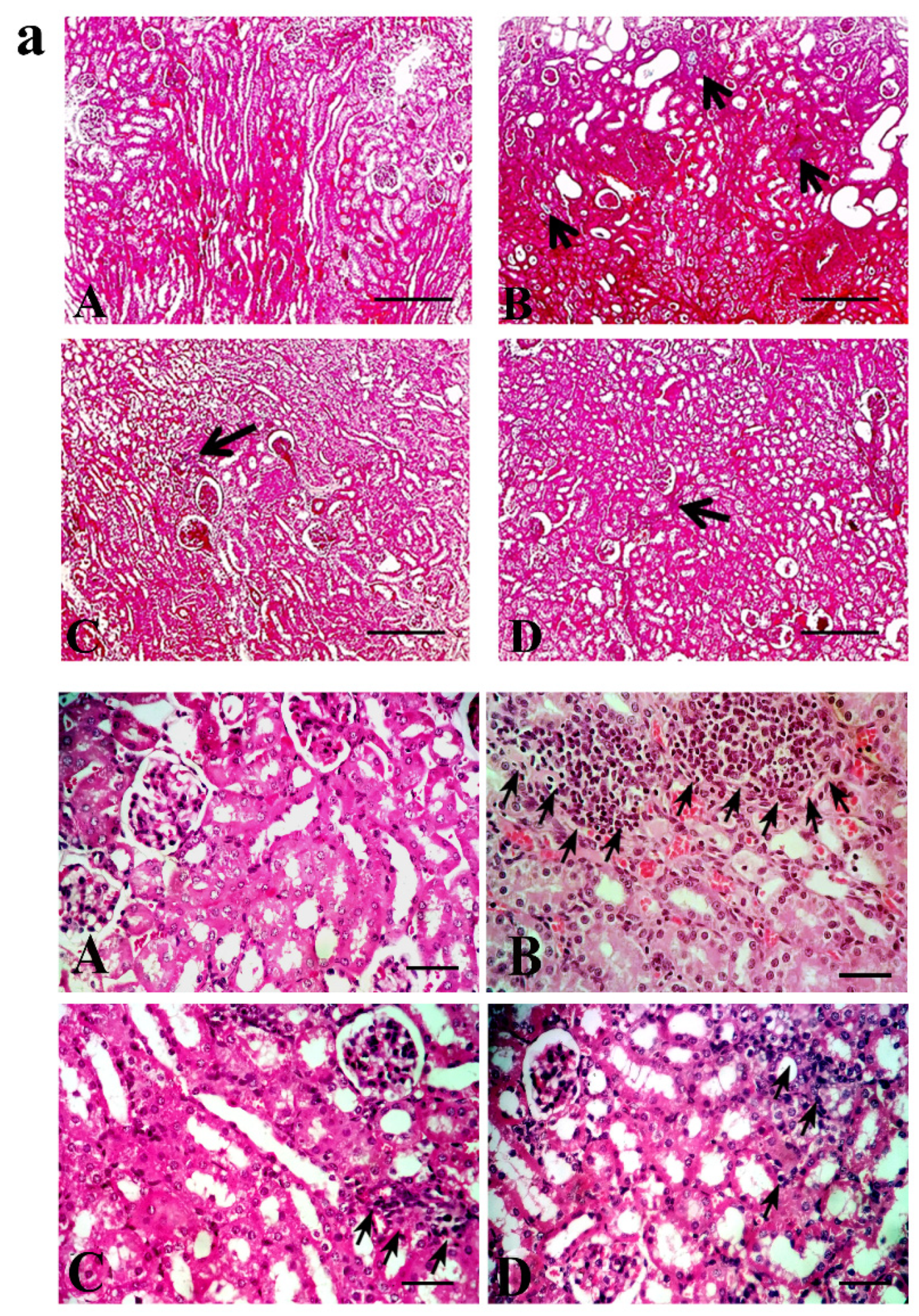
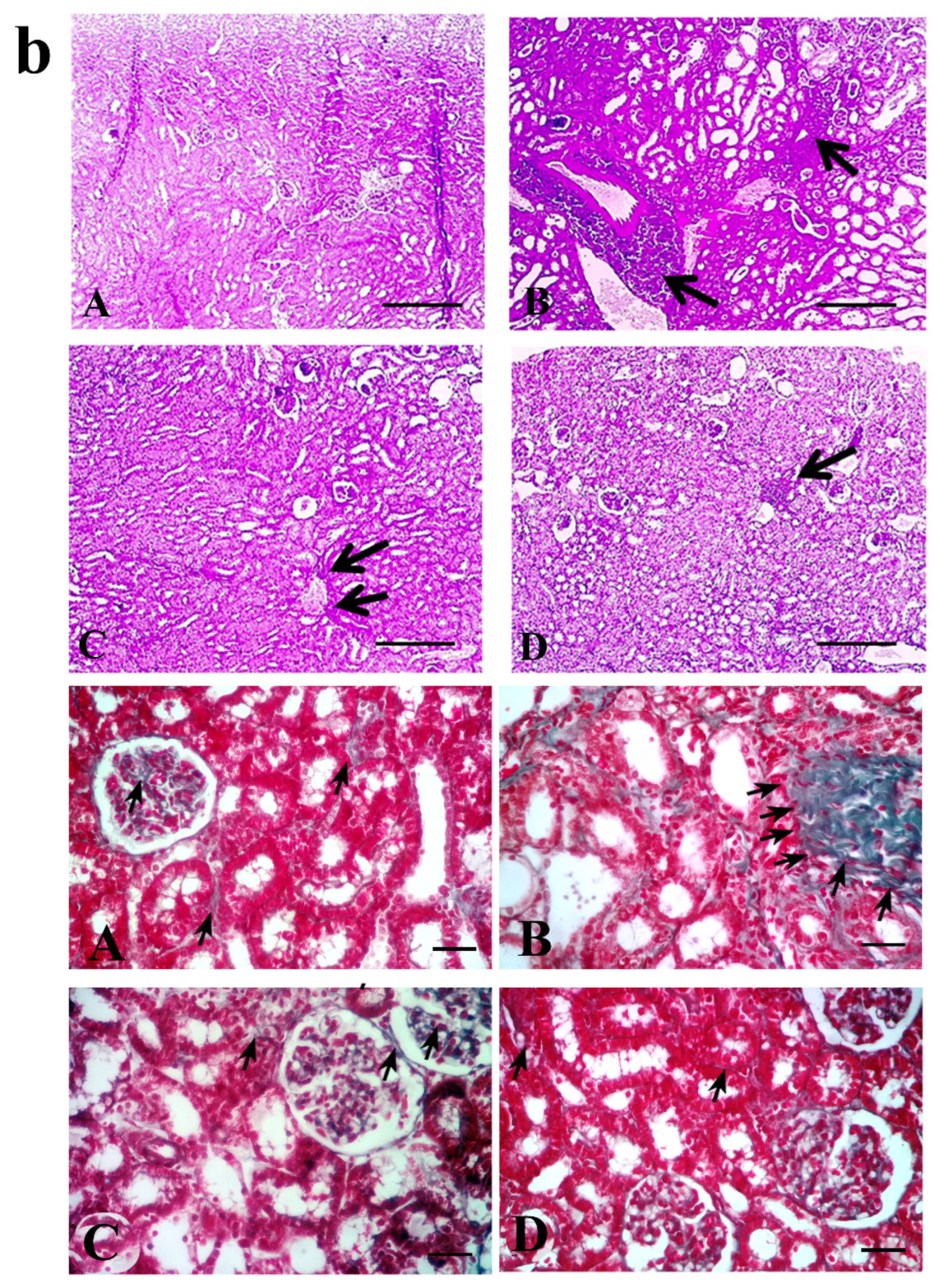
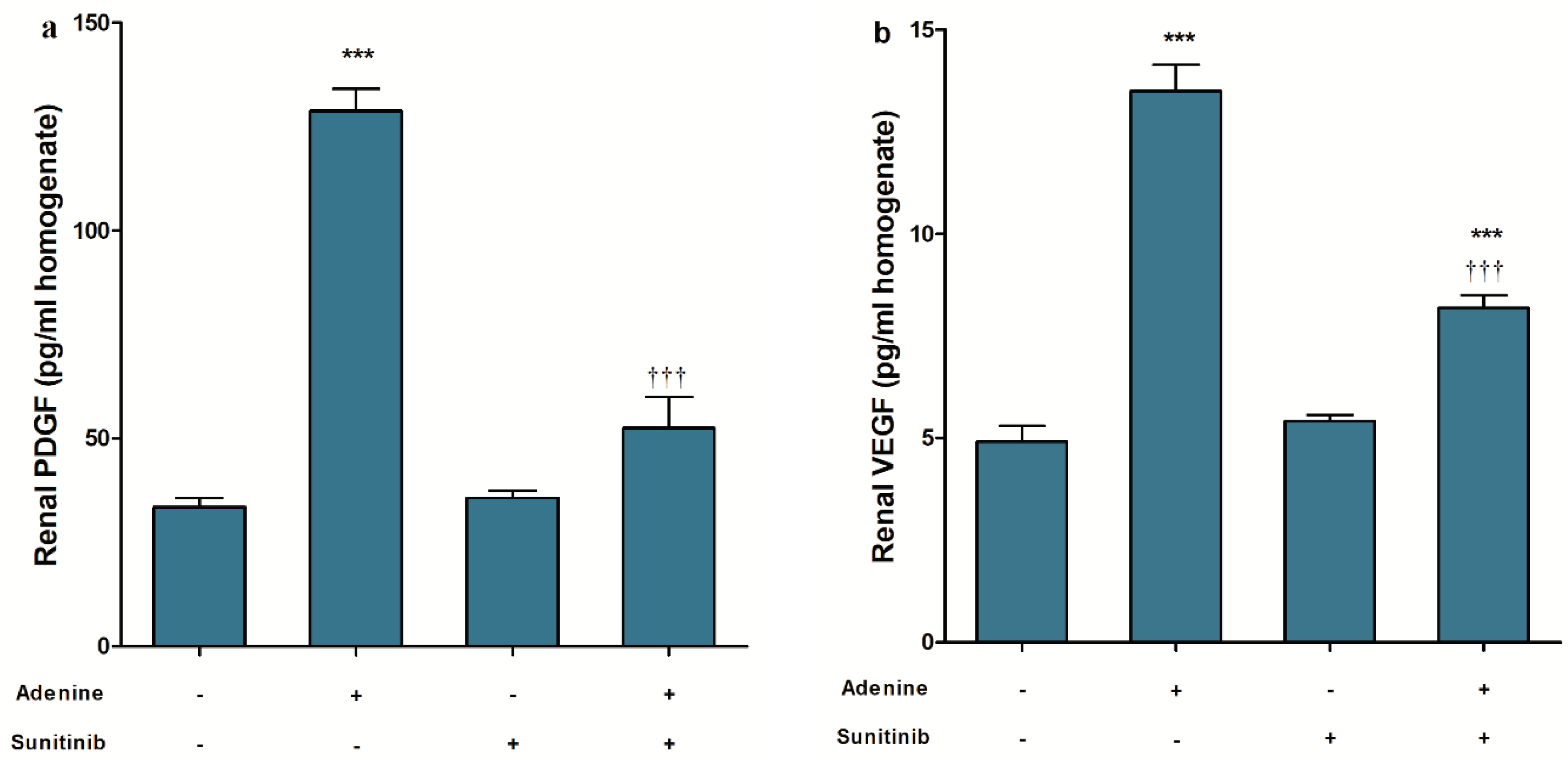
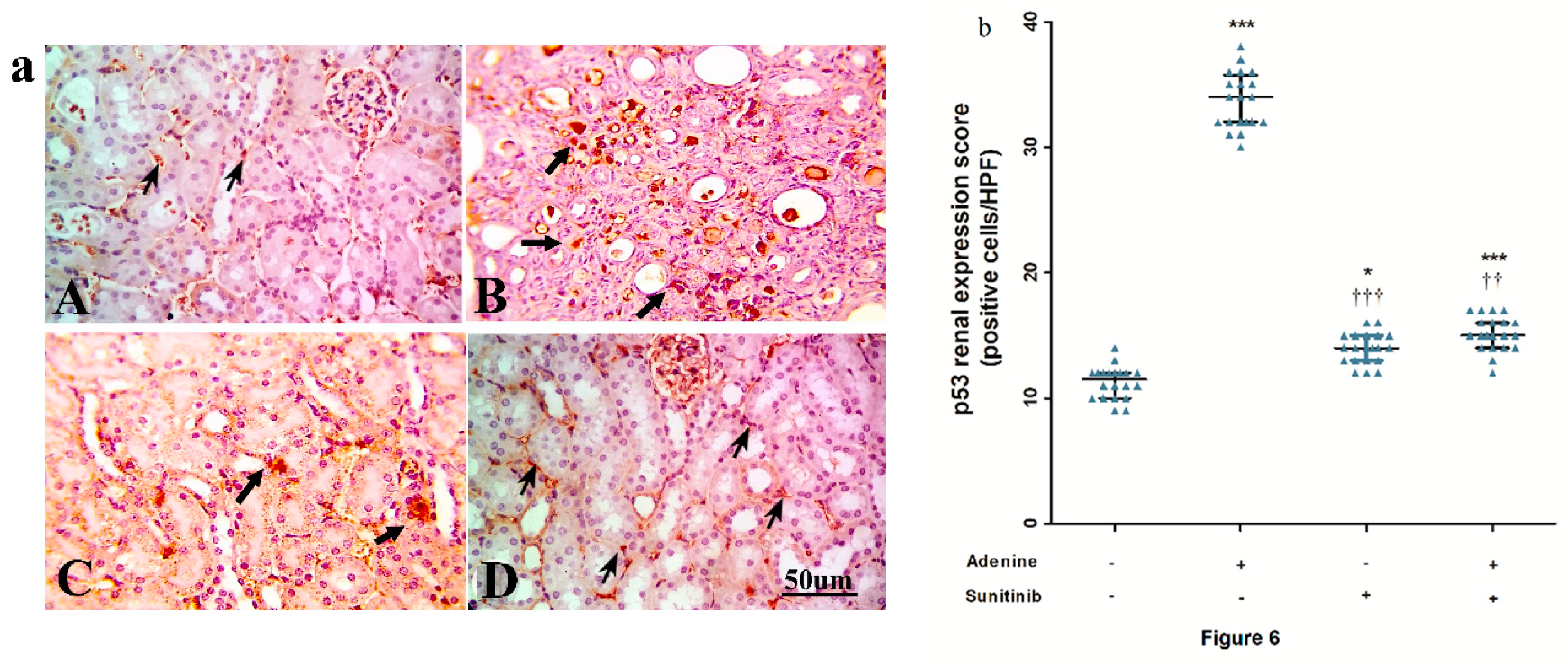
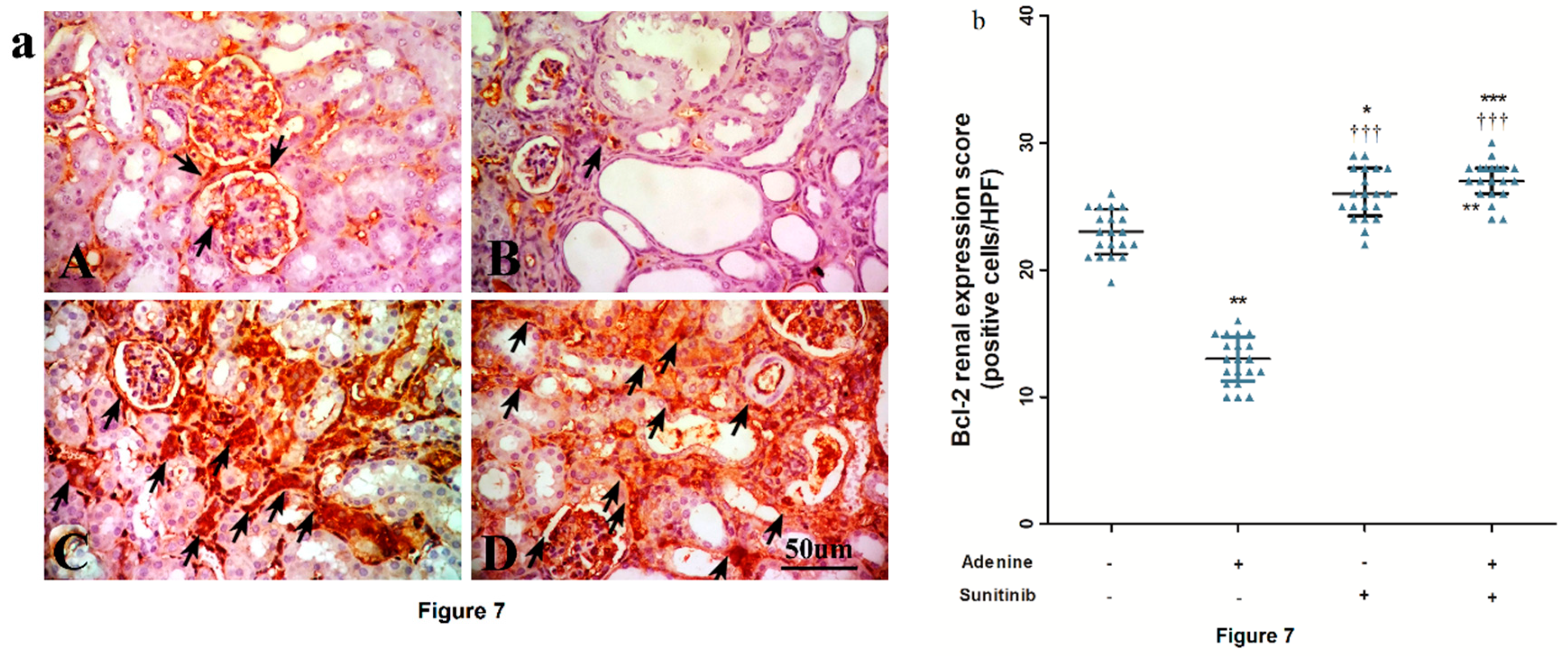
The therapeutic use of numerous pharmacological agents may be limited due to their nephrotoxicity and associated kidney injury. The aim of our study is to test the hypothesis that the blockade of tyrosine kinase-linked receptors signaling protects against chemically induced nephrotoxicity. To test our hypothesis, we investigated sunitinib as an inhibitor for tyrosine kinase signaling for both vascular endothelial growth factor receptor (VEGFR) and platelet-derived growth factor receptors (PDGFR) against adenine-induced nephrotoxicity. Four groups of adult male Swiss albino mice were investigated: normal group, adenine group, sunitinib group, and the adenine+sunitinib group that received concurrent administration for both adenine and sunitinib. Kidney function and oxidative stress biomarkers were analyzed. Tubular injury and histopathological changes were examined. Renal expression of B-cell lymphoma-2 (Bcl-2), the tumor suppressor p53, transforming growth factor beta-1 (TGF-β1), phospho-extracellular signal-regulated kinase 1/2 (p-ERK1/2), and phospho-signal transducer and activator of transcription (phospho-STAT3) were measured. The results obtained showed significant improvement (p < 0.05) in kidney function and antioxidant biomarkers in the adenine+sunitinib group. Kidney fibrosis and tubular injury scores were significantly (p < 0.05) less in the adenine+sunitinib group and that of p53 expression as well. Furthermore, sunitinib decreased (p < 0.5) renal levels of TGF-β1, p-ERK1/2, and phospho-STAT3 while elevating Bcl-2 expression score. In conclusion, sunitinib diminished adenine-induced nephrotoxicity through interfering with profibrogenic pathways, activating anti-apoptotic mechanisms, and possessing potential antioxidant capabilities.
Keywords: sunitinib; p53; nephrotoxicity; TGF-β1; ERK1/2; Bcl-2 sunitinib; p53; nephrotoxicity; TGF-β1; ERK1/2; Bcl-2
Graphical Abstract