4.1. Validation of Simulation
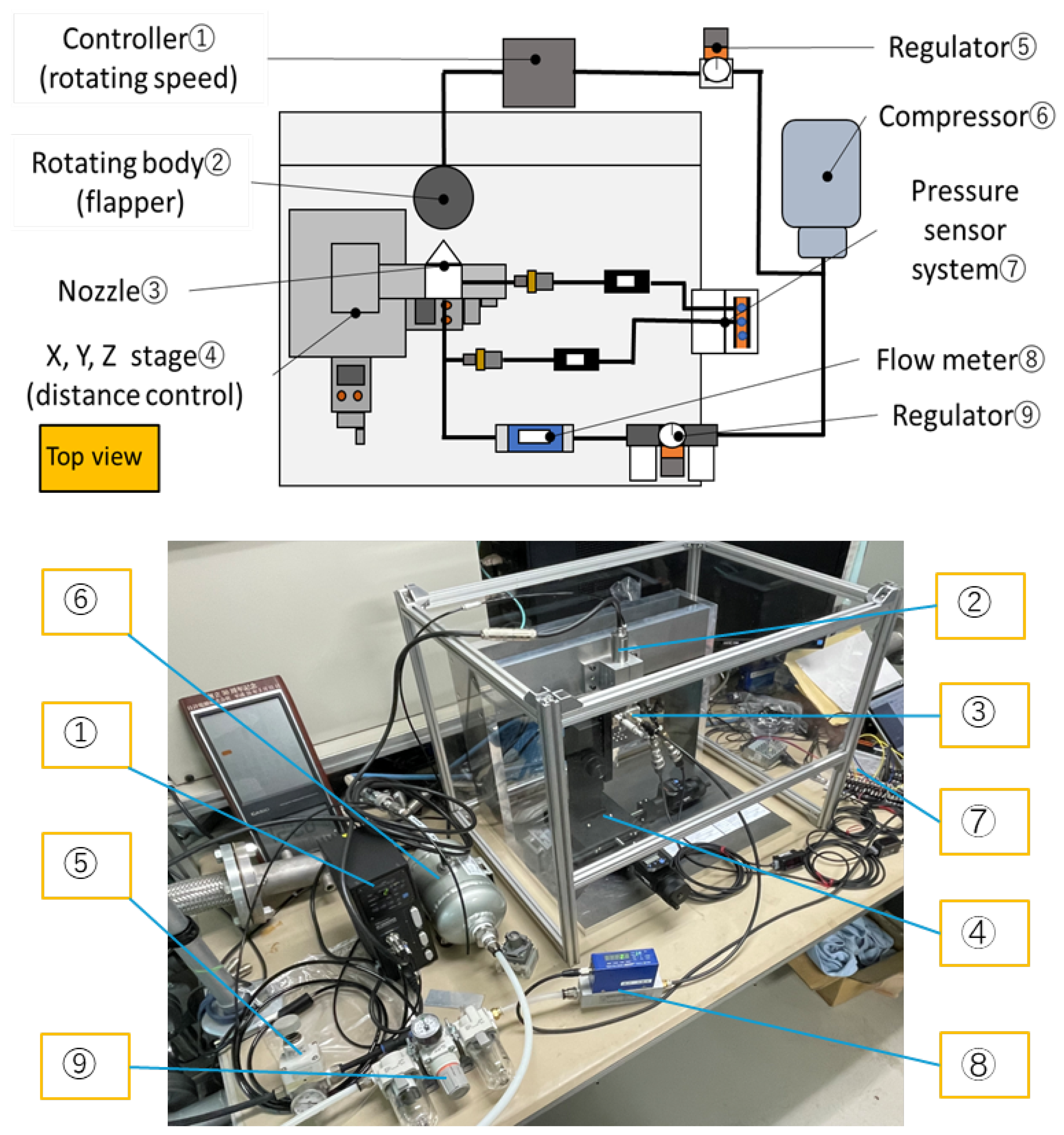
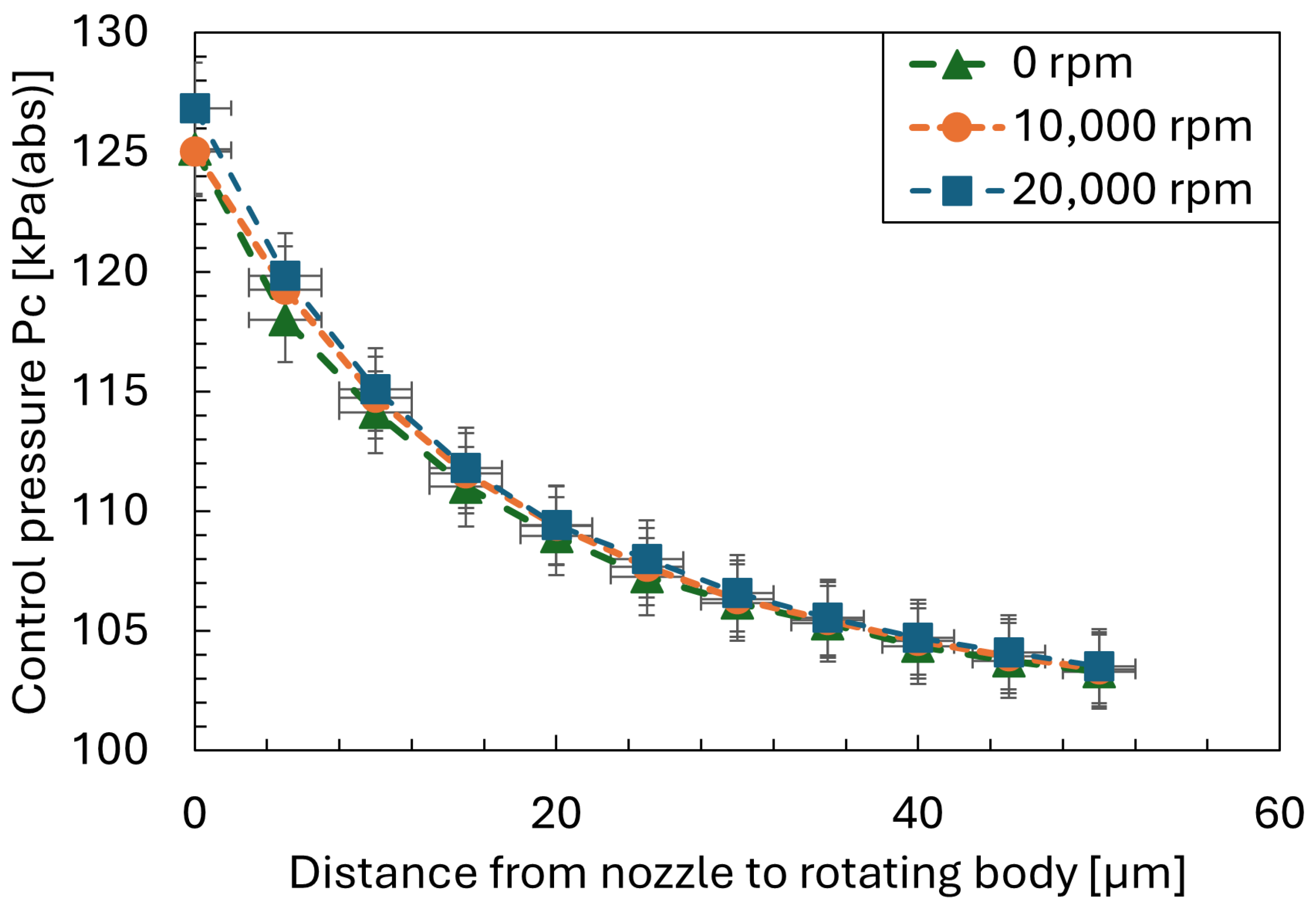
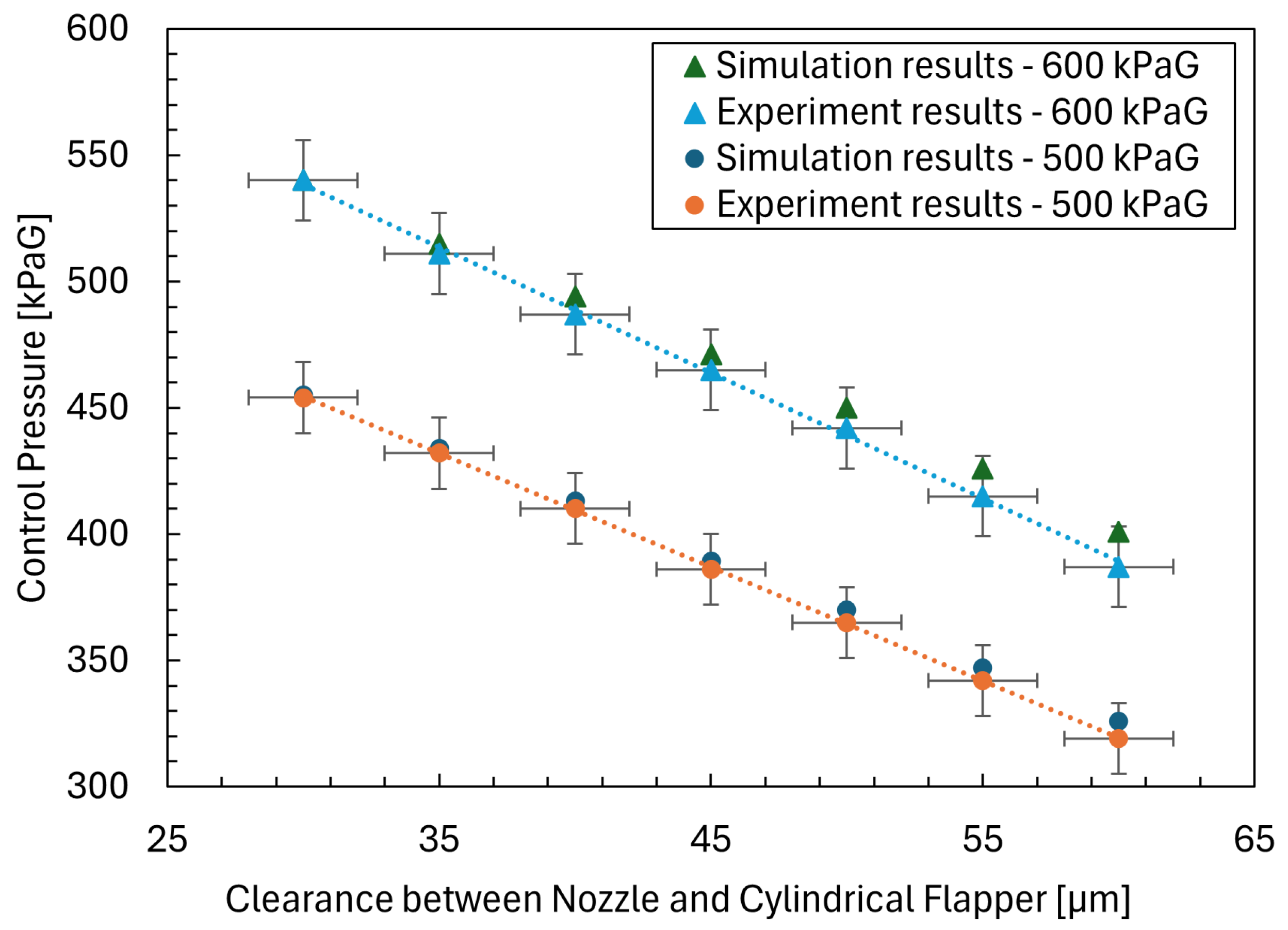
After completing the preparatory work for both the CFD simulations and the physical experiments described in the preceding sections, simulation data and experimental data were obtained synchronously under identical operating conditions defined for each case. For the nozzle–cylindrical flapper system, the most critical performance metric is its static characteristic, namely the relationship between the control pressure and the clearance between the nozzle and the cylindrical flapper. Therefore, this static characteristic is adopted as the primary criterion for validating the numerical simulations.
It is worth noting that, for the case with a simulated clearance of , the corresponding control pressure is close to the control pressure measured in the physical experiment at a nominal clearance of . This discrepancy can be explained as follows. In the physical experiments, due to the high-speed rotation of the cylindrical flapper as well as high-frequency vibrations induced by the motor, the nozzle–cylindrical flapper system cannot achieve true mechanical contact at the nominal zero-clearance position. Consequently, a deviation exists between the experimental zero-clearance reference and the ideal zero-clearance condition assumed in the numerical simulations.
However, with respect to the static characteristics of the nozzle–cylindrical flapper system, the experiments were conducted at a rotational speed of 20,000 rpm. The measurement uncertainty of the displacement sensor (LD-243-C7) is specified as
, while the pressure sensor (AP-13S) has a full-scale measurement uncertainty of
F.S. The repeatability of the experimental measurements was evaluated over three independent trials. The measured displacement exhibited a repeatability error of less than
, while the control pressure showed a repeatability error of less than
[
8].
In the experiment, the nominal clearance of is defined as the condition at which the nozzle physically contacts the high-speed rotating surface. However, due to the surface machining roughness of the rotating body and misalignment tolerance (approximately ), the exact determination of the zero-clearance position cannot be as precise as in the CFD simulations, where an ideal smooth surface is assumed. Therefore, a certain level of uncertainty is inherently associated with the experimental reference point.
Nevertheless, as demonstrated by the overall agreement between simulation and experimental results in terms of both magnitude and trend, and considering that the absolute value of the control pressure at a specific clearance is of secondary importance, the key factor lies in the pressure differential, that is, the variation of control pressure as a function of the clearance. Based on this consideration, the present study aligns the simulated case with a clearance of with the experimental case at a nominal clearance of as a common reference point. Subsequently, the simulated cases with clearances of and are compared with the experimental results obtained at nominal clearances of and , respectively, to perform an effective validation of the simulation results.
This approach enables a more detailed investigation of the flow characteristics and provides a meaningful comparison with the previously developed theoretical model [
8], thereby yielding a more realistic interpretation of the underlying physical phenomena.
Based on the results shown in
Figure 8, the credibility of the numerical simulations can be validated according to the following observations.
First, although a discrepancy exists between the numerical simulations and the physical experiments in terms of the clearance corresponding to the same initial control pressure, once a common reference point is defined, the differences in the control pressure obtained from the simulations and the experiments under identical clearance variations remain within the systematic error range of the experimental setup.
Second, by evaluating the pressure differential of the control pressure with respect to the clearance, the deviations between the numerical and experimental results are also found to be within the experimental system error. Moreover, both the numerical simulations and the physical experiments exhibit a clear and consistent linear relationship between the control pressure and the nozzle-to-flapper clearance.
From the perspective of sensor performance analysis, the supply pressure was set to 500 kPaG, with a flapper diameter of 16 mm, a nozzle orifice diameter of 0.8 mm, and an orifice diameter of 0.4 mm.
The sensitivity obtained from the numerical simulation for the relationship between the nozzle–cylindrical flapper clearance and the control pressure is , whereas the experimentally measured sensitivity is . Both the simulation and experimental results demonstrate a linear relationship between the control pressure and the nozzle-to-flapper clearance within a range of . The linearity was quantitatively evaluated using the maximum deviation from the least-squares fitted line normalized by the full-scale output. For the supply pressure of 500 kPaG, the linearity error was approximately 2.7% FS, while for 600 kPaG, it was approximately 2.9% FS. In both cases, the R2 value exceeded 0.998, indicating excellent linearity.
These results demonstrate that the proposed system maintains stable linear characteristics across different supply pressures.
Taken together, these results demonstrate that the numerical simulations accurately capture the static characteristics of the nozzle–cylindrical flapper system, thereby validating the effectiveness and reliability of the proposed simulation methodology.
4.2. Numerical Analysis of Nozzle–Cylindrical Flapper System
After completing the validation of the numerical simulations, the flow characteristics of the nozzle–cylindrical flapper system are investigated in detail. As discussed in
Section 2, the nozzle–cylindrical flapper configuration involves an irregular clearance geometry and micrometer-scale dimensions, which make conventional experimental flow visualization techniques extremely difficult to apply in the present study. Under such circumstances, velocity contour distributions obtained from CFD simulations play a crucial role in revealing the internal flow behavior of the system.
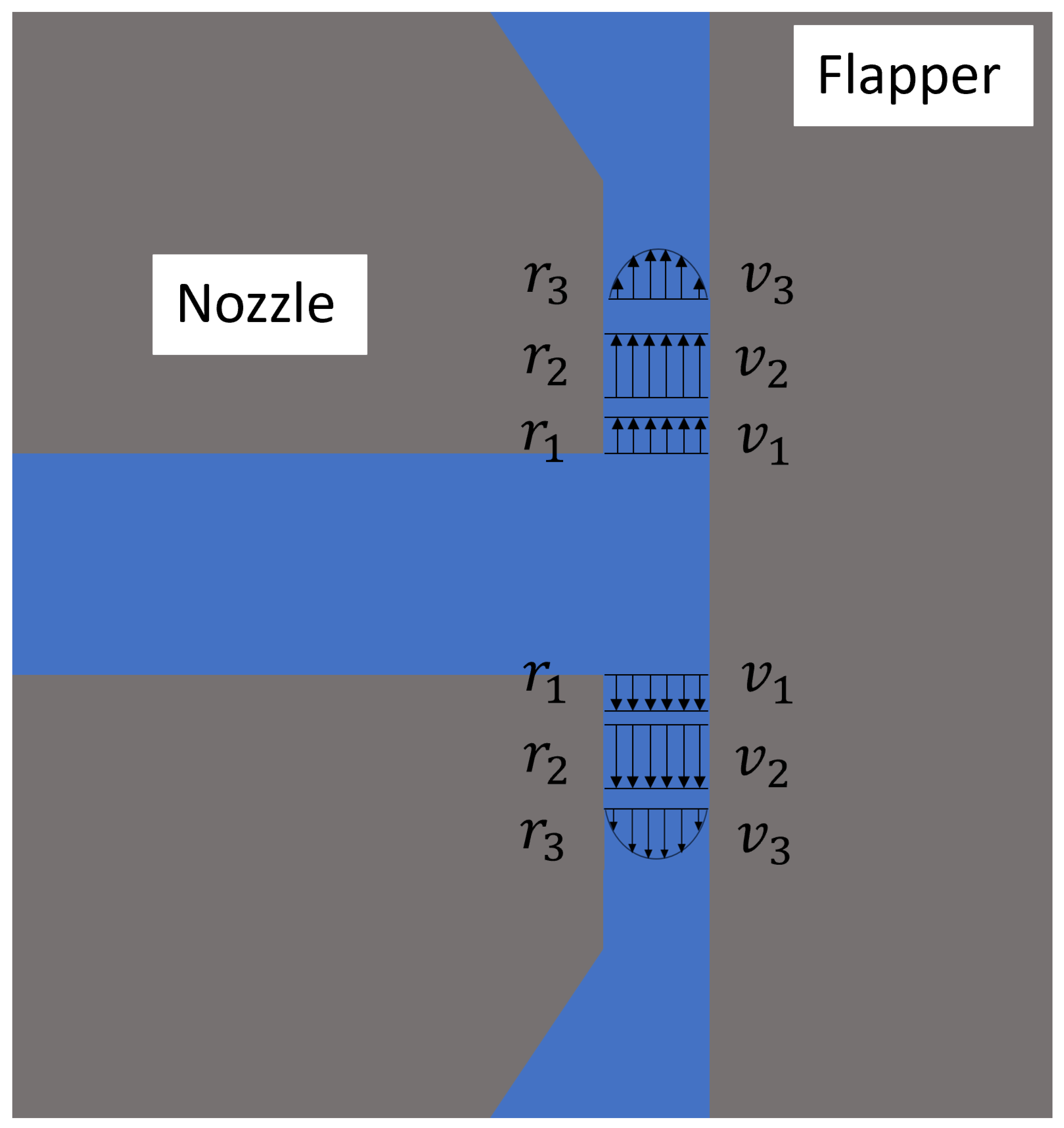
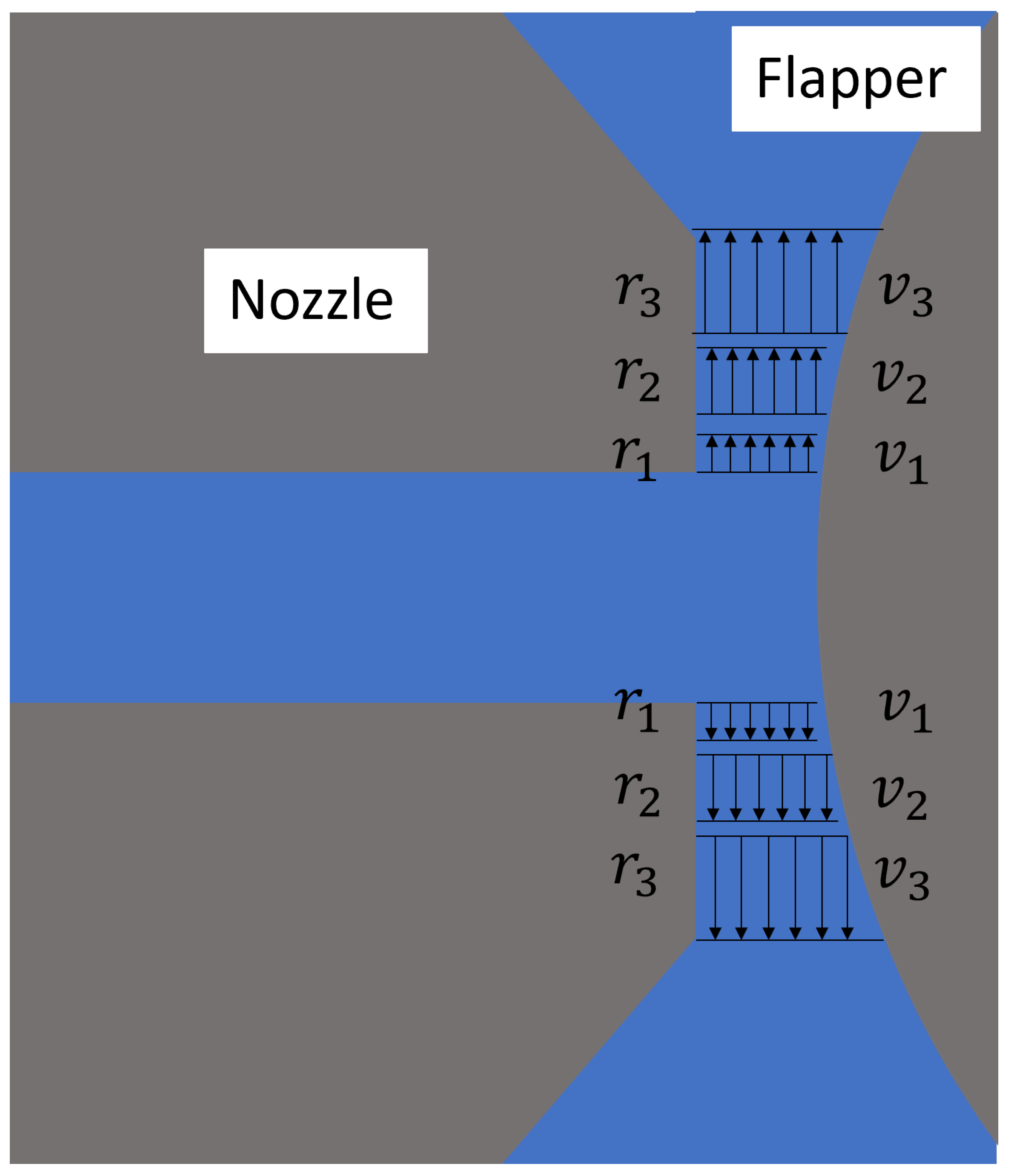
In this chapter, the discharge characteristics of the nozzle–cylindrical flapper system are first clarified. The differences and similarities between a purely arc-shaped plane and a purely flat plane under identical clearance conditions are examined, with the aim of verifying the flow hypotheses proposed in
Section 2 as well as in our previous studies.
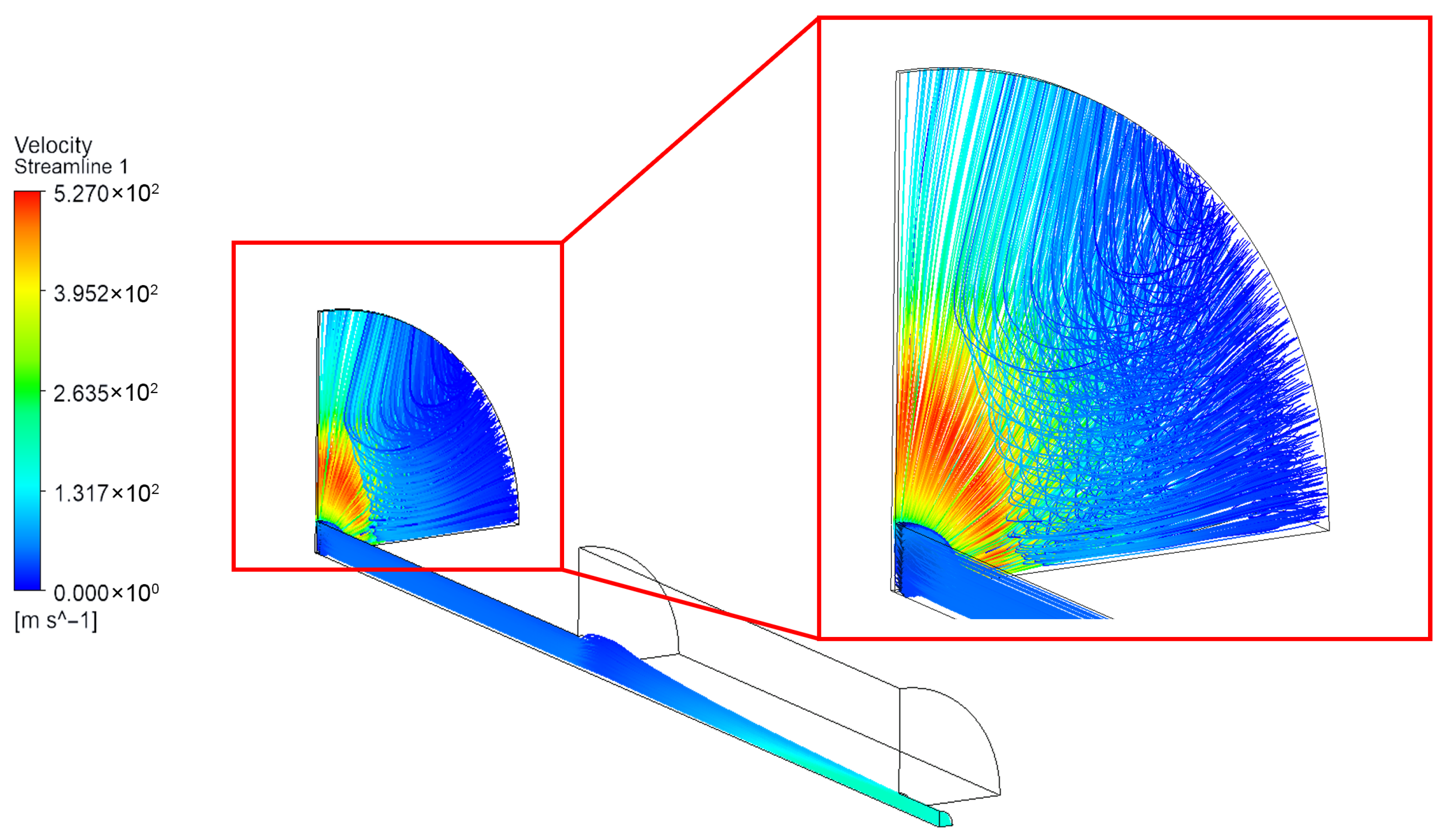
After completing simulations under the aforementioned conditions for nozzle–cylindrical flapper clearances of 30, 35, 40, 45, 50, 55, and 60 , streamline visualizations were obtained for all cases. In addition, the distributions of velocity, pressure, and density were extracted for each case on planes oriented at (pure flat plane), , , , , , and (pure arc plane) with respect to the axis of the cylindrical flapper.
Among all simulated cases, the clearance of 45
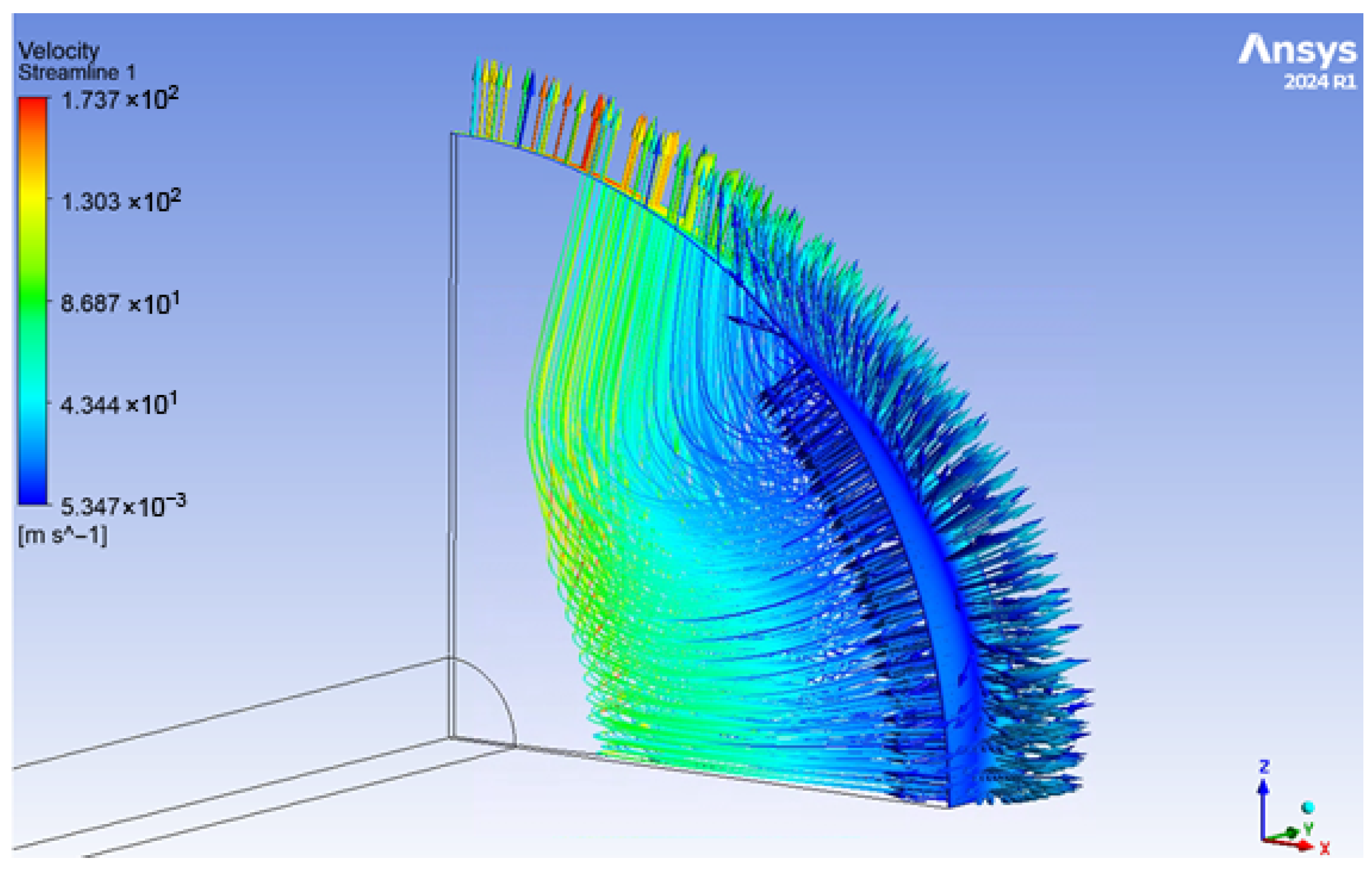
exhibited the most representative overall flow characteristics. Therefore, the corresponding streamline distribution, shown in
Figure 9, is selected to provide a preliminary analysis of the global flow features in the nozzle–cylindrical flapper system.
As shown in
Figure 9, the streamline distribution clearly reflects the previously discussed partial characteristics of the nozzle–cylindrical flapper system. Specifically, three representative planes can be identified, namely the pure flat plane, the mixed-arc plane, and the pure arc plane. Owing to the lower discharge resistance associated with the pure arc plane, the airflow exhibits a tendency to migrate from planes with lower curvature toward those with higher curvature.
Furthermore, the pure flat plane demonstrates flow characteristics analogous to those observed in air thrust bearings, in which the flow can be divided into two distinct regimes: an inertia-dominated regime and a viscosity-dominated regime. In contrast, for the pure arc plane, only an inertia-driven acceleration regime is observed.
However, the streamline analysis also reveals flow features that have been largely overlooked in previous studies of the nozzle–cylindrical flapper configuration. As the air flows through the clearance between the nozzle and the cylindrical flapper, significant recirculation is induced due to the wrapping and turning of the flow. This recirculation phenomenon is non-negligible and indicates that certain assumptions adopted in earlier flow models require further correction.
First, the planar flow characteristics of the 45
clearance case are analyzed for planes oriented at angles ranging from
to
with respect to the axis of the cylindrical flapper. As shown in
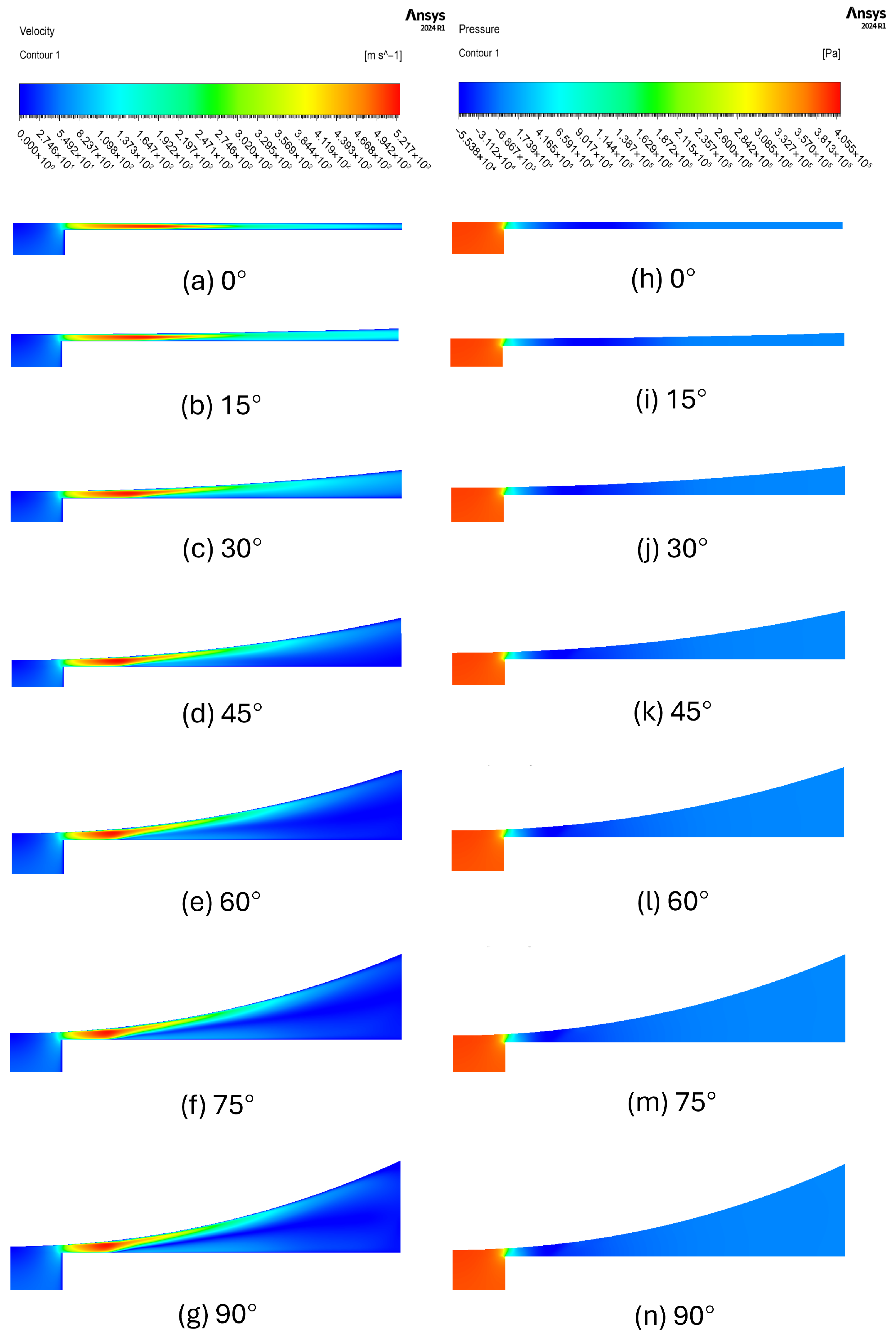
Figure 10, velocity and pressure contour plots are extracted on each plane for the 45
case. Panels (a–g) present the velocity distributions for planes with angles increasing from
to
from top to bottom, while panels (h–n) show the corresponding pressure distributions.
By comparing the velocity contours on different planes, it can be observed that when the angle is , corresponding to the pure flat plane, the discharge behavior is fully consistent with that of an air thrust bearing. When the clearance distance along the nozzle–cylindrical flapper direction remains constant, the flow undergoes a transition from an inertia-dominated regime to a viscosity-dominated regime. This transition is reflected in the velocity evolution, which changes from a relatively uniform cross-sectional velocity distribution with gradual acceleration along the flow direction to a subsequent deceleration stage associated with the progressive development of the boundary layer.
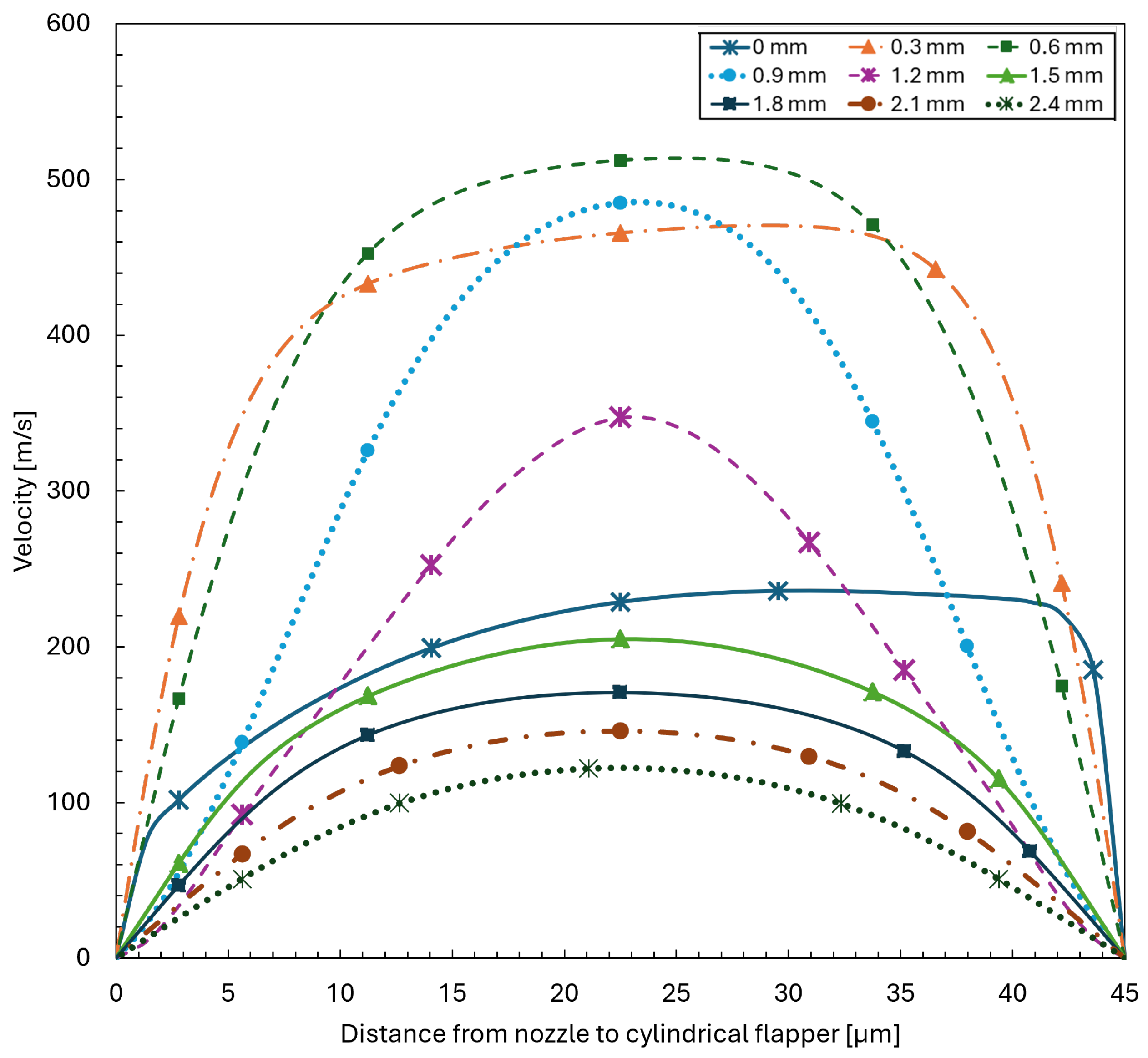
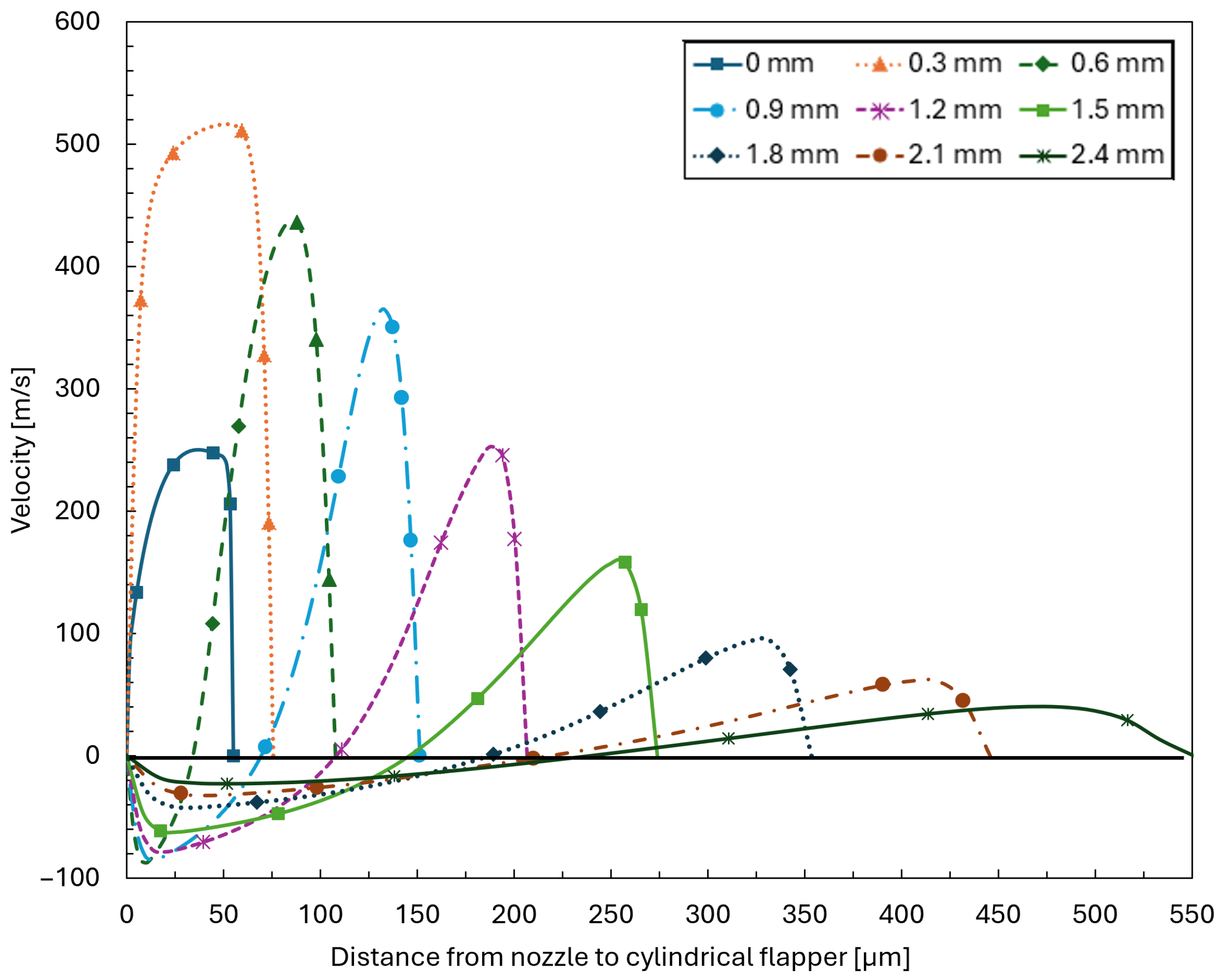
To more clearly illustrate the flow characteristics of the pure flat plane discussed above, the streamwise velocity distributions along the clearance between the nozzle and the cylindrical flapper are extracted for the plane of the 45 clearance case. Velocity profiles across the clearance are sampled at streamwise distances of 0, 0.3, 0.6, 0.9, 1.2, 1.5, 1.8, 2.1, and 2.4 mm measured from the edge of the nozzle orifice.
As shown in
Figure 11, the data at 0 and 0.3 mm indicate that the flow enters an inertia-dominated regime. In this region, the velocity distribution across the clearance is relatively uniform and exhibits a clear accelerating tendency. In contrast, within the range from 0.6 to 2.4 mm, the flow velocity gradually decreases and a boundary-layer-type velocity profile progressively develops. This behavior is consistent with the characteristics of a viscosity-dominated regime.
On the other hand,
Figure 10 also indicates that for planes oriented from
to
, the curvature of the plane increases progressively. As a result, the effective clearance through which the air flows along the streamwise direction gradually enlarges, leading to the gradual disappearance of the viscosity-dominated regime. Consequently, the flow increasingly exhibits only an inertia-dominated acceleration regime. This behavior can be attributed to the increase in the streamwise clearance distance, which prevents the airflow from fully adhering to the wall surface and thus inhibits the proper development of a boundary layer.
Conversely, due to the wrapping and turning of the flow around the cylindrical flapper, an additional effect emerges. As the angle between the plane and the axis of the cylindrical flapper increases, corresponding to higher curvature, the airflow progressively induces recirculation near the nozzle wall. This recirculation effect becomes more pronounced with increasing plane angle. The above observations can be clearly confirmed by the streamline patterns shown in
Figure 12 for the
plane and
Figure 13 for the
plane. From a physical perspective, as the angle between the plane and the cylindrical flapper increases, leading to higher curvature, the enlargement of the effective clearance along the streamwise direction enhances the inertia-driven acceleration of the flow. At the same time, the increased curvature intensifies flow turning and wrapping around the cylindrical surface, which promotes flow separation near the nozzle wall and consequently strengthens the recirculation effect. These two effects therefore coexist and become more pronounced with increasing plane angle.
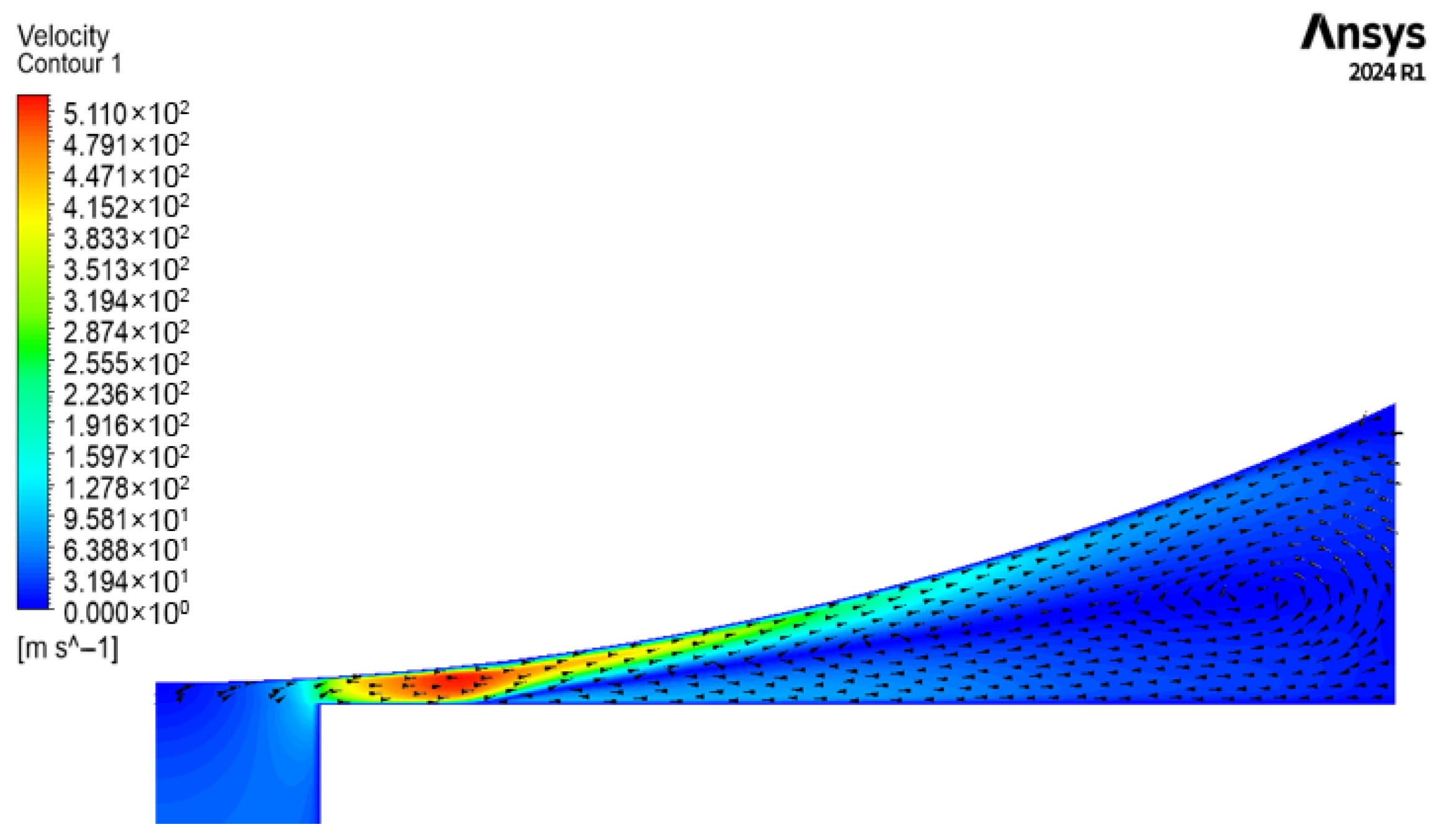
To more clearly visualize the influence of the recirculation effect, velocity contour and vector plots are presented for the
plane of the 45
clearance case, as shown in
Figure 14. It can be observed that when the curvature is sufficiently large, the recirculation region occupies a substantial portion of the clearance space between the nozzle and the cylindrical flapper. Combined with the observations in
Figure 13, it becomes evident that, for planes with curvature, the evaluation of mass flow rate is significantly complicated by the presence of recirculation, particularly at streamwise locations farther away from the nozzle hole.
As a consequence, the mass flow rate calculated on curved planes may suffer from increased uncertainty if the evaluation is performed at downstream locations. To mitigate this source of error, the present study proposes evaluating the planar mass flow rate directly from the velocity and density distributions extracted at the location where the streamwise distance from the nozzle orifice is zero. This approach effectively avoids the influence of recirculation and provides a more robust basis for mass flow rate estimation.
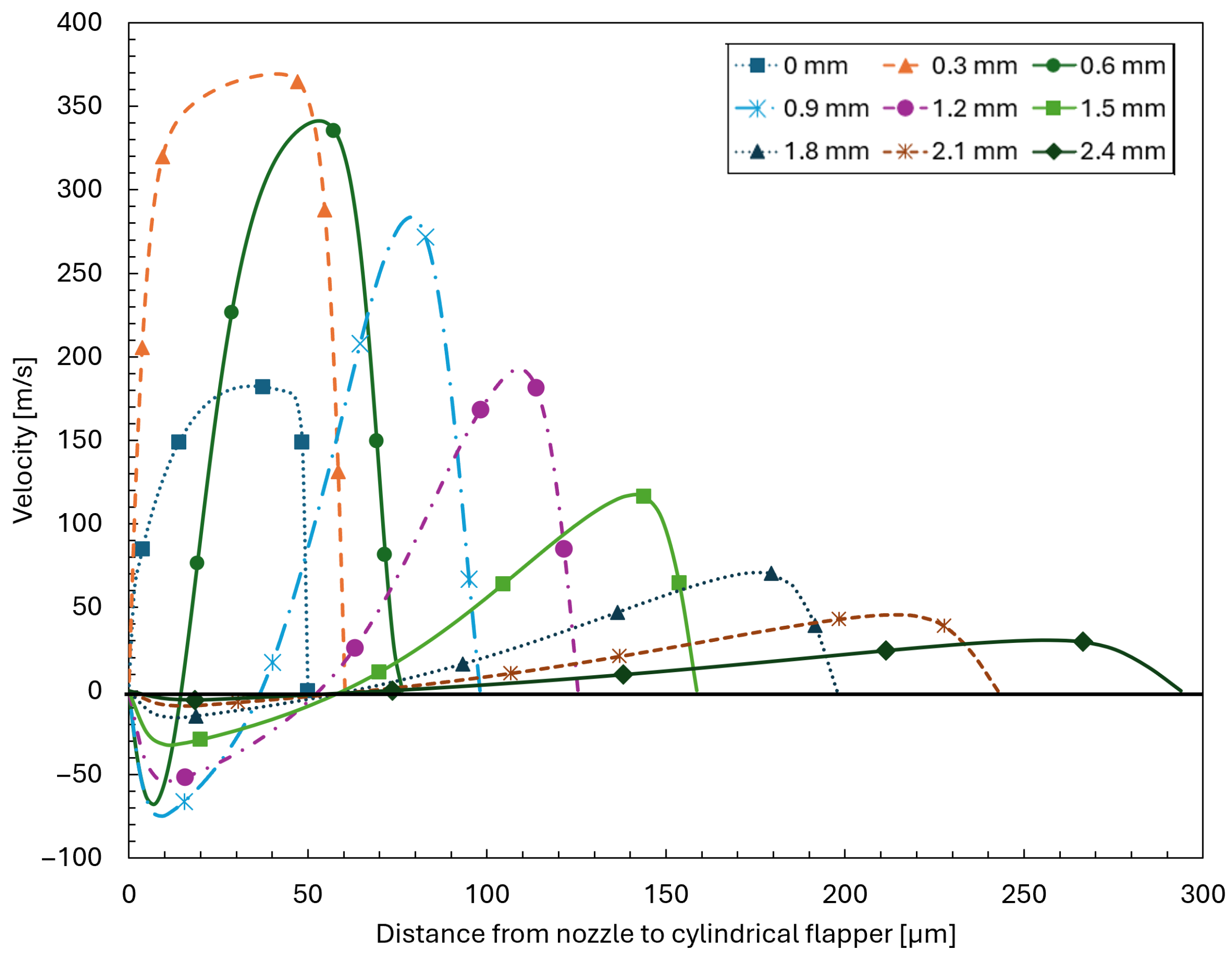
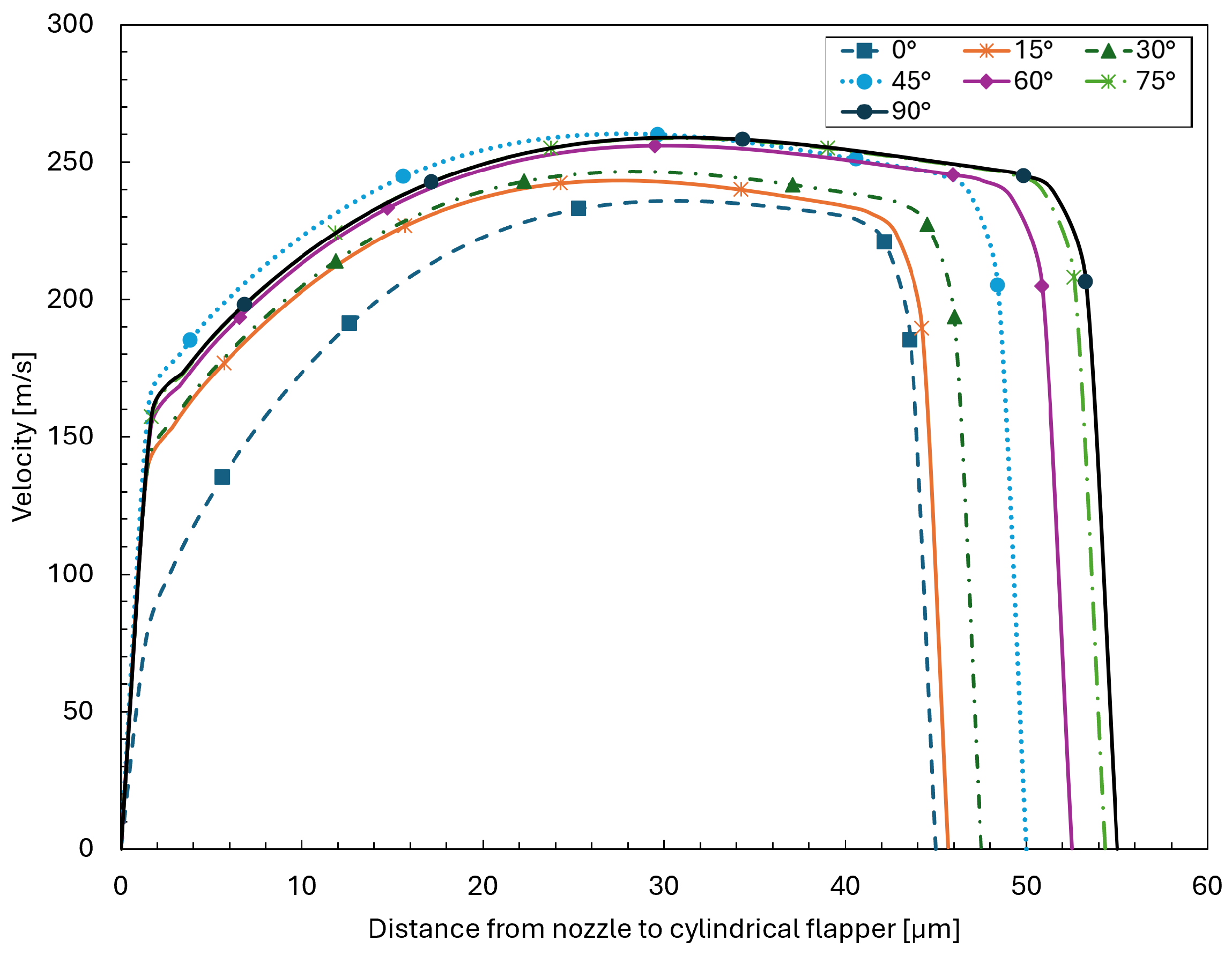
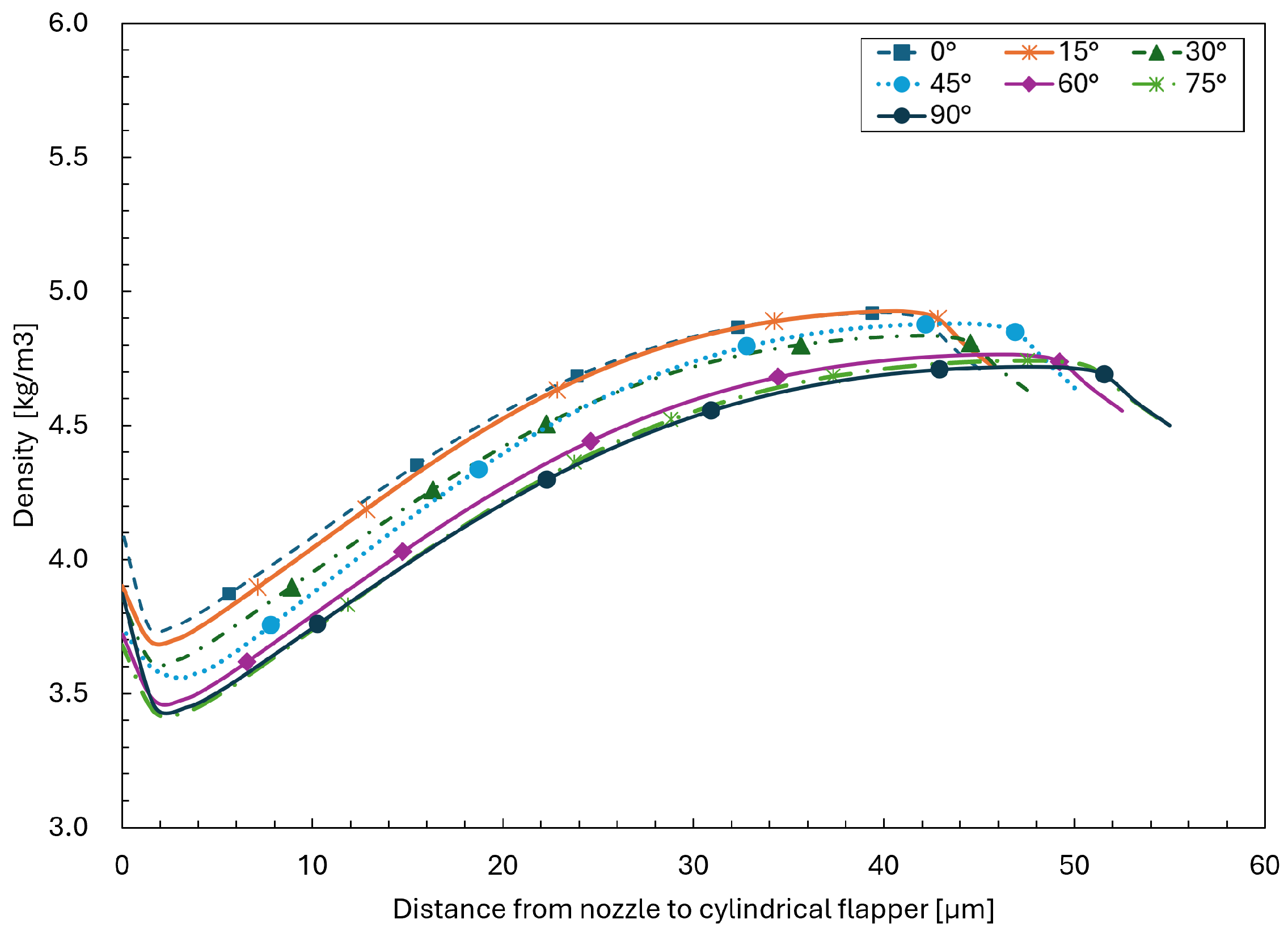
As shown in
Figure 15 and
Figure 16, the velocity and density distributions across the clearance direction at a streamwise distance of zero from the nozzle orifice are extracted for planes oriented from
to
in the 45
clearance case. It can be observed that, at this location, even for the
plane corresponding to the pure arc plane, the velocity distribution still exhibits the presence of recirculation.
Therefore, by combining the velocity distributions at this location with the corresponding density distributions across the clearance direction and the effective cross-sectional area, the mass flow rates for planes with different angles can be evaluated.
To further investigate the influence of recirculation, the following analysis is conducted. The backflow area is
, while the total cross-sectional area is
, corresponding to a backflow area fraction of approximately
. The momentum flux associated with the backflow region is
, whereas the discharge momentum flux is
and the total outlet momentum flux is
. These results indicate that, although the backflow occupies a noticeable area fraction, its contribution to the overall momentum is relatively small. This observation is further supported by the vorticity magnitude, which is approximately
in the backflow region, compared to
in the discharge region, indicating that the rotational intensity of the recirculating flow is significantly weaker than that of the main flow. Therefore, the influence of the backflow on the nozzle–cylindrical flapper interaction is limited. Furthermore, this conclusion is consistent with the velocity contours and vector field distributions at the outlet, which show that the main flow remains dominant despite the presence of recirculation, as shown in
Figure 17.
Based on the procedure described above, the mass flow rates on planes with different angles are evaluated. As shown in
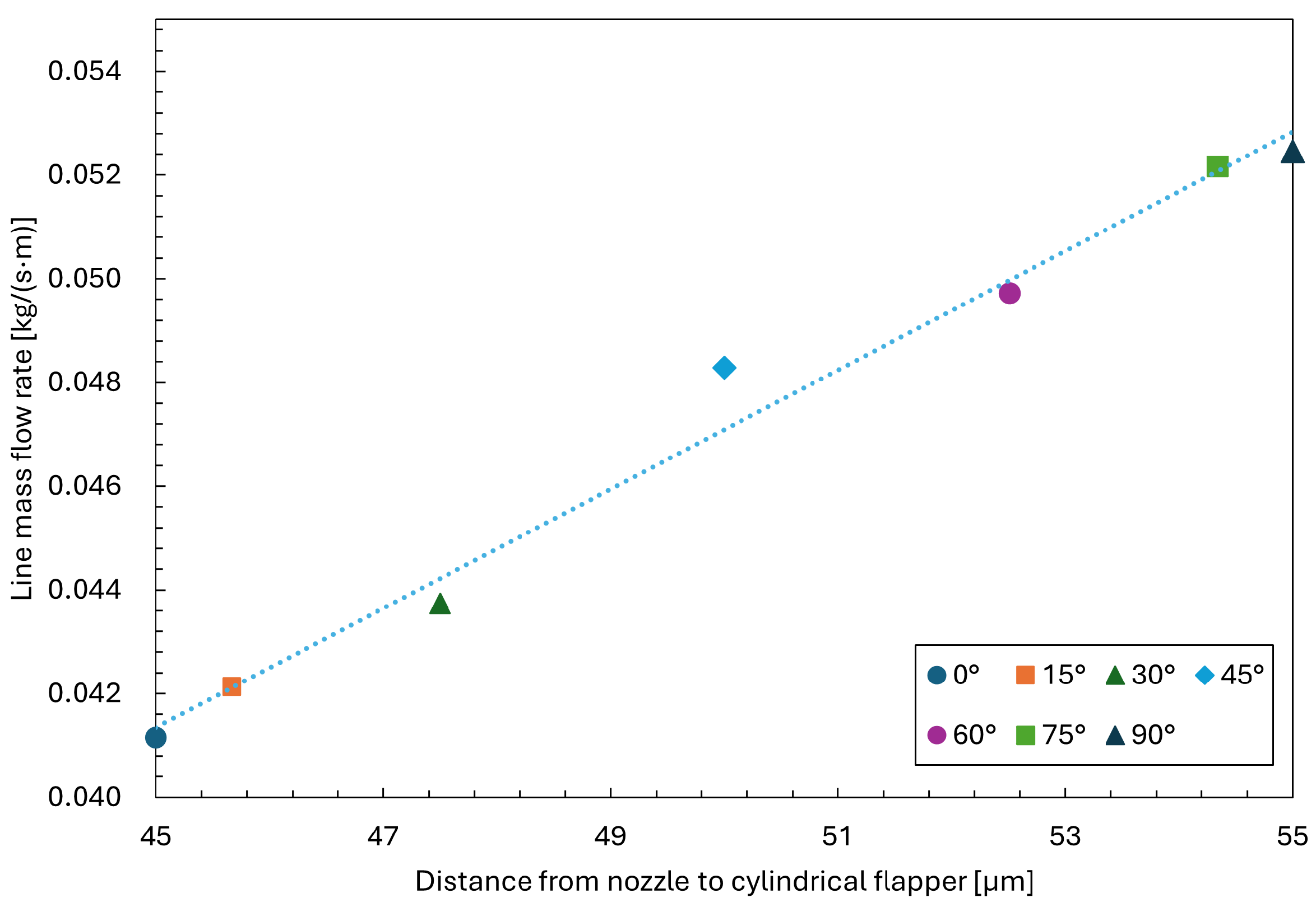
Figure 18, the relationship between the nozzle–flapper distance and the corresponding line mass flow rate is presented for each angular plane at a streamwise distance of zero from the nozzle orifice. The results indicate that the plane oriented at
, which has the largest angle relative to the axis of the cylindrical flapper and thus the highest curvature, exhibits the maximum line mass flow rate.
Moreover, the figure reveals a positive correlation between plane curvature and line mass flow rate. These observations further validate the conclusions discussed previously, demonstrating that the proposed interpretation remains reasonable and quantitatively reliable even under the additional influence of recirculation effects. From a physical perspective, under the microscale and high-velocity conditions of the nozzle–cylindrical flapper configuration, the jet exhibits a clear tendency to attach to the curved flapper surface due to the Coandă effect, while simultaneously separating from the nozzle-side plane, leading to the formation of localized recirculation regions. However, compared with macroscale flows, the influence of such recirculation on the overall high-speed microscale flow field is relatively limited, primarily due to the dominance of viscous effects and the confined geometric scale.
As shown in
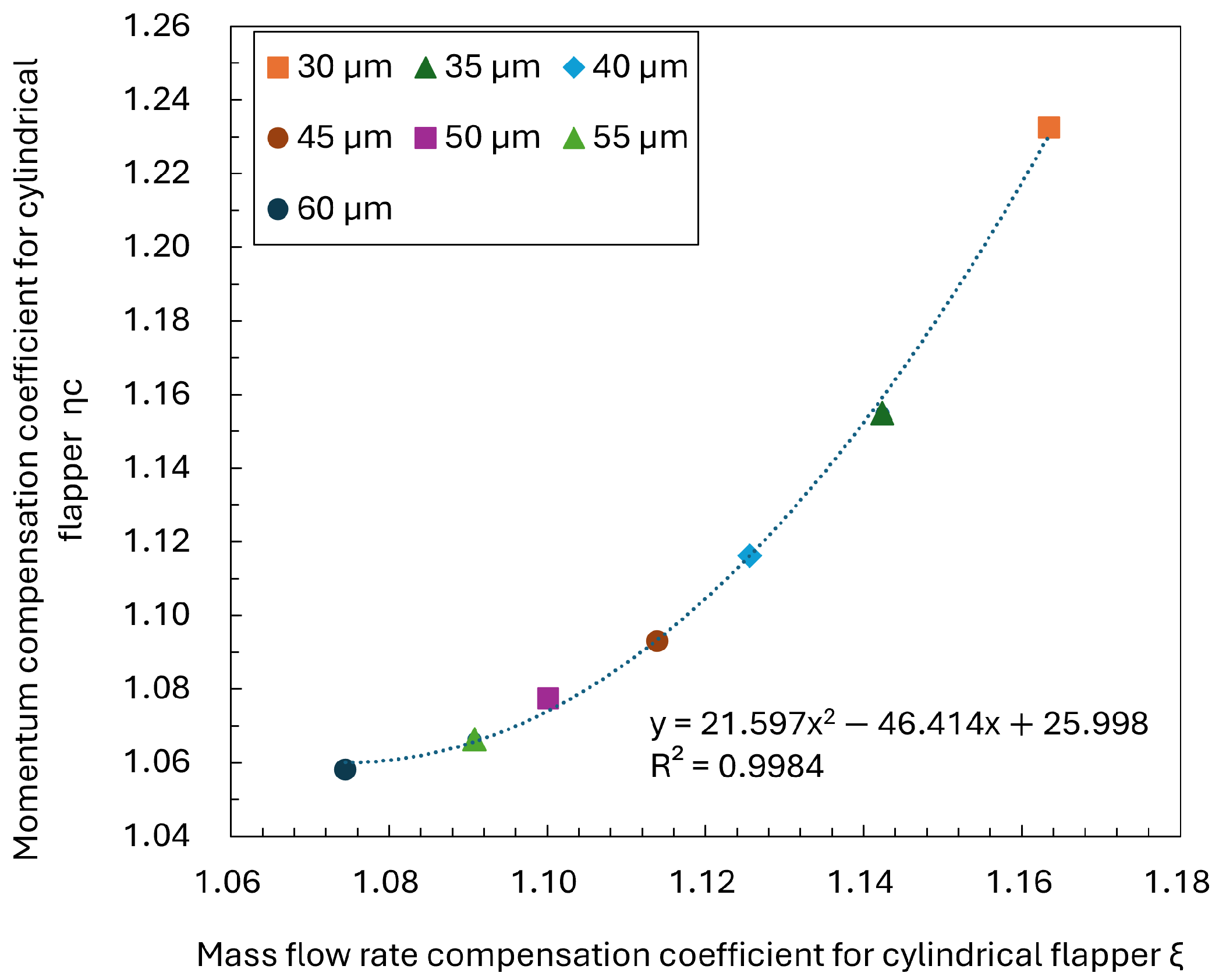
Figure 19, the relationship between the mass flow rate compensation coefficient and the momentum compensation coefficient for the cylindrical flapper is presented over a nozzle–flapper clearance range of 30–60
. The results indicate that both coefficients increase monotonically with increasing clearance. Furthermore, a clear positive correlation
between plane curvature and line mass flow rate is observed, which exhibits a pronounced quadratic trend.
This behavior can be theoretically interpreted based on the formulation of the momentum coefficient. The momentum coefficient can be expressed as
where
is the velocity coefficient. According to the continuity equation, the velocity coefficient can be approximated as
where
is the contraction coefficient. Therefore, the momentum coefficient scales is
indicating that the quadratic relationship is a general and expected trend. These findings further corroborate the previous discussions, demonstrating that the proposed interpretation remains valid and quantitatively reliable even in the presence of recirculation effects.
Based on the results obtained in
Figure 19 and following the calculation formula [
8] for the mass fraction
established in previous studies, the
value of 47.2% is a calculated value derived from the numerical results obtained in the present study. This value is in close agreement with the experimentally obtained
value of 46.5%, which was calculated under identical operating conditions, namely an orifice diameter of 0.4 mm, a nozzle diameter of 0.8 mm, and a supply pressure of 500 kPaG.
The small discrepancy between the two values is attributed to the low-velocity backflow effect. Although the backflow effect can have a relatively significant influence in cases with small clearances, such as 30
, the
value is defined as an averaged quantity over a clearance range. Consequently, when evaluating the overall
value over the clearance interval from 30 to 60
, the influence of the backflow effect is effectively averaged out, resulting in a reduced impact on the final value. To further validate the feasibility of the proposed methodology, additional simulation cases were conducted under the same boundary conditions. Specifically, configurations with a nozzle diameter of
and an orifice diameter of
(which dimensionless
= 0.42), as well as a nozzle diameter of
and an orifice diameter of
(which dimensionless
= 0.63), were considered, with gap sizes ranging from 30 to
. Using the same post-processing procedure, the obtained
values from the simulations are
and
, respectively, while the corresponding experimental values are
and
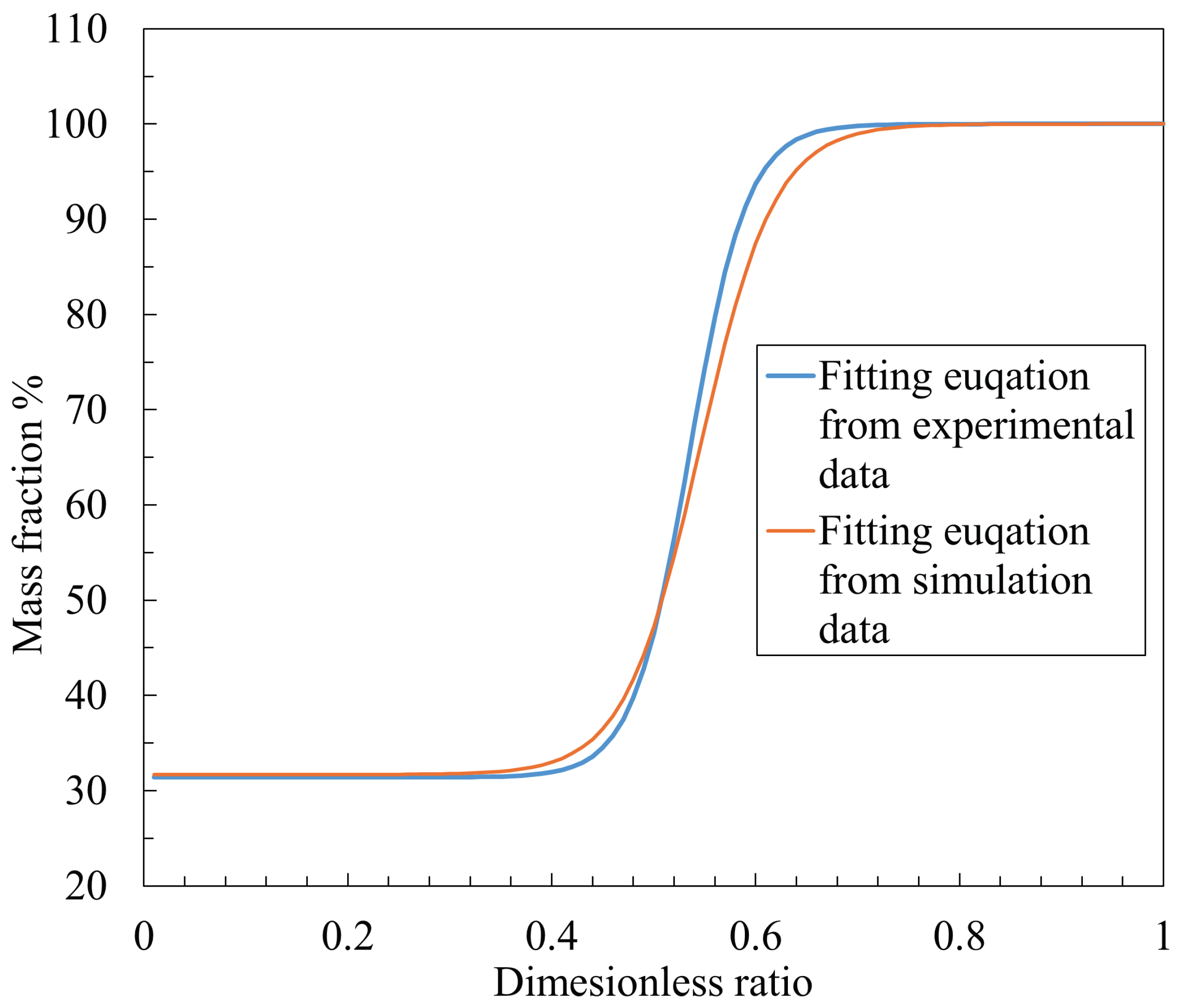
. A sigmoid fitting approach, consistent with Ref. [
8], was applied to derive the fitting equations for both simulation and experimental data. As shown in
Figure 20, the fitting curve obtained from the simulation results exhibits good agreement with that derived from the experimental data, demonstrating the reliability and effectiveness of the proposed numerical approach. Therefore, the CFD simulations are able to provide an accurate estimation of the
value.
From the above conclusions, two key points can be drawn. First, the static characteristics of a nozzle–cylindrical flapper system can be accurately obtained through CFD simulations. Second, the flow assumptions adopted in previous studies are shown to be physically reasonable and numerically consistent.
The flow behavior observed in the present nozzle–cylindrical flapper system shows clear similarities to classical jet impingement on convex surfaces. In classical studies, it has been reported that when a jet interacts with a convex surface, the flow tends to attach to the surface due to pressure gradients and entrainment effects, commonly associated with the Coandă effect. Consistent with these classical findings, the present results demonstrate that the airflow exhibits a tendency to attach to the cylindrical flapper surface, accompanied by curvature-enhanced acceleration and suppression of boundary layer development. In addition, the formation of recirculation regions near the nozzle wall is also consistent with previously reported flow separation and reattachment phenomena in convex surface impingement. However, the present configuration differs significantly from classical cases in that the flow is confined within a micron-scale clearance and strongly coupled with pressure feedback. These factors lead to distinct characteristics, including enhanced sensitivity of mass flow rate to clearance variation and a modified momentum distribution. Therefore, while the fundamental flow mechanisms remain consistent with classical fluid dynamics, the present system represents a micro-scale, pressure-coupled extension of convex surface jet impingement, providing new insights into its behavior under confined conditions.
Moreover, if the velocity modifications induced by recirculation effects can be fully characterized, it is possible to establish a purely theoretical model for the nozzle–cylindrical flapper system that is independent of experimental data.