Article

Sparse Temporal AutoEncoder for ECG Anomaly Detection

1
Institute of Applied Sciences and Intelligent Systems, Consiglio Nazionale delle Ricerche, 73100 Lecce, Italy
2
IEMN UMR CNRS 8520, Université Polytechnique Hauts-de-France, 59313 Valenciennes, France
3
Department of Innovation Engineering, University of Salento, 73100 Lecce, Italy
*
Author to whom correspondence should be addressed.
Sensors 2026, 26(5), 1589; https://doi.org/10.3390/s26051589
Submission received: 6 January 2026 / Revised: 28 February 2026 / Accepted: 1 March 2026 / Published: 3 March 2026
(This article belongs to the Special Issue AI and Big Data Analytics for Medical E-Diagnosis)

Abstract

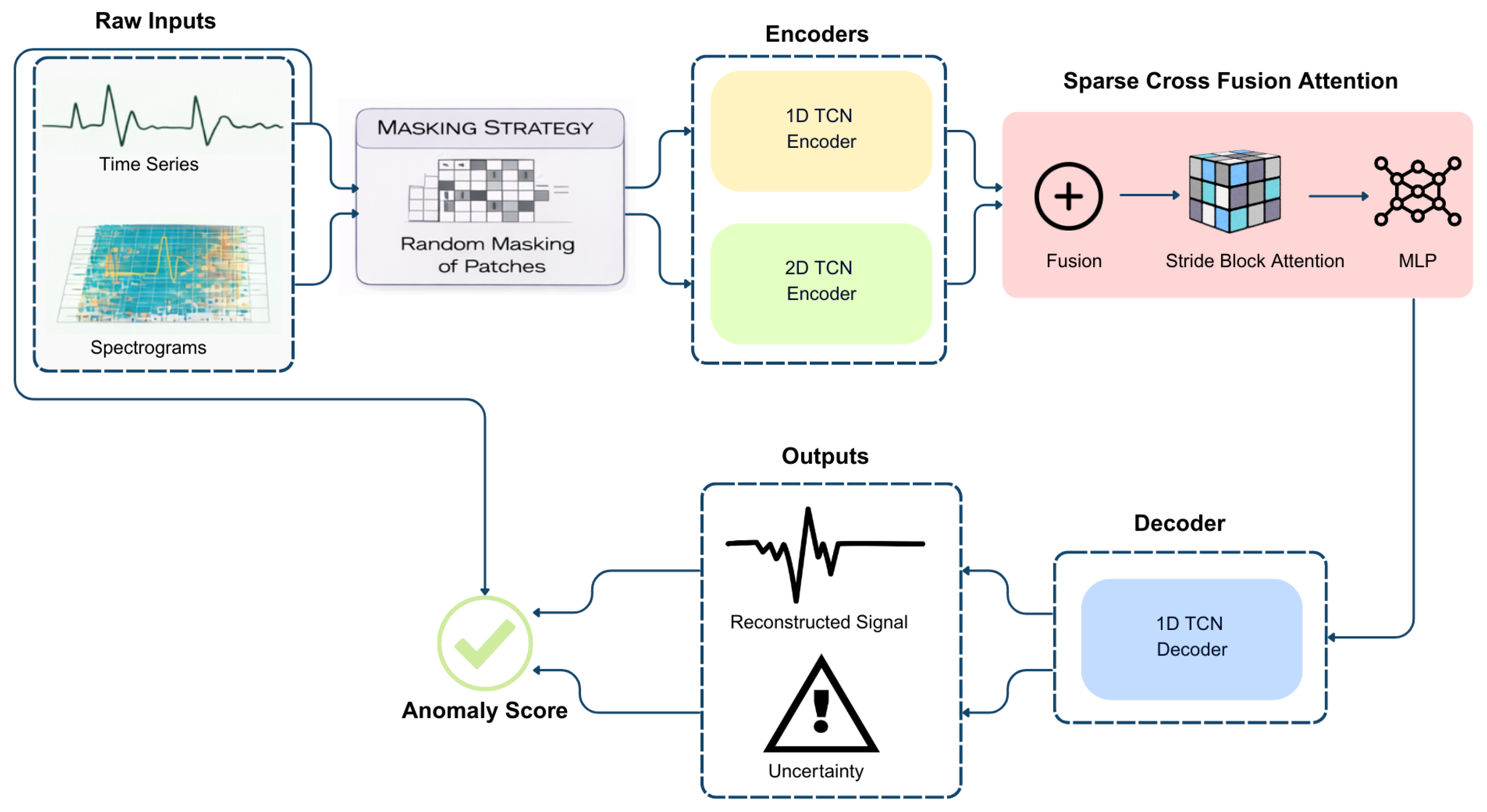
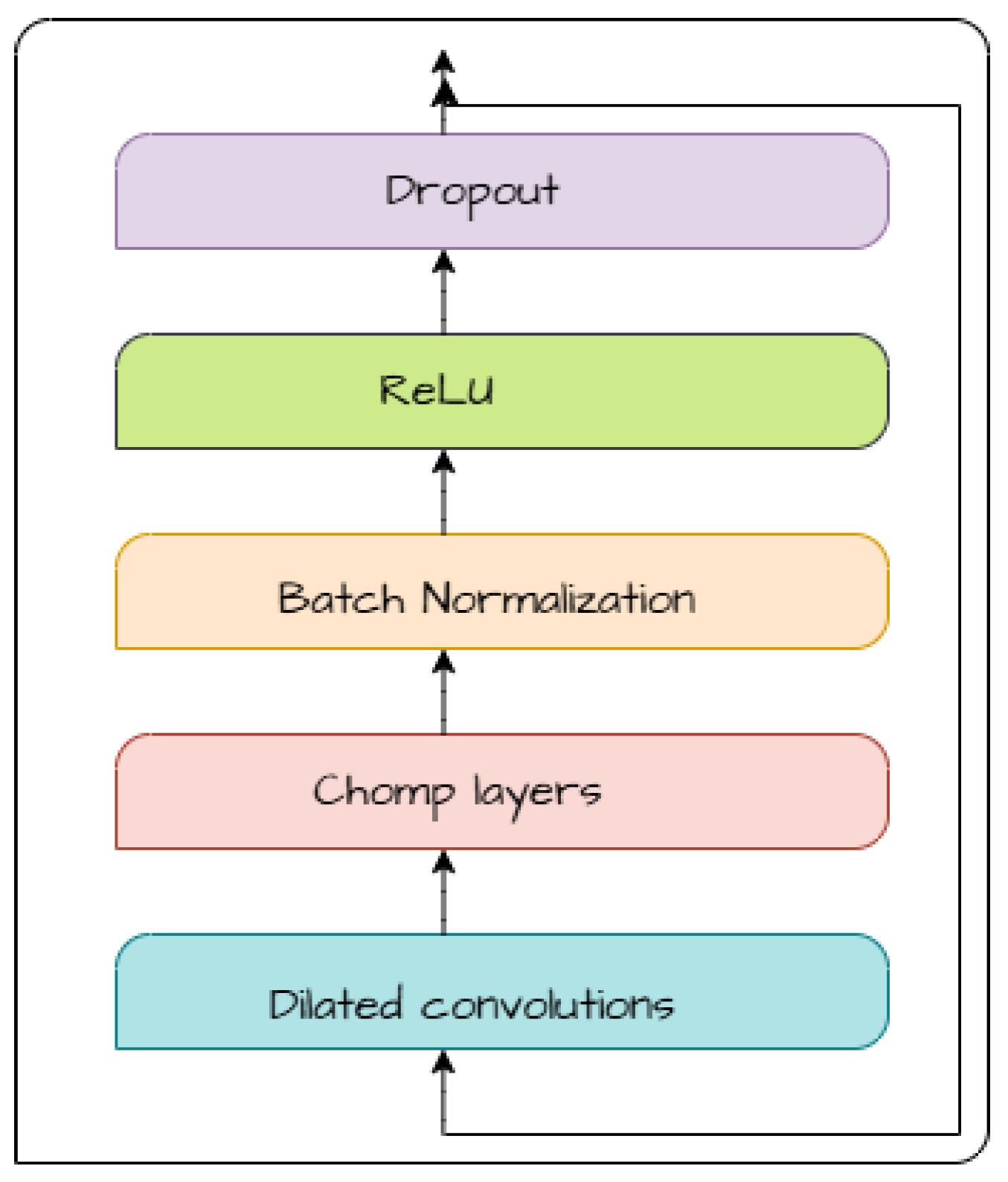
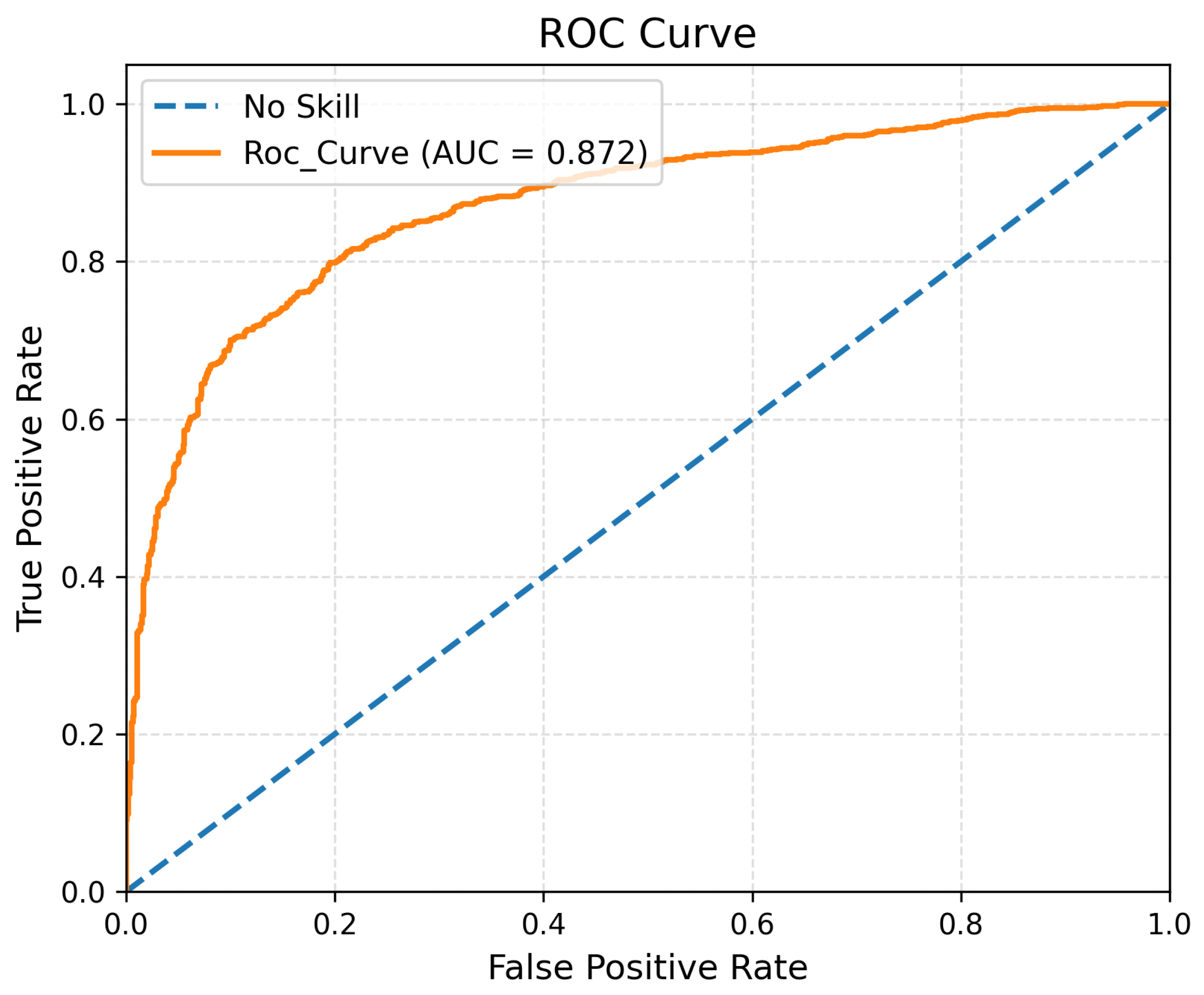
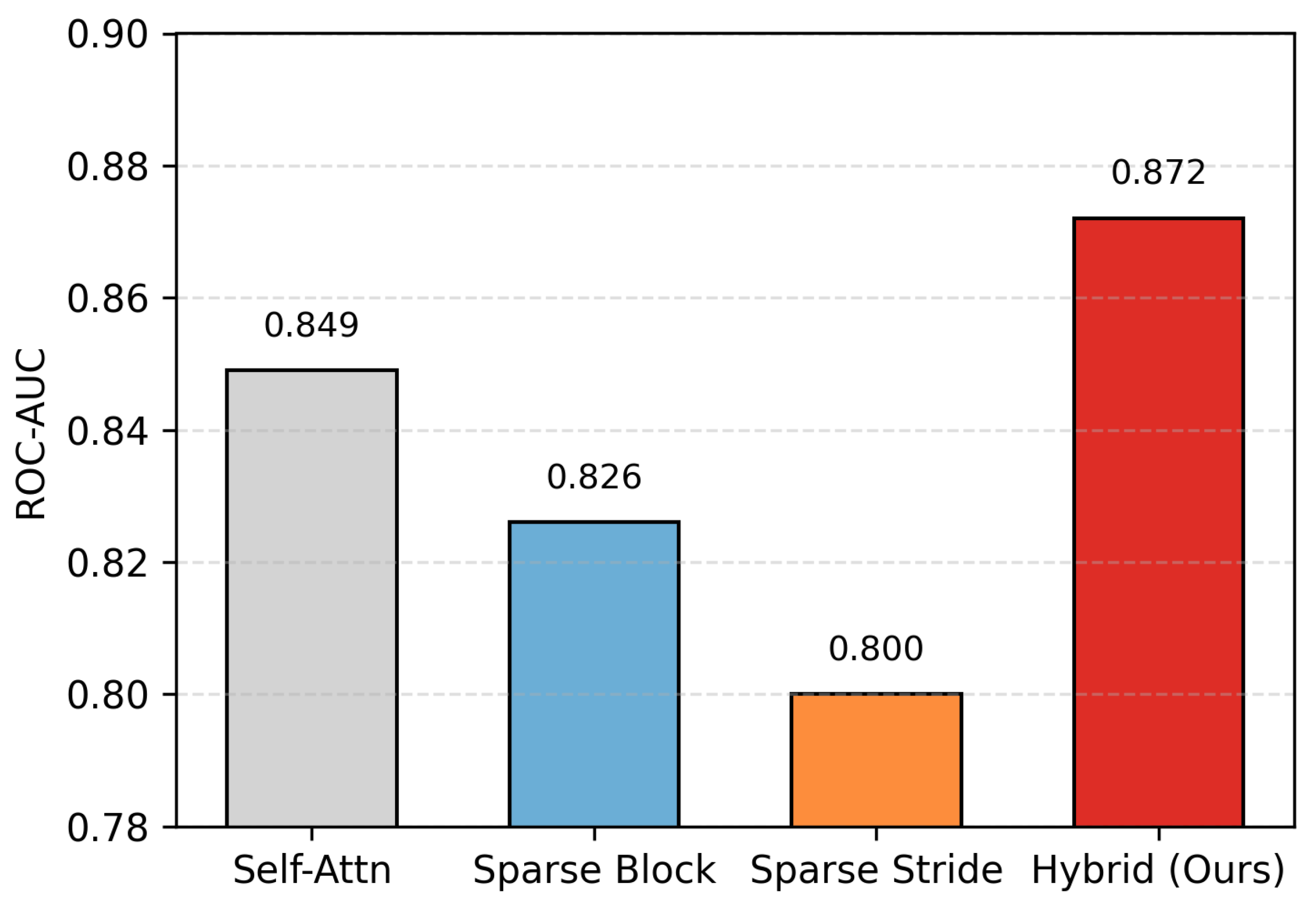
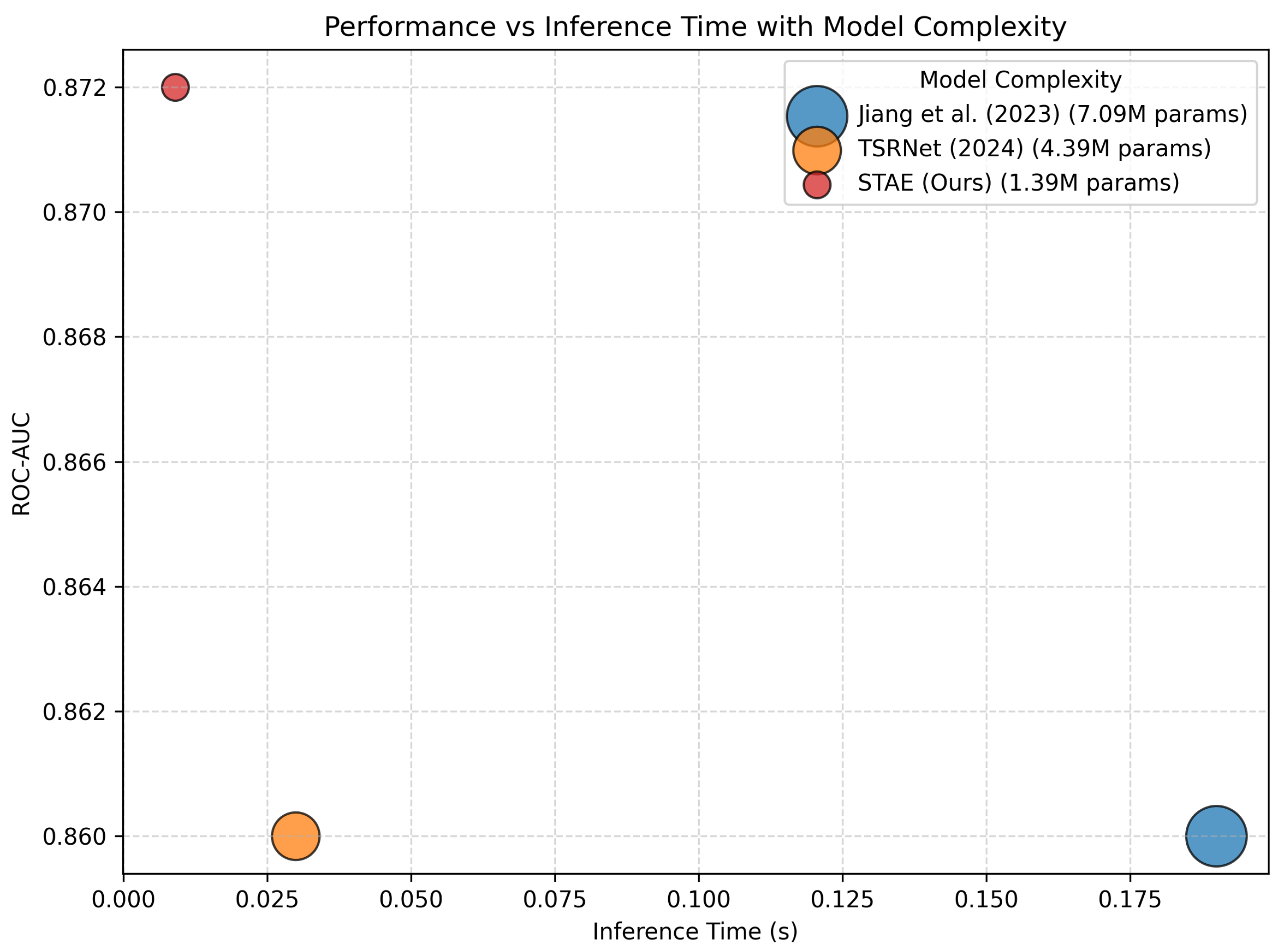
Electrocardiogram (ECG) analysis is a fundamental tool for diagnosing various cardiac conditions; however, accurately distinguishing between normal and abnormal ECG signals remains challenging due to high inter-individual variability and the inherent complexity of ECG waveforms. In this study, We propose a novel Sparse Temporal Autoencoder (STAE) for unsupervised ECG anomaly detection that leverages Temporal Convolutional Networks (TCNs) to extract hierarchical features from both time-domain and frequency-domain representations of ECG signals. Unlike traditional approaches requiring annotated abnormal samples, the proposed model is trained exclusively on normal ECG data, making it well-suited for real-world deployment. A STAE integrates a masked signal reconstruction strategy and a hybrid sparse attention mechanism combining sparse block and sparse strided attention to capture critical temporal and spectral patterns efficiently. The proposed method is evaluated on the PTB-XL dataset, where it achieves the highest ROC-AUC of 0.872 among compared unsupervised methods while maintaining a low inference time of 0.009 s, demonstrating that STAE achieves state-of-the-art performance in ECG anomaly detection, highlighting its potential as a powerful tool for automated and intelligent ECG analysis.
Keywords: electrocardiogram (ECG); unsupervised anomaly detection; Temporal Convolutional Network; sparse attention electrocardiogram (ECG); unsupervised anomaly detection; Temporal Convolutional Network; sparse attention