Article

Hierarchical Data Fusion Algorithm for Multiple Wind Speed Sensors in Anemometer Tower

1
Gansu Electric Power Company of State Grid, Lanzhou 730046, China
2
Zhangye Power Supply Company of Gansu Electric Power Company of State Grid, Zhangye 734000, China
3
School of Electronic and Information Engineering, Lanzhou Jiaotong University, Lanzhou 730070, China
*
Author to whom correspondence should be addressed.
Sensors 2026, 26(2), 565; https://doi.org/10.3390/s26020565
Submission received: 29 September 2025 / Revised: 18 December 2025 / Accepted: 12 January 2026 / Published: 14 January 2026
(This article belongs to the Special Issue Sensor Fusion: Kalman Filtering for Engineering Applications)

Abstract

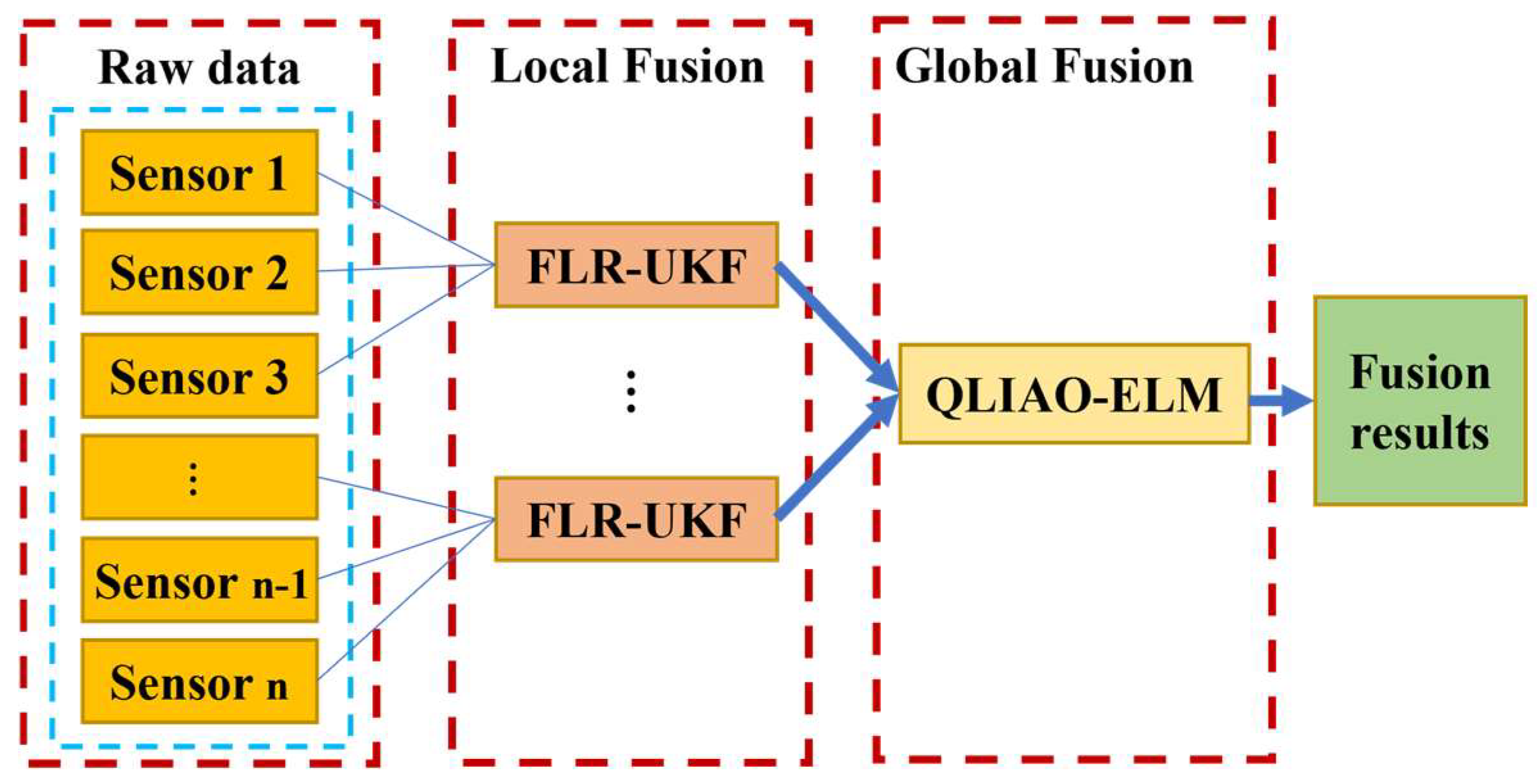
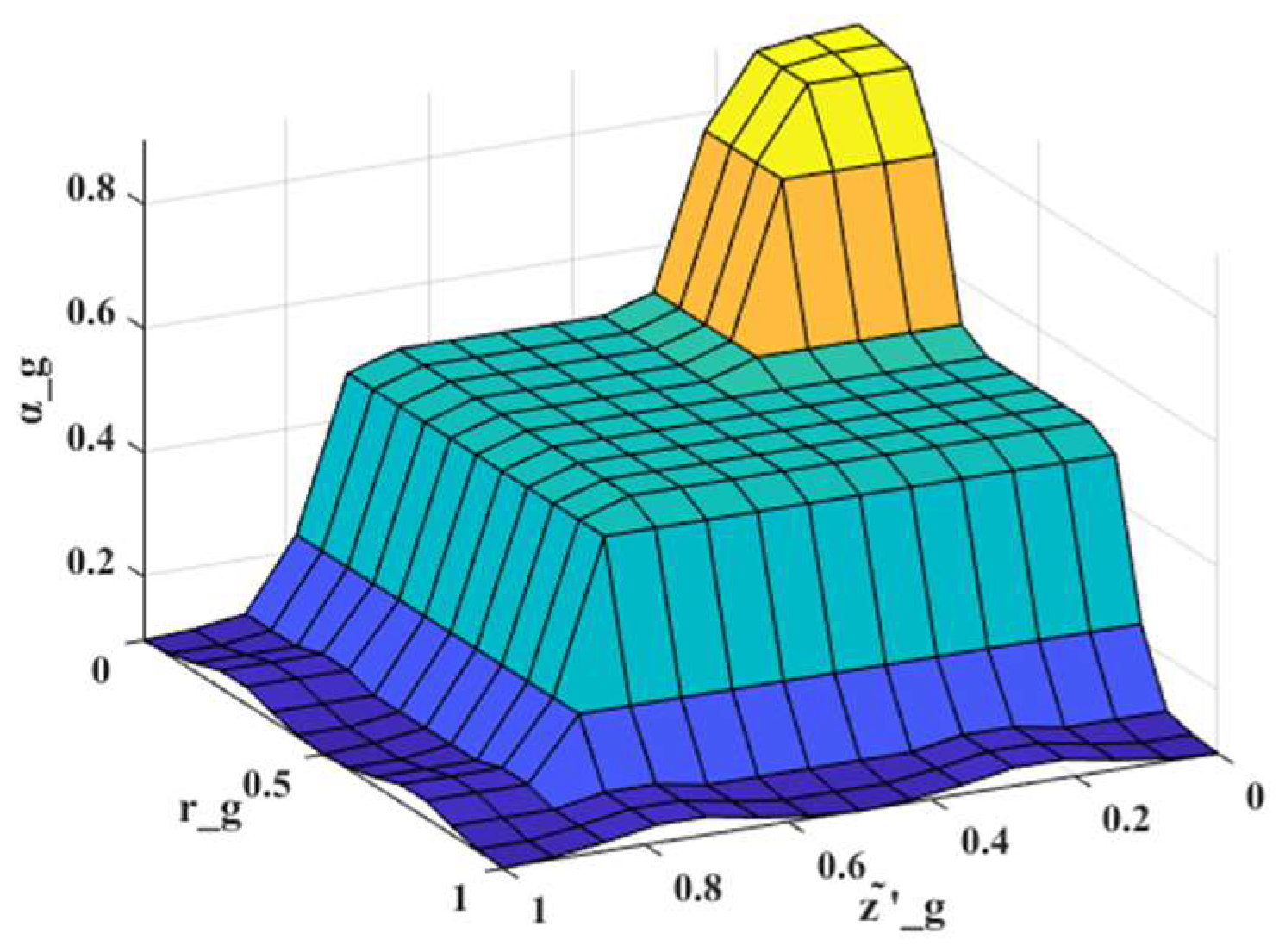
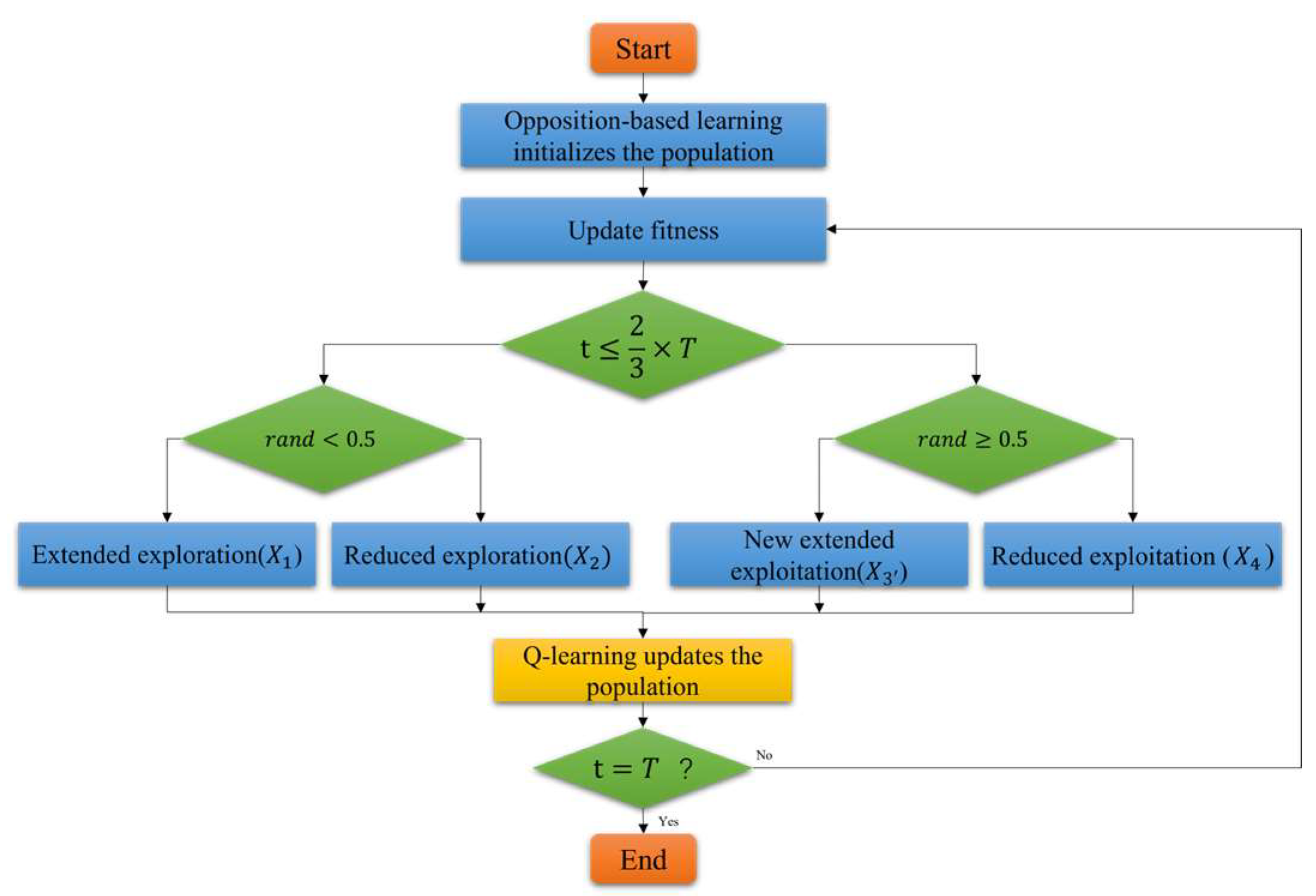
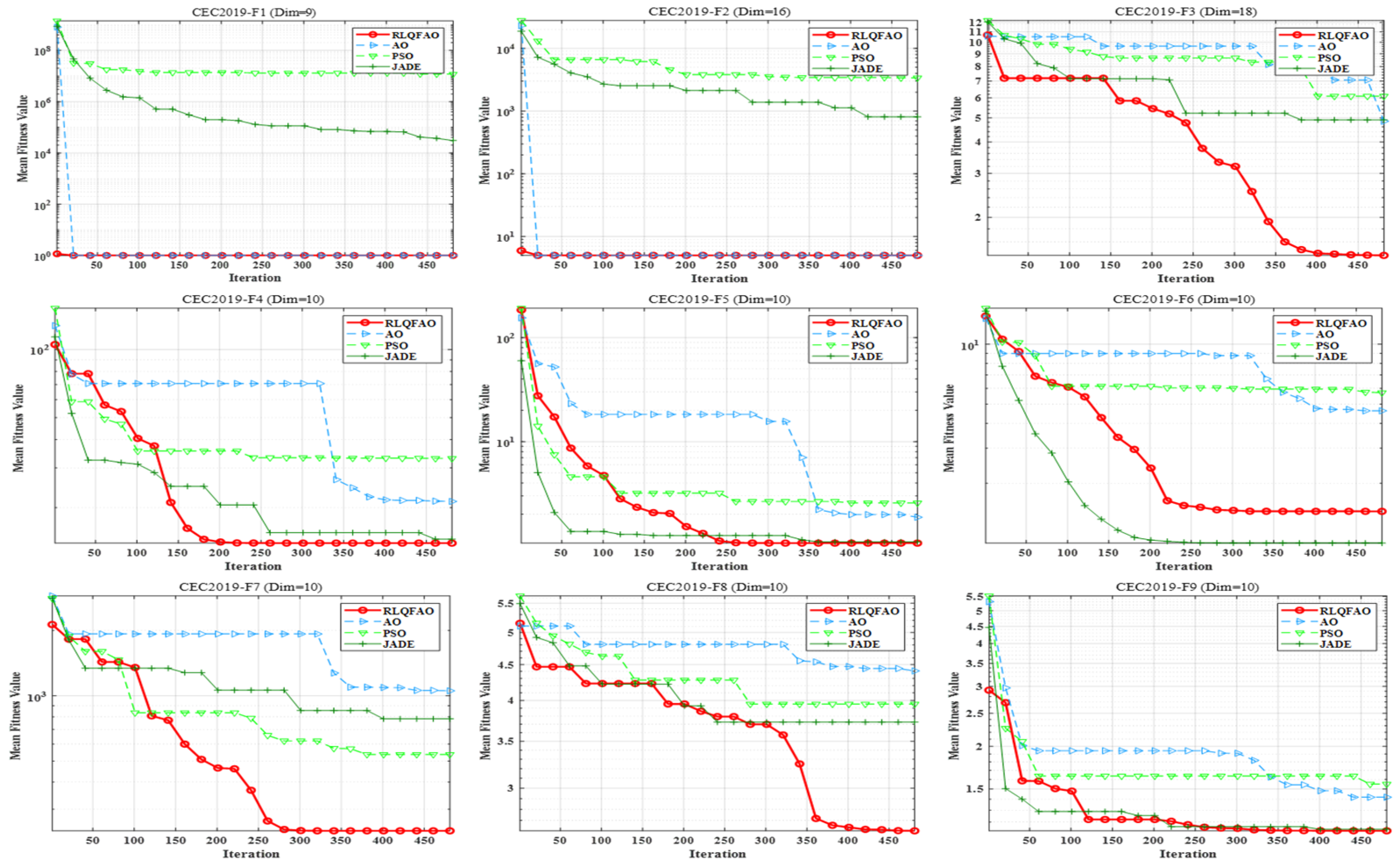
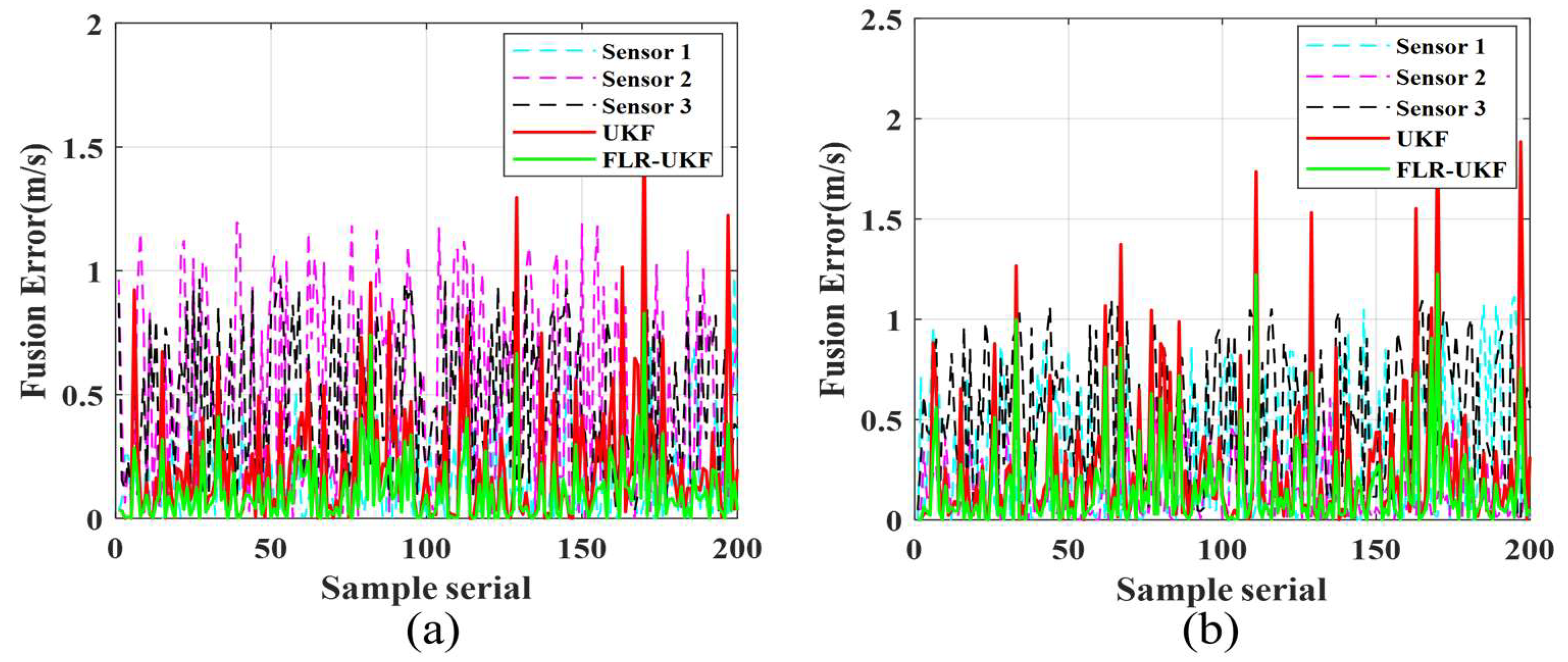
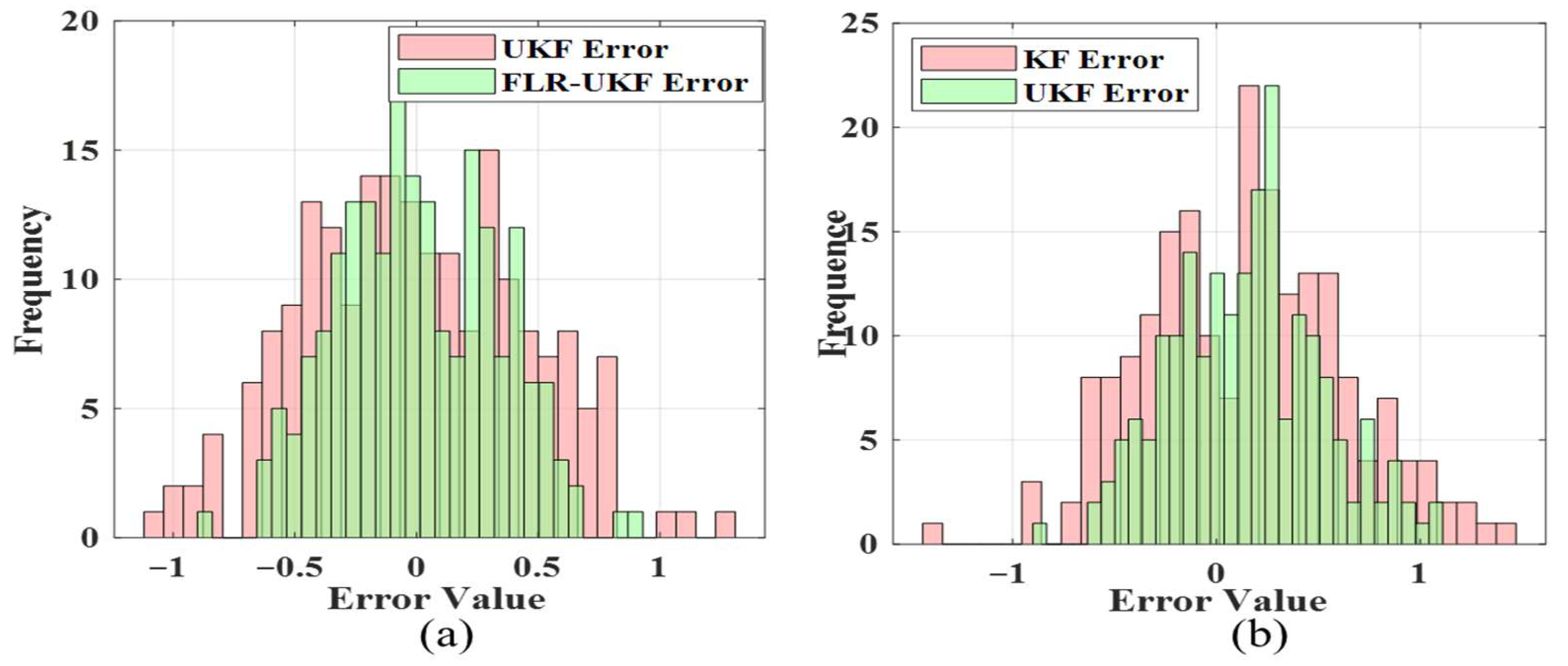
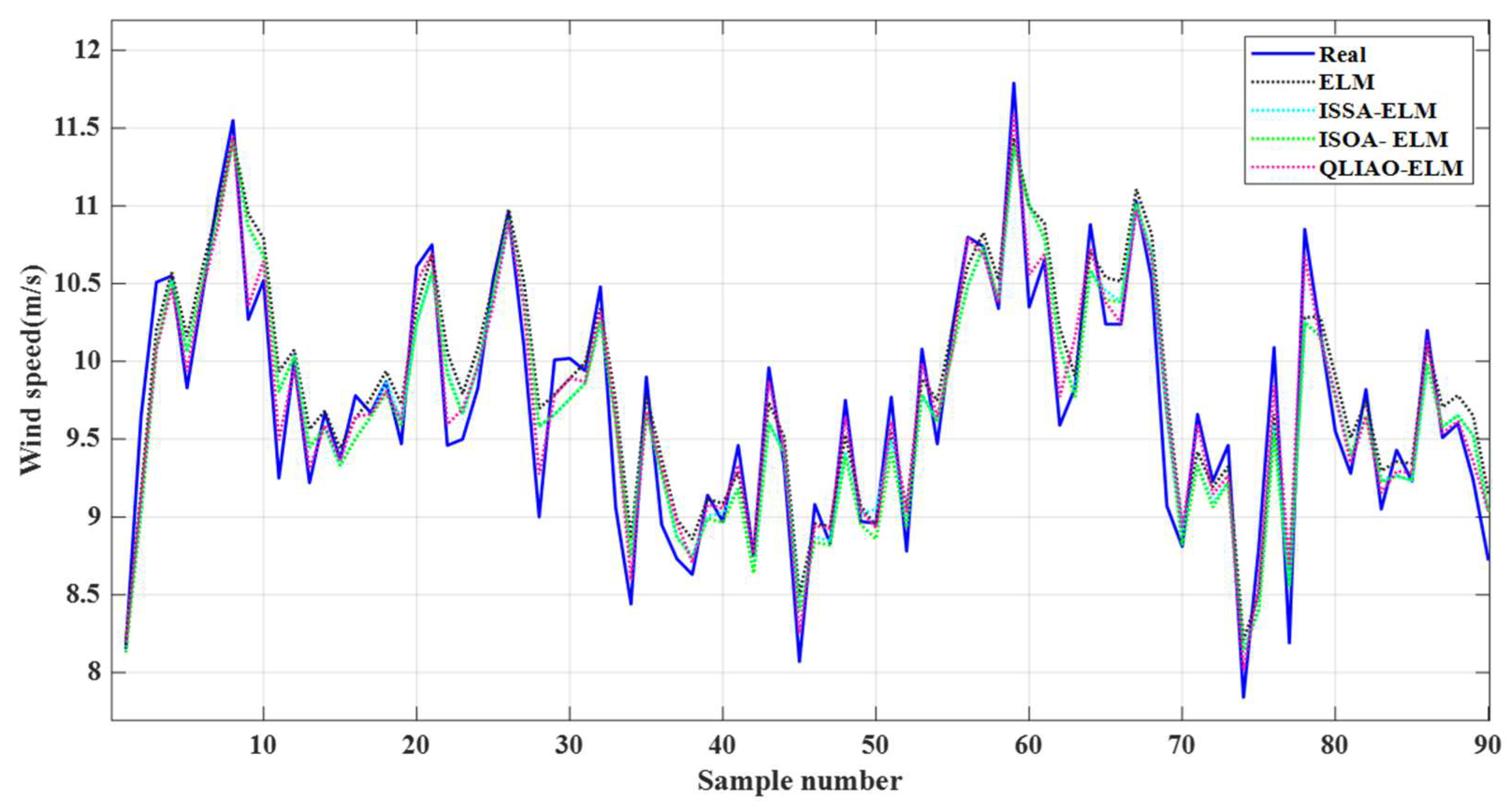
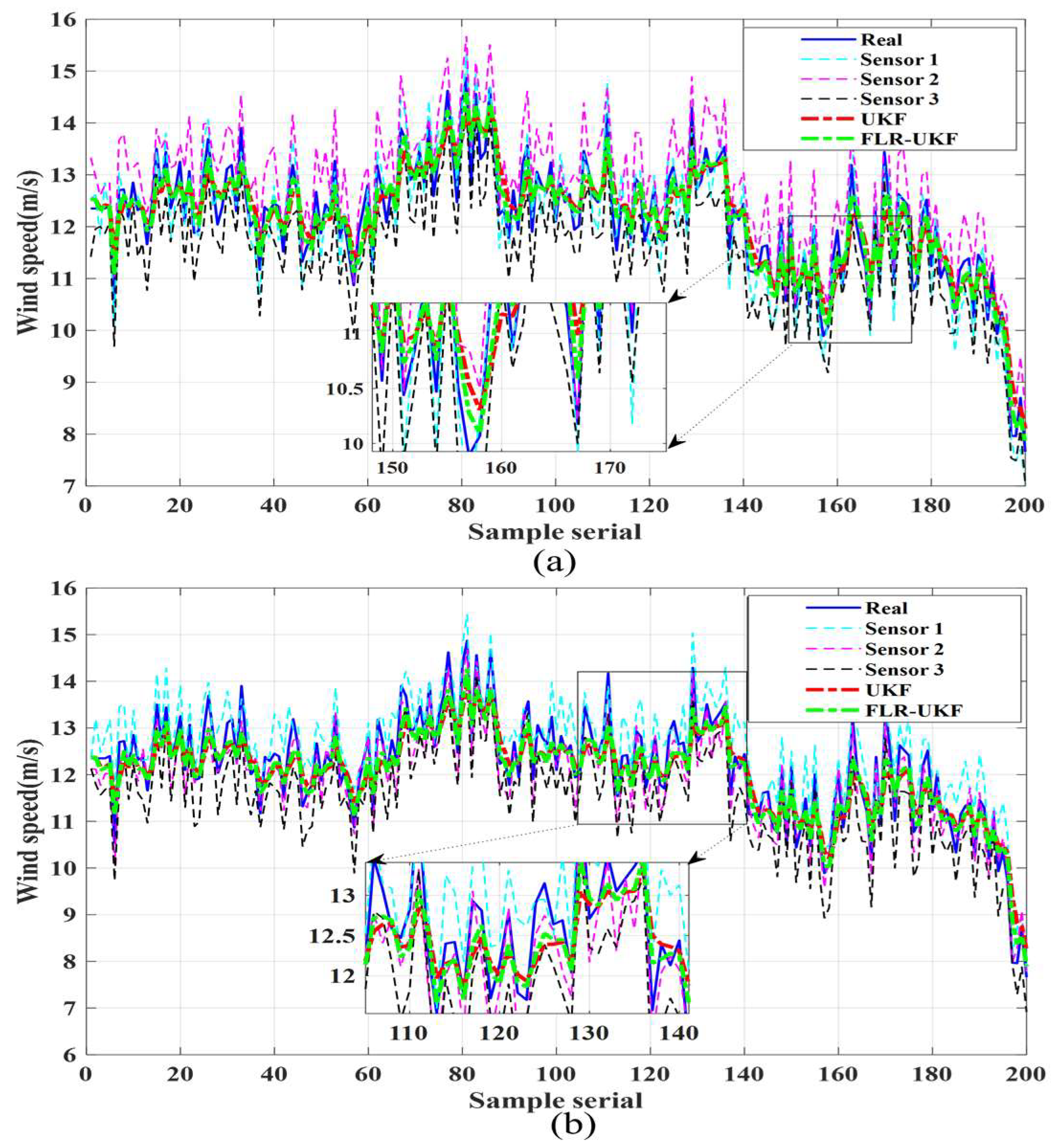
Accurate and reliable wind speed measurement is essential for applications such as wind power generation and meteorological monitoring. Data fusion from multiple anemometers mounted on wind measurement towers is a key approach to obtaining high-precision wind speed information. In this study, a hierarchical data fusion strategy is proposed to enhance both the quality and efficiency of multi-sensor fusion on wind measurement towers. At the local fusion stage, multi-sensor wind speed data are denoised and fused using an unscented Kalman filter enhanced with fuzzy logic and a robustness factor (FLR-UKF). At the global decision fusion stage, decision-level fusion is achieved through an extreme learning machine (ELM) neural network optimized by a Q-learning-improved Aquila optimizer (QLIAO-ELM). By incorporating a spiral surrounding attack mechanism and a Q-learning-based adaptive strategy, QLIAO-ELM significantly enhances global search capability and convergence speed, enabling the ELM network to obtain superior parameters within limited computational time. Consequently, the accuracy and efficiency of decision fusion are improved. Experimental results show that, during the local fusion phase, the RMSE of FLR-UKF is reduced by 26.46% to 28.6% compared to the traditional UKF; during the global fusion phase, the RMSE of QLIAO-ELM is reduced by 27.1% and 14.0% compared to ELM and ISSA-ELM, respectively.
Keywords: aquila optimizer; data fusion; extreme learning machine (ELM); Q-learning; unscented kalman filter (UKF) aquila optimizer; data fusion; extreme learning machine (ELM); Q-learning; unscented kalman filter (UKF)