Article

Smart Steering Wheel Prototype for In-Vehicle Vital Sign Monitoring

1
Department of Electromagnetic and Biomedical Engineering, Faculty of Electrical Engineering and Information Technology, University of Žilina, 010 26 Žilina, Slovakia
2
Department of Design and Mechanical Elements, Faculty of Mechanical Engineering, University of Žilina, 010 26 Žilina, Slovakia
*
Author to whom correspondence should be addressed.
Sensors 2026, 26(2), 477; https://doi.org/10.3390/s26020477
Submission received: 12 December 2025 / Revised: 6 January 2026 / Accepted: 8 January 2026 / Published: 11 January 2026
(This article belongs to the Section Electronic Sensors)

Abstract

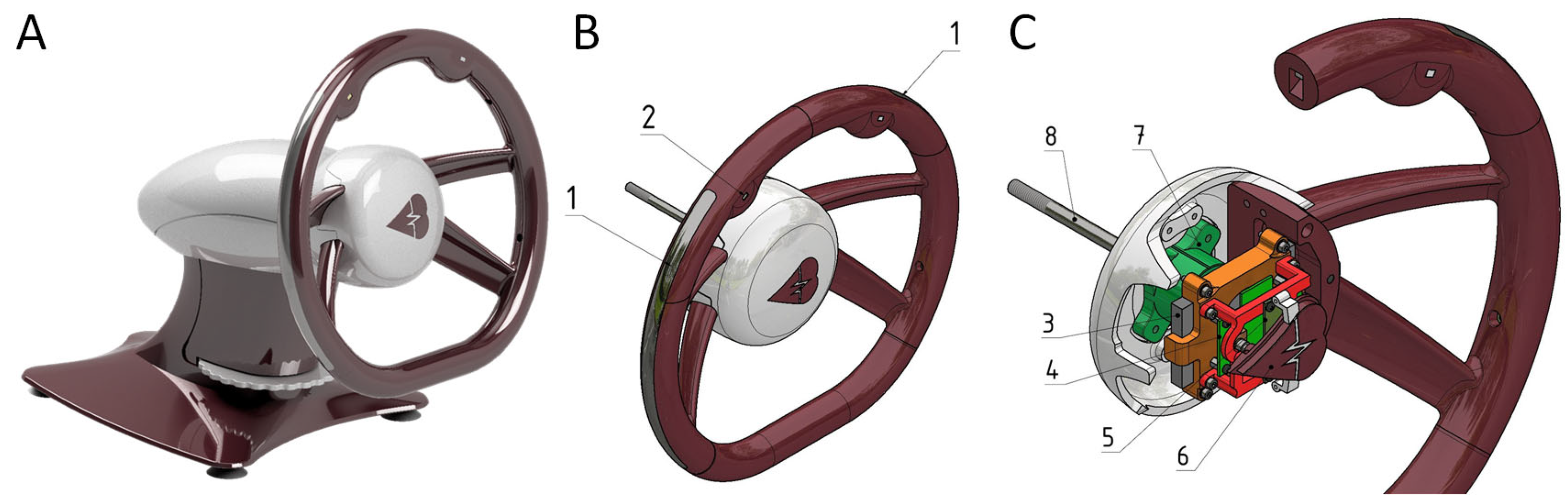
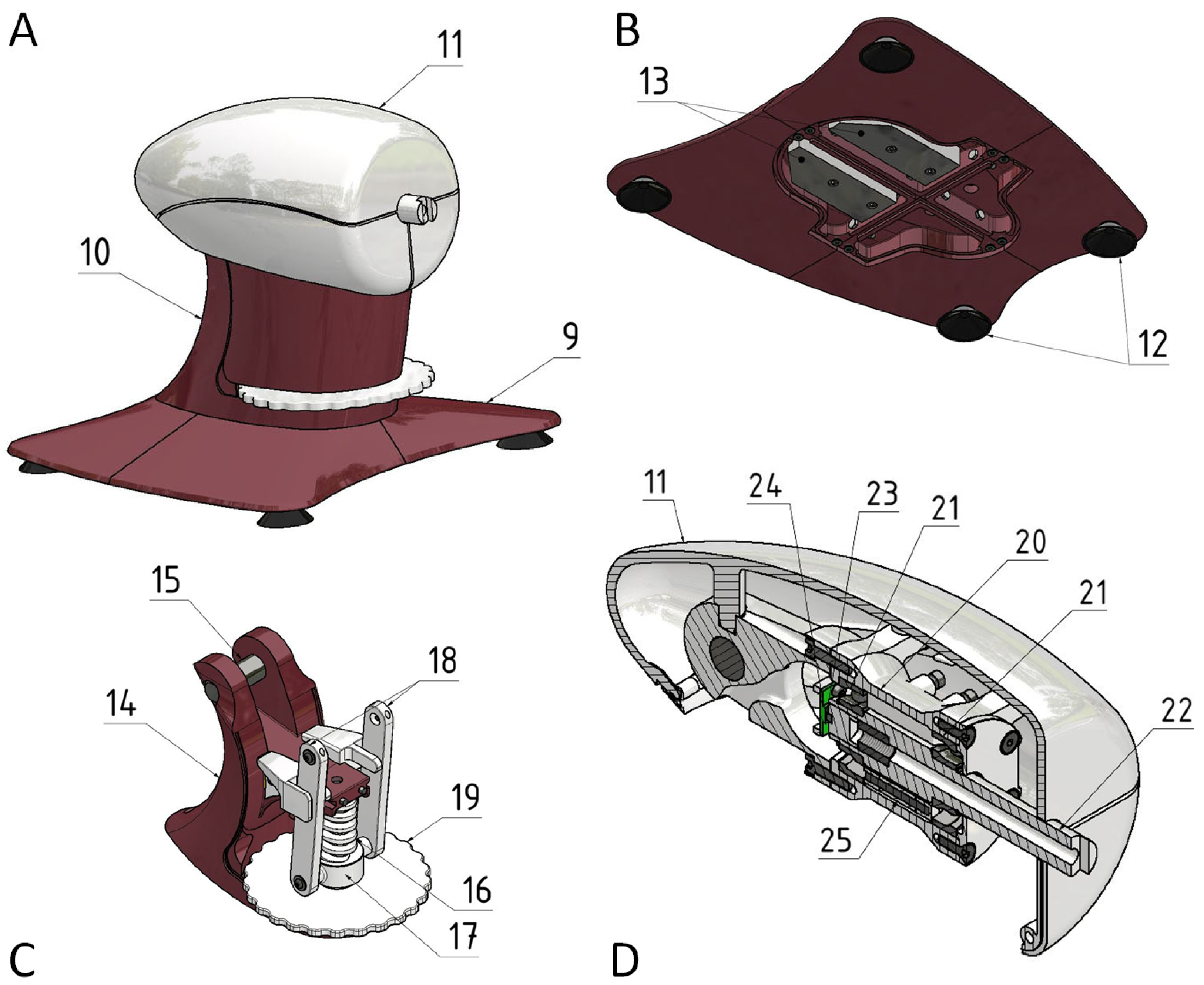
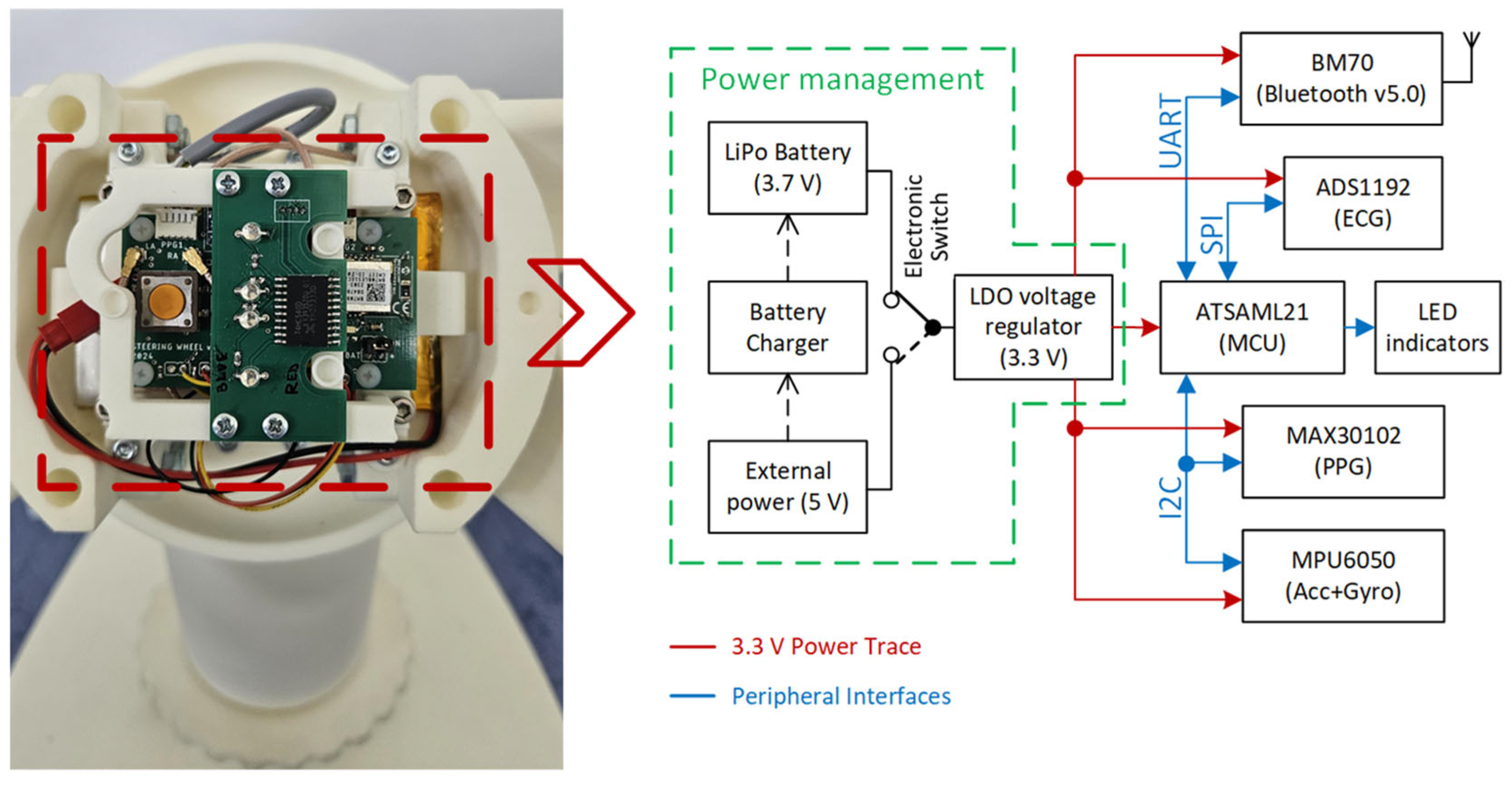
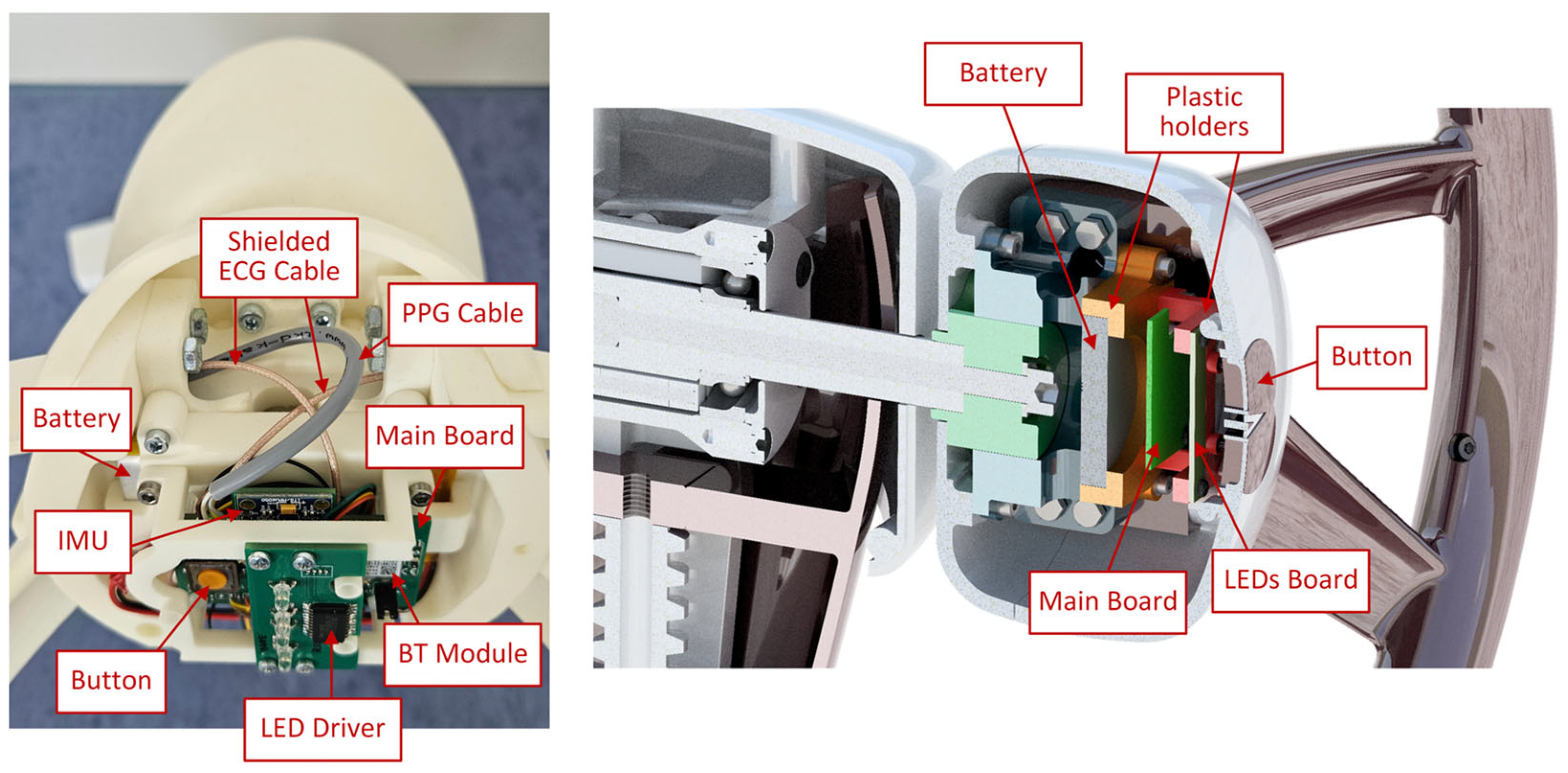
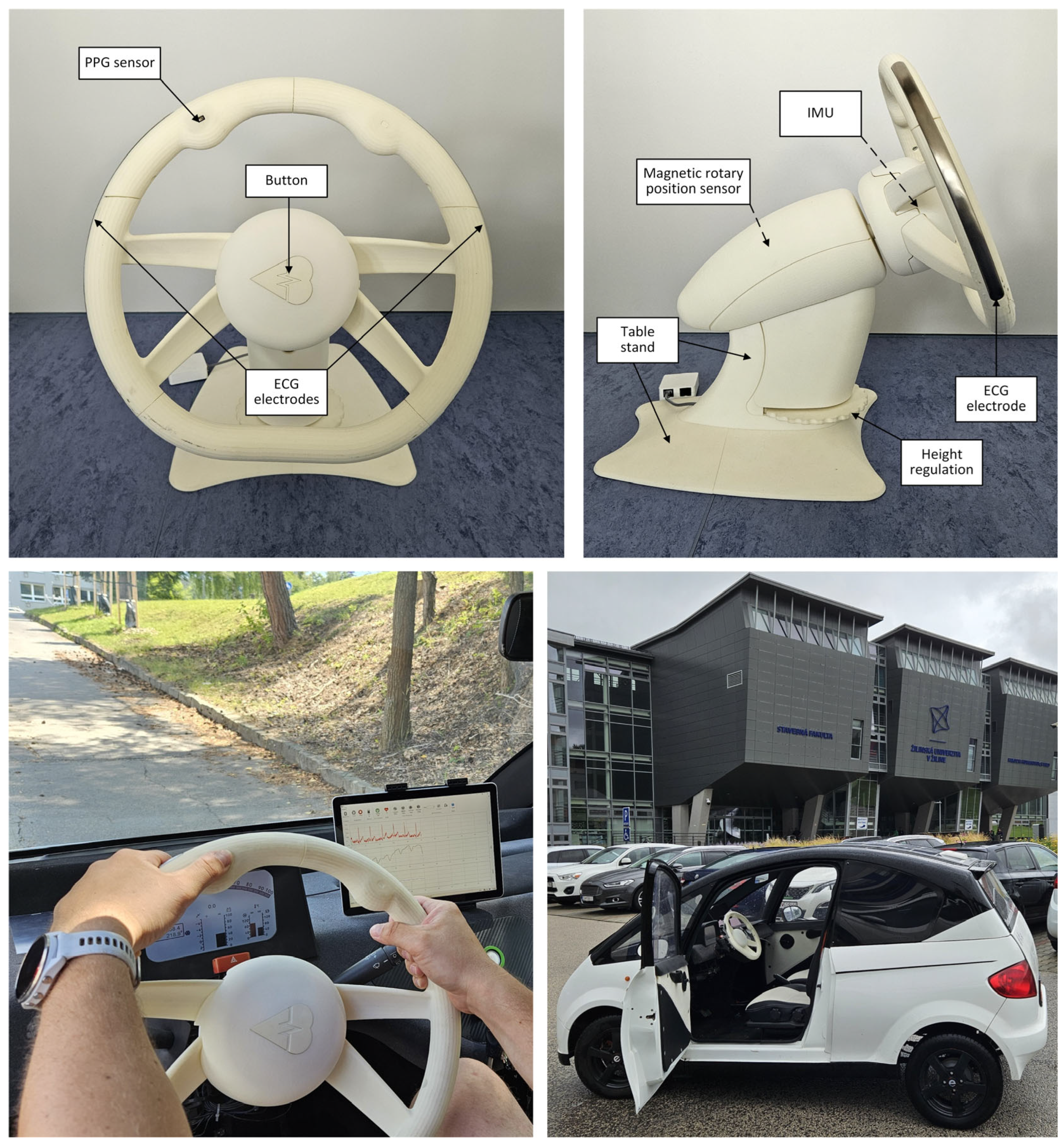
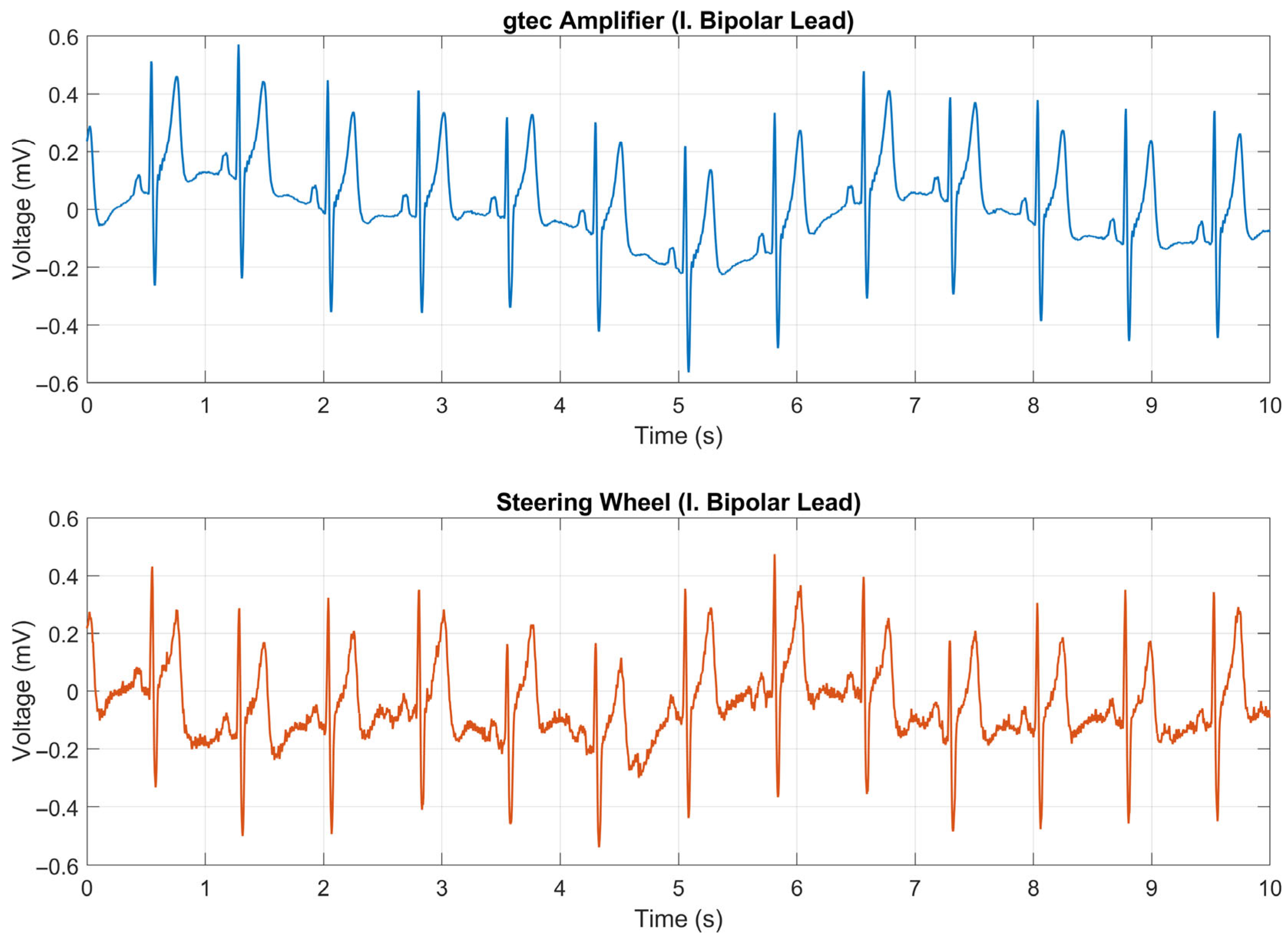
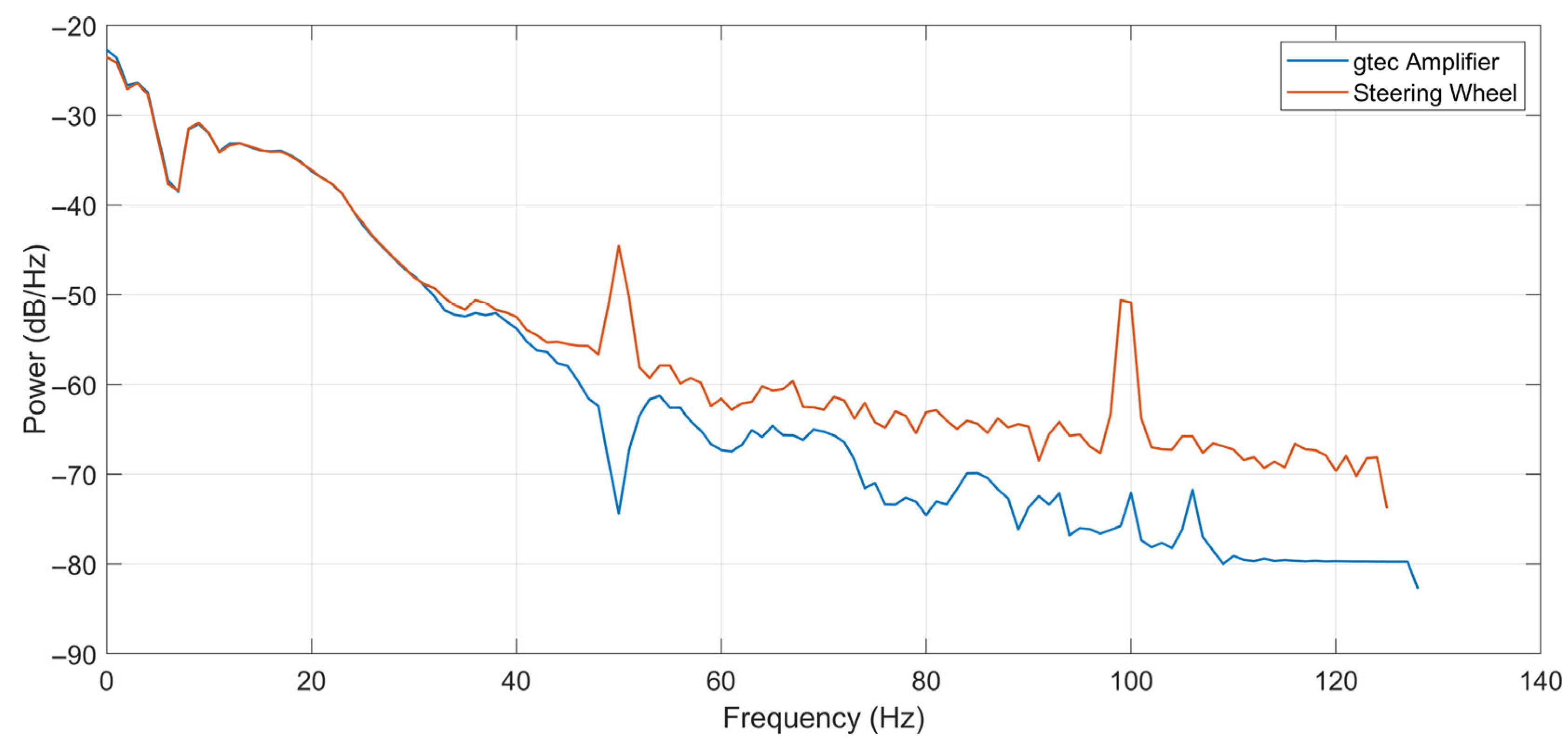
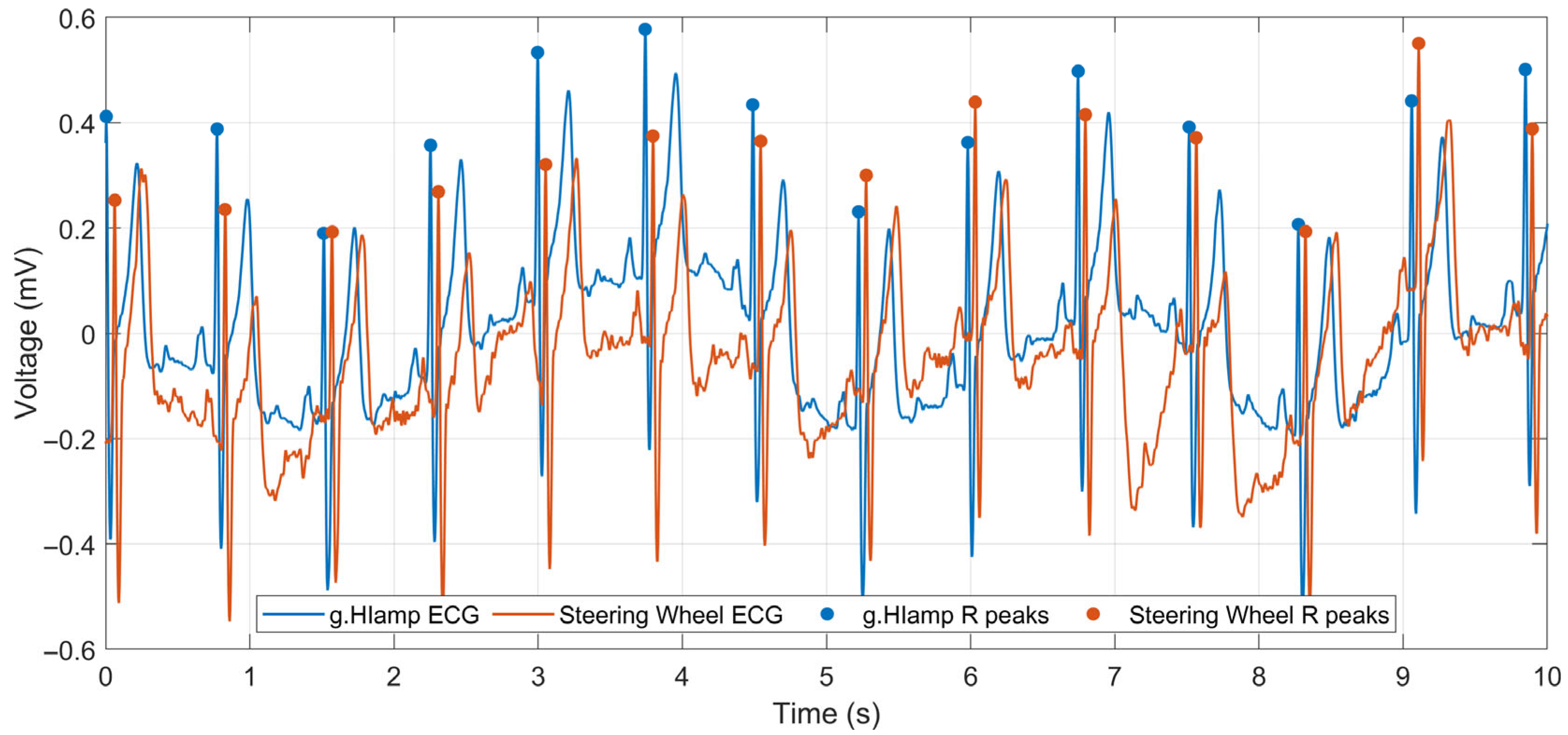
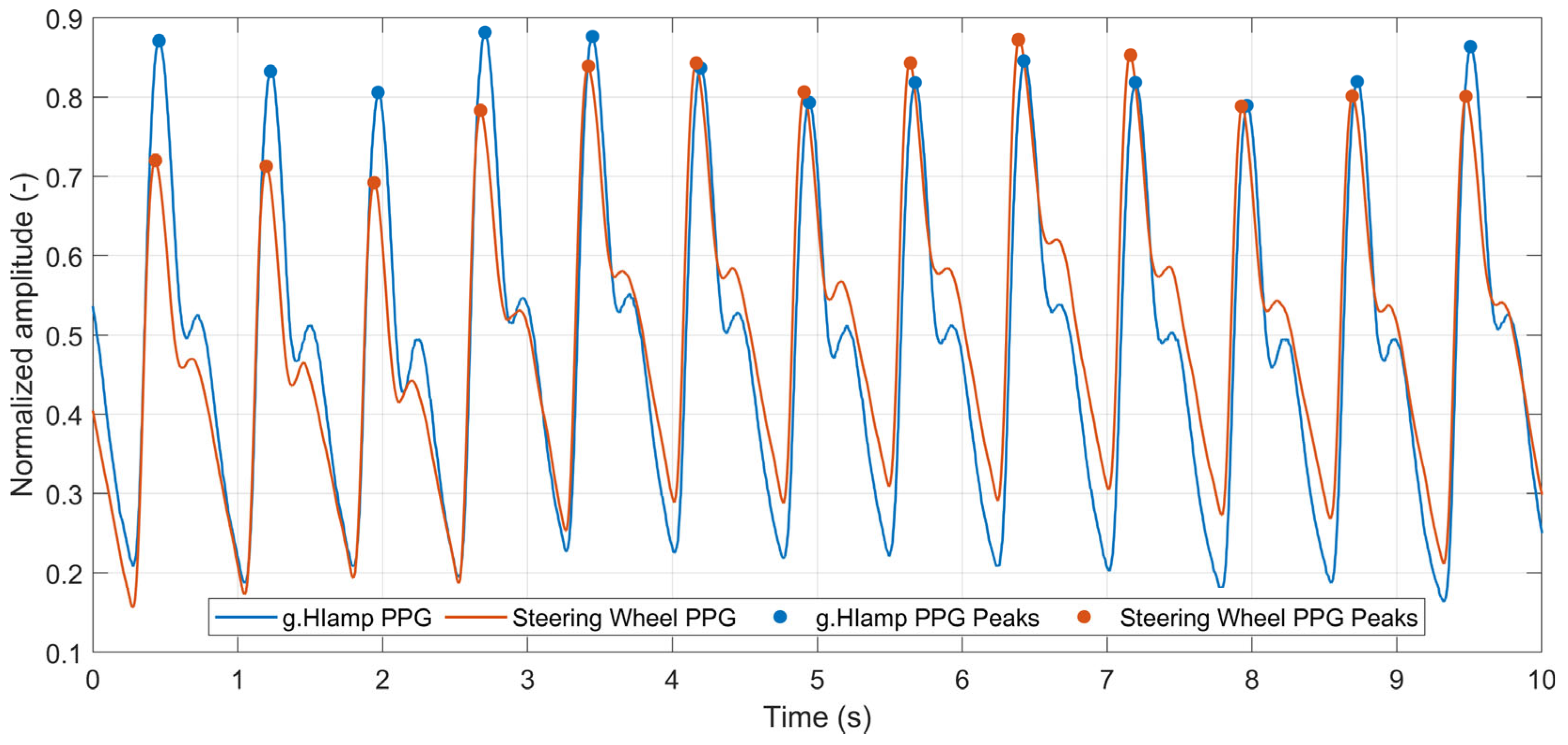
Drowsy driving and sudden medical emergencies are major contributors to traffic accidents, necessitating continuous, non-intrusive driver monitoring. Since current technologies often struggle to balance accuracy with practicality, this study presents the design, fabrication, and validation of a smart steering wheel prototype. The device integrates dry-contact electrocardiogram (ECG), photoplethysmography (PPG), and inertial sensors to facilitate multimodal physiological monitoring. The system underwent a two-stage evaluation involving a single participant: laboratory validation benchmarking acquired signals against medical-grade equipment, followed by real-world testing in a custom electric research vehicle to assess performance under dynamic conditions. Laboratory results demonstrated that the prototype captured high-quality signals suitable for reliable heart rate variability analysis. Furthermore, on-road evaluation confirmed the system’s operational functionality; despite increased noise from motion artifacts, the ECG signal remained sufficiently robust for continuous R-peak detection. These findings confirm that the multimodal smart steering wheel is a feasible solution for unobtrusive driver monitoring. This integrated platform provides a solid foundation for developing sophisticated machine-learning algorithms to enhance road safety by predicting fatigue and detecting adverse health events.
Keywords: driver drowsiness detection; dry-contact ECG; in-vehicle vital sign monitoring; sensor fusion; smart steering wheel driver drowsiness detection; dry-contact ECG; in-vehicle vital sign monitoring; sensor fusion; smart steering wheel