1. Introduction
With the recurring occurrence of terrorist attacks and accidental explosions, risks to public safety and transportation systems have become increasingly prominent. To conduct post-event assessments, optimize vehicle structures, and support emergency decision-making more effectively under extreme shock conditions, it is crucial to predict occupant responses rapidly and reliably. Acceleration signals captured at a limited number of external measurement points on the vehicle contain important information regarding the propagation of shock energy and the associated structural dynamics. However, real-world explosion experiments are highly costly and hazardous, and are further constrained by ethical and practical limitations, resulting in very limited available data. This scarcity often leads prediction models to suffer from overfitting and inadequate generalization. Considering that vehicle response signals under explosive loading exhibit abrupt, multi-component, and complex transient characteristics, this study proposes an injury prediction approach based on data augmentation for such shock-type signals.
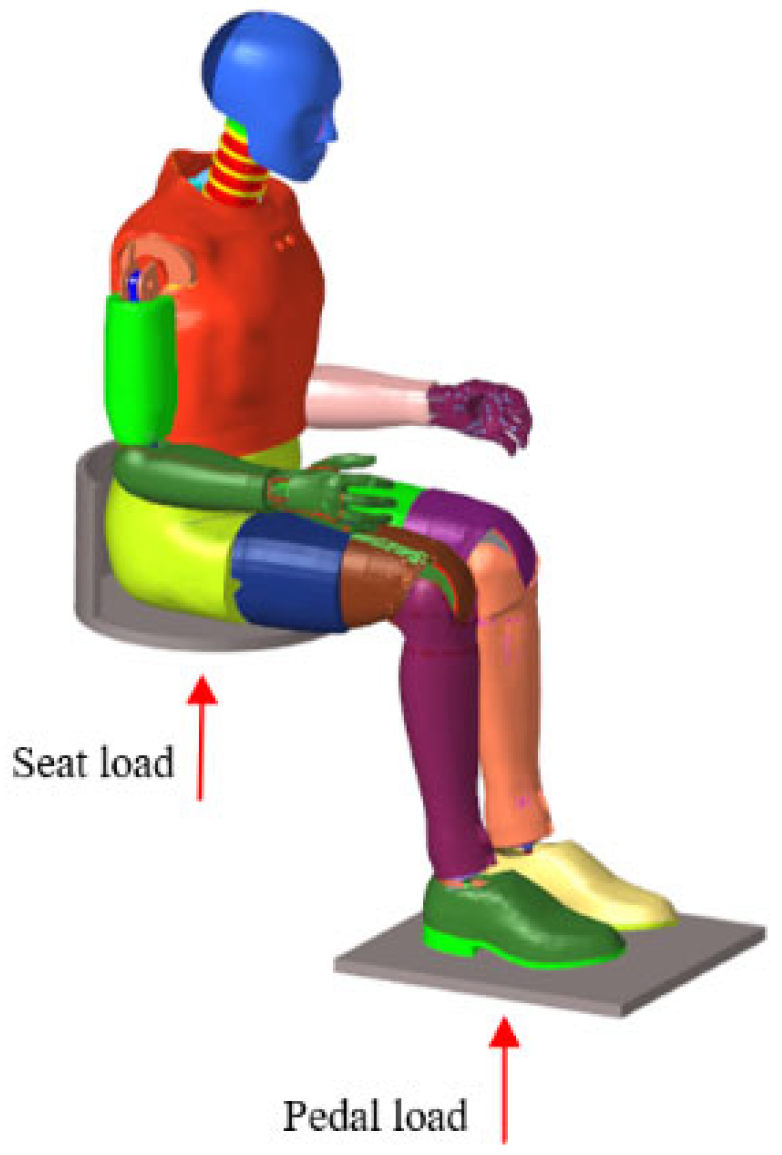
To eliminate human subject risk during the protective experimental process, the Hybrid III 50th ATD is widely used as a dummy to test for damage to occupants. It is currently a mature means for explosion injury testing. Many scholars have studied the response of Hybrid III under impact. Kristin et al. compared the modal frequencies and short-duration impact responses of Hybrid III and NOCSAE headforms to assess their biofidelity and highlight the importance of headform choice under high-frequency impacts [
1]. Li et al. used the Hybrid III 50th percentile male dummy for occupant kinematics and injury metric validation in vehicle crash scenarios [
2]. Albert et al. compared the whole-body biofidelity of Hybrid III and THOR in sled tests, including dynamic response, chest deformation, and reaction forces [
3].
However, the Hybrid III ATD’s prohibitive acquisition cost and vulnerability under blast loads severely restrict the ability to obtain statistically significant sample sizes.
A finite element (FE) dummy model has been developed to visualize occupant force distribution and reduce experimental costs. The widely used Hybrid III FE model was developed by LSTC and the University of Washington. Subsequent studies have refined the material characterization of this model under high-velocity impact scenarios by incorporating strain-rate sensitivity. Lou enhanced the mechanical fidelity of the lumbar spine by employing a stiffer viscoelastic material formulation [
4]. Similarly, Zhu validated the dynamic properties of several soft tissues, including those of the pelvis, lower limbs, heel padding, and skin, under elevated strain rates [
5]. Experimental work by Suhaimi further confirmed the accuracy of the improved Hybrid III 50th percentile FE model showing strong agreement with physical test data. Quantitative comparisons indicated correlation scores ranging from 0.653 to 0.901, while peak response deviations were within 1.5% to 12.7% [
6,
7]. Zheng used the EARTH metric for automatic model calibration to improve prediction accuracy [
8]. Zheng combined dynamic response error evaluation with Bayesian inference to refine model parameters [
9]. In terms of applications, Palta used Hybrid III 50th FE model to simulate crashes with airbags/seatbelts and assess occupant injury [
10]. Maier combined multibody dynamics and FE to model rider-motorcycle interactions [
11]. Shi compared Hybrid III FE and human HBM models to study head, neck, and torso responses [
12].
However, existing FE model optimizations are often performed under specific working conditions. Edri investigated the injury risks from blast waves generated by explosions near military trenches, employing Computational Fluid Dynamics (CFD) simulations [
13]. In practical applications, significant discrepancies may exist between the finite element analysis (FEA) conditions and the specific blast scenarios, which can lead to distorted results in varying blast environments.
Data augmentation is essential when experimental data are limited. Li et al. applied a WGAN-GP-based data augmentation strategy to address the severe class imbalance in crash injury severity prediction, significantly improving the prediction performance for rare severe injury cases [
14]. Yin et al. proposed a WTSS-based framework to generate large-scale and credible virtual war trauma data under extremely limited real data conditions [
15]. Vahid et al. proposed a transformer-based time-series WGAN with gradient penalty for synthetic acceleration data [
16]. Liu et al. used Monte Carlo sampling and 1000 automated simulations to study how vehicle front-end structures affect e-bike rider injuries [
17]. Nonetheless, existing data augmentation methods are generally limited to either purely data-driven generative approaches or purely FE-based simulation approaches.
In contrast, the proposed approach adopts a hybrid strategy in which data-driven load generation is coupled with physics-based finite element analysis, thereby combining the flexibility of GANs with the reliability of physical modeling.
In the field of data-driven modeling for safety-critical scenarios, several recent studies have made important contributions, for example: Zhou et al. using data-driven modeling, demonstrated that automated vehicles could avoid 60.91% of reconstructed crashes and reduce injuries in the remaining cases, highlighting their superior safety over human drivers [
18]. Yang et al. analyzed vehicle trajectories at Changsha Airport, showing that frequent lane changes and overlapping paths drive traffic conflicts, and offering guidance for safer, more efficient airport pick-up areas [
19]. Mostafa et al. developed an AI-driven machine learning framework using over 2.26 million records, showing that integrating human, crash, and vehicle factors with advanced feature selection and ensemble modeling improves crash severity prediction and supports data-driven traffic safety [
20]. Vicent et al. developed a three-stage deep learning framework, including preprocessing, feature importance analysis, and 2D-CNN modeling, to predict whether traffic accidents require medical assistance, demonstrating superior accuracy across datasets from six cities [
21]. Carlo et al. proposed a generative artificial intelligence-based approach to augment human biomechanical data under limited data conditions [
22]. These studies primarily rely on single data-driven modeling approaches, typically trained on one type of data source. They often lack the ability to fully exploit complementary information from heterogeneous data.
The main contributions of this study can be summarized as follows:
A novel framework is developed to improve occupant injury prediction under underbody blast loading in an extremely low-sample regime by effectively combining scarce physical experimental data with augmented simulation data. Specifically, a wavelet-domain CGAN is employed to generate realistic load perturbations, which are subsequently applied to FE model to produce physically consistent injury responses, thereby expanding and diversifying the very limited physical dataset.
Enriched experimental and simulated data are processed through PCA on wavelet scale energies and used as inputs to a GPR model, achieving higher predictive accuracy than traditional finite element simulations.
The proposed methodology enables reliable injury prediction for both V-hull and flat-hull vehicle underbody structures and can be extended to other impulse load testing and safety-critical applications.
The rest of this paper is structured as follows.
Section 2 presents the workflow of the digital–physical data-driven framework, along with, data augmentation approach, and prediction model.
Section 3 provides experimental and numerical simulation results, along with an evaluation of the predictive abilities of both the numerical simulation and the prediction model.
Section 4 presents a set of simulation cases to demonstrate the relationship between the armored vehicle underbody structure and occupant injuries using the trained prediction model.
Section 5 discusses the current limitations of the proposed method and outlines directions for future work. Finally, the conclusions are presented in
Section 6.
2. Method
2.1. Method Workflow
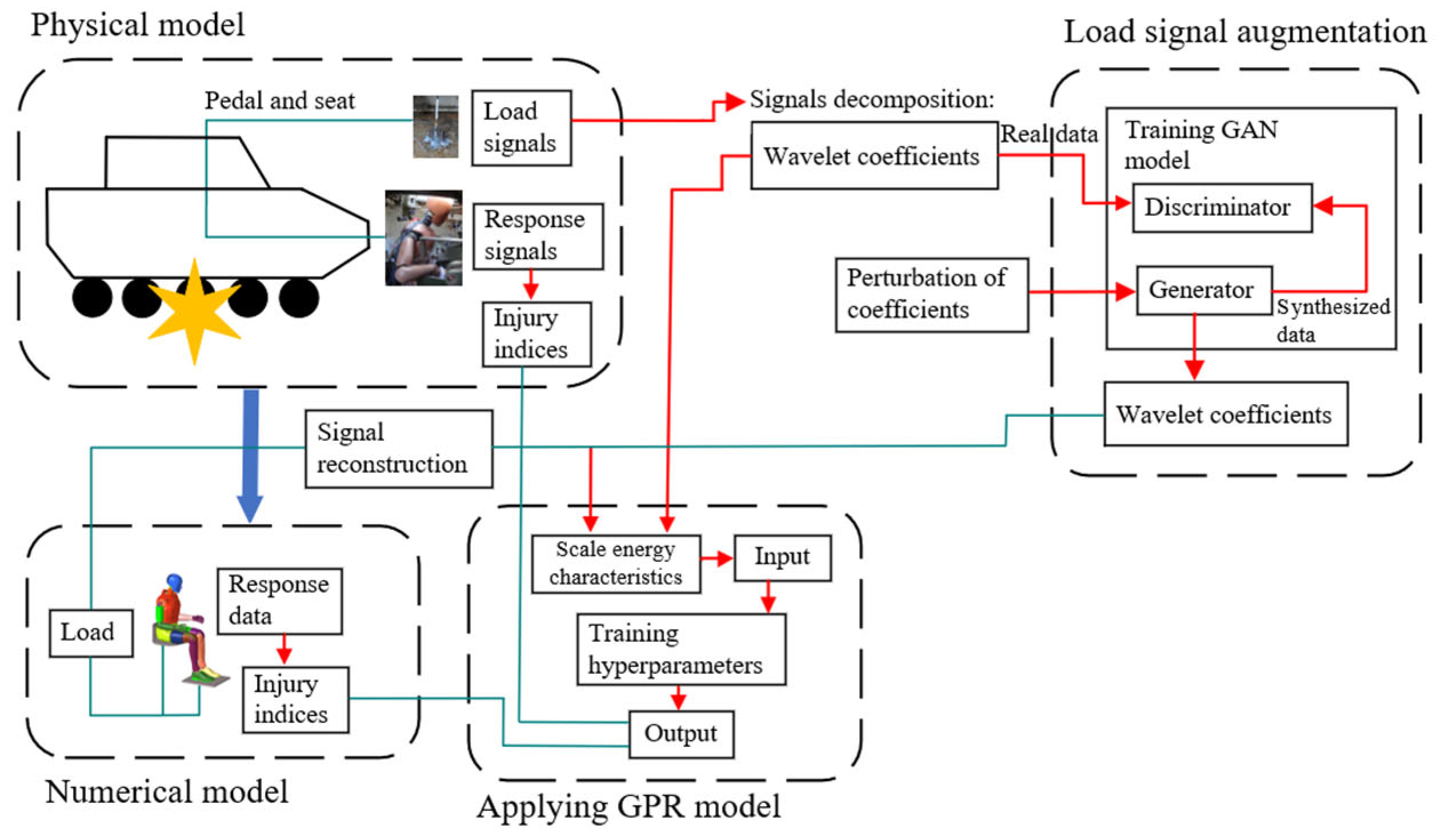
The framework proposed in this study presents a prediction methodology that integrates physical test data with augmented simulation data for the underbody structural optimization of armored vehicles, illustrated in
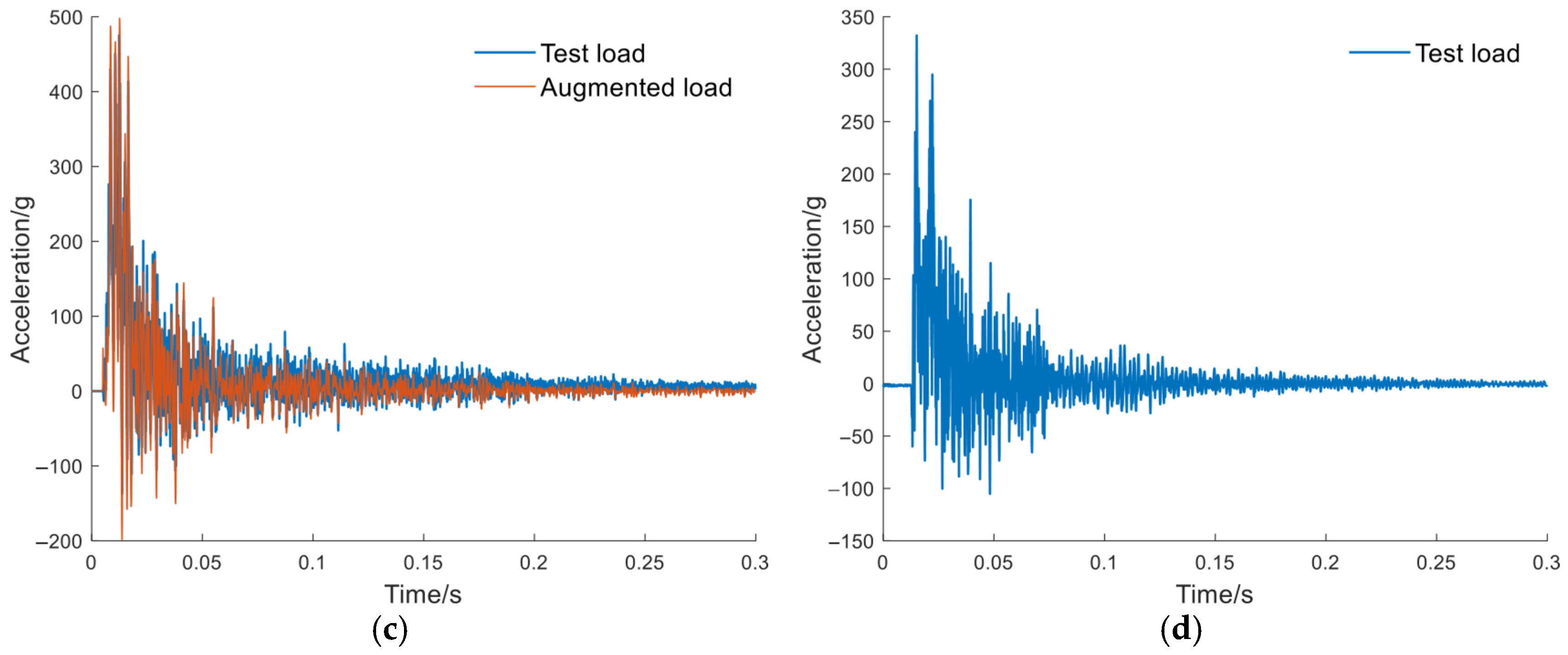
Figure 1. In the physical model, the vehicle underbody is subjected to blast impact experiments, from which load signals and response signals of the occupant are recorded, and corresponding injury indices are calculated. For the data-driven model, the test load signal is first decomposed into multi-scale coefficients using the wavelet transform. A small-scale data-augmentation model within the wavelet domain, based on a conditional generative adversarial network (CGAN), was designed. Through adversarial training of the generator and discriminator with perturbations applied based on the cumulative distribution function, the network is optimized. The signals generated by the augmentation model are reconstructed and applied as loading inputs to the optimized Hybrid III 50th percentile FE model. The numerical model produces response data, which are subsequently converted into the corresponding injury indices. In this way, an augmented dataset of load signals and injury indices is obtained.
The data from the tested physical model and the augmented digital model are then integrated to establish a mapping between load signal characteristics and injury indices. Wavelet energies at each scale are first computed from the multi-source coefficients, and PCA is subsequently applied to extract characteristics and reduce dimensionality. These characteristics are then fed into a GPR model, which predicts the corresponding injury indices. By optimizing the hyperparameters of the GPR model, a coupling between the physical and data-driven models is achieved. Finally, the trained GPR model is incorporated into the optimization stage to determine the optimal geometry and design parameters of the armored vehicle’s underbody structure. The model provides predictive injury indices under various blast impact conditions.
We next detail the structure and design rationale of each module in the process.
2.2. Data Augmentation Method
2.2.1. Data-Augmentation Model
To enable signal augmentation with extremely limited samples while preserving features across all scales, a data-augmentation model in the wavelet domain based on CGAN was developed. The principle of GAN is to optimize the generator and discriminator through adversarial training [
23,
24]. In this work, a multi-channel fully connected neural network architecture is employed for multiple frequency components [
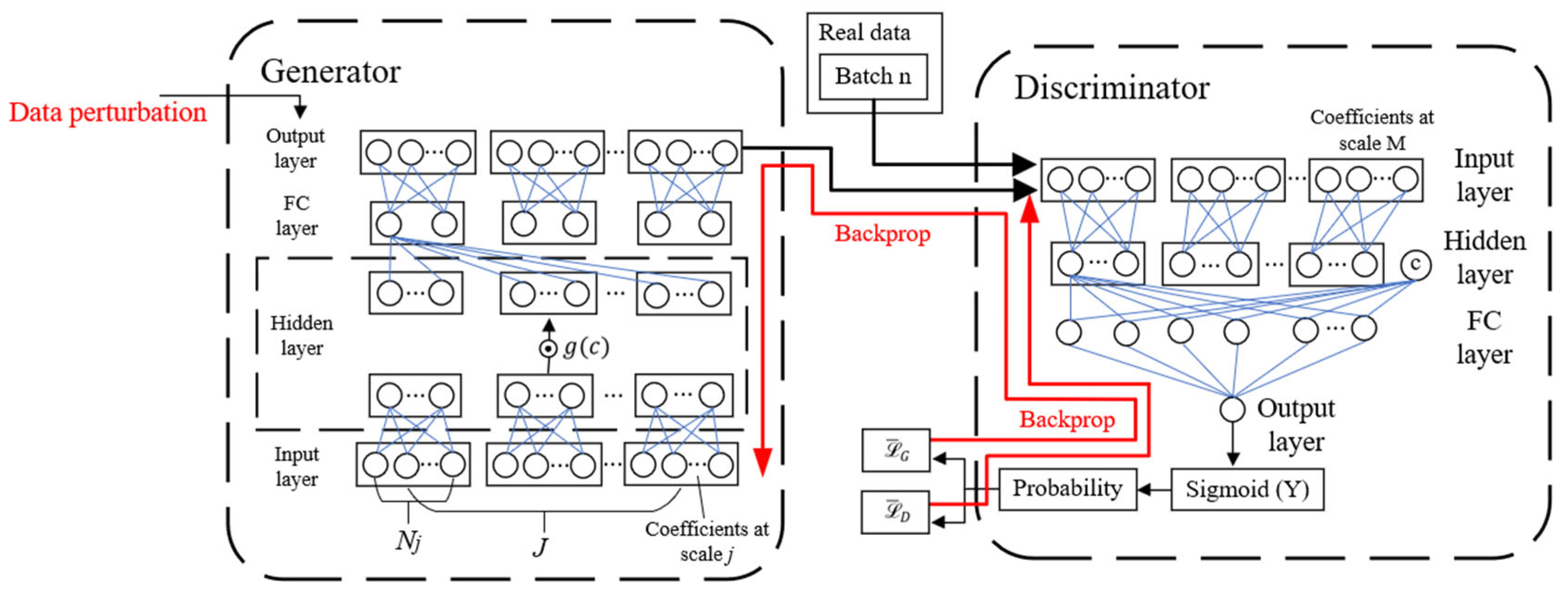
25]. The network structure is illustrated in
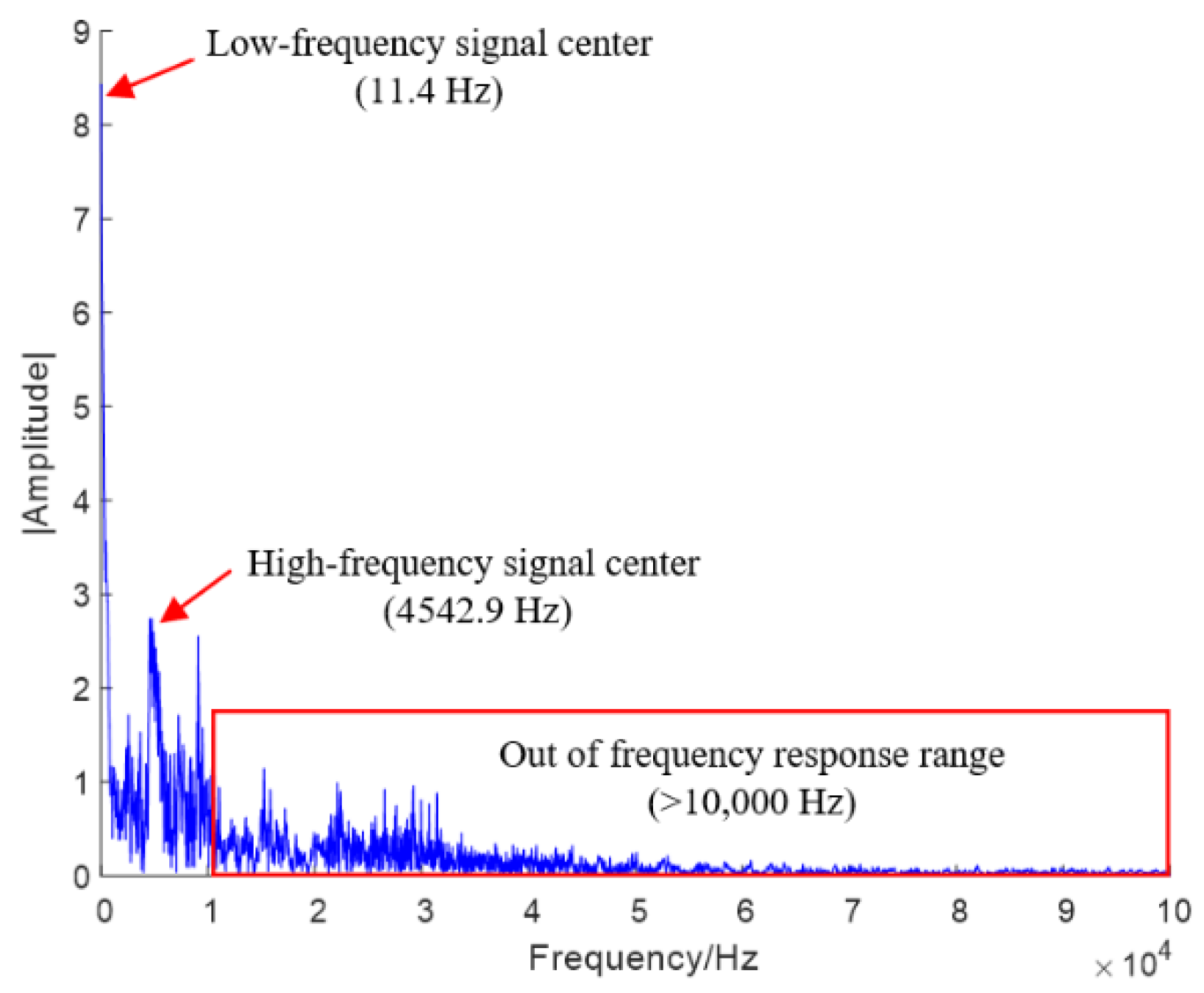
Figure 2. First, the signal is decomposed into multiple scale coefficients using the DB4 wavelet, with each scale coefficient treated as a separate channel for the network. The hidden layers are designed for feature extraction from the input coefficients, while the fully connected (FC) layers establish the mapping from the features at different scales. To prevent overfitting under extremely small sample conditions, a small number of nodes are used in the hidden and fully connected layers. A conditional input
c is introduced to the gated hidden layer in order to control the energy of the generated output in the generator. In the discriminator,
c is incorporated into the hidden layer. To stabilize training, the conditional vector
c is obtained by normalizing the amplitude of each real sample. In each training iteration, two sets of data are sampled from the real dataset to form a batch for training.
The Daubechies 4 (DB4) wavelet [
26] is characterized by its compact support and short filter length, which provides excellent temporal localization for accurately capturing transient events such as impacts and shocks. Concurrently, it offers a sufficient frequency resolution to distinguish constituent frequency components. This favorable time-frequency characteristic makes DB4 particularly suitable for decomposing vehicle explosion shock signals. The original signal is first decomposed using the DB4 wavelet transform:
where
is the wavelet coefficients vector at scale
j of
t-th.
To enhance the model’s stable output, x is normalized to .
denotes the total energy of the
t-th signal, which reflects the overall signal intensity.
where
is the length of the coefficients at scale
j;
N is the length of the original signal.
The condition c is defined based on the normalized total energy of each signal:
This normalization is applied after data augmentation to avoid numerical dominance caused by large-amplitude samples, while preserving the relative variations introduced by amplitude-based augmentation.
and are the minimum and maximum energy of the signal, respectively.
Forward propagation refers to the process by which data passes through the network to produce output. The following are forward propagation from the input layer to the hidden layer in the generator:
represents the -th node in the hidden layer in channel in the generator; represents the weight connecting the -th node of the previous layer to the -th node of first layer in channel in the generator; represents the bias of the -th node of first layer in channel in the generator. For the rest of this section, the same naming convention is applied.
The hidden layer is gated by the condition
c.
Before feeding into the FC layer, the hidden layer needs to be flattened. The flattened hidden layer is given by:
Forward propagation from the hidden layer to the FC layer in the generator:
where
denotes the length of each channel in the hidden layer.
To reduce the number of parameters and make training with small samples more stable, the FC layer nodes are grouped. Forward propagation from the FC layer to the output layer in the generator is as follows:
where
is the length of the FC layer. Group
into multiple channels as
.
For the discriminator, the forward propagation from the input layer to the hidden layer is the same as that of the generator. The conditional value is fused with the hidden layer output before it is passed to the FC layer. Forward propagation from the hidden layer to the FC layer is as follows:
Forward propagation from the FC layer to the output layer in the discriminator:
The losses of the discriminator and generator are commonly expressed by the following equations:
where
and
is the probability of judging whether the real and synthesized data is true or false.
The loss values of multiple samples of batch n are averaged to obtain
and
. Backpropagation denotes the process of updating the network parameters in accordance with the computed averaged loss [
27].
Update the parameters by subtracting the gradients corresponding to the generator or the discriminator:
where
is the learning rate (
.
The above steps are repeated until and converge and attain their minimum values.
2.2.2. Data Perturbation
Only a very limited number of samples are available, which makes the model prone to overfitting and may limit its generalization ability. To enhance sample diversity, the output layer of the generator is perturbed in real time during the training process, leveraging the wavelet characteristics. Perturbing the data using the CDF (Cumulative Distribution Function) enhances data diversity while preserving the original statistical characteristics [
28].
First, the probability distribution within the wavelet domain is obtained:
The cumulative probability distribution function is defined as:
For each sampling, a random number
is generated, and the corresponding index is found via:
We add Gaussian noise to the wavelet coefficients in
.
where
is an amplitude scaling factor used to control the perturbation strength of the selected coefficient. In this study,
was set close to unity (
) to introduce mild amplitude perturbations.
And
is the standard deviation of the Gaussian noise, which is obtained by the following formula:
where
represents the ratio of noise intensity to signal energy. Based on preliminary testing and common practice in signal perturbation,
was selected in the range of 0.01–0.1 to introduce sufficient variability.
The parameters and were selected empirically based on preliminary testing and prior experience with wavelet-based signal perturbation. Their values were chosen to introduce sufficient variability while preserving the overall amplitude, energy distribution, and dominant temporal characteristics of the original impact signals. Within the selected ranges, no noticeable degradation in signal quality or model performance was observed.
By perturbing high-energy wavelet coefficients with higher probability, the main signal features are effectively diversified, while low-energy coefficients remain unchanged, thereby preventing the introduction of physically meaningless noise.
2.3. Prediction Model
Gaussian Process Regression (GPR) is employed to fuse both test and simulation data, enabling prediction on new inputs. GPR performs well on small- to medium-sized datasets and is capable of capturing the nonlinear influence of input features on the outputs [
29,
30]. When the input dimensionality is too high, the computation and inversion of the kernel matrix can become extremely costly, making it difficult for the model to effectively fit data. Therefore, for high-dimensional signals, it is usually necessary to first perform dimensionality reduction before applying GPR.
The training set input consists of a combination of the test input load characteristic and the augmentation load signal characteristic. The training set output corresponds to the injury indices evaluated by the Hybrid III 50th ATD physical tests and its numerical simulations. It is expressed as:
is the test input dataset, is the simulation input dataset, is the number of test dataset, and is the number of simulation dataset.
For the wavelet coefficients at the
-th scale, the energy is defined as the sum of squares:
Compute the energy of the wavelet coefficients at each scale to obtain a new curve and we refer to this as the wavelet scale energy curve
:
where
t denotes the index of the
t-th sample.
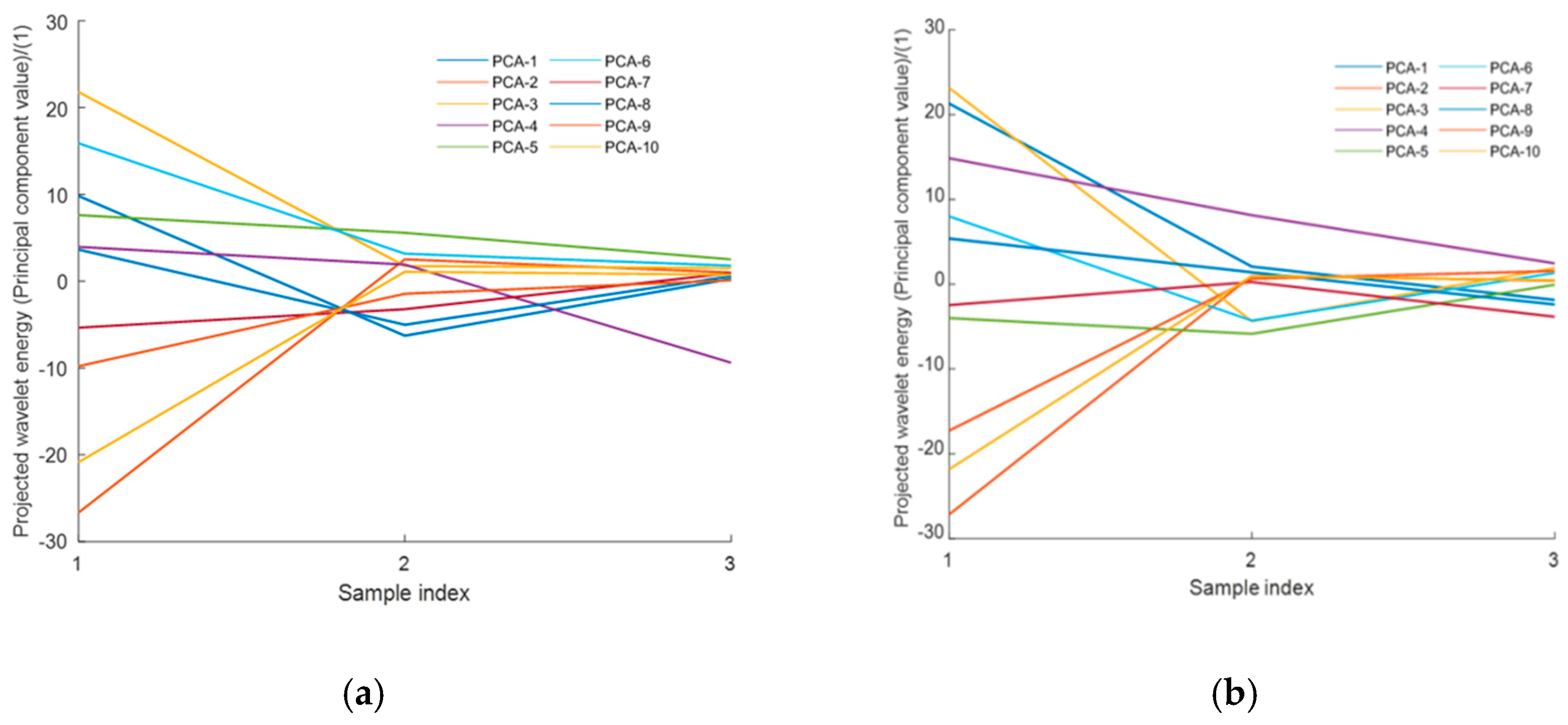
However, the dimensionality of the energy distribution is still relatively high for GPR. Principal component analysis (PCA) is applied to the energy distribution curve to reduce dimensionality and extract the dominant components of the data [
31]. The advantage of PCA is that the first few principal components usually explain most of the data variance, allowing the original data to be approximately reconstructed with only a small number of components.
The implementation process of PCA is as follows:
To reduce the magnitude differences in the data,
was log-transformed.
Mean-centering is performed for each dimension:
And subsequently obtain the centered matrix:
The covariance matrix
is of size
.
Compute the eigenvalues and eigenvectors of the covariance matrix
:
where
and
denote the eigenvalue and eigenvector of the covariance matrix
, respectively.
Each curve is projected onto the first three principal components:
The projections of
samples are then assembled to form the input set.
The dimensionality of each data sample is reduced to 4.
Assume that the output follows a Gaussian distribution:
where
denotes the observation noise, ensuring numerical stability of the covariance matrix.
is the covariance matrix. The kernel function
quantifies the similarity between two vectors. The commonly used formula for the multi-dimensional RBF kernel:
where
represents the signal variance,
denotes the length scale for each input dimension;
,
and
are hyperparameters.
Marginal likelihood is expressed as:
where
is the set of hyperparameters.
The set of hyperparameters that maximizes the log marginal likelihood is determined via gradient descent.
The resulting model combines the test signals and the simulated signals, establishing the mapping relationship between the load signals and the injury indices.
The GPR model was implemented using MATLAB (R2024a, MathWorks, Natick, MA, USA) fitrgp function with RBF kernel. The hyperparameters, including length scale, signal variance, and noise variance, were automatically optimized during training.
2.4. Injury Indices
Lower limb and spinal compressive injuries are among the most common occupant injuries caused by landmine blasts. The following introduces the injury indices used to assess injury at these two body regions. The aim of our study is to reduce the injury indices as much as possible through optimization.
2.4.1. Lower Limb Injuries
The tibial force should be filtered according to SAE J211-1 [
32] using a Channel Frequency Class (CFC) of 600. In lower limb injury evaluation protocols, tibial axial force (Fz) serves as the critical measurement parameter, with the peak compressive value being the key determinant [
33].
is the peak value (maximum amplitude) in the compression part of the axial force signal in the lower tibia and where is the critical limit value of the tibial compression force.
The AEP-55 specifies a lower-limb tolerance value of
, corresponding to a 10% risk of AIS 2+ injury [
34].
2.4.2. Spine Injuries
The pelvic acceleration was filtered according to SAE J211-1 using CFC 1000. Payne and Stech introduced the Dynamic Response Index (
) as a simplified biomechanical model to represent human body dynamics, employing a single mass-spring-damper system [
35]. The
serves as a measure for assessing injuries caused by axial compression in the thoracolumbar spine. It is a dimensionless parameter that correlates with spinal deflection, which represents the degree of compression. This deflection is determined by the response of a second-order system, where the input is the vertical acceleration of the pelvis.
The equation of motion for this model is as follows:
where
is the acceleration in the vertical direction [
];
(when
) is the deflection (compression) of the system;
is the damping coefficient (0.224), and
is the circular frequency (
).
The
is calculated from the maximum compression
and the gravity acceleration g (9.81
):
The AEP-55 specifies a spinal injury tolerance value of .
4. Case Study: Armored Vehicles Underbody Structure Optimization
In this study, FEA was used to preliminarily assess the feasibility of the proposed method. However, due to the simplified assumptions in the vehicle FE model and the potential influence of numerical errors, the accuracy of the method cannot be fully guaranteed. Therefore, future research should focus on validating its performance under practical conditions.
4.1. Effect of Structure Geometry
The V-hull structure is a passive protection technology specially designed to resist bottom explosion threats such as landmines and improvised explosive devices (IEDs), and is widely used in military armored vehicles. The bottom adopts an inclined V-hull structure configuration, guiding the explosion shock wave to both sides to reduce the direct impact on the vehicle body. This section focuses on quantifying the reduction in occupant lower-limb injuries achieved by the V-hull structure compared to the flat-hull structure.
Trajkovski et al. demonstrated that the V-hull significantly reduces blast-induced human injury compared to a flat-hull, based on comparative analyses of peak floor acceleration and kinetic energies [
37]. While blast-induced human injury depends not only on the magnitude of the impact but also on its duration of action, such an analysis is insufficient.
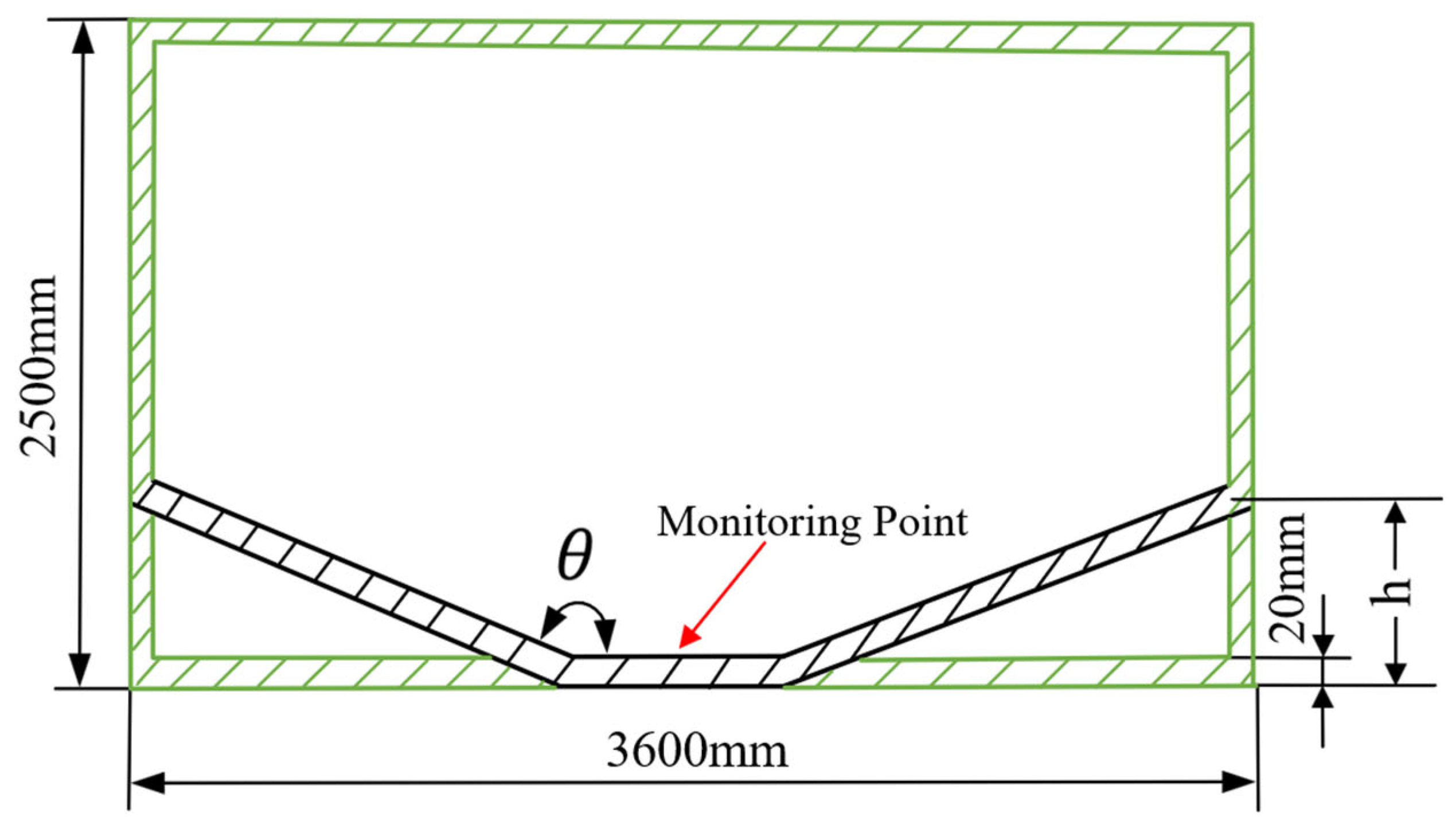
Vehicle body models were established in the paper: a flat-hull structure and a V-hull structure. The model utilized Hardox 400 steel with identical masses of 14,000 kg after counterweight adjustment. The thickness of the chassis is 20 mm. Charges with TNT equivalents of 6 kg, 8 kg, and 10 kg were detonated at a standoff distance of 500 mm from the bottom plate. Other dimensions of the structure are shown in
Figure 11. The FE model parameters were configured with reference to the work of Glavšić and Elek [
38]. The V-hull structure has
(hull angle) of 150° and
h (hull depth) of 800 mm. The monitoring point was positioned on the upper surface of the armored vehicle chassis, directly above the detonation point.
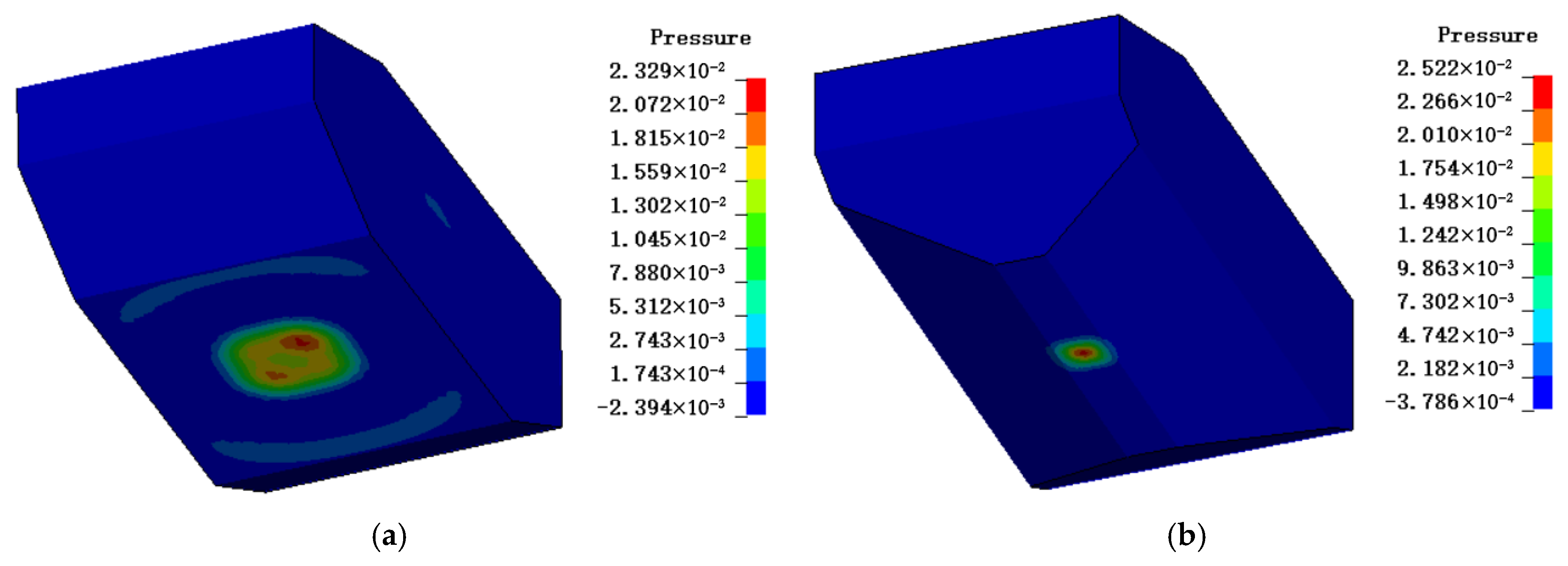
Figure 12 presents the pressure contour plots from finite element analysis, comparing flat-hull and V-hull structures under blast loading. It can be seen that under the same maximum pressure, the pressure concentration area of flat-hull is larger than that of V-hull. Nevertheless, the contour plot cannot fully reflect the injury status of occupants. The following is an analysis based on the predictive model.
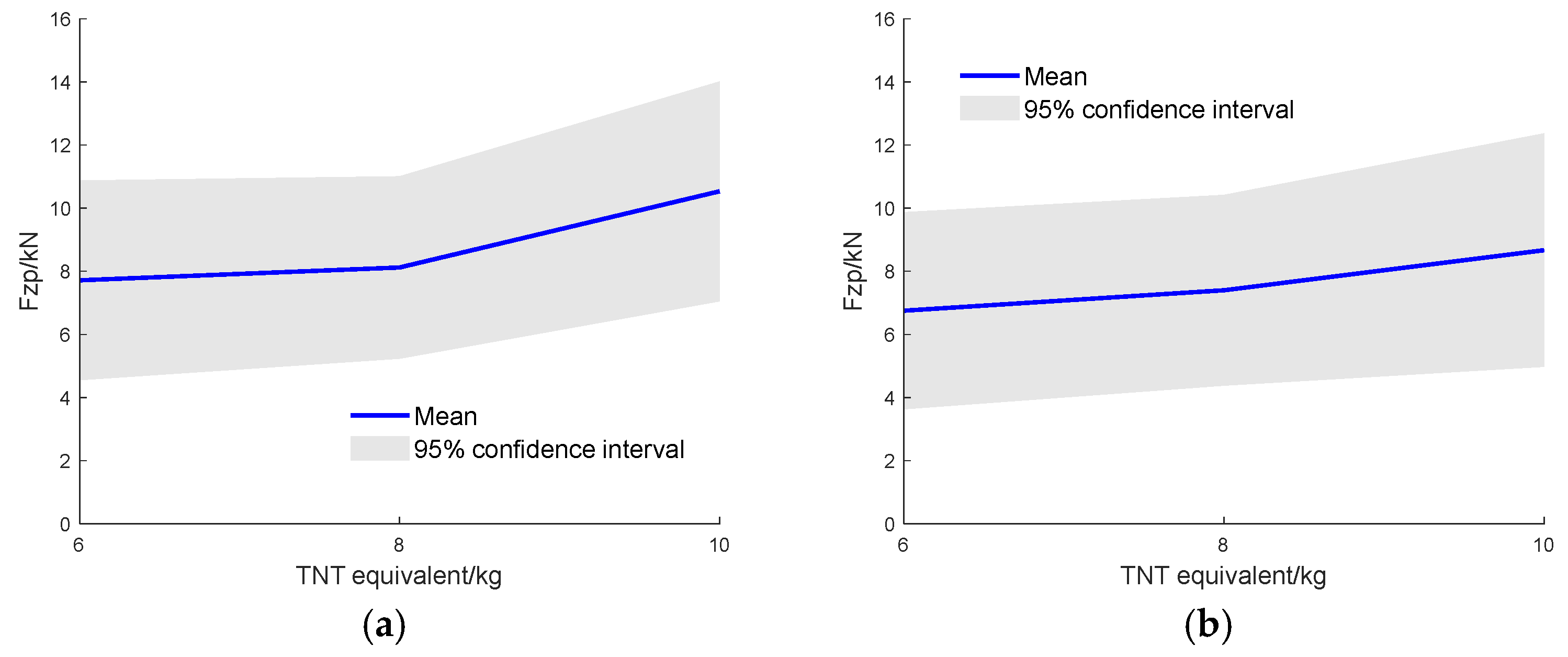
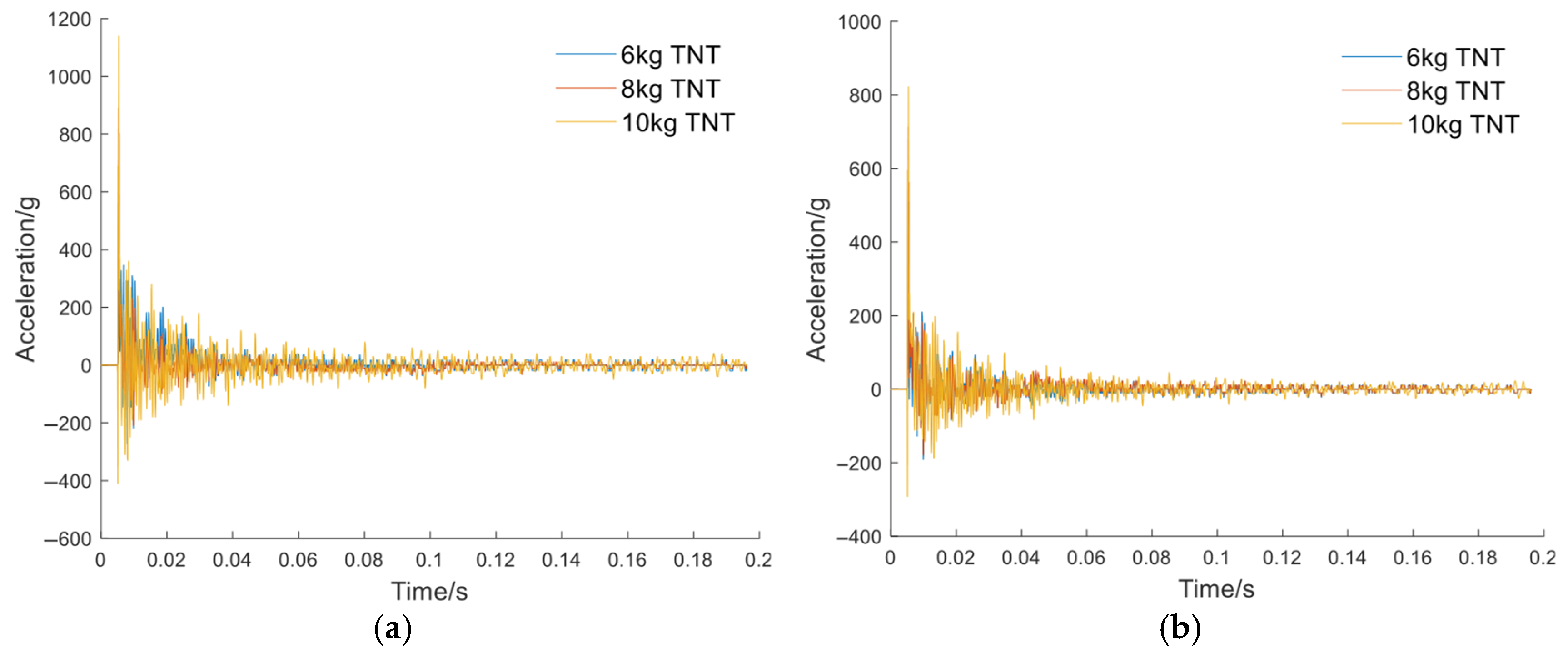
Figure 13 represents the accelerations at the monitoring points of the FE model for the flat-hull and V-hull structures under three equivalent TNT charges. After extracting features from the scaled energy curves using PCA, they were input into the pre-trained GPR model. Then, the curves of the predicted mean axial tibial compression force versus TNT equivalent charge for the two types of structural geometry were obtained by the model, along with the 95% confidence intervals, as shown in
Figure 14.
According to the predicted mean values, at TNT equivalent charges of 6 kg, 8 kg, and 10 kg, the V-hull structure reduced the lower-limb injury index by 11.7%, 12.4%, and 17.4%, respectively, compared with the flat-hull structure. The influence of structural geometry becomes more pronounced as the TNT equivalent charge increases. Compared with the lower-limb injury threshold of 5.4 kN, the predicted peak Fz values (7.9–10.1 kN for the flat-bottom design and 6.9–8.8 kN for the V-shaped design) suggest that both configurations could cause injury under high loading conditions. Nevertheless, the V-hull structure exhibits noticeably lower lower-limb forces, implying improved energy absorption and enhanced safety performance. Furthermore, the relatively narrow confidence intervals indicate that the training data adequately cover the input space. In contrast, when the confidence interval becomes wider, additional experimental data or data augmentation will be required in future work to improve model reliability.
4.2. Effect of Structure Parameters
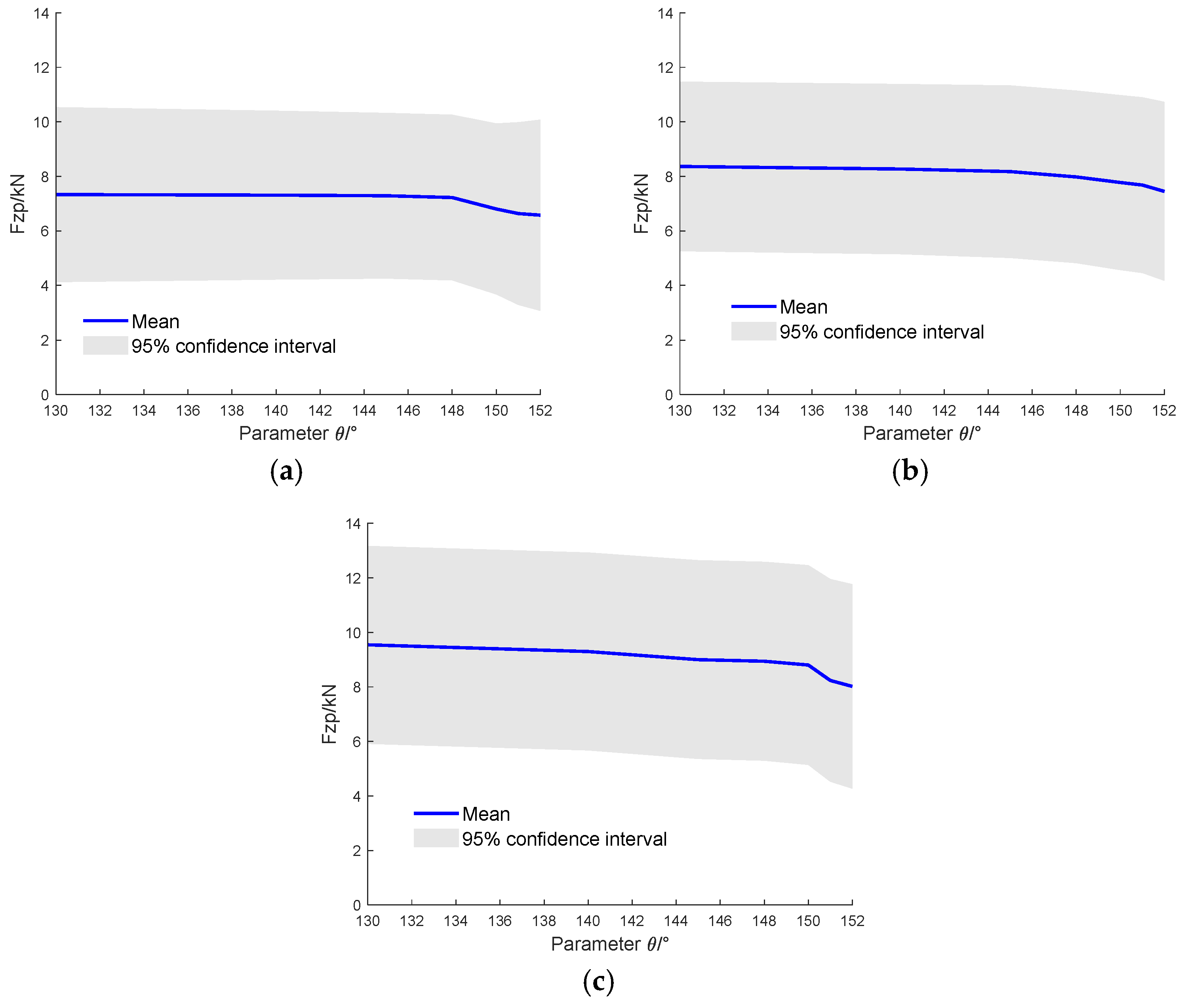
The purpose of this section is to identify the optimal structural parameters. The vehicle model parameters were varied, and the accelerations at the monitoring points were employed as inputs to the pre-trained GPR. The selected parameter range is just enough to maintain the V-hull geometry.
Figure 15 illustrates the case with h fixed at 800 mm while varying the range of θ. The curve indicates that as θ decreases, the tibial maximum force is reduced. The reductions were 10.3% for 6 kg, 10.9% for 8 kg, and 15.9% for 10 kg TNT equivalent charges. The curve exhibits a noticeably faster decline beyond 148°.
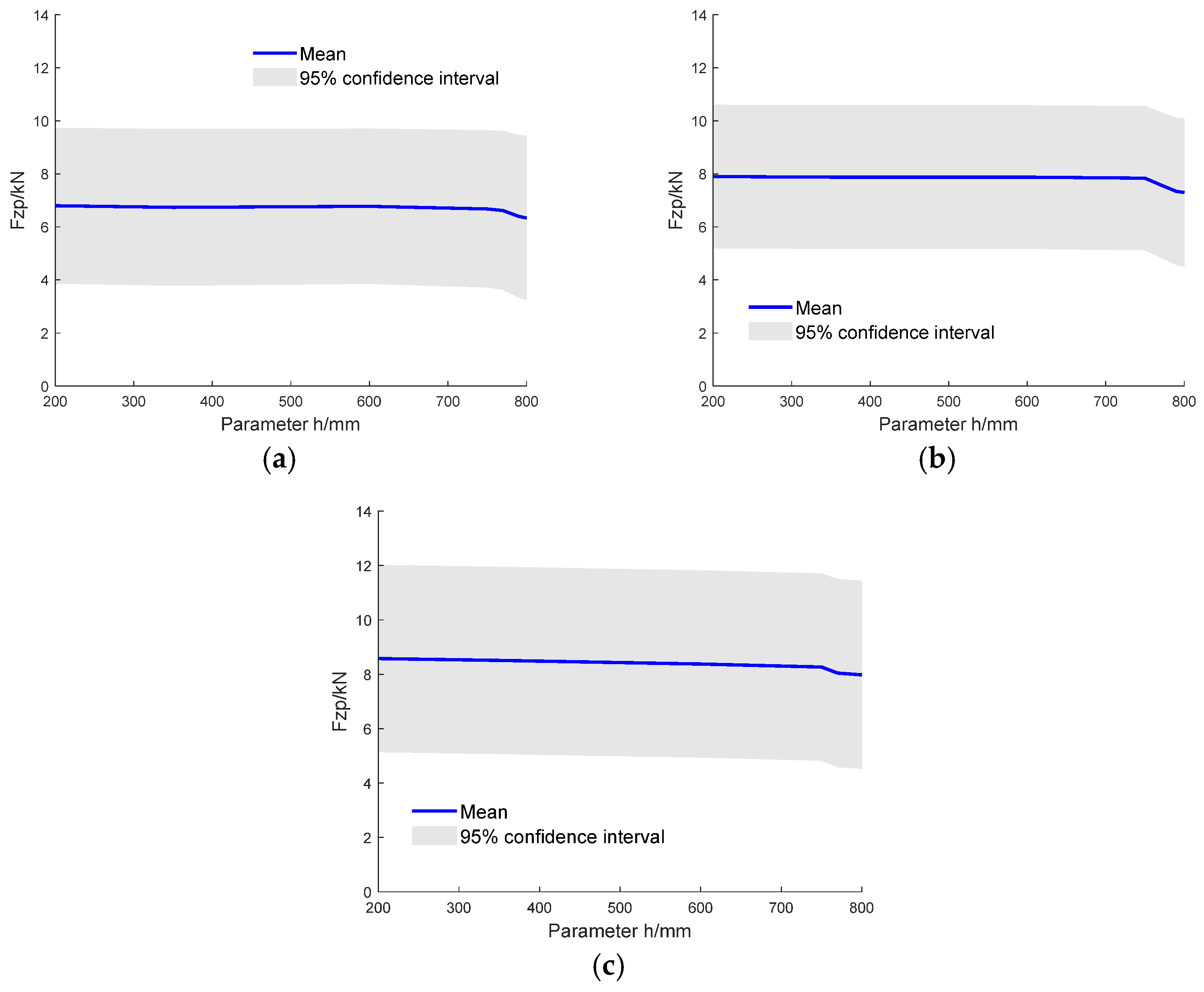
Figure 16 illustrates the case with θ fixed at 150° while varying the range of h. The curve indicates that as the h increases, the tibial maximum force reductions were 7.9% for 6 kg, 7.6% for 8 kg, and 6.9% for 10 kg TNT equivalent charges. The curve exhibits a noticeably faster decline beyond 150 mm. When the other parameter is held constant, increasing θ or h both lead to a reduction in the lower-limb injury index. Adjusting θ has a more significant effect than adjusting h, suggesting that angle adjustment should take priority, with hull depth adjustment serving as a supplement.
5. Discussion
The current framework directly concatenates experimental and simulated data into a single training set. While this approach allows efficient use of limited data, it neglects the source-dependent uncertainties and potential discrepancies between simulation and experiment. As a result, the model may inherit systematic biases from either data source, and its generalization performance could be affected when the source distributions differ. Saadallah et al. introduced three data fusion strategies: data-level fusion, model-level fusion, and level choice decision that selects the fusion level according to the bias-variance trade-off [
39]. Xiong proposed a statistical data fusion framework integrating observations and model hindcasts to estimate environmental hazard footprints, introducing a structured Gaussian process discrepancy and validating the method on windstorm Imogen [
40]. In this study, experimental and simulation data differ in quality, bias, and uncertainty. A fixed fusion strategy would ignore these differences, causing the model to be affected by the lower-quality data. Fei proposed an adaptive multi-source fusion framework based on Dempster-Shafer theory and validated it using a disaster case, demonstrating dynamic adjustment of factor weights and fusion levels in emergencies [
41]. Yin developed a global Kalman–LSTM-based adaptive fusion method for UAV target tracking, validated in both simulation and real flight experiments [
42]. Yue introduced a dual-attention and deep reinforcement learning-based adaptive fusion method for cross-modal retrieval, surpassing traditional neural models in performance [
43].
Building on these ideas, future work in this study will focus on an adaptive Bayesian fusion GPR framework, in which each data source is assigned a weight reflecting its reliability. These weights are adaptively determined based on prediction error, variance for sources with experimental comparisons, while unobserved simulation data and physical measurements are assigned fixed weights, with the physical data given maximum weight. The weights are adaptively updated during the training process. The weighted GPR output can be conceptually represented through Bayesian model averaging as:
where
denotes the
i-th data source and
is corresponding weight.
This approach enables the fusion of predictive distributions from simulation- and experiment-based models, balancing accuracy and uncertainty across different sources, and effectively leveraging all available information while mitigating the influence of lower-quality data.
In addition, the proposed hybrid modeling approach also shows potential for broader applications. Future studies may extend this methodology to innovative energy-absorbing or damping systems, as well as to various vehicle structures and loading conditions, which would further enhance its generality and engineering relevance.
6. Conclusions
To address the trade-off between underbody blast protection optimization experimental costs and data requirements, this study developed a prediction method combining physical testing and digitally driven techniques. A small-scale data augmentation framework based on CGAN was constructed within the wavelet domain for load signal augmentation and an FE model was employed to generate augmented injury indices. During training, real-time perturbations are added to enhance the diversity of the dataset. The primary features of the wavelet scale energy of the load signals were extracted through PCA, and a GPR-based mapping between load signal features and injury indices was established by integrating limited measured data with augmented data. LOOCV demonstrates that the proposed approach achieves better performance than FE simulations. Finally, the trained GPR model was successfully applied to analyze the effects of the armored vehicle underbody structural characteristics on occupant injury in a simulation case.
Below is a summary of final conclusions:
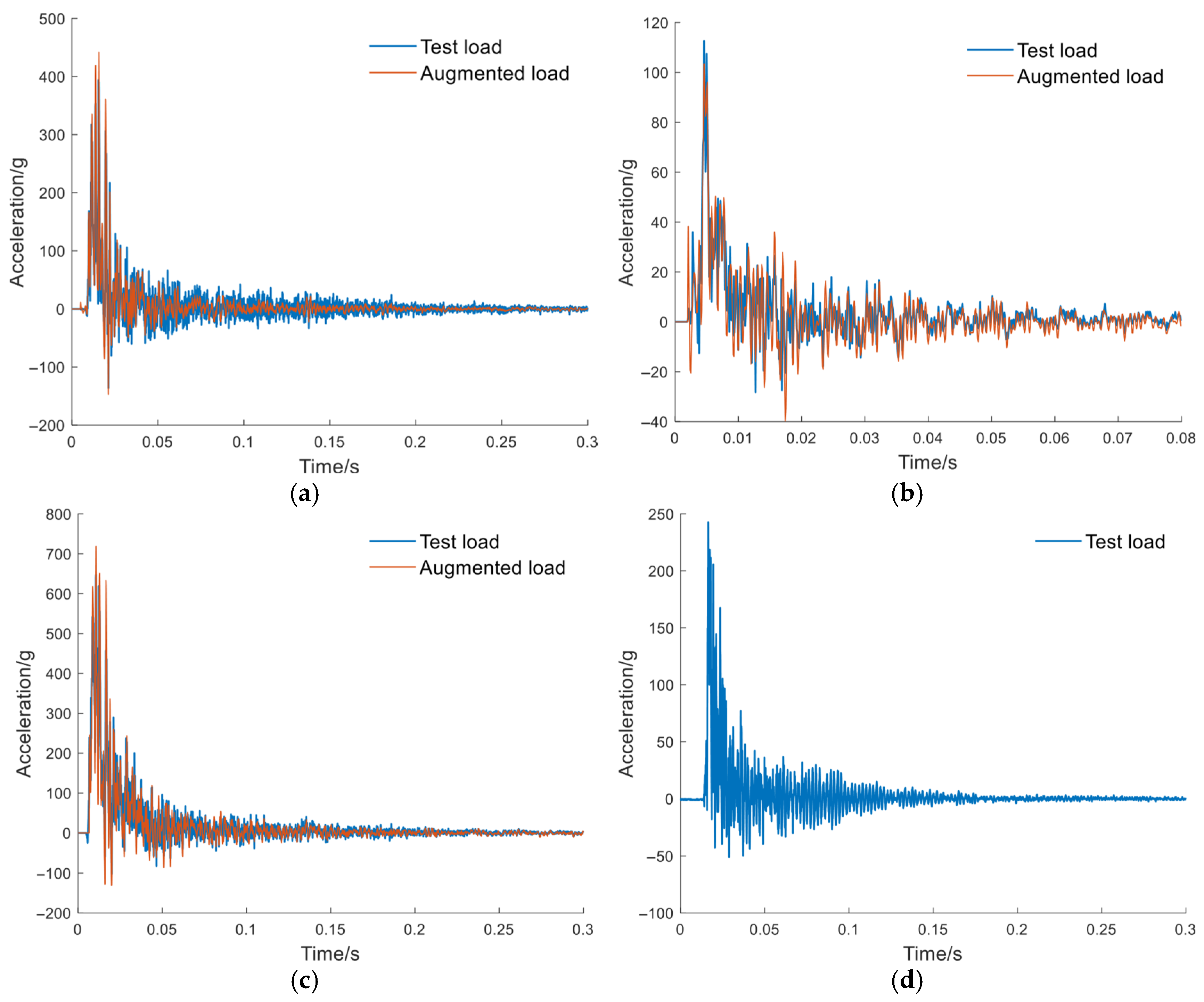
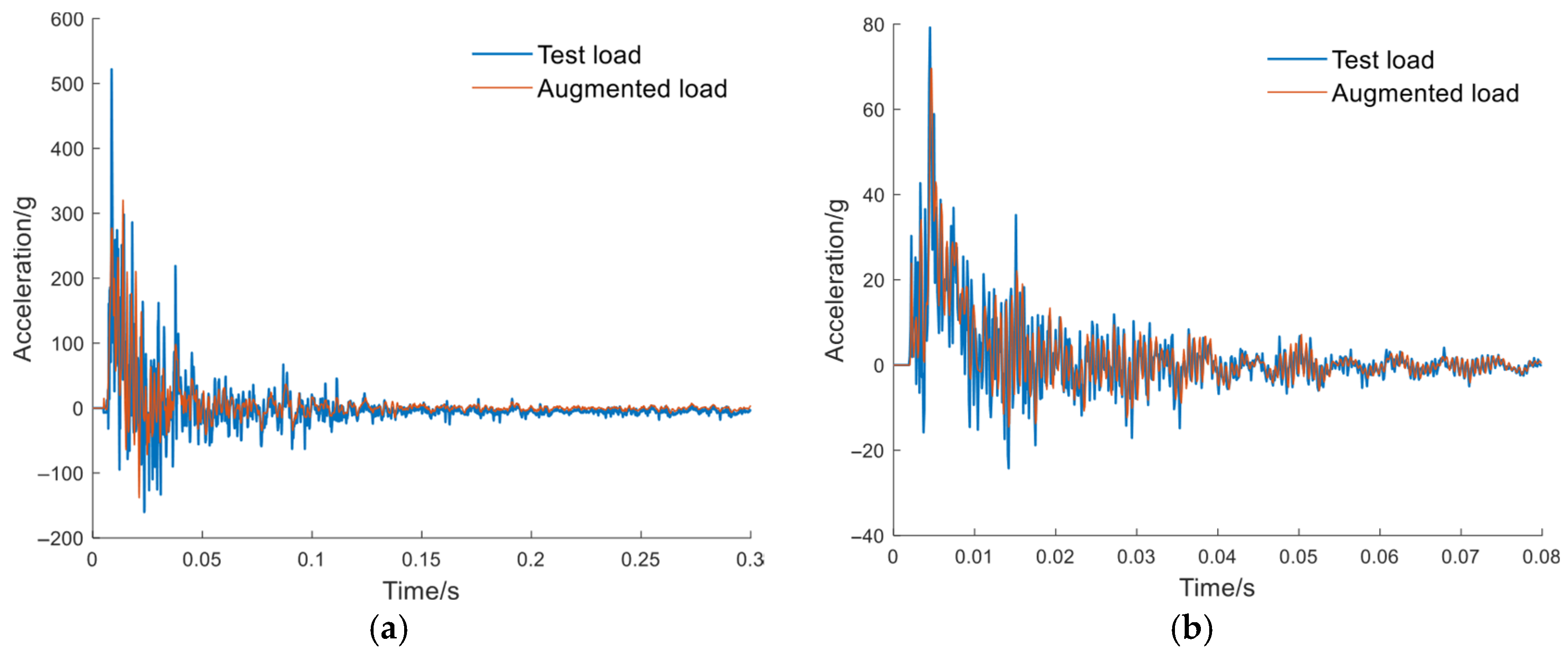
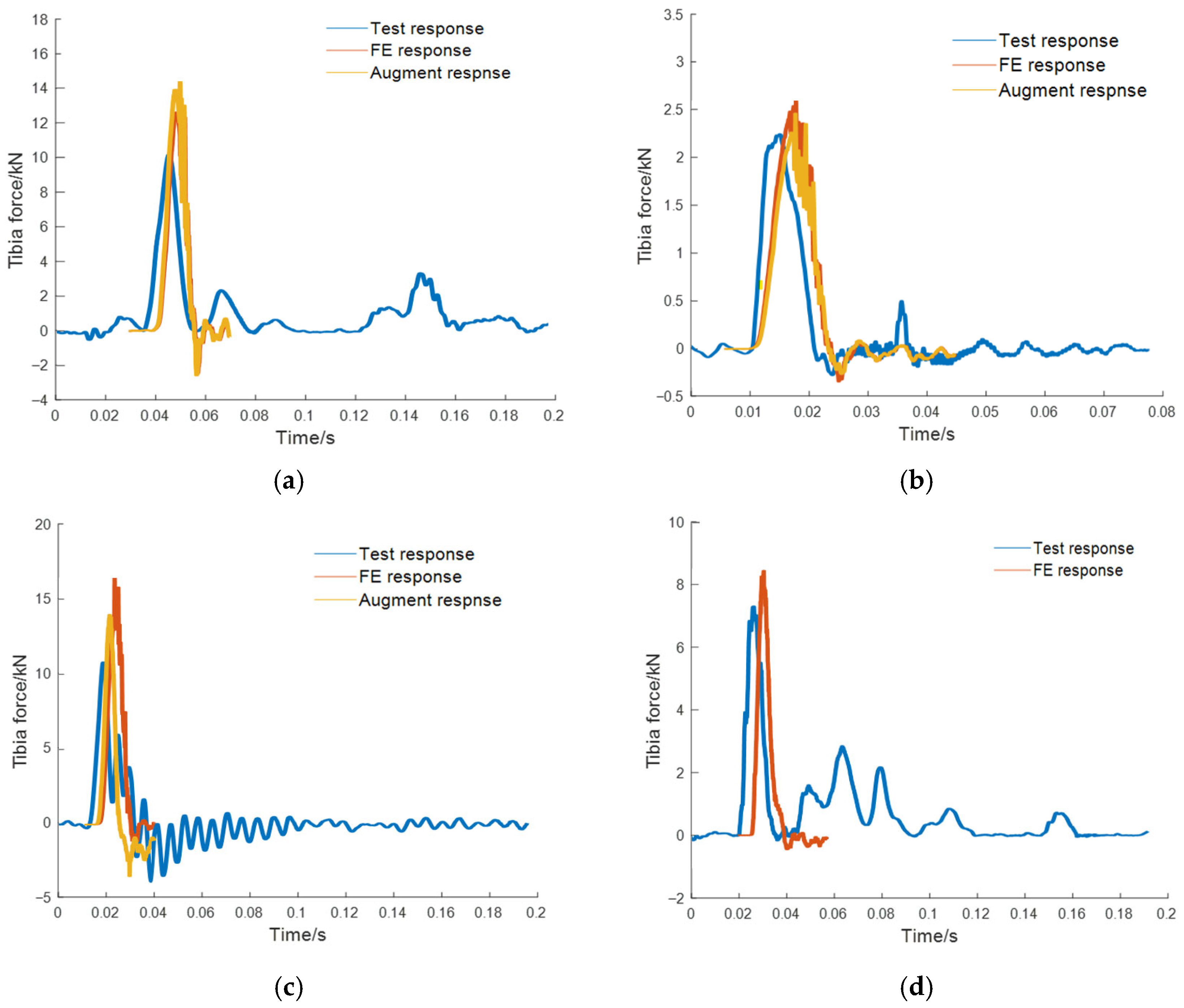
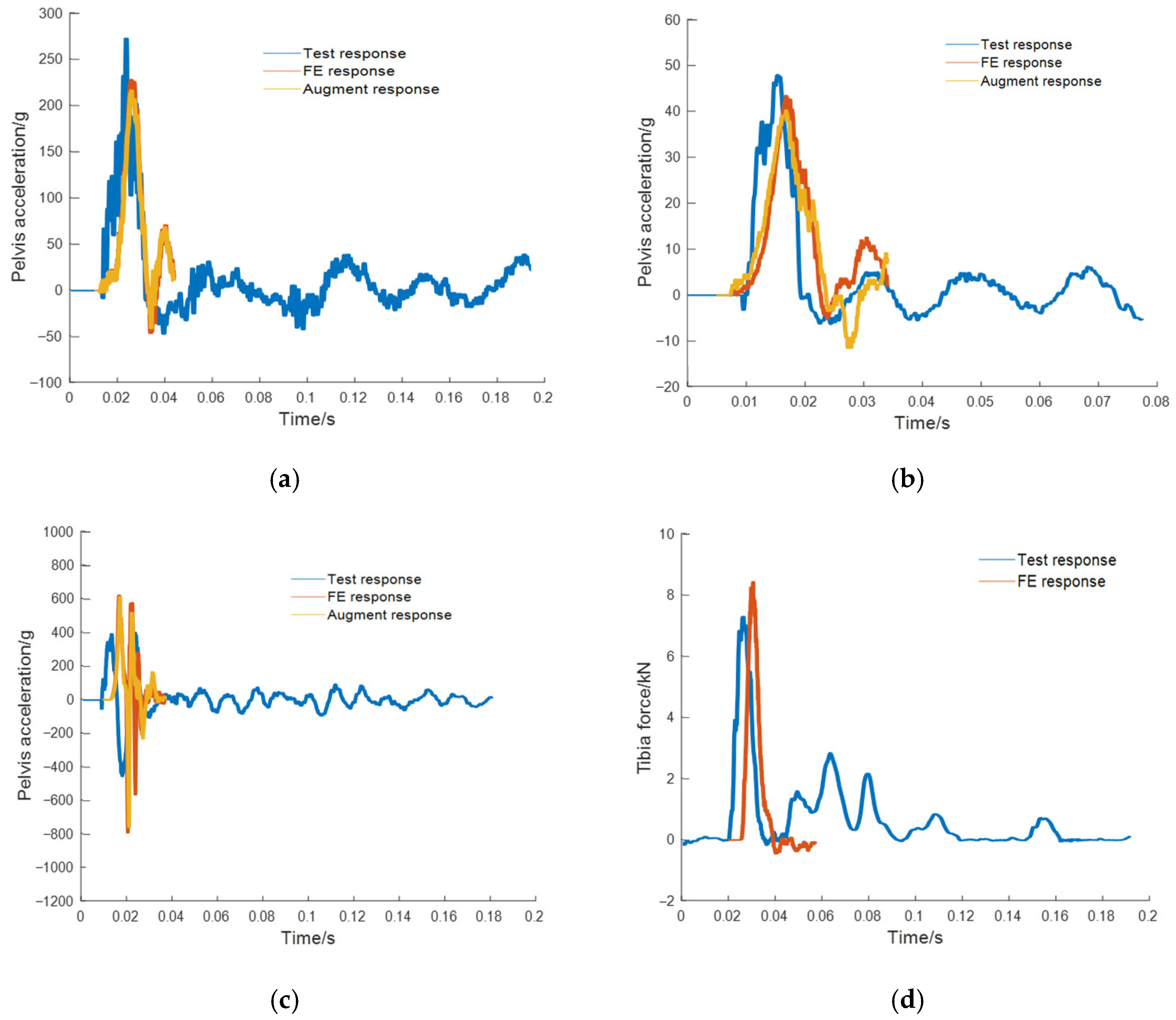
According to the ISO score, excessive loads cause significant FE distortion, so data augmentation should exclude extreme impact scenarios. (In the study, the pedal acceleration peak exceeded 600 g, the seat acceleration peak exceeded 400 g, and the tibia force and pelvis acceleration ISO scores were below 0.5). Using LOOCV, the GPR-based prediction model exhibited superior fitting capability, yielding smaller prediction errors for the injury index compared to direct FE application.
- 2.
The trained integrated GPR model was used to optimize the geometry and structural parameters of the vehicle under underbody blast loading. According to the AEP-55 criteria, lower peak tibial axial forces correspond to a lower probability of lower-limb injury. A set of simulation cases demonstrated that the V-hull reduces the peak tibial axial forces compared with the flat-hull, with the advantage becoming more pronounced as the explosive charge increases. In addition, with the hull depth held constant, increasing the hull angle improves blast resistance, whereas with the hull angle held constant, increasing the hull depth also enhances blast resistance. The effect of varying the hull angle is more pronounced than that of varying the hull depth.
Compared with directly using FE simulations, this method improves prediction accuracy. However, GPR predictions exhibit wide confidence intervals, mainly due to the sparsity of the training data in certain regions of the input space. In this study, only eight physical blast tests were available for model training, which limits the coverage of the design domain. Moreover, although the proposed method demonstrates high performance in the present study, future work should account for occupant restraints, the coupling between the feet and pedals, the interaction between the gluteal region and seat, and validation across different vehicle datasets to ensure a more comprehensive evaluation.