Flexible Tactile Sensor System Based on Piezoresistive Layer: Technology and Construction

 ,
, 
Highlights
- Custom blended conductive inks are suitable to act as a transducer between applied pressure and electrical resistance.
- On the basis of the piezoresistive effect of conductive inks, an original integrated tactile system, SITSCAN CS, was developed.
Abstract
1. Introduction
1.1. Theory and Design of Planar Pressure Transducers
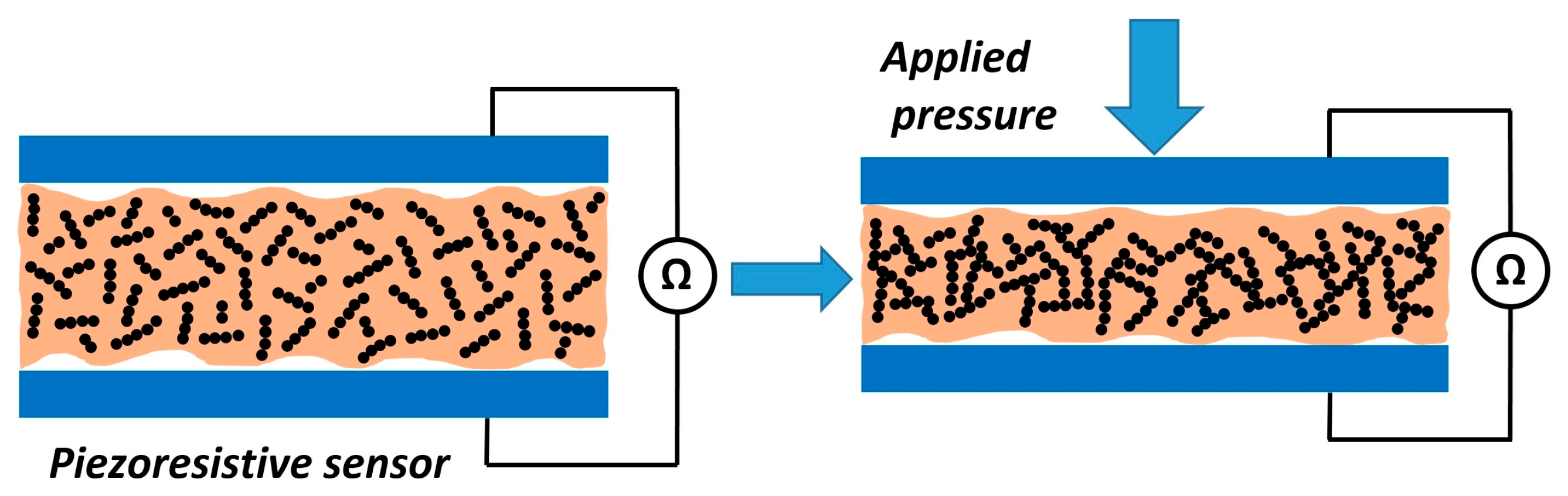
1.2. The Piezoresistive Technology and Transducers
2. Materials and Methods
2.1. Tactile System Requirements
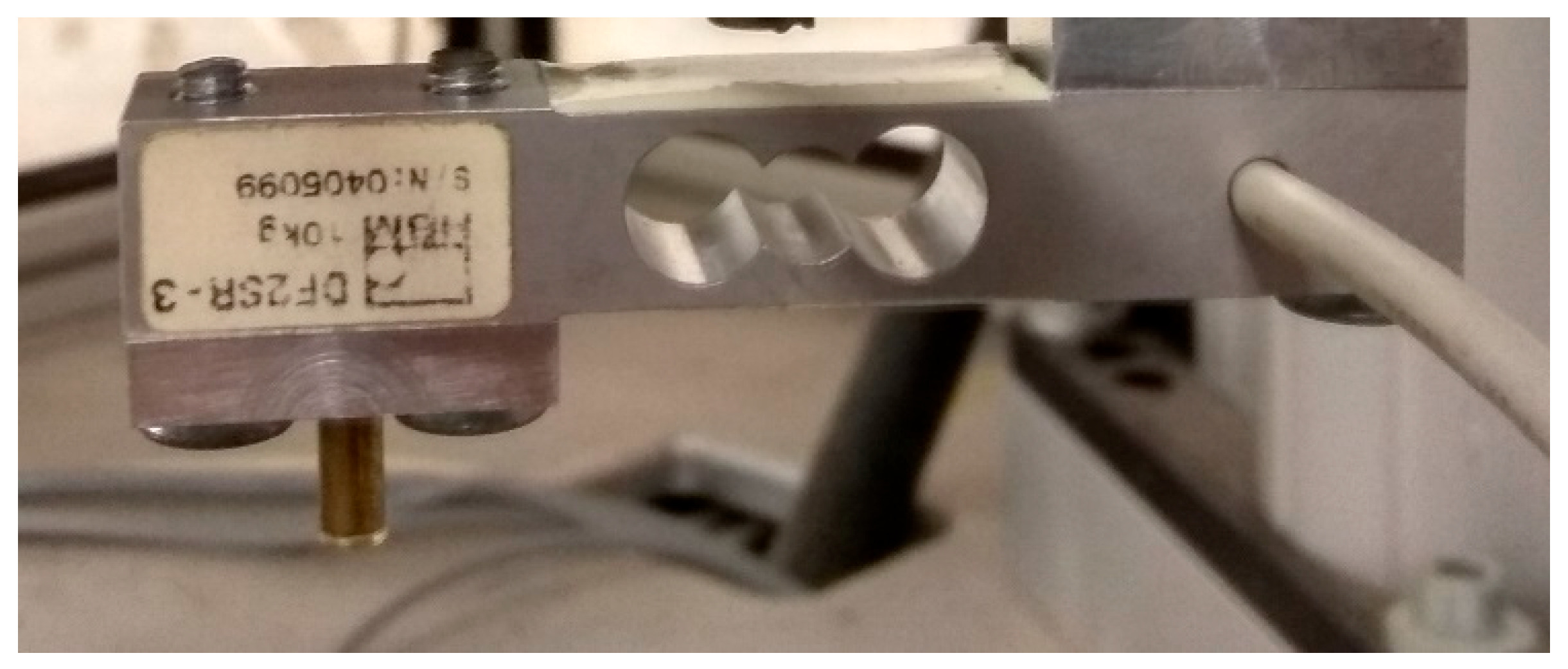
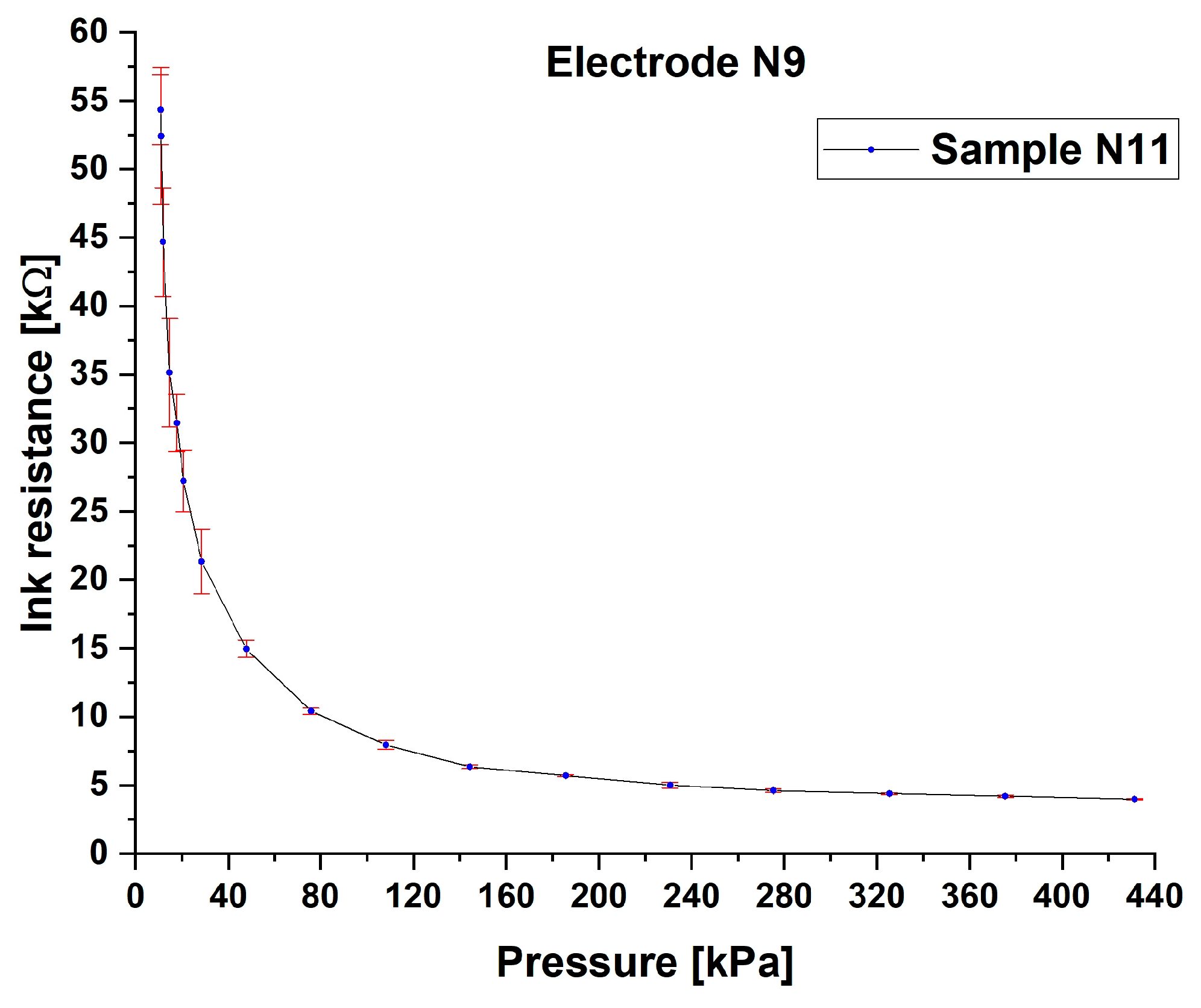
2.2. Measuring of the Piezoresistive Layer
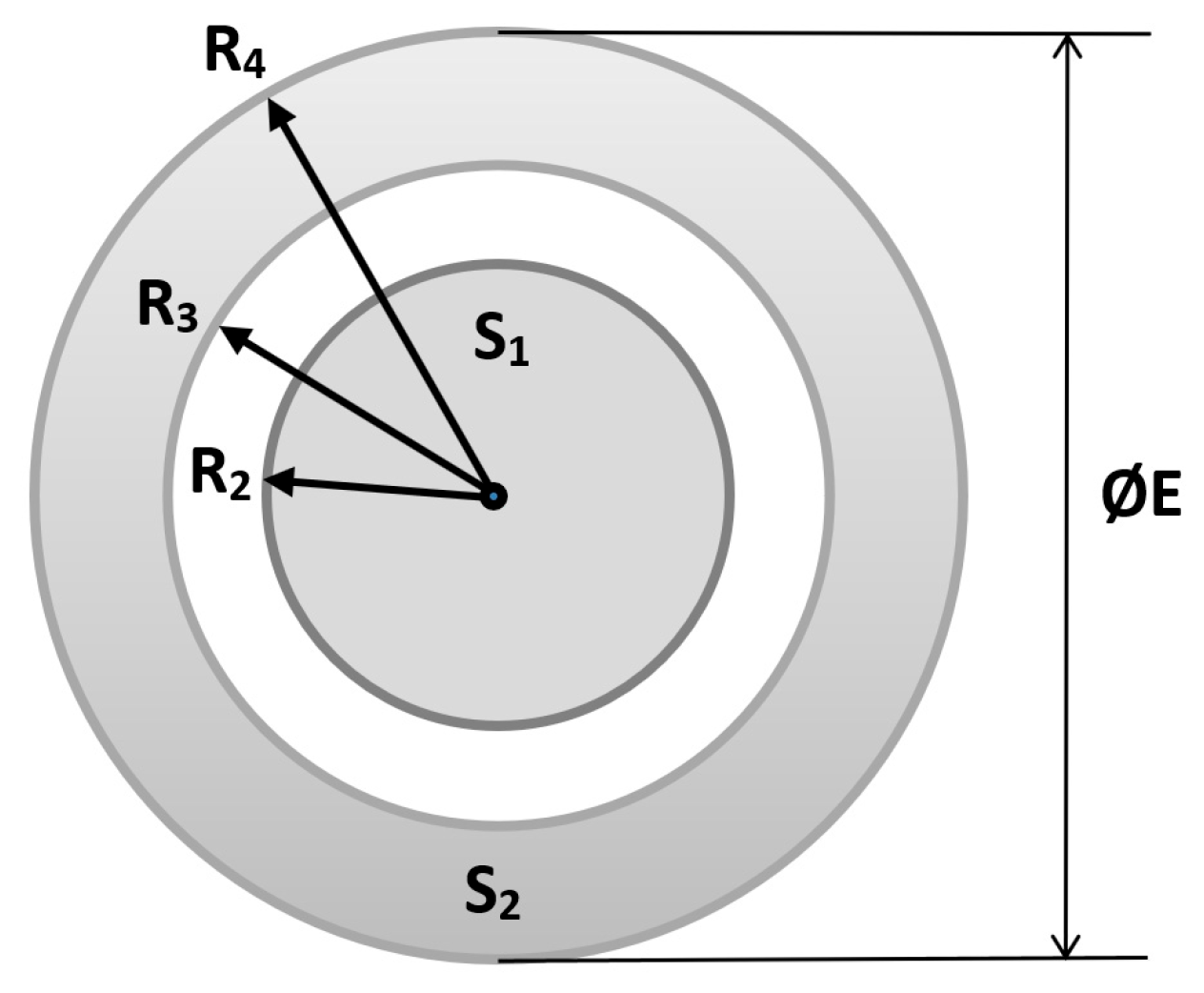
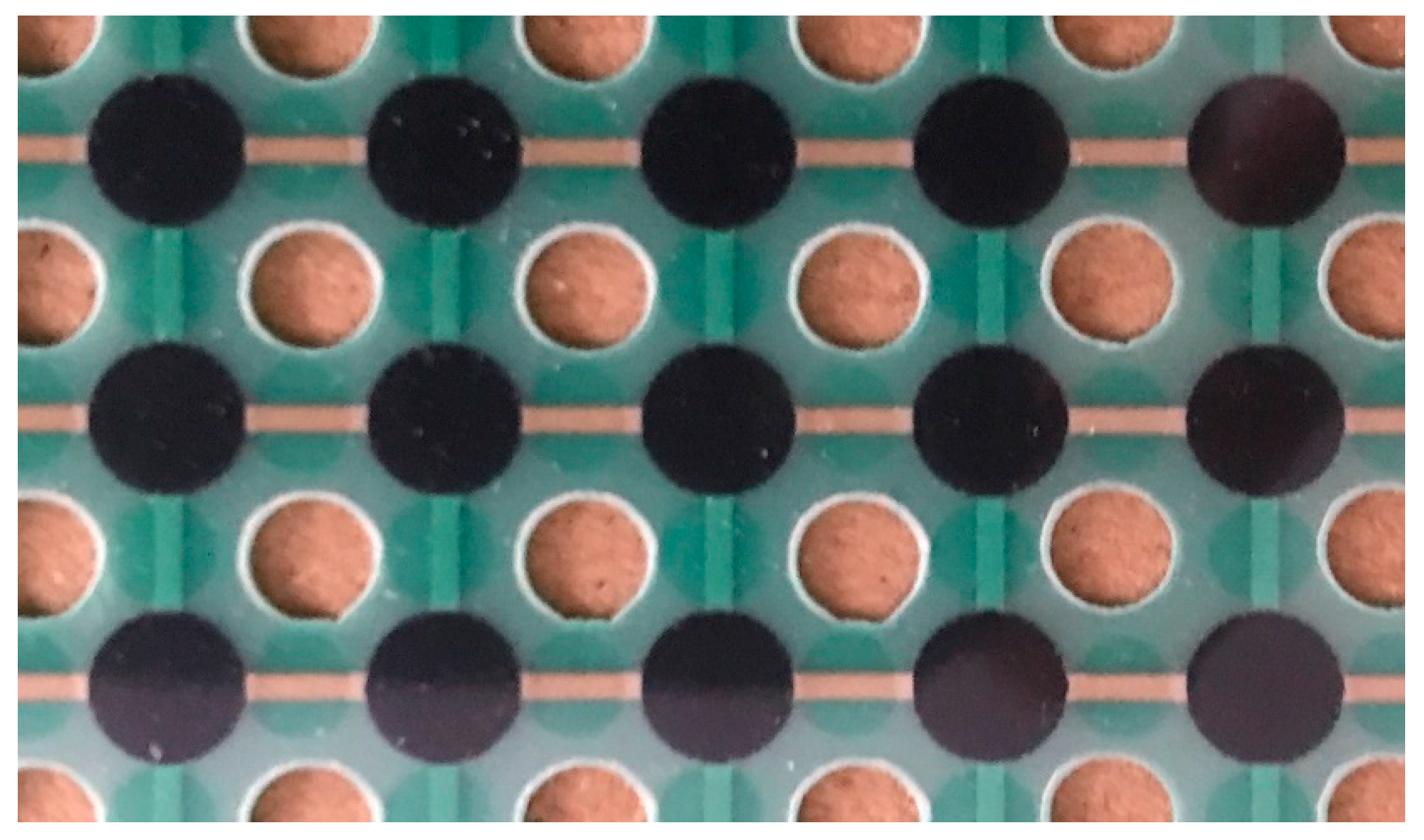
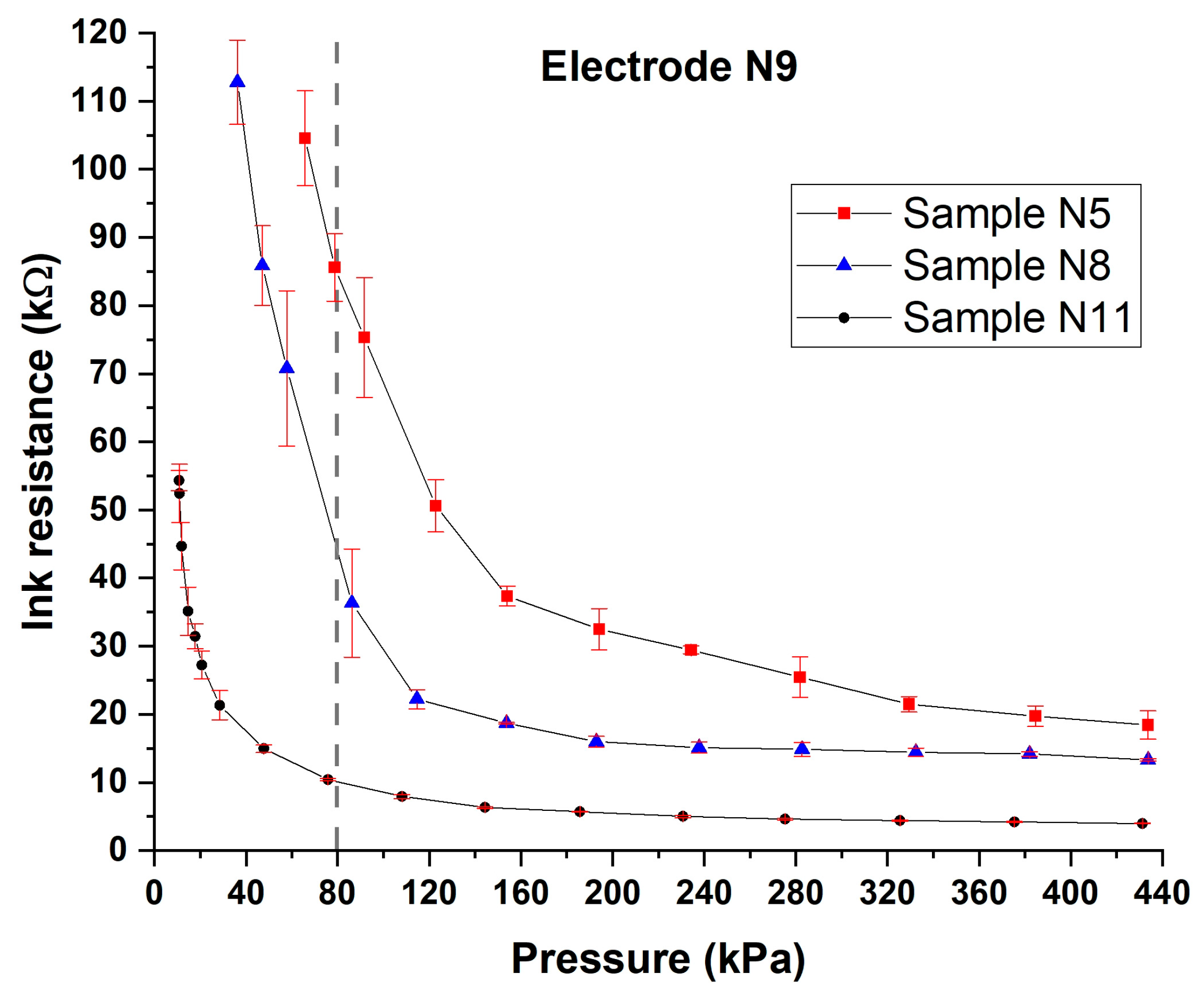
- Electrode dimension: circular, outer diameter 1.75 mm.
- Ink composition: HENKEL NCI 7002 and ECI 7004HR in ratio 40:60.
- Ink thickness: 24–27 µm.
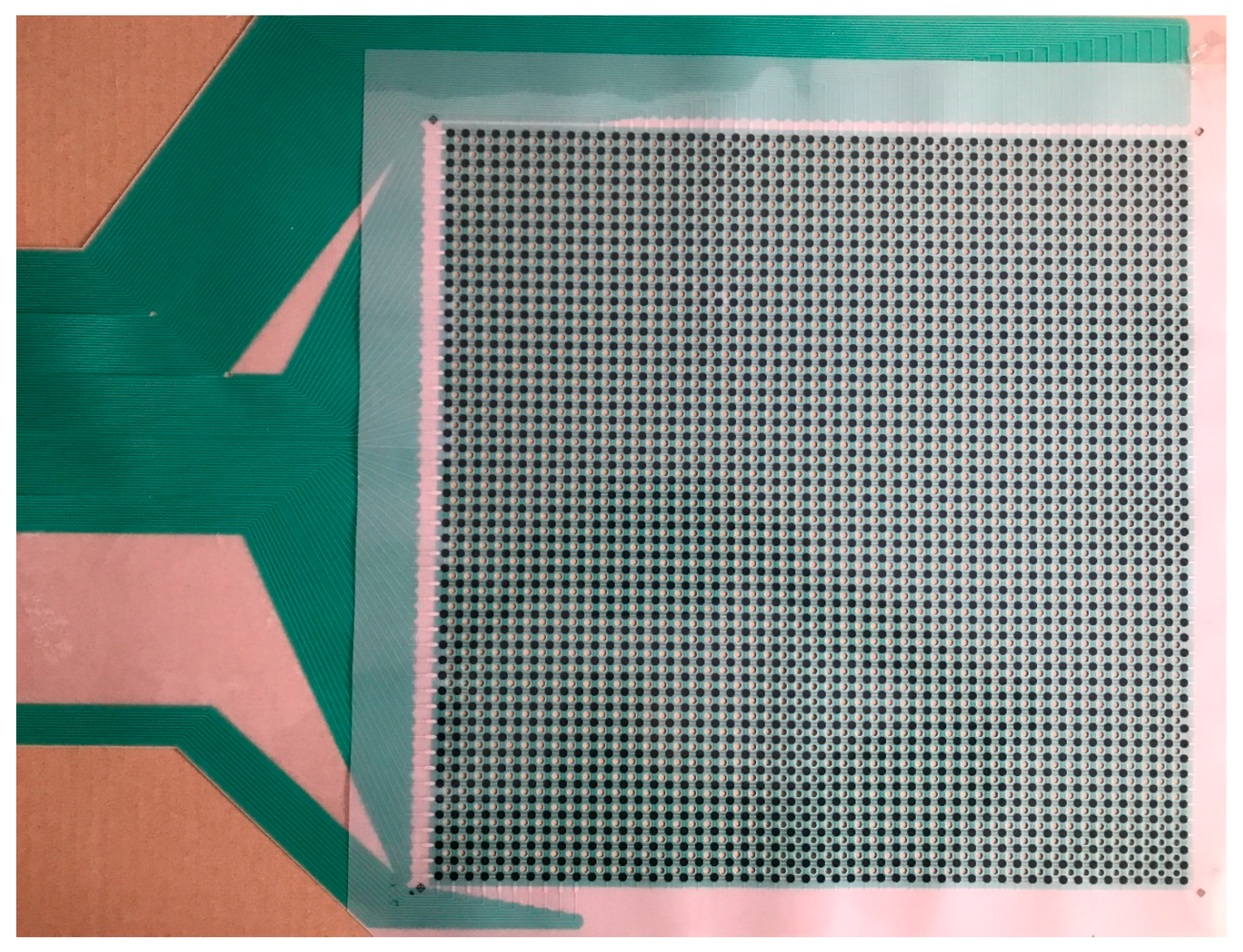
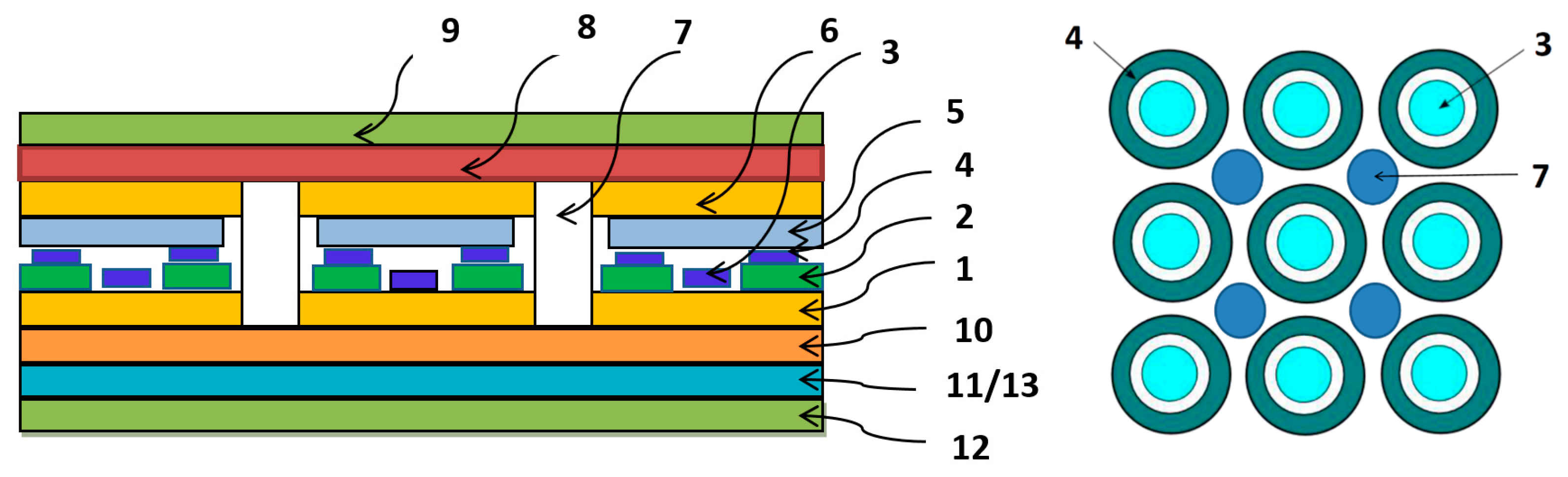
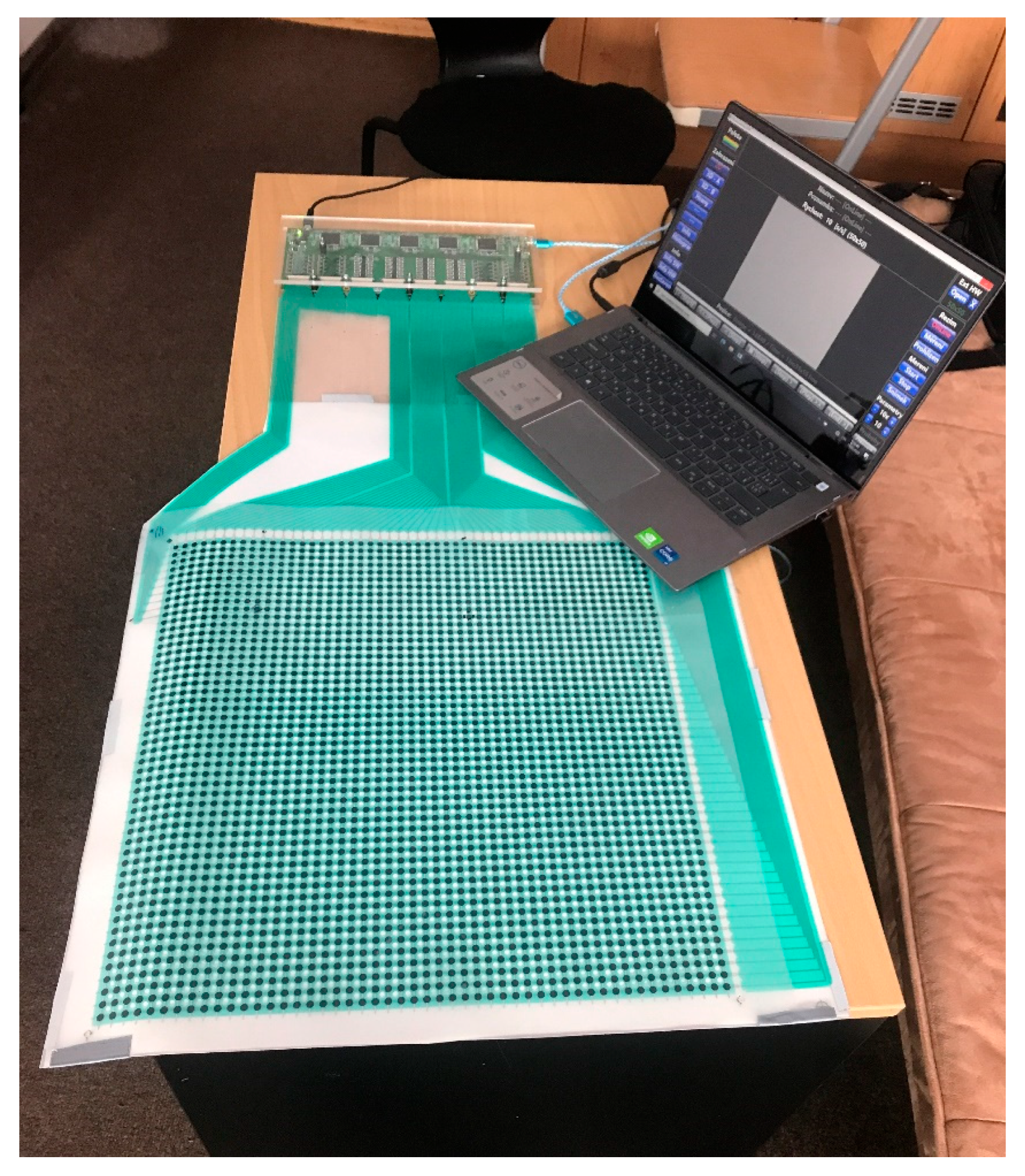
2.3. The Sensing Plate
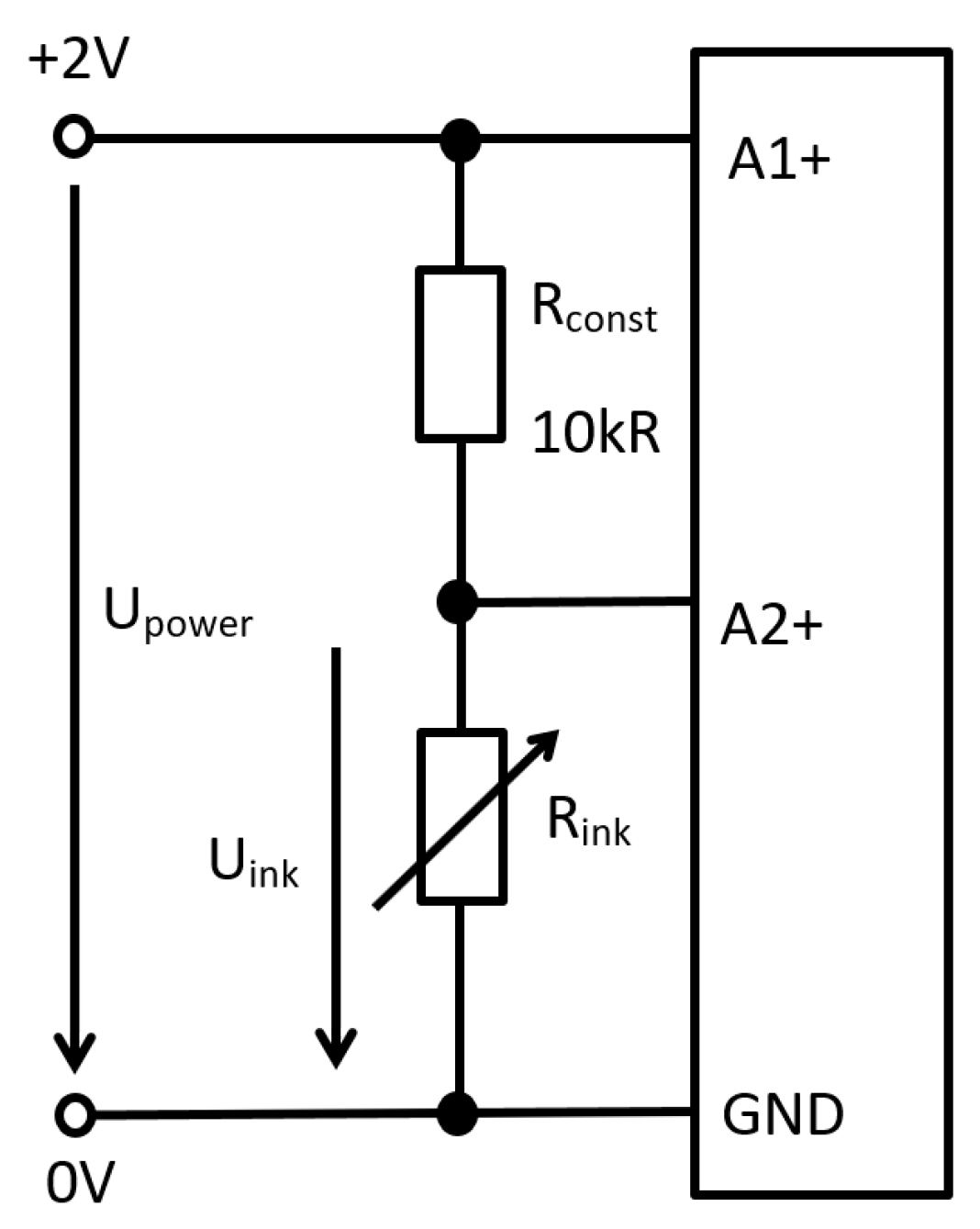
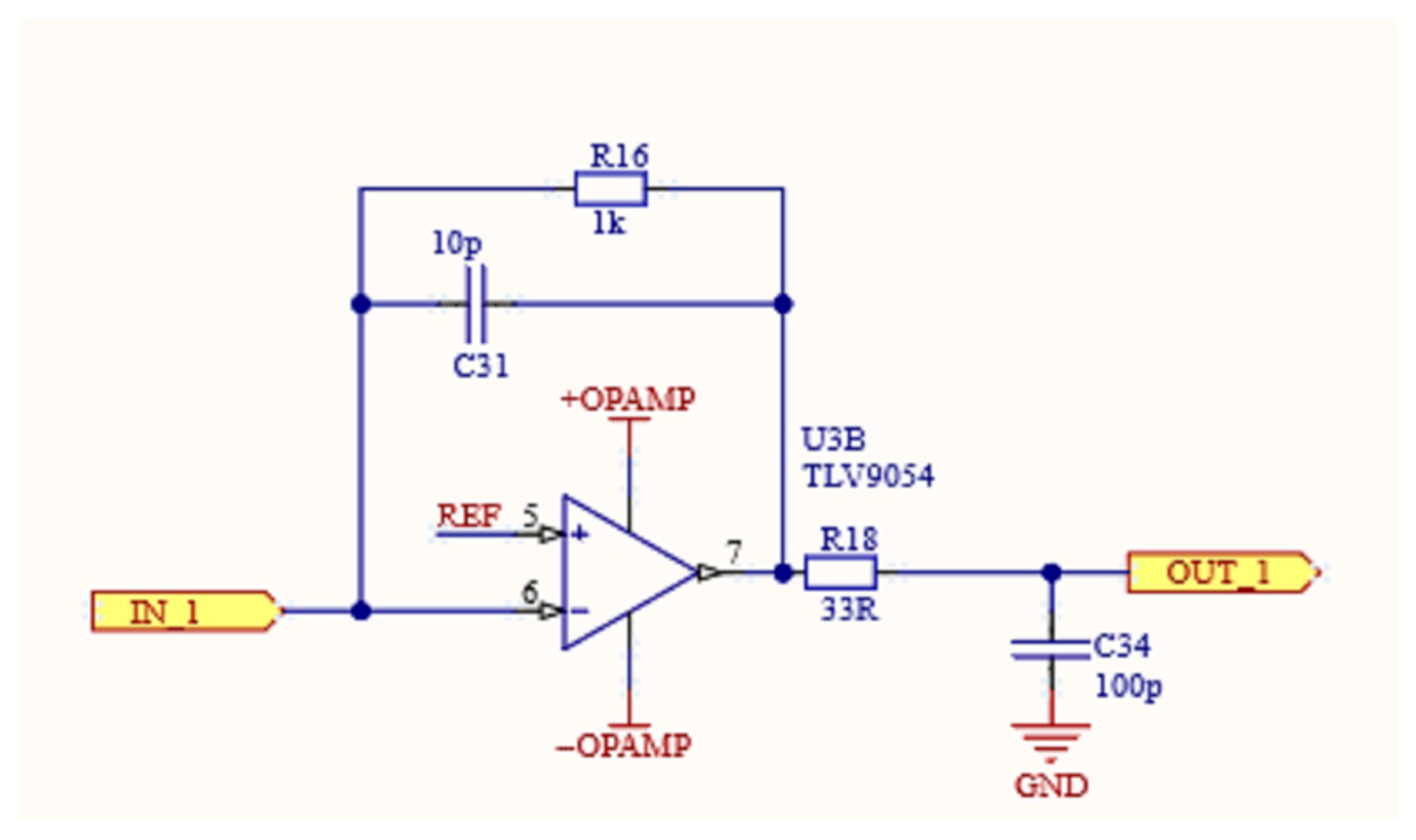
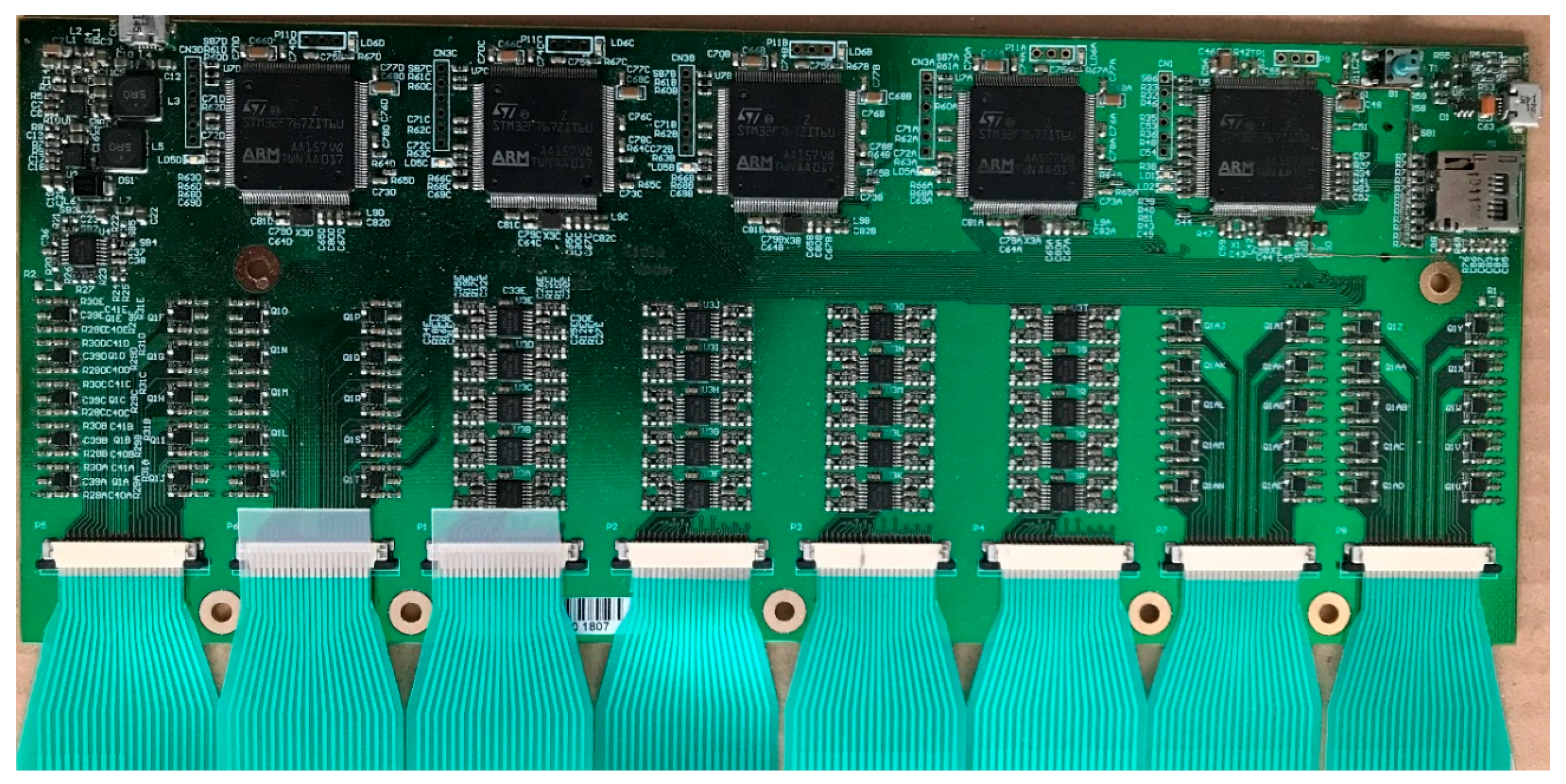
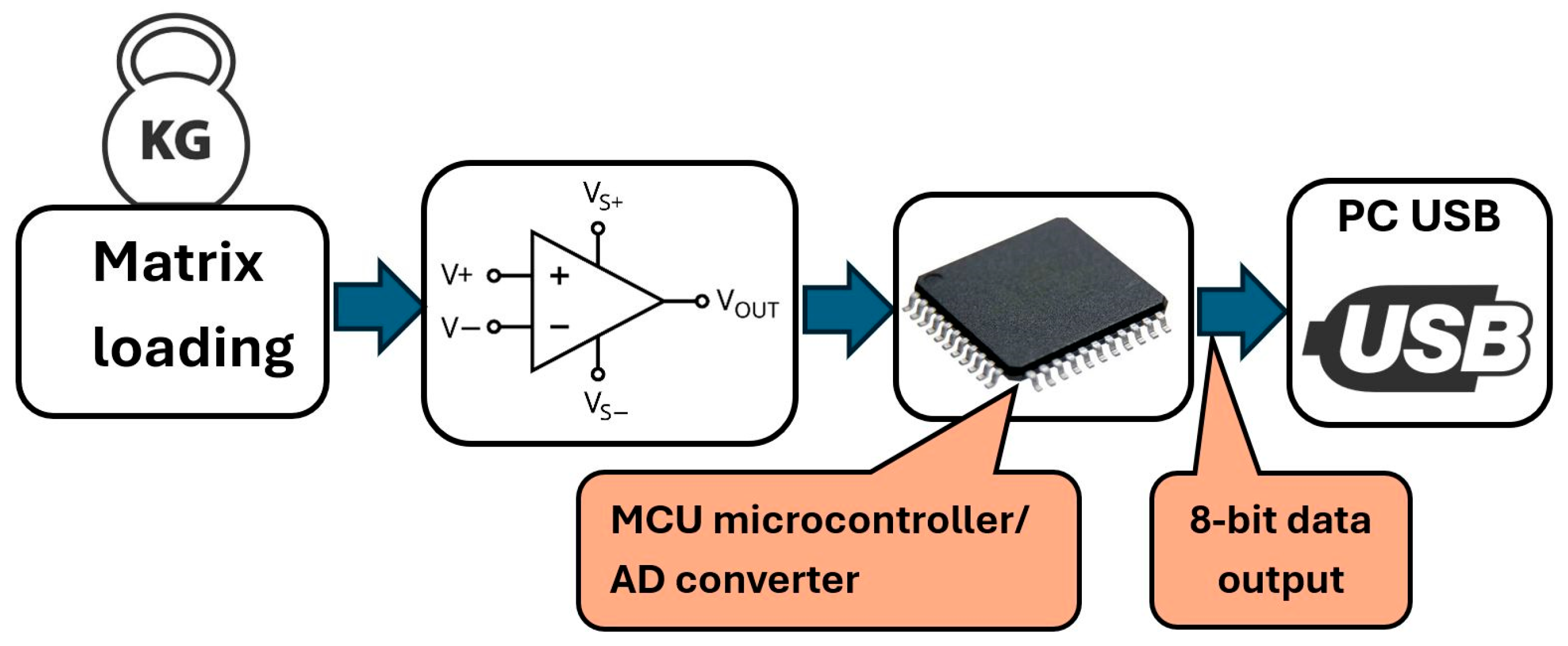
2.4. The Electronic Control Circuits
- Selector: A MOSFET-controlled active part matrix selection unit; it selects the row to be evaluated by switching voltage to that row.
- 4× MCU: 4× matrix operation block, where each of the blocks covers 20 columns of the matrix.
- 1× MCU: data aggregation block for control, timing and processing of data from individual matrix operation blocks and communication with superior layers (PCs, data storages).
- Power supply and auxiliary circuits.
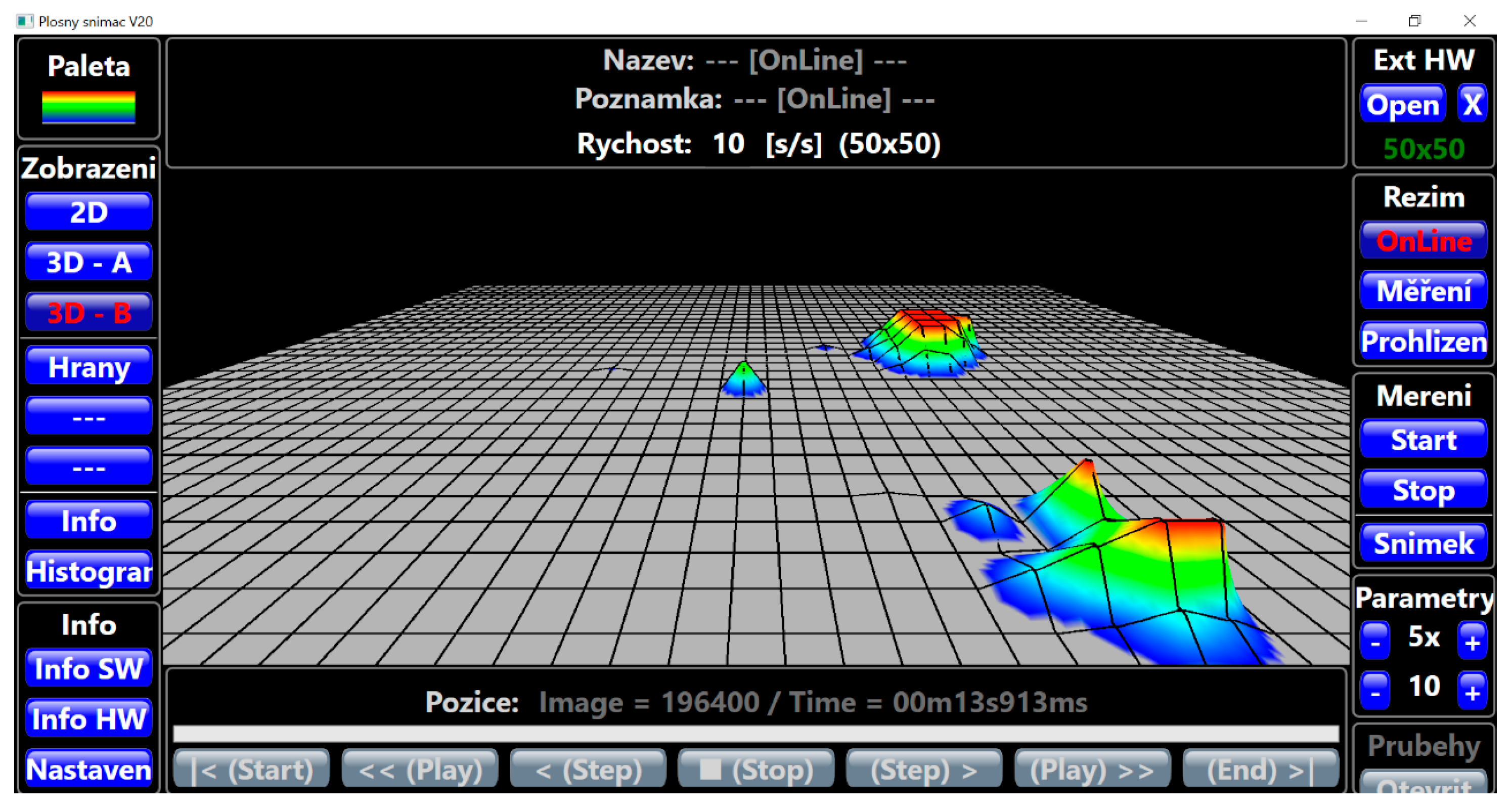
2.5. The PC Control Program
- Possibility of mirroring the image from the sensor along the X and/or Y axis.
- Function to view the sensing area “from below”.
- 3D display. The pressure is displayed not only on a color scale, but also spatially in the form of elevations above a flat surface.
- Possibility to save the image to a file as a regular image.
- Extension of the number of adjustable gains.
- Storing data in a database.
3. Results
3.1. Initial Testing
3.2. Testing with Modified Sensing Plate
4. Discussion
5. Conclusions
6. Patents
Author Contributions
Funding
Institutional Review Board Statement
Informed Consent Statement
Data Availability Statement
Conflicts of Interest
Abbreviations
| ADC | Analog-to-digital converter |
| FSR | Force-sensing resistor |
| MCU | Microcontroller unit |
| MOSFET | Metal–oxide–semiconductor field-effect transistor |
| PEDOT | Poly(3,4-ethylenedioxythiophene) |
| PET | Polyethylene terephthalate |
| PCB | Printed circuit board |
References
- Wang, C.; Dong, L.; Peng, D.; Pan, C. Tactile Sensors for Advanced Intelligent Systems. Adv. Intell. Syst. 2019, 1, 1900090. [Google Scholar] [CrossRef]
- Yousef, H.; Boukaell, M.; Althoefer, K. Tactile sensing for dexterous in-hand manipulation in robotics—A review. Sens. Actuators A Phys. 2011, 167, 171–187. [Google Scholar] [CrossRef]
- Peng, Y.; Yang, N.; Xu, Q.; Dai, Y.; Wang, Z. Recent advances in flexible tactile sensors for intelligent systems. Sensors 2021, 21, 5392. [Google Scholar] [CrossRef]
- Nguyen, T.D.; Lee, J.S. Recent Development of Flexible Tactile Sensors and Their Applications. Sensors 2022, 22, 50. [Google Scholar] [CrossRef] [PubMed]
- Dahiya, R.S.; Metta, G.; Valle, V.; Sandini, G. Tactile Sensing—From Humans to Humanoids. IEEE Trans. Robot. 2010, 26, 5325904. [Google Scholar] [CrossRef]
- Srivastava, A.B. Recent Developments in Piezoresistive Pressure Sensors: Materials, Architectures, and Applications (2018–2024). Int. J. Sci. Res. Sci. Technol. 2025, 12, 787–791. [Google Scholar] [CrossRef]
- Xi, J.; Yang, H.; Li, X.; Wei, R.; Zhang, T.; Dong, L.; Yang, Z.; Yuan, Z.; Sun, J.; Hua, Q. Recent Advances in Tactile Sensory Systems: Mechanisms, Fabrication, and Applications. Nanomaterials 2024, 14, 465. [Google Scholar] [CrossRef]
- Scimeca, L.; Maiolino, P.; Bray, E.; Fumiya, I. Structuring of tactile sensory information for category formation in robotics palpation. Auton. Robot. 2020, 44, 1377–1393. [Google Scholar] [CrossRef]
- Seminara, L.; Pinna, L.; Valle, M.; Basirico, L.; Loi, A.; Cosseddu, P.; Bonfiglio, A.; Ascia, A.; Biso, M.; Ansaldo, A.; et al. Piezoelectric polymer transducer arrays for flexible tactile sensors. IEEE Sens. J. 2013, 13, 6531646. [Google Scholar] [CrossRef]
- Fiorillo, A.S.; Critello, C.D.; Pullano, S.A. Theory, technology and applications of piezoresistive sensors: A review. Sens. Actuators A Phys. 2018, 281, 156–175. [Google Scholar] [CrossRef]
- Stassi, S.; Cauda, V.; Canavese, G.; Pirri, C.F. Flexible Tactile Sensing Based on Piezoresistive Composites: A Review. Sensors 2014, 14, 5296–5332. [Google Scholar] [CrossRef] [PubMed]
- Barman, S.; Guha, S.K. Analysis of a new combined stretch and pressure sensor for internal nodule palpation. Sens. Actuators A Phys. 2006, 125, 210–216. [Google Scholar] [CrossRef]
- Giovanelli, D.; Farella, E. Force Sensing Resistor and Evaluation of Technology for Wearable Body Pressure Sensing. J. Sens. 2016, 2016, 9391850. [Google Scholar] [CrossRef]
- Seo, S.; Kim, S.; Jung, J.; Ma, R.; Baik, B.; Monn, H. Flexible Touch Sensors Made of Two Layers of Printed Conductive Flexible Adhesives. Sensors 2016, 16, 1515. [Google Scholar] [CrossRef]
- Maddipatla, D.; Narakathu, B.; Ali, M.; Chlaihawi, A.; Atashbar, M. Development of a novel carbon nanotube based printed and flexible pressure sensor. In Proceedings of the 12th IEEE Sensors Applications Symposium, Glassboro, NJ, USA, 13–15 March 2017. [Google Scholar]
- Gao, L.; Zhu, C.; Li, L.; Zhang, C.; Liu, J.; Yu, H.; Huang, W. All Paper-Based Flexible and Wearable Piezoresistive Pressure Sensor. ACS Appl. Mater. Interfaces 2019, 11, 25034–25042. [Google Scholar] [CrossRef]
- Castellanos-Ramos, J.; Navas-Gonzáles, R.; Macicior, H.; Sikora, T.; Ochoteco, E.; Vidal-Verdú, F. Tactile sensors based on conductive polymers. Microsyst. Technol. 2010, 16, 765–776. [Google Scholar] [CrossRef]
- Ahmad, J.; Andersson, H.; Sidén, J. Screen-Printed Piezoresistive Sensors for Monitoring Pressure Distribution in Wheelchair. IEEE Sens. J. 2019, 19, 8567996. [Google Scholar] [CrossRef]
- Jiefei, Z.; Changjian, Z.; Min, Z. Recent progress in flexible tactile sensor systems: From design to application. Soft Sci. 2021, 1, 3. [Google Scholar] [CrossRef]
- TEKSCAN. BPMS Datasheet. Available online: https://www.tekscan.com/sites/default/files/resources/TM%20BPMS%20Flyer_RevE.pdf (accessed on 3 March 2026).
- XSENZOR. ForeStite SS Datasheet. Available online: https://assets.website-files.com/5ff8edac57384b3313f01e7e/61c267e7610dfb7f6b9194b0_XSENSOR_Datasheet_ForeSiteSS_122021.pdf (accessed on 3 March 2026).
- NOVEL Pilance. Pressure Mapping for Office Chair. Available online: https://www.novel.de/products/pliance/office-chair-pressure-mapping (accessed on 3 March 2026).
- Volf, J.; Svatoš, J.; Koder, P.; Novák, V.; Papežová, S.; Ryženko, V.; Hurtečák, J. Pressure Distribution Measurement System PLANTOGRAF V12 and Its Electrodes Configuration. Agron. Res. 2015, 13, 732–738. [Google Scholar]
- Koder, P.; Novák, V.; Ryženko, V.; Hrubý, D.; Volf, J.; Novák, D. Plantograf V18—New construction and properties. Agron. Res. 2018, 16, 1085–1094. [Google Scholar]
- Dimitriou, E.; Michailidis, N. Printable conductive inks used for the fabrication of electronics: An overview. Nanotechnology 2021, 32, 502009. [Google Scholar] [CrossRef] [PubMed]
- LOCLITE NCI 7002. Available online: https://www.henkel-adhesives.com/cz/cs/produkt/industrial-inks-and-coatings/loctite_nci_7002ec.html (accessed on 9 March 2026).
- LOCLITE NCI 7004. Available online: https://www.henkel-adhesives.com/cz/cs/produkt/industrial-inks-and-coatings/loctite_nci_7004hr.html (accessed on 9 March 2026).
- Souza, F.G.; Michel, R.C.; Soares, B.G. A methodology for studying the dependence of electrical resistivity with pressure in conducting composites. Polym. Test. 2005, 24, 998–1004. [Google Scholar] [CrossRef]
- Volf, J.; Novák, D.; Novák, V.; Papežová, S. Evaluation of foil transducers and their use in tactile sensors. Measurement 2019, 136, 573–578. [Google Scholar] [CrossRef]
- STMicroelectronics. NUCLEO-F767ZI. 2022. Available online: https://www.st.com/en/evaluation-tools/nucleo-f767zi.html (accessed on 13 March 2026).








| Variant Nr. | Ink Mixture Ratio 7002:7004 | Ink Thickness in μm |
|---|---|---|
| Plate 3 | 40:60 | 8–9 |
| Plate 4 | 40:60 | 10–12 |
| Plate 5 | 40:60 | 24–27 |
| Plate 6 | 50:50 | 8–9 |
| Plate 7 | 50:50 | 10–12 |
| Plate 8 | 50:50 | 24–27 |
| Plate 9 | 60:40 | 8–9 |
| Plate 10 | 60:40 | 10–12 |
| Plate 11 | 60:40 | 24–27 |
Disclaimer/Publisher’s Note: The statements, opinions and data contained in all publications are solely those of the individual author(s) and contributor(s) and not of MDPI and/or the editor(s). MDPI and/or the editor(s) disclaim responsibility for any injury to people or property resulting from any ideas, methods, instructions or products referred to in the content. |
© 2026 by the authors. Licensee MDPI, Basel, Switzerland. This article is an open access article distributed under the terms and conditions of the Creative Commons Attribution (CC BY) license.
Share and Cite
Novák, V.; Volf, J.; Hrmo, R.; Kvasnová, P.; Ryženko, V.; Novák, D.; Očkajová, A. Flexible Tactile Sensor System Based on Piezoresistive Layer: Technology and Construction. Sensors 2026, 26, 3345. https://doi.org/10.3390/s26113345
Novák V, Volf J, Hrmo R, Kvasnová P, Ryženko V, Novák D, Očkajová A. Flexible Tactile Sensor System Based on Piezoresistive Layer: Technology and Construction. Sensors. 2026; 26(11):3345. https://doi.org/10.3390/s26113345
Chicago/Turabian StyleNovák, Viktor, Jaromír Volf, Roman Hrmo, Petra Kvasnová, Vladimír Ryženko, Daniel Novák, and Alena Očkajová. 2026. "Flexible Tactile Sensor System Based on Piezoresistive Layer: Technology and Construction" Sensors 26, no. 11: 3345. https://doi.org/10.3390/s26113345
APA StyleNovák, V., Volf, J., Hrmo, R., Kvasnová, P., Ryženko, V., Novák, D., & Očkajová, A. (2026). Flexible Tactile Sensor System Based on Piezoresistive Layer: Technology and Construction. Sensors, 26(11), 3345. https://doi.org/10.3390/s26113345