Emotion Recognition Based on Fusion of Topological Features and Trajectory Images Derived from EEG Phase Space Reconstruction

Abstract
1. Introduction
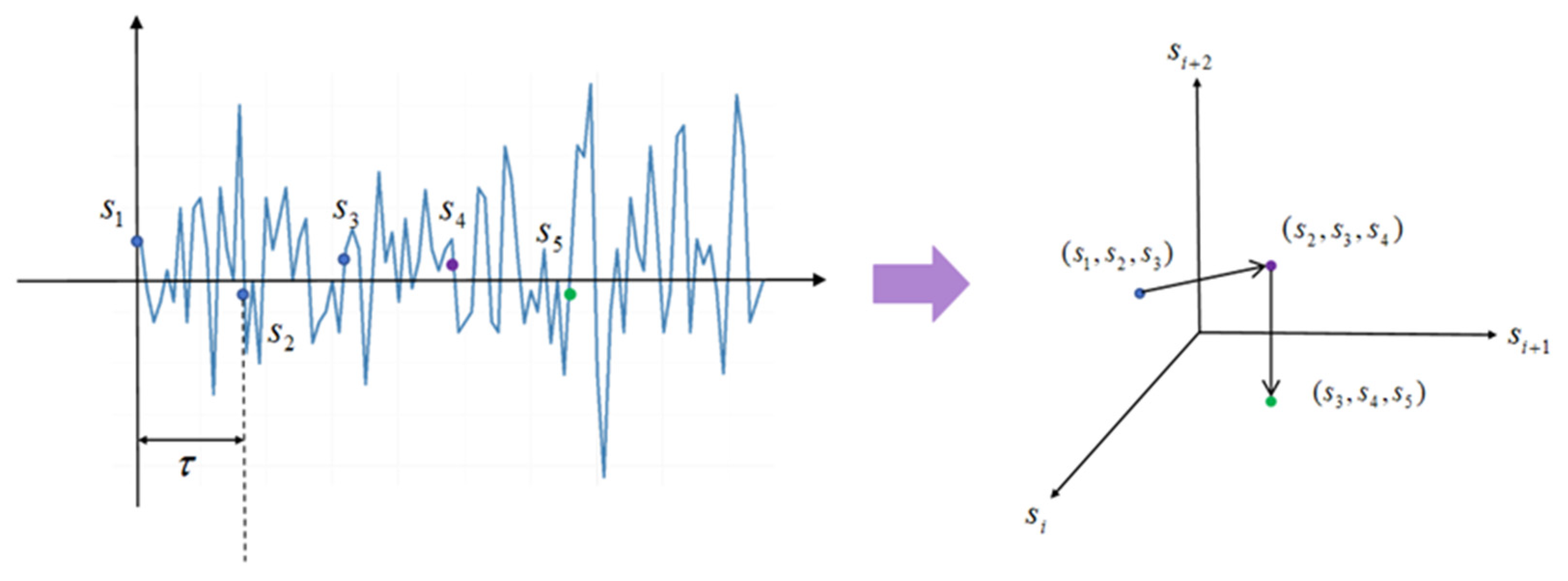
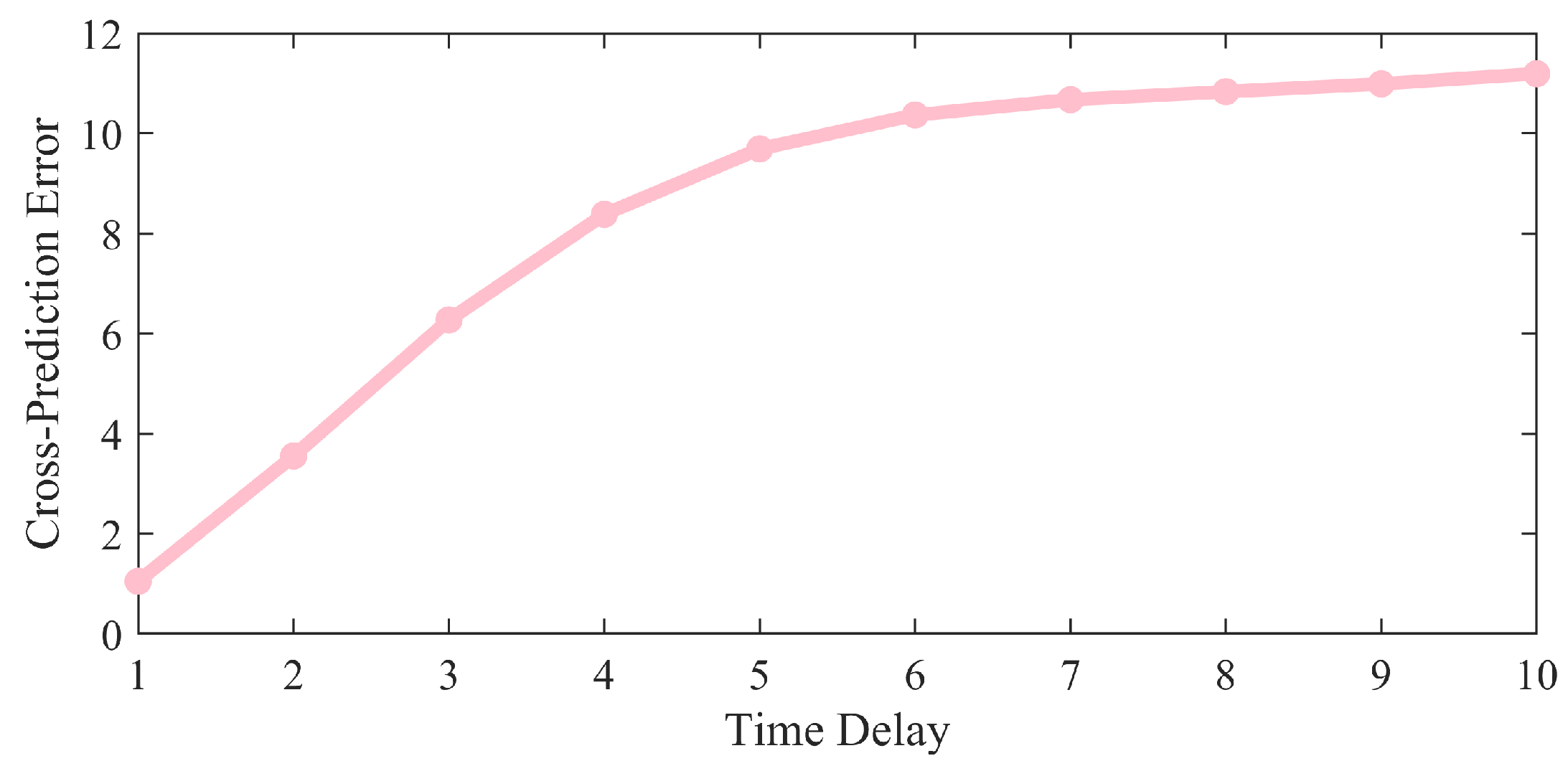
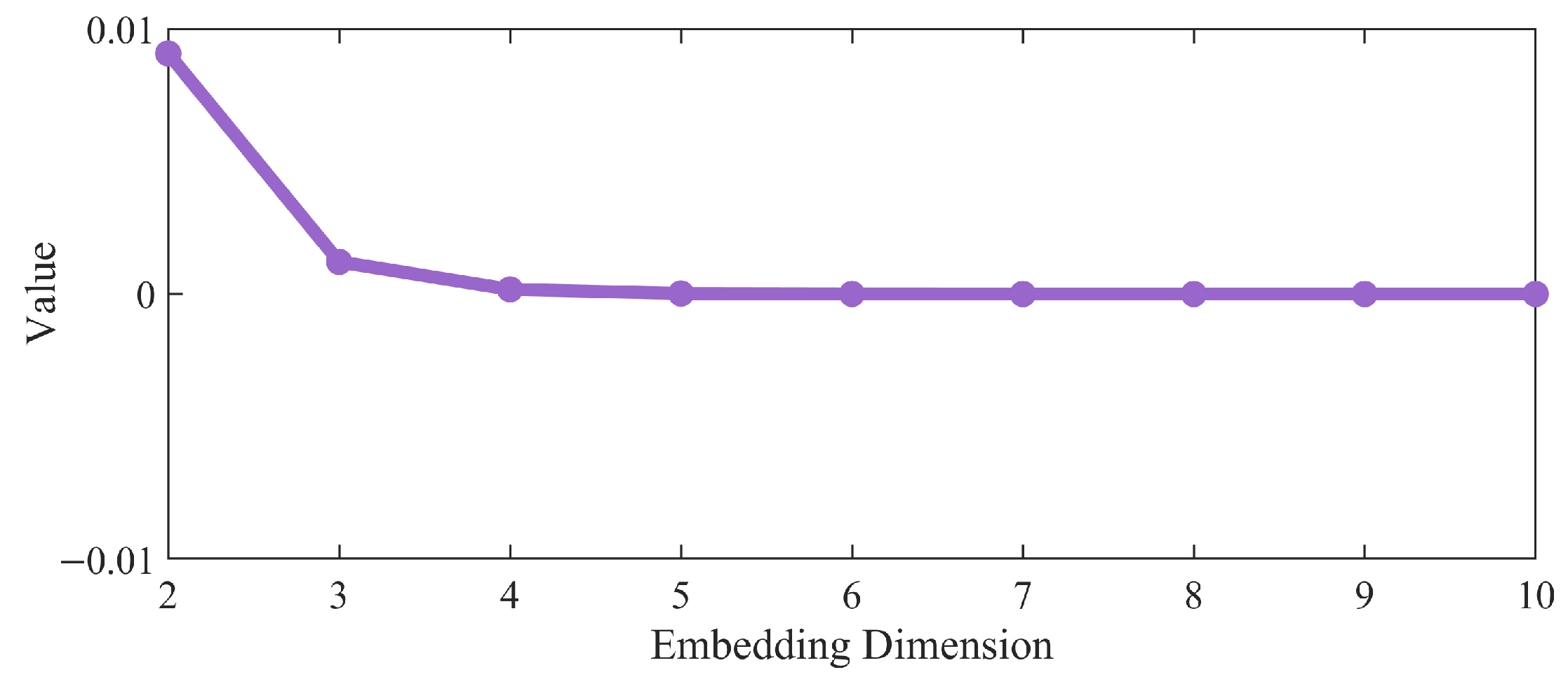
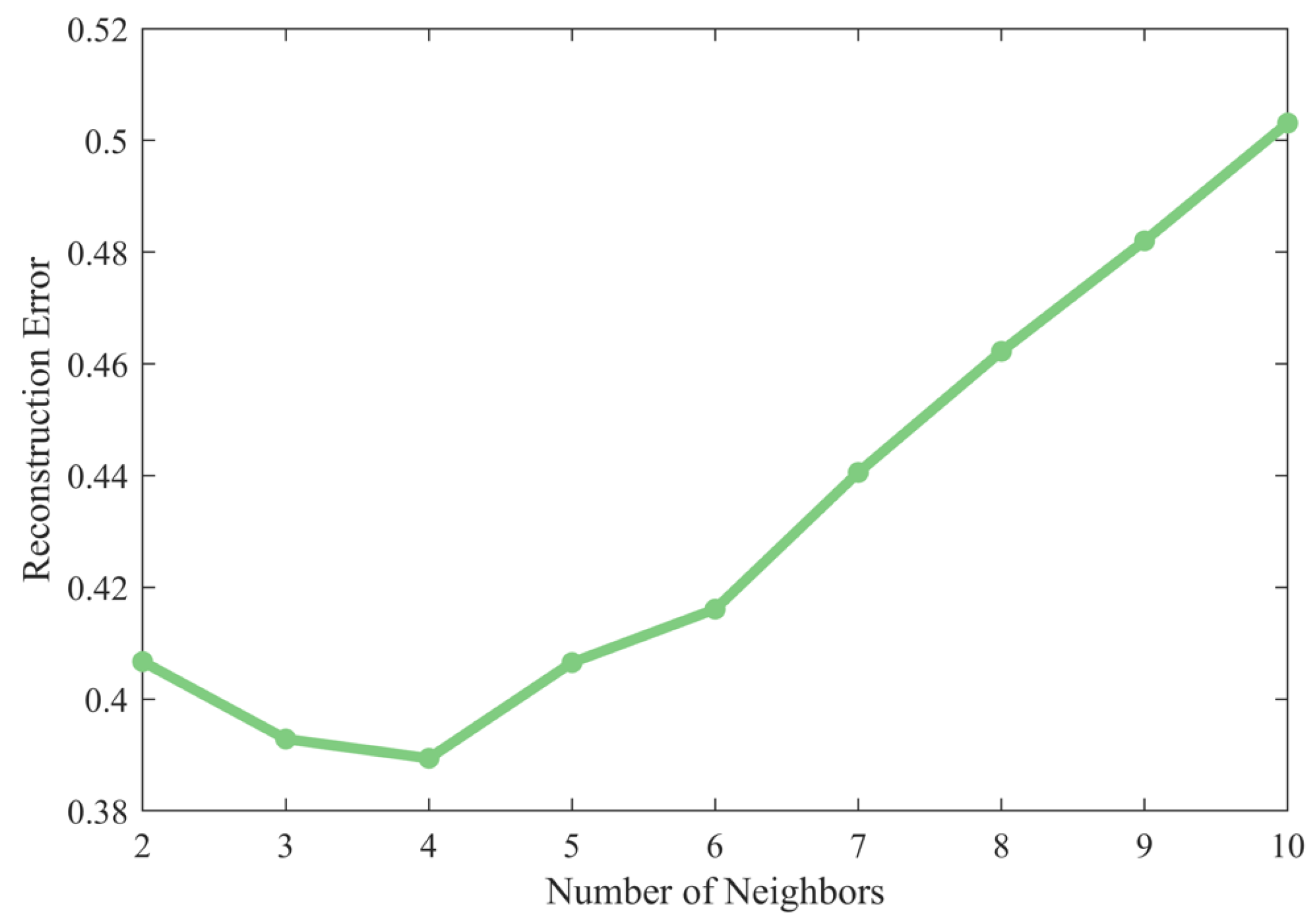
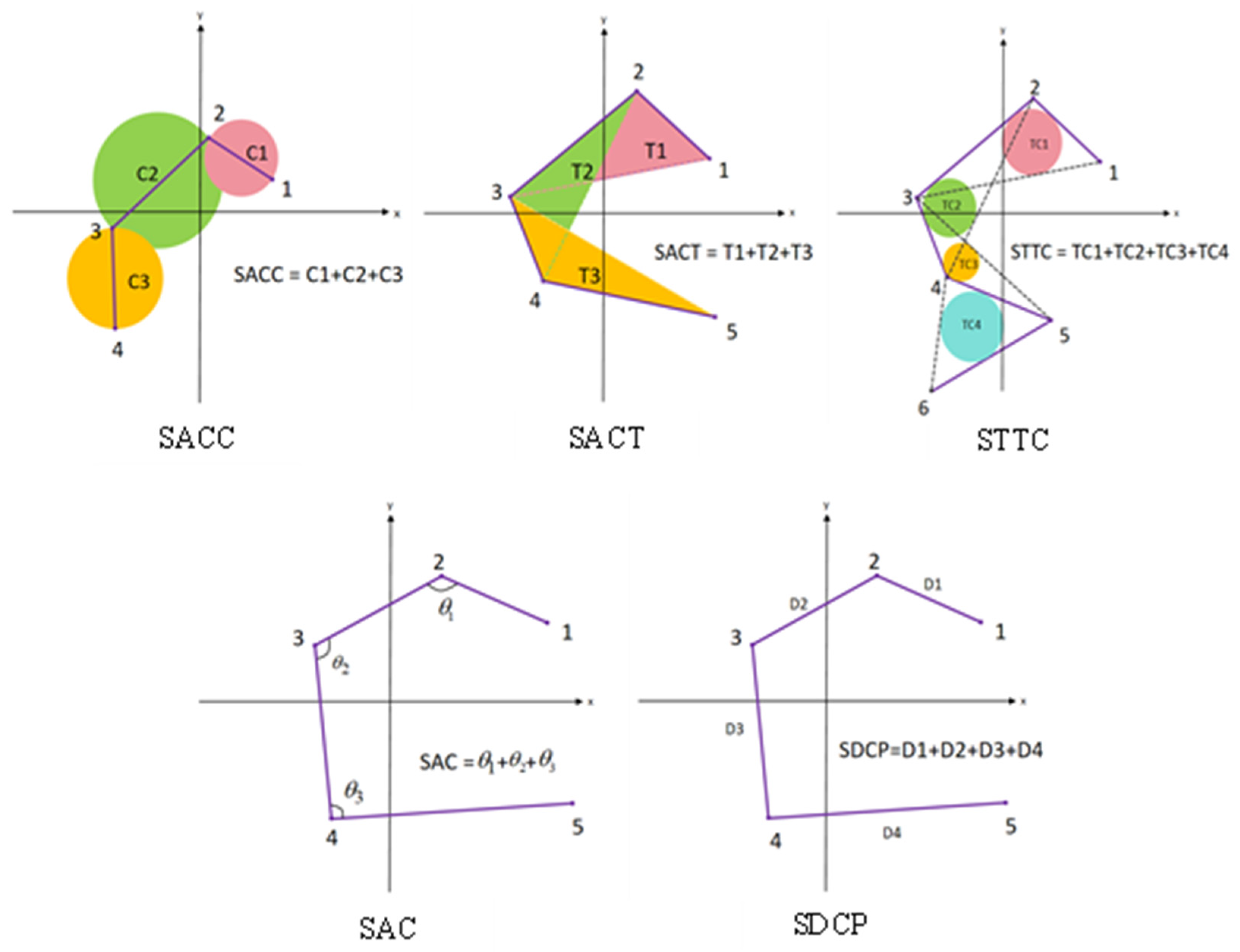
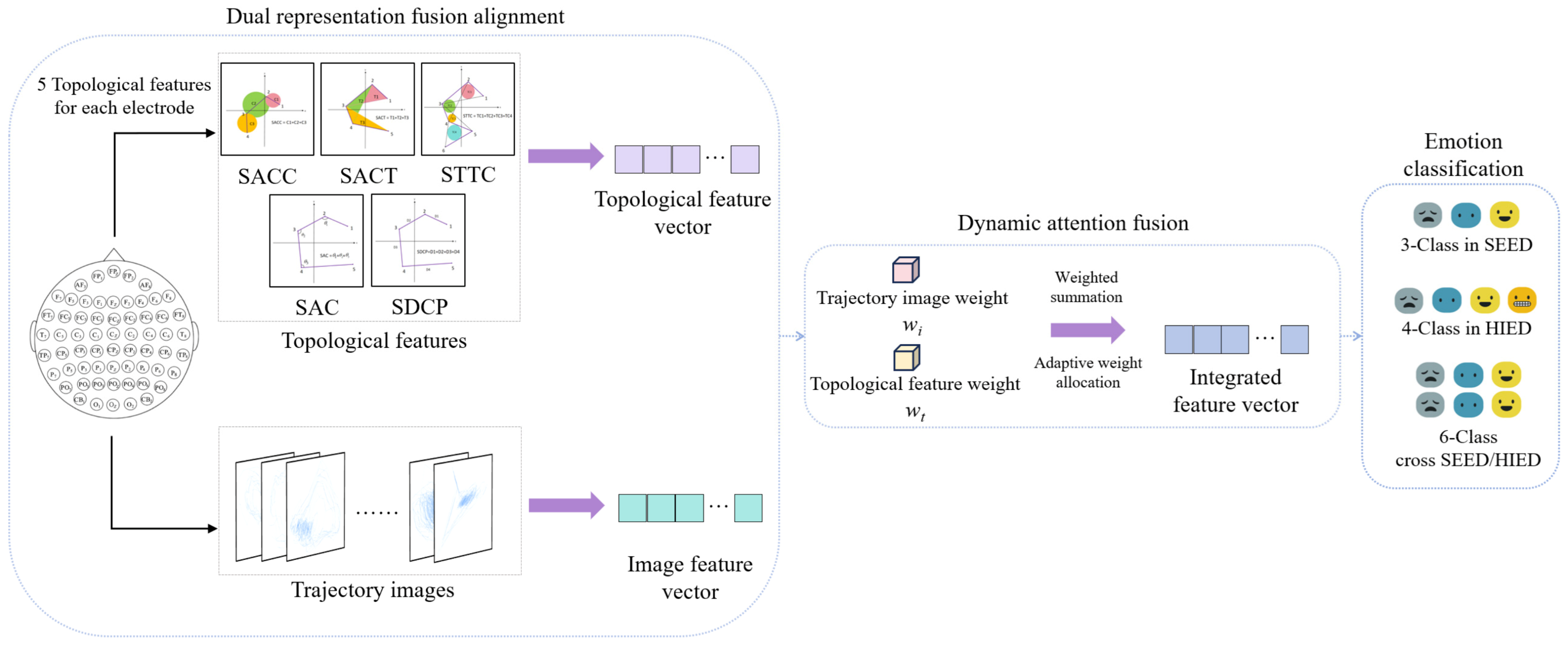
- We have developed a method for constructing topological features based on phase space reconstruction, which characterizes the overall dynamic properties of trajectories at the macro level. By employing the MCPE and GP algorithms to optimize time delay and embedding dimension, respectively, we achieve high-quality phase space reconstruction. Through LLE dimension reduction, we mapped high-dimensional trajectories onto a two-dimensional plane while preserving the original manifold structure, and constructed topological features to overcome the inherent limitations of traditional linear methods.
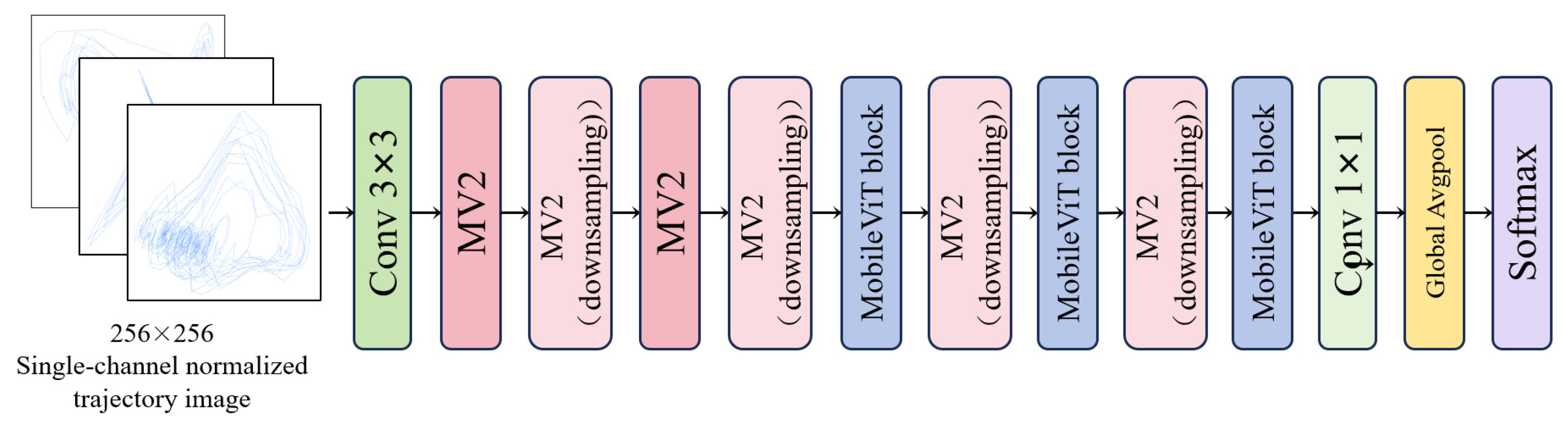
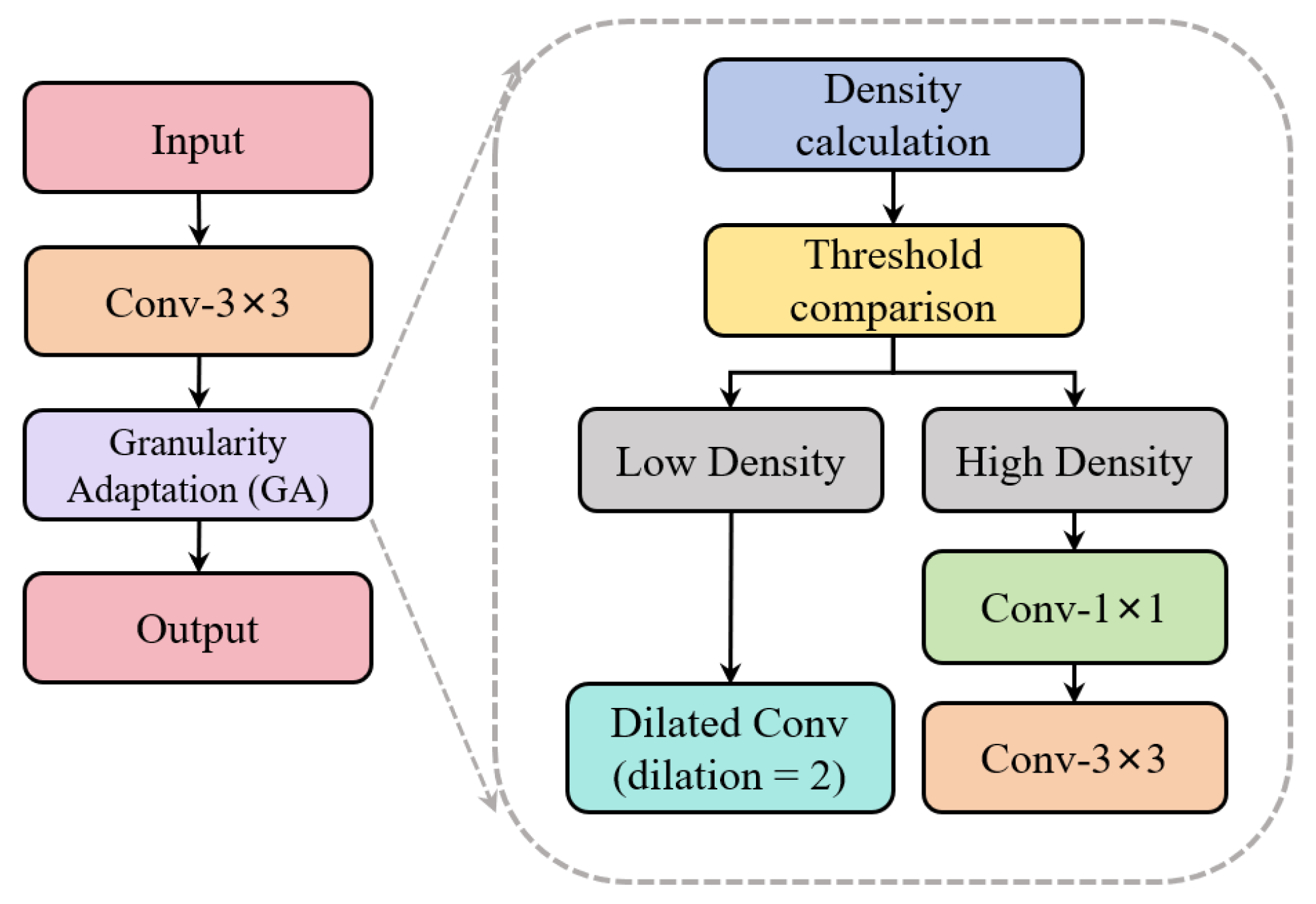
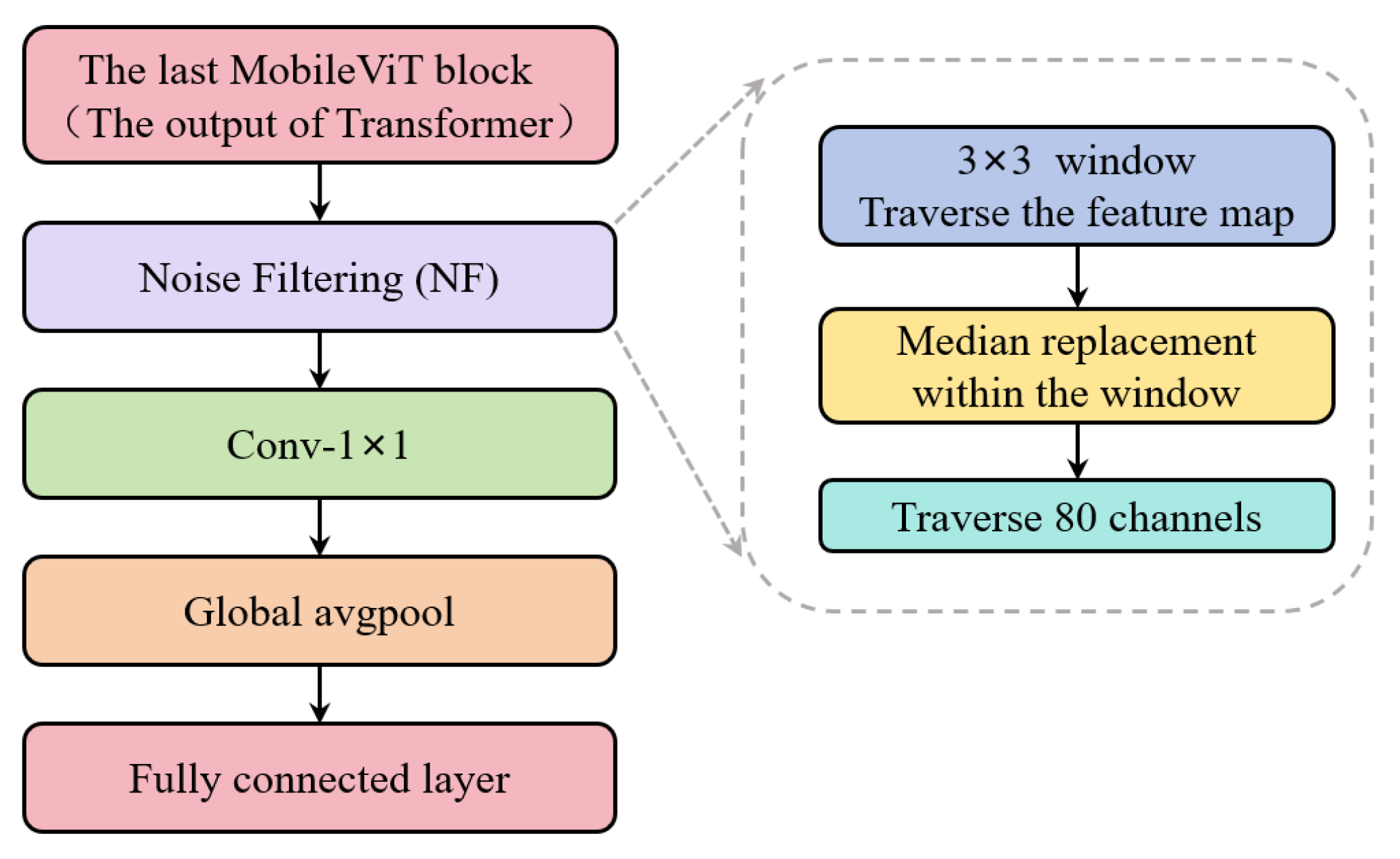
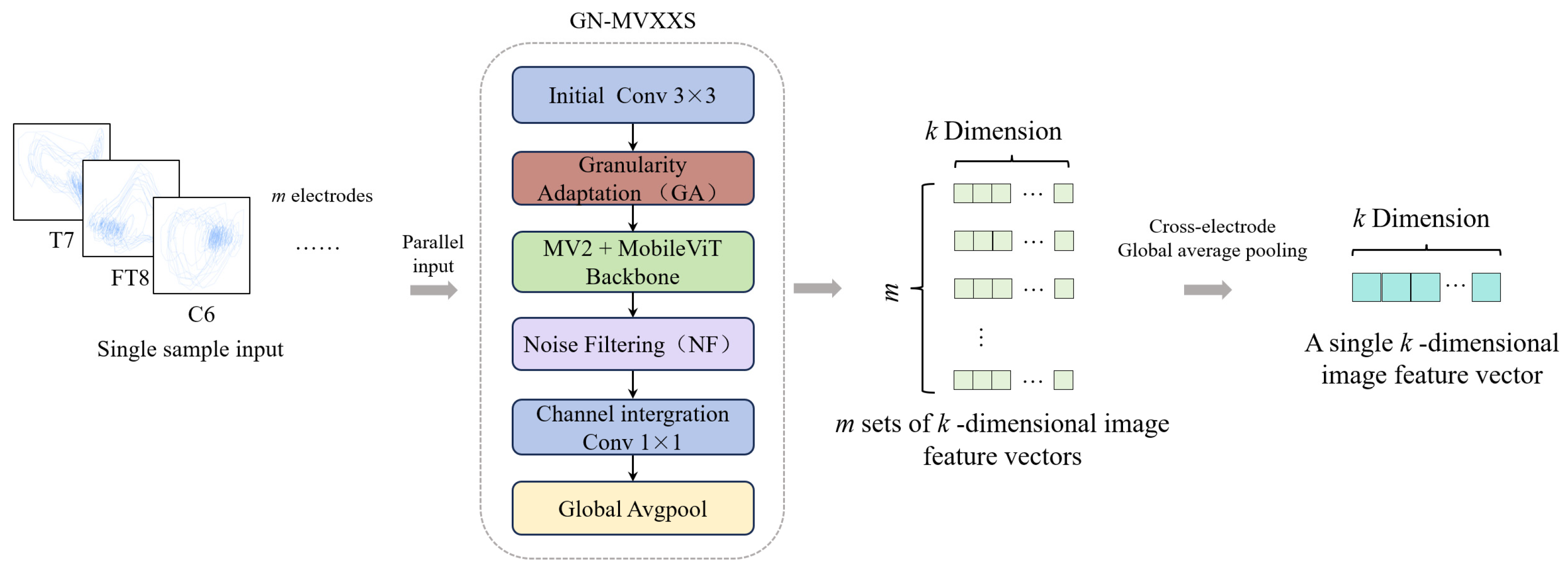
- To address the multi-scale distribution and noise interference inherent in trajectory images, we developed an improved model, GN-MVXXS, based on the MobileViT-XXS architecture by introducing two modules: granularity adaptation (GA) and noise filtering (NF). The GA module dynamically adjusts the feature extraction receptive field based on trajectory density, while the NF module effectively suppresses spatially isolated noise. Together, these modules address the limitations of traditional models, which suffer from a single-feature extraction scale and susceptibility to noise interference.
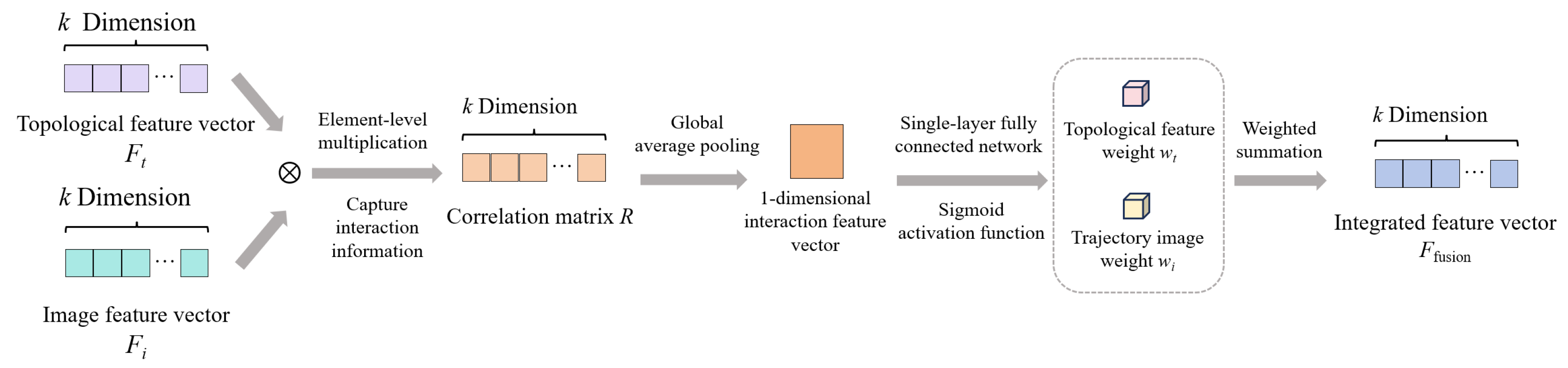
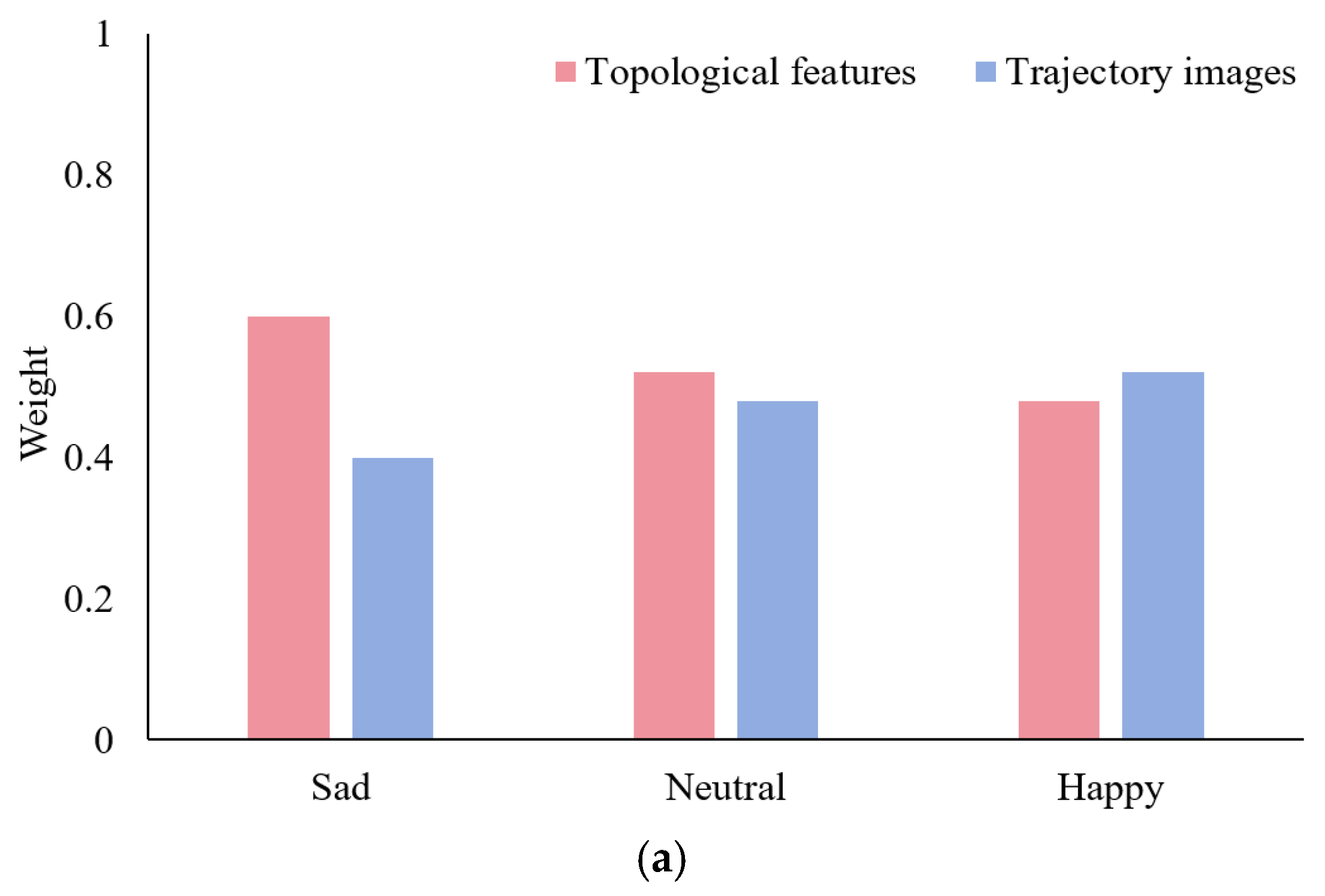
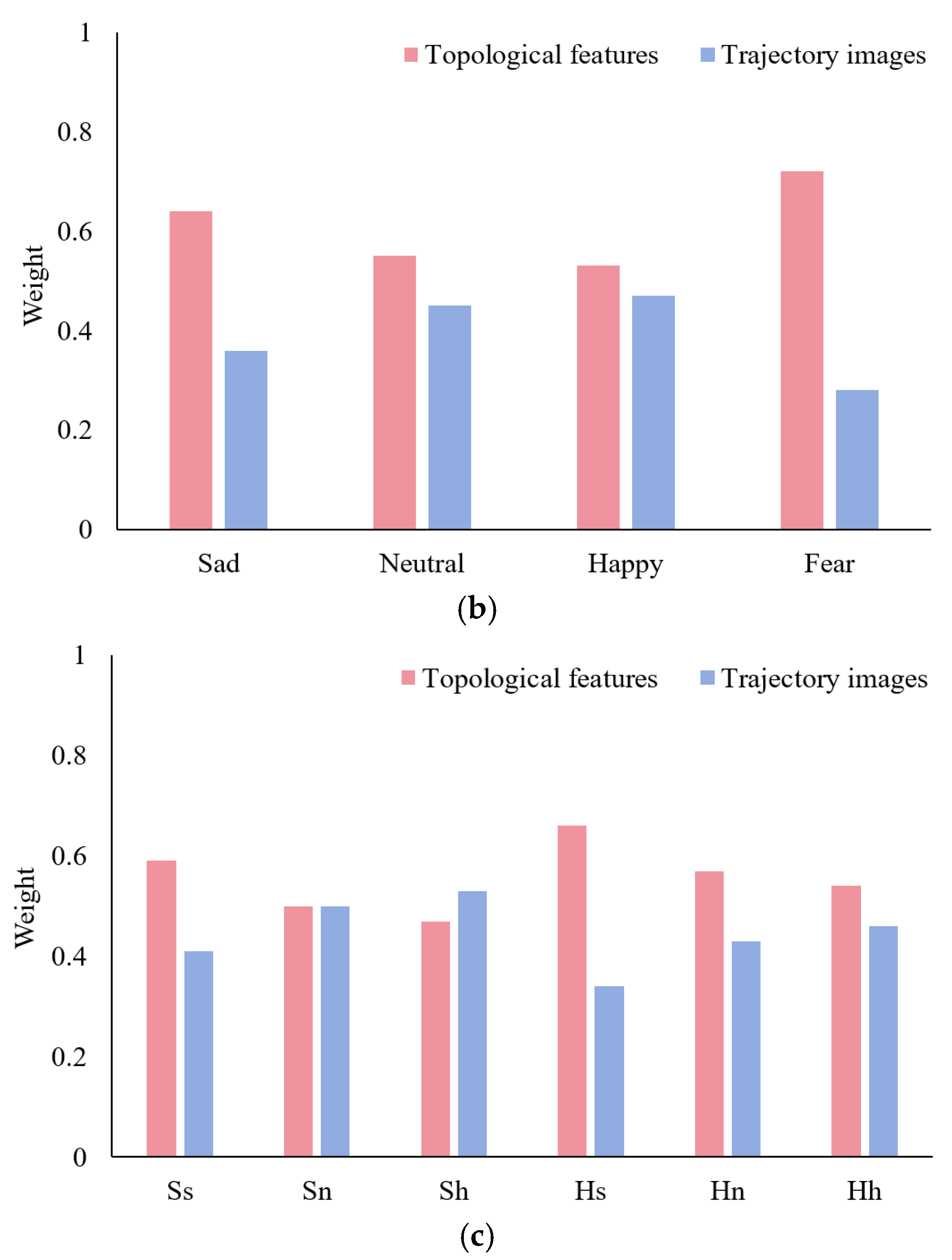
- We propose a dual-representation fusion strategy based on dynamic attention. A two-layer fully connected network was used to perform nonlinear mapping of topological features, thereby achieving dimensional unification and precise alignment of the dual representations. Subsequently, a dynamic attention fusion mechanism is introduced. By calculating the interactive correlations between features to adaptively assign representation weights, the model can dynamically balance the contributions of macro-structure and micro-details based on sample characteristics, thereby overcoming the limitations of single-representation approaches.
2. Dataset
3. Feature Extraction
3.1. Topological Features
3.2. Trajectory Images
3.3. Feature Fusion
4. Experimental Results
4.1. Experimental Setup
4.2. Selection of EEG Channels
4.3. Feature Fusion Results
5. Discussion
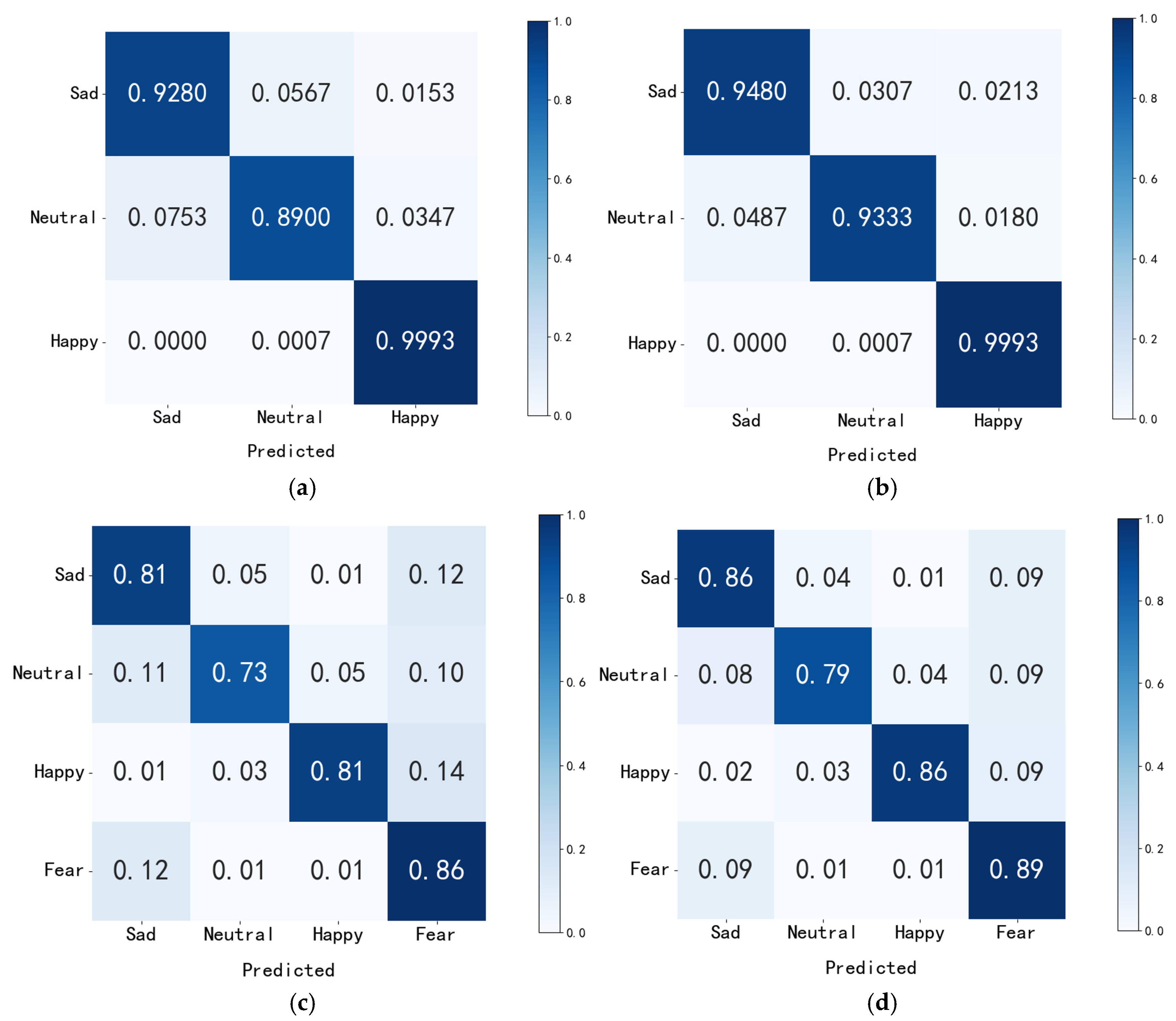
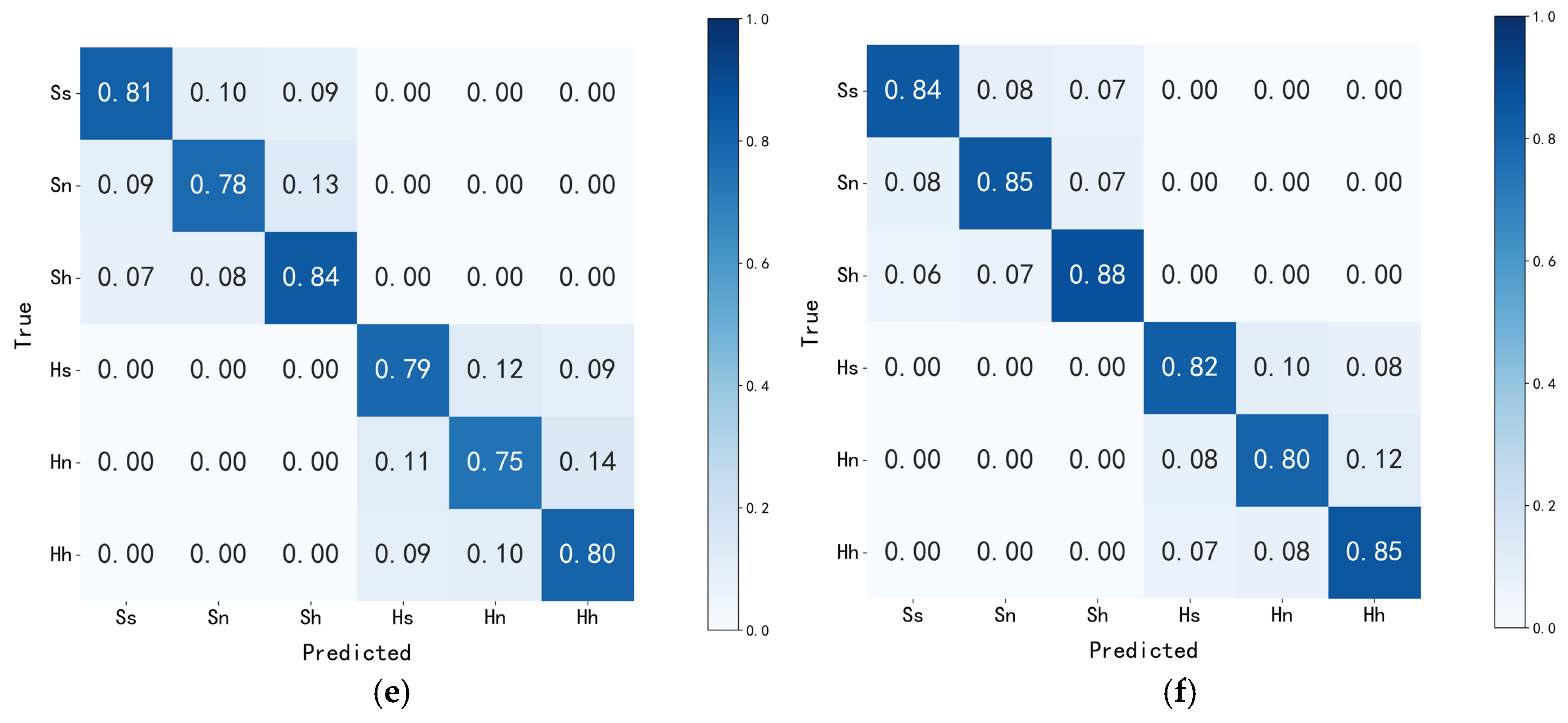
5.1. Confusion Matrix
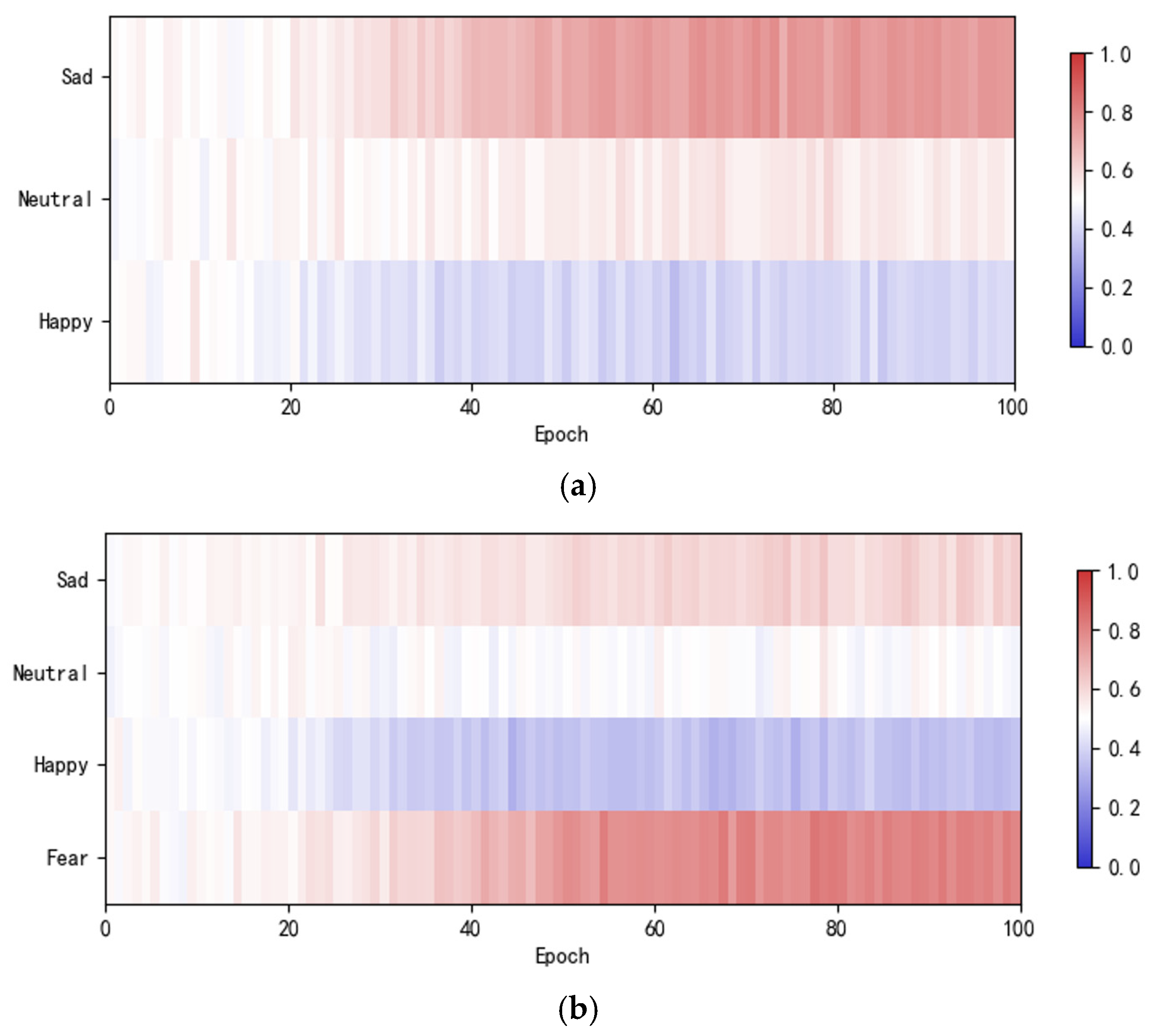
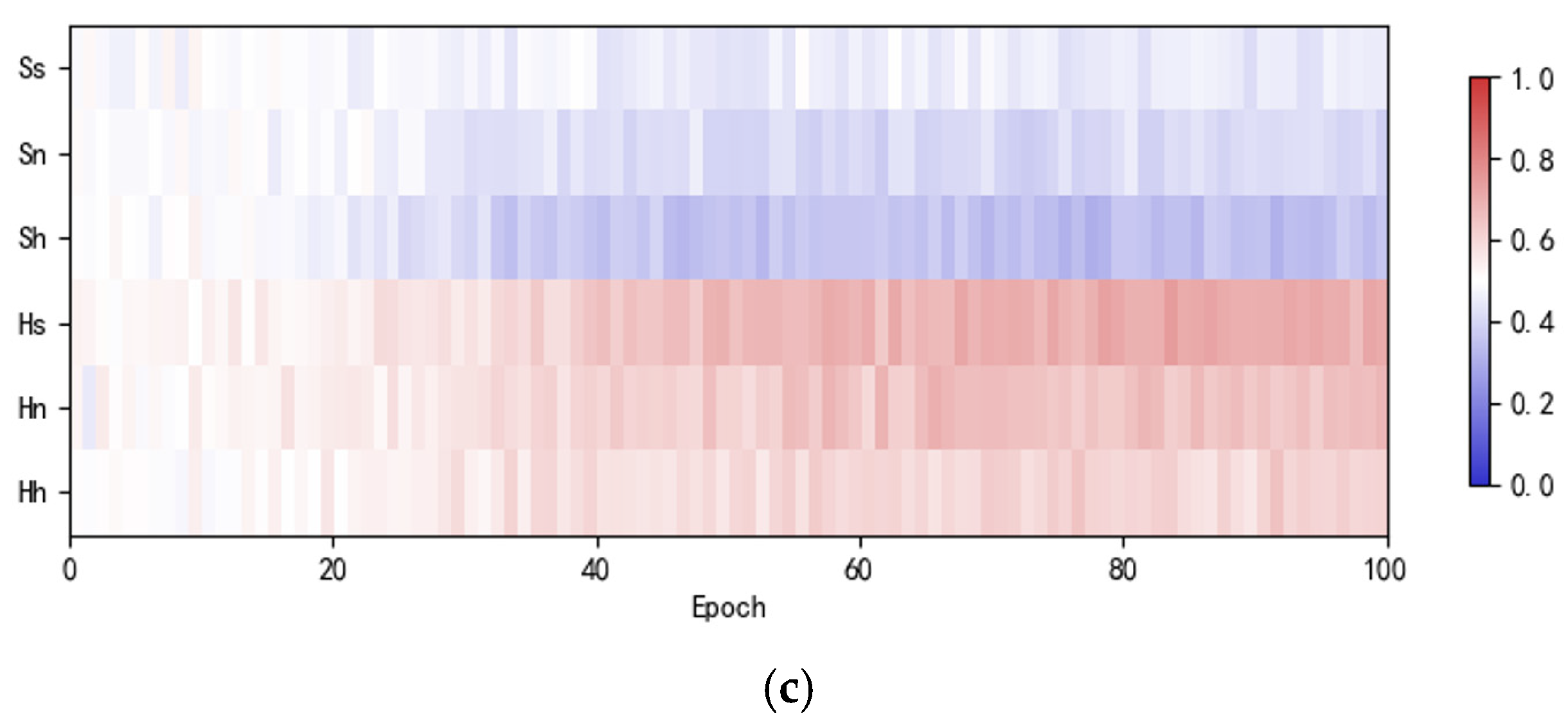
5.2. Dynamic Weight Selection
5.3. Comparison with Existing Research
Author Contributions
Funding
Institutional Review Board Statement
Informed Consent Statement
Data Availability Statement
Conflicts of Interest
References
- Li, M.; Huang, H.; Huang, K. FCAnet: A novel feature fusion approach to EEG emotion recognition based on cross-attention networks. Neurocomputing 2025, 638, 130102. [Google Scholar] [CrossRef]
- Gannouni, S.; Belwafi, K.; Aledaily, A.; Aboalsamh, H.; Belghith, A. Software Usability Testing Using EEG-Based Emotion Detection and Deep Learning. Sensors 2023, 23, 5147. [Google Scholar] [CrossRef]
- Ekman, P. Facial expressions of emotion: An old controversy and new findings. Philos. Trans. R. Soc. London Ser. B Biol. Sci. 1992, 335, 63–69. [Google Scholar]
- Slama, M.E. Emotions and life: Perspectives from psychology, biology, and evolution. Psychol. Mark. 2005, 22, 97. [Google Scholar] [CrossRef]
- Russell, J.A. A circumplex model of affect. J. Personal. Soc. Psychol. 1980, 39, 1161. [Google Scholar] [CrossRef]
- Mehrabian, A. Pleasure-arousal-dominance: A general framework for describing and measuring individual differences in temperament. Curr. Psychol. 1996, 14, 261–292. [Google Scholar] [CrossRef]
- Soleymani, M.; Lichtenauer, J.; Pun, T.; Pantic, M. A multimodal database for affect recognition and implicit tagging. IEEE Trans. Affect. Comput. 2011, 3, 42–55. [Google Scholar] [CrossRef]
- Jenke, R.; Peer, A.; Buss, M. Feature extraction and selection for emotion recognition from EEG. IEEE Trans. Affect. Comput. 2014, 5, 327–339. [Google Scholar] [CrossRef]
- Yuvaraj, R.; Murugappan, M. Hemispheric asymmetry non-linear analysis of EEG during emotional responses from idiopathic Parkinson’s disease patients. Cogn. Neurodyn. 2016, 10, 225–234. [Google Scholar] [CrossRef] [PubMed]
- Tuncer, T.; Dogan, S.; Subasi, A. A new fractal pattern feature generation function based emotion recognition method using EEG. Chaos Solitons Fractals 2021, 144, 110671. [Google Scholar] [CrossRef]
- Yang, H.; Huang, S.; Guo, S.; Sun, G. Multi-classifier fusion based on MI–SFFS for cross-subject emotion recognition. Entropy 2022, 24, 705. [Google Scholar] [CrossRef] [PubMed]
- Ibrahim, S.; AlSharabi, K.; Djemal, R.; Alsuwailem, A. An Adaptive Learning Approach for EEG-Based Computer Aided Diagnosis of Epilepsy. In Proceedings of the 2016 International Seminar on Intelligent Technology and Its Applications (ISITIA), Lombok, Indonesia, 28–30 July 2016; pp. 55–60. [Google Scholar]
- Small, M.; Harrison, R.G.; Tse, C. A Surrogate Test for Pseudo-periodic Time Series Data. In AIP Conference Proceedings, 2002; American Institute of Physics: College Park, MD, USA, 2002; pp. 190–198. [Google Scholar]
- Marwan, N.; Romano, M.C.; Thiel, M.; Kurths, J. Recurrence plots for the analysis of complex systems. Phys. Rep. 2007, 438, 237–329. [Google Scholar] [CrossRef]
- Yan, R.; Gao, R.X. Approximate entropy as a diagnostic tool for machine health monitoring. Mech. Syst. Signal Process. 2007, 21, 824–839. [Google Scholar] [CrossRef]
- Zabihi, M.; Kiranyaz, S.; Rad, A.B.; Katsaggelos, A.K.; Gabbouj, M.; Ince, T. Analysis of high-dimensional phase space via Poincaré section for patient-specific seizure detection. IEEE Trans. Neural Syst. Rehabil. Eng. 2015, 24, 386–398. [Google Scholar] [CrossRef] [PubMed]
- Zeng, W.; Li, M.; Yuan, C.; Wang, Q.; Liu, F.; Wang, Y. Classification of focal and non focal EEG signals using empirical mode decomposition (EMD), phase space reconstruction (PSR) and neural networks. Artif. Intell. Rev. 2019, 52, 625–647. [Google Scholar] [CrossRef]
- Yan, Y.; Wu, X.; Li, C.; He, Y.; Zhang, Z.; Li, H.; Li, A.; Wang, L. Topological EEG nonlinear dynamics analysis for emotion recognition. IEEE Trans. Cogn. Dev. Syst. 2022, 15, 625–638. [Google Scholar] [CrossRef]
- Pourali, H.; Omranpour, H. CSP-Ph-PS: Learning CSP-phase space and Poincare sections based on evolutionary algorithm for EEG signals recognition. Expert Syst. Appl. 2023, 211, 118621. [Google Scholar] [CrossRef]
- Yao, L.; Lu, Y.; Wang, M.; Qian, Y.; Li, H. Exploring EEG emotion recognition through complex networks: Insights from the visibility graph of ordinal patterns. Appl. Sci. 2024, 14, 2636. [Google Scholar] [CrossRef]
- Zheng, W.-L.; Lu, B.-L. Investigating critical frequency bands and channels for EEG-based emotion recognition with deep neural networks. IEEE Trans. Auton. Ment. Dev. 2015, 7, 162–175. [Google Scholar] [CrossRef]
- Bai, Z.; Hou, F.; Sun, K.; Wu, Q.; Zhu, M.; Mao, Z.; Song, Y.; Gao, Q. SECT: A method of shifted EEG channel transformer for emotion recognition. IEEE J. Biomed. Health Inform. 2023, 27, 4758–4767. [Google Scholar] [CrossRef]
- Cheema, A.; Singh, M.; Kumar, M.; Setia, G. Combined Empirical Mode Decomposition and Phase Space Reconstruction Based Psychologically Stressed and Non-Stressed State Classification from Cardiac Sound Signals. Biomed. Signal Process. Control 2023, 82, 104585. [Google Scholar] [CrossRef]
- Candra, H.; Yuwono, M.; Chai, R.; Handojoseno, A.; Elamvazuthi, I.; Nguyen, H.T.; Su, S. Investigation of window size in classification of EEG-emotion signal with wavelet entropy and support vector machine. In Proceedings of the 2015 37th Annual International Conference of the IEEE Engineering in Medicine and Biology Society (EMBC); IEEE: New York, NY, USA, 2015; pp. 7250–7253. [Google Scholar]
- Zhu, X.; Zhu, M.; Li, D.; Song, Y. Cross-Group EEG Emotion Recognition Based on Phase Space Reconstruction Topology. Entropy 2025, 27, 1084. [Google Scholar] [CrossRef]
- Akaike, H. Statistical predictor identification. In Selected Papers of Hirotugu Akaike; Springer: Berlin/Heidelberg, Germany, 1998; pp. 137–151. [Google Scholar]
- Grassberger, P.; Procaccia, I. Measuring the strangeness of strange attractors. Phys. D Nonlinear Phenom. 1983, 9, 189–208. [Google Scholar]
- Roweis, S.T.; Saul, L.K. Nonlinear dimensionality reduction by locally linear embedding. Science 2000, 290, 2323–2326. [Google Scholar] [CrossRef] [PubMed]
- Xu, L.; Chavez-Echeagaray, M.E.; Berisha, V. Unsupervised EEG channel selection based on nonnegative matrix factorization. Biomed. Signal Process. Control 2022, 76, 103700. [Google Scholar] [CrossRef]
- Yan, J.; Du, C.; Li, N.; Zhou, X.; Liu, Y.; Wei, J.; Yang, Y. Spatio-temporal graph Bert network for EEG emotion recognition. Biomed. Signal Process. Control 2025, 104, 107576. [Google Scholar]
- Kouti, M.; Ansari-Asl, K.; Namjoo, E. Emotion discrimination using source connectivity analysis based on dynamic ROI identification. Biomed. Signal Process. Control 2022, 72, 103332. [Google Scholar] [CrossRef]
- Sun, H.; Wang, H.; Wang, R.; Gao, Y. Emotion recognition based on EEG source signals and dynamic brain function network. J. Neurosci. Methods 2025, 415, 110358. [Google Scholar] [CrossRef]
- Kumar, A.; Kumar, A. EEG-based emotion recognition: A deep learning approach to brain region analysis. Biomed. Signal Process. Control 2025, 110, 108111. [Google Scholar] [CrossRef]
- Kotwal, A.; Verma, M.; Manhas, J.; Sharma, V. Robust EEG-Based Emotion Recognition using CNN: A High-Accuracy Approach with Differential Entropy Features and Spatial-Frequency Domain Analysis on the SEED Dataset. J. Sci. Res. 2025, 17, 777–787. [Google Scholar] [CrossRef]
- Qiusheng, L.; Jingran, S.; Ping’an, G. DenseNet-Based EEG Emotion Recognition Model Integrating Multi-Scale Feature Fusion and Channel Optimization. Biomed. Signal Process. Control 2026, 112, 108926. [Google Scholar] [CrossRef]
- Esmi, N.; Shahbahrami, A.; Gaydadjiev, G.; De Jonge, P. TEREE: Transformer-Based Emotion Recognition Using EEG and Eye Movement Data. Intell. Based Med. 2025, 12, 100305. [Google Scholar] [CrossRef]



| Method | SEED Tasks | HIED Tasks | Cross-Group Tasks |
|---|---|---|---|
| Direct Splicing (%) | 94.44 | 82.75 | 79.28 |
| Dynamic Attention Fusion (%) | 96.11 | 86.33 | 83.67 |
| Method | Features/Modalities | Classifier | Accuracy |
|---|---|---|---|
| Xu et al. [29] | HOC, FD, band power, DE | SVM | 81.90% |
| Yan et al. [30] | DE, PSD, DASM, RASM, DCAU | Spatio-temporal Graph Bert network | 83.20% |
| Kouti et al. [31] | iCoh connection feature | SVM | 83.84% |
| Sun et al. [32] | RMS + DE | RF | 88.93% |
| Kumar et al. [33] | DE | BiLSTM | 93.05% |
| Kotwal et al. [34] | DE | CNN | 94.09% |
| Li et al. [35] | DE | DenseNet | 96.73% |
| Esmi et al. [36] | 2D spatio-temporal–spectral image features | TEREE | 97.70% |
| Ours | Topological features | XGBoost | 90.30% |
| Ours | Trajectory image | XGBoost | 88.65% |
| Ours | Topological features and trajectory plots | XGBoost | 91.54% |
| Ours | Trajectory image | GN-MVXXS | 93.87% |
| Ours | Topological features and trajectory plots | Direct Splicing | 94.44% |
| Ours | Topological features and trajectory plots | Dynamic Attention Fusion Network | 96.11% |
Disclaimer/Publisher’s Note: The statements, opinions and data contained in all publications are solely those of the individual author(s) and contributor(s) and not of MDPI and/or the editor(s). MDPI and/or the editor(s) disclaim responsibility for any injury to people or property resulting from any ideas, methods, instructions or products referred to in the content. |
© 2026 by the authors. Licensee MDPI, Basel, Switzerland. This article is an open access article distributed under the terms and conditions of the Creative Commons Attribution (CC BY) license.
Share and Cite
Liang, T.; Zhu, X.; Song, Y. Emotion Recognition Based on Fusion of Topological Features and Trajectory Images Derived from EEG Phase Space Reconstruction. Sensors 2026, 26, 3102. https://doi.org/10.3390/s26103102
Liang T, Zhu X, Song Y. Emotion Recognition Based on Fusion of Topological Features and Trajectory Images Derived from EEG Phase Space Reconstruction. Sensors. 2026; 26(10):3102. https://doi.org/10.3390/s26103102
Chicago/Turabian StyleLiang, Tianyue, Xuanpeng Zhu, and Yu Song. 2026. "Emotion Recognition Based on Fusion of Topological Features and Trajectory Images Derived from EEG Phase Space Reconstruction" Sensors 26, no. 10: 3102. https://doi.org/10.3390/s26103102
APA StyleLiang, T., Zhu, X., & Song, Y. (2026). Emotion Recognition Based on Fusion of Topological Features and Trajectory Images Derived from EEG Phase Space Reconstruction. Sensors, 26(10), 3102. https://doi.org/10.3390/s26103102