Article

A Flexible PVDF Sensor for Forcecardiography

1
Department of Electrical Engineering and Information Technologies, University of Naples Federico II, Via Claudio, 21, 80125 Naples, Italy
2
School of Engineering, Design and Built Environment, Western Sydney University, Penrith, NSW 2751, Australia
3
Department of Information and Electrical Engineering and Applied Mathematics, University of Salerno, Via Giovanni Paolo II, 132, 84084 Fisciano, Italy
*
Authors to whom correspondence should be addressed.
Sensors 2025, 25(5), 1608; https://doi.org/10.3390/s25051608
Submission received: 14 February 2025 / Revised: 28 February 2025 / Accepted: 4 March 2025 / Published: 6 March 2025
(This article belongs to the Special Issue Sensors for Heart Rate Monitoring and Cardiovascular Disease)

Abstract

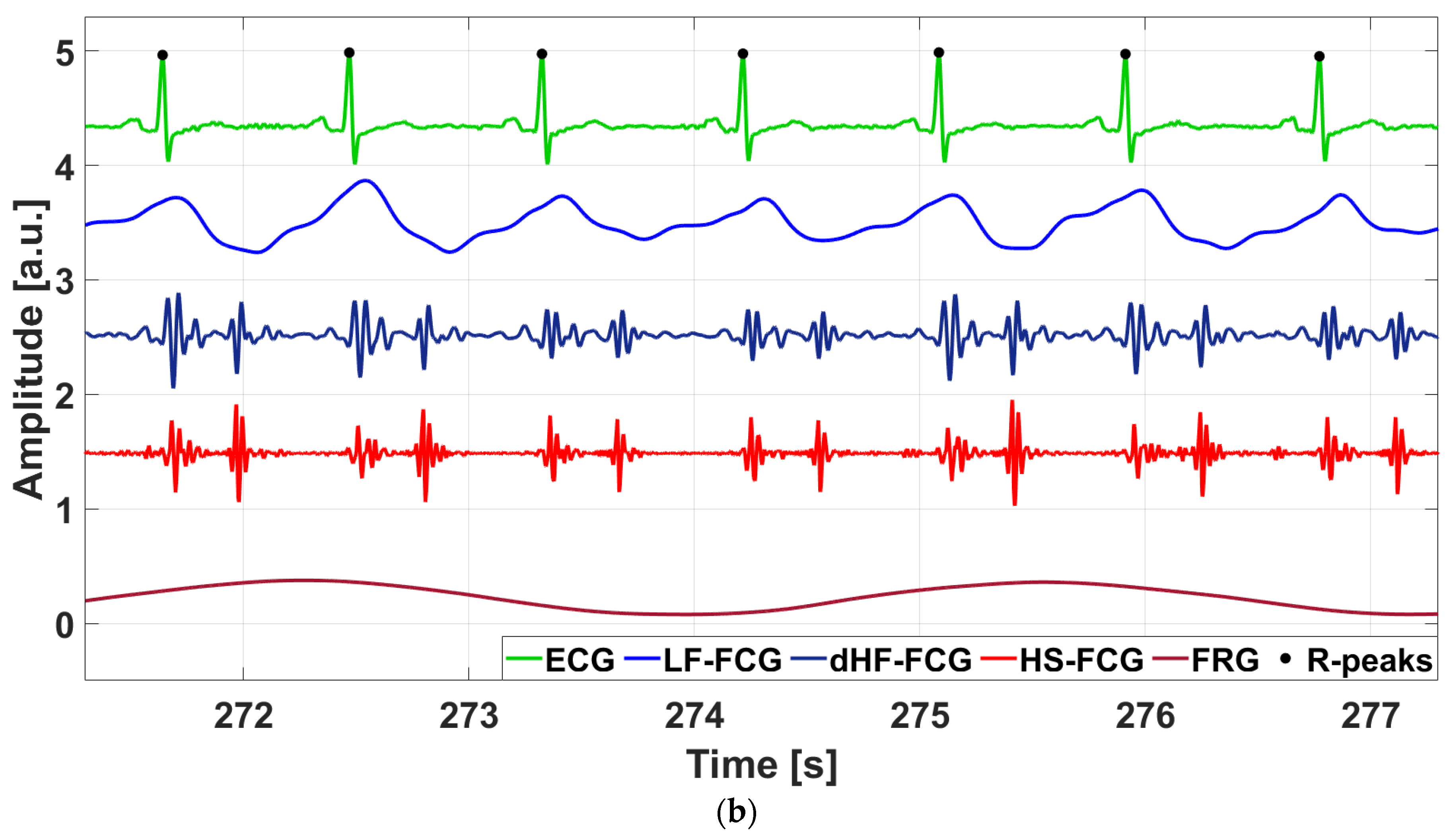
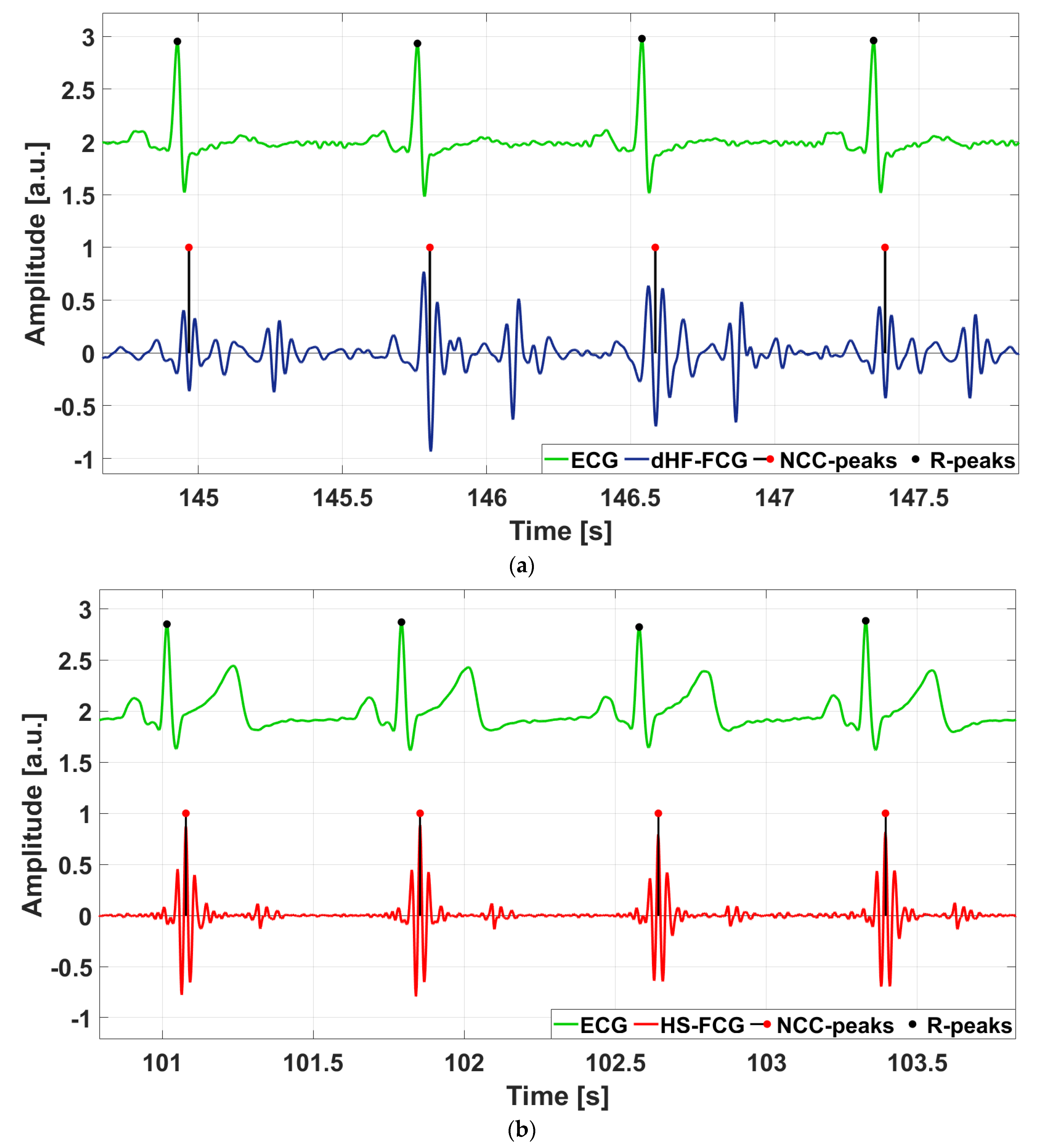
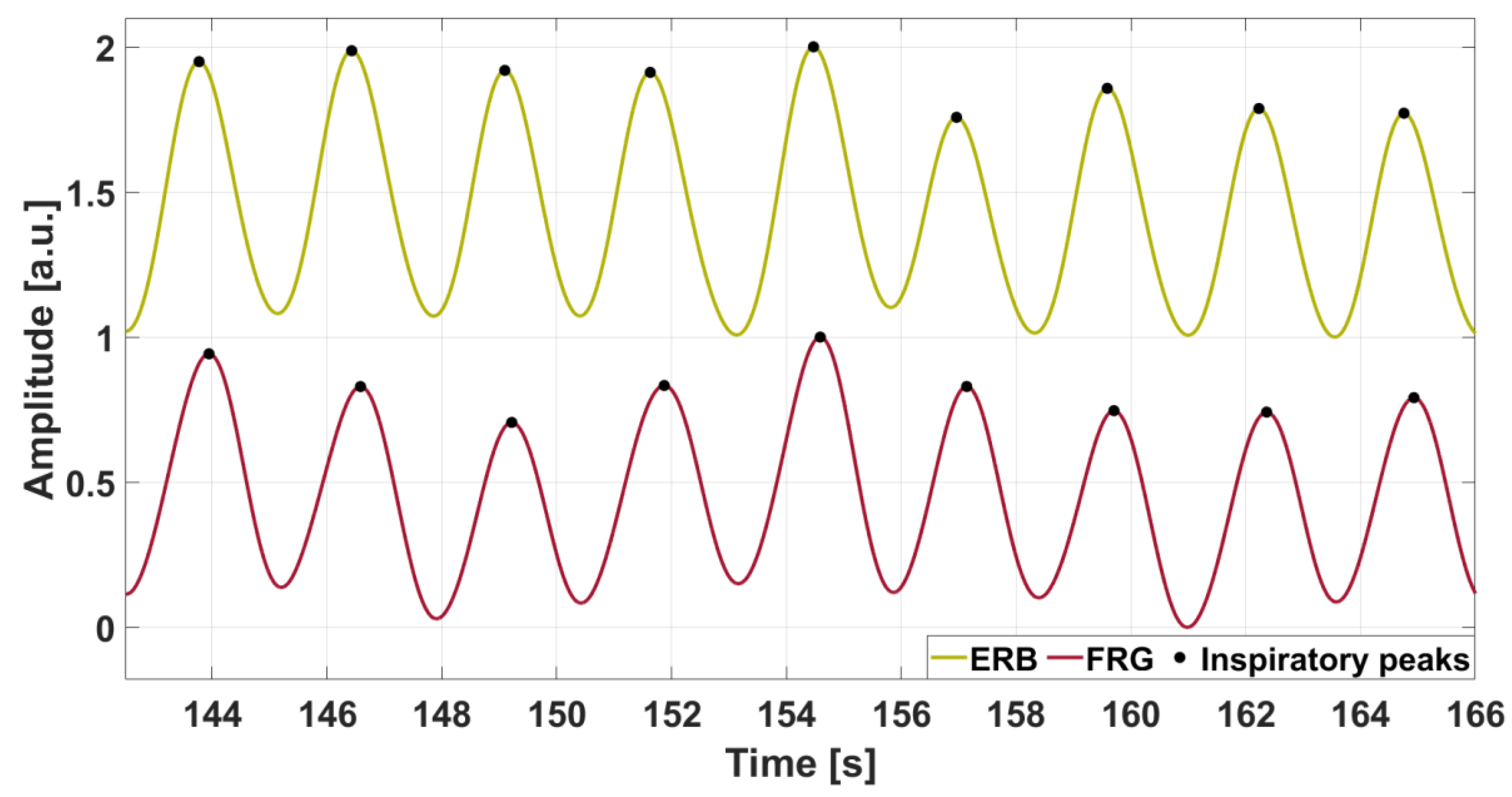
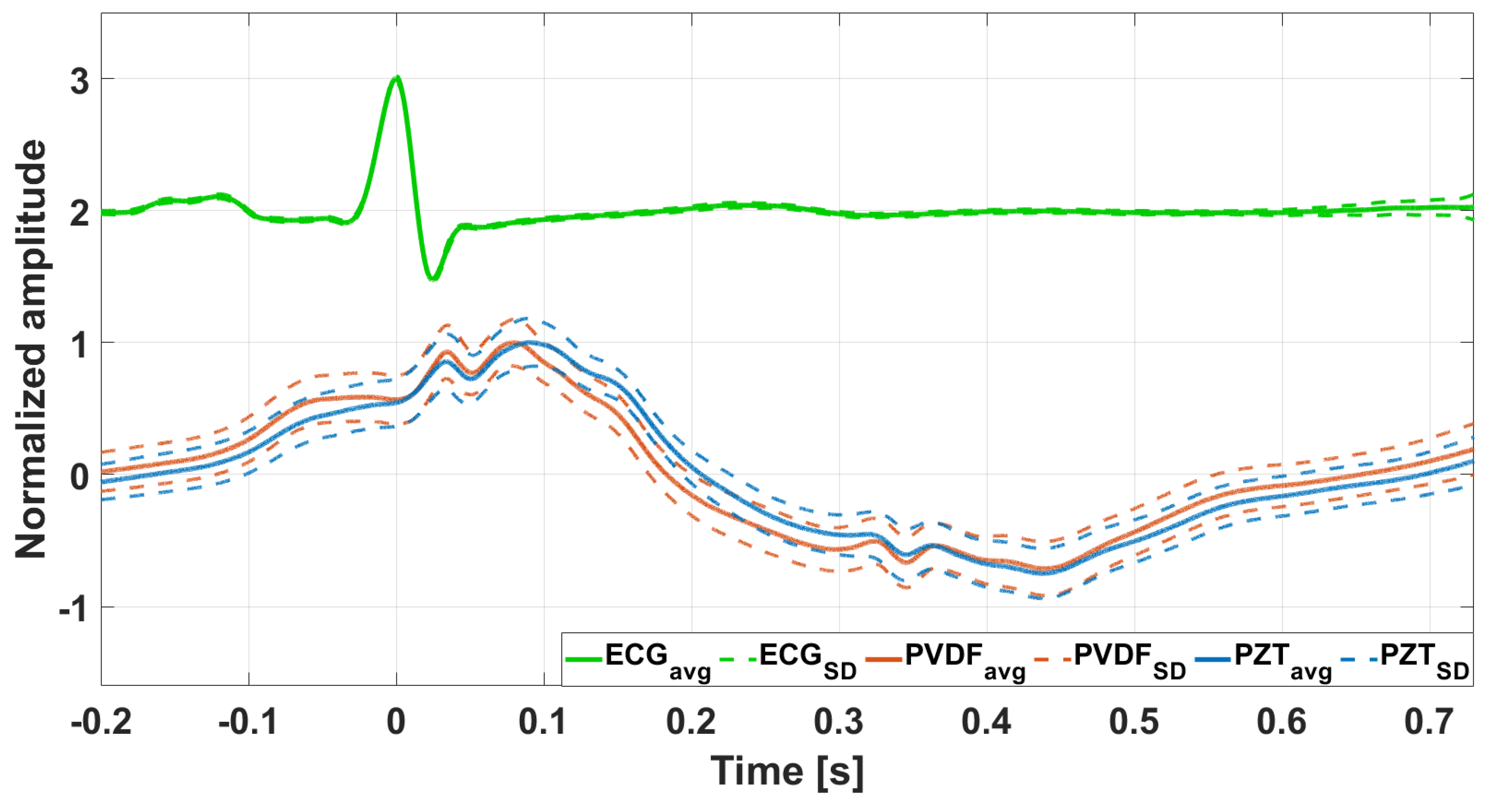
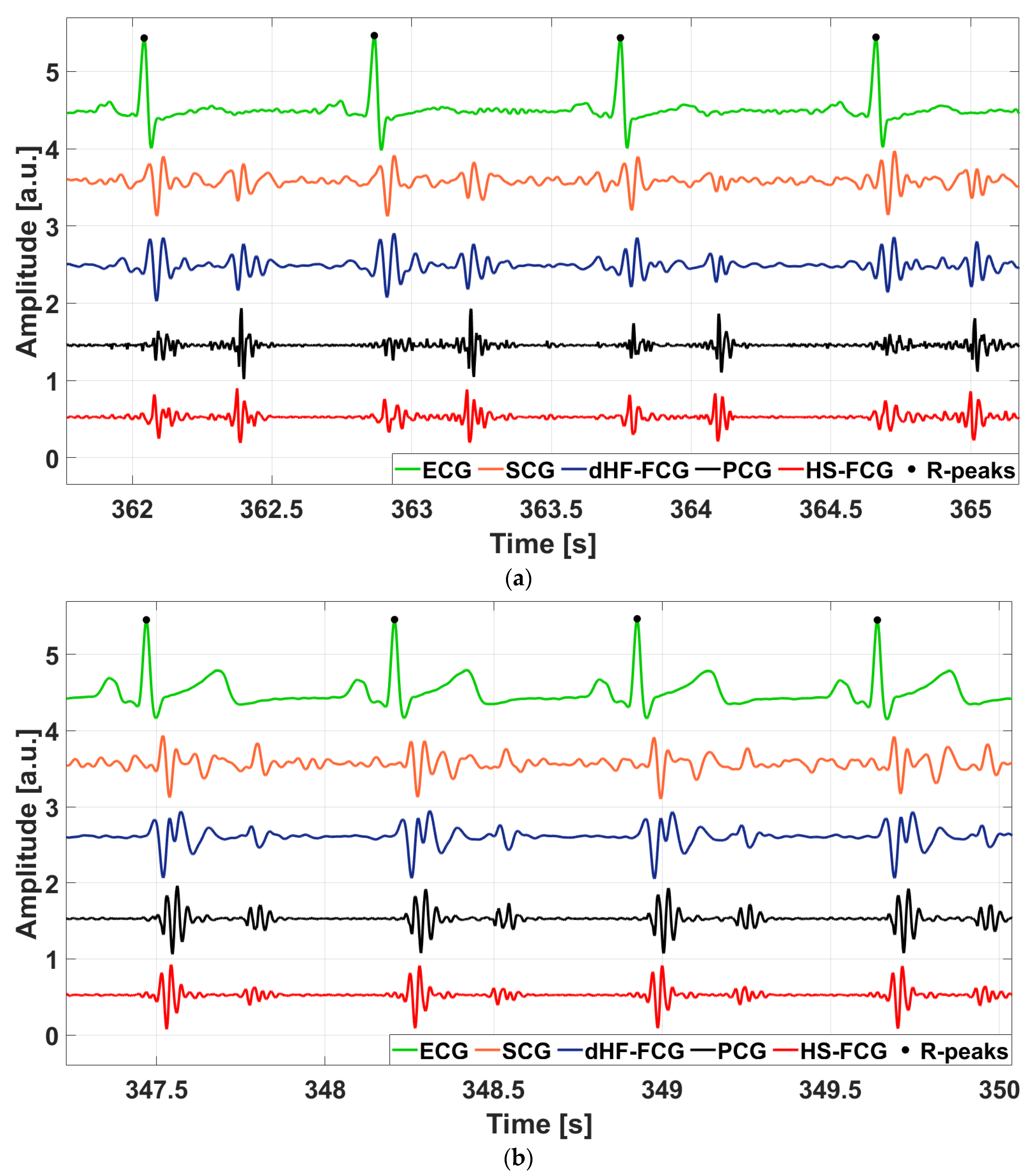
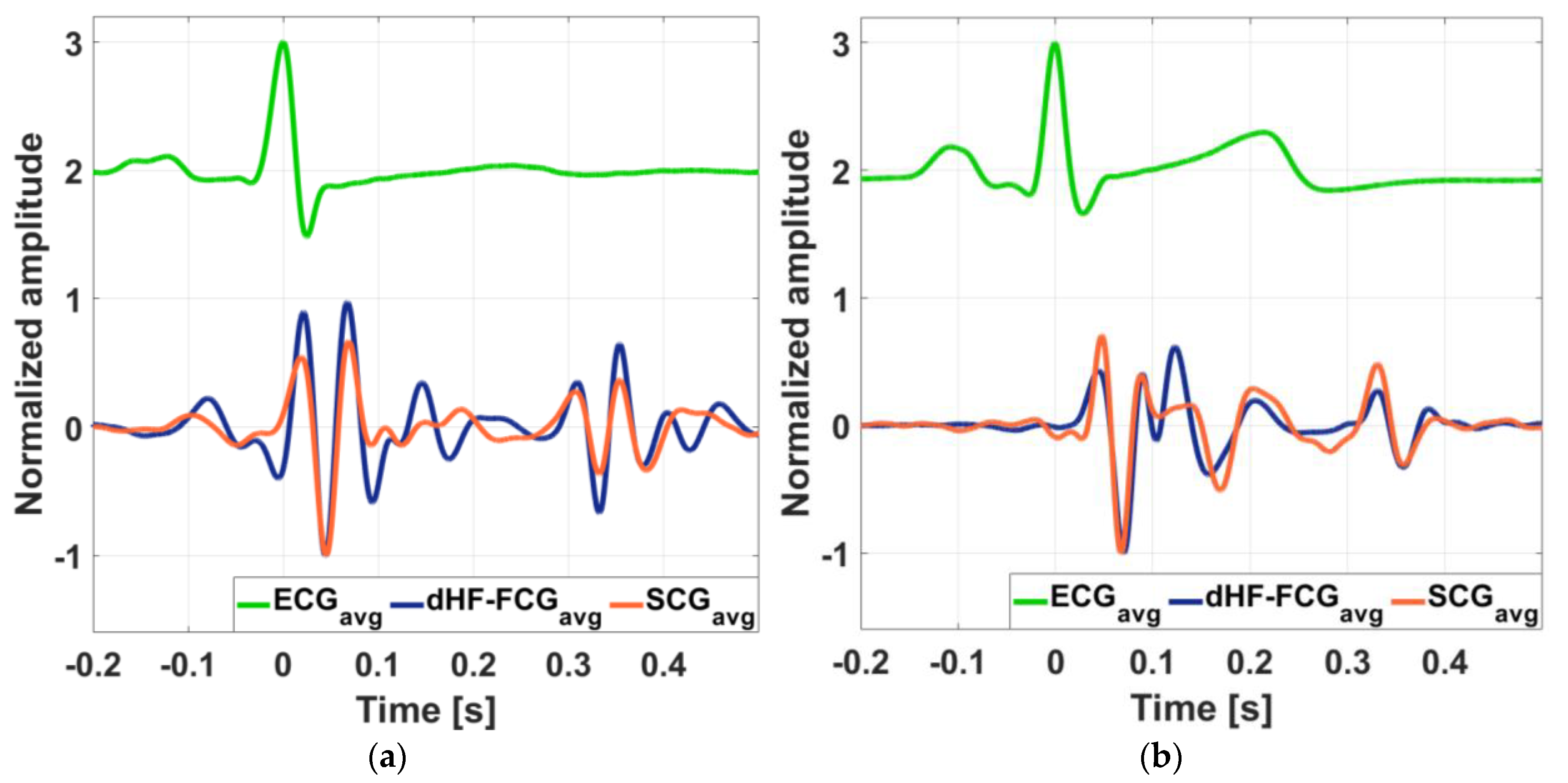
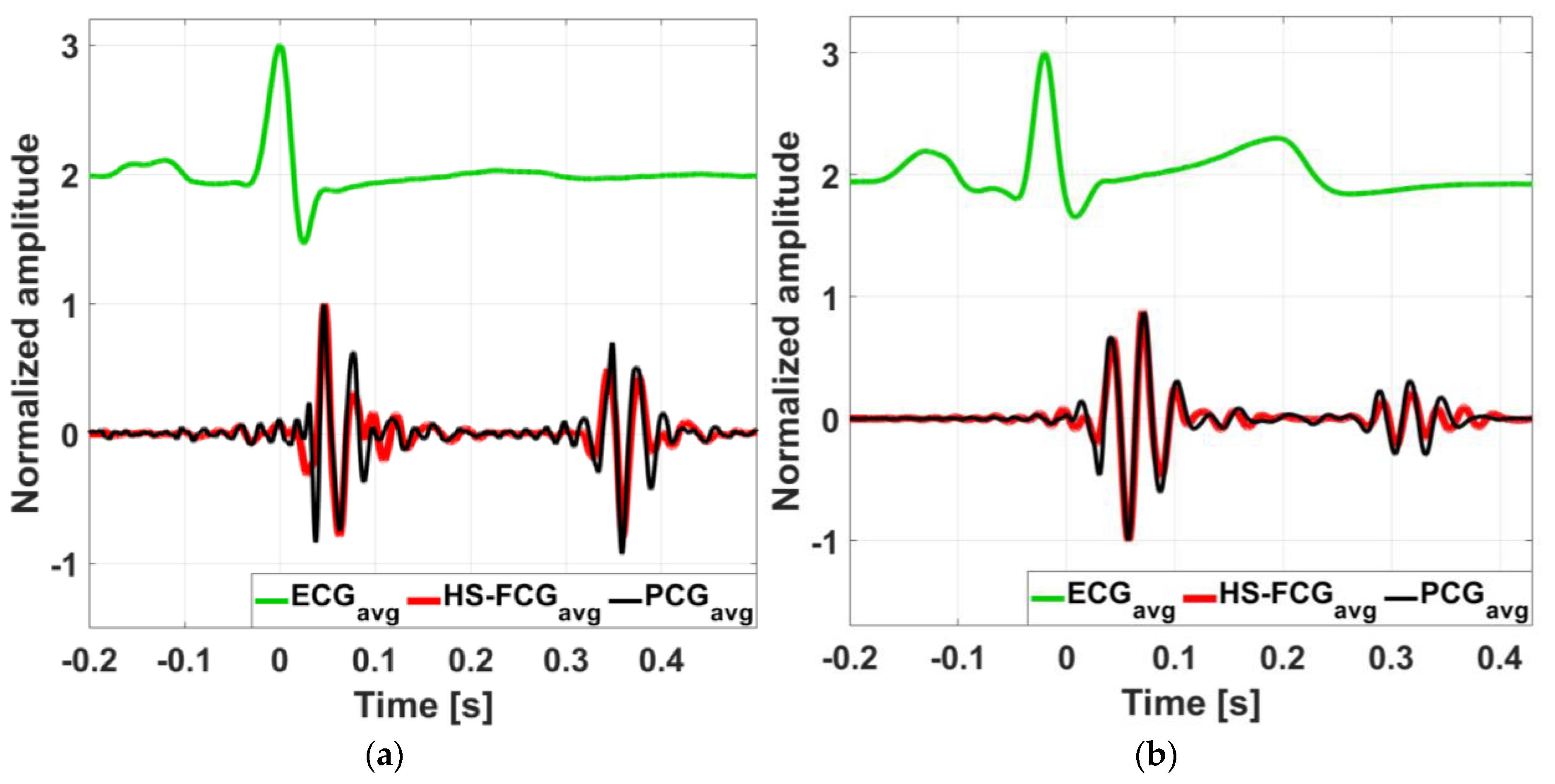
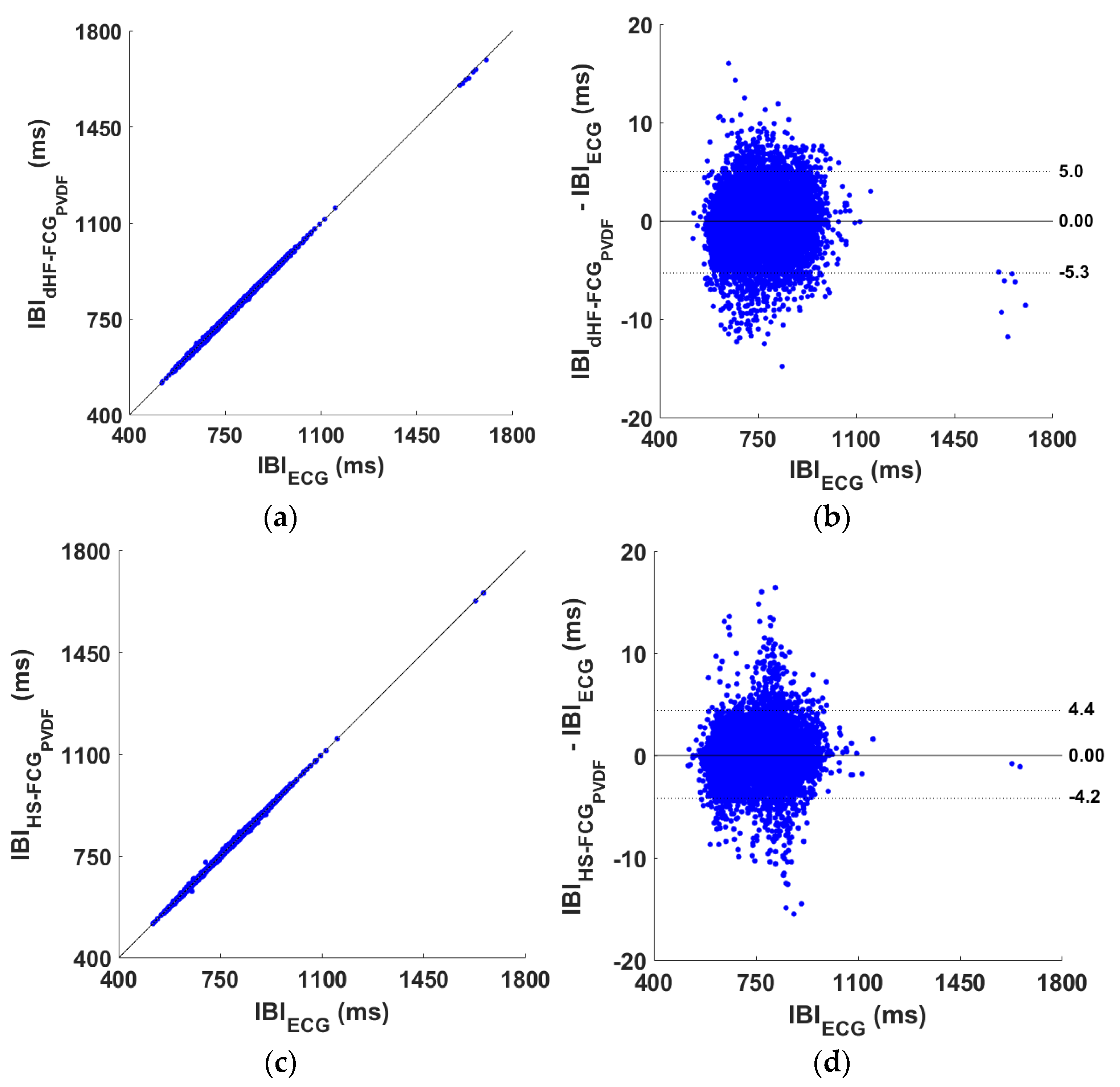
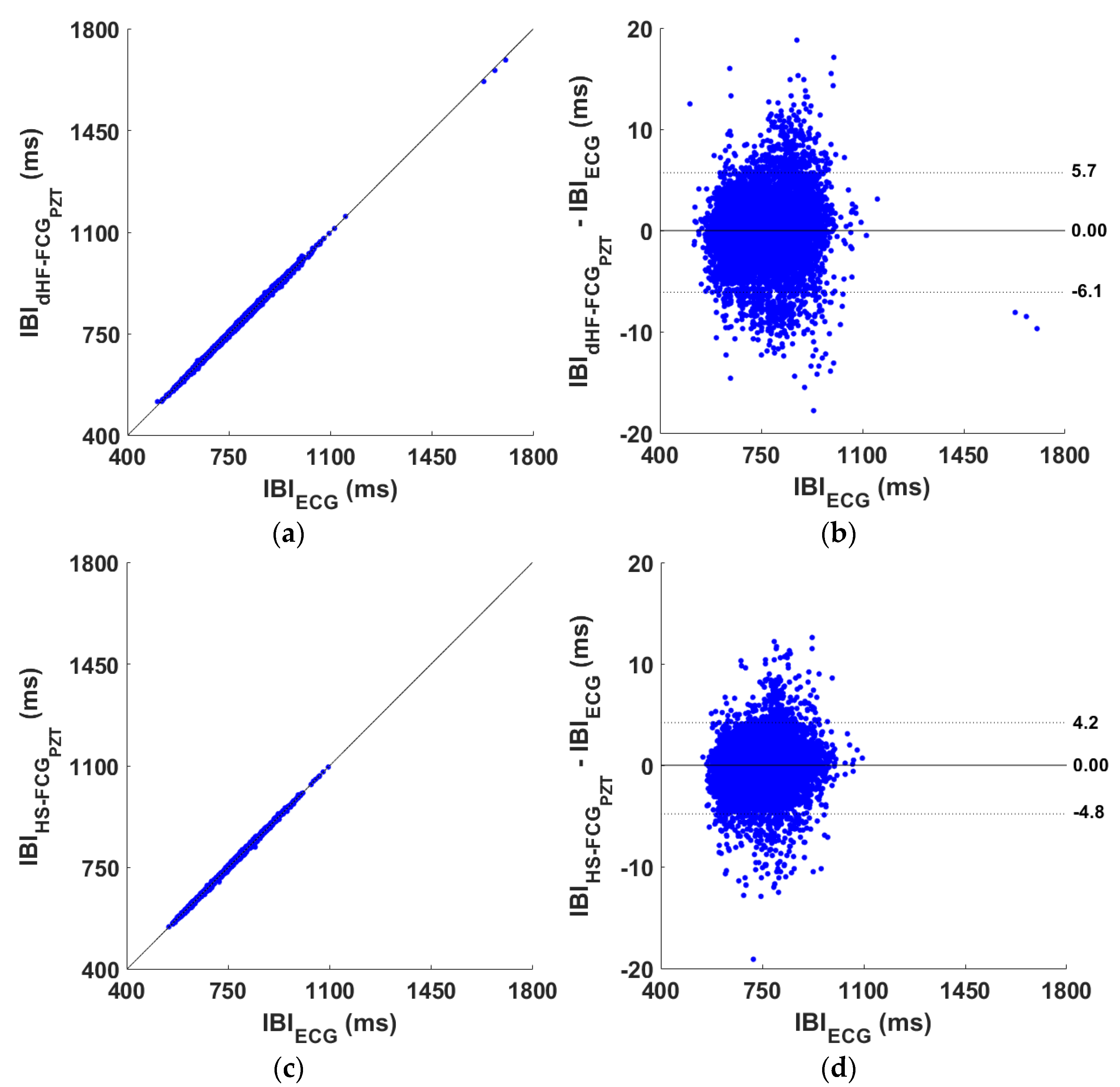
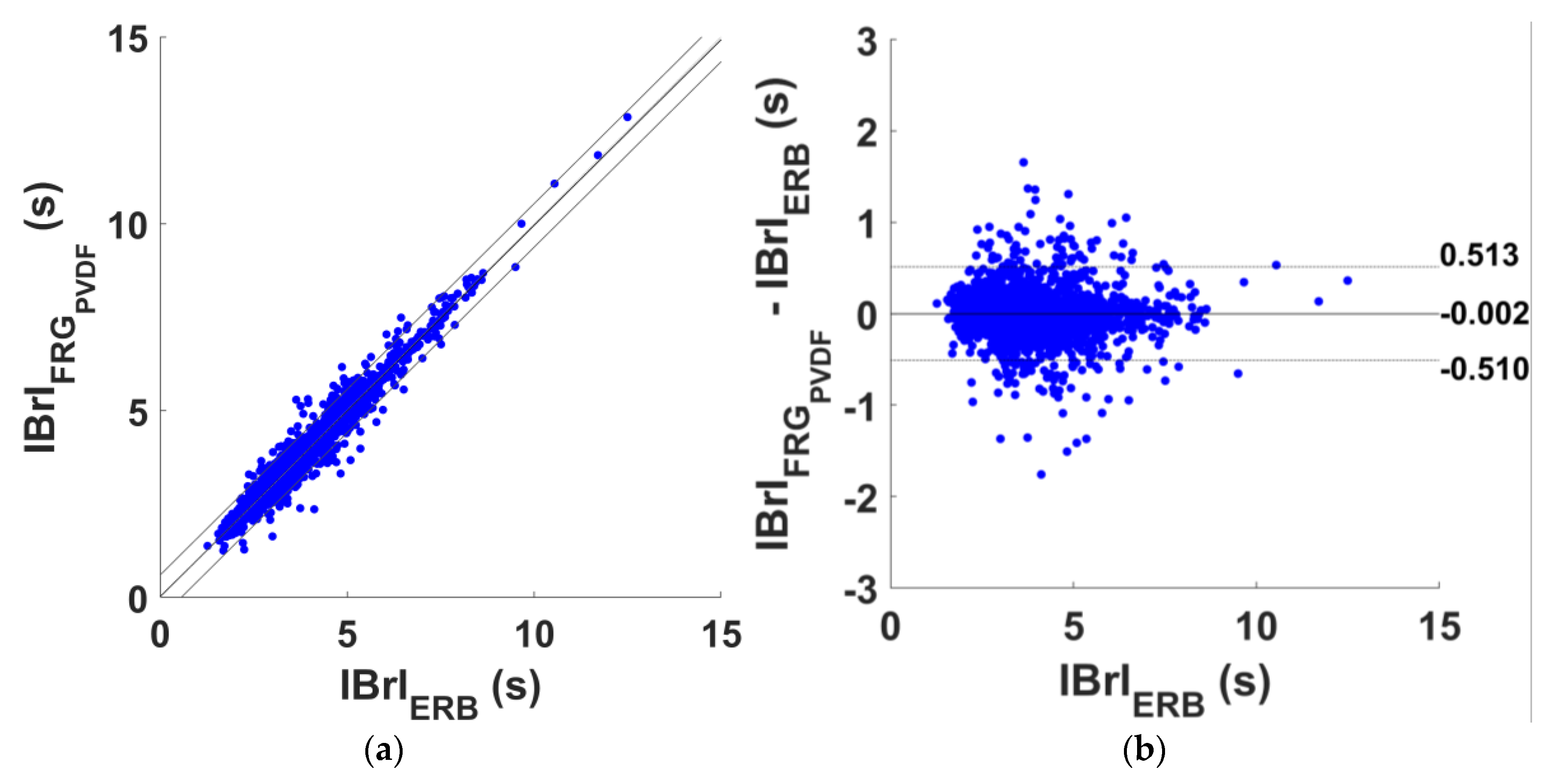
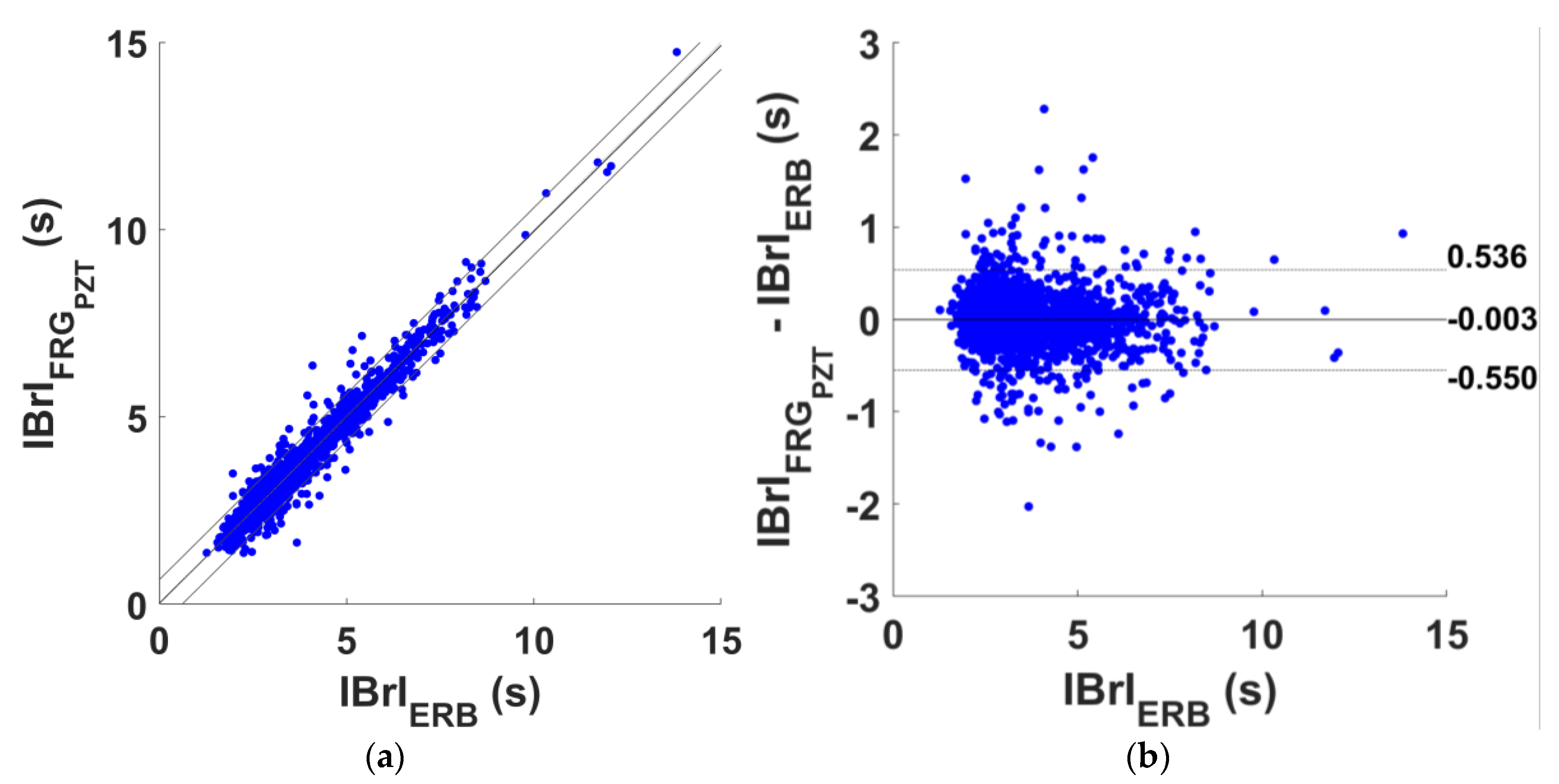
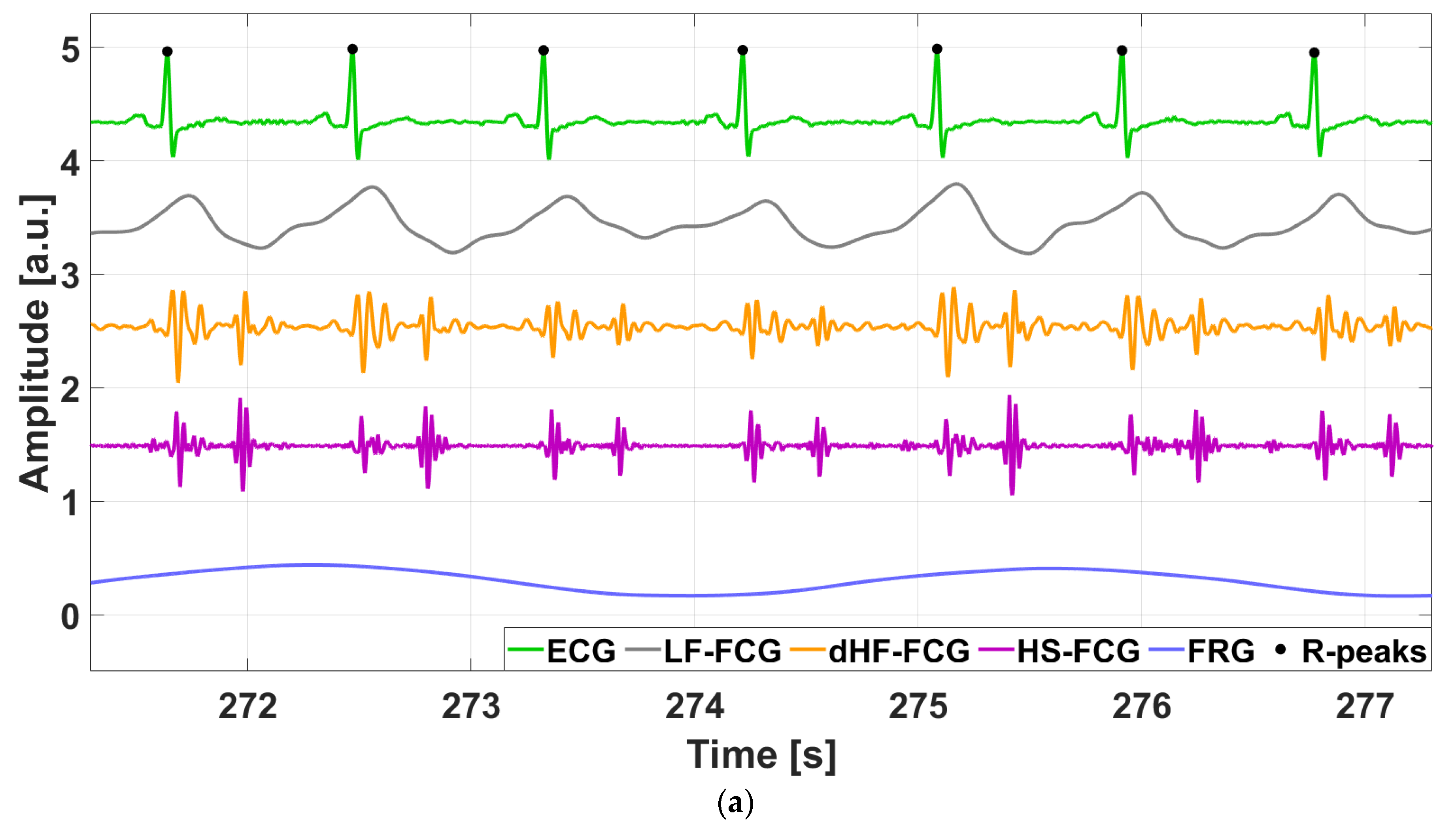
Forcecardiography (FCG) uses force sensors to record the mechanical vibrations induced on the chest wall by cardiac and respiratory activities. FCG is usually performed via piezoelectric lead-zirconate titanate (PZT) sensors, which simultaneously record the very slow respiratory movements of the chest, the slow infrasonic vibrations due to emptying and filling of heart chambers, the faster infrasonic vibrations due to movements of heart valves, which are usually recorded via Seismocardiography (SCG), and the audible vibrations corresponding to heart sounds, commonly recorded via Phonocardiography (PCG). However, PZT sensors are not flexible and do not adapt very well to the deformations of soft tissues on the chest. This study presents a flexible FCG sensor based on a piezoelectric polyvinylidene fluoride (PVDF) transducer. The PVDF FCG sensor was compared with a well-assessed PZT FCG sensor, as well as with an electro-resistive respiratory band (ERB), an accelerometric SCG sensor, and an electronic stethoscope for PCG. Simultaneous recordings were acquired with these sensors and an electrocardiography (ECG) monitor from a cohort of 35 healthy subjects (16 males and 19 females). The PVDF sensor signals were compared in terms of morphology with those acquired simultaneously via the PZT sensor, the SCG sensor and the electronic stethoscope. Moreover, the estimation accuracies of PVDF and PZT sensors for inter-beat intervals (IBIs) and inter-breath intervals (IBrIs) were assessed against reference ECG and ERB measurements. The results of statistical analyses confirmed that the PVDF sensor provides FCG signals with very high similarity to those acquired via PZT sensors (median cross-correlation index of 0.96 across all subjects) as well as with SCG and PCG signals (median cross-correlation indices of 0.85 and 0.80, respectively). Moreover, the PVDF sensor provides very accurate estimates of IBIs, with R2 > 0.99 and Bland–Altman limits of agreement (LoA) of [−5.30; 5.00] ms, and of IBrIs, with R2 > 0.96 and LoA of [−0.510; 0.513] s. The flexibility of the PVDF sensor makes it more comfortable and ideal for wearable applications. Unlike PZT, PVDF is lead-free, which increases safety and biocompatibility for prolonged skin contact.
Keywords: forcecardiography; cardiac monitoring; respiratory monitoring; piezoelectric sensors; pvdf sensor; force sensors; seismocardiography; template matching; heart rate; respiratory rate forcecardiography; cardiac monitoring; respiratory monitoring; piezoelectric sensors; pvdf sensor; force sensors; seismocardiography; template matching; heart rate; respiratory rate