A Joint Gesture-Identity Recognition Framework Based on 4D Millimeter-Wave Radar Sensing

Abstract
1. Introduction
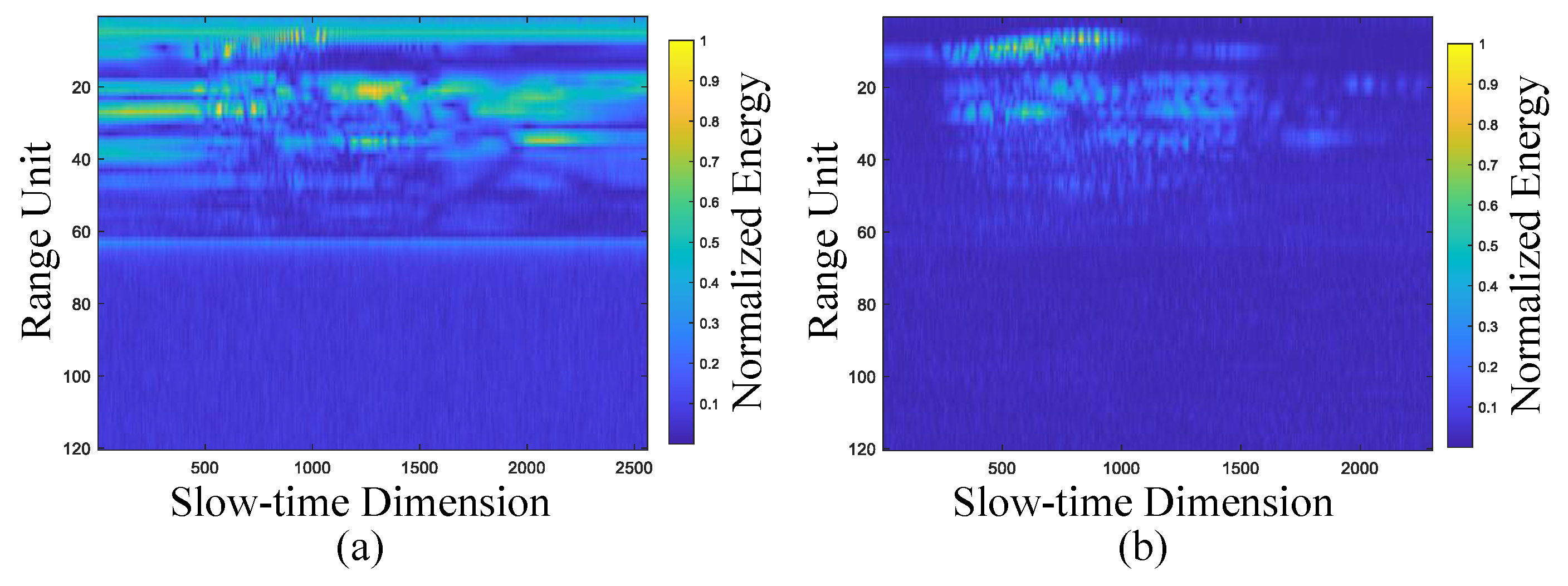
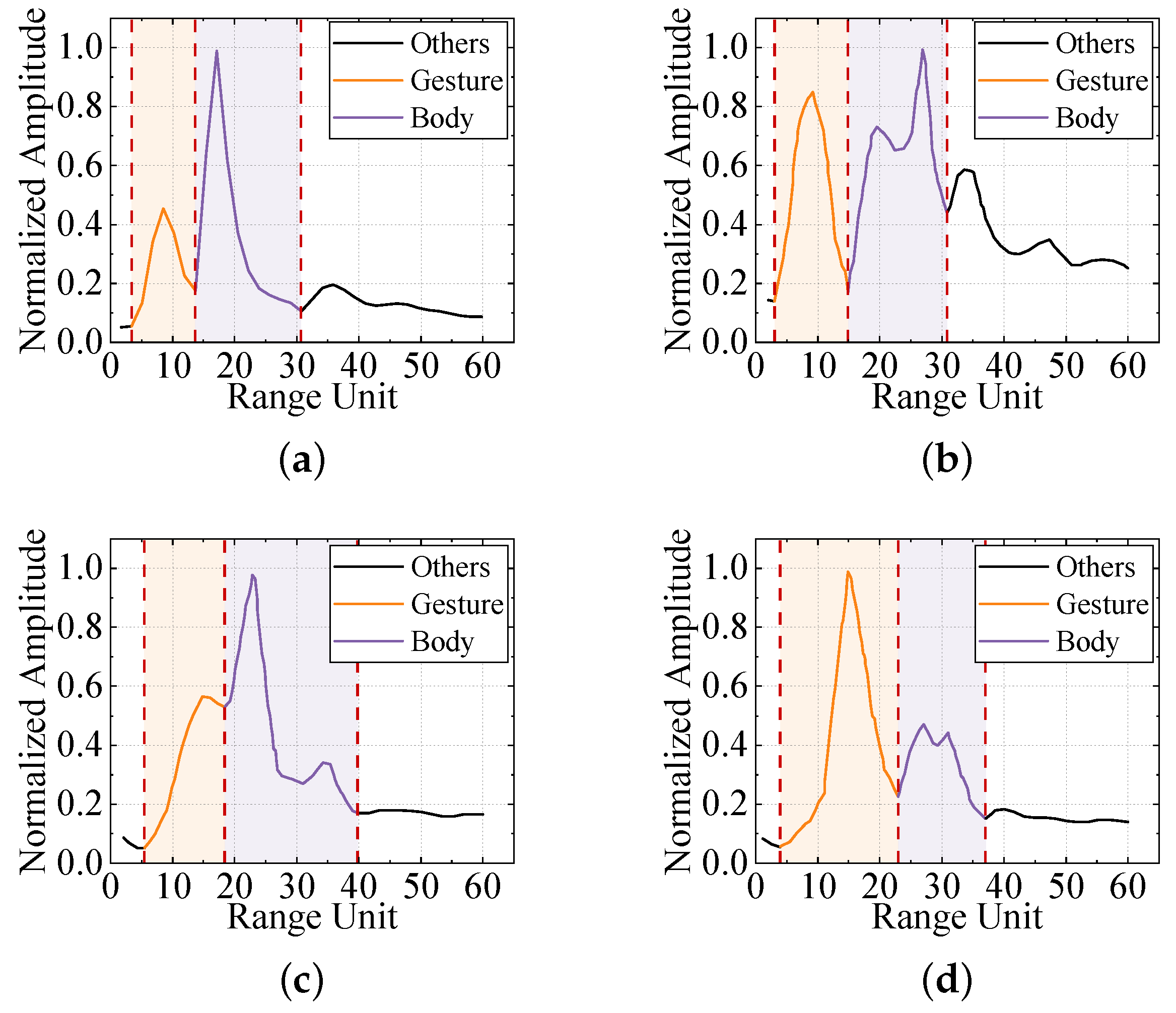
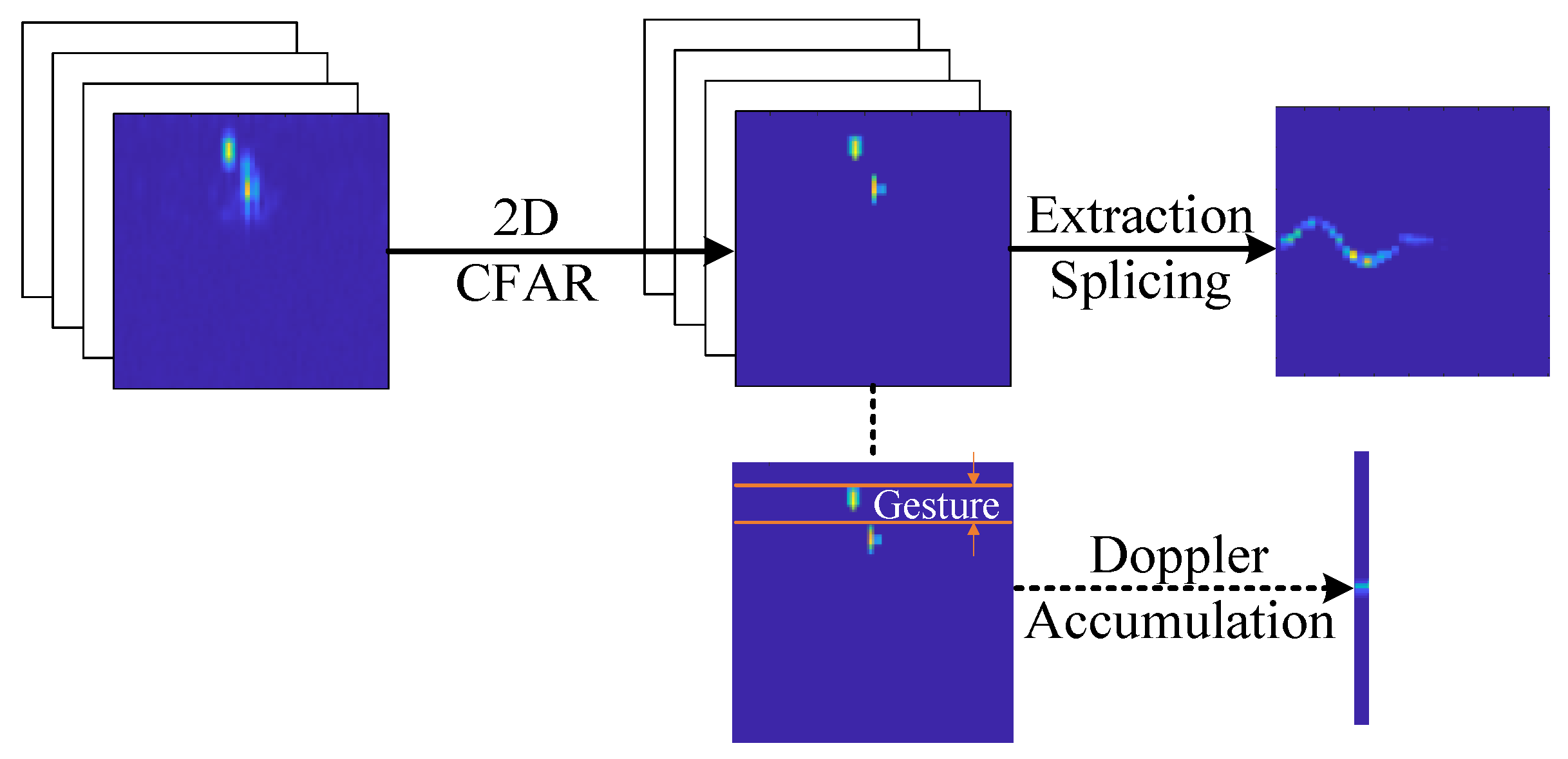
- We introduce an innovative radar-based gesture echo multimodal feature extraction pipeline, which includes zero-Doppler filtering, gesture execution distance detection, and valid frame extraction. This pipeline enables the extraction of gesture MDMs, ETMs, and ATMs in cluttered environments, capturing the motion and spatial characteristics of gestures from multiple dimensions.
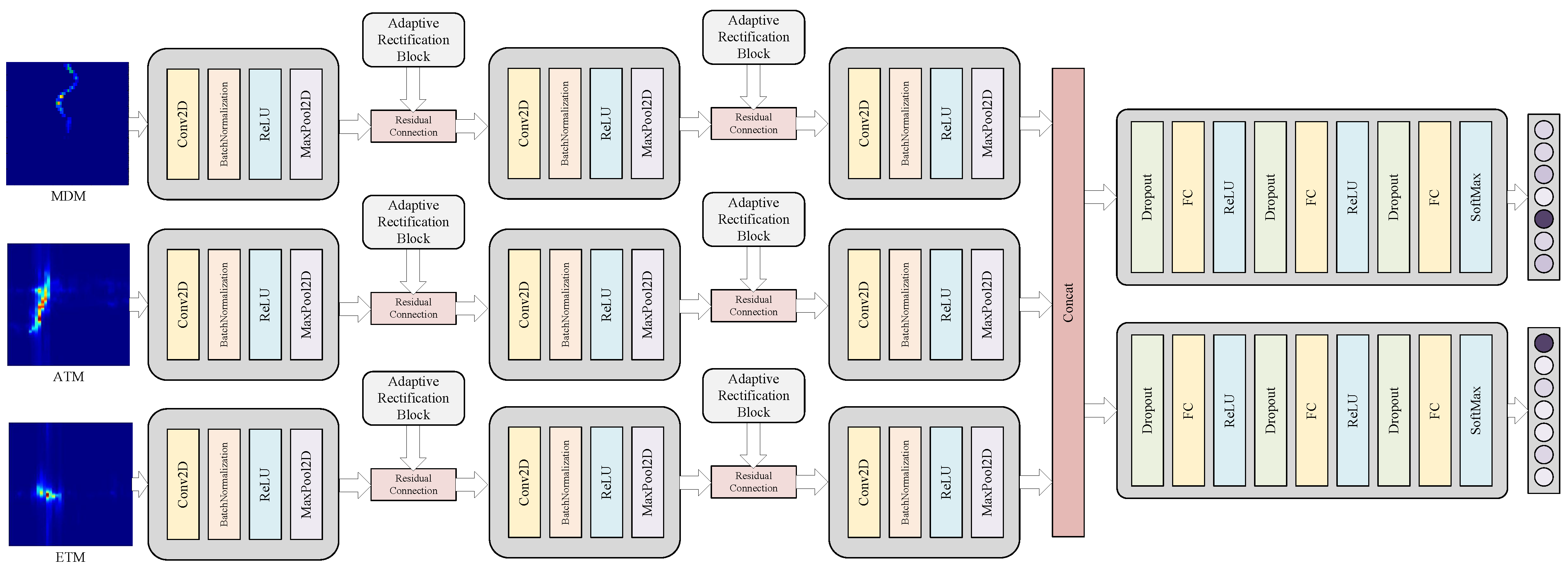
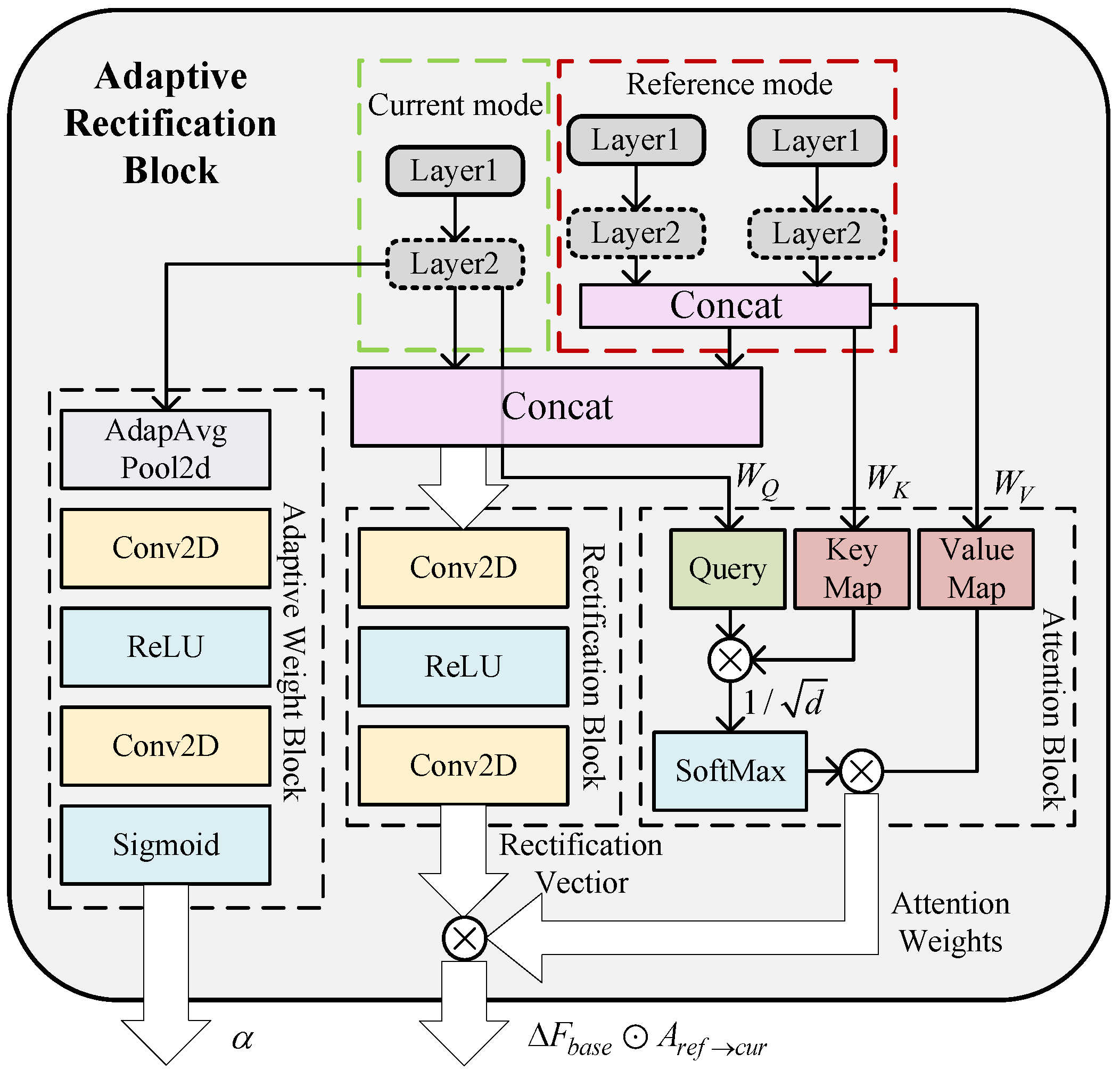
- We propose a novel network architecture named JRF-CMAF. The framework integrates specially designed ARBs into each modality’s feature extraction path, enabling dynamic fusion and mutual refinement of features at different depths. This enhances the network’s ability to learn inter-modal correlations and supports joint gesture and identity recognition through two task-specific output heads.
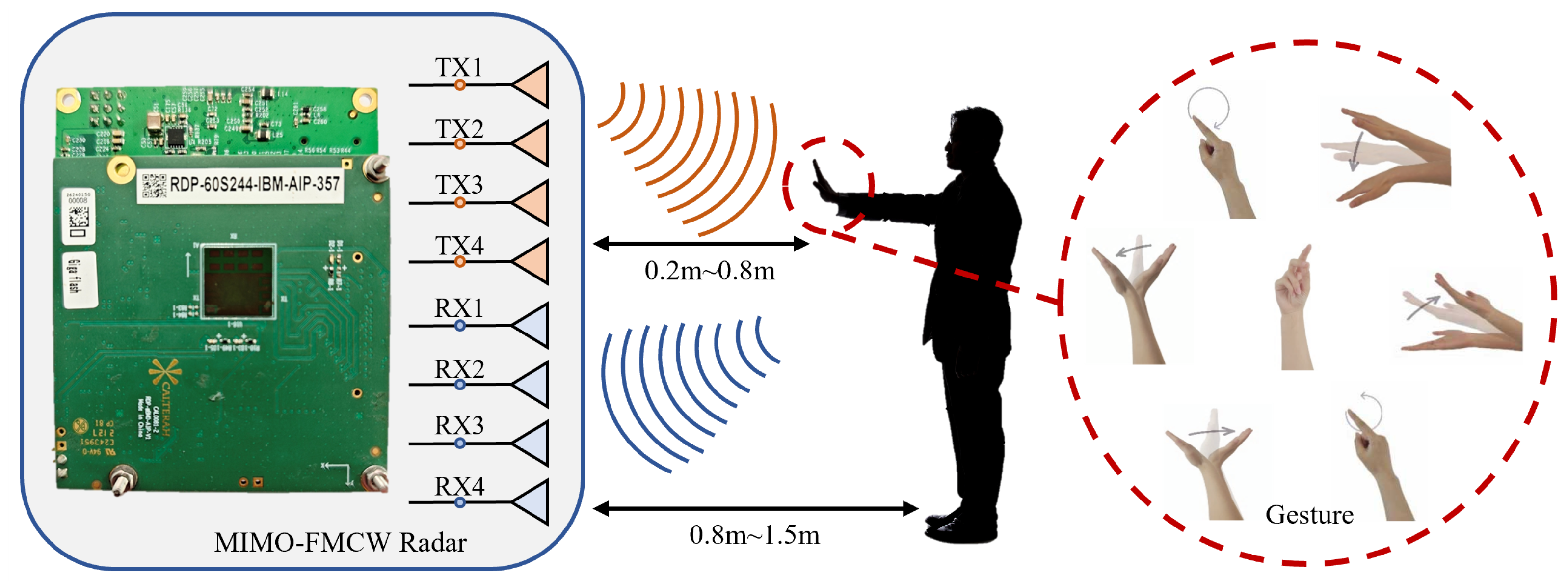
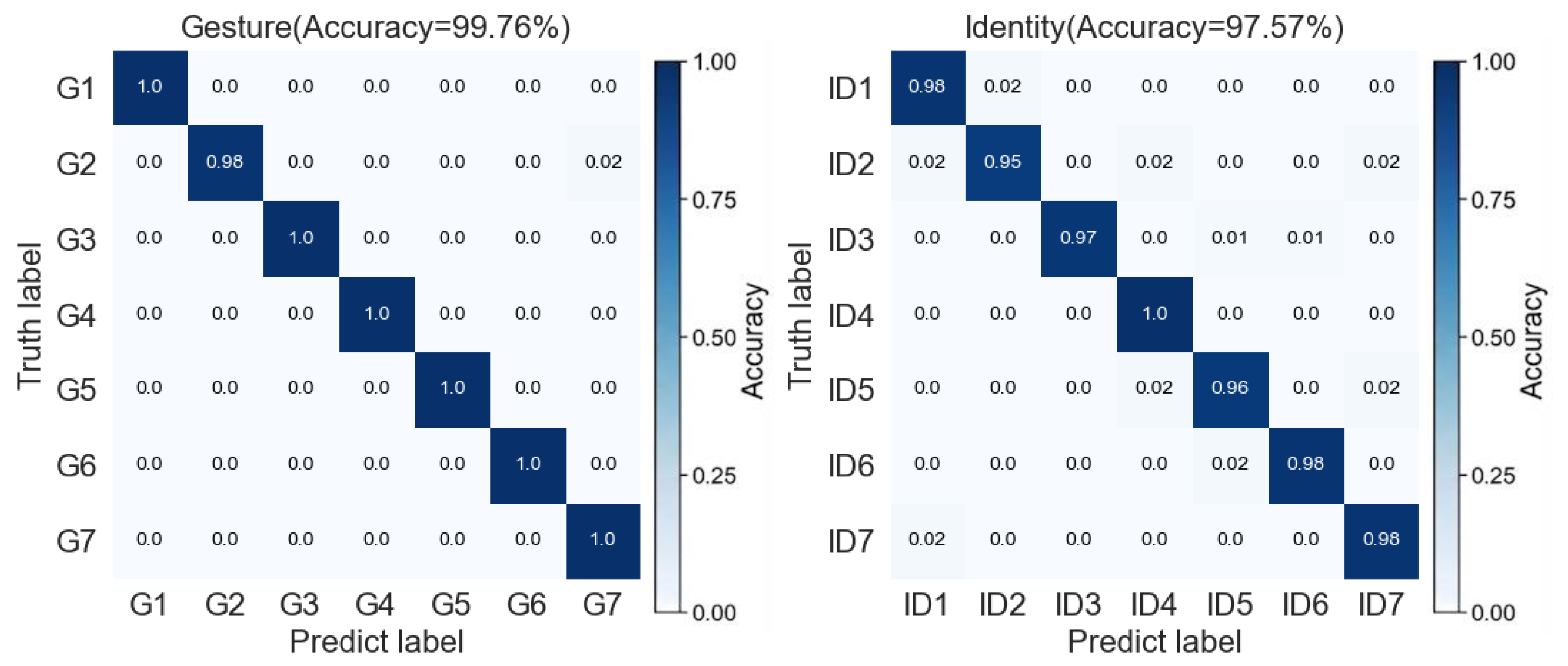
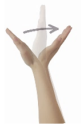
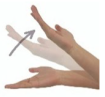
- We construct a radar gesture dataset comprising seven gesture classes performed by seven volunteer subjects. Through extensive experiments, including accuracy benchmarking, ablation studies, and open-set evaluation, we demonstrate that the proposed JRF-CMAF’s potential for real-world HCI applications.
2. Radar Gesture Echo Modeling
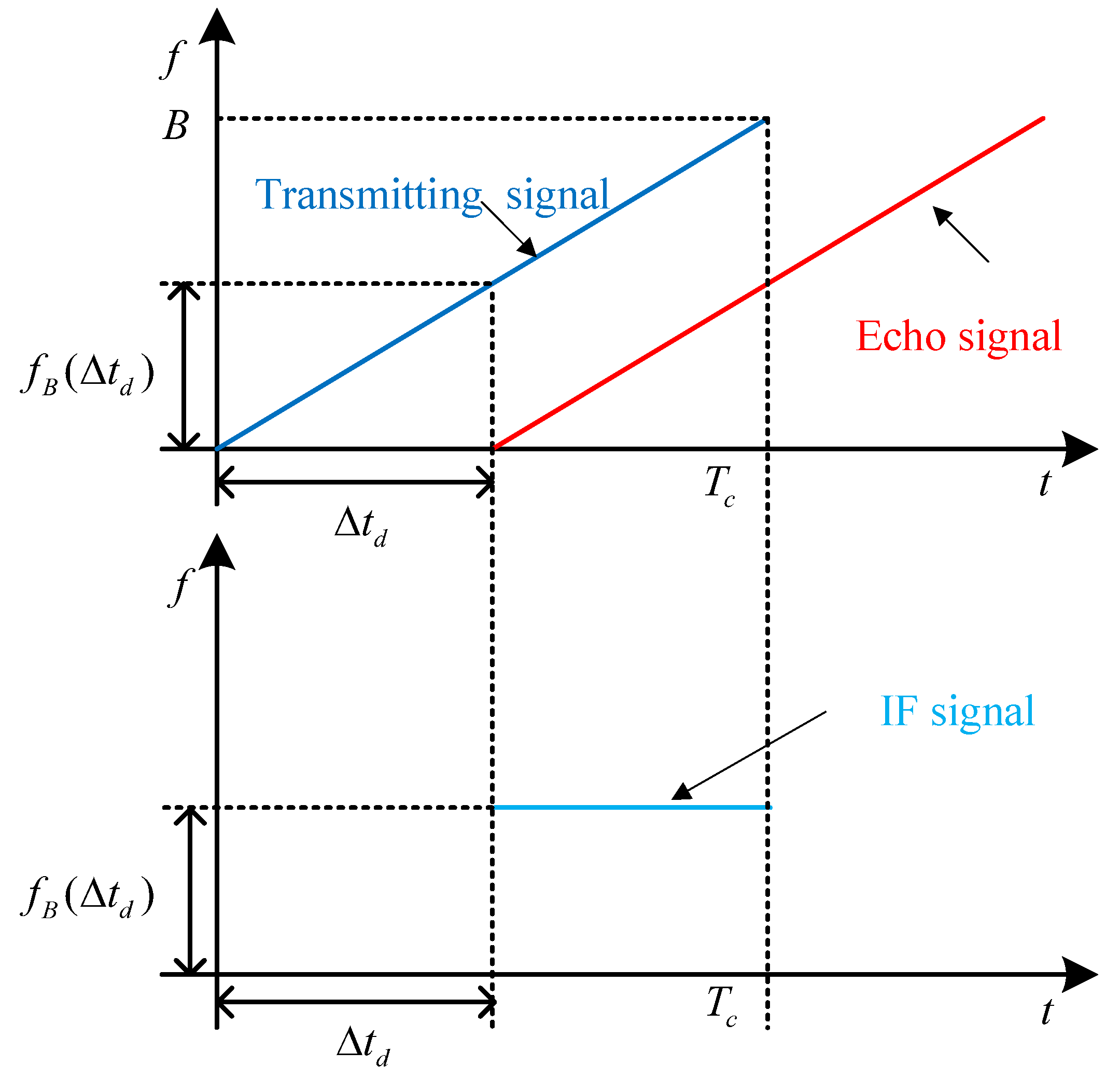
2.1. FMCW Radar Signal Modeling
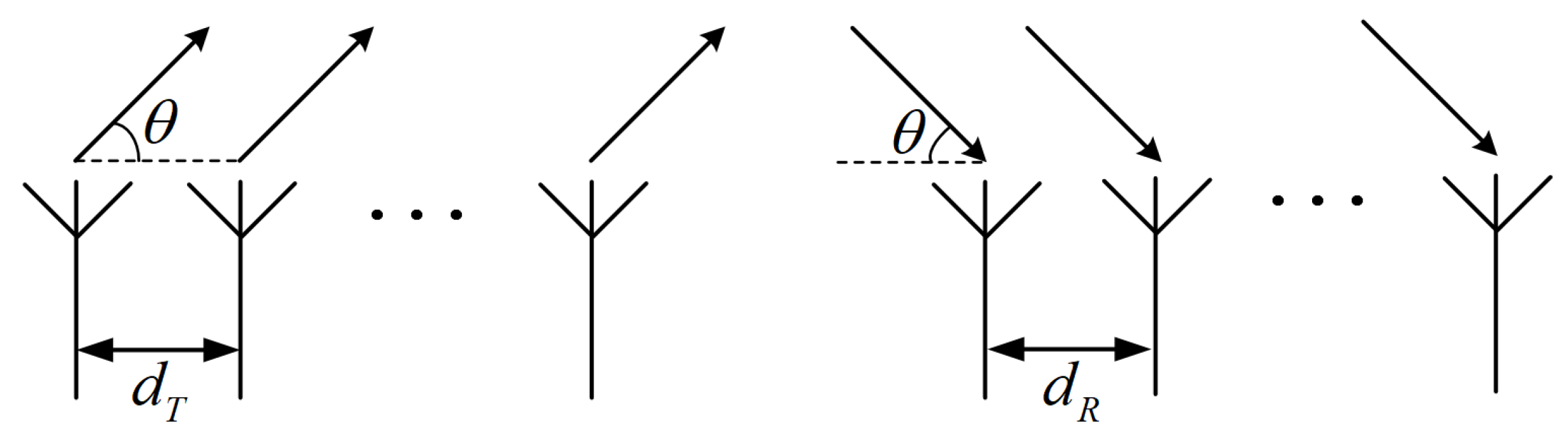
2.2. TDM-MIMO Radar Signal Modeling
3. Preprocessing of Radar-Based Gesture Data
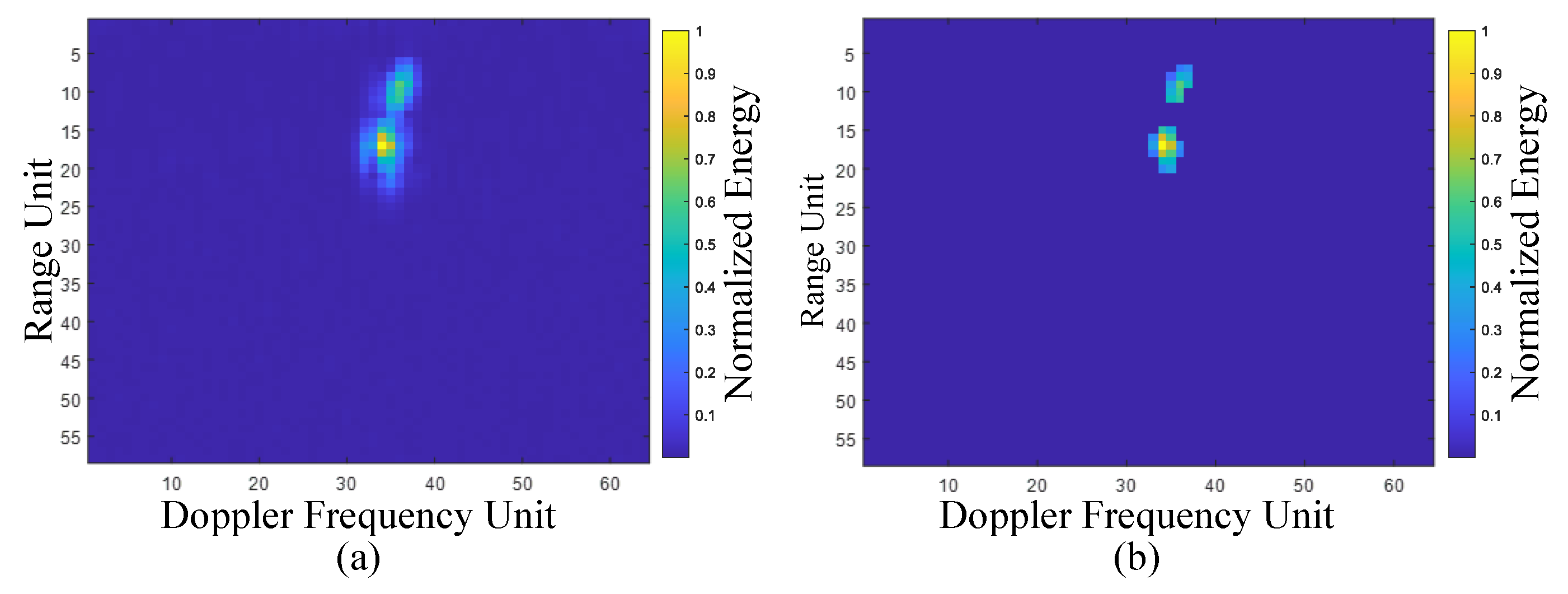
3.1. Clutter Suppression and Effective Frame Detection
3.2. Feature Extraction of Gesture Data
3.2.1. Hand Gesture Micro-Doppler Feature Extraction
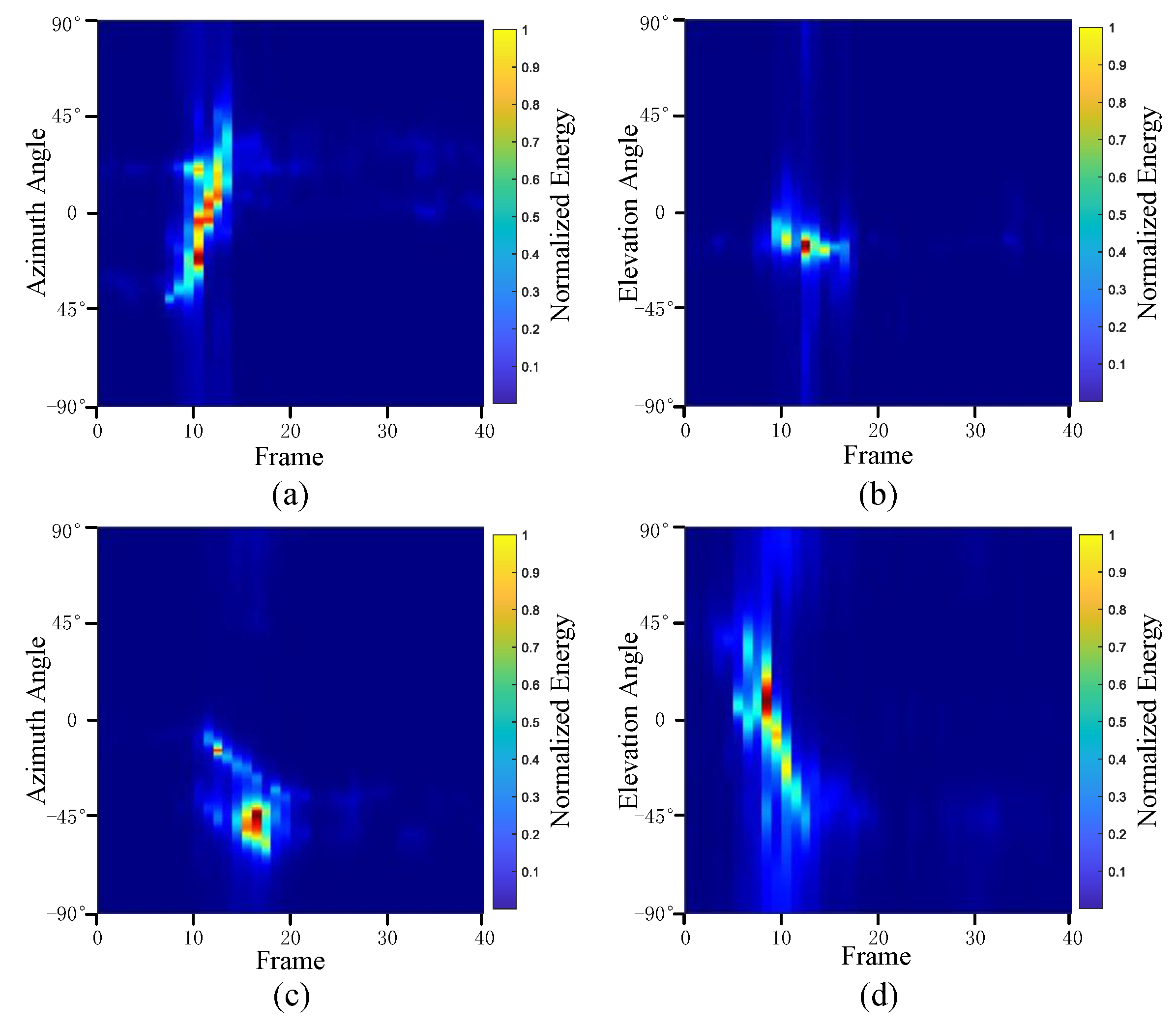
3.2.2. Construction of Spatiotemporal Relationship Feature Graph Based on Capon Algorithm
4. Multi-Task Recognition Network
5. Experiment and Result Analysis
5.1. Radar Experimental Platform and Data Acquisition
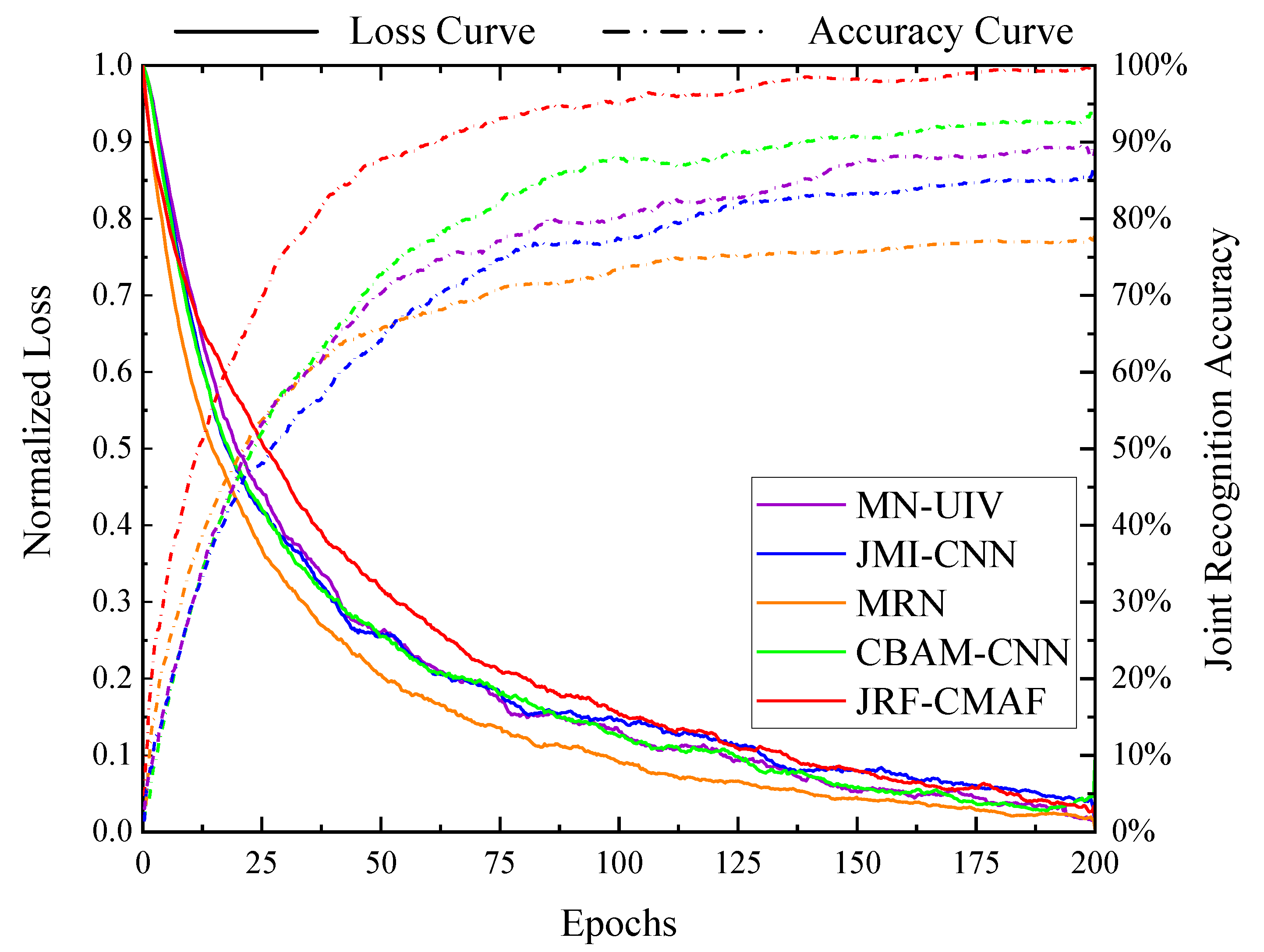
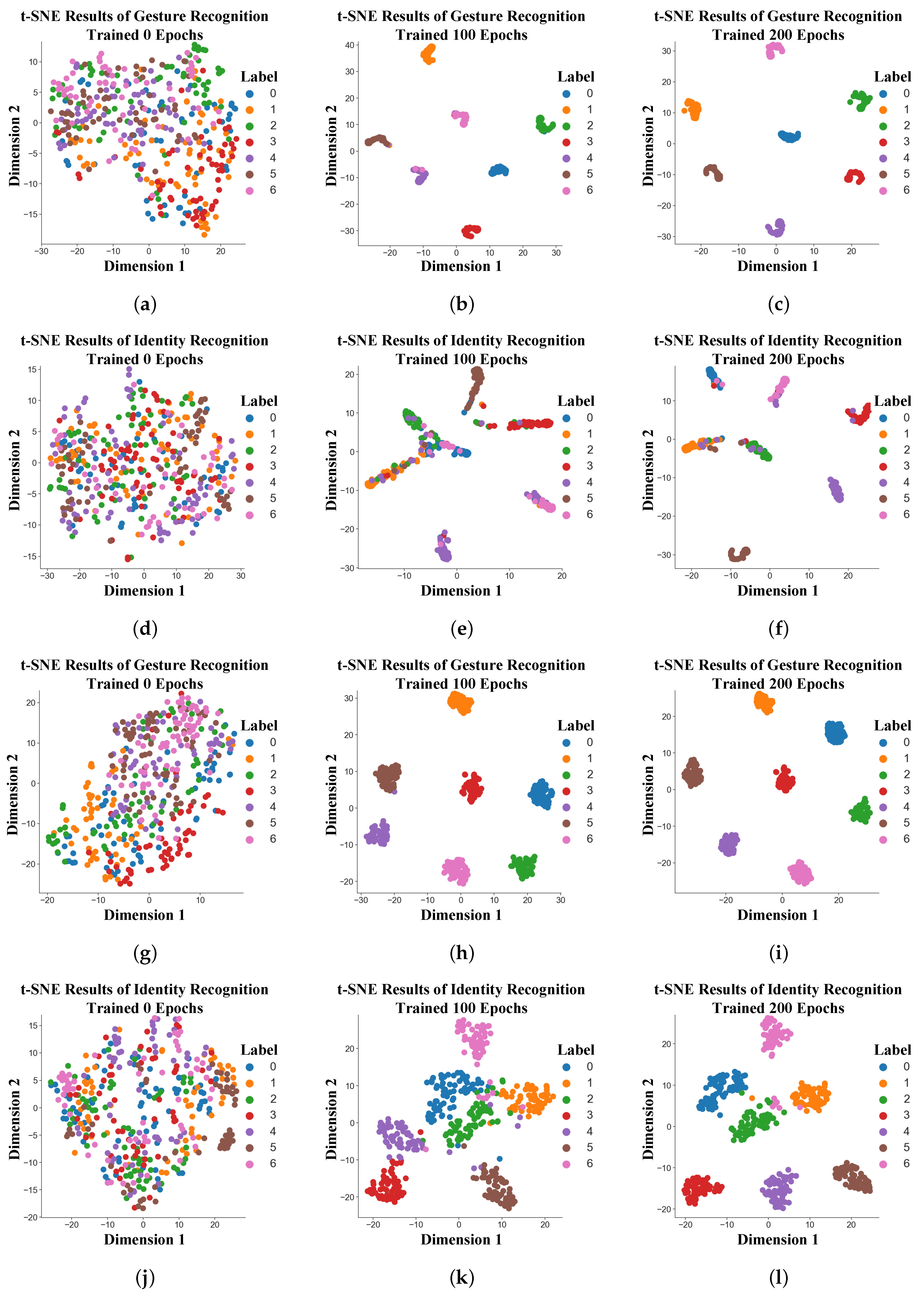
5.2. Result and Analysis of Joint Recognition of Gesture and Identity
6. Discussion
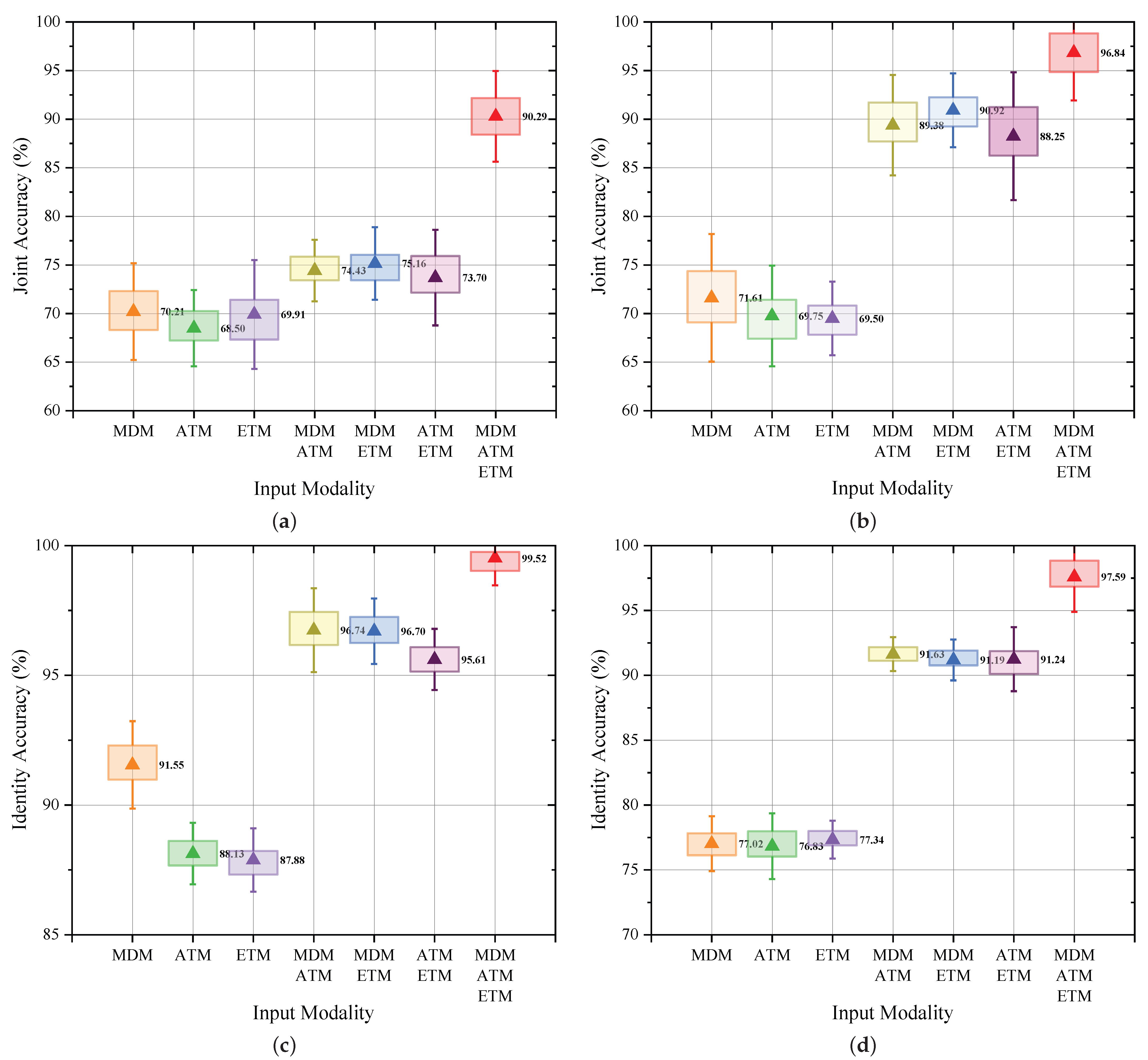
6.1. Contribution of Radar Feature Modalities
6.2. Ablation Studies
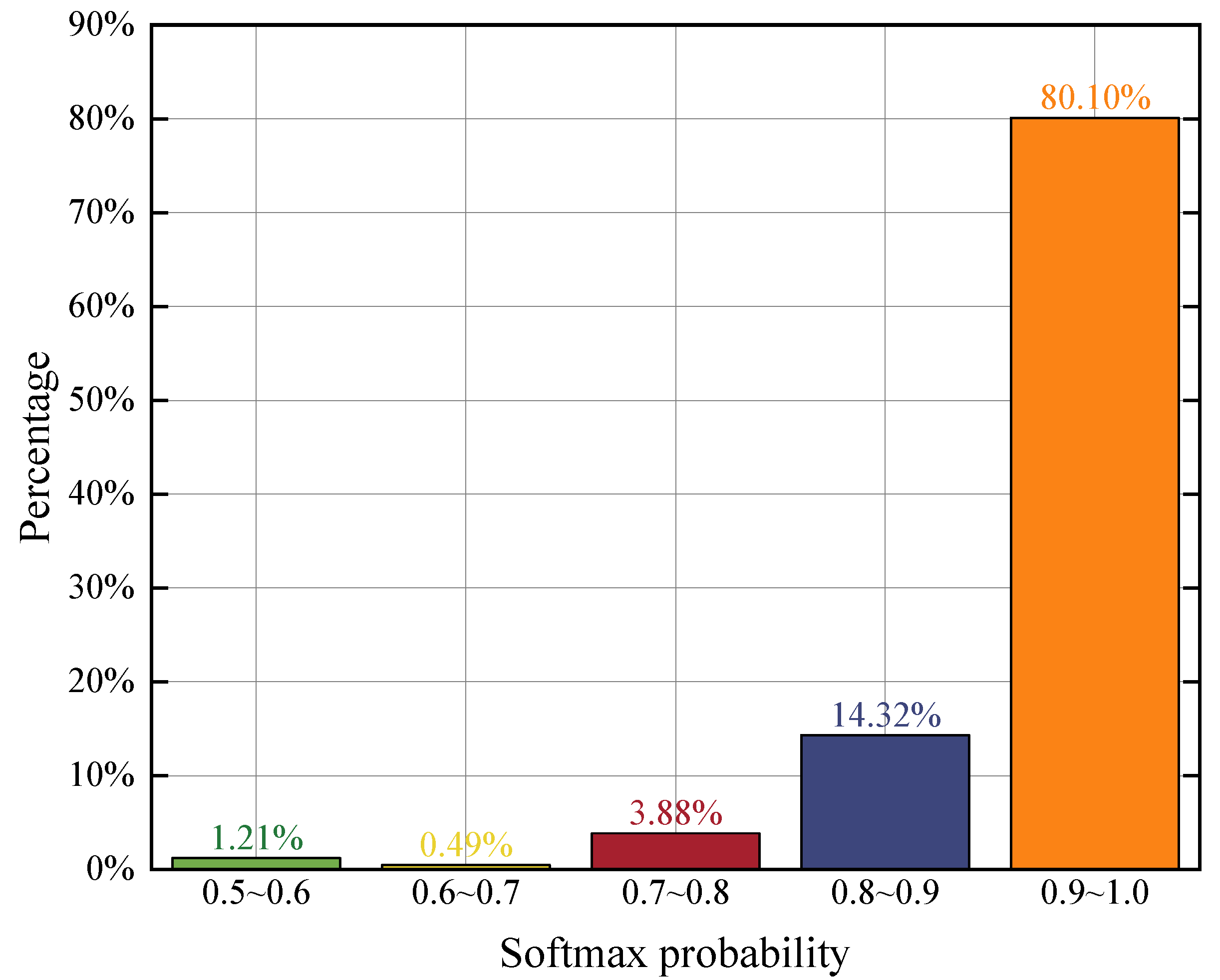
6.3. Open-Set Evaluation on Identity Recognition
6.4. Model Complexity Analysis
7. Conclusions
Author Contributions
Funding
Data Availability Statement
Conflicts of Interest
References
- Sehrawat, D.; Gill, N.S. Smart sensors: Analysis of different types of IoT sensors. In Proceedings of the 2019 3rd International Conference on Trends in Electronics and Informatics (ICOEI), Tirunelveli, India, 23–25 April 2019; pp. 523–528. [Google Scholar]
- Mukhopadhyay, S.C.; Tyagi, S.K.S.; Suryadevara, N.K.; Piuri, V.; Scotti, F.; Zeadally, S. Artificial Intelligence-Based Sensors for Next Generation IoT Applications: A Review. IEEE Sens. J. 2021, 21, 24920–24932. [Google Scholar] [CrossRef]
- Xu, X.; Zang, S.; Bilal, M.; Xu, X.; Dou, W. Intelligent architecture and platforms for private edge cloud systems: A review. Future Gener. Comput. Syst. 2024, 160, 457–471. [Google Scholar] [CrossRef]
- Zanella, A.; Bui, N.; Castellani, A.; Vangelista, L.; Zorzi, M. Internet of Things for Smart Cities. IEEE Internet Things J. 2014, 1, 22–32. [Google Scholar] [CrossRef]
- Gad, M.M.; Gad, W.; Abdelkader, T.; Naik, K. Personalized Smart Home Automation Using Machine Learning: Predicting User Activities. Sensors 2025, 25, 6082. [Google Scholar] [CrossRef]
- Touqeer, H.; Zaman, S.; Amin, R.; Hussain, M.; Al-Turjman, F.; Bilal, M. Smart home security: Challenges, issues and solutions at different IoT layers. J. Supercomput. 2021, 77, 14053–14089. [Google Scholar] [CrossRef]
- Jose, A.C.; Malekian, R. Improving Smart Home Security: Integrating Logical Sensing Into Smart Home. IEEE Sens. J. 2017, 17, 4269–4286. [Google Scholar] [CrossRef]
- Meng, F.; Zhu, X.; Li, Y. Application and development of AI technology in automobile intelligent cockpit. In Proceedings of the 2022 3rd International Conference on Electronic Communication and Artificial Intelligence (IWECAI), Zhuhai, China, 14–16 January 2022; pp. 274–280. [Google Scholar]
- Li, W.; Cao, D.; Tan, R.; Shi, T.; Gao, Z.; Ma, J.; Guo, G.; Hu, H.; Feng, J.; Wang, L. Intelligent cockpit for intelligent connected vehicles: Definition, taxonomy, technology and evaluation. IEEE Trans. Intell. Veh. 2023, 9, 3140–3153. [Google Scholar] [CrossRef]
- Chen, S.; Qi, J.; Fan, S.; Qiao, Z.; Yeo, J.C.; Lim, C.T. Flexible wearable sensors for cardiovascular health monitoring. Adv. Healthc. Mater. 2021, 10, 2100116. [Google Scholar] [CrossRef] [PubMed]
- Qian, Y.; Siau, K.L. Advances in IoT, AI, and Sensor-Based Technologies for Disease Treatment, Health Promotion, Successful Ageing, and Ageing Well. Sensors 2025, 25, 6207. [Google Scholar] [CrossRef]
- Liu, R.; Guo, Y.; Jin, R.; Zhang, X. A review of natural-language-instructed robot execution systems. AI 2024, 5, 948–989. [Google Scholar] [CrossRef]
- Gadekallu, T.R.; Srivastava, G.; Liyanage, M.; M., I.; Chowdhary, C.L.; Koppu, S.; Maddikunta, P.K.R. Hand gesture recognition based on a Harris hawks optimized convolution neural network. Comput. Electr. Eng. 2022, 100, 107836. [Google Scholar] [CrossRef]
- Tung, Y.C.; Hsu, C.Y.; Wang, H.Y.; Chyou, S.; Lin, J.W.; Wu, P.J.; Valstar, A.; Chen, M.Y. User-defined game input for smart glasses in public space. In Proceedings of the 33rd Annual ACM Conference on Human Factors in Computing Systems, Seoul, Republic of Korea, 18–23 April 2015; pp. 3327–3336. [Google Scholar]
- Finnegan, O.; White III, J.; Armstrong, B.; Adams, E.; Burkart, S.; Beets, M.; Nelakuditi, S.; Willis, E.; Von Klinggraeff, L.; Parker, H.; et al. The utility of behavioral biometrics in user authentication and demographic characteristic detection: A scoping review. Syst. Rev. 2024, 13, 61. [Google Scholar] [CrossRef]
- Shin, J.; Hasan, M.A.M.; Maniruzzaman, M. Hand gesture authentication using optimal feature selection and dynamic time warping based K-nearest neighbor. In Proceedings of the 2022 5th International Conference on Electronics, Communications and Control Engineering, Higashi-ku, Japan, 25–27 March 2022; pp. 22–26. [Google Scholar]
- Gonzalez-Soler, L.J.; Zyla, K.M.; Rathgeb, C.; Fischer, D. Contactless hand biometrics for forensics: Review and performance benchmark. EURASIP J. Image Video Process. 2024, 2024, 26. [Google Scholar] [CrossRef]
- Antillon, D.W.O.; Walker, C.R.; Rosset, S.; Anderson, I.A. Glove-based hand gesture recognition for diver communication. IEEE Trans. Neural Netw. Learn. Syst. 2022, 34, 9874–9886. [Google Scholar] [CrossRef] [PubMed]
- Mousavi, S.A.; Selmic, R. Wearable smart rings for multifinger gesture recognition using supervised learning. IEEE Trans. Instrum. Meas. 2023, 72, 2523712. [Google Scholar] [CrossRef]
- Borisov, V.; Kasneci, E.; Kasneci, G. Robust cognitive load detection from wrist-band sensors. Comput. Hum. Behav. Rep. 2021, 4, 100116. [Google Scholar] [CrossRef]
- Wang, Y.; Wang, D.; Fu, Y.; Yao, D.; Xie, L.; Zhou, M. Multi-hand gesture recognition using automotive FMCW radar sensor. Remote Sens. 2022, 14, 2374. [Google Scholar] [CrossRef]
- Bailly, G.; Müller, J.; Rohs, M.; Wigdor, D.; Kratz, S. Shoesense: A new perspective on gestural interaction and wearable applications. In Proceedings of the SIGCHI Conference on Human Factors in Computing Systems, Austin, TX, USA, 5–10 May 2012; pp. 1239–1248. [Google Scholar]
- Hisham, B.; Hamouda, A. Supervised learning classifiers for Arabic gestures recognition using Kinect V2. SN Appl. Sci. 2019, 1, 768. [Google Scholar] [CrossRef]
- Fan, T.; Ma, C.; Gu, Z.; Lv, Q.; Chen, J.; Ye, D.; Huangfu, J.; Sun, Y.; Li, C.; Ran, L. Wireless hand gesture recognition based on continuous-wave Doppler radar sensors. IEEE Trans. Microw. Theory Tech. 2016, 64, 4012–4020. [Google Scholar] [CrossRef]
- Liang, H.; Wang, X.; Greco, M.S.; Gini, F. Enhanced hand gesture recognition using continuous wave interferometric radar. In Proceedings of the 2020 IEEE International Radar Conference (RADAR), Washington, DC, USA, 28–30 April 2020; pp. 226–231. [Google Scholar]
- Lien, J.; Gillian, N.; Karagozler, M.E.; Amihood, P.; Schwesig, C.; Olson, E.; Raja, H.; Poupyrev, I. Soli: Ubiquitous gesture sensing with millimeter wave radar. ACM Trans. Graph. (TOG) 2016, 35, 142. [Google Scholar] [CrossRef]
- Zhang, Z.; Tian, Z.; Zhou, M. Latern: Dynamic continuous hand gesture recognition using FMCW radar sensor. IEEE Sens. J. 2018, 18, 3278–3289. [Google Scholar] [CrossRef]
- Wang, S.; Song, J.; Lien, J.; Poupyrev, I.; Hilliges, O. Interacting with soli: Exploring fine-grained dynamic gesture recognition in the radio-frequency spectrum. In Proceedings of the 29th Annual Symposium on User Interface Software and Technology, Tokyo, Japan, 16–19 October 2016; pp. 851–860. [Google Scholar]
- Chmurski, M.; Mauro, G.; Santra, A.; Zubert, M.; Dagasan, G. Highly-optimized radar-based gesture recognition system with depthwise expansion module. Sensors 2021, 21, 7298. [Google Scholar] [CrossRef]
- Ahmed, S.; Kim, W.; Park, J.; Cho, S.H. Radar-based air-writing gesture recognition using a novel multistream CNN approach. IEEE Internet Things J. 2022, 9, 23869–23880. [Google Scholar] [CrossRef]
- Li, H.; Xu, C.; Rathore, A.S.; Li, Z.; Zhang, H.; Song, C.; Wang, K.; Su, L.; Lin, F.; Ren, K.; et al. Vocalprint: Exploring a resilient and secure voice authentication via mmwave biometric interrogation. In Proceedings of the 18th Conference on Embedded Networked Sensor Systems, Virtual Event, Japan, 16–19 November 2020; pp. 312–325. [Google Scholar]
- Dong, Y.; Yao, Y.D. Secure mmWave-radar-based speaker verification for IoT smart home. IEEE Internet Things J. 2020, 8, 3500–3511. [Google Scholar] [CrossRef]
- Wang, Y.; Gu, T.; Luan, T.H.; Yu, Y. Your breath doesn’t lie: Multi-user authentication by sensing respiration using mmwave radar. In Proceedings of the 2022 19th Annual IEEE International Conference on Sensing, Communication, and Networking (SECON), Stockholm, Sweden, 20–23 September 2022; pp. 64–72. [Google Scholar]
- Zhao, H.; Ma, Y.; Wang, X. MN-UIV: Multimodal Neural Network Enabling User Identity Verification Based on Millimeter Wave Radar. IEEE Internet Things J. 2024, 11, 26304–26313. [Google Scholar] [CrossRef]
- Jankiraman, M. FMCW Radar Design; Artech House: New York, NY, USA, 2018. [Google Scholar]
- Stoica, P.; Wang, Z.; Li, J. Robust capon beamforming. In Proceedings of the Conference Record of the Thirty-Sixth Asilomar Conference on Signals, Systems and Computers, 2002, Pacific Grove, CA, USA, 3–6 November 2002; Volume 1, pp. 876–880. [Google Scholar]
- Kendall, A.; Gal, Y.; Cipolla, R. Multi-task learning using uncertainty to weigh losses for scene geometry and semantics. In Proceedings of the IEEE Conference on Computer Vision and Pattern Recognition, Salt Lake City, UT, USA, 18–23 June 2018; pp. 7482–7491. [Google Scholar]
- Long, M.; Cao, Z.; Wang, J.; Yu, P.S. Learning multiple tasks with multilinear relationship networks. Adv. Neural Inf. Process. Syst. 2017, 30, 1593–1602. [Google Scholar]
- Mao, Z.; Wang, Y.; Xu, Z.; Chen, Z. Radar-Based Joint Gesture and Identity Recognition via Multi-Feature Two-Stream Neural Network. In Proceedings of the 2024 Cross Strait Radio Science and Wireless Technology Conference (CSRSWTC), Macao, China, 4–7 November 2024; pp. 1–3. [Google Scholar]
- Lang, Y.; Wang, Q.; Yang, Y.; Hou, C.; Liu, H.; He, Y. Joint motion classification and person identification via multitask learning for smart homes. IEEE Internet Things J. 2019, 6, 9596–9605. [Google Scholar] [CrossRef]
- Van der Maaten, L.; Hinton, G. Visualizing data using t-SNE. J. Mach. Learn. Res. 2008, 9, 2579–2605. [Google Scholar]
- Bendale, A.; Boult, T.E. Towards open set deep networks. In Proceedings of the IEEE Conference on Computer Vision and Pattern Recognition, Las Vegas, NV, USA, 27–30 June 2016; pp. 1563–1572. [Google Scholar]







| Parameter | Value |
|---|---|
| Modulation bandwidth (B) | 4 GHz |
| Carrier frequency () | 60 GHz |
| Sampling frequency () | 2.5 MHz |
| Chirp duration () | 134 μs |
| Chirp slope (S) | 39 MHz/μs |
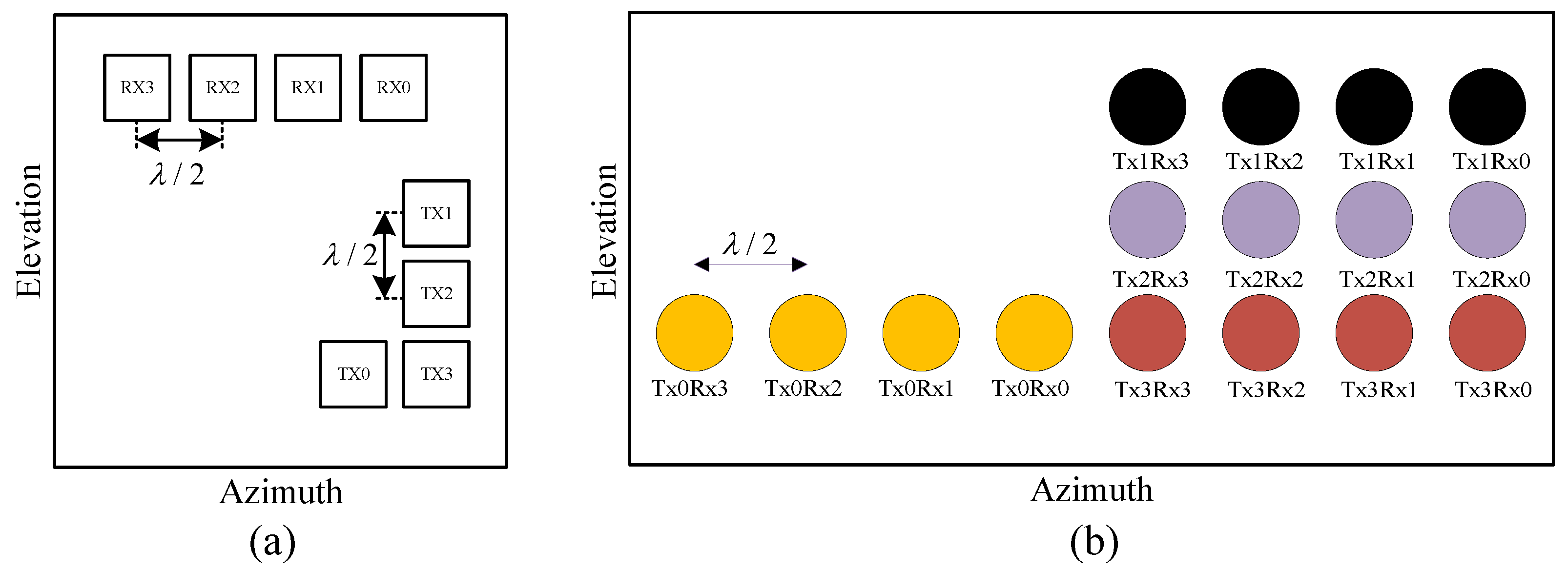
| Number of transmitting antennas | 4 |
| Number of receiving antennas | 4 |
| Gesture | Gesture Name (Index) | MDM | ATM | ETM |
|---|---|---|---|---|
 | Waving left (G1) | 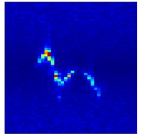 |  |  |
 | Waving right (G2) |  |  |  |
 | Waving down (G3) |  |  |  |
 | Waving up (G4) |  |  | 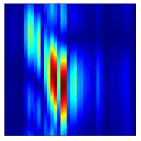 |
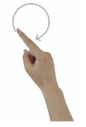 | Rotating clockwise (G5) |  |  |  |
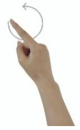 | Rotating counterclockwise (G6) |  |  |  |
 | Snapping (G7) |  | 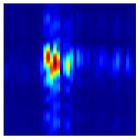 |  |
| Parameter | Value |
|---|---|
| Optimizer | Adam |
| Learning Rate | |
| Weight Decay | |
| Dropout | 0.3 |
| Batch Size | 64 |
| Epoch | 200 |
| Initialized Weights | Gaussian Random |
| Models | Gesture | Identity | Joint Task | Prarms | FLOPs |
|---|---|---|---|---|---|
| MN-UIV [34] | 90.85% | 88.56% | 85.04% | 10.64M | 230M |
| JMI-CNN [40] | 98.50% | 80.92% | 80.52% | 6.43M | 180M |
| MRN [38] | 96.62% | 74.26% | 73.11% | 1.02M | 68M |
| CBAM-CNN [39] | 92.23% | 93.30% | 90.29% | 14.4M | 1490M |
| JRF-CMAF without ARBs | 98.21% | 89.80% | 89.32% | 1.16M | 21M |
| JRF-CMAF | 99.76% | 97.57% | 96.84% | 1.18M | 72M |
Disclaimer/Publisher’s Note: The statements, opinions and data contained in all publications are solely those of the individual author(s) and contributor(s) and not of MDPI and/or the editor(s). MDPI and/or the editor(s) disclaim responsibility for any injury to people or property resulting from any ideas, methods, instructions or products referred to in the content. |
© 2025 by the authors. Licensee MDPI, Basel, Switzerland. This article is an open access article distributed under the terms and conditions of the Creative Commons Attribution (CC BY) license (https://creativecommons.org/licenses/by/4.0/).
Share and Cite
Wu, Y.; Wu, L.; Hu, T.; Xiao, Z.; Zhang, J.; Xiao, M. A Joint Gesture-Identity Recognition Framework Based on 4D Millimeter-Wave Radar Sensing. Sensors 2025, 25, 7249. https://doi.org/10.3390/s25237249
Wu Y, Wu L, Hu T, Xiao Z, Zhang J, Xiao M. A Joint Gesture-Identity Recognition Framework Based on 4D Millimeter-Wave Radar Sensing. Sensors. 2025; 25(23):7249. https://doi.org/10.3390/s25237249
Chicago/Turabian StyleWu, Yifan, Li Wu, Taiyang Hu, Zelong Xiao, Jinyu Zhang, and Mengxuan Xiao. 2025. "A Joint Gesture-Identity Recognition Framework Based on 4D Millimeter-Wave Radar Sensing" Sensors 25, no. 23: 7249. https://doi.org/10.3390/s25237249
APA StyleWu, Y., Wu, L., Hu, T., Xiao, Z., Zhang, J., & Xiao, M. (2025). A Joint Gesture-Identity Recognition Framework Based on 4D Millimeter-Wave Radar Sensing. Sensors, 25(23), 7249. https://doi.org/10.3390/s25237249