Article

Topological Signal Processing from Stereo Visual SLAM

Department of Information Engineering, Electronics and Telecommunications, Sapienza University of Rome, 00184 Rome, Italy
*
Author to whom correspondence should be addressed.
Sensors 2025, 25(19), 6103; https://doi.org/10.3390/s25196103
Submission received: 31 July 2025 / Revised: 22 September 2025 / Accepted: 1 October 2025 / Published: 3 October 2025
(This article belongs to the Special Issue Stereo Vision Sensing and Image Processing)

Abstract

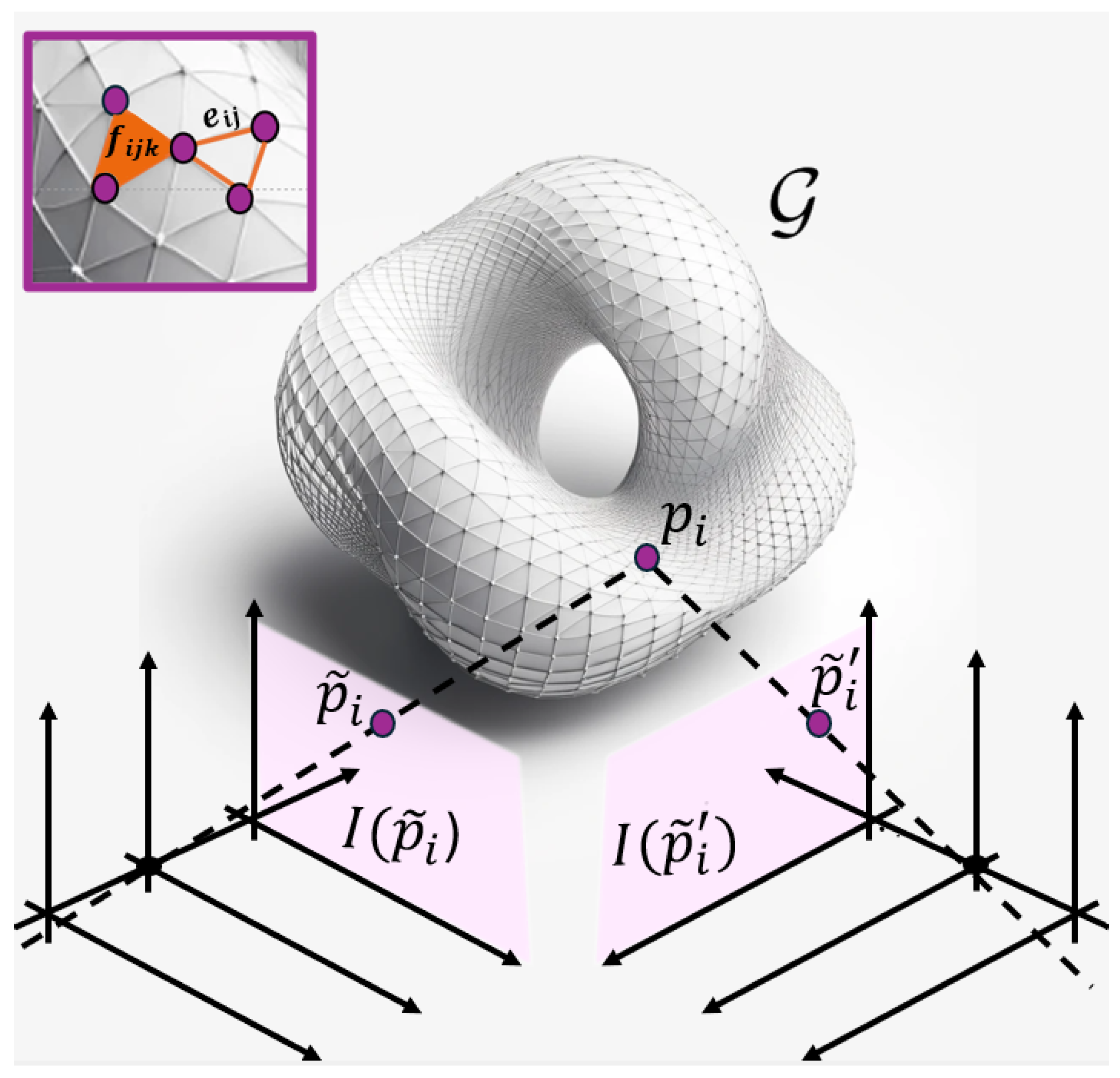
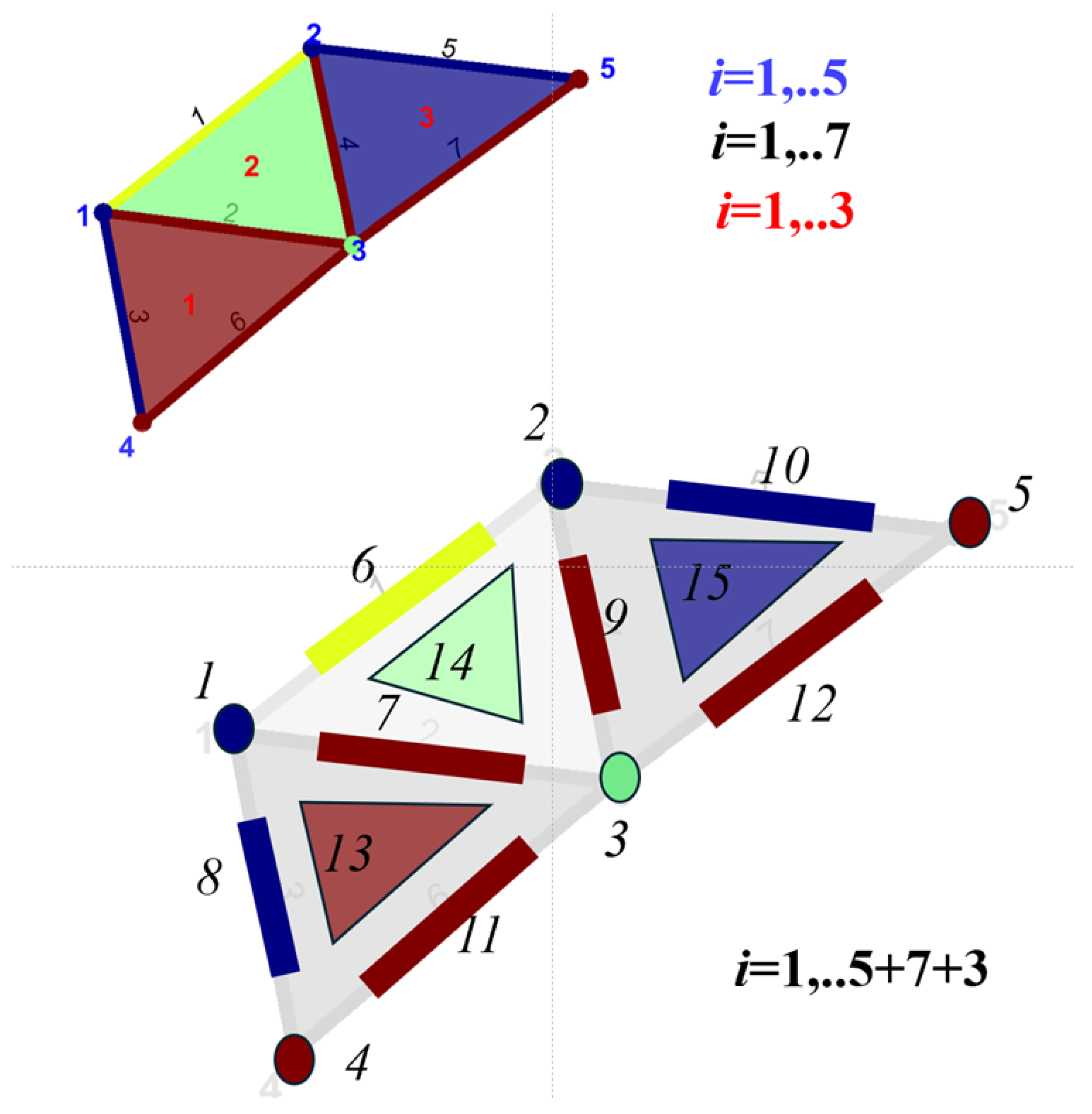
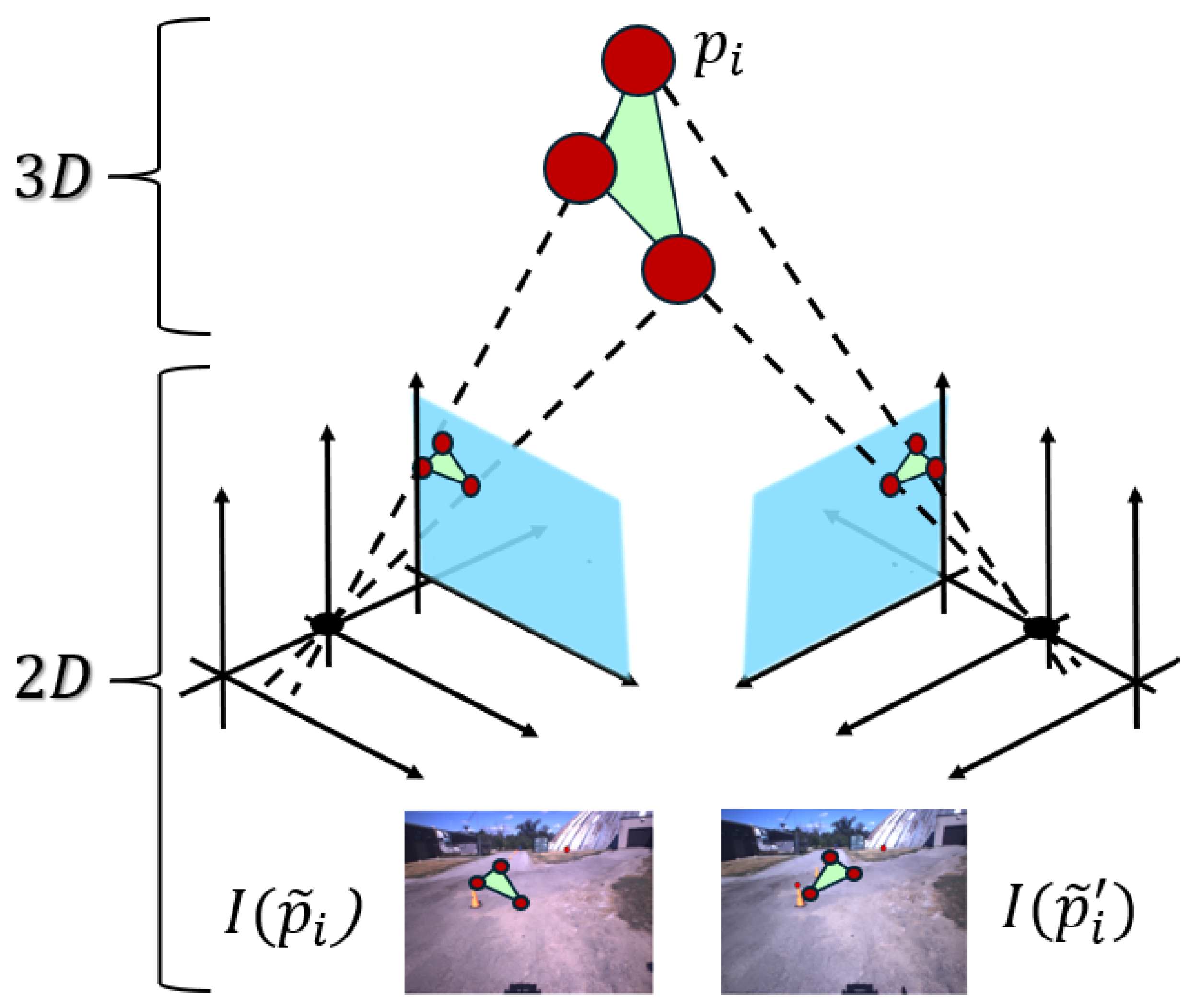
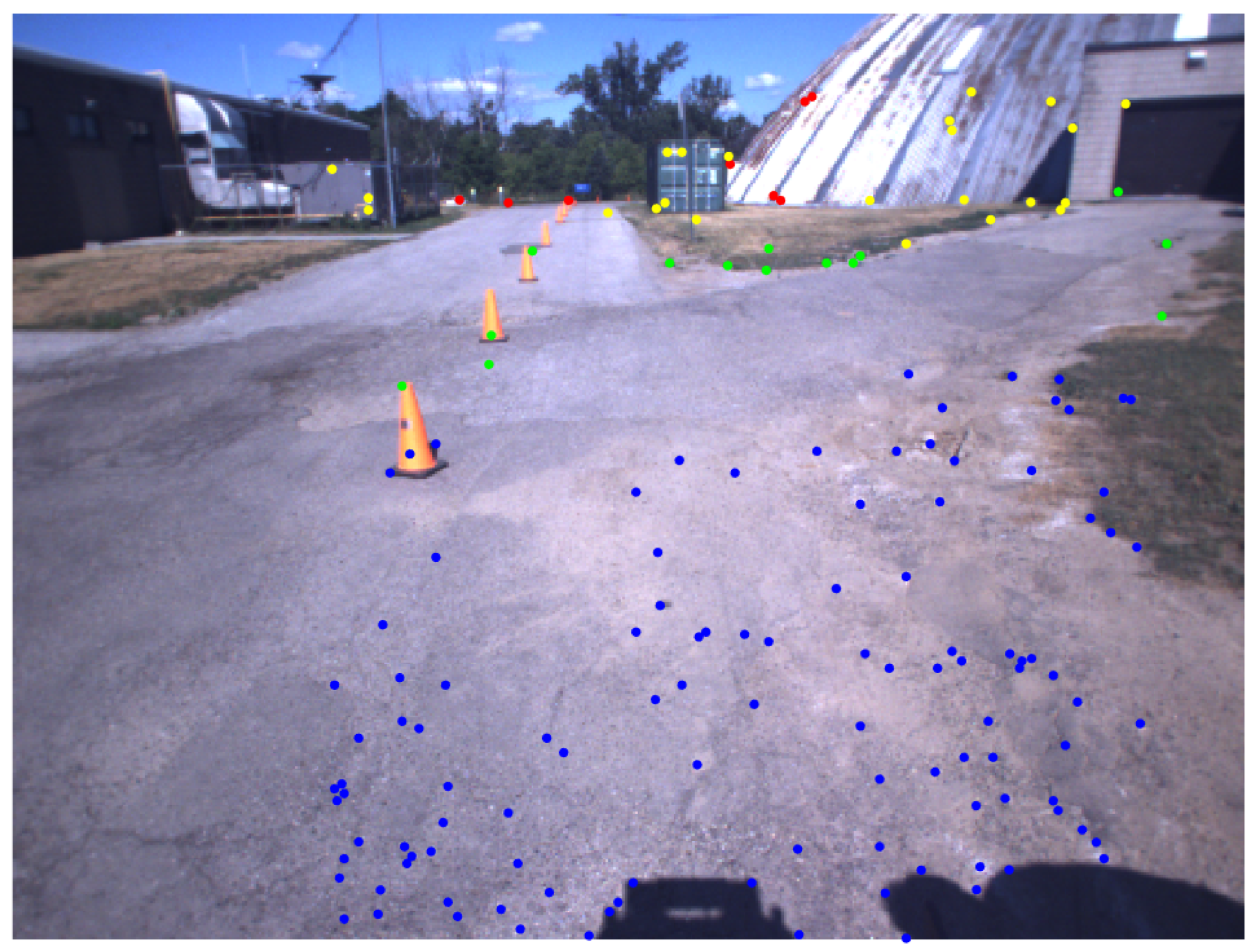
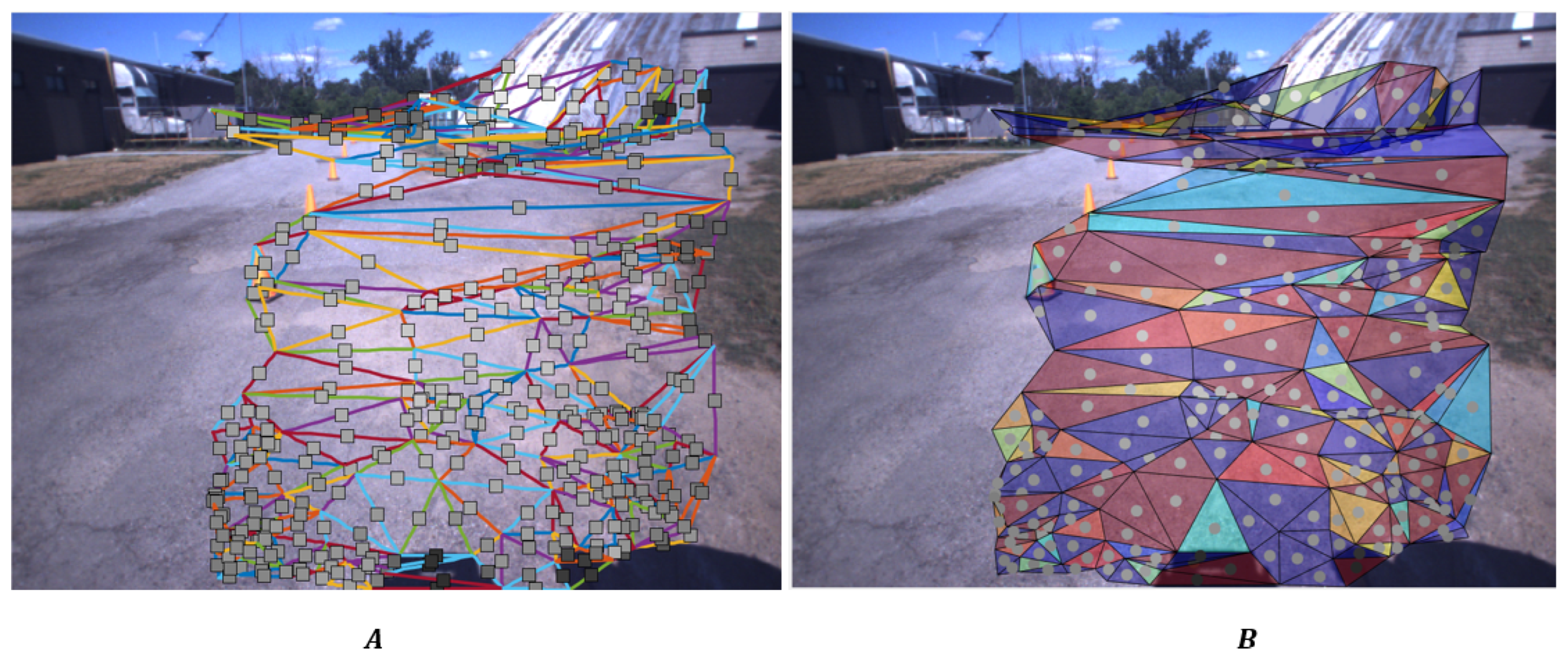
Topological signal processing is emerging alongside Graph Signal Processing (GSP) in various applications, incorporating higher-order connectivity structures—such as faces—in addition to nodes and edges, for enriched connectivity modeling. Rich point clouds acquired by multi-camera systems in Visual Simultaneous Localization and Mapping (V-SLAM) are typically processed using graph-based methods. In this work, we introduce a topological signal processing (TSP) framework that integrates texture information extracted from V-SLAM; we refer to this framework as TSP-SLAM. We show how TSP-SLAM enables the extension of graph-based point cloud processing to more advanced topological signal processing techniques. We demonstrate, on real stereo data, that TSP-SLAM enables a richer point cloud representation by associating signals not only with vertices but also with edges and faces of the mesh computed from the point cloud. Numerical results show that TSP-SLAM supports the design of topological filtering algorithms by exploiting the mapping between the 3D mesh faces, edges and vertices and their 2D image projections. These findings confirm the potential of TSP-SLAM for topological signal processing of point cloud data acquired in challenging V-SLAM environments.
Keywords: Graph Signal Processing (GSP); Harmonic functions; stereo camera; Topological Signal Processing (TSP); Visual Simultaneous Localization and Mapping (V-SLAM) Graph Signal Processing (GSP); Harmonic functions; stereo camera; Topological Signal Processing (TSP); Visual Simultaneous Localization and Mapping (V-SLAM)