Article

Automated Detection of Gastrointestinal Diseases Using Resnet50*-Based Explainable Deep Feature Engineering Model with Endoscopy Images

1
Department of Digital Forensics Engineering, Technology Faculty, Firat University, Elazig 23119, Türkiye
2
Department of Electrical and Electronics Engineering, Faculty of Engineering and Architecture, Mus Alparslan University, Mus 49250, Türkiye
3
School of Business (Information System), University of Southern Queensland, Toowoomba, QLD 4350, Australia
4
School of Management and Enterprise, University of Southern Queensland, Toowoomba, QLD 4350, Australia
5
Department of Computer Engineering, Faculty of Engineering and Architecture, Erzurum Technical University, Erzurum 25500, Türkiye
6
School of Mathematics, Physics and Computing, University of Southern Queensland, Springfield, QLD 4300, Australia
*
Author to whom correspondence should be addressed.
Sensors 2024, 24(23), 7710; https://doi.org/10.3390/s24237710
Submission received: 22 October 2024 / Revised: 20 November 2024 / Accepted: 28 November 2024 / Published: 2 December 2024
(This article belongs to the Special Issue AI-Based Automated Recognition and Detection in Healthcare)

Abstract

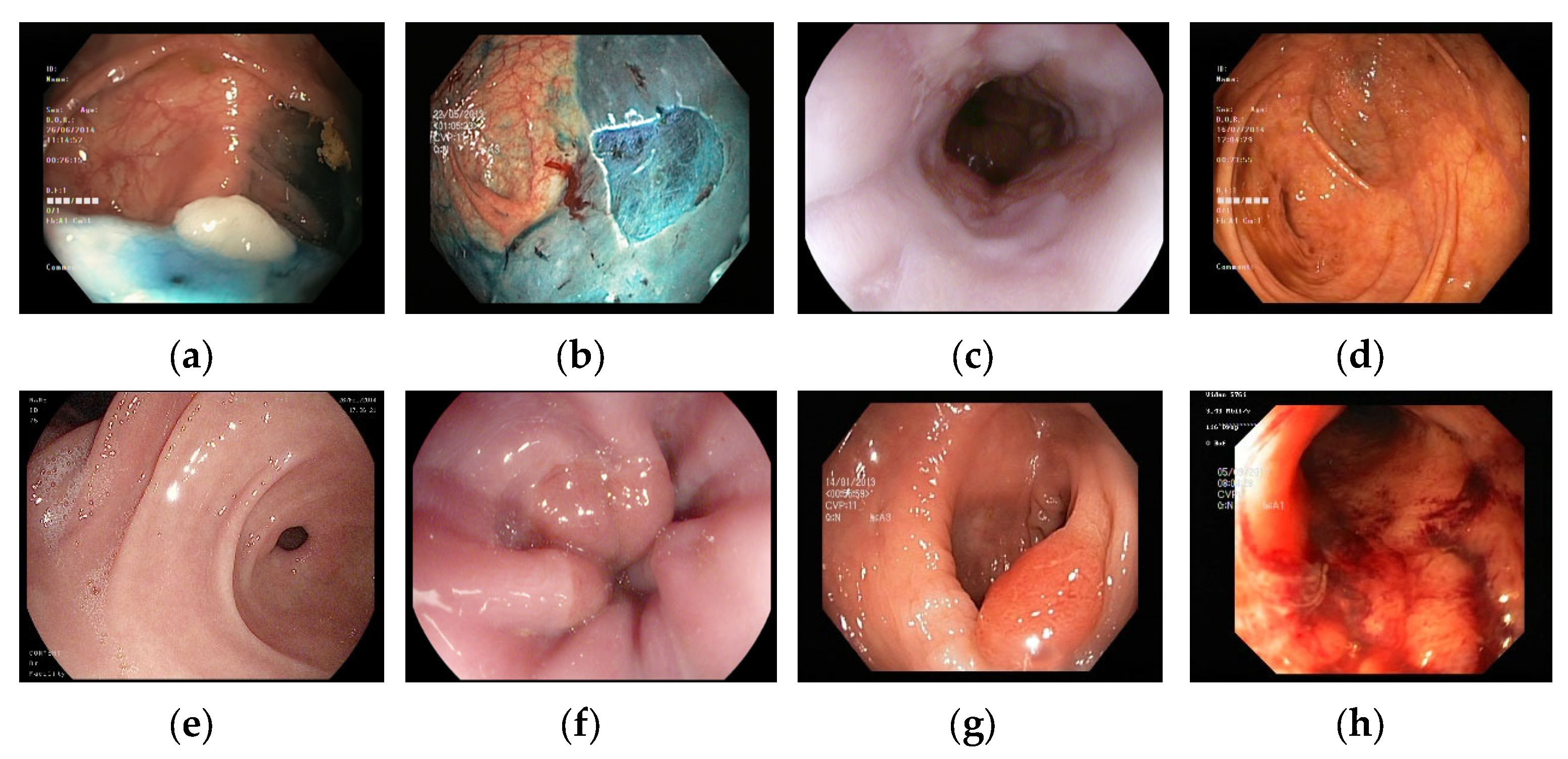
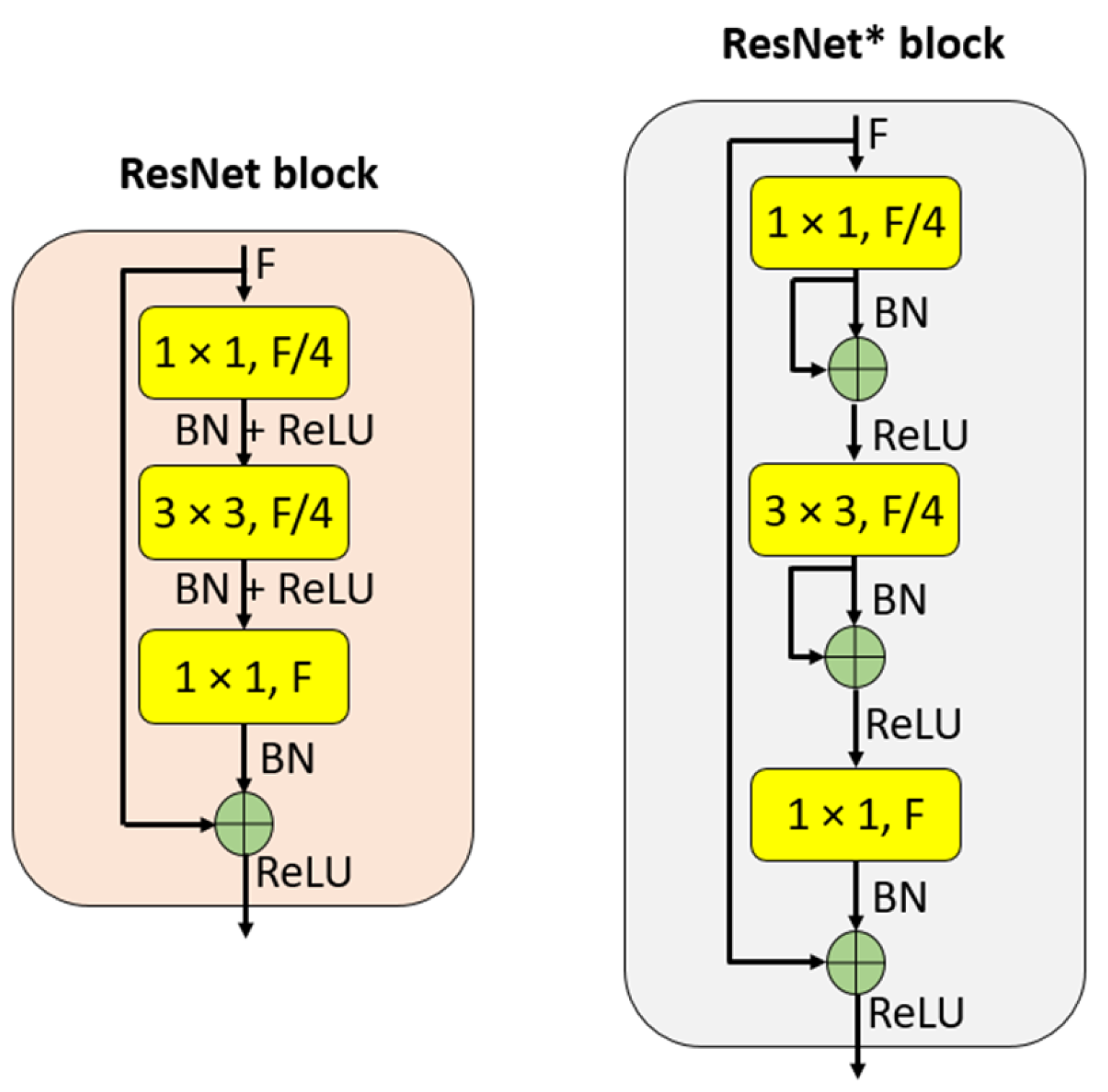
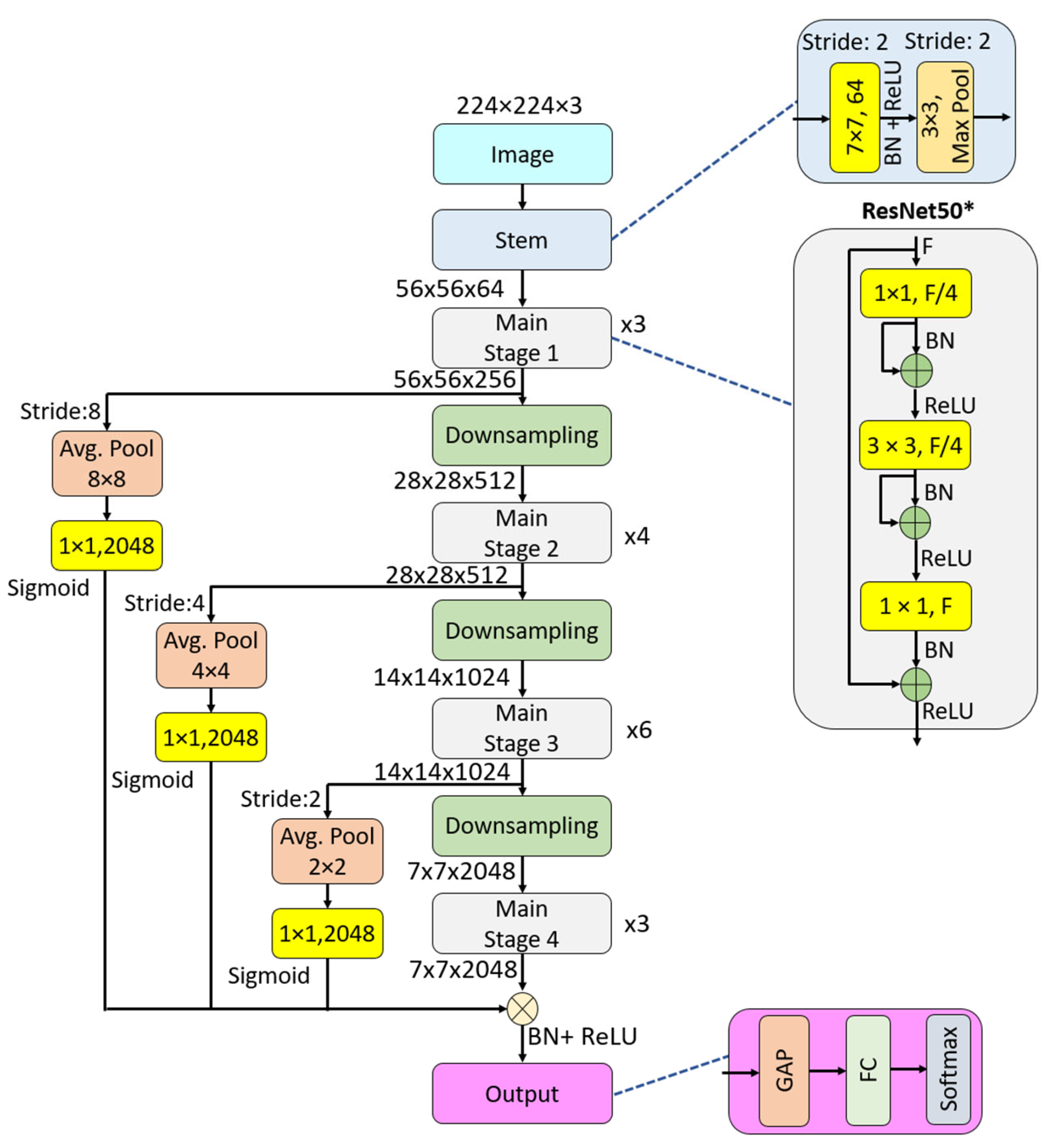
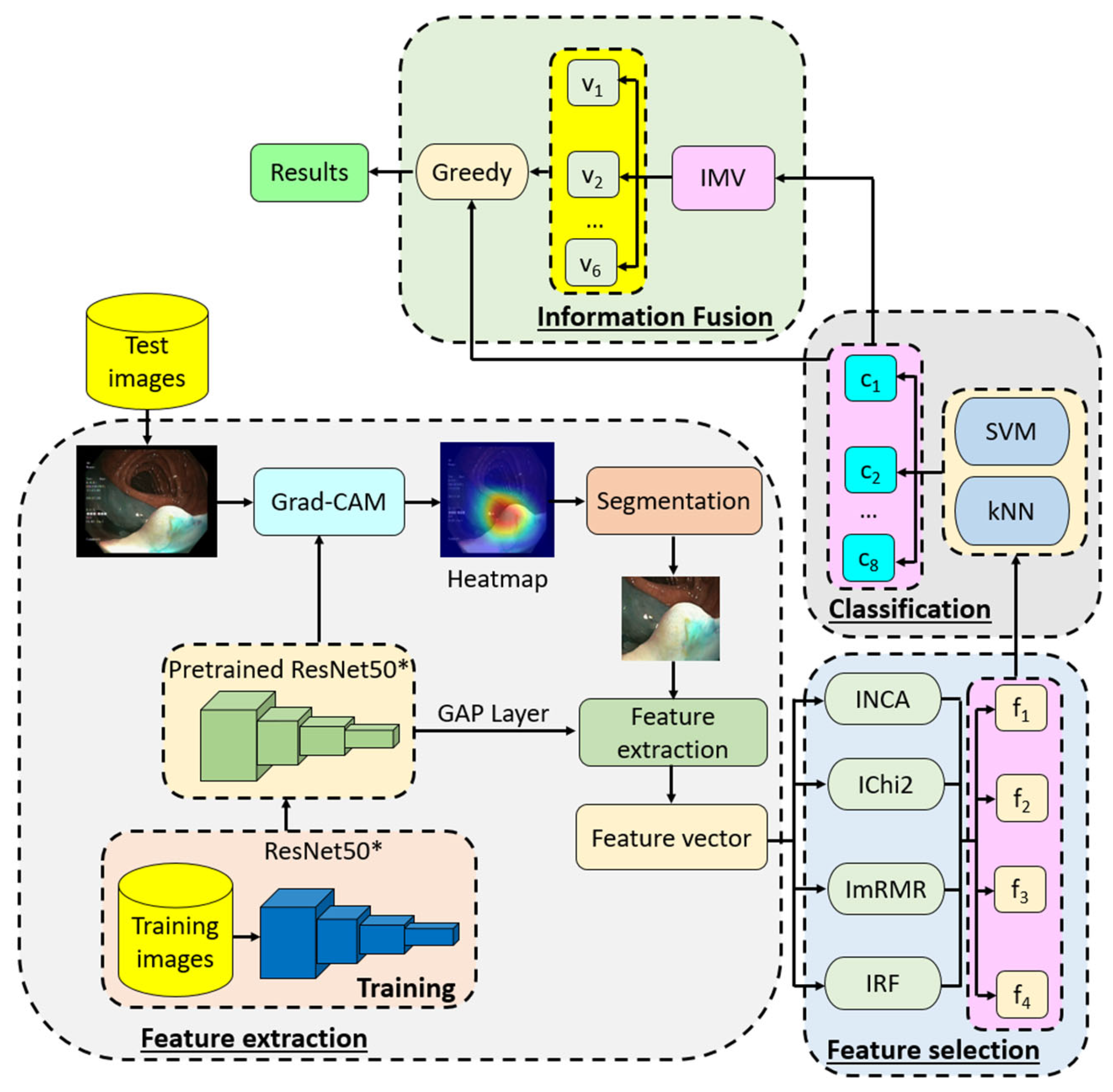
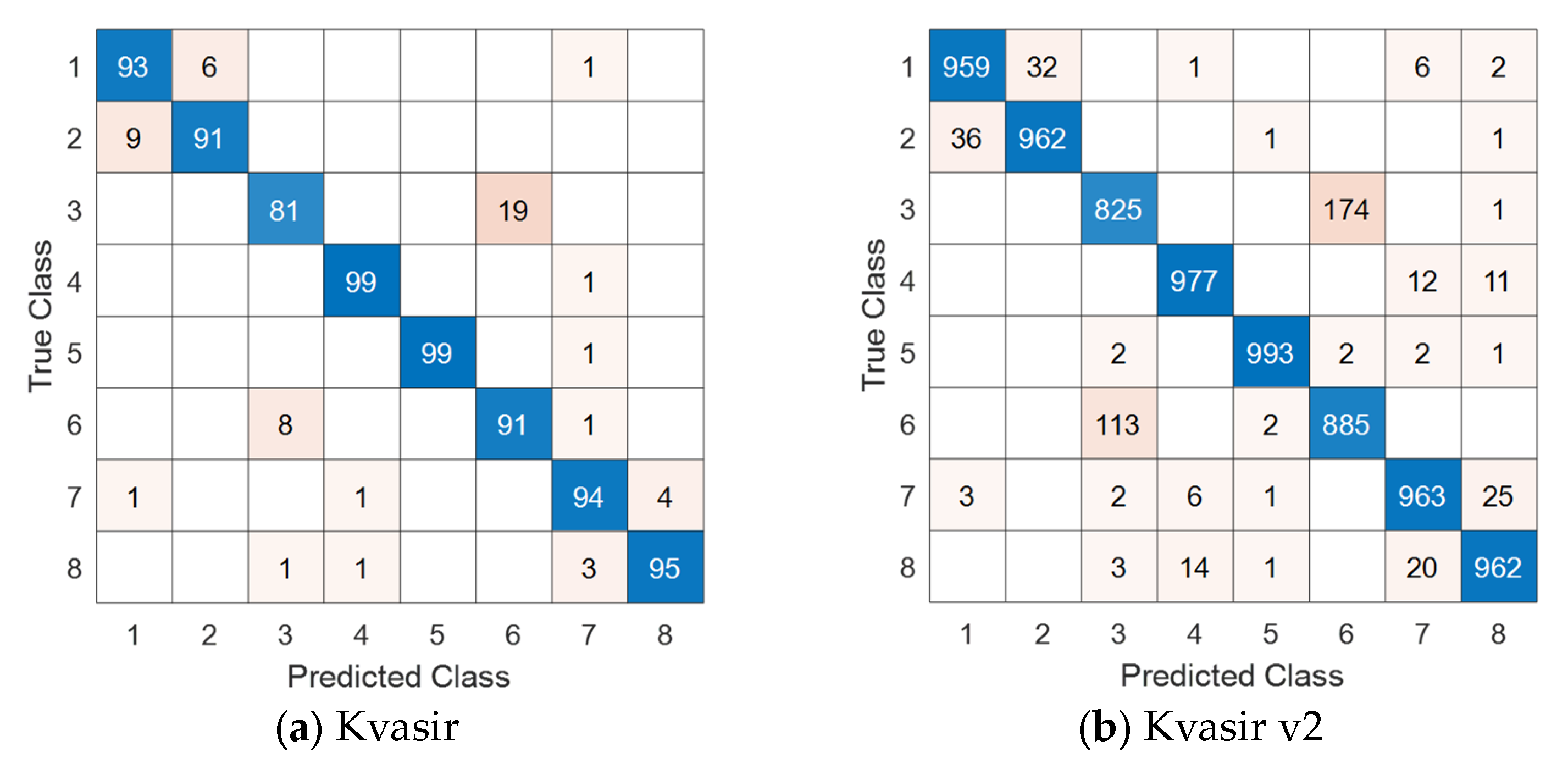
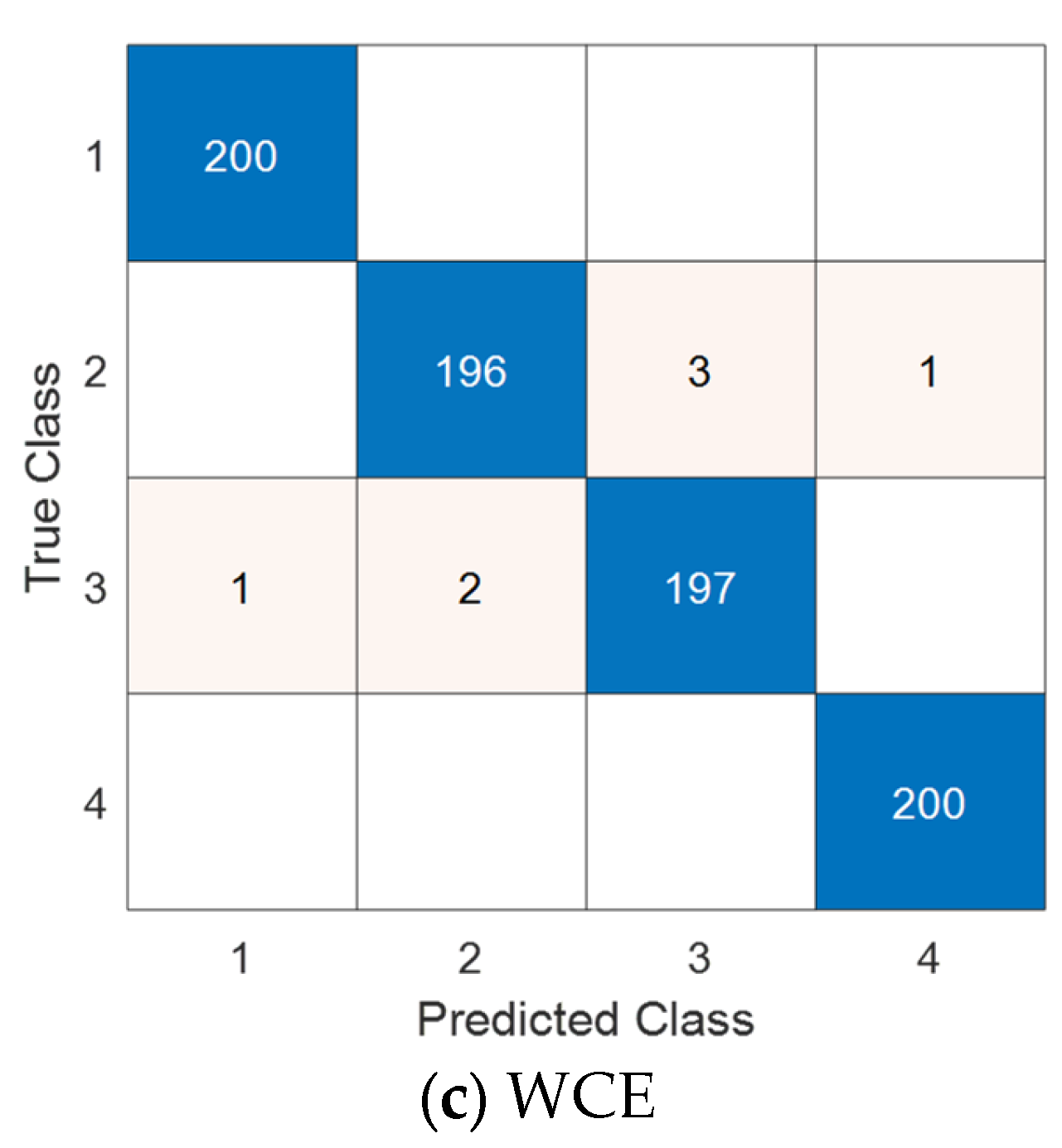
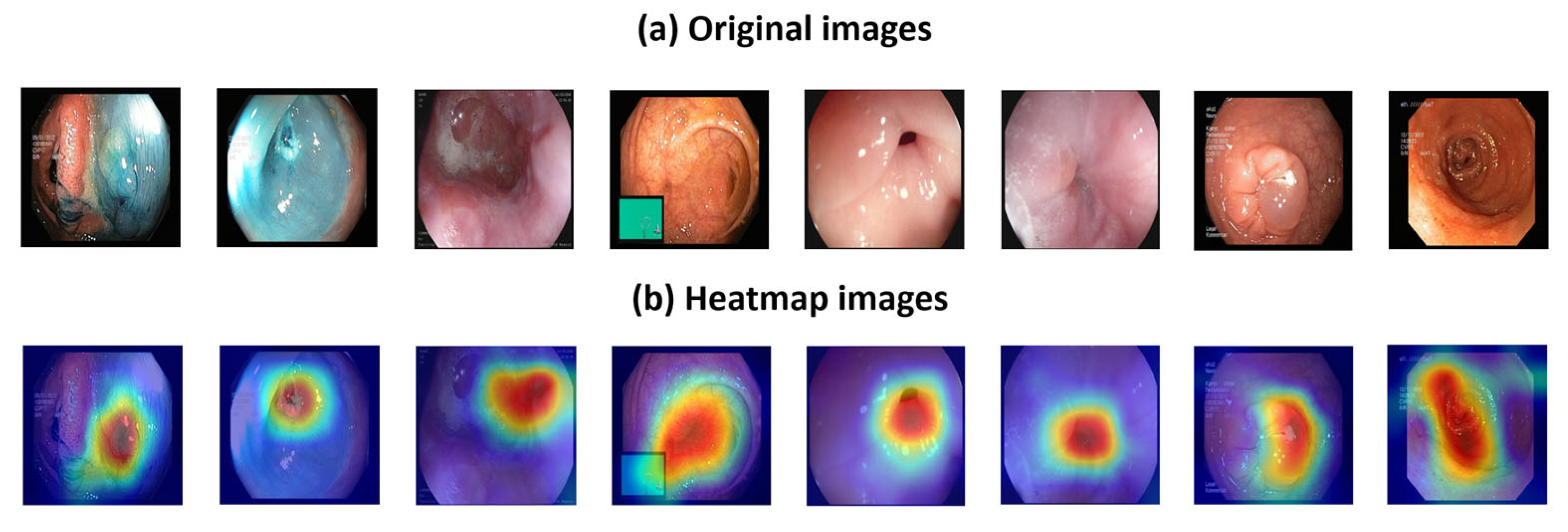
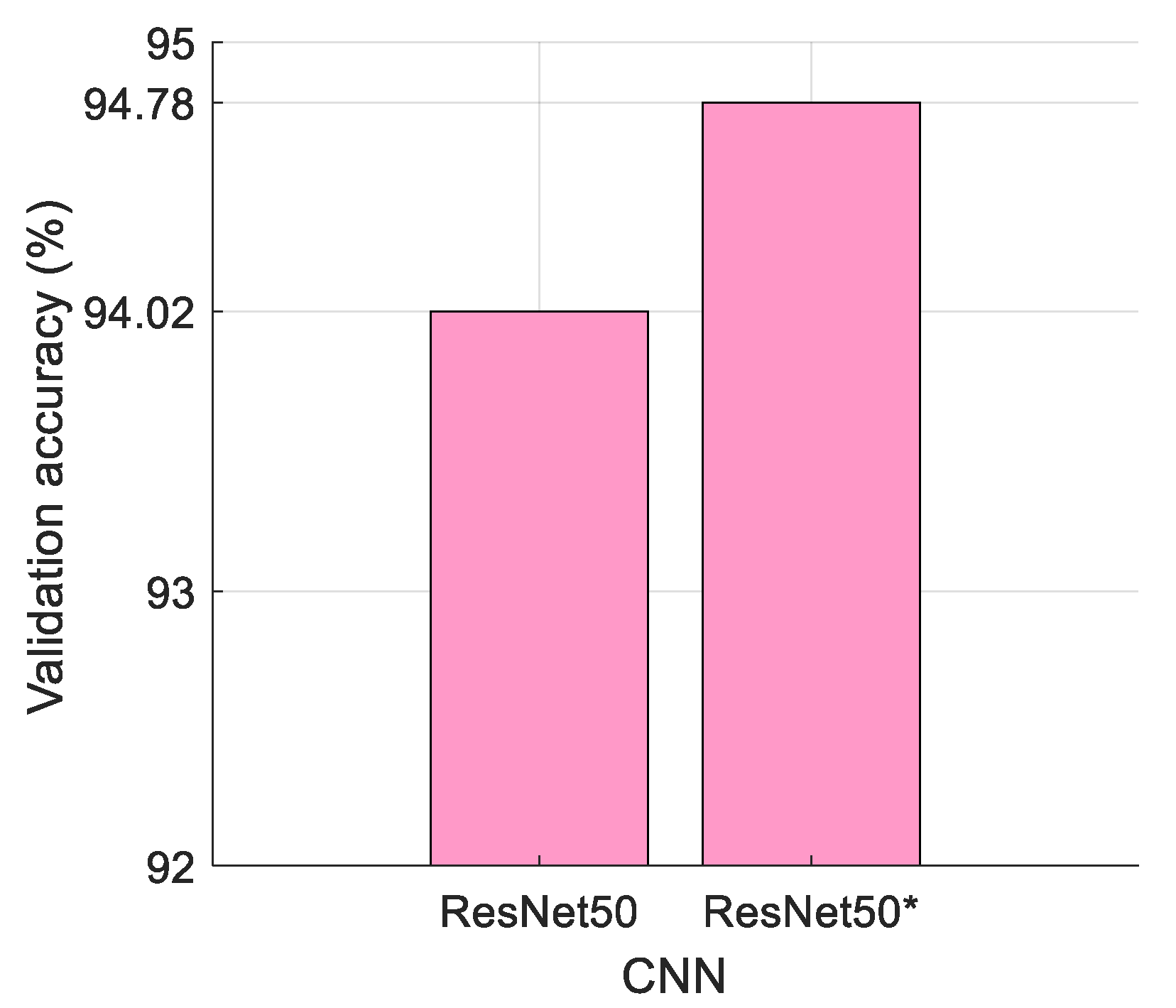
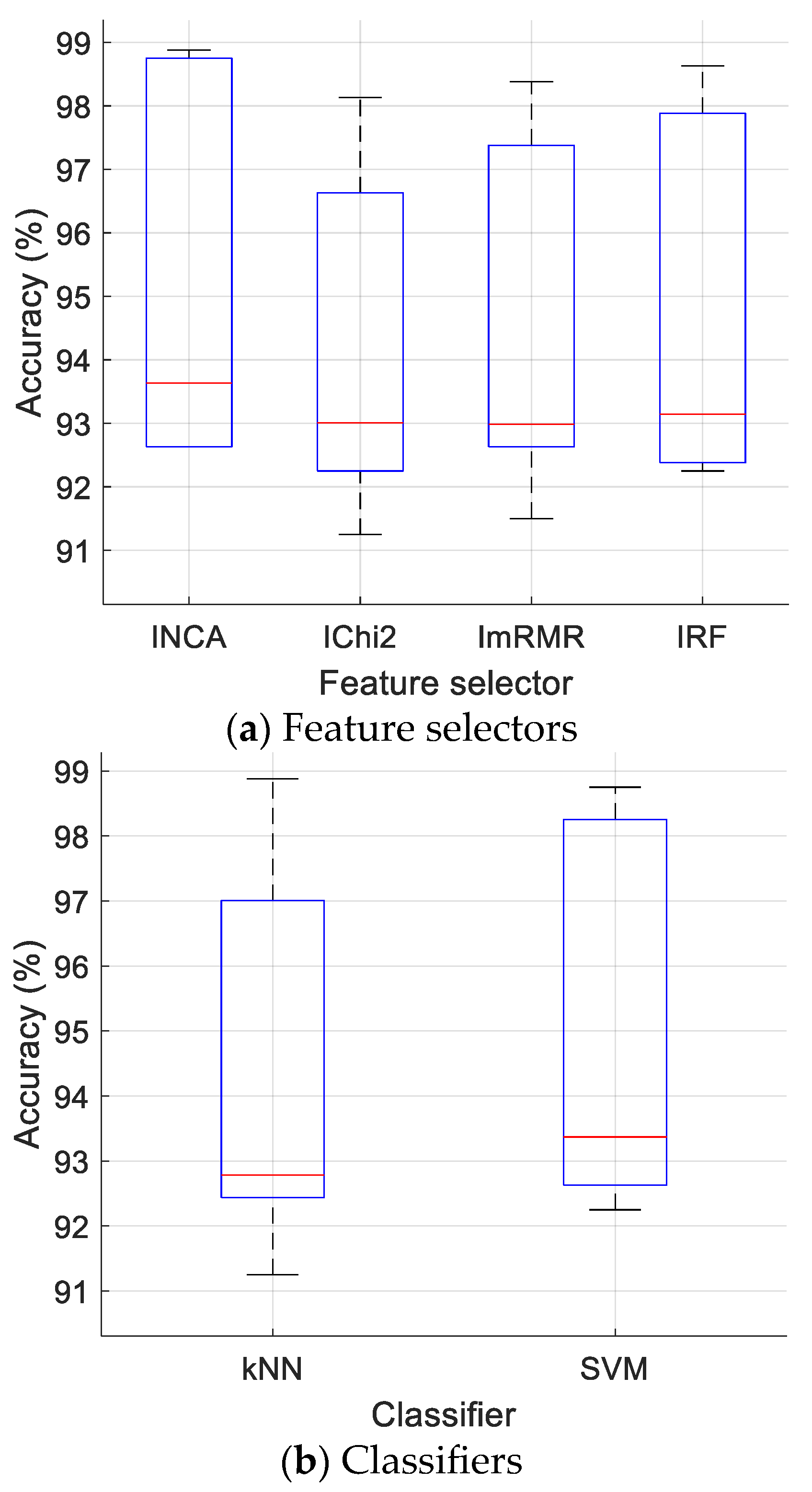
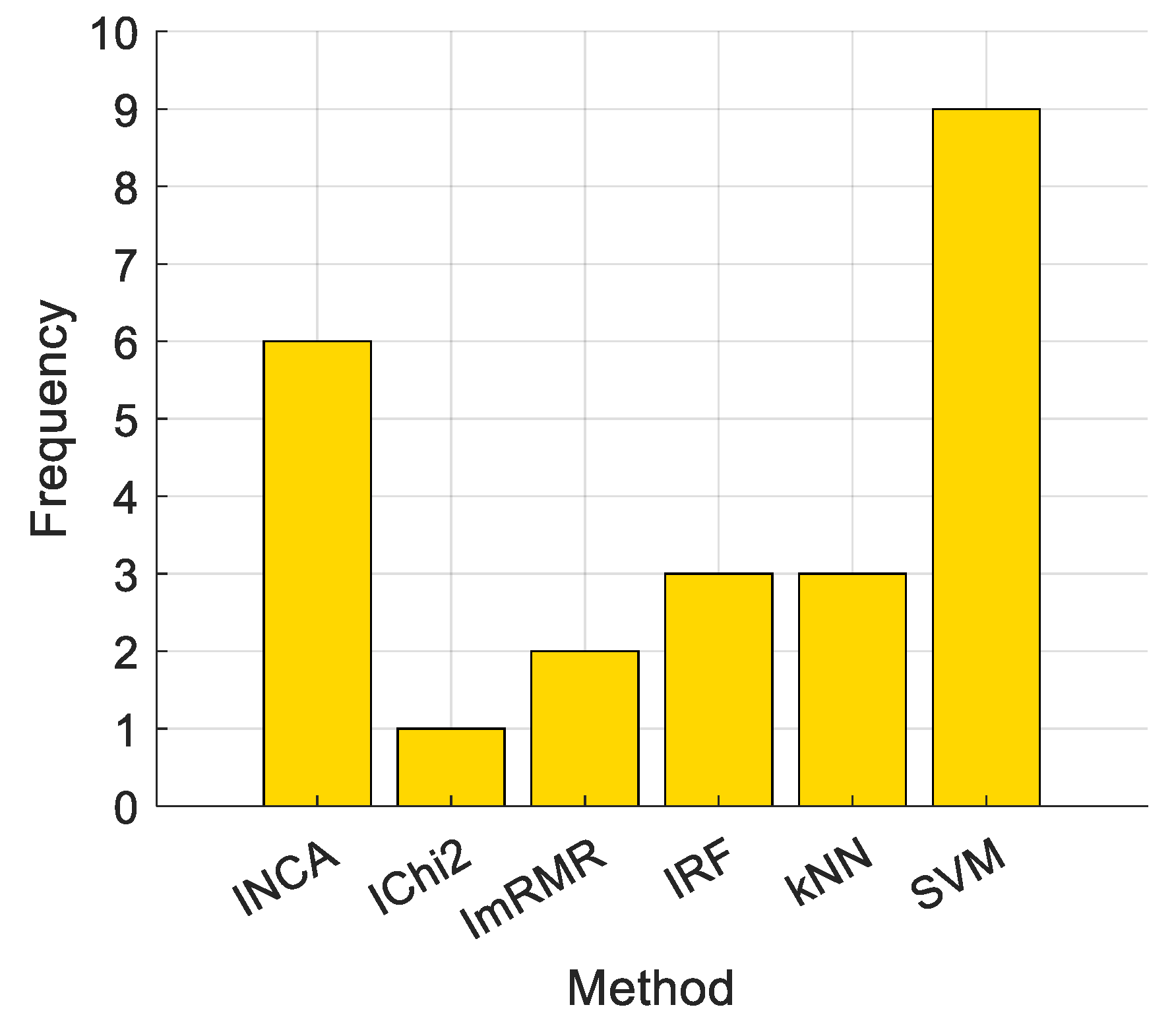
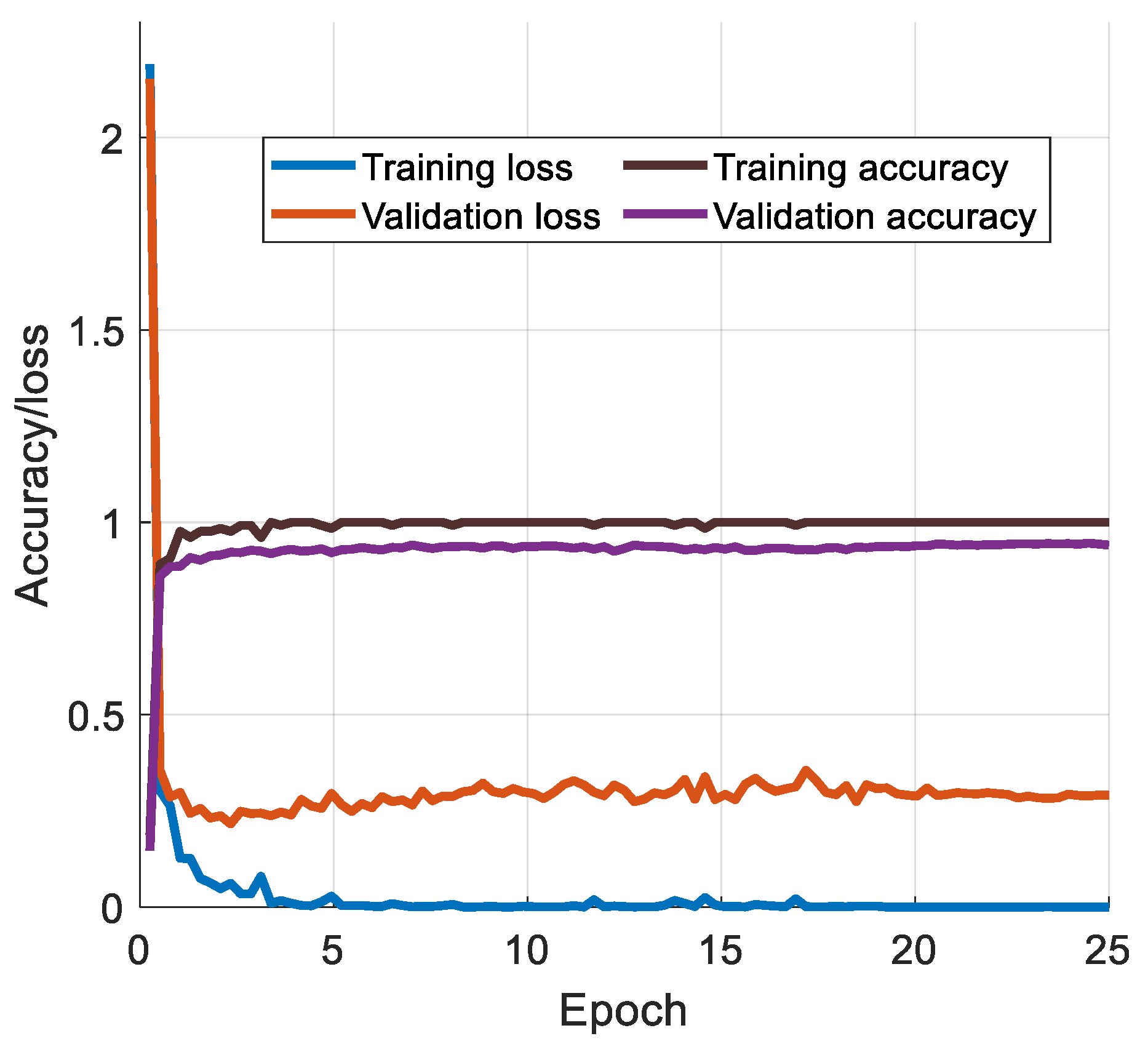
This work aims to develop a novel convolutional neural network (CNN) named ResNet50* to detect various gastrointestinal diseases using a new ResNet50*-based deep feature engineering model with endoscopy images. The novelty of this work is the development of ResNet50*, a new variant of the ResNet model, featuring convolution-based residual blocks and a pooling-based attention mechanism similar to PoolFormer. Using ResNet50*, a gastrointestinal image dataset was trained, and an explainable deep feature engineering (DFE) model was developed. This DFE model comprises four primary stages: (i) feature extraction, (ii) iterative feature selection, (iii) classification using shallow classifiers, and (iv) information fusion. The DFE model is self-organizing, producing 14 different outcomes (8 classifier-specific and 6 voted) and selecting the most effective result as the final decision. During feature extraction, heatmaps are identified using gradient-weighted class activation mapping (Grad-CAM) with features derived from these regions via the final global average pooling layer of the pretrained ResNet50*. Four iterative feature selectors are employed in the feature selection stage to obtain distinct feature vectors. The classifiers k-nearest neighbors (kNN) and support vector machine (SVM) are used to produce specific outcomes. Iterative majority voting is employed in the final stage to obtain voted outcomes using the top result determined by the greedy algorithm based on classification accuracy. The presented ResNet50* was trained on an augmented version of the Kvasir dataset, and its performance was tested using Kvasir, Kvasir version 2, and wireless capsule endoscopy (WCE) curated colon disease image datasets. Our proposed ResNet50* model demonstrated a classification accuracy of more than 92% for all three datasets and a remarkable 99.13% accuracy for the WCE dataset. These findings affirm the superior classification ability of the ResNet50* model and confirm the generalizability of the developed architecture, showing consistent performance across all three distinct datasets.
Keywords: ResNet50*; colon disease classification; deep feature engineering; multiple iterative feature selection ResNet50*; colon disease classification; deep feature engineering; multiple iterative feature selection