Article

The Influence of Temperature Disturbance on Space Inertial Sensors


1
School of Energy and Power Engineering, Huazhong University of Science and Technology, Wuhan 430074, China
2
MOE Key Laboratory of Fundamental Physical Quantities Measurement, Hubei Key Laboratory of Gravitation and Quantum Physics, School of Physics, Huazhong University of Science and Technology, Wuhan 430074, China
*
Authors to whom correspondence should be addressed.
Sensors 2024, 24(21), 6934; https://doi.org/10.3390/s24216934
Submission received: 3 October 2024 / Revised: 25 October 2024 / Accepted: 27 October 2024 / Published: 29 October 2024
(This article belongs to the Section Physical Sensors)

Abstract

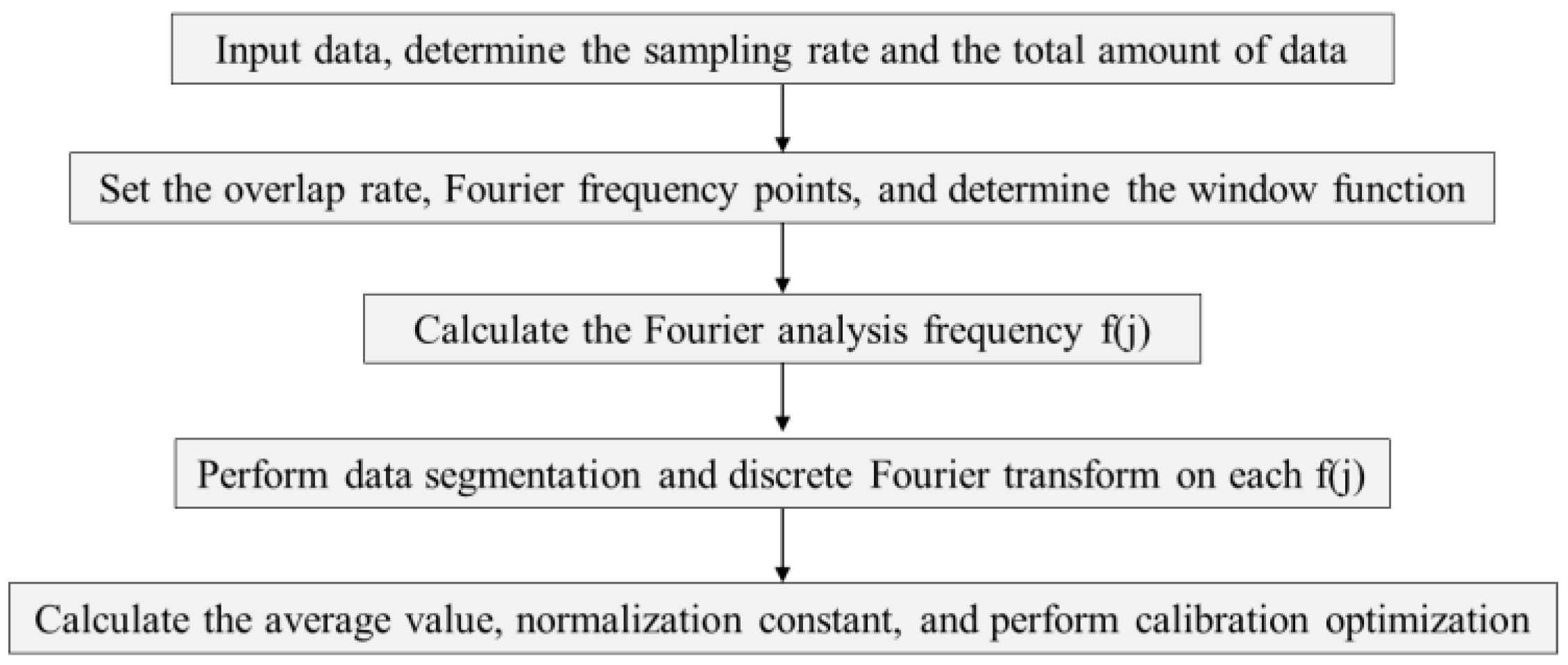
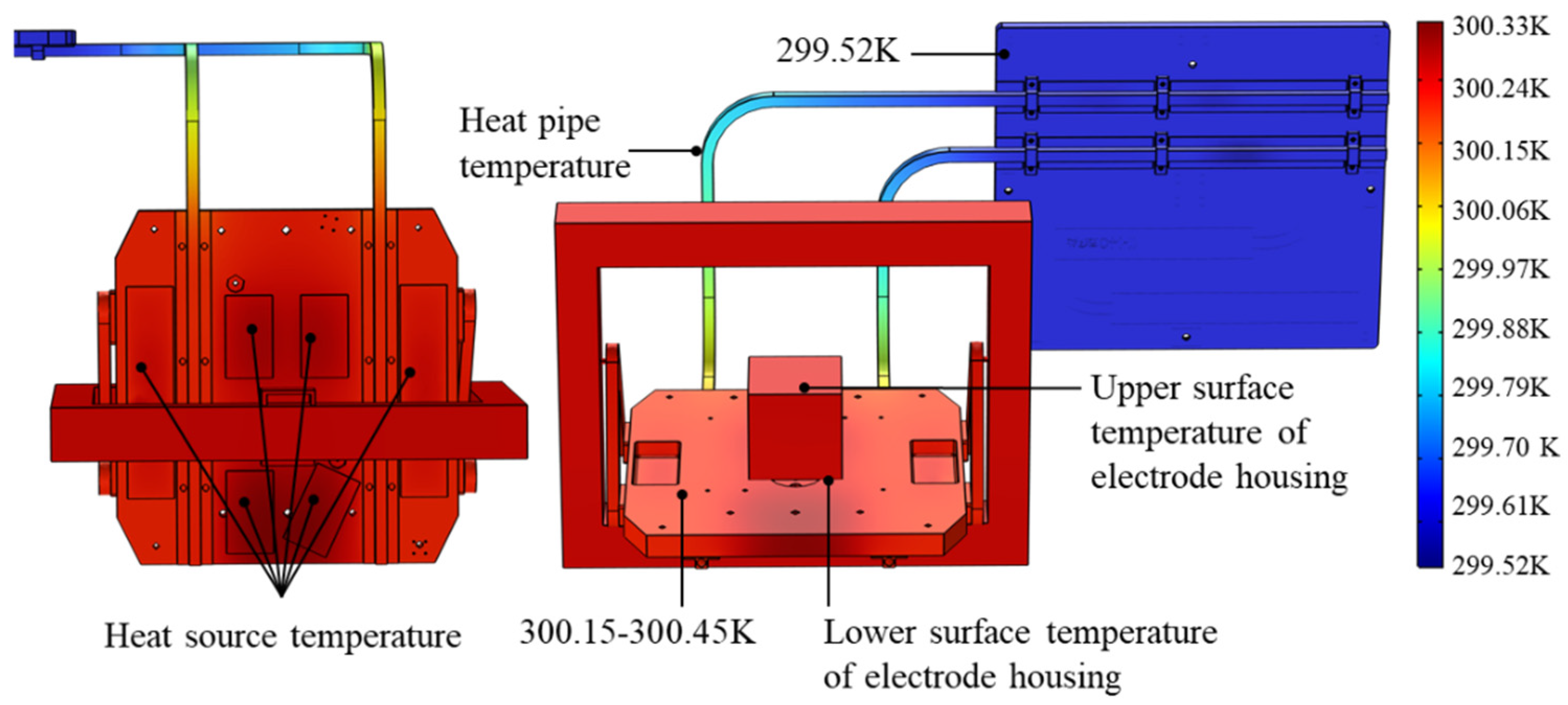
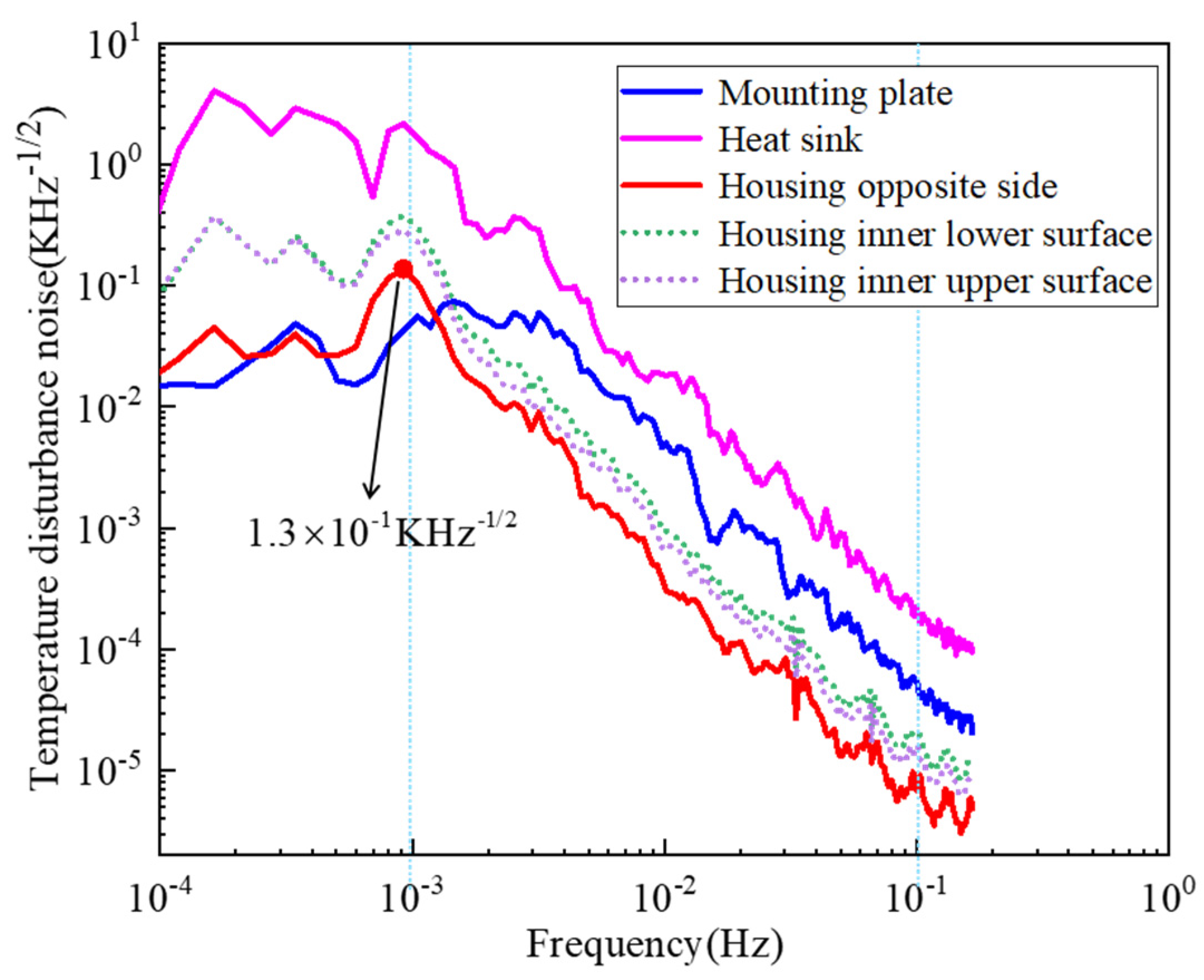
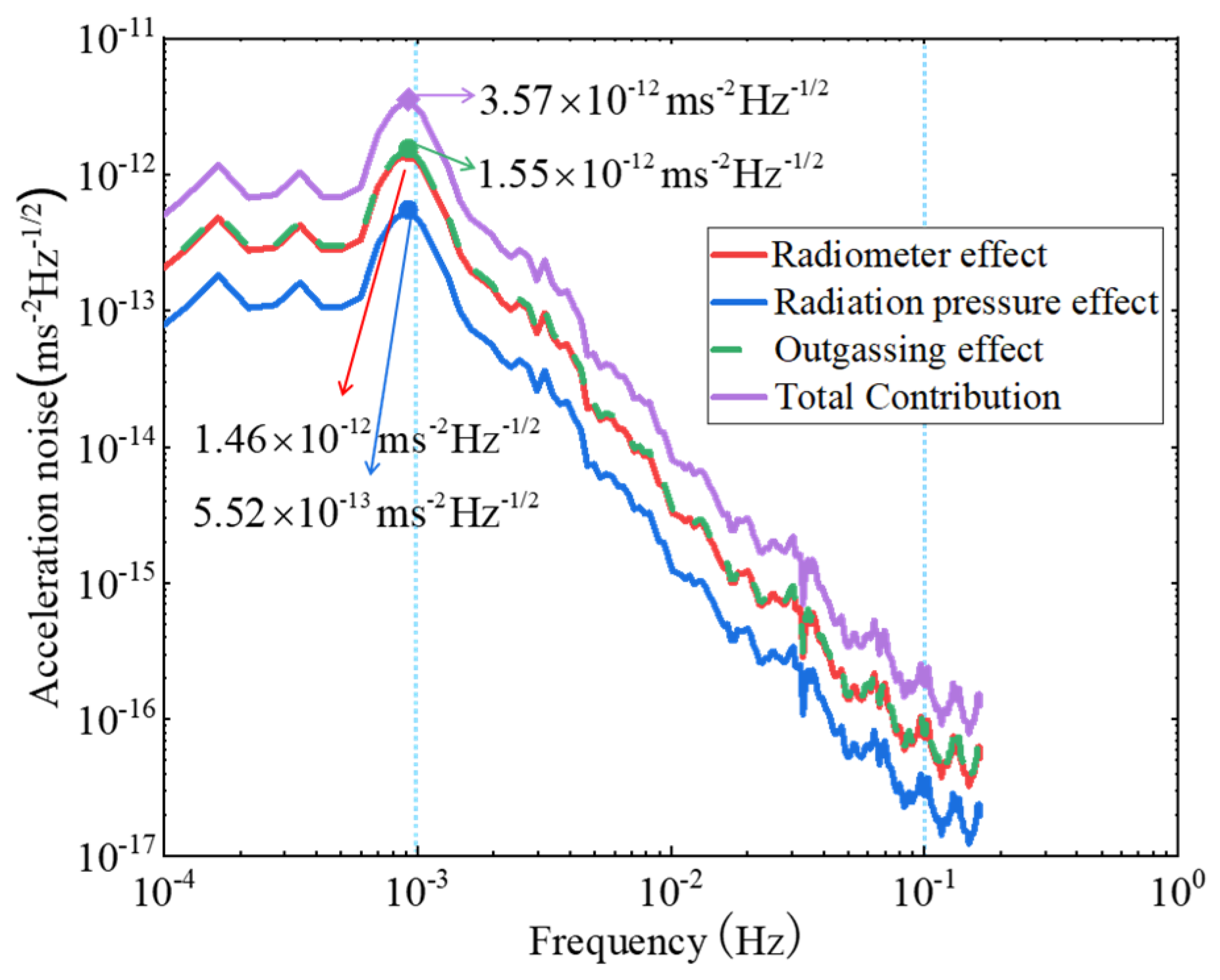
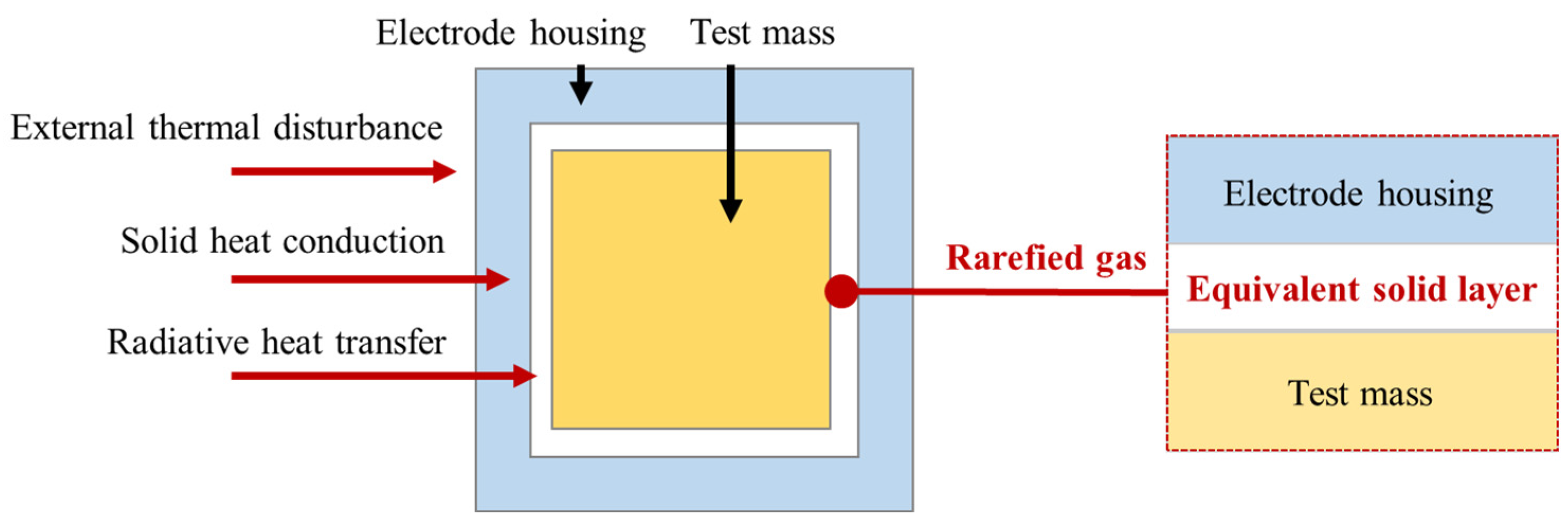
The TianQin program is an independently proposed space-borne detection initiative from China. The inertial sensor, as a crucial component, is susceptible to disturbances from temperature fluctuations, the impact of which on acceleration measurements remains elusive. Therefore, a comprehensive analysis on the influence of temperature disturbance is necessary to avoid errors in acceleration measurement. In this study, we proposed a complete scheme for calculating the level of acceleration noise. Based on the traditional temperature control scheme of using a heat pipe, we developed a systematic heat transfer simulation model to obtain the temperature signals. These signals can then be converted into the frequency domain and used to calculate the acceleration noise level within the target bandwidth. Our results indicate that, with a temperature control of 0.13 K/Hz1/2@1 mHz, the largest contributions to acceleration noise come from the outgassing effect, radiometer effect, and radiative pressure effect, in descending order. The total noise peak is 3.6×10¹² m/(s2Hz1/2) at 1 mHz, which is more than three orders of magnitude higher than the TianQin target of 1015 m/(s2Hz1/2). This study provides new avenues for evaluating measurement errors and solutions for the TianQin program.
Keywords: TianQin program; inertial sensor; temperature perturbation; acceleration noise TianQin program; inertial sensor; temperature perturbation; acceleration noise