Communication

Shear Wave Velocity Determination of a Complex Field Site Using Improved Nondestructive SASW Testing


1
Department of Geotechnical Engineering Research, Korea Institute of Civil Engineering and Building Technology, Goyang 10223, Republic of Korea
2
Department of Civil, Architectural, and Environmental Engineering, University of Texas at Austin, Austin, TX 78712, USA
*
Author to whom correspondence should be addressed.
Sensors 2024, 24(10), 3231; https://doi.org/10.3390/s24103231
Submission received: 26 March 2024 / Revised: 10 May 2024 / Accepted: 16 May 2024 / Published: 19 May 2024

Abstract

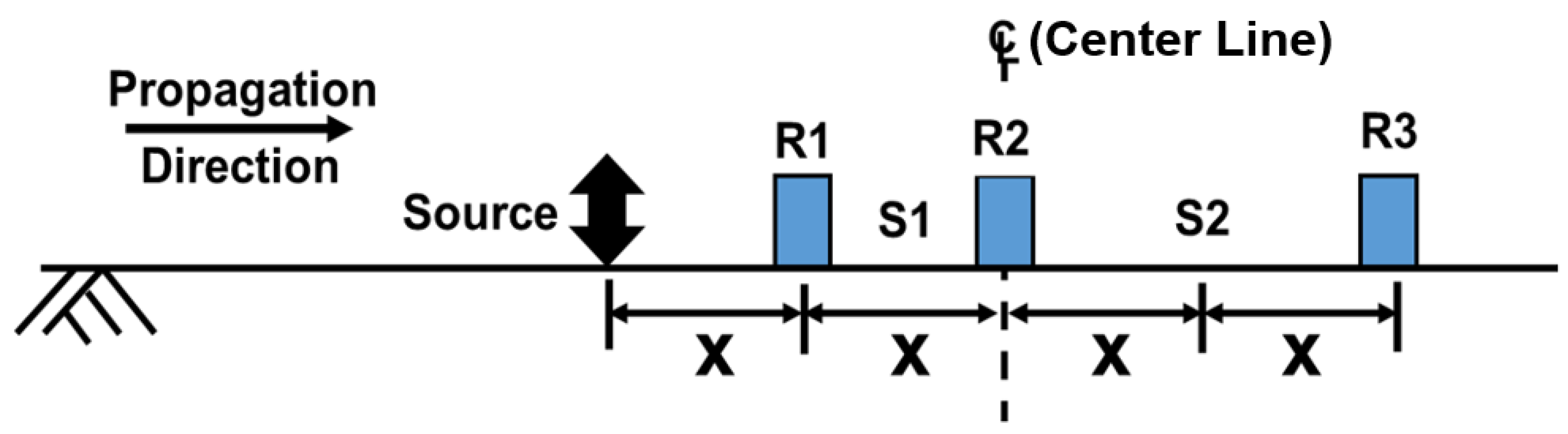
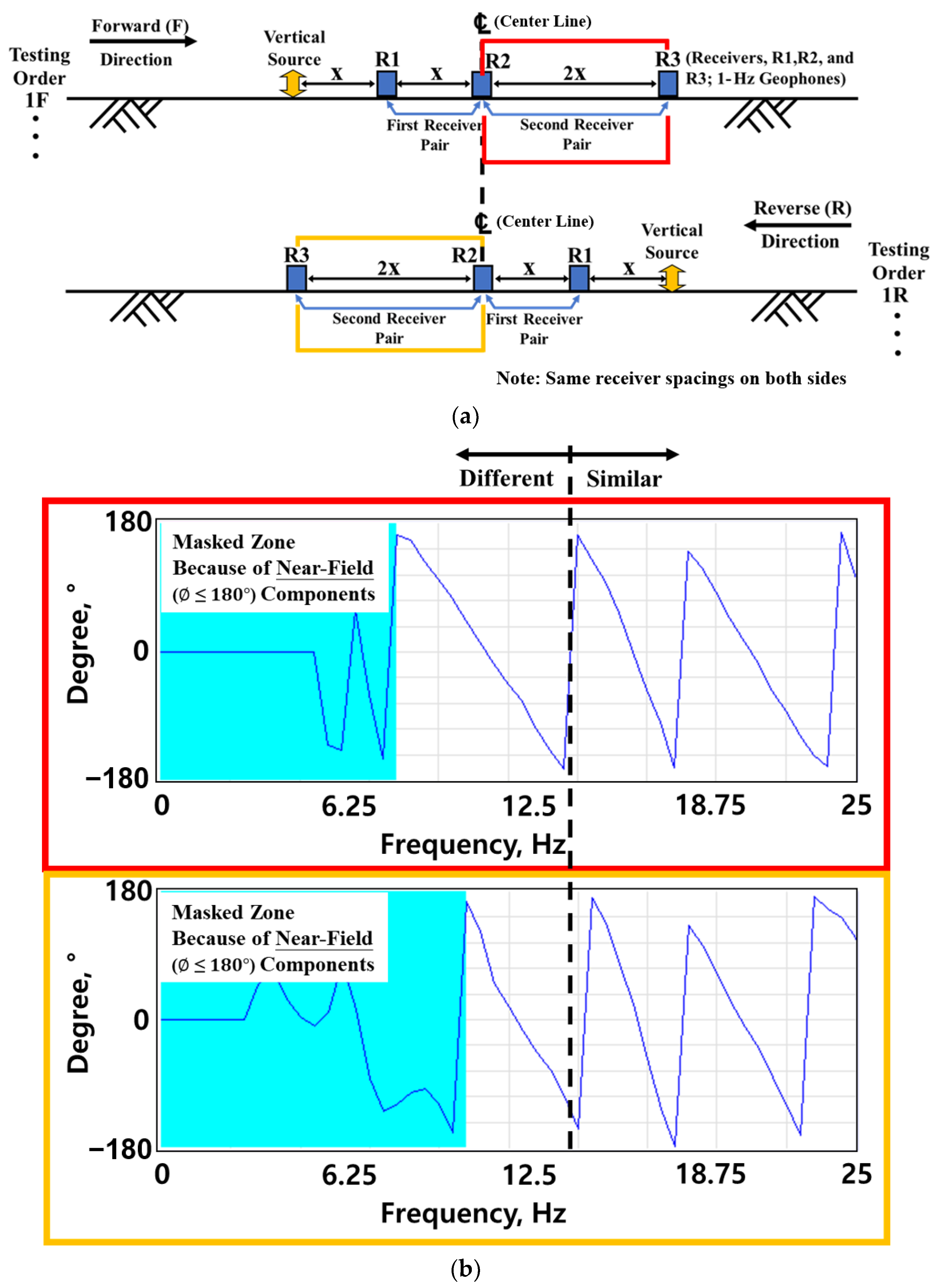
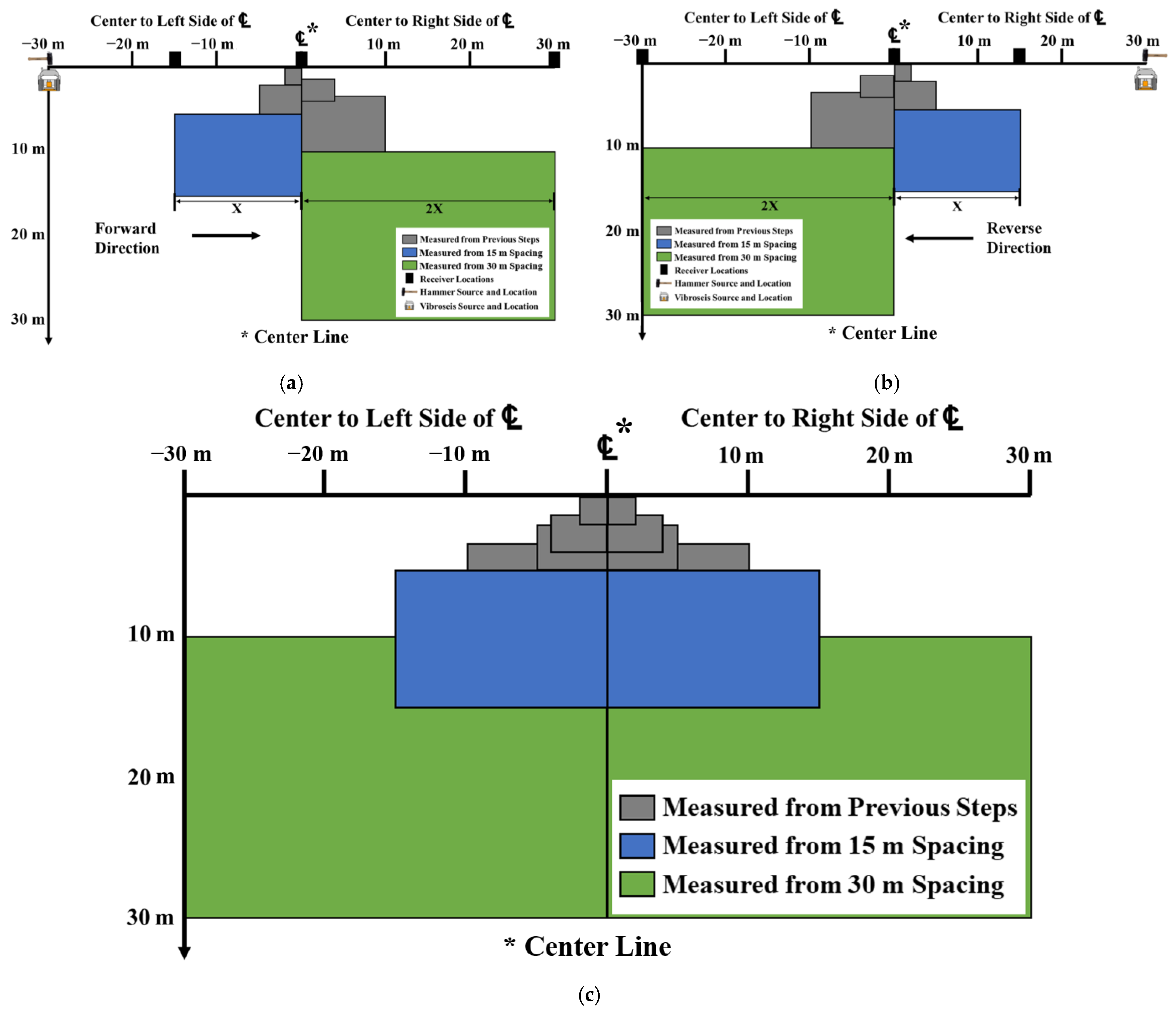
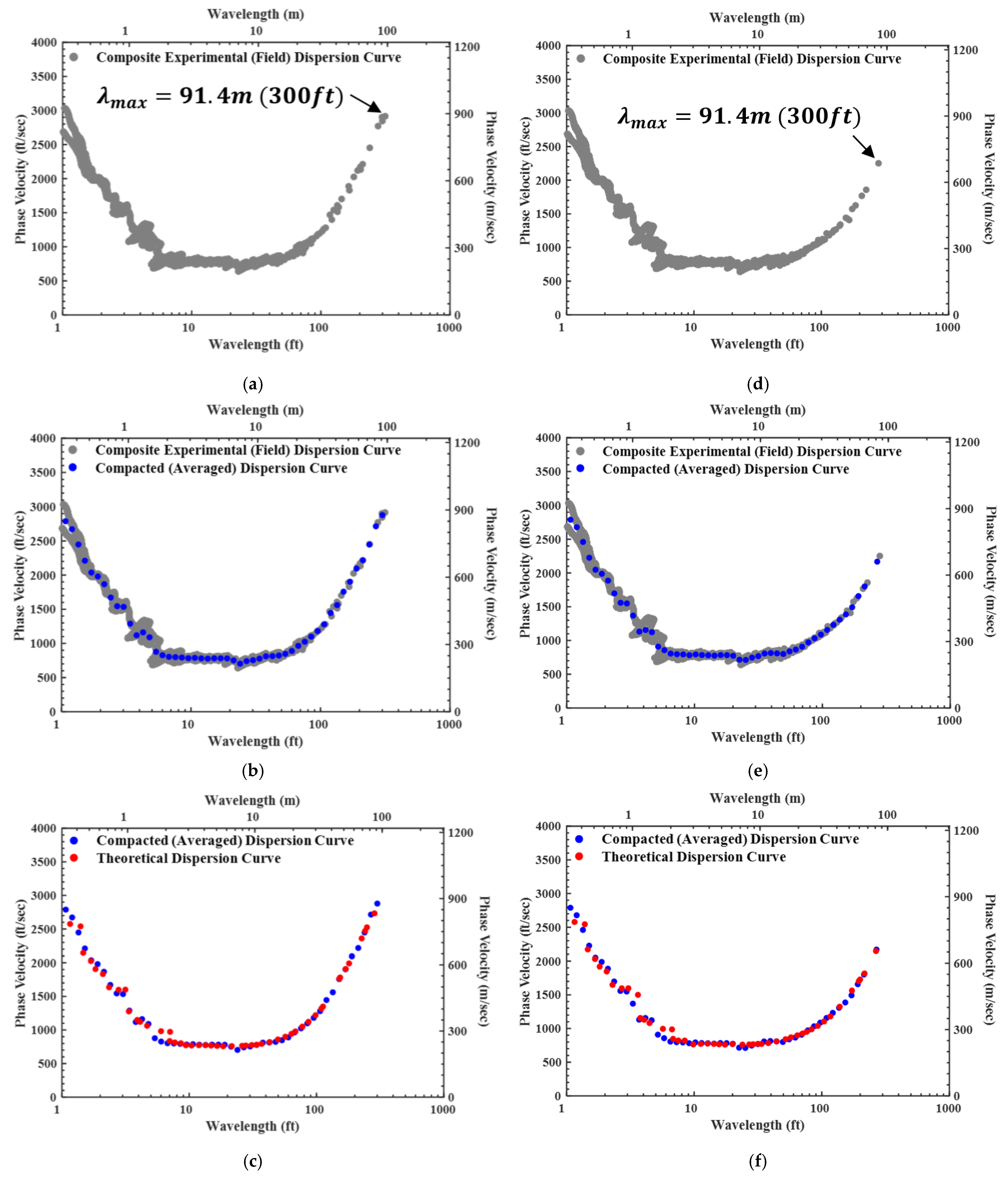
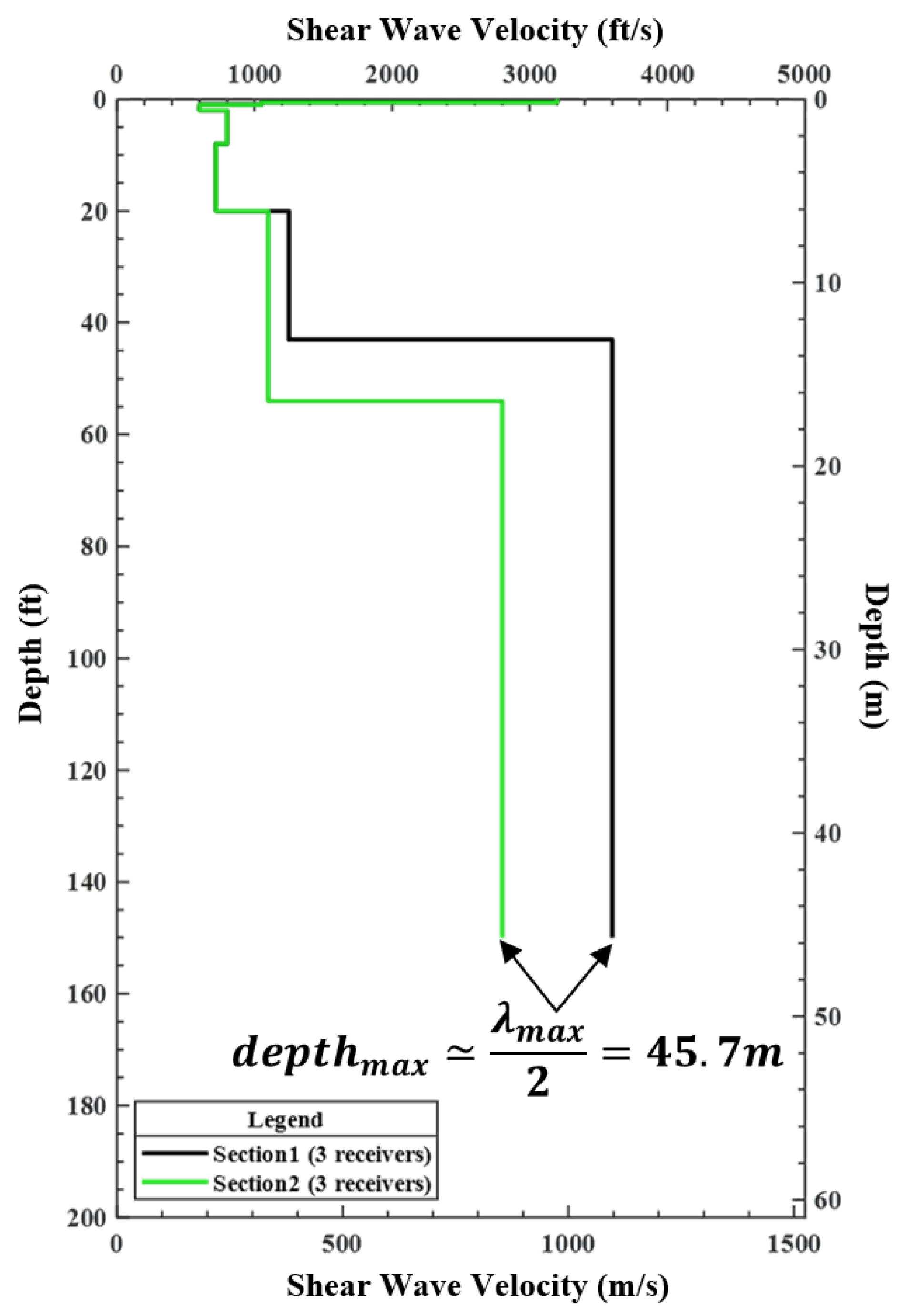
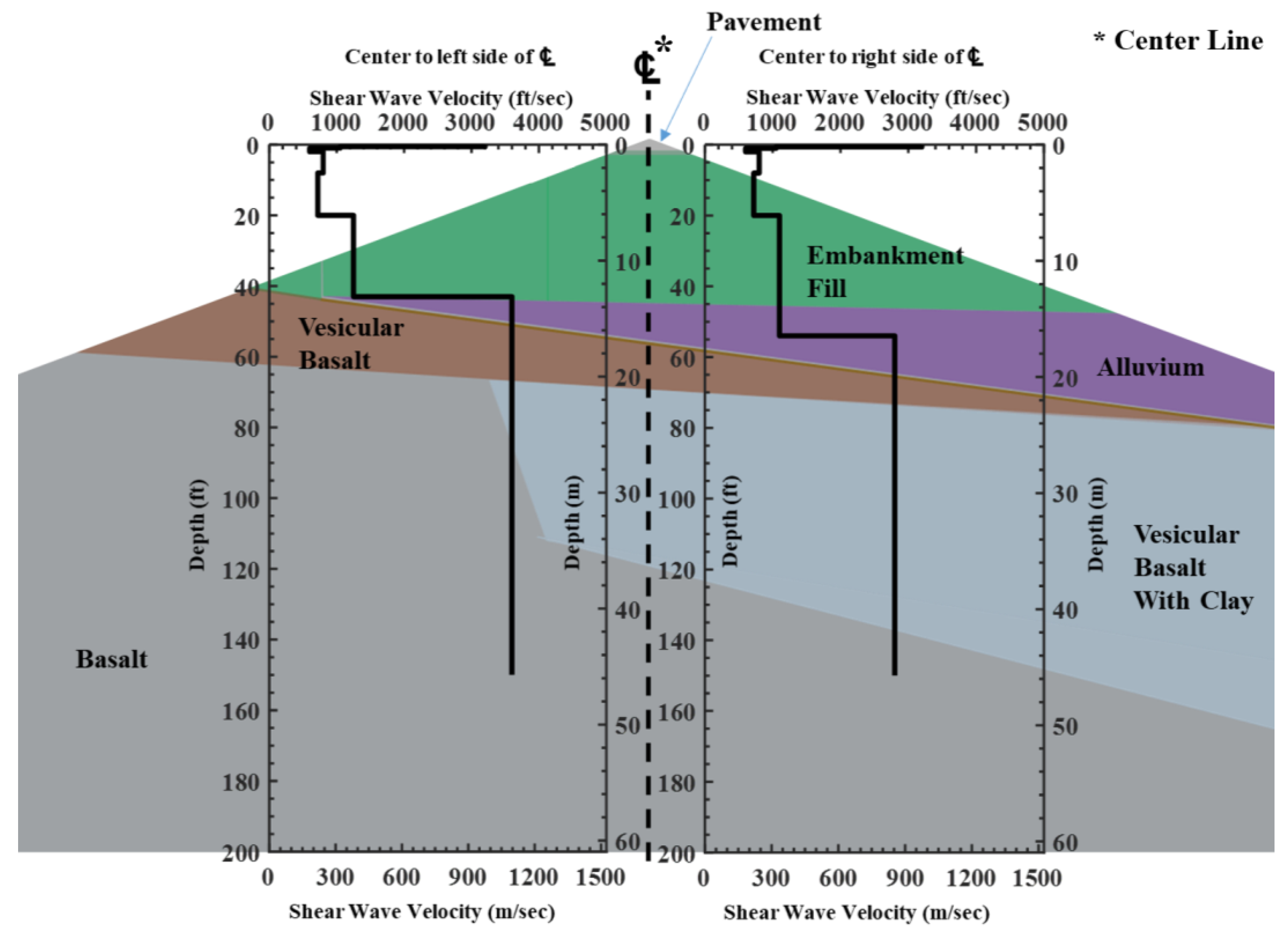
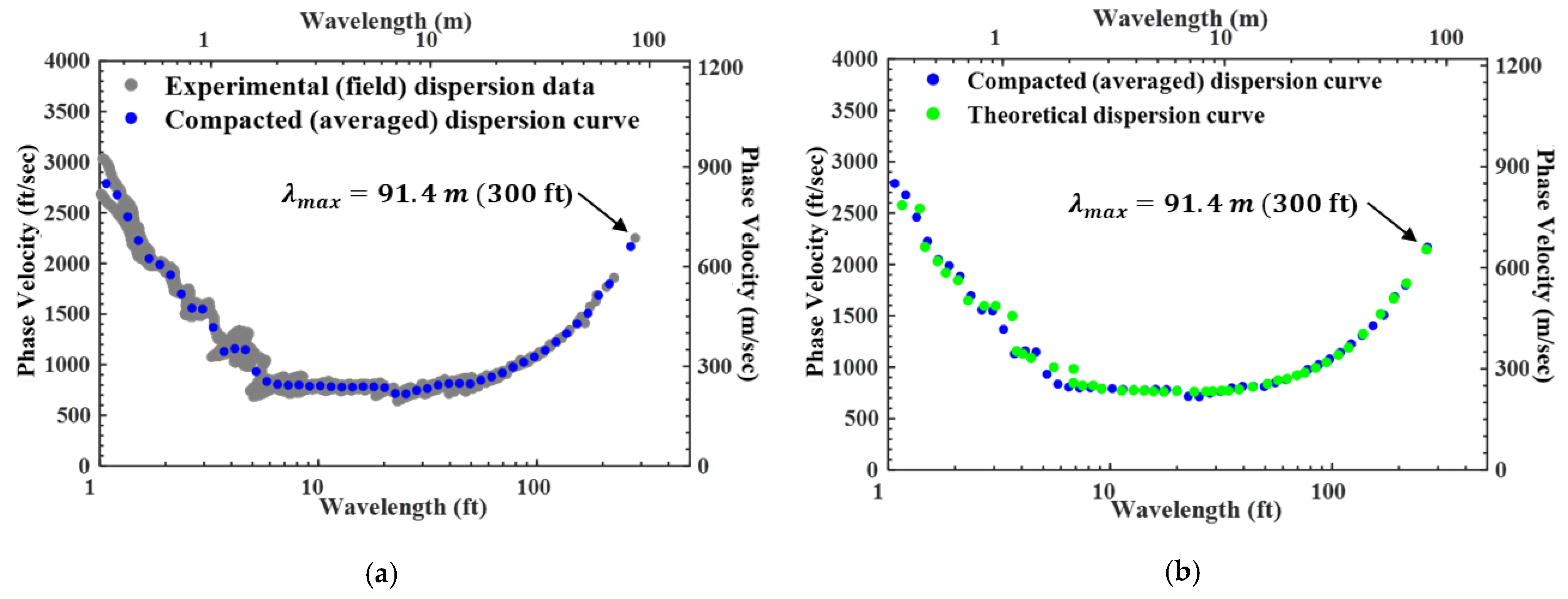
The nondestructive spectral analysis of surface waves (SASW) technique determines the shear wave velocities along the wide wavelength range using Rayleigh-type surface waves that propagate along pairs of receivers on the surface. The typical configuration of source-receivers consists of a vertical source and three vertical receivers arranged in a linear array. While this approach allows for effective site characterization, laterally variable sites are often challenging to characterize. In addition, in a traditional SASW test configuration system, where sources are placed in one direction, the data are collected more on one side, which can cause an imbalance in the interpretation of the data. Data interpretation issues can be resolved by moving the source to opposite ends of the original array and relocating receivers to perform a second complete set of tests. Consequently, two different Vs profiles can be provided with only a small amount of additional time at sites where lateral variability exists. Furthermore, the testing procedure can be modified to enhance the site characterization during data collection. The advantages of performing SASW testing in both directions are discussed using a real case study.
Keywords: nondestructive testing; SASW; seismic testing; surface wave; Vs profile nondestructive testing; SASW; seismic testing; surface wave; Vs profile