Review

Laser Thermal Wave Diagnostics of the Thermal Resistance of Soldered and Bonded Joints in Semiconductor Structures

Ioffe Institute, Saint-Petersburg 194021, Russia
*
Author to whom correspondence should be addressed.
Sensors 2023, 23(7), 3590; https://doi.org/10.3390/s23073590
Submission received: 1 March 2023 / Revised: 25 March 2023 / Accepted: 28 March 2023 / Published: 30 March 2023
(This article belongs to the Special Issue Sensing and Signal Processing in Nondestructive Evaluation)

Abstract

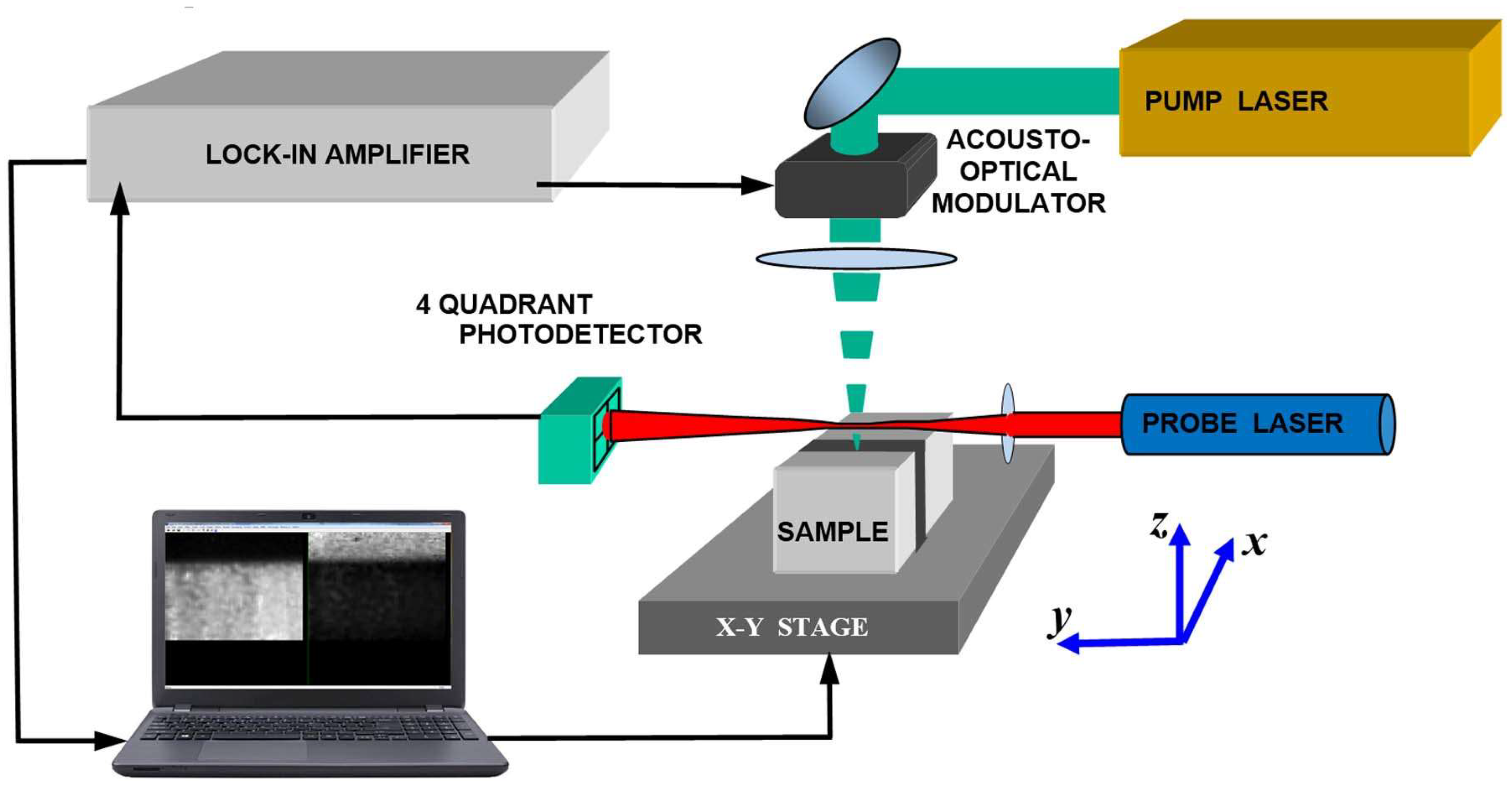
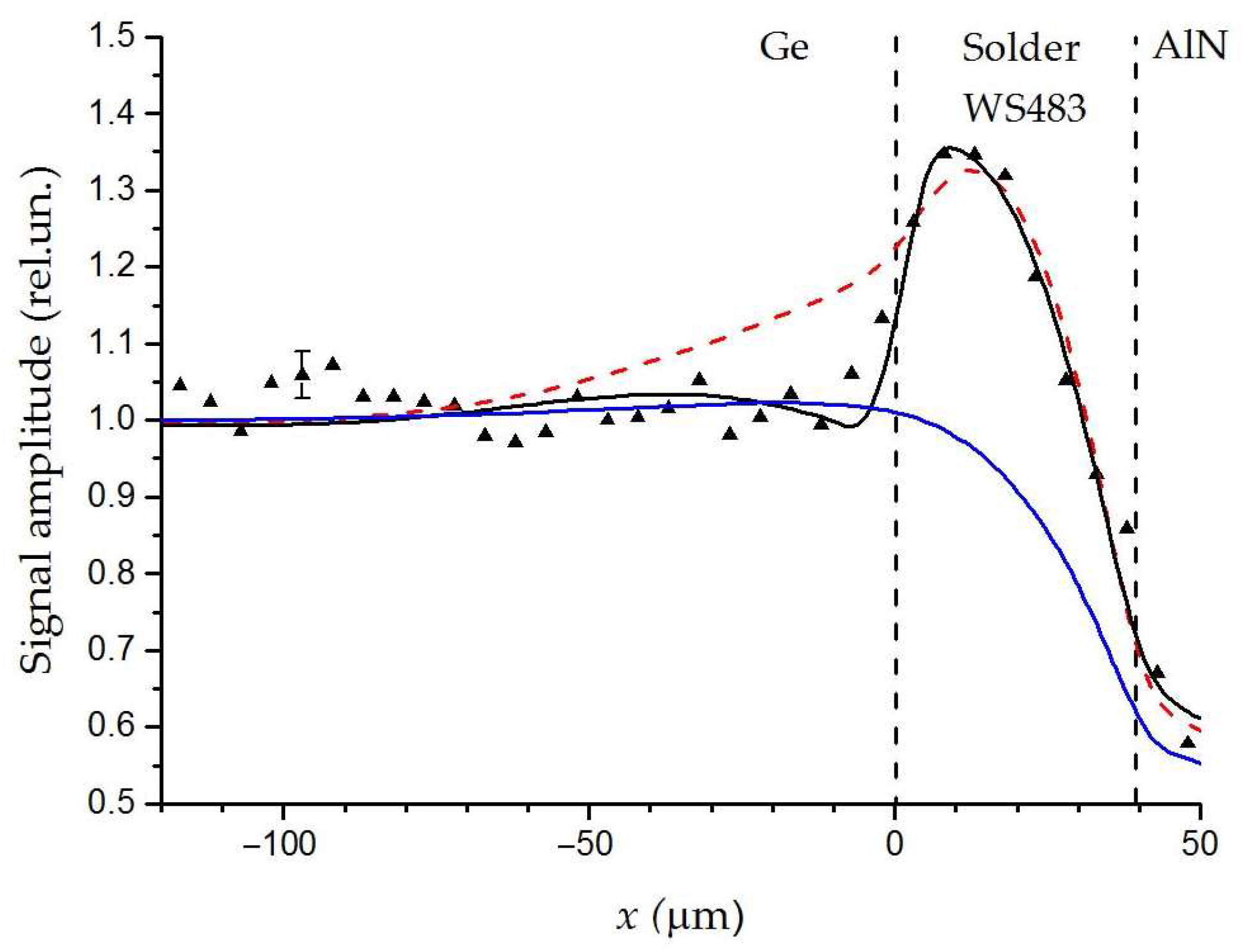
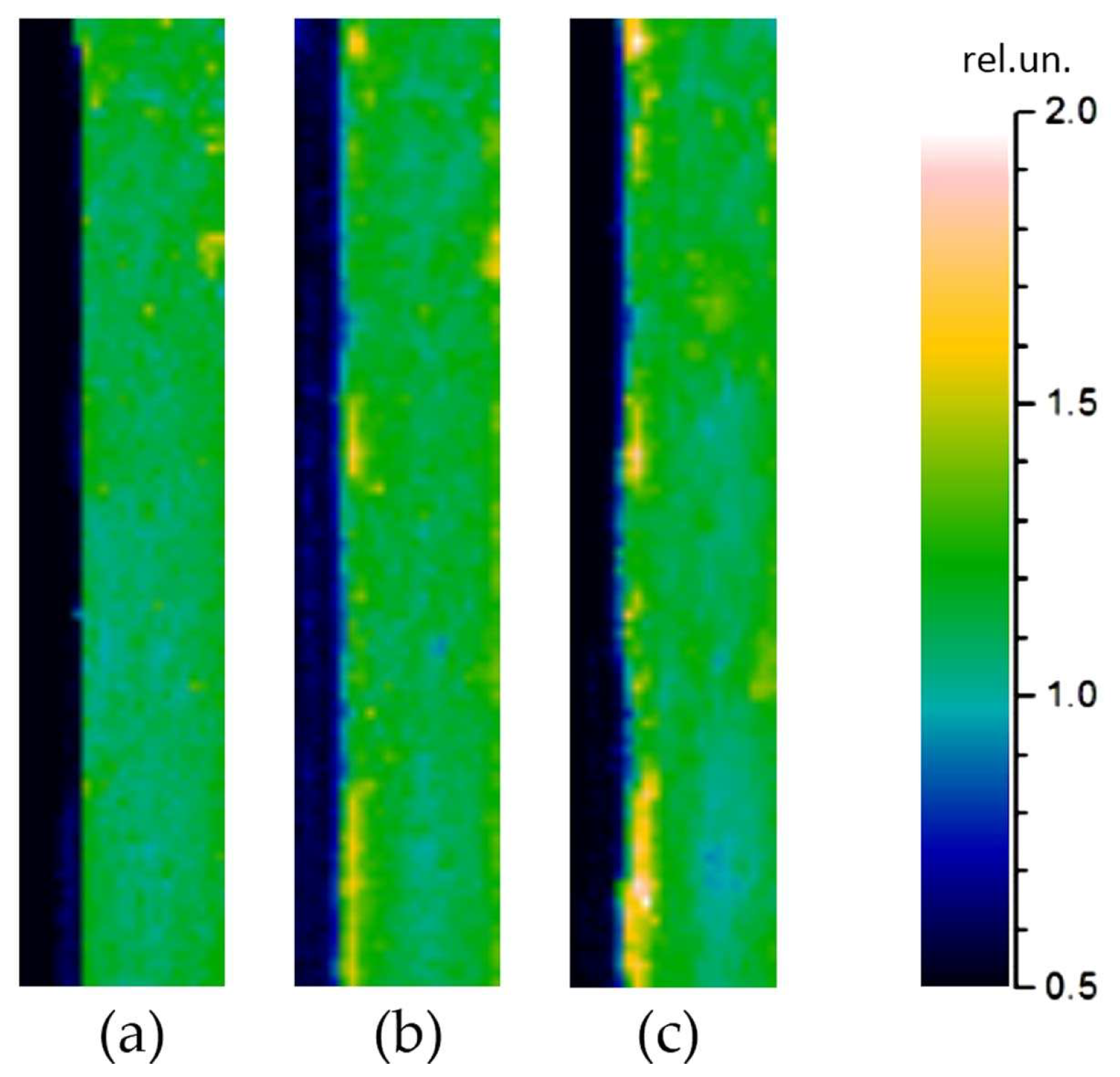
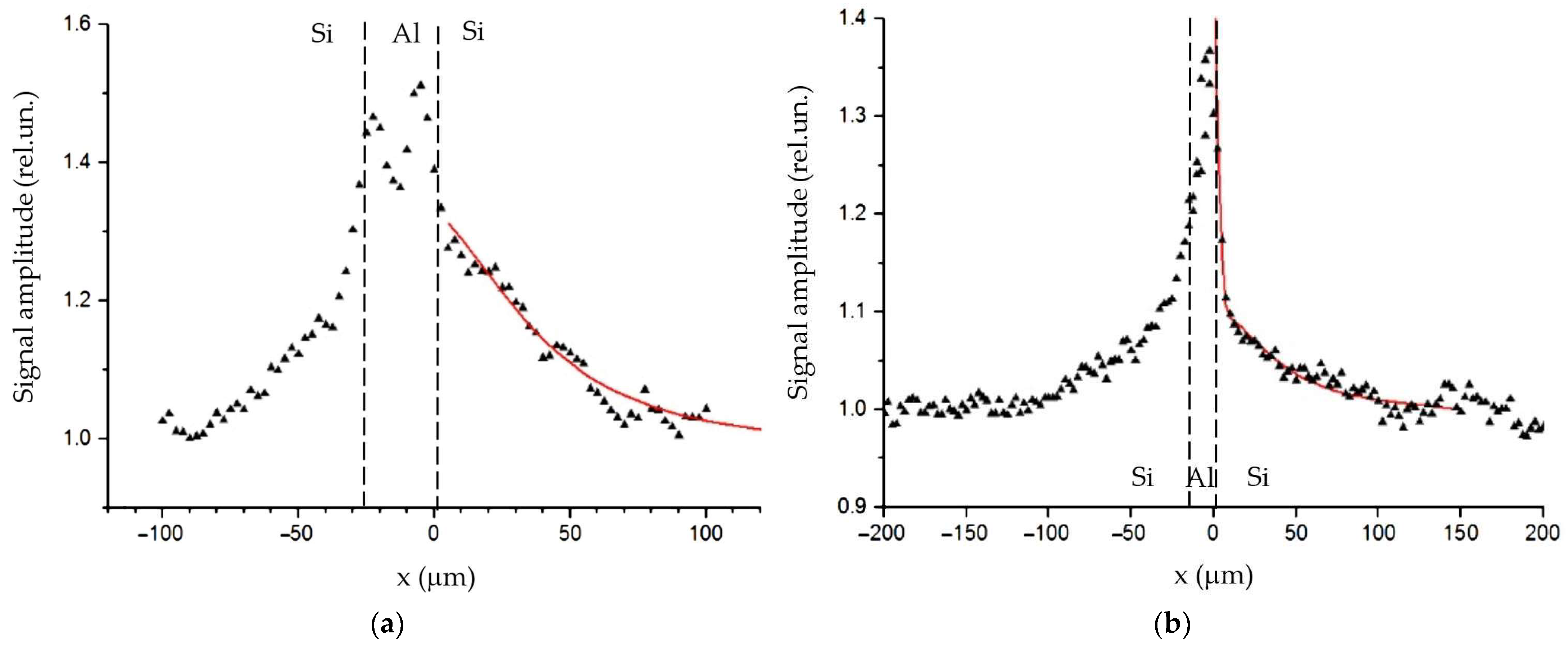
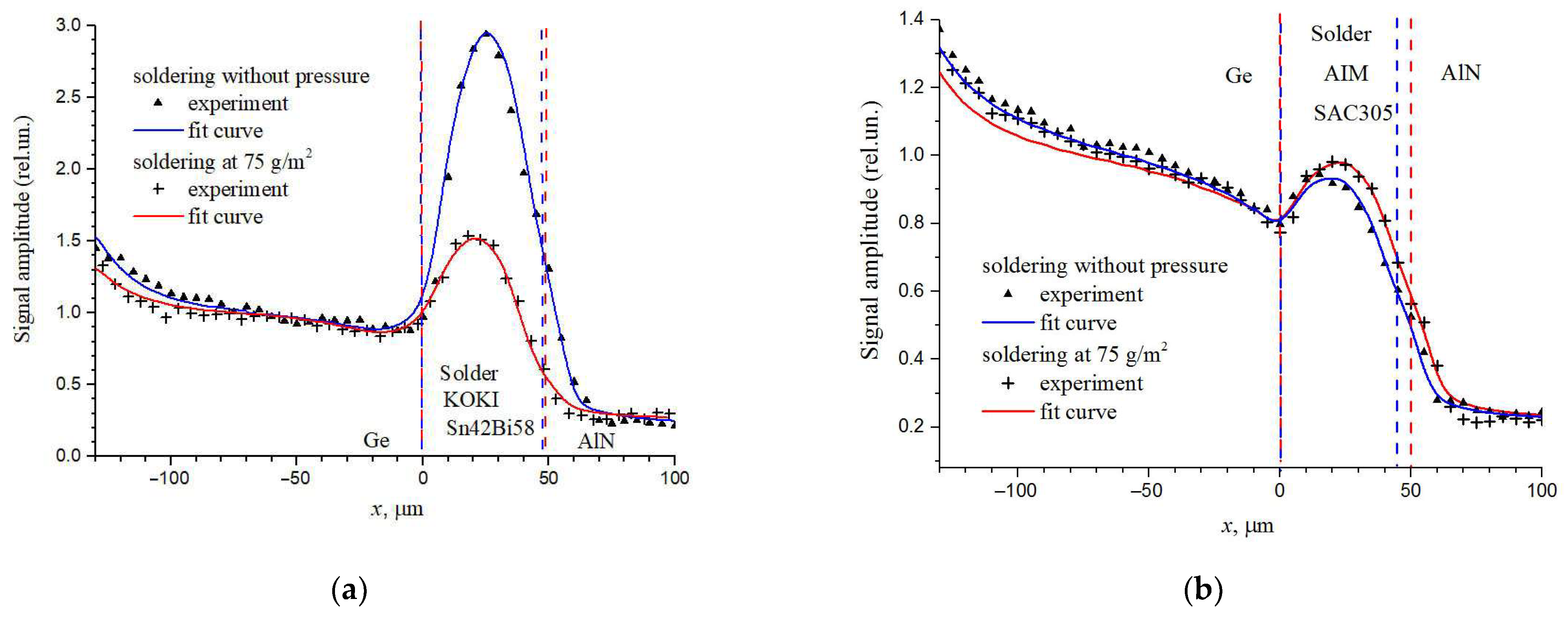
This paper is a review of recent applications of a laser photothermal mirage technique for sensing and measuring the thermal resistance of joint layers in modern electronic devices. A straightforward theoretical model of the interfacial thermal resistance based on the formation of a thin intermediate layer between jointed solids is described. It was experimentally shown that thermal properties of solder layers cannot be evaluated simply on the base of averaging the thermal properties of solder components. The review presents the laser thermal wave methodology for measuring thermal parameters of soldered and adhesively bonded joints. The developed theoretical model makes it possible to carry out a quantitative estimation of local thermal conductivities of joints and their thermal resistances by fitting theoretical results with experimental data obtained by the laser beam deflection method. The joints made with lead-containing and lead-free solders were studied. The anomalous distribution of thermal properties in the solder layer is explained by the diffusion of various atoms detected by energy dispersive X-ray spectroscopy. The laser beam deflection method made it possible to reveal a strong influence of the surface pretreatment quality on the interfacial thermal resistance.
Keywords: photothermal technique; mirage-effect; thermal waves; interfacial thermal resistance; thermal impedance photothermal technique; mirage-effect; thermal waves; interfacial thermal resistance; thermal impedance