Article

The Influence of Mobile Device Type on Camera-Based Monitoring of Neck Movements for Cervical Rehabilitation

by
Maria Francesca Roig-Maimó
1,†,
Iosune Salinas-Bueno
2,*,†,
Ramon Mas-Sansó
1,†,
Javier Varona
1,† and
Pau Martínez-Bueso
2,†
1
Department of Mathematics and Computer Science, University of the Balearic Islands, 07122 Palma, Spain
2
Department of Nursing and Physiotherapy, University of the Balearic Islands and Health Research Institute of the Balearic Islands (IdISBa), 07122 Palma, Spain
*
Author to whom correspondence should be addressed.
These authors contributed equally to this work.
Sensors 2023, 23(5), 2482; https://doi.org/10.3390/s23052482
Submission received: 25 November 2022 / Revised: 16 February 2023 / Accepted: 20 February 2023 / Published: 23 February 2023

Abstract

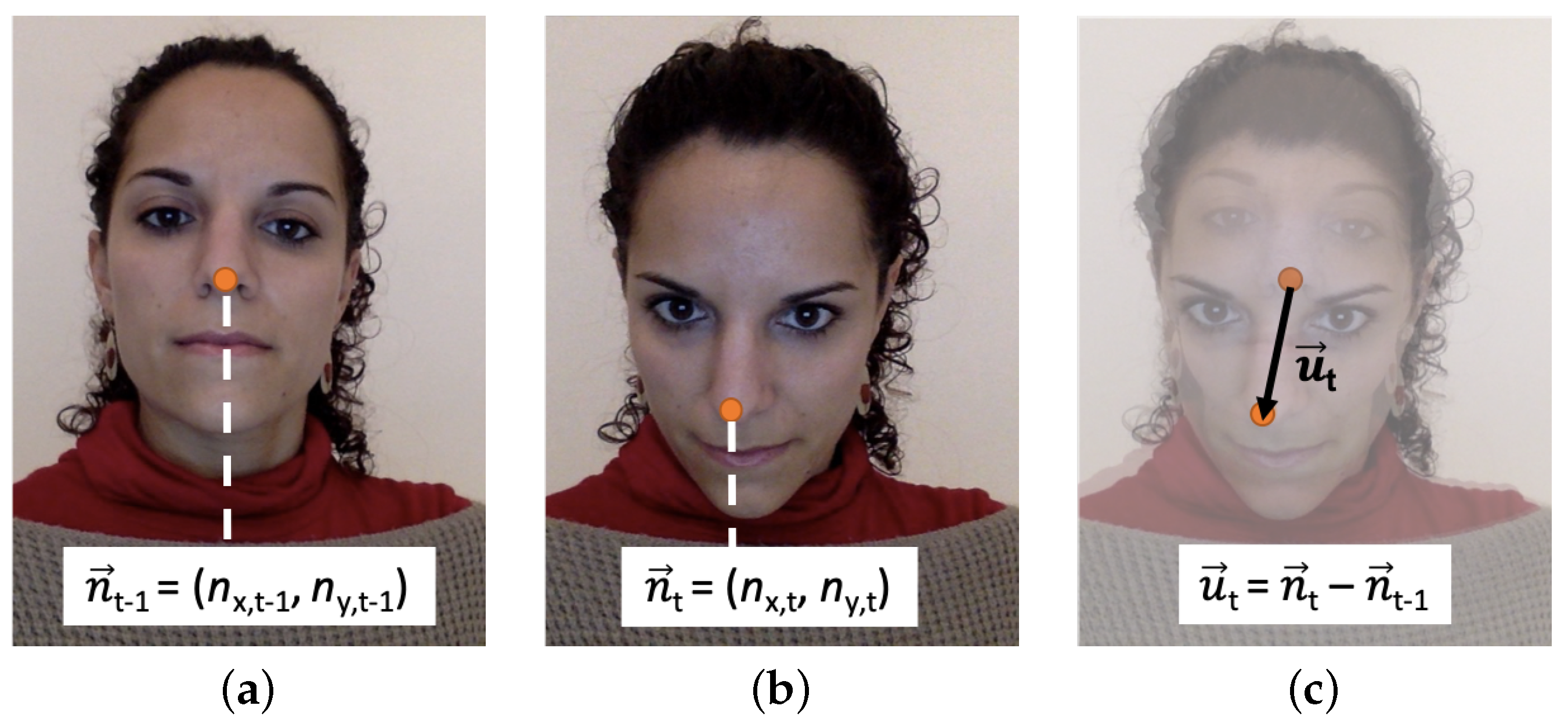
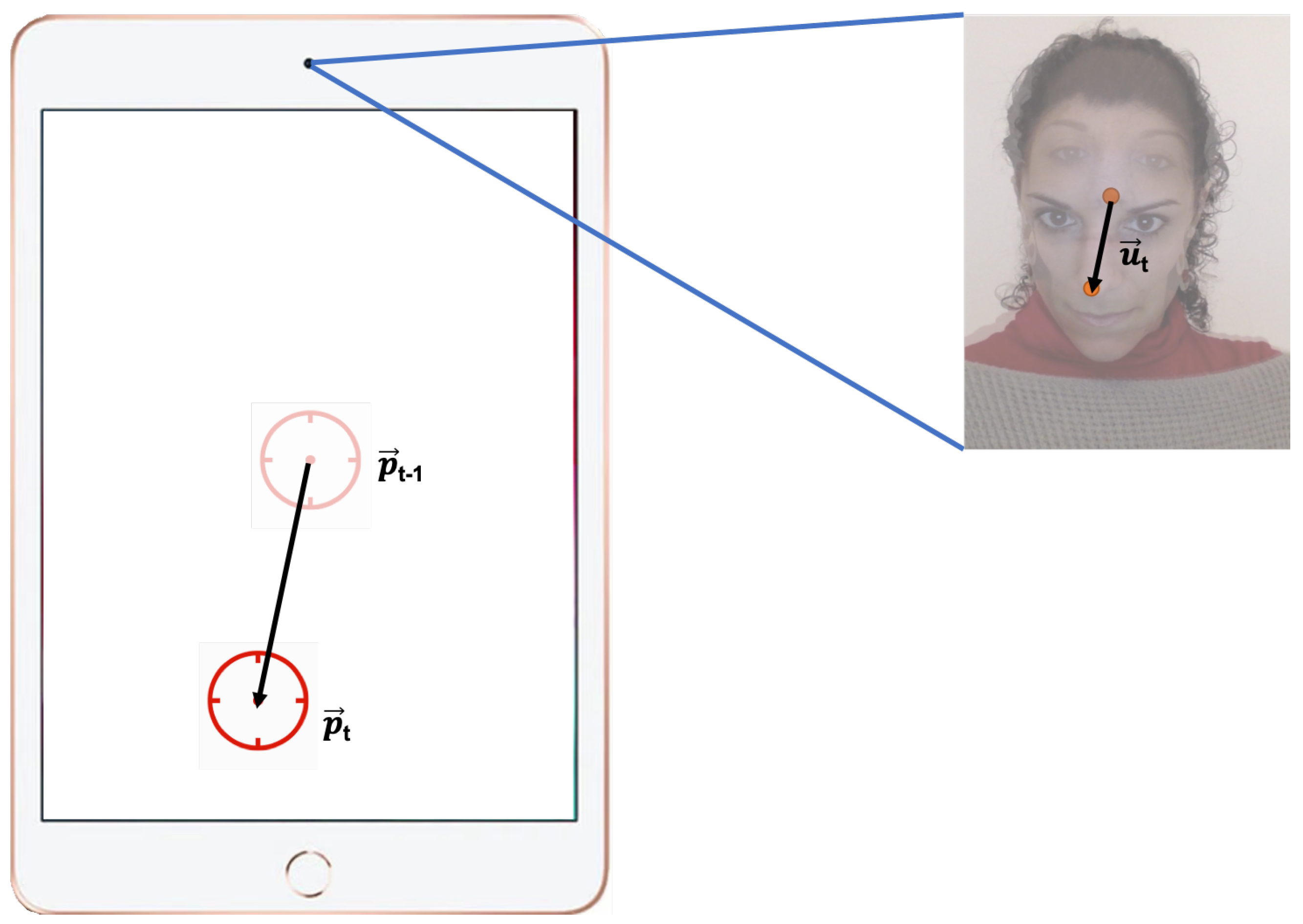
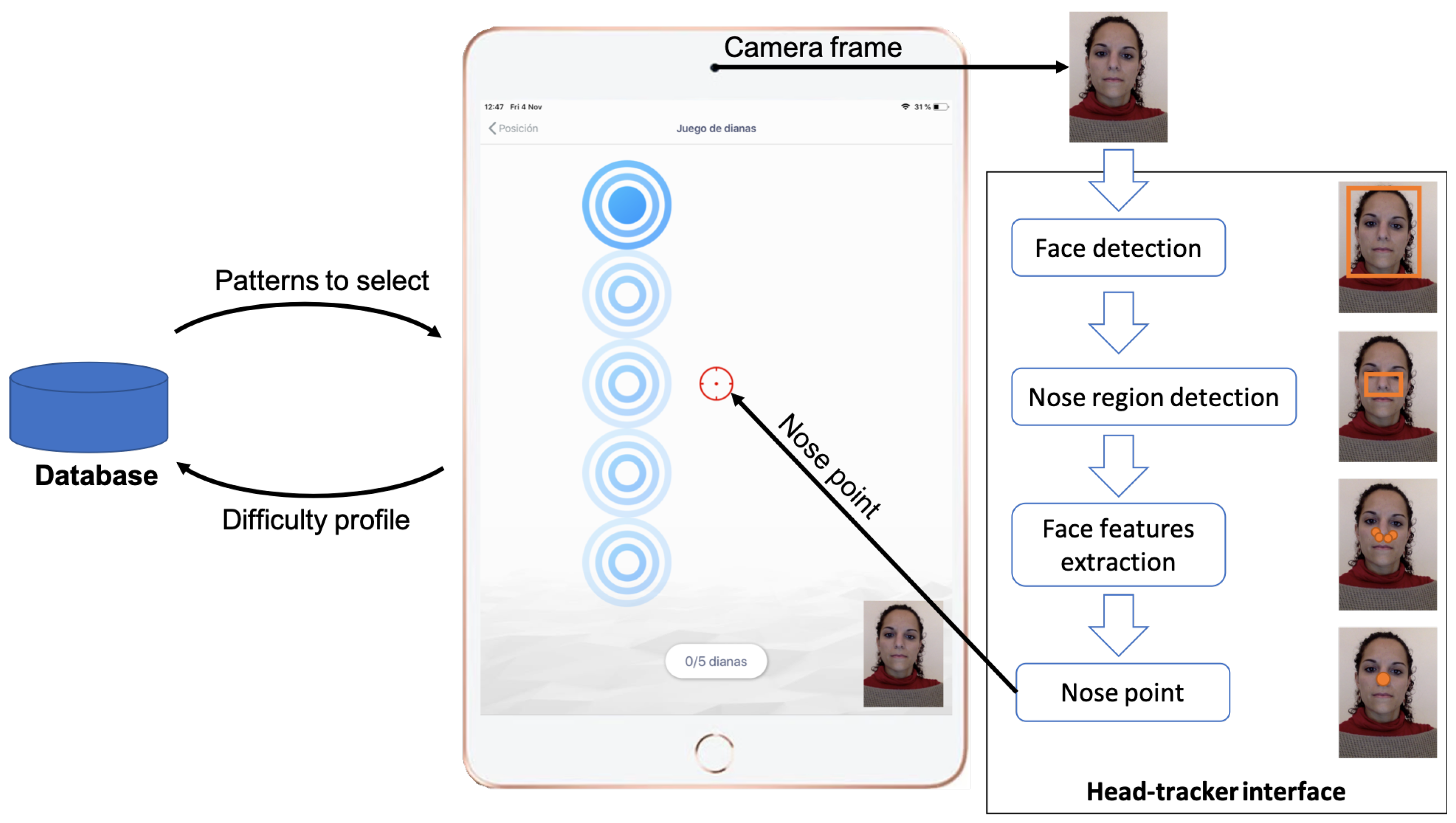
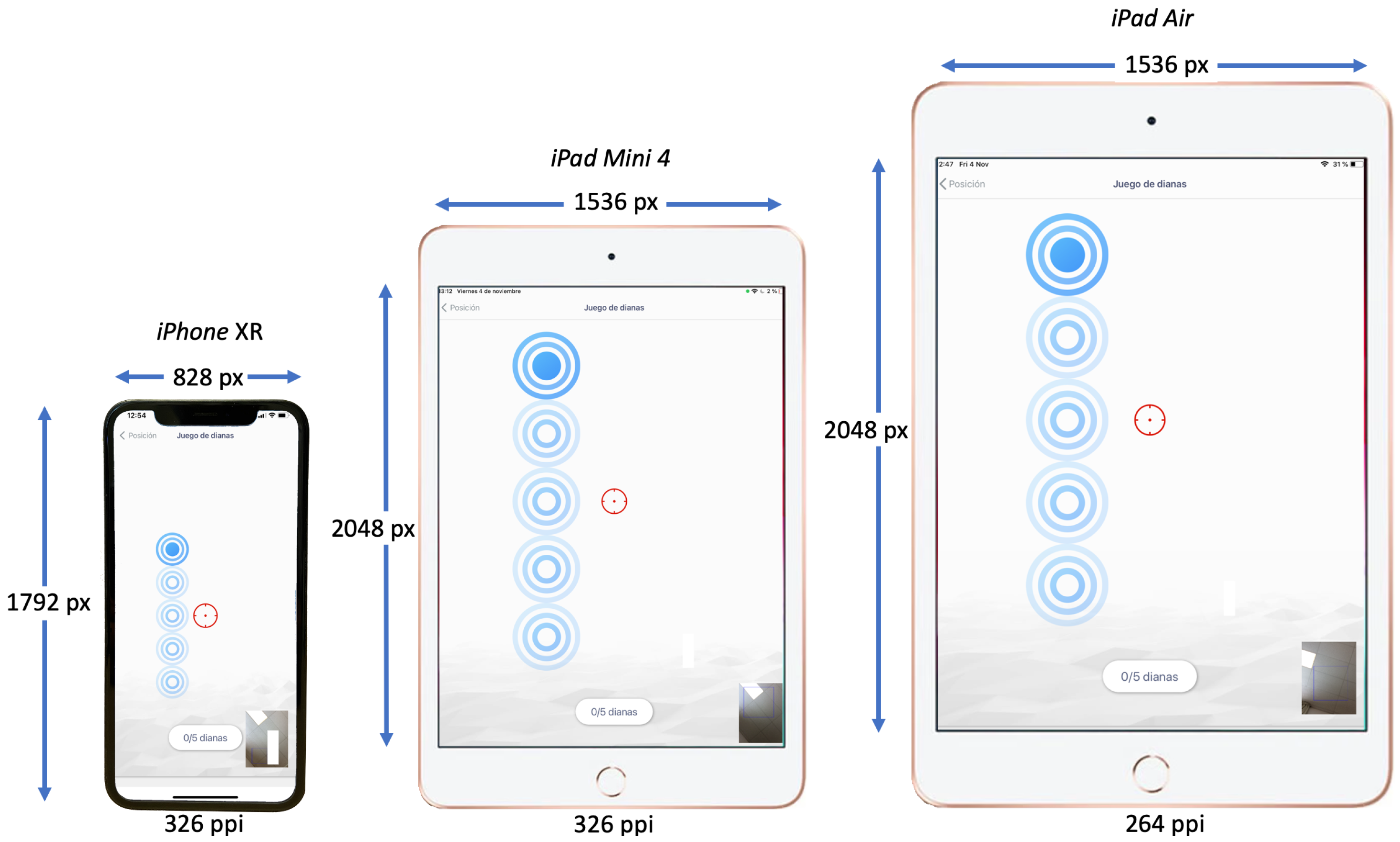
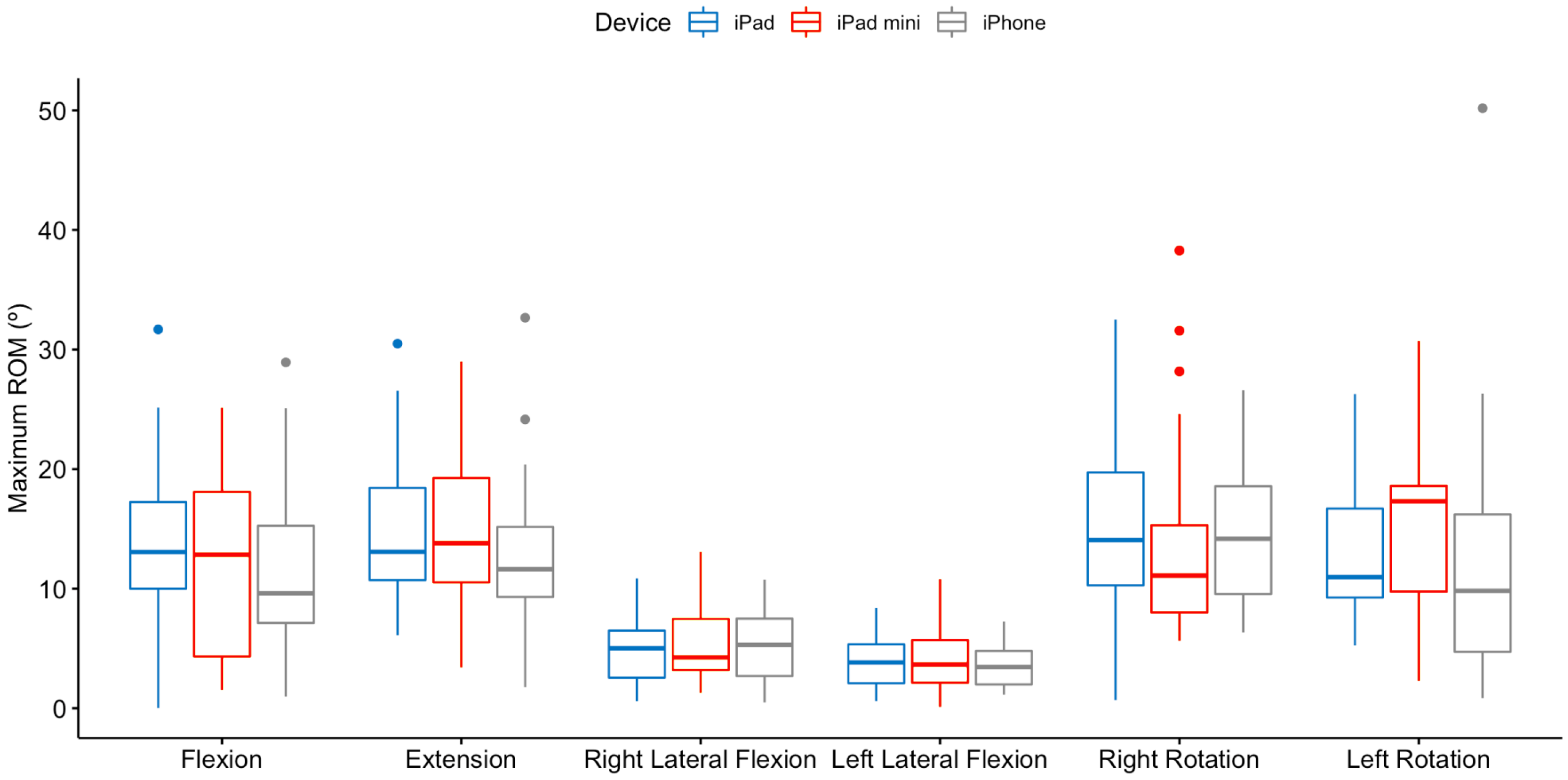
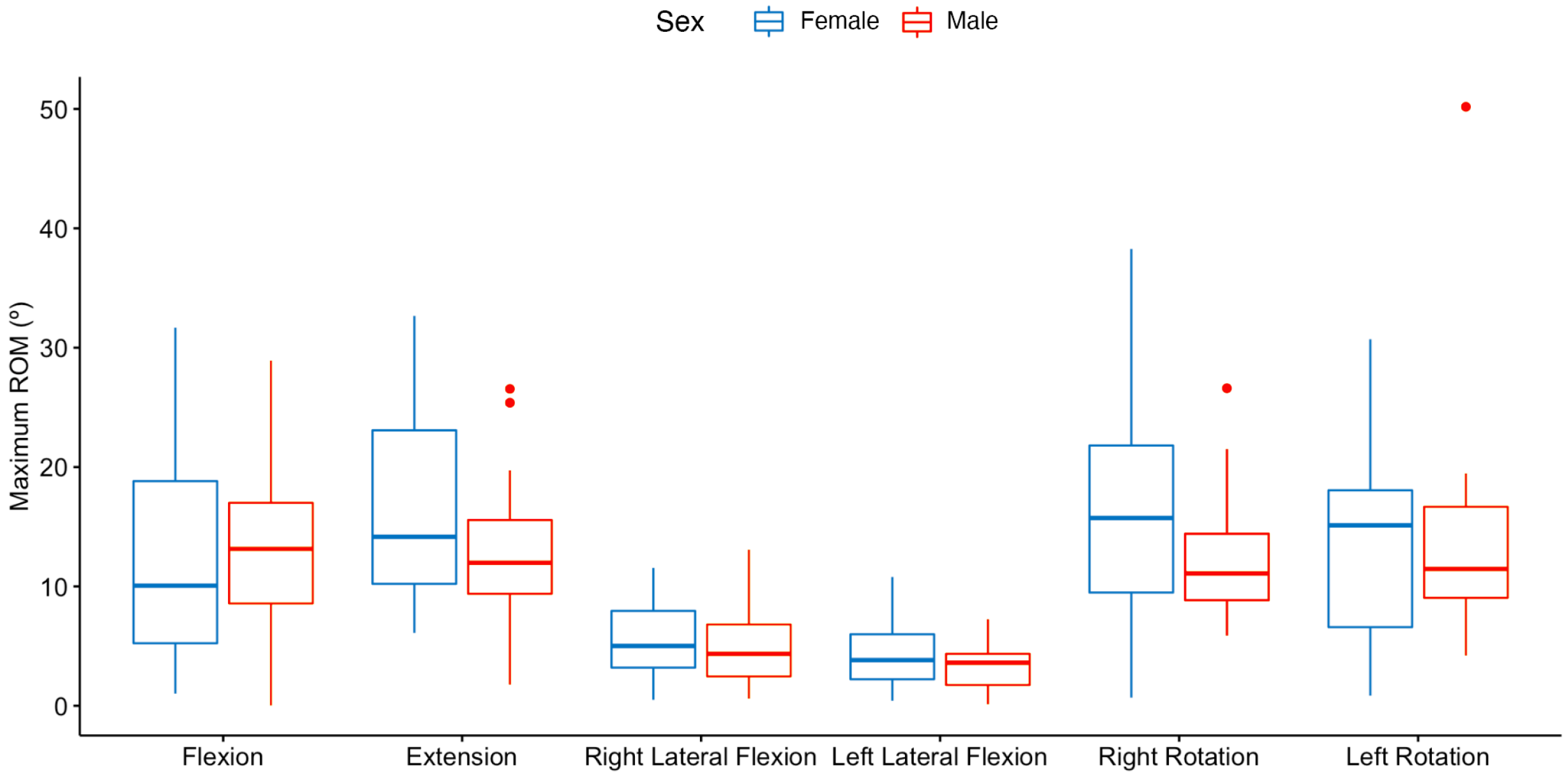
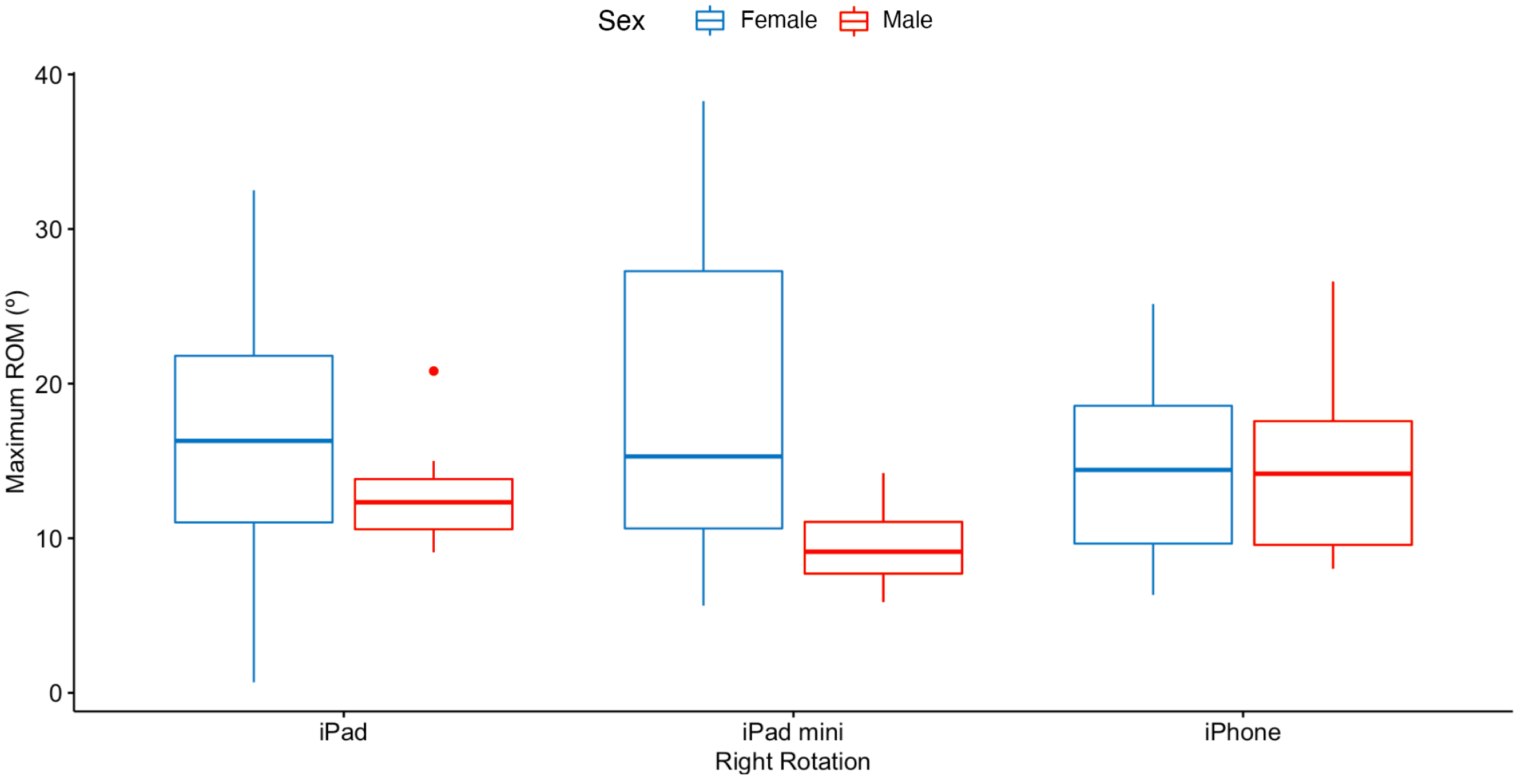
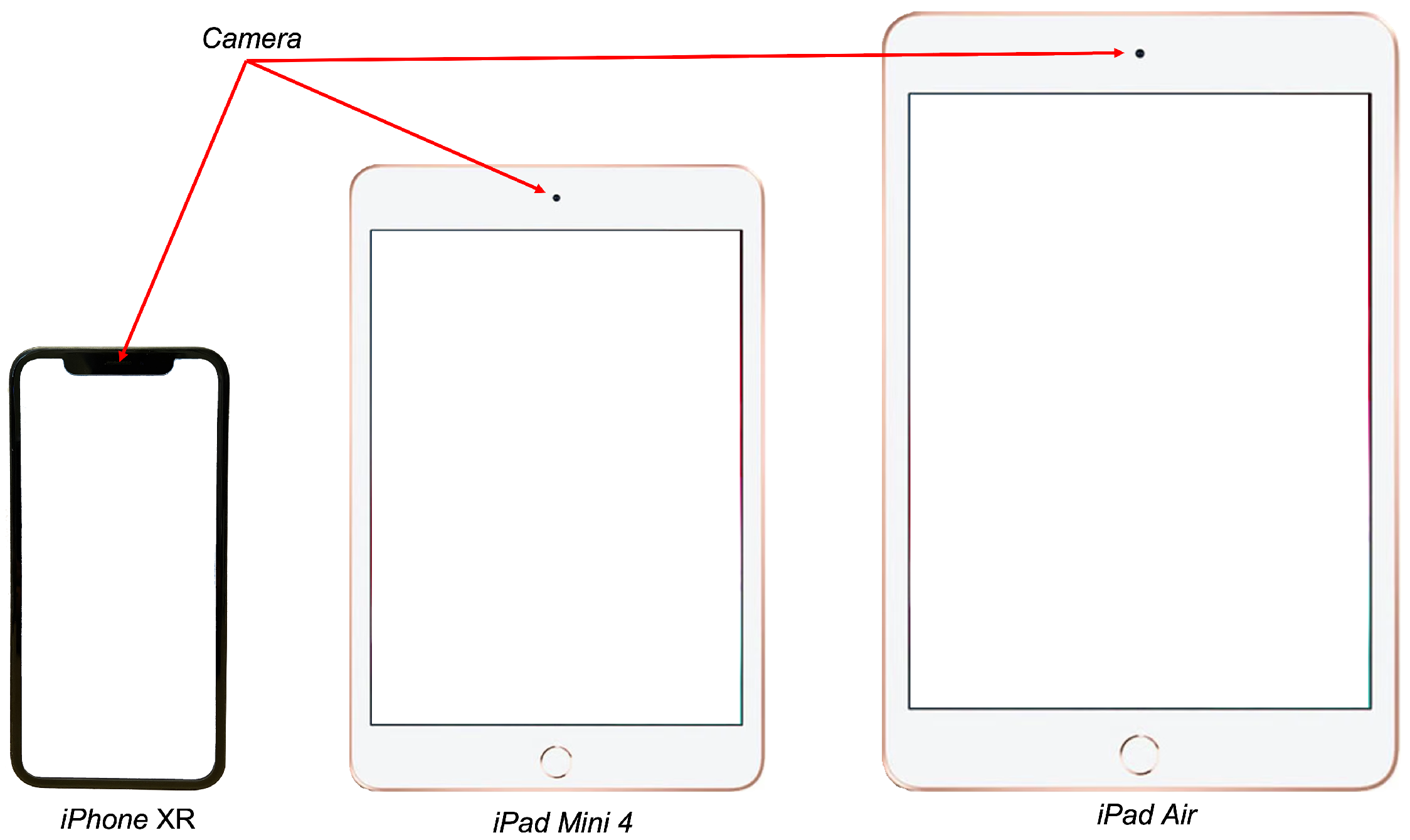
We developed a mobile application for cervical rehabilitation that uses a non-invasive camera-based head-tracker sensor for monitoring neck movements. The intended user population should be able to use the mobile application in their own mobile device, but mobile devices have different camera sensors and screen dimensions that could affect the user performance and neck movement monitoring. In this work, we studied the influence of mobile devices type on camera-based monitoring of neck movements for rehabilitation purposes. We conducted an experiment to test whether the characteristics of a mobile device affect neck movements when using the mobile application with the head-tracker. The experiment consisted of the use of our application, containing an exergame, in three mobile devices. We used wireless inertial sensors to measure the real-time neck movements performed while using the different devices. The results showed that the effect of device type on neck movements was not statistically significant. We included the sex factor in the analysis, but there was no statistically significant interaction between sex and device variables. Our mobile application proved to be device-agnostic. This will allow intended users to use the mHealth application regardless of the type of device. Thus, future work can continue with the clinical evaluation of the developed application to analyse the hypothesis that the use of the exergame will improve therapeutic adherence in cervical rehabilitation.
Keywords: camera sensor; mobile device; neck; rehabilitation; serious game; mHealth camera sensor; mobile device; neck; rehabilitation; serious game; mHealth