Article

A Low-Power Wireless System for Predicting Early Signs of Sudden Cardiac Arrest Incorporating an Optimized CNN Model Implemented on NVIDIA Jetson


1
Department of Electrical Engineering, University of North Texas, Denton, TX 76203, USA
2
Department of Computer Science and Engineering, University of North Texas, Denton, TX 76203, USA
3
Department of Electrical and Computer Engineering, The University of Texas at Dallas, Richardson, TX 75080, USA
*
Author to whom correspondence should be addressed.
Sensors 2023, 23(4), 2270; https://doi.org/10.3390/s23042270
Submission received: 10 November 2022 / Revised: 6 February 2023 / Accepted: 10 February 2023 / Published: 17 February 2023
(This article belongs to the Special Issue Wearable Sensors for Physical Activity and Healthcare Monitoring)

Abstract

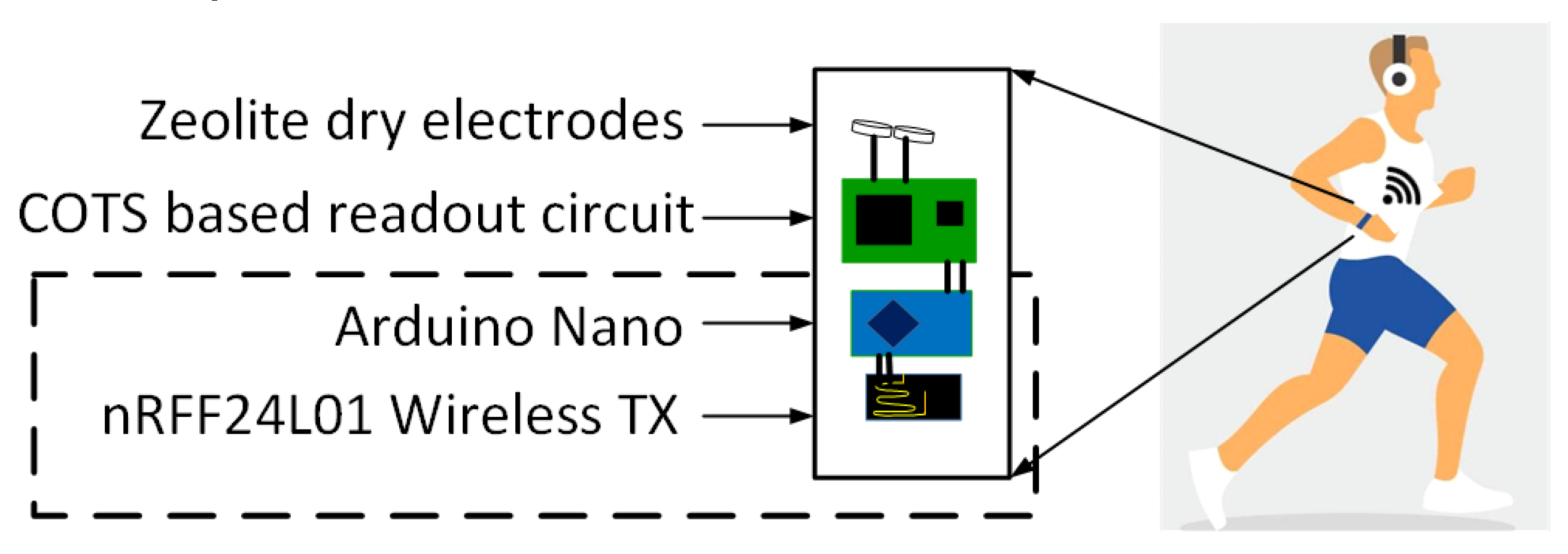
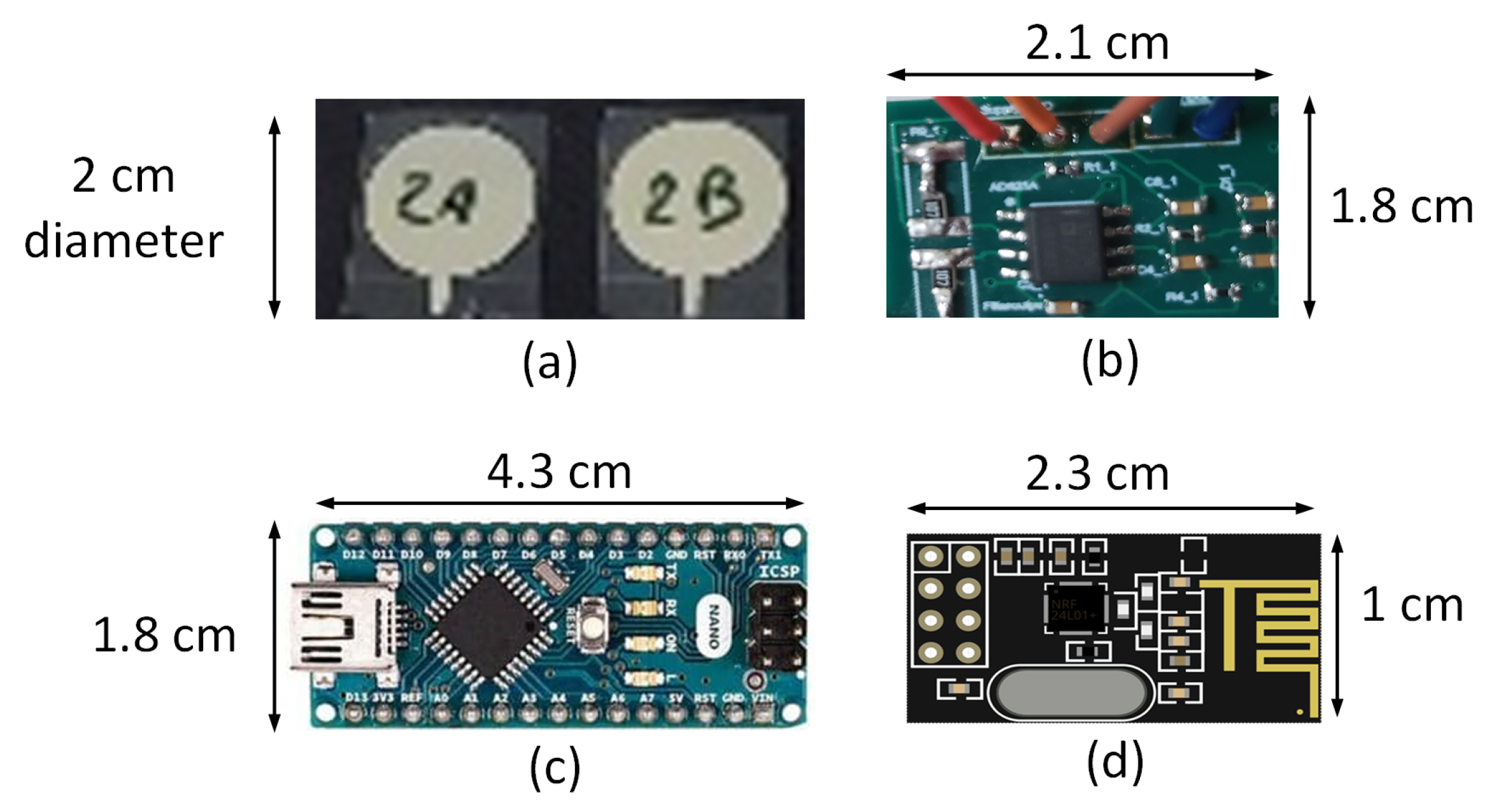
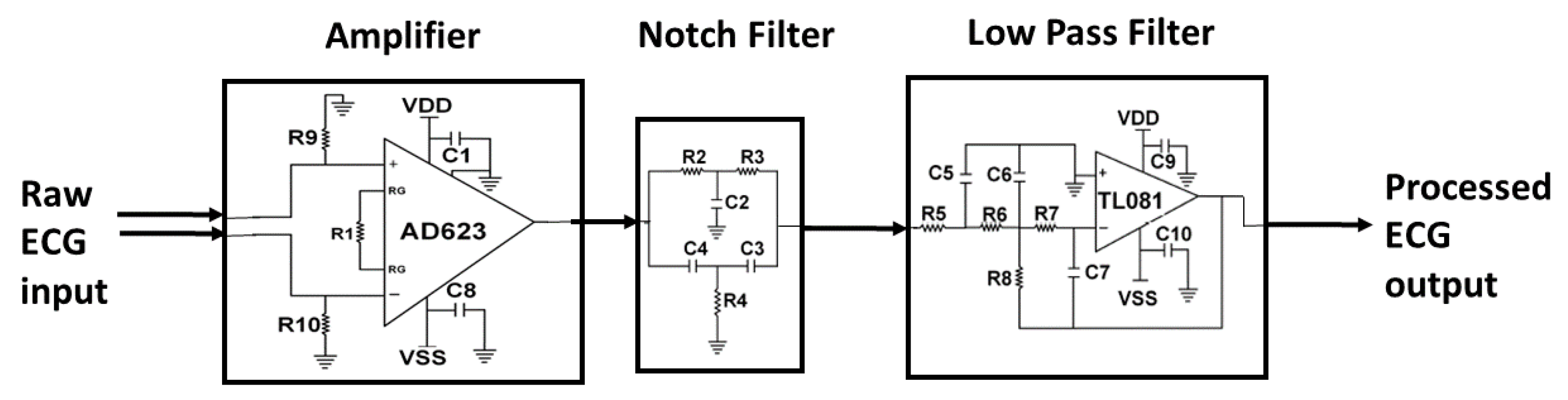
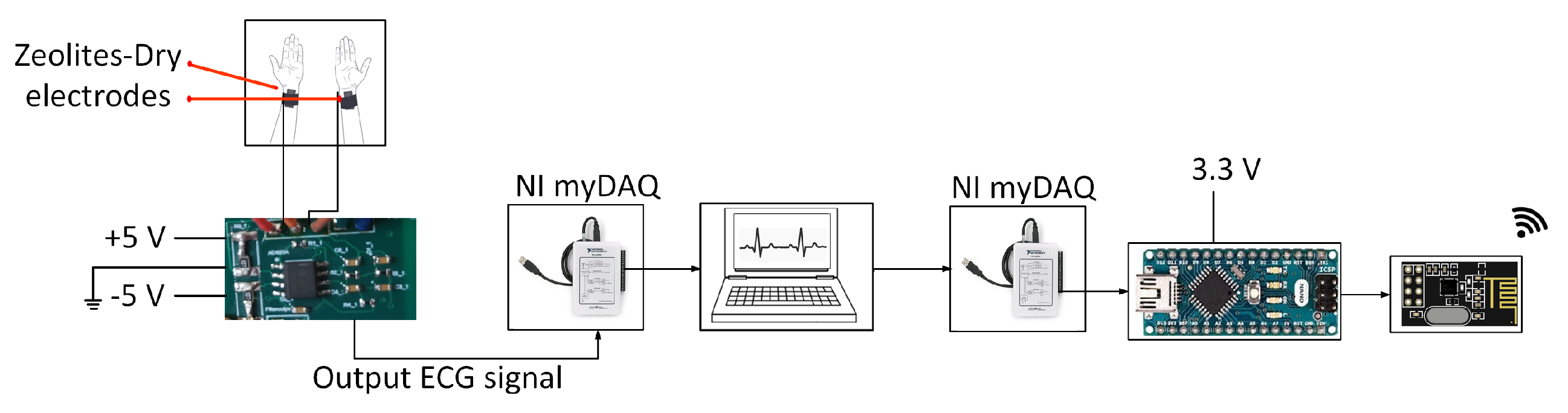
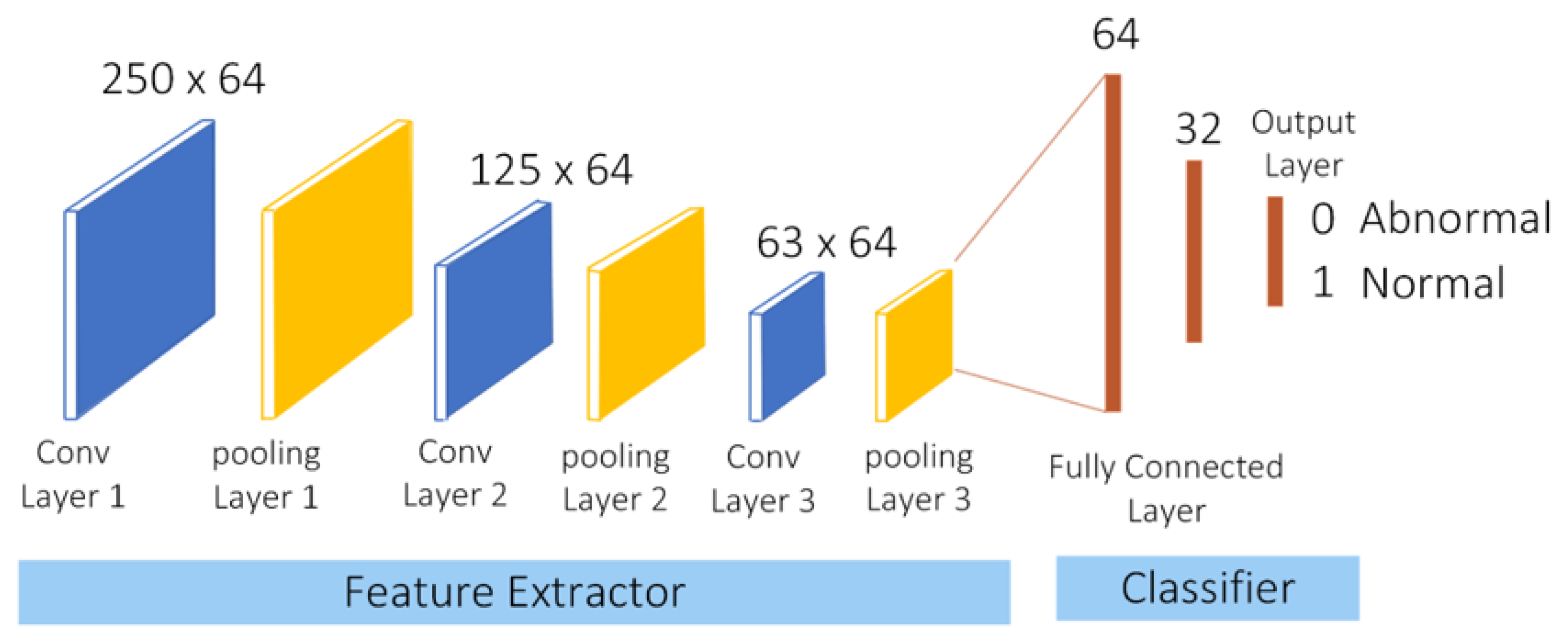
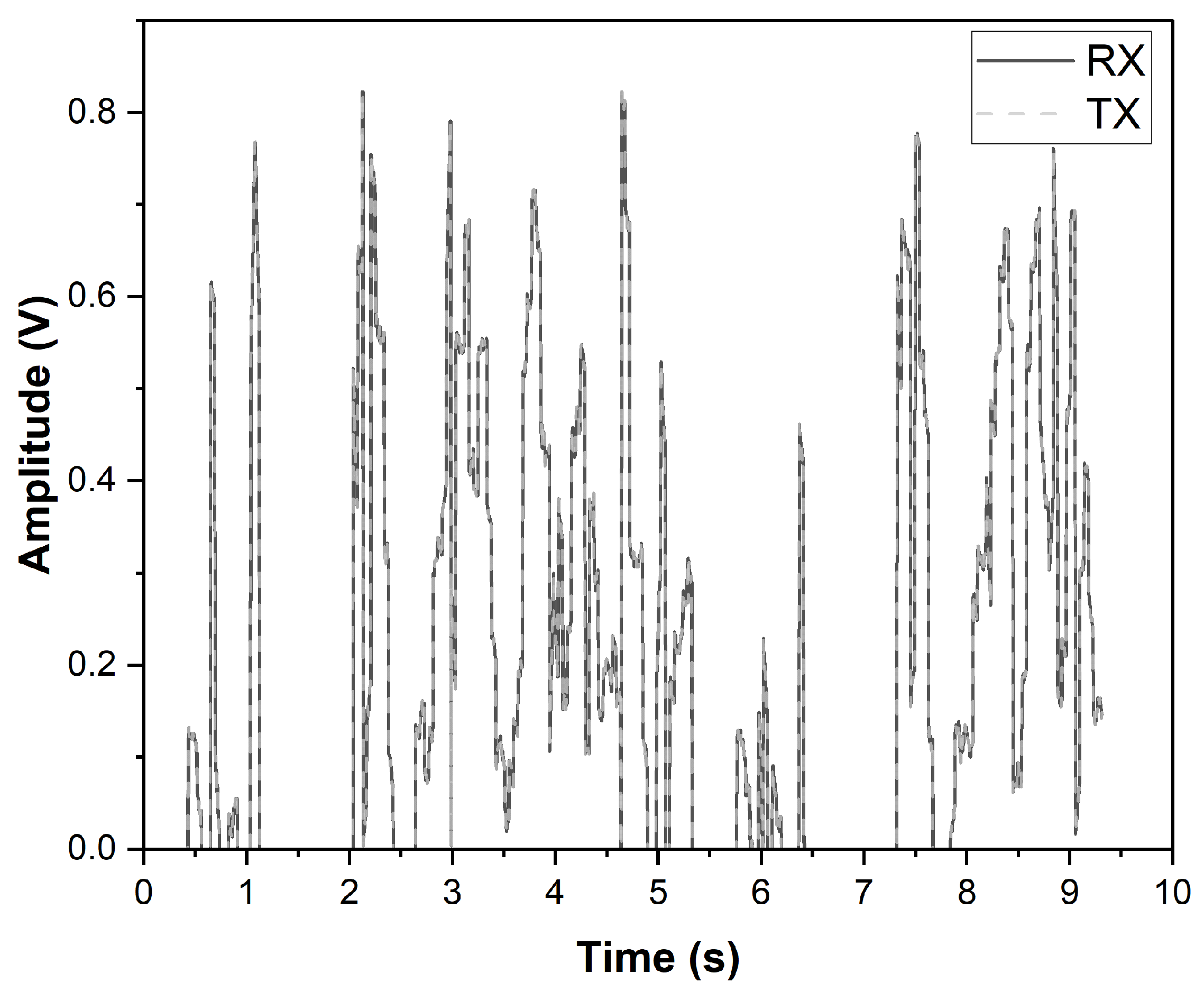
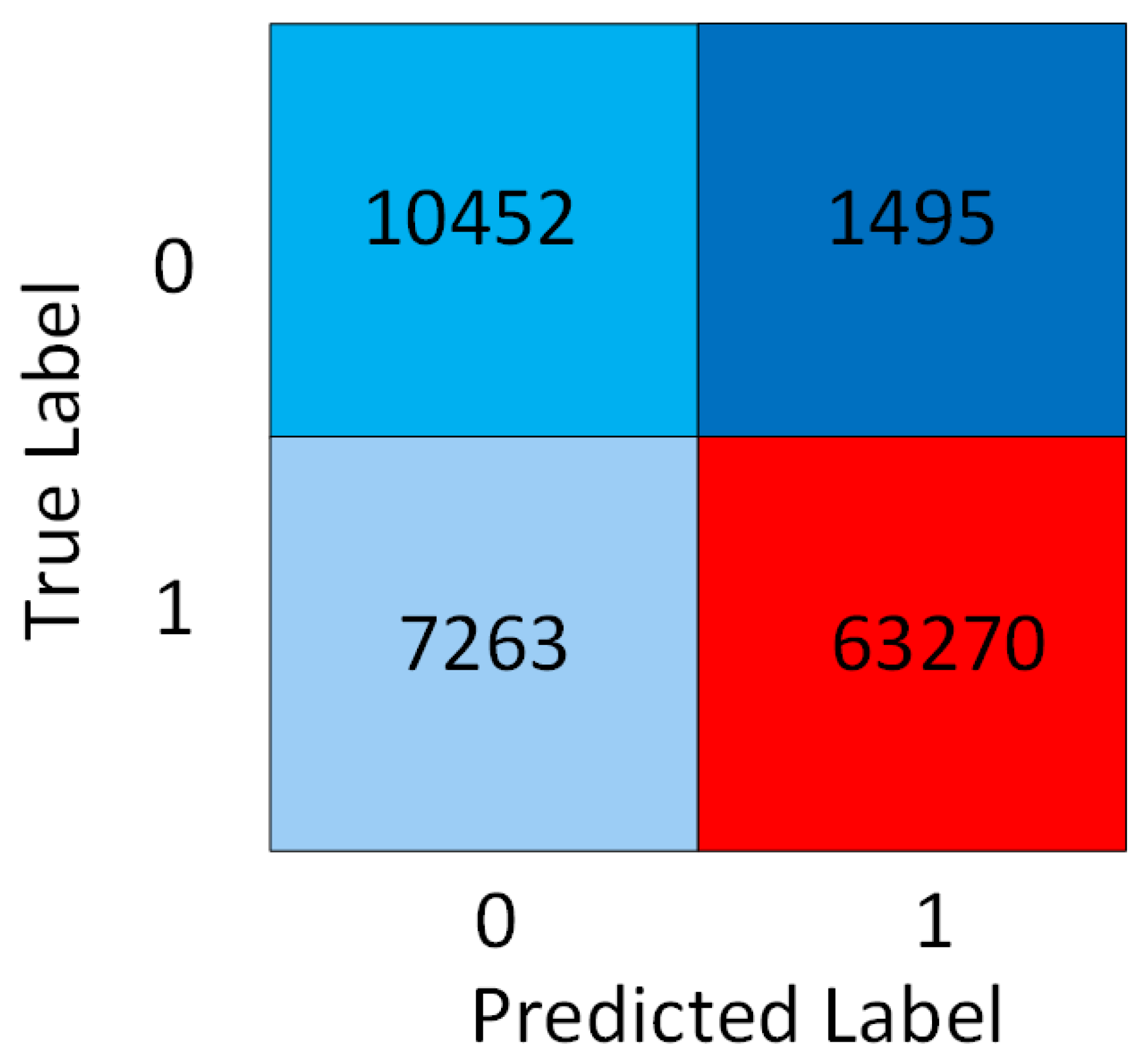
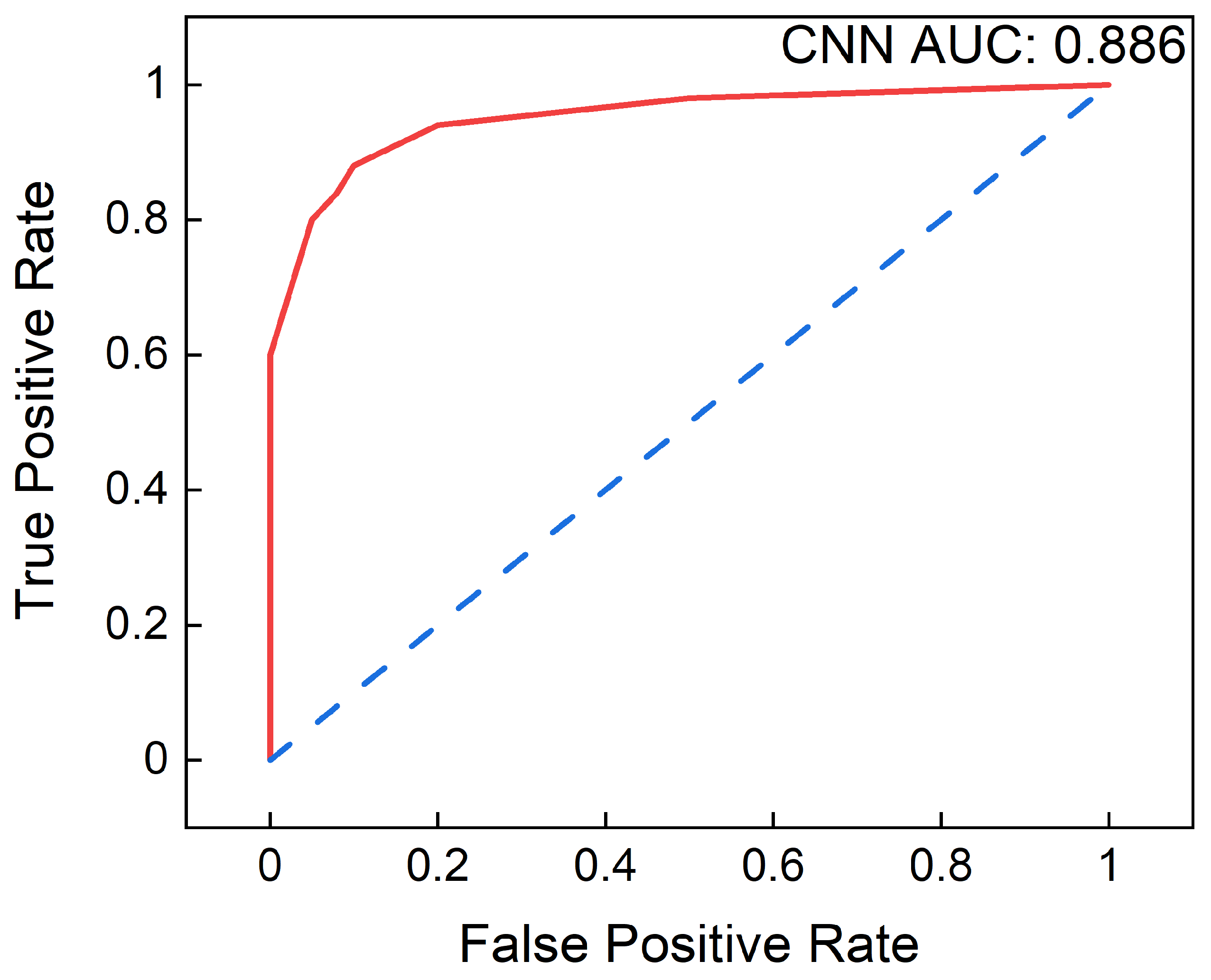
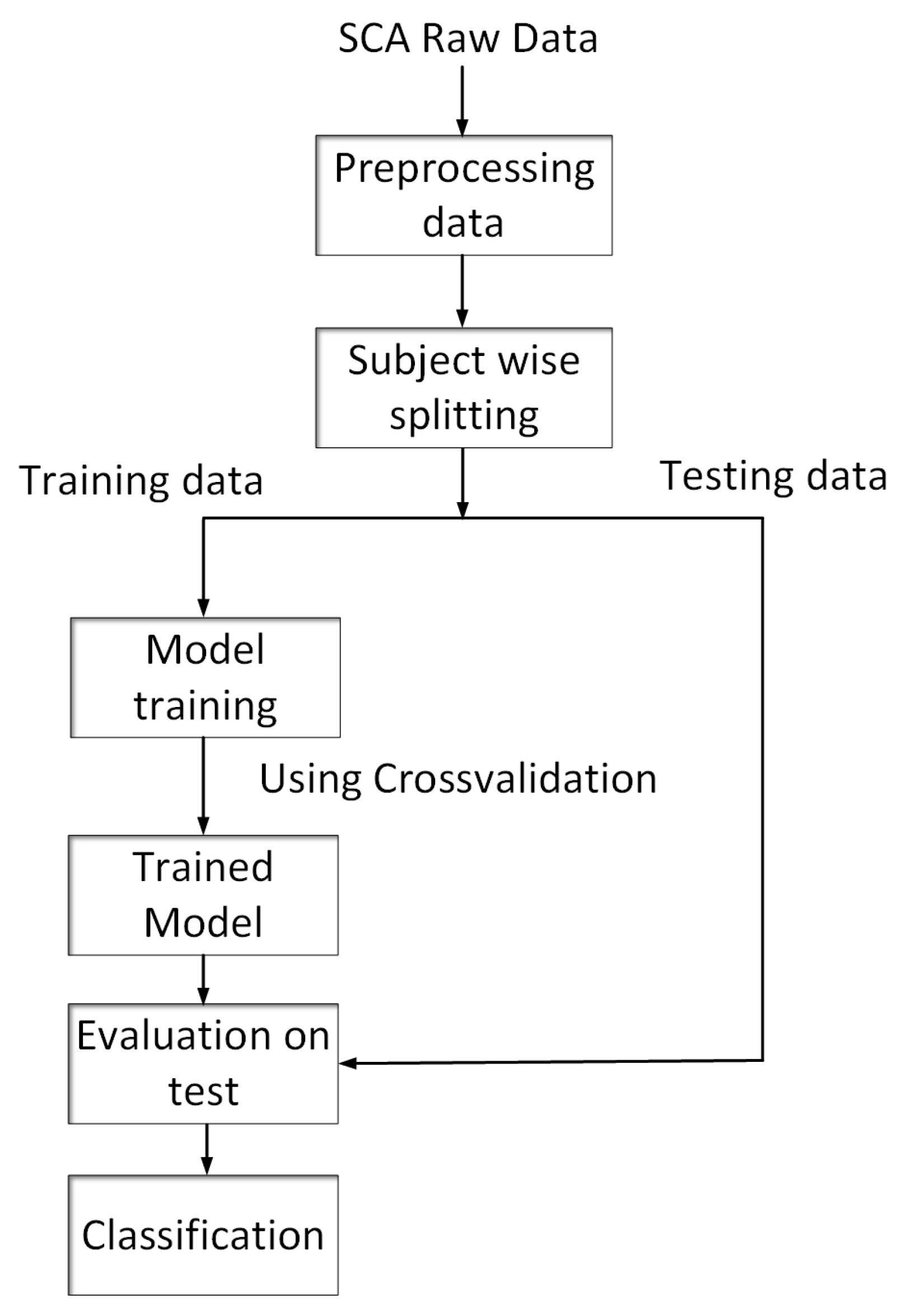
The survival rate for sudden cardiac arrest (SCA) is low, and patients with long-term risks of SCA are not adequately alerted. Understanding SCA’s characteristics will be key to developing preventive strategies. Many lives could be saved if SCA’s early onset could be detected or predicted. Monitoring heart signals continuously is essential for diagnosing sporadic cardiac dysfunction. An electrocardiogram (ECG) can be used to continuously monitor heart function without having to go to the hospital. A zeolite-based dry electrode can provide safe on-skin ECG acquisition while the subject is out-of-hospital and facilitate long-term monitoring. To the ECG signal, a low-power 1 μW read-out circuit was designed and implemented in our prior work. However, having long-term ECG monitoring outside the hospital, i.e., high battery life, and low power consumption while transmission and reception of ECG signal are crucial. This paper proposes a prototype with a 10-bit resolution ADC and nRF24L01 transceivers placed 5 m apart. The system uses the 2.4 GHz worldwide ISM frequency band with GFSK modulation to wirelessly transmit digitized ECG bits at 250 kbps data rate to a physician’s computer (or similar) for continuous monitoring of ECG signals; the power consumption is only 11.2 mW and 4.62 mW during transmission and reception, respectively, with a low bit error rate of ≤0.1%. Additionally, a subject-wise cross-validated, three-fold, optimized convolutional neural network (CNN) model using the Physionet-SCA dataset was implemented on NVIDIA Jetson to identify the irregular heartbeats yielding an accuracy of 89% with a run time of 5.31 s. Normal beat classification has an F1 score of 0.94 and a ROC score of 0.886. Thus, this paper integrates the ECG acquisition and processing unit with low-power wireless transmission and CNN model to detect irregular heartbeats.
Keywords: ECG; wearable; wireless; low-power; transceiver; CNN ECG; wearable; wireless; low-power; transceiver; CNN