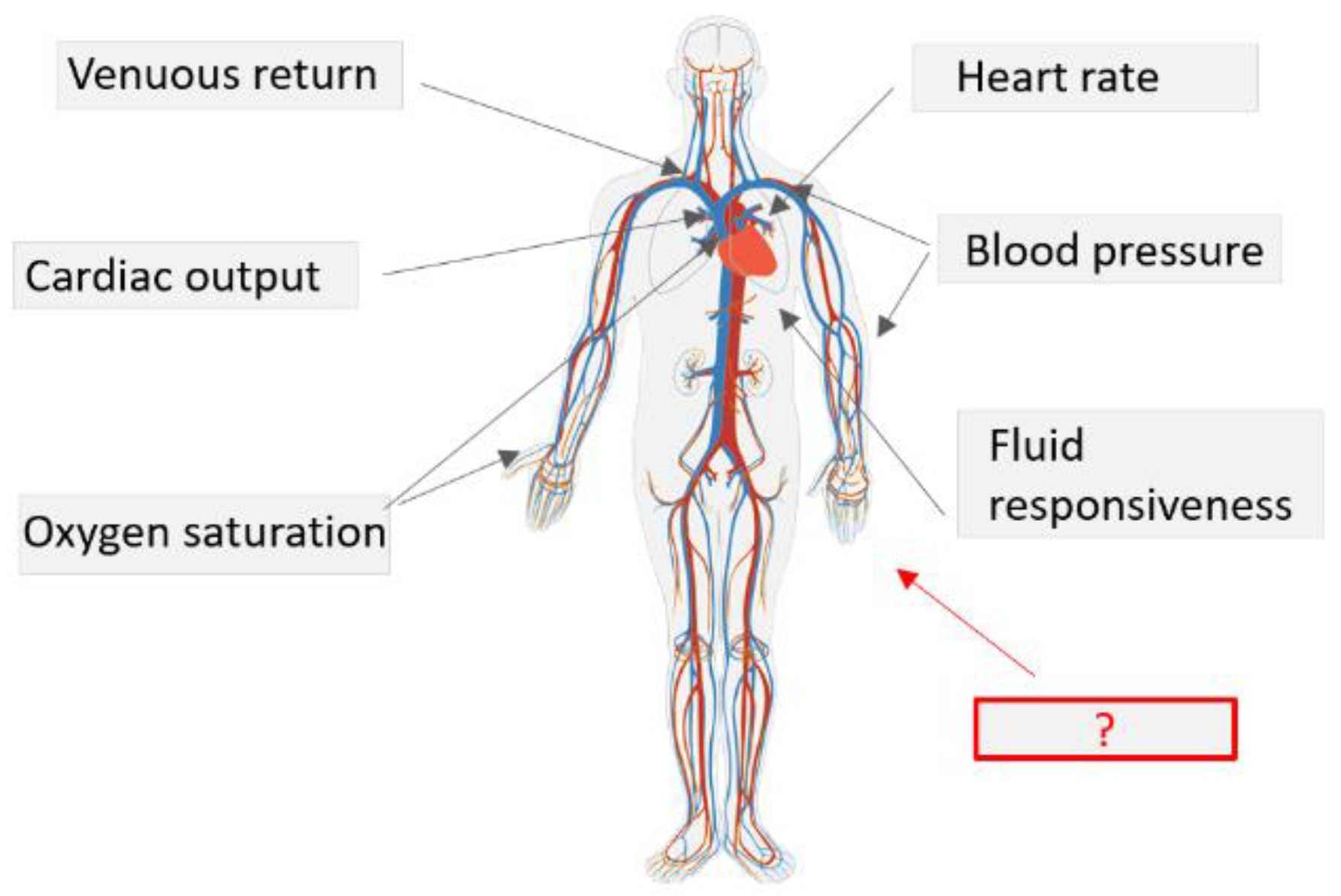
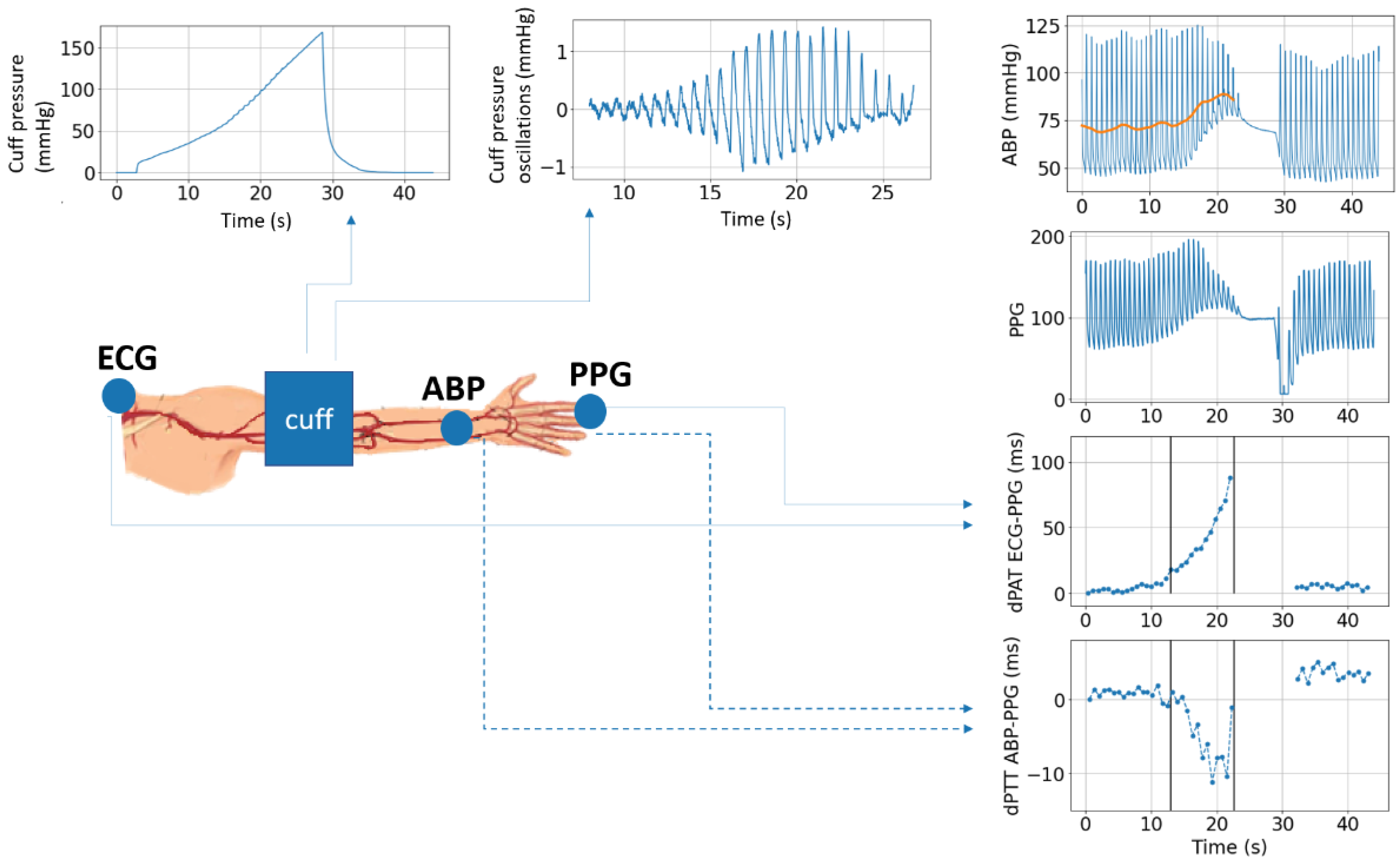
New Hemodynamic Parameters in Peri-Operative and Critical Care—Challenges in Translation

 ,
,  , , ,
, , , Abstract
Share and Cite
Bogatu, L.; Turco, S.; Mischi, M.; Schmitt, L.; Woerlee, P.; Bezemer, R.; Bouwman, A.R.; Korsten, E.H.H.M.; Muehlsteff, J. New Hemodynamic Parameters in Peri-Operative and Critical Care—Challenges in Translation. Sensors 2023, 23, 2226. https://doi.org/10.3390/s23042226
Bogatu L, Turco S, Mischi M, Schmitt L, Woerlee P, Bezemer R, Bouwman AR, Korsten EHHM, Muehlsteff J. New Hemodynamic Parameters in Peri-Operative and Critical Care—Challenges in Translation. Sensors. 2023; 23(4):2226. https://doi.org/10.3390/s23042226
Chicago/Turabian StyleBogatu, Laura, Simona Turco, Massimo Mischi, Lars Schmitt, Pierre Woerlee, Rick Bezemer, Arthur R. Bouwman, Erik H. H. M. Korsten, and Jens Muehlsteff. 2023. "New Hemodynamic Parameters in Peri-Operative and Critical Care—Challenges in Translation" Sensors 23, no. 4: 2226. https://doi.org/10.3390/s23042226
APA StyleBogatu, L., Turco, S., Mischi, M., Schmitt, L., Woerlee, P., Bezemer, R., Bouwman, A. R., Korsten, E. H. H. M., & Muehlsteff, J. (2023). New Hemodynamic Parameters in Peri-Operative and Critical Care—Challenges in Translation. Sensors, 23(4), 2226. https://doi.org/10.3390/s23042226