Article

Enhanced MIMO CSI Estimation Using ACCPM with Limited Feedback
1
Communication Engineering Department, University of Technology, Baghdad P.O. Box 19006, Iraq
2
Electrical and Computer Engineering Department, University of Louisville, Louisville, KY 40292, USA
3
School of Mechanical Medical and Process Engineering, Queensland University of Technology, Brisbane 4000, QLD, Australia
4
Centre for Data Science, Queensland University of Technology, Brisbane 4000, QLD, Australia
*
Author to whom correspondence should be addressed.
Sensors 2023, 23(18), 7965; https://doi.org/10.3390/s23187965
Submission received: 27 July 2023 / Revised: 31 August 2023 / Accepted: 7 September 2023 / Published: 19 September 2023
(This article belongs to the Special Issue MIMO Technologies in Sensors and Wireless Communication Applications)

Abstract

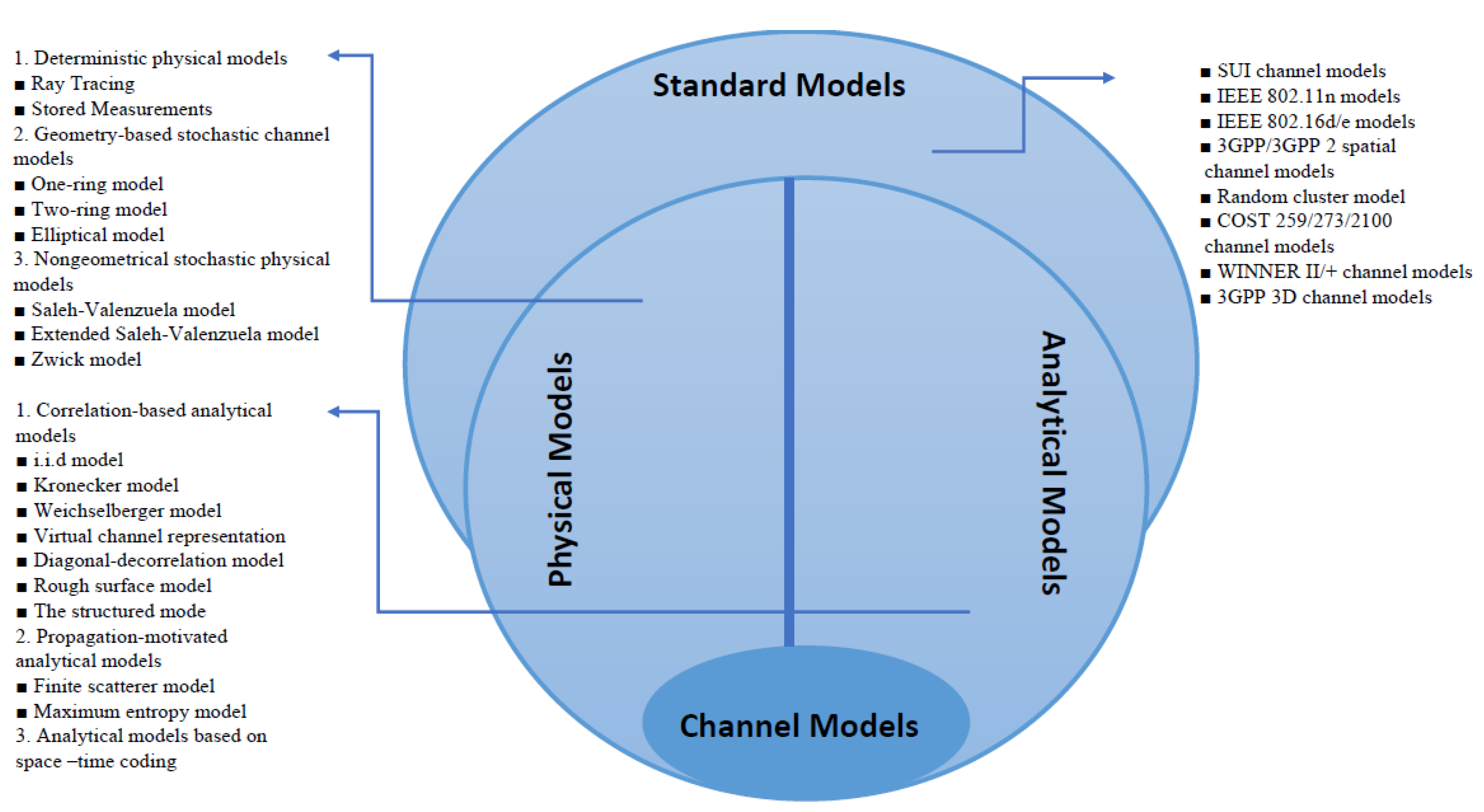
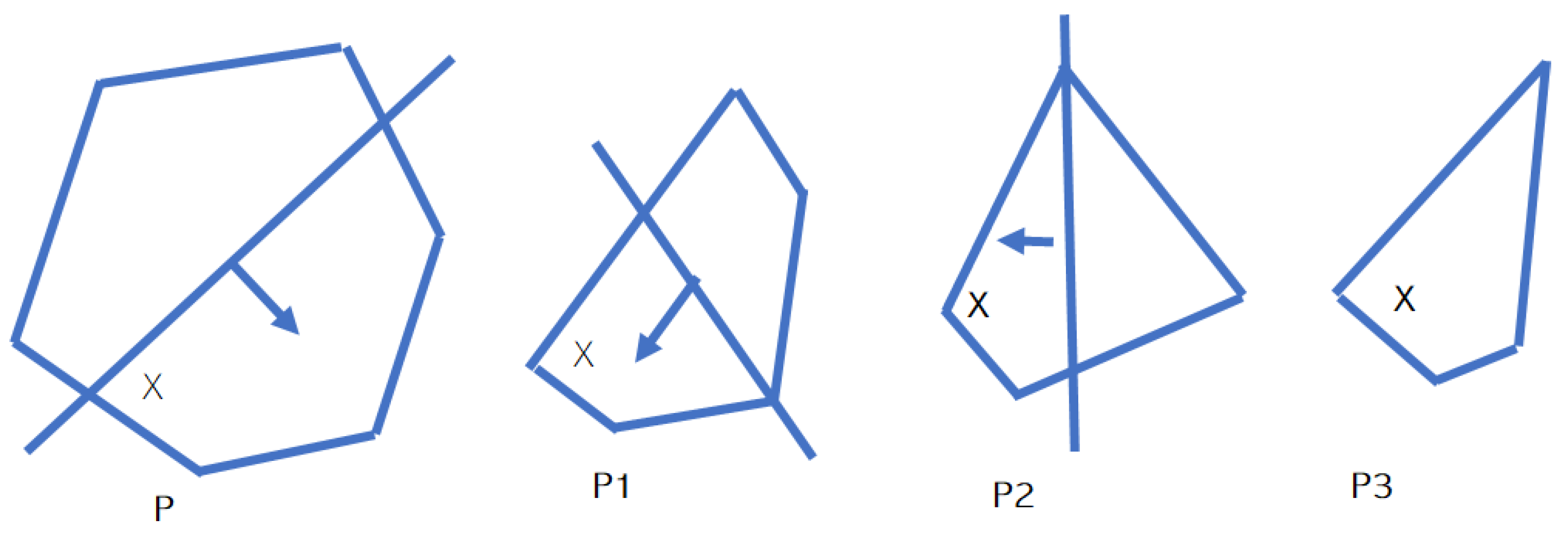
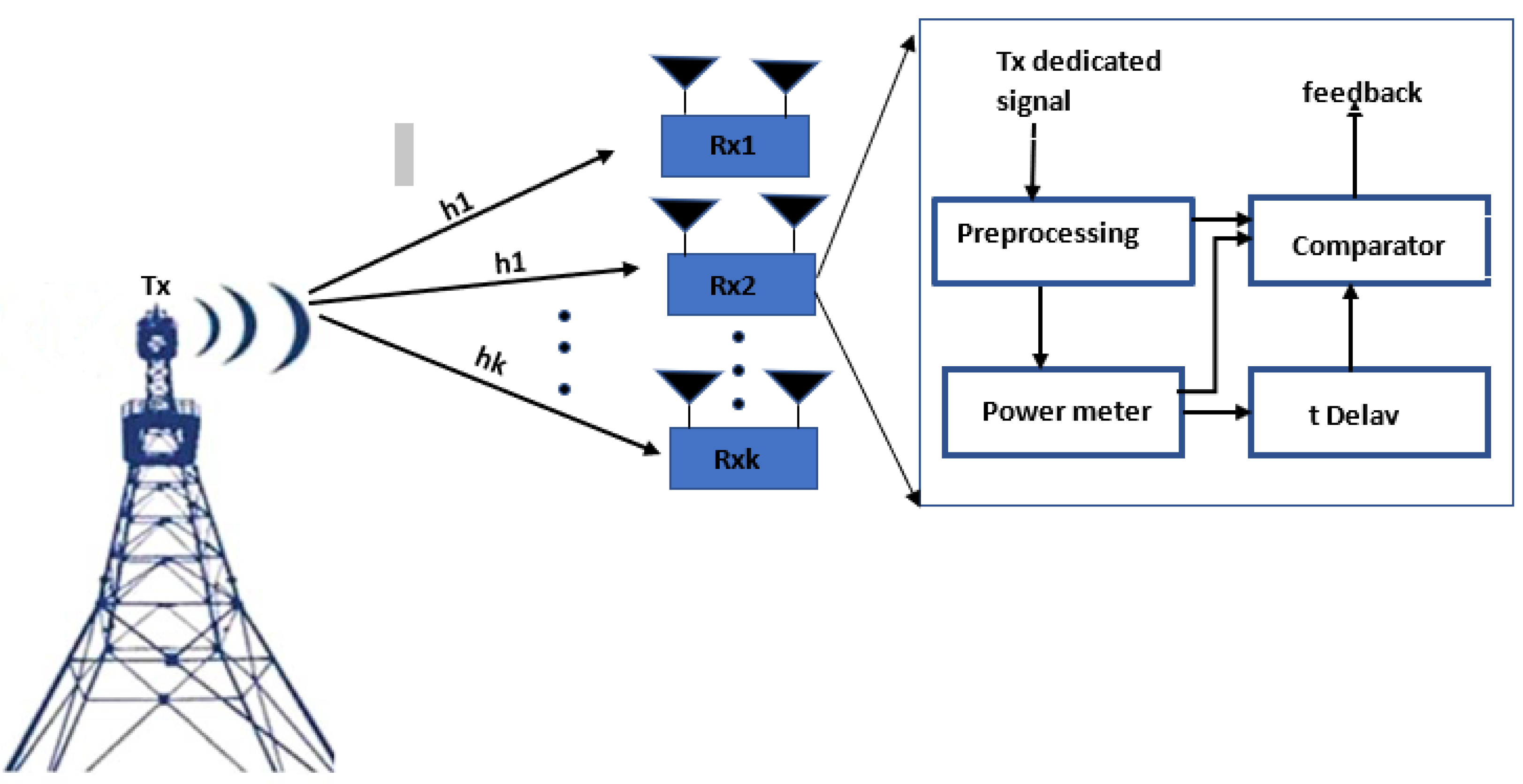
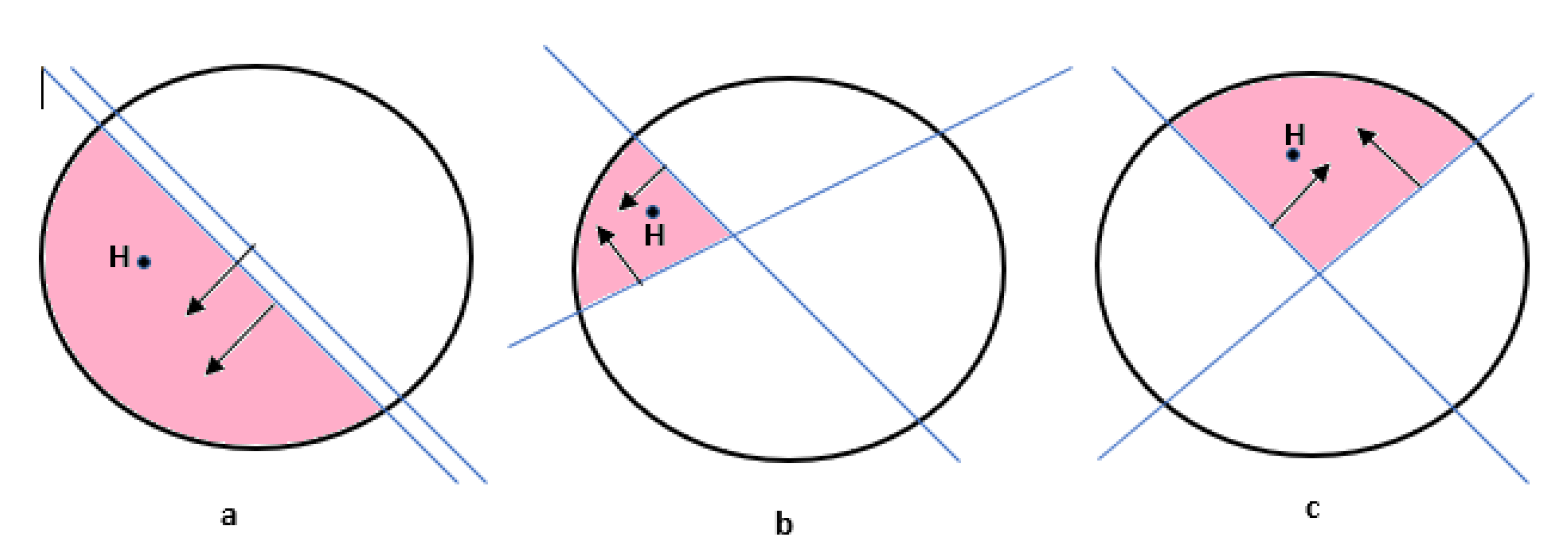
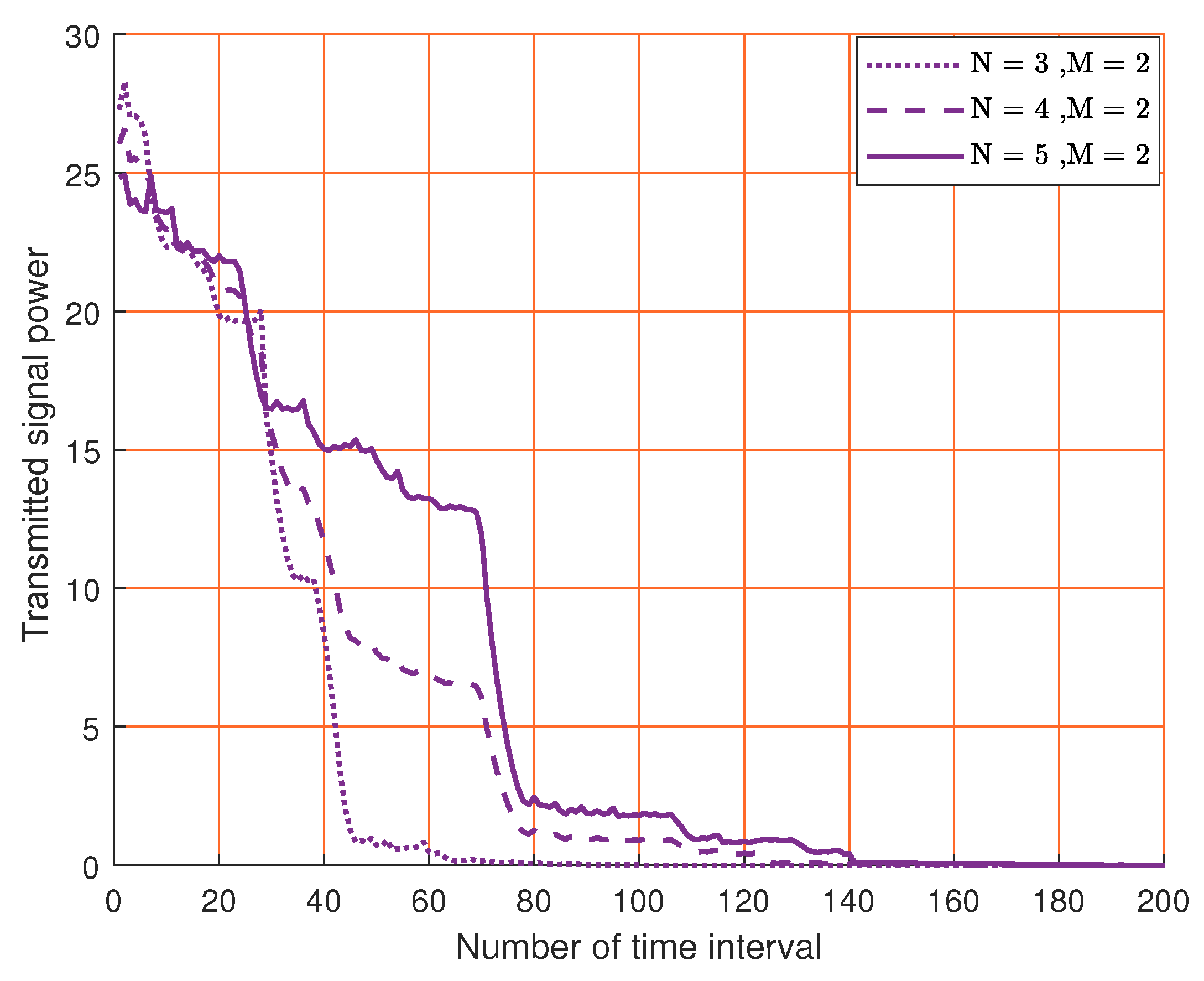
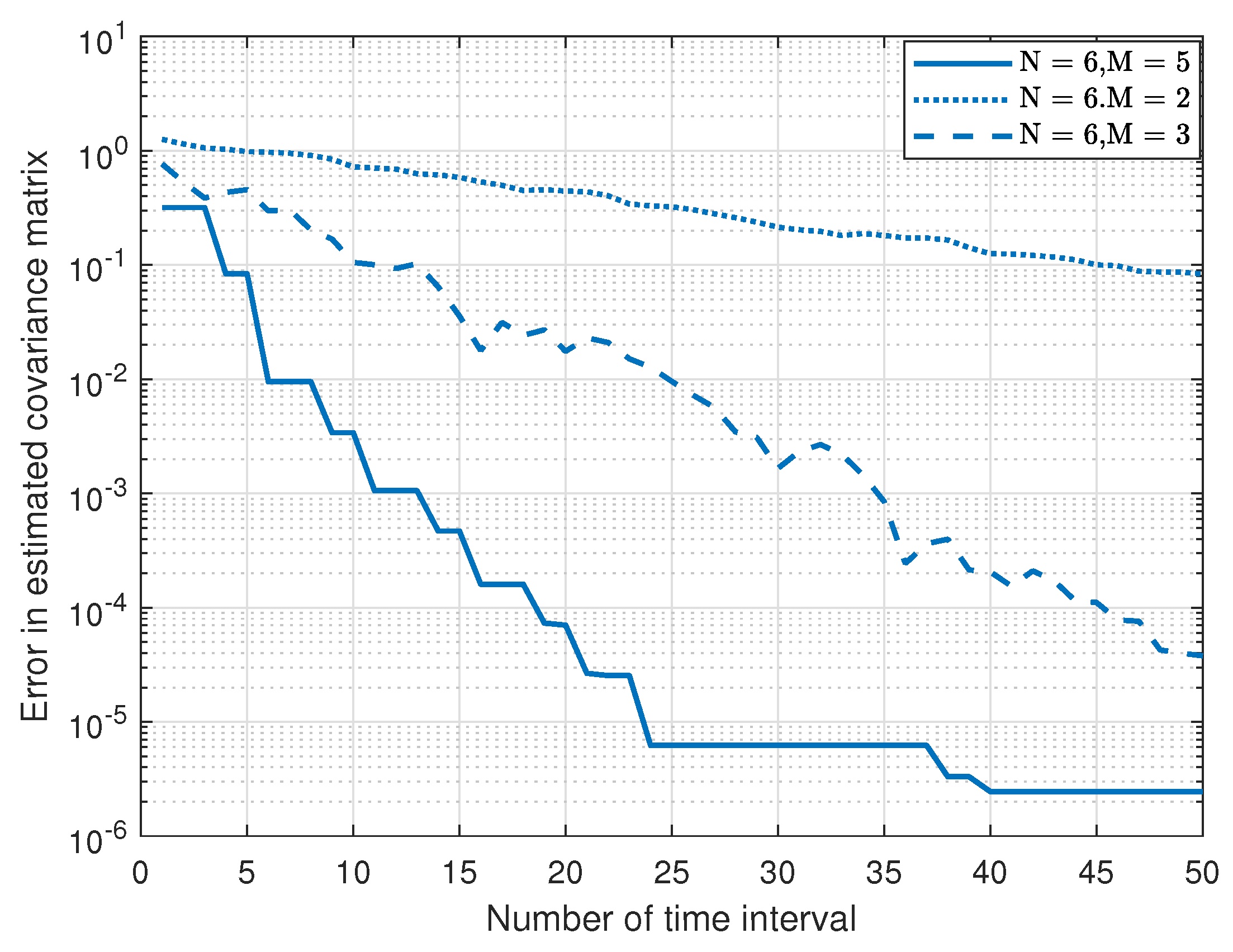
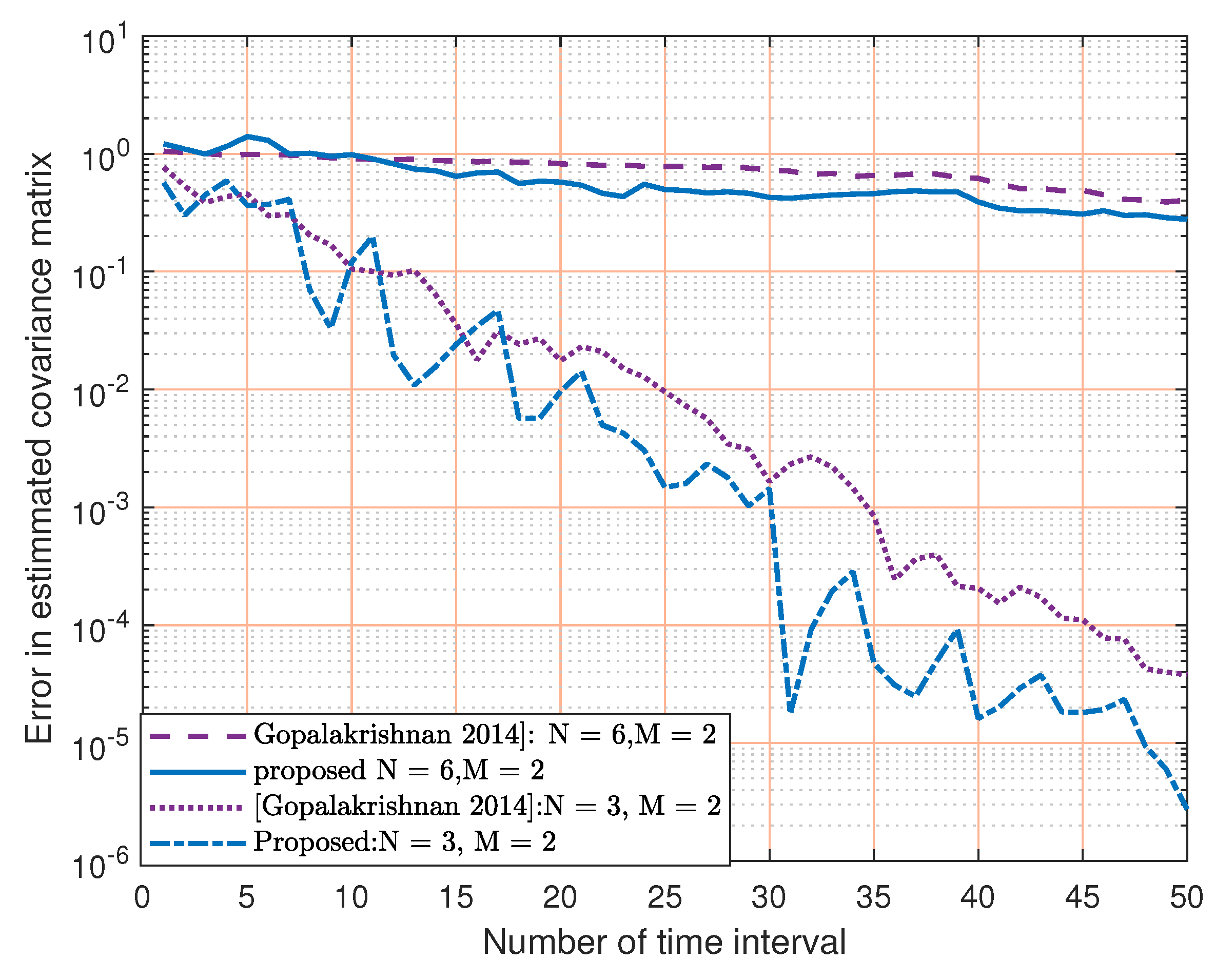
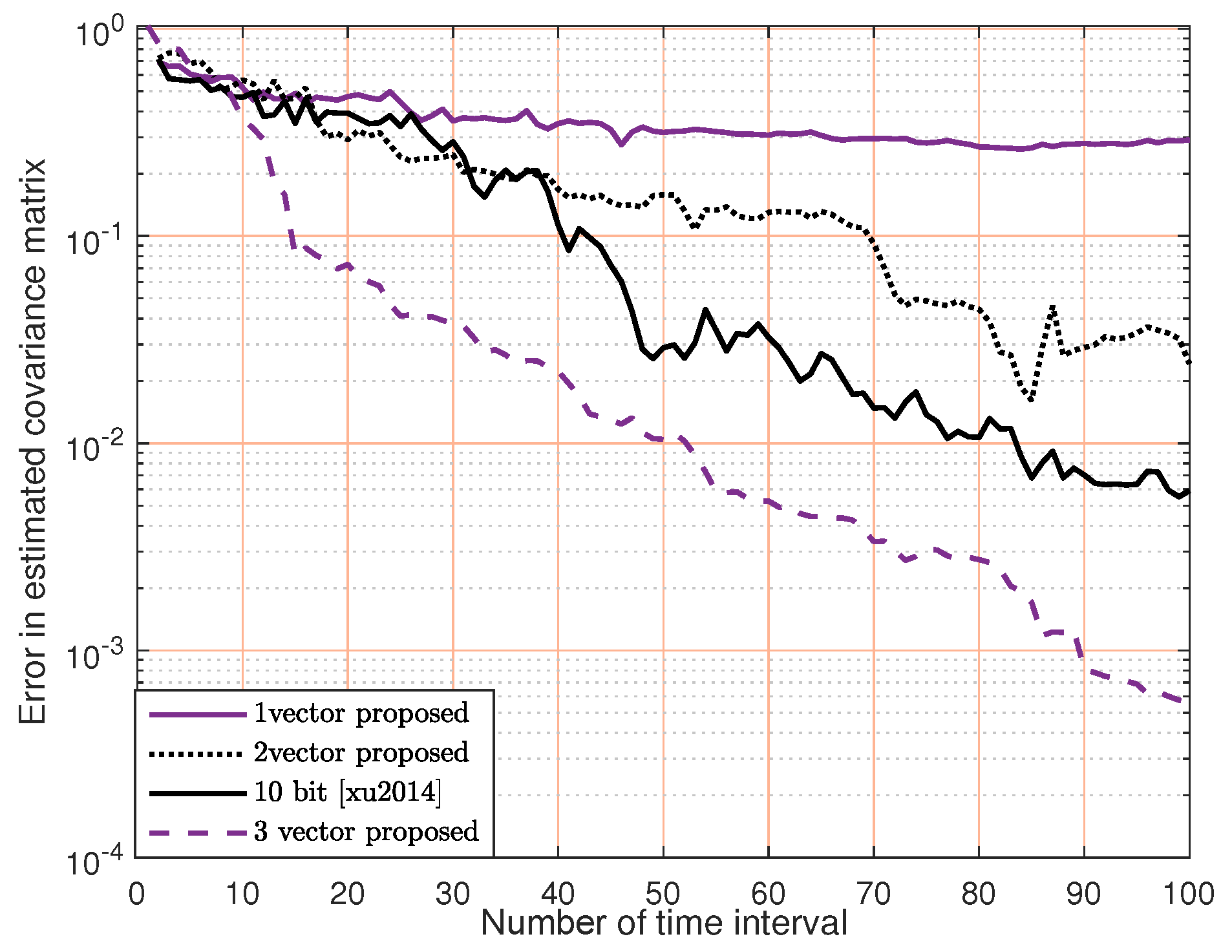
Multiple Input and Multiple Output (MIMO) is a promising technology to enable spatial multiplexing and improve throughput in wireless communication networks. To obtain the full benefits of MIMO systems, the Channel State Information (CSI) should be acquired correctly at the transmitter side for optimal beamforming design. The analytical centre-cutting plane method (ACCPM) has shown to be an appealing way to obtain the CSI at the transmitter side. This paper adopts ACCPM to learn down-link CSI in both single-user and multi-user scenarios. In particular, during the learning phase, it uses the null space beamforming vector of the estimated CSI to reduce the power usage, which approaches zero when the learned CSI approaches the optimal solution. Simulation results show our proposed method converges and outperforms previous studies. The effectiveness of the proposed method was corroborated by applying it to the scattering channel and winner II channel models.
Keywords: MIMO; CSI; beamforming; ACCPM; downlink; channel model; Gram–Schmidt process MIMO; CSI; beamforming; ACCPM; downlink; channel model; Gram–Schmidt process