Article

A Novel Diagnosis Scheme against Collusive False Data Injection Attack

1
Department of School of Big Data & Software Engineering, Chongqing University, Chongqing 400044, China
2
College of Information Technology, Deakin University, Melbourne, VIC 3125, Australia
*
Author to whom correspondence should be addressed.
Sensors 2023, 23(13), 5943; https://doi.org/10.3390/s23135943
Submission received: 16 May 2023 / Revised: 21 June 2023 / Accepted: 25 June 2023 / Published: 26 June 2023
(This article belongs to the Section Fault Diagnosis & Sensors)

Abstract

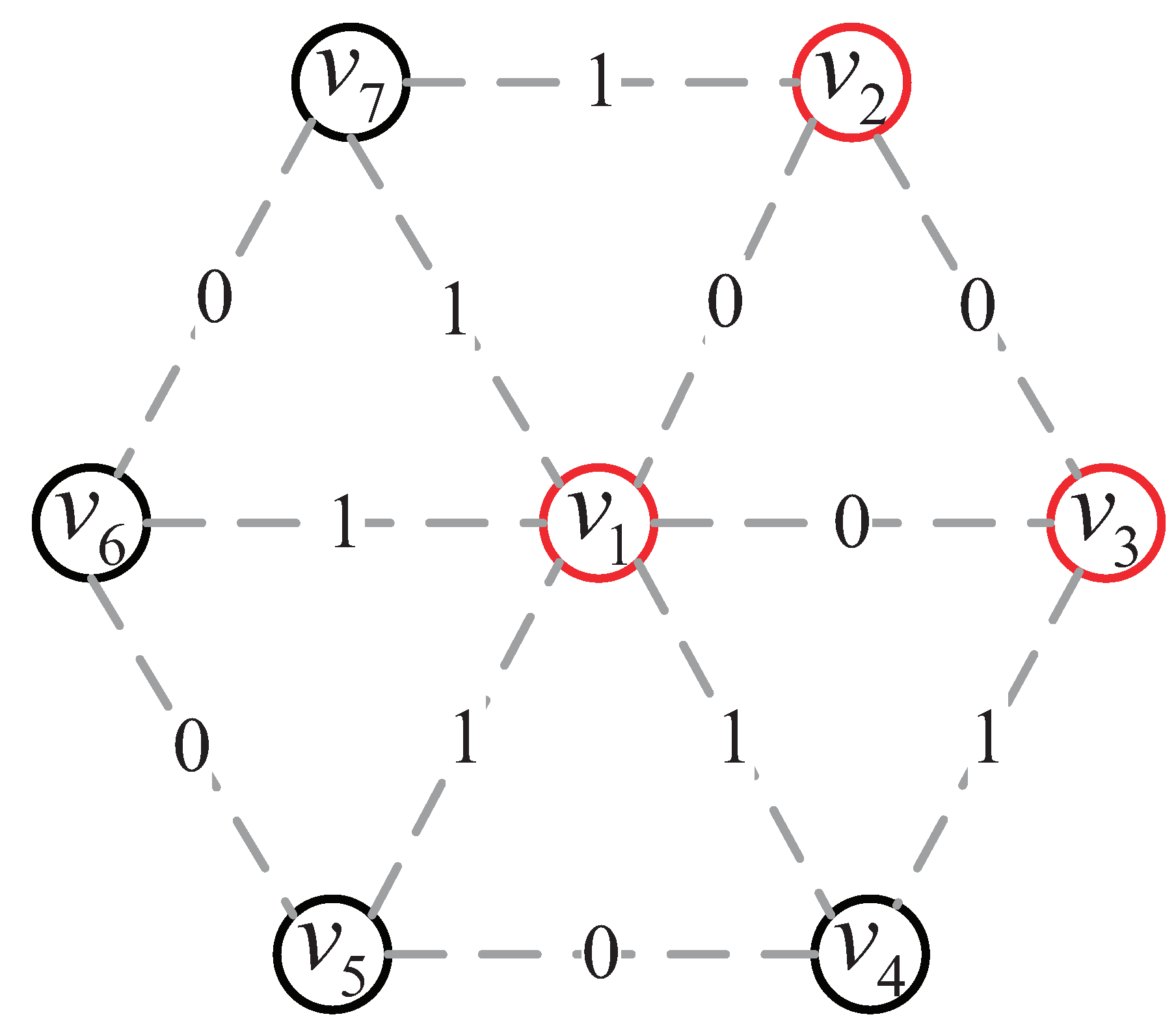
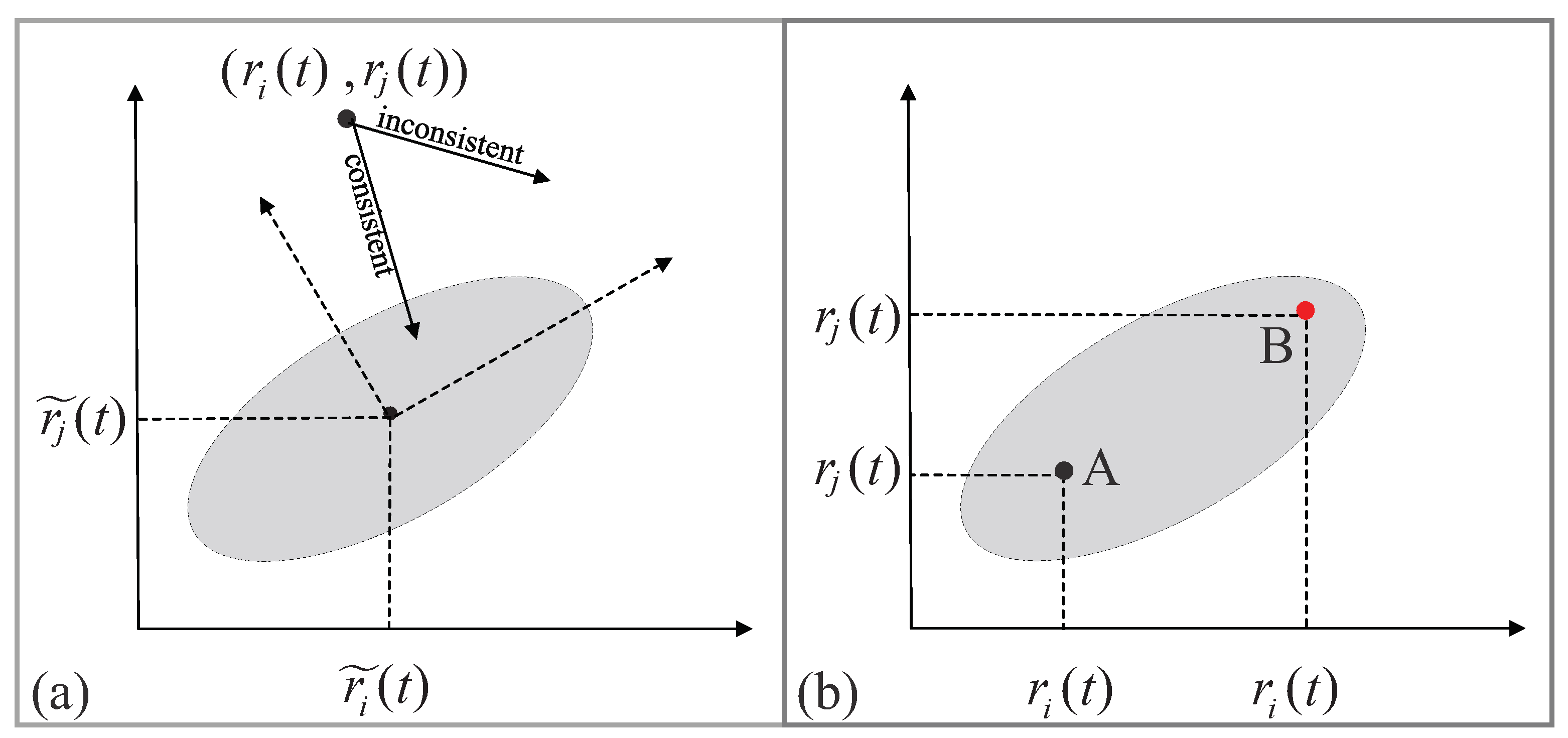
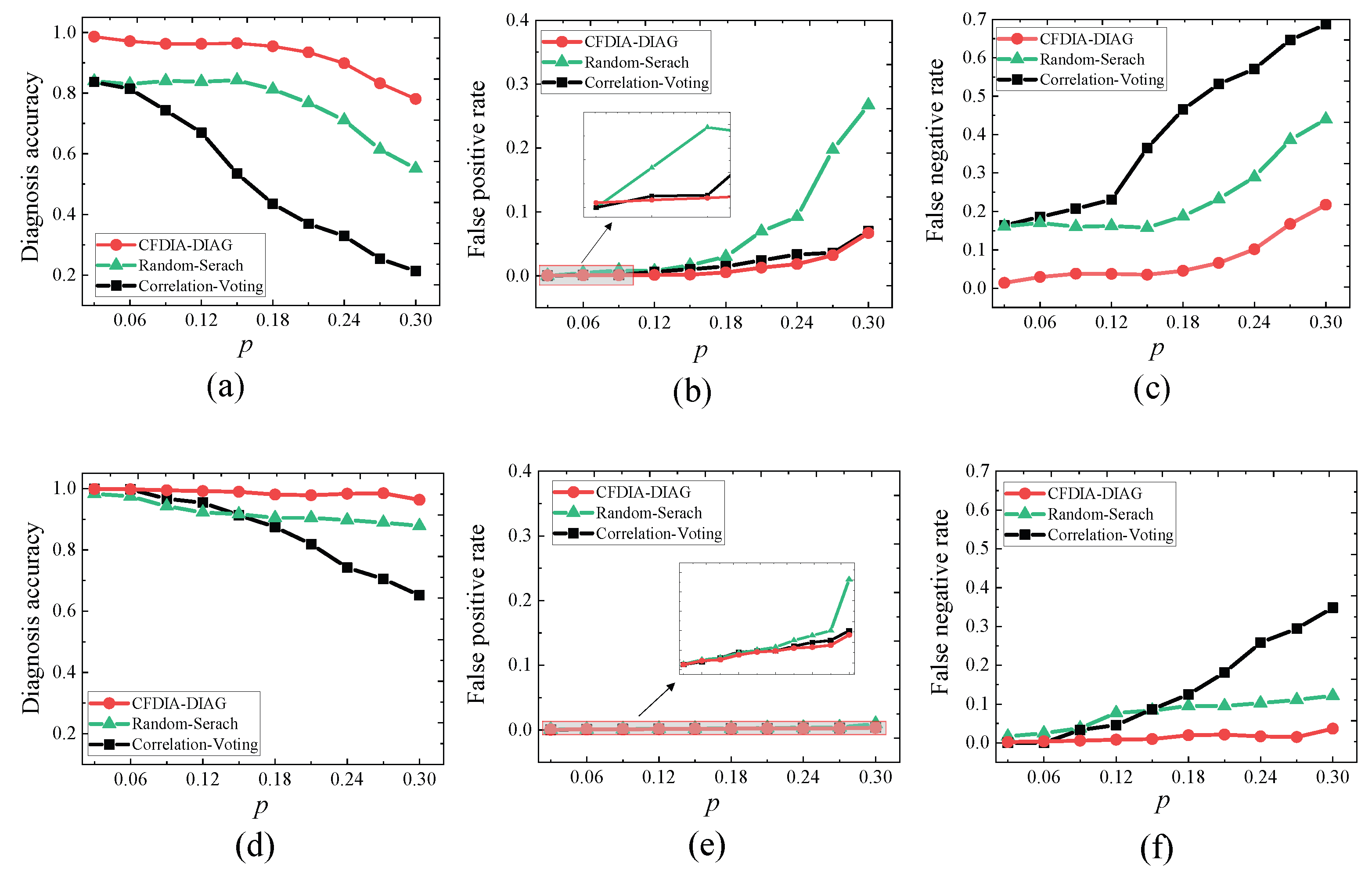
The collusive false data injection attack (CFDIA) is a false data injection attack (FIDA), in which false data are injected in a coordinated manner into some adjacent pairs of captured nodes of an attacked wireless sensor network (WSN). As a result, the defense of WSN against a CFDIA is much more difficult than defense against ordinary FDIA. This paper is devoted to identifying the compromised sensors of a well-behaved WSN under a CFDIA. By establishing a model for predicting the reading of a sensor and employing the principal component analysis (PCA) technique, we establish a criterion for judging whether an adjacent pair of sensors are consistent in terms of their readings. Inspired by the system-level fault diagnosis, we introduce a set of watchdogs into a WSN as comparators between adjacent pairs of sensors of the WSN, and we propose an algorithm for diagnosing the WSN based on the collection of the consistency outcomes. Simulation results show that the proposed diagnosis scheme achieves a higher probability of correct diagnosis.
Keywords: wireless sensor network; collusive false data injection attack; diagnosis scheme; watchdog; autoregressive moving average model; principal component analysis; diagnosis algorithm wireless sensor network; collusive false data injection attack; diagnosis scheme; watchdog; autoregressive moving average model; principal component analysis; diagnosis algorithm